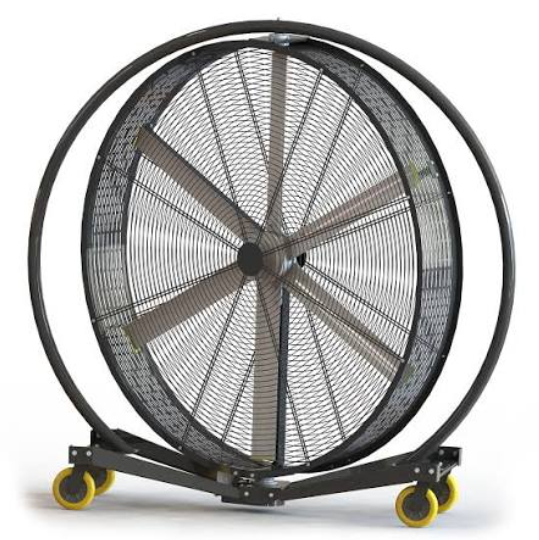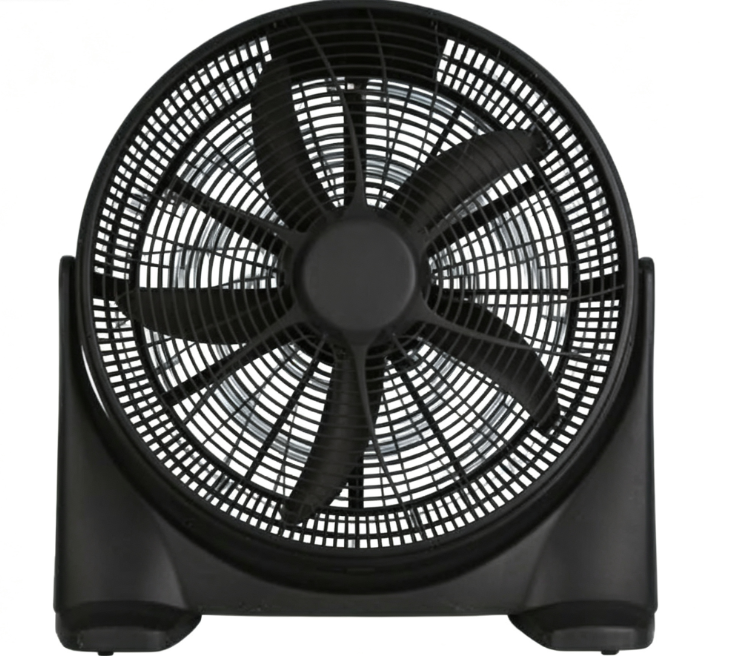
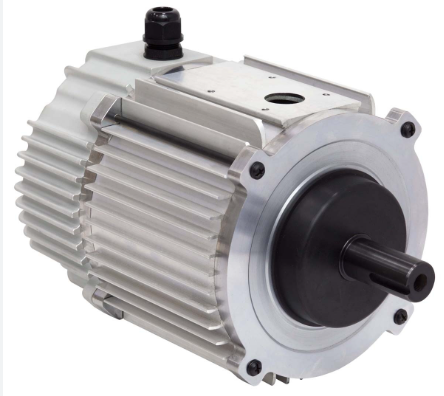
industrial fan motor
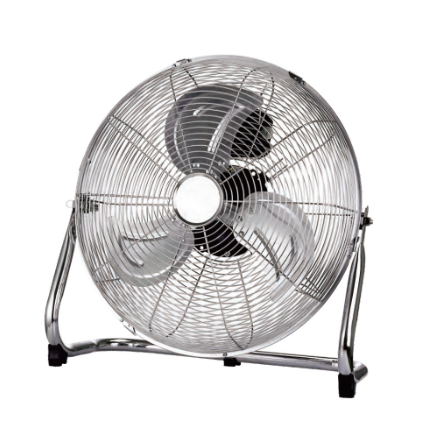
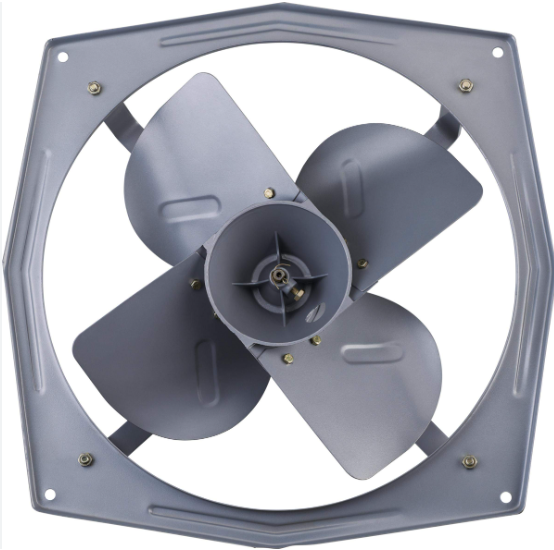
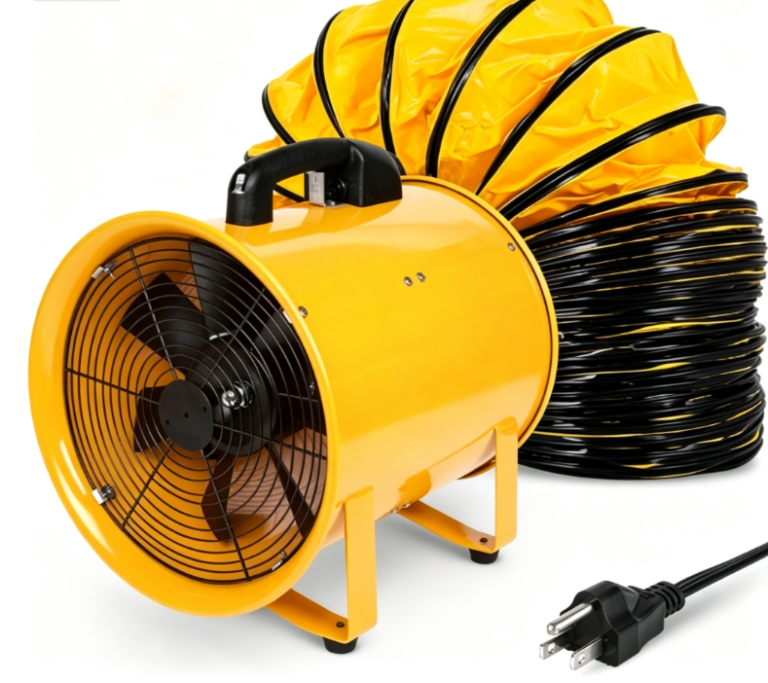
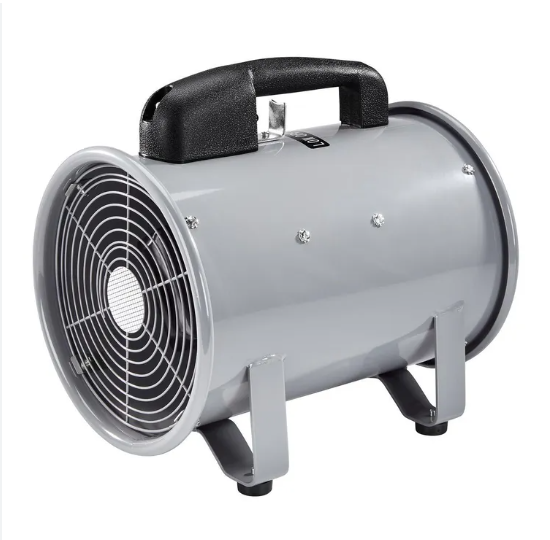
Industrial Fan for Sale
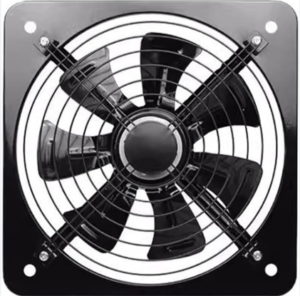
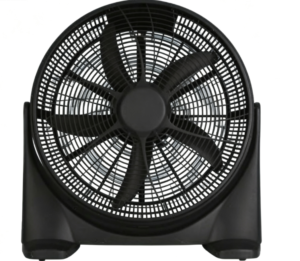
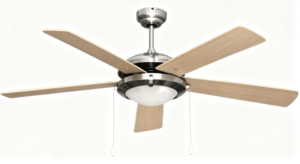
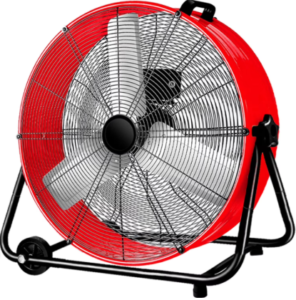
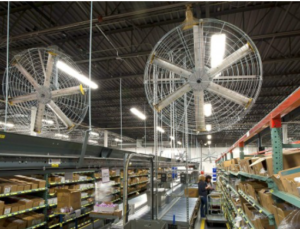
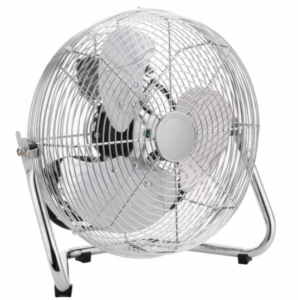
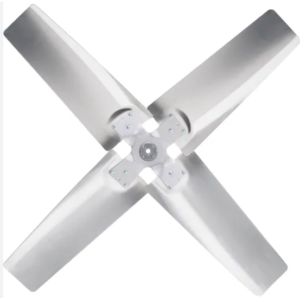


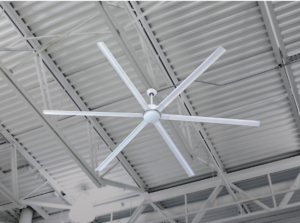
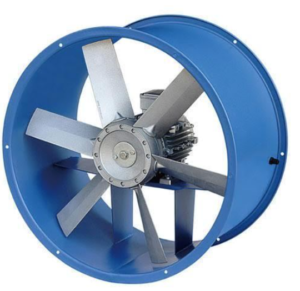
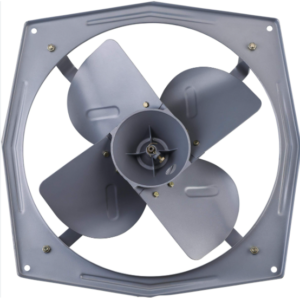
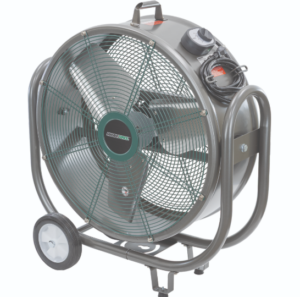
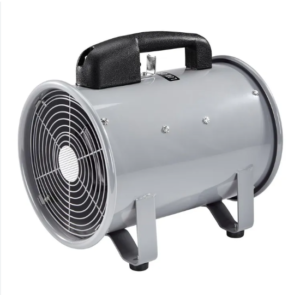
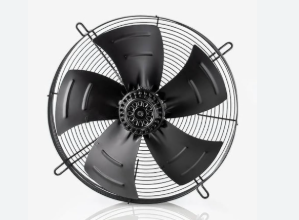
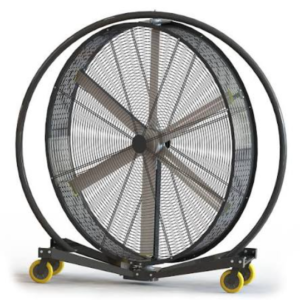
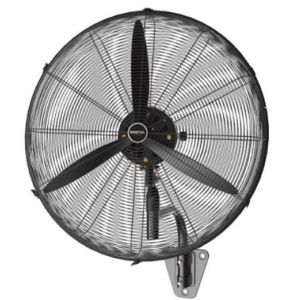
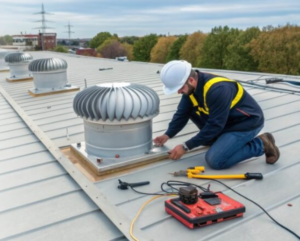
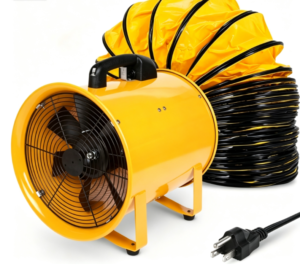
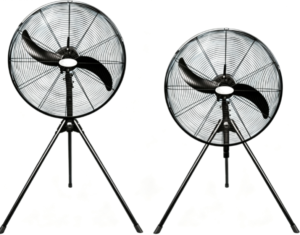
industrial fan motor
The industrial fan motor serves as the core power component of all industrial ventilation equipment, directly governing the overall air volume, energy consumption, service life and operational stability of industrial fans, and it stands as one of the most critical evaluation indicators during industrial fan selection and procurement. Unlike auxiliary fan parts that only undertake supporting and fixing functions, the motor is the fundamental power source that drives blade rotation and air circulation. Every technical type, performance parameter and structural design of the motor will completely change the fan’s operating state and scene adaptability. Whether for small mobile industrial fans used for local cooling or large HVLS ceiling fans for full-space ventilation, the long-term operating quality and comprehensive cost performance of the equipment ultimately depend on the motor configuration. Therefore, an in-depth understanding of industrial fan motors is essential for enterprises to select safe, efficient and durable industrial ventilation equipment.
What are the mainstream motor types for modern industrial fans and their respective application advantages?
Permanent magnet synchronous motors are the mainstream and most advanced configuration for current large industrial fans, adopting a direct-drive gearbox-free structure to eliminate mechanical friction loss and achieve ultra-high energy efficiency. Different from traditional motors that rely on gear deceleration and mechanical transmission, permanent magnet synchronous motors use direct-drive technology, which removes intermediate transmission components such as reduction boxes. This integrated transmission structure avoids mechanical friction, gear wear and oil leakage problems caused by traditional deceleration structures during long-term operation. With an operational energy efficiency of over 90%, this motor type delivers extremely high power conversion efficiency, and its actual energy-saving effect is 70% to 80% higher than that of conventional asynchronous motors, making it the preferred core configuration for new-generation energy-saving large industrial HVLS fans.
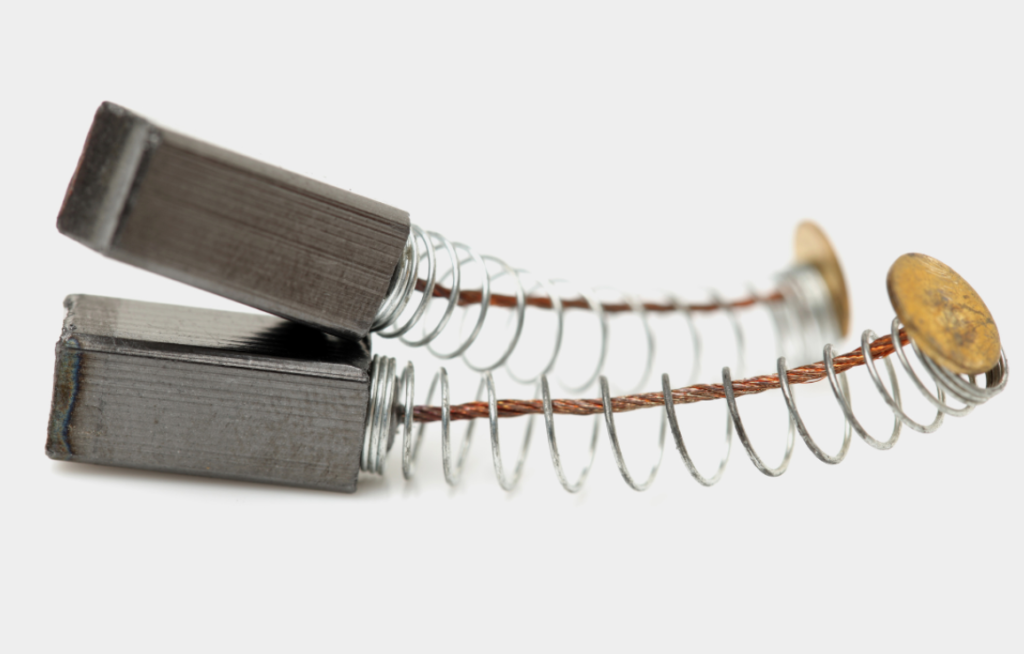
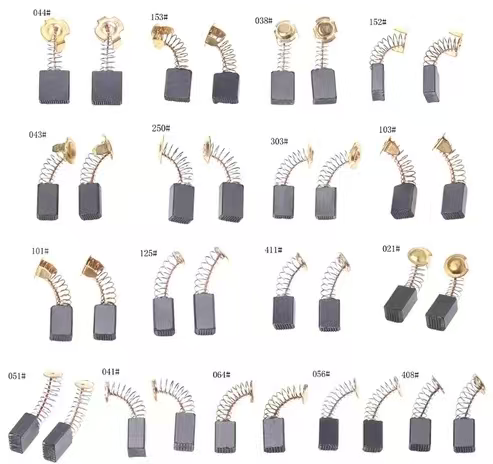
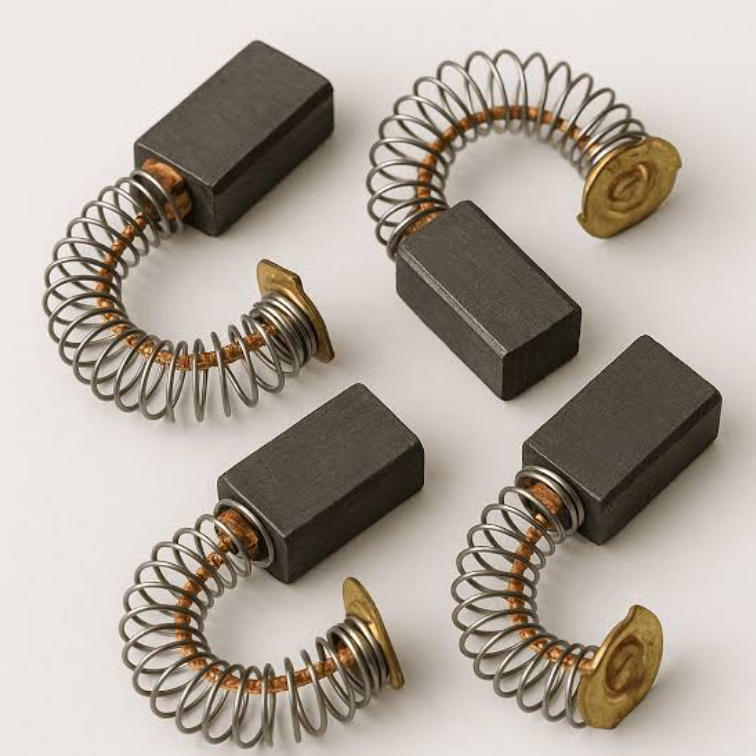
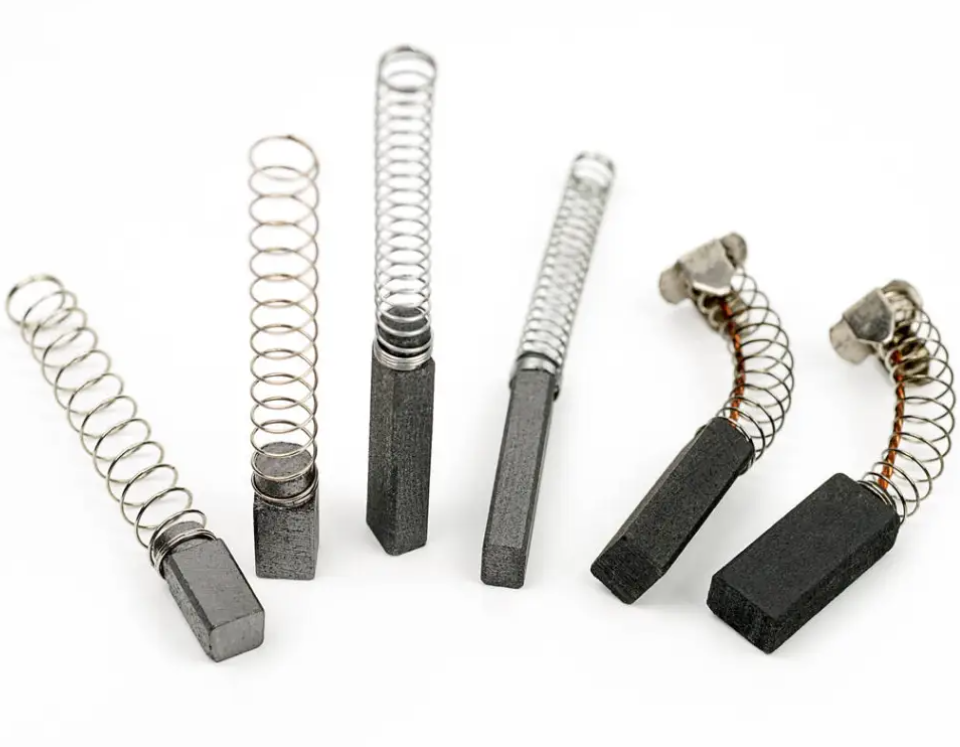
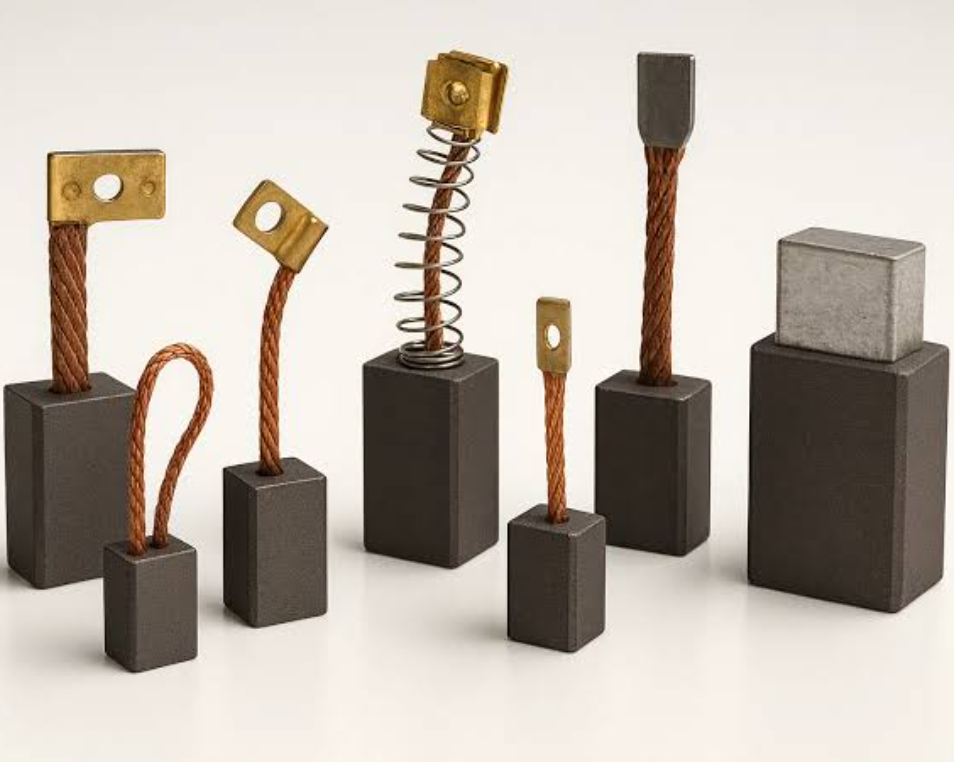
Brushless DC motors, represented by the classic DC35 series, replace traditional mechanical carbon brush commutation with electronic commutation technology, featuring extremely low friction loss and ultra-long service life for medium and small industrial fan applications. Traditional brushed motors rely on physical contact between carbon brushes and commutators to complete current conversion, which inevitably causes friction wear, heat accumulation and performance attenuation. Brushless DC motors abandon the carbon brush structure entirely and use intelligent electronic components to achieve precise current switching. This innovative structure reduces mechanical friction loss by 60% compared with ordinary motors and extends the overall service life by more than three times. Due to their compact size, stable operation and low noise characteristics, brushless DC motors are widely installed on various medium and small-sized movable industrial fans and wall-mounted ventilation equipment.
AC asynchronous motors are traditional and mature power configurations for industrial fans, with stable basic performance and low manufacturing costs, suitable for low-budget conventional ventilation scenarios. After years of technical iteration and market verification, AC asynchronous motors have formed a complete and standardized production system with simple structural principles and extremely high operational stability for basic ventilation demands. The raw material and processing costs of this motor type are far lower than those of permanent magnet and brushless DC motors, which can effectively control the overall procurement cost of industrial fans. However, restricted by traditional electromagnetic principles, AC asynchronous motors have relatively low energy conversion efficiency, accompanied by obvious operating noise and continuous heat generation during high-load operation. For ordinary factory workshops and warehouses with low ventilation frequency and no all-day continuous operation requirements, its cost advantage still makes it a cost-effective conventional choice.
Reduction motors are early supporting power components for large industrial fans, gradually phased out by modern direct-drive motors due to complex structures, high failure rates and high maintenance costs. Traditional large industrial fans rely on reduction motors and matching gearboxes to reduce high motor speed to the low speed required for large blade operation. This combination structure contains a large number of gears, bearings and lubrication components, leading to complex overall assembly and large mechanical loss during operation. Long-term continuous operation is prone to gear wear, lubricating oil deterioration and oil leakage failures, requiring regular oil replacement, gear inspection and component maintenance. The frequent maintenance work and high later-stage operating costs make reduction motors unable to adapt to modern industrial low-consumption and low-maintenance operation demands, and they have been basically replaced by high-efficiency and maintenance-free permanent magnet direct-drive motors.
What core performance parameters define the operating quality of industrial fan motors?
The power range of industrial fan motors is precisely classified according to fan specifications and ventilation demands, covering low-power configurations for small equipment and high-power configurations for large HVLS fans to meet differentiated air volume requirements. Conventional small industrial fans such as wall-mounted fans and movable floor fans only need low power support, with a matching motor power of 25 to 40 watts. This low-power design can fully meet the local air circulation and cooling demands of small stations, while avoiding unnecessary energy waste. In contrast, super-large HVLS industrial ceiling fans with oversized blades require higher power drive, with a matched motor power of 1.1 to 1.5 kilowatts. This power configuration balances high-load blade drive and energy-saving operation, ensuring that large-diameter blades can operate stably and output uniform large air volume, forming a complete power gradient matching system for small, medium and large industrial fans.
Industrial fan motors adopt differentiated speed designs for different equipment types, forming a reasonable speed range that balances efficient ventilation and low-noise operation. The motor speed of conventional medium and small industrial fans is maintained at 800 to 1500 revolutions per minute, and the medium and high speed can quickly form effective airflow, meeting the rapid heat dissipation and exhaust demands of small and medium spaces. Large HVLS industrial fans completely abandon the high-speed operation mode of traditional fans, with a motor speed limited to only 60 to 300 revolutions per minute. This low-speed design is formulated according to aerodynamic principles; low-speed rotation drives large-area blades to push massive air volume, avoiding turbulent noise and air loss caused by high-speed operation. It perfectly realizes the comprehensive advantages of large coverage air supply, gentle airflow and ultra-low operating noise.
High-quality industrial fan motors achieve precise noise control through structural optimization and precision assembly, maintaining low operating noise that does not interfere with on-site industrial operations. Ordinary inferior motors produce harsh mechanical friction noise and electromagnetic noise during operation due to poor assembly precision and unreasonable structural design. Standard industrial-grade motors adopt precision bearing matching, integrated winding technology and shock-absorbing structural design, which effectively suppresses friction vibration and electromagnetic noise. The operating noise of qualified industrial fan motors is stably controlled between 28 and 45 decibels, which is equivalent to the volume of a soft conversation. This quiet operating state will not interfere with staff operation, equipment debugging and production communication in the workshop, fully adapting to long-term on-site industrial operation scenarios.
Industrial fan motors have hierarchical protection levels adapted to different industrial environments, with mainstream IP54 grade for conventional scenarios and upgraded IP65 high protection grade for special harsh working conditions. Most conventional factory workshops, ordinary warehouses and commercial industrial scenarios have dry and clean environments with no corrosive gas or serious dust accumulation, and motors with IP54 protection grade can effectively resist daily dust intrusion and water splash erosion, meeting daily stable operation demands. For special industrial scenarios such as chemical anti-corrosion environments, mining dusty environments and high-humidity wet workshops, IP65 high-protection dedicated motors are required. This high-level protection structure can resist dense dust accumulation, high-pressure water flushing and corrosive medium erosion, ensuring that the motor will not fail or be damaged in harsh environments and improving the environmental adaptability of industrial fans.
What core selection guidelines should be followed when choosing a qualified industrial fan motor?
Matching motor protection performance and functional type with actual on-site working conditions is the primary selection principle to eliminate potential safety hazards in special industrial scenarios. Different industrial environments have completely different damage factors and safety requirements for fan motors. Production workshops with dense floating dust, long-term humid processing sites, and chemical and petroleum scenarios with flammable and explosive gases have extremely high requirements for motor safety and protection. In these special scenarios, ordinary standard motors are prone to dust blockage, moisture short circuit and electric spark risks, which may trigger safety accidents. It is necessary to select supporting explosion-proof, anti-corrosion and high-protection dedicated motors according to on-site environmental characteristics to ensure that the motor can operate safely and stably in harsh working conditions and avoid equipment failure and safety risks caused by mismatched configurations.
Prioritizing energy-efficient motor models is the key to reducing long-term operating costs for industrial fans that run continuously for 24 hours a day all year round. Many industrial warehouses, large workshops and public ventilation scenarios require non-stop fan operation throughout the day and night. Although traditional AC asynchronous motors and ordinary reduction motors have low upfront procurement costs, their low energy efficiency will generate massive cumulative power consumption after long-term continuous operation. Permanent magnet synchronous motors and brushless DC motors with high energy efficiency have a slightly higher initial purchase premium, but their excellent power-saving performance can greatly reduce daily electricity expenditure. In actual long-term operation, the saved electricity costs can quickly offset the initial price difference, bringing continuous cost-saving benefits for enterprises.
Checking complete intelligent safety protection configurations is an important guarantee to extend the service life of industrial fan motors and avoid burnout failures. Long-term high-load operation of industrial fan motors is prone to internal heat accumulation, and excessive temperature rise will damage coil insulation, resulting in motor burnout and permanent failure. High-quality industrial-grade motors are equipped with built-in intelligent temperature control systems. When the motor continuously operates and generates excessive internal heat, the intelligent system will automatically adjust the operating speed or trigger power-off protection to reduce the motor load and cool down the temperature. This active protection mechanism effectively avoids equipment damage caused by overloaded overheating, greatly reduces the motor failure rate, and significantly extends the overall service life of the fan power system.
Ensuring precise matching between motor power and fan blade load is essential to avoid long-term overload operation and premature aging of the motor. The motor power of industrial fans has a fixed matching relationship with fan blade diameter, blade weight and overall operating load. Blindly matching low-power motors with large-diameter heavy blades will form a “small horse pulling a large cart” operating state. The motor will be in long-term overload operation, generating continuous excessive heat, accelerating coil aging and bearing wear, and eventually leading to sharp performance attenuation and shortened service life. Therefore, during selection, it is necessary to scientifically match the motor power according to the actual blade size and overall load of the fan to ensure that the motor operates within a reasonable load range and maintain long-term stable performance.
Summary
In summary, the industrial fan motor is the core power component that determines the overall performance, energy consumption and service life of industrial fans, serving as the key core consideration in industrial ventilation equipment selection. The industry has formed a diversified motor system including high-efficiency permanent magnet synchronous motors, durable brushless DC motors, cost-effective AC asynchronous motors and phased-out reduction motors, adapting to different equipment grades and scenario demands. The core performance parameters such as power range, operating speed, noise level and protection grade clearly define the applicable scenarios and operating quality of each motor type. Meanwhile, scientific selection based on actual working condition matching, long-term energy-saving demand, safety protection configuration and load matching can effectively ensure the safe, stable and low-consumption operation of industrial fans. Reasonable motor configuration is the fundamental guarantee for high-efficiency and long-term stable operation of modern industrial ventilation equipment.
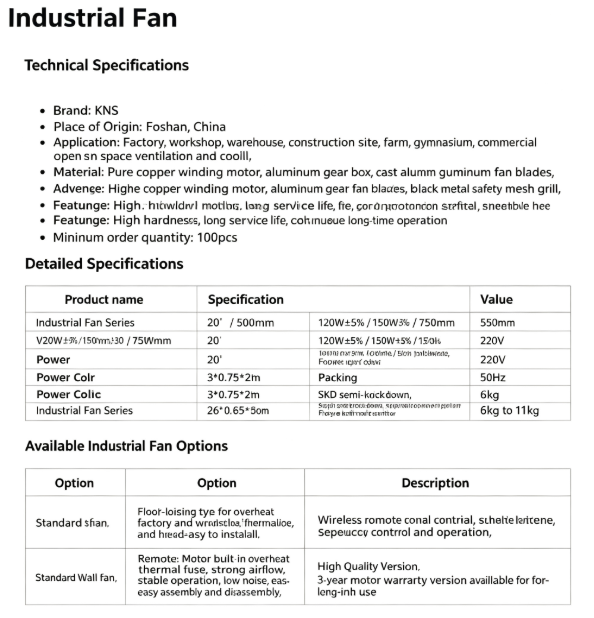


Key Features & Advantages
1. Diversified Motor Types for Full-Scenario Adaptation
Modern industrial fan motors cover four mainstream types with differentiated positioning and advantages. High-efficiency permanent magnet synchronous direct-drive motors are the first choice for large HVLS fans with ultra-high energy-saving performance. Long-life brushless DC motors are widely used in medium and small industrial equipment with low wear and quiet operation. Cost-effective AC asynchronous motors meet low-budget conventional ventilation demands with mature and stable technology. Traditional reduction motors are gradually eliminated due to structural defects and high maintenance costs. The hierarchical motor system realizes precise matching from basic ventilation to high-end energy-saving ventilation scenarios.
2. Standardized and Graded Core Performance Parameters
Industrial fan motors adopt standardized parameter design in power, speed, noise and protection level. The power gradient accurately matches small and large fan specifications, the differentiated speed design balances ventilation efficiency and mute effect, the precision noise control ensures no interference with industrial production, and the hierarchical protection level adapts to conventional and harsh special environments. The standardized parameter system makes the performance difference of different motors clear and intuitive, providing an objective basis for scientific equipment selection.
3. Scientific Selection Logic for Safety and Cost Optimization
Industrial fan motor selection follows rigorous practical rules, focusing on scenario condition matching, long-term energy-saving benefits, safety protection performance and load adaptation. Targeted selection of explosion-proof, anti-corrosion and high-protection motors eliminates on-site safety hazards. Preference for energy-efficient motors reduces long-term operating electricity costs. Intelligent temperature control protection avoids motor burnout failures. Accurate power and load matching prevent overload aging damage, realizing dual optimization of equipment safety and comprehensive life-cycle cost.
4. Decisive Core Value for Fan Overall Performance
As the core power source of industrial fans, the motor directly determines the equipment’s air output efficiency, energy consumption level, operating noise and service life. High-quality motor configuration can achieve high air volume output with low power consumption, maintain long-term mute and stable operation, and greatly reduce later maintenance and replacement costs. Excellent motor performance is the core foundation for industrial fans to adapt to long-term high-intensity industrial operation, bringing stable ventilation effects and long-term cost-saving value for industrial production and storage scenarios.ommercial operation and laboratory scientific research scenarios.
Packing, Delivery & Shipping
If you meet our minimum order quantity requirement, customized retail packaging is available for your industrial fans. We can produce premium hanging display color boxes matched with outer export cartons. You can choose to adopt standard factory packaging, or apply your own OEM brand totally.
Customizable items include printed brand logos, product adhesive stickers, personalized color box artwork and outer carton layouts. If you need exclusive customized packaging design, please provide your complete PDF design files for production arrangement.
If your order volume fails to reach the customized packaging MOQ, we will adopt standard neutral brown cartons for bulk SKD semi-knock-down shipment. Meanwhile, you can still attach your self-designed brand stickers on the outer packages to mark your own brand.
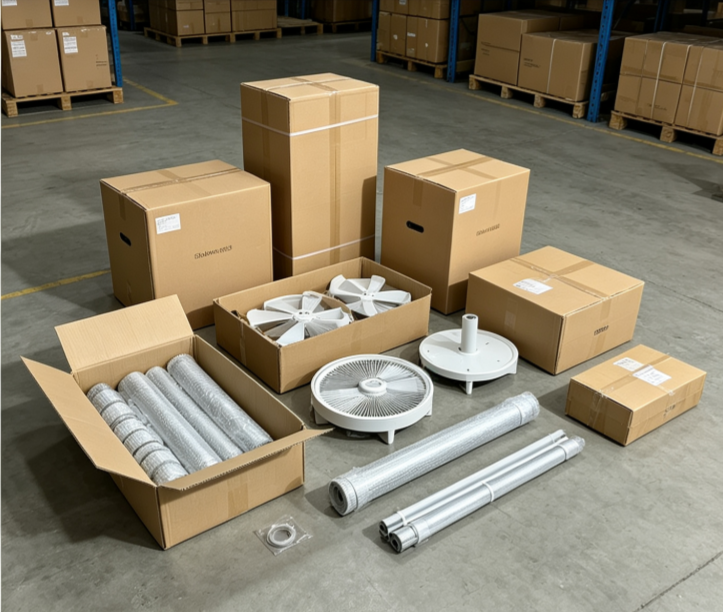
Packaging Details Adapted for Industrial Fan Series
Packaging Content: Each component of industrial fan is packed separately to avoid scratch and deformation during transit, including motor, mesh grill, fan blades, support pole, base and mounting fittings.
Inner Package: Each spare part is wrapped with protective plastic film to prevent surface abrasion.
Outer Package: Five-layer kraft corrugated export carton, shockproof and compression-resistant for long-distance sea and land transportation.
All fans are shipped in SKD semi-knock-down condition to save container loading space.
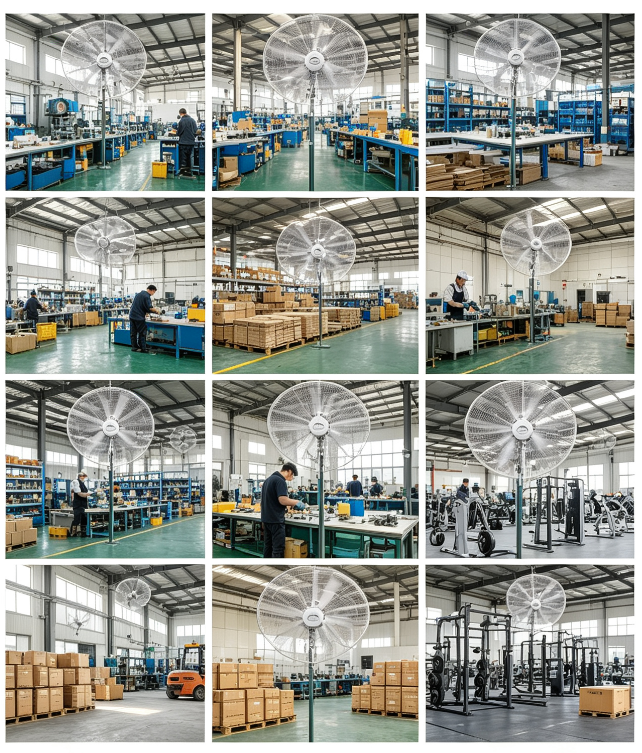
Wide Application Scenarios
Our industrial fans feature strong air output and reliable continuous operation, suitable for ventilation and cooling work across diverse commercial and industrial environments.
They are essential air circulation equipment for manufacturing workshops, warehouses, construction sites, livestock farms, supermarkets, logistics centers and large open workspaces. Widely adopted for heat dissipation, air exchange, humidity reduction and dust dispersion. Available in stand and wall-mounted types to meet different space layout demands. Equipped with copper wire motors, the fans support stable long-hour running for daily industrial ventilation.
These fans deliver steady powerful airflow and guarantee stable operation under continuous working conditions. Compatible for fixed wall installation or movable floor standing arrangement, flexible to match various site requirements.
For industrial and commercial scenarios, they are commonly used in factory workshop cooling, warehouse air circulation, market ventilation, farm dehumidification, gymnasium air exchange, station and large public space heat dissipation projects.
Well-structured industrial fans effectively accelerate indoor air convection, lower ambient temperature and improve stuffy working conditions. They help create a comfortable working environment for staff, reduce local high temperature and avoid air stagnation. Whether for fixed wall mounting along production lines, movable stand fans in temporary construction zones, or long-term continuous ventilation in storage areas, these heavy-duty industrial fans maintain stable airflow performance and outstanding durability for daily long-time operation.
Industrial fan for Sale:
Blender Blade
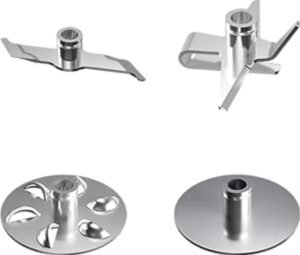
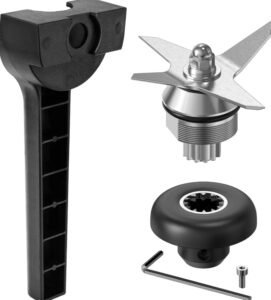
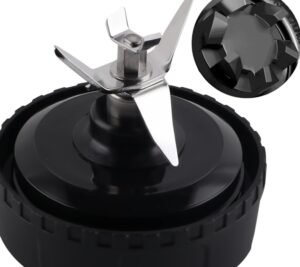
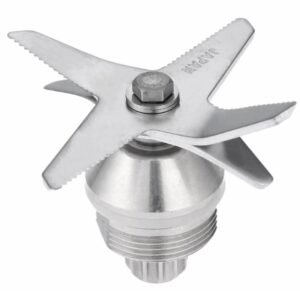
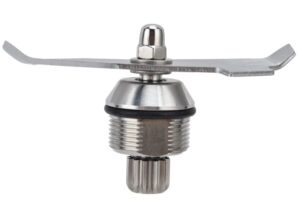
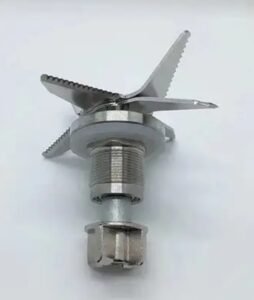
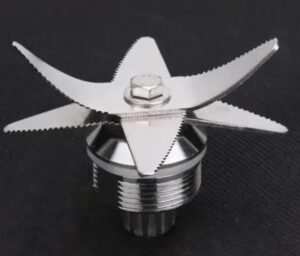
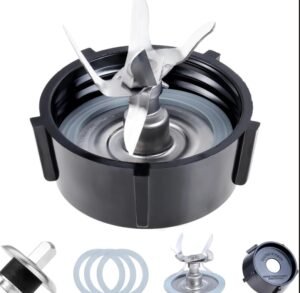
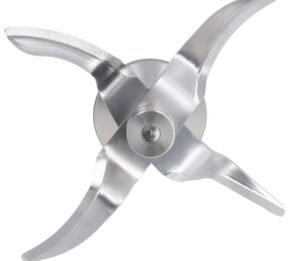
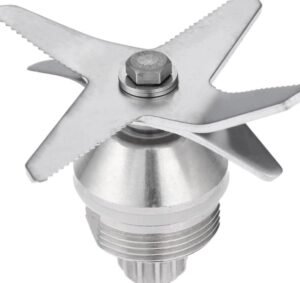
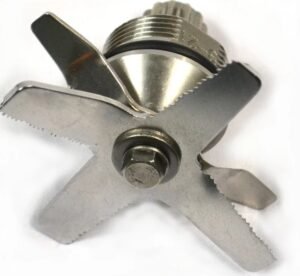
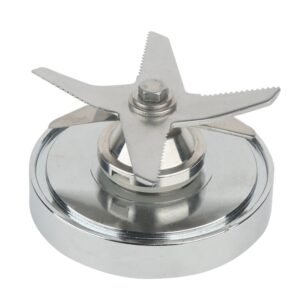
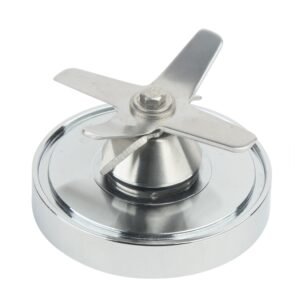
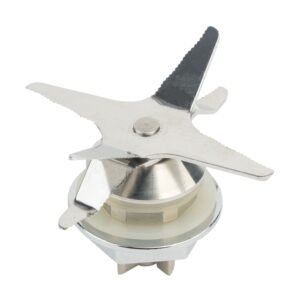
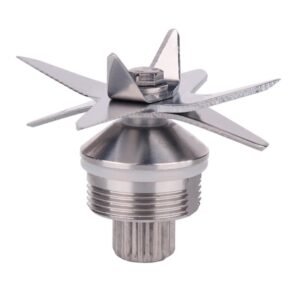
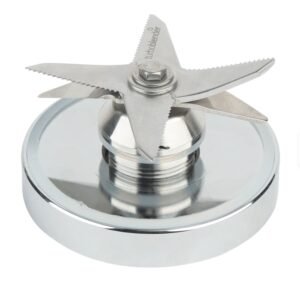
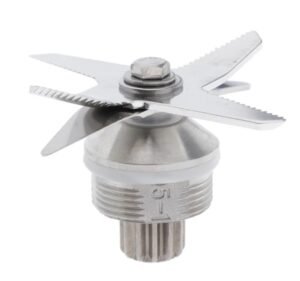
Blender Blade for Sale:
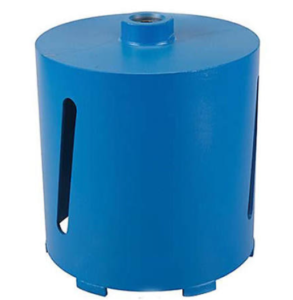
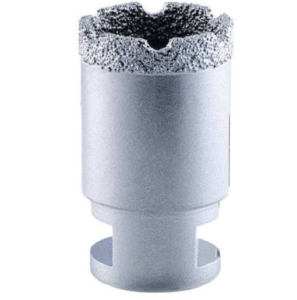
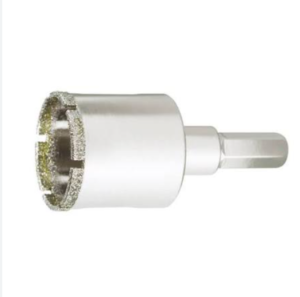
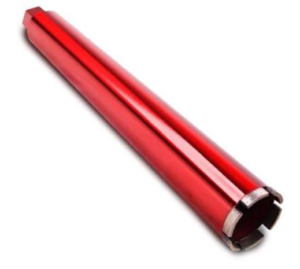
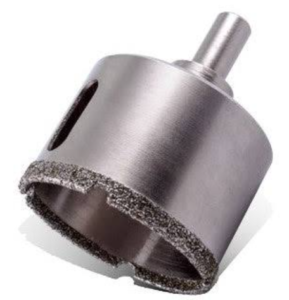
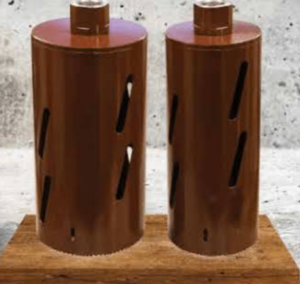
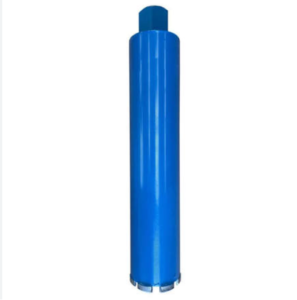
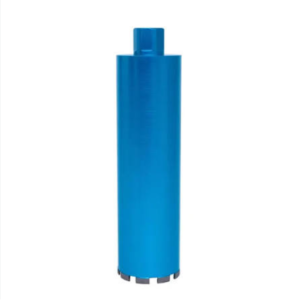
Core drill bit for Sale:
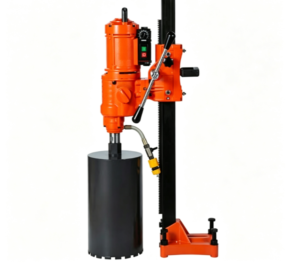
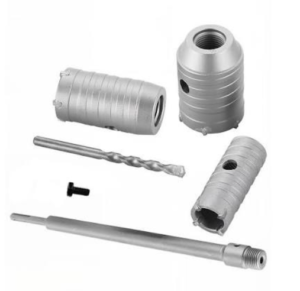
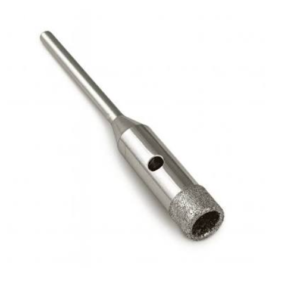
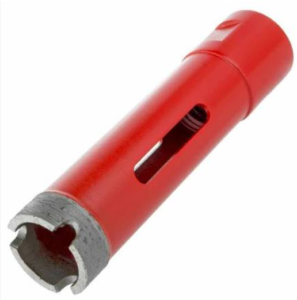
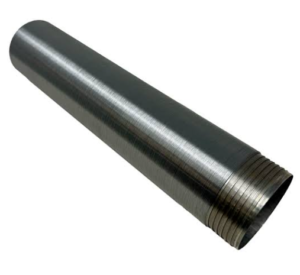
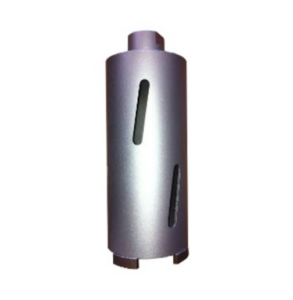
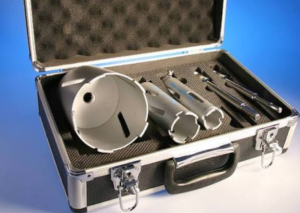
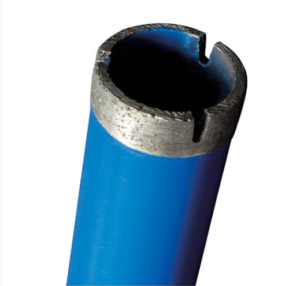
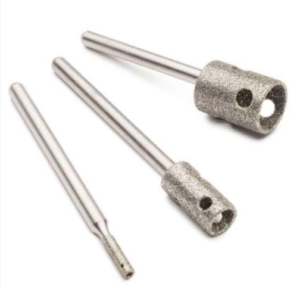
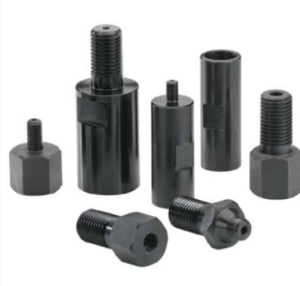
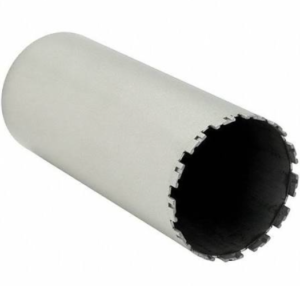
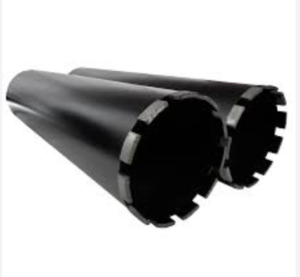
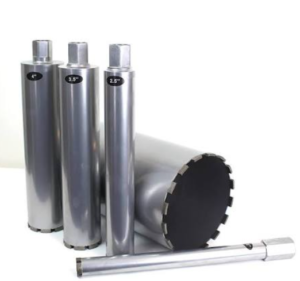
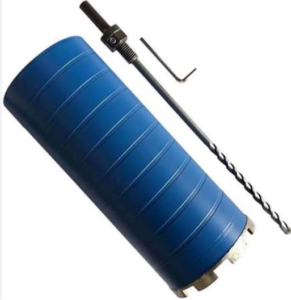
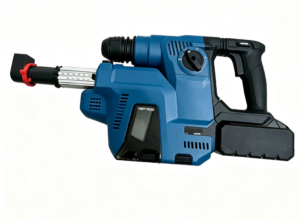
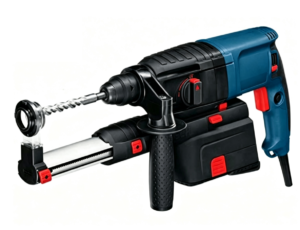
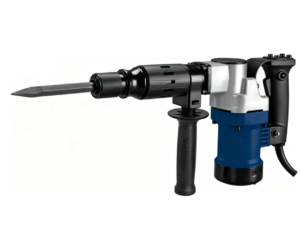
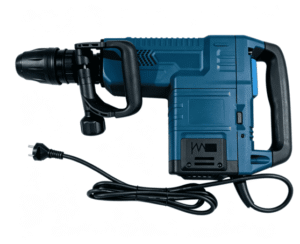
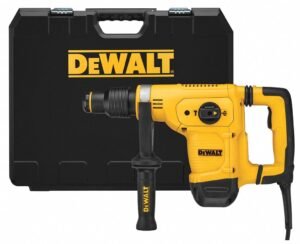
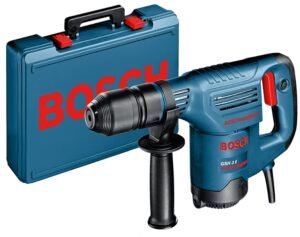
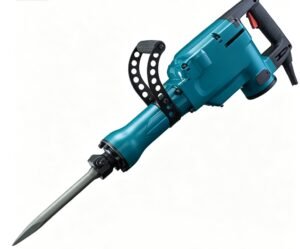
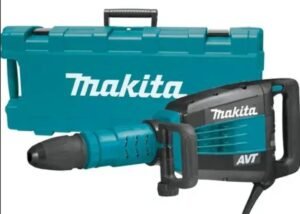
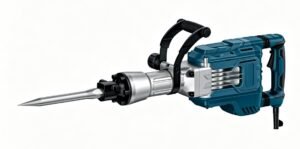
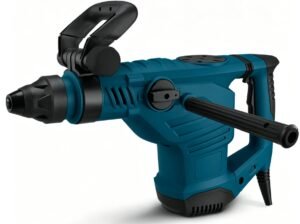
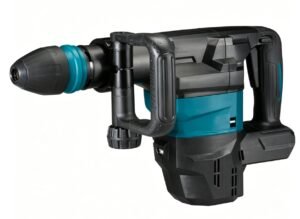
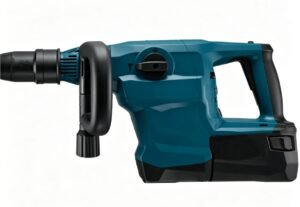
Rotary Hammer & Demolition Hammer for Sale:
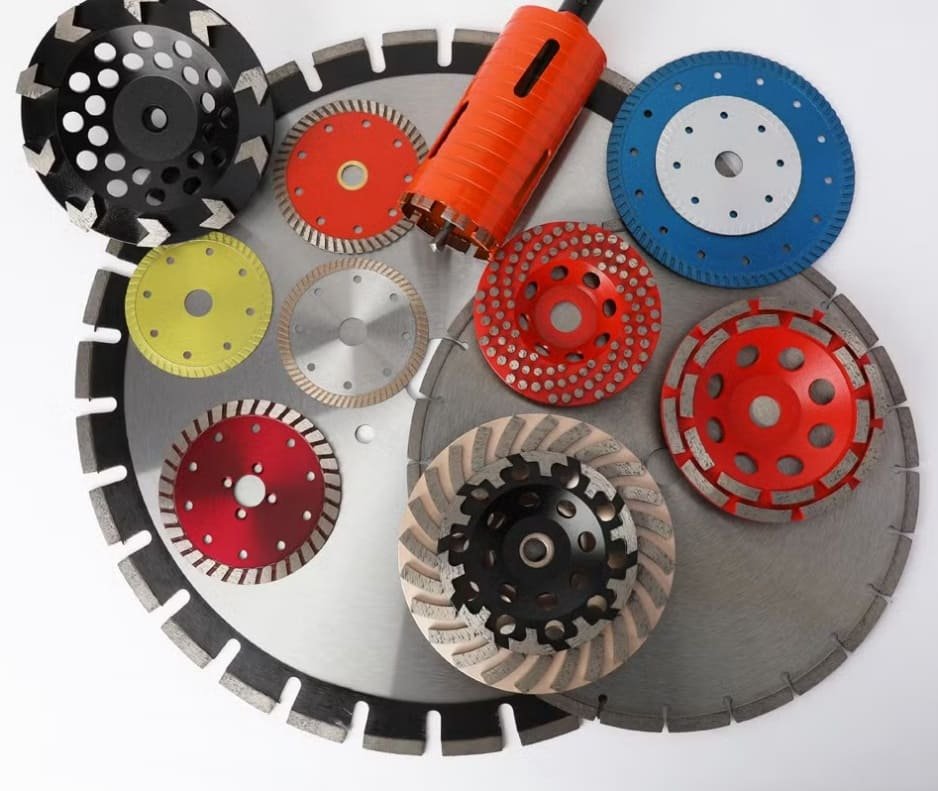
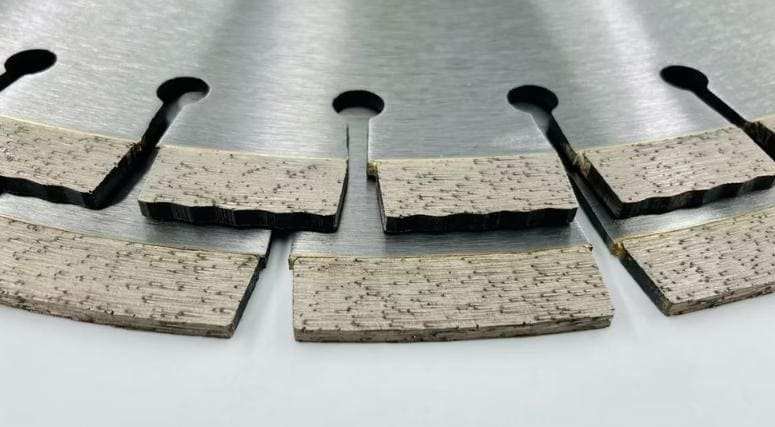
Diamond Blade

Welcome to call us
Contact Us to get quotation
Working Time: 8:00~17:00 Monday to Friday.
Applications:

Factory:
FAQ
Welcome to call us
Contact Us to get quotation
Working Time: 8:00~17:00 Monday to Friday.
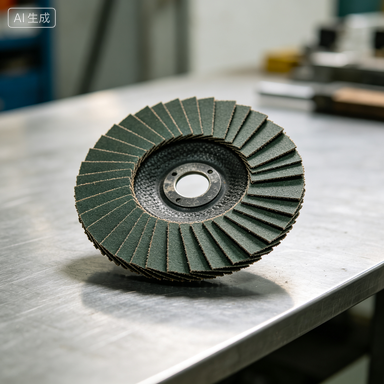
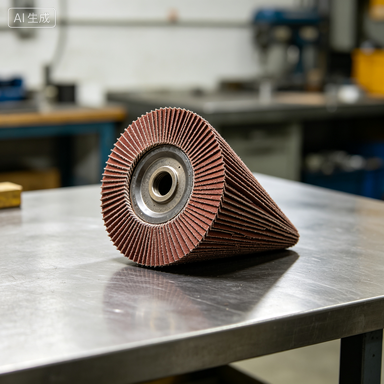
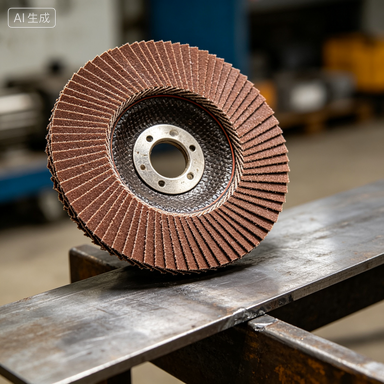
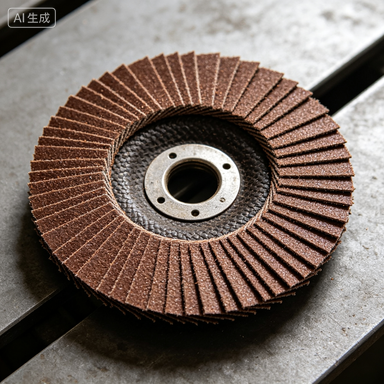
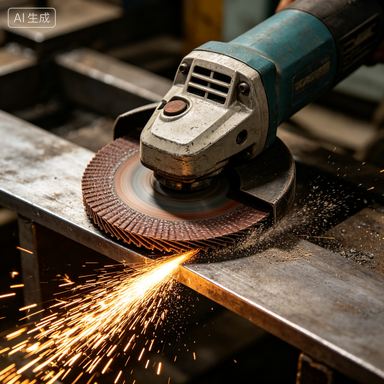
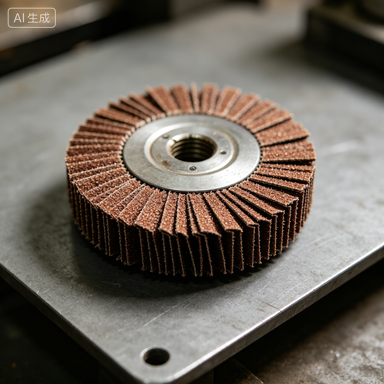
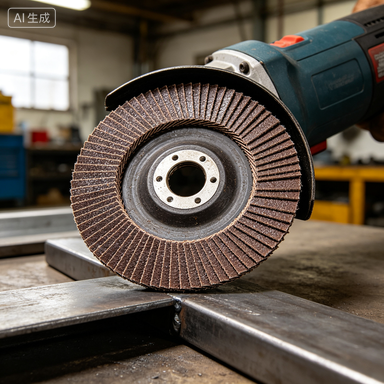
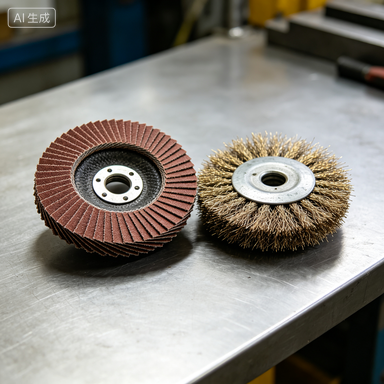
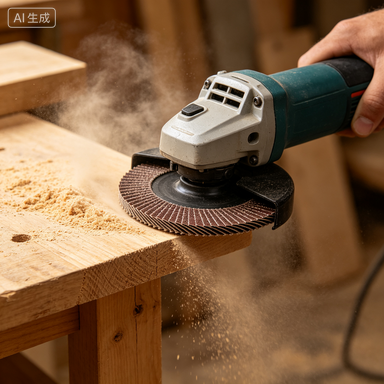
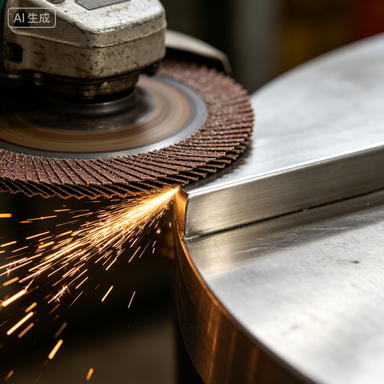
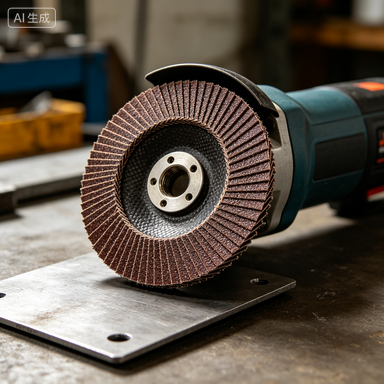
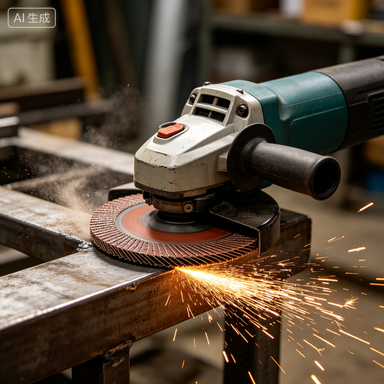
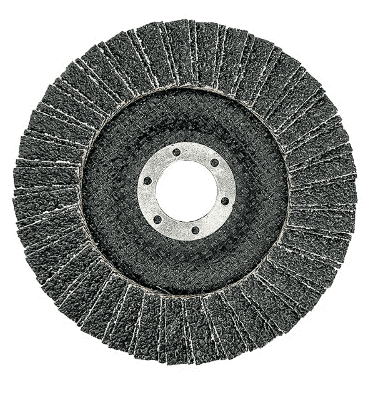
Flap Disc for Sale

Blogs:
You May also Interest in other topics:
offset-printer/aluminum-printing-machine Automatic Powder Production Line graphite grinding mill 32A EV Charger