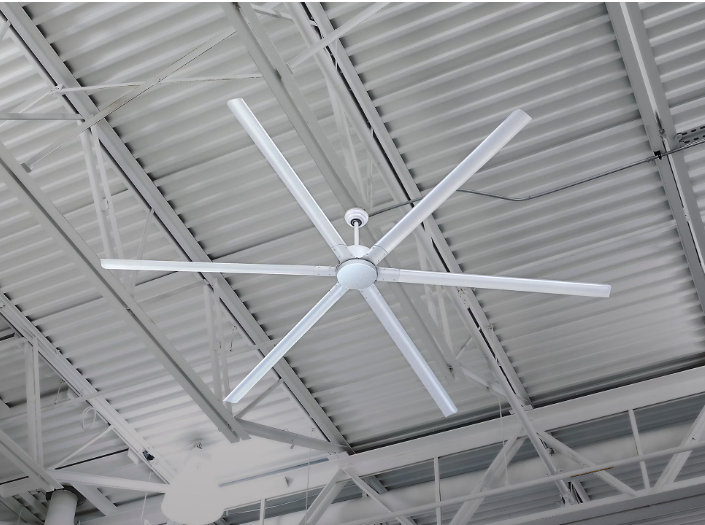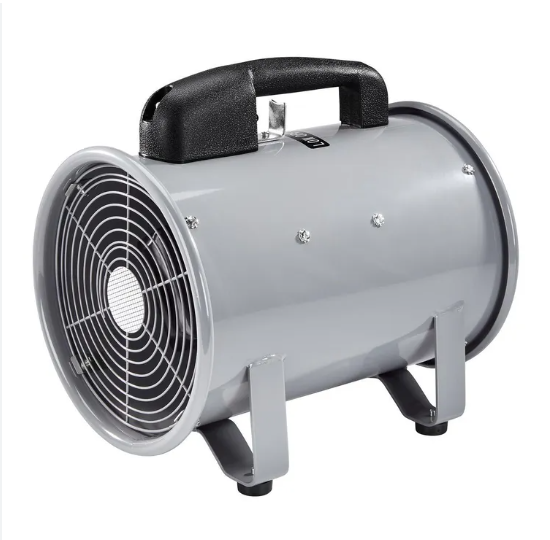
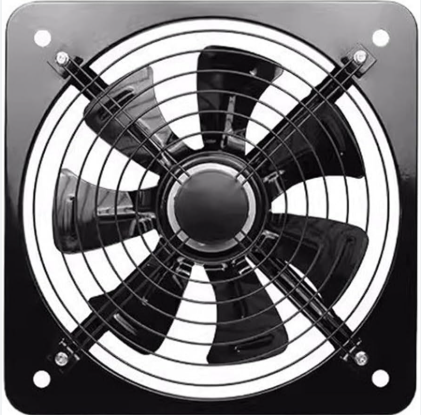
industrial fan hood
Industrial Fan for Sale
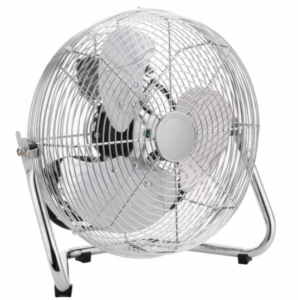
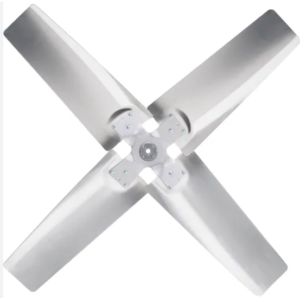


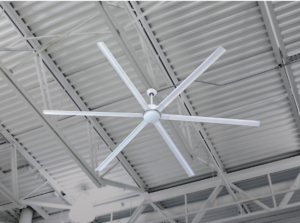
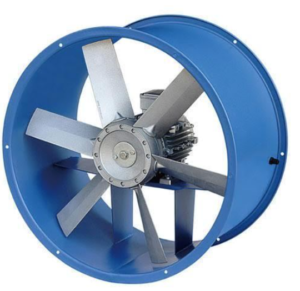
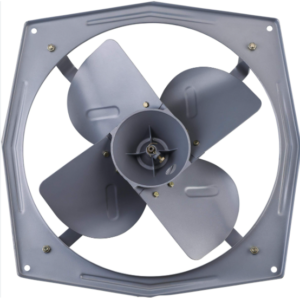
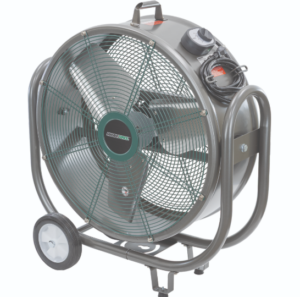
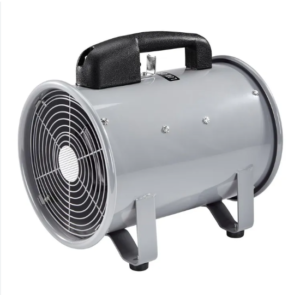
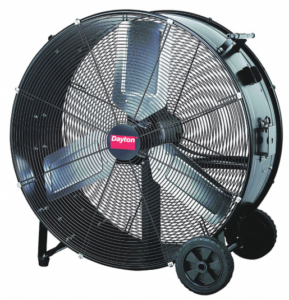
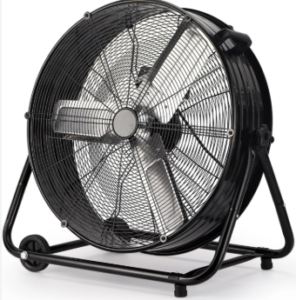
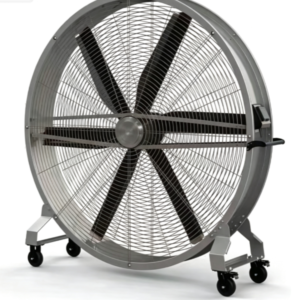
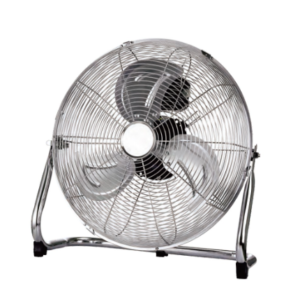
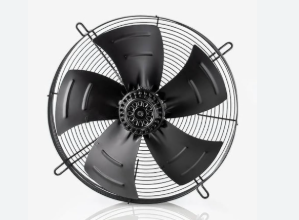
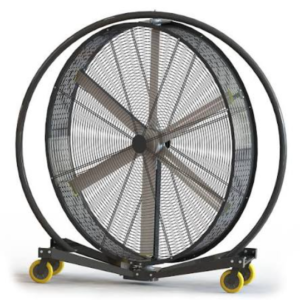
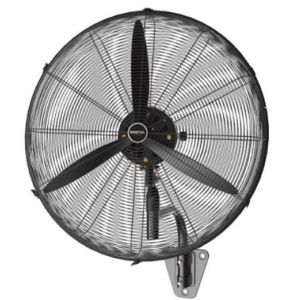
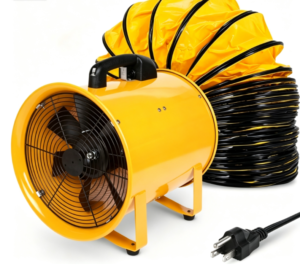
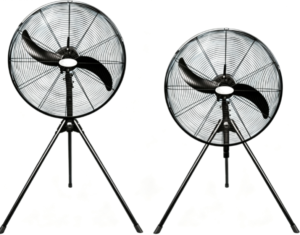
industrial fan hood
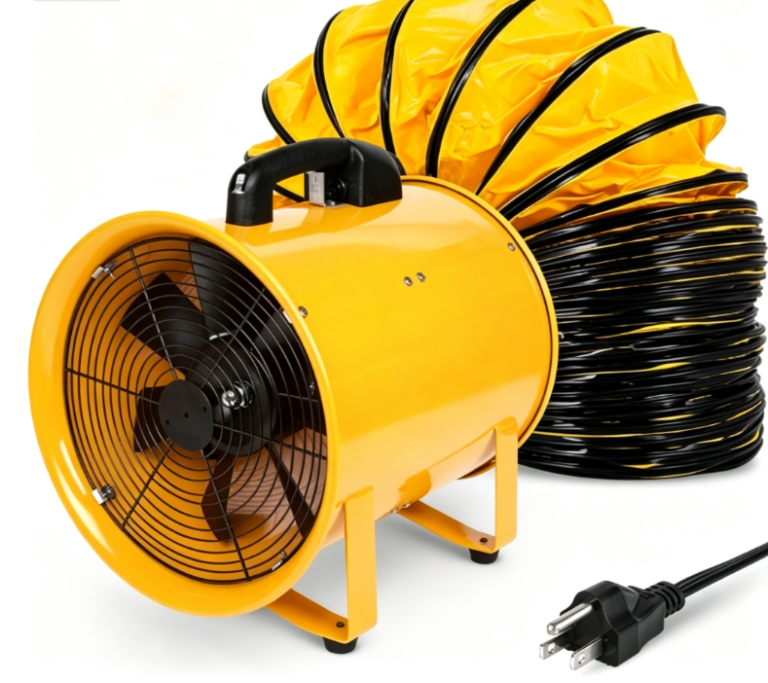
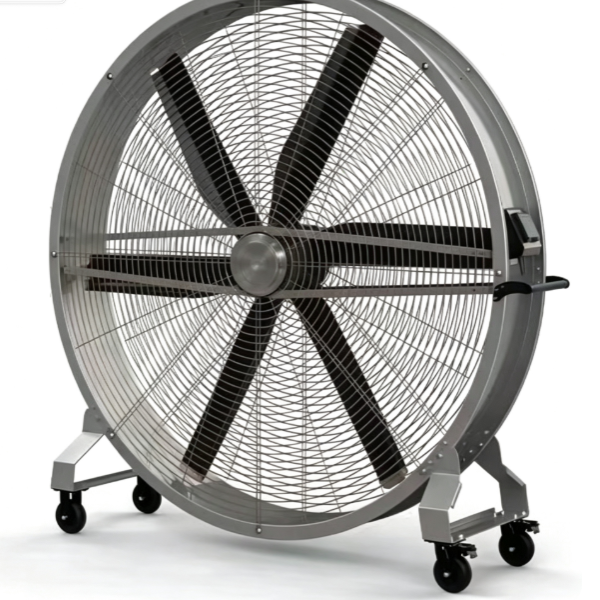
An industrial fan hood is an essential protective accessory installed on the air inlet, air outlet or outer blade side of industrial fans, which mainly ensures the operational safety of fan equipment while providing auxiliary functions such as dust prevention and foreign object resistance, and serves as an indispensable supporting component in the complete industrial fan ventilation system. Many industrial users only focus on fan motors and blades while ignoring fan hoods, but this protective accessory directly affects the safety stability, service life and operating efficiency of the entire ventilation equipment. Industrial fan hoods are professionally designed and customized according to the operating characteristics of industrial ventilation equipment and complex factory working conditions. They can effectively isolate rotating parts, block external pollutants and adapt to various harsh industrial environments, playing an irreplaceable basic supporting role in long-term stable fan operation.
What core functional values do industrial fan hoods provide for industrial ventilation equipment?
The primary function of an industrial fan hood is safety protection, which physically isolates high-speed rotating fan blades to prevent personal injury and equipment damage caused by foreign object inhalation. Industrial fans run continuously at high speed during daily operation, and exposed rotating blades pose great safety risks to on-site operators. Personnel passing by or working nearby may accidentally touch the operating fan blades due to negligence or improper operation, resulting in serious scratch and impact injuries. The fan hood forms a solid isolation barrier outside the blades, completely blocking direct contact between the human body and rotating components. At the same time, it can block large sundries such as scattered workpiece fragments, packaging materials and floating plastic pieces in the workshop, preventing these foreign objects from being sucked into the fan interior and colliding with high-speed blades to cause blade deformation, cracking and motor stuck failures.
Professional industrial fan hoods with filter structures achieve effective dust filtration and pollution isolation, reducing internal dust accumulation and significantly extending the overall service life of industrial fans. In factory workshops, processing sites and warehousing environments, a large amount of suspended dust, fiber debris and fine particulate matter are floating in the air. If these pollutants are directly sucked into the fan, they will adhere to the blade surface, motor coil and internal gaps for a long time. Excessive dust accumulation will increase fan operating load, cause unbalanced blade rotation, and even lead to motor heat dissipation failure and short-circuit damage. The filter-equipped fan hood can effectively intercept suspended particles in the air, keep the internal structure of the fan clean, reduce equipment wear and aging speed, and realize long-term stable operation of ventilation equipment.
Special-structured industrial fan hoods have excellent airflow guiding performance, which optimizes the internal airflow path and reduces turbulent wind resistance to properly improve fan air supply efficiency. Ordinary unprotected fans are prone to form disordered turbulent airflow at the air inlet and outlet during operation, resulting in partial wind energy loss and reduced effective air volume. The streamlined and grid-guided structural design of professional fan hoods can standardize the airflow entering and exiting the fan, make the air intake more uniform and the air output more concentrated, and reduce airflow disorder and resistance loss caused by unprotected openings. Although it is a passive optimization function, this structural guidance can effectively improve the overall ventilation efficiency of the fan, reduce invalid power consumption, and improve the energy-saving performance of ventilation equipment in long-term operation.
Industrial fan hoods customized for harsh working conditions have strong environmental adaptability, protecting fan blades and internal components from corrosion and moisture erosion in complex scenarios. Many industrial sites such as chemical workshops, outdoor ventilation positions and high-humidity processing workshops are filled with water vapor, corrosive gas and humid air. Long-term exposure of fan blades and metal structures to these harsh environments will easily cause rust, corrosion and structural aging, resulting in reduced equipment strength and shortened service life. Special anti-corrosion and waterproof fan hoods can isolate external humid and corrosive media, form a stable protective layer for fan operating components, improve the durability of ventilation equipment in bad working environments, and reduce the frequency of equipment maintenance and replacement.
What are the mainstream material types of industrial fan hoods and their applicable scenarios?
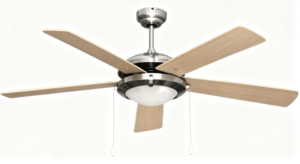
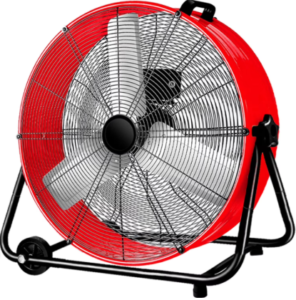
Galvanized iron wire and steel wire fan hoods are the most widely used conventional type in industrial scenarios, featuring high structural strength, strong impact resistance and non-deformation performance to adapt to most ordinary industrial environments. This kind of fan hood is formed by welding thickened high-strength galvanized steel wires. The overall structure is firm and stable, with strong anti-collision and anti-extrusion capabilities. It will not deform or damage when impacted by small sundries and accidental external force. The surface galvanizing process can isolate ordinary air oxidation and slight moisture erosion, with basic rust prevention and aging resistance. With low manufacturing cost and excellent comprehensive performance, galvanized wire fan hoods have become the standard matching accessory for conventional industrial floor fans, wall-mounted exhaust fans and ordinary large ceiling fans, covering most factory and warehouse ventilation scenarios.
Plastic and engineering plastic fan hoods are lightweight, corrosion-resistant and cost-effective, mostly used for medium and small industrial fans in light-load ventilation scenarios. Compared with metal fan hoods, engineering plastic materials have lighter overall weight, which can effectively reduce the overall load of fan equipment, reduce the operating pressure of fan brackets and fixed chassis, and avoid structural deformation caused by long-term heavy load. Plastic materials naturally have excellent acid and alkali resistance and anti-rust performance, and will not be corroded by ordinary humid air and weak chemical media. Although their impact resistance is slightly lower than that of metal structures, they can fully meet the long-term stable use requirements of light-load ventilation equipment such as small exhaust fans and desktop industrial fans in conventional dry workshops.
Stainless steel fan hoods made of 304 or 316 materials have ultra-high corrosion resistance and rust-free performance, professionally adapting to high-humidity and high-corrosion special industrial scenarios. Ordinary galvanized materials are prone to rust and damage in long-term humid, salty and chemically corrosive environments. In contrast, 304 and 316 stainless steel materials have stable chemical properties, strong resistance to acid, alkali, water vapor and salt corrosion, and can maintain complete structural integrity and smooth surface for a long time. They are widely used in high-standard scenarios such as food processing workshops, chemical production workshops, pharmaceutical factories and coastal humid factories, providing long-term effective safety protection for fan equipment in harsh corrosive environments.
Aluminum fan hoods feature light weight and high explosion-proof safety, specially designed for explosion-proof industrial fans and flammable and explosive high-risk scenarios. Aluminum alloy materials have the advantages of low density, high structural toughness and hard oxidation resistance. The most core advantage is that no spark will be generated during collision and friction. In petrochemical, mine dust, paint spraying and other flammable and explosive environments, ordinary metal materials may produce collision sparks to trigger safety accidents, while aluminum fan hoods can completely avoid this hidden danger. At the same time, its lightweight characteristics will not increase the operating load of explosion-proof fans, fully meeting the strict safety production standards of high-risk industrial sites.
What core selection guidelines should be followed when purchasing a qualified industrial fan hood?
The matching size of the fan hood is the primary selection standard, requiring the opening diameter to fully match the fan blade diameter to avoid installation gaps and fixation failures. Different types of industrial fans have standardized blade diameter specifications, and the fan hood must adopt the corresponding caliber design. If the fan hood is too large, excessive gaps will appear after installation, failing to block small sundries and losing safety protection functions; if the size is too small, it cannot be installed in place or will squeeze the fan blades, affecting the normal rotation of the equipment. Formal fan hoods are produced according to fan industry specifications, with precise caliber and grid size, which can achieve seamless matching with corresponding fan models, ensuring firm installation and complete coverage of rotating components.
The mesh density of the fan hood needs to be reasonably selected according to the on-site personnel activity frequency and ventilation demand, balancing safety protection and wind resistance performance. For workshop areas with frequent personnel walking and manual operation, it is necessary to select encrypted mesh models with a mesh hole below 2 centimeters. The dense grid structure can effectively prevent fingers and limbs from mistakenly extending into the hood to touch the rotating blades, eliminating personal safety hazards. For industrial venues that pursue high ventilation efficiency and have few personnel activities, large-mesh fan hoods can be selected. The sparse grid structure greatly reduces wind resistance, ensures maximum air intake and output of the fan, and avoids the reduction of ventilation efficiency caused by excessive grid shielding.
Material selection must accurately match the actual working conditions of the site, and targeted material matching is required for conventional, corrosive and explosive scenarios respectively. For ordinary dry factory workshops and warehouse conventional ventilation scenarios, cost-effective galvanized iron wire fan hoods can meet daily protection demands. For high-humidity, acid-base and chemical corrosive environments such as food processing and chemical workshops, 304 or 316 stainless steel hoods must be selected to prevent equipment corrosion and failure. For flammable and explosive high-risk scenarios such as spraying workshops and petrochemical sites, explosion-proof aluminum fan hoods must be used to avoid spark risks. Accurate material selection can maximize the service life and protective performance of the fan hood.
Installation convenience and later maintenance friendliness are also important selection indicators, with priority given to quick-release buckle type fan hoods for daily convenient maintenance. Traditional fan hoods are fixed by bolts, which require professional tools to disassemble and assemble, resulting in complicated daily cleaning and maintenance operations. The optimized quick-release buckle structure tool-free disassembly and assembly, allowing staff to quickly remove the hood and filter screen for dust cleaning and blade inspection. This convenient installation and disassembly design greatly reduces the difficulty of daily equipment maintenance, ensures long-term clean and efficient operation of the fan, and improves the overall management efficiency of industrial ventilation equipment.
What key daily maintenance points ensure the long-term stable performance of industrial fan hoods?
Regular disassembly and cleaning of dust and sundries attached to the fan hood mesh is the most basic daily maintenance work to avoid increased wind resistance and reduced fan efficiency. During long-term operation of industrial fans, a large amount of floating dust, fiber debris and particulate impurities in the air will adhere to the hood grid and filter screen. If these attachments are not cleaned for a long time, they will block the mesh holes, resulting in reduced fan air intake, increased internal operating resistance, decreased ventilation efficiency and increased equipment power consumption. Regular cleaning can keep the mesh unobstructed, maintain the original air supply efficiency of the fan, and avoid energy waste and performance attenuation caused by hood blockage.
It is necessary to regularly inspect the welding points, structural deformation and rust corrosion of metal fan hoods to ensure the long-term effectiveness of safety protection structures. Metal fan hoods will be affected by long-term vibration, air oxidation and environmental moisture during operation, which may lead to loose welding points, local rust and structural deformation. Loose welding points will cause the grid to fall off, deformed structures cannot effectively isolate foreign objects, and rust corrosion will reduce structural strength, greatly reducing the safety protection ability of the fan hood. Timely inspection and correction of deformed parts, as well as replacement of severely rusted and failed hoods, can ensure that the protective structure is always in a qualified working state.
For industrial fan hoods equipped with filter cotton, regular replacement of filter materials every one to three months is required to ensure stable dust filtration effect and protect internal fan components. The filter cotton inside the fan hood will gradually accumulate a large amount of intercepted dust and impurities after long-term use, resulting in saturation failure of the filter material. If the filter cotton is not replaced in time, the dust blocking capacity will be lost, and fine particles will penetrate the filter layer and enter the fan interior, adhering to the motor and blades, causing equipment wear and heat dissipation obstacles. Regular replacement of filter cotton can maintain efficient dust filtration performance, effectively protect the internal core components of the fan, and extend the overall service life of ventilation equipment.
Scientific and standardized daily maintenance can maximize the service life and comprehensive performance of industrial fan hoods, forming a complete closed-loop protection system for industrial fan equipment. Many fan equipment failures and efficiency attenuation are indirectly caused by neglected hood maintenance. Adhering to regular cleaning, structural inspection and filter replacement can not only maintain the safety and efficiency of the fan hood itself but also reduce the overall failure rate of the industrial fan system, reduce enterprise equipment maintenance costs, and ensure long-term stable and efficient operation of industrial ventilation equipment.
Summary
In summary, industrial fan hoods are indispensable safety protection accessories for industrial fan systems, with core functions including personnel safety isolation, equipment dust prevention, airflow optimization and harsh environment adaptation. Covering galvanized wire, engineering plastic, stainless steel and aluminum materials, they form a complete material system adapted to conventional, corrosive, lightweight and explosion-proof scenarios. Scientific selection based on size matching, mesh density, working condition adaptation and installation convenience can effectively improve the matching degree and practical performance of the hood. Standard daily maintenance such as regular cleaning, structural inspection and filter replacement ensures long-term stable protective effect. As a basic but core supporting component, industrial fan hoods provide solid safety guarantees and efficiency optimization for the long-term operation of various industrial ventilation equipment.
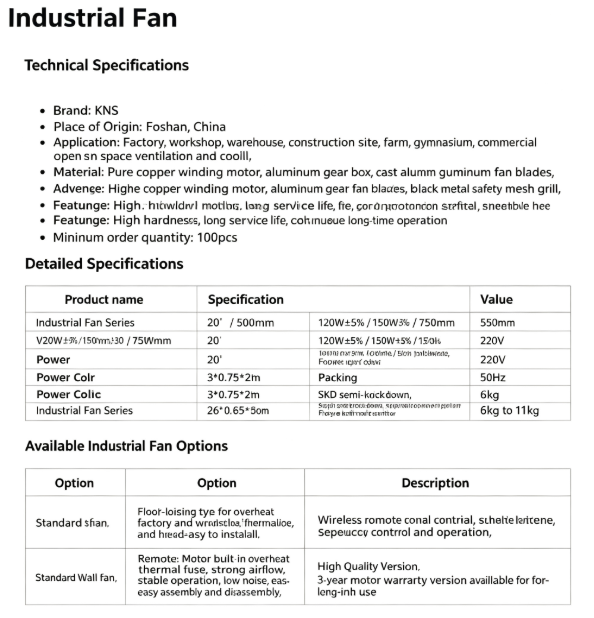


Key Features & Advantages
1. Multi-Functional Integrated Protection Performance
Industrial fan hoods integrate safety isolation, dust filtration, airflow guidance and environmental protection functions into one accessory, realizing all-round protection of industrial fan equipment. The physical isolation structure effectively prevents personal injury and blade damage caused by foreign object inhalation. The filter grid design intercepts floating dust and impurities to keep the fan interior clean. The optimized grid structure reduces airflow turbulence and wind resistance loss to improve ventilation efficiency. The customized anti-corrosion and explosion-proof structure adapts to harsh working conditions. This multi-functional integration makes the fan hood a core guarantee for safe, efficient and stable operation of industrial fans, solving multiple hidden dangers and performance problems in fan operation with a single accessory.
2. Diversified Material System for Full Working Condition Adaptation
Industrial fan hoods form a complete material matrix covering conventional galvanized wire, lightweight plastic, anti-corrosion stainless steel and explosion-proof aluminum materials, realizing precise matching of all industrial working conditions. Conventional galvanized hoods meet the cost-effective needs of ordinary workshops. Lightweight plastic hoods reduce the load of small ventilation equipment. Stainless steel hoods cope with high-humidity and corrosive environments. Aluminum explosion-proof hoods ensure safety in flammable and explosive scenarios. The hierarchical material design avoids the single adaptation defect of traditional accessories, enabling fan hoods to maintain stable protection performance in any complex industrial scenario.
3. Scientific Selection Logic Balancing Safety and Efficiency
The selection of industrial fan hoods follows standardized size matching, mesh density classification and working condition adaptation rules, realizing the dual balance of safety protection and ventilation efficiency. Accurate size matching ensures seamless installation and complete protection. Reasonable mesh density switching meets high-safety requirements for personnel-intensive scenarios and high-efficiency ventilation needs for unmanned working areas. Targeted material selection avoids equipment corrosion, aging and safety risks in harsh environments. The systematic selection standard makes the fan hood neither lack protective performance nor cause excessive wind resistance waste, maximizing the comprehensive performance of the fan system.
4. Convenient Maintenance & Long-Term Cost Saving
Most modern industrial fan hoods adopt optimized quick-release structure and replaceable filter design, with low daily maintenance difficulty and low later operating cost. Tool-free quick disassembly and assembly greatly improve the efficiency of daily dust cleaning and equipment inspection. Regular replacement of low-cost filter cotton can continuously maintain high dust filtration performance and avoid high-cost maintenance and component replacement caused by internal dust accumulation of the fan. Standardized maintenance effectively extends the service life of fan blades, motors and core equipment, reduces the overall failure rate of ventilation equipment, and creates long-term cost-saving benefits for enterprise equipment operation.
5. High Compatibility & Universal Industrial Applicability
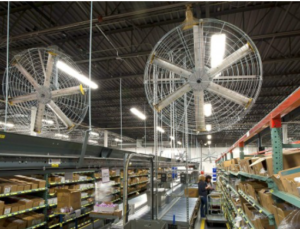
Industrial fan hoods have highly standardized specifications and strong universality, compatible with various types of industrial fans such as ceiling fans, wall-mounted fans, floor fans and exhaust fans. The complete size and material system can perfectly match small light-load ventilation equipment and large HVLS industrial fans. Whether it is ordinary factory workshops, warehousing and logistics spaces, or special chemical, food and explosion-proof high-risk scenarios, professional fan hood supporting solutions can be matched. With strong scene compatibility and stable comprehensive performance, it has become a necessary standard accessory for standardized operation of modern industrial ventilation systems.
Packing, Delivery & Shipping
If you meet our minimum order quantity requirement, customized retail packaging is available for your industrial fans. We can produce premium hanging display color boxes matched with outer export cartons. You can choose to adopt standard factory packaging, or apply your own OEM brand totally.
Customizable items include printed brand logos, product adhesive stickers, personalized color box artwork and outer carton layouts. If you need exclusive customized packaging design, please provide your complete PDF design files for production arrangement.
If your order volume fails to reach the customized packaging MOQ, we will adopt standard neutral brown cartons for bulk SKD semi-knock-down shipment. Meanwhile, you can still attach your self-designed brand stickers on the outer packages to mark your own brand.
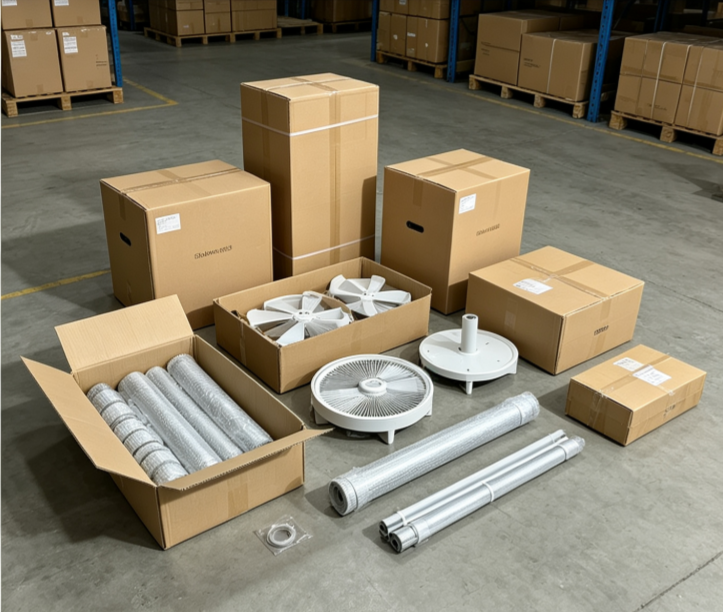
Packaging Details Adapted for Industrial Fan Series
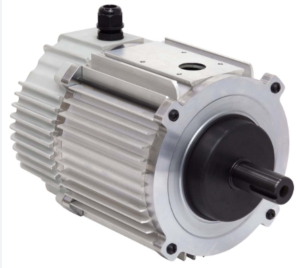
Packaging Content: Each component of industrial fan is packed separately to avoid scratch and deformation during transit, including motor, mesh grill, fan blades, support pole, base and mounting fittings.
Inner Package: Each spare part is wrapped with protective plastic film to prevent surface abrasion.
Outer Package: Five-layer kraft corrugated export carton, shockproof and compression-resistant for long-distance sea and land transportation.
All fans are shipped in SKD semi-knock-down condition to save container loading space.
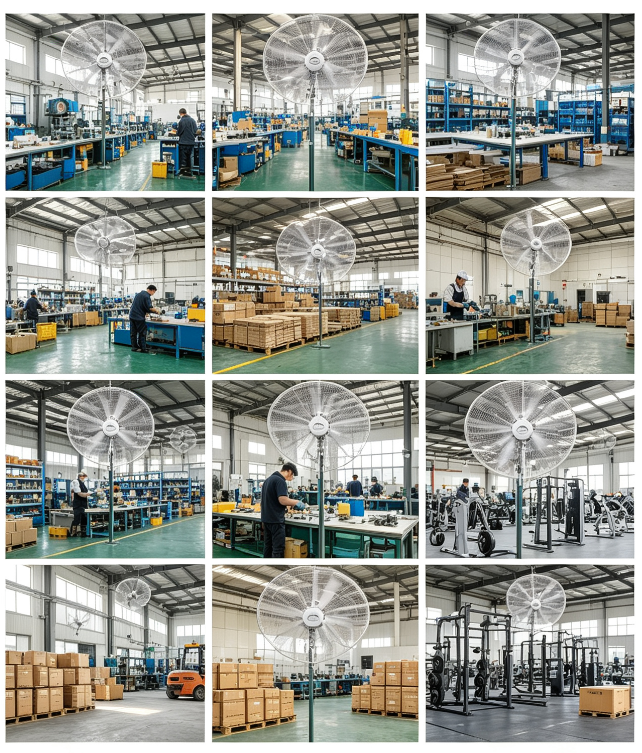
Wide Application Scenarios
Our industrial fans feature strong air output and reliable continuous operation, suitable for ventilation and cooling work across diverse commercial and industrial environments.
They are essential air circulation equipment for manufacturing workshops, warehouses, construction sites, livestock farms, supermarkets, logistics centers and large open workspaces. Widely adopted for heat dissipation, air exchange, humidity reduction and dust dispersion. Available in stand and wall-mounted types to meet different space layout demands. Equipped with copper wire motors, the fans support stable long-hour running for daily industrial ventilation.
These fans deliver steady powerful airflow and guarantee stable operation under continuous working conditions. Compatible for fixed wall installation or movable floor standing arrangement, flexible to match various site requirements.
For industrial and commercial scenarios, they are commonly used in factory workshop cooling, warehouse air circulation, market ventilation, farm dehumidification, gymnasium air exchange, station and large public space heat dissipation projects.
Well-structured industrial fans effectively accelerate indoor air convection, lower ambient temperature and improve stuffy working conditions. They help create a comfortable working environment for staff, reduce local high temperature and avoid air stagnation. Whether for fixed wall mounting along production lines, movable stand fans in temporary construction zones, or long-term continuous ventilation in storage areas, these heavy-duty industrial fans maintain stable airflow performance and outstanding durability for daily long-time operation.
Industrial fan for Sale:
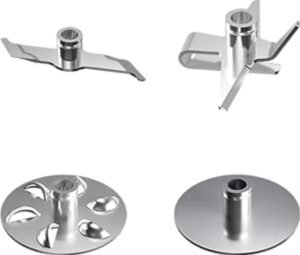
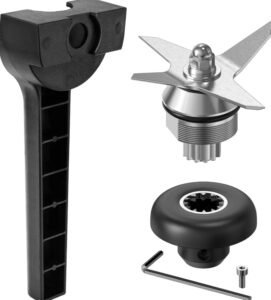
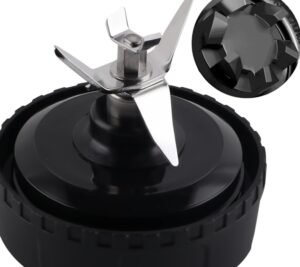
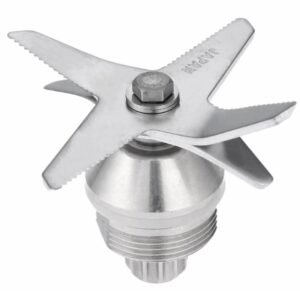
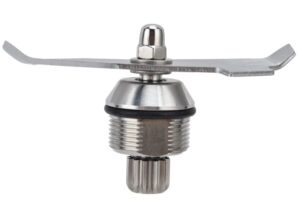
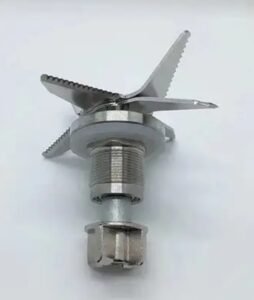
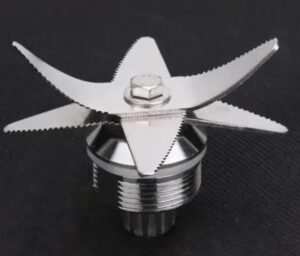
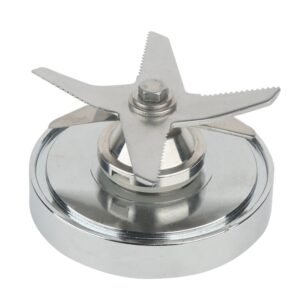
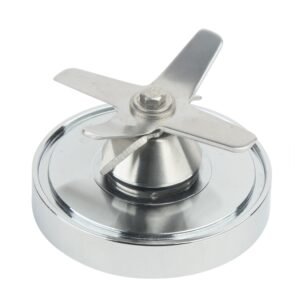
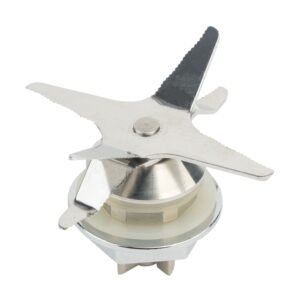
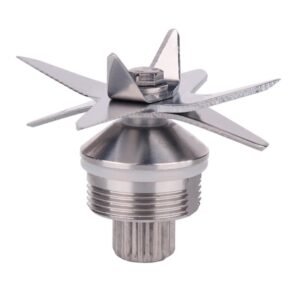
Blender Blade
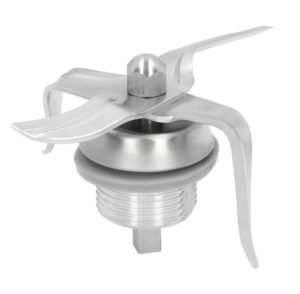
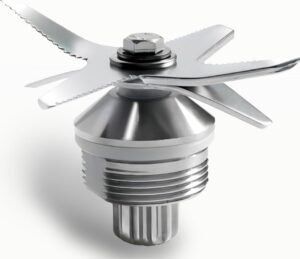
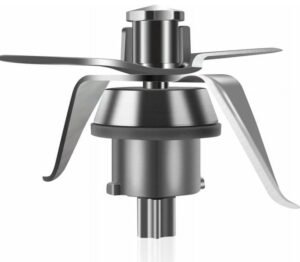
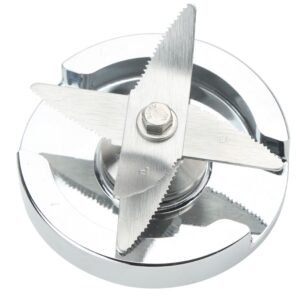
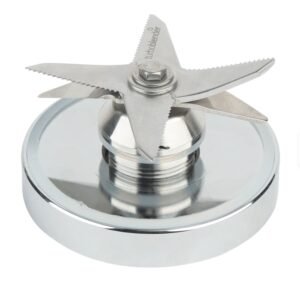
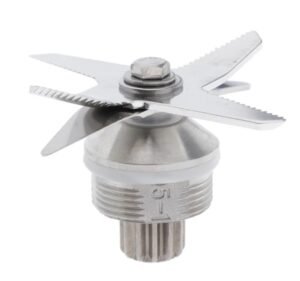
Blender Blade for Sale:
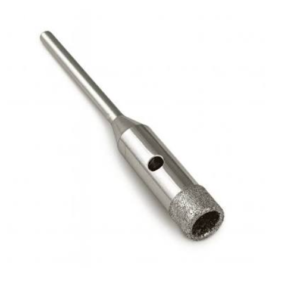
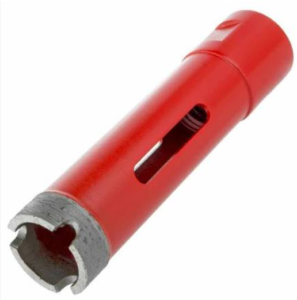
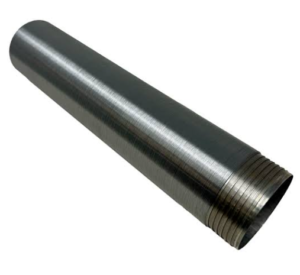
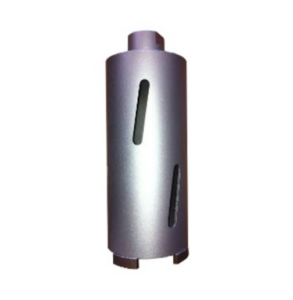
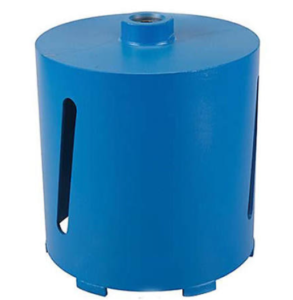
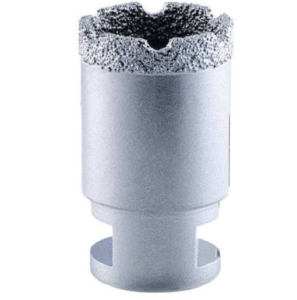
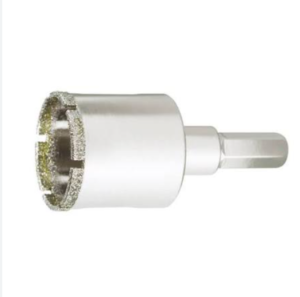
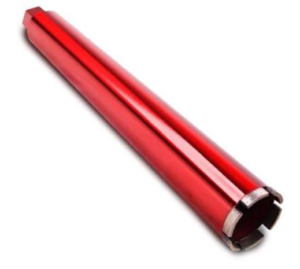
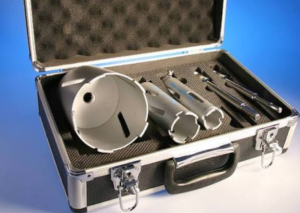
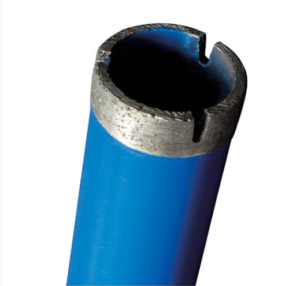
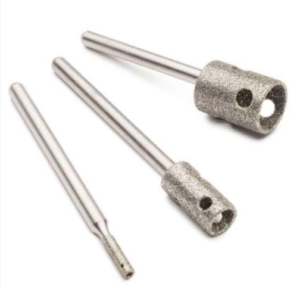
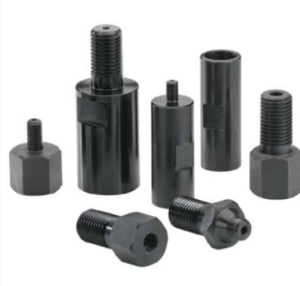
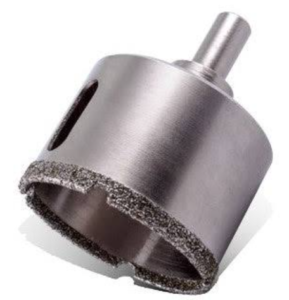
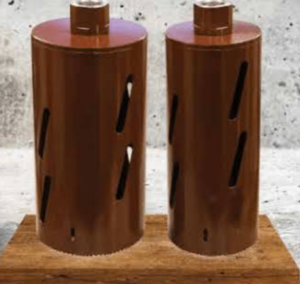
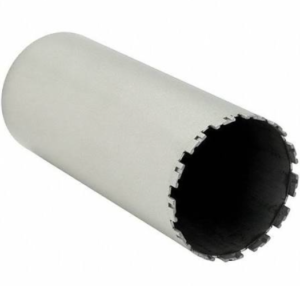
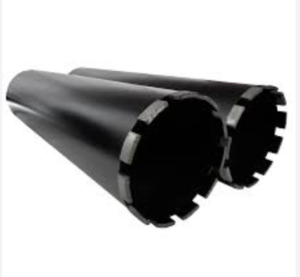
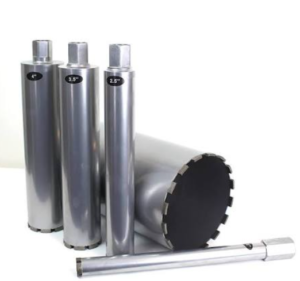
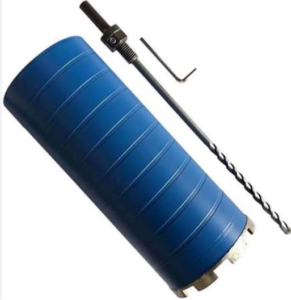
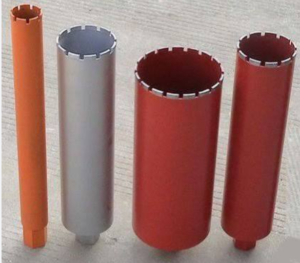
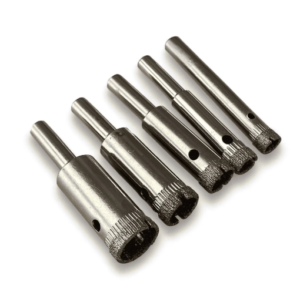
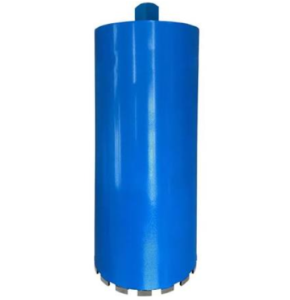
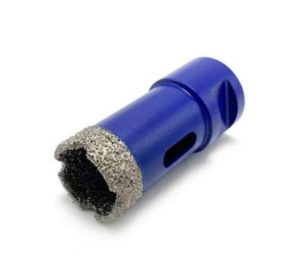
Core drill bit for Sale:
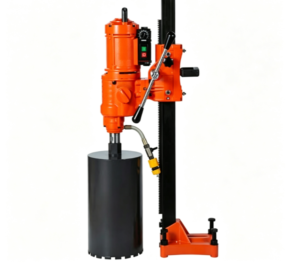
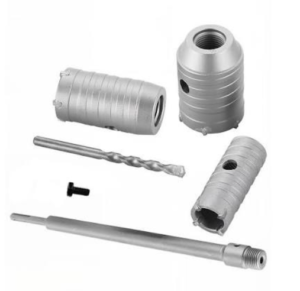
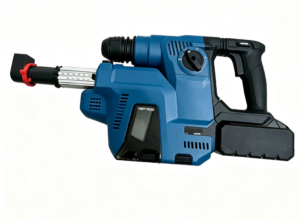
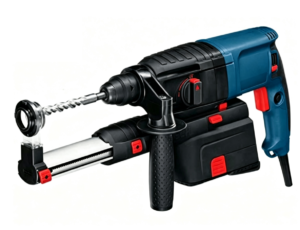
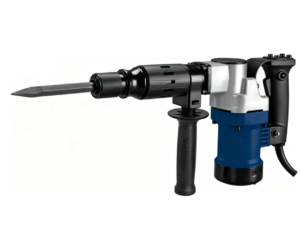
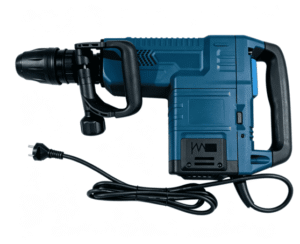
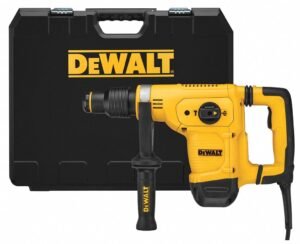
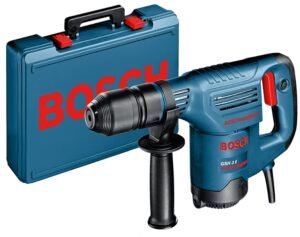
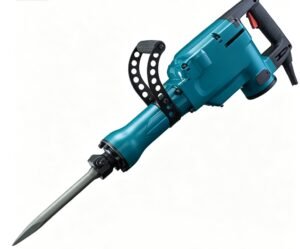
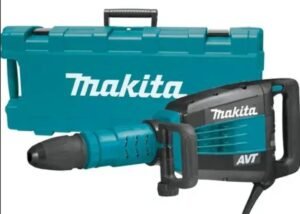
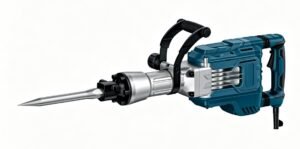
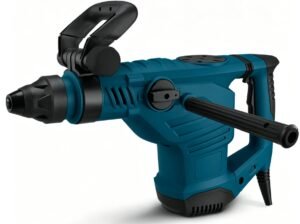
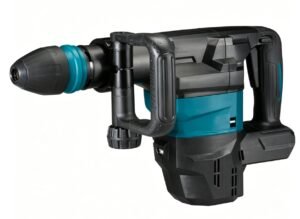
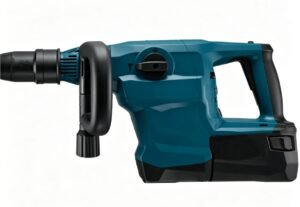
Rotary Hammer & Demolition Hammer for Sale:
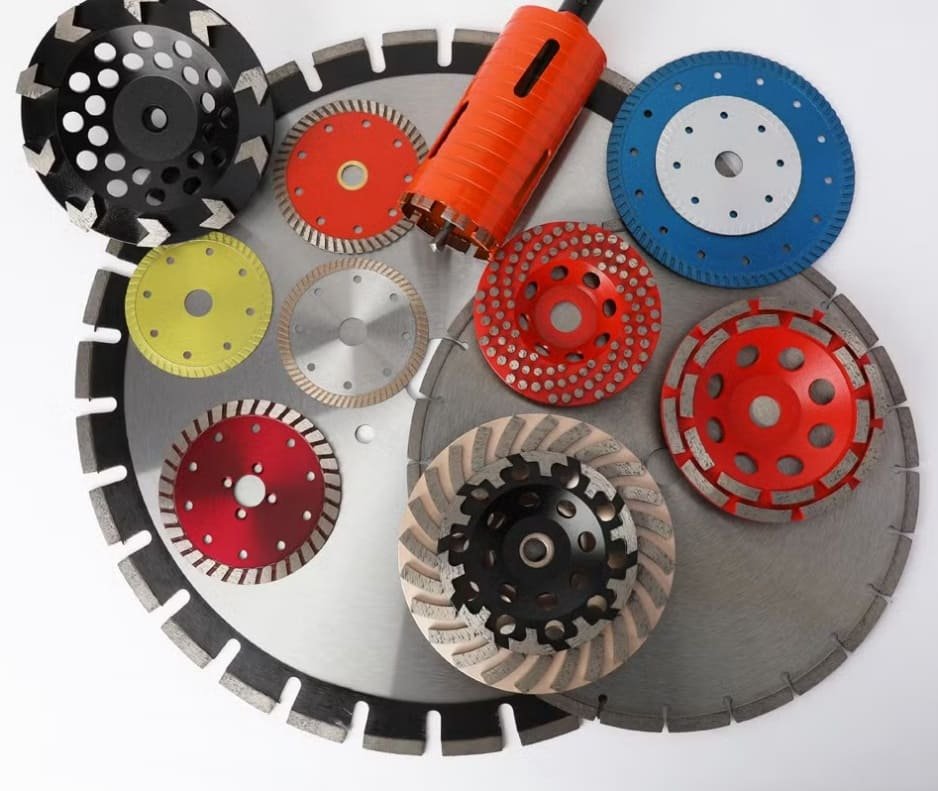
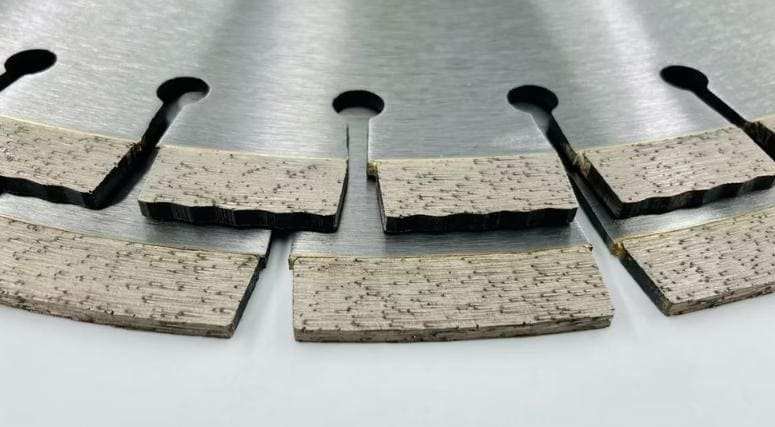
Diamond Blade

Welcome to call us
Contact Us to get quotation
Working Time: 8:00~17:00 Monday to Friday.
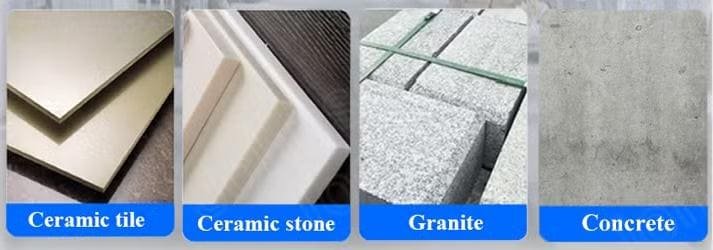
Applications:
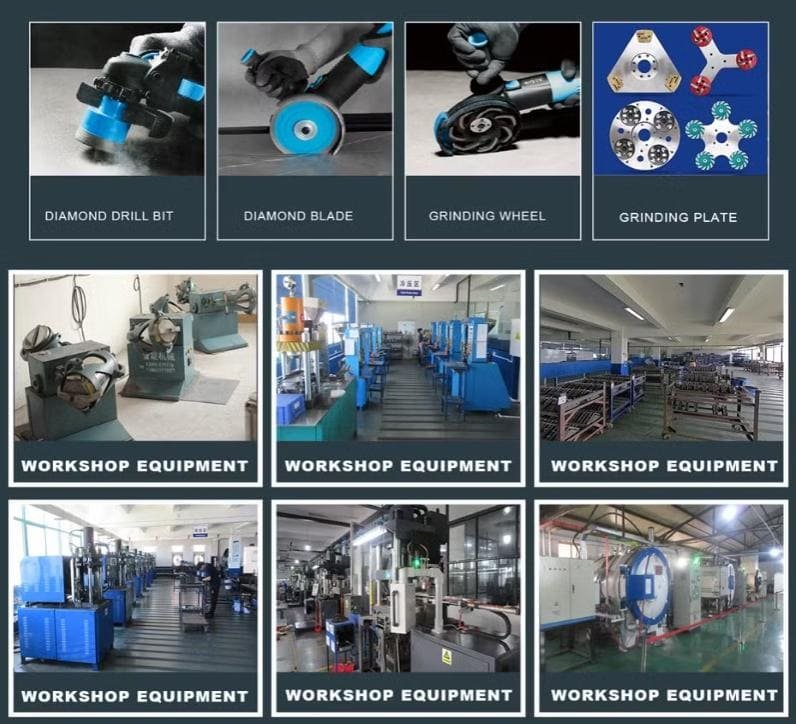
Factory:
FAQ
Welcome to call us
Contact Us to get quotation
Working Time: 8:00~17:00 Monday to Friday.
Flap Disc for Sale
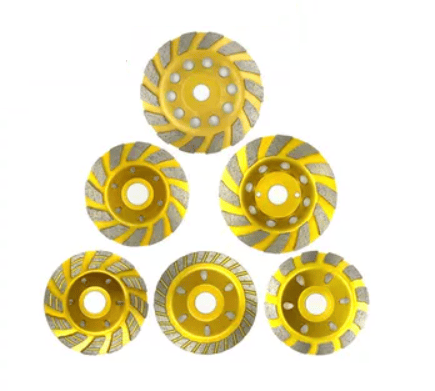
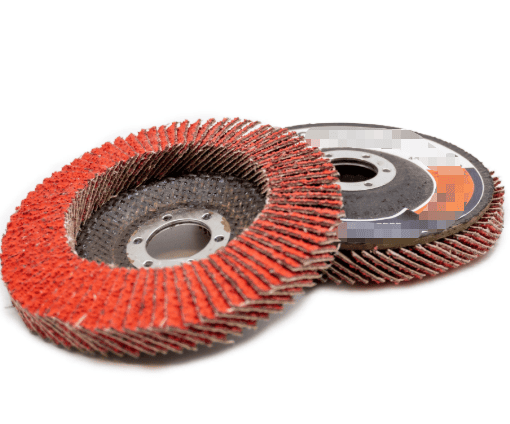
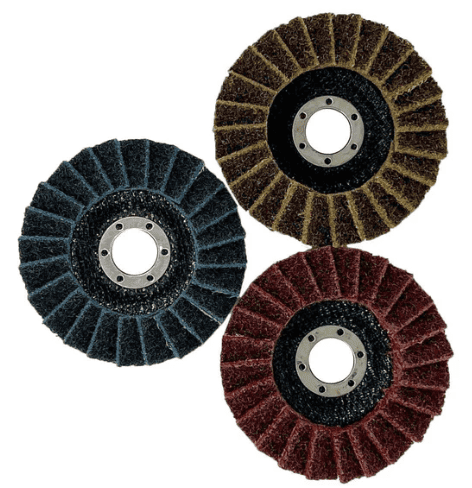
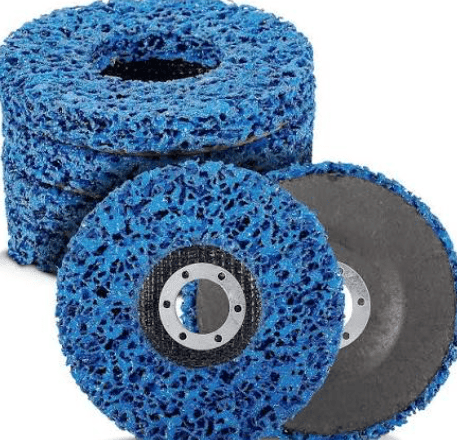
Blogs:
You May also Interest in other topics:
Paste filling machine Automatic Banana Powder Production Line 5000 mesh nano calcium grinding mill battery ev charger