Common Demolition Hammer Problems & Troubleshooting
Common Demolition Hammer Problems & Troubleshooting
All regular breakdowns of demolition hammers fall into power failures, impact system faults and structural malfunctions, and following a step-by-step easy-to-hard inspection order can quickly locate causes and fix issues without unnecessary disassembly damage to internal precision parts.
Power Related Faults and Practical Solutions
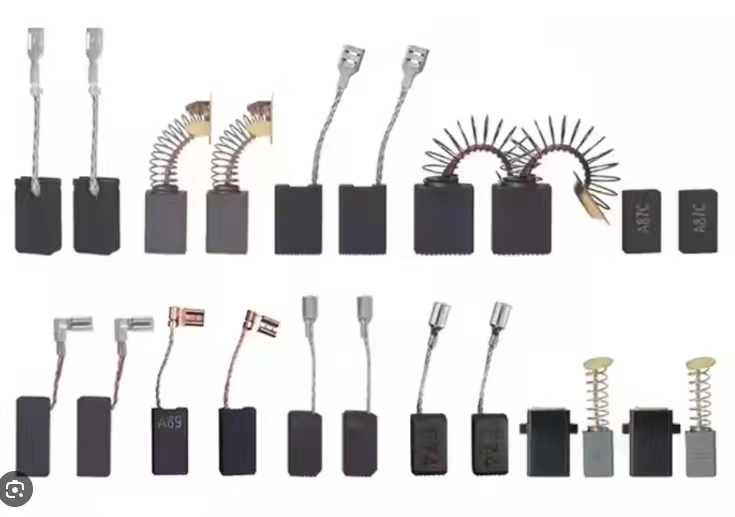
When the demolition hammer shows no response at all after being plugged into the power supply, you need to check external simple accessories first before opening the motor shell for internal inspection. The most common cause is broken power cords or oxidized switch contact points; frequent pulling and bending on construction sites easily crack internal copper wires, while dust and moisture will corrode the metal contacts of the power trigger switch, cutting off the whole circuit. After eliminating power supply troubles, you should check the service life of carbon brushes inside the motor. Once carbon brushes are completely worn out, the motor cannot receive current to start running. If these two parts are intact, the internal stator and rotor windings may be burned out due to long-time overheating overload, and you need to replace the damaged motor coils to restore normal startup performance.
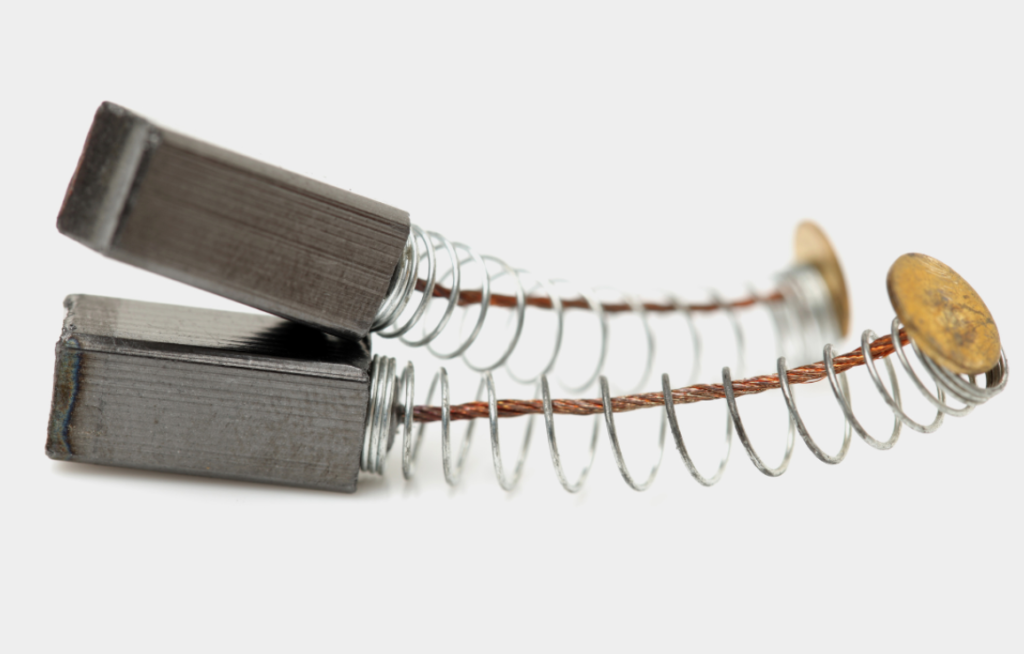
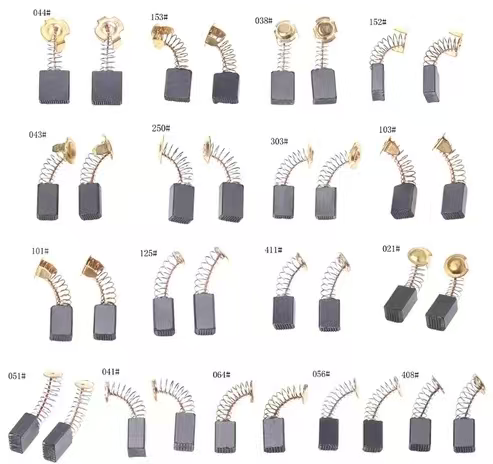
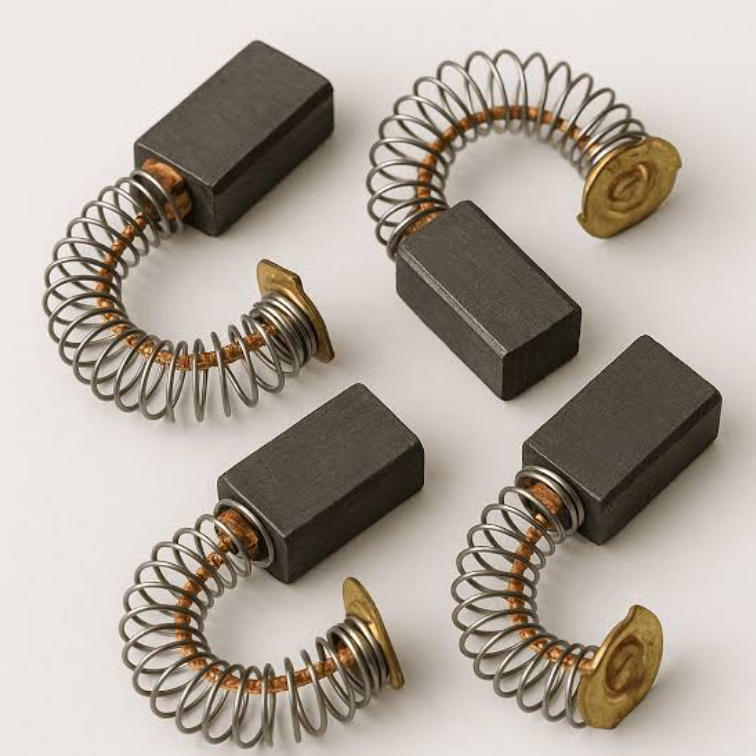
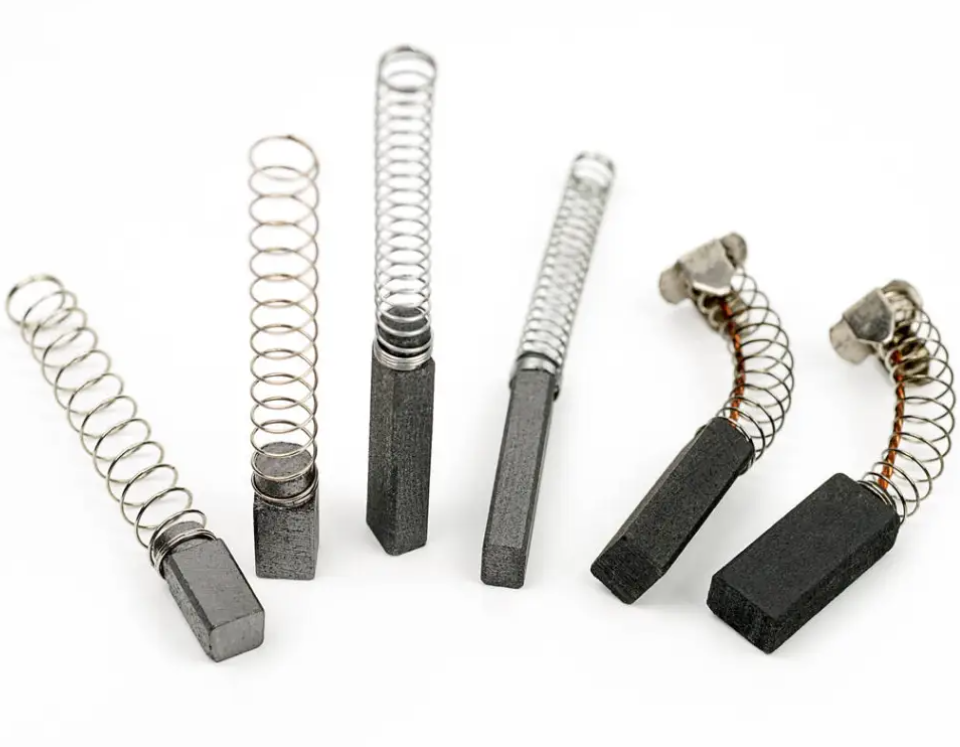
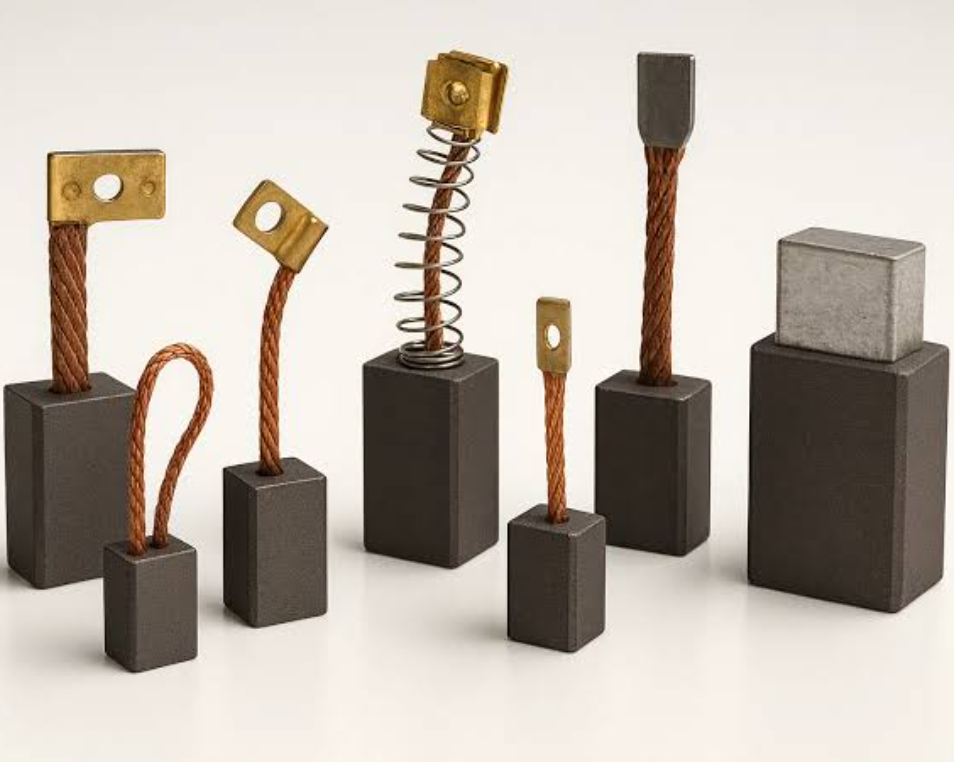
Excessive sparks popping out from the motor side during operation is another frequent electrical malfunction closely related to carbon brush wear. The primary inspection target is the remaining length of the two carbon brushes; once the length is less than 5 millimeters, the contact pressure between carbon brushes and the commutator becomes unstable, producing massive electric sparks during rotation. After installing new original matching carbon brushes, workers need to fasten loose brush holders tightly, as shaking brush frames will also lead to uneven contact. Finally, wipe away dust, oil stains and metal powder accumulated on the surface of the commutator with a clean dry cloth, so the current transmission stays smooth and spark intensity returns to the normal range.
Continuous abnormal overheating of the whole machine is mostly triggered by poor heat dissipation and improper working loads. The first step is to thoroughly clean thick concrete dust blocking the motor air inlet and exhaust vents, because blocked ventilation channels cannot discharge heat generated by motor operation, leading to rapid temperature rise. Operators also need to confirm they are not applying extra brute force to press the tool down for hours on end, which makes the motor run under overloaded status constantly. In addition, unstable low grid voltage will increase motor heat output. If the internal windings get damp in humid construction environments, disassembling the motor for low-temperature drying treatment can effectively solve persistent overheating problems, and shortening single continuous working time can prevent repeated overheating afterwards.
Impact System Faults and Troubleshooting Steps
No striking force or obviously weakened impact energy is the most complained malfunction for long-term used demolition hammers on construction sites. Insufficient dedicated lubricating grease inside the cylinder is the top cause; lack of oil leads to dry friction between pistons and impact blocks, which greatly reduces reciprocating striking amplitude. After refilling the specified amount of special grease, workers need to clear cement dust and sludge blocking the cylinder air holes, as blocked air passages will hinder internal air pressure circulation required for striking. If the problem still exists, the aging and deformed O-shaped sealing rings need to be replaced to stop internal air leakage. In severe cases, the piston and striker inside may be stuck or severely worn by grit, requiring partial disassembly to polish or replace these core impact components.
Stiff and stuck mode switching between hammer-only and auxiliary functions happens due to accumulated construction debris inside the switching chute. Operators must cut off the power completely before maintenance to avoid accidental startup injuries. Scrape out hardened concrete powder and mortar residue deposited in the sliding groove with a small screwdriver, then apply a thin layer of silicone grease on all movable sliding parts to boost flexibility. It is essential to check whether the built-in spring and limiting buckle inside the switching assembly have lost elasticity or fractured. Most importantly, never attempt to toggle the function switch while the machine is still running; forced switching under vibration will deform the shifting structure permanently and cause permanent jamming.
Harsh abnormal rattling and grinding noise during idle or loaded operation indicates severe wear of internal transmission parts. Workers must shut down and unplug the power supply right away to avoid further component damage. Open the gearbox shell to check the bearing clearance and gear condition; long-time high vibration will wear down bearing inner and outer rings, and when the radial shaking gap of the drill bit exceeds 2 millimeters, the bearing set needs to be replaced immediately. Cracked or broken gear teeth inside the gearbox will produce irregular clashing noise all the time during operation, and continuing to use the machine will lead to complete collapse of the whole transmission system.
Structural Mechanical Faults and Corresponding Fixes
Being unable to pull out the chisel bit from the front chuck is a common daily trouble caused by accumulated dirt inside the locking mechanism. After power off, remove the outer protective cover of the machine head first, then clear compacted dust, mud and aged grease filling the chuck interior. Apply lubricant on the steel balls and locking spring components inside the chuck to restore elastic stretching performance, and the chisel can be taken out smoothly without any forced prying or knocking, which will only deform the chuck structure.
Fracture and falling off of the circlip at the front head brings huge safety risks during breaking work, as the locking circlip is responsible for fixing the chisel in place. For broken residual circlip parts stuck in the groove, use an angle grinder to thin down the leftover fragments appropriately, then take out all residues with circlip pliers matched with a flat screwdriver. Install a new positioning circlip designed for the demolition hammer model to ensure the chisel will not bounce out suddenly under strong impact, effectively preventing flying tool bits from hurting operators or surrounding personnel.
Slight shaking and abnormal noise from the fuselage caused by loose body fixing screws will gradually worsen without timely handling. Check all shell fixing screws one by one, replenish any missing screws, and tighten all fasteners evenly in sequence. Long-term vibration will continuously loosen unfixed shells, making internal gears, cylinders and motor components shift position. Misaligned internal parts will produce extra friction and collision noise, and eventually lead to large-scale mechanical damage that requires costly overall overhaul.
Universal Basic Troubleshooting Principles for All Faults
A standardized easy-to-hard checking sequence can greatly shorten maintenance time and avoid unnecessary disassembly damage for all demolition hammer failures. Operators should always start inspection from external easily accessible wearing parts after cutting off the power supply completely, including power cords, power switches, carbon brushes and body screws. After eliminating external problems, move on to check internal lubrication status, sealing rings and exhaust passages that need partial disassembly. Only when the above steps cannot locate the fault should workers disassemble precision components such as gearboxes and impact cylinders. Complex electrical faults like motor winding short circuits, coil burnout and internal circuit breakdown require professional electrical maintenance personnel to repair, as improper disassembly will permanently damage the motor structure.
Supplementary Q&A
Q: My demolition hammer has normal motor rotation but zero impact force, what is the most likely reason?
A: The two most common causes are insufficient lubricating grease inside the cylinder and blocked cylinder air holes. You can first replenish dedicated grease and clean exhaust holes; if there is no improvement, the internal O-ring is aged and leaking air, which needs to be replaced.
Q: Is it allowed to continue working if the motor produces tiny sparks occasionally?
A: Faint tiny sparks during normal operation belong to the normal working state of brushed motors. If sparks are large, bright yellow and accompanied by burning smell, you must stop use and replace carbon brushes immediately.
Q: Why do body screws keep loosening shortly after being tightened?
A: Long-term high vibration will gradually loosen ordinary screws. You can add a small amount of thread locker on the screw threads before tightening, which can effectively prevent repeated loosening caused by vibration.
Final Verdict
Nearly all demolition hammer failures stem from insufficient daily lubrication, accumulated construction dust, improper operation habits and overdue replacement of vulnerable spare parts. Routine pre-use inspection and regular grease refilling can prevent over 80% of common malfunctions before they occur. When breakdowns happen, always follow the easy-to-hard troubleshooting order to avoid blind disassembly that scratches precision internal parts. Minor mechanical and electrical faults can be solved by on-site operators themselves, while complex circuit and gear damage ought to be handed over to professional maintenance technicians. Timely fault elimination and standardized daily upkeep will greatly extend the overall service life of your demolition hammer and keep stable working efficiency on all construction occasions.
Demolition Hammer & Rotary Hammer for Sale
Demolition Hammer Rotary Hammer Blog
Angle
Diamond Blade

Welcome to call us
Contact Us to get quotation
Working Time: 8:00~17:00 Monday to Friday.
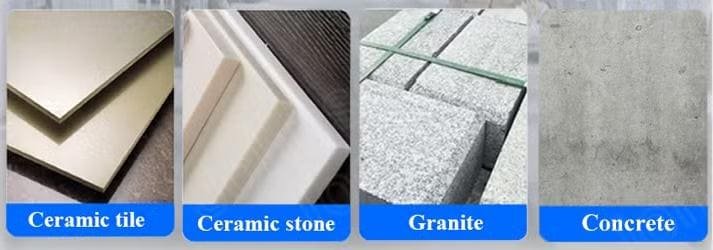
Applications:
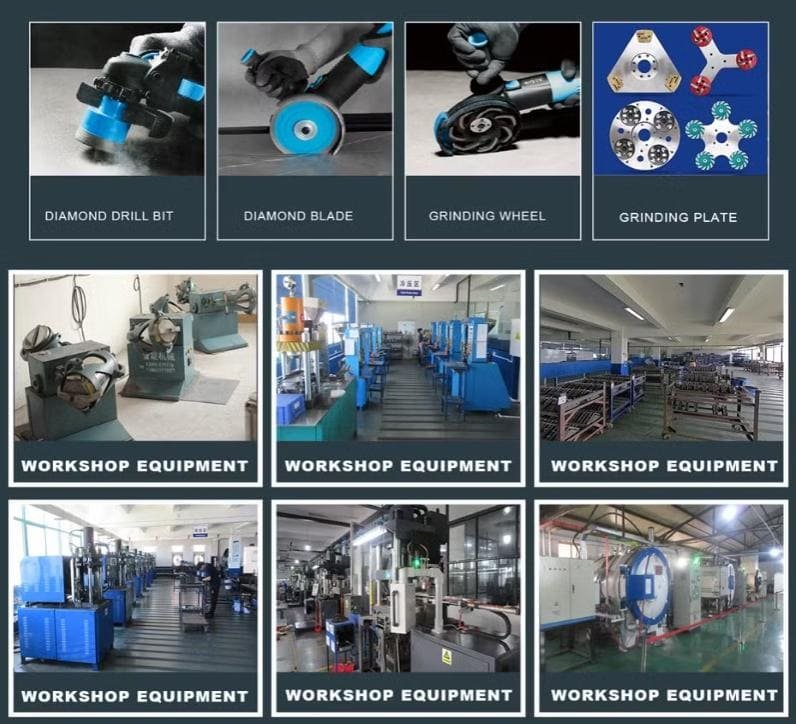
Factory:
FAQ
Welcome to call us
Contact Us to get quotation
Working Time: 8:00~17:00 Monday to Friday.