Do industrial fans cool a room?

Do industrial fans cool a room?
Industrial fans are capable of cooling indoor rooms effectively, yet they do not reduce a room’s absolute air temperature like air conditioners do. Instead, they deliver tangible cooling comfort and optimize overall indoor ventilation through unique airflow circulation mechanisms, making them an extremely cost-effective cooling solution especially for large and high-ceiling indoor spaces. Many people hold the misconception that fans cannot lower room temperature at all, confusing the refrigeration principle of air conditioners with the airflow cooling logic of industrial fans. Unlike AC units that rely on refrigerant compression to physically drop air temperature, industrial fans work by activating static indoor air, accelerating heat dissipation and balancing indoor temperature distribution. This distinctive working principle enables them to create a cool and comfortable indoor environment with low energy consumption, filling the cooling gap that high-cost air conditioning cannot cover in large-space scenarios.
What core cooling principles allow industrial fans to cool indoor rooms?
The most intuitive cooling mechanism of industrial fans is accelerating human body sweat evaporation to rapidly reduce perceived temperature and relieve stuffiness. Industrial fans generate large-area, soft and flowing airflow that boosts the ambient air speed around human bodies to 1.5 to 3 meters per second. In static or slowly moving air, sweat on the skin evaporates very slowly, trapping heat on the body surface and creating a sticky, sweltering feeling. The continuous airflow blown by industrial fans efficiently takes away surface heat and speeds up natural sweat evaporation. Since sweat evaporation is a heat-absorbing process, this physical cooling effect can lower people’s perceived temperature by 3 to 5 degrees Celsius, delivering immediate and obvious cooling comfort for indoor staff.
Industrial fans achieve uniform indoor temperature balance through full-space three-dimensional air circulation, eliminating localized heat accumulation and stuffy dead zones. Large-diameter industrial fans can push massive volumes of indoor air to form continuous vertical and horizontal circulating airflow throughout the room. In enclosed indoor spaces, hot air often accumulates in upper areas or corners due to poor air fluidity, resulting in uneven temperature distribution where certain zones feel extremely hot while others remain relatively cool. The powerful airflow agitation capability of industrial fans fully mixes hot and cold air inside the room, breaking static air layering. This thorough air blending eliminates overheated local areas, balances the overall indoor temperature, and creates a consistently cool indoor environment without regional stuffiness.
When cooperating with windows, doors or exhaust equipment, industrial fans accelerate the replacement of indoor and outdoor air to effectively lower overall indoor ambient temperature. A closed room with no air circulation easily gathers waste heat emitted by equipment, human bodies and indoor environments, causing sustained rising indoor temperature. Operating industrial fans can rapidly push stagnant hot indoor air outwards through ventilation openings, while guiding relatively cool and fresh outdoor air into the room. This efficient internal and external air exchange continuously removes accumulated indoor heat, refreshes indoor air quality, and quickly improves the sweltering and stuffy indoor condition.
This dual cooling mode combining physical perceived cooling and spatial air balancing makes industrial fans uniquely valuable for indoor cooling. Although they cannot directly reduce the absolute temperature of air molecules like air conditioners, they solve the core problem of indoor heat accumulation and air stagnation. For most indoor working and living scenarios, eliminating static hot air and improving thermal comfort can achieve ideal cooling effects that fully meet daily usage needs. This working mode almost eliminates mechanical wear loss, avoids friction aging and structural deviation, and achieves ultra-long fatigue life, making it the most durable configuration for long-term uninterrupted industrial ventilation and heat dissipation scenarios.
How effective are industrial fans for room cooling in different application scenarios?
Industrial fans deliver outstanding cooling performance in large high-ceiling venues such as factory workshops, warehouses and stadiums, solving the pain points of insufficient air conditioning coverage and high refrigeration costs in large spaces. A single HVLS industrial ceiling fan with a diameter of 7.3 meters can effectively cover an area of over 1,000 square meters. These large indoor venues feature vast space, high ceilings and serious heat accumulation, where installing and running air conditioners requires extremely high investment and power consumption, and often fails to form comprehensive cooling coverage. Industrial fans activate full-space air circulation with low power consumption, completely improving the overall sultry environment of large spaces and realizing efficient and low-cost integral ventilation and cooling.
Industrial fans deliver outstanding cooling performance in large high-ceiling venues such as factory workshops, warehouses and stadiums, solving the pain points of insufficient air conditioning coverage and high refrigeration costs in large spaces. A single HVLS industrial ceiling fan with a diameter of 7.3 meters can effectively cover an area of over 1,000 square meters. These large indoor venues feature vast space, high ceilings and serious heat accumulation, where installing and running air conditioners requires extremely high investment and power consumption, and often fails to form comprehensive cooling coverage. Industrial fans activate full-space air circulation with low power consumption, completely improving the overall sultry environment of large spaces and realizing efficient and low-cost integral ventilation and cooling.Timely replenishment and replacement of lubricating grease for fan core parts is the key to preventing bearing failure and lifespan attenuation, effectively avoiding a series of faults caused by lubrication failure.
For ordinary small and medium-sized indoor rooms, medium and small industrial fans provide far more efficient cooling effects than traditional household fans. Compared with regular household fans with limited air volume and weak airflow penetration, small and medium industrial fans have stronger motor power and more optimized blade structures, delivering larger air output and more stable airflow. In small to medium enclosed rooms, these industrial fans can stir indoor air more quickly, accelerate the dissipation of local heat, and complete the replacement of sultry indoor air and fresh outdoor air in a shorter time. Their stronger airflow mobility significantly improves indoor stuffiness faster than ordinary household fans, achieving more efficient room cooling.
It is clear that industrial fans have adaptable cooling advantages across all types of indoor spaces. They make up for the high-cost and limited coverage defects of air conditioners in large spaces, and surpass household fans in cooling efficiency and air circulation capacity in small and medium rooms, especially showing unique optimization effects in harsh high-temperature and high-humidity indoor environments. Regular inspection, cleaning and lubrication can eliminate early hidden dangers such as minor wear, unbalanced rotation and poor heat dissipation, preventing small problems from evolving into major equipment failures. This refined maintenance mode can fully release the design performance of industrial fans and achieve long-term safe and stable operation.
What practical skills can optimize the room cooling effect of industrial fans?
Matching industrial fans with wet curtain air coolers can achieve true absolute temperature reduction and further upgrade indoor cooling performance. Used alone, industrial fans mainly rely on airflow circulation to optimize perceived cooling and temperature balance. When paired with wet curtain cooling equipment, the fans can rapidly diffuse the low-temperature airflow generated by the coolers to every corner of the room. This cooperation breaks the limitation of simple airflow circulation, realizing physical cooling of indoor absolute temperature. The combination not only expands the coverage of cold air but also improves the uniformity of cooling, bringing a more thorough and efficient indoor cooling effect.
Reasonably adjusting the installation height and operating speed of industrial fans can precisely target personnel activity areas and maximize effective cooling efficiency. Blindly installing fans at excessive heights or running them at full speed all day will lead to wasted airflow and energy loss, with much of the wind acting on idle areas or mechanical equipment rather than working areas. Scientifically setting the fan installation height and adjusting stepless speed according to indoor ceiling height and staff distribution can make the soft circulating airflow fully cover all active personnel areas. This targeted airflow output avoids invalid wind loss, concentrates cooling effects on key areas, and optimizes the overall utilization rate of fan cooling performance.
Regular cleaning of accumulated dust on fan blades and motor surfaces ensures stable air volume output and long-lasting consistent cooling effects. After long-term operation, industrial fan blades and motor surfaces will accumulate large amounts of indoor dust, fibers and particulate impurities. Dust-covered fan blades increase operating wind resistance, leading to reduced air volume and weakened airflow circulation capacity. Dust accumulation on the motor also causes poor heat dissipation, increasing operating load and resulting in gradual performance attenuation. Regular professional cleaning can restore fan blade flatness and motor operating efficiency, maintaining stable wind output and preventing reduced cooling effect caused by equipment aging and load increase.
Adhering to standardized usage and maintenance habits is the key to maintaining the long-term efficient cooling performance of industrial fans. Reasonable auxiliary equipment matching, precise parameter adjustment and daily maintenance coordination can fully release the cooling potential of industrial fans. These optimization measures eliminate usage defects and performance attenuation problems in fan operation, ensuring that the equipment maintains efficient ventilation and cooling capacity in long-term indoor operation.
What is the actual service life reference of conventional industrial fans in real scenarios?
With standardized daily maintenance and mild and stable working conditions, the actual service life of ordinary industrial fans can generally reach 7 to 15 years, giving full play to the design advantages of industrial-grade equipment. Under good operating environments with low dust, normal temperature and stable load, and matched with regular cleaning, lubrication and fault inspection, the core components of industrial fans can maintain long-term stable performance. The aging and wear speed of bearings, motors and blade structures is completely controlled within the normal range, and there will be no premature failure or performance attenuation. Most standard industrial fans can stably serve industrial production for more than a decade under scientific maintenance management.
On the contrary, if daily maintenance is completely ignored and the fan operates under long-term high-load and harsh working conditions, the overall service life of industrial fans will drop sharply to only 3 to 5 years. Long-term lack of cleaning leads to dust blockage and overloaded operation, insufficient lubrication causes serious bearing wear, and harsh environments accelerate structural corrosion and aging. Multiple adverse factors overlap and superpose, making the equipment lose its normal operating performance in a short time. In severe cases, continuous vibration and structural aging will cause shell cracking, component falling off and overall equipment scrapping, resulting in extremely shortened actual service life.
The gap between the upper and lower limits of industrial fan service life fully reflects the importance of configuration quality and operation maintenance. Low-configuration fans with oil-containing bearings have a short inherent design life, and poor maintenance will make them scrapped in a few years. High-configuration dual-ball and fluid dynamic bearing fans have ultra-long design life, which can be fully realized only with matched standardized maintenance and mild working conditions. The actual service life of industrial fans is not only determined by factory design, but also depends on the long-term operation and maintenance management level of the user.
Distinguishing the service life reference standards under different working conditions can help enterprises formulate targeted equipment maintenance plans. For high-load and harsh industrial scenarios, increasing maintenance frequency and optimizing operation modes can effectively delay equipment aging and avoid premature scrapping. For conventional mild scenarios, standardized routine maintenance can ensure that the fan maintains the upper limit of service life, maximizing the cost performance and long-term use value of the equipment.
Q&A
Q1: Can industrial fans actually cool down a room?
A: Yes, industrial fans can effectively cool indoor rooms, but their working principle differs from air conditioners. They do not directly lower absolute indoor air temperature. Instead, they rely on airflow circulation to accelerate sweat evaporation, balance indoor temperature and replace hot air, achieving significant perceived cooling and overall indoor environment optimization.
Q2: What are the core cooling principles of industrial fans?
A: Industrial fans cool rooms through three core mechanisms: accelerating human skin sweat evaporation to reduce perceived temperature by 3-5℃; forming full-space circulating airflow to balance indoor temperature and eliminate heat accumulation dead zones; and promoting internal and external air exchange to discharge indoor hot air and reduce overall room stuffiness.
Q3: In which indoor scenarios do industrial fans work best for cooling?
A: They are most suitable for large high-ceiling spaces such as factories, warehouses and stadiums to solve high air conditioning costs and insufficient coverage. They also deliver better cooling efficiency than household fans in ordinary small and medium rooms, and can effectively improve sticky and stuffy conditions in high-temperature and high-humidity indoor environments.
Q4: How to further optimize the indoor cooling effect of industrial fans?
A: Cooperate with wet curtain air coolers to achieve real absolute temperature reduction; adjust fan installation height and speed to precisely cover personnel active areas and avoid invalid airflow loss; regularly clean dust on blades and motors to stabilize air volume output and maintain long-term efficient cooling performance.
Summary
In short, industrial fans are effective indoor cooling equipment that delivers prominent room cooling effects through unique airflow adjustment mechanisms, despite being unable to reduce indoor absolute temperature like air conditioners. They realize efficient indoor cooling mainly by accelerating human body sweat evaporation to lower sensory temperature, building full-space air circulation to balance indoor heat distribution, and promoting hot and cold air replacement to improve overall stuffy environments. Adaptable to diverse scenarios, they solve large-space cooling dilemmas that air conditioners cannot handle economically, outperform ordinary household fans in small and medium rooms, and effectively improve high-humidity thermal discomfort. Through reasonable matching with cooling auxiliary equipment, scientific parameter adjustment and daily maintenance optimization, the indoor cooling efficiency of industrial fans can be further maximized, making them an extremely cost-effective and practical cooling solution for various industrial and commercial indoor spaces.
Industrial Fan for Sale:
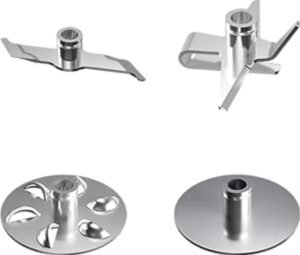
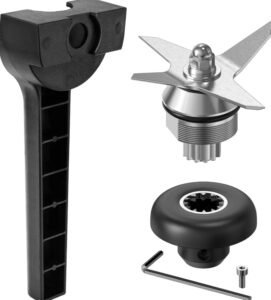
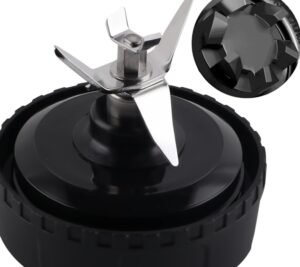
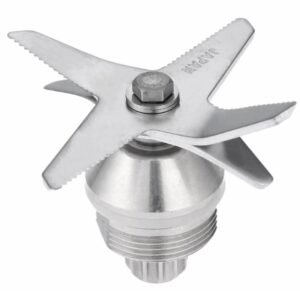
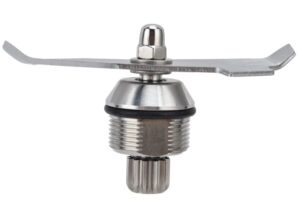
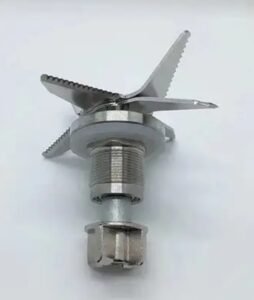
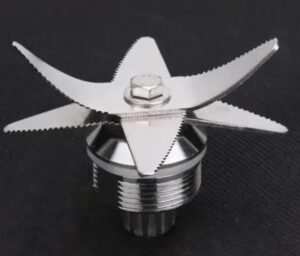
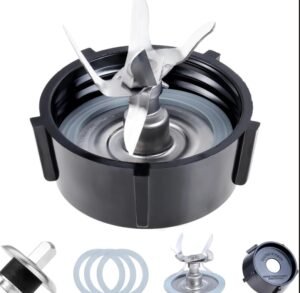
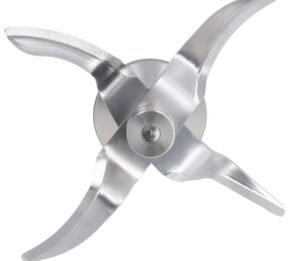
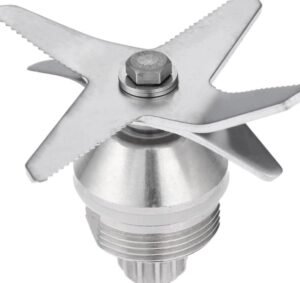
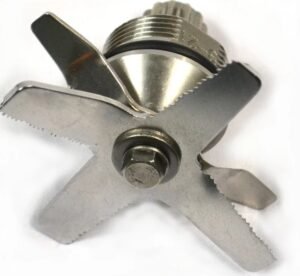
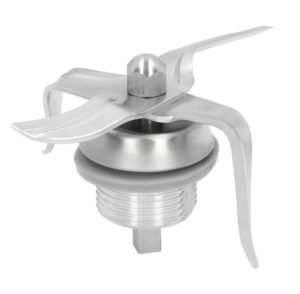
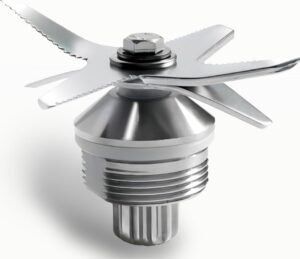
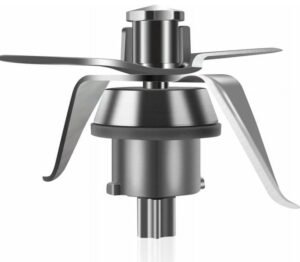
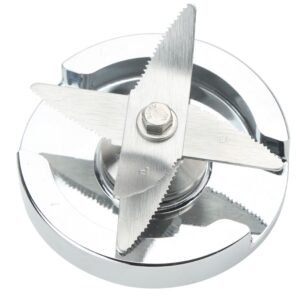
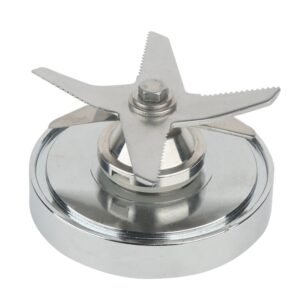
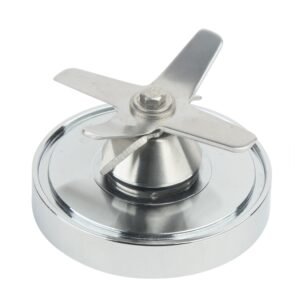
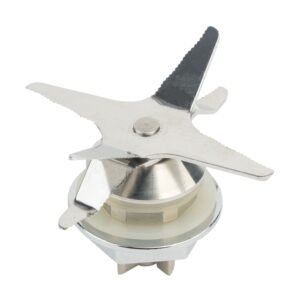
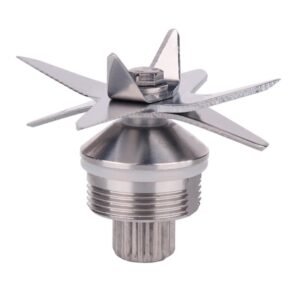
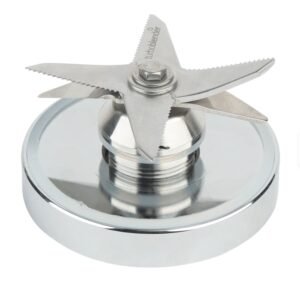
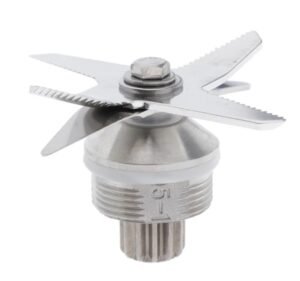
Blender Blade for Sale:
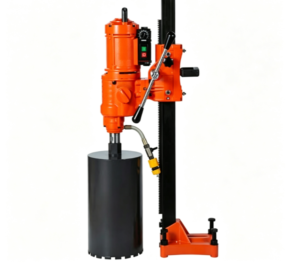
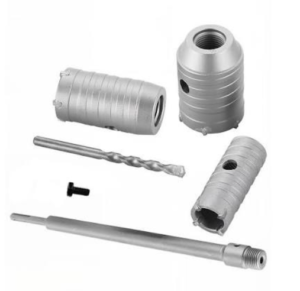
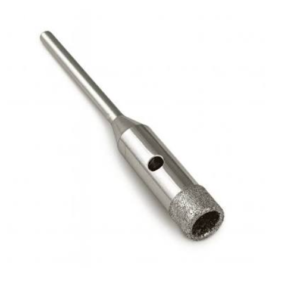
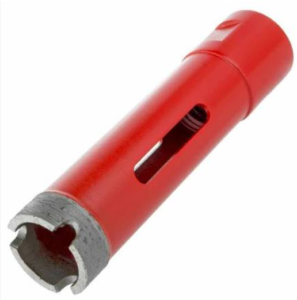
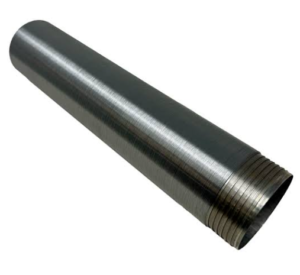
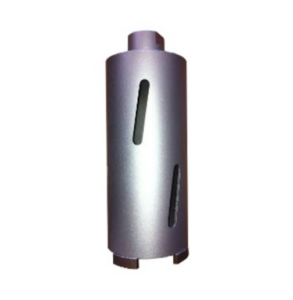
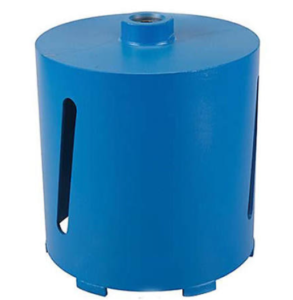
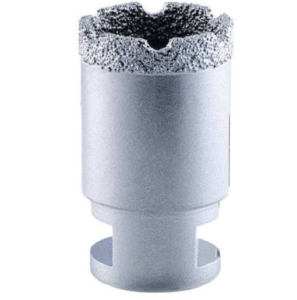
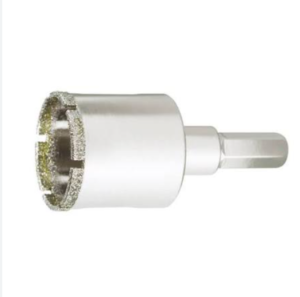
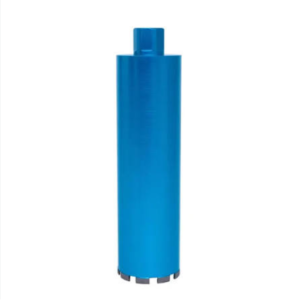
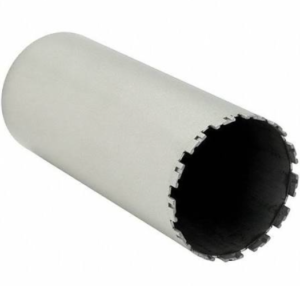
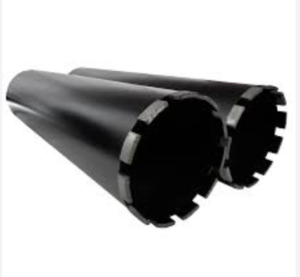
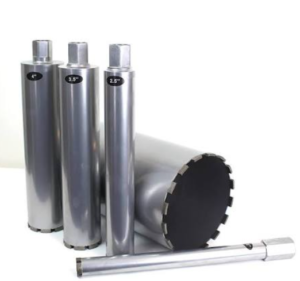
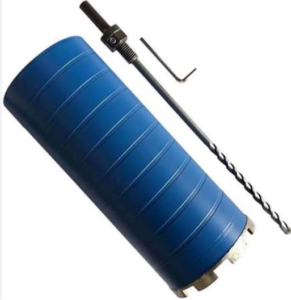
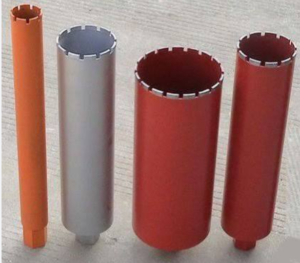
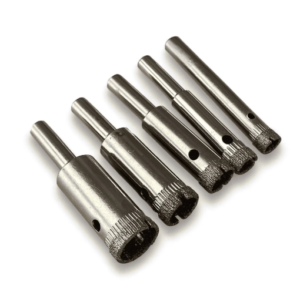
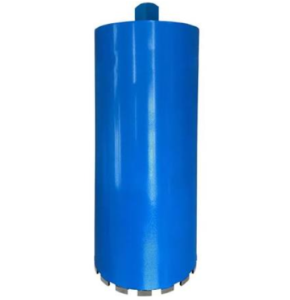
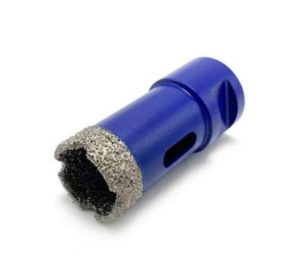
Core drill bit for Sale:
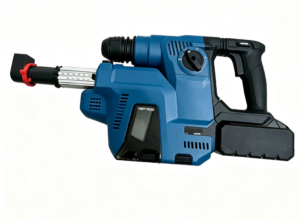
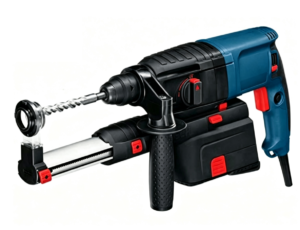
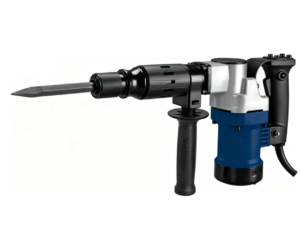
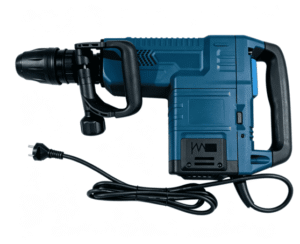
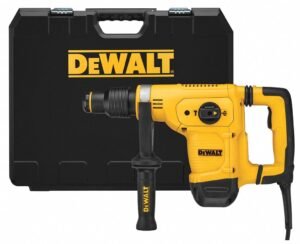
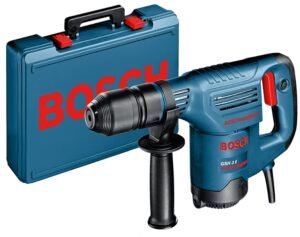
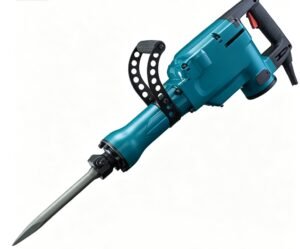
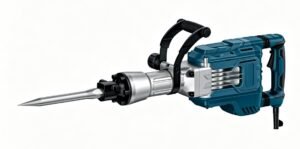
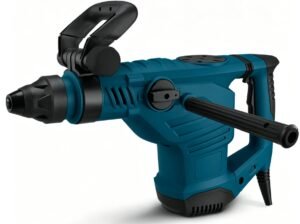
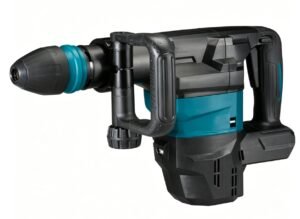
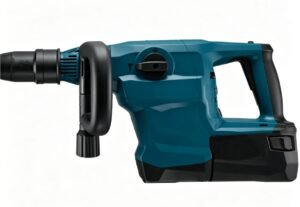
Rotary Hammer & Demolition Hammer for Sale:

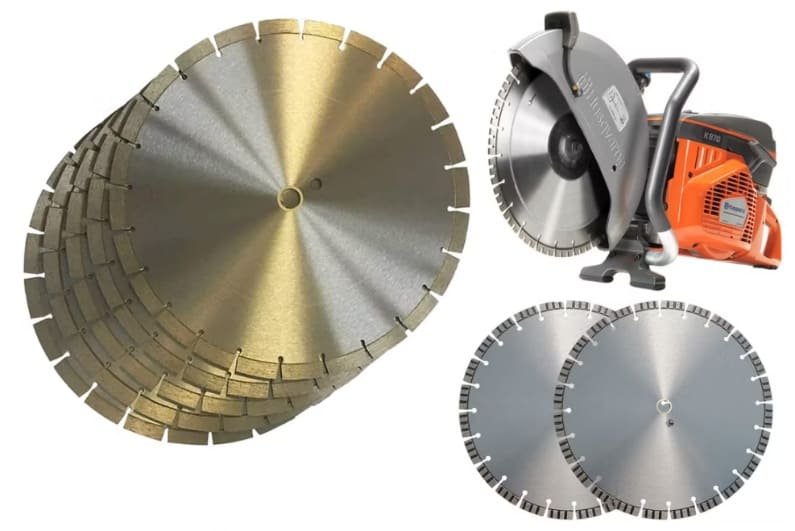
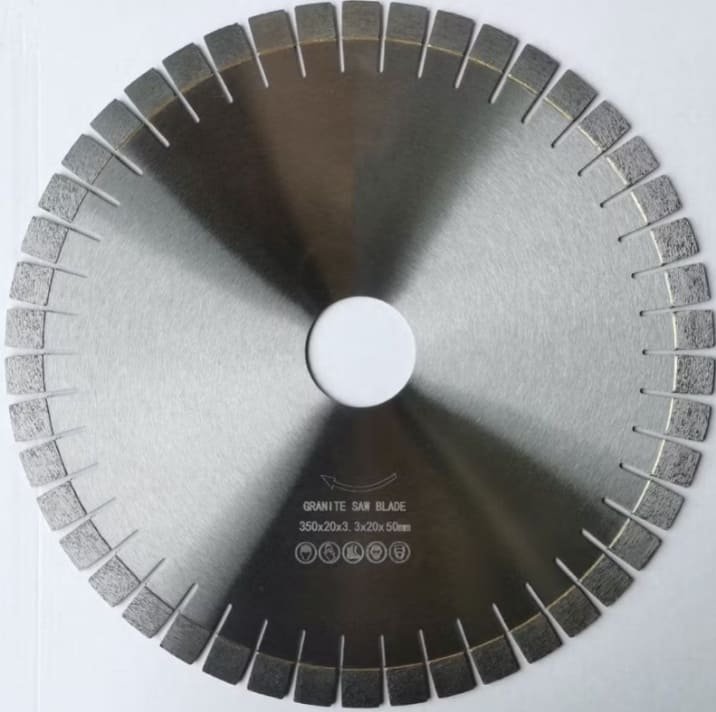
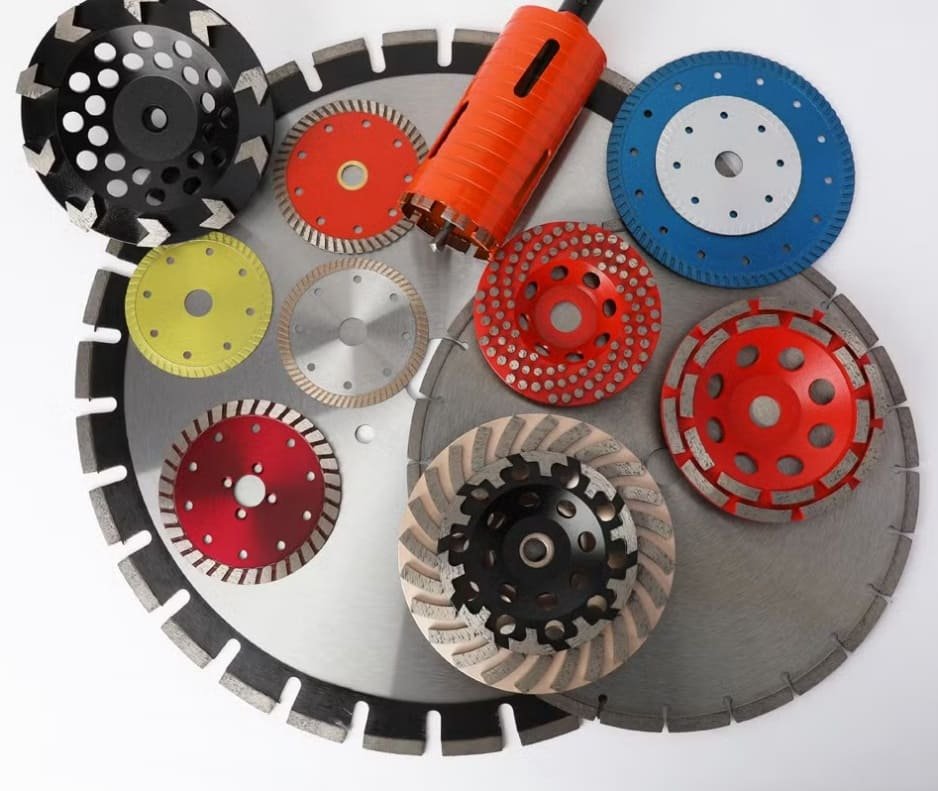
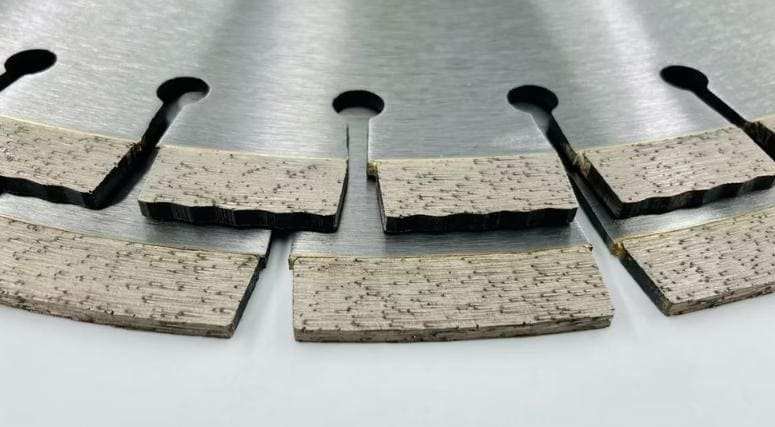
Diamond Blade

Welcome to call us
Contact Us to get quotation
Working Time: 8:00~17:00 Monday to Friday.
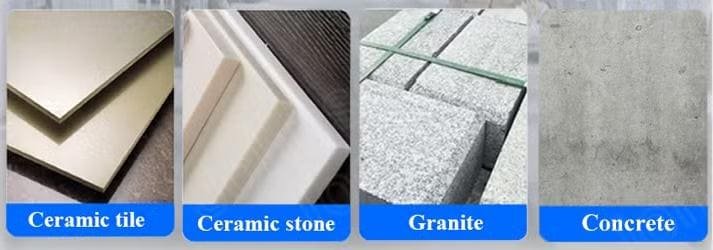
Applications:
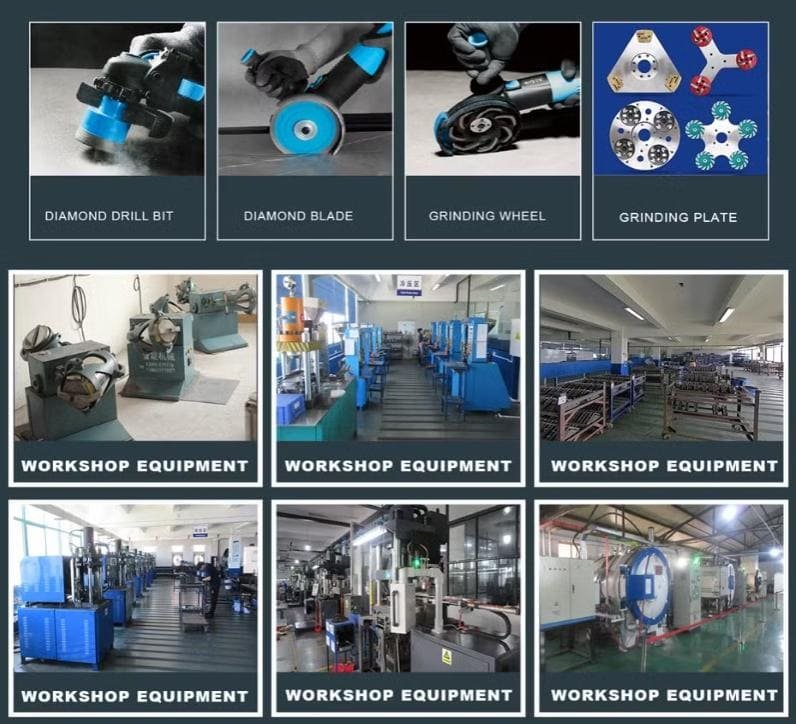
Factory:
FAQ
Welcome to call us
Contact Us to get quotation
Working Time: 8:00~17:00 Monday to Friday.
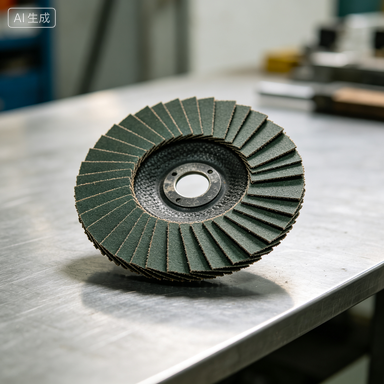
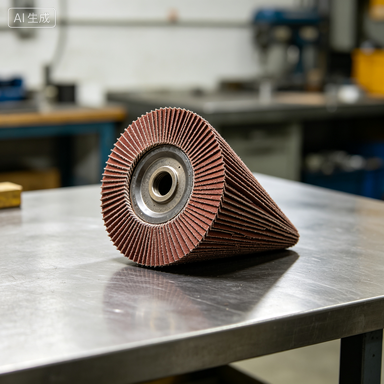
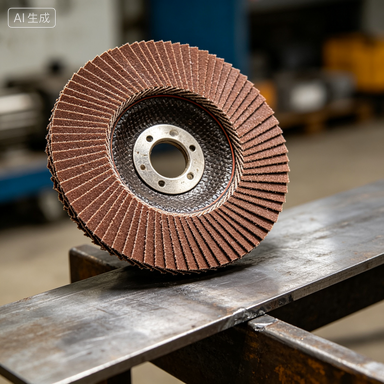
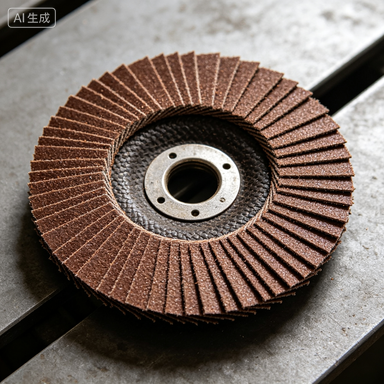
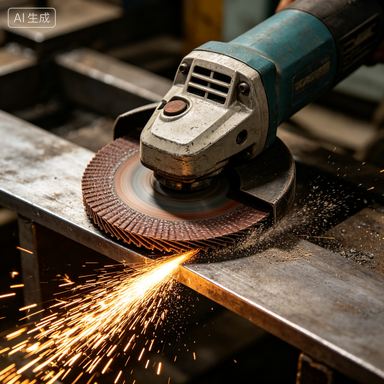
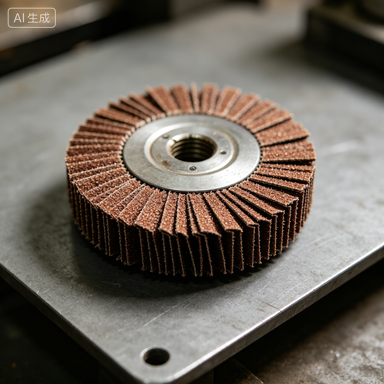
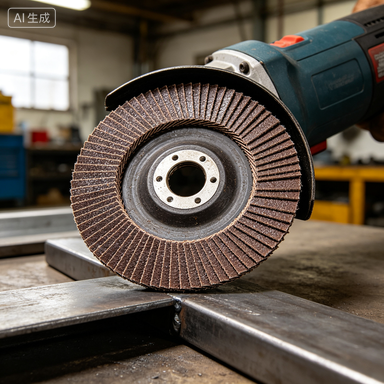
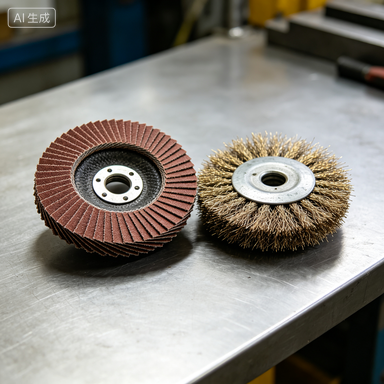
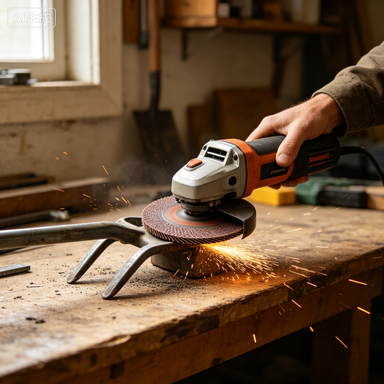
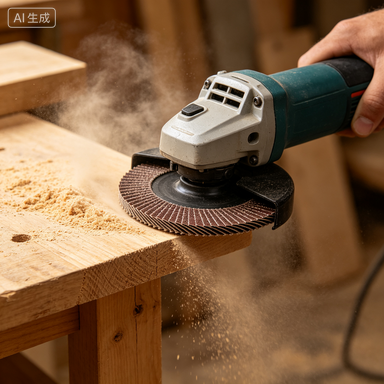
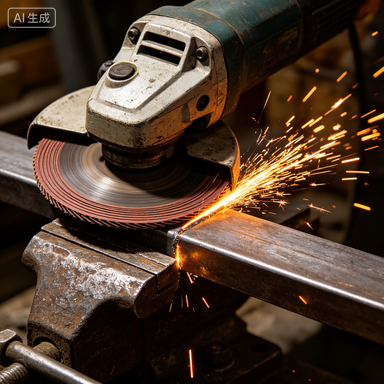
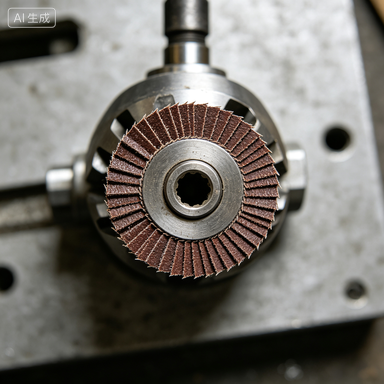
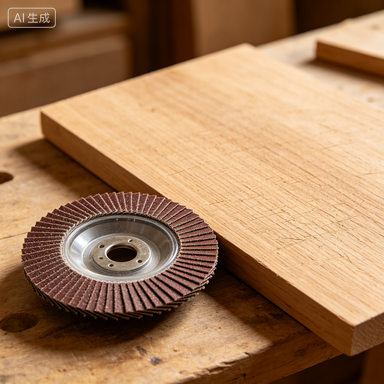
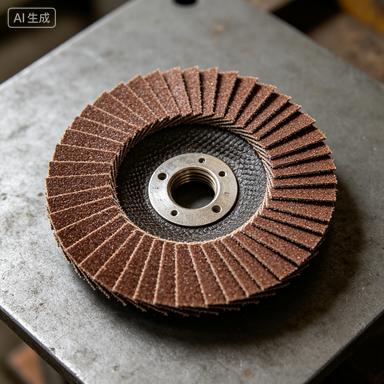
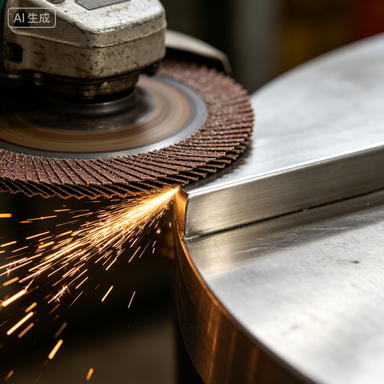
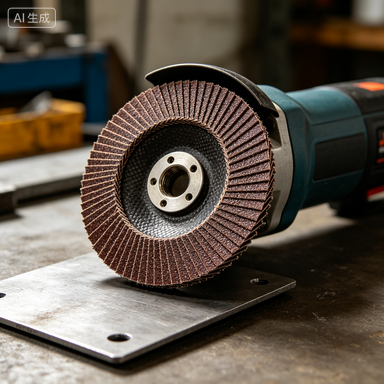
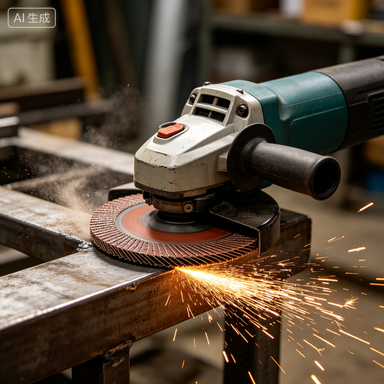
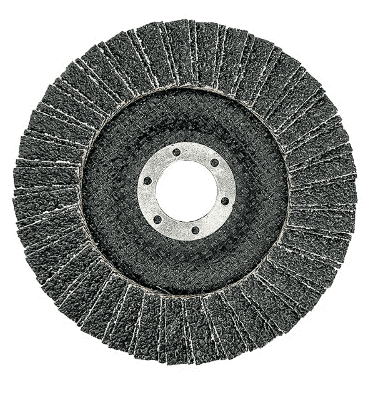
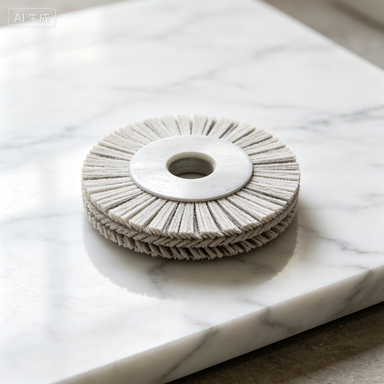
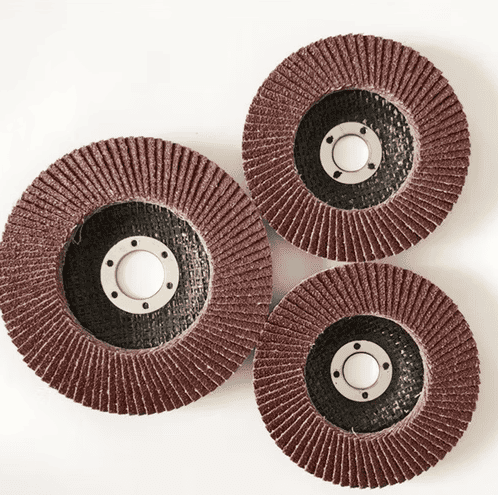
Flap Disc for Sale
Blogs:
You May also Interest in other topics:
LMCK Premade bag packing machine Automatic Laudry Detergent Production Line light calcium grinding mill Type 2 portable ev charger