Gasoline Demolition Hammer vs Electric Model: Off-Grid Jobsite
Gasoline Demolition Hammer vs Electric Model: Off-Grid Jobsite
Gasoline and electric demolition hammers differ fundamentally in power supply and outdoor adaptability; gasoline breakers stand as the primary choice for job sites without grid power, and clear comparison data plus targeted matching plans help contractors pick the right tool for remote construction tasks.
Core Feature Overview of Two Types of Demolition Hammers
Gasoline demolition hammers rely on built-in internal combustion engines as independent power sources, fully eliminating the need for external power cords or fixed power outlets on site. Their impact energy range generally falls between 20J and 55J, while heavy-duty industrial gasoline units can exceed 120J for ultra-hard rock and thick reinforced concrete breaking. The overall machine weight sits between 18kg and 20.5kg, and a full fuel tank supports continuous nonstop operation for over two hours. This self-contained power structure makes them the only viable heavy breaking tool for remote mountain zones, wilderness road repairs and newly built construction zones with zero temporary power access.
Electric demolition hammers depend entirely on stable 220V or 380V grid electricity to operate, with their impact energy capped at 10J to 40J for most mainstream models. They feature a much lighter body ranging from 5kg to 15kg, which cuts down arm fatigue during short indoor renovation work. However, every electric unit must be connected to a power cable during use, creating constant movement limits as operators drag wires across uneven ground, mud or debris. Once working in remote off-grid areas with no accessible sockets or generator support, electric hammers become completely unusable and cannot deliver any breaking performance at all.
The core gap between the two tools originates from their power supply logic, which ripples out to affect efficiency, mobility and long-term operating costs across all construction scenarios. Electric hammers shine in urban indoor projects with ready power, while gasoline versions solve the biggest pain point of off-grid construction: the lack of reliable power sources to drive heavy demolition work. Recognizing their inherent trait differences lays the foundation for scientific equipment matching on remote job sites.
Head-to-Head Comparison of Key Performance Dimensions
Power source is the most decisive dividing line between gasoline and electric demolition hammers. Gasoline units carry self-contained two-stroke or four-stroke engines that run purely on fuel, allowing free movement anywhere the operator can walk without tethering cables. Electric models require direct wired connection to mains power, and all breaking work halts instantly once the cable is disconnected or the power supply fails. This single distinction creates the entire adaptability gap for off-grid construction environments.
Outdoor site compatibility directly stems from their power setups. Gasoline demolition hammers can start working immediately upon refueling at any off-grid location, whether mountain slope excavation or highway emergency repair far from residential power lines. Electric hammers cannot function at all in these remote zones unless paired with an additional portable generator, adding extra equipment transport and setup work before demolition can begin. For short emergency off-grid tasks, the generator setup time alone wastes valuable construction hours.
Working efficiency data clearly favors gasoline-powered units under equal material conditions. Gasoline engines deliver roughly 40% higher power output than same-class electric hammers, raising overall breaking speed by nearly one-third when tackling thick concrete, asphalt and rock. Electric hammers are restricted by the maximum rated power of their internal motors, so they slow down drastically when hitting ultra-hard dense materials, and prolonged heavy load triggers frequent thermal protection shutdowns that stall construction progress repeatedly.
Continuous runtime creates another obvious separation in field performance. A full fuel tank on a gasoline hammer enables two-plus hours of uninterrupted breaking, and workers only need a quick fuel refill to resume long shifts. Electric hammers’ effective working radius is limited entirely by the length of their extension cords; longer cables cause voltage drops that weaken impact force, and operators must stop to reposition wiring constantly when covering large off-grid work areas.
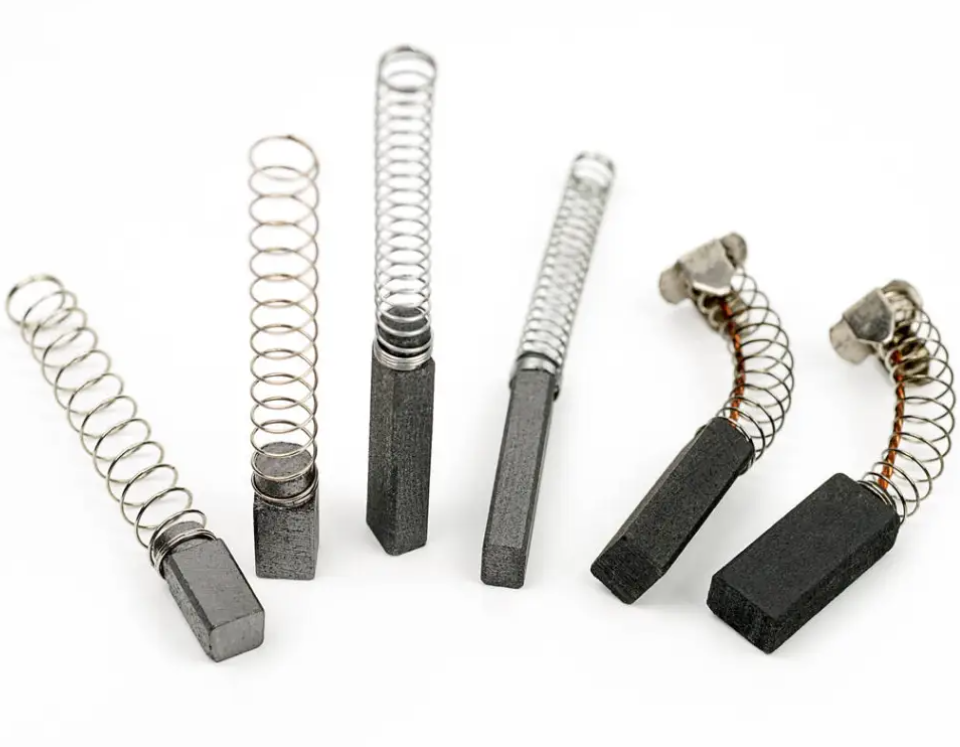
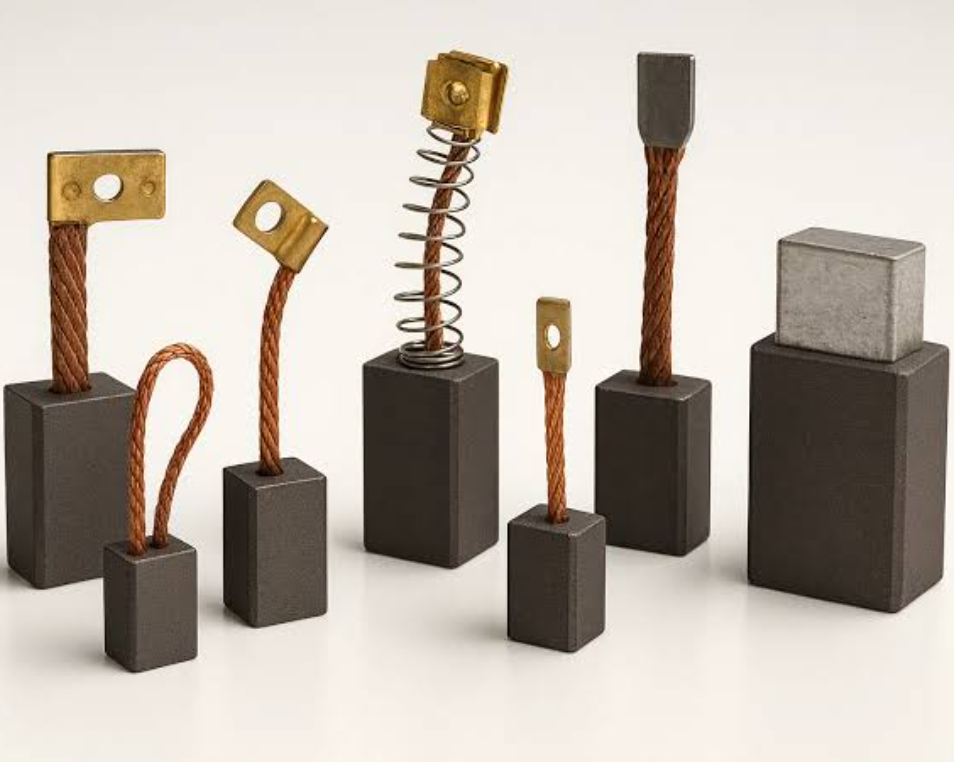
Long-term maintenance durability and total operating costs also swing toward gasoline breakers for full-time outdoor heavy use. The robust engine and all-metal impact structure of gasoline hammers deliver roughly double the service lifespan of electric counterparts. Electric hammers rely on fragile motor windings, carbon brushes and cooling fans that wear rapidly under dusty, bumpy outdoor off-grid conditions, leading to frequent breakdowns and costly replacement of electrical spare parts year after year.
Portability on uneven off-ground terrain highlights gasoline units’ unmatched flexibility. Without trailing power cables to catch on rocks, tree roots or construction rubble, gasoline hammers can be carried and repositioned by a single worker across rugged remote job sites. Electric hammers’ attached cords constantly snag on obstacles, forcing operators to pause demolition repeatedly to untangle wiring and risking cable damage that triggers sudden mid-job shutdowns.
Targeted Equipment Matching Solutions for Off-Grid Job Sites
For fully remote construction locations with zero temporary power infrastructure, gasoline demolition hammers are the undisputed first choice for all breaking tasks. Two-stroke lightweight gasoline models work well for medium-strength road and foundation repair, while four-stroke heavy-duty gasoline units handle ultra-hard rock and thick reinforced concrete excavation in mountain mining and wilderness infrastructure projects. Since no external power setup is required, a single worker can carry the complete machine plus portable fuel cans to shift work zones freely without waiting for generator transportation or cable layout work. This setup drastically cuts pre-construction preparation time for emergency off-grid repair missions.
For semi-enclosed, sheltered off-grid work spaces such as underground basements, tunnel renovation and semi-indoor new buildings without permanent power, portable generators paired with high-power industrial electric hammers form a practical secondary solution. Electric hammers generate far lower operating noise and produce no toxic exhaust fumes compared to gasoline engines, eliminating air quality risks in partially sealed spaces where gasoline fumes cannot disperse safely. Operators only need to transport a compact generator alongside the electric hammer to create temporary power on site, balancing clean operation with reliable breaking performance for covered off-grid working zones.
Large-scale full-site wilderness demolition projects adopt a hybrid heavy-duty equipment combination to maximize overall construction efficiency. Contractors can deploy one heavy industrial gasoline demolition hammer for bulk crushing of thick rock, road base and large concrete slabs, while adding a portable hydraulic power station hammer to tackle delicate, precise breaking tasks on thinner structural layers. The gasoline unit delivers ultra-high impact energy for the toughest core materials, and the hydraulic breaker provides controlled, low-vibration performance for secondary trimming work, covering all material hardness demands of large off-grid construction zones without sacrificing overall project speed.
Supplementary Q&A
Q: Can I use a regular small portable generator to run a heavy industrial electric demolition hammer off-grid?
A: Only if the generator’s continuous rated power exceeds the hammer’s wattage by at least 30%. Undersized generators create unstable low voltage that triggers constant thermal protection and weak impact force, slowing down all demolition work severely.
Q: Are gasoline demolition hammers safe to use inside partially enclosed off-grid basements?
A: No, gasoline engines release carbon monoxide exhaust that accumulates rapidly in sheltered spaces, creating poisoning hazards. Stick to generator-powered electric hammers for any semi-sealed off-grid working environments.
Q: Which gasoline demolition hammer variant works better for all-day remote highway repair work?
A: Four-stroke gasoline models are recommended. They produce less vibration and lower exhaust pollution than two-stroke units, reducing operator fatigue during multi-hour continuous off-road breaking shifts.
Final Verdict
Gasoline demolition hammers hold an unbeatable advantage for fully off-grid, open-air remote construction sites thanks to self-contained fuel power, superior breaking efficiency and unrestricted mobility, while electric hammers only become viable off-grid options when paired with stable portable generators for semi-enclosed low-emission work zones. Contractors should prioritize standalone gasoline breakers for mountain excavation, wilderness road emergency repair and new construction zones with no grid power, adopt generator-electric hammer sets for covered enclosed off-grid spaces, and combine heavy gasoline units with hydraulic breakers for large-scale full-site outdoor demolition projects. Matching your power tool to the exact off-grid environment eliminates costly efficiency losses and equipment limitations, keeping remote construction schedules on track with consistent breaking performance.
Demolition Hammer & Rotary Hammer for Sale
Demolition Hammer Rotary Hammer Blog
Angle
Diamond Blade


Welcome to call us
Contact Us to get quotation
Working Time: 8:00~17:00 Monday to Friday.
Applications:

Factory:
FAQ
Welcome to call us
Contact Us to get quotation
Working Time: 8:00~17:00 Monday to Friday.