Can I upgrade my blender blade?
Can I upgrade my blender blade?
You can definitely improve the material, structure, and dynamic balance of your blender blade. These improvements can significantly increase the overall service life of both home and commercial blenders, improve food crushing fineness and equipment stability, and compensate for the performance deficiencies of original factory blades. In order to reduce manufacturing costs, many original blender blades use simple standard configurations that are prone to inadequate hardness, a single cutting angle, and imbalanced rotation over time. These innate flaws cause increased motor load, poor crushing effect, and quick blade wear. These basic issues can be resolved with professional blade modifications. Blade upgrading is a safe, efficient, and economical solution to maximize blender performance as long as users adhere to stringent pre-upgrade matching guidelines and finish standardized post-installation inspection.
Common and Efficient Solutions for Upgrading Blender Blades
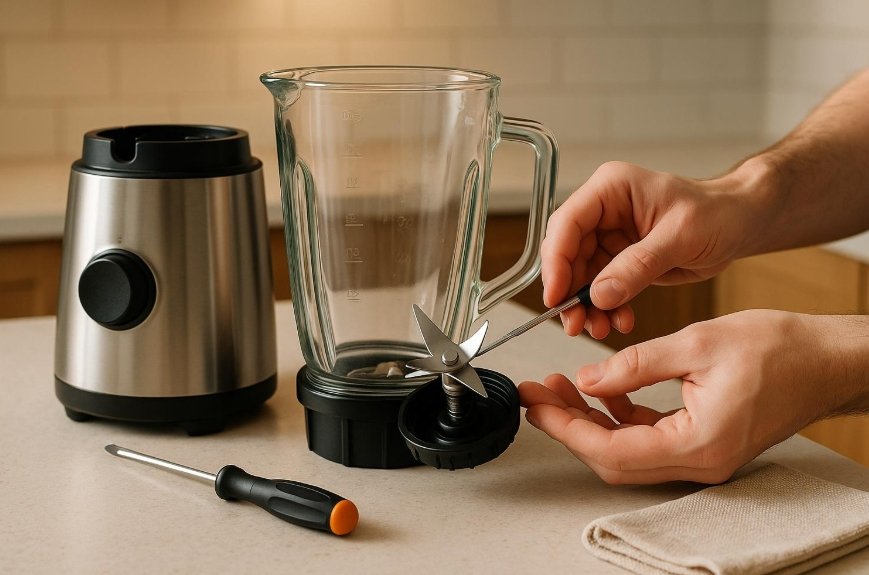
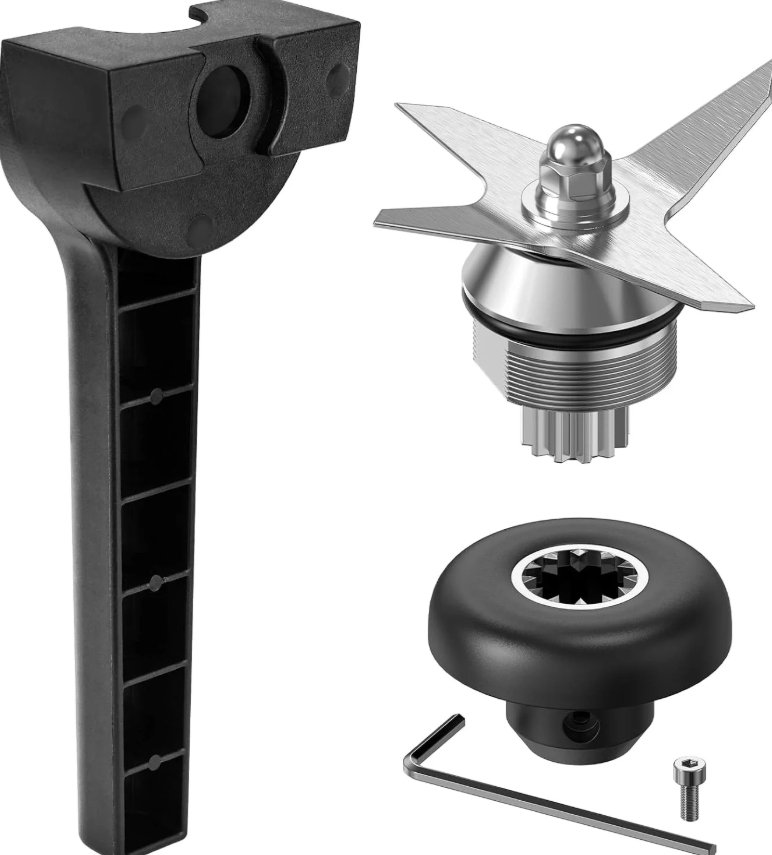
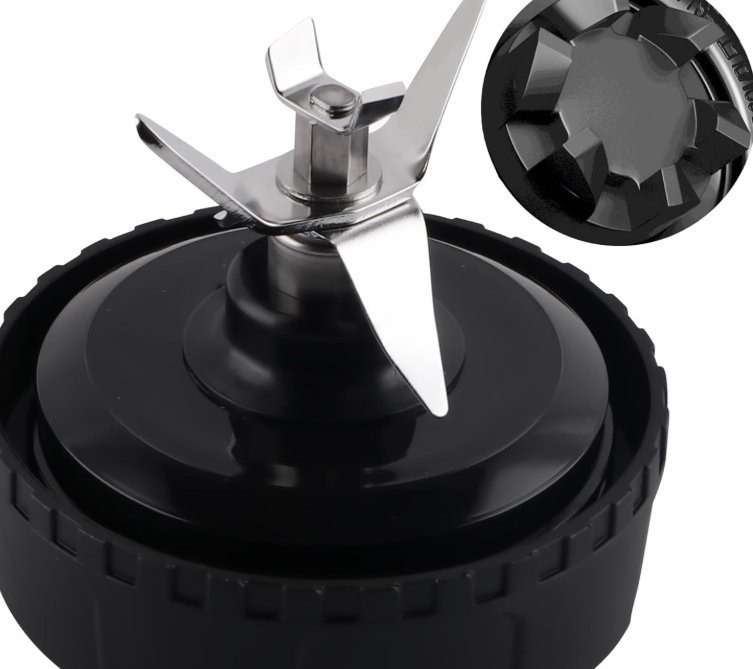
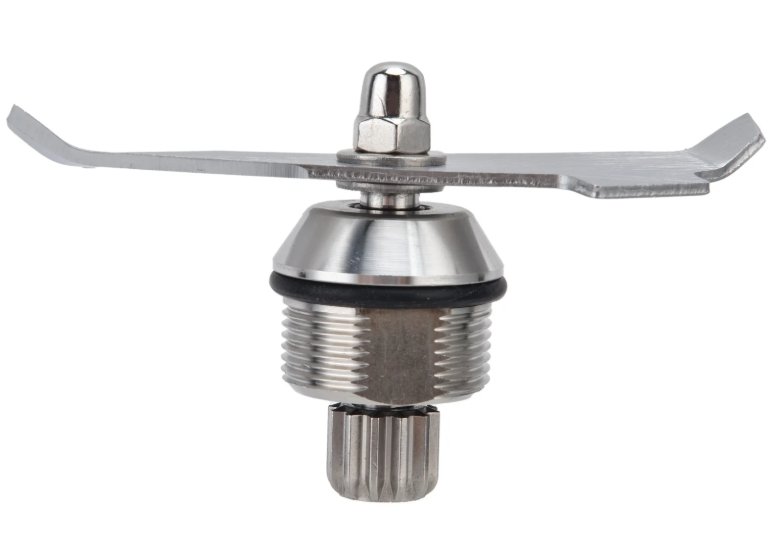
The most practical and economical way to increase the durability and impact resistance of blades is through material improvement. Ordinary 201 stainless steel blades, which have low hardness, poor rust resistance, and weak impact resistance, are found in the majority of entry-level home blenders. When hard ingredients like nuts and ice cubes are crushed frequently, they can easily develop edge chipping, passivation, and deformation. Standard 201 stainless steel blades can be upgraded to high-hardness alloy blades coated with tungsten carbide or standard food-grade 304 stainless steel blades. In comparison to original blades, the enhanced materials can increase their service life by two to three times and have stronger wear and compression resistance, which effectively prevents blade damage during hard material processing.For daily home replacement, the universal improved blade assembly with a height of 3.0 is highly adjustable. Priced at 53.49 dollars, this compatible accessory fits most common household blenders, heated wall breakers, food processors and soybean milk machines from companies such as Mingshi and AUX, enabling direct plug-and-play replacement without complex modification.
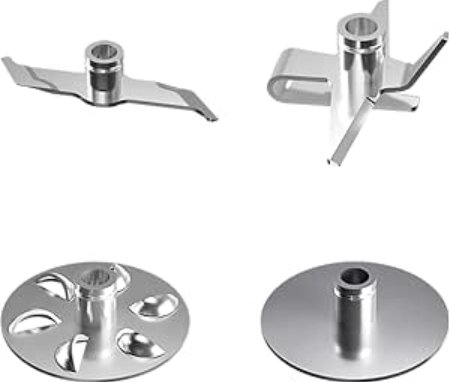
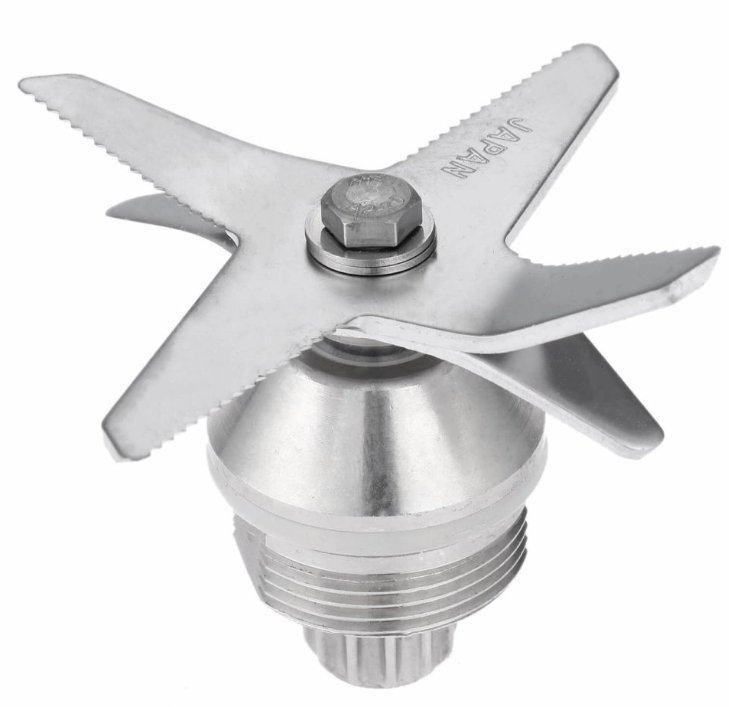
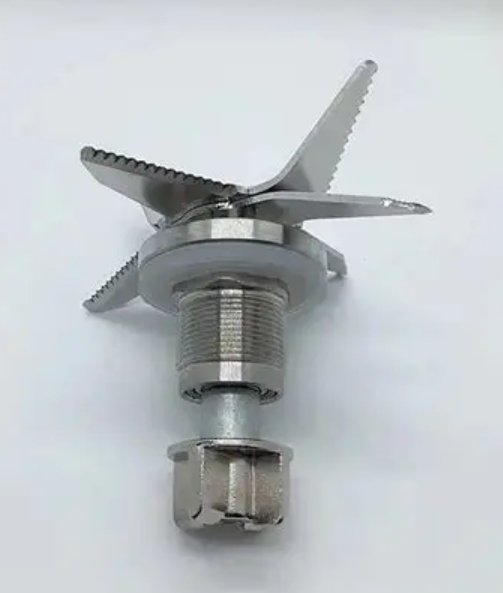
Structural upgrade can comprehensively improve blender crushing efficiency and ingredient fineness. The narrow cutting range and single shear angle of traditional basic three-blade designs cause inconsistent stirring and gritty residue in the finished food. 360-degree dead-angle-free circulation cutting within the blending cavity can be accomplished by upgrading the original three-blade structure to an S-shaped double-layer four-blade three-dimensional cutting structure.Puree, nut powder, and soybean milk are made more delicate and smooth with nearly no leftover particles thanks to the multi-angle staggered blade design, which completely crushes components of varying volumes and hardness. Structural upgrading is more focused on industrial and commercial blending scenarios with high-efficiency processing needs. Depending on the real material properties, users can swap out regular flat blades for tooth-shaped tilling blades or Γ-shaped high-shear blades. When compared to original ordinary blades, the enhanced blade contour and shear structure significantly improve material stirring and cutting capacity, boosting overall processing efficiency by over 25%.
Dynamic balance upgrade optimizes blender operating stability and reduces motor loss. Ordinary original blades have relatively simple production processes without precise dynamic balance calibration, resulting in slight weight deviation on both sides of the blade body. Long-term high-speed rotation will increase motor operating load, cause noticeable eccentric vibration, exacerbate internal component wear, and produce unusual noise. Eccentric weight deviation can be eliminated by switching to a precision dynamically calibrated blade assembly. The balanced blade runs more smoothly and stably at high speed, effectively reducing equipment vibration and friction resistance. In addition to relieving motor pressure and lowering energy and heat production, a lower working load also indirectly extends the blender host’s and internal transmission components’ overall service life.
Essential Requirements for a Qualified and Safe Blade Upgrade
The fundamental need for effective blade upgrade is complete dimensions and structural matching. To guarantee complete compliance with the original blender specifications, users must carefully examine the interface size, mounting hole location, and clamping structure while choosing enhanced blade accessories. After installation, insufficient fitting due to mismatched hole spacing, blade height, or interface structure can result in hidden issues such eccentric jitter, liquid leakage from the cup body, and blade loosening during rotation. After upgrading, only perfectly matched blades can guarantee safe and stable high-speed operation while preserving the stability of the original assembly.
The improved blades’ operational safety is determined by motor power matching. The self-weight and load-bearing requirements of various improved blades vary. Thickened structural blades and high-hardness alloys are heavier and need more motor output power to operate steadily. Installing hefty industrial-grade alloy blades is not advised for common domestic blenders with a motor capacity of less than 800 watts. The improved blade cannot be driven regularly by insufficient motor power, which will result in long-term overload operation, severe heating, and potentially direct motor burnout and equipment failure. To balance the upgrading effect and operation safety, users must choose lightweight and adaptable upgraded blades based on the original machine power.
Standard Verification Points Following Installation of the Blade Upgrade
Stable use and the removal of concealed upgrading flaws can be achieved by scientific post-installation examination and trial operation. After finishing the blade repair and update, users cannot directly process ingredients. It is important to undertake a 10-second no-load trial operation first to manually examine and confirm that the upgraded blade rotates freely without jamming, left-right shaking or abnormal friction noise. After passing the no-load test, pour a small amount of clean water into the blending cavity for simulated operation to further verify the overall stability of the equipment. The blender can only be used for formal daily ingredient processing provided there is no shaking, leakage, or unusual noise during the water trial operation. This ensures that the improved blade performs at its best without posing any safety risks.
Supplementary Q&A
Q:What are the most obvious benefits of upgrading a blender blade?
A:Blade upgrades in material, structure and dynamic balance can improve wear resistance and service life, make ingredient crushing more delicate and thorough, reduce equipment vibration and motor load, and comprehensively optimize blender operating efficiency and stability.
Q:What risks will mismatched blade upgrades cause?
A:Mismatched hole positions and sizes lead to blade loosening and liquid leakage, while mismatched motor power causes motor overload heating and burnout. Uncalibrated dynamic balance will result in severe vibration and abnormal noise during operation.
Q:How to confirm the upgraded blade is installed correctly?
A:Perform a 10-second no-load test to check for shake and abnormal noise, then run a short water trial. Stable rotation, no jitter, no leakage and no abnormal sound prove that the upgrade installation is qualified and safe for formal use.
Final Decision
To sum up, replacing blender blades is a practical and cost-effective way to optimize performance for both home and commercial equipment. Material upgrades increase hard material adaptability and durability, structural upgrades improve processing efficiency and crushing fineness, and dynamic balancing upgrades maximize operating stability and minimize equipment loss. Before upgrading, users must adhere to the fundamental matching principles of adaptable motor power and consistent installation dimensions. When combined with standardized no-load and water trial verification following installation, blade upgrade can effectively lengthen the equipment’s total service life, achieve long-term stable and efficient operation of the blender, and fully compensate for original equipment performance flaws.
Blender Blade for Sale
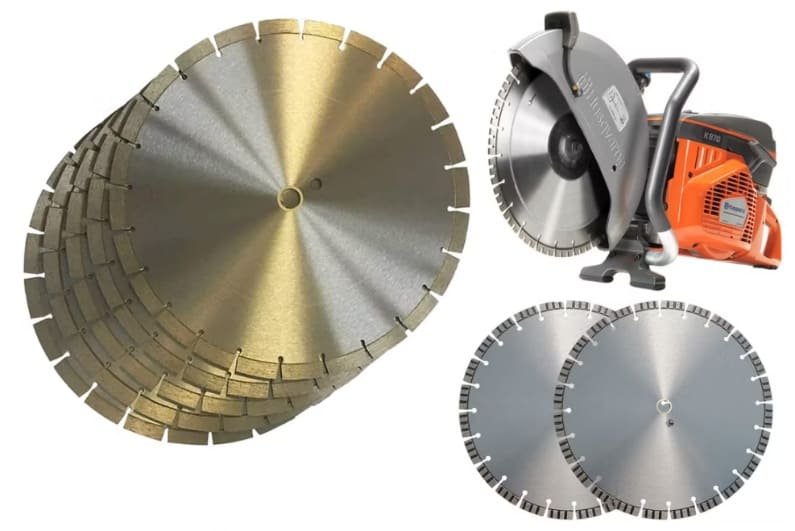
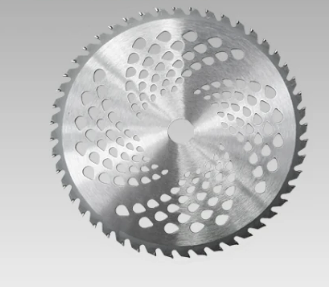
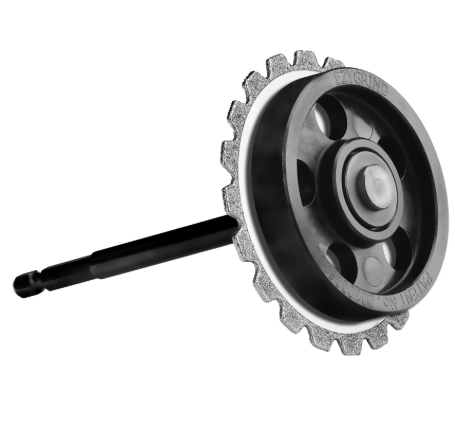
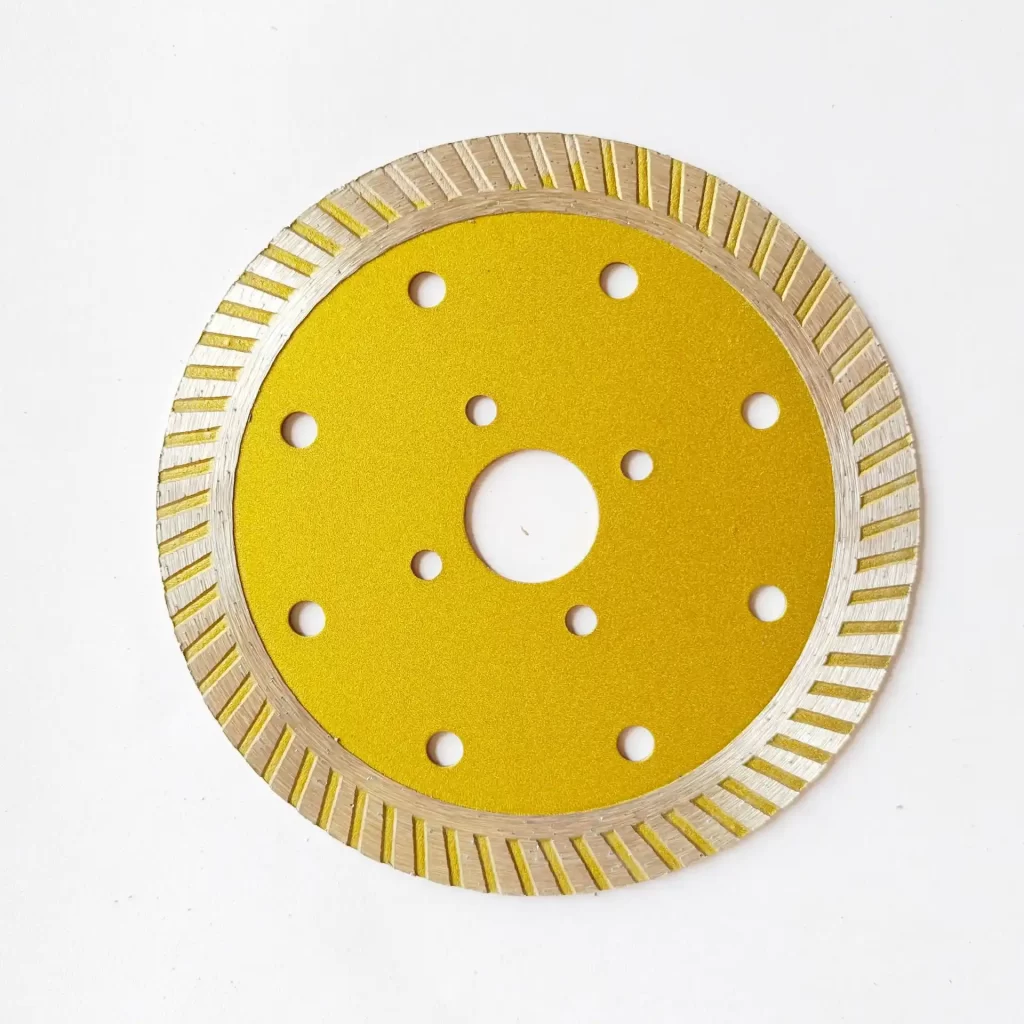
Diamond Blade for Sale

Demolition Hammer & Rotary Hammer for Sale
Welcome to call us
Contact Us to get quotation
Working Time: 8:00~17:00 Monday to Friday.
FAQ
Welcome to call us
Contact Us to get quotation
Working Time: 8:00~17:00 Monday to Friday.
-768x447.jpeg)