How to choose a demolition hammer?
How to choose a demolition hammer?
Whether you are a weekend DIYer tackling a bathroom tile removal or a professional remodeler breaking concrete slabs every week, picking the wrong demolition hammer leads to slow progress, unnecessary fatigue, and even premature tool failure. Many shoppers only compare price or wattage and overlook critical specifications that decide real-world performance.
This buying guide walks you through every key factor to evaluate before purchasing or renting a demolition hammer. We draw on field feedback from contractors, independent tool testing, and common questions found across tool forums and review platforms. By the end, you will know exactly what specs to check and which model fits your demolition project.
Step 1: Define Your Project Requirements First
Before browsing any tools, clarify the work you need to complete. This single step eliminates most mismatched purchases.
- Material type: Tile, brick, concrete blocks, solid concrete, asphalt?
- Concrete thickness: Under 4 inches, 4–6 inches, or thicker reinforced slabs with rebar?
- Working location: Indoor tight spaces, overhead wall chipping, or outdoor ground demolition?
- Usage frequency: One-time renovation job, occasional work, or daily professional use?
Light compact models handle tile removal and minor chipping easily, but they will struggle and overheat if pushed to demolish thick concrete driveways. Heavy industrial breakers deliver massive force yet become awkward to maneuver inside basements or small rooms.
Step 2: Understand Core Performance Specifications
Impact Energy (Joules)
Impact energy, measured in joules, is the most important number to watch. It reflects how much force each strike delivers. Wattage alone can be misleading, so always prioritize joule rating.
- 7–20 J (Light-duty): Tile stripping, mortar removal, shallow wall chasing, small concrete touch-ups. Ideal for homeowners with occasional renovation.
- 20–35 J (Medium-duty): The most popular range for residential remodels. Breaks unreinforced concrete slabs up to 4–5 inches thick, patio demolition, concrete block removal.
- 35 J and above (Heavy-duty): Thick concrete, lightly reinforced slabs, continuous all-day demolition work for contractors.
Blows Per Minute (BPM)
BPM shows how many impacts the hammer delivers every minute. Higher BPM speeds up light chipping tasks, but it cannot replace sufficient impact energy for breaking solid concrete. Avoid choosing a model based only on high BPM without checking joules.
Tool Weight
Weight closely ties to power and handling.
- Lighter hammers (under 7 kg): Easy for overhead work, wall channelling and tight indoor areas.
- Mid-weight units (7–12 kg): Balanced for both floor and wall jobs, best all-round choice for most remodels.
- Heavyweight breakers (12 kg+): Built for horizontal ground breaking. They are exhausting to hold overhead for long periods.
Step 3: Choose Power Type — Corded vs Cordless
Corded Demolition Hammer
Pros: Consistent, uninterrupted impact power, no downtime waiting for battery charging, lower long-term cost for heavy work. Cons: Restricted by extension cords; watch for tripping hazards on busy job sites. Best for: Indoor renovations, medium to large concrete demolition where power outlets are accessible.
Cordless Battery-Powered Demolition Hammer
Pros: Fully mobile, no tangled cables, convenient for outdoor sites without power. Cons: Top-tier cordless models still cannot match the maximum impact energy of large corded breakers. Batteries add extra upfront cost and require spare packs for long shifts. Best for: Electricians, plumbers and contractors handling light-to-medium chipping and mobile service jobs.
Step 4: Bit Shank Type (Do Not Ignore This Detail)
The shank determines which chisels you can use, and they are not interchangeable.
- SDS-Max: Standard for light and medium electric demolition hammers. Widely available pointed, flat and scaling chisels, suitable for most residential and light commercial demolition.
- Hex Shank: Found on larger, heavy-duty industrial breakers. Built to endure extreme sustained impact for thick concrete breaking.
- SDS-Plus: Mainly for rotary hammers; avoid relying on SDS-plus tools for serious slab demolition.
If you already own a set of chisels, confirm the shank compatibility before buying a new hammer.
Step 5: Prioritize Anti-Vibration Features
Operating demolition hammers creates strong vibration that transfers straight into your wrists and forearms. Extended exposure may lead to numb fingers, tendon pain or permanent hand-arm vibration syndrome (HAVS). Higher-quality tools integrate built-in anti-vibration systems (AVR / AVT) with floating handles and internal counterbalance structures. Budget models often skip this design.
If you plan to operate the tool for more than 30 minutes continuously, anti-vibration handles are well worth the extra investment. Even with vibration reduction, always wear anti-vibration gloves and take regular rest breaks.
Step 6: Ergonomics and Practical Design Features
Small design details greatly improve daily usability:
- Adjustable auxiliary side handle: Lets you reposition the grip for walls, floors and overhead work.
- Tool-free chisel change: Saves time swapping between pointed and flat chisels without extra tools.
- Multiple chisel angle settings: Useful for trimming walls, tiling removal and uneven surfaces.
- Heat dissipation housing: Prevents overheating during longer demolition sessions.
- Soft rubber non-slip grips: Maintain control even when hands sweat.
Step 7: Match Brand and Build Quality to Your Usage
- Occasional DIY use: Reliable mid-range consumer brands work well. No need to pay premium professional pricing for one or two small projects.
- Frequent or professional daily use: Invest in established pro-grade brands with robust internal gears, accessible spare parts and formal warranty support. Cheap budget units wear rapidly under continuous heavy load and often lack available replacement components.
Step 8: Common Mistakes to Avoid When Shopping
- Judging power only by wattage. Always check impact energy in joules.
- Buying an overly heavy hammer for indoor overhead wall work, leading to quick operator fatigue.
- Ignoring shank type and discovering your existing chisels do not fit.
- Skipping anti-vibration features for long-duration jobs.
- Choosing a light-duty model to break thick reinforced concrete — it will be slow and risk burning out the motor.
Quick Selection Reference
- Tile removal, thin screed, minor wall chipping: Light-duty corded SDS-max demolition hammer (7–20 J)
- Patio tear-out, basement concrete repair, wall chasing: Medium-duty 20–35 J SDS-max model
- Thick unreinforced slabs, continuous commercial demolition: Heavy-duty 35 J+ hex shank breaker
- Mobile service jobs without power access: High-voltage cordless demolition hammer for light/medium tasks
Frequently Asked Questions
Q: Can a demolition hammer replace a rotary hammer?
A: No. Demolition hammers only deliver percussive force for breaking. Rotary hammers focus on drilling with limited light chipping capability. If you need both drilling and demolition, consider separate tools.
Q: Are cordless demolition hammers powerful enough for concrete slabs?
A: Modern high-voltage cordless units handle thin concrete and wall channelling. They cannot compete with large corded breakers for thick, heavy concrete demolition.
Q: What chisel bits should I prepare when I get my demolition hammer?
A: Start with a pointed bull chisel to create initial cracks, plus a wide flat scaling chisel for prying loose material. Sharp bits drastically improve efficiency.
Q: How important is warranty for a demolition hammer?
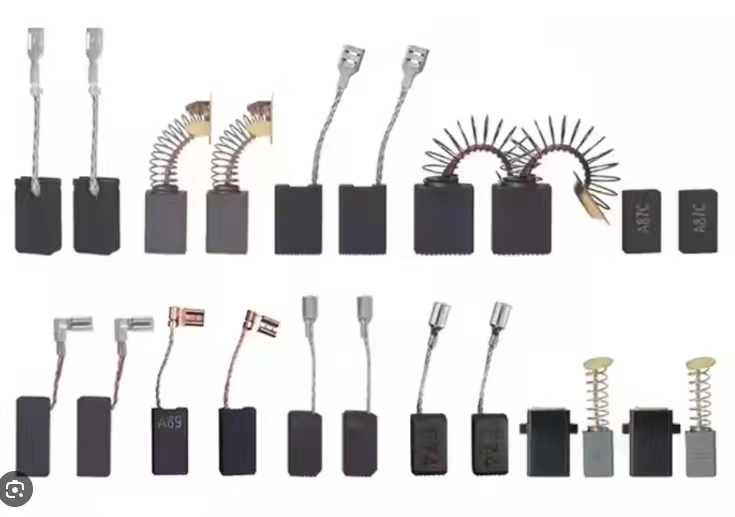
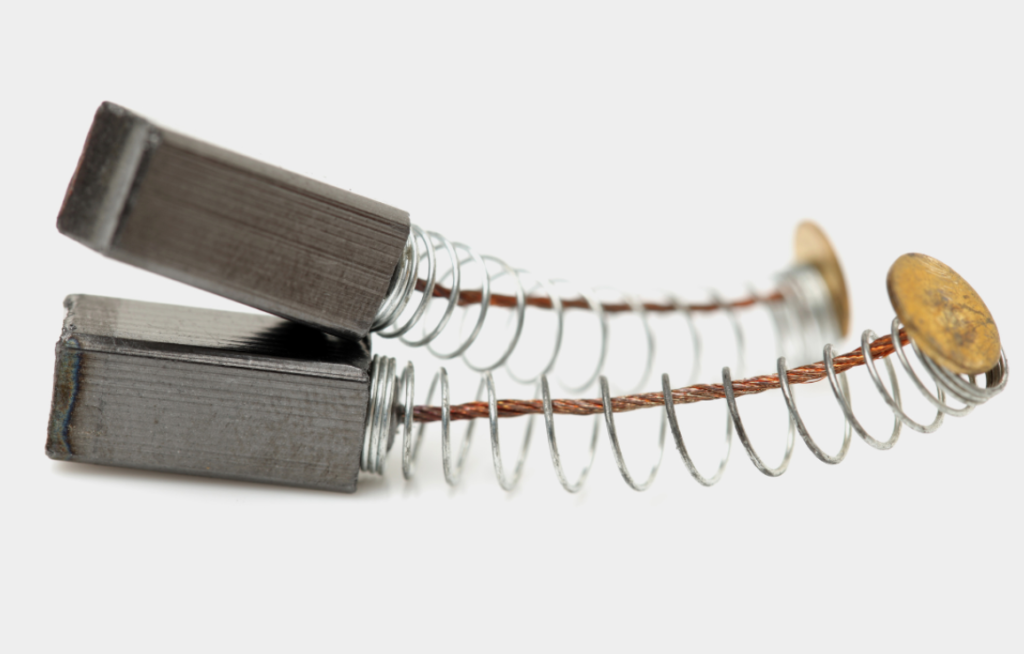
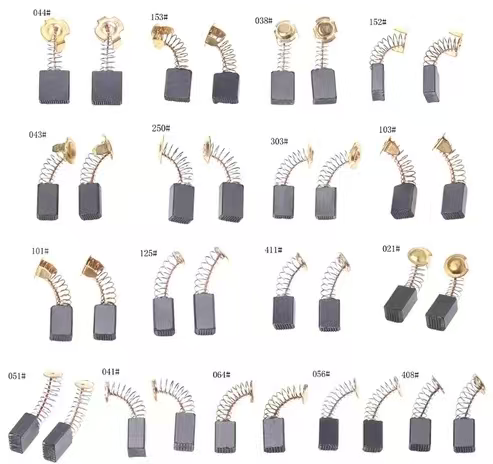
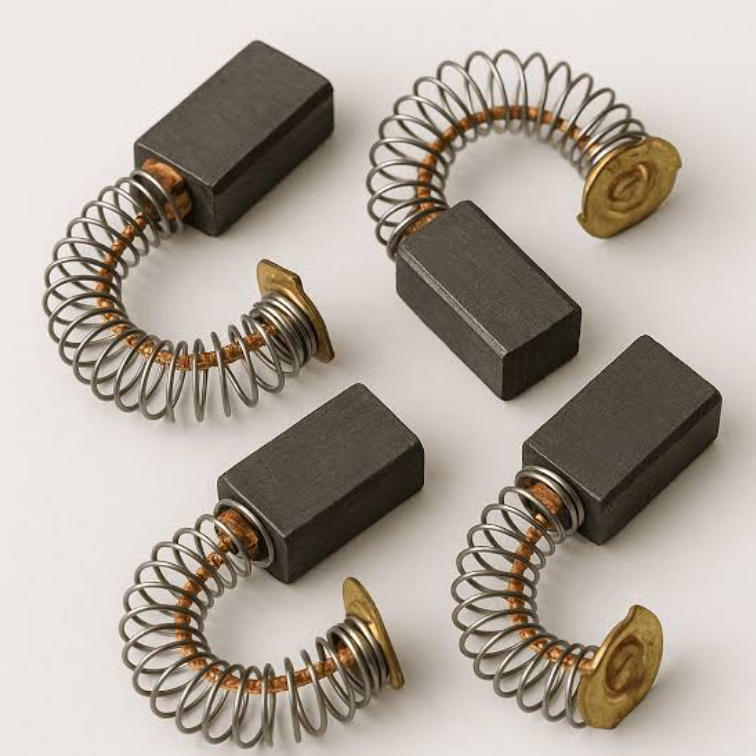
A: Very important for professional users. Check whether the warranty covers normal jobsite wear, carbon brushes and impact components. Many budget brands offer limited or hard-to-claim warranties.
Final Thoughts
Choosing a demolition hammer ultimately comes down to matching the tool’s impact energy, weight and power source to your specific demolition tasks. For most residential renovation projects, a medium-duty corded SDS-max demolition hammer with anti-vibration handles delivers the best balance of performance and maneuverability. If you only carry out occasional light chipping, a compact lightweight model meets your needs. For heavy, all-day concrete breaking on commercial sites, select a high-joule heavy-duty breaker.
Take time to compare specifications rather than choosing based on marketing photos or price alone. The right demolition hammer will cut your workload in half and extend the service life of your power equipment.ope, rather than picking a brand based on reputation alone.
Demolition Hammer & Rotary Hammer for Sale
Demolition Hammer Rotary Hammer Blog
Angle
Diamond Blade

Welcome to call us
Contact Us to get quotation
Working Time: 8:00~17:00 Monday to Friday.
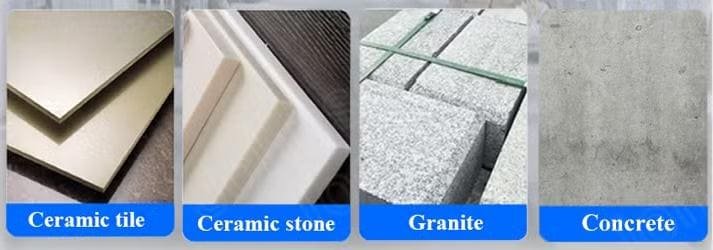
Applications:
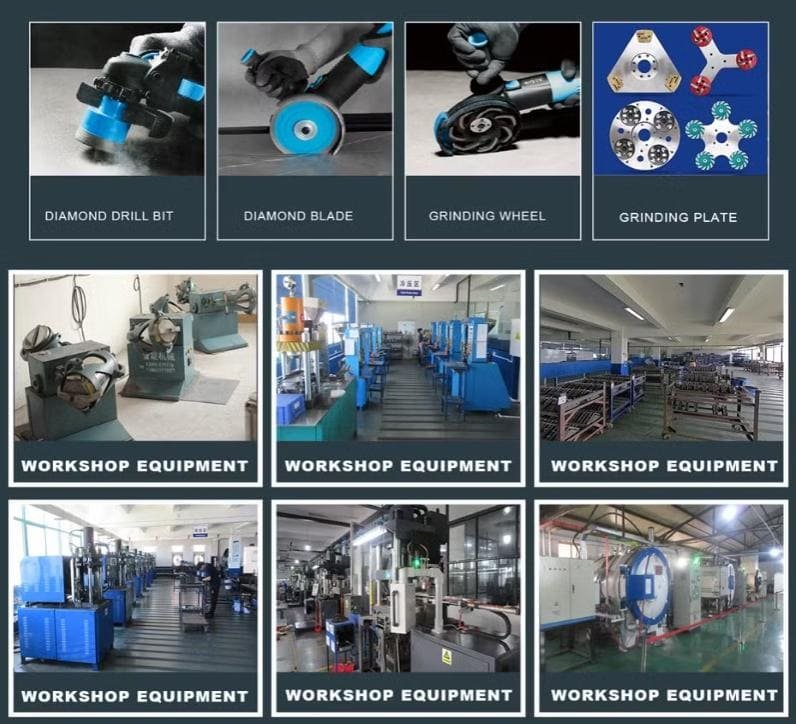
Factory:
FAQ
Welcome to call us
Contact Us to get quotation
Working Time: 8:00~17:00 Monday to Friday.