What does Dawn soap do to concrete?
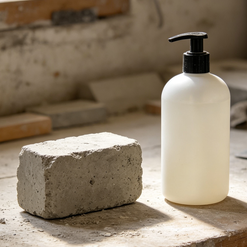
What does Dawn soap do to concrete?
What does Dawn soap do to concrete? If you own a home or run a facility with concrete surfaces, you’ve probably wondered what Dawn soap does to concrete at some point. After all, everyone knows Dawn is the go-to for everything from stuck-on food to oil-slicked wildlife, so it makes sense to reach for it when you spot a stain on your patio or garage floor. But while it works great for short-term cleaning, using it incorrectly can cause real issues down the line. We’ve talked to dozens of property managers and homeowners who’ve learned this the hard way, so we’re breaking down exactly how it interacts with concrete to help you avoid costly mistakes.
Core Working Principles of Dawn Soap Cleaning on Concrete
Let’s start with the basics of how Dawn cleans concrete in the first place. It’s all down to the surfactants in the formula, which lower water’s surface tension so it can get into concrete’s tiny pores instead of beading on top. Each surfactant molecule has one end that sticks to water and one that sticks to oil, grease, and gunk. That means it can lift those contaminants out of the concrete’s matrix and let you rinse them away, no super harsh cleaners required. For fresh stains that haven’t had time to seep deep, this works surprisingly well—concrete’s pores are only 10 to 50 microns wide, so Dawn can reach most surface-level gunk before it sinks in.
Key Components of Dawn Soap That Interact With Concrete
Nearly all Dawn variants have SLS, SLES, and citrate pH adjusters that make it mildly alkaline, usually sitting at a pH between 7.5 and 9. That’s a big difference from super aggressive concrete cleaners that have a pH above 12 or below 3, which will eat away at concrete’s calcium hydroxide binder right away. Some Dawn formulas also have enzymes that break down food-based stains, which is perfect if you’re cleaning a patio that gets a lot of grill spills, a kitchen concrete floor, or a food processing facility where food residue builds up regularly.
Short-Term Performance Characteristics of Dawn Soap on Concrete
When you use it as a spot cleaner for fresh stains, Dawn can lift up to 70% of fresh oil, grease, and food residue from unsealed concrete without leaving any visible damage—if you rinse it all the way off, that is. For sealed concrete, its mild formula plays nice with most acrylic, epoxy, and polyurethane sealers, as long as you don’t let it sit for hours on end. It also suds up a lot, which helps carry loose dirt and debris away when you rinse, so you don’t have to scrub so hard you wear down delicate sealer finishes.
Long-Term Risks of Improper Dawn Soap Use on Concrete
But here’s the catch: if you don’t rinse all the Dawn off, leftover surfactants get stuck in concrete’s pores, and that’s where the problems start. Those residues attract and hold moisture, which is a disaster in cold climates where freeze-thaw cycles are common. Over 2 to 3 years of repeated improper use, that extra moisture can cause spalling, cracking, and surface crumbling. Repeated exposure to Dawn’s mild alkaline ingredients will also slowly break down acrylic sealers, dulling the finish and cutting the sealer’s lifespan by up to 40% compared to using cleaners made specifically for concrete.
Application Scenarios Where Dawn Soap Is Suitable for Concrete
So when should you actually use Dawn on concrete? It’s great for occasional spot cleaning of fresh, surface-level stains on both sealed and unsealed residential concrete—think patio food spills, small oil drips from your car that are less than 24 hours old, or stains on outdoor concrete furniture. It’s also a solid temporary option for food service area concrete, where harsher cleaners might leave toxic residues, as long as you rinse every last bit of soap off after. Skip it for regular cleaning of high-traffic industrial concrete, garage floors with deep set-in oil stains, or decorative polished or stamped concrete, though. The risks far outweigh the benefits there.
Selection Criteria for Using Dawn Soap vs. Dedicated Concrete Cleaners
Figuring out whether to grab Dawn or a dedicated concrete cleaner comes down to three things: the stain type, how old the stain is, and whether the concrete is sealed. For fresh organic or light oil stains on sealed concrete, a diluted Dawn solution (1 part soap to 10 parts warm water) works perfectly and is super low-risk. If you’re dealing with set-in oil, rust, or mineral deposits, a dedicated concrete degreaser or pH-adjusted cleaner will work way better and won’t leave behind residue. For polished or decorative concrete, always test a tiny hidden spot first—even mild soap can dull low-gloss finishes if you don’t rinse it completely.
Best Practices for Using Dawn Soap on Concrete
If you do use Dawn on concrete, follow these rules to keep risk to a minimum. First, dilute it to no more than 4 ounces of soap per 5 gallons of warm water, and only apply it directly to the stained area, not the whole surface. Let it sit for 5 to 10 minutes max, scrub gently with a nylon bristle brush (steer clear of steel wool or wire brushes that will scratch the concrete), then rinse thoroughly with a pressure washer set to 1,500 to 2,000 PSI or a high-flow garden hose to get rid of all leftover soap. For unsealed concrete, do a second rinse with clean water and let the surface dry completely for 24 to 48 hours to avoid trapping moisture.
Comparative Analysis: Dawn Soap vs. Alternative Concrete Cleaners
How does Dawn stack up to other concrete cleaners? Compared to acidic cleaners (pH 1 to 3) made for rust and mineral deposits, Dawn won’t etch concrete at all, but it also can’t dissolve inorganic stains. Next to heavy-duty alkaline degreasers (pH 12 to 13), Dawn is less effective on set-in oil stains that have sunk more than 1mm deep into the concrete, but you don’t have to neutralize it after use. And compared to pH-neutral cleaners made specifically for sealed surfaces, Dawn has a higher risk of breaking down sealer with repeated use, but it’s way cheaper and easier to find for occasional spot cleaning.
Long-Term Maintenance Considerations for Concrete Cleaned With Dawn Soap
If you use Dawn on concrete semi-regularly, there are a few maintenance steps you’ll want to add to your routine. For sealed surfaces, do an annual sealer inspection to check for dulling, peeling, or loss of water beading. Plan to reapply sealer 1 to 2 years earlier than the manufacturer’s recommended timeline to make up for gradual breakdown from the soap. For unsealed concrete, do a yearly porosity test: drop a little water on the surface, and if it absorbs in less than 5 minutes, apply a penetrating silane/siloxane sealer to cut down on moisture penetration from leftover soap. And never use Dawn on concrete that already has freeze-thaw damage—extra trapped moisture will just make the deterioration worse faster.
Common Misconceptions Cleared Up
Q: Is Dawn soap completely safe for all concrete surfaces with no long-term risks?
A: Nope, that’s not true. While Dawn’s mild pH won’t etch concrete right away, repeated use without full rinsing leaves surfactant residues that trap moisture, raising freeze-thaw damage risk and breaking down acrylic sealers over time. It’s safe for occasional spot use, but don’t use it for regular full-surface cleaning unless you’re meticulous about rinsing and follow up with proper maintenance.
Q: Dawn soap is as effective as dedicated concrete degreasers for removing old oil stains from garage floors?
A: This is one of the most common myths we hear. Dawn only works on fresh, surface-level oil stains that haven’t seeped into concrete’s pores. For oil stains older than 48 hours that have sunk more than 1mm deep, Dawn’s surfactant formula can’t break down the hardened oil deposits. You’ll need a solvent-based or alkaline concrete degreaser to get those out completely.
Q: Dawn soap will etch concrete if left on too long?
A: This isn’t true for most standard concrete. Dawn’s pH of 7.5 to 9 is too mild to dissolve concrete’s calcium hydroxide binder, even if you leave it on for several hours. The main risk of leaving it on too long is leftover surfactant buildup and moisture retention, not chemical etching. The only exception is super porous, low-strength concrete with a compressive strength below 2,000 PSI, which might get minor surface discoloration from extended soap exposure.
Frequently Asked Questions
Q: Can I use Dawn soap to clean stamped or colored decorative concrete?
A: Yes, but only if the concrete is fully sealed, you use a diluted 1:10 soap-to-water solution, and you rinse everything off completely within 10 minutes of application. Always test on an inconspicuous spot first to make sure the soap doesn’t dull the sealer or discolor the pigment.
Q: How do I remove Dawn soap residue from concrete if I notice streaking after cleaning?
A: Rinse the surface repeatedly with hot, clean water, scrubbing with a stiff nylon brush to break down the leftover surfactant layer. For stubborn residue, apply a little white vinegar diluted 1:1 with water, let it sit for 2 minutes, then rinse thoroughly to neutralize any remaining soap.
Q: Will Dawn soap kill mold and mildew growing on concrete surfaces?
A: Dawn can lift surface mold and mildew off concrete, but it doesn’t kill the underlying spores. For persistent mold growth, clean with Dawn first, then follow up with a diluted bleach solution (1 part bleach to 10 parts water) or a dedicated concrete antimicrobial cleaner to eliminate spores and stop it from growing back.
Q: Can I use Dawn soap in a pressure washer to clean large concrete surfaces?
A: We don’t recommend it for full-surface pressure washing, because it’s almost impossible to fully rinse all soap residue off large areas, which leads to buildup over time. Use a pressure washer-specific concrete cleaning solution for full-surface jobs, and save Dawn only for spot treating localized stains.
Final Summary
What does Dawn soap do to concrete? It’s an effective, mild spot cleaner for fresh, surface-level organic and light oil stains on both sealed and unsealed concrete, with almost no immediate risk when used correctly. But if you don’t rinse it off completely after application, it can cause long-term moisture damage and sealer degradation. For occasional residential spot cleaning, stick to the 1:10 dilution ratio, 10-minute maximum contact time, and thorough rinsing best practices to minimize risk. For regular maintenance, deep stains, or high-traffic industrial surfaces, opt for dedicated concrete cleaners to keep your concrete structurally sound and looking good for its full lifespan.
Industrial fan for Sale:





















Blender Blade



Chisel Bit for Sale
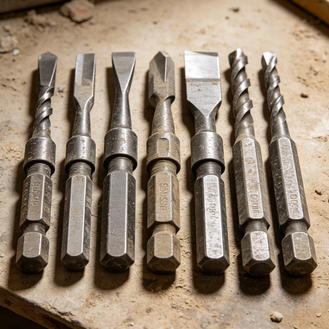
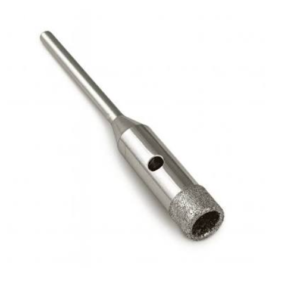
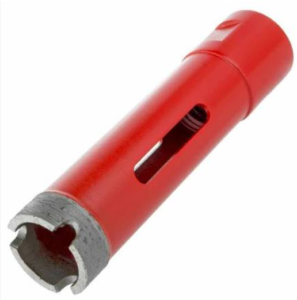
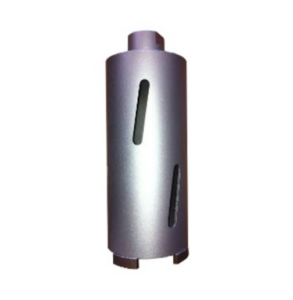
Core drill bit for Sale:


Rotary Hammer & Demolition Hammer for Sale:






Diamond Blade



Welcome to call us
Contact Us to get quotation
Working Time: 8:00~17:00 Monday to Friday.
Applications:
Factory:

FAQ
Welcome to call us
Contact Us to get quotation
Working Time: 8:00~17:00 Monday to Friday.
Flap Disc for Sale





Blogs:



You May also Interest in other topics:
sifter machine commercial sifter 11kw ev charger wollastonite grinding mill for refractory material vacuum capping machine