What are the four types of chisels?
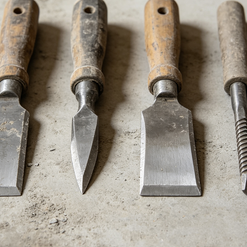
What are the four types of chisels?
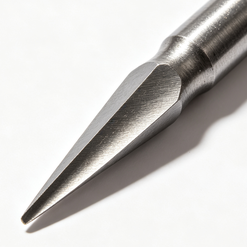
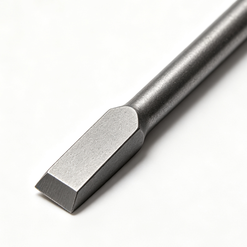
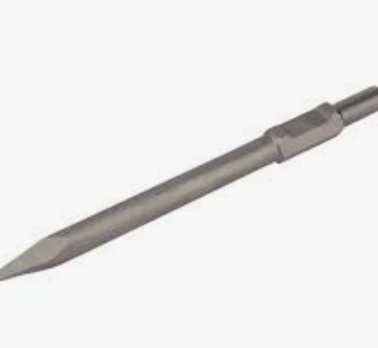
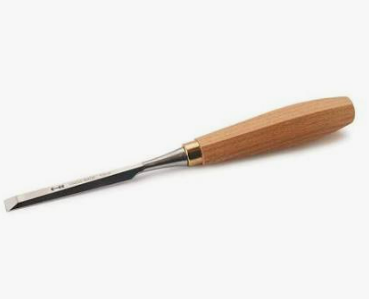
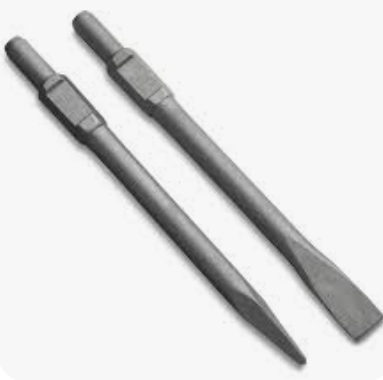
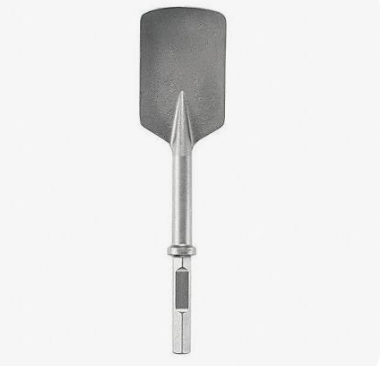
What are the four types of chisels? The four main chisel categories, grouped by their design, use case, and what materials they work with, are woodworking chisels, masonry chisels, metalworking chisels, and cold chisels. Each is built to hold up to specific impact forces and cut or shape its target material without breaking, so picking the right one is make-or-break for getting clean, precise results without ruining your tool or hurting yourself. This categorization is standard across construction, manufacturing, and craft trades, so both new hobbyists and seasoned pros know exactly what to reach for.
Core Working Principles and Mechanisms
Every chisel works the same basic way: it concentrates the force of a hammer or mallet strike through its rigid body down to a sharp, angled cutting edge, which either shears or fractures the material you’re working on. Woodworking chisels have a shallow 20–25° bevel that slices cleanly through wood fibers, while masonry chisels use a much steeper 60–70° bevel to focus enough force to break up concrete and stone. Metalworking and cold chisels fall in the middle with 30–45° bevels, balanced to cut through metal without dulling or chipping the edge after repeated hits.
Key Components and Their Functions
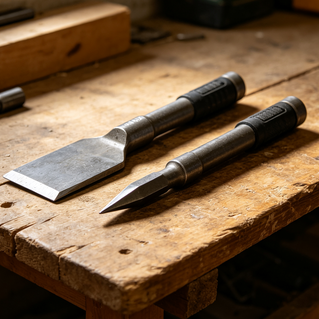
All chisels have three core parts: the handle, the tang or socket, and the blade. Handles are usually made of hardwood, composite polymer, or rubberized grip, which absorb extra impact vibration and give you a secure hold for accurate placement. The tang (a protruding metal shank) or socket (a recessed cup in the base of the blade) connects the blade to the handle, with reinforced designs for heavy-duty work that stop the handle from splitting when you hit it hard. The blade, forged from high-carbon or alloy steel, ends in the precision-ground cutting edge, with a hardness rating tuned to the material it’s meant to cut.
Material and Feature Specifications
Woodworking chisels are usually forged from high-carbon tool steel with a Rockwell hardness rating of 58–62 HRC, which balances edge retention and impact resistance for clean wood cuts. Masonry chisels use hardened carbon steel with a 62–65 HRC tip, often coated with a rust-resistant oxide finish to hold up to outdoor job site conditions. Metalworking chisels use high-speed steel or chrome-vanadium alloy steel rated 60–64 HRC, built to resist edge deformation when cutting hot or cold ferrous metals. Cold chisels, a subset of impact tools for unheated metal, use tempered high-carbon steel with a 58–62 HRC body and a slightly softer striking end to keep them from shattering under repeated hammer blows.
Application Scenarios and Industries Served
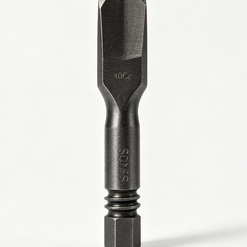
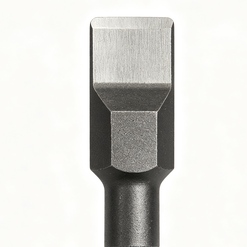
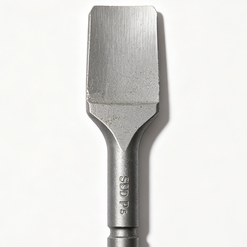
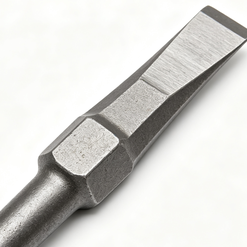
Woodworking chisels are used everywhere from cabinetmaking and joinery to carpentry and hobby woodcraft, for tasks ranging from paring mortises and shaping joints to trimming veneer and cleaning up rough cuts. Masonry chisels are a staple in construction, stone masonry, and demolition, used to chip concrete, cut stone blocks, score brick, and scrape excess mortar out of joint lines. Metalworking chisels are used in fabrication, blacksmithing, and machine shops to cut sheet metal, remove weld spatter, shape hot forgings, and trim cast metal parts. Cold chisels are super common in automotive repair, general construction, and metalworking for on-site jobs like shearing bolts, splitting rusted fasteners, and trimming cold steel components without needing to heat them up first.
Performance Characteristics and Advantages
Woodworking chisels have super precise edge geometry that makes splinter-free cuts across softwood, hardwood, and engineered wood products, with ergonomic handles that cut down on hand fatigue during long paring sessions. Masonry chisels have fantastic impact resistance, with thick, rigid blades that won’t bend even when you hit them with a 3-pound sledgehammer on dense reinforced concrete. Metalworking chisels hold their edge integrity at high temperatures, so they work great on hot forgings and freshly cut welded joints without blunting. Cold chisels are super portable and versatile, with no power source needed to cut through ferrous and non-ferrous metals on job sites where you don’t have access to electricity or compressed air.
Selection Criteria and Configuration Options
When you’re picking out a chisel, first match the type to the material you’re working with: never use a woodworking chisel on masonry or metal, because its softer edge will chip or shatter on impact. Next, pick the right blade width: woodworking chisels range from 1/8 inch for fine joinery to 2 inches for rough shaping, while masonry chisels run from 1/2 inch for detailed stone carving to 4 inches for wide mortar removal. For handles, go with a solid hardwood handle for light, controlled mallet strikes, or a shock-absorbing composite handle for heavy-duty demolition work that cuts down on vibration transfer to your hands. For cold chisels, pick a blade length between 6 and 12 inches depending on how deep your cut needs to be, or how much clearance you have in tight workspaces.
Maintenance Considerations and Best Practices
All chisels need regular sharpening to work their best: woodworking chisels should be honed on a water stone or oil stone after every 2–3 hours of use, while masonry and metalworking chisels can be dressed with a bench grinder to remove nicks and reshape the bevel as needed. Always check the striking end of the chisel before you use it: if mushrooming (that rounded, flared metal that builds up after repeated hits) develops, grind it down right away to stop flying metal fragments from hurting you. Store chisels in a dedicated tool roll or edge guard to protect the cutting edge from chipping when you’re not using them, and oil the blade regularly to prevent rust—especially if you’re using them in damp outdoor conditions. Never hit a chisel with a hammer heavier than its material rating allows, because too much force can make the blade snap.
Comparative Analysis with Alternatives
Compared to power cutting tools like rotary hammers and jigsaws, chisels give you way more precision for detail work, with zero risk of overcutting or damaging the surrounding material, and no power source required. Unlike abrasive cutting wheels, chisels don’t create a heat-affected zone on metal workpieces, so the material keeps its full structural integrity for load-bearing applications. The big tradeoff is speed: chisels take a lot more manual labor to remove large volumes of material than power tools, so they’re less efficient for bulk demolition or high-volume production work. For jobs that need both speed and precision, most tradespeople use chisels as a secondary finishing tool to clean up cuts made by power equipment.
Practical Operating Tips
For woodworking chisels, always cut with the grain of the wood to avoid splintering, and use a mallet instead of a metal hammer to avoid damaging the handle and get more control over your strikes. When using a masonry chisel, score the workpiece surface with a few light strikes first to make a guide groove, then increase force gradually to get a clean, controlled cut without cracking the surrounding stone or concrete. For metalworking chisels used on hot material, wear heat-resistant gloves and don’t cool the chisel edge with water right after use—rapid temperature changes can make the steel crack. When using a cold chisel on hard steel, hold it at a 15–20° angle to the workpiece surface to create a shearing action, instead of hitting it perpendicular which will dull the edge way faster. And no matter what chisel you’re using, always wear safety glasses and hearing protection—flying debris and repeated impact noise are constant hazards.
Common Misconceptions Cleared Up
Q: Are cold chisels the same as metalworking chisels?
A: No, this is a super common mix-up. Cold chisels are a distinct type made specifically for cutting unheated, room-temperature metal, while metalworking chisels are built to hold up to high temperatures from hot forgings and welded materials. Use a cold chisel on hot metal, and the edge will soften and deform almost immediately. Use a high-temperature metalworking chisel on cold metal, and you’ll often get unnecessary edge chipping because its temper is harder and more brittle.
Q: Can any chisel be used on multiple material types if it is sharp enough?
A: No, chisel steel hardness and bevel angles are specifically engineered for their intended workpiece. A sharp woodworking chisel will chip or shatter instantly if you use it on concrete, because its shallow bevel and relatively soft edge can’t handle the force needed to break masonry. Even if you sharpen it to the right angle, the lower hardness of woodworking chisel steel will dull almost immediately on metal or stone, leading to messy cuts and a higher risk of injury from the tool slipping.
Q: All chisels are designed to be struck with a hammer, right?
A: No, paring chisels, a subset of woodworking chisels, are made for hand pressure only and should never be hit with a mallet or hammer. Their thinner blades and lighter tang construction are built for precise, controlled trimming of wood joints, and striking them will bend the blade or split the handle. Always check the manufacturer’s intended use rating before hitting any chisel, because not all models are built to take impact loads.
Q: A sharper chisel is always safer to use?
A: This is partially true, but people usually misapply it. A properly sharpened chisel cuts down on slippage risk, because it slices cleanly instead of bouncing off the workpiece surface. But an overly sharp chisel with an incorrectly ground bevel angle is way more likely to chip on impact, which can send sharp metal fragments flying. For masonry and cold chisels, a slightly rounded micro-bevel is actually safer and more durable than a razor-sharp edge, because it resists chipping under heavy strike forces.
Frequently Asked Questions
Q: What is the best chisel type for cutting mortar out of brick joints?
A: Use a masonry chisel specifically made for mortar removal, usually called a pointing chisel, with a 1/2–3/4 inch wide blade. Its steep 65° bevel and hardened steel tip will break up mortar without damaging the surrounding brick, and its narrow profile fits easily into standard 3/8 inch mortar joints.
Q: How often should I sharpen my woodworking chisels?
A: For regular joinery work, hone the edge on an 8000-grit water stone after every 2–3 hours of use, or whenever you notice the chisel tearing wood fibers instead of slicing them cleanly. If the edge gets nicked from accidental contact with nails or hard material, grind the bevel back on a 1000-grit stone before honing to restore the correct shape.
Q: Can I use a cold chisel to cut tile?
A: It’s not recommended, because cold chisels have a wide, blunt edge that will crack most ceramic and porcelain tile instead of cutting it cleanly. For tile work, use a dedicated tile chisel with a carbide-tipped edge, which is made to score and break tile along clean lines without chipping the glazed surface.
Q: What causes the striking end of a chisel to mushroom?
A: Mushrooming happens when repeated hammer strikes deform the softer metal at the chisel’s striking end, which is intentionally tempered to be slightly softer than the cutting edge to prevent shattering. You should grind the mushroomed material down with a bench grinder as soon as you notice it, because the flared metal fragments can break off during strikes and cause serious eye or face injury.
Q: Are carbon steel chisels better than alloy steel chisels?
A: It depends on what you’re using them for. Carbon steel chisels are easier to sharpen and hold a finer edge, which makes them perfect for woodworking and detail work. Alloy steel chisels (made with chrome, vanadium, or molybdenum additives) are more impact-resistant and less likely to chip, so they’re the better pick for heavy-duty masonry, demolition, and cold chisel work where edge toughness matters more than extreme sharpness.
Final Summary
The four core chisel types—woodworking, masonry, metalworking, and cold chisels—are each purpose-built for specific material and job requirements, with distinct bevel angles, material hardness ratings, and structural designs optimized for their intended use. Picking the right chisel for your workpiece, following recommended maintenance practices, and sticking to safe operating procedures will get you consistent, high-quality results while making your tools last longer and cutting down on injury risk. Always match the chisel type to your material first, and use power tools for bulk material removal to complement the precision chisels bring to detail and finishing work.
Industrial fan for Sale:






Blender Blade
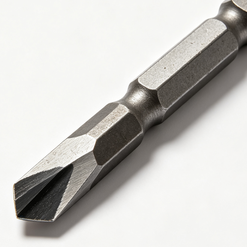
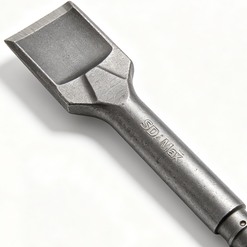
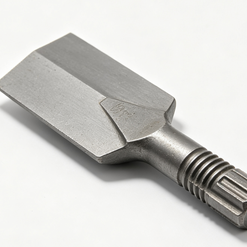
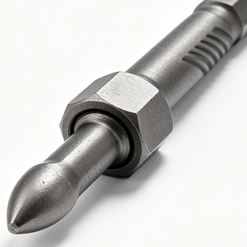
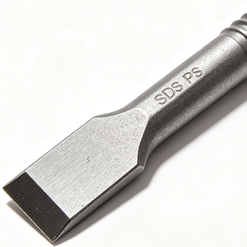
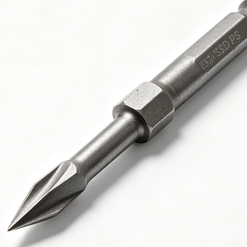
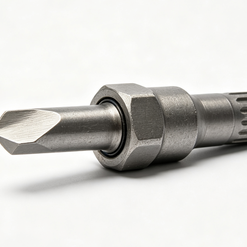
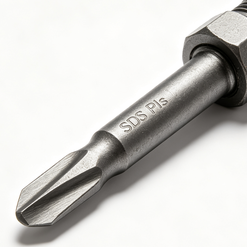
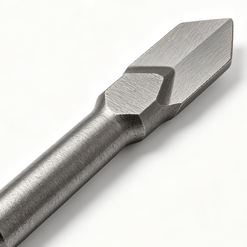
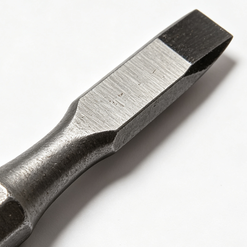
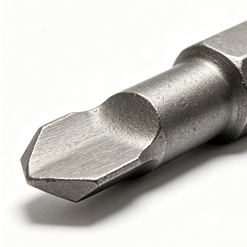
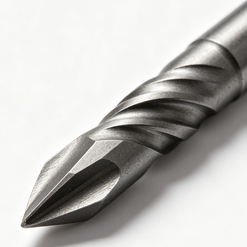
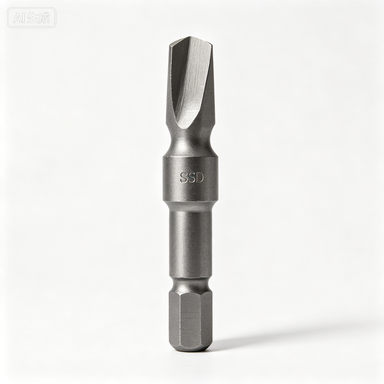
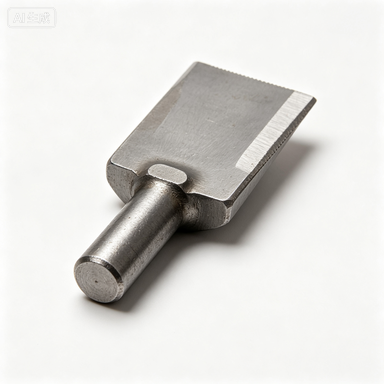
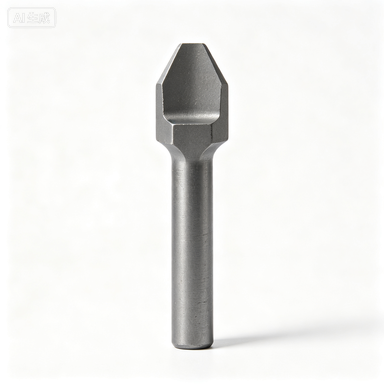
Chisel Bit for Sale
Core drill bit for Sale:

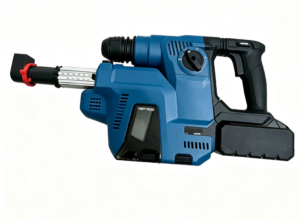
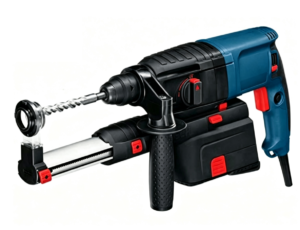
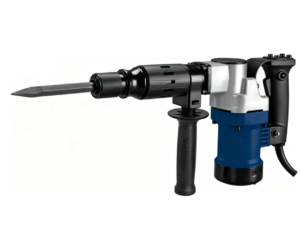
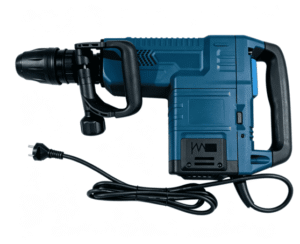
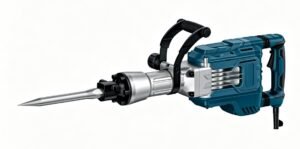
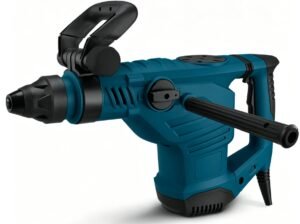
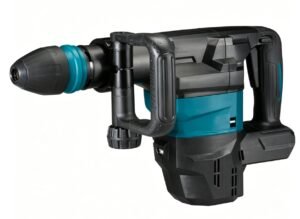
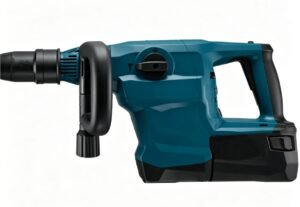
Rotary Hammer & Demolition Hammer for Sale:
Diamond Blade



Welcome to call us
Contact Us to get quotation
Working Time: 8:00~17:00 Monday to Friday.
Applications:
Factory:

FAQ
Welcome to call us
Contact Us to get quotation
Working Time: 8:00~17:00 Monday to Friday.
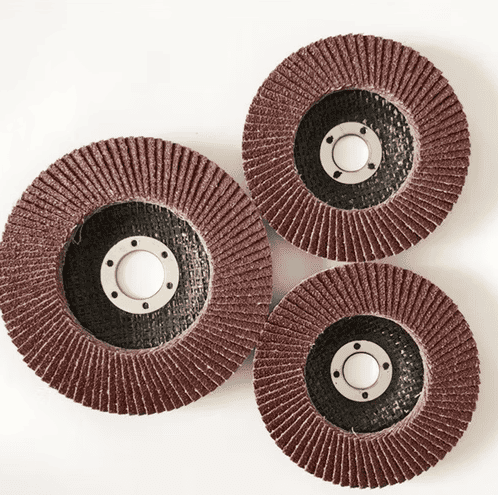
Flap Disc for Sale





Blogs:
You May also Interest in other topics:
sifter machine commercial sifter 11kw ev charger wollastonite grinding mill for refractory material vacuum capping machine