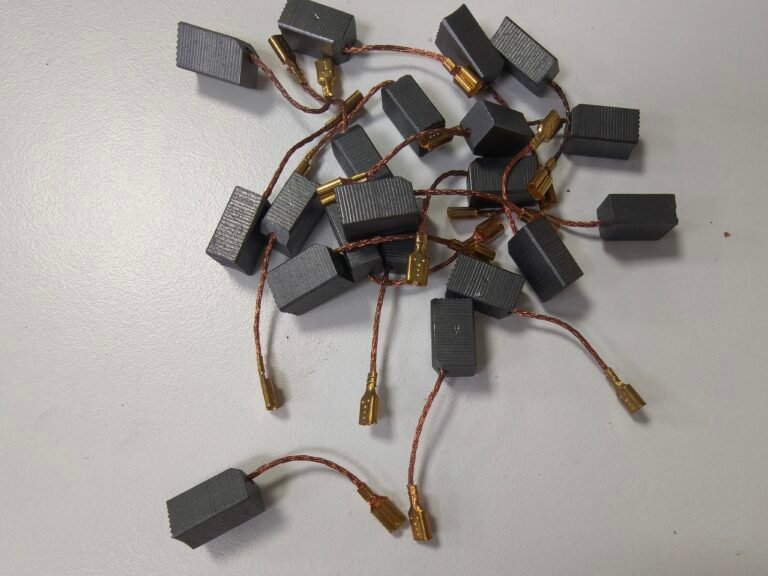
industrial fan drawing
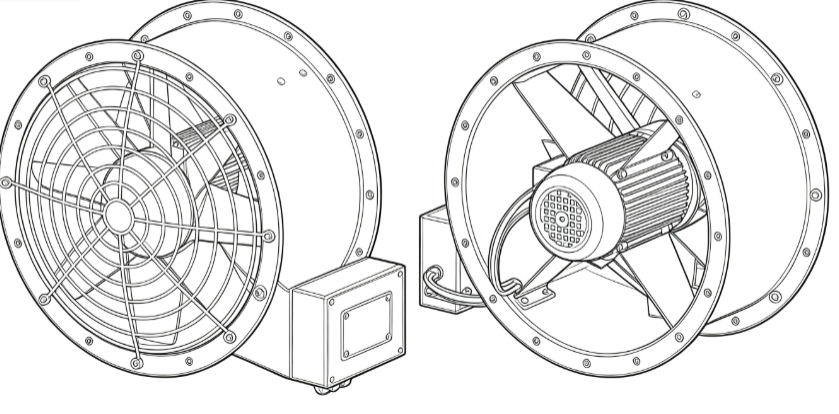
what is industrial fan drawing?
An industrial fan drawing is a professional technical document that fully records the comprehensive design parameters, processing techniques and assembly logic of industrial fans, serving as the core technical basis for the entire life cycle of industrial fans including research and development, batch production, on-site installation and daily maintenance. Unlike ordinary product instruction manuals that only display basic appearance and usage methods, industrial fan drawings are standardized and precise technical materials covering all details of fan design and manufacturing. Every structural size, process standard and performance parameter of the fan is clearly defined in the drawings. All links from factory component processing to on-site formal installation and later fault maintenance must be carried out in strict accordance with drawing specifications. Without standardized industrial fan drawings, it is impossible to achieve standardized production, consistent assembly and accurate after-sales maintenance of ventilation equipment, making it an indispensable core technical carrier for the industrial fan manufacturing and application industry.
What are the core classification types of standard industrial fan drawings and their respective application values?
The general assembly drawing is the overall core technical document of industrial fans, which intuitively displays the complete overall structure, relative position of all components and overall external dimensions of the fan unit to guide the final assembly of finished equipment. As the most macroscopic core drawing of the entire fan technical system, the general assembly drawing integrates all independent parts and functional components of the industrial fan into a complete structural system. It clearly marks the assembly sequence, installation gap standards and overall outline size of each component, allowing production workers to fully grasp the overall structural layout and assembly logic of the fan at a glance. In the formal production process, the general assembly drawing is the primary basis for finished product assembly, which can effectively avoid assembly errors such as misplaced parts and unreasonable structural matching, and ensure that each assembled fan can meet the overall structural design standards.
Component processing drawings are refined single-part technical drawings for independent fan components, which mark accurate dimensional tolerances, material specifications and processing standards to guide the independent production and manufacturing of each accessory. Industrial fans are composed of dozens of independent parts including motors, fan blades, fixing brackets and protective hoods, and each component has independent production standards and precision requirements. Component processing drawings conduct refined parameter calibration for every single part, clearly defining the raw material type, overall dimension, local tolerance range and applicable processing technology of each component. Processing workers can carry out targeted production and processing strictly according to the single-piece drawings, ensuring that each independent accessory meets the design precision standards, laying a precise component foundation for subsequent overall assembly of the fan.
Installation and construction drawings are targeted technical documents for on-site engineering implementation, marking accurate installation points, load-bearing standards and wiring specifications to standardize the on-site installation process of industrial fans. Different from factory production links, the on-site installation of industrial fans involves ceiling hoisting, wall fixing and other diversified installation methods, and needs to adapt to different site space structures and load-bearing conditions. Professional installation construction drawings will adjust and mark targeted installation parameters according to different installation scenarios, clearly specifying fixed punching positions, wall and ceiling load-bearing capacity requirements, power wiring routes and standardized construction steps. On-site construction personnel can complete standardized and safe fan installation in strict accordance with the drawing guidelines, effectively avoiding safety hazards and equipment instability caused by irregular on-site construction.
Exploded view drawings display all fan components in a complete disassembly logic, with unified part numbers and name annotations to facilitate rapid component identification and accurate replacement during daily equipment maintenance. The internal structural components of industrial fans are numerous and densely assembled, making it difficult for maintenance personnel to quickly correspond faulty parts to standard accessories only by experience. The exploded view completely disassembles the overall fan structure into independent single parts, sorts and displays all components in a layered manner, and matches each part with a unique number and standard name. When equipment fails and parts are damaged, maintenance staff can quickly locate faulty components and match standard replacement accessories by comparing the exploded view, greatly improving the accuracy and efficiency of after-sales maintenance work.
What core technical contents and standard specifications are included in complete industrial fan drawings?
Complete industrial fan drawings first include standardized basic parameter information, which clearly records core performance indicators such as rated power, air volume, operating speed and protection level, and serves as the basic basis for verifying product design compliance. All performance indicators of industrial fans have industrial standard specifications, and the basic parameter information in drawings is determined through repeated design verification and performance simulation. These key data can intuitively reflect the core operating performance of the fan, including the power consumption level of the motor, the effective air supply volume of the fan blade, the stable operating speed range and the environmental protection grade of the whole machine. In product design inspection and performance testing links, inspectors will strictly compare the actual operating parameters of the fan with the drawing calibration data to judge whether the product design meets industrial application standards.
Precision tolerance marking is a key refined technical content of industrial fan drawings, which formulates strict tolerance standards for core operating parts to ensure the long-term operational stability of the whole machine. The operating stability of industrial fans depends on the assembly precision of core components. For key parts such as fan blade dynamic balance and motor shaft concentricity, excessive dimensional deviation will cause severe vibration, loud operating noise and even eccentric wear of parts during fan operation. Industrial fan drawings mark ultra-strict tolerance fluctuation ranges for these core precision parts, clearly defining the maximum allowable error of component processing and assembly. All processing and assembly work must be controlled within the tolerance range to ensure that the fan can maintain smooth, stable and low-vibration operating status for a long time.
Detailed material and process descriptions are clearly specified in formal industrial fan drawings, clarifying the selected raw materials, surface treatment modes and processing technologies of all parts to ensure the overall durability and structural strength of components. Different fan components bear different operating loads and environmental erosion pressures, so they need to be matched with targeted materials and processing techniques. Industrial fan drawings accurately define the material type of each part, such as high-strength aluminum alloy for fan blades and anti-rust galvanized steel for brackets. At the same time, they specify standardized processing technologies such as stamping, welding and integrated forming, as well as surface anti-corrosion, anti-rust and wear-resistant treatment processes. These detailed process specifications avoid product quality differences caused by random processing, and ensure that each component has qualified structural strength and environmental adaptability.
Safety verification marking is an indispensable core content of industrial fan drawings, which formulates clear load-bearing test standards and safety redundancy coefficients for key safety structures to eliminate potential operational safety hazards. Load-bearing brackets, anti-falling structures and fixed chassis are the key safety components that determine the operational safety of industrial fans, and their structural strength directly affects the safety of on-site personnel and equipment. Standard industrial fan drawings will conduct professional safety calibration for these key parts, clearly marking the maximum load-bearing test value, structural safety redundancy coefficient and anti-failure design standards. These safety parameter markings ensure that the fan can resist accidental vibration, load fluctuation and external impact during long-term high-intensity operation, effectively avoiding safety accidents caused by insufficient structural strength.
What core functional values do complete industrial fan drawings bring to production, application and management?
Industrial fan drawings realize standardized batch production of equipment, unifying the production and processing standards of all parts and eliminating dimensional deviations of components in different batches to ensure consistent overall assembly quality. In the large-scale batch production of industrial fans, if there is no unified drawing standard, different processing personnel and production links will have random differences in component size and process precision, resulting in unqualified assembly matching of finished products. Standard industrial fan drawings provide unified and fixed technical specifications for all production links. All production and processing are implemented in accordance with drawing standards, so the size, precision and performance of components in different production batches remain highly consistent, ensuring that every finished industrial fan has stable and qualified assembly quality and operating performance.
Industrial fan drawings support traceable and efficient equipment maintenance, enabling maintenance personnel to quickly locate faulty parts and accurately match replacement accessories to shorten equipment downtime. After long-term operation of industrial fans, parts aging, wear and damage are inevitable, and rapid maintenance and replacement are the key to ensuring continuous and stable operation of ventilation equipment. With complete drawing files, maintenance staff can compare the actual equipment structure and parameters with the drawing standards, quickly judge faulty and aging components, and accurately match standard replacement accessories according to the part numbers and parameter specifications marked in the drawings. This traceable maintenance mode completely avoids the problems of blind inspection and mismatched accessories in traditional maintenance, greatly improving maintenance efficiency and reducing production and operation losses caused by equipment shutdown.
Industrial fan drawings are the core technical materials for product compliance inspection and qualification certification, providing complete technical basis for industrial fans to pass industry safety and performance testing. All formal industrial ventilation equipment needs to pass professional industry testing and safety certification before entering the market, and complete technical drawings are the primary review materials for certification institutions. Industrial fan drawings record all design standards, process specifications and safety parameters of the product, which can fully prove the rationality of product design and compliance with industry standards. Certification institutions can complete product performance verification, safety evaluation and qualification review based on drawing data, helping products obtain formal industry qualification and meet market access conditions.
Industrial fan drawings support flexible customized adaptation of equipment, realizing rapid parameter adjustment and structural optimization for special working conditions to meet personalized scenario demands. Conventional standard industrial fans cannot adapt to all complex industrial scenarios, and special environments such as ultra-high workshops, highly corrosive workshops and dust-intensive sites need customized fan structures and parameters. Industrial fan drawings have flexible adjustability. R&D and technical personnel can modify local parameters such as fan blade diameter, motor power and protective structure according to actual working condition demands, and complete rapid iteration and upgrading of product schemes on the basis of original standard drawings. This customized design mode based on standard drawings greatly shortens the R&D cycle of special equipment and meets the personalized ventilation demands of different complex industrial scenarios.
Q&A
Q1: What exactly is an industrial fan drawing?
A: An industrial fan drawing is a complete set of standardized technical files that record all design parameters, processing techniques and assembly logic of industrial fans, acting as the exclusive and authoritative technical basis for fan research and development, mass production, on-site construction and daily after-sales maintenance throughout the entire equipment life cycle.
Q2: What are the main types of industrial fan drawings and their core uses?
A: Industrial fan drawings are mainly divided into four core categories. The general assembly drawing guides overall finished product assembly, component processing drawings guide single accessory production and precision processing, installation construction drawings standardize on-site installation and wiring construction, and exploded view drawings assist daily equipment disassembly inspection and accurate accessory replacement.
Q3: What key technical information can be obtained from standard industrial fan drawings?
A: Complete industrial fan drawings contain four core types of technical information: basic performance parameters such as fan power, air volume and speed, precision tolerance standards for core moving parts, material selection and processing technology requirements for all components, as well as safety calibration standards and load-bearing redundancy coefficients for key safety structures.
Q4: Why are industrial fan drawings indispensable for industrial fan production and operation?
A: Industrial fan drawings can unify production standards to ensure consistent product quality, support rapid and traceable after-sales maintenance, provide core technical materials for product compliance certification and market access, and flexibly support customized design for special working conditions, comprehensively guaranteeing the standardization, safety and high cost performance of industrial fan equipment in the whole life cycle.
Summary
In conclusion, industrial fan drawings are the core standardized technical documents covering the full-process design, production, installation and maintenance of industrial fans. Including general assembly drawings, component processing drawings, installation construction drawings and exploded view drawings, they form a complete technical drawing system for industrial fans. Complete drawing content covers basic performance parameters, precision tolerance standards, material process specifications and safety verification indicators, fully defining all technical details of fan equipment. Its core values are reflected in realizing standardized batch production, supporting traceable efficient maintenance, providing compliance certification basis and realizing rapid customized adaptation. As the fundamental technical support for the whole life cycle of industrial fans, industrial fan drawings ensure the standardization, stability and safety of equipment production and application, and are an indispensable core technical foundation for the standardized development of the industrial fan industry.
Industrial Fan for Sale:
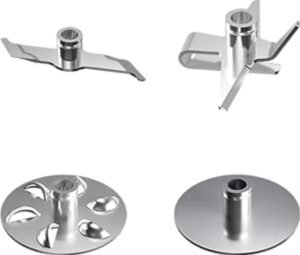
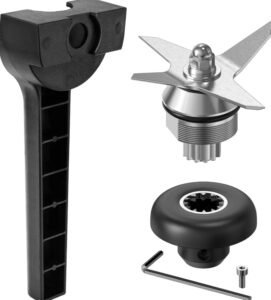
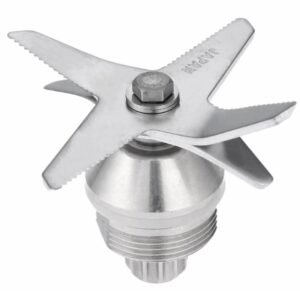
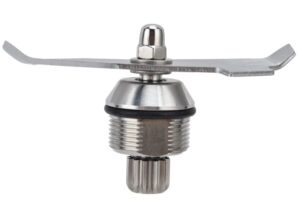
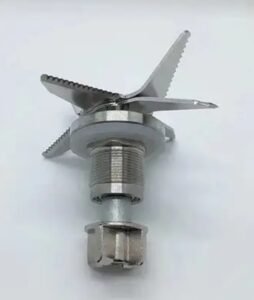
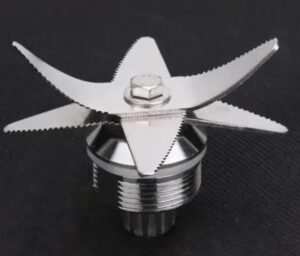
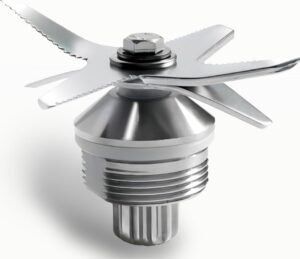
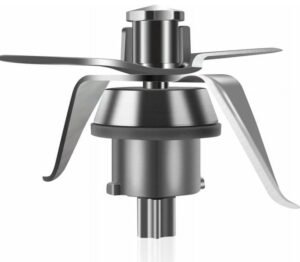
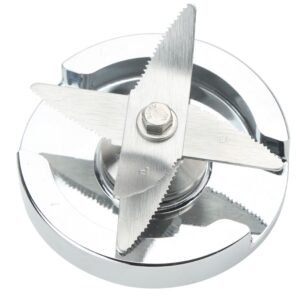
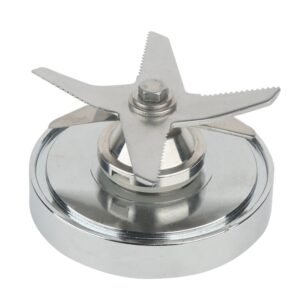
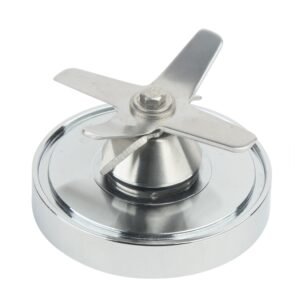
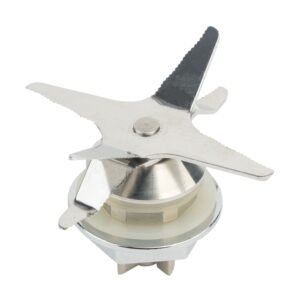
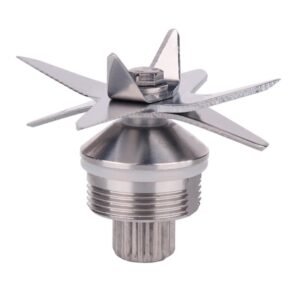
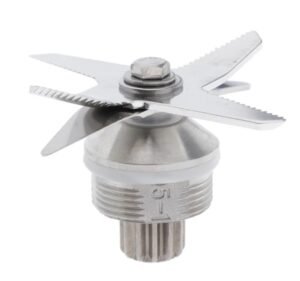
Blender Blade for Sale:


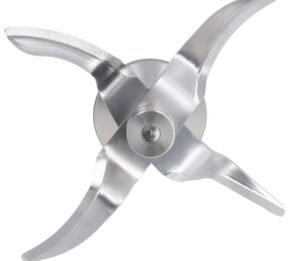
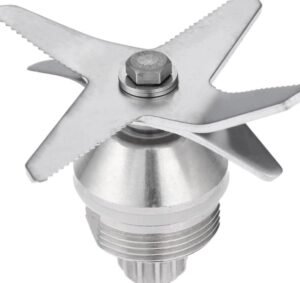
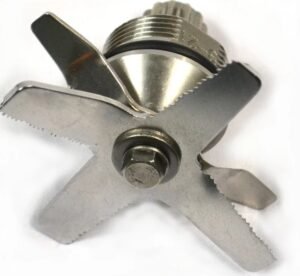
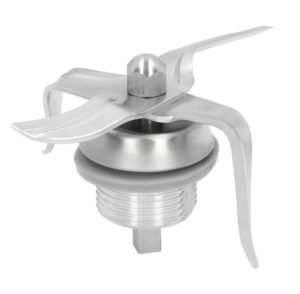

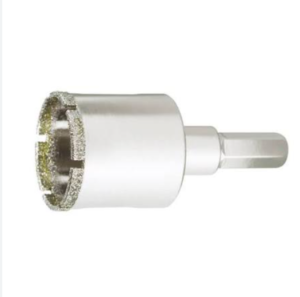
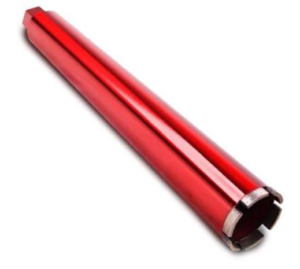
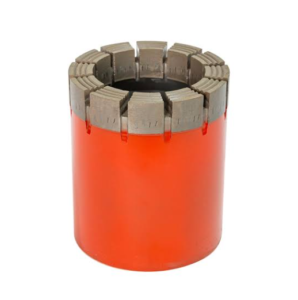
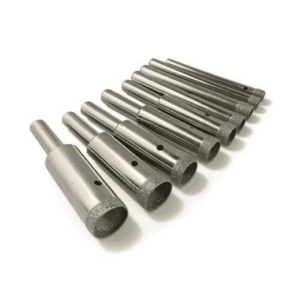
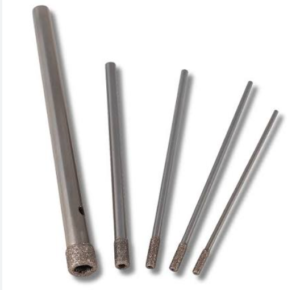
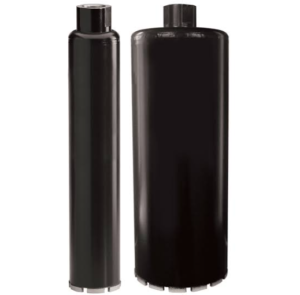
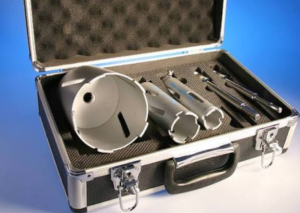
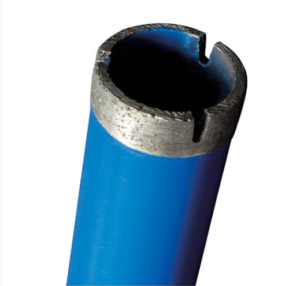
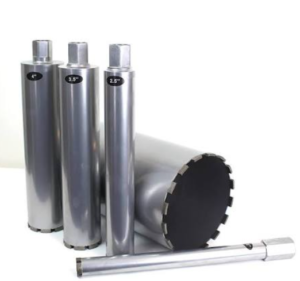
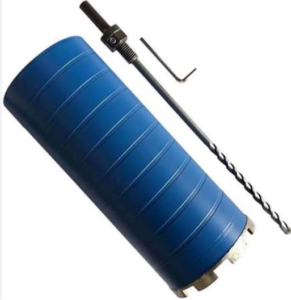
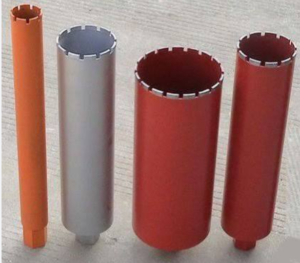
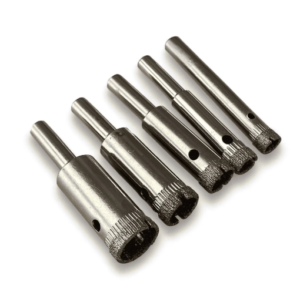
Core drill bit for Sale:
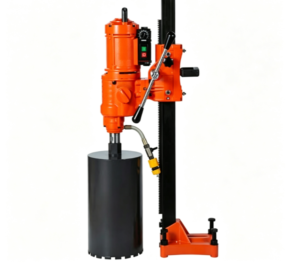
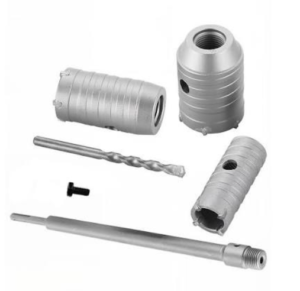
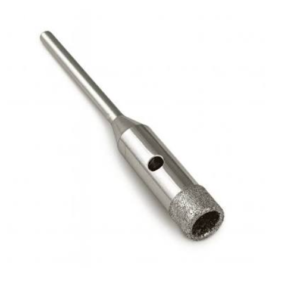
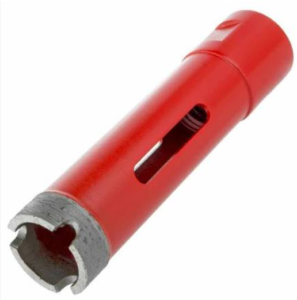
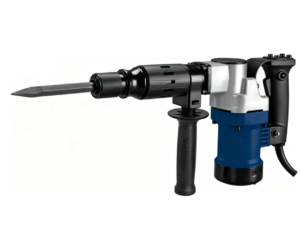
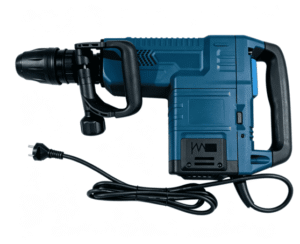
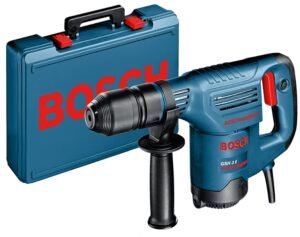
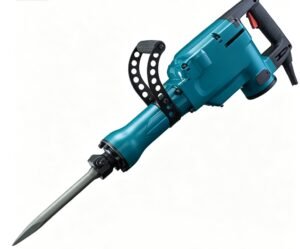
Rotary Hammer & Demolition Hammer for Sale:




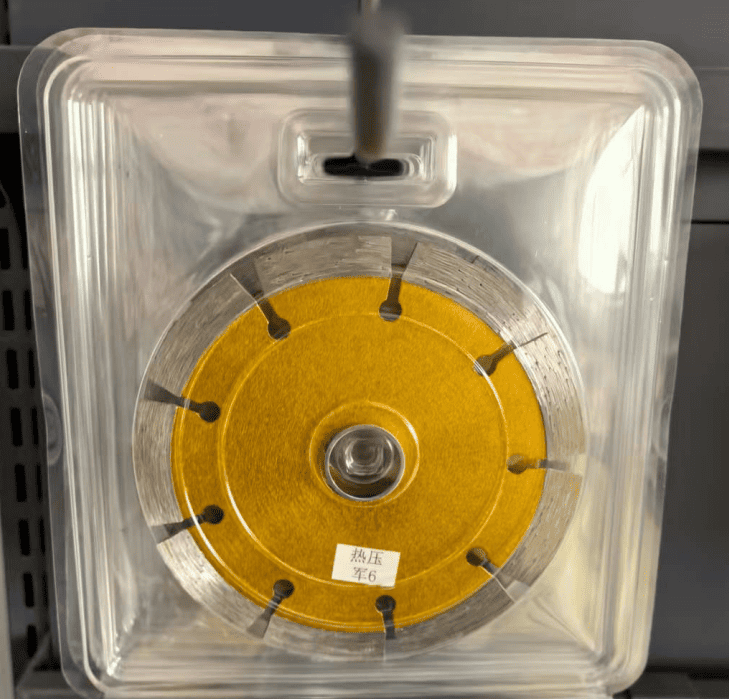
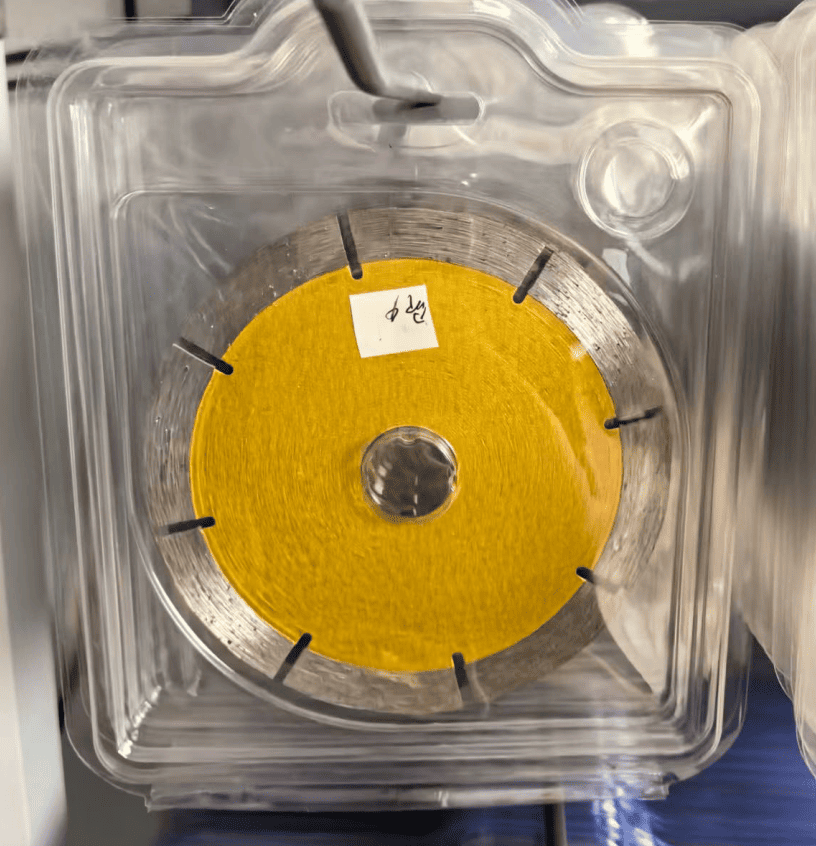
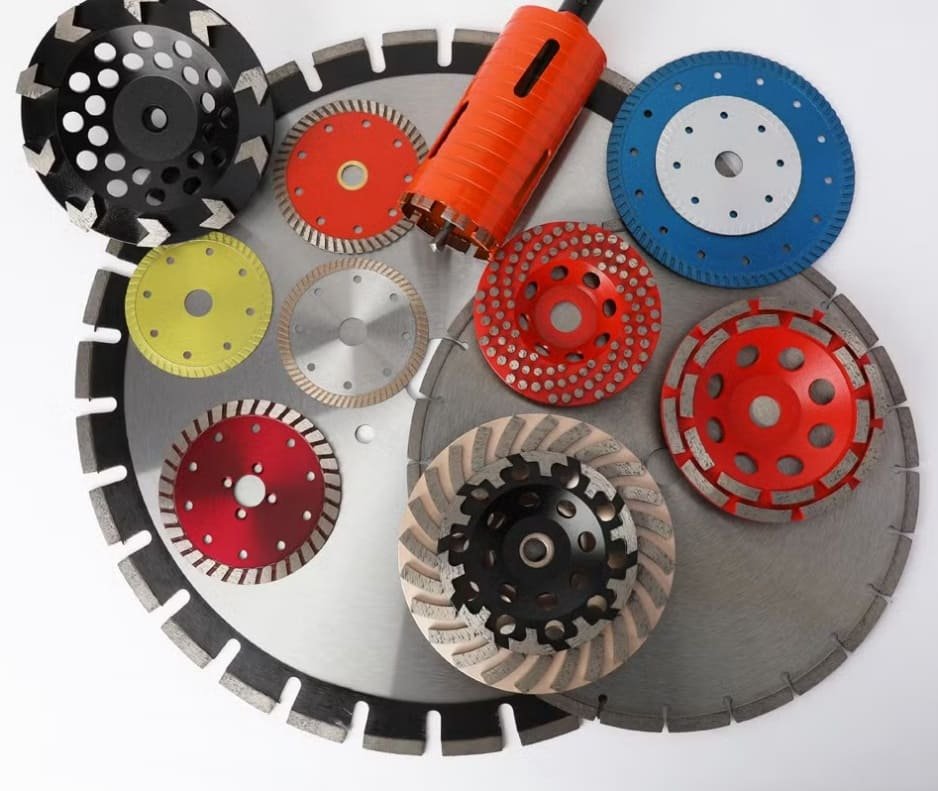
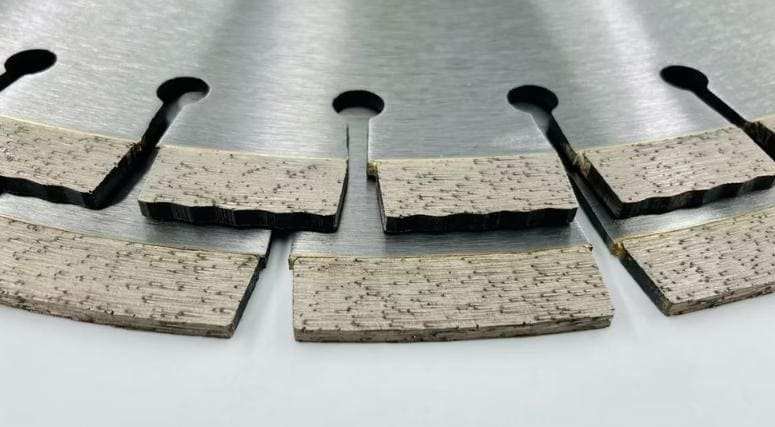
Diamond Blade

Welcome to call us
Contact Us to get quotation
Working Time: 8:00~17:00 Monday to Friday.
Applications:

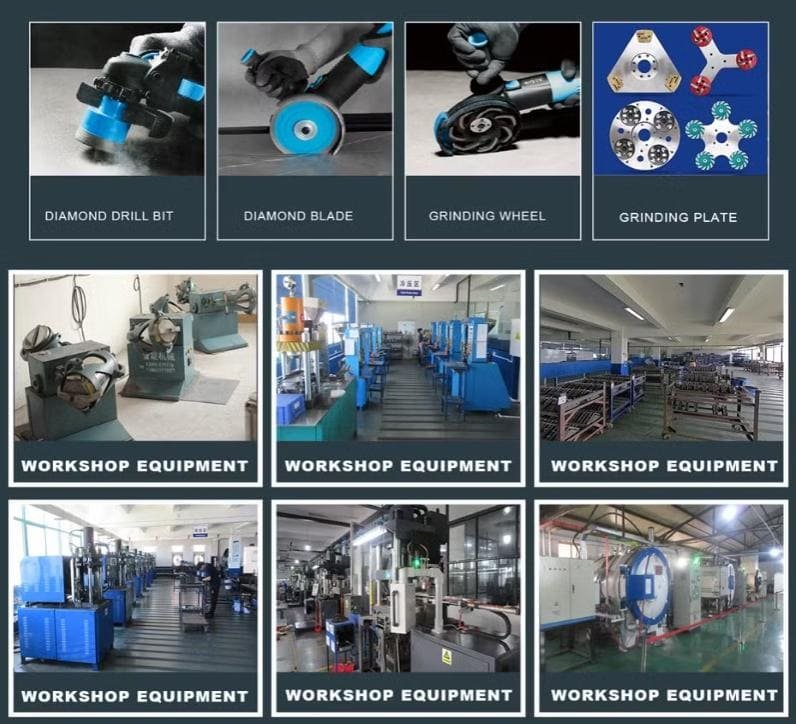
Factory:
FAQ
Welcome to call us
Contact Us to get quotation
Working Time: 8:00~17:00 Monday to Friday.
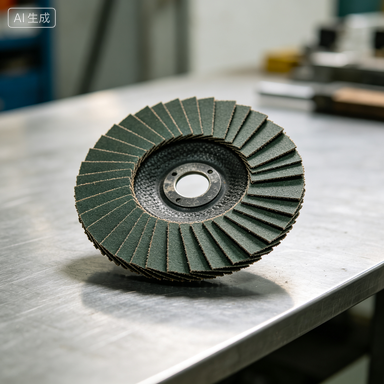
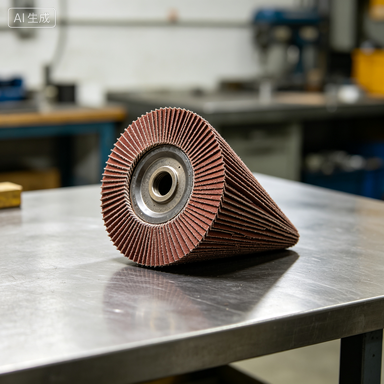
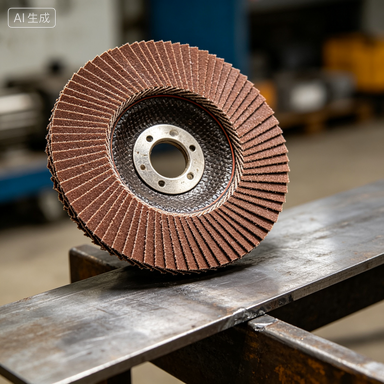
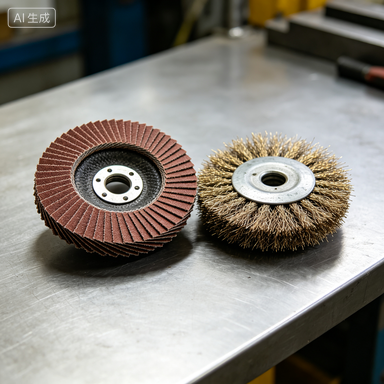
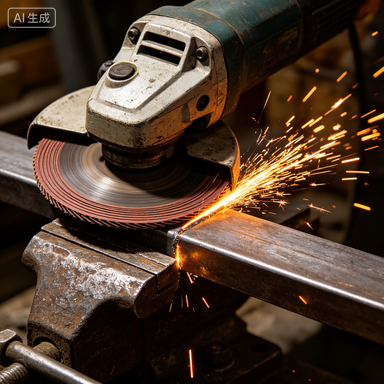
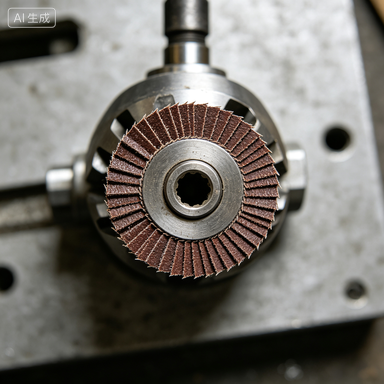
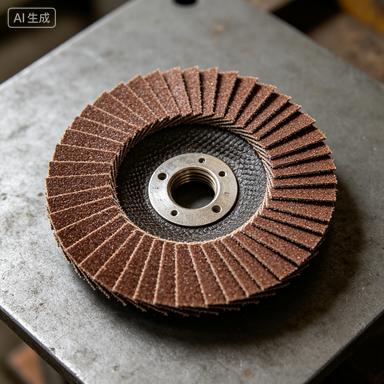
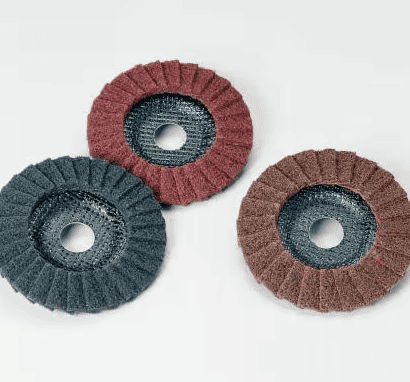
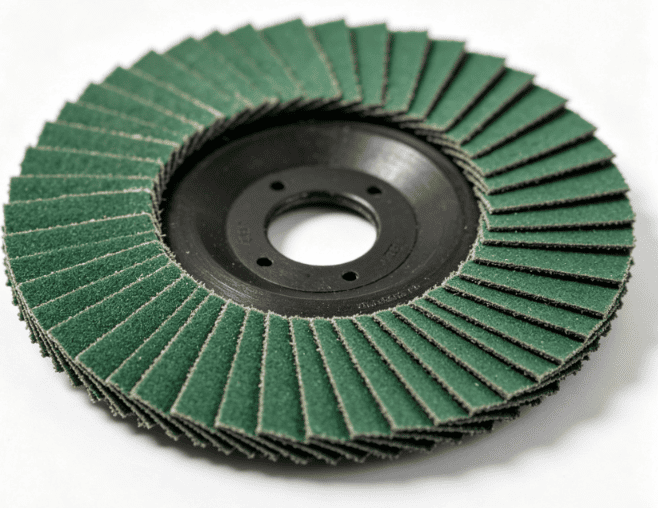
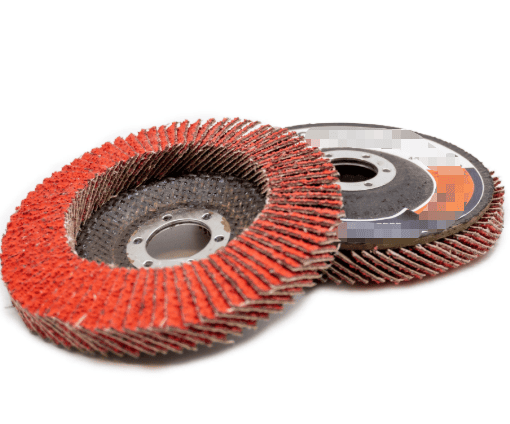
Flap Disc for Sale
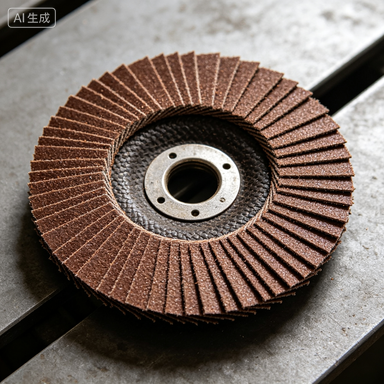
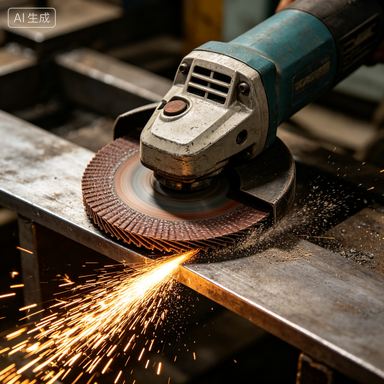
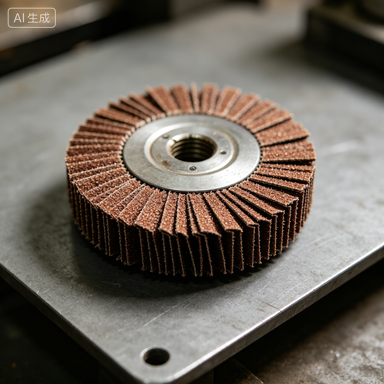
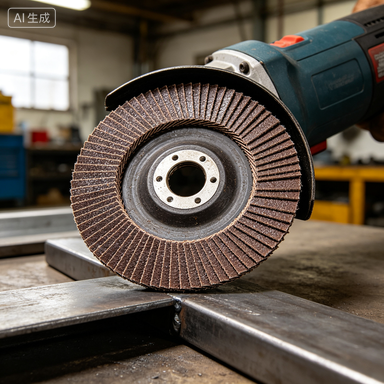



Blogs:
You May also Interest in other topics:
Filling and Capping Automatic Yellow Onion Powder Production Line high efficiency mineral grinding mill ev fast charger for Sale