Why blender blade assembly leaks water?
Why blender blade assembly leaks water?
Water leaks in blender blade assemblies are primarily caused by aging or damaged sealing components, incomplete or misaligned installation, internal structural wear, and irregular daily operation. By using standardized inspection procedures, users can quickly identify specific flaws and fully resolve leakage issues with targeted repairs and ongoing preventive maintenance. Among the most frequent and problematic issues with blender blade assemblies during regular use are water seepage and bottom leaking. The majority of consumers only blame poor product quality for leaks, although the main reasons for recurring leaks are wrong installation, worn accessories, and improper usage practices.Small water leaks will not only stain the blender base and breed bacteria in residual gaps, but also gradually corrode internal bearings and circuit components, triggering abnormal noise, blade shaking and even motor short-circuit damage. Mastering scientific fault investigation, accurate repair methods and standardized maintenance rules can thoroughly eliminate blade assembly leakage and restore stable blender operation.
Fast Fault Location and Inspection Methods
The majority of simple leakage issues can be completely resolved by replacing outdated and mismatched sealing equipment. Users must buy original sealing rings that precisely fit the blade assembly type in order to prevent leaks caused by cracked, distorted, or failed silicone gaskets, avoiding subpar universal gaskets with incorrect sizes. To guarantee a smooth and clean fitting surface, thoroughly wipe the blade base clamping groove of any remaining food stains, sticky juice, and debris before installing the replacement gasket. During installation, users can use a little amount of edible oil as an auxiliary lubricant to help the silicone ring fit the groove perfectly without offset or wrinkling. Gap seepage can be completely eliminated and the tight barrier effect restored with a well fitted new sealing ring.
Leakage brought on by improper installation and positional deviation is eliminated by realigning and relocking the blade assembly. In order to prevent leaks caused by loose or misaligned blade sets, users must first fully disconnect the blade assembly, precisely align the blade structure with the cup body clamping groove, and then rotate it slowly and steadily. The blade assembly is locked in place with precise alignment and tight fitting when there is a distinct click sound. Even after repeated locking, the cup body cannot form a sealed fit if it is distorted by unintentional extrusion or collision. Instead of using harsh tools to forcefully fix the damaged cup body in this situation, which may result in more significant structural damage and irreversible leakage, users must replace the damaged cup body immediately.
Persistent interior leaks brought on by deteriorated waterproof structures are resolved by expert shaft seal maintenance. Worn internal waterproof rubber rings of the blade shaft are typically the cause of leakage issues that persist even after external gaskets are replaced and the blade set is re-locked. The internal shaft seal structure, which has a complicated matching structure, is a part of the blade group’s original precision assembly. The factory sealing structure is easily damaged by unauthorized user disassembly, which can result in more significant leaks and component failure. To guarantee the blade assembly’s long-term stable waterproof performance, the safest course of action is to get in touch with the official brand after-sales service, allow qualified maintenance staff to repair the worn internal waterproof shaft seal accessories, and adjust the internal sealing pressure.
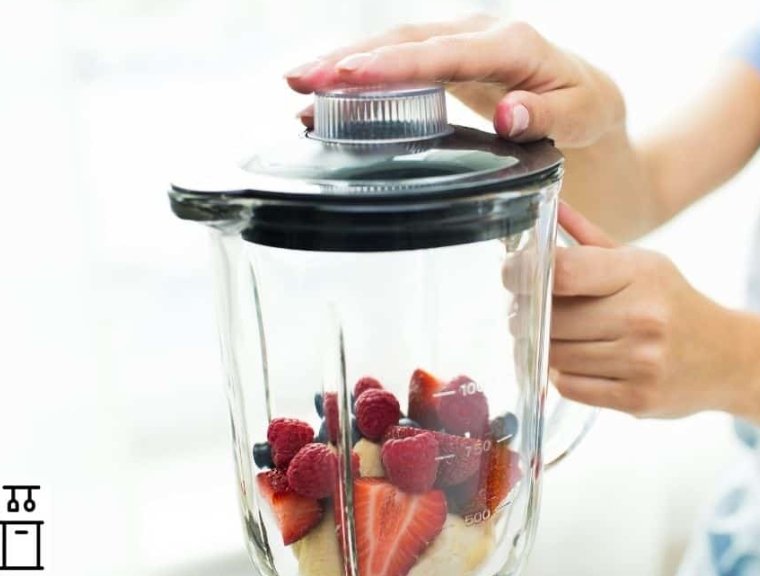
Leakage brought on by high-temperature deformation and overloaded operation can be prevented by standardizing daily operation practices. One of the main causes of component leakage and recurring sealing failure is improper usage. Users must carefully regulate the feeding capacity and never add liquid or additives that are larger than the cup body’s maximum scale line. When swirling at a fast speed, too much material will result in liquid overflow and compress the sealing structure. In the meanwhile, high-speed mode should not operate continuously for longer than three minutes. Long-term continuous high-speed operation will produce too much heat, which will thermally distort plastic structures and rubber sealing components, creating fitting gaps and consequent water leaks. Man-made leakage faults can be efficiently avoided through standardized operation.
Strategies for Long-Term Maintenance and Daily Prevention
Rubber aging is slowed down and gap corrosion is avoided by promptly cleaning sealing accessories after each usage. After each blender use, users must disassemble the silicone sealing ring on their own and properly clean the gasket surface and any remaining food residue and sticky juice in the groove. The silicone substance will ferment and corrode for a long time if food residues are left in the gaps, hastening the sealing ring’s aging, hardness, and breaking. Maintaining consistent sealing performance and extending the waterproof structure’s service life can be accomplished by keeping the clamping groove and sealing accessories dry and clean.
The abnormal wear of blade assembly bearings and seals is decreased by prohibiting dry grinding and idling. For dry grinding or empty testing, many users routinely start the blender without adding liquid ingredients. Direct friction between the blade assembly and air during dry idling operation will raise the temperature quickly and leave internal bearings and sealing structures unprotected. This type of aberrant operation will exacerbate thermal aging and component wear, weakening the bearing structure and reducing the elasticity of the sealing ring. A straightforward and efficient daily maintenance technique to stop structural leaks is to avoid dry grinding.
Hidden leakage risks are eliminated beforehand through pre-use examination and prompt accessory replacement. Users only need to verify that there is no structural deformation, gasket displacement, or crack damage on the cup body and blade assembly before each usage. Instead of continuing to use the defective equipment, replace the accessories as soon as small cracks, deformed parts, or aging gaskets are discovered. The long-term watertight and stable performance of the blender blade assembly can be ensured by early detection and repair of problematic elements, which can prevent minor flaws from developing into chronic water leaks.
Supplementary Q&A
Q:What is the most common cause of blender blade assembly water leakage?
A:The most common cause is aging, cracking or deformation of the silicone sealing gasket. Long-term water immersion, high temperature and residue corrosion will damage the elasticity and tightness of the seal, resulting in gap seepage during blade operation.
Q:Why does the blade still leak after replacing a new sealing ring?
A:Leakage after gasket replacement is usually caused by incomplete blade locking, deformed cup body gaps, loose internal bearings or worn internal shaft seals. It requires re-locking installation, structural inspection or professional after-sales shaft seal replacement to solve.
Q:What daily habits can effectively prevent blade assembly water leakage?
A:Clean the sealing ring and gaps thoroughly after each use, avoid overfilling ingredients and long-time high-speed idling, prohibit dry grinding, and inspect components regularly to replace aging or damaged accessories in a timely manner.
Final Decision
In conclusion, sealing failure, incorrect installation, structural wear, and irregular usage are the main causes of blender blade assembly water leakage, which is a preventable and repairable issue. Gasket inspection, installation check, and structural detection allow users to find leakage areas fast. All kinds of leakage issues can be fully resolved by replacing matched sealing components, precisely re-locking the blade assembly, fixing internal shaft seals, and standardizing operating procedures. Users can effectively delay accessory aging, remove hidden structural flaws, and maintain long-term waterproof, stable, and safe functioning of the blender blade assembly by cooperating with daily thorough cleaning, banning dry grinding, and conducting routine pre-use inspections.
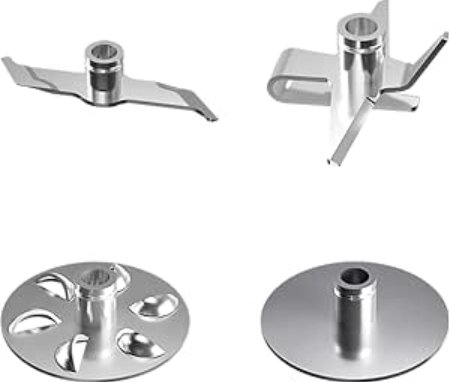
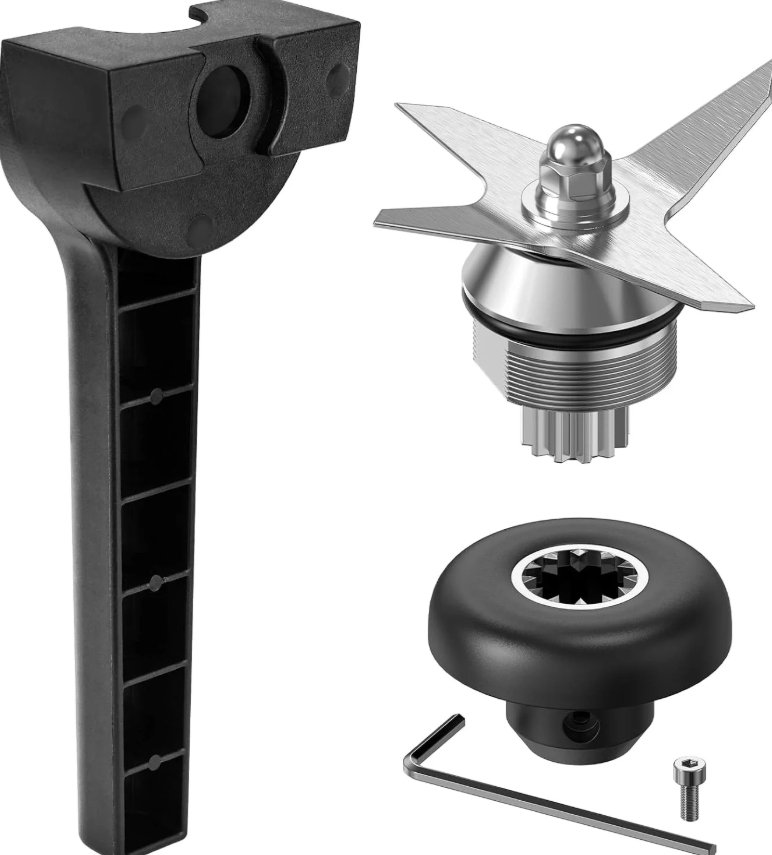
Blender Blade for Sale
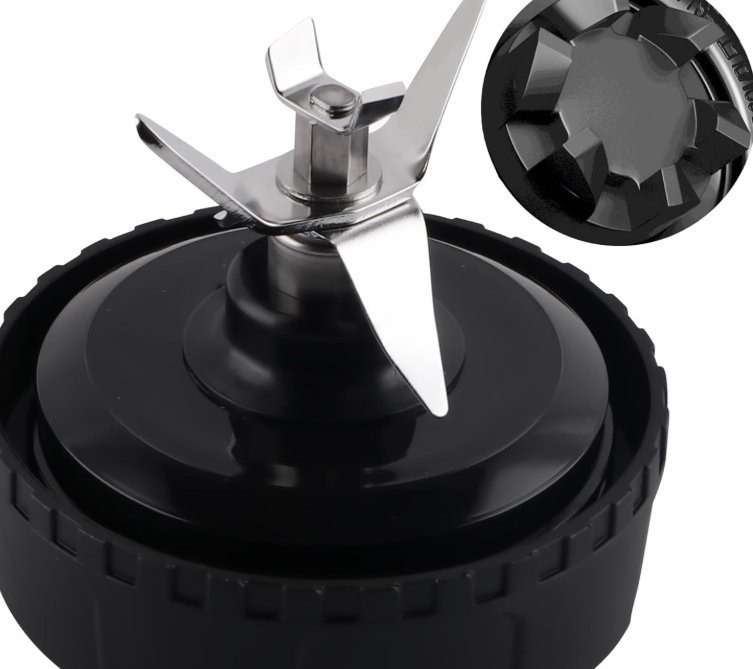
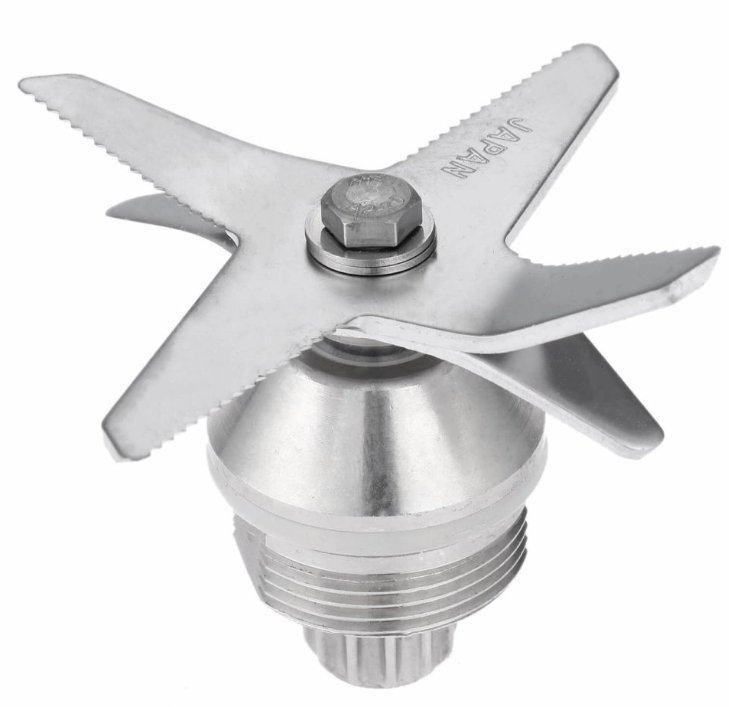
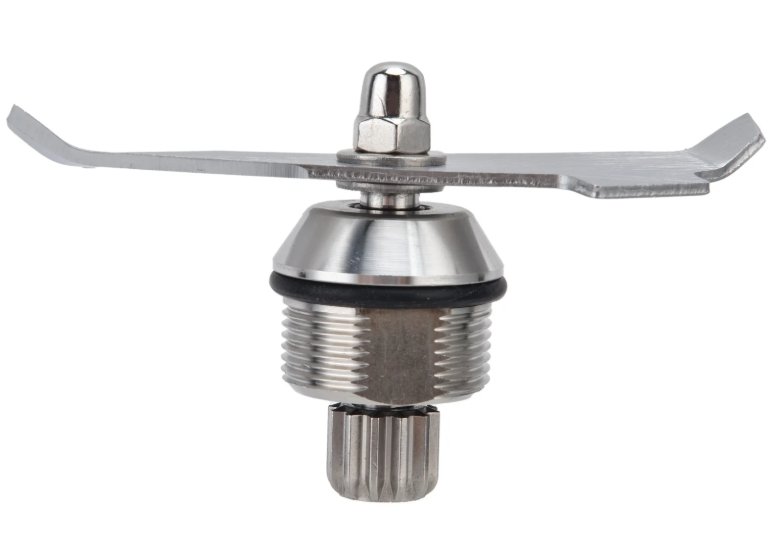
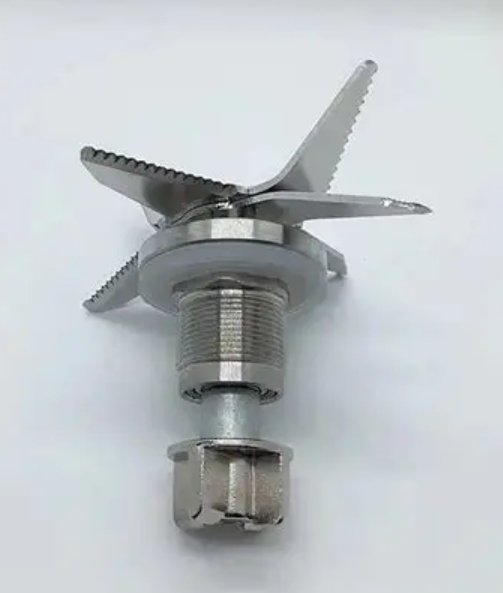
Diamond Blade for Sale

Demolition Hammer & Rotary Hammer for Sale
Angle
Welcome to call us
Contact Us to get quotation
Working Time: 8:00~17:00 Monday to Friday.
FAQ
Welcome to call us
Contact Us to get quotation
Working Time: 8:00~17:00 Monday to Friday.