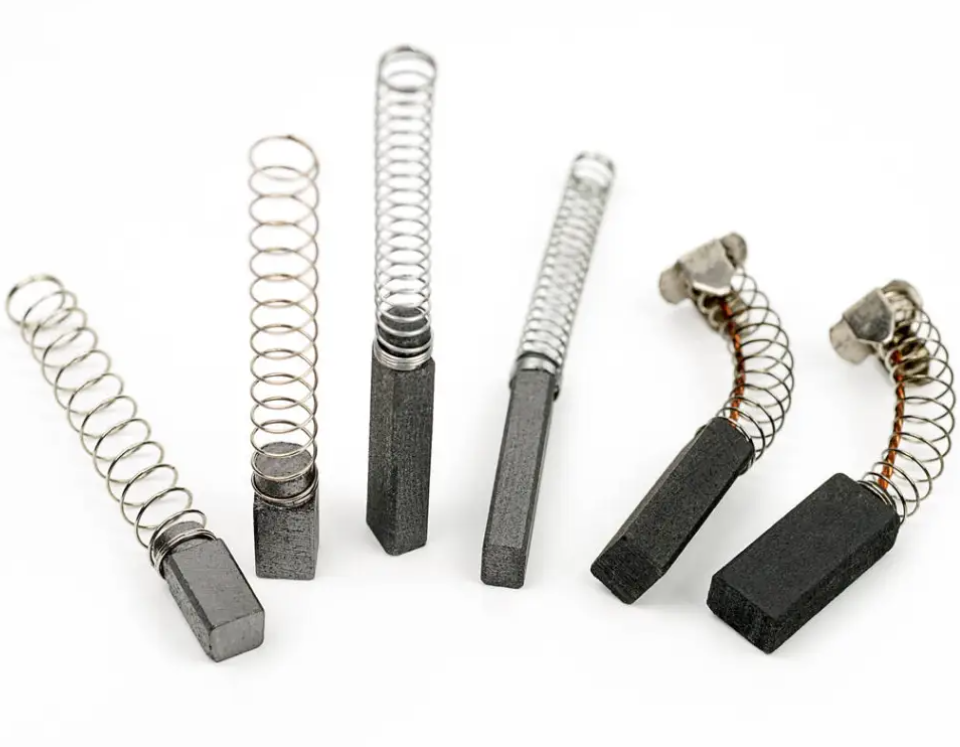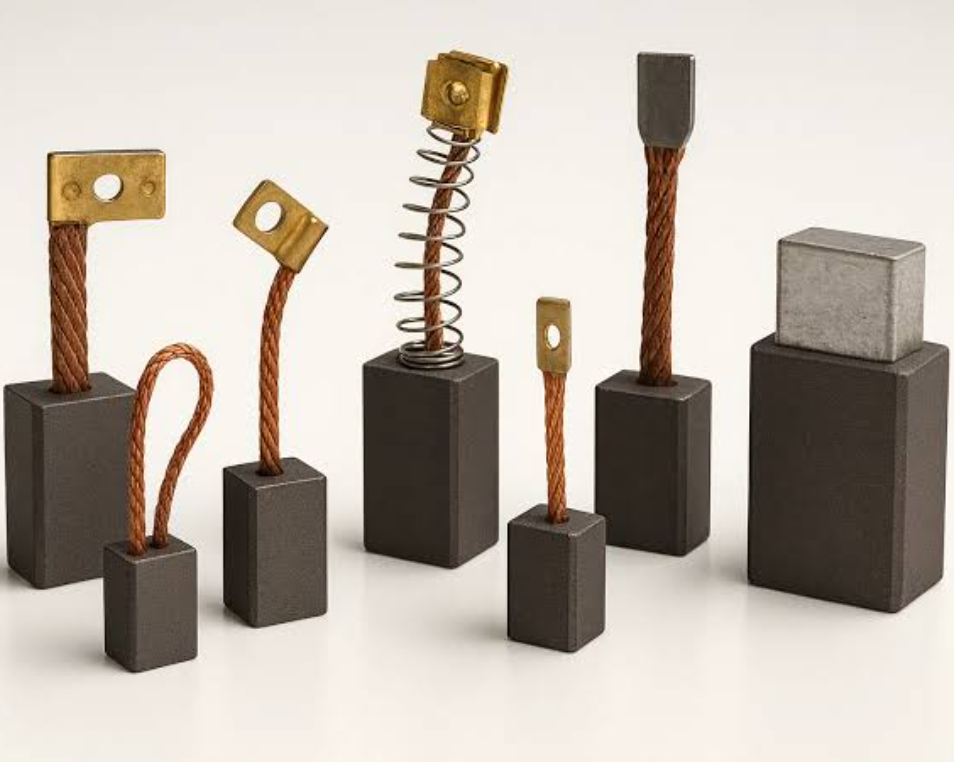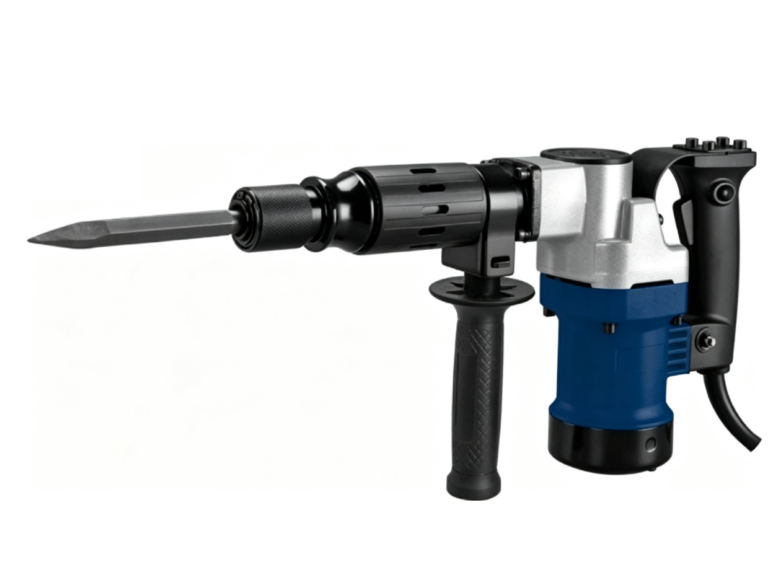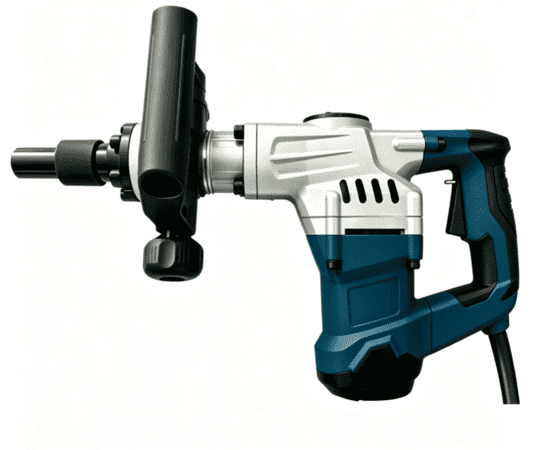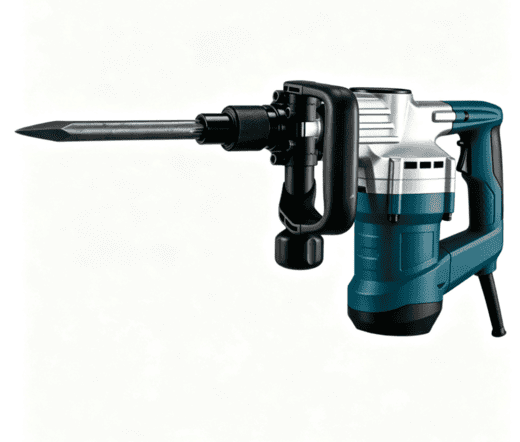
hammer drill
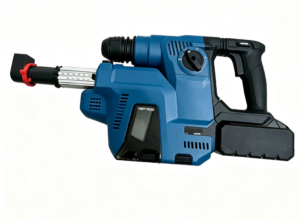
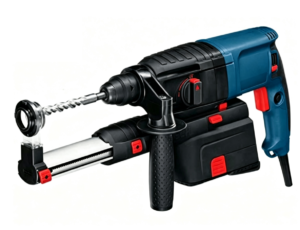
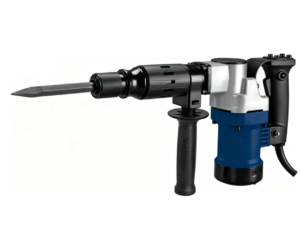
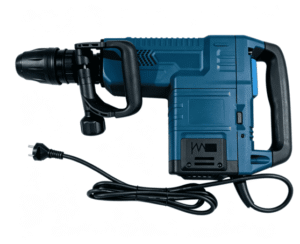
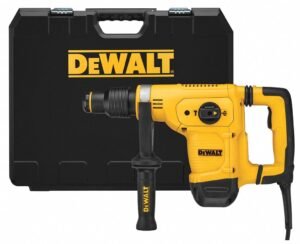
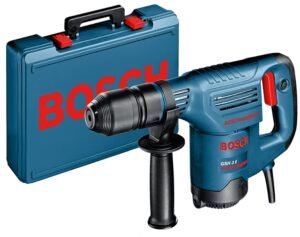
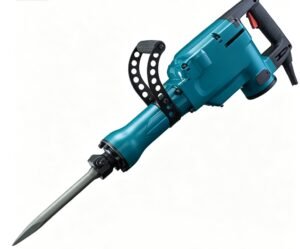
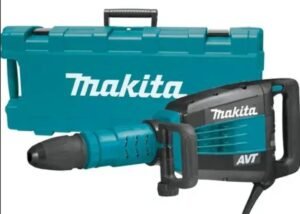
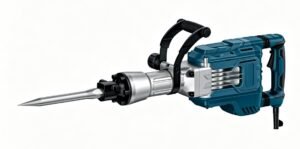
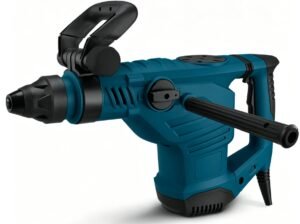
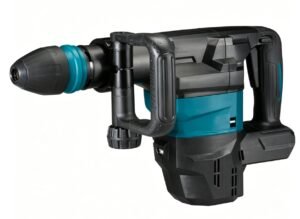
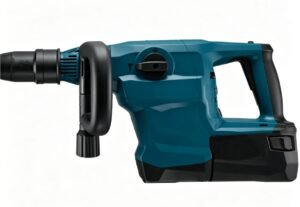
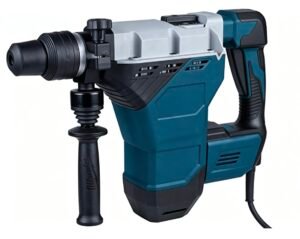
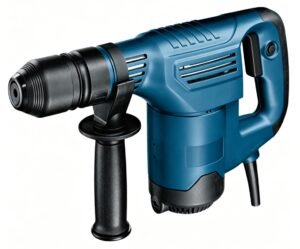
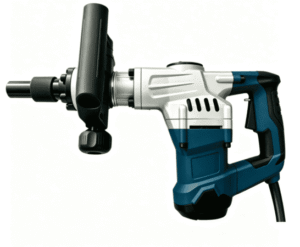
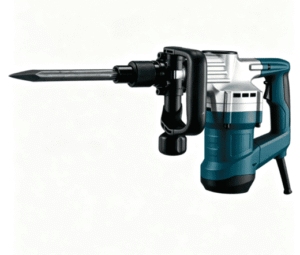
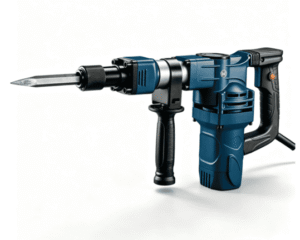
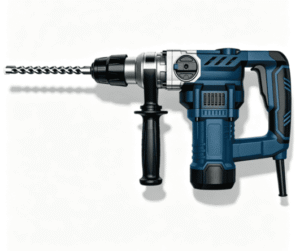
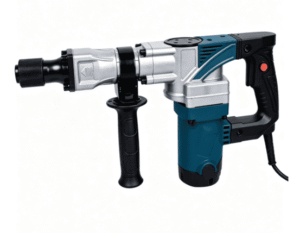
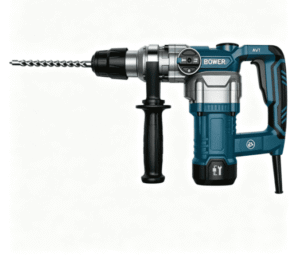
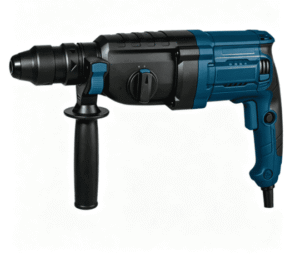
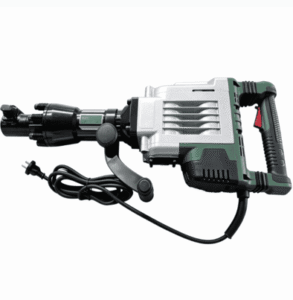
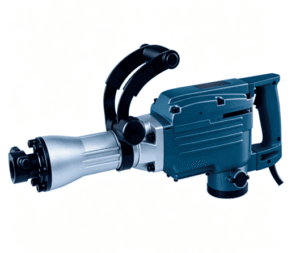
hammer drill
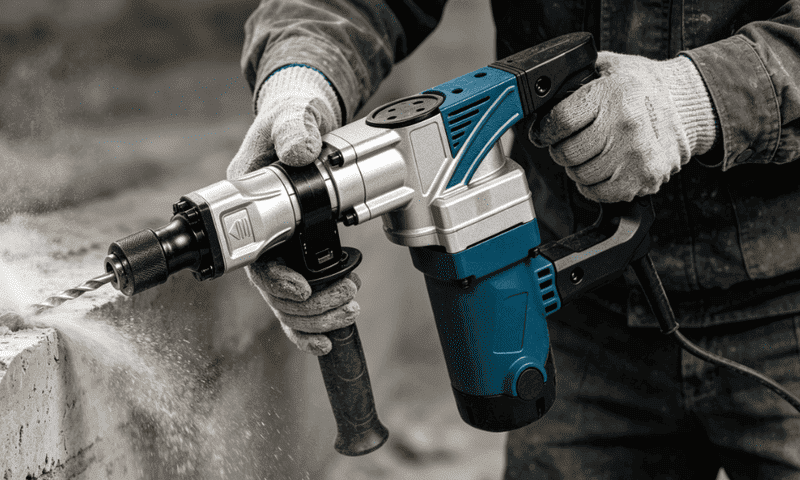
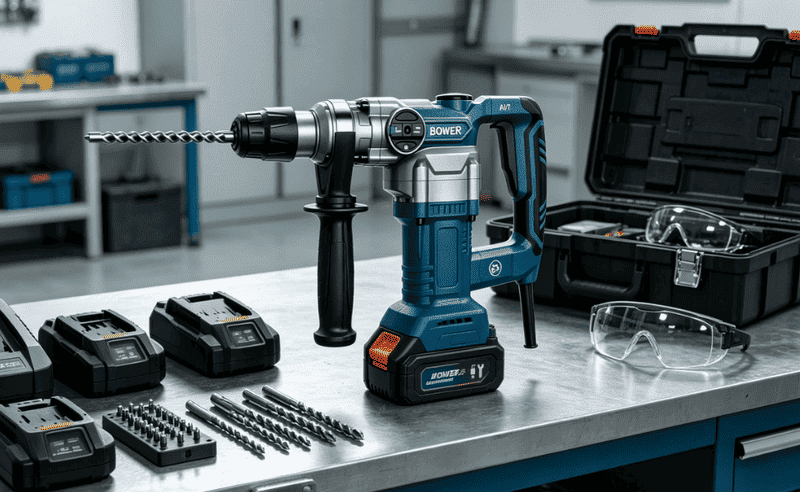
A professional electric power tool that combines rotary cutting and high-frequency impact functions, a rotary hammer drill machine—also known as an electric rotary hammer or hammer drill—is widely used in mining, construction, interior design, and many other industrial sectors worldwide.
Basic Definition and Core Attributes
The rotary hammer drill machine is defined as a rotary power tool equipped with a built-in pneumatic hammering structure, which makes its striking force far stronger than that of ordinary hand electric drills and basic impact drills on the market. Ordinary electric drills only provide pure rotating force to cut materials, and simple impact drills rely on meshed gears to generate weak intermittent knocking force, which can hardly penetrate dense hard materials efficiently.
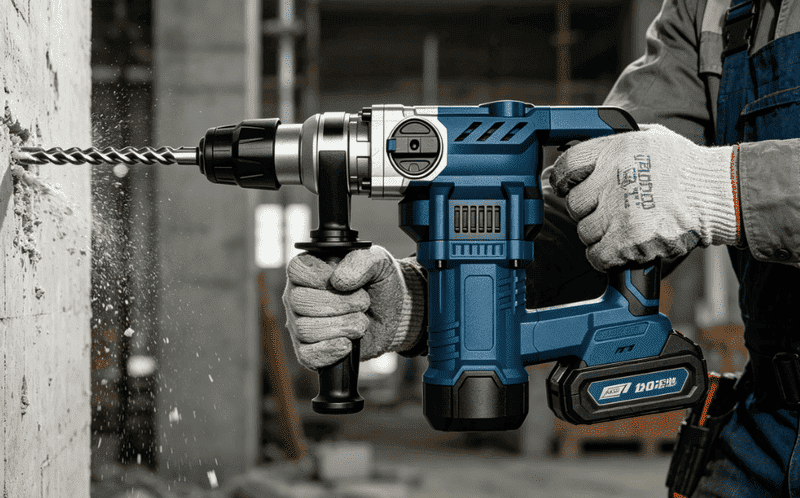
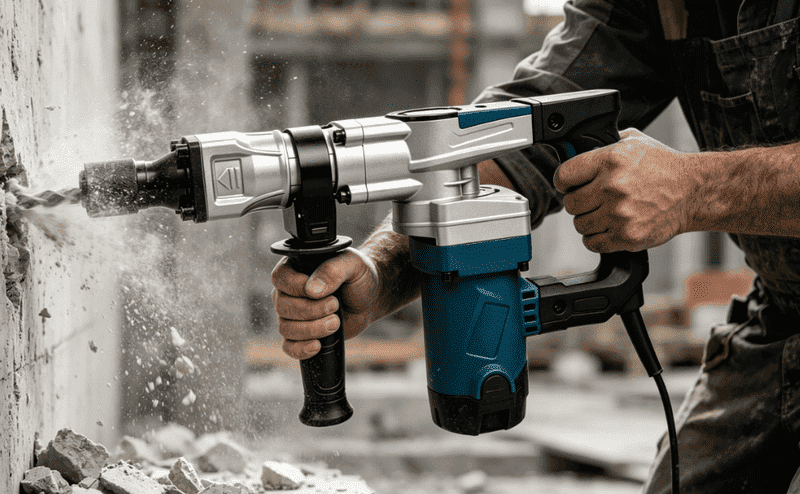
In contrast, the pneumatic impact system inside the rotary hammer drill can output concentrated and continuous axial hammering energy, forming a huge gap in working power with entry-level drilling tools. Its most core application is drilling holes on hard and brittle building materials including concrete, natural stone and brick walls. It can break the compact internal structure of these rigid substances with less manual pressure, so it becomes an essential tool for wall punching, pipeline installation and construction reinforcement in most construction projects.
Core Working Principle
To achieve compound drilling operation, the rotary hammer drill’s entire power transmission and energy conversion process adheres to a straightforward mechanical connection logic. When the machine is turned on, a crank connecting rod assembly is driven by the main power mechanism to work cyclically. This part pushes a piston to perform regular reciprocating linear movement inside a sealed cylinder. The air inside the closed cylinder cavity is continuously compressed by the piston’s back-and-forth movement. This periodic change in air pressure forces an internal striker to knock the drill bit’s tail at a very high frequency.
The drill bit is simultaneously forced to revolve at a steady pace by the gear transmission system powered by the main motor while the striker applies a strong axial impact force. This well-coordinated motion flawlessly integrates rotary cutting and hammering breaking into a single operating process. When compared to single rotating drilling or simple knocking operations alone, the drilling efficiency is significantly increased because the high-frequency impact force cracks and loosens the hard material from the inside, and the rotating drill bit cuts and scrapes away the fragmented residues.
Mainstream Classification Methods
Three common dimensions—power source, product positioning grade, and structural specification—can be used to categorize rotary hammer drill machines into a variety of groups, and pertinent market data may accurately depict the domestic industry’s mainstream demand distribution in 2024.
The items are divided into wired AC rotary hammer drills and wireless lithium battery rotary hammer drills when categorized by power supply mode. While lithium battery cordless models eliminate the need for power cords and are excellent for outdoor and mobile operation settings, wired models rely on mains energy to provide reliable long-term power production and are appropriate for stationary construction sites.
Industry statistics from 2024 show that the wired version of lithium battery rotary hammer drills continues to hold the largest market share for heavy-duty continuous work, with a penetration rate of roughly 17.8% in the Chinese market. The entire product line includes industrial, professional, and general household grades when broken down by product positioning grade.
Professional grade combines cost and performance, general grade is for sporadic home renovation use, and industrial grade is tailored for all-day high-intensity engineering construction. Professional-grade rotary hammer drills became the most popular option for engineering staff and decoration teams in 2024, accounting for around 80% of domestic market sales volume.
There are two types of rotary hammer drills according to structural specifications: light-duty and heavy-duty. While heavy-duty models provide large-aperture deep hole drilling and long-term high-load chiseling work to satisfy various operating intensity and aperture requirements, lightweight models are employed for small-diameter shallow hole drilling and straightforward grooving.
Typical Functional Characteristics
To satisfy a variety of construction demands and guarantee operating stability, contemporary mainstream rotary hammer drill machines are outfitted with humanized and functional designs.
Multi-mode switching, which offers three fundamental working modes—pure drilling mode, hammer drilling mode, and single hammering mode—is the most fundamental practical function. To drill precisely on metal and wood plates, the pure drilling mode can be used in place of regular electric drills since it closes the impact structure and just keeps rotating. The fundamental mode for punching concrete and masonry walls, the hammer drilling mode, activates both rotation and impact. Similar to a little electric pick, the machine can complete jobs like light chiseling, wall grooving, and tile removal thanks to its single hammering mode, which stops rotating and only produces knocking force.
A safety torque clutch is a standard feature of the equipment in terms of safety protection design. In order to prevent reverse torque from twisting the operator’s arms and to prevent motor burnout from stalling overload, the clutch will instantly cut off power transmission between the motor and the drill bit once it becomes stuck and locked by hard stones or reinforced steel bars during drilling. Electronic speed control and soft start features are frequently added to new models in order to optimize operation.
Standard Safety Operation Specifications
When operating a rotary hammer drill machine, a set of standard safety regulations must be properly adhered to in order to prevent the potential risks of electric shock, mechanical harm, and scorching. To prevent electric leakage incidents in humid construction environments, users must verify that the circuit is linked to a qualified leakage prevention device and that the power supply voltage matches the tool’s rated parameter before beginning any drilling activity.
In order to prevent unintentional drilling that destroys underground facilities and results in leakage or short circuit problems, workers should also review construction designs beforehand to identify embedded water pipes, electric wires, and steel pipelines beneath the wall or ground.To prevent flying stone debris and lessen long-term noise damage to hearing, protective eyewear and noise-proof earplugs are required personal protective equipment during formal operations. In order to retain steady control of the machine and prevent arm sprain in the event that the drill bit unexpectedly jams and produces reverse recoil, operators must firmly grasp both the main handle and the auxiliary side handle with their hands.
The drill bit will build up a lot of heat and remain hot for a long time. To avoid painful thermal burns, operators should wait for enough cooling or use auxiliary tools to remove the fitting while replacing worn or different types of drill bits. They should also never touch the metal section of the drill bit directly with bare hands.
Specifications:
Technical Specifications
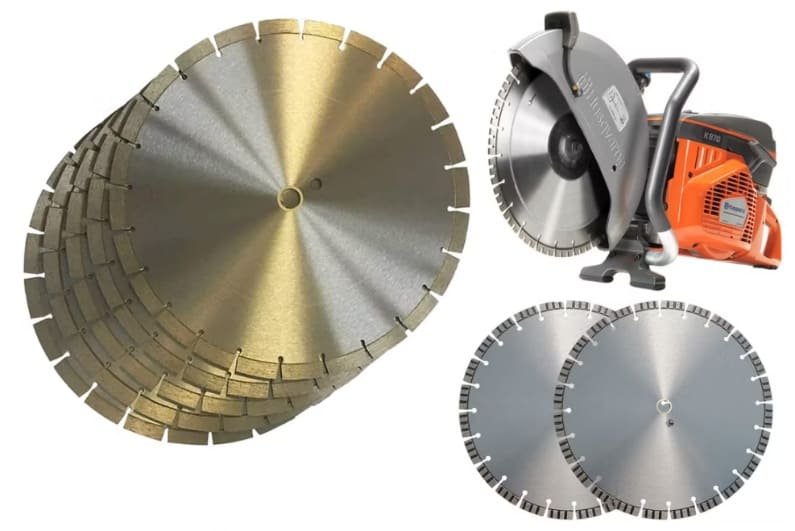
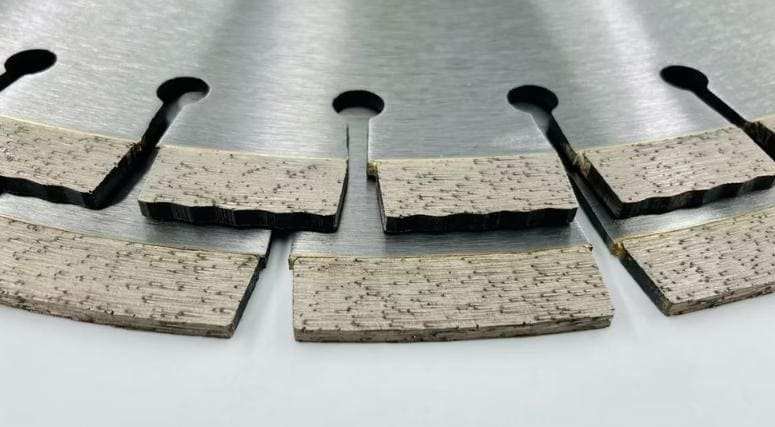
- Diameter: 750 mm (30 inches)
- Segment Thickness: 4.8 mm or 5.0 mm
- Segment Height: 10 mm, 12 mm, or 15 mm (customizable)
- Inner Bore (Arbor Hole): Standard sizes include 25.4 mm (1 inch), 50 mm, 60 mm, and 80 mm. Custom bore sizes are available upon request.
Detailed Specifications for 750mm Blades:
| Inch | Diameter (mm) | Segment Length (mm) | Segment Thickness (mm) | Segment Height (mm) | Segment Number (pcs) |
|---|---|---|---|---|---|
| 30″ | 750 | 40 | 4.8/5.0 | 10 | 46 |
| 30″ | 750 | 40 | 4.8/5.0 | 12 | 46 |
| 30″ | 750 | 40 | 4.8/5.0 | 15 | 46 |
Other Available Diamond Saw Blade Sizes We Manufacture:
| OD (mm) | Length (mm) | Thickness (mm) | Height (mm) | Number (pcs) | Bore (mm) |
| 350 | 40 | 3.2 | 10/12/15 | 24 | 25.4 |
| 400 | 40 | 3.4 | 10/12/15 | 28 | 25.4 |
| 500 | 40 | 4.0 | 10/12/15 | 36 | 25.4 |
| 600 | 40 | 4.4 | 10/12/15 | 42 | 25.4 |
| 650 | 40 | 4.8/5.0 | 10/12/15 | 42 | 25.4 |
| 800 | 40 | 4.8/5.0 | 10/12/15 | 46 | 25.4 |
| 900 | 40 | 4.8/5.0 | 10/12/15 | 52 | 25.4 |
| 1200 | 40 | 4.8/5.0 | 10/12/15 | 68 | 25.4 |
| 1500 | 40 | 4.8/5.0 | 10/12/15 | 90 | 25.4 |
Key Features & Advantages
1) Compound Rotary and Impact Working Mechanism:A hammer drill is a special tool that combines high-frequency percussion impact with continuous rotary cutting. It provides strong pneumatic hammering force to effectively break hard and brittle materials, in contrast to regular electric drills that just use rotation. The drill bit may shatter stone and concrete while drilling steadily thanks to this compound working mechanism. During construction, it significantly lessens the requirement for labor-intensive manual pressing. Because of this, it operates on masonry and solid construction surfaces much more quickly and efficiently than conventional drills.
2)Multi-Functional Working Mode Flexibility:Three useful switchable operation modes are supported by modern hammer drills to accommodate various building conditions. Precise holes can be made on soft materials, metal, and wood using the pure drilling mode. Heavy-duty punching on walls and concrete structures is the main focus of the hammer-drill mode. It is not necessary for employees to carry several different power tools on the job site. This adaptable design reduces equipment costs and storage space while increasing construction efficiency.
3)Complete Built-In Safety Protection System: For dependable anti-jam protection during high-load and high-intensity operation, the majority of regular and professional hammer drills are equipped with a sophisticated safety torque clutch. The clutch will immediately cut off the power transmission if the drill bit becomes unexpectedly trapped in hard stone, concrete blocks, or internal steel bars. During operation, this fundamental safety feature successfully stops hazardous reverse torque from twisting and harming the operator’s arm or wrist. Additionally, it effectively guards against overload stalling and burnout damage to the internal motor and transmission components. The tool significantly reduces a variety of operating dangers in intricate and dynamic construction contexts thanks to its dependable active safety design.
4)Stable and User-Friendly Operating Performance:To achieve incredibly smooth and reliable startup performance, modern hammer drills use soft-start technology and enhanced electronic speed regulation. The overall precision of hole forming is significantly increased by the gentle gradual acceleration function, which successfully stops drill bit sliding and drilling position deviation during commencement. When operating continuously for extended periods of time, the internal shock-absorbing structure and matching 360-degree adjustable auxiliary handle greatly reduce vibration feedback. With significantly less hand fatigue and better build consistency, operators can maintain steady tool control. It is ideal for both regular household users and professional construction professionals due to its straightforward operation logic and low daily maintenance requirements.
Packing, Delivery & Shipping
If can reach MOQ 800pcs or 500pcs, can make color box + carton box, or BMC box+ color sleeve, OEM your brand or our brand also ok. logo, sticker, color box, carton box design please provide your PDF file.
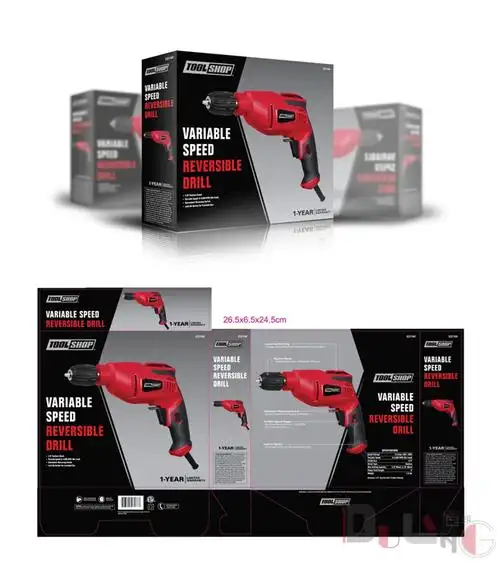
If can not reach MOQ, can nuetural brown box + carton box, sticker can make your own brand.

If
Demolition Hammer & Rotary Hammer
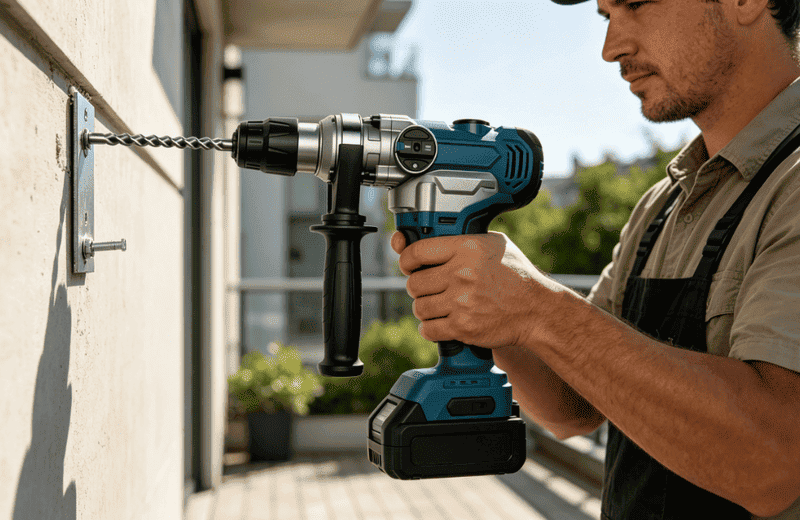

Wide Application Scenarios
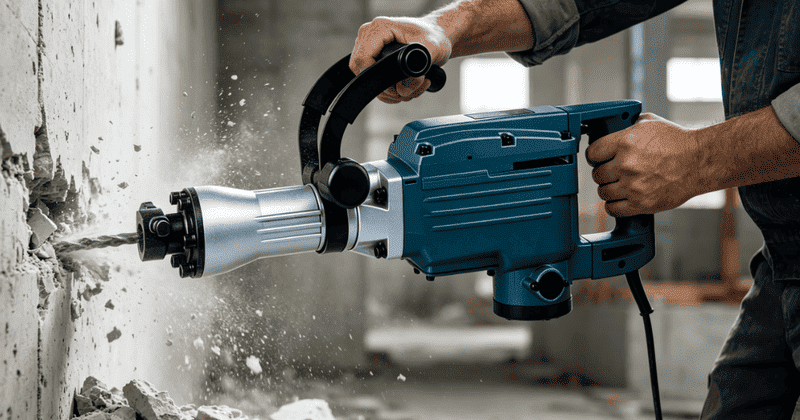
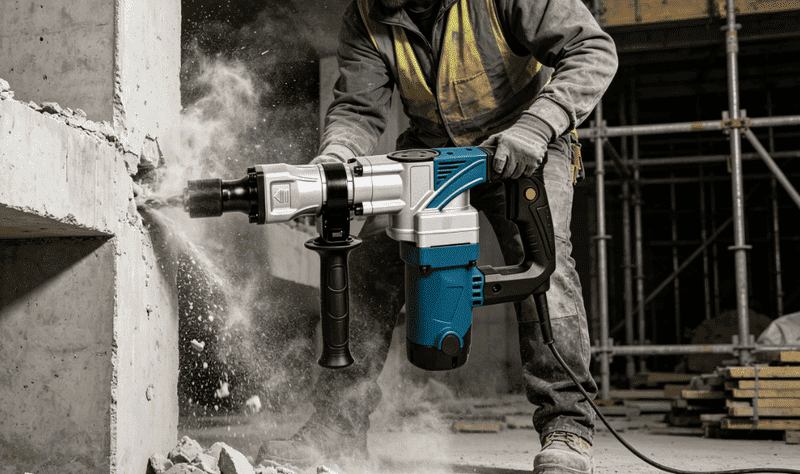
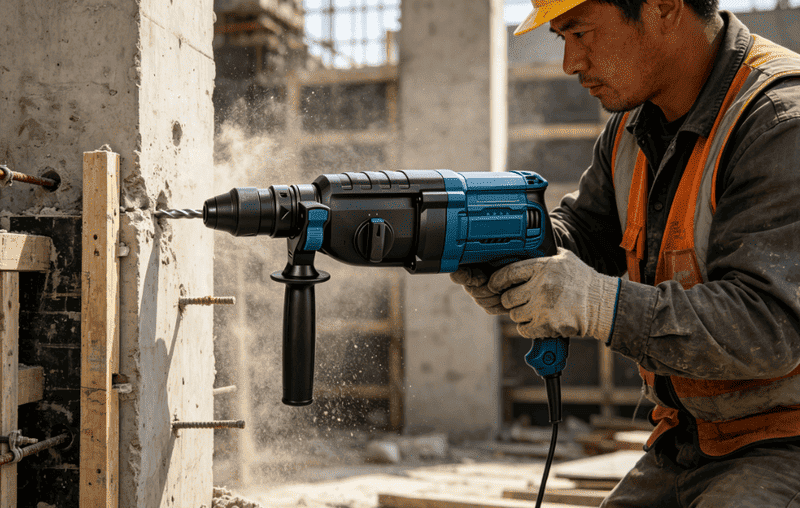
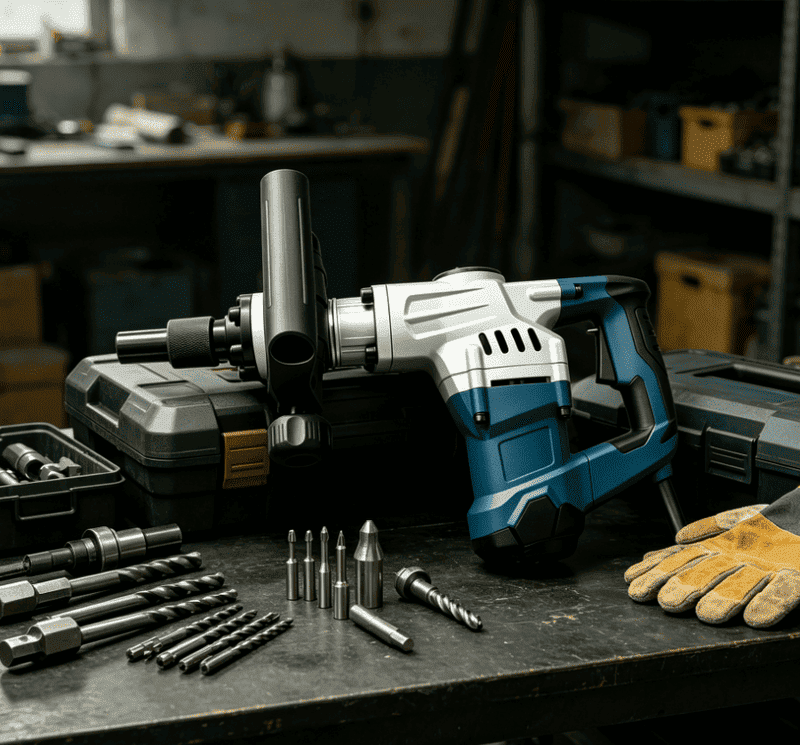
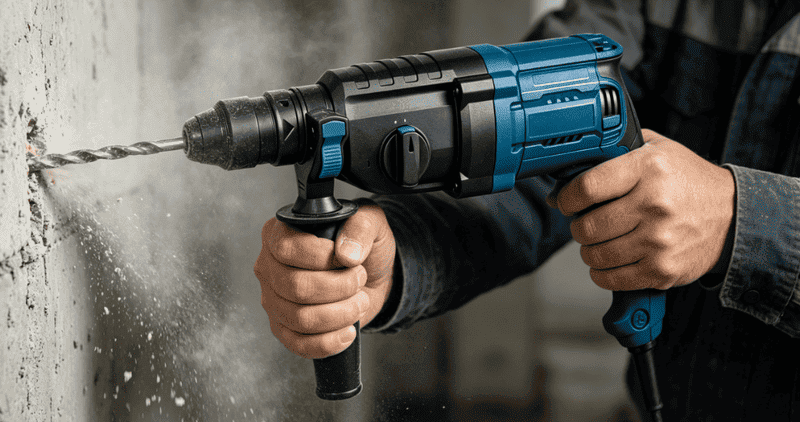
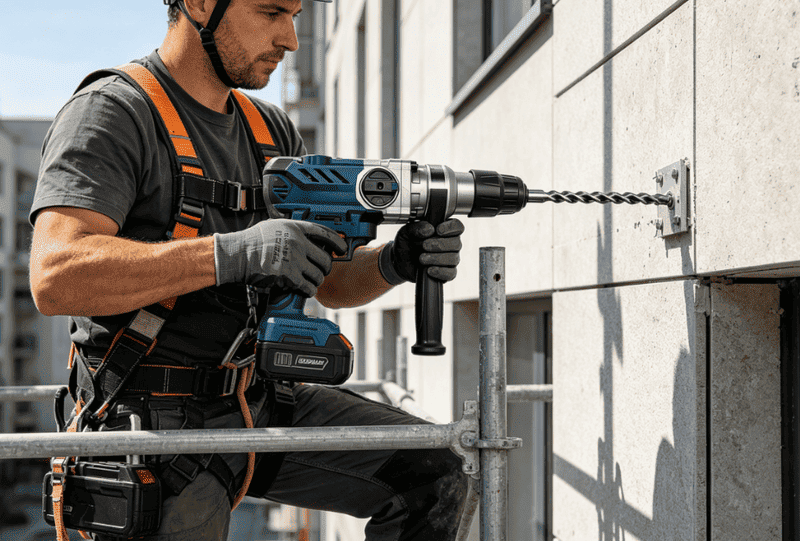
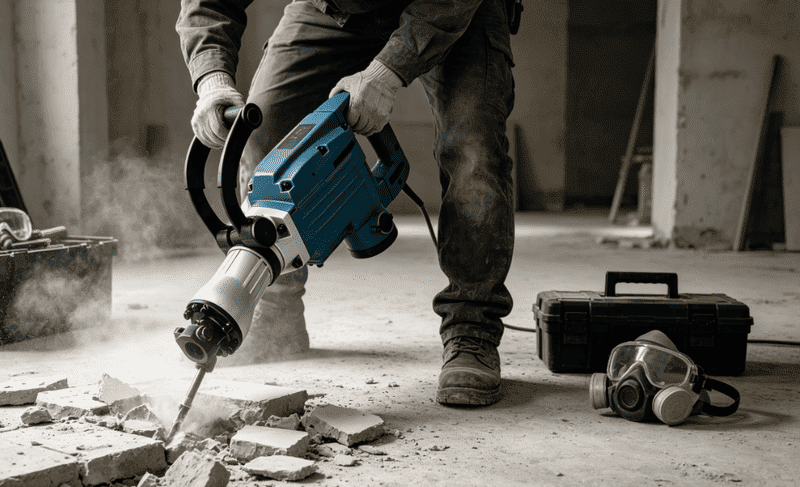
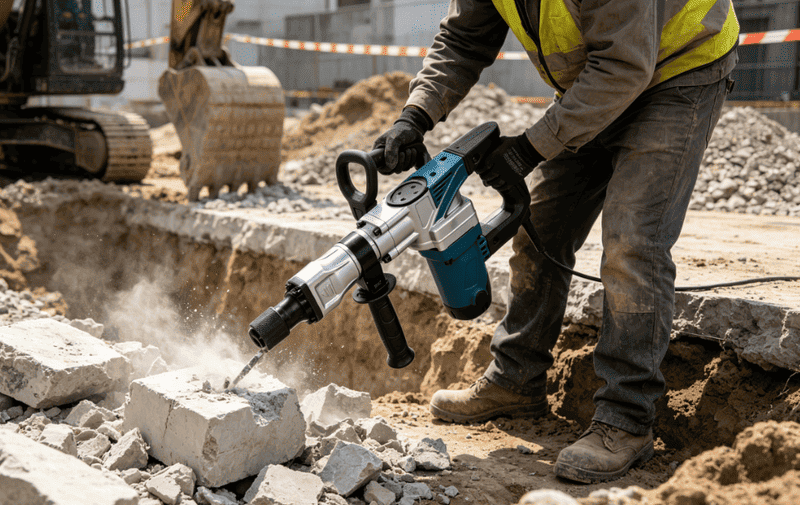
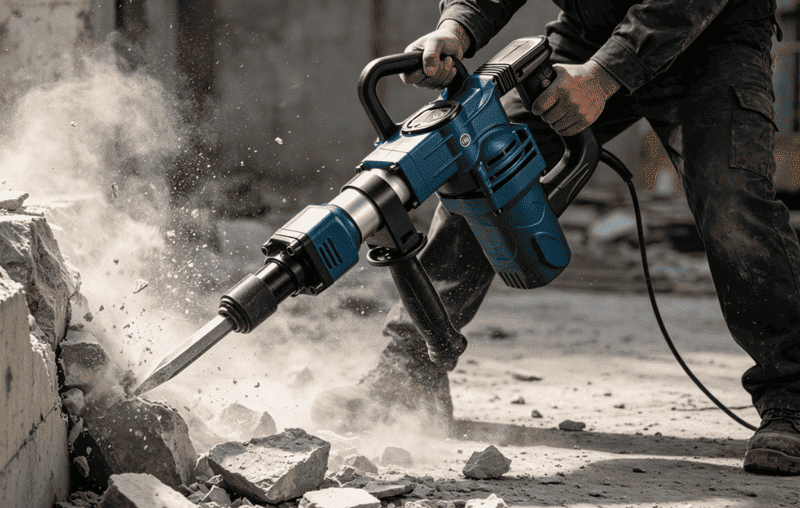
Nearly all heavy-duty engineering breaking and demolition scenarios are covered by the incredibly broad industrial adaptability of this line of 1700W MAX heavy-duty demolition hammers.
It has become the go-to core tool for professional engineering contractors, municipal engineering teams, and large equipment leasing companies. It is widely used in steel bar concrete crushing, urban road renovation and demolition, large building structure reconstruction and dismantling, mine quarrying and material pretreatment, pipeline foundation excavation, and other high-intensity engineering operations.
It provides dependable pre-processing support for the regular operation of subsequent high-speed grinding equipment, industrial pulverizers, and full-set grinding machines.
In industrial supporting scenarios, it is frequently used for the demolition and renovation of old factory buildings, production line reconstruction, and equipment foundation dismantling.
It can produce uniform particle size raw materials, thereby improving the processing efficiency of food, chemical, medical, and metal materials and lowering the operating energy consumption and failure rate of 200KG grinder and 500KG grinder production lines. This is true whether coarse crushing pretreatment is combined with coarse crusher and Hammer Mill, or fine grinding supporting for Ultrafine Grinder and airflow pulverizer.
Demolition Hammer & Rotary Hammer
Angle
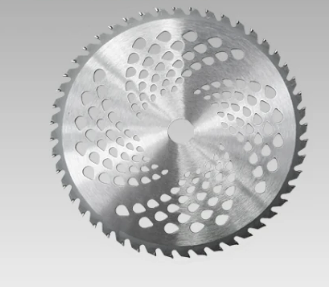
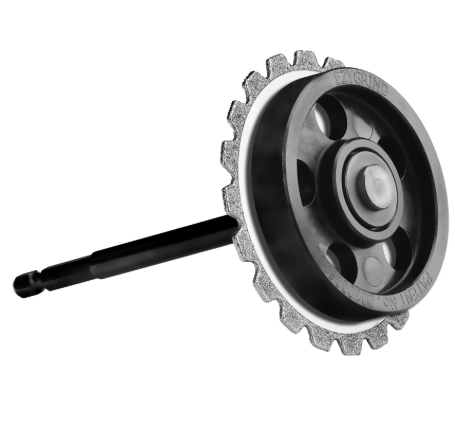
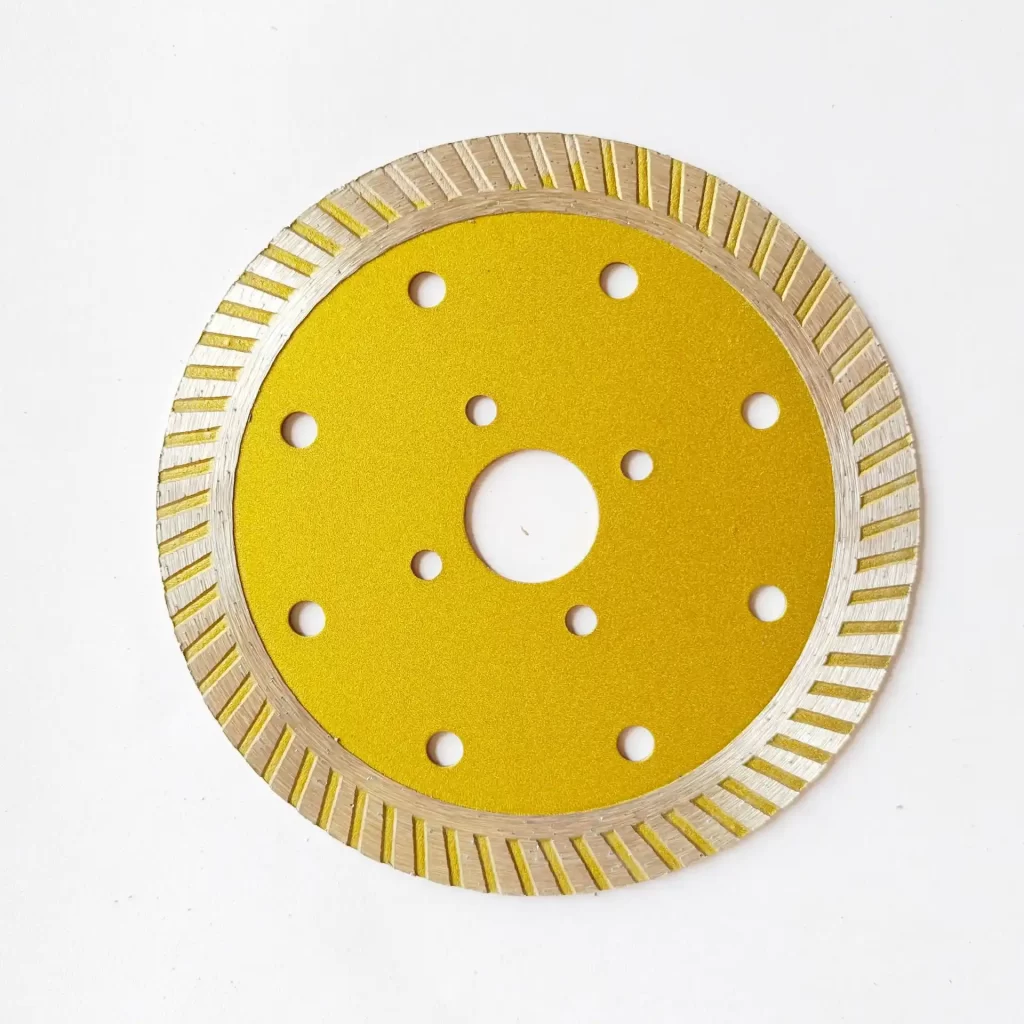
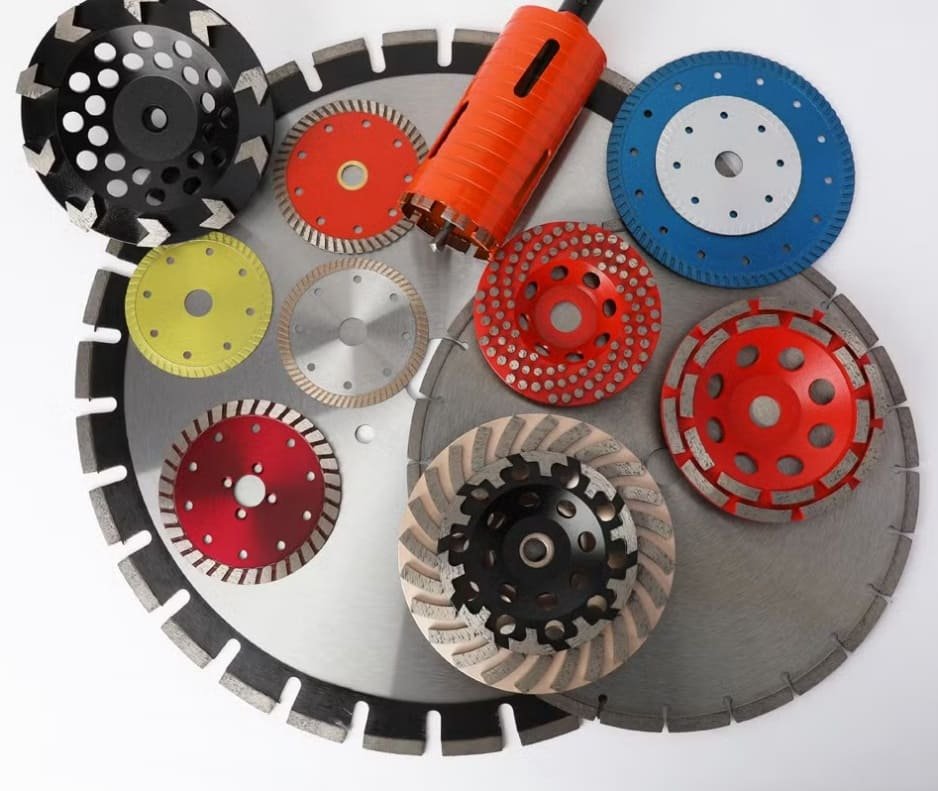
Diamond Blade

Welcome to call us
Contact Us to get quotation
Working Time: 8:00~17:00 Monday to Friday.
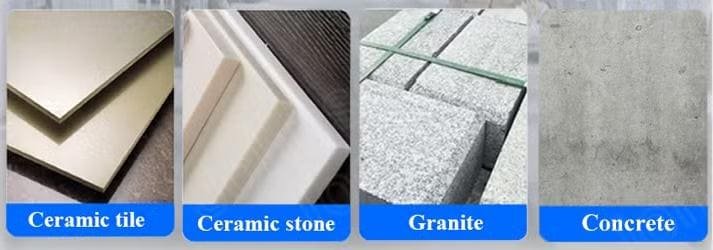
Applications:
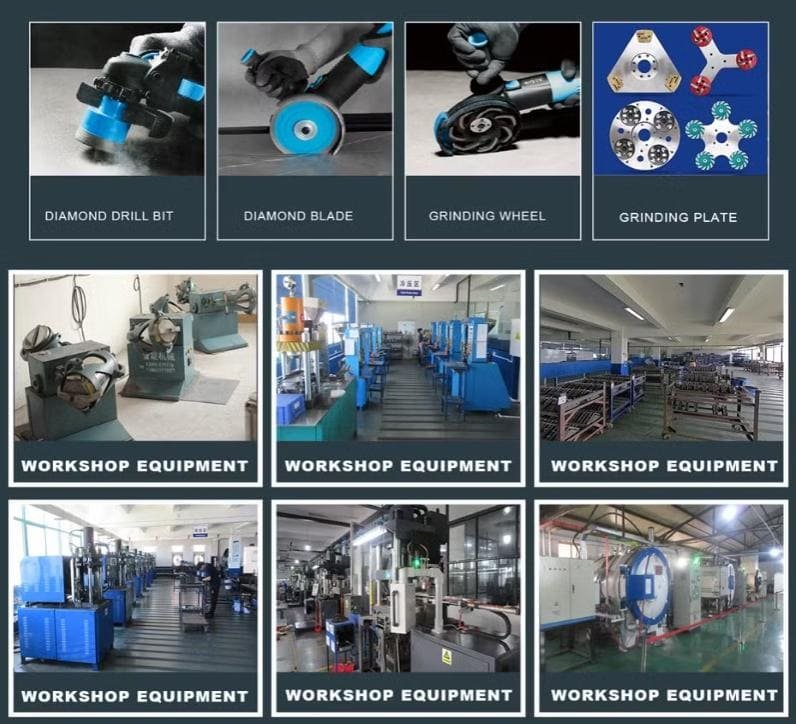
Factory:
FAQ
Welcome to call us
Contact Us to get quotation
Working Time: 8:00~17:00 Monday to Friday.