flap disc vs buffing wheel
flap disc vs buffing wheel
Flap disc vs buffing wheel, which should i choose? If you’ve spent any time in a fabrication shop, auto garage, or even a home woodworking space, you’ve definitely come across both flap discs and buffing wheels. They’re both rotary abrasive finishing tools, but they serve totally different jobs. Pick the wrong one, and you’ll end up with wonky finishes, way more material removed than you wanted, worn out tools before their time, or even safety risks. Getting the differences down is make-or-break for keeping your workflow efficient and your end products up to snuff. Both attach to angle grinders, bench grinders, or polishers, but their build, how fast they remove material, and how smooth a finish they can pull off are totally different—you can’t just swap them in for the same jobs.
Core Working Principles
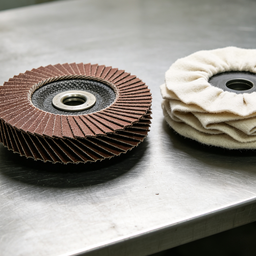
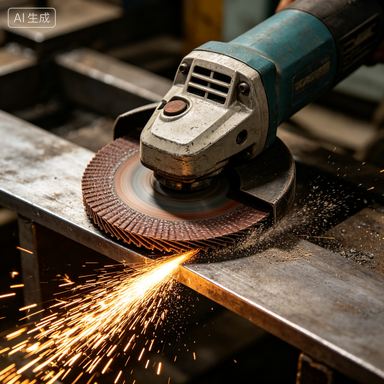
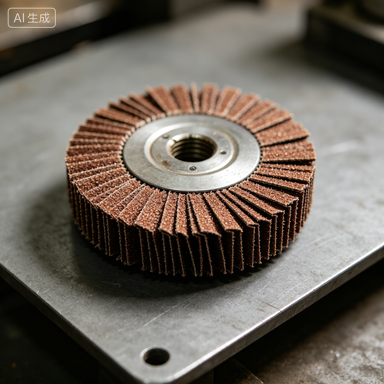
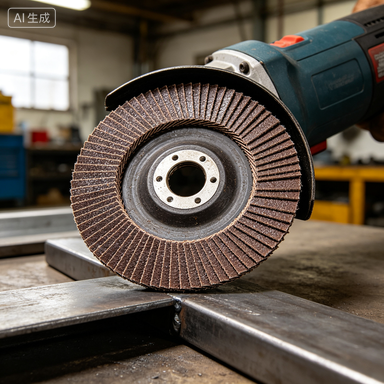
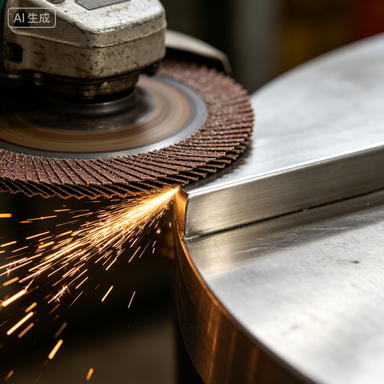
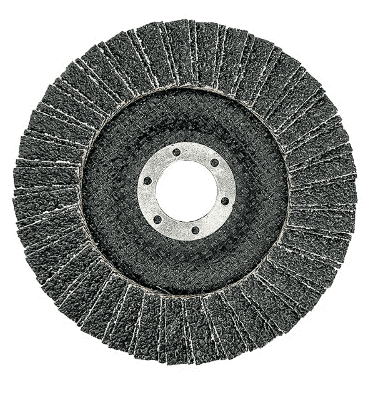
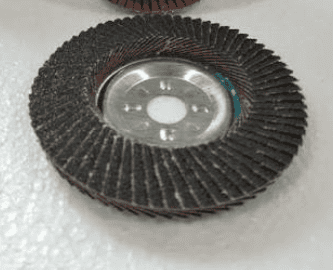
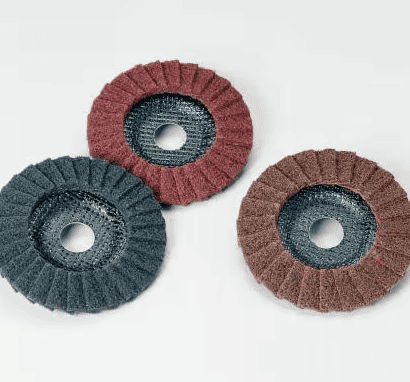
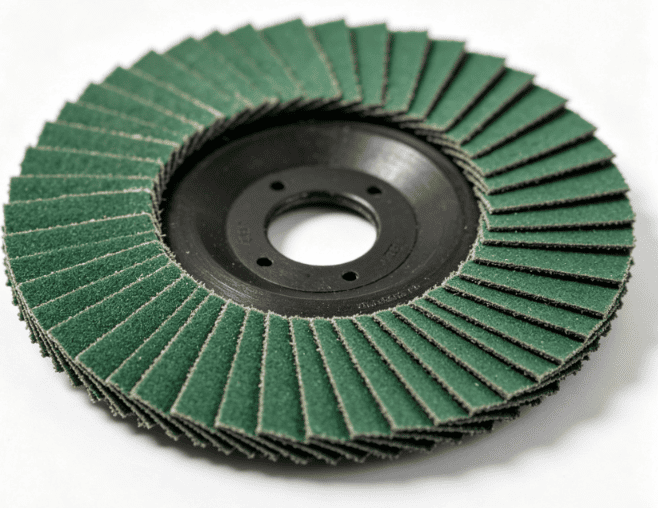
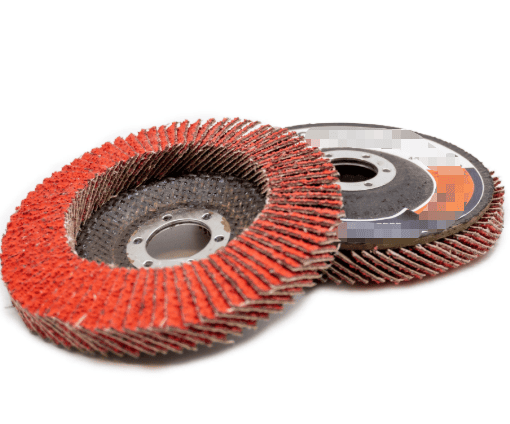
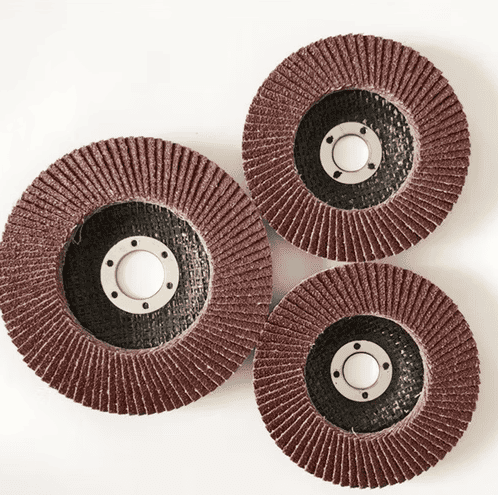
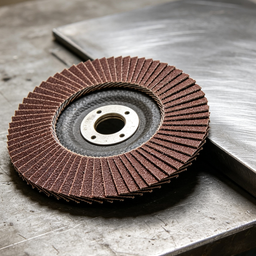
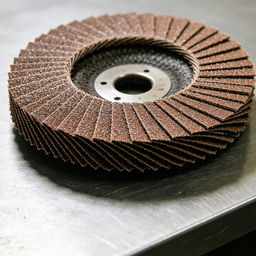
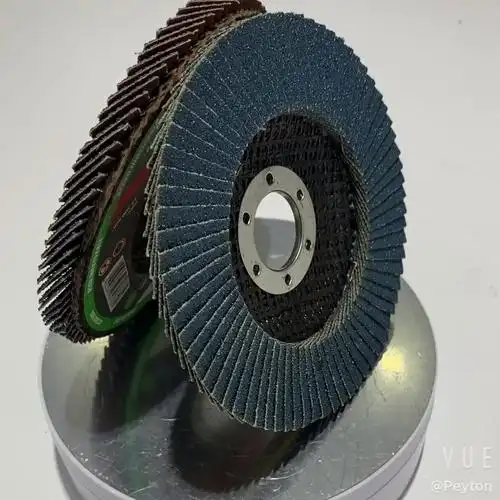
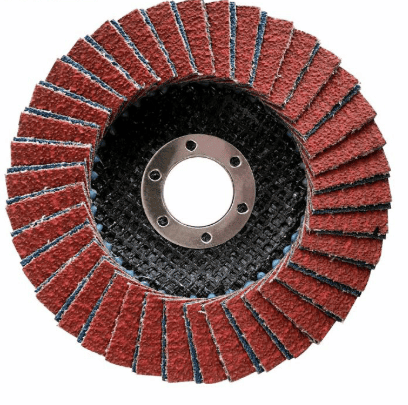
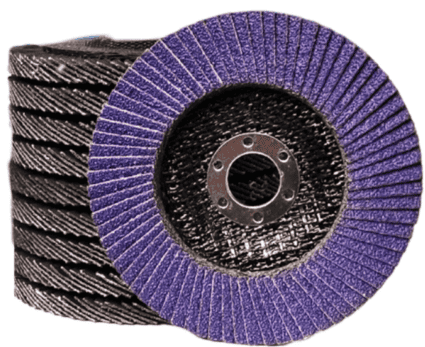
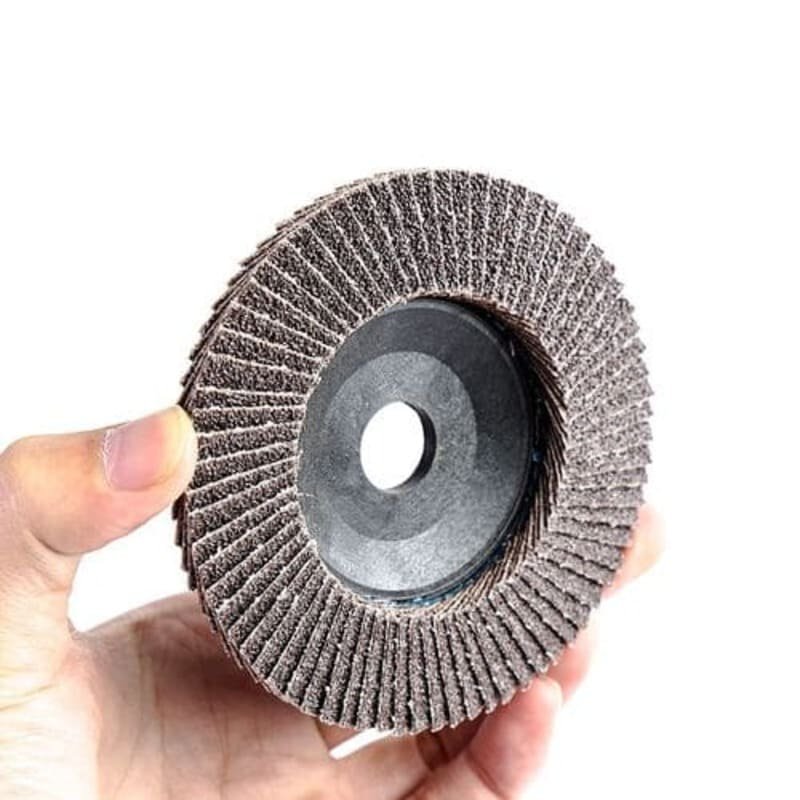
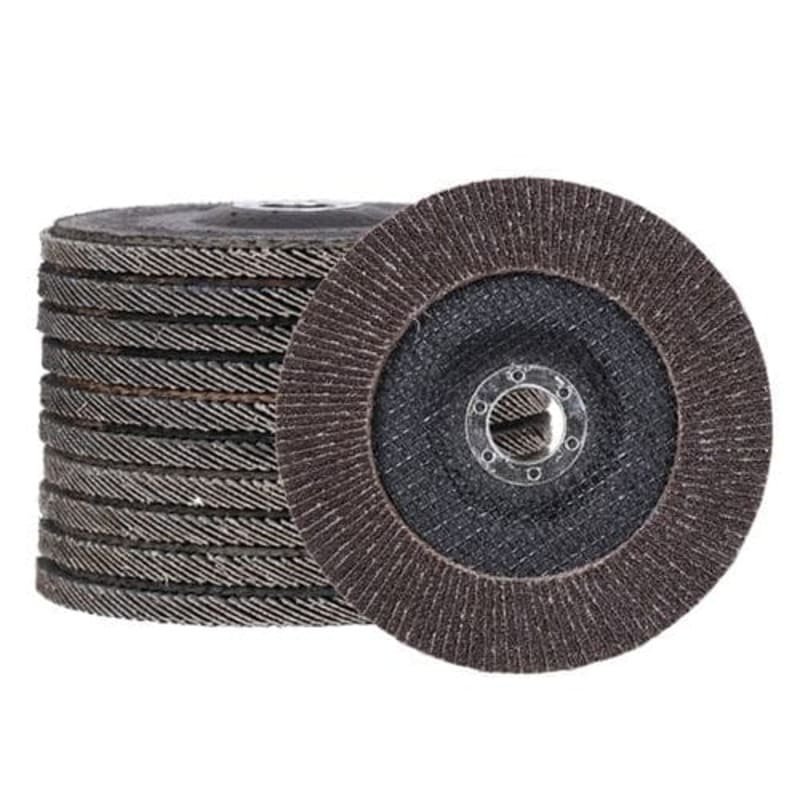
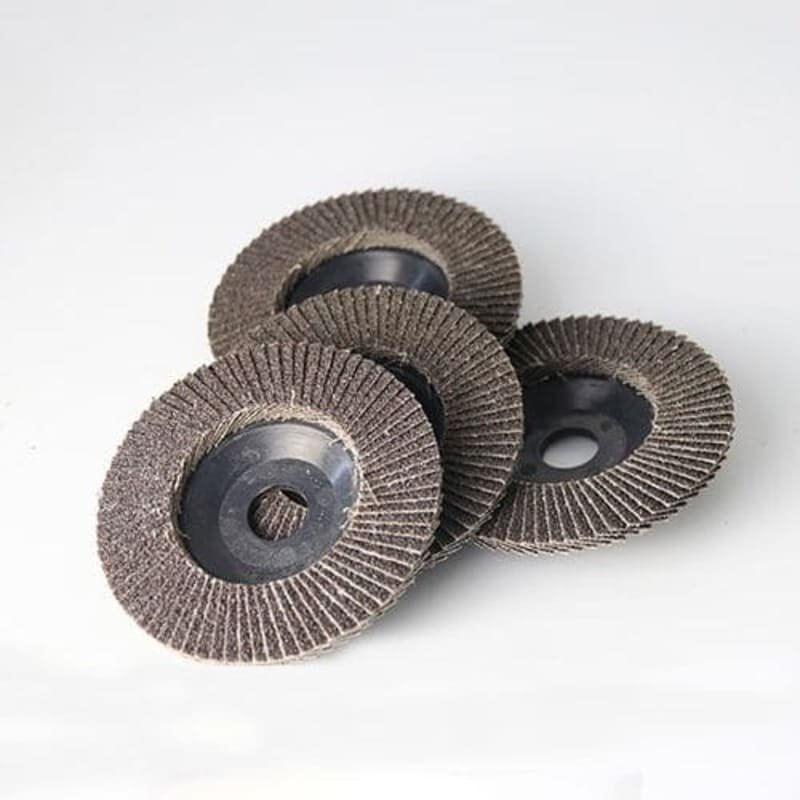
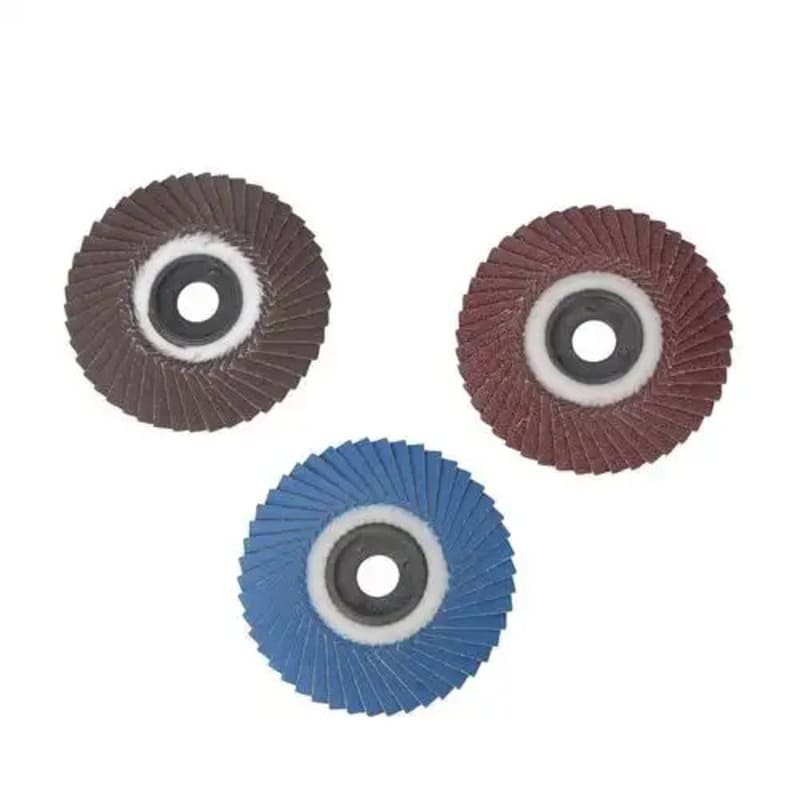
Flap discs work via straight-up abrasive cutting. They’re made of overlapping flaps of coated abrasive (usually aluminum oxide, zirconia alumina, or ceramic) that wear down slowly as you run them against a workpiece, exposing fresh sharp grains the whole time you use them. The angled flaps create a flexible cutting edge that gives a little on irregular surfaces, so you get even material removal even on curved or contoured parts. Depending on grit and disc grade, they’ll remove 0.5 to 5 grams of material per minute, so they work for both taking off excess stock and intermediate finishing steps.
Key Component Differences
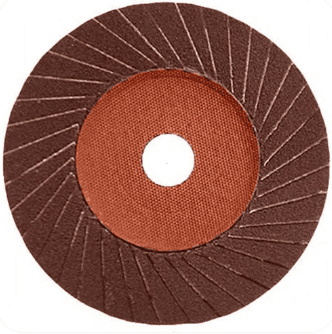
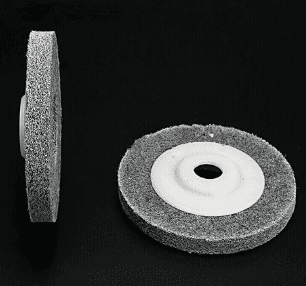
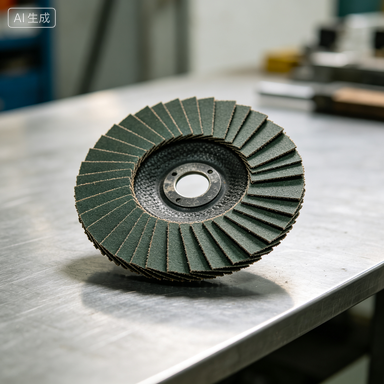
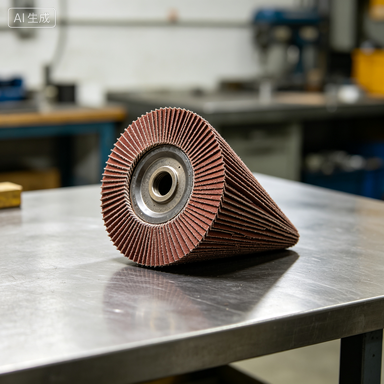
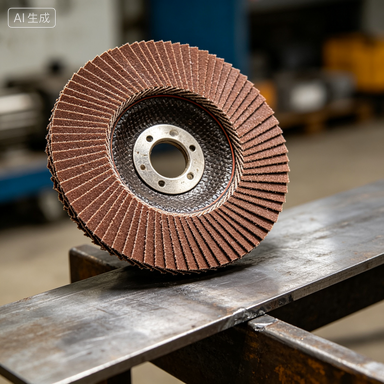
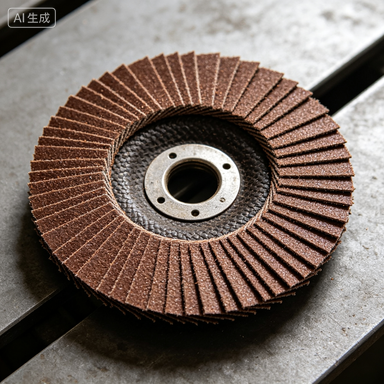
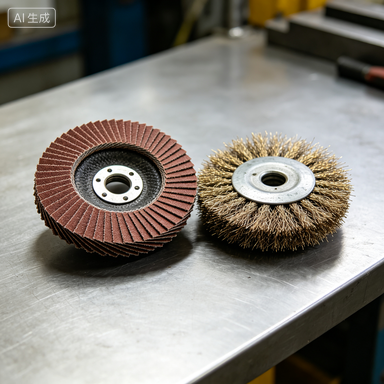
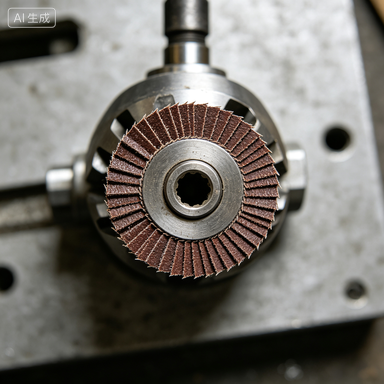
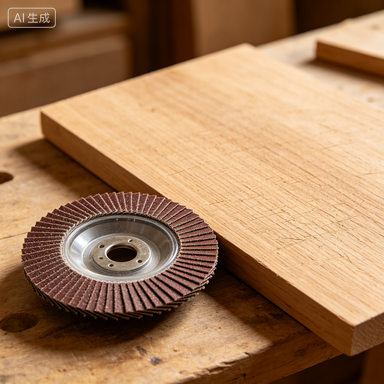
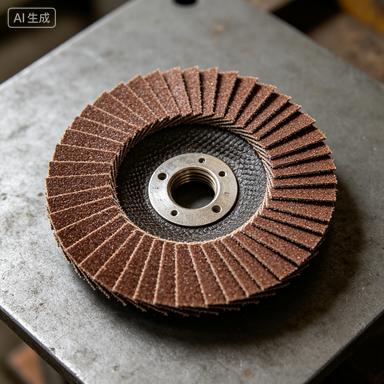
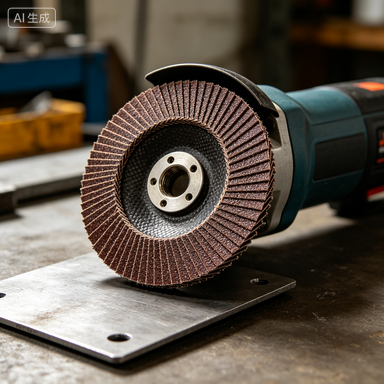
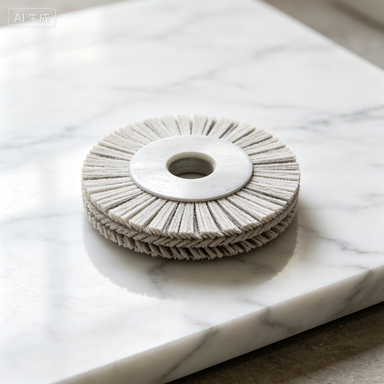
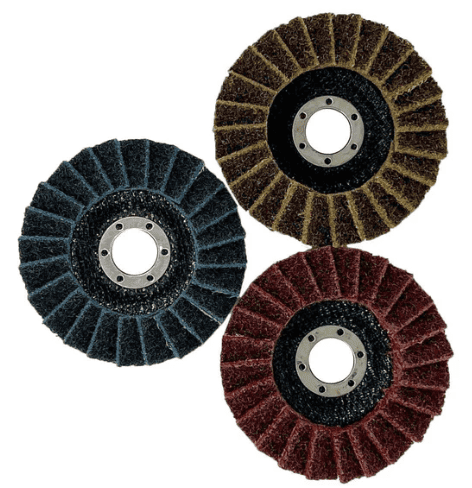
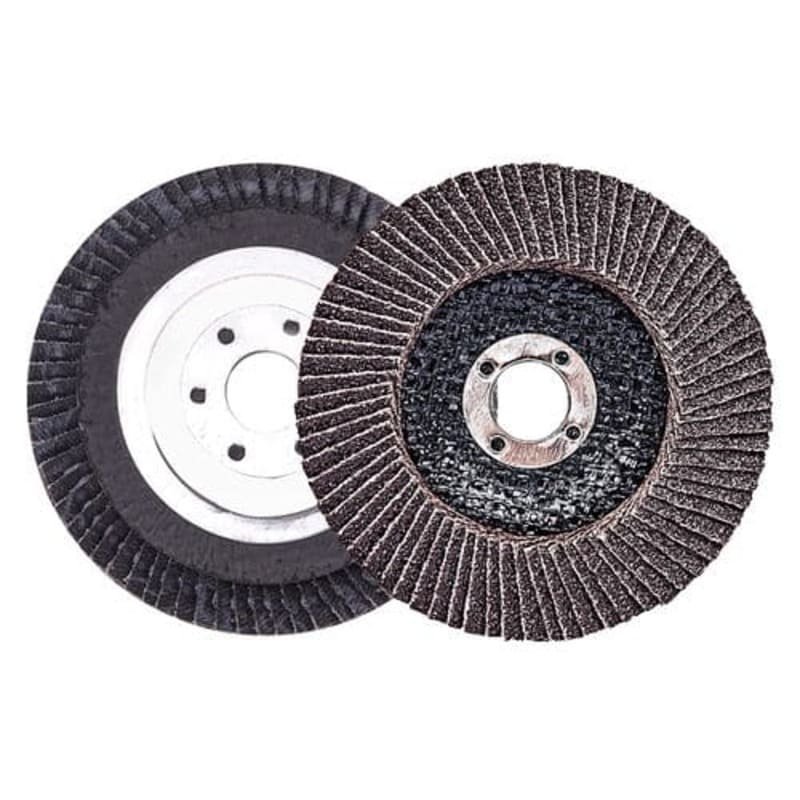
A standard flap disc has a fiberglass or nylon backing plate, layered abrasive flaps glued to the plate with heavy-duty epoxy resin, and a central hole to mount it to your tool. Buffing wheels are the total opposite: they’re made of multiple layers of soft, non-abrasive material like cotton, felt, sisal, or wool, stitched or pressed together into a dense, flexible wheel. They don’t have any abrasive built into them at all—they rely on a separate abrasive compound you rub onto the wheel surface before use to do the cutting.
Material and Specification Ranges
Flap discs come in grits from 24 (extra coarse, basically a grinding tool) up to 320 (fine, for pre-polish work). Zirconia alumina and ceramic variants are built for high-load jobs on hard metals like stainless steel, tool steel, and titanium, while aluminum oxide versions work better for carbon steel, wood, and plastic. Buffing wheels are categorized by their density, how many layers of material they have, and what compounds they work with. Coarse sisal wheels for initial cutting can get you down to 1.6 μm surface roughness, while soft felt wheels for final mirror finishes can hit roughness values below 0.05 μm.
Primary Application Scenarios
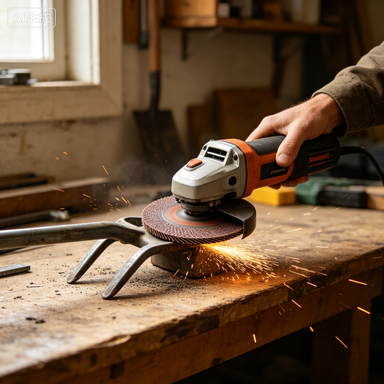
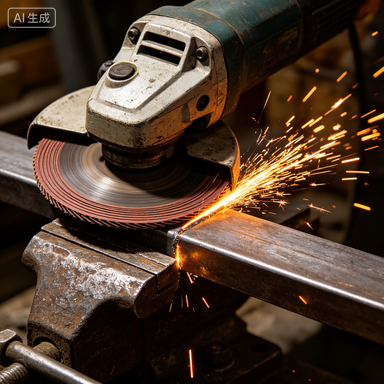
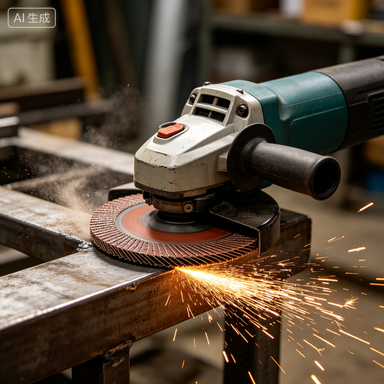
Flap discs are for heavy-duty surface prep first and foremost: zapping weld splatter, blending weld seams so they’re flush, knocking down sharp burrs, stripping rust or old paint, and grinding down uneven stock on metal, wood, or composite parts. You’ll see them in every fabrication shop, auto repair bay, and construction site where fast material removal and consistent intermediate finishes are non-negotiable. Buffing wheels are only for final finishing steps: polishing metal parts to a high gloss, shining up jewelry or decorative hardware, restoring faded automotive paint, and getting that food-safe, smooth finish on stainless steel processing equipment.
Performance and Operational Advantages
For contoured work, flap discs last 30–50% longer than equivalent rigid grinding wheels, since the layered flaps wear evenly and you’re way less likely to gouge the workpiece surface by accident. Their flexible design also cuts down on operator fatigue during long runs, because the flaps absorb vibration way better than stiff abrasive wheels. Buffing wheels, on the other hand, can pull off way finer finishes than any flap disc ever could. Their soft build lets them hug intricate details, recesses, and complex geometries without messing up the dimensional tolerance of precision parts. Pair one with the right compound, and you can get a perfect, defect-free mirror finish way faster than you ever could polishing by hand.
Selection Criteria for Each Tool
Grab a flap disc when you need to remove material first and foremost. Go for coarse grits (24–60) for heavy grinding and weld removal, medium grits (80–120) for blending and deburring, and fine grits (180–320) to prep a surface for polishing. Match the abrasive type to your workpiece: zirconia alumina for high-carbon steel and stainless, ceramic for high-performance alloys, and aluminum oxide for general all-around use. For buffing wheels, pick sisal or stitched cotton wheels paired with tripoli or emery compound for initial cutting and scratch removal, loose cotton wheels with rouge compound for intermediate polishing, and felt wheels with diamond or cerium oxide compound for that final mirror finish.
Maintenance and Service Life Best Practices
Flap discs barely need any maintenance, but you should always check the backing plate for cracks before every use. Toss any disc if the flaps are worn down to within 10 mm of the backing plate—they can fragment at high speeds if you keep using them past that point. Store them in a dry, temperature-controlled spot to keep the epoxy bond from breaking down, which would make the flaps fall off early. Buffing wheels need to be cleaned with a wheel rake every 2–3 hours of use to get rid of built-up compound residue and oxidized metal bits, which will cause uneven finishes or scratch your workpieces if you leave them there. Stitch-bonded cotton wheels usually last 20–40 hours of continuous use, while felt wheels can hit 60–80 hours if you clean them regularly.
Comparative Performance Against Alternatives
Next to rigid grinding wheels, flap discs generate way less heat while you’re using them, so you’re less likely to warp or discolor heat-sensitive materials like aluminum and thin-gauge steel. They also cut out the need for multiple tool changes between grinding and intermediate finishing, which can slash process time by up to 40% for weld blending jobs. Buffing wheels work way better than abrasive finishing pads for high-gloss jobs, because they deliver a more consistent, swirl-free finish. They’re also way cheaper for high-volume production runs, since you just reapply compound instead of throwing out the whole pad when the abrasive wears out.
Practical Operating Tips
When using a flap disc, hold it at a 15–30 degree angle to the workpiece to get the most material removal and extend the disc’s life. A steeper angle will wear the flaps out way faster and make you way more likely to gouge the part. Run the tool at the manufacturer’s specified RPM (usually 10,000–12,000 RPM for 115 mm diameter discs) so you don’t overload the abrasive grains. For buffing wheels, apply compound sparingly—too much will build up, cause uneven finishing, and get thrown off the wheel at high speeds, which is a safety hazard. Keep the workpiece moving across the wheel surface constantly to avoid creating hot spots or wearing grooves into the wheel.
Common Misconceptions Cleared Up
Q: Higher grit flap discs can achieve the same mirror finish as a buffing wheel?
A: No way. Even the finest 320-grit flap disc only gets you to around 0.8 μm surface roughness, which still has visible scratches and is way coarser than the <0.05 μm finish you can get with a buffing wheel and finishing compound. Flap discs are built for stock removal and intermediate finishing, not final high-gloss polishing. Try to use them for polishing, and you’ll be left with consistent surface imperfections that you can’t get rid of without buffing afterward anyway.
Q: Buffing wheels can be used to remove welds and heavy stock if paired with a coarse compound?
A: No. Even with the coarsest cutting compound, buffing wheels only remove less than 0.1 grams of material per minute, which is way too slow for knocking off weld splatter, blending seams, or stripping thick coatings. Use a buffing wheel for heavy material removal, and you’ll wear the wheel out way early, create weird uneven depressions in the surface, and spend 10 times longer on the job than you would if you just grabbed a flap disc.
Q: Flap discs are more dangerous to use than buffing wheels because they are abrasive?
A: That’s not right. Both tools have their own safety risks: flap discs can fragment if you run them above their rated RPM, while buffing wheels can catch loose clothing, jewelry, or unsecured workpieces and cause entanglement injuries. You need eye and face protection for both, and you should never run either tool above its maximum rated rotational speed. For most jobs, flap discs actually have a lower risk of workpiece ejection, since their abrasive surface grips the part more securely than the smooth, compound-coated surface of a buffing wheel.
Q: You can use the same power tool for both flap discs and buffing wheels interchangeably?
A: Not always. Flap discs are built for high-RPM tools (10,000+ RPM) like angle grinders, while most buffing wheels work best at lower RPM (1,500–3,000 RPM) to keep the compound from overheating or the wheel from fraying early. Run a buffing wheel on a high-speed angle grinder, and it’ll break down super fast, give you uneven finishes, and raise the risk of the wheel failing entirely. Always match the tool speed to the manufacturer’s rating for the specific disc or wheel you’re using.
Frequently Asked Questions
Q: Can I use a flap disc to prepare a surface for buffing, and if so, what grit should I use?
A: Absolutely. A 180 or 240-grit flap disc is perfect for pre-buff prep, since it removes deep scratches and surface defects from grinding or welding steps, cutting total buffing time by up to 60%. For the best results, follow up with a 320-grit flap disc before moving to a cutting compound and sisal buffing wheel to get rid of any remaining abrasive marks.
Q: How do I choose between a stitched and loose buffing wheel for my application?
A: Stitched buffing wheels are denser and more rigid, so they’re great for initial cutting steps and flat or gently curved surfaces where you need consistent pressure. Loose buffing wheels are more flexible, so they work better for contoured workpieces, intricate parts, and final polishing steps where you don’t want to mess up sharp edges or dimensional tolerances.
Q: What is the typical service life difference between a flap disc and a buffing wheel for the same workload?
A: A standard 115 mm zirconia alumina flap disc will last around 2–4 hours of continuous use on mild steel welds, while a 200 mm stitched cotton buffing wheel will go for 20–40 hours of continuous use if you clean it regularly and reapply compound as needed. Buffing wheels last way longer because they don’t have embedded abrasive grains that wear out—only the compound you apply gets used up during the job.
Q: Can flap discs be used on wood, or are they only for metal applications?
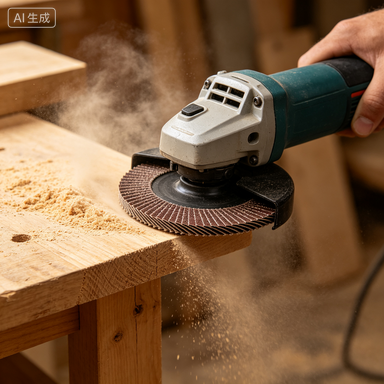
A: Flap discs are totally safe and effective for woodworking, including shaping wood blanks, removing saw marks, and sanding contoured surfaces. Go for aluminum oxide flap discs with a flexible nylon backing plate for wood, since they generate less heat than rigid sanding discs and lower the risk of burning the wood surface. Grits from 60 to 220 are most common for wood finishing workflows.
Q: Are there any materials that should not be processed with buffing wheels?
A: Avoid using buffing wheels on soft, porous materials like foam, rubber, and untreated wood, since their porous surfaces will absorb buffing compound and leave permanent residue. They’re also not recommended for brittle materials like glass or ceramic unless you pair them with a very fine diamond or cerium oxide compound, since too much pressure can cause cracking or chipping.
Final Summary
At the end of the day, flap discs are high-performance material removal tools built for grinding, deburring, weld blending, and intermediate surface prep. They deliver fast, consistent results across metal, wood, and composite jobs. Buffing wheels are dedicated finishing tools that pull off ultra-fine, high-gloss surfaces when paired with the right abrasive compounds. For most production workflows, the two work hand in hand: use a coarse to medium grit flap disc to get rid of surface defects, follow up with a fine grit flap disc to prep for polishing, then move through sequentially finer buffing wheels and compounds to get the final finish you want. Always match the tool’s specs, speed rating, and abrasive type to your workpiece material and finish requirements to keep your workflow efficient, extend tool life, and keep everyone on the shop floor safe.
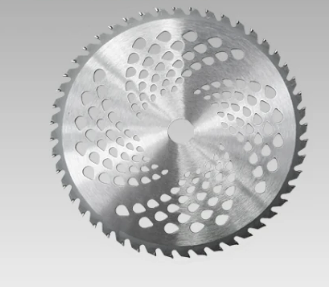
Flap Disc for Sale
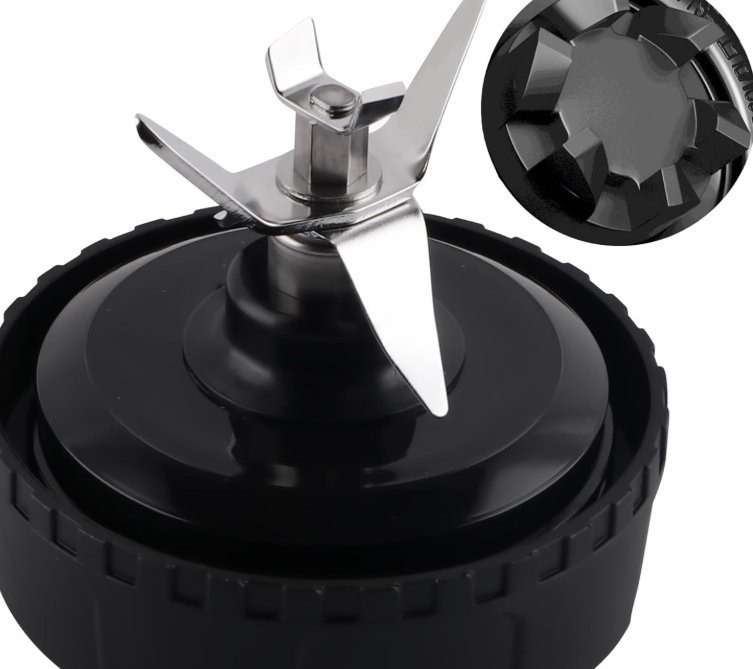
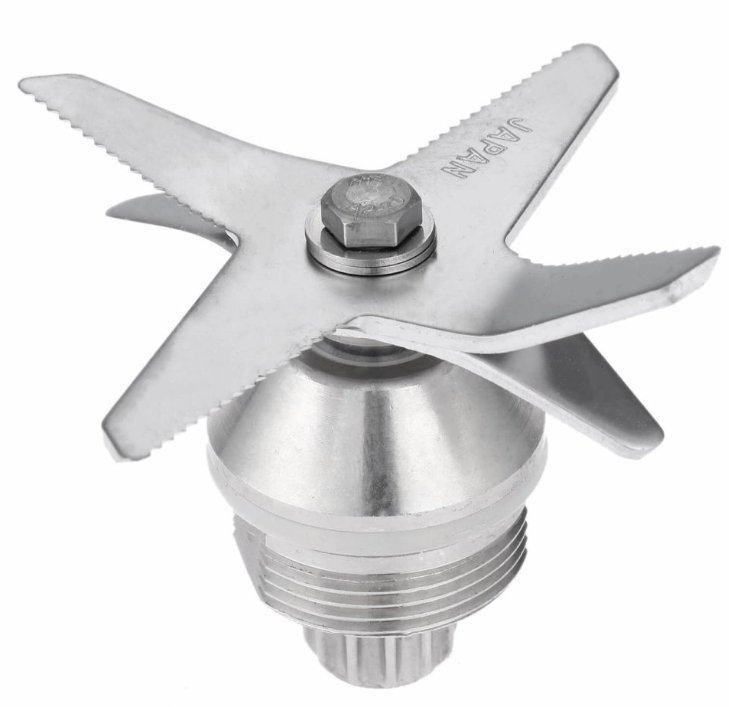
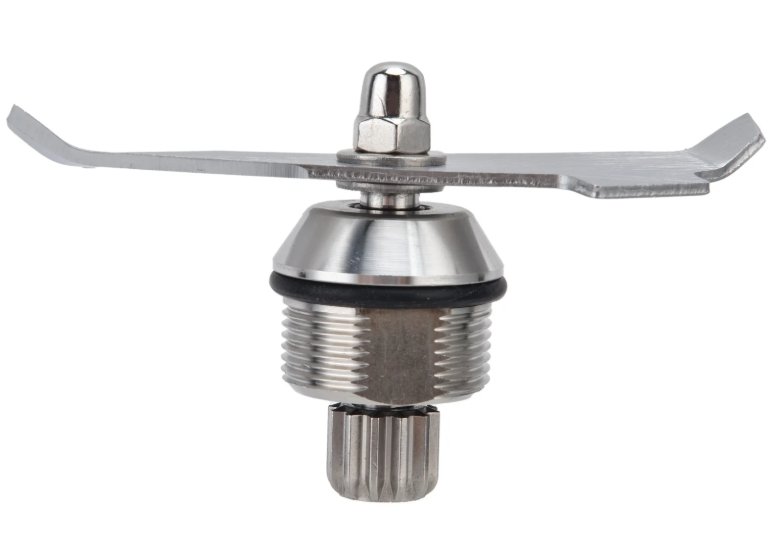
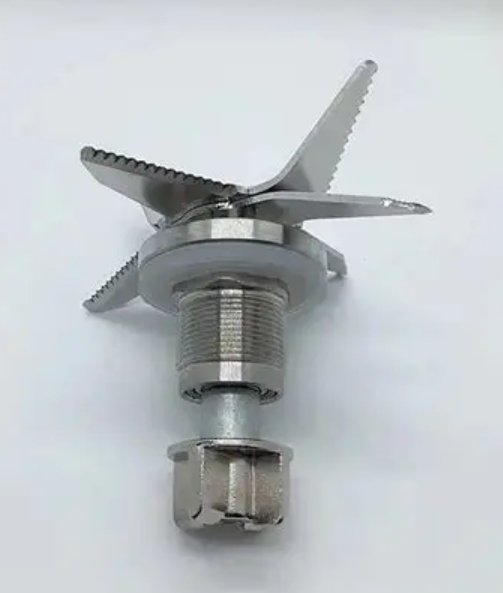
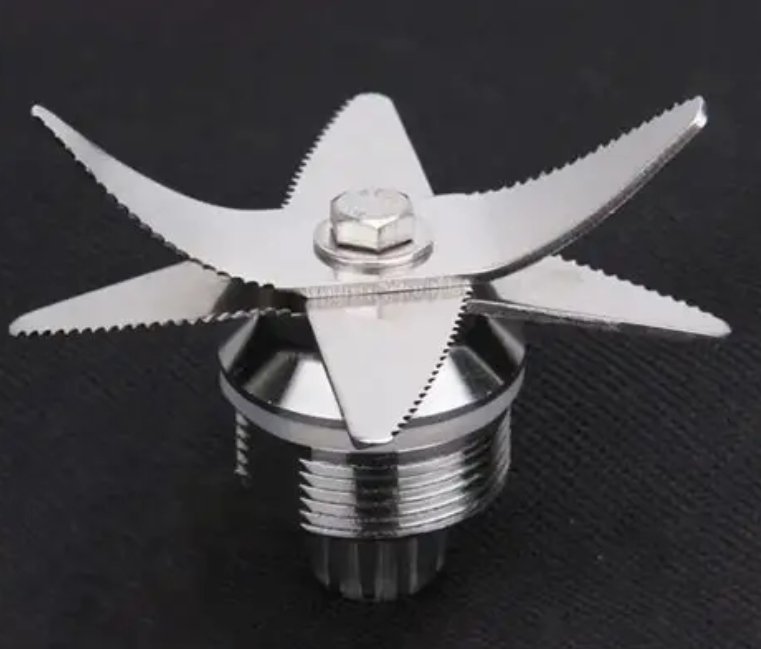
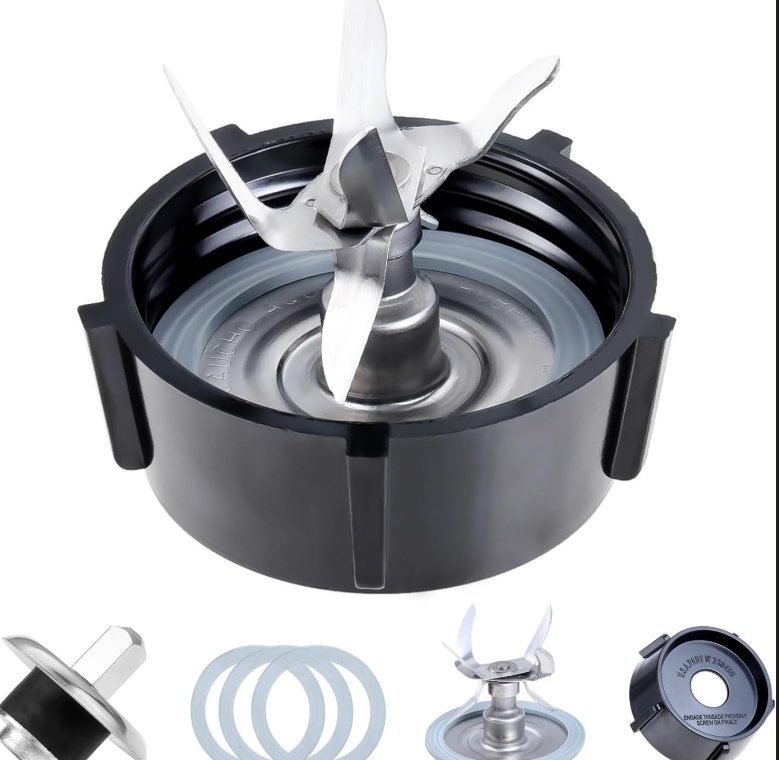
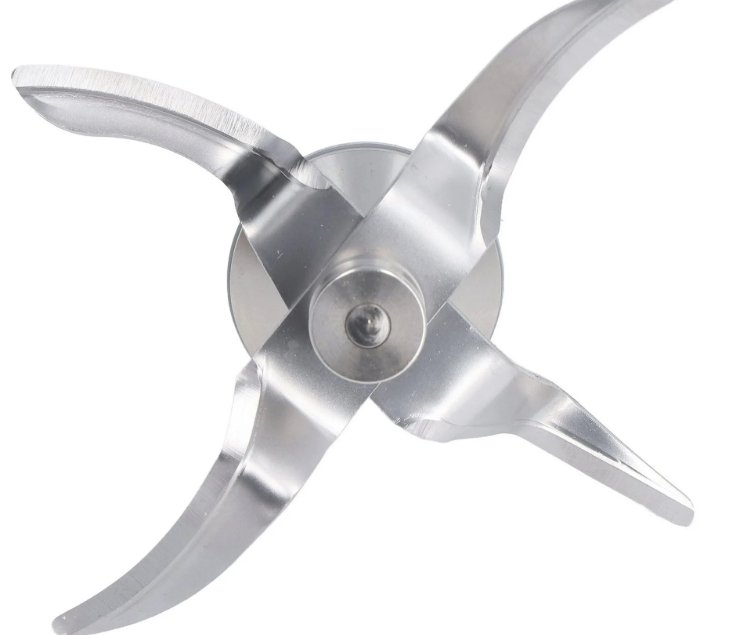
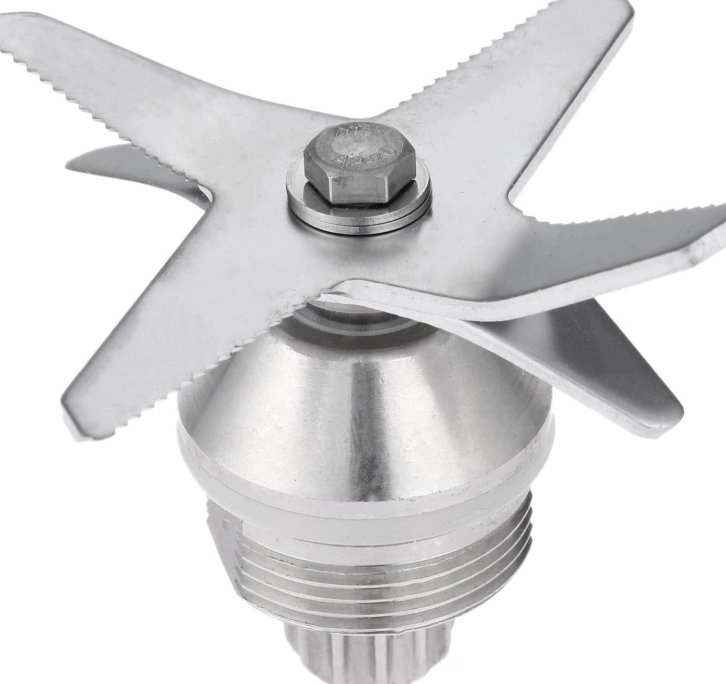
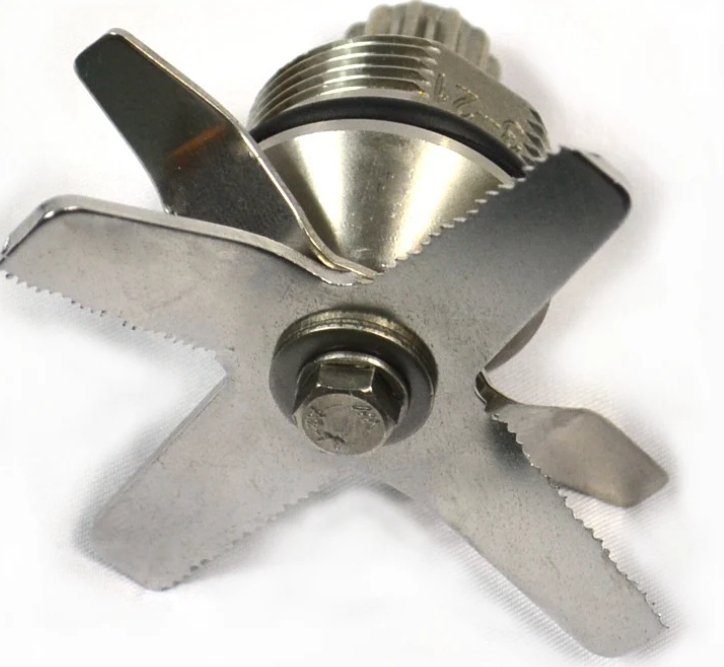
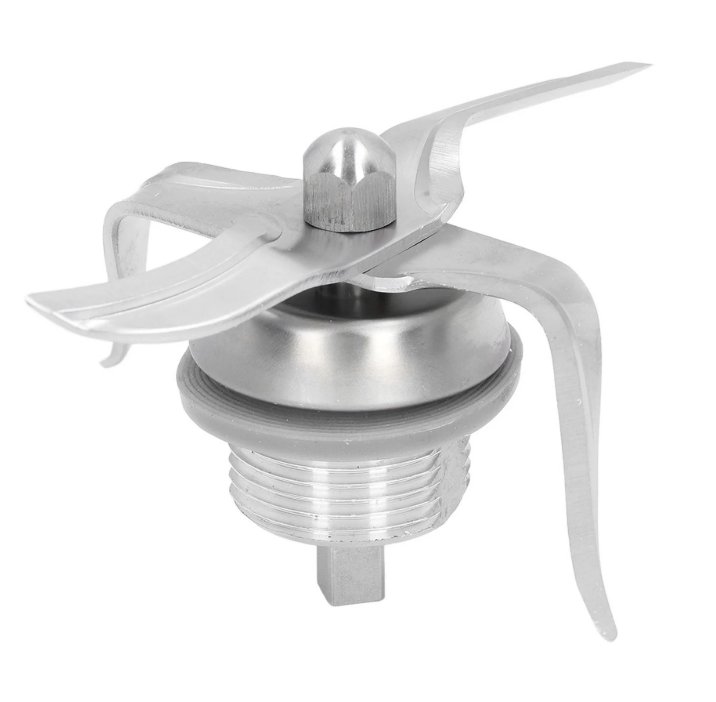
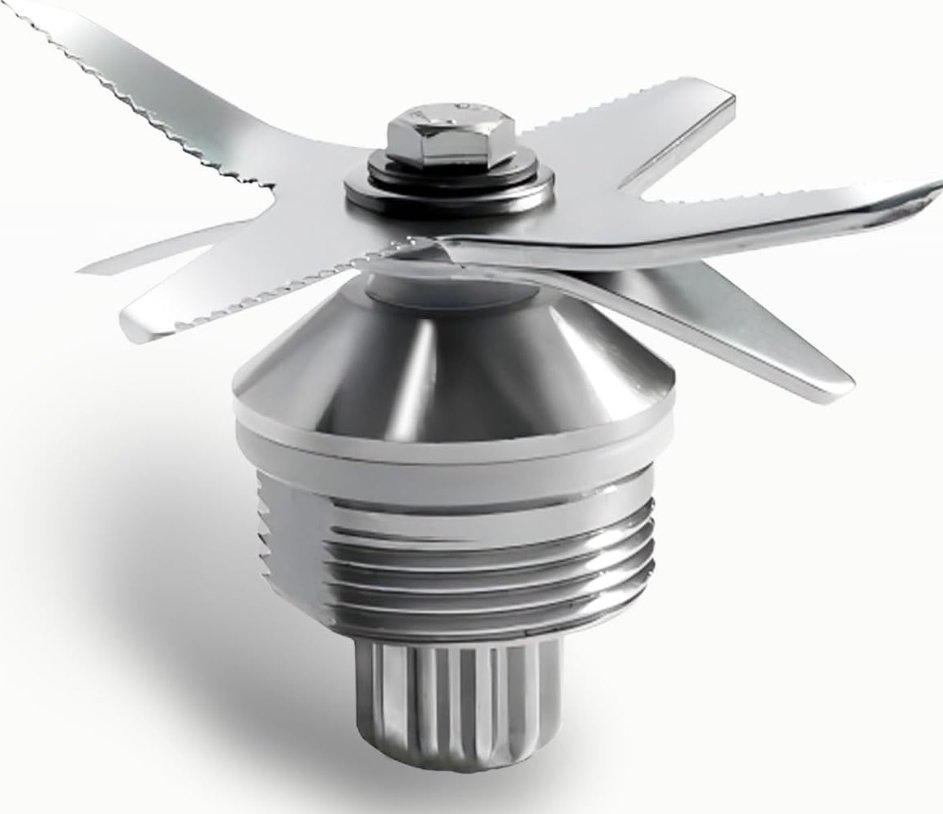
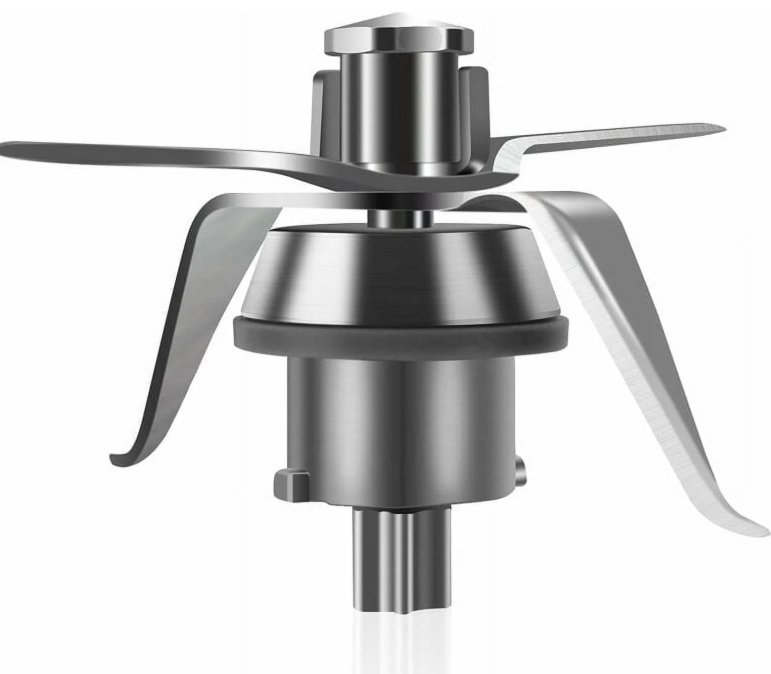
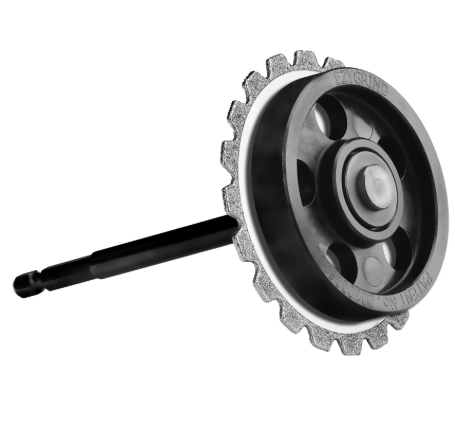
Blender Blade for Sale
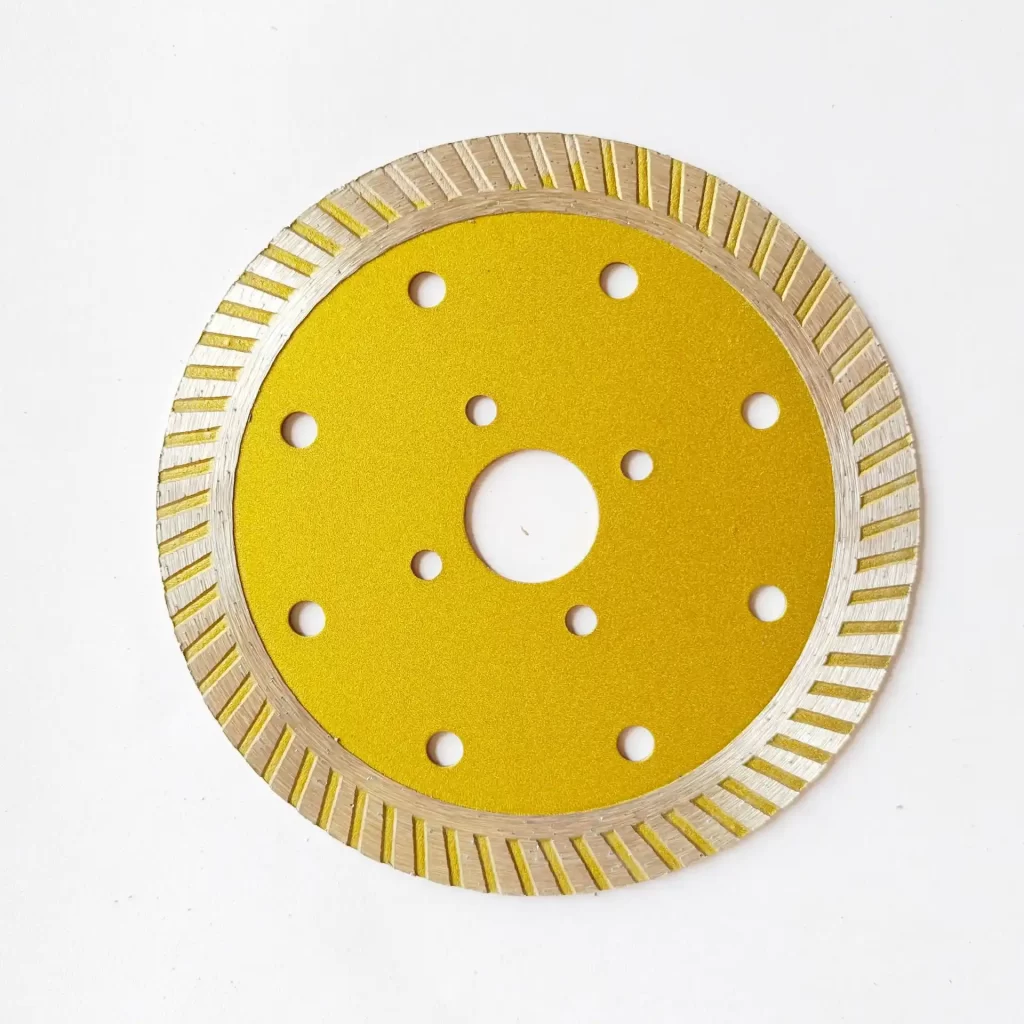
Diamond Blade for Sale

Demolition Hammer & Rotary Hammer for Sale
Welcome to call us
Contact Us to get quotation
Working Time: 8:00~17:00 Monday to Friday.
FAQ
Welcome to call us
Contact Us to get quotation
Working Time: 8:00~17:00 Monday to Friday.
Blogs:
You may also interest in other topics:
22KW EV Charger ,talc grinding mill , rotary filling machine ,