flap disc vs grinding wheel
flap disc vs grinding wheel
Flap disc vs grinding wheel, which should i choose? If you work in any sort of metal shop, you’ve definitely grabbed both flap discs and grinding wheels more times than you can count. They’re two of the most common abrasive consumables out there for fabrication, surface prep, and material removal, but their designs are so different that they excel at totally separate jobs. Pick the wrong one for the task at hand, and you’ll end up wasting time, getting a garbage finish, wearing out your arm faster, or even putting yourself at risk of injury. We’ve pulled together everything we’ve learned from years on shop floors to break down their differences, tradeoffs, and when to reach for which one, so you can pick the right tool for your specific workflow every time.
Core Working Principles and Mechanisms
Grinding wheels work on a bonded abrasive system: rigid abrasive grains (usually aluminum oxide, silicon carbide, or zirconia alumina) are held in a solid, uniform wheel by a vitrified, resinoid, or rubber bonding matrix. As the wheel spins, the sharp exposed grain edges shear material off the workpiece. When grains wear down, they fracture to expose fresh cutting edges, a property called friability. That rigid structure lets grinding wheels apply really high point pressure to the material, which makes them perfect for aggressive material removal and heavy stock reduction.
Key Components and Their Functions
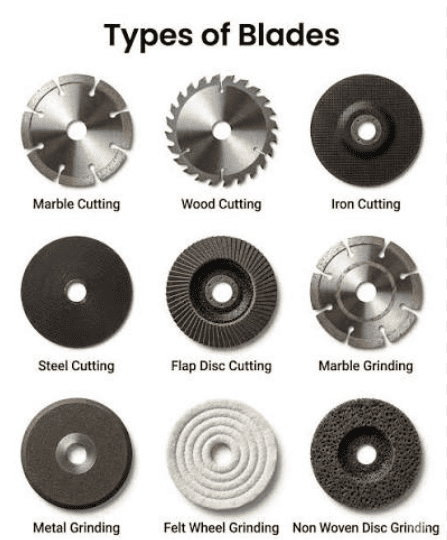
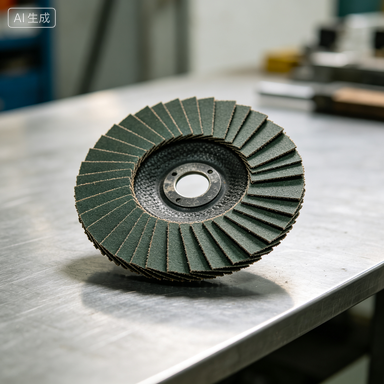
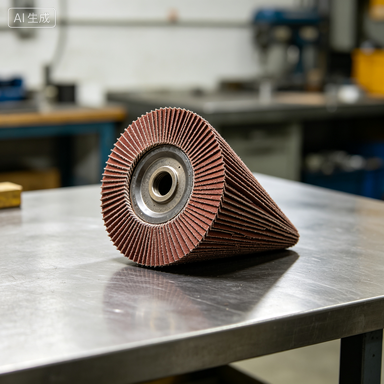
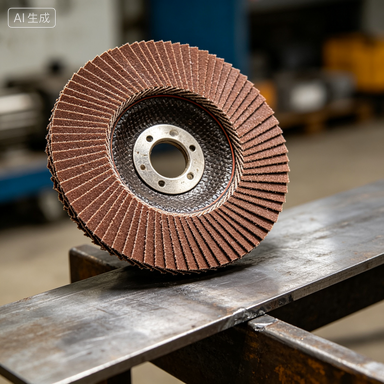
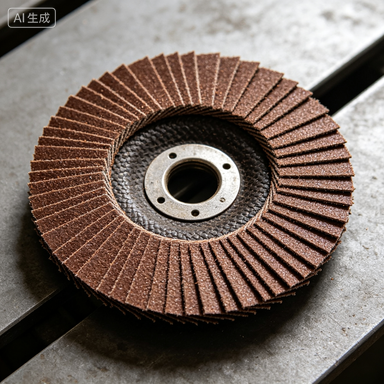
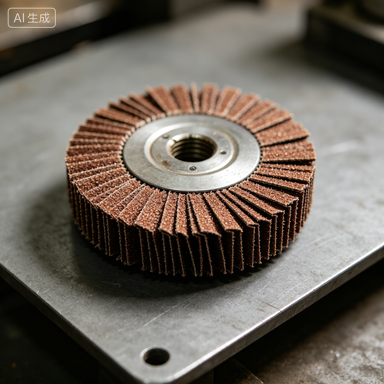
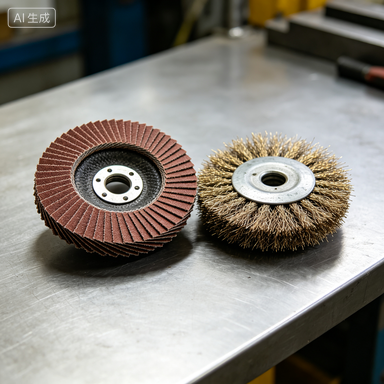
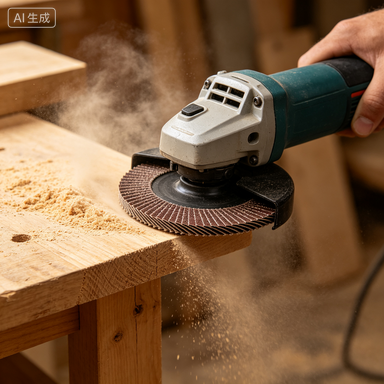
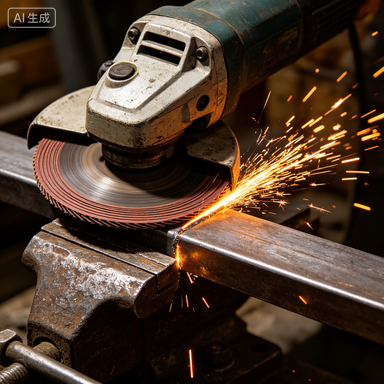
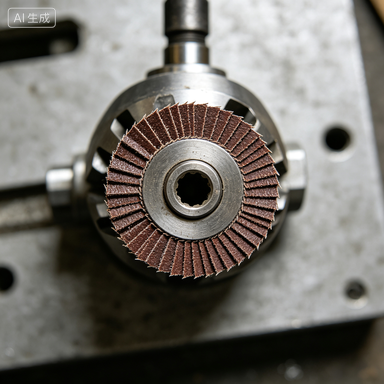
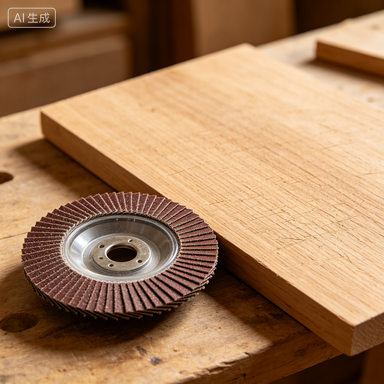
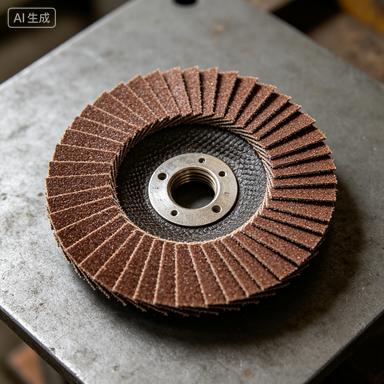
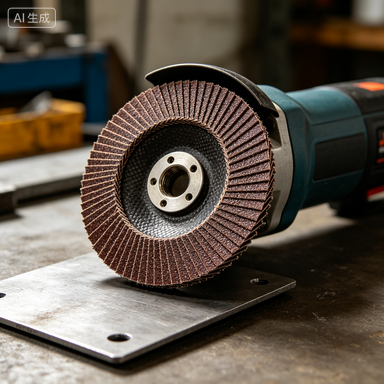
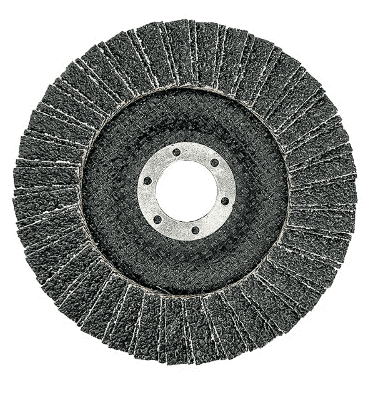
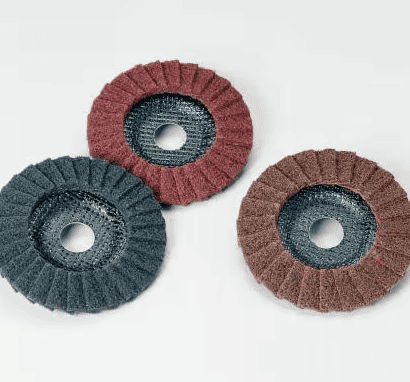
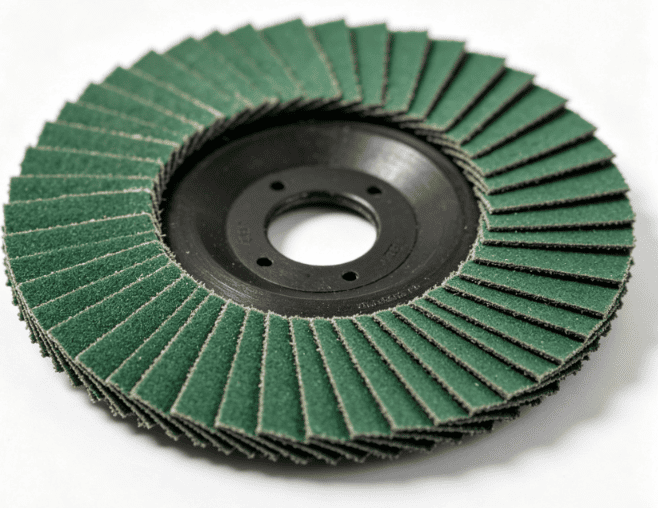
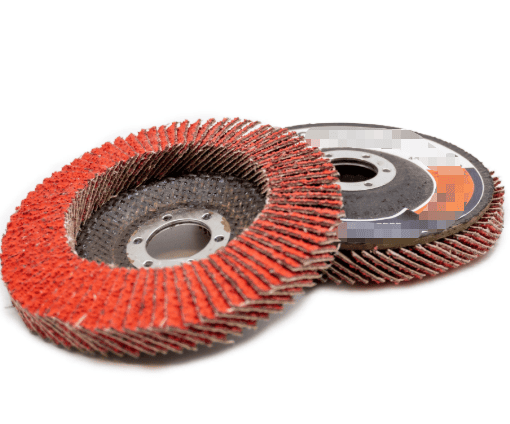
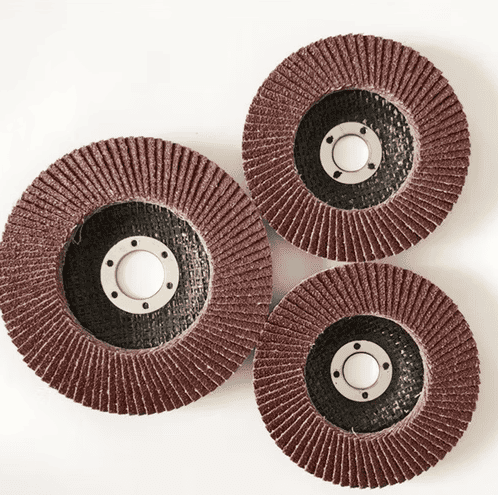
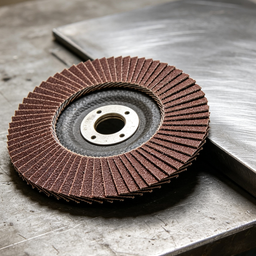
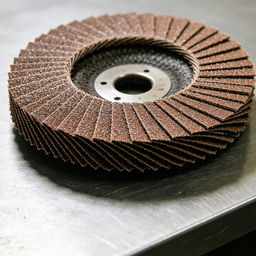
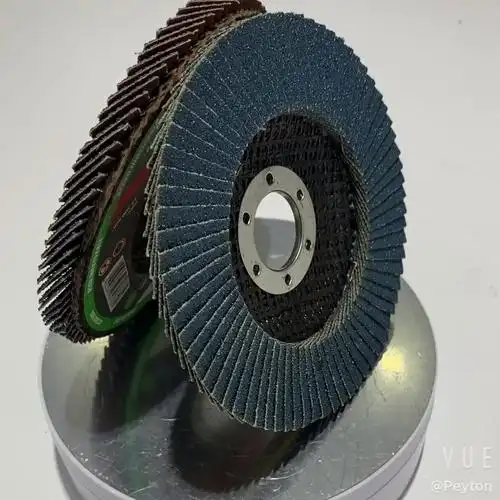
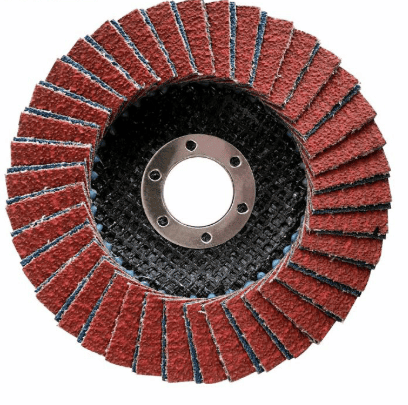
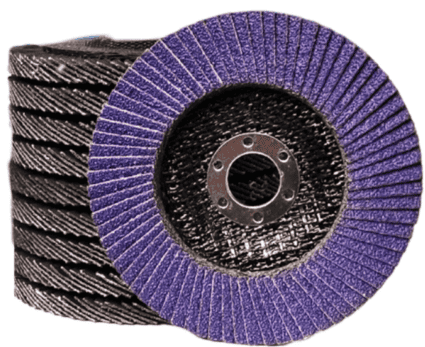
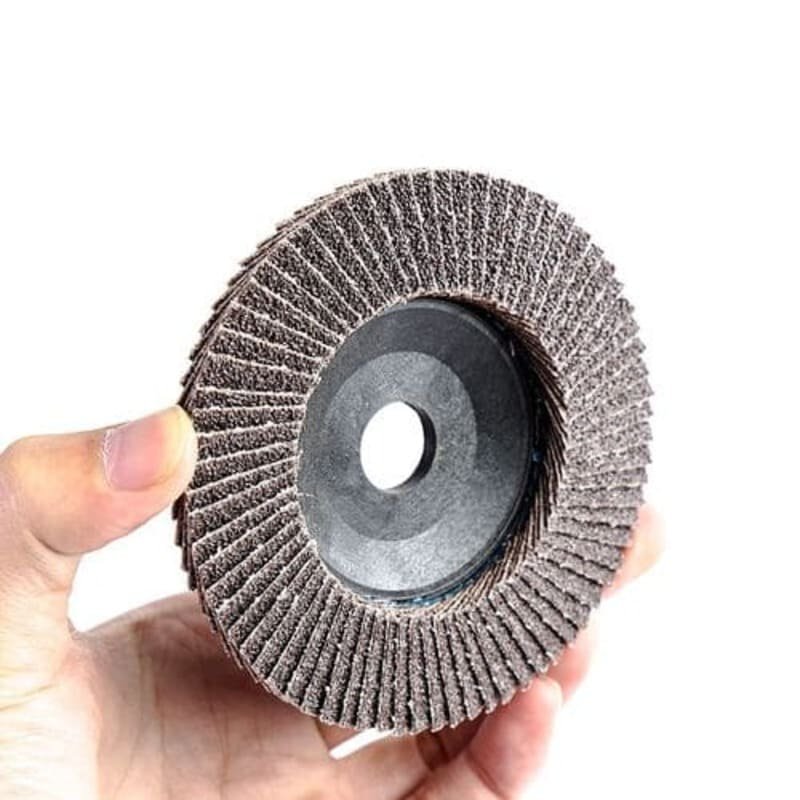
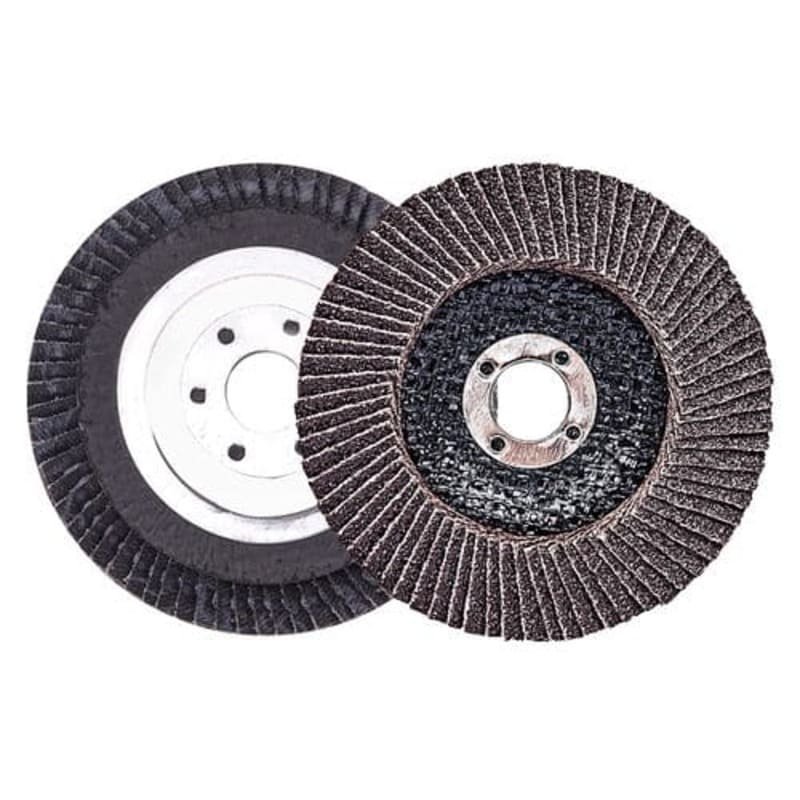
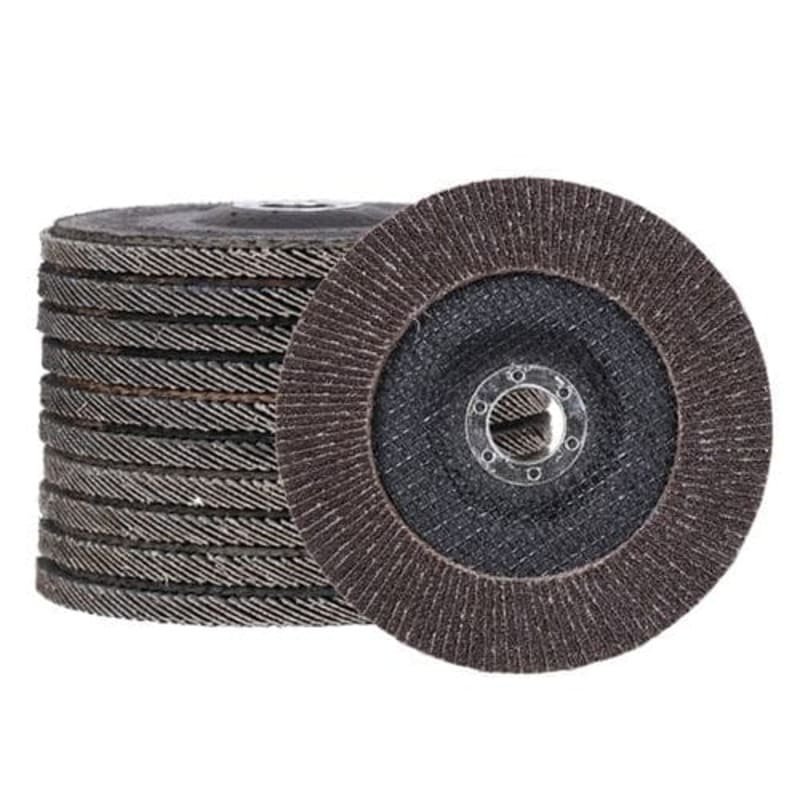
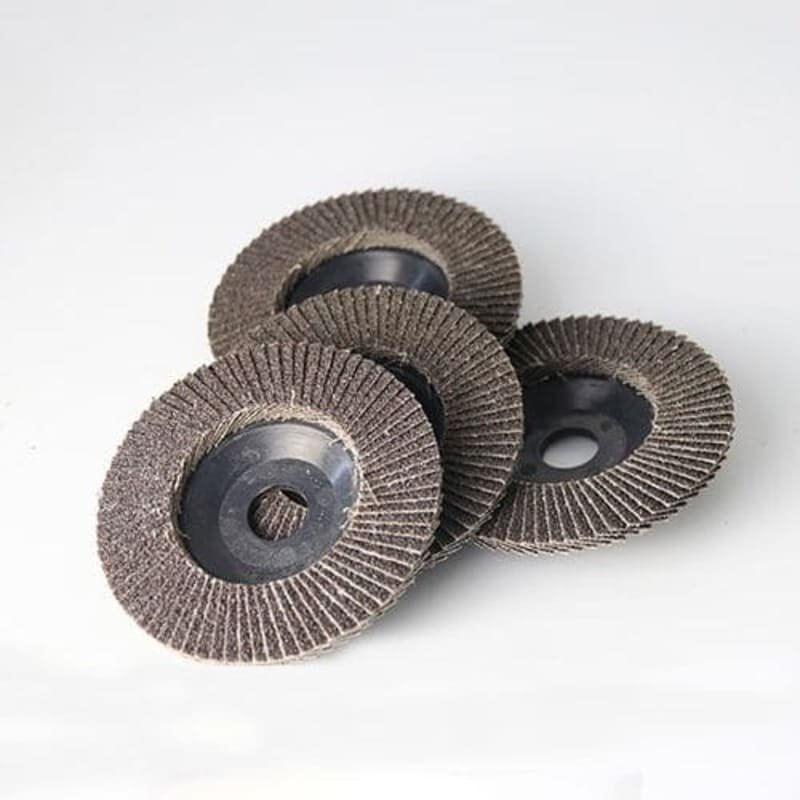
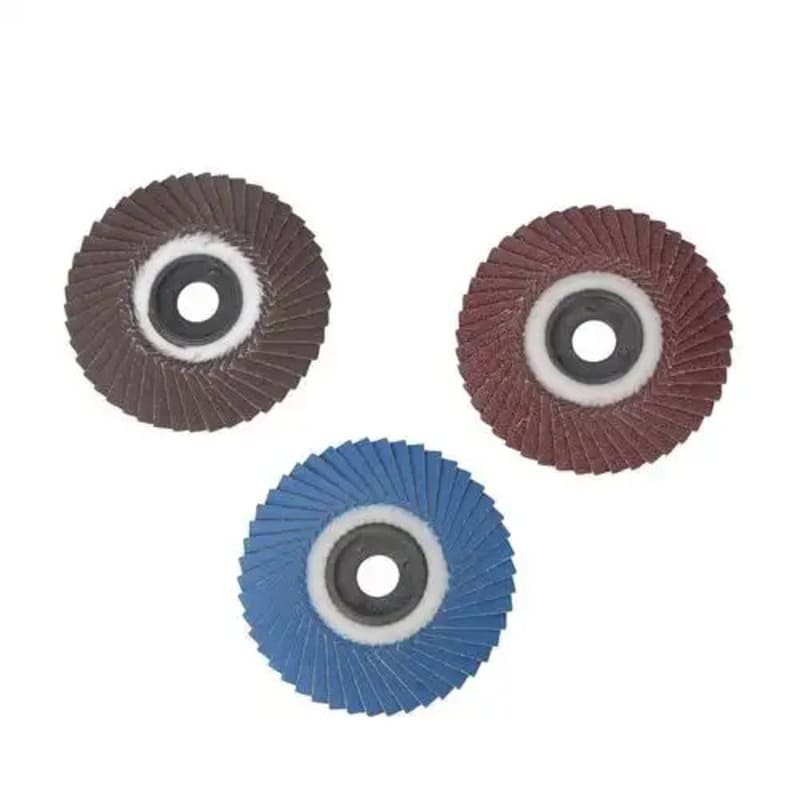
A flap disc is made of tons of overlapping abrasive cloth flaps arranged in a circle around a rigid fiberglass or plastic backing plate. Each flap is coated with abrasive grain bonded to a woven polyester or cotton backing, which gives it flexibility when you’re working. The backing plate keeps the disc from flying apart at its rated speed, and the overlapping flaps wear down slowly over time, constantly exposing fresh abrasive layers as you go. Grinding wheels, by contrast, are just abrasive grain, bonding agent, and optional reinforcing fiberglass mesh—no flexible backing to absorb contact pressure at all.
Material/Feature Specifications
Grinding wheels come in grain sizes from 16 (extra coarse) all the way up to 120 (fine), with hardness grades from A (soft) to Z (hard) to match whatever material you’re working on. Standard depressed-center grinding wheels max out at 6,000 to 12,000 RPM, depending on diameter, with common sizes ranging from 4 to 9 inches across. Flap discs use the same types of abrasive grains but have a smaller grit range, usually 36 to 120. Standard 4.5-inch flap discs are rated for 13,300 RPM max. Their backing plates are either 0.8mm fiberglass for heavy industrial use, or 1.2mm plastic for lighter, occasional jobs.
Application Scenarios and Industries Served
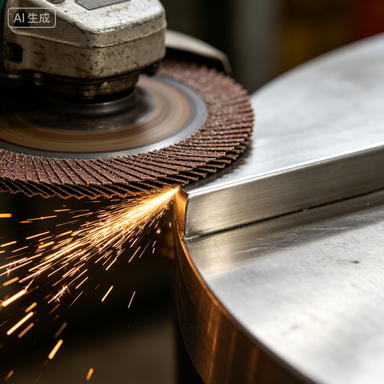
Grinding wheels are the go-to for heavy stock removal: weld beveling, grinding off casting gates, cutting metal, stripping rust and scale off thick steel plate, and surface grinding hard alloys like tool steel and stainless steel. You see them everywhere in shipbuilding, structural steel fabrication, and heavy equipment manufacturing, where how fast you can remove material is the number one priority. Flap discs are built for surface blending, finishing welds, rounding edges, deburring, and final prep before painting or coating. They’re used heavily in auto repair, aerospace component fabrication, and general metalworking, where finish quality matters just as much as speed.
Performance Characteristics and Advantages
The rigid structure of a grinding wheel gives you 30 to 50% higher material removal rates than a flap disc of the same grit when you’re working on thick steel, and it lasts way longer for heavy grinding jobs. But they generate a ton of heat, need frequent dressing to keep a flat cutting surface, and leave a super coarse, uneven finish. Flap discs run cooler, so you’re way less likely to burn or warp thin materials, and they never need dressing—their flaps wear down evenly on their own. They also leave a far more consistent finish, which means you can skip or cut down on secondary sanding steps later.
Selection Criteria and Configuration Options
For grinding wheels, pick your grain type based on the material you’re working with: aluminum oxide for carbon steel, silicon carbide for non-ferrous metals and stone, zirconia alumina for high-alloy steel and heavy grinding. Match the bond type to your use case, too: vitrified bonds for high-precision surface grinding, resinoid bonds for portable angle grinder use. For flap discs, pick your shape based on how much flexibility you need: flat (type 27) discs for blending flat surfaces, conical (type 29) discs for angled or contoured work. Grain options include ceramic alumina for high-performance grinding of hard alloys, and aluminum oxide for general use on carbon steel.
Maintenance Considerations and Best Practices
Always inspect grinding wheels for cracks or chips before you use them, and mount them with properly sized flanges and a torque wrench so you don’t over-tighten them (that’s a common cause of wheel failure). You’ll need to dress them with a diamond dresser every 4 to 6 hours of heavy use to expose fresh grains and fix any surface unevenness. Flap discs don’t need any dressing, but you should still check for frayed flaps or backing plate damage before every use. Store both in a dry, temperature-controlled space—moisture will damage their resin bonds or abrasive cloth backings, which weakens them and makes them fail early.
Comparative Analysis with Alternatives
Both flap discs and grinding wheels work way better than fiber discs or regular coated sanding discs for heavy-duty metalworking, since they remove material faster and last longer. Grinding wheels are far more efficient than flap discs if you’re removing more than 1mm of material per pass, but they’re way more likely to gouge or damage thin workpieces under 3mm thick. Flap discs let you skip switching between a grinding wheel and a sanding disc for weld finishing, which cuts workflow time by up to 40% for jobs that need both material removal and a smooth finish. For non-ferrous metals like aluminum, both need non-loading abrasive coatings to keep grains from clogging, but flap discs have a natural anti-clogging effect from the progressive wear of their flaps.
Practical Operating Tips
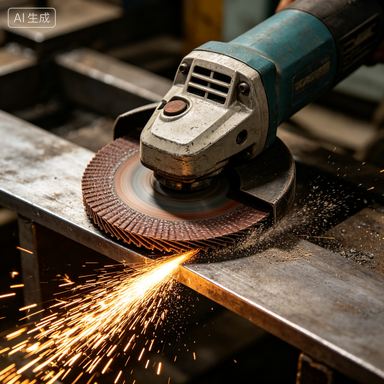
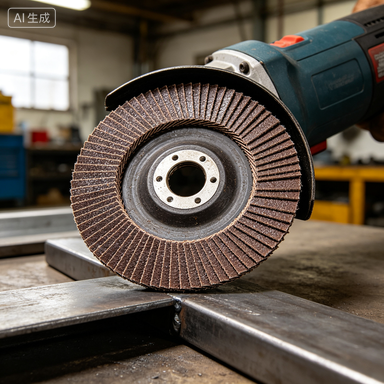
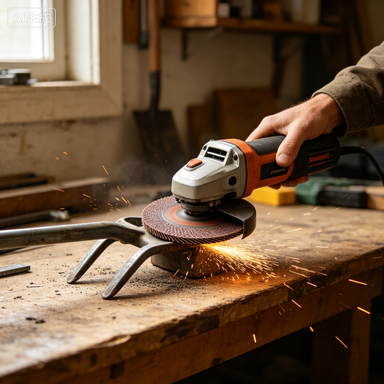
When using a grinding wheel, hold it at a 15 to 30 degree angle to the workpiece to maximize material removal and cut down on wheel wear. Don’t apply too much pressure, either—that can cause the wheel to shatter or overheat. For flap discs, use a 10 to 15 degree angle for flat surface work, and a 30 to 45 degree angle for edge rounding to make the flaps last longer. Never use a grinding wheel for blending or finishing work that needs a consistent surface—its rigid structure will leave deep, uneven scratch marks you’ll have to sand out later. And don’t use flap discs for heavy grinding of cast iron or thick welds; the flexible flaps will wear out super fast, and you’ll end up spending way more on consumables per hour.
Common Misconceptions Cleared Up
Q: Flap discs are always a more cost-effective choice than grinding wheels for all metalworking applications.
A: That’s not true. While flap discs cut down on labor costs for finishing tasks, grinding wheels last 2 to 3 times longer for heavy stock removal, which works out to 30 to 40% lower total consumable costs for jobs where you’re removing more than 2mm of material per workpiece. For high-volume structural steel fabrication, grinding wheels will give you a way lower cost per part than flap discs.
Q: Grinding wheels are inherently more dangerous than flap discs for portable angle grinder use.
A: This is a really common myth. Both have the same safety ratings when you use them within their rated speed limits and wear the right PPE. Almost all grinding wheel accidents happen because of improper mounting, running them over their speed limit, or using a wheel on the wrong tool, not because of a design flaw. Flap discs can also shatter if you run them above their rated speed, so they pose the exact same injury risk if you use them wrong.
Q: A 60-grit flap disc produces the same surface finish as a 60-grit grinding wheel.
A: Nope. The flexible backing on a flap disc lets the abrasive grains make more consistent contact with the workpiece, so you get a 30 to 40% smoother finish than you would with a grinding wheel of the same grit. A 60-grit flap disc usually leaves a 125 to 250 Ra microinch finish, while a 60-grit grinding wheel leaves a 300 to 500 Ra microinch finish, which means you’ll need extra sanding steps to get the same smoothness.
Q: Flap discs cannot be used on hard materials like stainless steel or tool steel.
A: That’s outdated info. Modern flap discs with ceramic alumina or zirconia alumina grains are built for high-performance use on hard alloys, and they remove material almost as fast as general-purpose grinding wheels on stainless steel, with less heat buildup and lower risk of discoloring the workpiece. They’re used all the time in aerospace fabrication for finishing high-alloy components where warping from heat is a make-or-break issue.
Frequently Asked Questions
Q: Can I use a flap disc to cut through thick steel plate?
A: No. Flap discs aren’t designed for cutting, and trying to use them for that will wear the flaps out almost immediately, could make the disc fragment, and puts you at risk of injury. Use a thin cutoff wheel for all metal cutting tasks.
Q: What is the maximum thickness of material I can remove with a flap disc before switching to a grinding wheel?
A: For most carbon steel jobs, flap discs are most efficient for removing up to 1mm of material per workpiece. If you need to take off more than 1mm, a grinding wheel will get the job done faster and cost you less in consumables.
Q: Can I use the same angle grinder for both grinding wheels and flap discs?
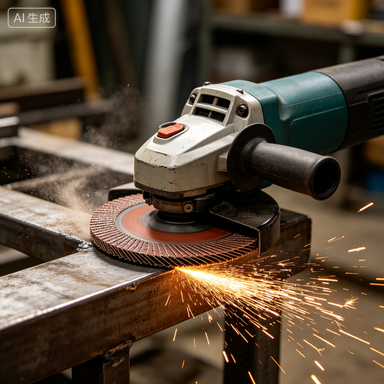
A: Yes, as long as the tool’s maximum rated speed matches the speed rating on the abrasive, and the arbor size fits. Always check the abrasive’s label for speed and mounting requirements before you attach it to your grinder.
Q: How do I know when a flap disc is worn out and needs replacement?
A: Replace it when the abrasive flaps are worn down to within 1/8 inch of the backing plate, or if you notice uneven wear, fraying, or damage to the backing plate. Keep using a worn disc, and you’ll get worse performance and a higher risk of it failing mid-use.
Q: Which abrasive is better for working on thin aluminum or sheet metal?
A: A 60 or 80-grit flap disc is the best pick here. Its flexible structure makes it way less likely you’ll gouge or warp the thin workpiece, and its progressive wear cuts down on the grain clogging you’ll almost always get with a grinding wheel on soft non-ferrous metals.
Final Summary
Grinding wheels are the best choice for heavy stock removal, weld beveling, and rough grinding where speed of material removal is your top priority. Flap discs are better for finishing, blending, and surface prep where you need a consistent finish and less heat buildup. When you’re picking between the two, base your call on how thick your workpiece is, how much material you need to remove, and what finish you need. That’ll keep your operating costs low and your productivity high. And no matter which you pick, always stick to the rated speed limits and proper operating procedures to keep yourself safe.
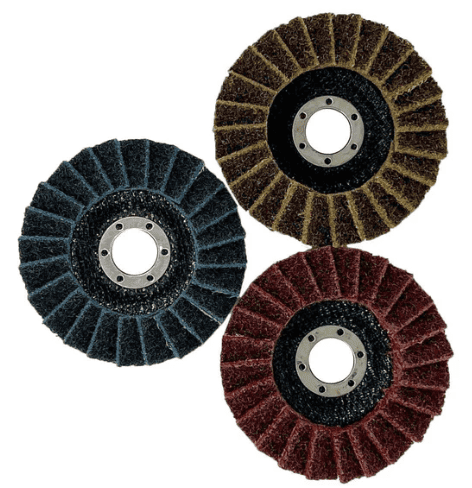
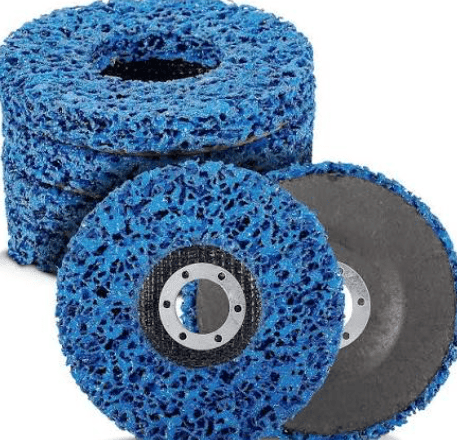
Flap Disc for Sale
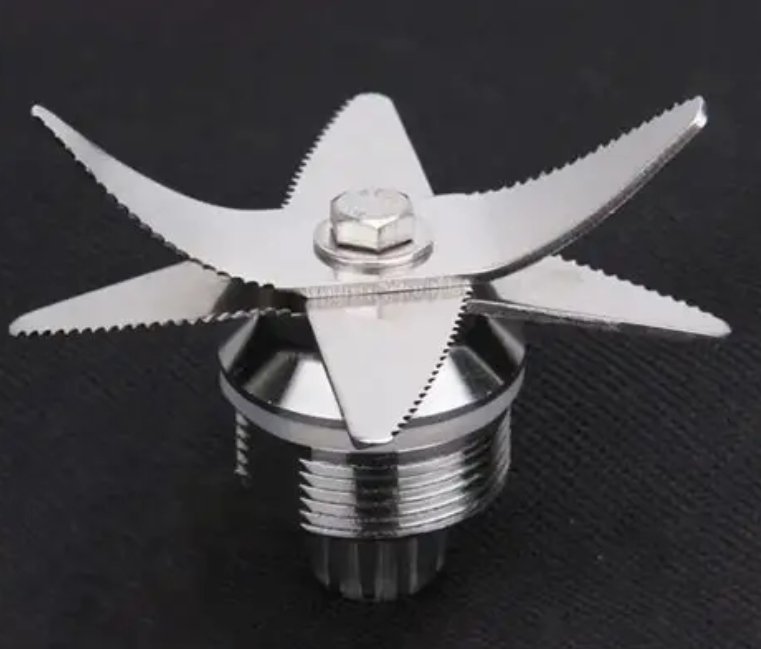
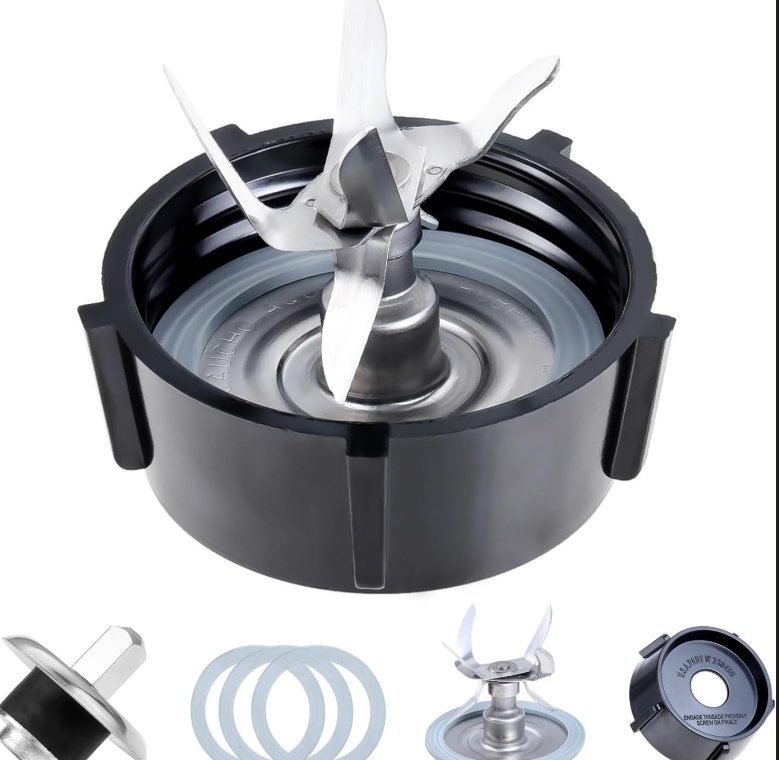
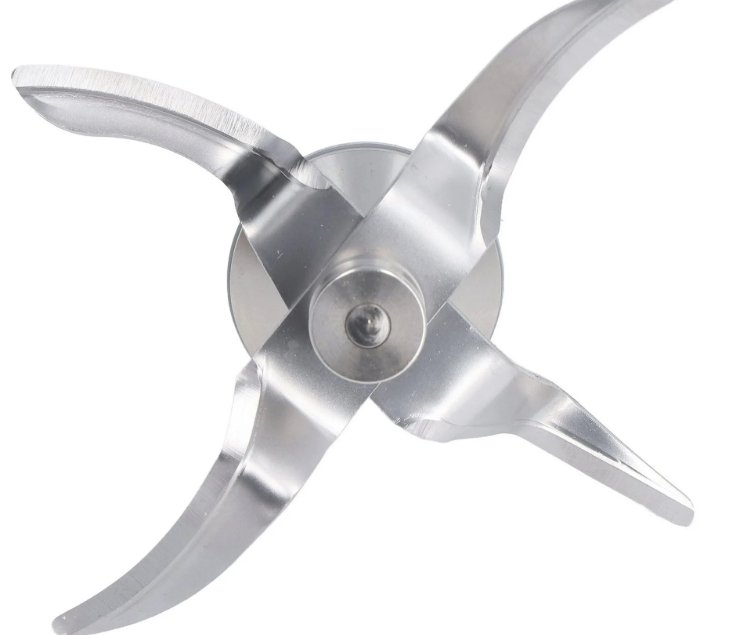
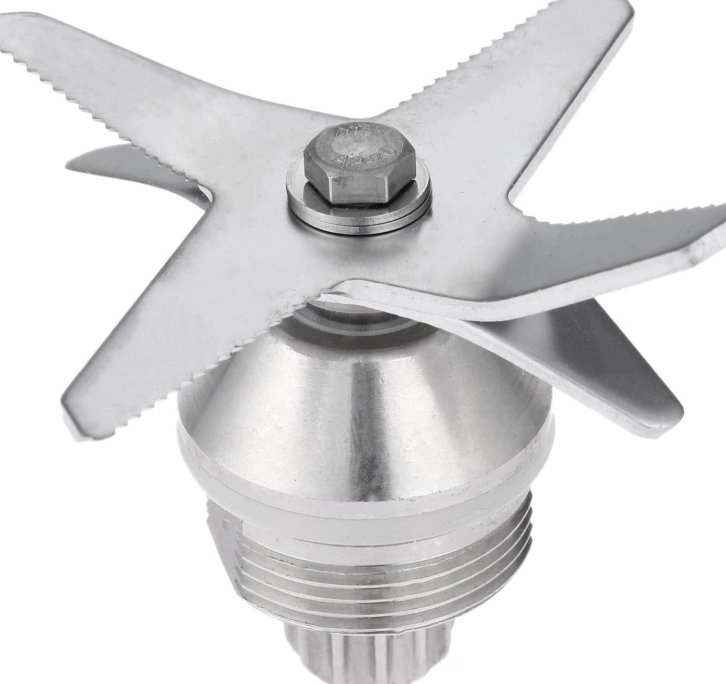
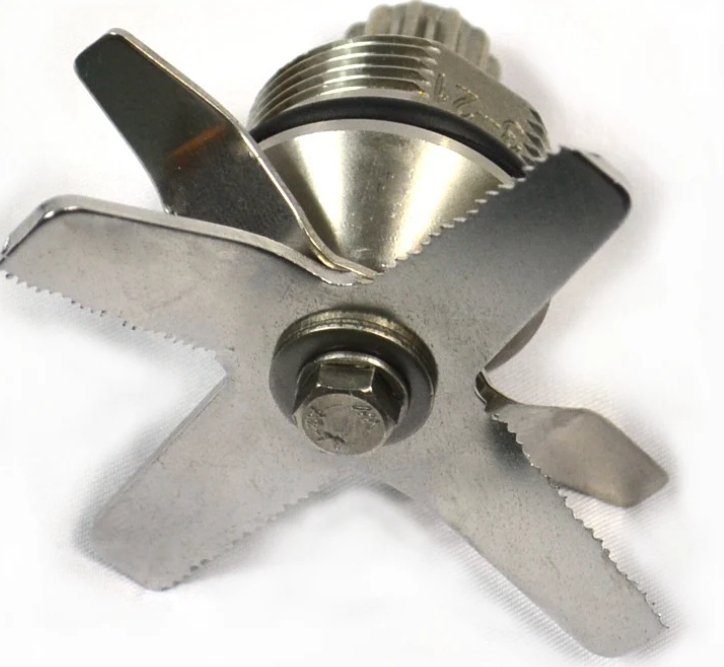
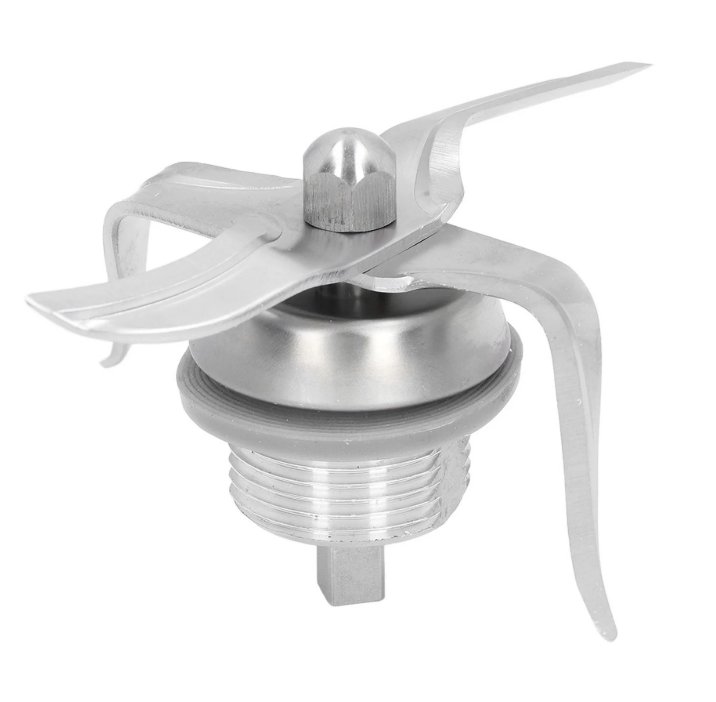
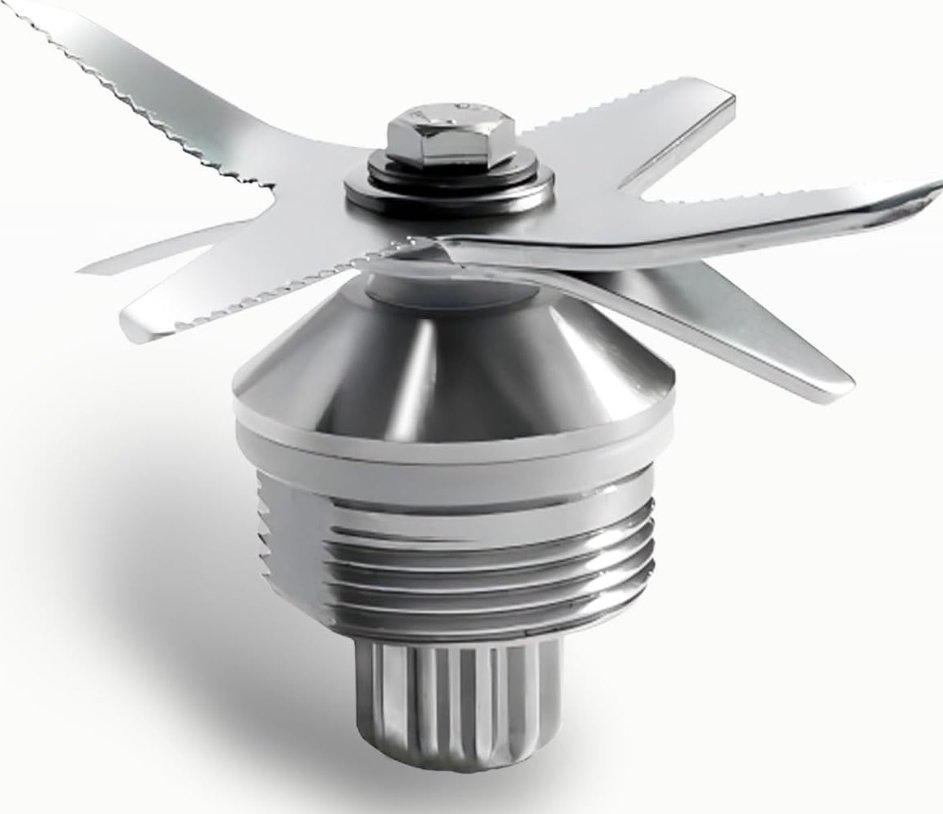
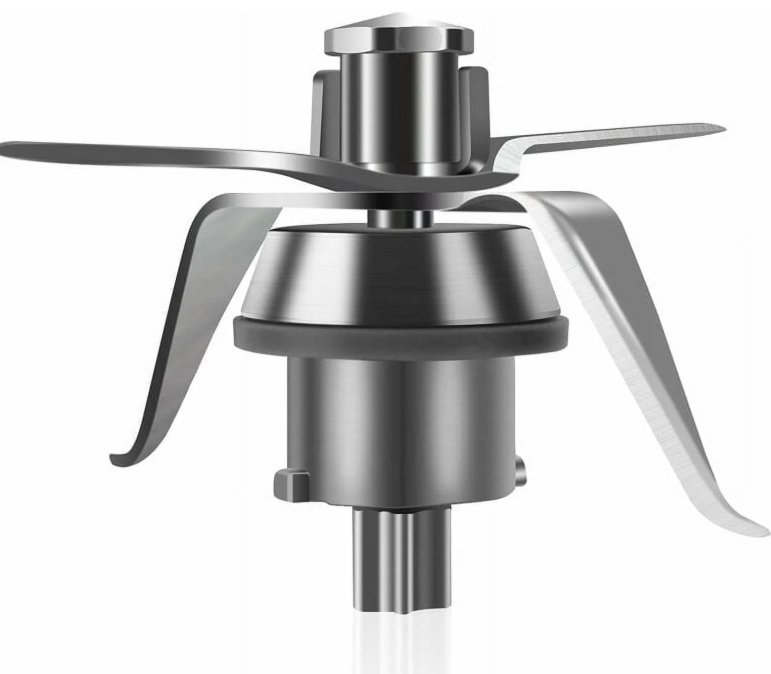
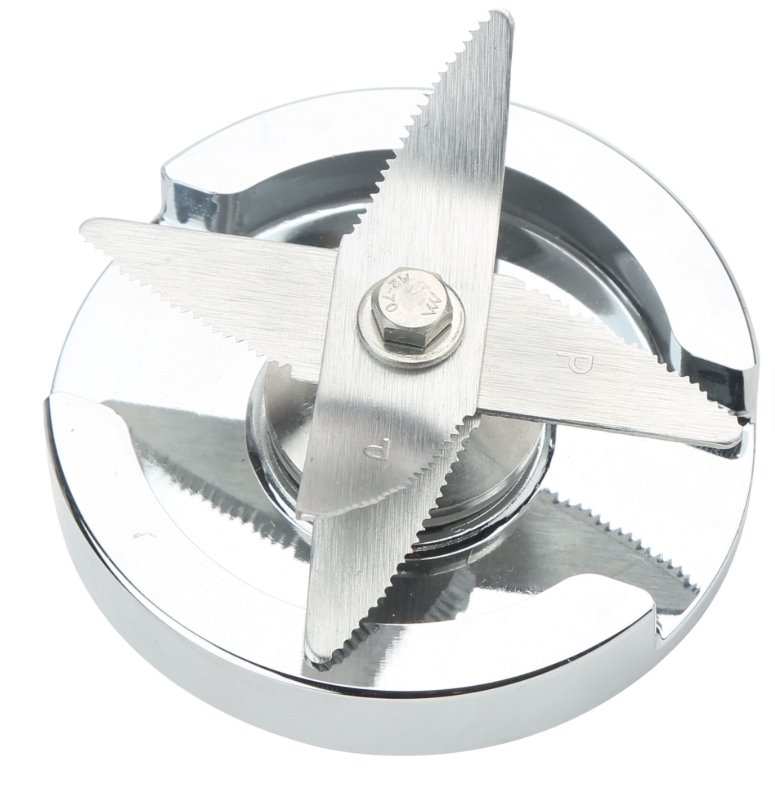
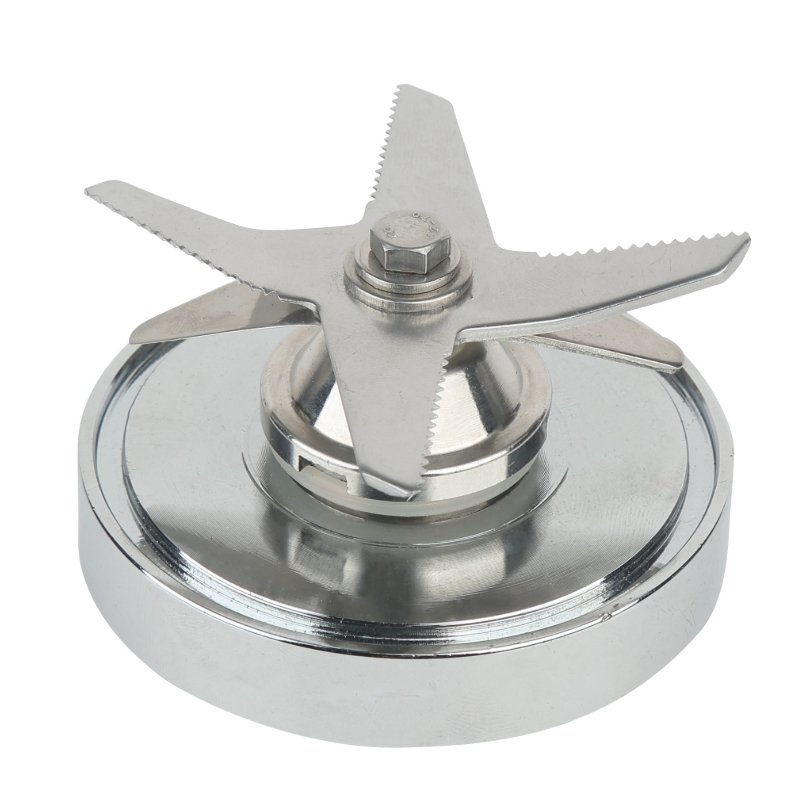
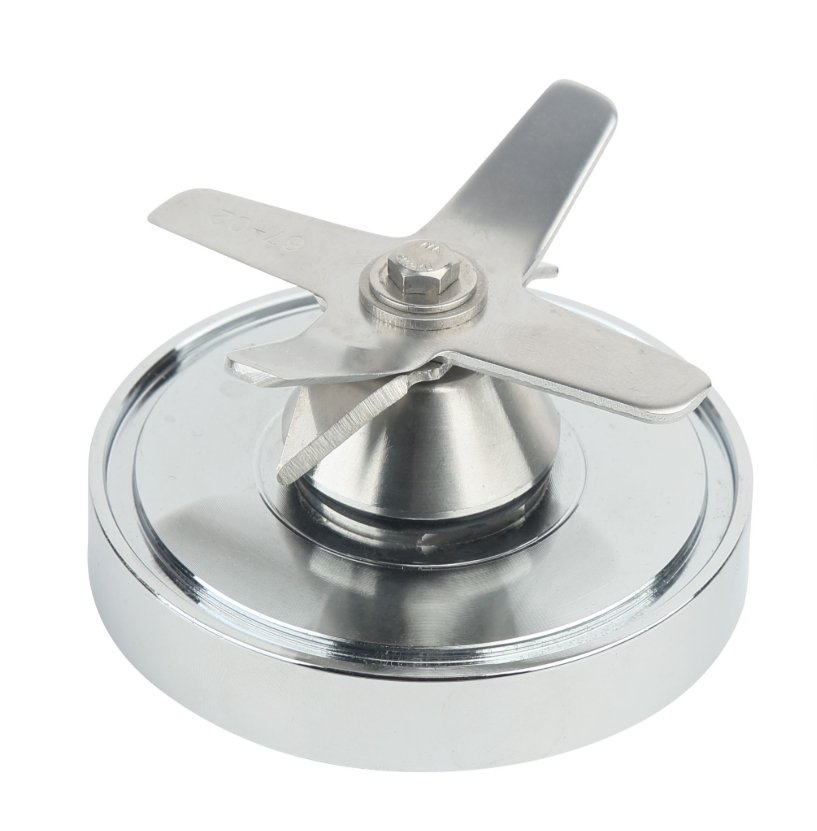
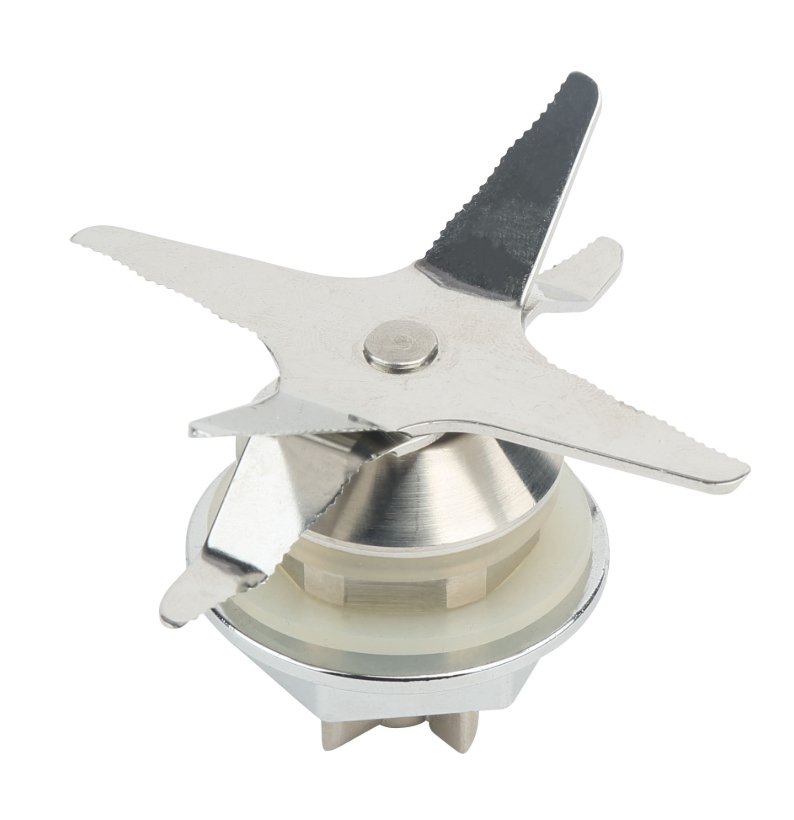
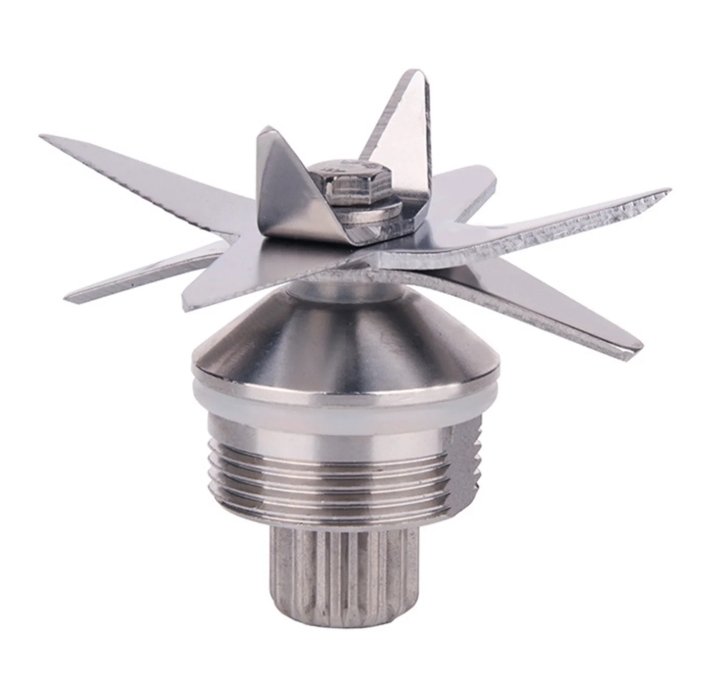
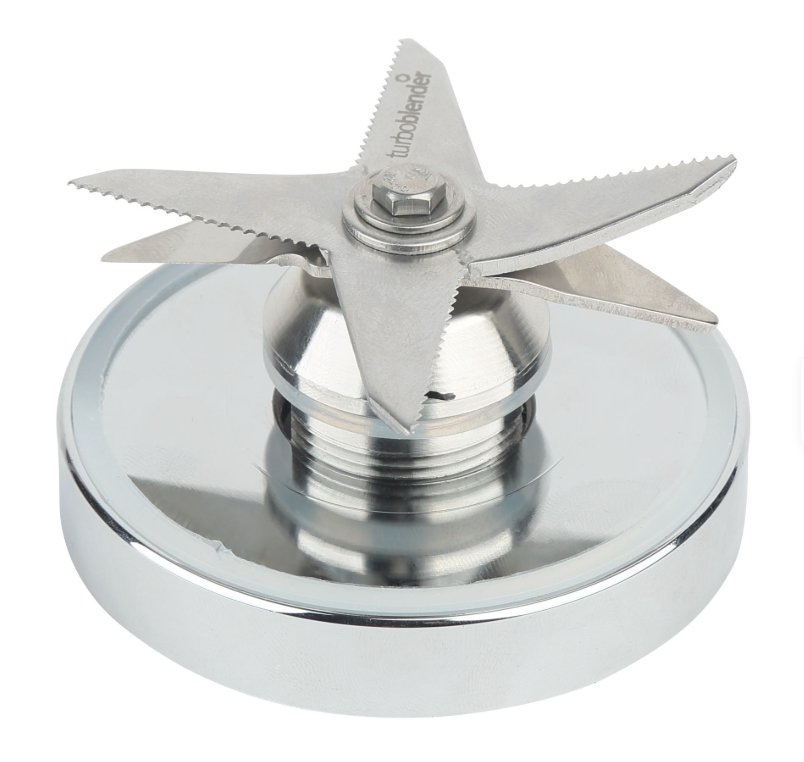
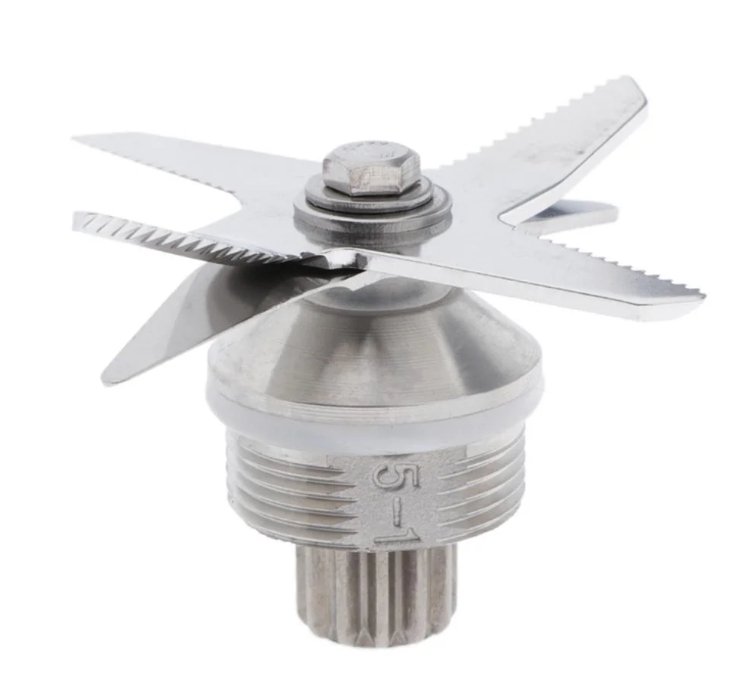
Blender Blade for Sale
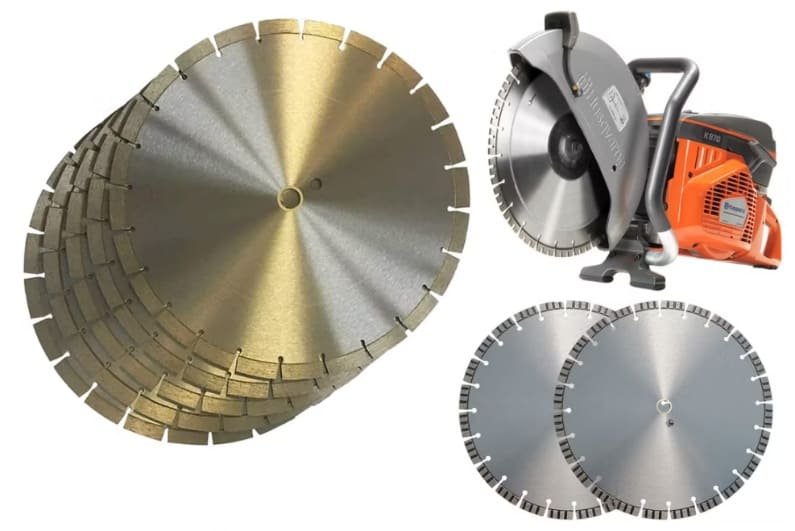
Diamond Blade for Sale

Demolition Hammer & Rotary Hammer for Sale
Welcome to call us
Contact Us to get quotation
Working Time: 8:00~17:00 Monday to Friday.
FAQ
Welcome to call us
Contact Us to get quotation
Working Time: 8:00~17:00 Monday to Friday.
Blogs:
You may also interest in other topics:
22KW EV Charger ,talc grinding mill , rotary filling machine ,