How to choose an industrial fan?
How to choose an industrial fan?
Selecting a qualified and suitable industrial fan requires comprehensive evaluation across practical application scenarios, core performance parameters, professional safety configurations, and brand after-sales services, which is the only way to pick equipment with strong scene adaptability and high cost performance for long-term stable operation. Many buyers simply select industrial fans based on power or price alone, which easily leads to mismatched equipment, wasted energy, insufficient ventilation effect or potential safety hazards. A scientific fan selection process abandons single-dimensional judgment, takes actual usage demands as the core, and matches performance, safety and service standards in layers to ensure the selected industrial fan can fully adapt to complex industrial working conditions and create stable ventilation and cooling value.
Why is clarifying your core usage scenario the first step in fan selection?
Defining the actual usage environment and functional demands is the primary premise for selecting a suitable industrial fan, as different space scales and working conditions completely determine the required fan type and structural configuration. There is no one-size-fits-all industrial fan model that can adapt to all industrial scenarios. Blindly purchasing popular or high-power fan products will either cause excessive performance redundancy and energy waste or fail to meet basic ventilation and cooling needs. Only by accurately judging the space type, heat distribution and environmental characteristics of the usage site can we lock in the most matching fan category and lay a solid foundation for subsequent parameter screening and configuration selection.
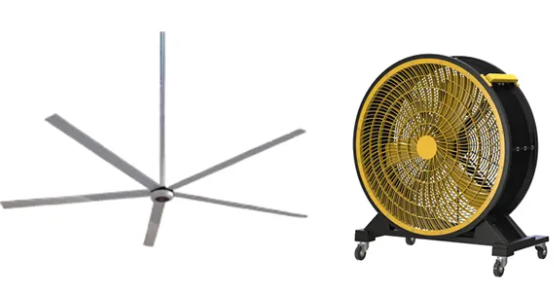
For large-scale factory workshops and warehouses with wide space and high ceilings, large HVLS permanent magnet industrial ceiling fans with a diameter of 7 to 8 meters are the most ideal choice for overall ventilation and cooling. Such large-space venues have a vast indoor area and uniform overall stuffiness, requiring global air circulation rather than local wind supply. A single standard HVLS industrial ceiling fan can effectively cover an area of more than 1,000 square meters, driving large-scale three-dimensional air convection inside the space. It can eliminate indoor hot air accumulation, balance the overall ambient temperature, and solve the problems of high temperature and stuffiness in large industrial venues that cannot be improved by small scattered fans.
For local high-temperature workstations and areas around heat-generating mechanical equipment, high-velocity industrial floor fans or ox horn fans are more suitable for targeted fixed-point cooling. In industrial production environments, heat sources are often concentrated in fixed areas such as staff operation stations and running production equipment, forming local high-temperature hot zones. These partial overheating areas do not need full-space circulating ventilation, but require strong directional airflow to quickly take away concentrated heat. High-speed industrial fans can output concentrated high-power airflow, accurately aim at local high-temperature positions, rapidly reduce the ambient temperature of work areas and equipment surfaces, effectively relieve staff thermal discomfort and avoid equipment failure caused by overheating.
Special industrial working conditions with heavy dust, severe oil pollution and flammable and explosive risks need customized high-standard industrial fan products to adapt to harsh environments. For workshop sites with long-term floating dust and surface oil stains on equipment, it is necessary to prefer industrial fans with a protection grade above IP55. The fully sealed structure of high-protection fans can effectively block dust and oil contamination, prevent internal circuit and mechanical failure, and ensure stable long-term operation in dirty environments. For special chemical production scenarios involving flammable and explosive gases and materials, ordinary industrial fans are prohibited from use, and explosion-proof industrial fans with formal explosion-proof certification must be selected to eliminate hidden dangers of ignition and explosion and guarantee safe operation of special working conditions.
How to screen core performance parameters to match actual ventilation demands?
Motor performance is the core factor that determines the service life, energy efficiency and continuous operation capability of industrial fans, so professional motor configuration must be prioritized in parameter selection. High-quality industrial fans should adopt permanent magnet brushless industrial-grade motors, which have obvious performance advantages over traditional ordinary AC motors. Permanent magnet brushless motors feature higher energy conversion efficiency, lower operating power consumption and longer overall service life. Matched with full-copper winding structure and dual-ball bearing configuration, this motor can maintain low-friction and low-loss operation for a long time, support uninterrupted high-load continuous operation of industrial equipment, and effectively reduce failure rate and long-term operating costs.
The material and manufacturing process of fan blades directly affect operating stability, noise level and deformation resistance, which is a key indicator that cannot be ignored in fan selection. Premium industrial fan blades mostly adopt integrated aviation magnesium-aluminum alloy molding technology. This high-strength metal material has excellent structural toughness, strong anti-deformation ability and outstanding corrosion resistance, and can resist long-term wind erosion, environmental oxidation and accidental impact damage in industrial environments. Meanwhile, the high-precision dynamic balance calibration process of integrated molding ensures uniform stress on each fan blade. The overall structure runs smoothly without eccentricity, effectively reducing operating vibration and cutting down running noise, realizing stable and low-noise ventilation output.
Reasonable matching of air volume and coverage area is crucial to avoid energy waste and insufficient ventilation effect, and parameter selection needs to be based on actual space volume. Different industrial spaces have completely different air circulation demands. Excessively large fan air volume in a small space will lead to performance redundancy, causing unnecessary power waste and harsh wind noise. On the contrary, equipping a large open space with a small air volume fan cannot form effective air circulation, failing to improve indoor stuffiness and high temperature. Buyers need to calculate the required total air volume according to the space floor area, height and air renewal frequency, and select fan models with matching air volume and coverage range to achieve the most energy-saving and efficient ventilation effect.
The speed regulation function is an important auxiliary configuration to optimize fan energy efficiency and improve usage flexibility, and stepless speed regulation models should be prioritized in daily selection. Industrial site ventilation demands are not fixed, and the required air volume changes with ambient temperature, staff density and production cycle. Industrial fans with stepless speed regulation function can freely adjust the operating wind speed according to actual on-site demands. When the temperature is low or the ventilation demand is weak, the wind speed can be reduced to lower operating power consumption; when the temperature is high and heat accumulation is serious, the wind speed can be increased to enhance cooling efficiency. This flexible adjustment mode avoids long-term high-power idle operation, further reduces invalid energy consumption, and realizes on-demand efficient ventilation.
What key safety configurations must be checked before purchasing an industrial fan?
Complete multiple safety protection mechanisms is the core guarantee for the safe operation of industrial fans, especially for large ceiling fans working at high altitudes, and key anti-fall and anti-fracture configurations must be fully verified. Qualified industrial fans need to be equipped with multiple safety designs including steel wire rope anti-fall structure, tenon-and-mortise fan blade anti-fracture device, and overload and overheating automatic power-off system. The steel wire rope anti-fall structure can fix the fan body in multiple directions to avoid overall falling caused by bracket loosening; the tenon-and-mortise structure strengthens the connection between fan blades and the rotating shaft to prevent blade falling off during high-speed operation; the overload and overheating protection system can automatically cut off the power when the motor is overloaded or overheated due to abnormal operation, avoiding equipment burnout and safety accidents caused by long-term fault operation.
Perfect grounding design and thickened electrical insulation configuration are essential to adapt to complex industrial power consumption environments and prevent electrical safety hazards. The power consumption environment of industrial workshops is complex, with unstable voltage, mixed circuit distribution and easy electrical interference, which puts forward higher requirements for the electrical safety performance of fans. Formal safe industrial fans are equipped with a complete whole-machine grounding system to timely export static electricity and leakage current generated during operation and avoid electric shock hazards. At the same time, the electrical circuit and motor coil are wrapped with thickened insulating layers, which can effectively prevent insulation aging and damage caused by long-term high-load operation, avoid short circuit and electric leakage faults, and ensure safe and stable electrical operation in complex industrial environments.
The overall structural firmness and safety redundancy design also need to be focused on inspection, which determines the long-term operational safety of industrial fans. High-quality industrial fans adopt thickened reinforced brackets and high-strength connecting parts, with stable overall structure and strong wind resistance and vibration resistance. Long-term high-speed operation will not cause structural loosening or component displacement. In addition, regular qualified products have passed strict industrial safety tests such as high-load operation test and vibration fatigue test, with sufficient structural safety redundancy. Even in long-term continuous operation and complex working environments, they can maintain stable structural performance and avoid safety accidents caused by structural failure.
Checking brand safety qualification and compliance certification is the final link of safety configuration verification, ensuring that the purchased equipment meets industrial safety standards. Regular industrial fan brands have complete production qualifications and safety inspection reports, and their product safety configurations are designed and manufactured in strict accordance with industrial specifications. Some low-cost unqualified products cut corners on safety structures and electrical protection, with hidden safety hazards in use. Selecting formal qualified products can effectively avoid safety risks in operation and provide long-term safety guarantees for industrial ventilation work.
Q&A
Q1: What is the correct overall idea for choosing a suitable industrial fan?
A: The selection of industrial fans cannot rely on single factors such as power and price. It is necessary to comprehensively judge and match from four core dimensions: actual usage scenario, core performance parameters, complete safety configuration and formal brand after-sales service, so as to select industrial fan equipment with strong adaptability, high efficiency and high cost performance.
Q2: How to choose different types of industrial fans according to usage scenarios?
A: Large workshops and warehouses with super-large space are suitable for 7-8 meter HVLS large ceiling fans for global air circulation and cooling; local high-temperature workstations and heat-generating equipment areas adopt high-speed floor fans or ox horn fans for fixed-point cooling; dusty and oily workshops select IP55 high-protection models, and chemical flammable and explosive scenarios must use certified explosion-proof fans.
Q3: What core performance parameters should be focused on when selecting an industrial fan?
A: Prioritize permanent magnet brushless industrial full-copper dual-ball bearing motors with energy saving and long life; select aviation magnesium-aluminum alloy integrated fan blades with high strength and low noise; match the air volume and coverage area according to the actual space size to avoid energy waste or insufficient ventilation; and prefer models with stepless speed regulation for flexible wind speed adjustment.
Q4: What safety configurations are indispensable for qualified industrial fans?
A: It must be equipped with multiple safety protections such as steel wire rope anti-fall, fan blade tenon-and-mortise anti-fracture, and overload overheating automatic power-off. Meanwhile, it needs a complete whole-machine grounding system and thickened electrical insulation layer to adapt to complex industrial power consumption environments and eliminate electrical and mechanical safety hazards.
Summary
In conclusion, industrial fan selection is a systematic multi-dimensional evaluation work that needs to combine actual usage scenarios, core performance parameters, safety configuration standards and brand after-sales guarantees to screen high-adaptability and high-cost-performance products. Clarifying the site environment and functional demands is the premise of selection, realizing targeted matching of fan types for large-space overall ventilation, local fixed-point cooling and special harsh working conditions. Screening high-quality motors, high-strength fan blades, matched air volume parameters and flexible speed regulation functions ensures the efficient and energy-saving operation of the equipment. Checking complete mechanical safety protection and electrical insulation configurations eliminates potential safety hazards in industrial operation. Following this complete scientific selection guide can effectively avoid selection mistakes, maximize the ventilation and cooling value of industrial fans, and meet the long-term stable operation demands of different industrial scenarios.
Industrial Fan for Sale:
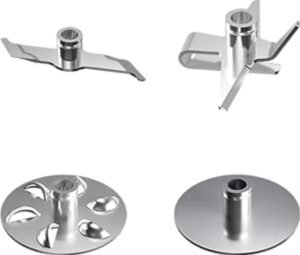
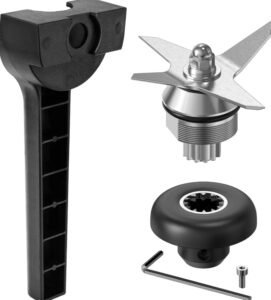
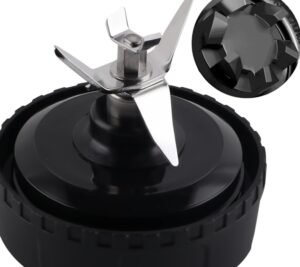
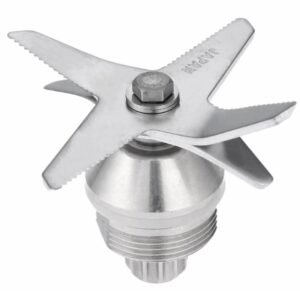
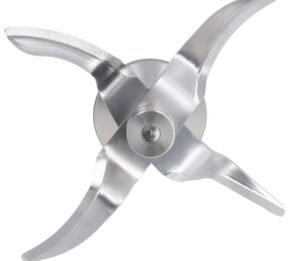
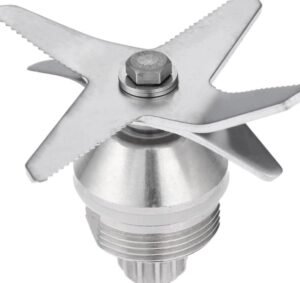
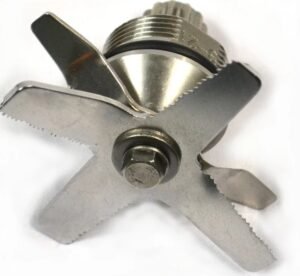
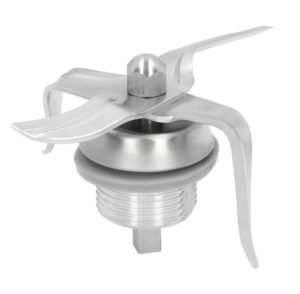
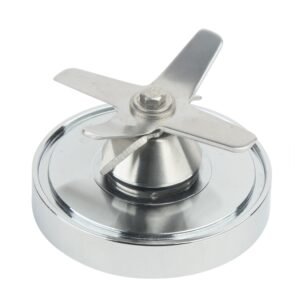
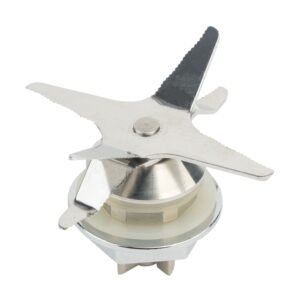
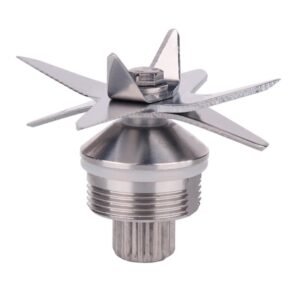
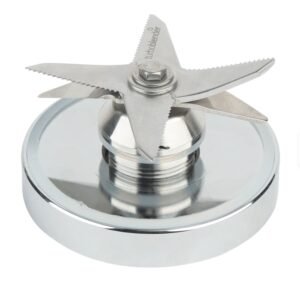
Blender Blade for Sale:
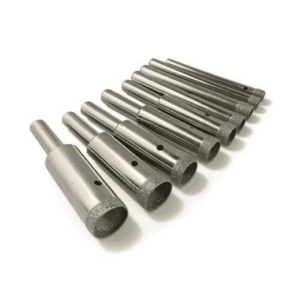
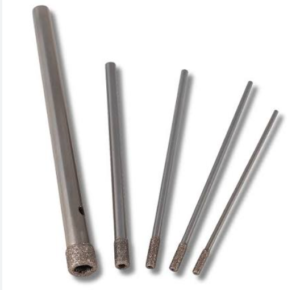
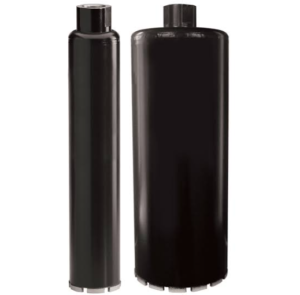
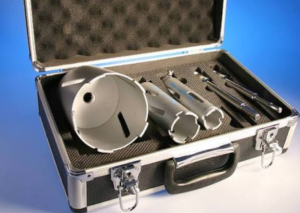
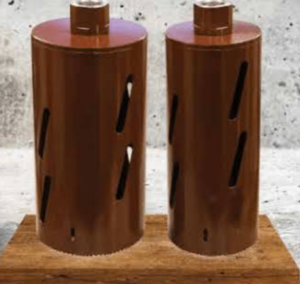
Core drill bit for Sale:
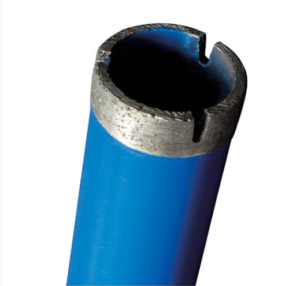
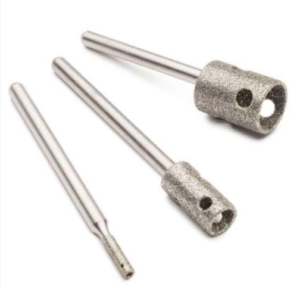
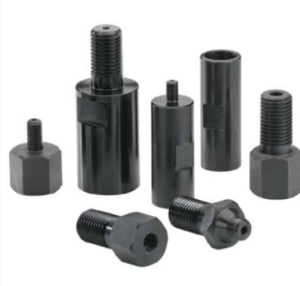
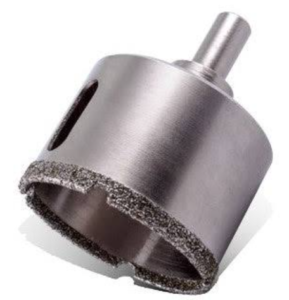
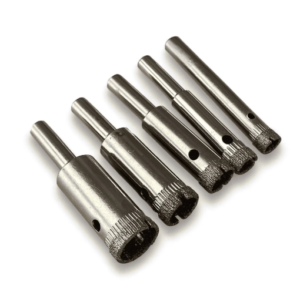
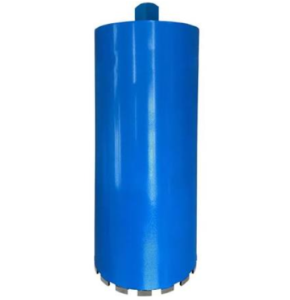
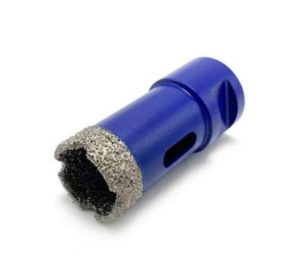
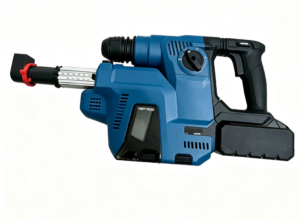
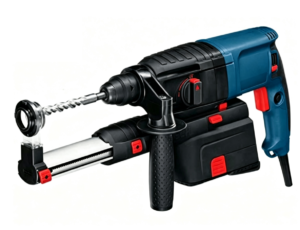
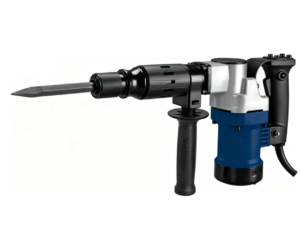
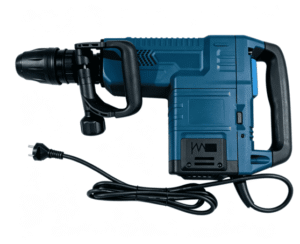
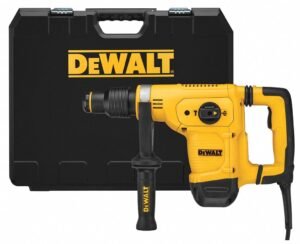
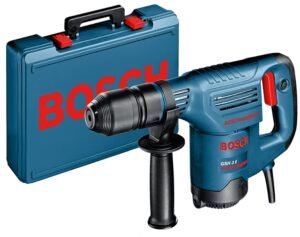
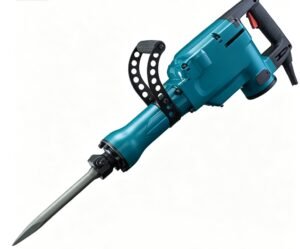
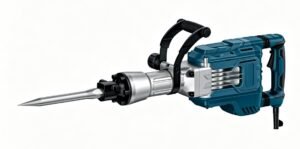
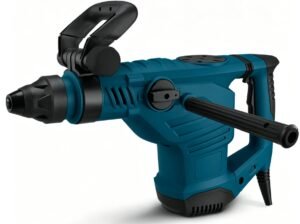
Rotary Hammer & Demolition Hammer for Sale:

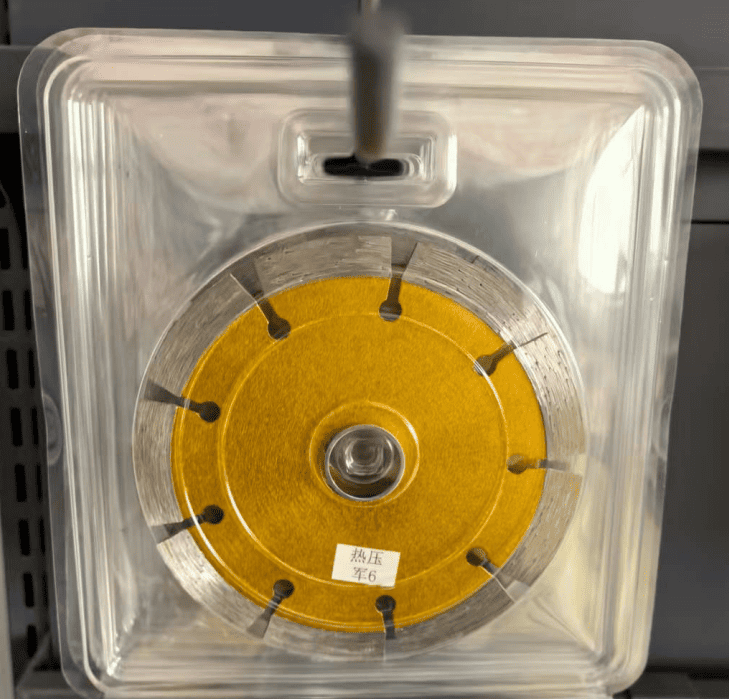
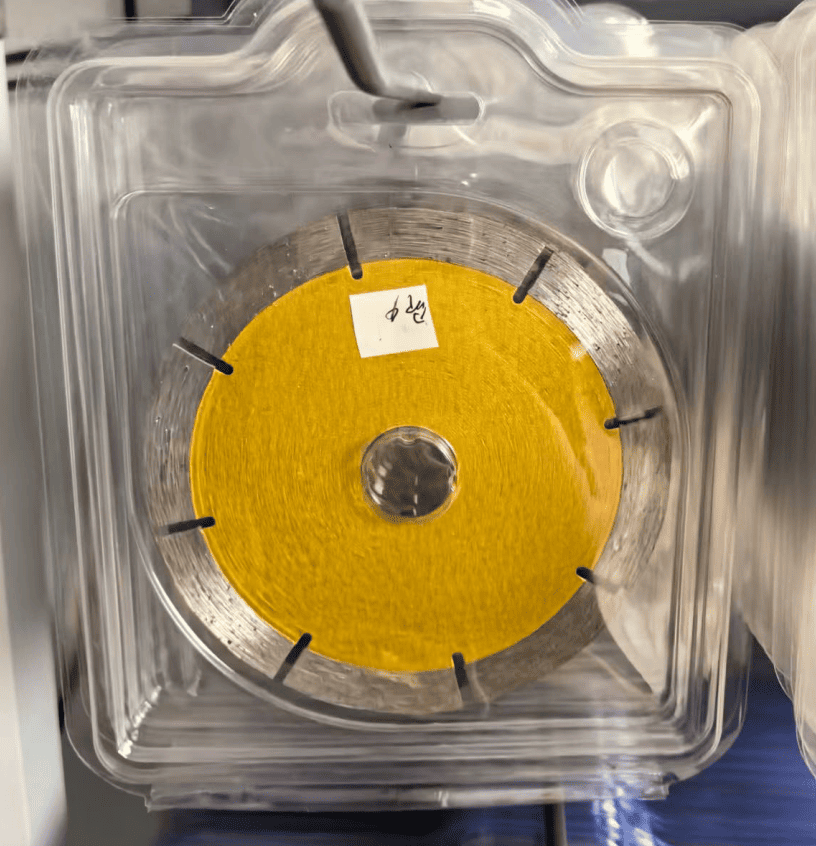
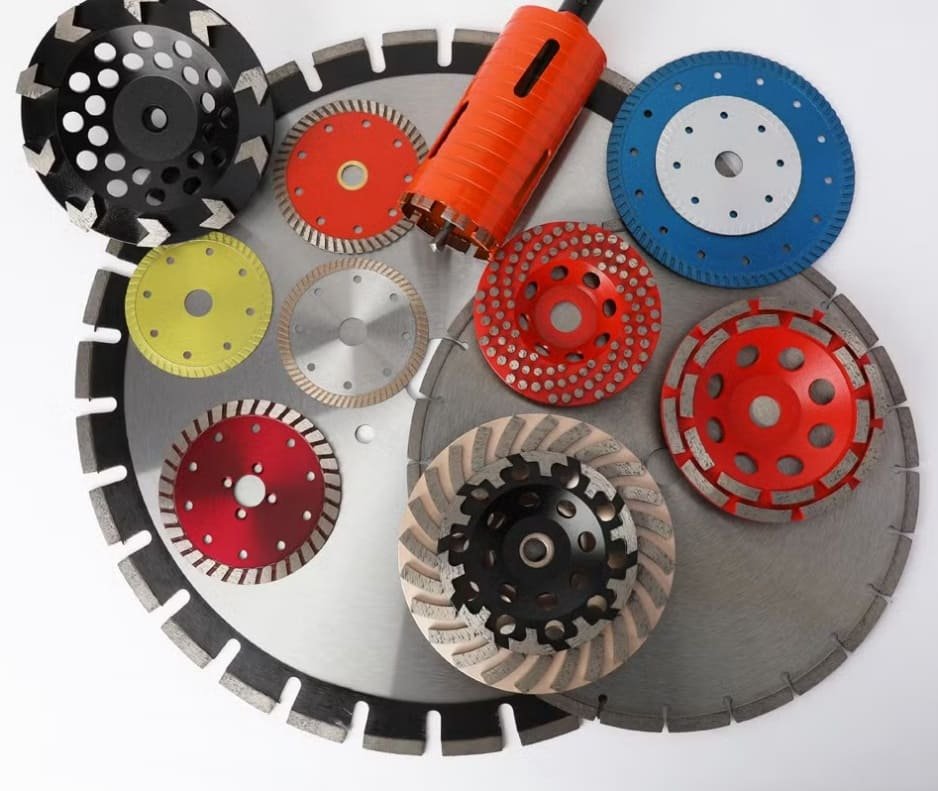
Diamond Blade

Welcome to call us
Contact Us to get quotation
Working Time: 8:00~17:00 Monday to Friday.
Applications:

Factory:
FAQ
Welcome to call us
Contact Us to get quotation
Working Time: 8:00~17:00 Monday to Friday.
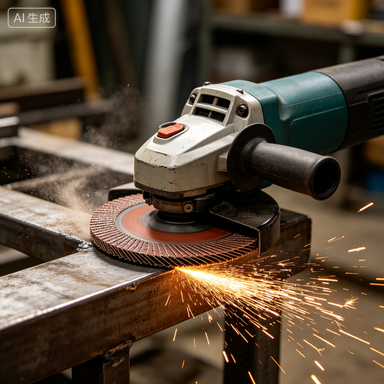
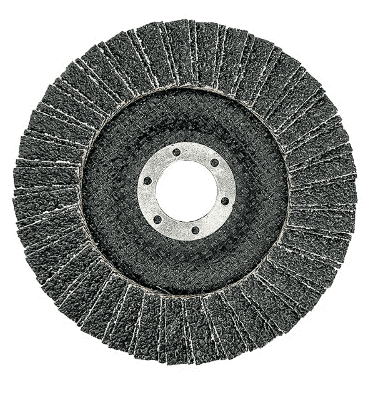
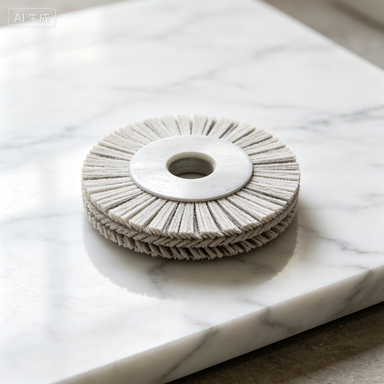
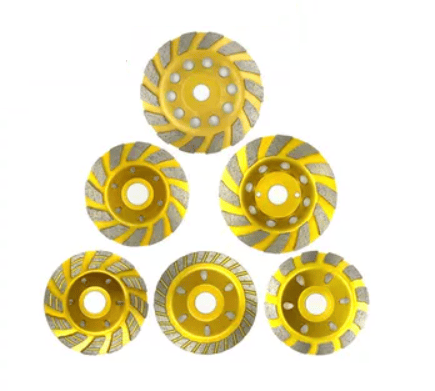
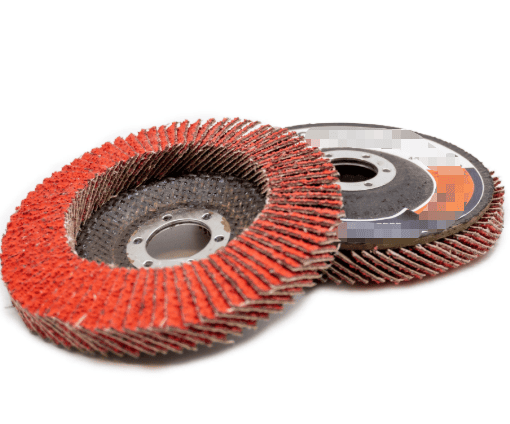
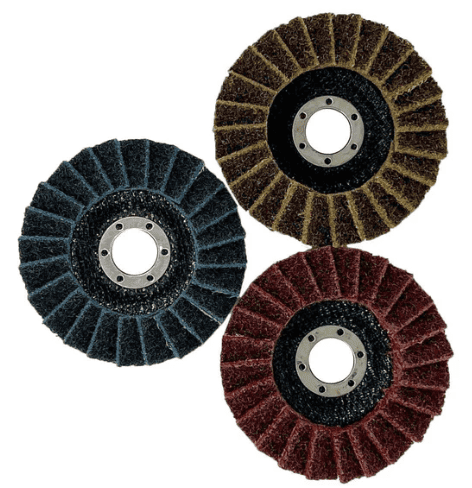
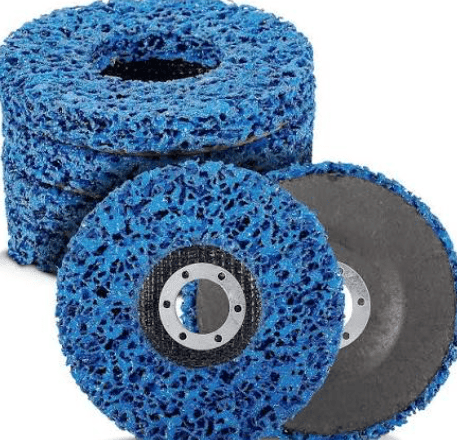
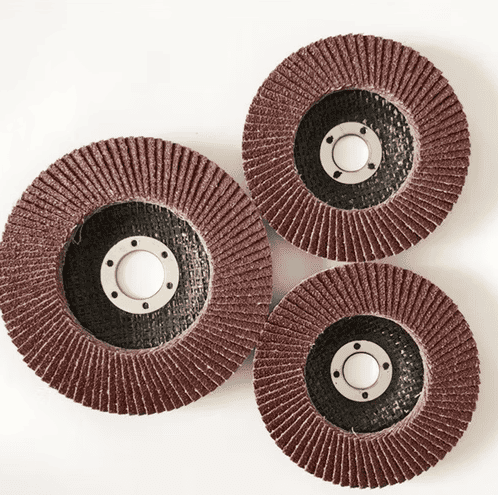
Flap Disc for Sale

Blogs:
You May also Interest in other topics:
Pre-made Bag Granule Flakes Weighing and Packing Machine Automatic Turmeric Powder Production Line calcium carbonate grinding mill EV Charger Gun