What size industrial fan do I need?
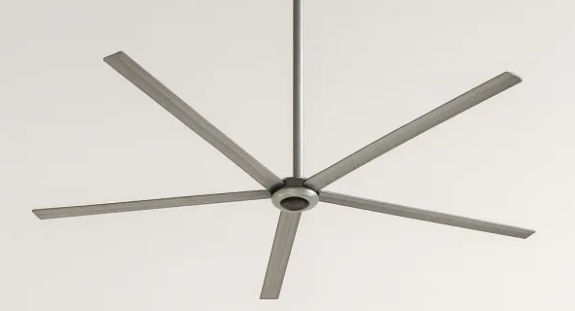
What size industrial fan do I need?
There is no universal “one-size-fits-all” optimal size for industrial fans, as the ideal fan dimension primarily depends on a combination of floor area, ceiling height, and on-site application scenarios, and only size matching tailored to actual working conditions can deliver efficient, stable and cost-effective ventilation performance. Many facility managers tend to select industrial fans based on personal experience or simply pursue oversized models, which often results in poor air circulation, unnecessary cost waste, or potential safety hazards. Fan size is the most fundamental parameter that determines coverage range, airflow distribution and operating efficiency. A scientifically matched fan size can maximize cooling and ventilation effects while saving energy, whereas mismatched dimensions will greatly limit the practical value of industrial ventilation equipment.
What fan sizes work best for different floor space areas?
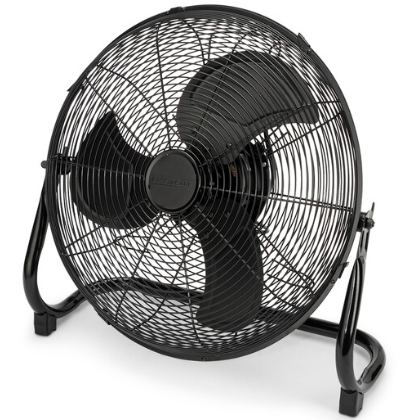
Small industrial spaces ranging from 100 to 200 square meters have limited ventilation demands and coverage requirements, making compact industrial fans with a diameter of 1.2 to 1.5 meters the most suitable option. These small-scale spaces usually include small processing workshops, independent operation rooms and narrow functional areas, where large HVLS ceiling fans are completely unnecessary and will cause performance redundancy and cost waste. Small industrial floor fans and wall-mounted fans with 1.2 to 1.5 meter diameters feature flexible installation positions and targeted airflow output, which can fully meet the local air circulation and cooling needs of small spaces. Their compact size avoids space occupation and airflow waste, achieving precise and energy-efficient ventilation for small-area industrial sites.
For medium-sized industrial spaces covering 200 to 500 square meters, medium-sized industrial ceiling fans with a diameter of 3 to 4 meters are the most balanced choice for full-space ventilation. Spaces of this scale are larger than small independent rooms and cannot be fully covered by scattered small fans, while ultra-large fans will still lead to resource waste. A single 3 to 4 meter medium industrial ceiling fan can form complete indoor air circulation, effectively eliminating overall stuffiness, balancing indoor temperature, and solving uniform ventilation problems for standard production workshops and medium-sized storage areas. This size perfectly matches the spatial span and air volume demand of medium industrial venues, ensuring both ventilation comprehensiveness and economic efficiency.
Standard large industrial spaces between 500 and 1000 square meters are well-suited for 5 to 6 meter diameter standard HVLS industrial ceiling fans, which can achieve full coverage with a single unit. Most conventional large factory workshops and integrated warehouses fall into this space range, requiring wide-range air convection to improve overall operating environments. Small and medium-sized fans cannot generate enough circulating airflow to cover the entire venue, resulting in uneven local temperature and poor overall ventilation. Standard 5 to 6 meter HVLS fans have moderate wind coverage and powerful airflow driving capacity, enabling one machine to cover the entire space without redundant equipment layout, realizing efficient and integrated space ventilation.
Ultra-large industrial venues spanning 1000 to 2000 square meters require oversized HVLS industrial ceiling fans with a diameter of 7.3 to 7.8 meters to meet large-scale air circulation demands. Super-large warehouses, spacious factory workshops and large public industrial venues have ultra-wide horizontal spans, where standard-sized fans cannot break the boundary of local airflow circulation. A single 7.3 to 7.8 meter large HVLS fan can cover an effective area of more than 1500 square meters, greatly reducing the need for multiple fan overlapping installations. This oversized fan can drive large-area three-dimensional air convection throughout the ultra-large space, eliminate ventilation dead zones, and maintain long-term uniform and stable air circulation in wide industrial venues.
How do ceiling height and installation conditions determine fan size adaptation?
Low ceiling heights of 3 to 4 meters impose strict restrictions on fan size, requiring small industrial ceiling fans with a diameter within 3 meters to prioritize operational safety. In low-height industrial spaces, the vertical distance from the ceiling to the ground is very limited. Installing oversized fans will lead to an excessively low distance between fan blades and the ground, creating serious safety risks for on-site staff walking and equipment operation. Small-sized ceiling fans with a diameter below 3 meters feature compact blade radius and reasonable installation height, which can normally drive indoor air circulation without occupying vertical activity space. This size selection completely avoids safety hazards such as blade collision and accidental contact, ensuring safe and compliant operation in low-ceiling environments.
Spaces with ceiling heights ranging from 4 to 8 meters are the most common standard industrial venues, perfectly matching medium-sized industrial ceiling fans with a diameter of 4 to 6 meters. This ceiling height provides sufficient vertical activity space and airflow diffusion space, allowing medium-sized fan blades to push air flow stably from high altitude to the ground. The airflow can fully cover the staff activity area and equipment operation area in the lower space, forming complete vertical air circulation. Fans of this size will neither cause safety problems due to oversized blades nor suffer insufficient airflow coverage caused by undersized dimensions, achieving a perfect balance between ventilation effect and installation safety in standard industrial spaces.
High-ceiling venues with heights above 8 meters must be equipped with large HVLS industrial ceiling fans over 7 meters in diameter to ensure effective ground airflow coverage. In ultra-high workshops, warehouses and exhibition venues, the vertical air transmission distance is extremely long. Small and medium-sized fans have limited airflow propulsion capacity, and their circulating airflow cannot reach the ground effectively, resulting in upper air circulation while the ground area remains stuffy and humid. Large-diameter long blades can generate strong downward airflow thrust, pushing high-altitude air steadily to the ground, realizing full vertical penetration of airflow, and finally forming comprehensive three-dimensional air circulation covering the entire high-space venue.
Regardless of fan size and ceiling height, a safe distance of no less than 0.5 meters between fan blades and surrounding beams, columns, mechanical equipment and wall structures is a mandatory installation rule. Many users only focus on matching fan size with space area and height, ignoring the peripheral obstacle distance, which leads to blade collision with building structures or equipment during high-speed operation. This not only damages fan blades and mechanical structures, shortens fan service life, but also triggers abnormal vibration, loud noise and even safety accidents. Reserving sufficient safe spacing can ensure unobstructed fan operation, avoid airflow turbulence caused by obstacle blocking, and maintain stable and efficient long-term operation of industrial fans.
What special size selection principles apply to different industrial scenarios?
Industrial workshops with densely arranged workstations are more suitable for distributed layout of multiple medium-sized fans, rather than a single ultra-large fan, to achieve more uniform overall ventilation effect. In dense workstation scenarios, staff and equipment are evenly distributed in every corner of the workshop, and local heat sources are scattered and numerous. Although a single oversized fan has a wide coverage range, its central airflow is strong while the edge airflow is weak, resulting in uneven temperature differences in different workshop areas. Adopting multiple medium-sized fans for decentralized layout can balance the airflow density of the entire space, eliminate edge ventilation dead zones, ensure consistent cooling and ventilation effects for every workstation, and greatly improve the overall working comfort of the workshop.
Warehouse and logistics venues should prioritize large-diameter HVLS ceiling fans to avoid occupying ground passage space and interfering with daily operational work. Warehousing and logistics sites are equipped with frequent forklift transportation, goods stacking and handling operations, with high requirements for ground space fluency. Ground-placed small fans will occupy valuable passage space, hinder cargo handling and vehicle traffic, and are easily collided and damaged by passing equipment. Large HVLS ceiling fans are installed on the top of the venue, completely saving ground operating space, and will not interfere with daily logistics operations while achieving full-space dehumidification, dust removal and air circulation. This size and installation method perfectly fits the functional needs of logistics warehouse scenarios.
For local fixed-point cooling around high-temperature heat-generating equipment, large-size ceiling fans are unnecessary, and 1 to 2 small-size high-speed industrial floor fans can achieve precise and efficient cooling. High-temperature equipment such as heating machines and production furnaces only generate concentrated heat in local fixed areas, rather than raising the overall temperature of the entire space. Large ceiling fans focus on full-space average temperature adjustment, with limited local targeted cooling capacity and obvious energy waste. Small high-speed floor fans can be flexibly placed near heat sources, outputting high-intensity directional airflow to quickly take away equipment surface heat and local hot air, effectively solving local overheating problems with lower energy consumption and higher pertinence.
Different functional industrial scenarios have unique environmental and operational characteristics, which require targeted fan size matching rather than blind universal selection. Production workshops prioritize ventilation uniformity, logistics warehouses prioritize space fluency, and high-temperature equipment areas prioritize local cooling efficiency. Grasping these scenario-based core demands can avoid mismatched fan sizes, make ventilation equipment more adaptable to on-site work needs, and maximize the practical application value of industrial fans in different industrial environments.
What common pitfalls should be avoided when choosing industrial fan sizes?
Blindly pursuing oversized industrial fans is a typical selection mistake, as excessive fan size will not only increase unnecessary procurement costs but also reduce ventilation efficiency instead. Many users believe that the larger the fan size, the better the cooling effect, regardless of the actual space size. In limited small and medium spaces, oversized fan blades will compress airflow activity space, causing severe airflow turbulence and disordered air circulation. The chaotic turbulent air cannot form regular convection, resulting in weakened heat dissipation and ventilation effects. Meanwhile, oversized fans are equipped with higher-power motors, leading to increased procurement costs and higher daily power consumption, bringing double waste of funds and energy.
Replacing a single large HVLS ceiling fan with multiple small ordinary fans is another common misconception that leads to long-term high operating costs and poor ventilation quality. Users often choose multiple low-cost small fans to cover large spaces in order to save initial procurement costs. Although the one-time investment of small fans is low, the cumulative total power consumption of multiple units running simultaneously is far higher than that of a single large HVLS fan. Long-term continuous operation will generate a huge electricity cost gap, greatly increasing the daily operating expenditure of the enterprise. In addition, the scattered layout of small fans cannot form systematic large-space air circulation, resulting in chaotic local airflow, uneven temperature and poor overall ventilation experience.
Unreasonable fan size matching will also indirectly shorten the service life of industrial fans and increase maintenance costs. Oversized fans running in small spaces will face blocked airflow and increased operating load, leading to long-term motor overload operation, accelerated component wear and increased failure rate. Undersized fans used in large spaces need to run at full speed for a long time to make up for insufficient air volume, which also causes equipment fatigue loss and performance attenuation. Only size selection based on actual working conditions can keep the fan running under standard load, extend equipment service life and reduce subsequent maintenance and replacement costs.
Avoiding size selection pitfalls is the key to achieving high cost performance and stable operation of industrial fans. Correct fan size matching takes space area, height and scenario demands as the core, abandons blind size pursuit and wrong alternative schemes, balances initial investment and long-term operating costs, and ensures that the ventilation effect fully meets industrial production and operation needs.
Q&A
Q1: Is there a universal standard size for all industrial fans?
A: No, there is no universal optimal size for industrial fans. The matched fan size is comprehensively determined by actual space area, ceiling height and on-site usage scenarios. Only size selection adapted to specific industrial working conditions can achieve the most efficient and energy-saving ventilation effect.
Q2: What size fan should be selected for different space areas?
A: 100-200㎡ small spaces suit 1.2-1.5m small floor or wall-mounted fans; 200-500㎡ medium spaces adapt to 3-4m medium ceiling fans; 500-1000㎡ large spaces match 5-6m standard HVLS fans; 1000-2000㎡ ultra-large spaces require 7.3-7.8m oversized HVLS fans for full coverage ventilation.
Q3: How does ceiling height affect industrial fan size selection?
A: 3-4m low ceilings are limited to fans within 3m diameter for safety; 4-8m standard ceilings fit 4-6m medium fans for balanced ventilation; ceilings above 8m need 7m+ large HVLS fans to push airflow to the ground. Meanwhile, a minimum 0.5m safety distance from fan blades to surrounding obstacles must be guaranteed.
Q4: What are the most common mistakes in fan size selection?
A: Blindly choosing oversized fans causes cost waste and airflow turbulence that reduces ventilation efficiency; replacing one large fan with multiple small fans leads to much higher long-term energy consumption. Both wrong matching methods will result in poor ventilation effects and increased operating costs.
Summary
In conclusion, the core basis for selecting the size of an industrial fan lies in multiple key factors including indoor space area, ceiling height and actual usage scenarios, and there is no fixed universal optimal size for all industrial environments. Scientific size matching must follow spatial area standards to select corresponding small, medium, standard or oversized fans to meet the ventilation demands of different space scales. It is necessary to adapt fan diameter according to ceiling height, coordinate safety spacing and airflow coverage, and avoid potential safety hazards and insufficient ventilation caused by height mismatch. Meanwhile, targeted size selection should be carried out combined with scenario characteristics, adopting distributed medium fans for dense workshops, large ceiling fans for warehouses, and small high-speed fans for local high-temperature cooling. Avoiding oversized fan redundancy and multi-small-fan replacement pitfalls can effectively balance ventilation efficiency, safety performance and long-term operating costs, realizing the most efficient and economical industrial ventilation scheme.
Industrial Fan for Sale:
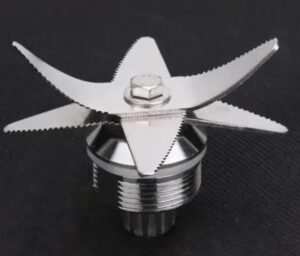
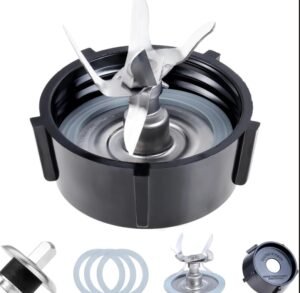
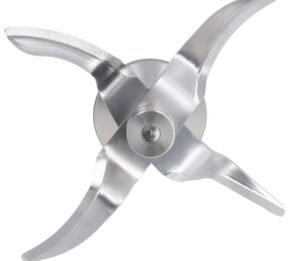
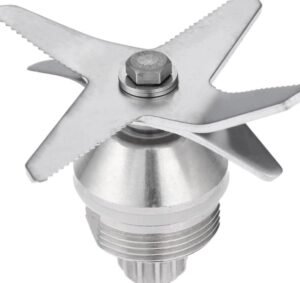
Blender Blade for Sale:
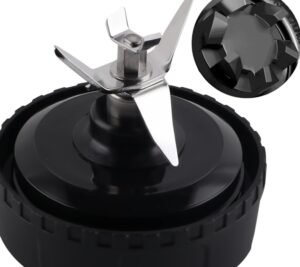
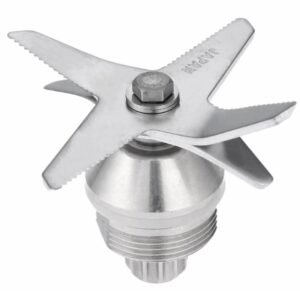
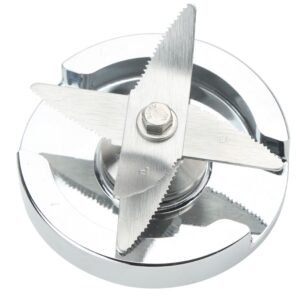
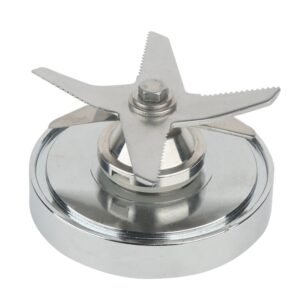
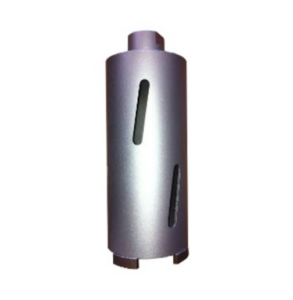
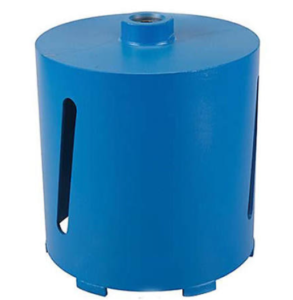
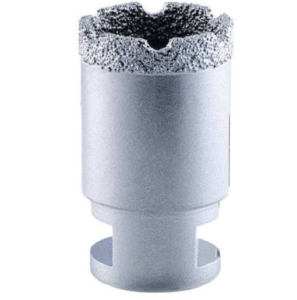
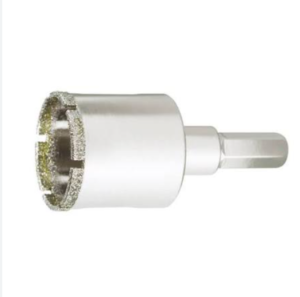
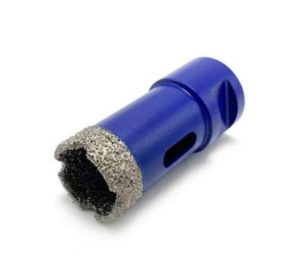
Core drill bit for Sale:
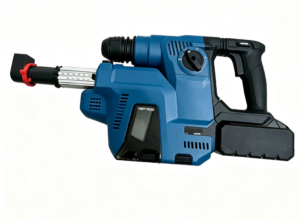
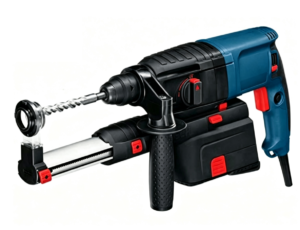
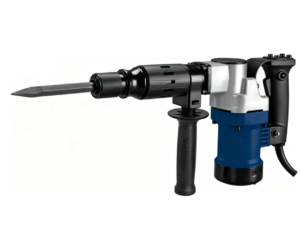
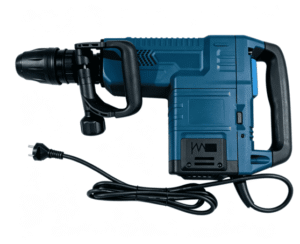
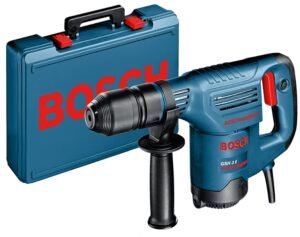
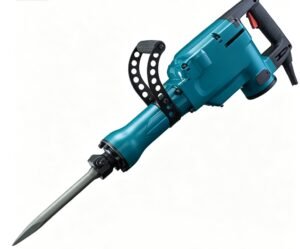
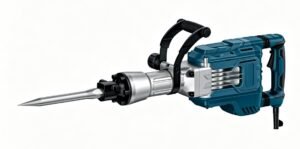
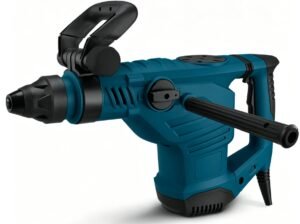
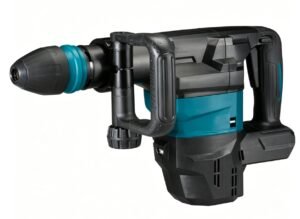
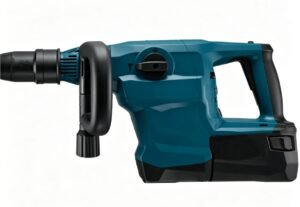
Rotary Hammer & Demolition Hammer for Sale:


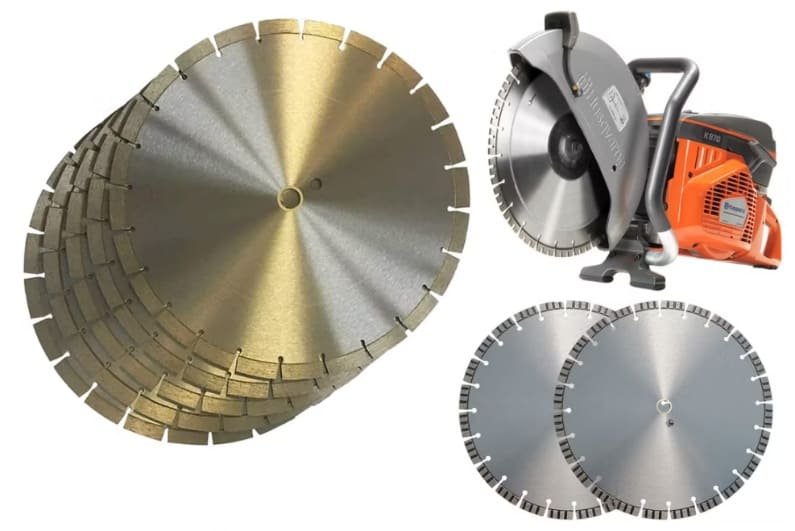
Diamond Blade

Welcome to call us
Contact Us to get quotation
Working Time: 8:00~17:00 Monday to Friday.
Applications:

Factory:
FAQ
Welcome to call us
Contact Us to get quotation
Working Time: 8:00~17:00 Monday to Friday.
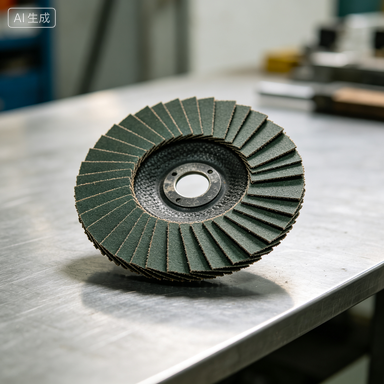
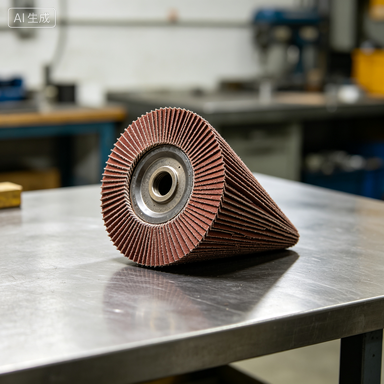
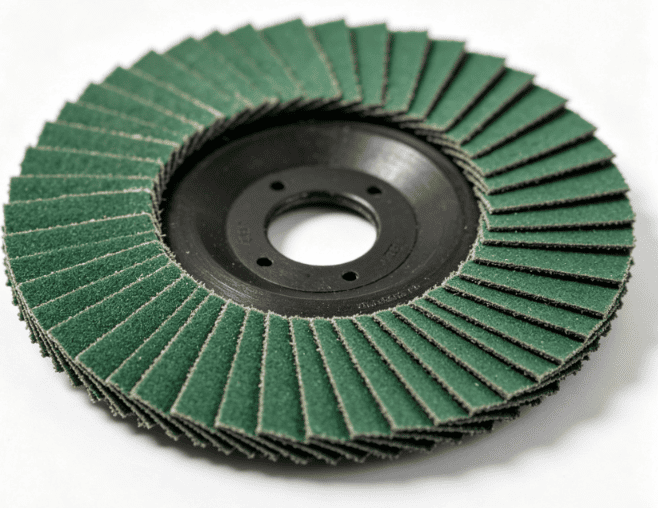
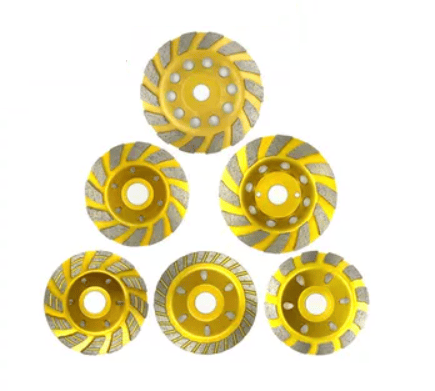
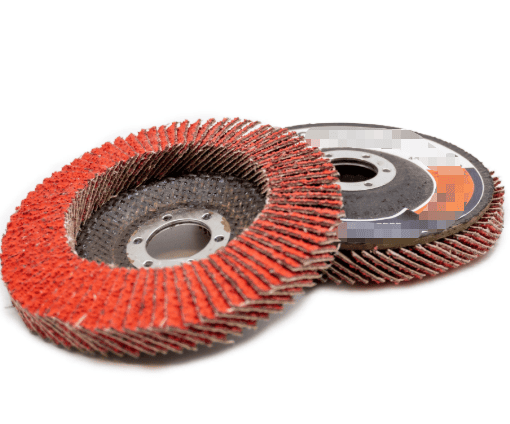
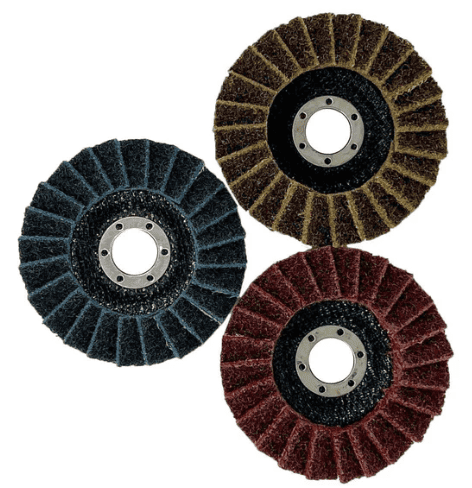
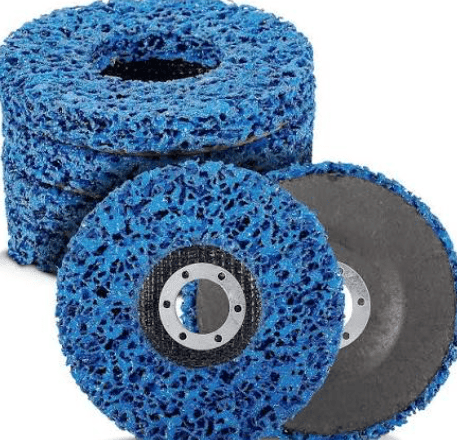
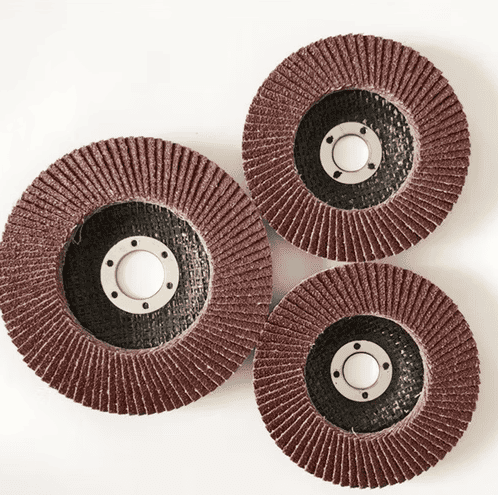
Flap Disc for Sale





Blogs:
You May also Interest in other topics:
liquid bag filling machine Automatic Protein Powder Production Line mineral grinding mill Solar EV Charger