What happens if you use a regular socket on an impact wrench?
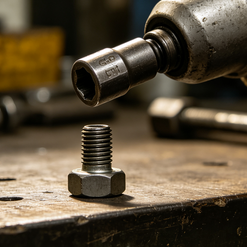
What happens if you use a regular socket on an impact wrench?
What happens if you use a regular socket on an impact wrench? Using a regular socket on an impact wrench is a bad idea, even for what seems like a light, quick job. You’re looking at real safety risks, worse performance, and avoidable damage to your tools. Impact wrenches deliver sharp, sudden rotational jolts that hit 5–10 times harder than the steady torque you get from a standard ratchet, and regular sockets aren’t built to take that kind of repeated dynamic force. The worst case? The socket shatters mid-use, sending shrapnel flying, you strip the bolt you’re working on, or someone gets hurt. Even if it doesn’t fail right away, using regular sockets repeatedly will wear out your impact wrench’s anvil and internal drive parts way faster than normal.
Getting why regular and impact-grade sockets are different is make-or-break for anyone who works with power fastening tools, because even one-off misuse can leave you with expensive downtime or a trip to urgent care. This applies to every drive size, too—from tiny 1/4-inch compact impact drivers all the way up to 1-inch heavy-duty industrial impacts used for auto work and heavy equipment maintenance.
Core Working Principle of Impact Wrenches and Force Dynamics
Impact wrenches generate torque using a hammer-and-anvil mechanism: a rotating weight (the hammer) slams repeatedly into a driven lug (the anvil) connected to the tool’s output drive. Unlike the slow, steady torque you get from a ratchet or breaker bar, these jolts happen 20–40 times every second, sending both rotational force and sharp vibration straight into whatever socket you have attached. Regular sockets are designed for static, gradual torque, so these repeated shock loads create internal stress that their thin chrome plating and low-carbon steel just can’t absorb. Even for low-torque tasks, that cyclic loading weakens the socket’s structure over time, leading to totally unexpected failure out of nowhere.
Key Design Differences Between Regular and Impact Sockets
Regular sockets are usually made from low or medium carbon steel, heat treated to a hardness of 38–42 HRC, and coated with a thin layer of chrome to stop rust. Their walls are as thin as possible to fit in tight spots, and the drive opening has barely any chamfer to create a snug fit with hand tool drives. Impact sockets, on the other hand, use medium carbon alloy steel (most often chromium-molybdenum, or Cr-Mo) heat treated to a lower 32–36 HRC to make them more flexible, with a black oxide or phosphate corrosion-resistant finish instead of brittle chrome. Their walls are 20–30% thicker than equivalent regular sockets, and the drive opening has a chamfered edge to cut down on stress buildup when it’s attached to an impact wrench’s anvil.
Immediate Failure Risks of Regular Sockets on Impact Wrenches
The most common immediate failure is the socket cracking or shattering, usually at the drive end or the corners of the fastener opening. The chrome plating on regular sockets is super brittle and will flake off under shock loading, sending sharp metal fragments flying at up to 150 ft/s. That’s fast enough to cause cuts or eye injuries even if you’re wearing basic PPE. The socket’s drive end can also deform or strip, getting stuck on the impact’s anvil so badly you have to destroy it to get it off, which usually damages the tool’s output drive in the process. In really bad cases, the fastener opening will round out, stripping the head of the bolt or nut you’re working on, leaving you with the extra headache of drilling out the damaged fastener.
Long-Term Equipment Damage Risks
Even if a regular socket doesn’t break right away, using it repeatedly on an impact will slowly wear out both the socket and the tool. A deformed socket drive will grind down the edges of the impact’s anvil, making it grip all future sockets worse until you have to replace the anvil entirely. For mid-range impact models, that can cost 30–50% of what you paid for the tool in the first place. The rigid build of regular sockets also transfers more vibrational shock back into the impact’s internal parts, speeding up wear on the hammer mechanism, bearings, and motor housing. Our experience shows that 6–12 months of regular misuse can cut the tool’s operational lifespan by 40–60% compared to using the right impact sockets every time.
Application-Specific Risk Variations
Risks are highest in high-torque work like heavy equipment repair, removing automotive lug nuts, or fastening structural steel, where impacts deliver 500–2,000 ft-lbs of torque. In these scenarios, a regular socket can fail on the very first jolt, with zero warning signs of cracking or bending beforehand. Even in low-torque jobs like furniture assembly or small engine repair, where compact impacts only put out 50–200 ft-lbs of torque, regular sockets will break down after 10–20 uses, leading to sudden failure when you least expect it. The only scenario where temporary use might not cause immediate failure is if you’re using a torque-limited impact set to below 50 ft-lbs, but that’s still not a good long-term habit to get into.
Selection Criteria for Impact Socket Compatibility
To avoid all these risks, always match the socket drive size and standard to your impact wrench: a 1/2-inch drive impact needs a 1/2-inch drive impact socket, no exceptions. Skip adapters that increase drive size (like a 3/8-inch to 1/2-inch adapter) unless the adapter itself is rated for impact use. For metric jobs, pick a 6-point socket instead of 12-point for high-torque work—6-point designs spread force more evenly across the fastener head and cut down on stripping risk. If you’re working with chrome-plated or finished fasteners where you don’t want scratches, use impact sockets with a protective non-marring sleeve instead of grabbing a regular socket.
Best Practices for Impact Socket Use and Maintenance
Check your impact sockets before every use for cracks, bending, or excessive wear at the drive or fastener opening, and throw out any damaged ones right away. Never use a socket with even a tiny, superficial crack—shock loading will make that crack spread in a split second. Clean sockets regularly to get rid of dirt, grease, and metal shavings from the drive opening, because debris can make the load distribute unevenly and wear out both the socket and the tool’s anvil faster. Store sockets in a dry, organized tray to avoid rust and damage from being dropped or crushed, since dents create stress points that can lead to failure under load. And always wear impact-rated eye protection when running an impact wrench, even with impact-grade sockets, to shield yourself from flying debris if a fastener or tool breaks.
Common Misconceptions Cleared Up
Q: Can I use a regular socket on an impact wrench if I’m only working on low-torque tasks?
A: No, even low-torque impacts deliver cyclic shock loads that regular sockets aren’t built to handle. It might not break immediately, but repeated use will weaken the socket’s structure, leading to unexpected shattering or stripping later on—even on a low-torque job. The risk of injury or broken tools isn’t worth the tiny convenience of grabbing whatever socket is closest.
Q: Are high-quality regular sockets just as safe as impact sockets for use with impact wrenches?
A: No, the difference comes down to material and design, not build quality. Even premium regular sockets use less flexible steel and brittle chrome plating that can’t absorb impact shock. A nice regular socket might last a little longer than a cheap one under impact use, but it will still fail eventually, with all the same safety risks.
Q: If the regular socket fits perfectly on the impact wrench’s drive, it is safe to use, right?
A: No, a good fit on the drive doesn’t fix the core problem of shock load resistance. The socket’s internal structure, wall thickness, and material hardness are what make it impact-compatible, not just the size of the drive opening. A perfectly fitting regular socket will still crack or shatter under the dynamic torque of an impact.
Q: Using a universal joint with a regular socket on an impact wrench reduces the shock and makes it safe.
A: No, universal joints only change the angle of torque transfer, not how strong or dynamic the impact jolts are. The regular socket will still get hit with the exact same shock loads, and if the universal joint itself isn’t impact-rated, it can add extra stress that makes component failure even more likely.
Frequently Asked Questions
Q: Can I use an impact socket on a regular hand ratchet?
A: Yes, impact sockets work totally fine with hand ratchets, since their more flexible build and thicker walls handle static torque loads easily. The only downside is they’re a little thicker, so you might not be able to fit them in as tight of spots as thinner regular sockets, but there’s zero risk of damaging the socket or ratchet.
Q: How can I tell the difference between a regular socket and an impact socket at a glance?
A: Impact sockets almost always have a black oxide, phosphate, or matte gray finish, instead of the shiny chrome you see on regular sockets. Their walls are also noticeably thicker, and most have “IMPACT” or “CR-MO” stamped on the side to show they’re rated for impact use.
Q: What should I do if a regular socket gets stuck on my impact wrench’s anvil?
A: First, disconnect the tool from its power source (air line, battery, or power cord) so it doesn’t turn on accidentally. Spray penetrating lubricant on the joint between the socket and anvil, let it sit for 5–10 minutes, then tap the side of the socket with a soft-faced mallet to loosen it. If it’s still stuck, use a bearing puller to get it off, and check the anvil for bending or wear before you use the tool again.
Q: Are 12-point impact sockets safe to use with impact wrenches?
A: Yes, 12-point impact sockets are built for impact use, but they work best for low to medium torque jobs. For high-torque work above 300 ft-lbs, stick to 6-point impact sockets—they spread force more evenly across the fastener head and lower the risk of stripping the fastener or the socket corners.
Q: Do I need to replace my impact sockets after a certain number of uses?
A: There’s no set lifespan, since it depends on how much torque you use, how often you use them, and how well you take care of them. Just inspect sockets before every use for cracks, bending, or worn fastener openings, and replace them right away if you spot any damage. With proper care, good quality impact sockets can last 5–10 years even with regular professional use.
Final Summary
Using a regular socket on an impact wrench creates totally avoidable risks of injury, broken fasteners, and premature tool wear, because regular sockets don’t have the flexible alloy build, thick walls, and impact-specific design needed to stand up to the tool’s dynamic shock loads. Always use Cr-Mo impact sockets matched to your impact’s drive size, check sockets regularly for damage, and follow basic operating practices to keep your work safe and consistent. The small extra cost of impact sockets is nothing compared to the bill for treating an injury, fixing a broken impact, or drilling out a stripped bolt because you cut corners.
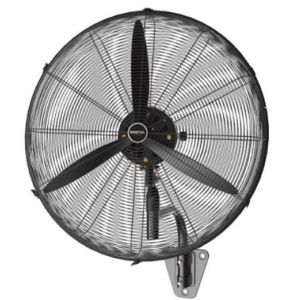
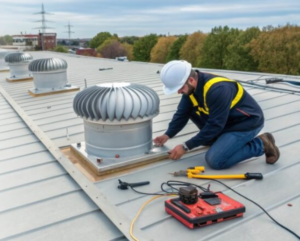
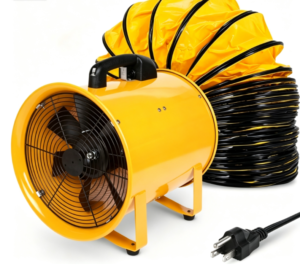
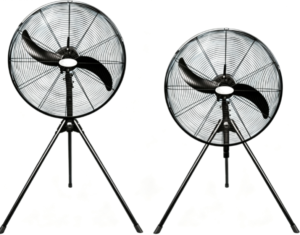
Industrial fan for Sale:


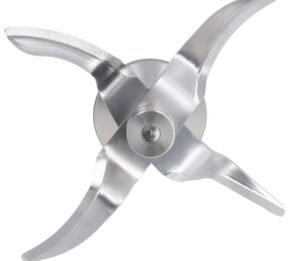
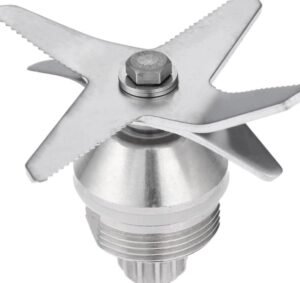
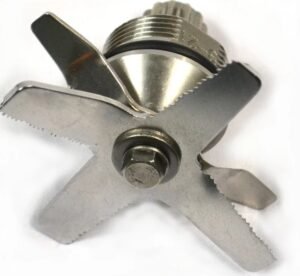
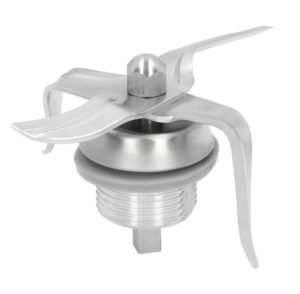
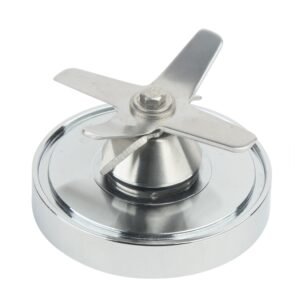
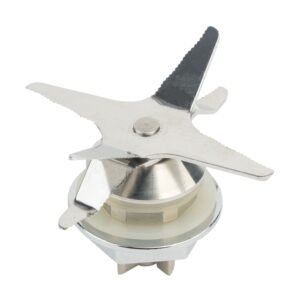
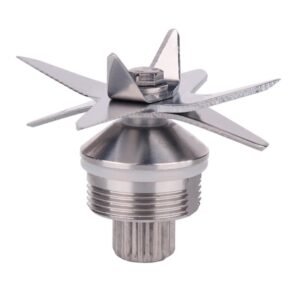
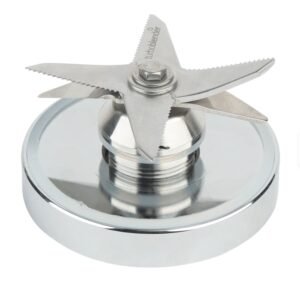
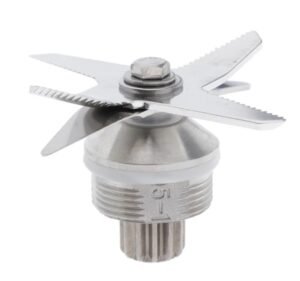
Blender Blade
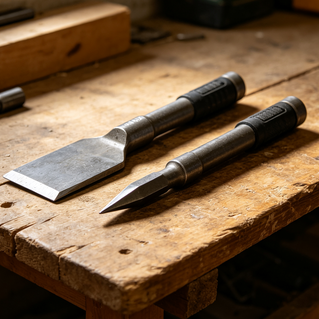
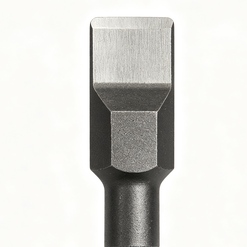
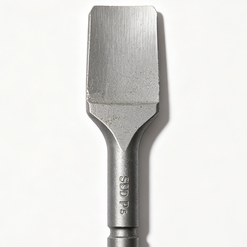
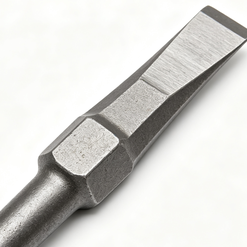
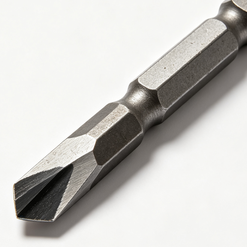
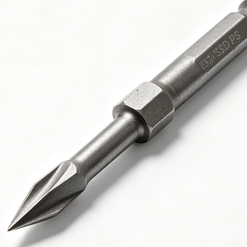
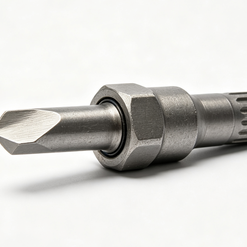
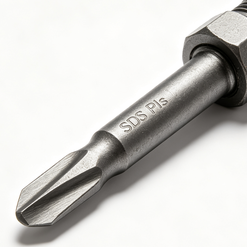
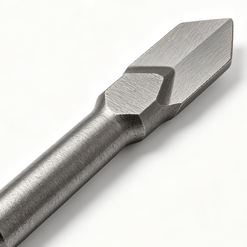
Chisel Bit for Sale
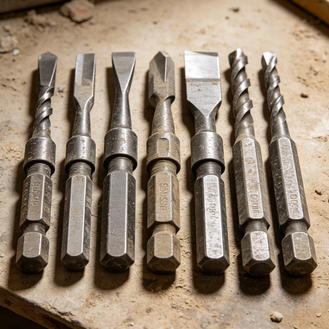
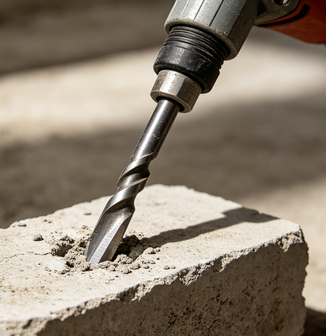
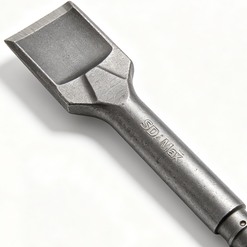
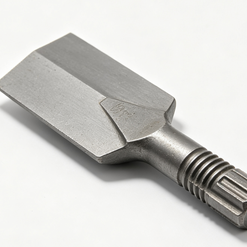
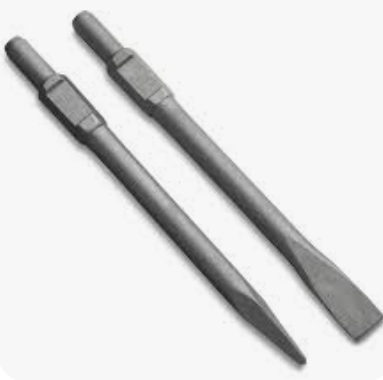
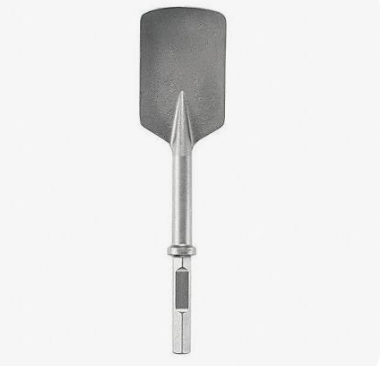
Core drill bit for Sale:
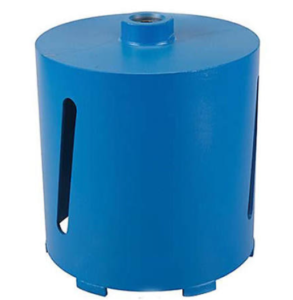
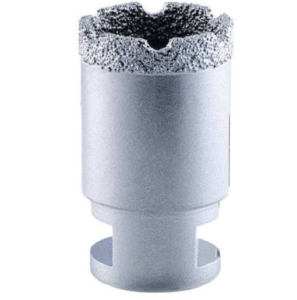
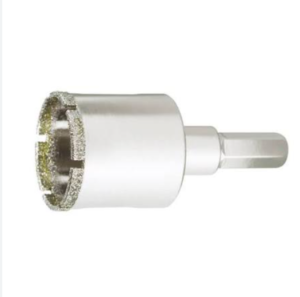
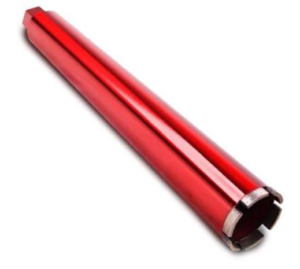
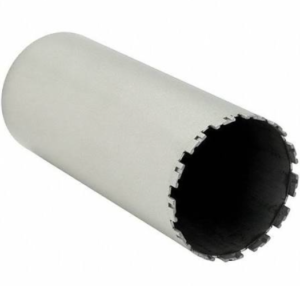
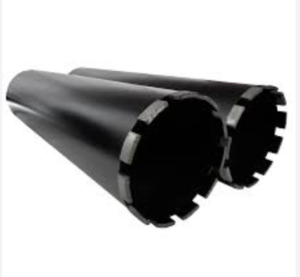
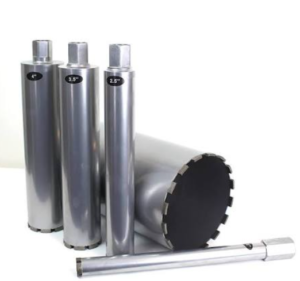
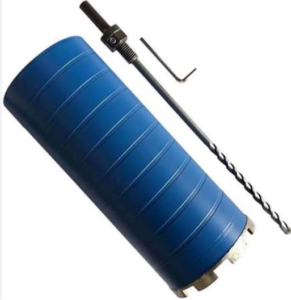
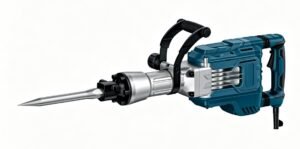
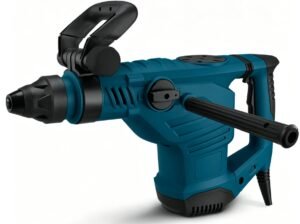
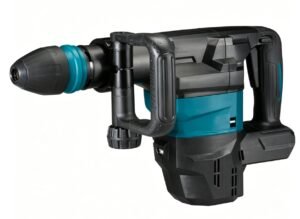
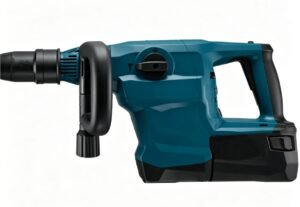
Rotary Hammer & Demolition Hammer for Sale:
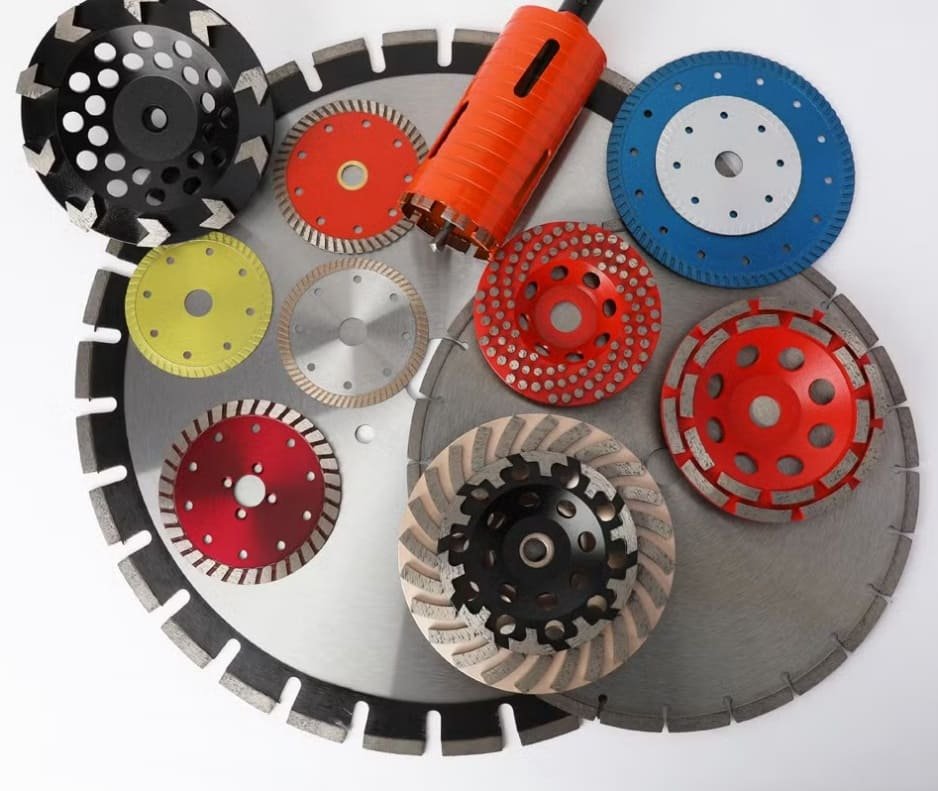
Diamond Blade

Welcome to call us
Contact Us to get quotation
Working Time: 8:00~17:00 Monday to Friday.
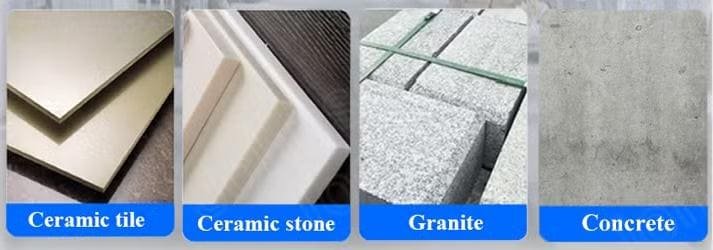
Applications:
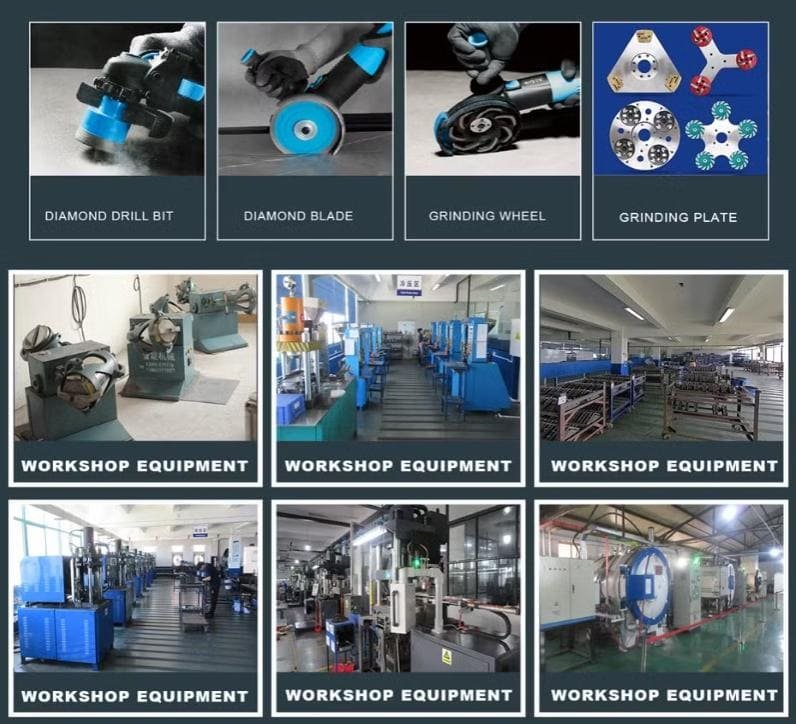
Factory:
FAQ
Welcome to call us
Contact Us to get quotation
Working Time: 8:00~17:00 Monday to Friday.
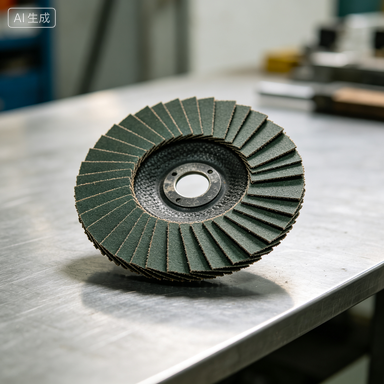
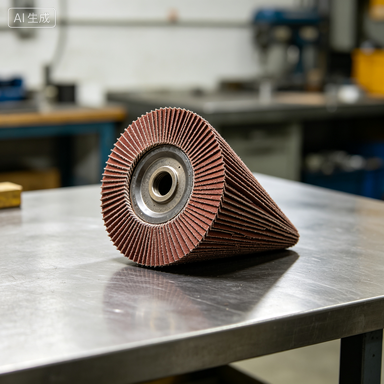
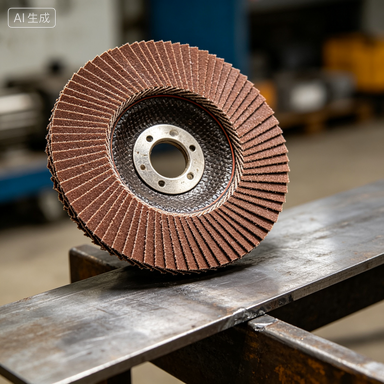
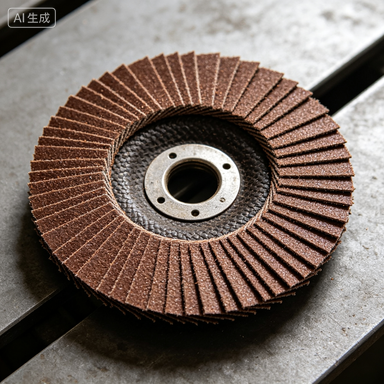
Flap Disc for Sale
Blogs:
You May also Interest in other topics:
sifter machine commercial sifter 11kw ev charger wollastonite grinding mill for refractory material vacuum capping machine
-768x447.jpeg)