Can you leave industrial fan on all night?
Can you leave industrial fan on all night?
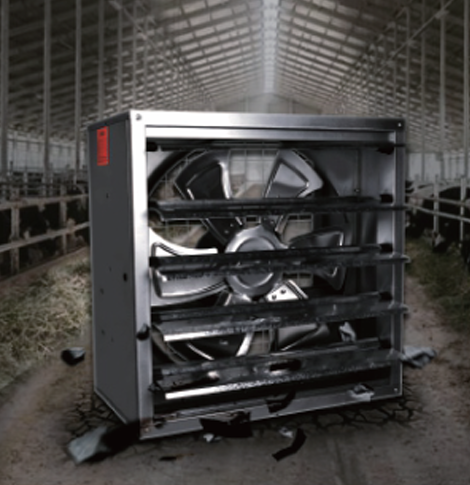
Industrial fans can safely operate overnight without absolute prohibition, as long as the equipment meets formal industrial design standards and receives proper routine maintenance and safety supervision, making all-night operation a completely feasible working mode for most standard industrial ventilation scenarios. Many factory operators and warehouse managers hold the misconception that all mechanical ventilation equipment must be shut down during unmanned nighttime hours to avoid failures or safety accidents. In fact, genuine industrial-grade fans are structurally and electrically optimized for long-duration continuous operation, which is vastly different from ordinary household fans that are only designed for intermittent use. While overnight operation is allowable, it must follow strict equipment conditions and standardized operating rules. Blind long-term standby operation without inspection and maintenance will still bring hidden risks such as component aging and electrical hazards.
What fundamental conditions make overnight continuous operation feasible for standard industrial fans?
Certified industrial fans, especially large HVLS industrial ceiling fans, are professionally engineered for long-duration continuous operation with superior heat dissipation structures that support stable overnight running without overheating failure. Unlike civilian fans that rely on simple heat dissipation and are prone to heat accumulation after several hours of continuous operation, industrial fan motors adopt enlarged heat dissipation shells, internal heat conduction structures and hollow heat dissipation channels. This industrial-grade structural design can continuously export heat generated by coil operation and mechanical friction, effectively maintaining stable internal temperature during long-term unmanned operation. Whether it is all-night ventilation in large warehouses, factory night shift ventilation or indoor humidity regulation, qualified industrial fans can maintain continuous and stable operating status without performance attenuation caused by prolonged working hours.
Qualified industrial ventilation equipment is equipped with complete active safety protection configurations, which greatly reduce the potential risks of unattended overnight operation. Formal industrial fans are universally built with thermal overload protection and automatic power-off shutdown systems. When the motor temperature rises abnormally due to accidental load changes or poor heat dissipation, the built-in temperature sensing module will automatically trigger power-off protection to stop equipment operation and avoid motor burnout. Some high-end intelligent industrial fans are also equipped with remote real-time monitoring functions, which can feed back operating temperature, current stability and equipment vibration status to the management terminal in real time. These multi-dimensional safety protection mechanisms form an effective risk barrier for unattended overnight operation, making long-time standby operation safe and reliable.
High-quality bearing systems and industrial-grade lubrication configurations provide durable mechanical support for long-term continuous operation of industrial fans, fully meeting the time requirements of overnight operation. Regular industrial fans adopt dual ball bearings or hydrodynamic bearings with high load resistance and low friction characteristics, which can effectively reduce mechanical wear during high-frequency rotation. Matched with high-temperature resistant and long-life industrial lubricating grease, the internal mechanical structure can maintain smooth operation for tens of thousands of hours of continuous full-load operation. Compared with ordinary bearings that are prone to dry friction and jamming after long-term operation, industrial-grade bearing and lubrication systems have extremely low aging rates and stable mechanical performance. Even after running through the whole night, the fan can still maintain uniform rotation, stable air volume and no abnormal noise.
The overall structural durability of industrial fans further consolidates the feasibility of overnight operation, adapting to the long-cycle operation demands of modern industrial venues. Industrial production and warehousing environments often require 24-hour air circulation to adjust indoor temperature, humidity and air quality. The overall structural strength, assembly precision and electrical stability of formal industrial fans are tested and verified according to industrial continuous operation standards. Every core component is designed with sufficient safety redundancy, which can cope with long-term uninterrupted mechanical operation and electrical work. Therefore, for standardized industrial equipment, overnight operation is within the allowable design working condition range and will not cause structural failure or performance collapse.
What potential risks will long-term overnight operation of industrial fans bring to equipment and venues?
Long-term uninterrupted overnight operation will accelerate the aging and wear of core components such as industrial fan motors and bearings, directly shortening the overall service life of the equipment. Although qualified industrial fans support continuous operation, any mechanical equipment has a fatigue limit after long-cycle operation. All-night running means that the motor coil is always in a continuous power-on heating state, and the bearings and rotating shafts are always in high-load friction operation. Long-term cumulative mechanical fatigue and thermal fatigue will gradually wear down component precision, resulting in reduced motor efficiency, unbalanced blade rotation and increased operating noise. For non-industrial modified fans or low-quality equipment that do not support 24-hour continuous working conditions, overnight operation is more likely to cause excessive internal temperature accumulation, leading to motor burnout and permanent equipment failure.
Unregulated overnight fan operation may induce electrical safety hazards, especially when the circuit load is insufficient or the line equipment is aging. Industrial fans rely on fixed circuits and sockets for long-term power supply. If the on-site wiring does not meet industrial load standards, the wire diameter is too small, or the insulating layer is aging and damaged, long-term overnight power-on operation will cause continuous heating of the circuit. This situation easily triggers circuit short circuit, electric leakage and even electrical fire accidents. In flammable and explosive scenarios such as chemical workshops, dust workshops and paint spraying venues, continuous unmanned operation will further amplify safety risks. Once electrical failure occurs, it may lead to serious safety accidents such as explosion and combustion.
Blind overnight idle operation of industrial fans will cause unnecessary cost waste and increase long-term operational power consumption expenditure of the venue. Industrial electricity prices are significantly higher than civilian electricity charges, and long-term ineffective fan operation will generate a large amount of invalid power consumption. Many enterprises keep fans running all night without actual ventilation demand, resulting in meaningless idling of equipment. This not only consumes electric energy resources in vain but also increases the operating cost burden of the factory. Long-term cumulative idle power consumption will form a huge unnecessary expenditure, reducing the overall energy-saving efficiency and economic benefits of factory operation.
Continuous overnight operation without intermittent rest will also aggravate hidden structural failures of the fan, leading to increased failure rates in the later stage. During long-term rotation, tiny dust particles will continuously invade the internal structure of the fan, and mechanical vibration will gradually loosen fixed parts. If the equipment keeps running all night without shutdown inspection and rest, minor hidden faults cannot be eliminated in time. Tiny wear and loose problems will continue to accumulate and expand, eventually evolving into abnormal vibration, blade shaking, bearing jamming and other serious faults, greatly increasing the difficulty and cost of later maintenance.
What standardized safety operating specifications should be followed for industrial fans running overnight?
Complete pre-operation inspection is the primary prerequisite for safe overnight operation of industrial fans, ensuring that all safety functions and structural parts are in normal working condition. Before allowing the fan to run unattended all night, staff must comprehensively check the key safety configurations of the equipment, including thermal protection devices, vibration induction switches and emergency stop functions, to confirm that all protection mechanisms can respond normally. At the same time, it is necessary to detect the tightness of the fan belt, the clearance range of bearings and blades, and fasten all loose structural parts. The electrical system inspection is also essential, including reinforcing all wiring interfaces, checking whether the wire insulating layer is complete and undamaged, and verifying that the equipment grounding is reliable to avoid electric leakage and poor contact during overnight operation.
Arranging reasonable intermittent rest cycles for industrial fans can effectively relieve mechanical fatigue and thermal accumulation, protecting core components and prolonging equipment service life. Although industrial fans support continuous operation, long-term non-stop high-load work will still cause cumulative loss of components. It is scientifically recommended that industrial fans stop running for about 20 minutes after 12 to 24 hours of continuous operation. The short shutdown period allows the motor to fully dissipate accumulated internal heat, relieves the continuous friction load of bearings, and eliminates mechanical fatigue of rotating components. This intermittent operation mode can effectively avoid performance attenuation and aging damage caused by long-term high-load operation, maintaining the long-term stable working performance of the fan.
Adhering to regular quarterly maintenance and daily patrol inspection is crucial to eliminating hidden dangers of overnight operation and ensuring long-term safe and stable equipment operation. Enterprises need to carry out comprehensive maintenance of the whole machine on a quarterly basis, thoroughly clean the accumulated dust on the surface of blades and motor heat dissipation holes to avoid heat dissipation blockage caused by dust coverage. It is necessary to regularly supplement and replace high-temperature lubricating grease for bearings to ensure low-friction operation of mechanical structures. During daily inspections, staff should pay close attention to abnormal noise, peculiar burning smell and structural looseness during fan operation. Once abnormal conditions are found, the equipment must be shut down immediately for maintenance, and faulty equipment is strictly prohibited from running overnight with hidden faults.
Formulating targeted night operation management rules can further standardize the unattended operation process of industrial fans and reduce comprehensive operational risks. For areas that need overnight ventilation all year round, enterprises should formulate unified fan operation plans, reasonably adjust operating speed and running time according to night temperature, humidity and personnel activity status. Unnecessary full-speed idling operation should be avoided to save electric energy. At the same time, night patrol inspection mechanisms should be matched to regularly check the operating status of ventilation equipment during unmanned periods, realizing early discovery and early disposal of hidden dangers and ensuring the safety, stability and economy of overnight fan operation.
Q&A
Q1: Is it allowed to leave industrial fans running all night unattended?
A: Yes, it is allowed. Standard industrial fans designed for continuous operation can run overnight safely with complete safety configurations and regular maintenance. Overnight operation is permitted for industrial scenarios that require long-term air circulation, as long as the equipment operates within standard working conditions without faults or circuit hidden dangers.
Q2: Why can industrial fans support all-night continuous operation while household fans cannot?
A: Industrial fans adopt professional heat dissipation structures, overload protection systems and high-strength bearing lubrication systems, which are specially designed for long-term uninterrupted operation. Household fans only support intermittent daily use and are prone to overheating damage after long-hour operation, while industrial fans have sufficient structural safety redundancy and mechanical durability to adapt to all-night unmanned working conditions.
Q3: What are the main risks of long-term overnight fan operation?
A: Unregulated overnight operation will accelerate the aging and wear of motors and bearings, shorten equipment service life, and may trigger electrical faults or fire hazards if the circuit load is insufficient or aging. In addition, blind idle operation will cause wasted power consumption and increase enterprise operating costs.
Q4: How to ensure safe and reliable overnight operation of industrial fans?
A: It is necessary to conduct comprehensive pre-operation safety inspection, maintain reasonable intermittent shutdown and heat dissipation cycles, implement regular quarterly maintenance and daily fault inspection, and formulate standardized night operation management rules to eliminate equipment hidden dangers and achieve safe and energy-saving overnight operation.
Summary
In summary, industrial fans can be safely left running all night under qualified design conditions and standardized maintenance management, and there is no absolute prohibition on overnight continuous operation. Industrial-grade heat dissipation structures, complete safety protection devices and high-quality mechanical accessories provide solid technical support for long-term unattended operation. However, blind overnight operation will bring risks such as accelerated component aging, electrical hidden dangers and increased power consumption costs. By implementing comprehensive pre-operation inspection, scientific intermittent rest mechanisms and regular maintenance patrols, enterprises can effectively avoid potential risks, realize safe, stable and energy-saving overnight operation of industrial fans, and meet the long-term ventilation and environmental regulation needs of industrial and warehousing venues.
Industrial Fan for Sale:
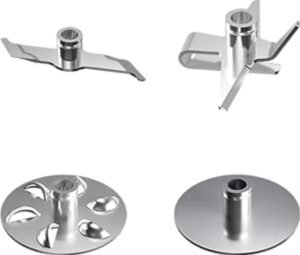
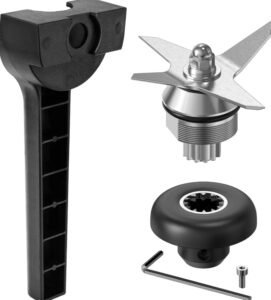
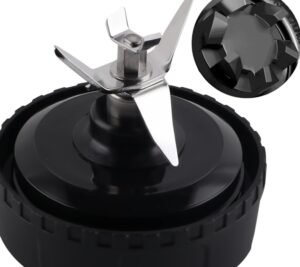
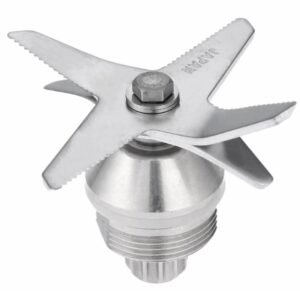
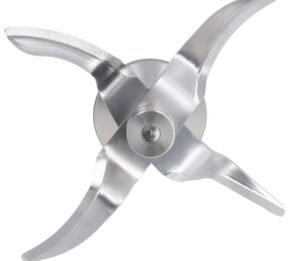
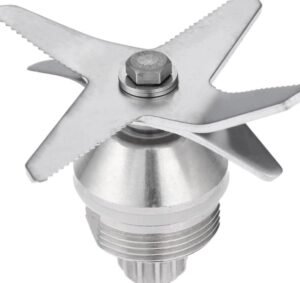
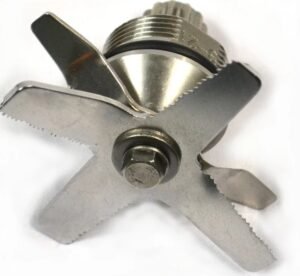
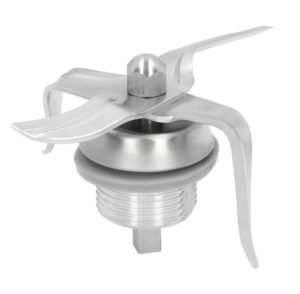
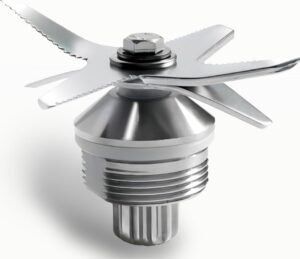
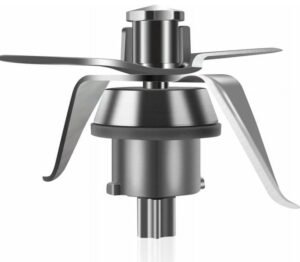
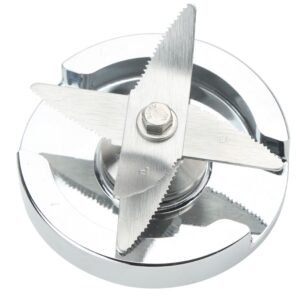
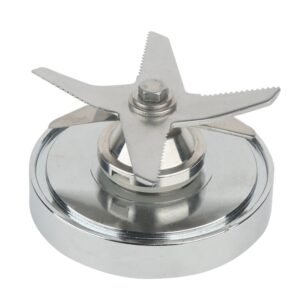
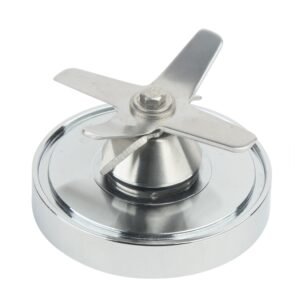
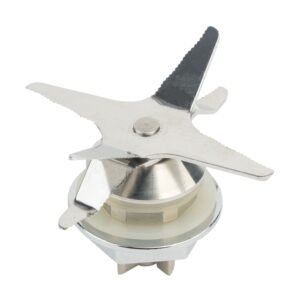
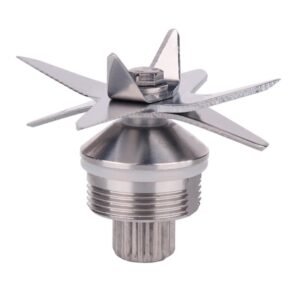
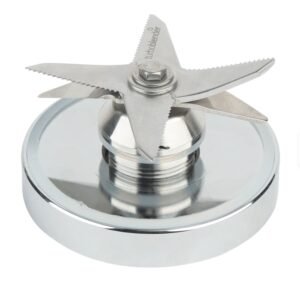
Blender Blade for Sale:
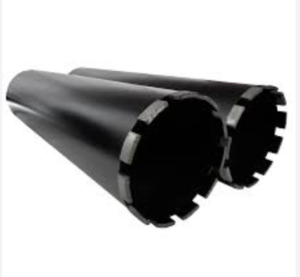
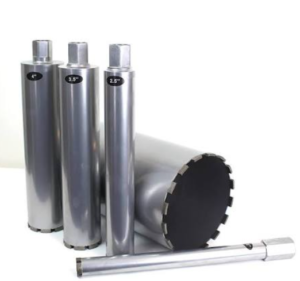
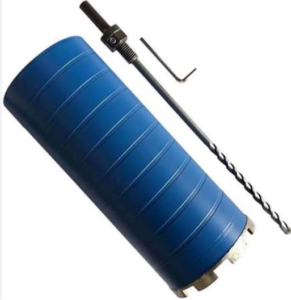
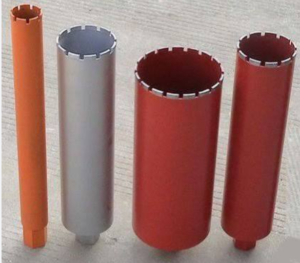
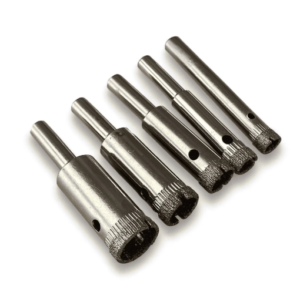
Core drill bit for Sale:
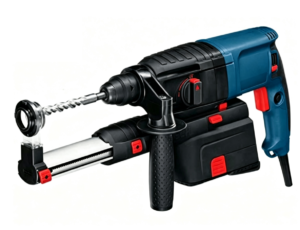
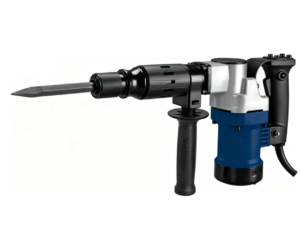
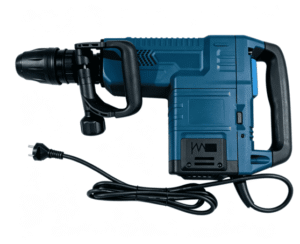
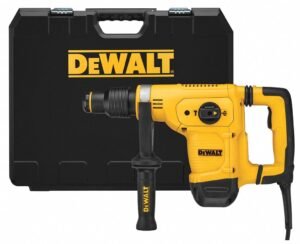
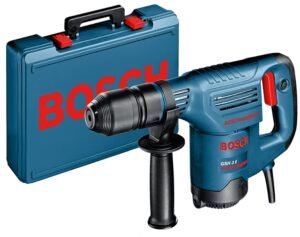
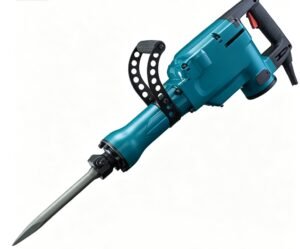
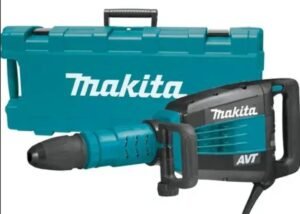
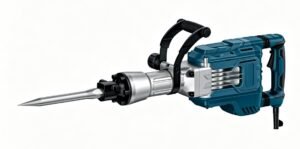
Rotary Hammer & Demolition Hammer for Sale:
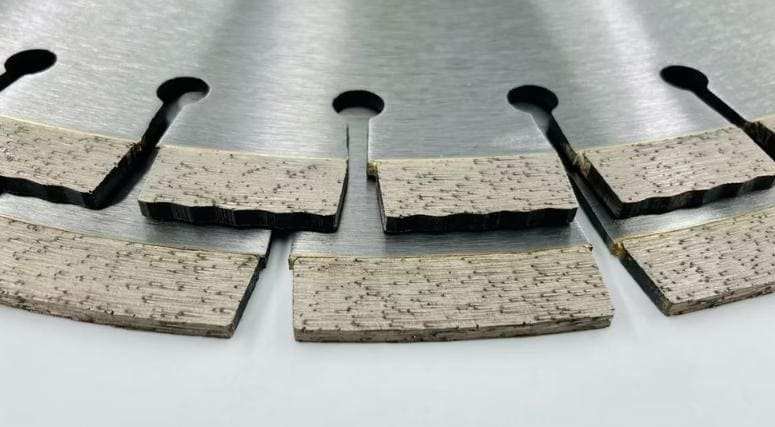
Diamond Blade

Welcome to call us
Contact Us to get quotation
Working Time: 8:00~17:00 Monday to Friday.
Applications:

Factory:
FAQ
Welcome to call us
Contact Us to get quotation
Working Time: 8:00~17:00 Monday to Friday.
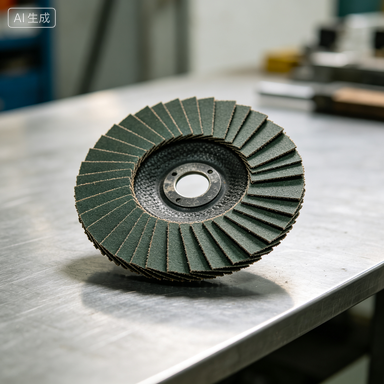
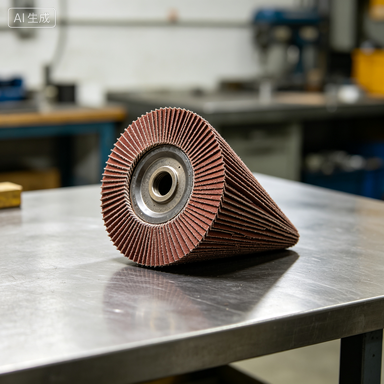
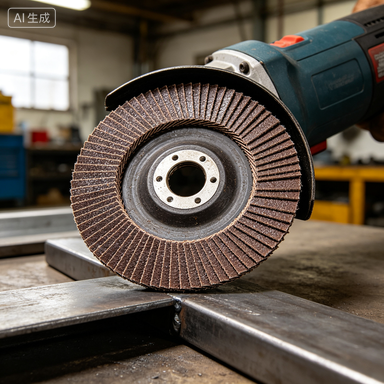
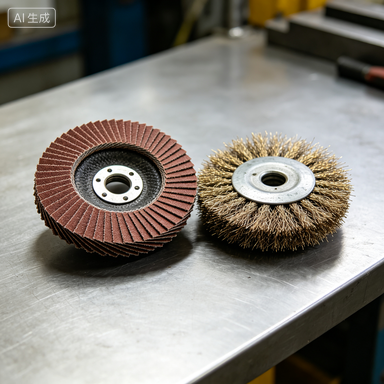
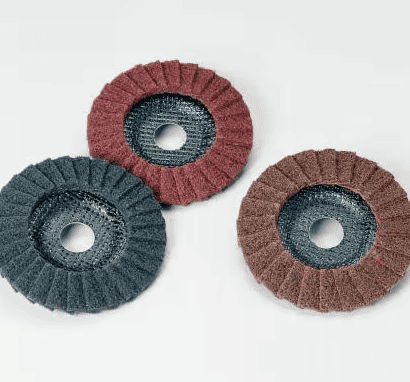
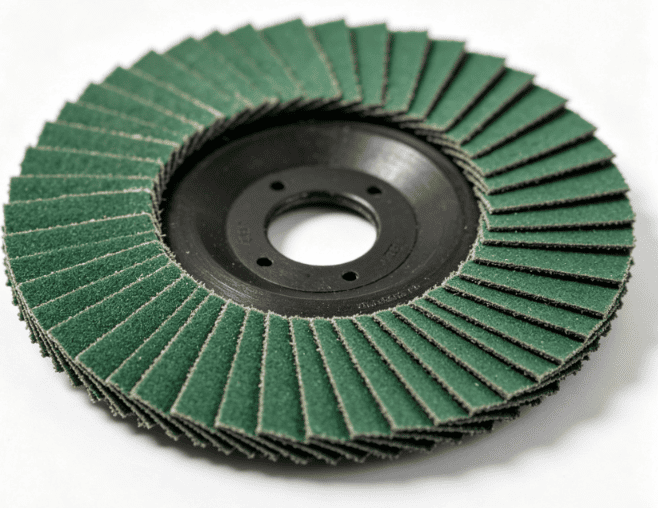
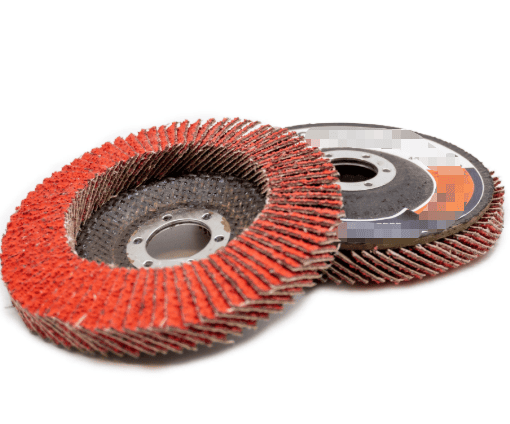
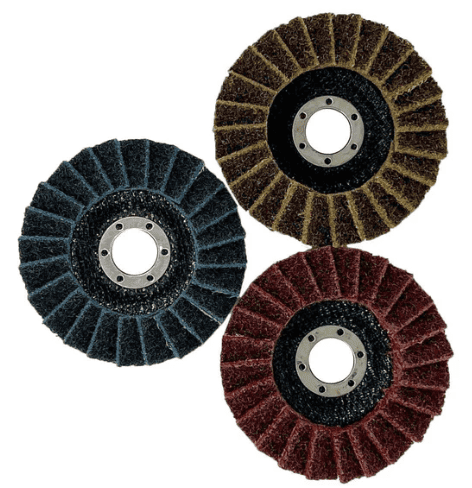
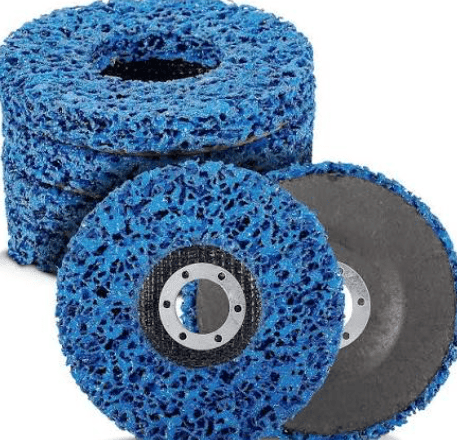
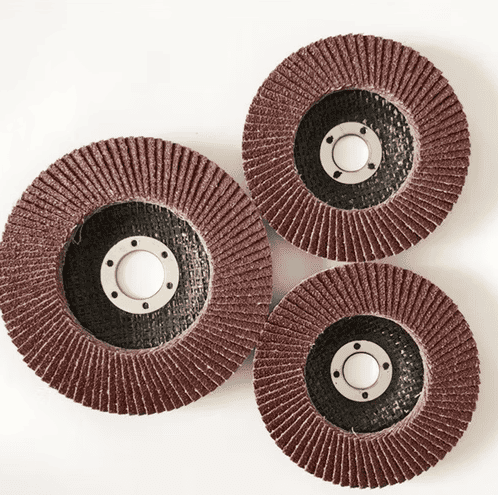
Flap Disc for Sale
Blogs:
You May also Interest in other topics:
AC EV Charger Filling and Stoppering Automatic Potato Flakes Production Line dry type barite grinding mill