Why are industrial fans so expensive?
Why are industrial fans so expensive?
Industrial fans are priced significantly higher than ordinary household fans primarily because they adopt strict industrial-grade design standards for core components, manufacturing materials, processing craftsmanship, safety configurations and full-life-cycle service value, instead of simply charging premium prices for larger physical sizes. Many buyers mistakenly believe that industrial fans are merely enlarged versions of regular domestic fans with overhyped pricing, but the substantial price gap stems from comprehensive industrial-level upgrades in every production and design link. Every structural accessory, internal component and supporting service of industrial fans is developed and manufactured to adapt to harsh long-term industrial operation conditions. The high comprehensive cost formed by multi-dimensional high-standard investment is the fundamental reason for their higher market pricing compared with ordinary civilian ventilation equipment.
Why do core internal components of industrial fans occupy a high proportion of the total cost?
Industrial fans adopt high-cost industrial-grade permanent magnet brushless synchronous motors as their core power units, whose manufacturing cost and performance standards are far ahead of low-cost brushed motors used in ordinary household fans. The mainstream industrial fan motors are built with SH-grade neodymium iron boron magnetic steel that can withstand high temperatures up to 150 degrees Celsius, paired with imported SKF bearings with ultra-high wear resistance and stability. This professional motor configuration enables industrial fans to maintain stable operation for a long time in dusty, humid and high-temperature industrial environments, with excellent environmental adaptability and anti-aging capabilities. The unit cost of a single industrial-grade motor can reach 3000 to 4000 US dollars in equivalent manufacturing cost, while ordinary household fans only adopt cheap civilian brushed motors costing merely tens of dollars, which cannot support long-duration high-load operation at all. The huge cost gap of core power components lays the basic foundation for the high pricing of industrial fans.
Professional industrial-grade variable frequency control systems further increase the overall component cost, accounting for more than 20 percent of the total manufacturing cost of a complete industrial fan unit. Different from ordinary household fans that only equip simple mechanical switch structures to control start and stop, industrial fan control systems integrate three core protection mechanisms including overload protection, overvoltage protection and overheating protection. These intelligent sensing and protection modules can monitor the fan’s operating current, voltage and temperature in real time, automatically triggering power-off protection once abnormal operating parameters occur to avoid equipment burnout and safety accidents. In addition, the industrial control system supports stepless speed regulation and multi-device IoT interconnected management, realizing unified remote scheduling and intelligent operation of multiple ventilation equipment in the factory. The integrated design of intelligent control and multi-layer safety protection greatly improves R&D and assembly costs.
The precision matching and assembly requirements of core components also push up the comprehensive component cost of industrial fans. Each motor, bearing and control module of industrial fans needs to pass strict parameter calibration and compatibility testing before assembly, ensuring zero mismatch and stable coordinated operation between parts. Ordinary household fans adopt standardized general parts with low assembly precision requirements and batch assembly without complex testing procedures. In contrast, industrial fan core components pursue high precision and high stability, requiring independent debugging and performance verification for each unit. The refined assembly and testing process consumes more labor and time costs, further increasing the overall component investment of industrial fans.
The long-term durability design of core components also leads to higher single input costs for industrial fans. All core components of industrial fans are designed with sufficient safety redundancy and fatigue resistance, targeting ten-year-level long-term continuous operation. The magnetic steel, bearings and circuit boards used have undergone strict aging tests and environmental adaptation tests to ensure stable performance without attenuation after years of high-intensity operation. Civilian fan components only meet short-term intermittent use demands, with low material standards and poor durability. The high-standard durable component configuration of industrial fans increases upfront manufacturing costs but effectively reduces later replacement and maintenance frequency.
Why do high-end materials and sophisticated manufacturing processes of industrial fans bring high cost investment?
Industrial fans adopt high-strength aviation-grade structural materials for fan blades, whose material cost and structural performance are completely different from the plastic and thin iron blades of ordinary household fans. Most industrial fan blades are integrally formed from aviation magnesium-aluminum alloy, and high-end models adopt 6063-T6 high-grade aviation aluminum materials with ultra-high structural toughness and strength. These professional aviation-grade materials have passed 150,000 fatigue tests without deformation or cracking, maintaining stable structural integrity under long-term high-load rotation. Meanwhile, the blade surface is treated with professional anti-corrosion and anti-rust coatings, which can resist erosion from humid, dusty and chemically corrosive industrial environments. The comprehensive performance and material cost of these industrial-specific materials are far higher than ordinary low-cost civilian materials.
The super-large size of industrial fan blades brings extremely high manufacturing difficulty and precision processing costs, which is another key factor for increased process costs. The blade diameter of standard industrial fans can reach 4 to 8 meters, covering a super-large ventilation area that small household fans cannot match. The production and processing of such oversized parts require exclusive large-scale processing equipment and customized production molds, generating high mold opening and equipment operation costs. In addition, the material consumption of single oversized blades is several times that of ordinary fan blades, directly increasing raw material input costs. Ordinary household fans have small blade sizes, mature standardized production processes and mass production scale advantages, which can effectively dilute unit production costs, forming a clear cost gap with large industrial fans.
Industrial fans require high-precision dynamic balance calibration during the manufacturing process, greatly improving process difficulty and testing costs. Oversized fan blades are prone to unbalanced gravity and structural deviation during production and molding. If the calibration precision is insufficient, the fan will produce severe vibration, loud noise and unstable air volume during operation, seriously affecting equipment stability and service life. Therefore, every industrial fan blade needs to undergo professional dynamic balance testing and fine correction after molding to ensure uniform stress and stable rotation of the whole blade. This high-precision calibration process is not required for ordinary household fan production, adding exclusive testing and process labor costs for industrial fans.
The overall integrated molding and surface finishing process of industrial fans further increases process investment. Industrial fan structural parts adopt integrated stamping and integral molding processes to avoid structural looseness and deformation caused by split assembly. Multiple surface treatments such as anti-corrosion, oxidation resistance and dust-proof polishing are carried out after molding to adapt to harsh industrial working conditions. Multiple refined process procedures ensure the structural stability and environmental adaptability of industrial fans, but also bring higher production and processing costs compared with the simple manufacturing process of ordinary fans.
How do industrial-grade safety configurations and compliance certification costs raise fan pricing?
Industrial fans are equipped with more than five layers of passive safety protection structures, and the R&D and manufacturing of multiple safety devices significantly increase the overall equipment cost. Different from ordinary household fans with almost no additional safety configurations, industrial fans, as high-altitude suspended operating equipment, are equipped with professional steel wire anti-falling structures, tenon-and-mortise anti-breakage blade structures and annular protective nets. These multi-dimensional safety protection designs can effectively prevent component falling and blade fracture accidents during high-altitude high-speed operation, ensuring the personal safety of on-site staff. Each safety structure needs independent structural design, mold development and processing and assembly, bringing a large amount of additional R&D and production costs, which are fully included in the final product pricing.
Formal industrial fans need to invest a lot in industry qualification certification and compliance testing, forming invisible cost expenditure that civilian fans do not have. Regular industrial fan manufacturers must pass ISO9001 formal quality system certification to ensure standardized product production and quality control. At the same time, products need to obtain high-level IP55 and IP56 dust-proof and waterproof protection grade certifications to prove their adaptability to harsh industrial environments. For explosion-proof industrial fans used in special flammable and explosive scenarios, additional professional explosion-proof qualification certification is required. All certification tests, professional inspections and qualification reviews require long-term cycle investment and fund expenditure, and these compliance costs are reasonably reflected in the market pricing of industrial fans.
The safety redundancy design of industrial fans further increases manufacturing costs but guarantees long-term operational safety. All safety structural parts of industrial fans are designed with oversized safety redundancy, exceeding the actual load demand of conventional operation. The anti-falling steel cables, fixed brackets and protective nets are all manufactured with upgraded materials and thickened structures to resist accidental impact, vibration and extreme working conditions. This excessive safety design abandons the cost-saving design concept of ordinary civilian products, prioritizing equipment operational safety over low-cost manufacturing, which further widens the price gap between industrial fans and household fans.
Strict factory safety testing and sampling inspection mechanisms also increase the compliance cost of industrial fans. Every batch of industrial fans needs to pass factory safety performance tests including load-bearing tests, vibration fatigue tests and high-temperature operation tests before leaving the factory. Unqualified products are eliminated in full batches to ensure that all delivered equipment meets industrial safety standards. Ordinary household fans only need simple appearance and function tests, without complex safety performance detection links. Strict industrial safety inspection standards increase labor and time costs for product quality control.
What full-life-cycle service and long-term value advantages make industrial fans worth the high price?
The pricing of industrial fans includes a complete set of professional supporting services that ordinary household fans do not provide at all, bringing high service cost investment for manufacturers. The quotation of formal industrial fans covers whole-process services including on-site venue survey, personalized ventilation scheme customization, professional door-to-door installation and commissioning, long-term whole-machine quality assurance of more than three years and regular on-site safety inspection and maintenance. The whole service process requires professional engineering teams to participate in door-to-door work, consuming a lot of labor and time costs. In contrast, ordinary household fans only provide simple after-sales warranty, without professional installation, scheme design and regular inspection services, with almost no additional service cost investment.
Industrial fans have ultra-long service life and excellent long-term cost performance, and their high initial price is offset by low full-life-cycle operating costs. The normal service life of qualified industrial fans can reach more than 10 years of stable operation, far exceeding the 2 to 3-year service life of ordinary household fans. A single industrial fan can cover an effective ventilation area of 1000 square meters, replacing dozens of small household fans. In the long-term operation process, enterprises can reduce 60% of annual average equipment purchase and replacement costs, avoiding frequent equipment renewal and repeated investment caused by short service life of civilian fans.
Industrial fans have outstanding energy-saving benefits, enabling users to recover initial equipment investment through power saving in a short period of 1 to 2 years. Industrial fans adopt high-efficiency permanent magnet motors and low-speed large-air-volume design, with extremely low unit power consumption and high ventilation efficiency. They can effectively replace high-power air conditioners and multiple small fans for ventilation and cooling, greatly reducing daily industrial power consumption. Long-term energy-saving operation can create continuous economic benefits for enterprises, making the comprehensive long-term cost of industrial fans far lower than the cumulative cost of ordinary low-price fans.
The personalized customization and scene adaptation value of industrial fans also reflects their high comprehensive value. For special industrial scenes such as high corrosion, high dust and explosion-proof environments, industrial fans can adjust materials, structures and protection configurations according to working conditions to meet personalized ventilation demands. Ordinary household fans have single fixed structure and cannot adapt to complex industrial working conditions. The flexible customized design capability of industrial fans solves the ventilation pain points of special scenarios, providing irreplaceable practical value for industrial production and operation.
Q&A
Q1: Why are industrial fans much more expensive than ordinary household fans?
A: The high price of industrial fans does not come from simple size amplification, but from comprehensive industrial-grade upgrades in high-cost core components, aviation-grade materials and sophisticated craftsmanship, multi-layer safety protection and compliance certification, as well as complete professional after-sales services and ultra-long life-cycle value. Every link adopts high-standard industrial design and manufacturing, resulting in higher comprehensive costs than ordinary civilian fans.
Q2: What core components push up the cost of industrial fans the most?
A: The industrial-grade permanent magnet brushless synchronous motor and intelligent variable frequency control system are the main cost sources. High-temperature resistant magnetic steel, imported high-precision bearings and three-fold electric protection structures greatly improve equipment performance and stability, while the intelligent IoT control function also increases R&D and assembly costs, far exceeding the cost of simple mechanical structures of household fans.
Q3: How do materials and manufacturing processes affect industrial fan pricing?
A: Industrial fans adopt expensive aviation-grade magnesium-aluminum alloy materials and anti-corrosion coatings, with super-large blade sizes requiring high-precision dynamic balance calibration and integrated molding processes. The high-standard material selection, large material consumption and sophisticated processing and testing procedures greatly increase production difficulty and unit manufacturing cost.
Q4: Is it worthwhile to invest in expensive industrial fans in the long run?
A: It is absolutely worthwhile. Although industrial fans have a high one-time purchase cost, they have a service life of more than 10 years, ultra-low annual average use cost and significant energy-saving effects. They can recover the initial investment in 1 to 2 years, and are equipped with complete safety configurations and professional after-sales services, with far lower comprehensive life-cycle cost than ordinary low-price household fans.
Summary
In summary, the high pricing of industrial fans is a reasonable reflection of their industrial-grade comprehensive strength, rather than excessive market premium caused by larger appearance size. High-cost industrial-grade motors and intelligent control systems form the core cost foundation of the equipment. High-end aviation materials, sophisticated super-large-size processing technology and high-precision calibration processes improve manufacturing thresholds and material investment. Multi-layer passive safety protection structures and industry compliance certification bring additional safety and quality costs. Complete professional supporting services and ultra-long low-consumption life-cycle value ensure excellent long-term cost performance. For industrial and commercial venues pursuing safe, stable and energy-saving long-term operation, high-priced industrial fans are high-value practical equipment with comprehensive advantages that ordinary household fans cannot replace.
Industrial Fan for Sale:
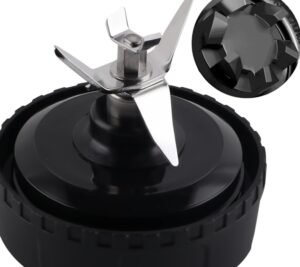
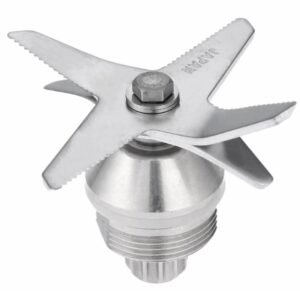
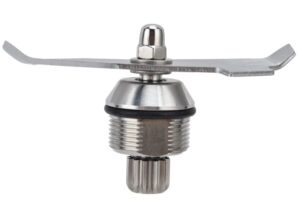
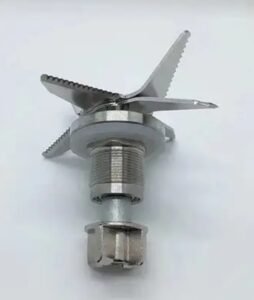
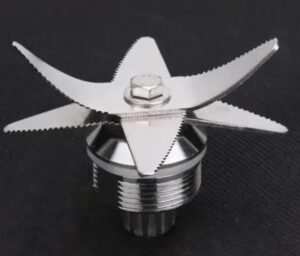
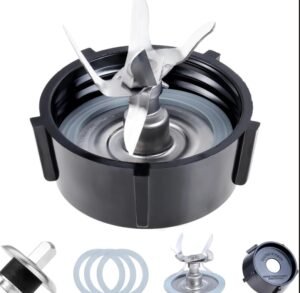
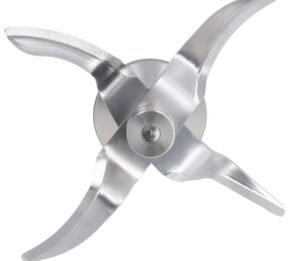
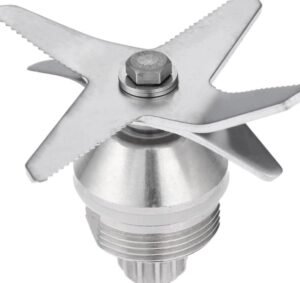
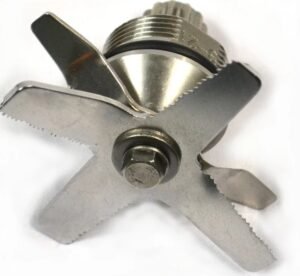
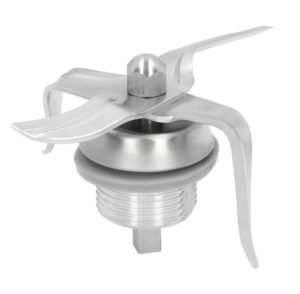
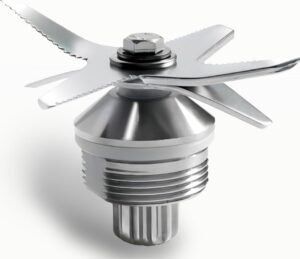
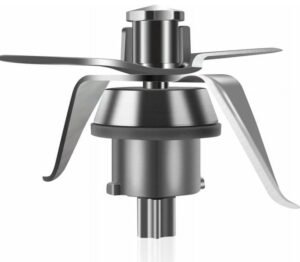
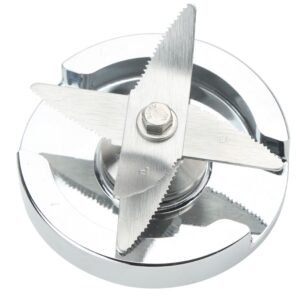
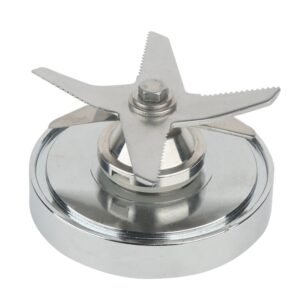
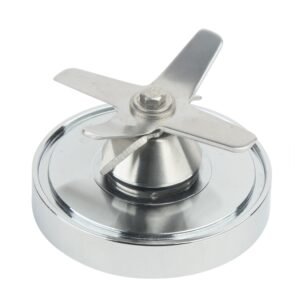
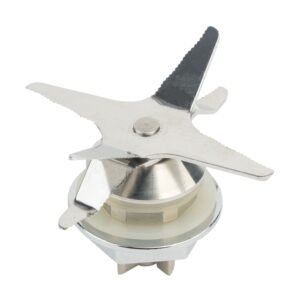
Blender Blade for Sale:
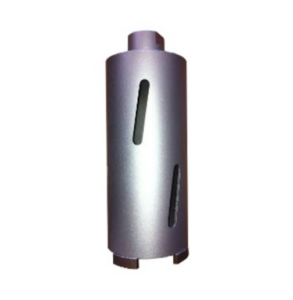
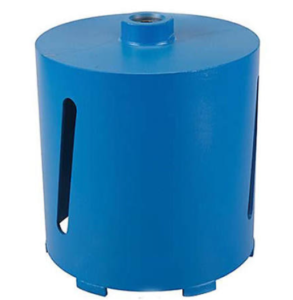
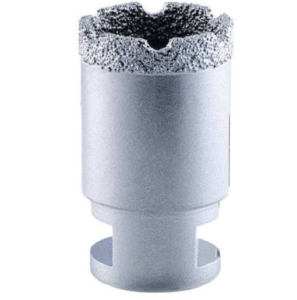
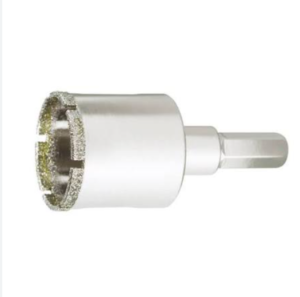
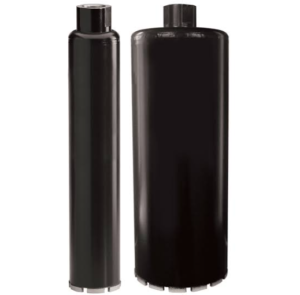
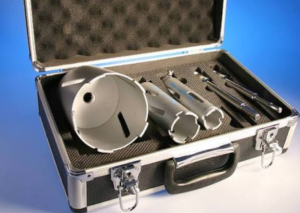
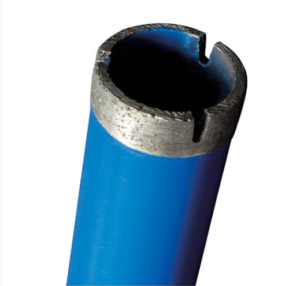
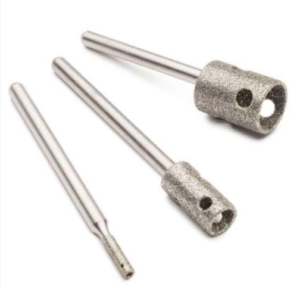
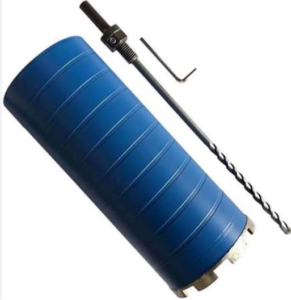
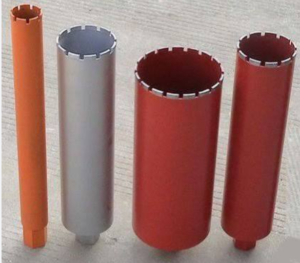
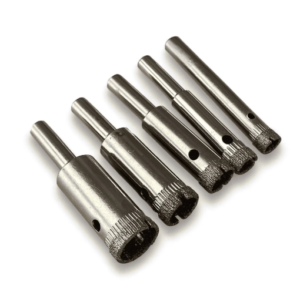
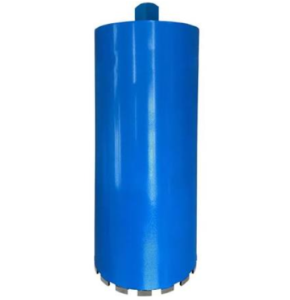
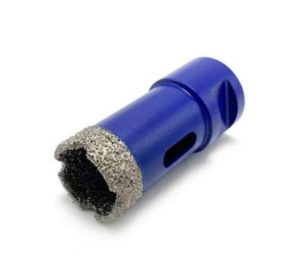
Core drill bit for Sale:
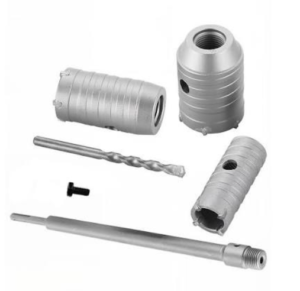
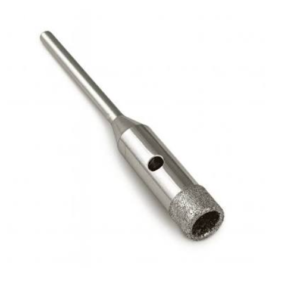
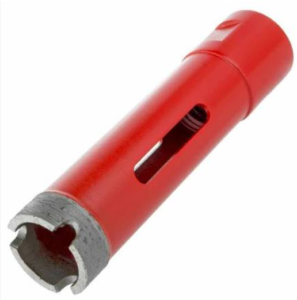
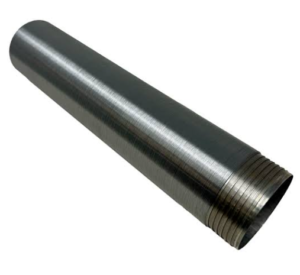
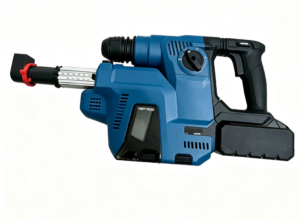
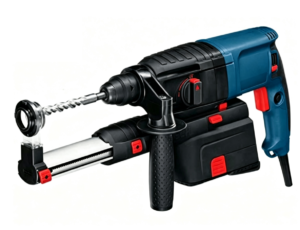
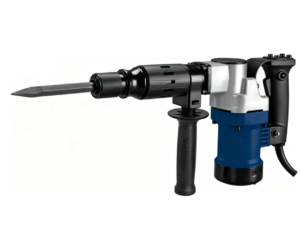
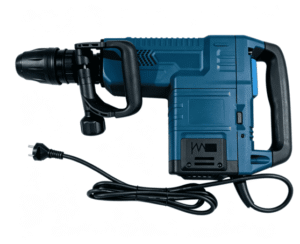
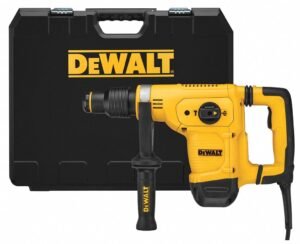
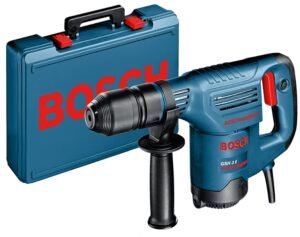
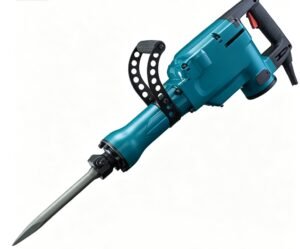
Rotary Hammer & Demolition Hammer for Sale:

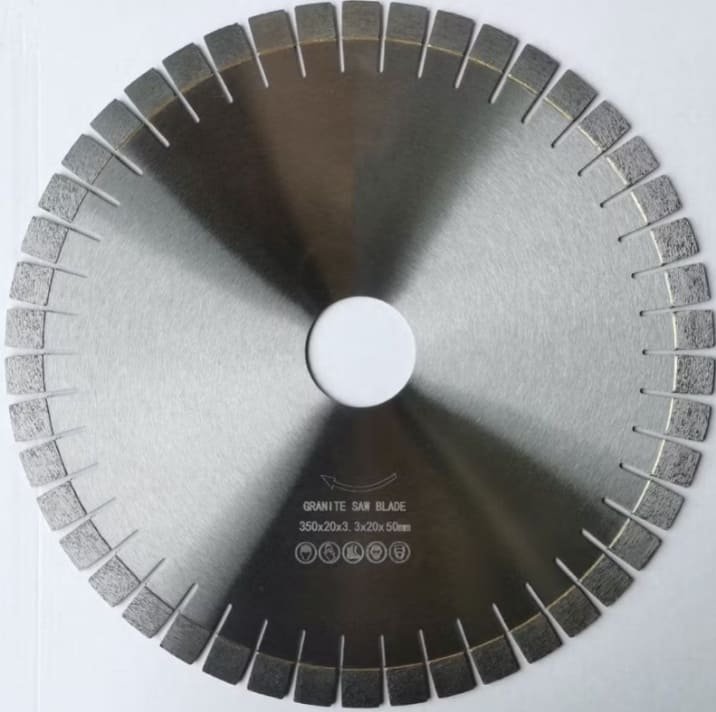
Diamond Blade

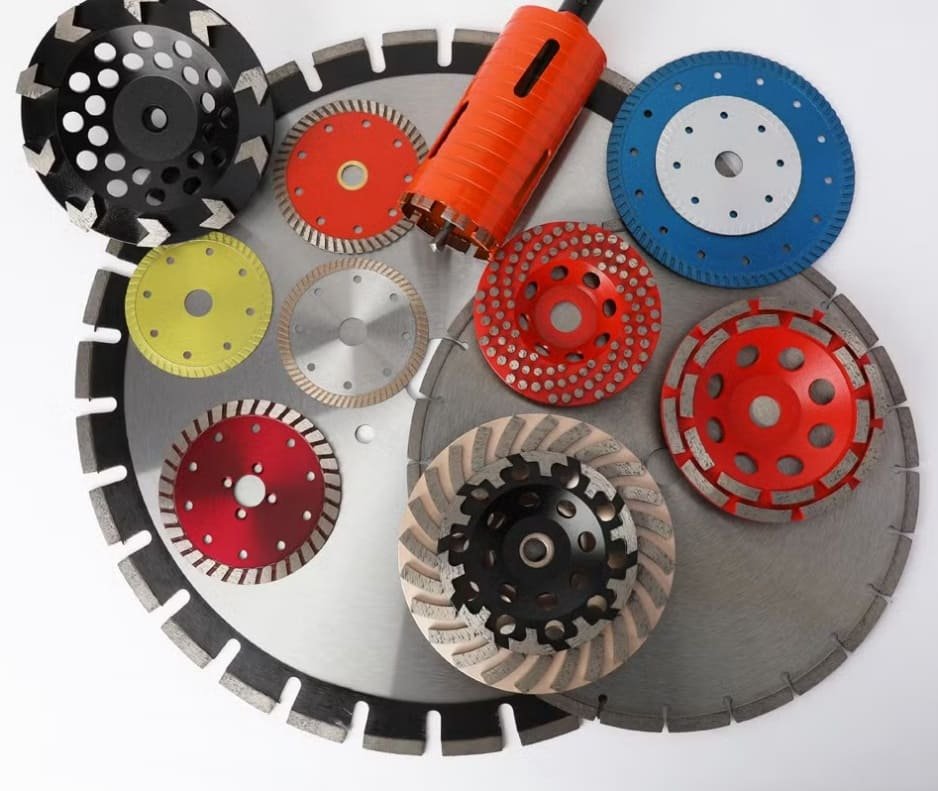
Welcome to call us
Contact Us to get quotation
Working Time: 8:00~17:00 Monday to Friday.
Applications:
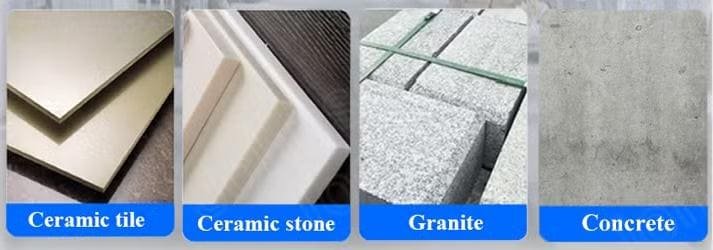
Factory:
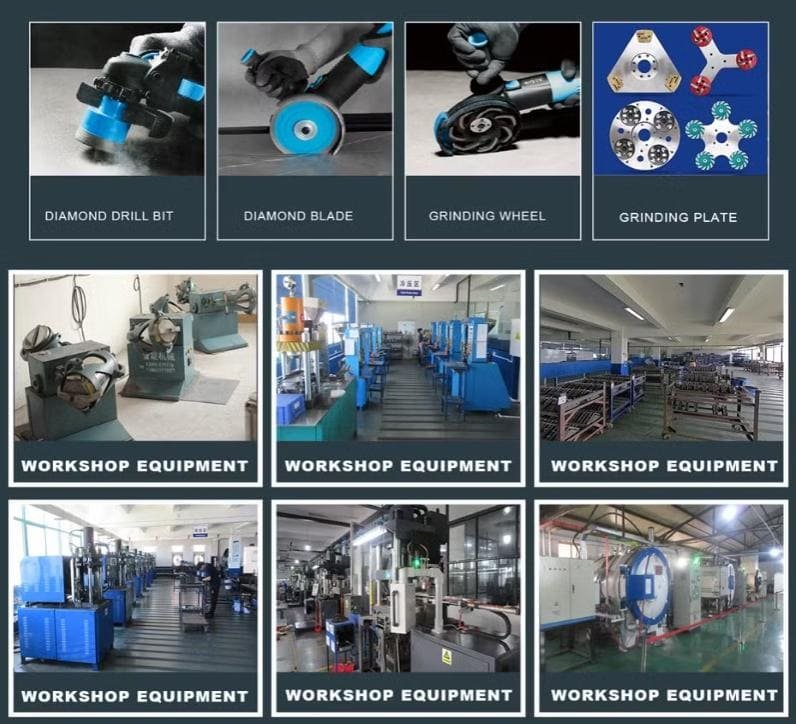
FAQ
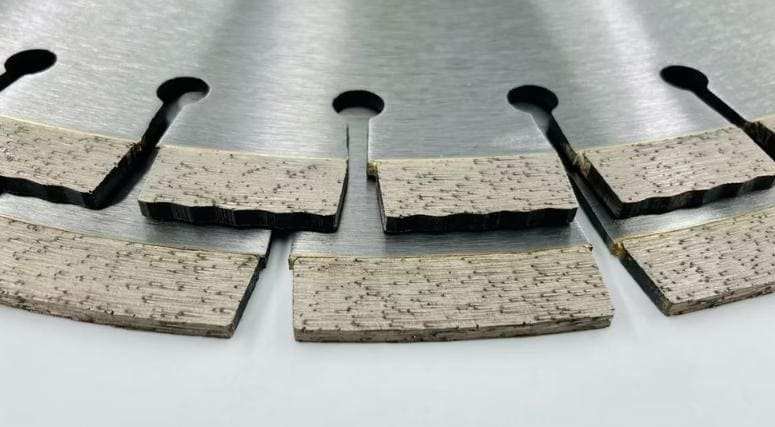
Welcome to call us
Contact Us to get quotation
Working Time: 8:00~17:00 Monday to Friday.
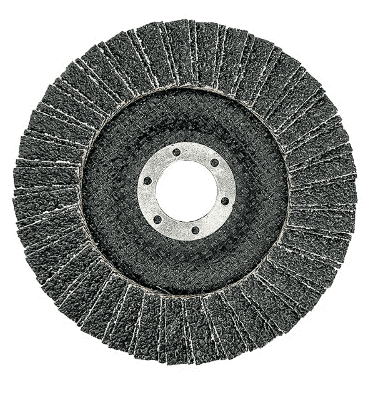
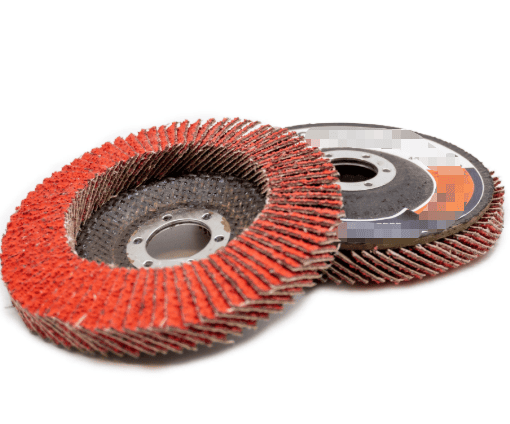
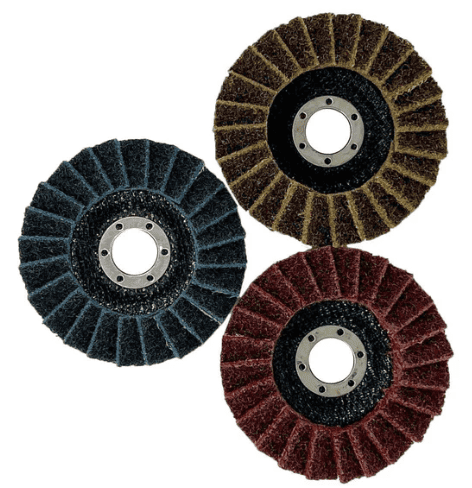
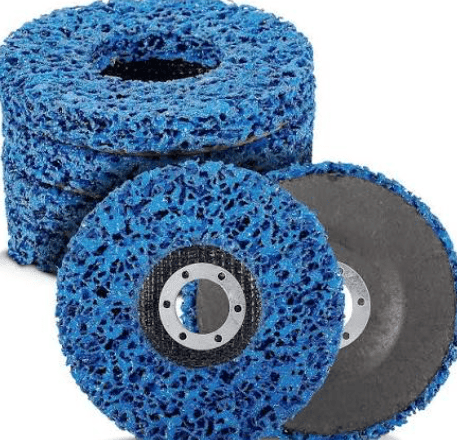
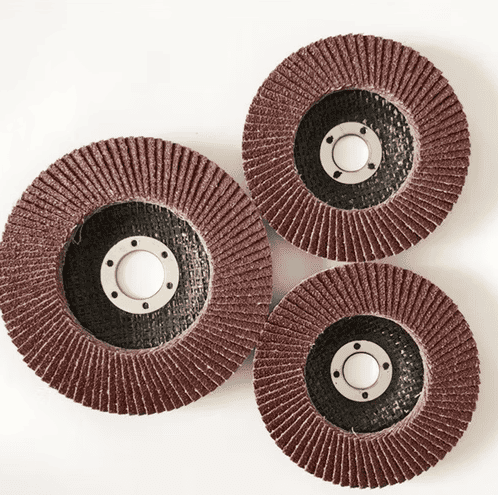
Flap Disc for Sale

Blogs:
You May also Interest in other topics:
Filling and Stoppering Automatic Potato Flakes Production Line wet type graphite grinding mill DC EV Charger

-768x443.jpeg)