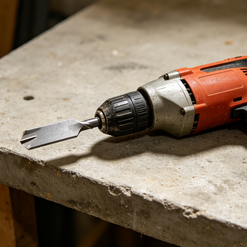
flap disc vs grinding wheel for sharpening mower blades
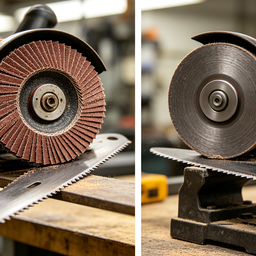
Flap disc vs grinding wheel for sharpening mower blades
Flap disc vs grinding wheel for sharpening mower blades, which should i choose? Picking the right abrasive tool for sharpening mower blades doesn’t just make the job easier—it directly impacts how long your blades last, how clean your lawn looks, and how safe you are while working. Grinding wheels remove material fast, but they’re way more likely to overheat the blade or leave you with a lopsided edge. Flap discs, on the other hand, give you a smoother, more controlled finish with way less heat buildup, which makes them perfect for regular sharpening runs. At the end of the day, the best pick depends on how comfortable you are with the tools, how beat up your blades are, and how precise you need the edge to be.
A lot of people don’t realize how much of a difference this choice makes for your mower’s actual performance. A badly sharpened blade with rounded edges or an uneven bevel won’t cut grass—it’ll tear it. That leaves you with brown, splotchy lawns and forces your mower engine to work harder, which burns more gas for no reason. Both tools have their place, but knowing how they differ will keep you from ruining perfectly good blades and ending up with garbage results.
Core Working Principles
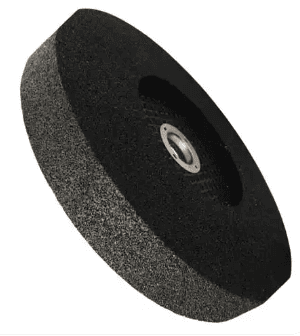
Grinding wheels are made of bonded abrasive grains (usually aluminum oxide) fused into a solid, rigid block. When you run them at the high speeds most bench grinders hit (5,000 to 8,000 RPM), the exposed sharp edges of the grains shear material off the blade. As the wheel wears down, old dull grains fracture to reveal fresh sharp ones underneath. That rigid structure makes them super aggressive at removing material, which is exactly what you want if you’re fixing a blade that’s chewed up from hitting rocks, roots, or other hard junk.
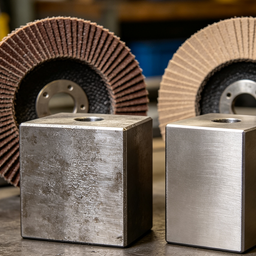
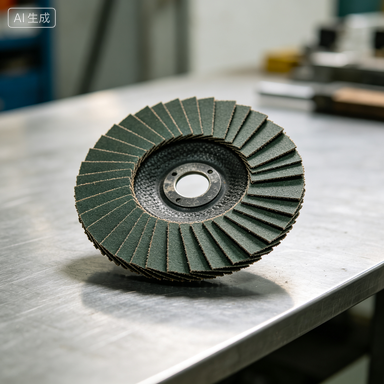
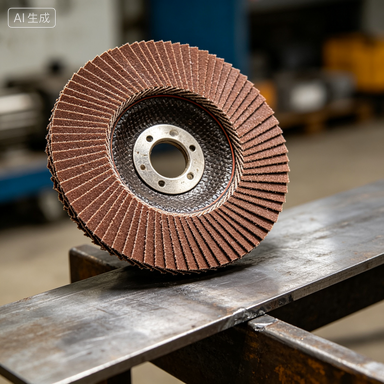
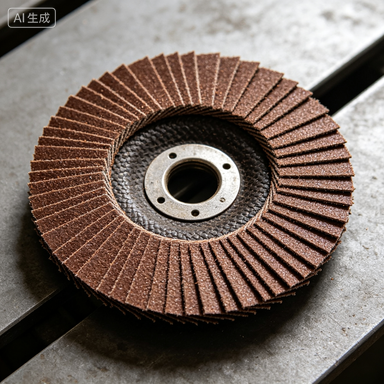
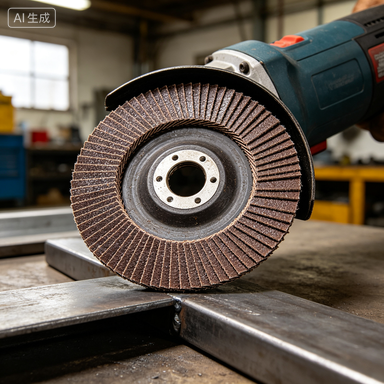
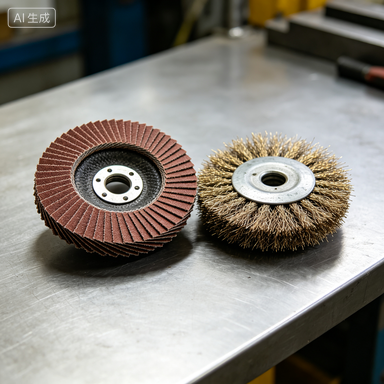
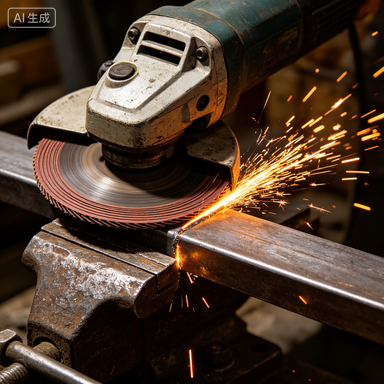
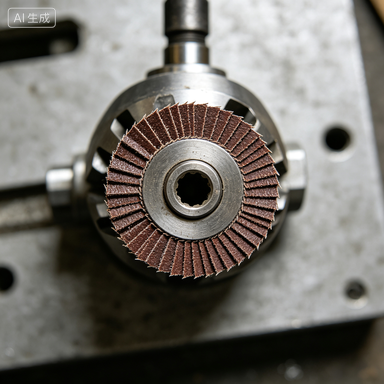
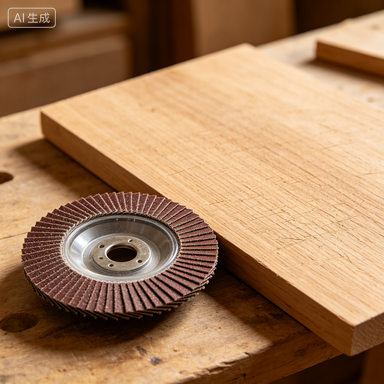
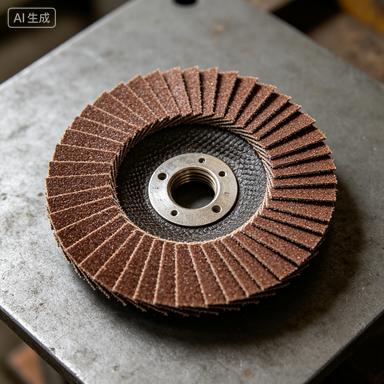
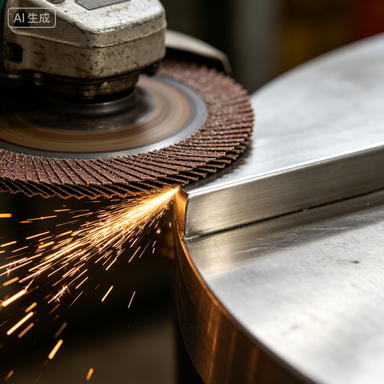
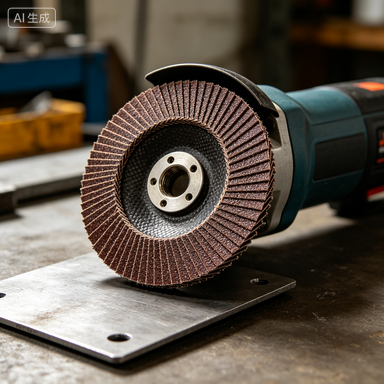
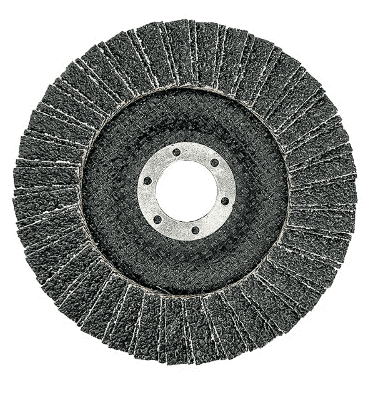
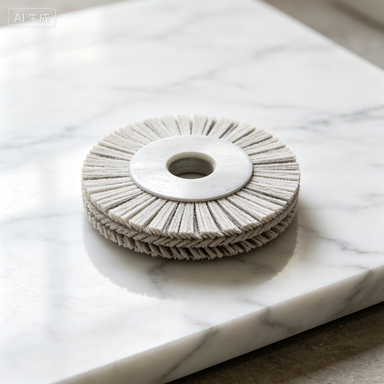
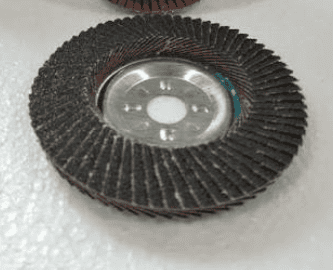
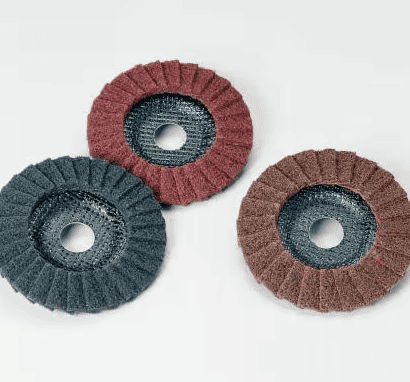
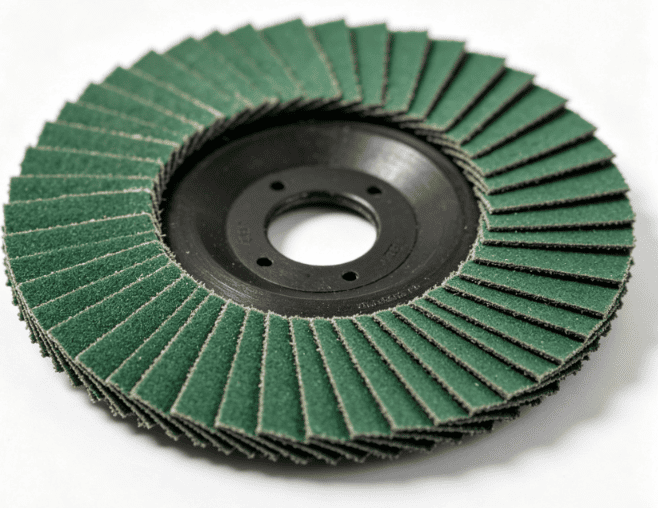
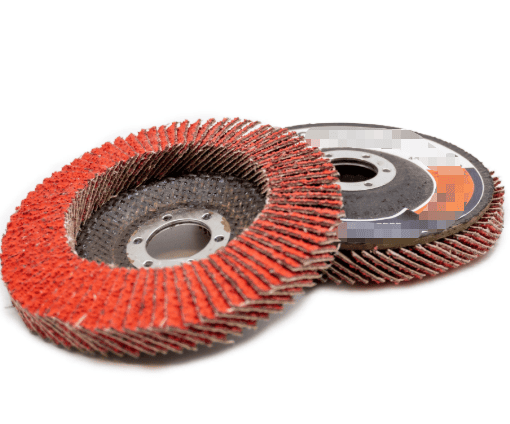
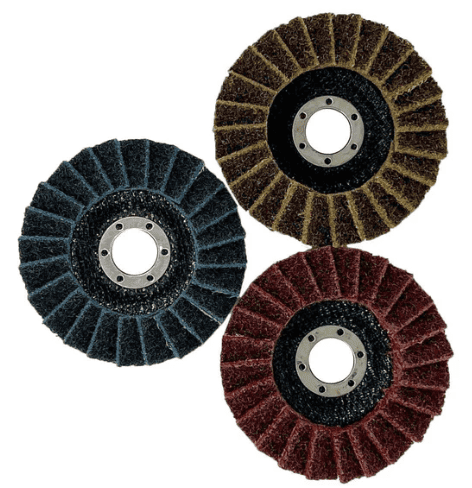
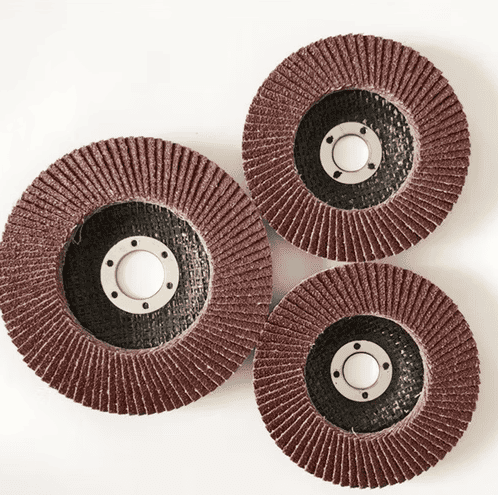
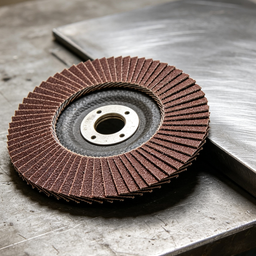
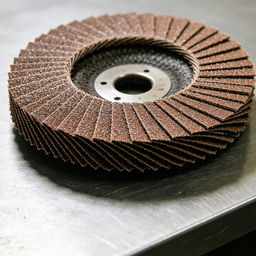
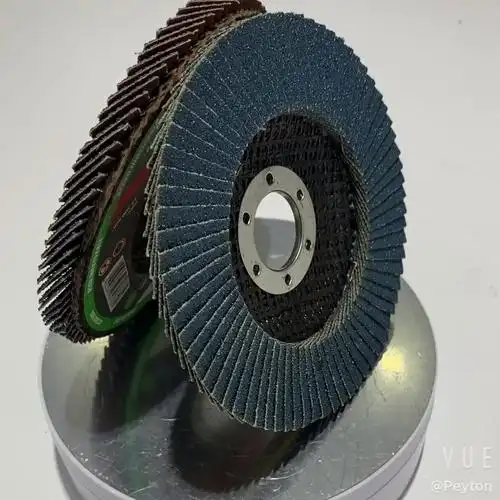
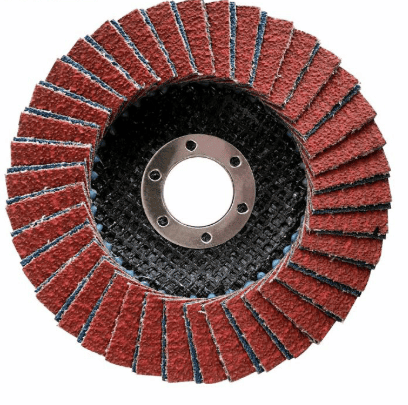
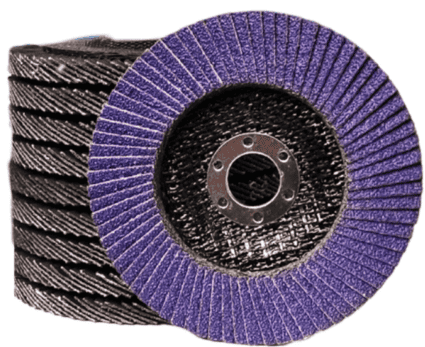
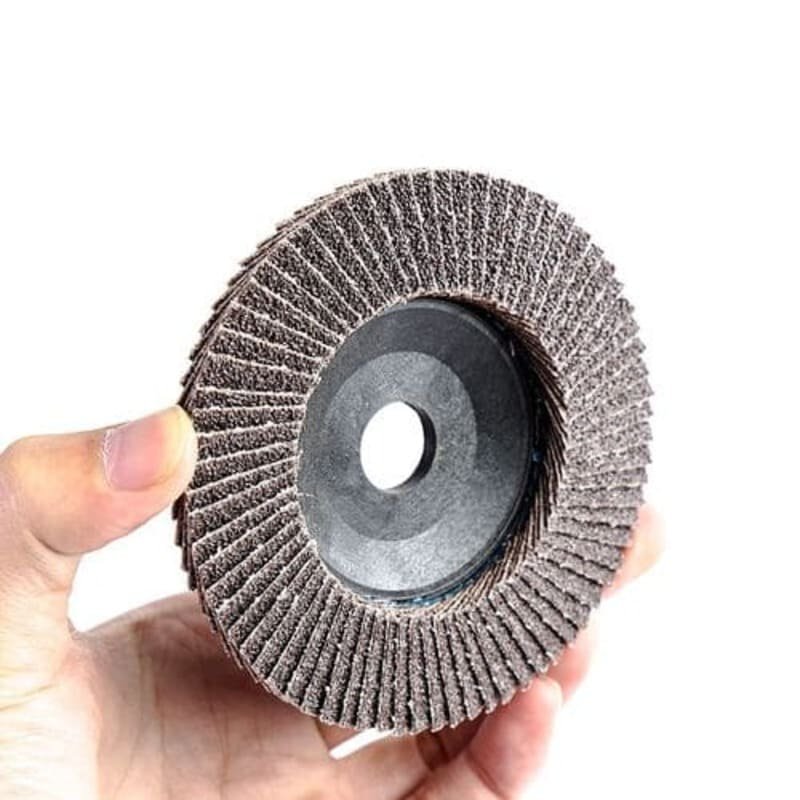
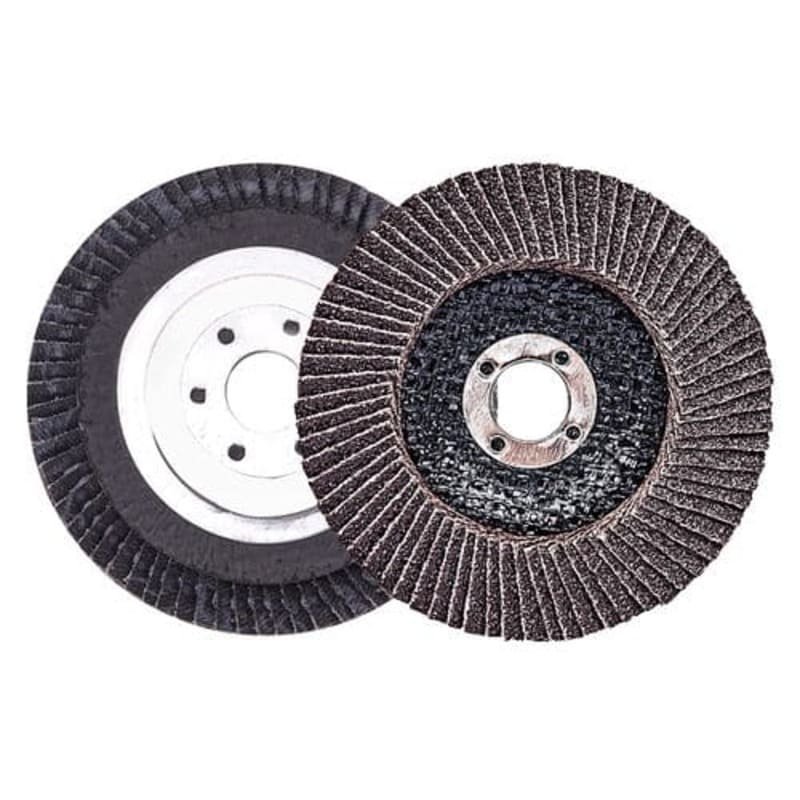
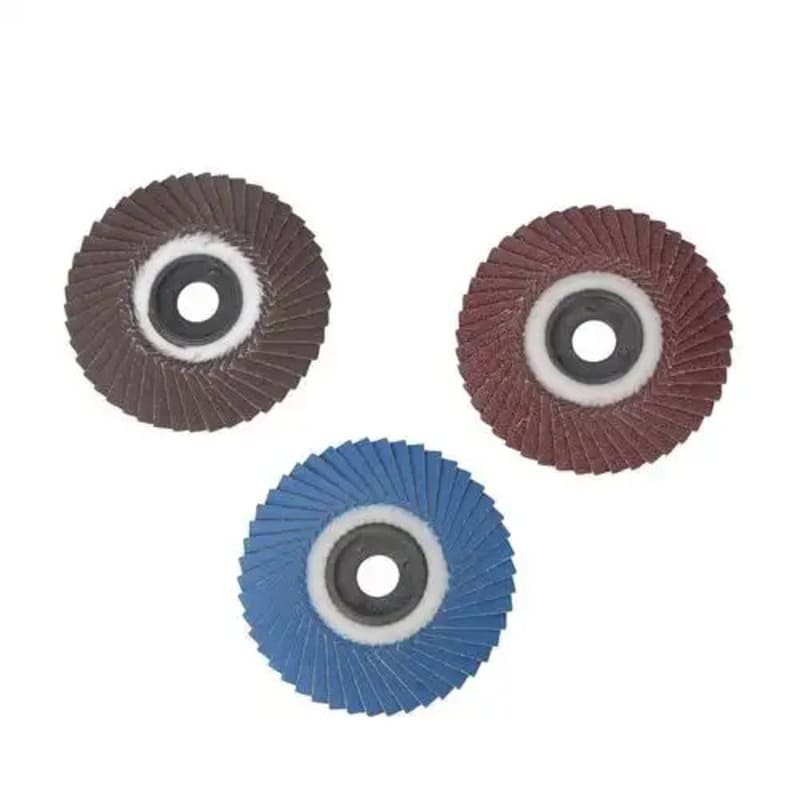
Flap discs use overlapping layers of abrasive-coated cloth flaps glued to a rigid fiberglass or plastic backing plate. When the disc spins, the flexible flaps give a little to conform to the blade’s surface, abrading material with a mix of shearing and sanding instead of the hard, aggressive cut you get from a solid grinding wheel. The layered design wears down gradually, so fresh abrasive is always exposed through the disc’s entire lifespan. You don’t have to dress them constantly to keep them working like you do with grinding wheels.
Key Component Differences
A standard metalworking grinding wheel is made of three parts: abrasive grain, bonding agent, and pore structure. The grit size (usually 24 to 60 for mower blade work) controls how fast it removes material, while the bond hardness controls how quickly grains fall off as they wear out. Most general-purpose grinding wheels use a vitrified bond that holds up to heat and stays rigid enough to handle the force of heavy material removal. Bench grinder models almost always come with built-in tool rests and eye shields as basic safety features.
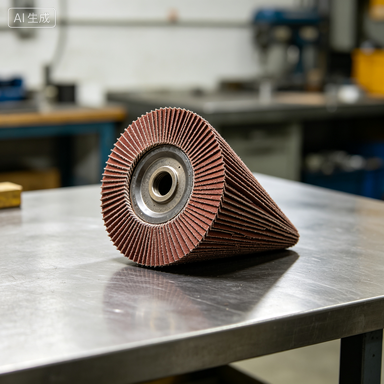
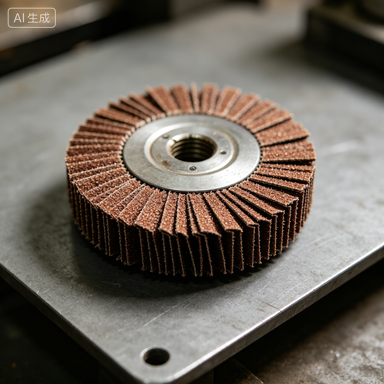
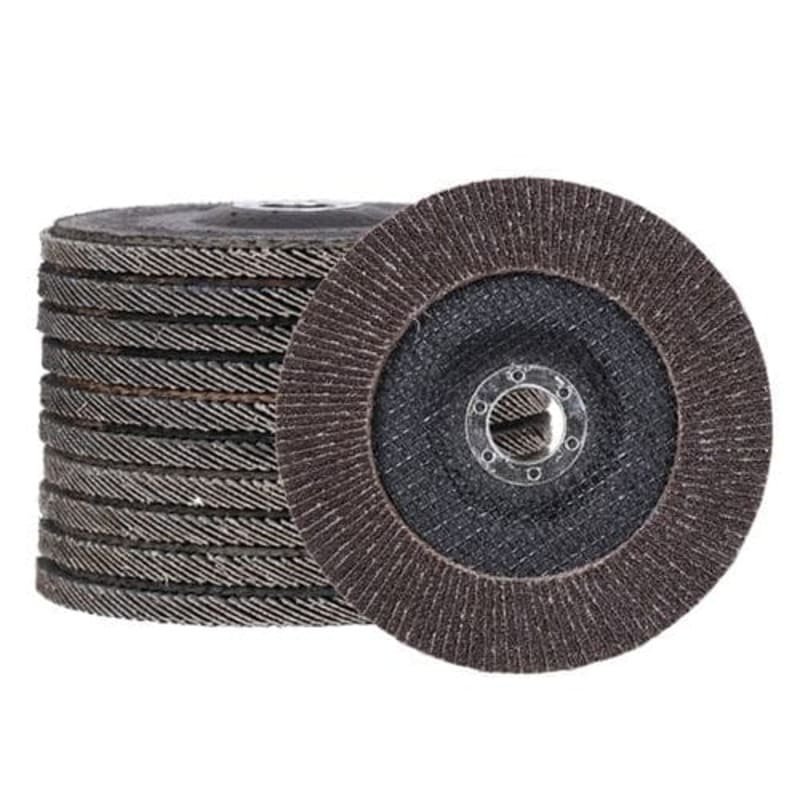
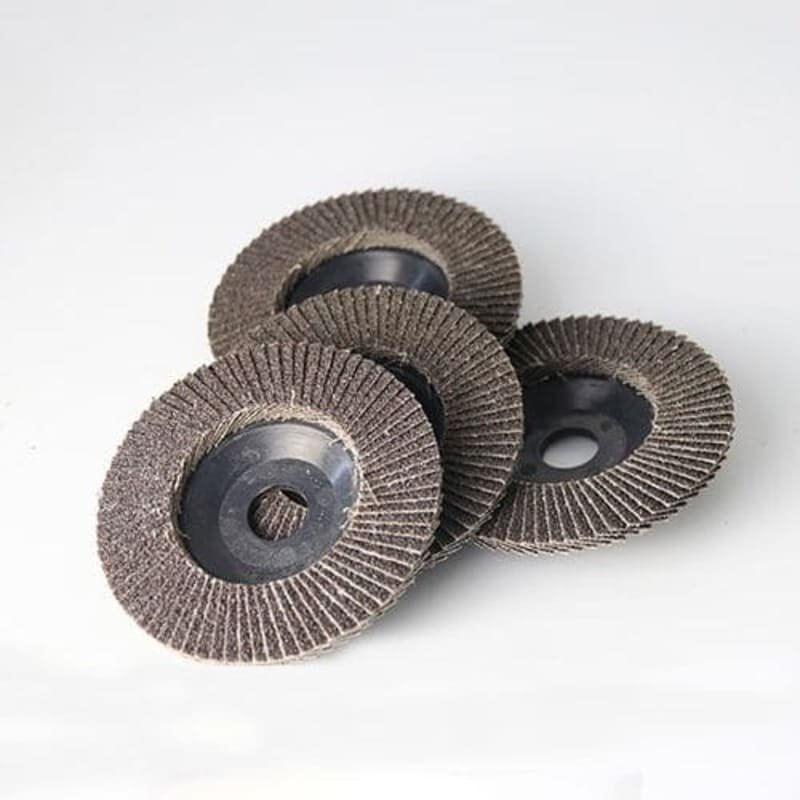
Flap discs made for sharpening metal use aluminum oxide or zirconia alumina abrasive coated on tough polyester or cotton cloth flaps, mounted to a fiberglass backing plate rated for high RPM. Flap density ranges from 50 to 120 flaps per disc; higher density models apply pressure more evenly and last longer. A lot of sharpening-specific flap discs have a trimmable backing so they don’t get in the way when you’re working at tight bevel angles—something you’ll never get with a solid grinding wheel.
Material and Specification Guidelines
For sharpening standard steel mower blades, look for grinding wheels with 36 to 60 grit aluminum oxide abrasive and a medium hardness rating (H to J on the ANSI scale) to balance removal speed and grain retention. The wheel has to be rated for at least the maximum RPM of your grinder; standard 6-inch bench grinder wheels are usually rated for 3,600 RPM. Stay away from silicon carbide wheels—they’re too hard for mild steel, so they’ll generate way too much heat and dull super fast.
For flap discs, 60 to 80 grit aluminum oxide works best for general mower blade sharpening, or 120 grit if you want a finer, polished edge. Zirconia alumina discs are a splurge option for high-volume use; they last 30 to 40% longer than standard aluminum oxide ones when you’re working with hardened steel commercial mower blades. Always pick discs rated for your angle grinder’s maximum RPM—4.5-inch discs are usually rated for 12,000+ RPM to match the speed of most common handheld tools.
Application Scenarios
Grinding wheels are your go-to if you’re working with badly damaged blades: think 1/8-inch or deeper nicks, bent tips, or bevels that are so worn down you need to completely reshape them. Their aggressive cut gets through deformed steel in 1 or 2 passes, so you don’t waste time rebuilding a usable bevel angle. They’re also standard in high-volume commercial mower shops where speed is key, and teams plan to do a finer sharpening step afterward anyway.
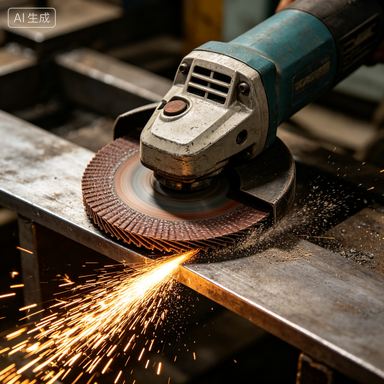
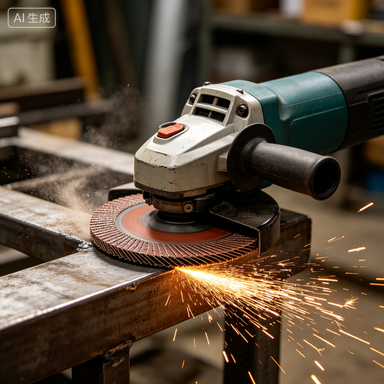
Flap discs are perfect for regular sharpening on blades that are still in good shape, with only minor wear or small nicks less than 1/32 inch deep. Their flexible design works great with handheld angle grinders, so it’s way easier to follow the original bevel angle without taking off too much material by mistake. They’re also the safer pick if you’re less experienced—they’re not as aggressive, so you’re way less likely to accidentally grind through the edge or end up with a lopsided bevel.
Performance Characteristics and Advantages
Grinding wheels remove material 2 to 3 times faster than a flap disc of the same grit, so they’re way more efficient for heavy reshaping jobs. Their rigid surface gives you a consistent, flat bevel if you’re using a properly adjusted tool rest, so you don’t get uneven wear that makes the blade vibrate while the mower’s running. But that aggressive cutting generates a lot of friction heat. Standard mower blade steel loses its temper at around 400°F, and you can hit that temperature in as little as 5 seconds of continuous contact with a grinding wheel. Softened edges dull way faster when you’re using the mower.
Flap discs generate 30 to 50% less heat while sharpening, because individual flaps lift away from the blade between contact cycles, letting air flow through to cool the work area. That lowers the risk of ruining the blade’s temper, so you don’t have to stop every few seconds to quench the blade in water. The flexible flap design also leaves you with a smoother, burr-free edge, so you don’t have to follow up with a stone or file to hone the edge before you put the blade back on the mower.
Selection Criteria
Go with a grinding wheel if you mostly work with badly damaged commercial mower blades, have a bench grinder with an adjustable tool rest and coolant system, and have enough experience to control your pressure so you don’t overheat the blade. A 36-grit wheel is best for heavy material removal, while 60-grit gives you a nicer finish for lighter sharpening jobs. Always do a ring test before mounting a new grinding wheel—tap it gently with a non-metallic tool to listen for a clear ringing sound, which means there are no internal cracks that could make it shatter while it’s spinning.
Pick a flap disc if you use a handheld angle grinder for sharpening, only do regular maintenance on blades that are in decent shape, or don’t have a lot of experience with abrasive sharpening tools. A 60-grit disc balances removal speed and finish quality for most residential mower blades, while 80 or 120-grit gives you a finer edge if you want super precise cuts. For hardened steel commercial blades, spring for a zirconia alumina disc—it’ll last longer and cut more consistently through the harder material.
Maintenance and Best Practices
For grinding wheels, dress them every 5 to 10 blades with a diamond or star dresser to expose fresh abrasive grains and fix any uneven wear on the wheel face. Keep the tool rest adjusted to within 1/8 inch of the wheel surface, so the blade can’t get caught between the rest and the wheel—that’s one of the most common causes of injuries with bench grinders. Check the wheel for cracks or chips every time before you use it, and replace it right away if you see any damage.
For flap discs, store them in a dry, temperature-controlled spot so the cloth backing doesn’t absorb moisture. Moisture can make the abrasive separate from the cloth while the disc’s spinning, which is super dangerous. Replace the disc when the flaps wear down to within 1/4 inch of the backing plate—worn discs apply pressure unevenly and cause more vibration while you’re sharpening. Don’t push down hard on the side of the disc, either; that can tear the flaps or warp the backing plate, which is a major safety hazard.
Comparative Performance with Alternatives
Compared to flat files, both grinding wheels and flap discs cut sharpening time by 70 to 80%. That said, files don’t carry any risk of overheating the blade, and they give you more control over the bevel angle than either abrasive tool. Files work great for fine sharpening on high-end residential blades, but they’re too slow for commercial use or fixing damaged blades.
Belt sanders with 80 to 120 grit metalworking belts perform a lot like flap discs, with consistent finish quality and low heat buildup. But they’re way less portable than angle grinder-mounted flap discs, and you have to install them in a fixed workshop space. They’re a good middle ground for shops that process a moderate number of blades and want more control than a grinding wheel gives you, no portability needed.
Practical Operating Tips
When you’re using a grinding wheel to sharpen, hold the blade against the wheel at the original factory bevel angle (usually 25 to 30 degrees for most mower blades) and apply light, steady pressure. Only keep the blade in contact for 2 to 3 seconds per pass, then quench it in room temperature water right away to keep it from overheating. Check the edge color often—if it turns blue or straw yellow, you’ve overheated it and ruined the temper. You’ll have to grind off all that softened material to get back to fresh, hardened steel before you can sharpen it properly.
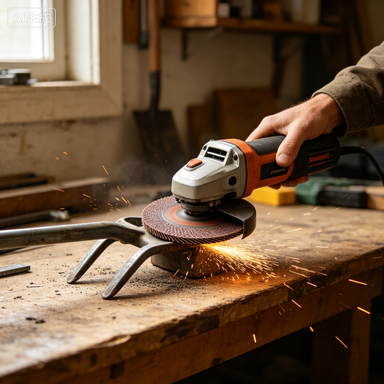
When you’re using a flap disc, move the angle grinder in smooth, overlapping passes along the bevel edge. Don’t stay in one spot for more than 3 to 4 seconds. Use the flat face of the disc instead of the edge, so pressure is spread out evenly and you don’t end up with an uneven bevel. For the best results, hold the grinder 5 degrees off the bevel angle for the last 2 to 3 passes to create a tiny micro-bevel. That makes the edge last longer and cuts down on burrs.
Common Misconceptions Cleared Up
Q: Is a higher grit grinding wheel always better for sharpening mower blades?
A: No, higher grit wheels remove material way slower, and they don’t lower the risk of overheating at all. A 36 to 60 grit wheel is perfect for mower blades, because it balances removal speed and finish quality without requiring you to hold the blade against the wheel so long that it overheats. Grits finer than 80 are a waste for mower blades— the edge will dull super fast anyway when it hits dirt and debris while you’re mowing.
Q: Do flap discs wear out too quickly to be cost-effective for regular sharpening?
A: It’s true that individual flap discs don’t last as long as grinding wheels, but they usually end up being cheaper overall for routine sharpening. You don’t have to dress them constantly, you’re way less likely to ruin blades from overheating, and they don’t require the same level of safety checks and maintenance as grinding wheels. For most residential and light commercial users, the time you save and the fewer blades you ruin make up for the slightly higher per-unit cost of flap discs.
Q: Can any grinding wheel be used for sharpening mower blades?
A: No, only aluminum oxide grinding wheels rated for carbon steel work are safe for mower blades. Silicon carbide wheels are made for masonry or hard carbide materials, and they’re too aggressive for mild steel. They’ll generate way too much heat, wear unevenly, and leave you with an edge that dulls before you even finish mowing once. Always check the wheel’s abrasive type and speed rating before you use it, and never use a wheel made for a different material or one rated for a lower RPM than your grinder.
Q: Is a perfectly sharp, razor edge the goal when sharpening mower blades?
A: No, a razor edge is way too fragile for mowing. It’ll chip or dull after just a few hours of hitting dirt, grass stems, and small debris. The ideal edge has a sharp, consistent bevel with a tiny 0.005 to 0.010 inch flat land at the cutting edge, which is durable enough to hold up to regular use. Both grinding wheels and flap discs can get you this edge if you use them right, but flap discs make it way easier to avoid over-sharpening to a fragile razor point.
Frequently Asked Questions
Q: What bevel angle should I use for sharpening standard walk-behind mower blades?
A: Most residential and commercial walk-behind mower blades use a 25 to 30 degree bevel angle, matching the factory grind. Always check the manufacturer’s specs for your specific blade model, though—some high-lift blades use a 30 to 35 degree angle for extra durability. Mark the original bevel with a paint marker before you start sharpening, so you don’t accidentally change the angle as you work.
Q: How often should I sharpen my mower blades?
A: For residential use, sharpen blades every 20 to 25 hours of operation, or right after you hit a hard object like a rock or root. For commercial use, sharpen blades every 8 to 12 hours to keep cuts clean. You’ll know blades are dull when they tear grass instead of cutting it, leaving brown, ragged lawn edges and making your mower burn more gas than usual.
Q: Can I use a flap disc on a bench grinder?
A: No, flap discs are made for angle grinders with threaded arbor mounts, and they won’t fit securely on standard bench grinder spindles. If you try to jerry-rig a flap disc to work on a bench grinder, it could separate from the mount while it’s spinning and cause serious injury. Stick to grinding wheels for bench grinder use, and only use flap discs on compatible handheld angle grinders.
Q: How do I know if my mower blade has been overheated during sharpening?
A: Look for discoloration on the cutting edge. A straw yellow or blue tint means the steel got hot enough to lose its temper, so the edge will dull super fast when you use it. If you see that discoloration, grind off the entire affected area until you get to fresh, uncolored steel, then re-sharpen the bevel to the correct angle. Always quench blades often when you’re using a grinding wheel to avoid this problem entirely.
Q: Can I sharpen mulching blades with both flap discs and grinding wheels?
A: Yes, both tools work for mulching blades, but flap discs are usually easier to use on the curved cutting edges most mulching designs have. The flexible flaps conform to the curved bevel way better than a rigid grinding wheel, so you get a more consistent edge without warping the blade’s unique aerodynamic shape. If you’re using a grinding wheel for mulching blades, pick a narrow 1-inch wide wheel so you can get into the curved sections easier.
Final Summary
For regular mower blade sharpening and less experienced users, 60 to 80 grit flap discs hit the sweet spot of control, low heat buildup, and finish quality. They lower the risk of ruining blades, and you can get a durable, high-performance edge without fighting the tool the whole time. Save grinding wheels for heavy reshaping of badly damaged blades, where their fast material removal is worth the higher risk of overheating and the need for more precise technique. Always match your tool to the shape your blades are in and your own experience level, and stick to basic safety and operating practices to make your blades last longer and get clean, consistent cuts every time.
Flap Disc for Sale
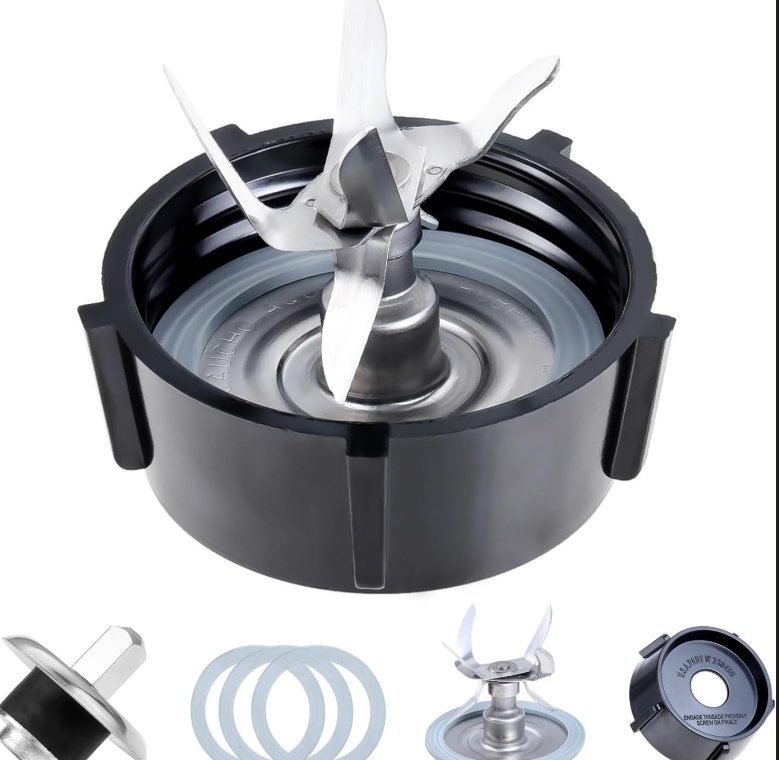
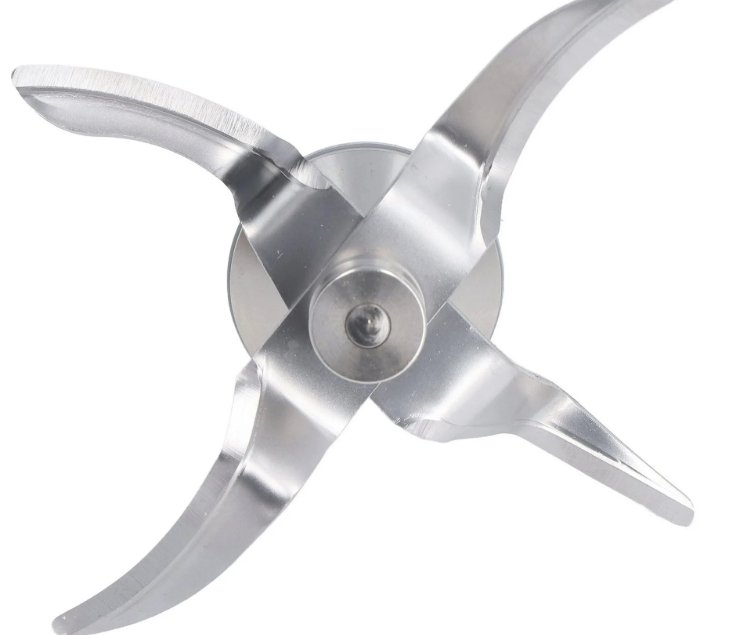
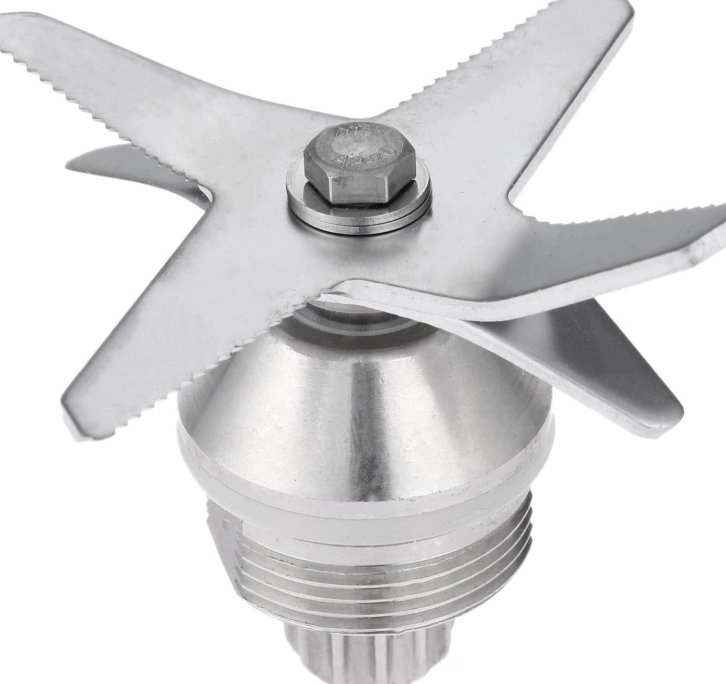
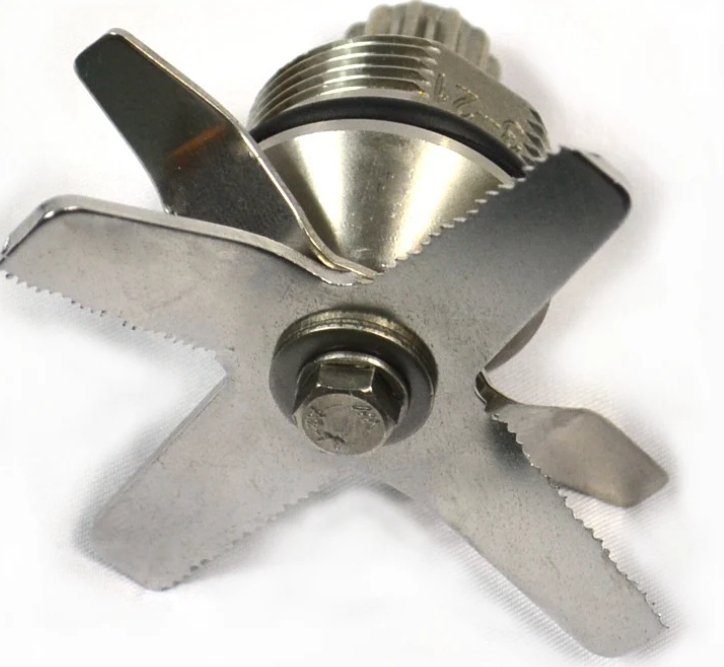
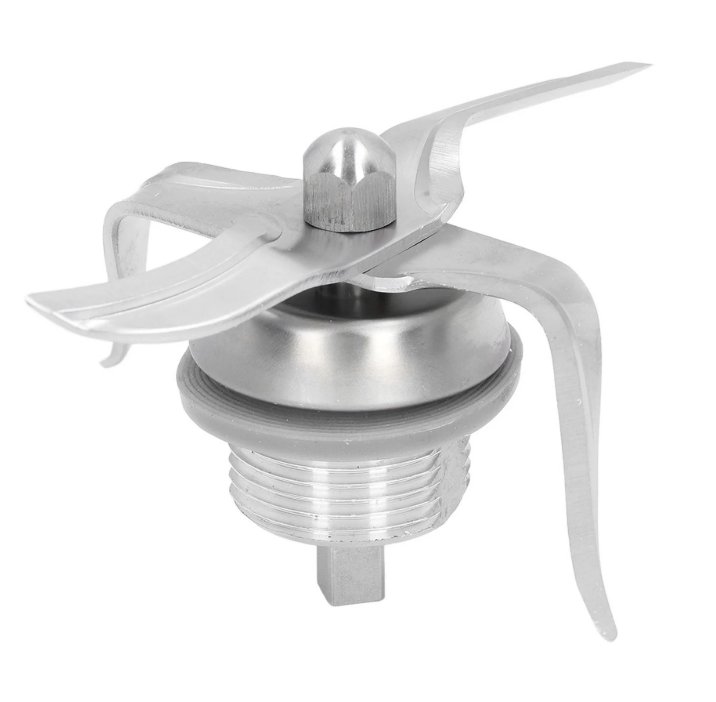
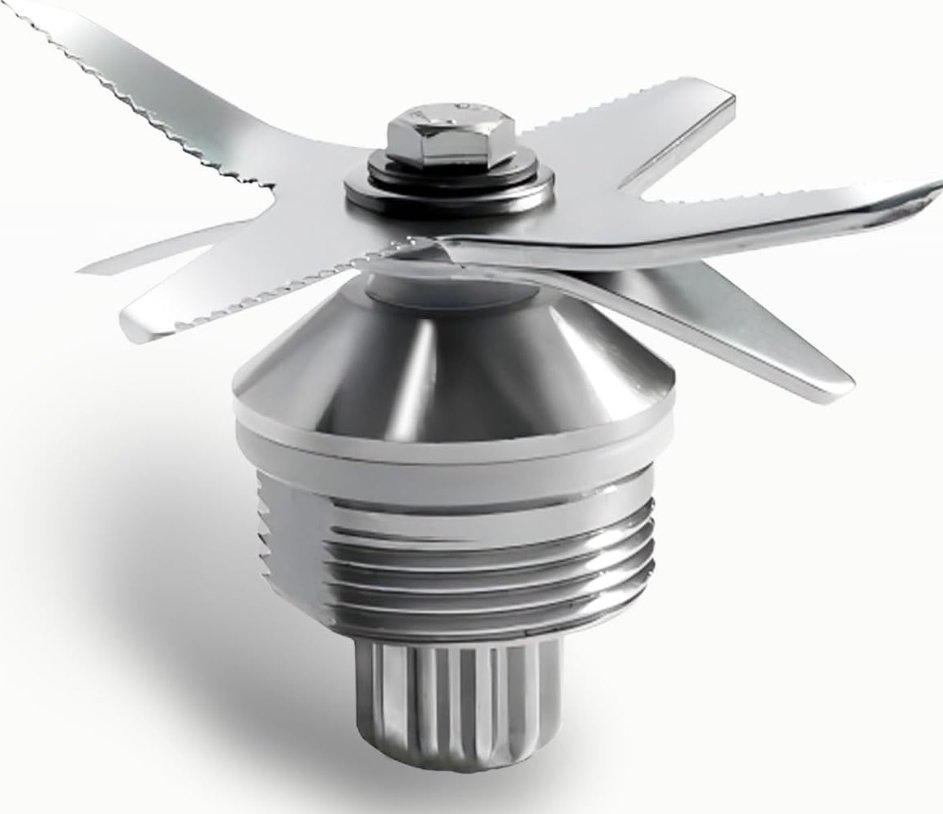
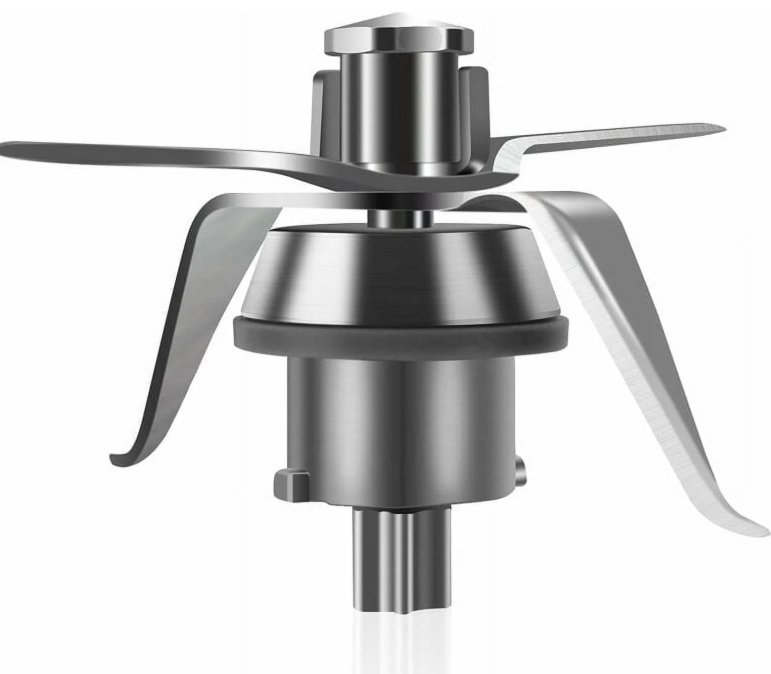
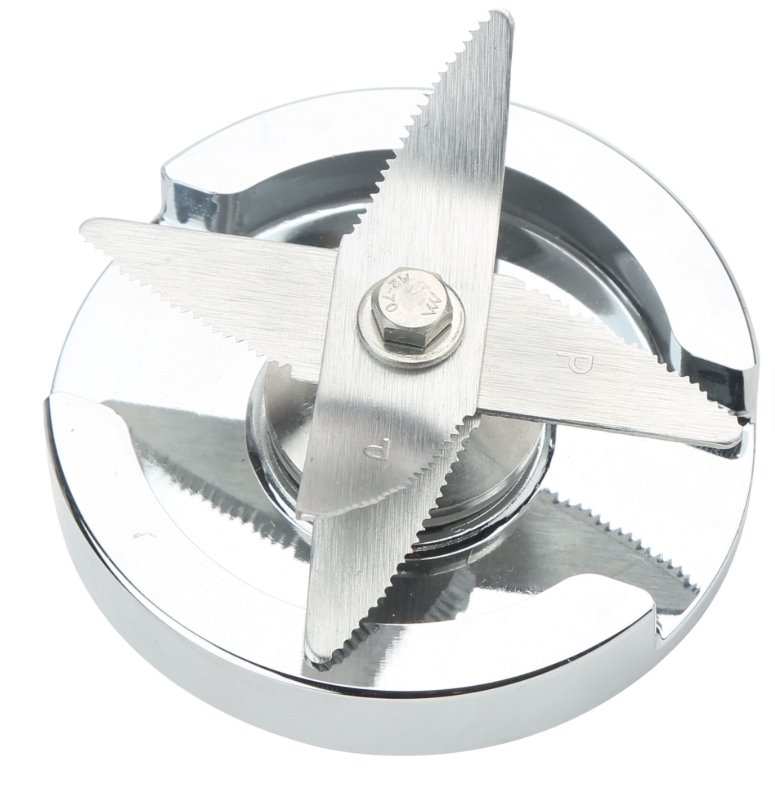
Blender Blade for Sale
Diamond Blade for Sale

Demolition Hammer & Rotary Hammer for Sale
Welcome to call us
Contact Us to get quotation
Working Time: 8:00~17:00 Monday to Friday.
FAQ
Welcome to call us
Contact Us to get quotation
Working Time: 8:00~17:00 Monday to Friday.
Blogs:
You may also interest in other topics:
22KW EV Charger ,talc grinding mill , rotary filling machine ,