flap disc vs sanding disc
flap disc vs sanding disc
Flap disc vs sanding disc, which should i choose? If you work in metalworking, woodworking, auto repair, or fabrication, you’ve definitely stood in front of your supply bin wondering whether to grab a flap disc or a sanding disc for the job at hand. The choice isn’t just about which one is lying closest—it directly impacts how fast you get the work done, how good the final finish looks, and how much you end up spending on consumables over time. Both use abrasive grains to shape or smooth workpieces, but their builds, performance, and ideal use cases are wildly different. Pick the wrong one, and you’ll either waste time reworking bad finishes, burn through discs way too fast, or even damage the part you’re working on.
Getting the difference between these two tools down pat helps you cut down on rework, make your abrasives last longer, and get consistent results even on tough, high-stakes jobs. We’ve put this guide together to break down their designs, how they work in real-world use, and the practical tradeoffs you need to weigh to pick the right one for whatever project you’re tackling.
Core Working Principles and Mechanisms
Sanding discs work on a fixed-abrasive system: abrasive grains are glued in a single, even layer to a rigid or flexible backing—usually paper, cloth, or fiber. When the disc spins, the exposed sharp edges of the grains cut into the workpiece, wearing down evenly as the edges fracture and reveal new sharp surfaces… until the entire layer of abrasive is gone. The cut rate stays pretty consistent early on, but drops off fast once that top layer wears through or gets clogged with workpiece debris.
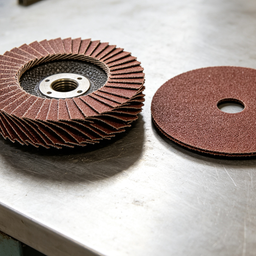
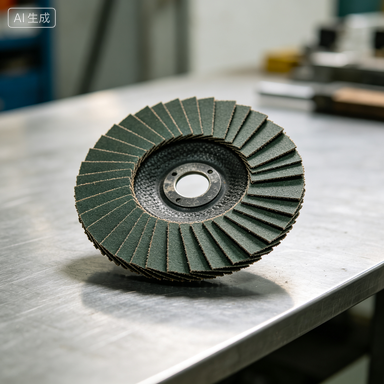
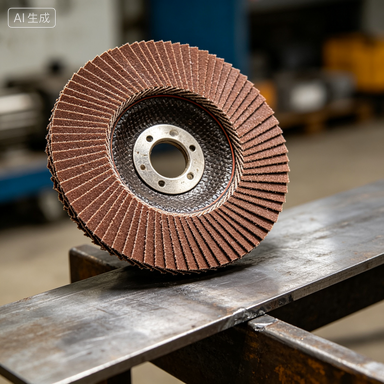
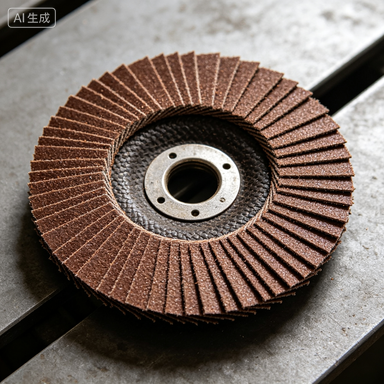
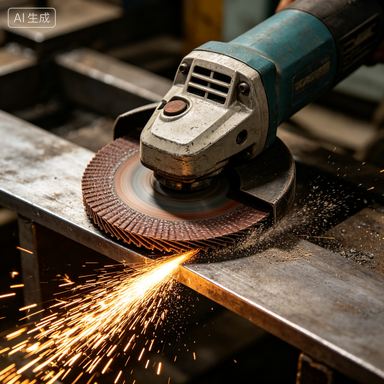
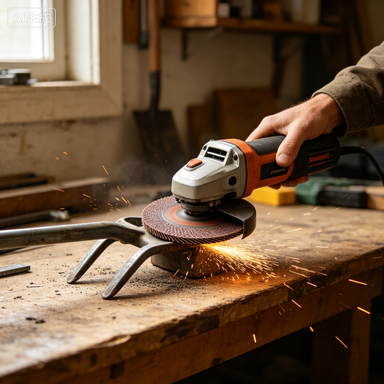
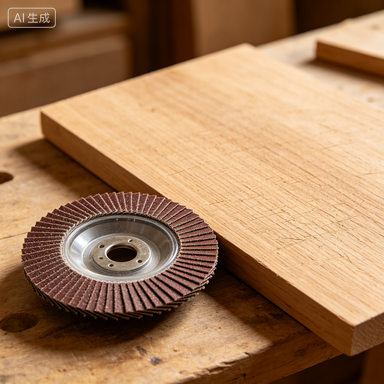
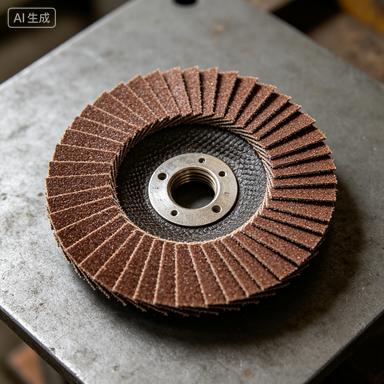
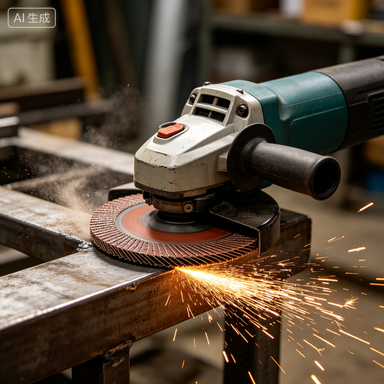
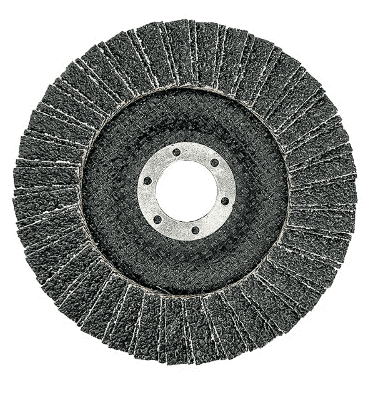
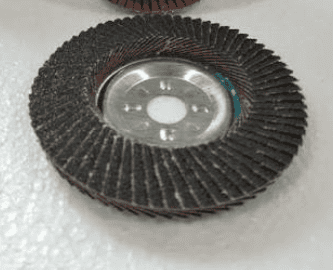
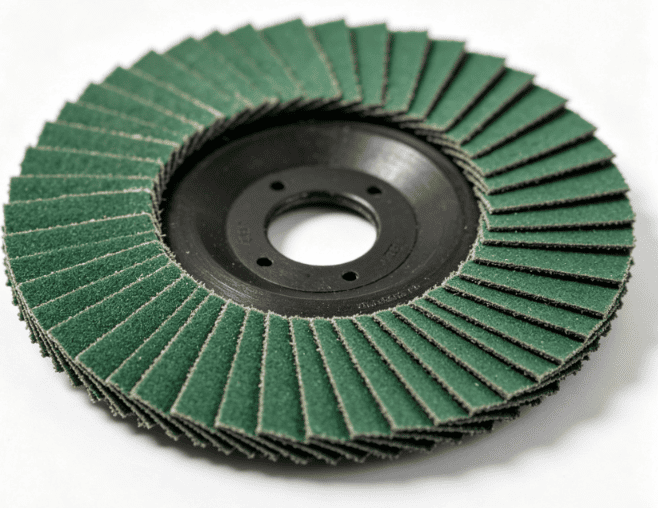
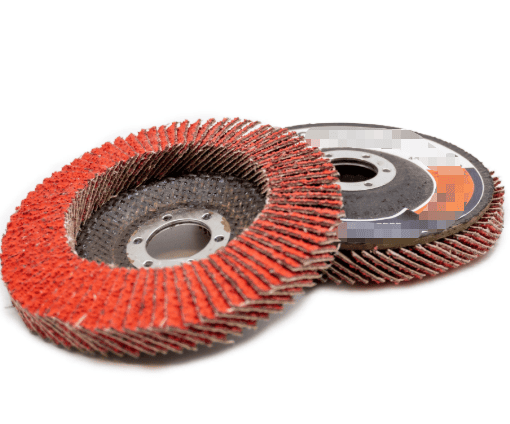
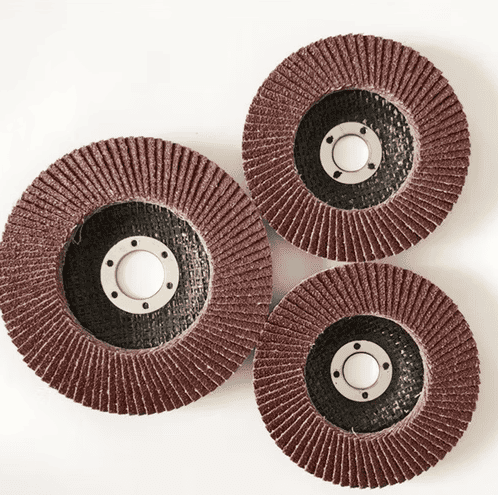
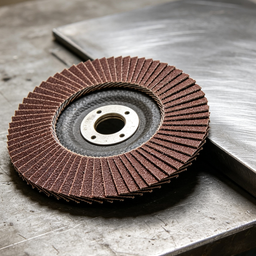
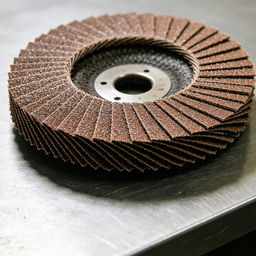
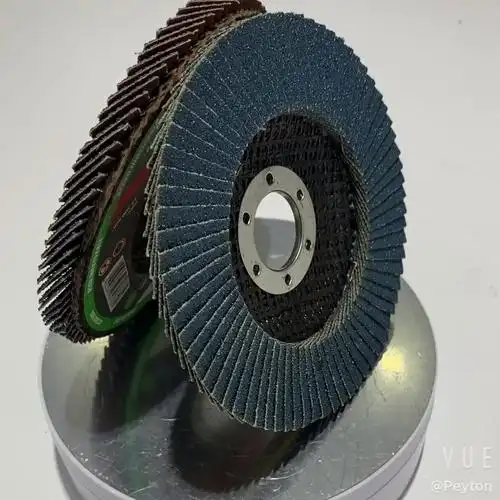
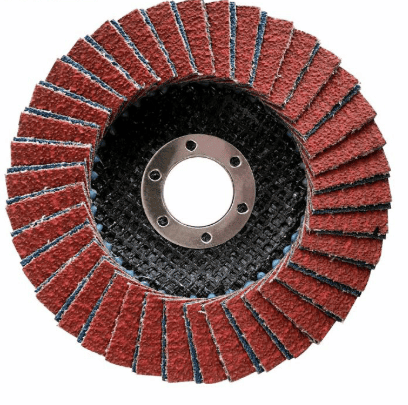
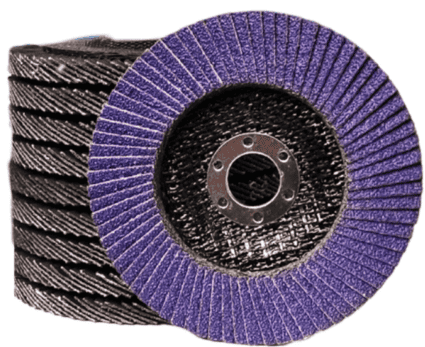
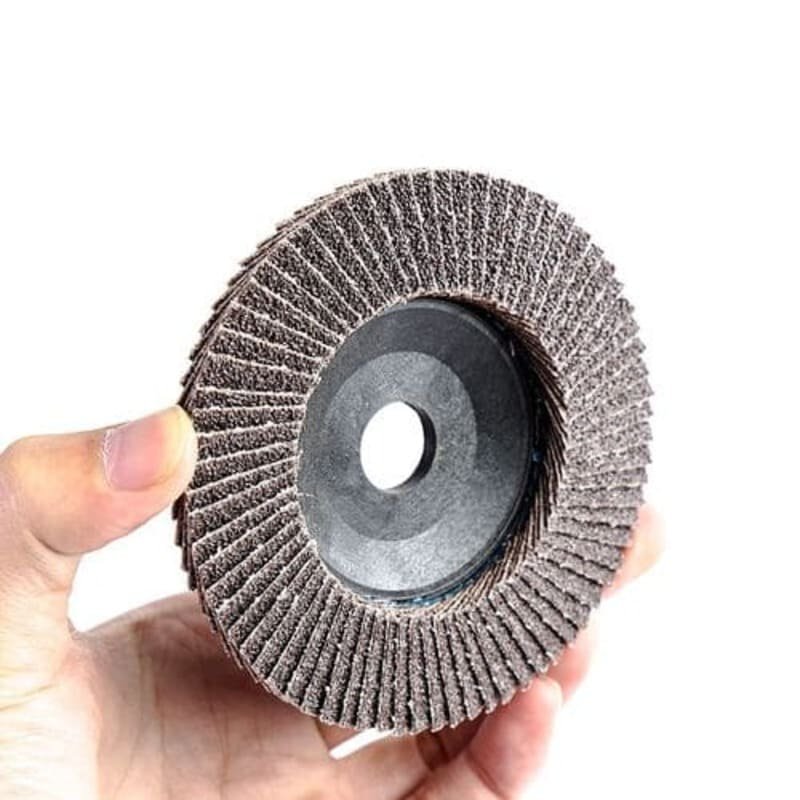
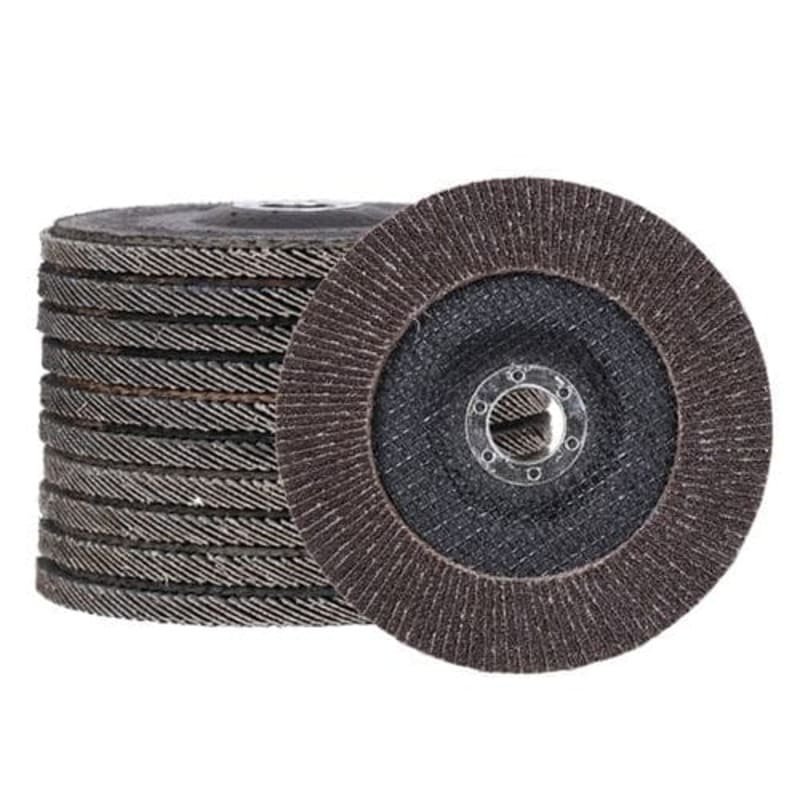
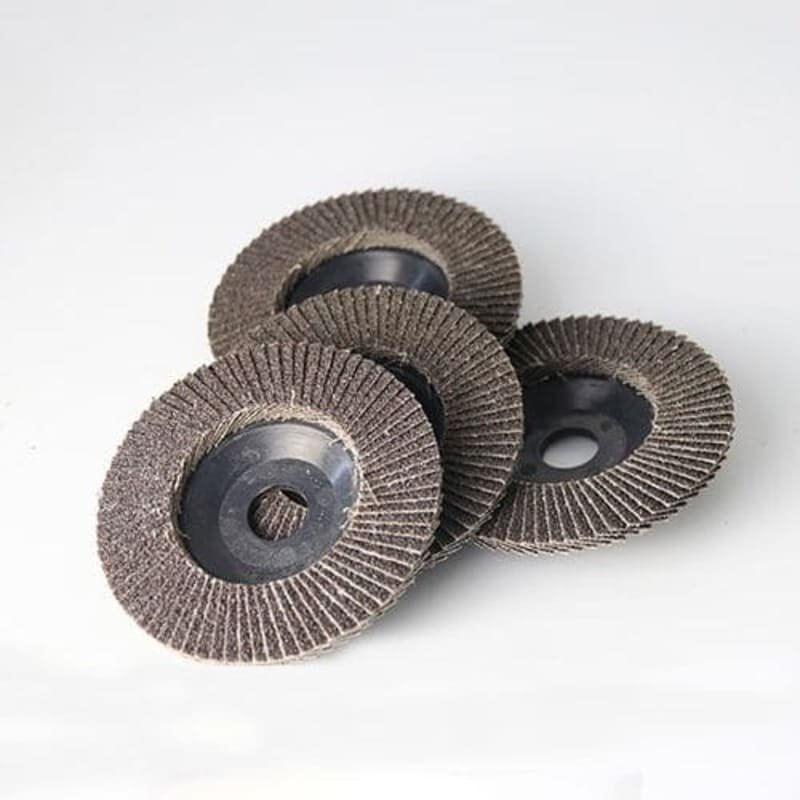
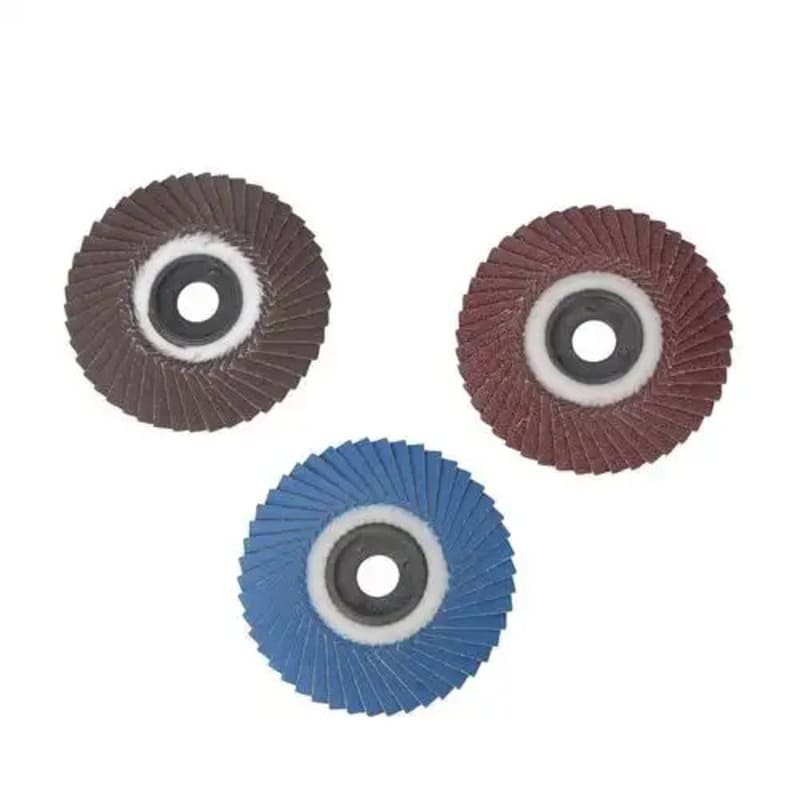
Flap discs use an overlapping flap design instead: dozens of individual abrasive cloth flaps are glued radially to a rigid fiberglass or plastic backing plate, with each flap angled to hit the workpiece at a steady 10–15 degree angle while it spins. As the disc runs, the outer edges of the flaps wear down one after another, exposing fresh abrasive grains from the full depth of each flap. That means the cut rate stays consistent for the entire life of the disc, no slowdown at the end. The flexible flap design also conforms to uneven workpiece surfaces way better than fixed-layer sanding discs ever could.
Key Components and Their Functions
Sanding discs have three main parts: the backing, the abrasive grain, and the bonding agent. Backing options run the gamut from lightweight paper (for fine finishing on soft materials) to heavy-duty vulcanized fiber (for aggressive stock removal on hard metals) or polyester cloth (for flexibility and tear resistance). Common abrasive grains include aluminum oxide for general metal and wood work, silicon carbide for non-ferrous metals and stone, and ceramic alumina for high-load industrial jobs. The bonding agent, usually a resin, holds the grains to the backing and determines how well the disc holds up to heat and debris buildup.
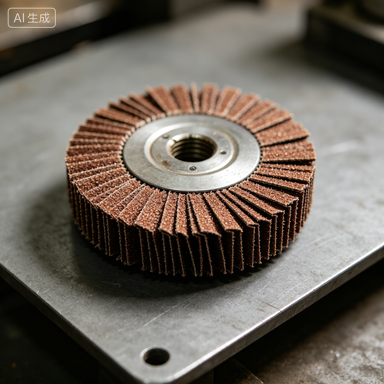
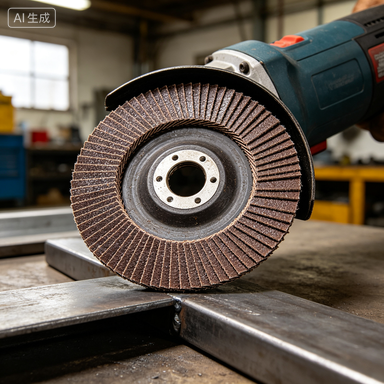
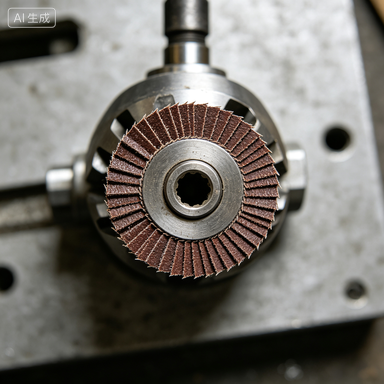
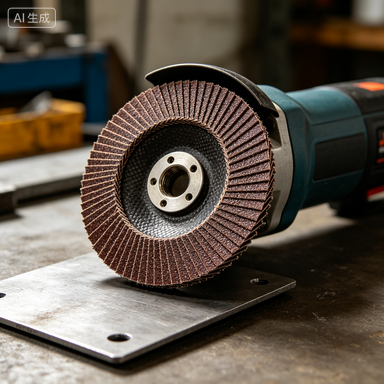
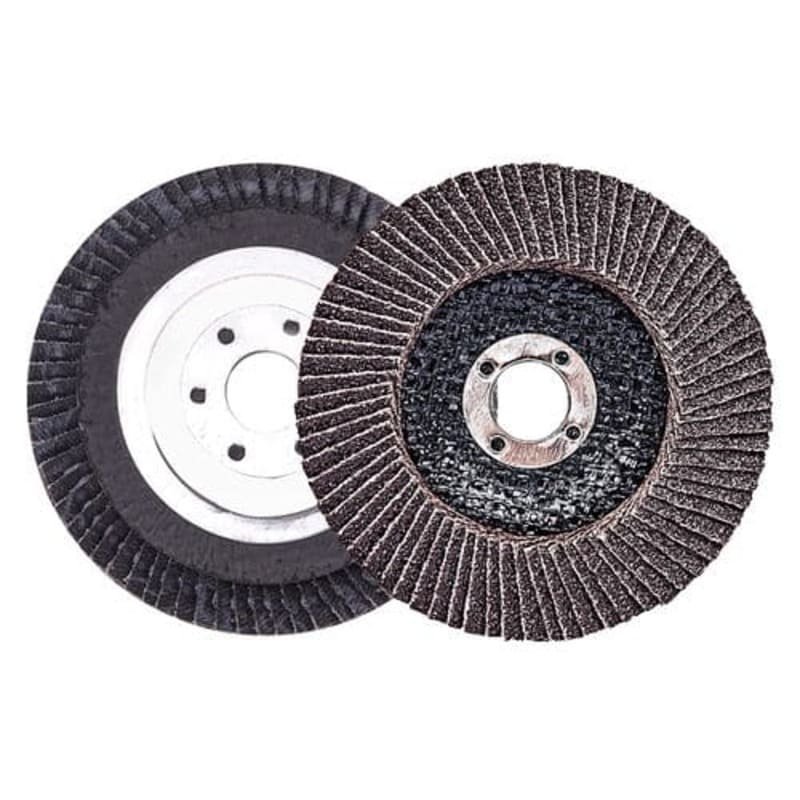
Flap discs also have three core components: the backing plate, the abrasive flaps, and the adhesive bonding layer. The backing plate is usually fiberglass for high tensile strength and heat resistance, or lightweight plastic for low-speed applications, and it mounts directly to your angle grinder or power sander. Each flap is a section of coated abrasive cloth, with grain embedded all the way through the cloth thickness to keep performance consistent as the flap wears down. The high-strength epoxy adhesive glues the flaps to the backing plate, resisting heat buildup from high-speed grinding and stopping flaps from peeling off even under maximum load.
Material and Feature Specifications
Sanding discs come in diameters from 1 inch (for detail sanders) all the way up to 16 inches (for large stationary sanders), though the most common portable sizes are 4.5 to 7 inches. Grit options span 24 (extra coarse for heavy stock removal) to 2000 (ultra fine for mirror finishing), with backing thicknesses rated from A weight (light paper for delicate work) to Y weight (heavy cloth for industrial grinding). Max operating speeds range from 10,000 RPM for small handheld discs to 6,000 RPM for larger stationary models. You can get them with pressure-sensitive adhesive (PSA) or hook-and-loop backing for fast swaps on low-power tools, or arbor hole mounting for high-power angle grinders.
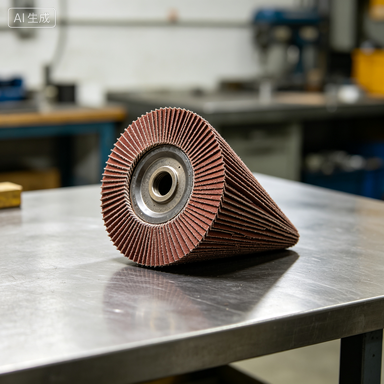
Standard flap discs are made in 4.5, 5, 6, and 7 inch diameters to fit most handheld angle grinders, with max operating speeds matching the grinder’s rated output—usually 12,250 RPM for 4.5 inch models. Grit options run from 36 (coarse) to 320 (fine), with specialized high-density flap discs packing 40 percent more flap material than standard versions for a longer service life. There are two common flap configurations: type 27 (flat face) for working on flat surfaces and edge grinding, and type 29 (conical face) for better access to corners, welds, and contoured surfaces.
Application Scenarios and Industries Served
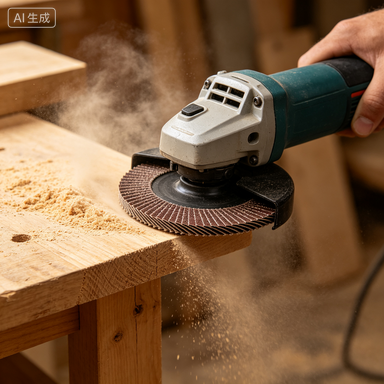
Sanding discs are the go-to for jobs that need a uniform, consistent finish across flat, even surfaces. In woodworking, they’re used for sanding cabinetry, furniture, and flooring, with fine-grit paper discs leaving a smooth surface ready for stain or finish. In auto repair, they’re used for paint stripping, body filler smoothing, and feather edging on body panels, where a consistent scratch pattern is make-or-break to avoid visible defects under the topcoat. They’re also widely used in stationary belt and disc sanders for high-volume fabrication of small parts, where fixed tooling and consistent workpiece geometry let them perform at their best.
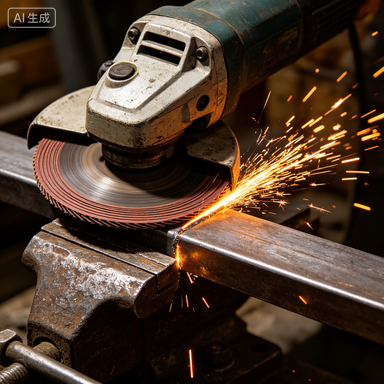
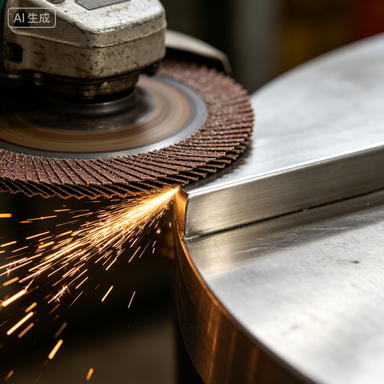
Flap discs shine at heavy stock removal, weld blending, edge grinding, and surface prep on uneven or contoured workpieces, which makes them a staple in metal fabrication, shipbuilding, and structural steel shops. They’re commonly used to blend weld beads, remove slag and spatter, and smooth cut edges on steel, aluminum, and alloy components, cutting out the need for separate grinding and finishing steps in most cases. In aerospace and auto manufacturing, they’re used to deburr and finish complex cast and stamped parts, where their flexible conformability prevents over-grinding of thin or contoured surfaces that rigid sanding discs or grinding wheels would damage.
Performance Characteristics and Advantages
Sanding discs have two big upsides: low upfront cost and a consistent scratch pattern across the entire working surface. Since they use a single layer of abrasive, they’re 30–50 percent cheaper per unit than comparable flap discs, which makes them cost-effective for low-volume work or jobs where you switch grits frequently. The fixed abrasive layer produces a uniform scratch pattern that’s easier to match across large surfaces, which is perfect for finishing work where consistency is non-negotiable. They also come in far finer grit options than standard flap discs, so they’re the only choice for ultra-fine polishing and finishing tasks that flap discs can’t handle.
Flap discs deliver way higher material removal rates and longer service life than sanding discs in heavy-use applications, cutting total consumable costs by up to 70 percent in high-volume fabrication shops. A single 4.5 inch 60-grit flap disc can remove the same amount of material as 15–20 comparable resin fiber sanding discs, which cuts down on changeover time and reduces waste. Their flexible flap design also reduces heat buildup during grinding, lowering the risk of workpiece discoloration or heat-induced warping on thin materials, and cuts operator vibration by up to 30 percent compared to rigid sanding discs, which makes long shifts a lot more comfortable.
Selection Criteria and Configuration Options
When choosing between flap discs and sanding discs, start with the main task you’re tackling: for heavy stock removal, weld blending, or work on contoured surfaces, a flap disc is the more efficient pick. For fine finishing on flat surfaces or low-volume work, a sanding disc will be cheaper and deliver more consistent results. Next, match the abrasive grain to your workpiece material: aluminum oxide works for most carbon steel and wood jobs, silicon carbide is better for non-ferrous metals, stone, and glass, and ceramic alumina lasts the longest for high-load grinding on hard alloys and stainless steel.
For sanding discs, pick the backing material based on how much flexibility and durability you need: paper backings are cheap and leave a smooth finish for wood and light metal work, cloth backings have better tear resistance for curved surfaces and heavy use, and vulcanized fiber backings offer maximum rigidity for aggressive stock removal on angle grinders. For flap discs, choose between type 27 flat discs for general surface grinding and type 29 conical discs for access to corners and irregular surfaces. Pick standard or high-density flap counts based on how much you’ll use them: high-density discs last 30–40 percent longer for continuous use, while standard density discs are cheaper for occasional use.
Maintenance Considerations and Best Practices
To get the most life out of your sanding discs, don’t push too hard while using them—excess pressure causes premature grain wear, overheating, and backing tearing. Clean clogged discs regularly with a rubber abrasive cleaning stick to remove embedded workpiece debris that slows down the cut rate and causes uneven scratching. Store sanding discs in a cool, dry spot away from direct sunlight and moisture, since humidity weakens the bonding agent and makes paper backings warp or tear. For PSA or hook-and-loop backed discs, make sure the backing pad is clean and free of debris before mounting to ensure full contact and stop the disc from slipping while you work.
Flap discs need very little maintenance, but following a few simple rules extends their life and keeps you safe. Always run the disc at the manufacturer’s rated maximum speed: running below the recommended speed slows down the cut rate and causes uneven flap wear, while running above the rated speed risks disc failure, which can cause serious injury. Don’t apply too much side pressure to the disc, since that can cause flaps to separate or damage the backing plate. When the flaps wear down to within 1/4 inch of the backing plate, replace the disc immediately. Continuing to use it slows down the cut rate and risks the rigid backing plate hitting the workpiece, which can damage the part or cause kickback.
Comparative Analysis with Alternatives
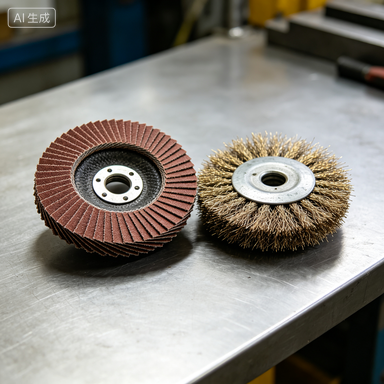
For light stock removal and ultra-fine finishing, sanding discs outperform flap discs in both cost and finish consistency, especially for flat, uniform workpieces where the conformability of flap discs isn’t needed. But for medium to heavy stock removal, flap discs are more efficient than both sanding discs and rigid grinding wheels. They combine the material removal rate of a grinding wheel with the finishing capability of a sanding disc, so you don’t have to switch tools between grinding and finishing steps. That cuts total process time by up to 50 percent for weld blending and edge prep jobs.
Compared to non-woven abrasive discs, both sanding and flap discs have higher material removal rates, but non-woven discs leave a finer, more uniform finish for final polishing. For jobs that need a mix of stock removal and finish, flap discs are the most versatile option, since they can do both in a single pass, while sanding discs need multiple grit changes to get the same result. For high-volume production environments, the lower labor cost and reduced changeover time of flap discs usually make up for their higher upfront cost. For small shops or hobbyist use, the lower cost of sanding discs makes them the more economical pick.
Practical Operating Tips
When using sanding discs, always move the disc in a consistent overlapping pattern across the workpiece to avoid uneven scratches or gouges. For paint stripping or body filler work, use a light touch and keep the disc moving constantly to avoid overheating the workpiece or cutting through the underlying material. When using vulcanized fiber sanding discs on angle grinders, always use a rigid support pad to prevent disc flexing and breakage, and replace the support pad when it gets worn or damaged to ensure consistent disc contact.
For flap disc use, hold the disc at a 10–15 degree angle to the workpiece surface to ensure even flap wear and maximum material removal. For weld blending, start with a coarse 36 or 40 grit disc to remove excess weld material, then switch to a 60 or 80 grit disc to blend the weld into the base material. That usually eliminates the need for a separate finishing step for most structural applications. For contoured surfaces, use a type 29 conical disc and apply light, steady pressure to let the flaps conform to the workpiece shape without over-grinding high points.
Common Misconceptions Cleared Up
Q: Flap discs are always more cost-effective than sanding discs, no matter the application.
A: That’s only true for medium to high-volume jobs that involve a lot of stock removal. For low-volume work, fine finishing tasks, or jobs where you switch grits frequently, the lower upfront cost of sanding discs makes them cheaper. A single sanding disc costing $1–$2 is more than enough for small finishing jobs, while a flap disc costing $5–$8 would barely get used, leading to higher total cost for low-use scenarios.
Q: Higher grit numbers mean more aggressive material removal for both disc types.
A: No, that’s backwards. Grit number refers to the size of the abrasive particles: lower numbers mean larger, coarser grains that remove material faster, and higher numbers mean smaller, finer grains that leave a smoother finish. A 36-grit disc (coarse) removes material 3–4 times faster than a 120-grit disc (fine), but leaves a much deeper scratch pattern that needs extra finishing steps to fix.
Q: Flap discs can replace all sanding disc applications since they last longer.
A: Flap discs don’t work for ultra-fine finishing tasks. Standard flap discs only go up to 320 grit, while sanding discs go up to 2000 grit for mirror polishing and precision finishing work. Sanding discs also leave a more uniform scratch pattern across flat surfaces, which is critical for jobs like automotive body work where finish consistency has to be perfect.
Q: Both disc types can be used interchangeably on any power tool as long as the diameter and arbor size match.
A: Always check that the disc’s maximum operating speed rating matches your tool’s rated speed. Sanding discs usually have lower max speed ratings (10,000 RPM for 4.5 inch models) than flap discs (12,250 RPM for the same size), and using a disc above its rated speed can cause it to shatter, leading to serious injury. Also, flexible paper-backed sanding discs aren’t made for use on high-power angle grinders, since the high torque can tear the backing apart.
Frequently Asked Questions
Q: What disc type is best for blending welds on stainless steel railings?
A: A 60-grit type 29 conical ceramic alumina flap disc is the best pick. The conical shape lets you reach the contoured railing surfaces, the ceramic grain delivers a consistent cut rate without discoloring the stainless steel, and a single disc will outlast 10+ comparable sanding discs, so you spend less time swapping discs mid-installation.
Q: Can I use a flap disc for sanding hardwood floors?
A: No, flap discs aren’t ideal for floor sanding. Flat wood floors need a uniform, consistent scratch pattern to make sure stain absorbs evenly, which sanding discs deliver far more reliably. Also, floor sanders use large, wide sanding discs made for full surface contact, while flap discs are sized for handheld angle grinders and would leave uneven results across large flat surfaces.
Q: How do I prevent sanding discs from loading up with aluminum debris?
A: Use a silicon carbide sanding disc with a stearate coating, which is made to repel non-ferrous metal debris and reduce clogging. Clean the disc regularly with a rubber abrasive cleaning stick to remove embedded aluminum, and don’t apply too much pressure while using it—excess force packs debris tighter into the abrasive grain.
Q: What is the average service life difference between a flap disc and a sanding disc for heavy steel grinding?
A: For continuous 60-grit grinding on carbon steel, a standard 4.5 inch flap disc will last 15–20 times longer than a comparable resin fiber sanding disc, removing roughly 15–20 pounds of steel per disc compared to 0.75–1 pound per sanding disc. That works out to 60–70 percent lower total consumable cost for high-volume use.
Q: Can I use a sanding disc designed for wood on metal workpieces?
A: You can technically do it, but we don’t recommend it. Wood sanding discs usually use aluminum oxide grain with a softer bonding agent that wears down way too fast on metal, slowing down the cut rate and shortening disc life. Metal-specific sanding discs use a harder resin bond and more durable grain formulations that resist heat and wear, so they perform better and end up cheaper for metal jobs.
Final Summary
Flap discs and sanding discs work best for different, complementary jobs. Flap discs excel at heavy stock removal, weld blending, and work on contoured surfaces, where their long service life and conformability cut down on labor and consumable costs. Sanding discs offer lower upfront cost and finer, more consistent finishes for flat surface work and precision finishing applications. To pick the right one, start with your main task, the material you’re working on, and the finish you need: choose flap discs for high-volume material removal and irregular surfaces, and sanding discs for fine finishing, low-volume work, and jobs that need uniform scratch patterns. Always match disc specs, including grain type, speed rating, and backing material, to your specific job to get the best performance, stay safe, and keep costs low over time.
Flap Disc for Sale
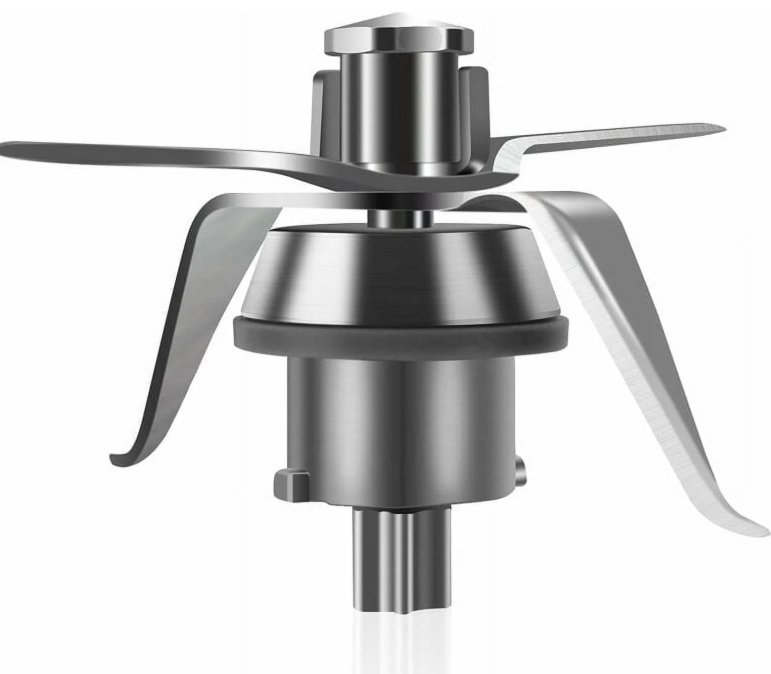
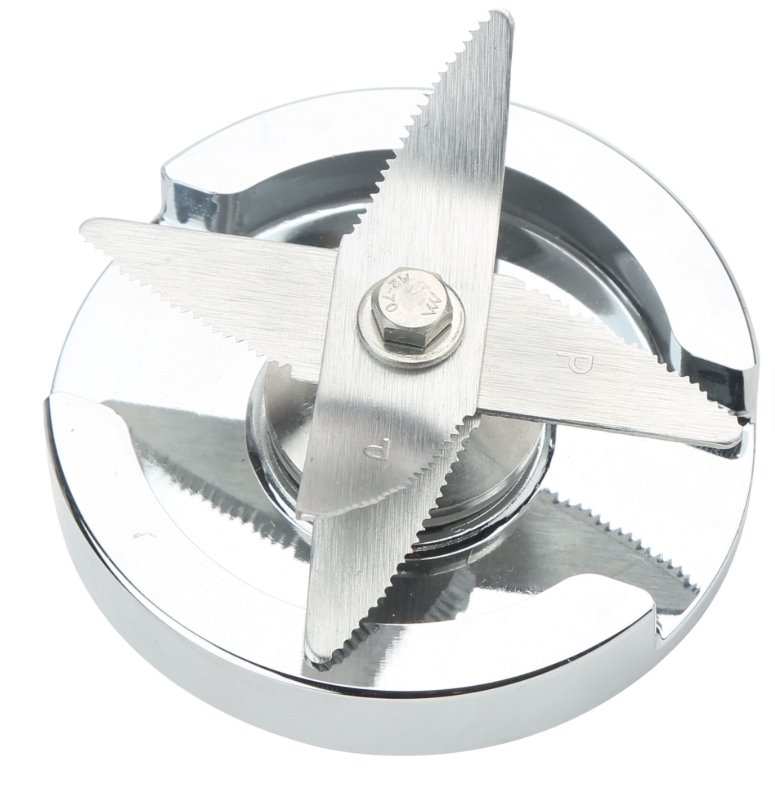
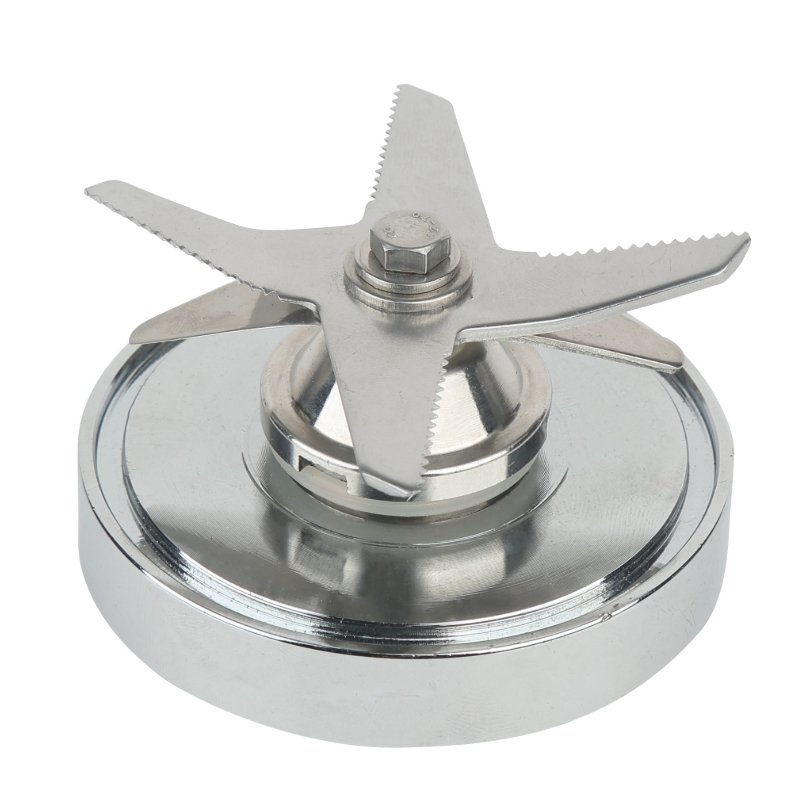
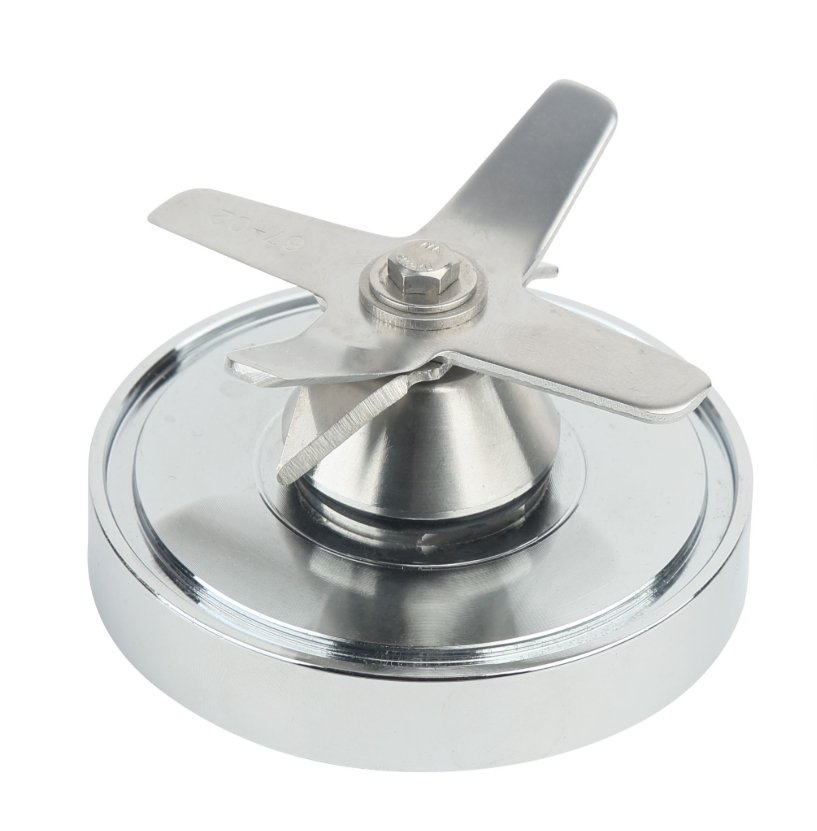
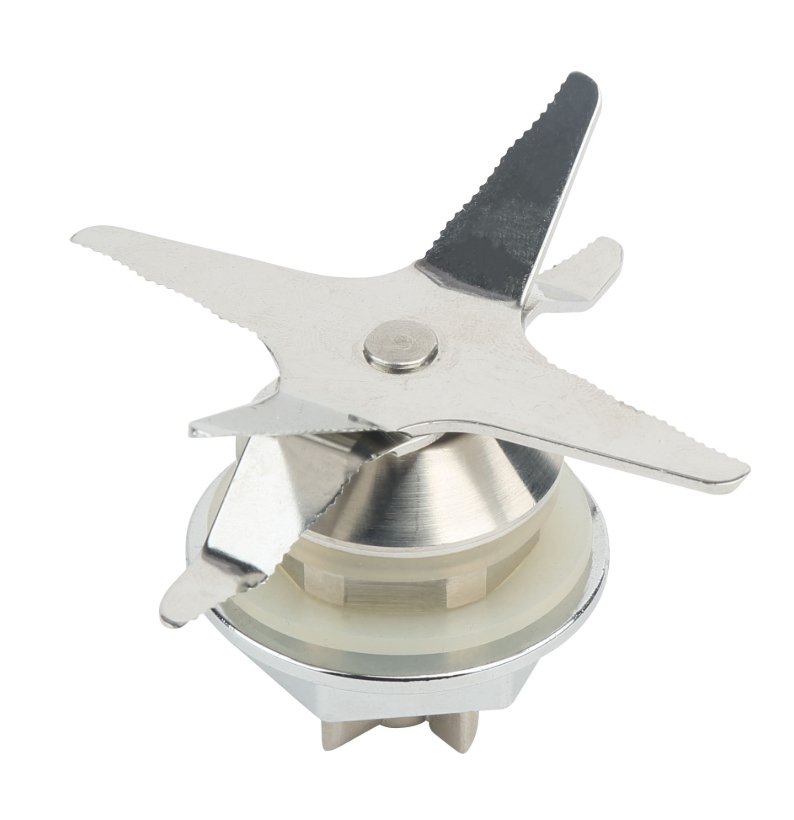
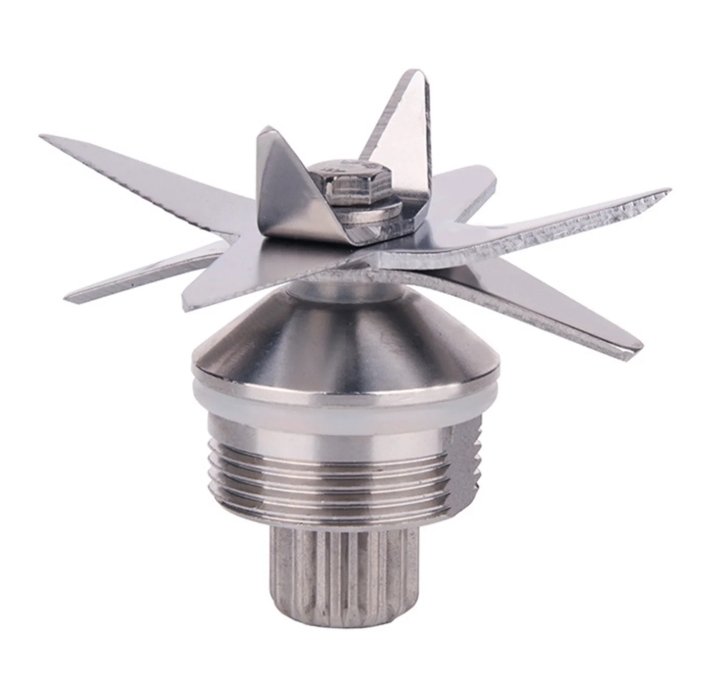
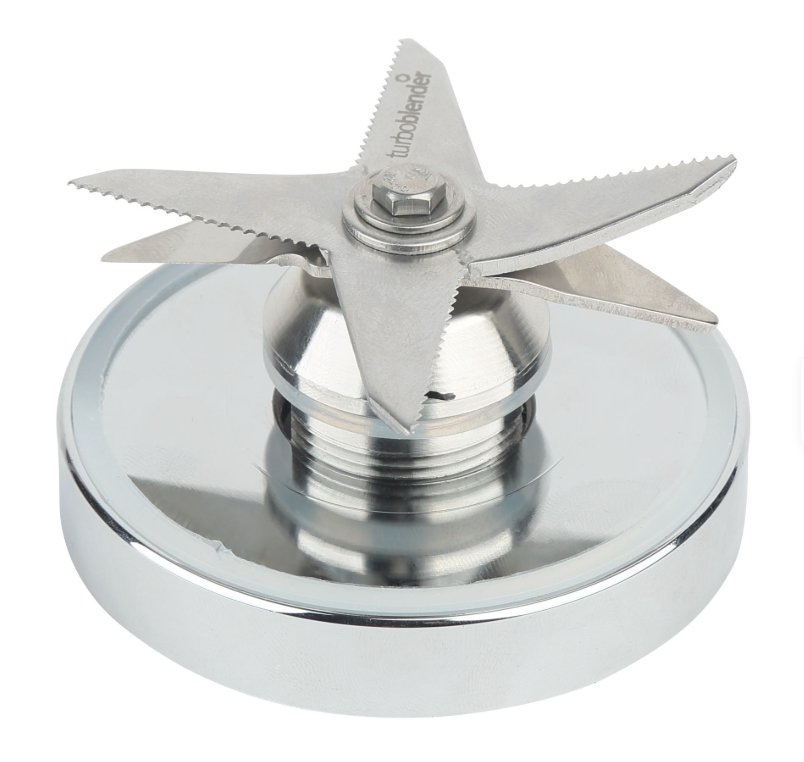
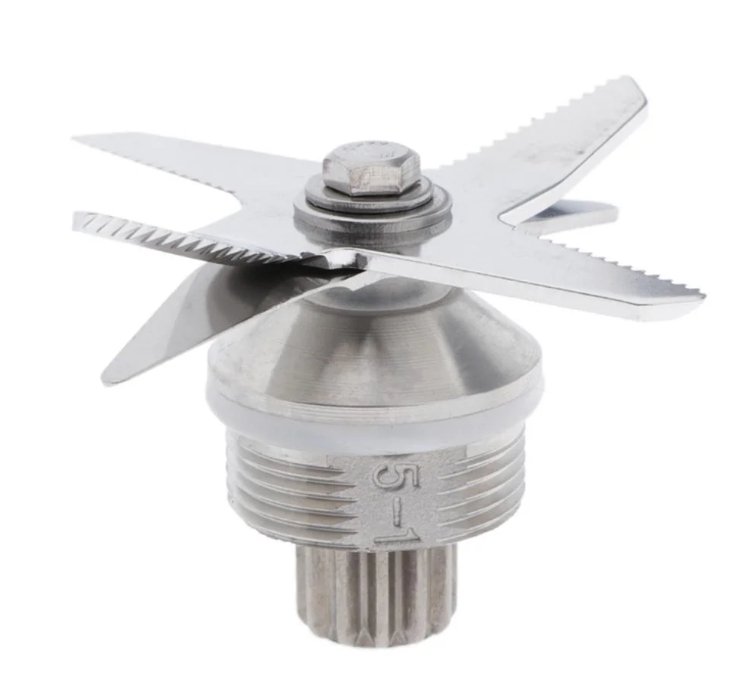
Blender Blade for Sale
Diamond Blade for Sale

Demolition Hammer & Rotary Hammer for Sale
Welcome to call us
Contact Us to get quotation
Working Time: 8:00~17:00 Monday to Friday.
FAQ
Welcome to call us
Contact Us to get quotation
Working Time: 8:00~17:00 Monday to Friday.
Blogs:
You may also interest in other topics:
22KW EV Charger ,talc grinding mill , rotary filling machine ,