What is the difference between industrial fan and regular fan?
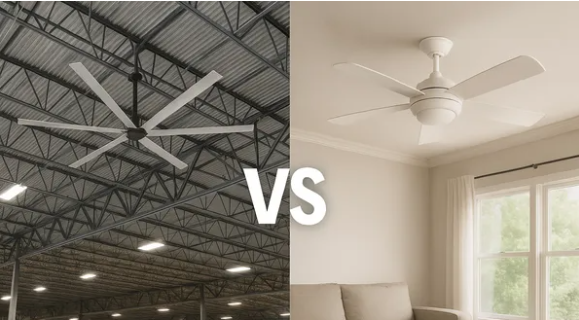
What is the difference between industrial fan and regular fan?
Industrial fans and regular household fans have essential differences in design positioning, structural configuration, core operating performance and applicable usage scenarios, and they are completely different types of ventilation equipment tailored for diverse environmental demands rather than just differing in size and appearance. Most people simply regard industrial fans as enlarged versions of ordinary household fans, but in fact, the two adopt totally different design standards, material selection and performance tuning logic from the initial research and development stage. Regular fans focus on household comfort, quiet operation and lightweight portability, while industrial fans take high durability, strong environmental adaptability and large-scale ventilation efficiency as the core design goals. These fundamental differences lead to huge gaps in their structural strength, operating performance and applicable working conditions in actual use.
What structural and design differences separate industrial fans from regular fans?
Industrial fans adopt high-strength full-metal structural materials such as aviation magnesium aluminum alloy and thickened steel plates, forming a heavy-duty and sturdy frame that far exceeds the material grade of ordinary household fans. In order to cope with long-term high-intensity operation and harsh industrial environments, all key load-bearing and operating parts of industrial fans abandon lightweight low-cost materials. The overall metal frame has excellent anti-corrosion, anti-impact and anti-deformation capabilities, and can resist erosion from dust, oil stains and humid air in factory workshops for a long time. On the contrary, regular household fans mostly use lightweight ABS plastic and thin low-grade metal materials. This kind of material configuration is light in weight and low in cost, which can meet the aesthetic and portable needs of household use, but it has poor structural toughness and cannot withstand impact, corrosion and long-term high-load mechanical operation.
There is a clear gap in protection grade between industrial fans and regular fans, forming a huge difference in environmental adaptability. Formal industrial fans generally reach IP54 or IP55 high-level dustproof and waterproof protection standards. The fully enclosed structural design can effectively block internal invasion of industrial dust, oil fume and water mist, ensuring stable internal circuit and mechanical operation in harsh workshop working conditions. This high-protection design is a necessary configuration for industrial equipment to adapt to complex production environments. However, ordinary household fans mostly adopt hollow plastic shell structures with almost no professional protection performance. Their internal motors and circuits are directly exposed to the air, and they are easily damaged by dust accumulation and moisture intrusion. They can only operate in clean, dry and mild indoor household environments.
Industrial fans have far higher overall structural strength and safety configuration standards than regular fans, with professional heavy-duty safety designs for high-load operation scenarios. The base weight of a standard industrial fan is three times that of an ordinary household fan, which can effectively ensure overall equipment stability during high-speed operation and avoid shaking and displacement caused by strong wind power and mechanical vibration. Most industrial fans are also equipped with anti-tipping safety locks and dense high-strength protective nets, which can effectively block foreign objects from being involved in the rotating blades and prevent safety accidents in industrial scenarios. In contrast, regular fans pursue lightness and appearance beauty, with large mesh protective nets and simple fixed structures. They have no heavy-duty anti-loosening and anti-impact safety designs, and can only meet the safe use needs of low-risk household environments.
The overall structural design logic of the two types of fans is completely different, resulting in obvious differences in durability and fault tolerance. Industrial fan structures are designed with sufficient safety redundancy, and every connection and fixed part is reinforced and thickened, adapting to 24-hour long-term continuous operation and frequent wind load impact. The structural design of ordinary fans focuses on daily intermittent use, with simple assembly structure and low fault tolerance. Minor external impact or long-term operation wear will easily lead to structural looseness and functional failure, which also determines the essential difference in service life and stability between industrial and household ventilation equipment.
What core performance gaps exist between industrial fans and regular fans in actual operation?
Industrial fans have extremely high air volume output and super-large coverage area, whose ventilation efficiency is completely unmatched by ordinary household fans. The air volume of a single industrial fan can reach 5,000 to 20,000 CFM, and large HVLS industrial ceiling fans can cover an effective ventilation area of more than 200 square meters. This super-large air supply capacity can realize full-space air circulation and rapid cooling for large workshops and warehouses. In sharp contrast, the air volume of regular household fans is only 50 to 1,000 CFM, with an effective coverage range of merely 10 to 20 square meters. They can only form small-range local wind circulation, and are unable to solve the overall high temperature and stuffy problems of large-space environments at all.
Industrial fans adopt high-standard industrial all-copper motors with excellent continuous operation capability and ultra-long service life, which is fundamentally different from civilian-grade motors of regular fans. The industrial-grade all-copper motor equipped on industrial fans has excellent heat dissipation performance and load resistance, supporting continuous stable operation for more than 100 hours without obvious overheating and power attenuation. The overall design life of the motor is as long as 30,000 hours, which can adapt to long-term uninterrupted industrial production needs. However, ordinary household fans use low-power civilian motors with simple heat dissipation structures. Long-term continuous operation will cause serious heat accumulation, easily leading to coil aging and motor burnout, and their overall stable service life is only 3 to 5 years, requiring frequent replacement.
There are obvious differences in operating noise and power energy consumption between industrial fans and regular fans, matching their respective usage positioning. Industrial fans pursue high-power and high-air-volume output, with an operating noise of 65 to 80 decibels and a power range of 500W to 3000W. Slightly higher noise and power consumption are inevitable costs to achieve large-scale efficient ventilation. Regular household fans focus on comfortable home experience, with low operating noise as low as 35 to 40 decibels and low power of only 30 to 100W. Their low noise and low energy consumption characteristics fully meet the quiet and energy-saving use needs of family living spaces, but they cannot provide strong ventilation power required by industrial scenarios.
The operating stability and anti-fatigue performance of the two types of fans also form a clear gap. Industrial fans have undergone strict high-load fatigue tests, and their motors and mechanical structures can maintain stable performance under long-term high-speed operation and variable load conditions, with low failure rate. Ordinary household fans are only designed for short-term intermittent use, and their internal structural accessories are prone to aging and wear after long-hour operation, resulting in problems such as weakened wind power, increased noise and unstable rotation speed. This performance difference further distinguishes the application boundaries between industrial and civilian fans.
How do application scenarios differ between industrial fans and regular fans?
Industrial fans are professionally developed and manufactured for large-scale open commercial and industrial spaces, undertaking core functions such as large-area cooling, air circulation, equipment heat dissipation, smoke exhaust and dust removal. They are widely used in factory workshops, large warehouses, stadiums, exhibition halls and other venues with large space and high ventilation demand. These scenarios require continuous and stable air circulation to improve high temperature, humidity and turbid air environment. Some explosion-proof customized industrial fans can also adapt to high-risk chemical production sites with flammable and explosive substances, realizing safe ventilation and environmental improvement for special industrial scenarios.
Regular household fans are only applicable to small-size indoor living and office scenarios, focusing on creating comfortable and quiet personal wind experience. Ordinary fans are mainly used in family bedrooms, living rooms, small offices and other small spaces. Their core design goal is to provide soft and natural breeze, reduce local temperature and improve personal comfort. Different from industrial fans that pursue ventilation efficiency, household fans pay more attention to mute effect, soft wind sense and convenient use experience, and some models are also equipped with auxiliary functions such as humidification and negative ion purification to meet the diversified comfortable living needs of families.
The environmental adaptability of the two types of fans in complex scenarios is vastly different. Industrial fans with high protection grade and high structural strength can work stably in harsh environments such as high temperature, heavy dust, oil pollution and humid air, and will not be damaged by environmental interference in long-term operation. Regular fans with simple structure and low protection level can only operate in clean, constant-temperature and mild indoor environments. Once used in dusty or humid industrial environments, they will quickly have faults such as motor short circuit, dust blockage and structural corrosion, and cannot work normally for a long time.
The functional positioning of the two types of fans also determines their different usage values. Industrial fans are auxiliary production equipment for industrial operation, aiming to improve production environment, reduce equipment operating temperature and ensure smooth production. Regular fans are household living appliances, whose core value is to optimize daily living comfort. The completely different scenario positioning makes the two types of fans irreplaceable in their respective fields, and there is no universal alternative relationship.
Q&A
Q1: What are the essential differences between industrial fans and regular household fans?
A: Industrial fans and regular fans have fundamental differences in design positioning, structural materials, operating performance and applicable scenarios. Industrial fans focus on high efficiency, high durability and harsh environment adaptability for industrial production, while regular fans take household comfort, mute performance and portability as the core, forming completely different product attribute systems.
Q2: What structural gaps exist between industrial fans and regular fans?
A: Industrial fans adopt high-strength all-metal materials with thickened and reinforced structures, featuring IP54/IP55 high protection grade and professional safety anti-fall and anti-impact configurations. Regular fans mostly use lightweight plastic and thin metal materials, with low protection level, simple structure and no professional heavy-duty safety design, only adapting to mild household environments.
Q3: What are the core performance differences between the two types of fans?
A: Industrial fans have large air volume and super coverage area, support long-term continuous high-load operation with long service life, and have higher power and operating noise. Regular fans have small air volume and limited coverage, low power and low noise suitable for household comfort, but poor continuous operation capability and short overall service life.
Q4: Can regular household fans replace industrial fans for factory ventilation?
A: No. Regular fans are only suitable for small and clean household scenarios and cannot adapt to large-space, high-dust and high-load industrial working conditions. They have insufficient ventilation efficiency, poor environmental adaptability and are prone to failure in industrial environments, so they cannot replace professional industrial fans for factory ventilation and cooling work.
Summary
In conclusion, industrial fans and regular fans show essential differences in design structure, core performance and applicable scenarios. In terms of design and structure, industrial fans adopt high-strength metal materials, high-level protection standards and professional safety structures adapted to harsh industrial environments, while regular fans pursue lightweight and beautiful design for household use with low protection performance. In terms of core performance, industrial fans have large air volume, wide coverage, durable industrial-grade motors and strong continuous operation capability, meeting high-intensity industrial ventilation demands, while regular fans are low-energy and low-noise products oriented to comfortable household use. In terms of scenarios, industrial fans serve large-scale industrial and commercial spaces and special harsh working conditions, while regular fans are only suitable for small indoor living and office environments. Clarifying these differences helps users select matched fan equipment according to actual usage needs, ensuring safe, efficient and stable ventilation in different scenarios.
Industrial Fan for Sale:
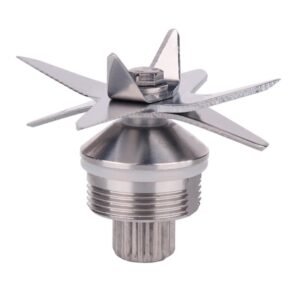
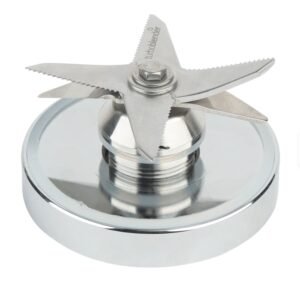
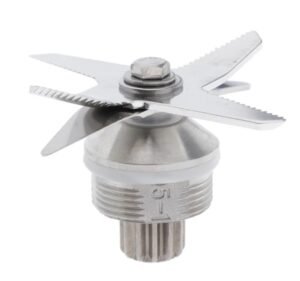
Blender Blade for Sale:
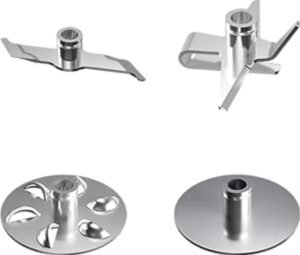
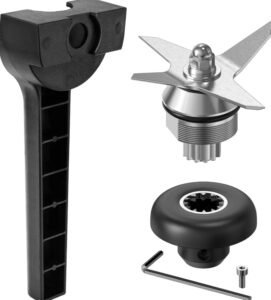
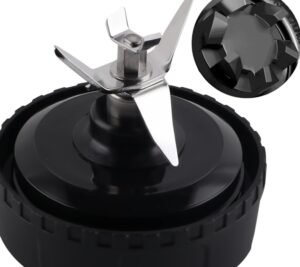
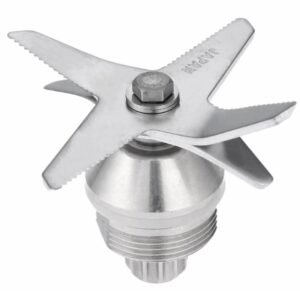
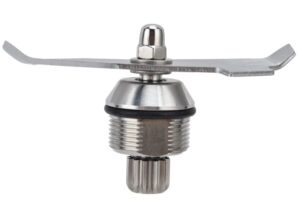
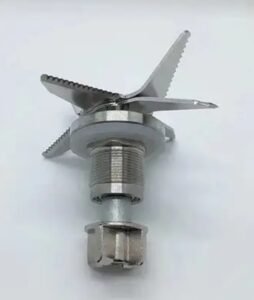
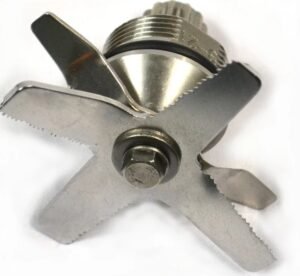
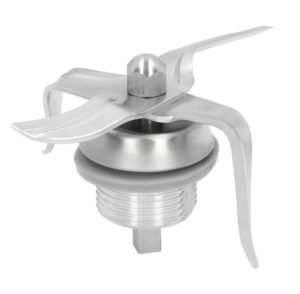
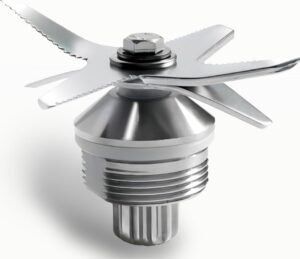
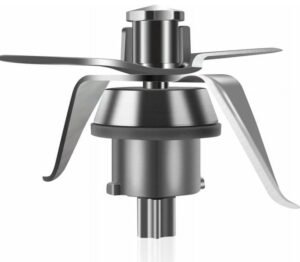
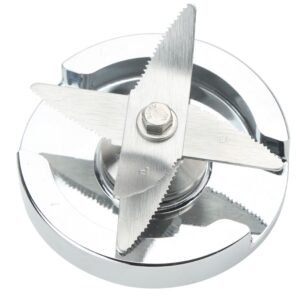
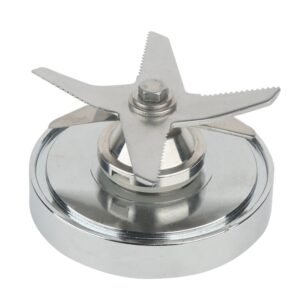
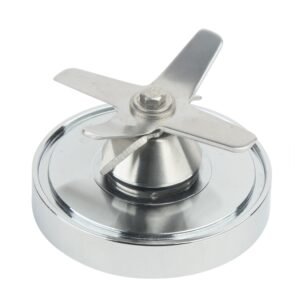
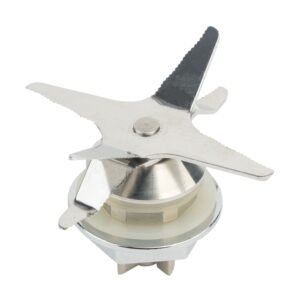
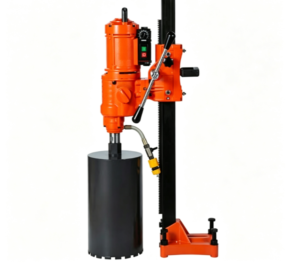
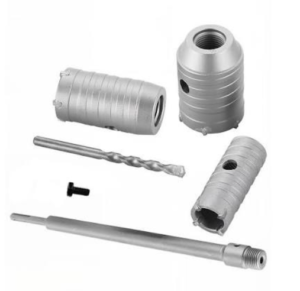
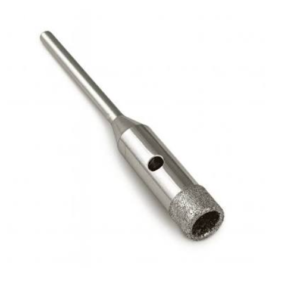
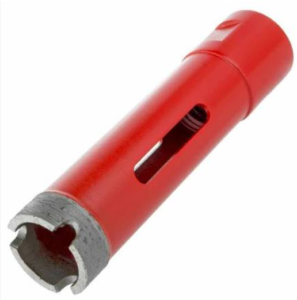
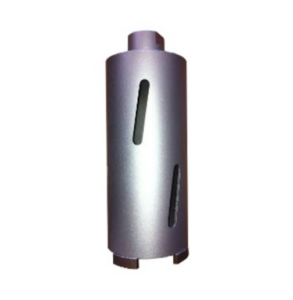
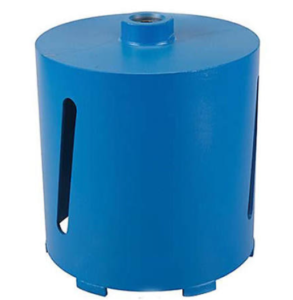
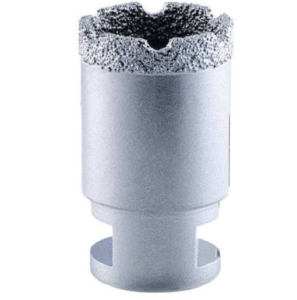
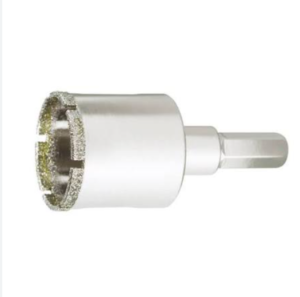
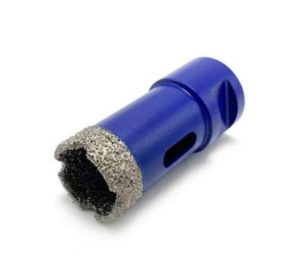
Core drill bit for Sale:
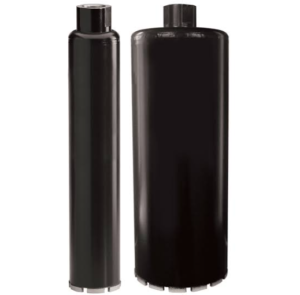
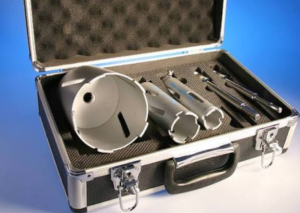
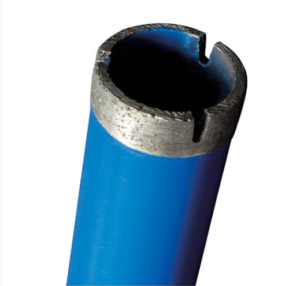
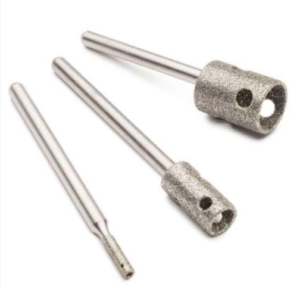
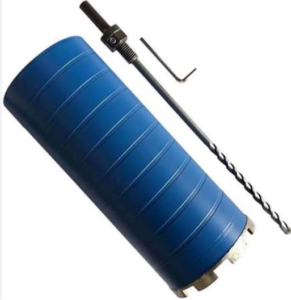
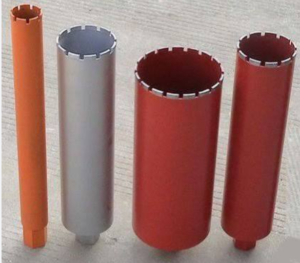
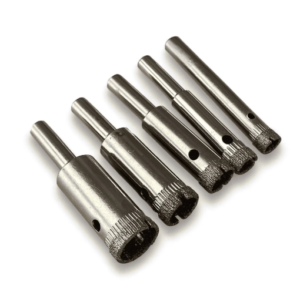
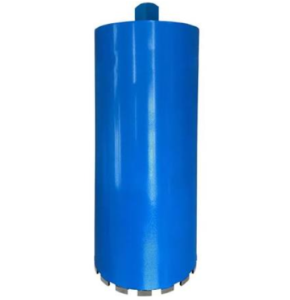
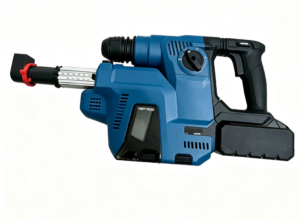
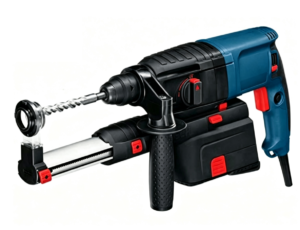
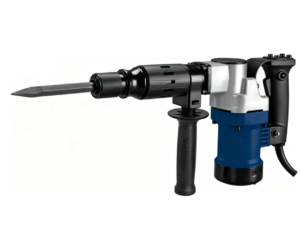
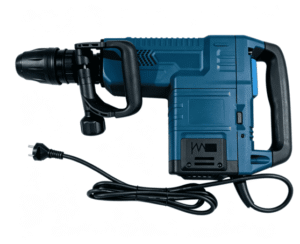
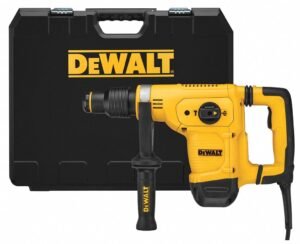
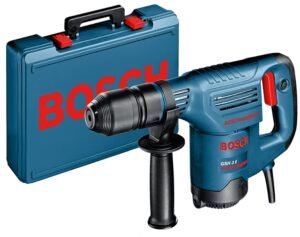
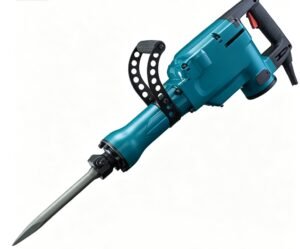
Rotary Hammer & Demolition Hammer for Sale:

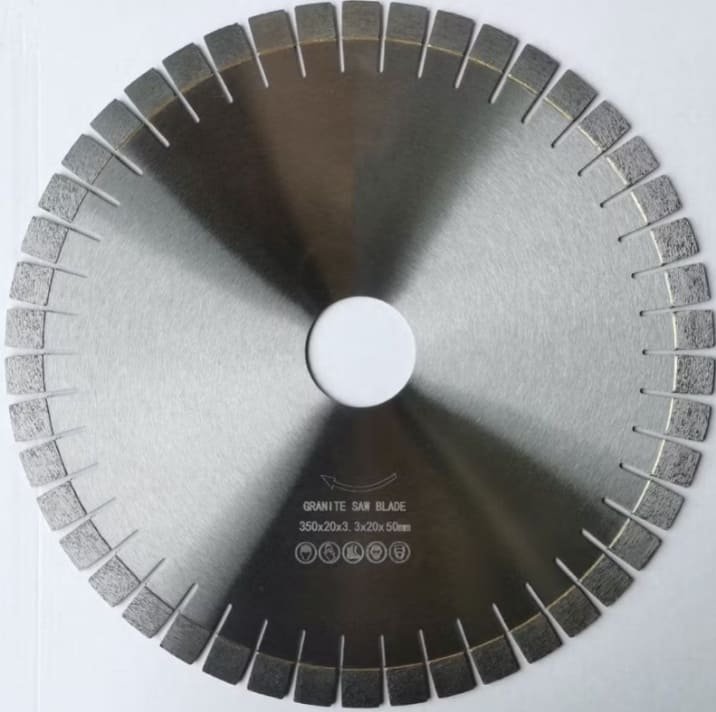
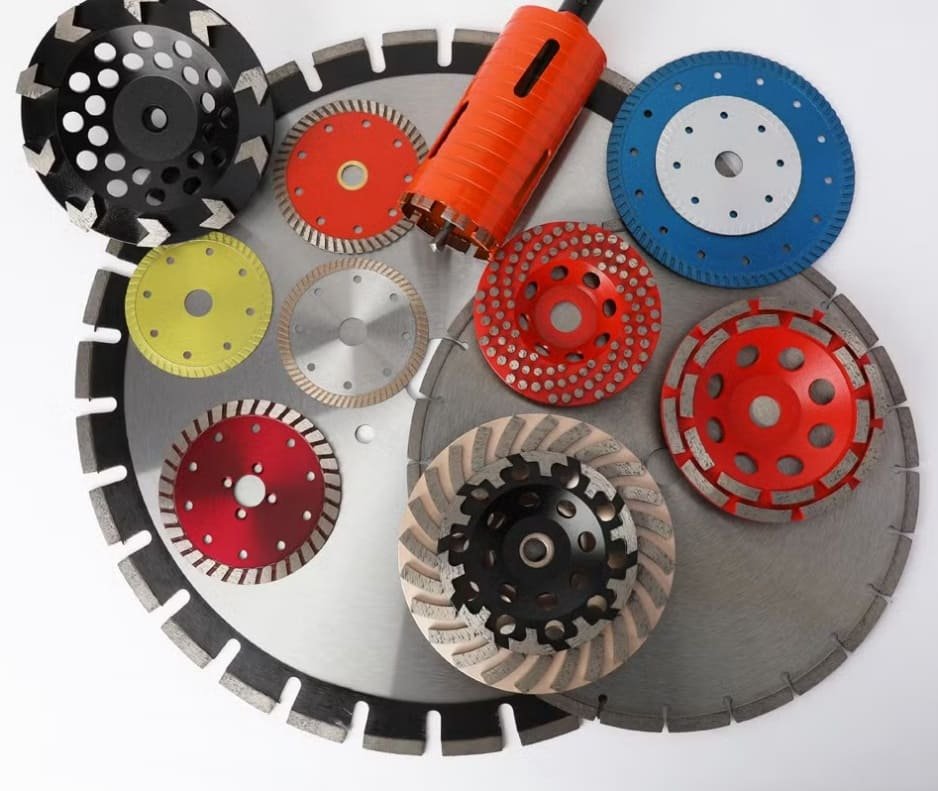
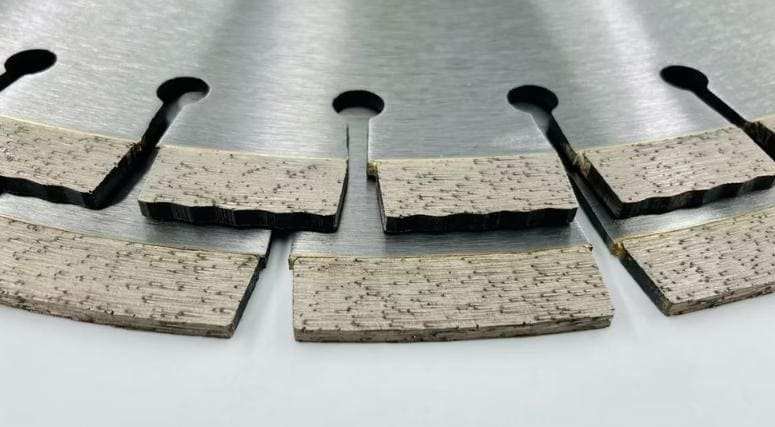
Diamond Blade

Welcome to call us
Contact Us to get quotation
Working Time: 8:00~17:00 Monday to Friday.
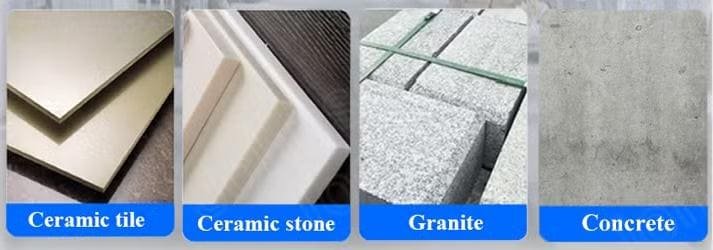
Applications:
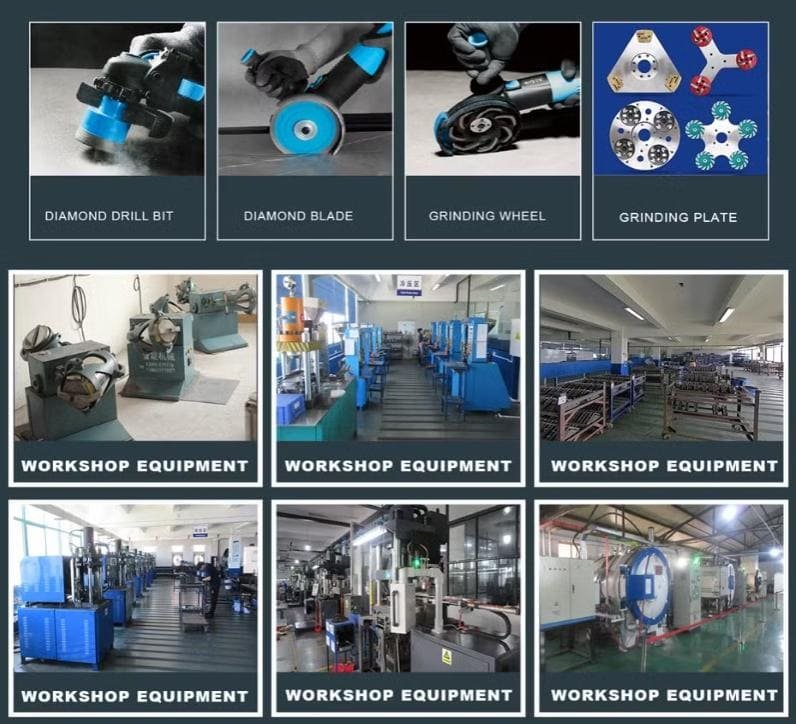
Factory:
FAQ
Welcome to call us
Contact Us to get quotation
Working Time: 8:00~17:00 Monday to Friday.
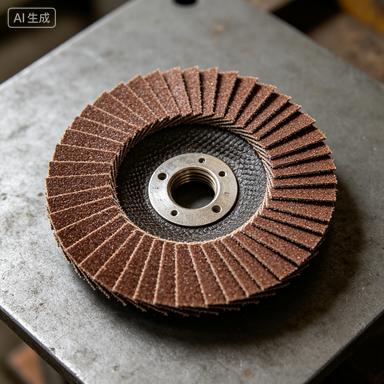
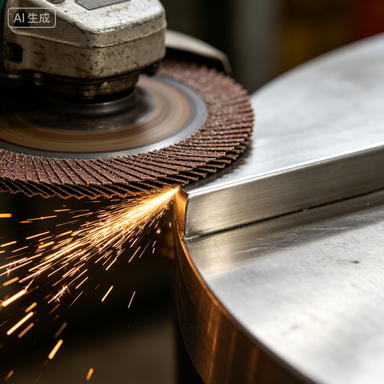
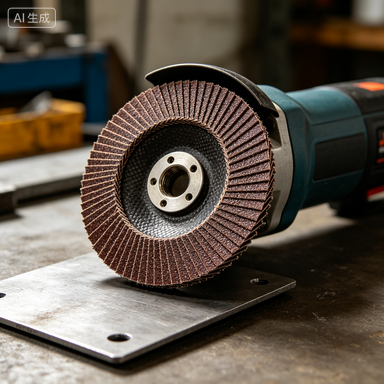
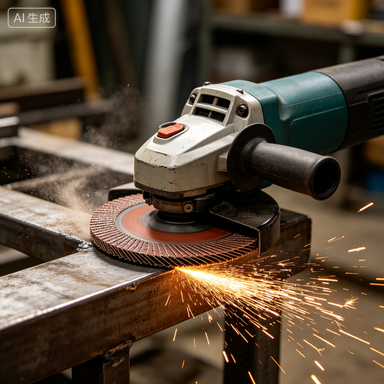
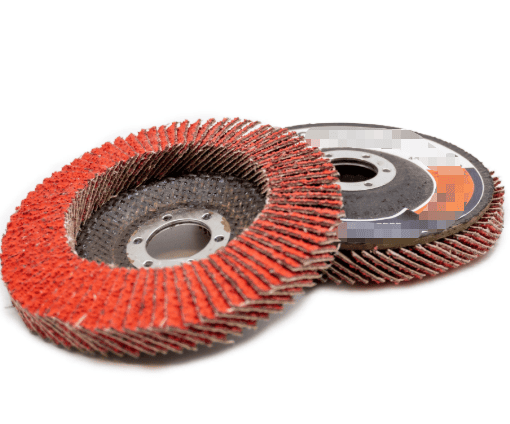
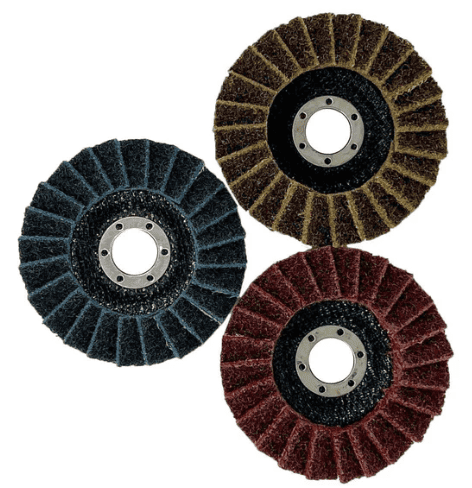
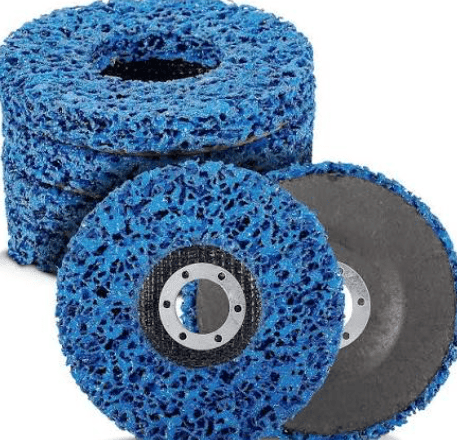
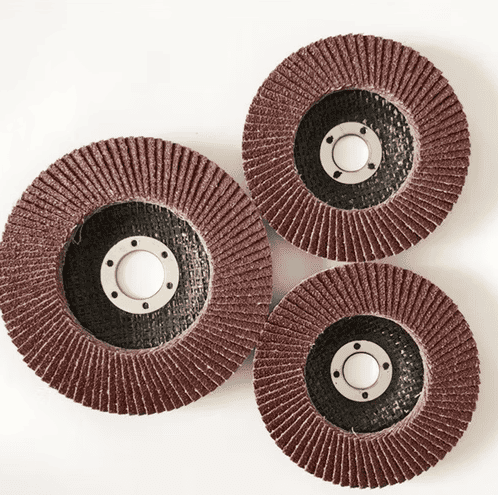
Flap Disc for Sale

Blogs:
You May also Interest in other topics:
houble head filling machine Automatic Metal Powder Production Line graphite grinding mill for battery material EV Charger Level 2