Why are industrial fans so loud?
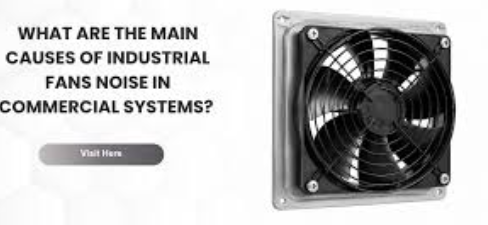
Why are industrial fans so loud?
The loud operating noise of industrial fans stems from a combination of inherent design attributes, mechanical structural characteristics, and progressive operational changes after long-term use, rather than single equipment failure or poor quality, with noise sources mainly divided into inherent design noise, mechanical fault noise, and installation-enlarged noise. Many users mistakenly believe that noisy industrial fans must be defective or improperly maintained, but industrial ventilation equipment is fundamentally different from quiet household fans in design positioning and working principles. Industrial fans prioritize high air volume, operational stability and long-duration load resistance, sacrificing silent performance to meet harsh industrial ventilation demands. Coupled with mechanical wear after long-term operation and non-standard on-site installation, the overall noise level becomes far more obvious than ordinary civilian fans.
Why do inherent design and structural attributes of industrial fans produce fundamental operating noise?
Industrial fans naturally generate louder airflow and vibration noise than household fans due to their high-power motor configuration, oversized blade structure and fast operating speed, with greater weight and rotational inertia further amplifying operating sound. Unlike low-power, small-size household fans designed for quiet indoor use, industrial fans are built for large-space high-efficiency ventilation. Their high-power motors output strong driving force to drive super-large blades rotating at high speed. The larger blade coverage and faster rotation speed produce far stronger air friction and mechanical vibration during operation. In addition, the heavy-duty body and thickened structural parts of industrial fans create greater inertial tension during rotation, generating more intense operating friction and structural vibration. This inherent power and structural difference is the root cause of higher baseline noise compared with ordinary fans.
Most industrial fans lack targeted noise reduction design, as their core design priorities differ greatly from daily household electrical appliances that focus on silent performance. Civilian fans, air conditioners and other household equipment are equipped with professional sound-absorbing materials, optimized streamline air ducts and mute structural designs in the production process to suppress operating noise. In contrast, industrial fan design takes high air volume, extreme operational reliability and harsh environment adaptability as the core goals. Manufacturers prioritize structural firmness, continuous operation stability and dust-proof and corrosion-resistant performance, while noise control is a secondary low-priority indicator. Without additional sound insulation, noise absorption and airflow optimization structures, industrial fans retain their original operating noise generated by mechanical operation and airflow movement.
Aerodynamic airflow noise serves as the dominant noise source of industrial fans, created by high-speed airflow pressure pulsation and turbulent vortex movement. Industrial fans deliver far higher air volume and air pressure than household fans, pushing massive air to flow rapidly through blade surfaces during operation. When high-speed air impacts and passes around fan blades, it forms continuous uneven pressure changes and dense airflow vortices. These turbulent airflows produce persistent and obvious roaring and whistling sounds, which cover most subtle mechanical noise and become the most prominent noise component in fan operation. This aerodynamic noise is inherent to high-volume industrial ventilation equipment and cannot be completely eliminated, only optimized and reduced.
The overall structural matching design of industrial fans further stabilizes this inherent noise level and ensures long-term consistent sound output. The rigid integrated frame and high-load rotating structure of industrial fans avoid local structural resonance caused by lightweight design, but also make the whole machine more capable of conducting vibration and airflow noise. Household fans use flexible buffer structures to weaken noise transmission, while industrial fans adopt rigid and firm connection methods to adapt to long-term high-load operation. This structural design ensures operational safety and stability but makes noise diffusion more direct and unobstructed, resulting in a louder and more penetrating operating sound in industrial venues.
How do mechanical operation wear and component failures trigger abnormal increased noise?
Bearing aging, insufficient lubrication and foreign matter contamination are the most common causes of abnormal mechanical noise in industrial fans, which can significantly raise the overall noise level of equipment after long-term operation. Industrial fan bearings rely on long-term lubrication to maintain low-friction smooth operation. After thousands of hours of continuous work, internal lubricating grease will gradually dry up and fail, leading to direct metal-to-metal friction between rotating parts. Relevant industry data shows that simple bearing wear and lubrication failure can increase fan operating noise by 10 to 15 decibels. If dust, particle impurities or tiny foreign matter enter the bearing gap during operation, or the bearing is deformed due to long-term load pressure, the friction resistance will further increase, producing harsh intermittent metal collision and grinding sounds.
Imbalanced rotor operation and offset fan blade gravity will cause continuous strong vibration, generating amplified resonance noise during high-speed rotation. The normal operation of industrial fans requires the rotor’s physical center of mass and the rotating shaft’s inertia center to remain completely coincident. Long-term high-speed operation, accidental impact and uneven internal component wear will lead to rotor eccentricity, making the rotating center deviate from the standard axis. Meanwhile, fan blades may become loose or suffer unbalanced dust accumulation, resulting in inconsistent blade gravity. When rotating at high speed, this eccentric structure generates uneven centrifugal force, driving the whole machine to produce periodic violent vibration and forming persistent low-frequency vibration noise.
Loose fixed parts and aging motor structures will induce resonance and electromagnetic abnormal noise, further enriching and amplifying industrial fan operating noise. After long-term mechanical vibration, the fixing screws, connecting brackets and mounting bases of industrial fans are prone to loosening. During high-speed operation, these loose parts cannot maintain stable fixation, producing synchronous resonance vibration with the rotating components and forming obvious resonant noise. In addition, aging motor internal structures such as uneven winding winding and degraded electromagnetic performance will cause unstable motor operation. This electromagnetic instability will produce irregular electromagnetic vibration and buzzing noise, which is different from mechanical friction sound and becomes another major source of abnormal fan noise.
Cumulative mechanical fatigue of long-term operation will gradually worsen abnormal noise and turn minor hidden troubles into persistent loud noise problems. Early minor wear of bearings, slight looseness of brackets and tiny eccentricity of blades will only produce faint abnormal sounds, which are easy to ignore in industrial production environments. However, continuous high-load operation will continuously aggravate these minor faults, making mechanical friction more intense, vibration frequency more unstable and resonance effect more obvious. Over time, the fan will change from normal low-noise operation to obvious loud noise operation, and even accompanied by abnormal vibration shaking, seriously affecting operational stability.
How do non-standard installation and complex usage environments amplify industrial fan operating noise?
Non-standard installation and insufficient fixed stability will cause fan vibration to conduct to building structures, triggering large-area resonance and significantly amplifying overall noise. Standard industrial fan installation requires stable installation foundations and matched shock-absorbing gaskets to isolate operating vibration. Many on-site installations omit shock-absorbing accessories or fix fans on unstable keels and thin wall structures. When the fan runs, the high-frequency vibration generated by rotation will be completely transmitted to the building ceiling, wall and support structures. These large-area building structures will resonate with the fan vibration, turning local equipment noise into overall venue reverberation noise, making the sound louder and more penetrating.
Unreasonable air duct layout and blocked inlet and outlet will disrupt smooth airflow, produce violent turbulent wind noise and sharp whistling sound. The normal airflow design of industrial fans relies on unobstructed air inlet and outlet spaces to form stable circulating airflow. If the on-site air duct is unreasonably narrowed, bent or blocked by equipment, goods and sundries, the airflow will be forced to squeeze through narrow gaps. High-speed airflow will produce severe turbulence and airflow impact, forming harsh high-frequency whistling noise. This airflow disorder noise is far sharper than normal operating wind noise and becomes the most intuitive loud noise problem in daily fan operation.
Long-term operational loss and blade deformation will break airflow balance and mechanical balance, continuously increasing operating vibration and friction noise. After years of continuous operation, industrial fan blades may be slightly deformed by accidental collision, or accumulate thick uneven dust on the surface. Unbalanced dust distribution and deformed blade structures will destroy the original streamlined airflow design and dynamic balance state. During rotation, the blades will produce uneven air resistance and eccentric vibration, not only increasing mechanical friction noise but also forming disordered turbulent airflow noise. In addition, unstable on-site voltage will cause the motor speed to fluctuate abnormally, resulting in intermittent unstable operation and irregular sudden abnormal noise.
Blocked filter components and narrowed airflow channels will intensify airflow extrusion and turbulence, further upgrading wind noise intensity. Industrial fans equipped with filter screens will accumulate a large amount of dust, fibers and particle impurities after long-term use, causing filter blockage and reduced air inlet area. The originally smooth air intake channel is squeezed and narrowed, forcing indoor air to pass through the tiny gaps of the blocked filter screen at a faster speed. The accelerated airflow speed and increased turbulence degree will greatly enhance aerodynamic noise, making the fan produce louder and harsher wind roar during operation, which is particularly obvious in dusty production workshops.
Q&A
Q1: Why are industrial fans inherently louder than household fans?
A: Industrial fans are designed for high-power, large-air-volume industrial ventilation, with oversized blades and fast rotating speeds generating strong aerodynamic wind noise and mechanical vibration. Unlike household fans with dedicated silent design and sound-absorbing structures, industrial fans prioritize operational stability and ventilation efficiency without additional noise reduction configurations, resulting in inherently higher baseline operating noise.
Q2: What mechanical faults will make industrial fans suddenly become louder?
A: Insufficient bearing lubrication and wear aging will increase metal friction noise by 10-15 decibels; rotor and blade imbalance will cause severe vibration noise; loose fixing brackets and screws will trigger structural resonance; and aging motor windings will produce abnormal electromagnetic buzzing sound. These mechanical failures are the main causes of sudden increased fan noise.
Q3: How do installation and working environments amplify industrial fan noise?
A: Unstable installation without shock-absorbing measures will cause building structure resonance and amplify overall noise; blocked air inlets and unreasonable air ducts will produce violent turbulent airflow and sharp whistling sound; blade dust accumulation and deformation will break operating balance; filter blockage and voltage instability will further aggravate abnormal noise and vibration.
Q4: Is loud noise of industrial fans normal and adjustable?
A: A certain degree of operating noise is normal and inherent for industrial fans, but sudden excessive loud noise is caused by faults or non-standard installation. Daily noise can be effectively reduced through standardized installation with shock absorption, regular bearing lubrication and blade cleaning, and reasonable airflow channel optimization, eliminating abnormal noise while retaining normal ventilation performance.
Summary
In conclusion, the loud operating noise of industrial fans is a comprehensive result of inherent design characteristics, mechanical aging faults and on-site environmental amplification. The high-power and large-air-volume industrial positioning and missing silent design bring unavoidable basic aerodynamic and mechanical noise, which belongs to normal inherent equipment characteristics. At the same time, bearing wear, blade imbalance and loose parts caused by long-term operation will trigger abnormal mechanical noise, while non-standard installation, blocked airflow channels and equipment aging will further amplify noise transmission and turbulence intensity. Distinguishing inherent normal noise from fault-induced abnormal noise, and optimizing installation, maintenance and operating environment can effectively reduce excessive noise, ensuring that industrial fans maintain efficient and stable low-noise operating status in industrial scenarios.
Industrial Fan for Sale:
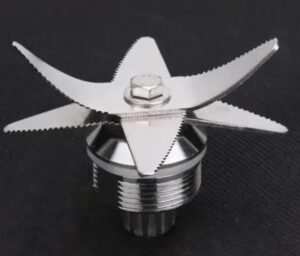
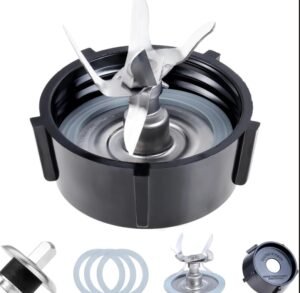
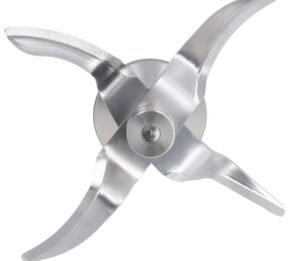
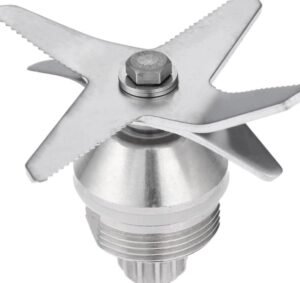
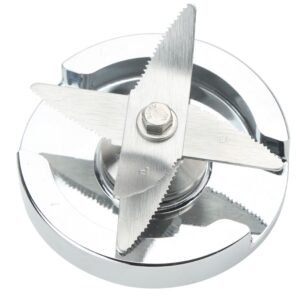
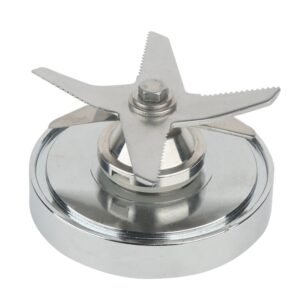
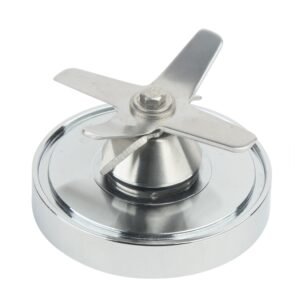
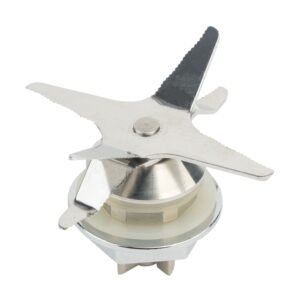
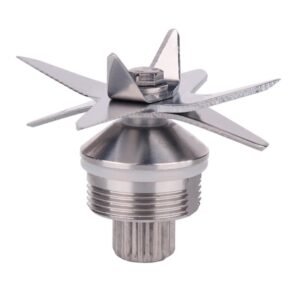
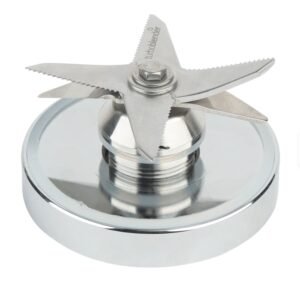
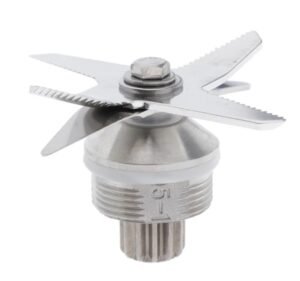
Blender Blade for Sale:
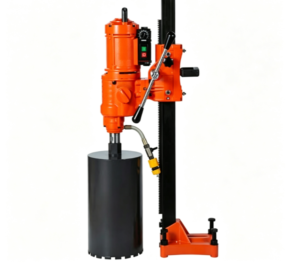
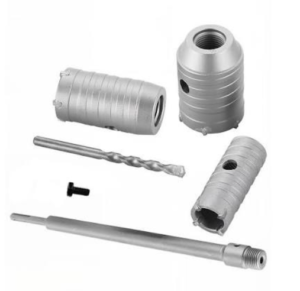
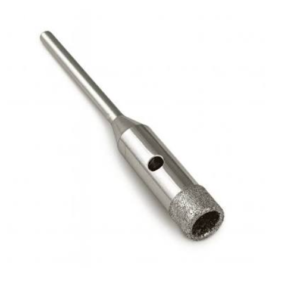
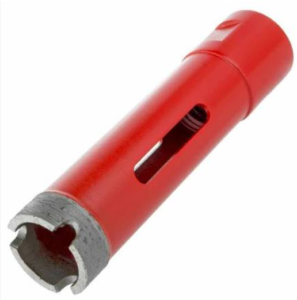
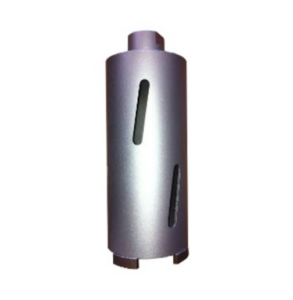
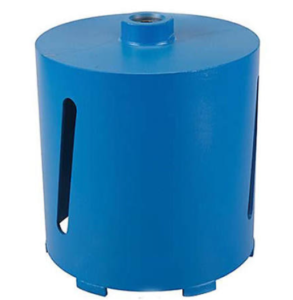
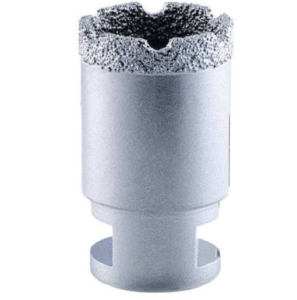
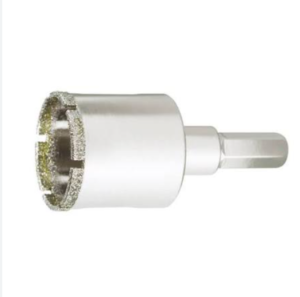
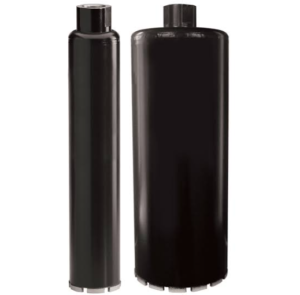
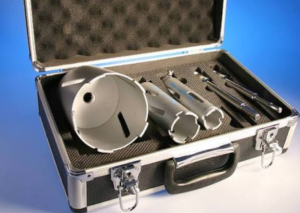
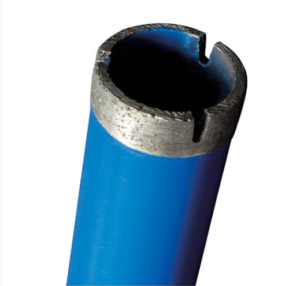
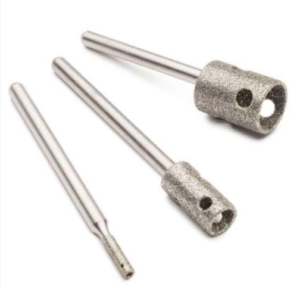
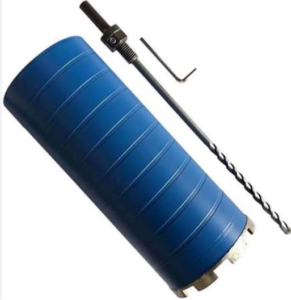
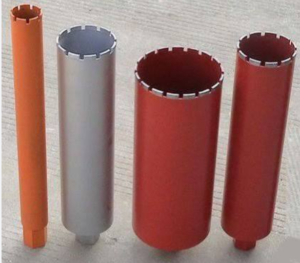
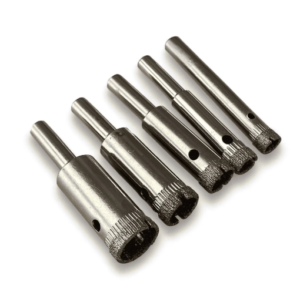
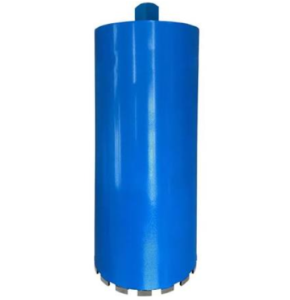
Core drill bit for Sale:
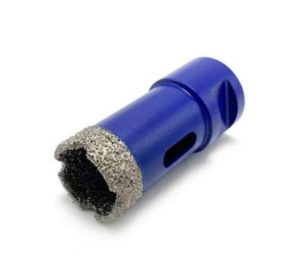
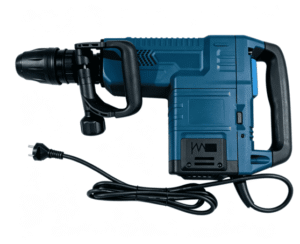
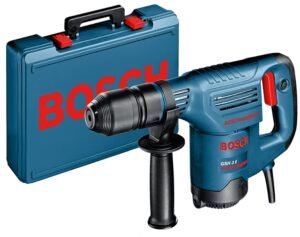
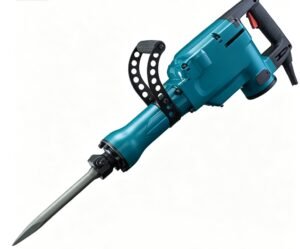
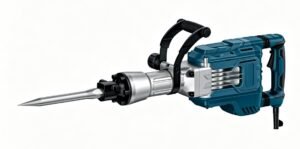
Rotary Hammer & Demolition Hammer for Sale:
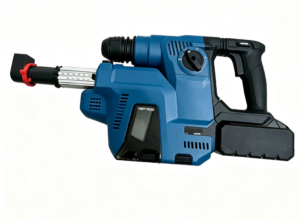
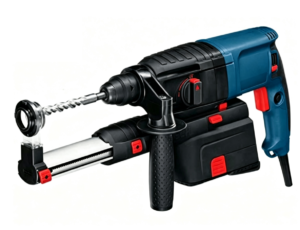
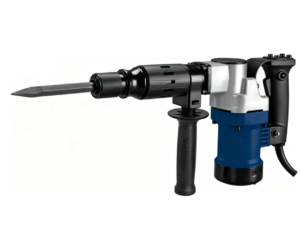


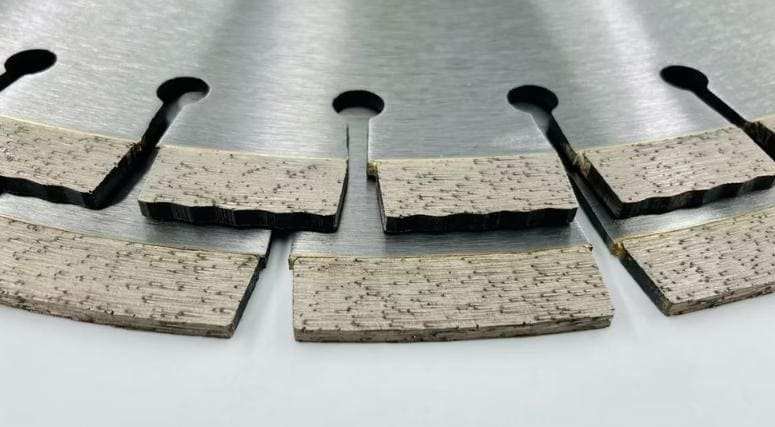
Diamond Blade

Welcome to call us
Contact Us to get quotation
Working Time: 8:00~17:00 Monday to Friday.
Applications:

Factory:
FAQ
Welcome to call us
Contact Us to get quotation
Working Time: 8:00~17:00 Monday to Friday.
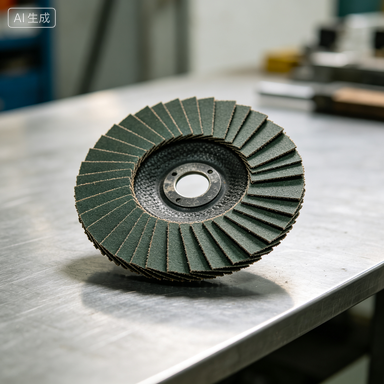
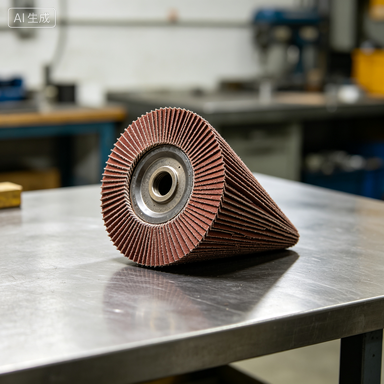
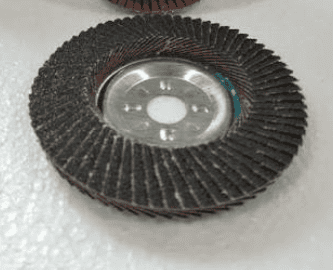
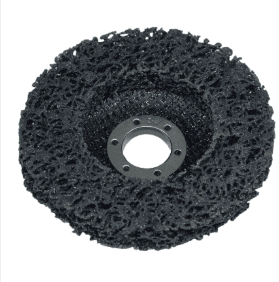
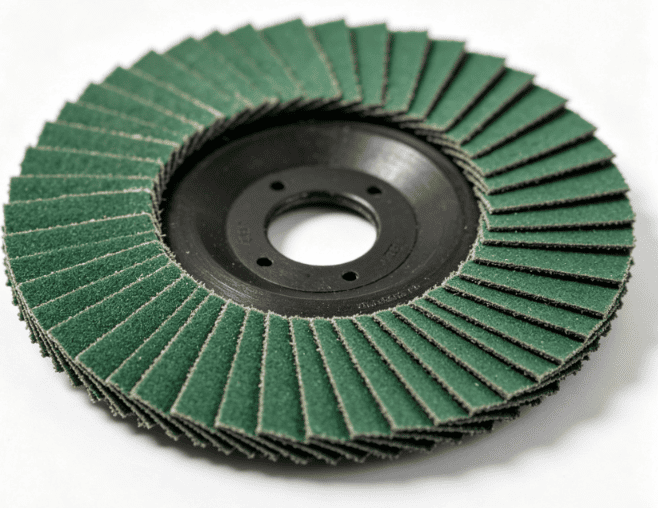
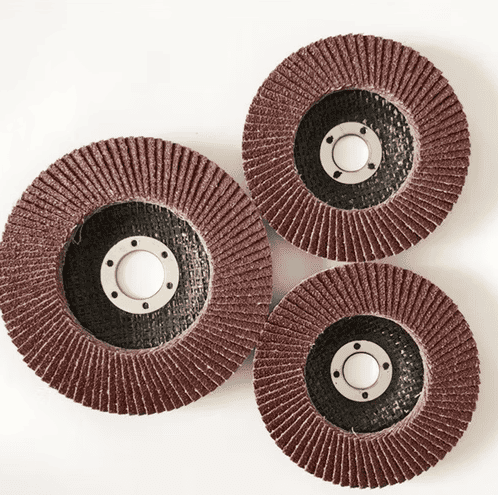
Flap Disc for Sale


Blogs:
You May also Interest in other topics:
single head filling machine Automatic Coffee Powder Production Line barite grinding mill for oil drilling Portable EV Charger with battery

-768x447.jpeg)