Type27 vs Type29 flap disc difference
Type27 vs Type29 flap disc difference
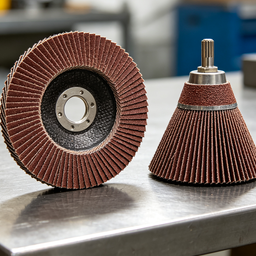
Type27 vs Type29 flap disc difference. Type27 and Type29 flap discs are two of the most common abrasive consumables for metal finishing, weld blending, and surface prep, but their very different shapes create make-or-break performance gaps depending on what you’re working on. Pick the wrong one, and you’ll end up with slower material removal, discs that wear out way too soon, uneven finishes, or even safety risks while you’re running the grinder. At the most basic level, the difference comes down to face angle: Type27 discs have a flat 0° working face, while Type29 have a convex, angled face usually between 15° and 25°, each built for different contact pressure patterns and grinding positions.
Both discs are made with overlapping abrasive flaps bonded to a rigid backing plate, but their shape dictates where they work best: Type27 discs are for flat, horizontal surfaces and 90° edge grinding, while Type29 shine on contoured surfaces, off-angle work, and vertical blending. Getting this right lets fabricators, welders, and metalworkers cut down on consumable costs, get more consistent finishes, and spend less time per part.
Core Working Principles
Type27 flap discs work on a full-face contact model, designed to engage the entire abrasive surface when held at 0° to 15° relative to the workpiece. The flat profile spreads contact pressure evenly across the whole face when used on flat surfaces, so the maximum number of abrasive grains are touching the material at any given time. That even pressure gives you consistent, uniform stock removal across the entire contact area, making it super efficient for smoothing out large, flat sections.
Type29 flap discs use a convex, angled face that concentrates contact pressure on the outer 1/3 to 1/2 of the abrasive flaps when held at a 15° to 30° working angle. The curved shape creates a smaller, more focused contact patch that applies higher localized pressure to the workpiece, even when you’re holding the grinder at an offset angle. This design keeps the grains engaged consistently when you’re working on curves, where full face contact with a flat disc just isn’t possible.
Key Component Design Differences
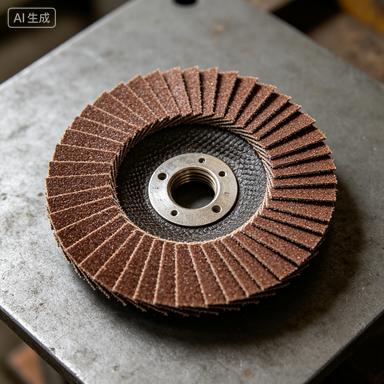
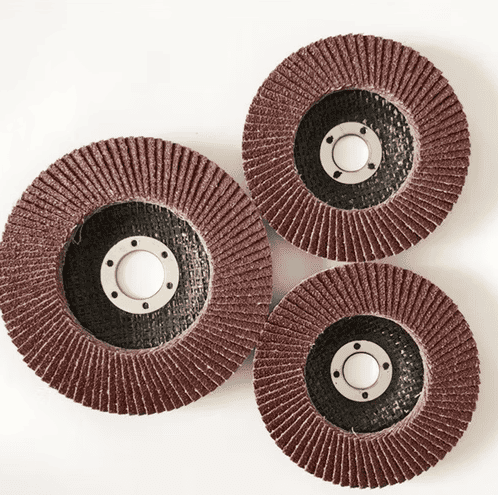
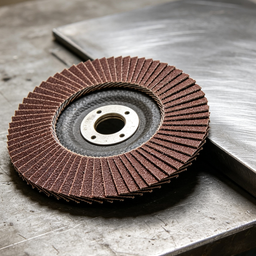
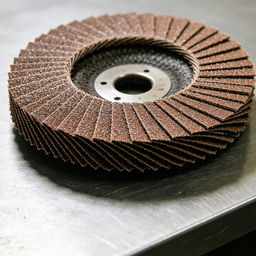
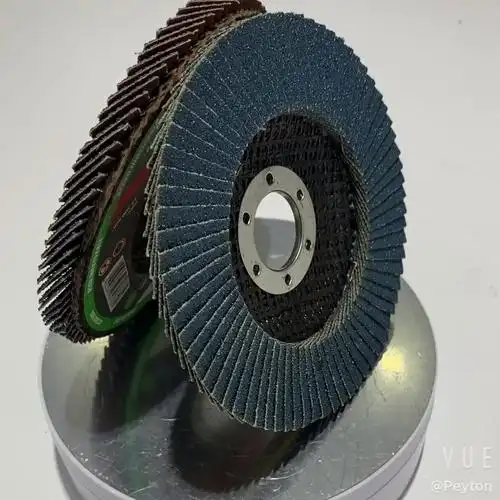
Both disc types share the same core parts: a fiberglass or phenolic backing plate, overlapping abrasive flaps made of coated aluminum oxide, zirconia alumina, or ceramic grain, and a resin bonding system that holds the flaps to the backing. The main structural difference is how the flaps are oriented during manufacturing: Type27 flaps are bonded perpendicular to the backing plate, creating that flat working face, while Type29 flaps are bonded at a pre-set 15° to 25° angle, forming the distinct convex profile.
Backing plate thickness is usually matched to what the disc is made for: Type27 discs typically have a 3mm to 5mm thick rigid backing to support even pressure distribution during heavy flat grinding, while Type29 discs may use a slightly more flexible 2mm to 4mm backing to let them conform a little to curves without losing structural integrity. High-performance versions of both types often have a fiberglass reinforcement ring around the center mounting hole to lower the risk of disc failure under high centrifugal loads.
Material and Specification Alignment
Both Type27 and Type29 discs come in the same range of abrasive grain types, grit sizes, and diameter specs, with common sizes from 4.5 inches (115mm) to 9 inches (230mm) for handheld angle grinders. Grit options run from 24 grit for heavy stock removal up to 320 grit for fine finishing. Zirconia alumina is the most common industrial grade for carbon steel and stainless steel, while ceramic grain is used for high-volume work on very hard materials.
The one spec where they differ is maximum safe operating speed for the same size: a 4.5-inch Type27 disc is usually rated for 13,300 RPM, while a 4.5-inch Type29 disc of the same build may have a slightly lower 12,200 RPM rating. That’s because the angled flaps create more aerodynamic drag and higher centrifugal force when spinning. Always check that the speed rating marked on the disc matches your grinder’s no-load speed before using it—overspeeding is the top cause of disc failure.
Application Scenario Suitability
Type27 flap discs are the standard pick for flat surface work, including blending welds on flat plate, removing rust and scale from sheet metal, smoothing mill scale on structural steel, and beveling edges at a 90° angle. They’re also preferred for surface blending before painting or powder coating, since their even contact pattern lowers the risk of gouging or leaving uneven texture on flat workpieces. Most general metal fabrication shops keep Type27 discs in 36, 60, and 120 grit as staple consumables for daily use.
Type29 flap discs are optimized for contoured, curved, or off-angle work, like blending welds on pipe joints, smoothing curved metal furniture frames, finishing castings with irregular surfaces, and grinding on vertical or overhead surfaces where holding a grinder at 0° is just not practical. The angled face also cuts down on operator fatigue during long overhead jobs, since the natural wrist angle for overhead grinding lines up with the disc’s optimal working orientation, instead of forcing you to twist your wrist to get full face contact.
Performance Characteristic Comparisons
When used on flat surfaces at their optimal angle, Type27 discs deliver 15% to 25% higher material removal rates than Type29 discs of the same grit and grain type, thanks to their larger contact area and more even pressure distribution. They also wear more evenly, with flaps wearing down uniformly across the entire face, extending disc life by up to 20% in flat grinding applications. The flat profile creates a more consistent surface finish across large areas, with less risk of high or low spots from uneven contact.
Type29 discs outperform Type27 variants by 30% to 40% in stock removal rate when used on contoured surfaces or at angles above 15°, since their convex face keeps consistent grain contact even when the grinder is tilted. They also leave a finer, more consistent finish on curved surfaces, as the focused contact patch avoids the edge gouging that happens when you use a flat Type27 disc at an angle. The angled design also reduces heat buildup during contour work, since less of the disc surface is touching the workpiece at any time, lowering the risk of workpiece discoloration or heat treatment damage.
Selection Criteria for Specific Use Cases
Start by looking at what you work on most: if 70% or more of your grinding is on flat plate, structural steel, or 90° edge beveling, Type27 discs will give you the best performance and lowest cost per part. If curved surfaces, pipe welds, or off-angle work make up more than half your tasks, Type29 discs will cut down on process time and give you better finish quality. For shops with mixed work, keeping both types on hand is way more cost-effective than trying to make one type work for every job.
Grain and grit selection works the same for both types: use 24 to 36 grit for heavy weld and stock removal, 60 to 80 grit for general blending, and 120 to 320 grit for final finishing. For stainless steel or aluminum work, pick discs with a stearate coating to prevent loading and workpiece discoloration—these are available for both Type27 and Type29 formats. Always match the disc diameter to your grinder’s rated capacity, and double-check that the arbor hole size (most common are 7/8 inch and 5/8 inch for handheld grinders) fits your tool.
Maintenance and Storage Best Practices
Both Type27 and Type29 flap discs need the same basic care to last as long as possible: store them in a cool, dry spot with consistent humidity between 40% and 50% to keep the resin bonding agent from breaking down, which can make flaps separate prematurely. Don’t drop discs or stack heavy things on top of them—bent or cracked backing plates can cause dangerous vibration during use, or even lead to disc failure at operating speed.
When you’re using them, don’t push down too hard on the disc. That causes overheating, makes grains shed early, and increases wear rate. For Type27 discs, keep your working angle between 0° and 15° to ensure even wear; using a Type27 disc at angles above 20° will cause uneven wear on the outer edge of the flaps, cutting disc life by up to 50%. For Type29 discs, keep the working angle between 15° and 30° to make the most of the optimized outer portion of the disc; using a Type29 disc at 0° will concentrate pressure on the center of the disc, leading to fast center wear and early disc failure.
Safety Considerations for Both Disc Types
Both disc types require the same personal protective equipment during use: a face shield or safety goggles with side shields, hearing protection, and cut-resistant gloves. Never use a flap disc without a properly installed grinder guard that covers the top half of the disc—shattered disc fragments can travel at speeds over 300 mph if the disc fails. Always run the grinder for 30 seconds in a safe, enclosed area after installing a new disc to check for imbalance or defects before you touch it to the workpiece.
The only safety difference between the two types relates to kickback risk: Type27 discs have a slightly higher risk of kickback when used at excessive angles, since the sharp outer edge of the flat disc can catch on workpiece edges or burrs. Type29 discs have a rounded outer profile that lowers kickback risk during off-angle work, making them a safer choice for less experienced operators working on irregular surfaces. No matter which type you use, always position your body to the side of the grinder’s rotational plane to avoid injury if a kickback happens.
Common Misconceptions Cleared Up
Q: Type29 discs are always higher performance than Type27 discs, so they are the better choice for all applications.
A: That’s not true. Type29 discs only outperform Type27 variants when used on contoured surfaces or at angles above 15°. On flat surfaces, Type27 discs deliver higher material removal rates, longer wear life, and more consistent finishes, making them the more cost-effective pick for flat work. Using a Type29 disc on flat plate will give you 20% slower stock removal and 15% shorter disc life compared to an equivalent Type27 disc.
Q: Type27 and Type29 discs are interchangeable, so it doesn’t matter which one you use.
A: This is a dangerous and costly misconception. While both fit on standard angle grinders, using the wrong type for your application lowers productivity, raises consumable costs, and increases safety risks. Using a Type27 disc at a steep angle for contour work causes uneven edge wear, which can lead to disc imbalance, vibration, and potential failure. Using a Type29 disc for flat grinding causes rapid center wear, wasting 30% to 40% of the disc’s abrasive material before you have to replace it.
Q: The only difference between Type27 and Type29 discs is their appearance, as they use the same abrasive materials.
A: While both can use the same abrasive grains, their structural design creates fundamental differences in contact pressure, wear pattern, and performance. The angled flap orientation of Type29 discs is built to concentrate pressure on the outer edge during off-angle use, a feature that doesn’t exist in Type27 designs. Independent testing shows that even with identical grain and grit, Type29 discs deliver 35% higher removal rates on curved surfaces than Type27 discs, while Type27 discs are 22% more efficient on flat work.
Q: Type29 discs are only for fine finishing, while Type27 discs are only for heavy grinding.
A: This is false. Both types are available in the full range of grits from 24 (heavy stock removal) to 320 (fine finishing). Type29 discs in 24 or 36 grit are widely used for heavy weld blending on pipe and curved structural components, where their angled profile delivers faster material removal than flat Type27 discs. On the flip side, Type27 discs in 120 or 220 grit are standard for fine finishing of flat sheet metal before painting, where their even contact pattern creates a consistent surface texture.
Frequently Asked Questions
Q: Can I use a Type29 disc on a grinder designed for Type27 discs?
A: Yes, as long as the disc’s diameter, arbor hole size, and maximum RPM rating match the grinder’s specs. Both types use standard mounting configurations, so they’re physically interchangeable on all standard angle grinders. Just adjust your working angle to match the disc type for the best performance and safety.
Q: Which disc type is better for weld blending on stainless steel pipe?
A: Type29 discs are the clear choice for pipe weld blending, since their convex profile conforms to the curved surface of the pipe, keeping consistent grain contact across the weld bead without gouging the surrounding pipe material. Pick a zirconia alumina or ceramic grain Type29 disc with a stearate coating to prevent heat discoloration and loading on stainless steel.
Q: How do I tell the difference between a Type27 and Type29 disc if the label is worn off?
A: Lay the disc flat on a hard surface with the abrasive face facing up. A Type27 disc will have a completely flat face, with the entire abrasive surface sitting parallel to the surface below. A Type29 disc will have a convex, raised face, with the outer edges of the flaps sitting 3mm to 8mm higher than the center of the disc, depending on its diameter.
Q: Which disc type has a lower cost per part for general fabrication work?
A: For shops where 60% or more of grinding work is on flat plate and structural steel, Type27 discs have a 10% to 15% lower cost per part thanks to their longer wear life and higher material removal rates on flat surfaces. For shops focused on pipe fabrication, custom metalwork, or automotive restoration with high volumes of curved work, Type29 discs deliver a 20% to 25% lower cost per part by cutting down on process time.
Q: Can I use a Type27 disc for beveling edges at a 45° angle?
A: While it’s possible, it’s not optimal. Using a Type27 disc at a 45° angle concentrates all pressure on the outer 1/4 of the disc, causing fast uneven wear and a 40% reduction in disc life. For frequent beveling work, a Type29 disc will give you better performance, since its angled face lines up with the 45° bevel angle, spreading pressure more evenly and extending disc life. For occasional beveling, a Type27 disc will work, but you’ll have to replace it more often.
Final Summary
Type27 and Type29 flap discs are built for distinct use cases, with their core difference being face angle: flat Type27 discs excel at flat surface grinding, 90° edge work, and general fabrication where even pressure distribution and consistent wear are priorities, while angled Type29 discs are ideal for contoured surfaces, pipe welds, off-angle work, and overhead grinding where focused contact pressure and consistent grain engagement at offset angles are critical. Look at what you work on most to pick the right type, stick to the recommended working angle for each disc, and store them in a controlled environment to maximize their service life and cut down on operational costs. Keeping both types on hand for mixed work will give you the best balance of productivity, finish quality, and consumable cost efficiency.
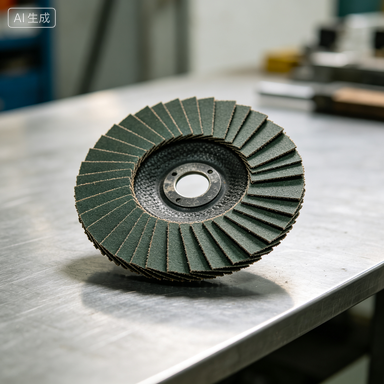
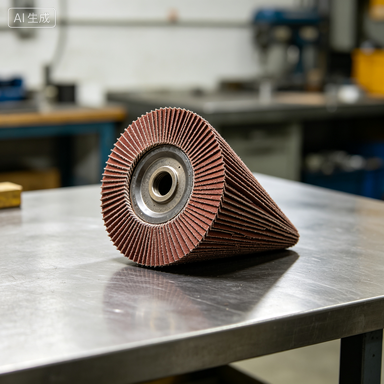
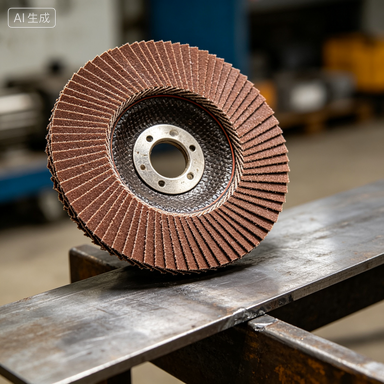
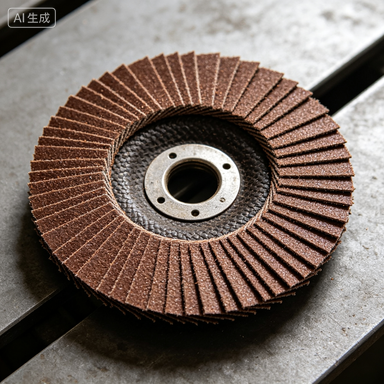
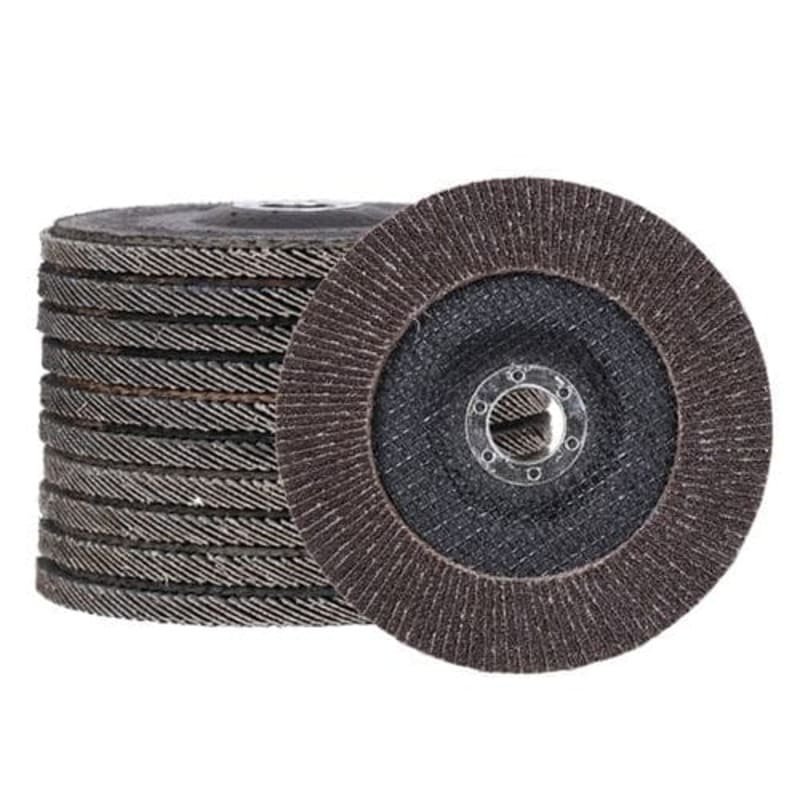
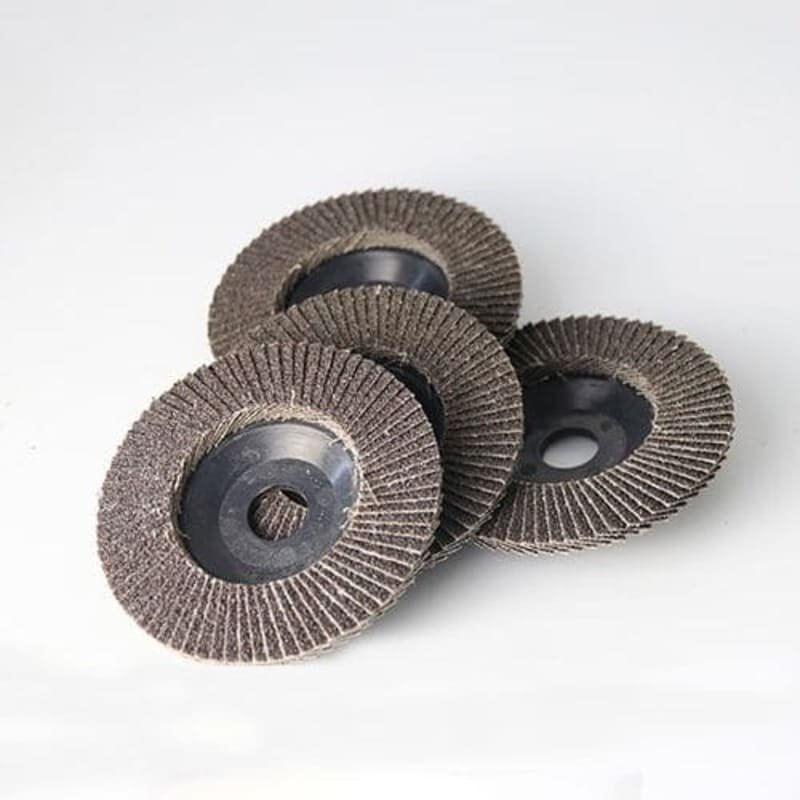
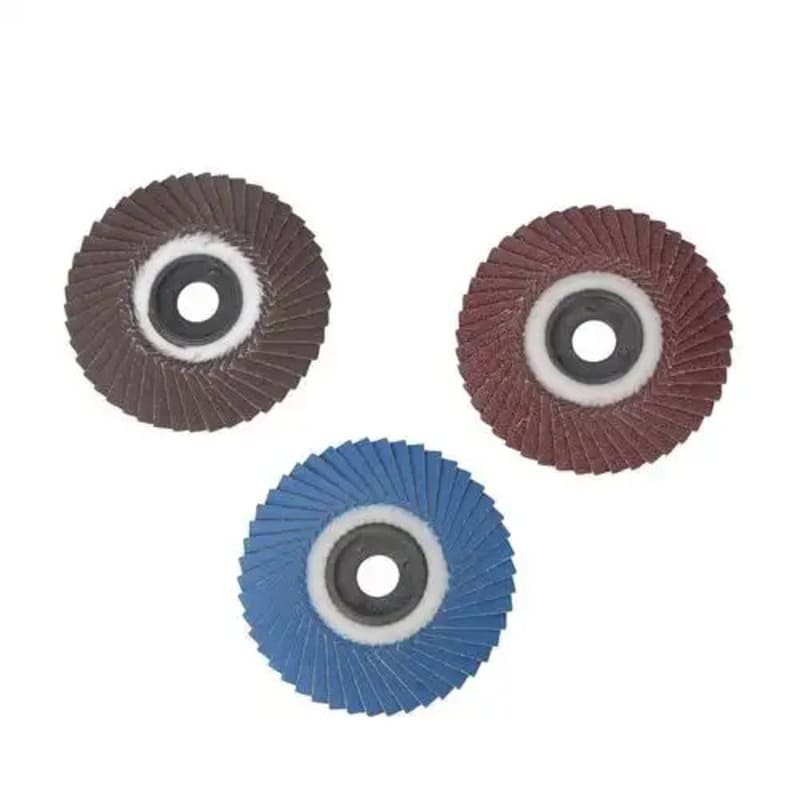
Flap Disc for Sale
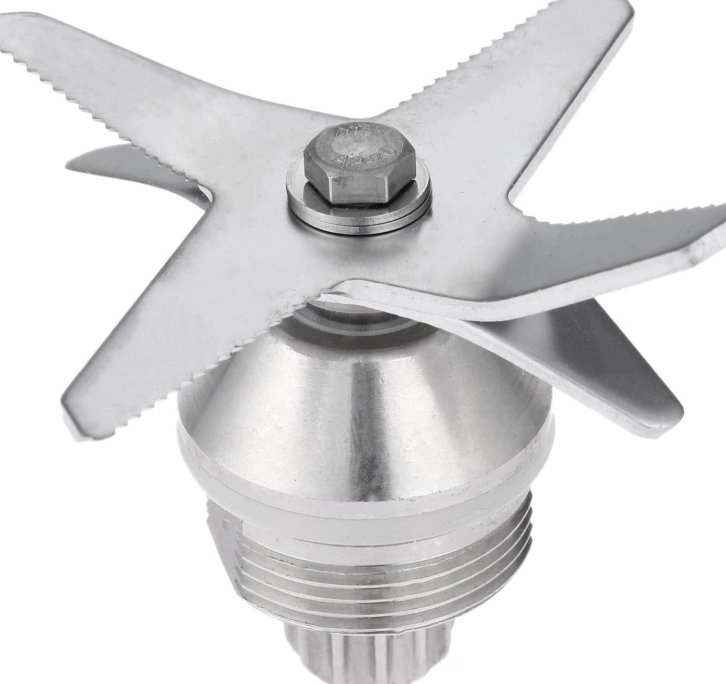
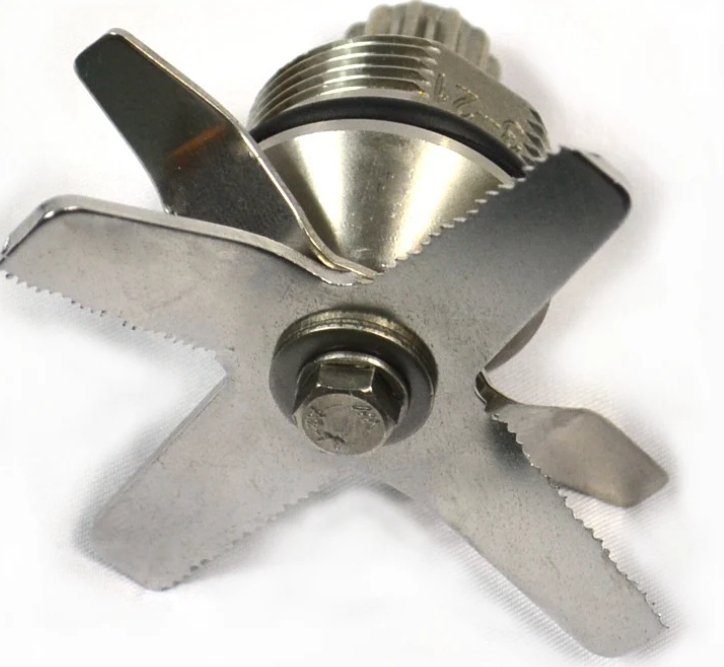
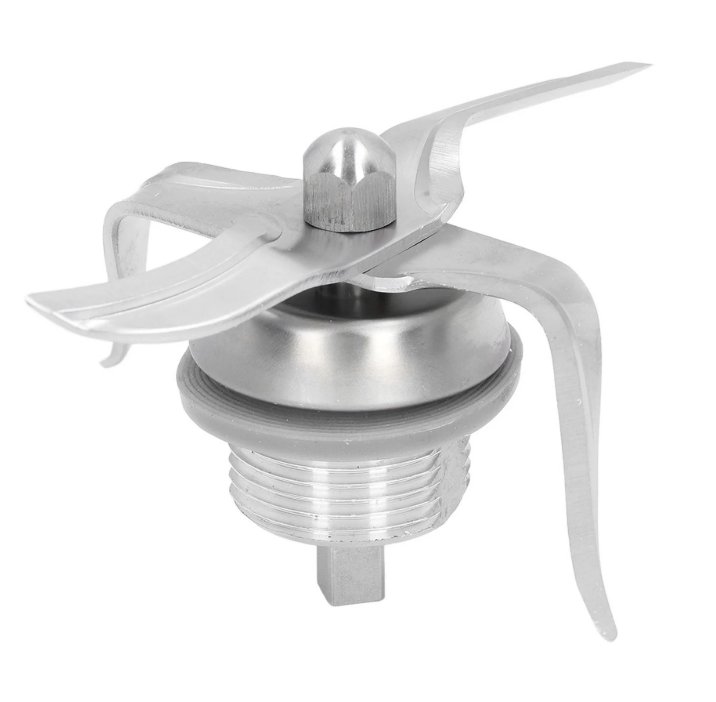
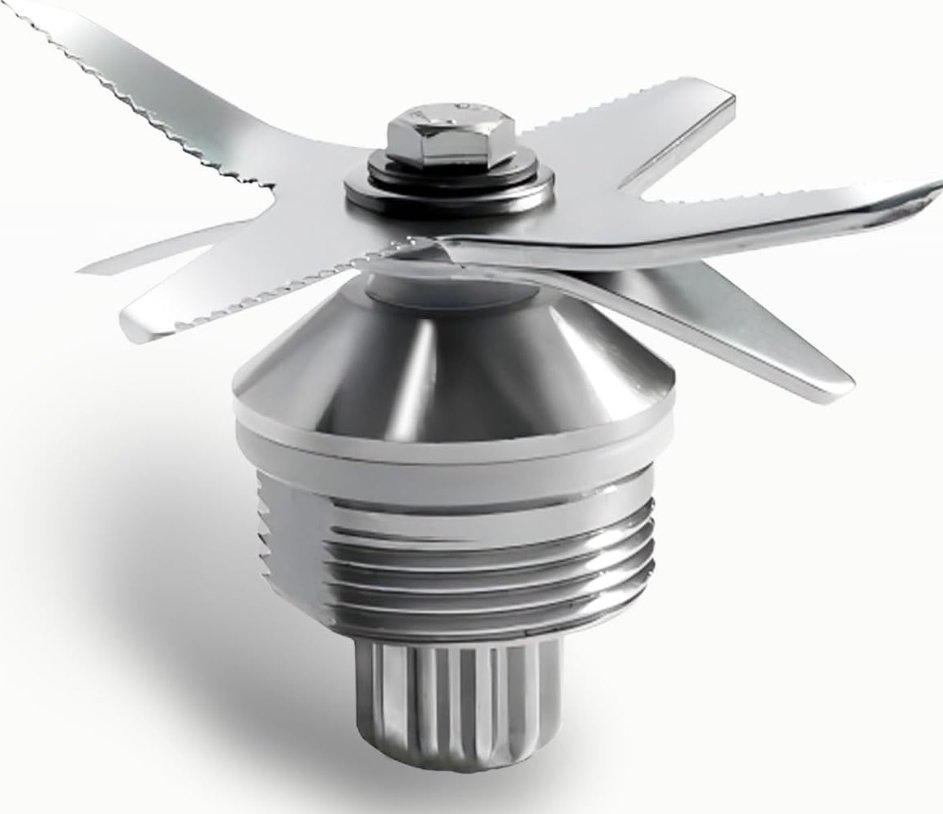
Blender Blade for Sale
Diamond Blade for Sale

Demolition Hammer & Rotary Hammer for Sale
Welcome to call us
Contact Us to get quotation
Working Time: 8:00~17:00 Monday to Friday.
FAQ
Welcome to call us
Contact Us to get quotation
Working Time: 8:00~17:00 Monday to Friday.
Blogs:
You may also interest in other topics:
22KW EV Charger ,talc grinding mill , rotary filling machine ,