What is the most efficient type of fan?
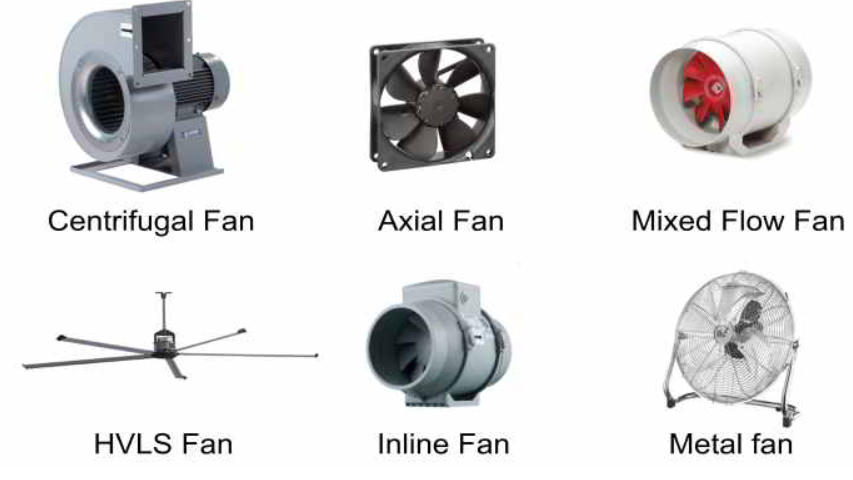
What is the most efficient type of fan?
Based on current industry data and practical application results, permanent magnet synchronous HVLS large-diameter and low-speed industrial ceiling fans stand out as the most comprehensively efficient fan type for industrial environments, outperforming traditional industrial fans in motor energy conversion, airflow coverage capability and long-term energy consumption control, and serving as the recognized high-efficiency preferred option in the industrial ventilation field. Many factory operators equate high fan power with high working efficiency and blindly select high-power traditional fans, which actually causes serious energy waste and poor ventilation results. Different types of industrial fans have distinct structural principles and energy efficiency mechanisms, leading to huge gaps in actual operating performance. HVLS permanent magnet synchronous ceiling fans break through the efficiency bottlenecks of conventional fans with optimized motor technology and structural design, achieving low-energy and high-coverage ventilation that cannot be matched by other fan products.
What core high-efficiency advantages make permanent magnet synchronous HVLS fans lead industrial ventilation performance?
Permanent magnet synchronous HVLS industrial ceiling fans achieve extremely high motor energy conversion efficiency, creating a fundamental energy-saving advantage over traditional AC asynchronous fans. This advanced fan type adopts high-performance permanent magnet materials as the core power-generating component of the motor, realizing a maximum energy conversion efficiency of over 90% during operation. In contrast, the energy conversion rate of ordinary AC asynchronous motors widely used in traditional industrial fans only ranges from 60% to 70%. The huge gap in conversion efficiency means that most of the electric energy input of traditional fans is consumed in the form of heat loss and invalid mechanical loss, while permanent magnet motors can convert most electric energy into effective rotating power. This excellent energy conversion capability greatly reduces invalid power loss and lays a solid foundation for the overall high-efficiency operation of HVLS fans.
HVLS fans have outstanding airflow conversion efficiency, which can realize ultra-large-area air circulation with extremely low power consumption and far surpass traditional small industrial fans in unit-area energy consumption. The fan blades of HVLS products adopt streamlined integrated design, with precisely calculated blade angle and scientific size matching parameters. This optimized structural design can efficiently convert mechanical rotating energy into large-scale natural-like soft airflow, avoiding the turbulent wind energy loss of small high-speed fans. A standard HVLS fan with a power of only 1.5 kilowatts can effectively cover an industrial space of more than 1,000 square meters. After average calculation, its energy consumption per unit area is only one-tenth of that of traditional small industrial fans, realizing ultra-low energy consumption and super-high coverage ventilation effect.
Permanent magnet HVLS industrial fans have extremely low operating loss and slow energy efficiency attenuation, ensuring stable high-efficiency output in long-term continuous industrial operation. Different from traditional motors that require continuous excitation current to generate magnetic fields and thus produce huge electrical loss, permanent magnet synchronous motors rely on built-in permanent magnetic materials to form a stable magnetic field, completely eliminating excitation current loss. Matched with high-precision low-friction bearings and low wind resistance streamlined blade structure, the mechanical friction loss, iron loss and copper loss during fan operation are all controlled at an extremely low level. For long-term uninterrupted industrial operation, the performance attenuation speed of HVLS fans is far slower than that of other types of industrial fans, without problems such as increased power consumption and decreased air volume caused by equipment aging, maintaining long-term stable high energy efficiency.
The overall working mode of large-diameter and low-speed operation further amplifies the efficient working characteristics of HVLS permanent magnet fans. Traditional industrial fans rely on high-speed rotation to generate wind force, and most of the energy is consumed in the friction and turbulence of high-speed airflow. HVLS fans drive large-area air flow through low-speed and high-torque rotation, forming stable three-dimensional circulating airflow. This working method avoids invalid wind energy loss, makes every unit of electric energy efficiently converted into effective space ventilation power, and further improves the comprehensive operating efficiency of industrial ventilation.
What other types of industrial fans also have excellent energy-saving and efficient performance?
DC variable-frequency industrial fans are efficient upgraded products of traditional fixed-frequency fans, with significant energy-saving advantages and flexible performance in medium and small space ventilation scenarios. Compared with conventional fixed-frequency AC industrial fans that maintain constant power and constant speed operation all the time, DC variable-frequency fans can adjust operating power and rotating speed in real time according to actual ventilation demands and ambient temperature changes. Industry practical data shows that DC variable-frequency industrial fans can save about 30% of electric energy on the basis of meeting the same ventilation effect. Their wide speed regulation range and precise wind power adjustment capability make their energy efficiency performance far better than ordinary AC fans in medium and small workshop spaces and local cooling scenarios.
Axial-flow high-efficiency energy-saving fans show unique high-efficiency advantages in fixed pipeline ventilation and equipment targeted heat dissipation scenarios. Different from HVLS fans which focus on large-space circulating ventilation, axial-flow fans adopt a straight-in and straight-out airflow structure, with air flow direction parallel to the fan shaft. This structural feature minimizes internal wind resistance during operation and avoids airflow steering loss and turbulent loss. In special scenarios such as industrial pipeline exhaust, mechanical equipment fixed heat dissipation and directional air supply, axial-flow fans can efficiently convert wind pressure into stable and straight air volume. Their matching degree with directional ventilation demands is extremely high, realizing high-efficiency directional air delivery that large circulating fans cannot achieve.
These two types of high-efficiency fans have their own scenario advantages, forming a complementary high-efficiency ventilation system with HVLS large fans. DC variable-frequency fans are good at flexible energy-saving operation in small and medium spaces and local variable-demand scenarios, while axial-flow fans excel in fixed pipeline and directional exhaust work. Although their comprehensive large-space circulation efficiency is lower than that of permanent magnet HVLS fans, they are indispensable high-efficiency equipment in subdivided industrial scenarios, meeting the efficient ventilation demands of different specialized working conditions.
Compared with ordinary traditional industrial fans, both DC variable-frequency fans and axial-flow energy-saving fans have optimized structural design and operating logic. They abandon the inefficient constant-speed and high-loss working mode of traditional fans, effectively reducing long-term operating energy consumption. When selected and used according to scenario characteristics, they can effectively improve the overall energy-saving level of factory ventilation systems and reduce enterprise operating costs.
What key factors determine the actual operating efficiency of different fans?
In addition to the fan’s own type and structural positioning, motor performance is the core factor that determines the upper limit of fan operating efficiency, directly affecting energy conversion level and long-term stability. Different grades of motors have huge differences in energy conversion rate, internal loss control and heat dissipation performance. High-quality permanent magnet motors and variable-frequency dedicated motors have optimized coil winding and magnetic circuit design, with extremely low thermal loss and electrical loss. Ordinary low-grade motors have simple structures and poor loss control, which are prone to heat accumulation and efficiency decline after long-term operation. Even for the same type of fan, the better the motor performance, the higher the actual operating efficiency.
The streamlined design and structural precision of fan blades are key factors affecting airflow conversion efficiency, determining whether mechanical energy can be efficiently converted into effective air volume. High-efficiency fan blades all adopt computer-aided optimized streamline modeling and precise angle calibration, which can minimize air resistance during rotation and maximize airflow pushing effect. Roughly manufactured fan blades with irregular radian and unreasonable angle will produce severe airflow turbulence and wind resistance loss during operation. A large part of mechanical energy is used to offset wind resistance, resulting in reduced effective air volume and wasted electric energy, greatly reducing the overall working efficiency of the fan.
The matching degree between fan load and actual scenario demand and the accuracy of the speed regulation system will directly affect the real-time operating efficiency of equipment in actual use. If the fan power and air volume are far greater than the space ventilation demand, long-term low-load and high-power operation will cause serious energy waste; if the fan parameters are too small, long-term full-load overload operation will lead to decreased efficiency and accelerated aging. At the same time, a high-precision speed regulation system can adjust the operating state in real time according to environmental changes, always maintaining the fan in the optimal efficient operating range. The higher the parameter matching degree and speed regulation accuracy, the more outstanding the actual energy-saving performance of the fan.
It can be seen that fan efficiency is not only determined by product type, but also affected by multiple detailed configuration and scenario matching factors. The same type of fan with excellent motor performance, optimized blade structure and accurate scenario matching can exert ultra-high operating efficiency, while products with backward configuration and unreasonable matching will lose their inherent efficiency advantages. Scientific parameter matching and configuration selection are important prerequisites to ensure that high-efficiency fans maximize their performance.
Q&A
Q1: What is the most efficient type of industrial fan overall?
A: Permanent magnet synchronous HVLS large-diameter low-speed industrial ceiling fans are the most comprehensively efficient industrial fan type at present. They have leading advantages in motor energy conversion, large-area airflow conversion and long-term low-loss operation, and are widely recognized as the optimal high-efficiency ventilation equipment for industrial scenarios.
Q2: What core advantages make HVLS fans highly efficient?
A: Their permanent magnet motor energy conversion efficiency exceeds 90%, far higher than traditional AC motors; optimized streamlined blades realize ultra-low power and large-area coverage, with unit area energy consumption only 1/10 of traditional small fans; zero excitation loss and low-loss structure ensure extremely low long-term operating loss and stable efficiency.
Q3: What other fans have good energy-saving and efficient performance?
A: DC variable-frequency industrial fans can save about 30% energy compared with traditional fixed-frequency fans, suitable for medium and small space scenarios; axial-flow high-efficiency fans have low wind resistance and high wind pressure-air volume conversion efficiency, ideal for fixed pipeline ventilation and equipment directional heat dissipation.
Q4: Besides fan type, what factors affect actual operating efficiency?
A: Actual efficiency is also determined by motor performance, fan blade streamline optimization degree, matching level between fan load and scenario demand, and speed regulation system accuracy. The higher the configuration precision and scenario matching degree of the same type of fan, the better the actual operating energy efficiency.
Summary
In summary, permanent magnet synchronous HVLS large-diameter low-speed industrial ceiling fans rank first in comprehensive efficiency among all current industrial fan types, with all-round superior performance in energy conversion, airflow utilization and long-term energy consumption control compared with traditional industrial fans. Relying on high-efficiency permanent magnet motor technology, optimized streamlined blade structure and ultra-low loss operating mode, it achieves ultra-high energy conversion rate and ultra-low unit-area energy consumption, becoming the most efficient industrial ventilation equipment for large-space scenarios. In addition, DC variable-frequency industrial fans and axial-flow energy-saving fans also have unique high-efficiency performance in their respective subdivided scenarios. Meanwhile, the actual efficiency of all fans is comprehensively affected by motor quality, blade design, load matching and speed regulation precision. Reasonable selection of fan types and optimized parameter matching according to actual working conditions can fully release the high-efficiency energy-saving advantages of industrial ventilation equipment.
Industrial Fan for Sale:
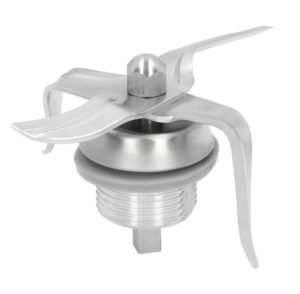
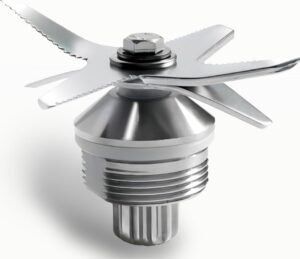
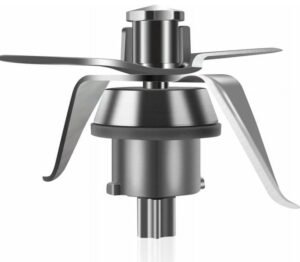
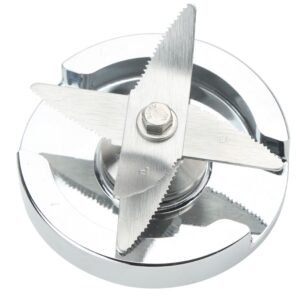
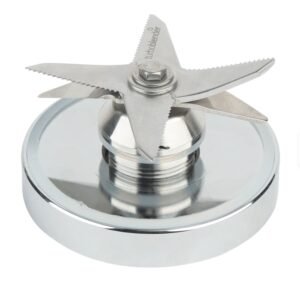
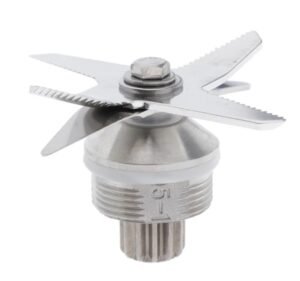
Blender Blade for Sale:
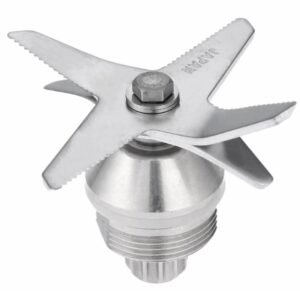
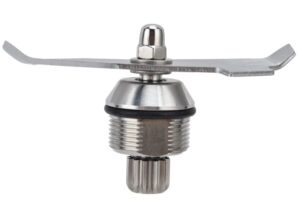
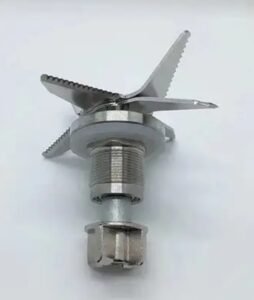
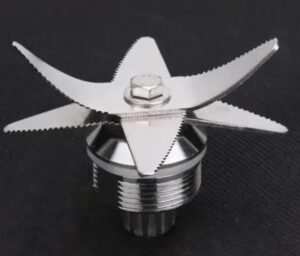
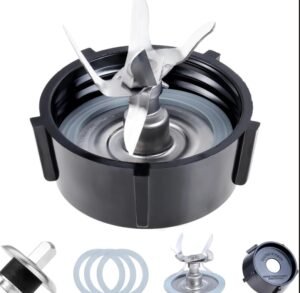
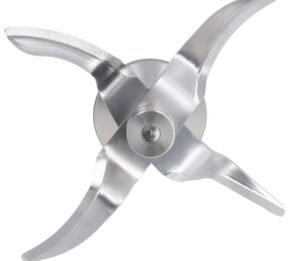
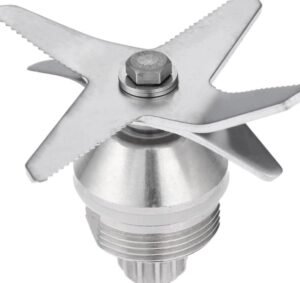
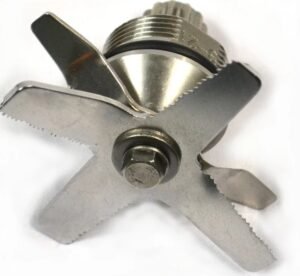
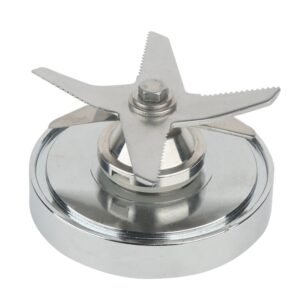
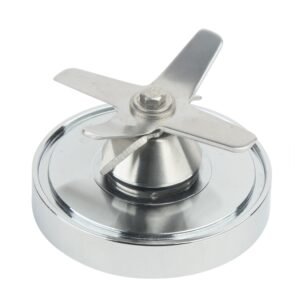
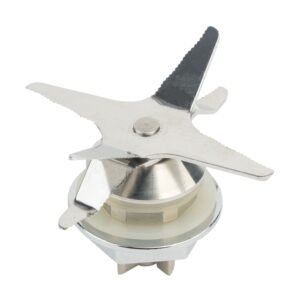
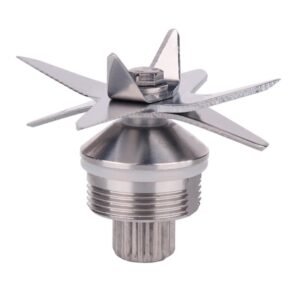
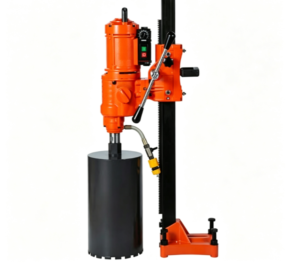
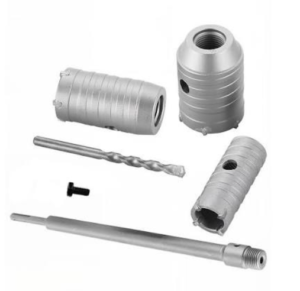
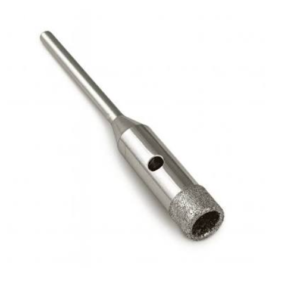
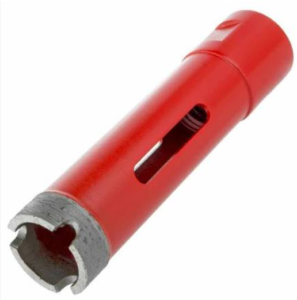
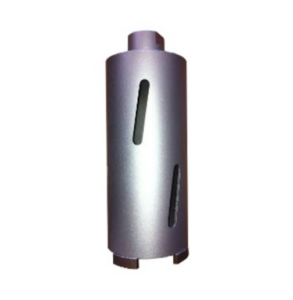
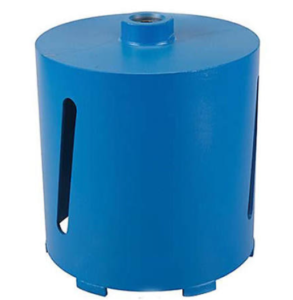
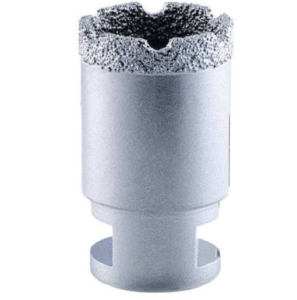
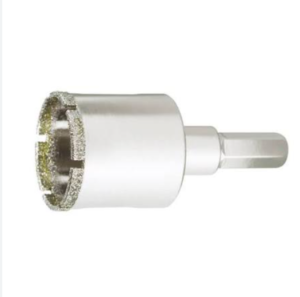
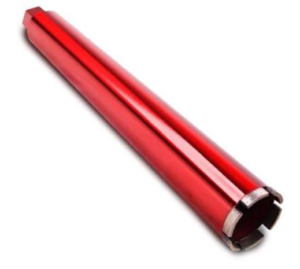
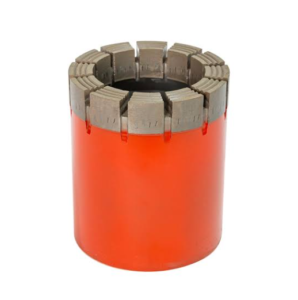
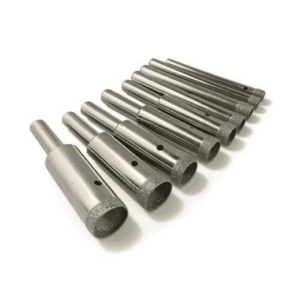
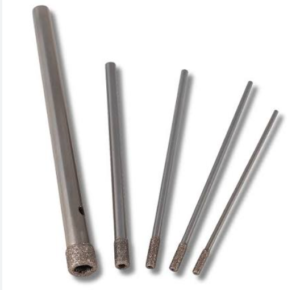
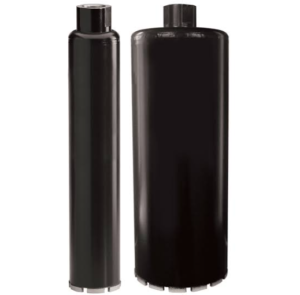
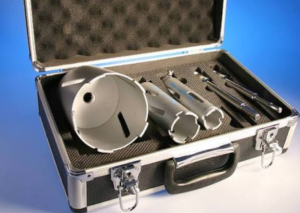
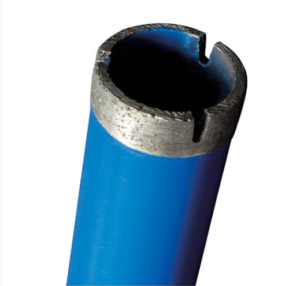
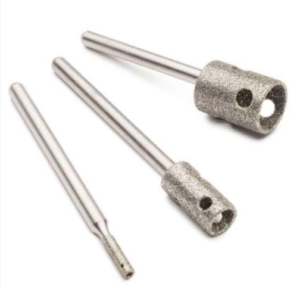
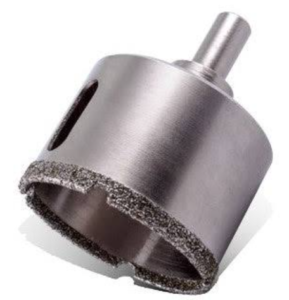
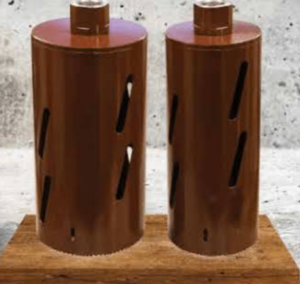
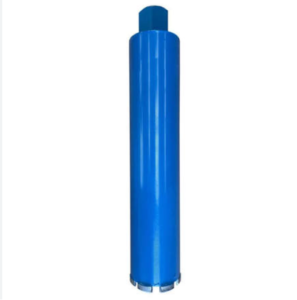
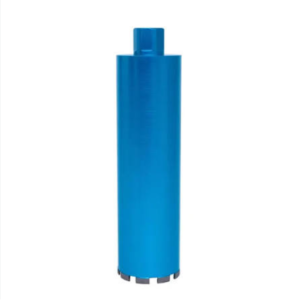
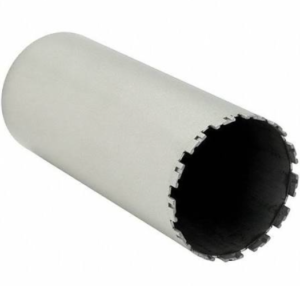
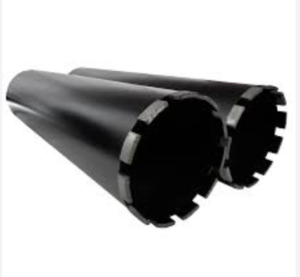
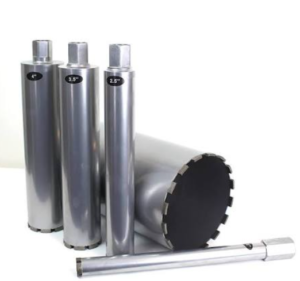
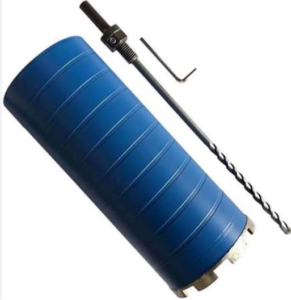
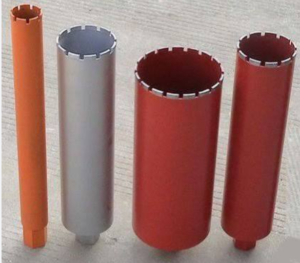
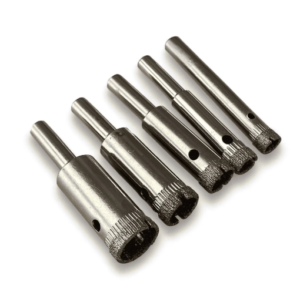
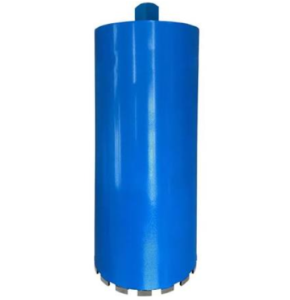
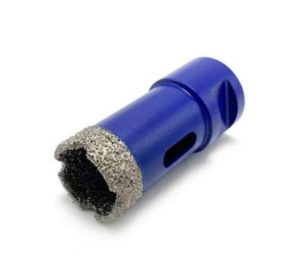
Core drill bit for Sale:
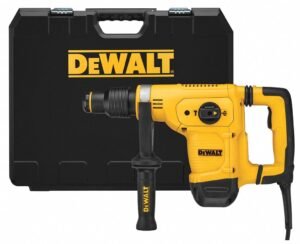
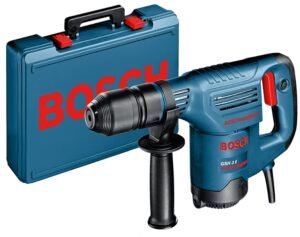
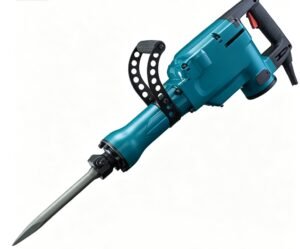
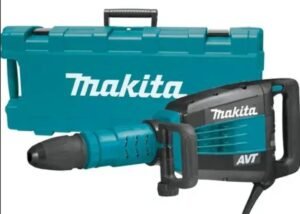
Rotary Hammer & Demolition Hammer for Sale:
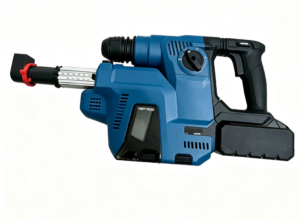
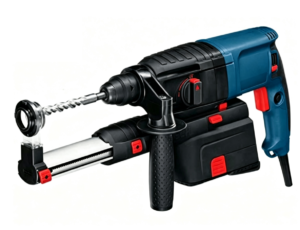
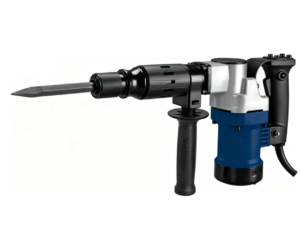
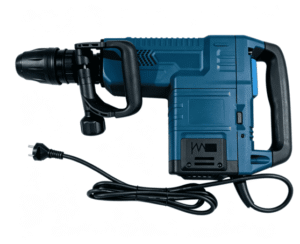
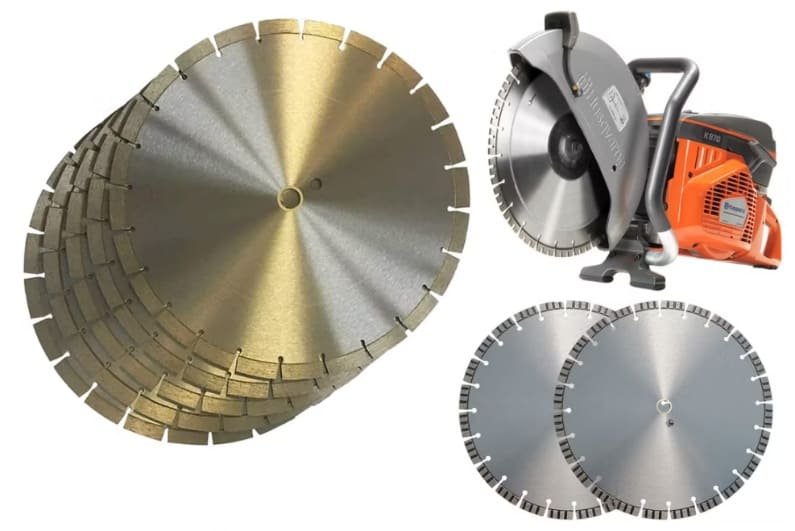
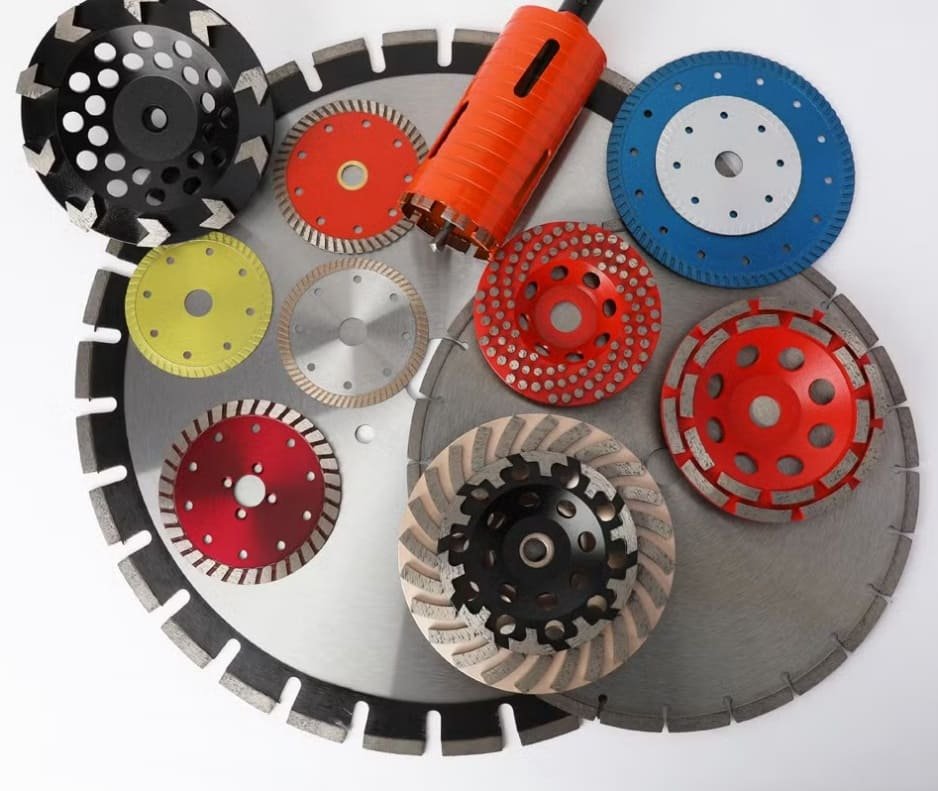
Diamond Blade

Welcome to call us
Contact Us to get quotation
Working Time: 8:00~17:00 Monday to Friday.
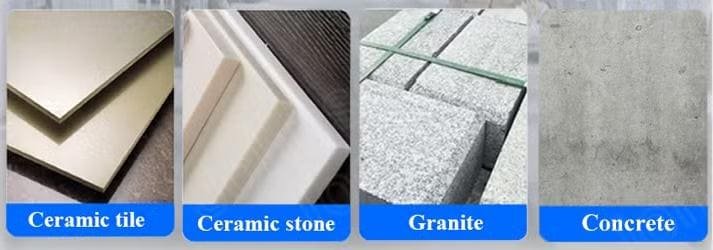
Applications:
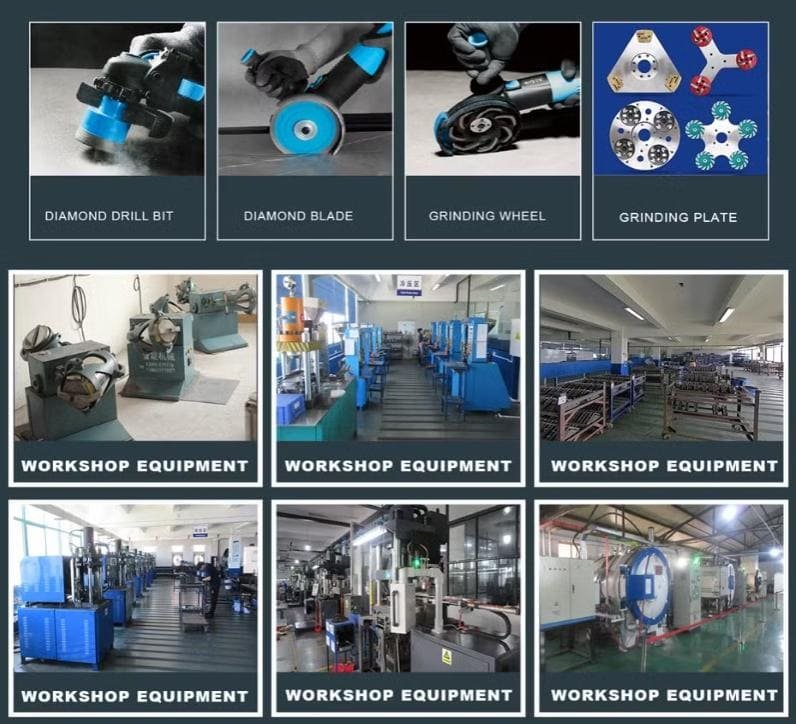
Factory:
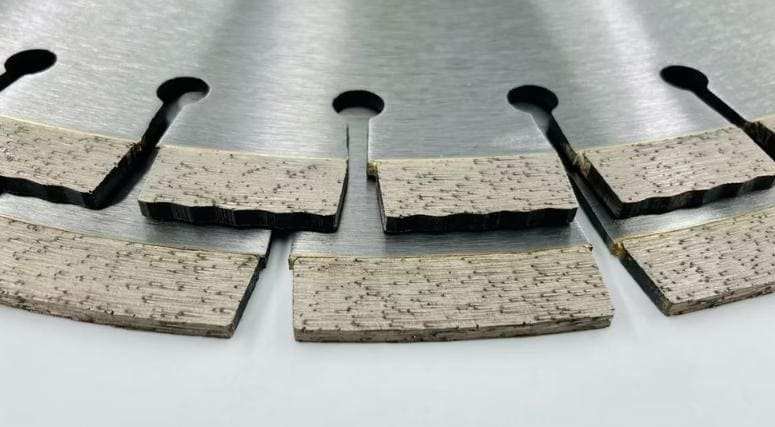
FAQ
Welcome to call us
Contact Us to get quotation
Working Time: 8:00~17:00 Monday to Friday.
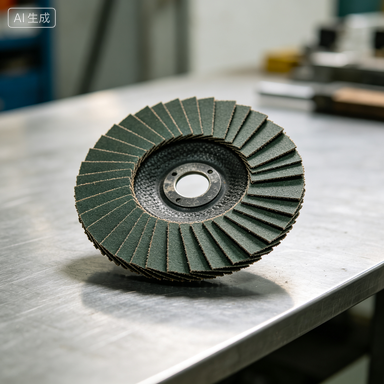
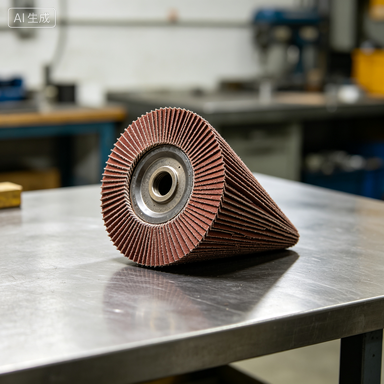
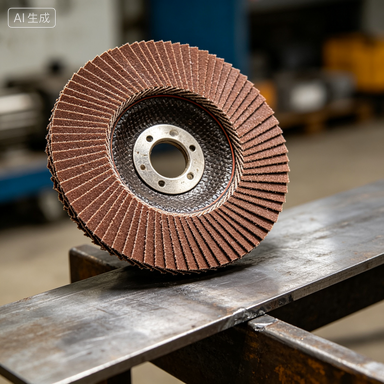
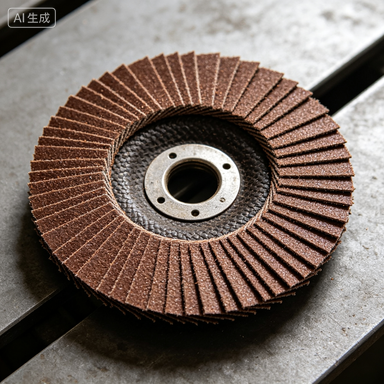
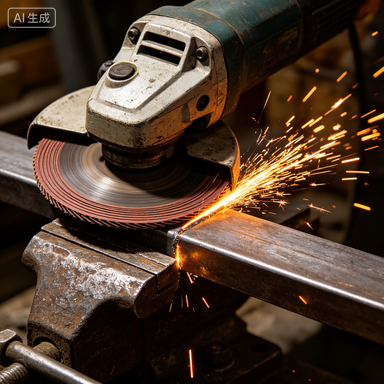
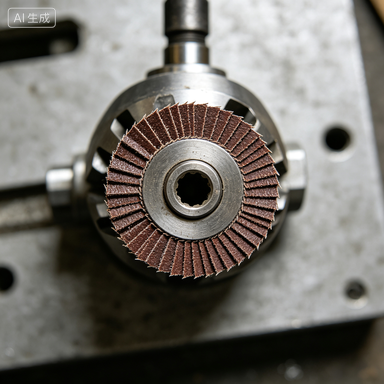
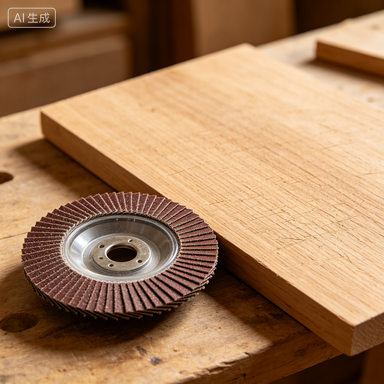
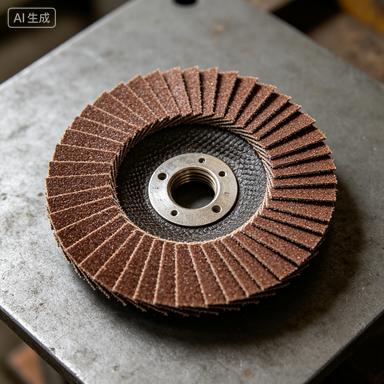
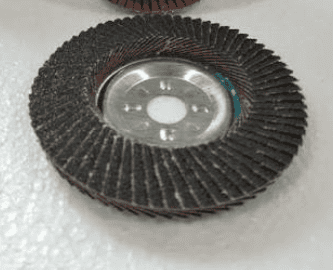
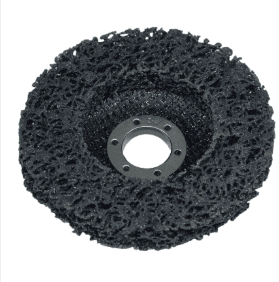
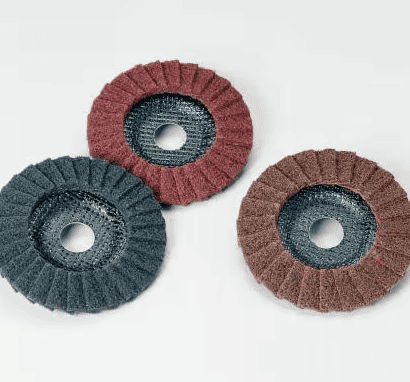
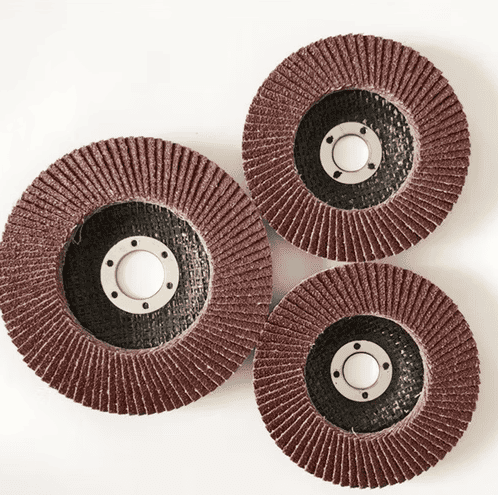
Flap Disc for Sale



Blogs:
You May also Interest in other topics:
Back Sealing Granule Weighing and Filling Machine Automatic Crumb Rubber Powder Producation Line ultrafine grinding mill DC Fast Charger