Is an impact gun stronger than a drill?
Is an impact gun stronger than a drill?
Is an impact gun stronger than a drill? The short answer is yes, an impact gun delivers way higher rotational torque than a standard corded or cordless drill with the same power rating, making it far stronger for tightening or loosening high-torque fasteners. This gap in strength comes down to what each tool was built to do: drills are made to remove material with steady, continuous rotating force, while impact guns are purpose-built to deliver short, high-energy bursts of torque for fastening jobs. Getting these functional differences straight is make-or-break for picking the right tool for the work, since using the wrong one can lead to ruined fasteners, stripped threads, damaged workpieces, or even you getting hurt.
Core Working Principles and Mechanisms
Impact guns use a spring-loaded hammer and anvil setup that disconnects the motor from the output shaft once rotational resistance hits a certain threshold. When it meets that resistance, the hammer compresses a spring as it keeps spinning, then slams into the anvil out of nowhere to deliver a sharp, high-torque rotational jolt. Almost none of that force bounces back to your hand. Mid-range to heavy-duty models typically put out 150 to 1,500 ft-lbs of fastening torque, depending on their size.
Drills, on the other hand, use a direct gear drive that connects the motor straight to the chuck with no disconnect mechanism. All the rotational force goes nonstop to the bit, with peak torque ranging from 30 to 120 ft-lbs for most consumer and professional drill models. Any resistance over that torque threshold goes straight back to your wrist, which limits how much torque you can safely apply without hurting yourself or losing control of the tool.
Key Components and Their Functions
The main working parts of an impact gun are the high-torque motor, hammer assembly, anvil, square drive output, and torque control module (on electronic models). The hammer and anvil are almost always made from hardened chromium-molybdenum steel to hold up to repeated high-force impacts, which can happen 1,000 to 2,800 times per minute while the tool’s running. The square drive is made to fit socket attachments, with sizes from 1/4 inch for compact models up to 1 inch for heavy-duty industrial units.
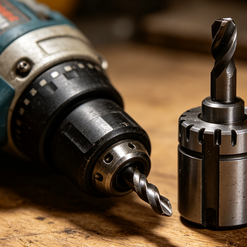
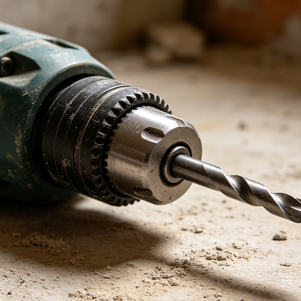
Drills have a motor, gear reduction box, chuck, and adjustable clutch (on driver-drill combo models). The chuck is a three-jaw design that holds round-shank drill bits, driver bits, and other accessories, with typical capacities of 3/8 inch for compact drills and 1/2 inch for heavy-duty models. The adjustable clutch on combo models disconnects the drive when it hits a preset torque level to keep you from over-tightening small fasteners, though this clutch cuts down the maximum torque output compared to drill-only models.
Material and Feature Specifications
A mid-range 1/2-inch drive cordless impact gun usually weighs 4 to 6 pounds, has an 18 to 20 volt brushless motor, and puts out 300 to 700 ft-lbs of fastening torque and 500 to 1,000 ft-lbs of breakaway torque for loosening rusted fasteners. Pneumatic impact guns of the same drive size often push over 1,000 ft-lbs of breakaway torque at 90 PSI operating pressure, which is why they’re everywhere in auto shops and industrial assembly floors. Most models have variable speed triggers, forward/reverse controls, and optional torque settings for more precise fastening work.
A standard 1/2-inch cordless drill weighs 3 to 5 pounds, has an 18 to 20 volt brushless motor, and puts out 50 to 100 ft-lbs of peak torque, with maximum no-load speeds of 1,500 to 2,000 RPM for drilling into wood, metal, and masonry. Hammer drill variants add a forward hammering motion for drilling into concrete and stone, but that doesn’t do anything to boost rotational torque output. All drills have variable speed triggers, and most modern models use brushless motors for longer battery life and a longer overall lifespan.
Application Scenarios and Industries Served
Impact guns are the go-to tool for auto repair, heavy equipment maintenance, construction framing, metal fabrication, and industrial assembly, where you need high torque to install or remove lug nuts, structural bolts, anchor bolts, and large diameter fasteners. Compact 1/4-inch drive impact guns are also super common for cabinet installation, furniture assembly, and deck building, where they can drive 3-inch to 6-inch structural screws faster and with way less fatigue on your end than a standard drill.
Drills are made for drilling holes in wood, metal, plastic, masonry, and composite materials, plus light-duty fastening of small screws and bolts for general construction, woodworking, electrical work, and plumbing. They’re a staple in every workshop and jobsite for tasks from drilling pilot holes to installing small fasteners, where you don’t need high torque and precise speed control is more important.
Performance Characteristics and Advantages
The biggest win with an impact gun is its insane torque-to-weight ratio: a 5-pound cordless impact gun can put out up to 10 times more rotational torque than a 5-pound cordless drill of the same voltage. The impact mechanism also eliminates almost all kickback, so you can apply maximum torque without having to brace yourself against the tool or risk twisting your wrist. Impact guns also almost never cam out or strip Phillips or hex drive fastener heads, since the rotational jolts push the bit into the fastener while it turns.
Drills give you way more precise speed control, with adjustable RPM ranges that let you match the drilling speed to the material you’re working with for clean, burr-free holes. Their three-jaw chuck fits a far wider range of accessories than an impact gun’s square drive, including spade bits, hole saws, wire wheels, and mixing paddles. Drills also run way quieter and with less vibration than impact guns, so they’re more comfortable to use for long stretches on low-torque jobs.
Selection Criteria and Configuration Options
When you’re choosing between an impact gun and a drill, the first thing to ask is how much torque the task needs. For any fastening job that needs more than 100 ft-lbs of torque, or for loosening fasteners that were tightened with a torque wrench or are rusted solid, an impact gun is the only tool that will get the job done. For drilling holes or driving screws smaller than 1/4 inch in diameter, a drill is the better pick, since it gives you more control and lowers the risk of over-tightening.
Impact gun configurations are grouped by drive size: 1/4-inch drive for light-duty fastening, 3/8-inch drive for auto and light industrial use, 1/2-inch drive for general construction and heavy auto work, and 3/4-inch or 1-inch drive for heavy equipment and industrial applications. You can get corded, cordless, and pneumatic models. Pneumatic units have the highest torque output for nonstop industrial use, while cordless models are the most portable for jobsite work.
Maintenance Considerations and Best Practices
Impact guns need regular lubrication of the hammer and anvil mechanism to avoid premature wear. Pneumatic models need daily oiling of the air motor, and cordless models need lubrication every 50 hours of operation. You should check the square drive regularly for wear or bending, since a worn drive can make sockets slip and lead to rounded fastener heads or injury. Brushless cordless impact guns barely need any other maintenance, other than regular checks of the battery contacts and motor vents to clear out dust and debris buildup.
Drills need occasional lubrication of the gear reduction box every 100 hours of operation, and you should clean the chuck jaws regularly to keep dust and debris from causing jams or misalignment. If your drill uses a chuck key, store it with the tool, and tighten keyless chucks firmly before use to keep bits from slipping while you’re drilling. For hammer drill variants, lubricate the percussion mechanism per the manufacturer’s instructions to avoid wear on the internal cam and piston parts.
Comparative Analysis with Alternatives
Compared to drills, impact guns put out 5 to 15 times higher rotational torque for the same tool weight and power input, but they can’t drill clean, accurate holes in most materials. The constant impacts of an impact gun make drill bits wander and produce irregular, oversized holes, especially in thin metal or wood, so they’re not good for precision drilling jobs. Impact guns also can’t fit the wide range of accessories that a standard drill chuck can, which limits their use almost entirely to fastening work.
Drills, on the flip side, are way more versatile for general workshop and jobsite tasks, but their low torque output makes them a bad fit for driving large fasteners or loosening seized bolts. Trying to loosen a lug nut with a standard drill will almost always leave you with a stripped fastener head, damaged drill chuck, or injured wrist, since the drill won’t make enough torque to break the fastener loose, and all that resistance will bounce straight back to you.
Practical Operating Tips
To get the best performance out of an impact gun, always use impact-rated sockets and driver bits. Standard chrome sockets and bits can shatter under the high impact forces, which can cause serious injury. Match the drive size of the tool to the fastener size: use a 1/4-inch drive for fasteners smaller than 5/16 inch, 3/8-inch drive for fasteners between 5/16 inch and 1/2 inch, and 1/2-inch drive for fasteners 1/2 inch and larger. When tightening critical fasteners like lug nuts, always finish with a torque wrench to hit the manufacturer’s specified torque value.
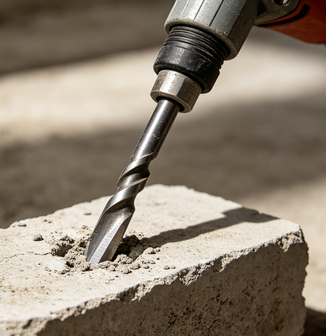
When you’re using a drill for fastening work, adjust the clutch setting to match the torque you need for the fastener size to avoid over-tightening and stripping. For drilling into metal, use a lower RPM setting and apply cutting fluid to the bit to cut down on heat buildup and make the bit last longer. For drilling into masonry, use the hammer drill setting and carbide-tipped masonry bits, and apply steady, even pressure to keep the bit from breaking.
Common Misconceptions Cleared Up
Q: Since impact guns are stronger, they are better for all fastening tasks.
A: That’s not true at all. Impact guns deliver way too much torque for small fasteners like drywall screws, cabinet hardware, or small machine screws, which leads to stripped threads, snapped fasteners, or damaged workpieces. For fasteners smaller than 1/4 inch in diameter, a drill with an adjustable clutch gives you way more control and keeps you from over-tightening.
Q: A high-torque drill can perform the same tasks as an impact gun.
A: This is false. Even the highest-torque heavy-duty drills top out at around 120 ft-lbs of torque, which is less than a quarter of the torque a mid-range 1/2-inch impact gun puts out. Trying to loosen seized lug nuts or drive 6-inch structural screws with a drill will damage the drill’s gearbox, strip fastener heads, and put you at serious risk of wrist injury from kickback.
Q: Impact guns can be used for drilling holes just as well as drills.
A: This isn’t true. The rotational impact action of an impact gun makes drill bits wander, produce oversized, irregular holes, and wear out way faster than they would in a standard drill. While there are small hex-shank impact-rated drill bits for occasional use, impact guns aren’t made for precision drilling and won’t give you the clean, accurate holes a standard drill can.
Q: Cordless impact guns are less powerful than pneumatic models.
A: That’s no longer the case for most mid-range jobs. Modern 18/20 volt brushless cordless 1/2-inch impact guns put out up to 1,500 ft-lbs of breakaway torque, which matches or beats the output of most 1/2-inch pneumatic impact guns run at 90 PSI. Pneumatic models still have an edge for continuous heavy industrial use, since they don’t need battery changes, but cordless models have equivalent or higher torque for most standard applications.
Frequently Asked Questions
Q: Can I use standard sockets with an impact gun?
A: No, always use impact-rated sockets marked with a black oxide or phosphate finish. Standard chrome-plated sockets are brittle and can shatter under the high impact forces of an impact gun, which can cause serious injury from flying debris.
Q: How do I know which drive size impact gun I need?
A: For auto repair and general construction, a 1/2-inch drive impact gun is the most versatile, since it fits sockets from 8mm up to 24mm for most common fastener sizes. For light-duty work like furniture assembly, a 1/4-inch drive compact impact gun is enough, while heavy equipment maintenance needs a 3/4-inch or 1-inch drive unit.
Q: Can I adjust the torque on an impact gun to avoid over-tightening?
A: Most modern cordless impact guns have adjustable torque settings or auto-stop modes that cut power when they hit a preset torque level. For precise torque control on critical fasteners like lug nuts, always use a torque wrench after fastening with an impact gun to make sure you hit the manufacturer’s specification.
Q: What is the difference between an impact gun and an impact driver?
A: Impact guns have a square drive for socket attachments, while impact drivers have a 1/4-inch hex quick-release chuck for driver bits. Impact guns deliver significantly higher torque (300+ ft-lbs for 1/2-inch models) while impact drivers usually put out 100 to 200 ft-lbs of torque for driving medium-sized screws and bolts.
Q: Can a drill with a hammer drill setting match the torque of an impact gun?
A: No, the hammer drill setting adds forward percussion force for drilling into masonry, but it doesn’t increase rotational torque output. A hammer drill has the same maximum rotational torque as a standard drill of the same power rating, which is far lower than that of an impact gun.
Final Summary
Impact guns are significantly stronger than drills for rotational fastening and loosening tasks, putting out 5 to 15 times higher torque with almost no kickback for the user, but they’re specialized tools made almost entirely for fastening work. Drills are way more versatile for drilling and light-duty fastening tasks, with precise speed control and compatibility with a wide range of accessories. For the best productivity and safety, pick an impact gun for jobs that need more than 100 ft-lbs of torque, and a drill for precision drilling and small fastener installation. Always use accessories made for the specific tool to avoid injury and equipment damage.
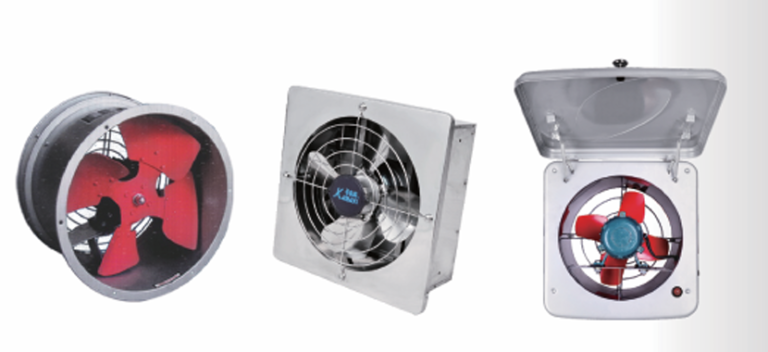
Industrial fan for Sale:


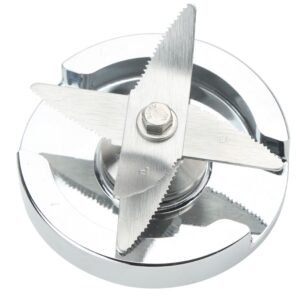
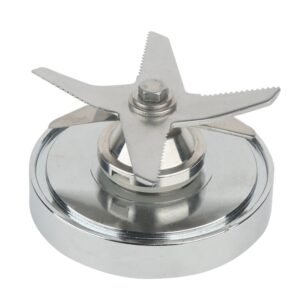
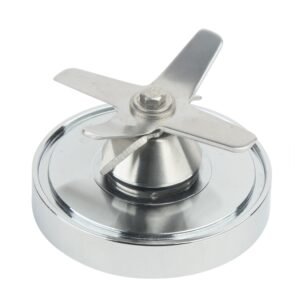
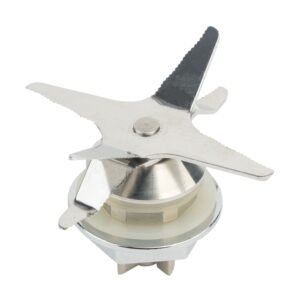
Blender Blade
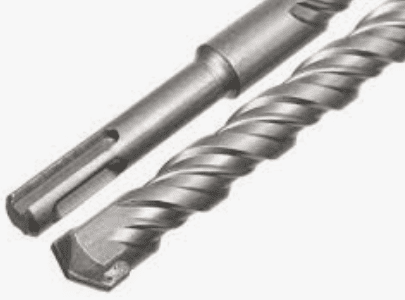
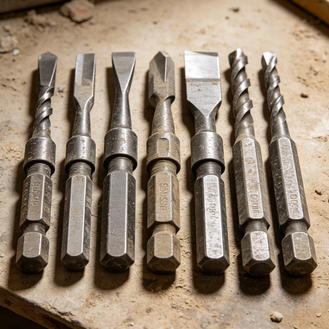
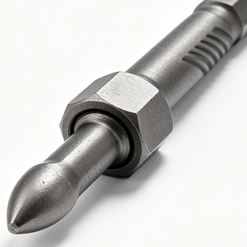
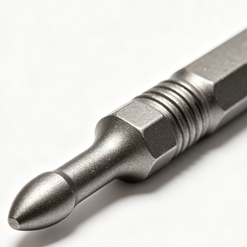
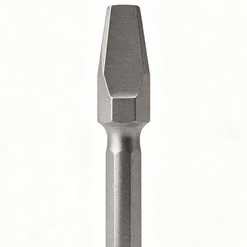
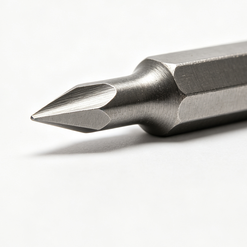
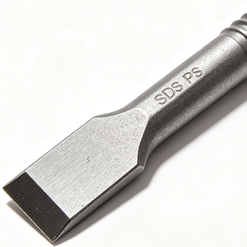
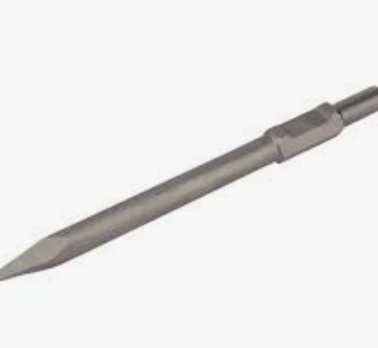
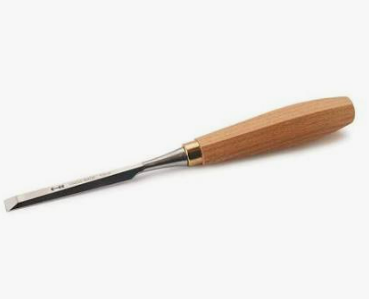
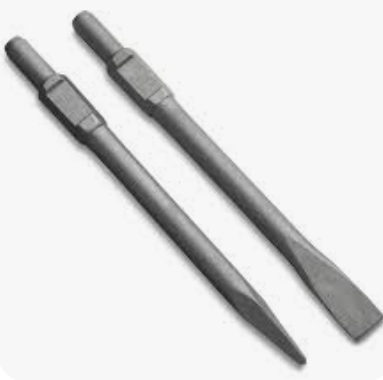
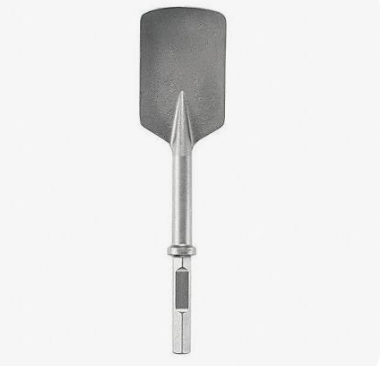
Chisel Bit for Sale
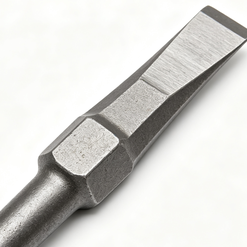
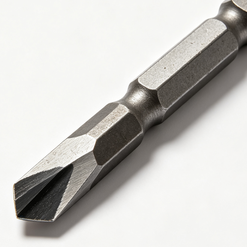
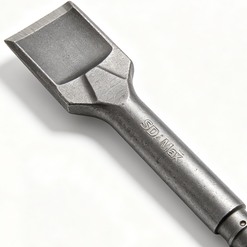
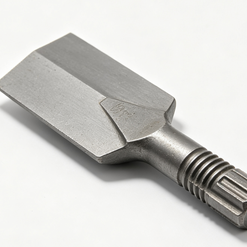
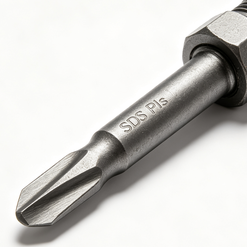
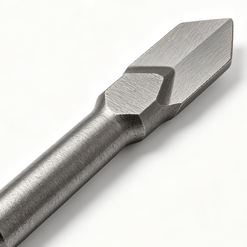
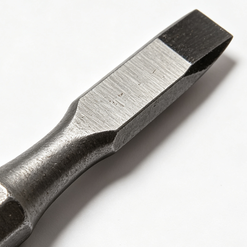
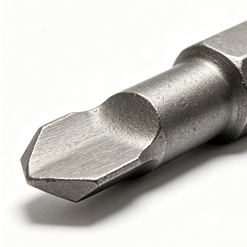
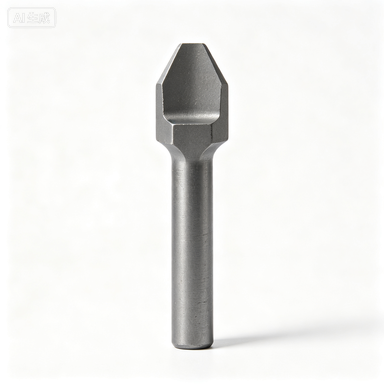
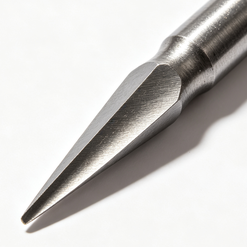
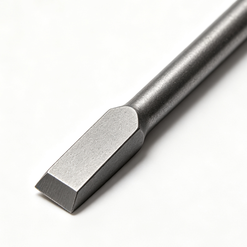
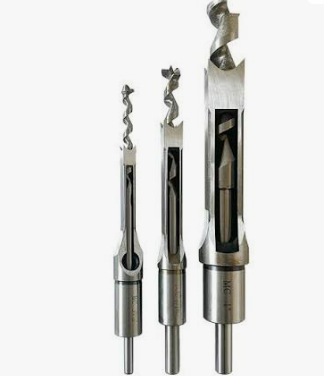
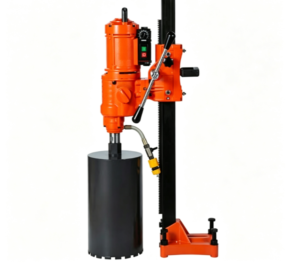
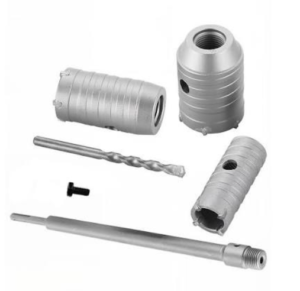
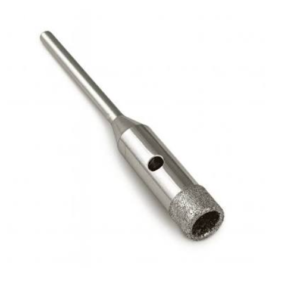
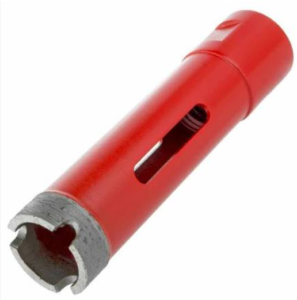
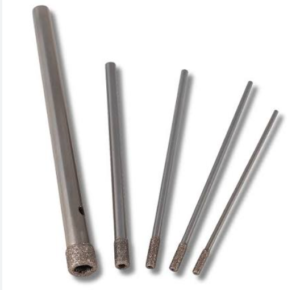
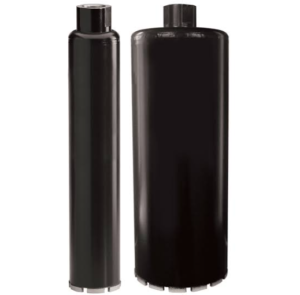
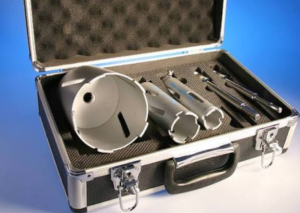
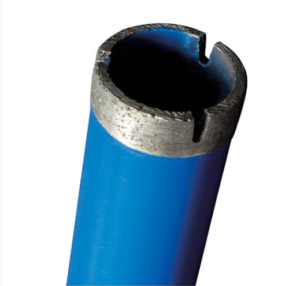
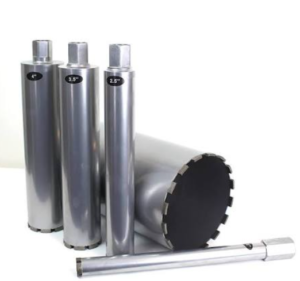
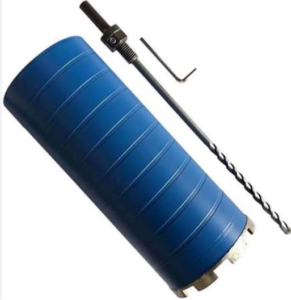
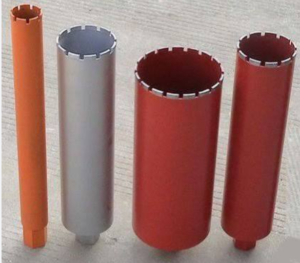
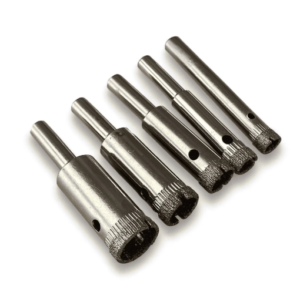
Core drill bit for Sale:
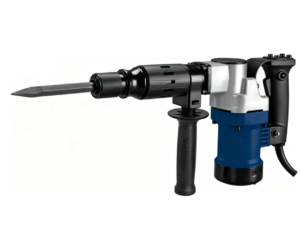
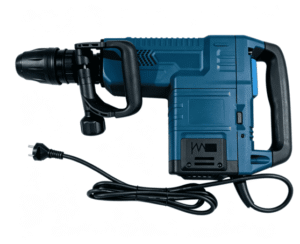
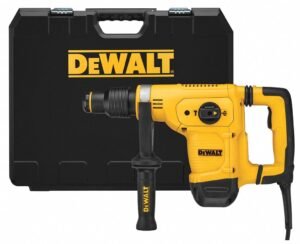
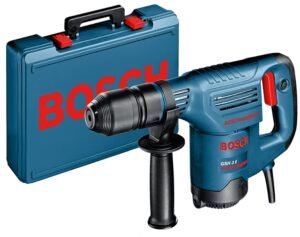
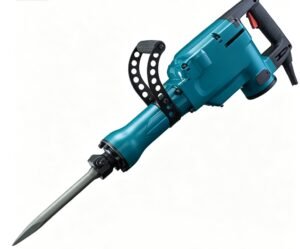
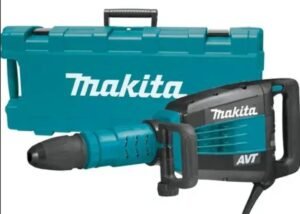
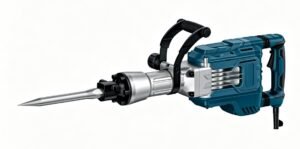
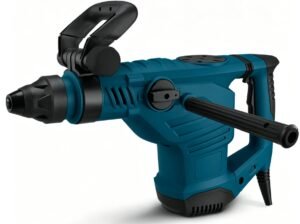
Rotary Hammer & Demolition Hammer for Sale:
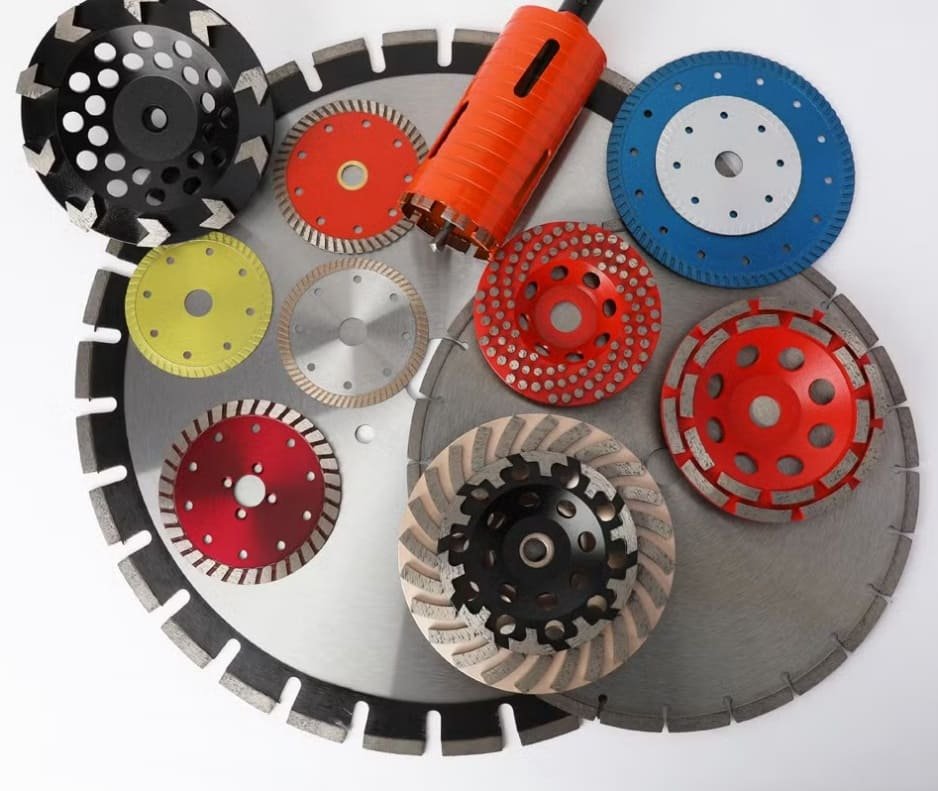
Diamond Blade

Welcome to call us
Contact Us to get quotation
Working Time: 8:00~17:00 Monday to Friday.
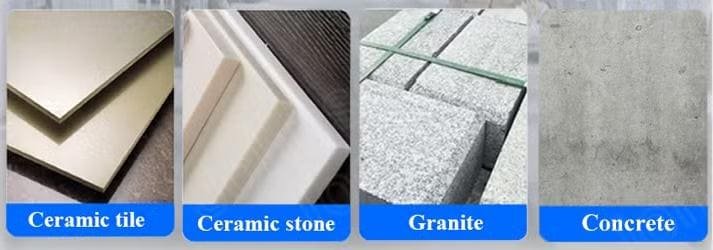
Applications:
Factory:
FAQ
Welcome to call us
Contact Us to get quotation
Working Time: 8:00~17:00 Monday to Friday.
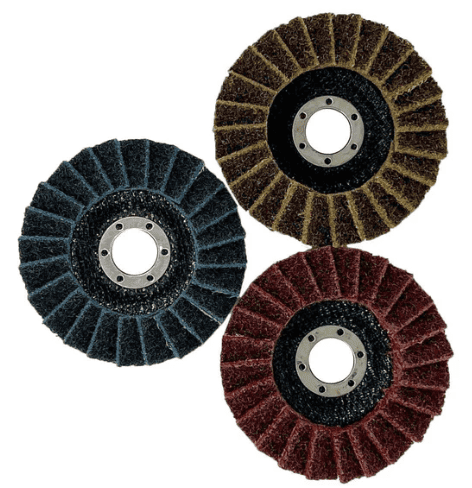
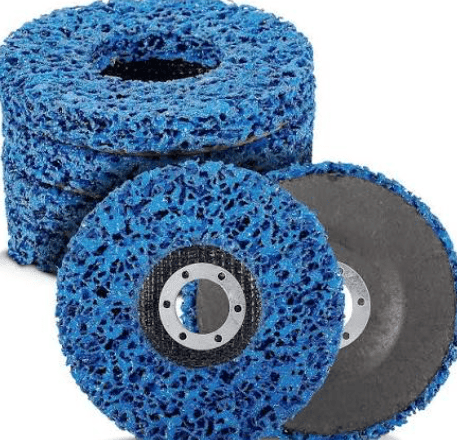
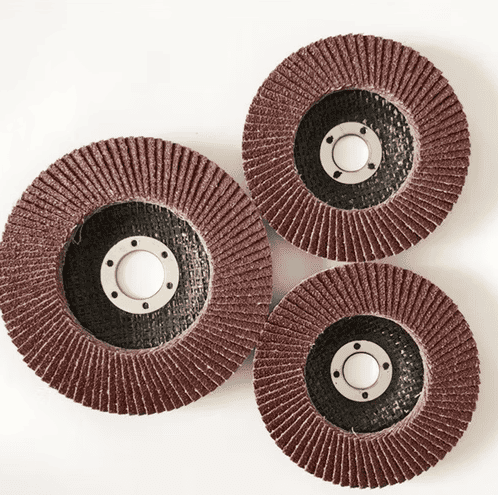
Flap Disc for Sale
Blogs:
You May also Interest in other topics:
sifter machine commercial sifter 11kw ev charger wollastonite grinding mill for refractory material vacuum capping machine