What is the strongest drill in the world?
What is the strongest drill in the world?
What is the strongest drill in the world? There’s no single definitive “strongest drill” on the planet, because “strength” entirely depends on what you’re measuring: maximum thrust, ability to cut through hard rock, torque output, or how much structural load it can handle before breaking. For massive subsurface engineering projects, the strongest class of drills by a mile are hard rock tunnel boring machines (TBMs). For portable use? The top spot goes to industrial diamond core drills built to cut through materials with a compressive strength over 400 MPa.
This distinction isn’t just nitpicking. Comparing a 5,000-ton TBM to a handheld rotary hammer is like pitting a semi-truck against a bicycle in a “strength” contest—they use totally different benchmarks. The highest-performing drills are purpose-built for specific jobs, with strength tuned to hold up to extreme stress, constant abrasion, and nonstop load demands without falling apart or losing power mid-use.
Core Working Principles of Ultra-Hard Rock TBMs
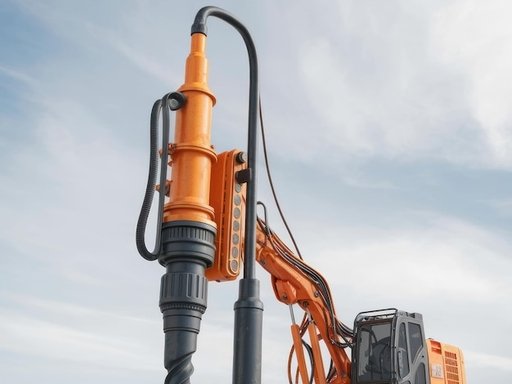
The strongest large-scale drills work using a mix of rotary crushing and high-thrust indentation, not the grinding or percussive force you see in smaller tools. A rotating cutterhead lined with disc cutters applies concentrated pressure up to 350 kN per cutter to shatter ultra-hard rock like granite, basalt, and quartzite. The cutters create tiny micro-cracks in the rock surface that spread as the head turns, knocking loose rock chips without the percussive force that would wear out large components way too fast.
This mechanism is night and day from smaller percussive drills, because it spreads load across dozens of cutters to minimize point stress and let the machine dig nonstop. The most powerful TBMs can push with total thrust forces over 170,000 kN, with cutterhead torque ratings up to 250,000 N·m. That lets them advance up to 30 meters a day through rock with a uniaxial compressive strength (UCS) of 400 MPa—for context, that’s about 10 times harder than standard residential concrete.
Key Load-Bearing Components and Their Functions
The main structural workhorse of ultra-strong TBMs is the main bearing: a forged alloy steel assembly built to handle radial and axial loads over 200,000 kN. This bearing supports the entire cutterhead and transfers thrust and torque from the drive system to the excavation face, with an expected service life of 10,000+ operating hours under continuous load. The cutterhead itself is made from high-strength quenched and tempered steel, up to 400 mm thick, to stand up to impact loads from uneven rock faces.
Disc cutters, the main wear components, have a tungsten carbide cutting ring with a hardness rating of 88 HRC, mounted on a sealed bearing assembly built to withstand 200°C operating temperatures and constant abrasive dust exposure. The thrust system is made of multiple high-pressure hydraulic cylinders arranged symmetrically around the TBM shield to spread force evenly and keep the machine from drifting off alignment mid-excavation.
Material and Performance Specifications
The strongest TBMs weigh anywhere from 1,000 to 8,000 tons, with cutterhead diameters ranging from 3 meters for micro-tunneling jobs to 17.6 meters for large-diameter highway and rail tunnels. Their drive systems use variable-frequency electric motors or hydraulic drives with power outputs up to 25,000 kW, so they can keep running through variable rock hardness profiles without stalling.
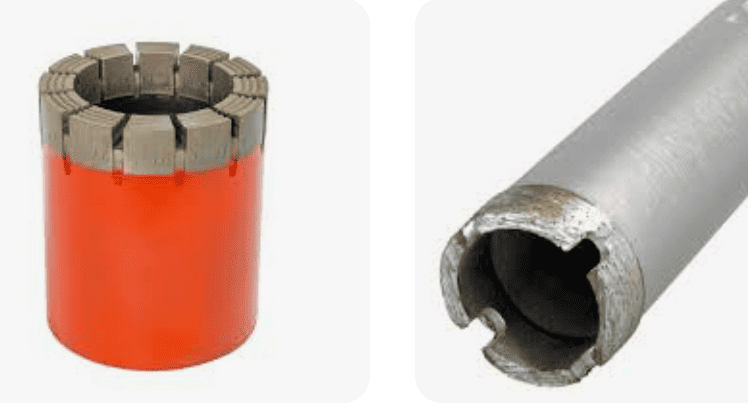
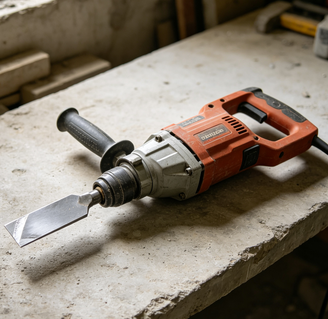
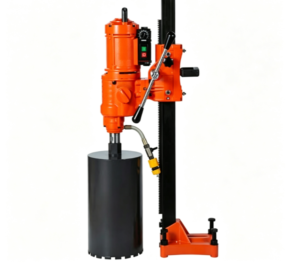
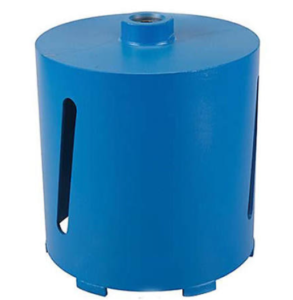
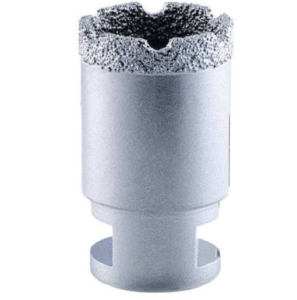
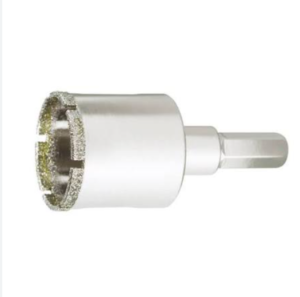
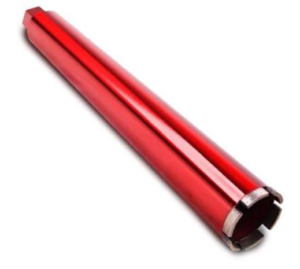
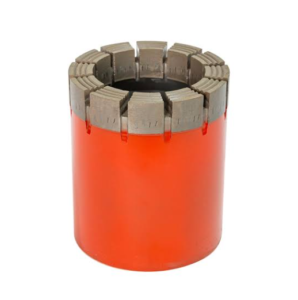
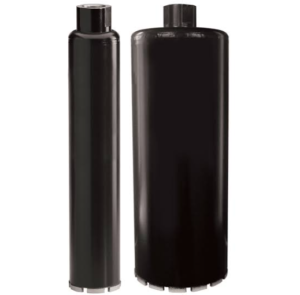
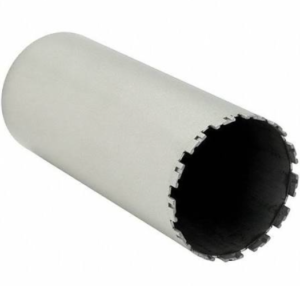
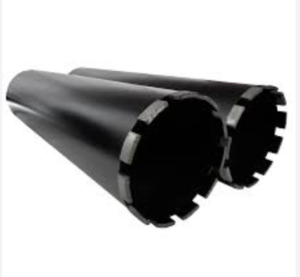
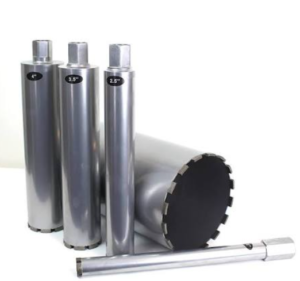
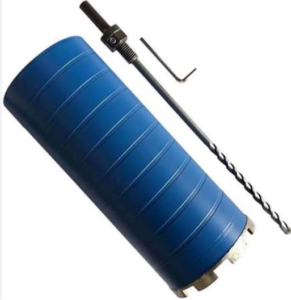
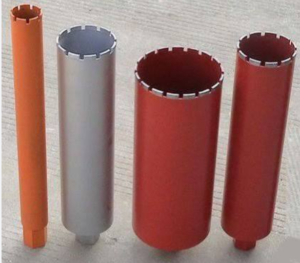
For portable industrial drills, the strongest diamond core drills have a 1,500 to 3,000 W power output, maximum torque of 45 N·m, and can drill 200 mm diameter holes through 400 MPa UCS rock with diamond-impregnated bits. These drills have all-metal gear housings and heat-treated steel drive shafts, plus vibration damping systems to cut down on operator fatigue during nonstop 8-hour shifts.
Primary Application Scenarios
Ultra-strong TBMs are deployed on high-stakes civil engineering projects: mountain tunnel construction, deep mine access development, and subsea tunnel excavation, where rock hardness and high in-situ stress would make conventional drill and blast methods too slow or dangerous. They’re also used in geothermal energy projects to drill 5+ km deep boreholes through hard crystalline bedrock.
Portable high-strength diamond core drills are used in mineral exploration, concrete structural testing, and quarrying operations, where portability and the ability to drill through high-strength materials without damaging the sample are non-negotiable. You’ll also find these drills in aerospace manufacturing, drilling precision holes in high-temperature alloy components like turbine blades.
Key Performance Advantages Over Conventional Drills
The strongest TBMs dig 5 to 10 times faster than traditional drill and blast methods in hard rock, with 90%+ excavation accuracy to minimize overbreak and cut down on subsequent lining costs. Their enclosed shield design also keeps workers away from rock falls and dust, improving site safety by up to 70% compared to manual drilling operations.
Portable high-strength diamond drills produce clean, burr-free holes with a tolerance of ±0.1 mm, so you don’t need to do any secondary finishing work for precision applications. Unlike carbide-tipped drills, which can only cut through materials up to 250 MPa UCS, diamond core drills can handle materials up to 1,000 MPa UCS, including sapphire, ceramic composites, and ultra-high-performance concrete.
Selection Criteria for High-Strength Drills
When you’re picking out a high-strength drill, the first thing you need to do is match the drill’s rated penetration capacity to the maximum UCS of the material you’re drilling. For rock excavation, TBMs with disc cutters are the way to go for UCS above 200 MPa, while raise bore drills are more efficient for vertical shafts between 2 and 6 meters in diameter.
For portable applications, think about the required hole diameter, depth, and operating environment: corded diamond core drills are better for continuous heavy use, while cordless high-torque rotary hammers with brushless motors are the pick for remote sites with limited power access. Always double-check the drill’s load rating against expected operating stresses, including peak torque and thrust loads when you break through hard material.
Maintenance Best Practices for Extended Service Life
For TBMs, the most important maintenance task is daily inspection of disc cutters for wear and chipping. A single damaged cutter can increase load on adjacent cutters by 30% and lead to premature cutterhead failure if you don’t catch it early. Keeping proper lubrication pressure in the main bearing is also non-negotiable—even a 10% drop in lubricant flow can cut bearing life in half.
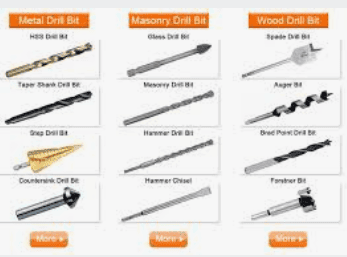
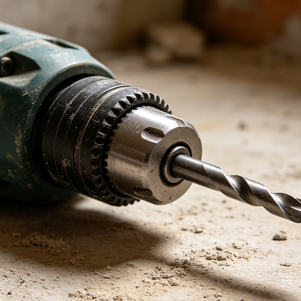
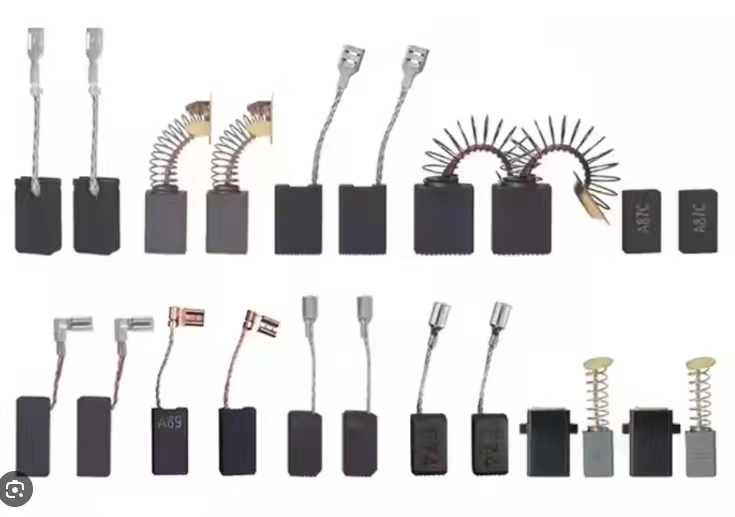
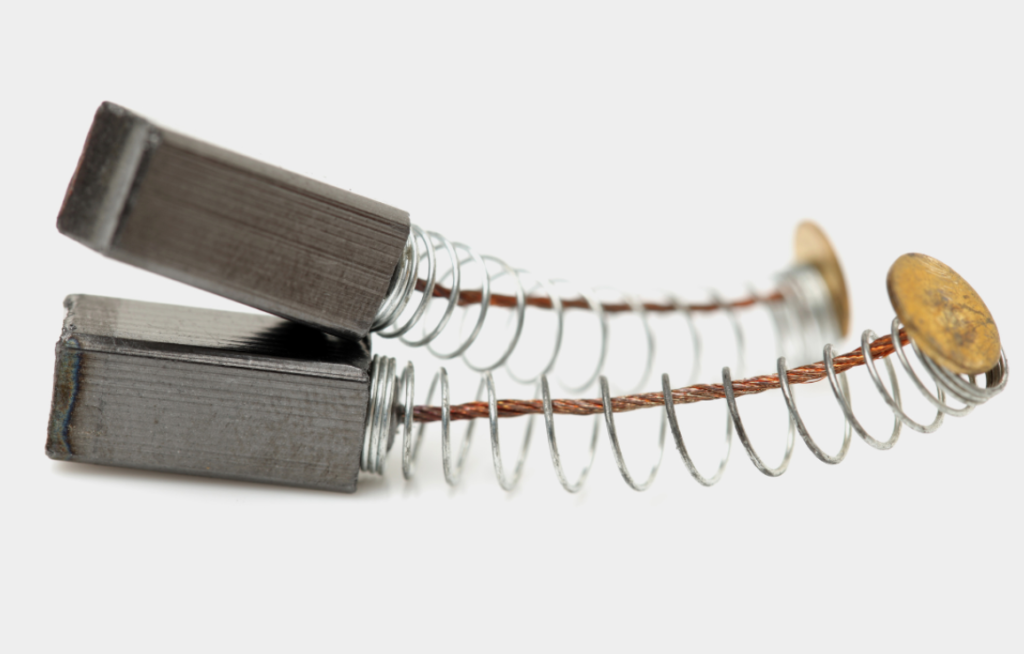
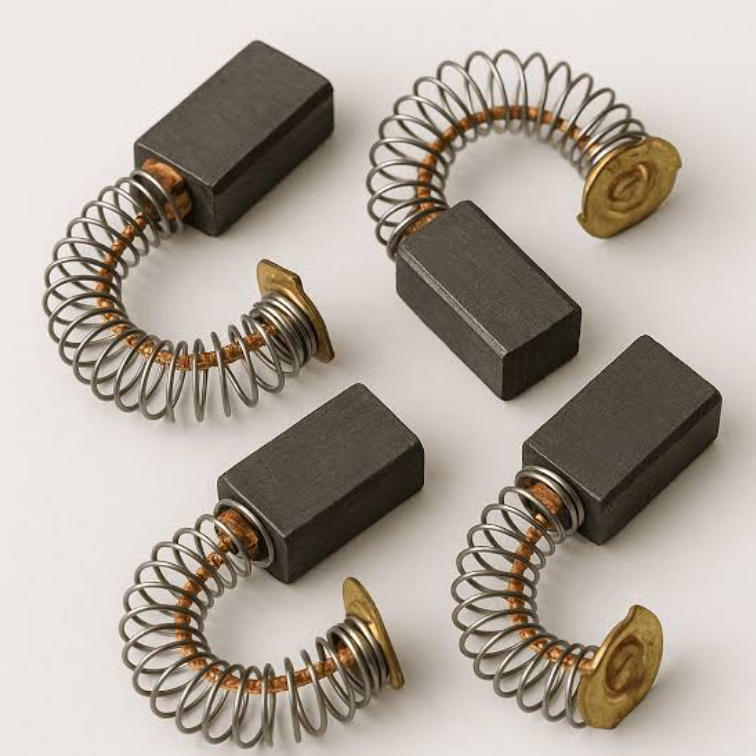
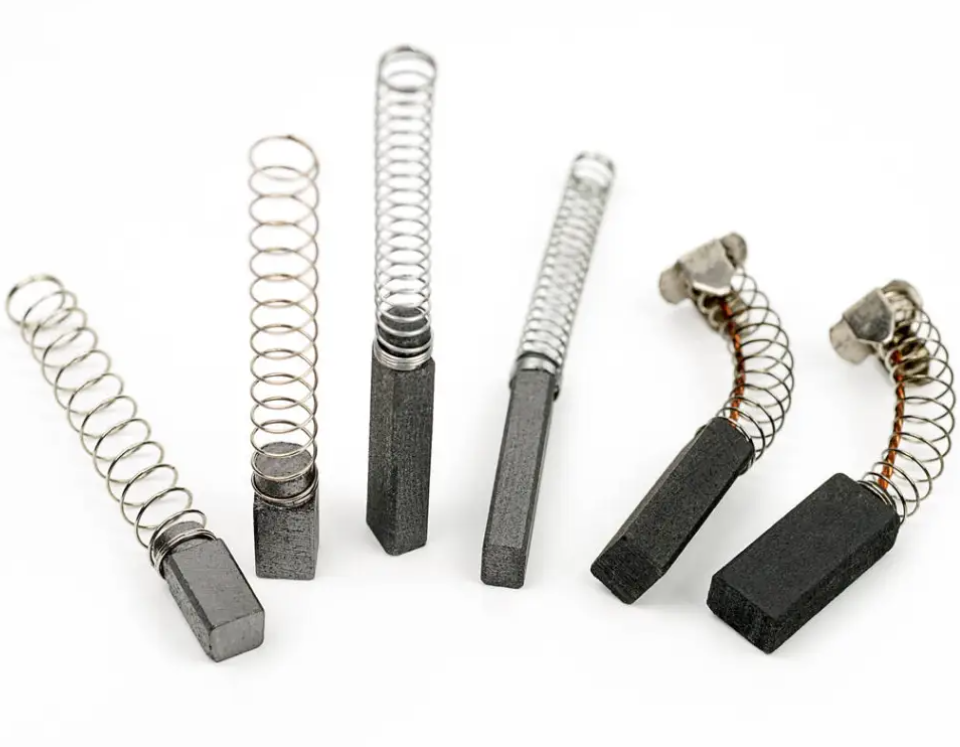
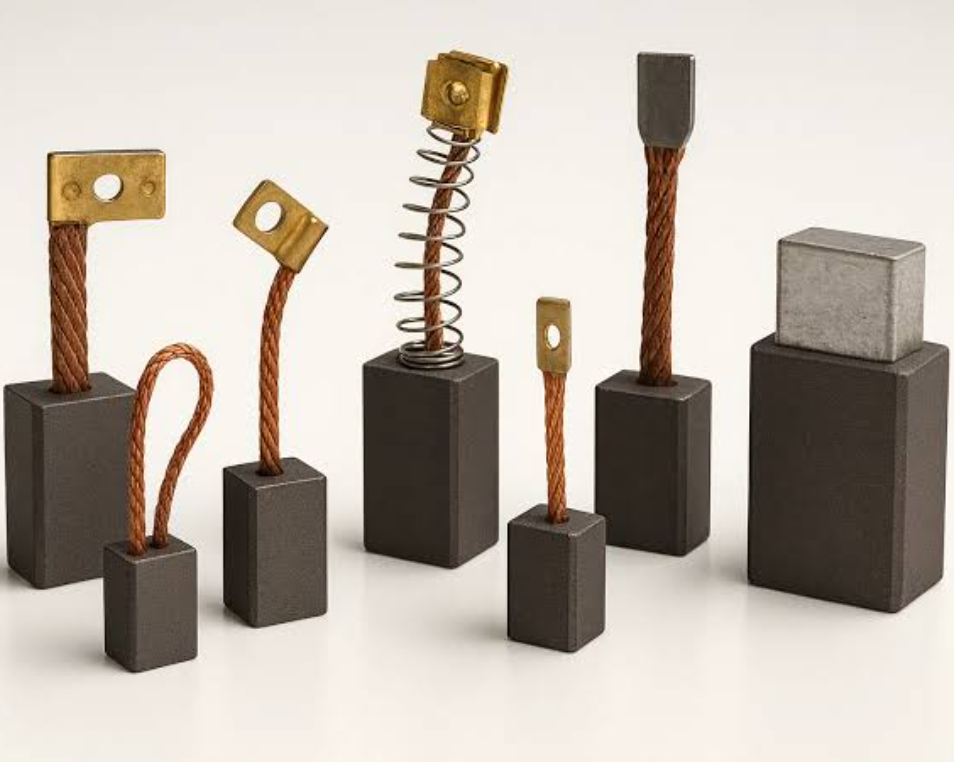
For portable high-strength drills, inspect the gearbox and chuck assembly weekly for wear, and replace carbon brushes every 50 operating hours to avoid motor damage. Always use the correct bit for the material you’re drilling, too. Using a masonry bit on metal can make the drill bind and damage the drive shaft, cutting its service life by up to 70%.
Comparative Performance Against Alternative Drilling Methods
High-strength TBMs have way lower operating costs per cubic meter of excavated rock than drill and blast methods for tunnels longer than 1 km, even though their upfront capital cost is way higher. They also produce almost no ground vibration, which makes them the only viable drilling option for urban tunneling projects near existing buildings.
Compared to percussive rotary hammers, diamond core drills generate 80% less vibration and don’t cause concrete spalling, so they’re better for structural drilling jobs where damage to the surrounding material can’t happen. While laser drilling and water jet cutting have higher precision for very small holes, they can’t keep up with the penetration rate of high-strength mechanical drills for holes larger than 10 mm in diameter.
Practical Operating Tips for Maximum Performance
When you’re running a TBM in ultra-hard rock, adjust the thrust force to keep a cutter penetration rate of 2 to 5 mm per revolution. Too much penetration will cause cutter chipping, while too little leads to extra abrasive wear. Keep an eye on cutterhead temperature continuously, too—temperatures above 120°C mean there’s too much friction that can damage cutter seals.
For portable diamond core drills, apply steady, even pressure while drilling, and don’t force the bit. Forcing it can make diamond segments break off or cause the drill to bind. Use water or coolant while drilling to keep the bit temperature down, because operating temperatures above 300°C will make the diamond matrix break down, cutting bit life by up to 60%.
Common Misconceptions Cleared Up
Q: Is the strongest drill in the world a hand-held tool?
A: No, handheld drills are limited by weight and operator safety constraints to a maximum torque of 50 N·m and thrust force of 2 kN. That’s nothing compared to TBMs that generate 250,000 N·m of torque and 170,000 kN of thrust. Handheld drills are built for portability, not maximum strength, and can’t come close to the load capacity or rock penetration performance of large-scale industrial drilling equipment.
Q: The strongest drill can drill through any material, right?
A: No, even the highest-rated drills have material limits. TBM disc cutters are designed for rock and can’t drill through high-tensile steel or composite materials without wearing out extremely fast, while diamond core drills can be damaged by highly abrasive materials like sandstone with high quartz content if you don’t run them with proper cooling. No single drill is optimized for every material type, because strength is always tailored to specific operating conditions.
Q: More power always equals a stronger drill?
A: No, power output is only one piece of the drill strength puzzle. A 3,000 W rotary hammer may have higher power than a 2,000 W diamond core drill, but it can’t drill through 400 MPa granite nearly as effectively. Its percussive mechanism causes too much bit wear, and it can’t generate the steady high contact pressure needed for hard rock penetration. Strength depends on the combination of torque, thrust capacity, and tool material compatibility, not just raw power.
Q: The strongest drills are only used for construction?
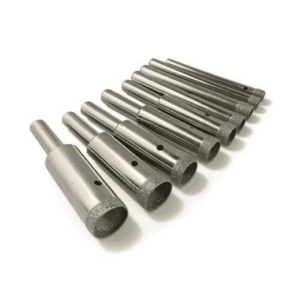
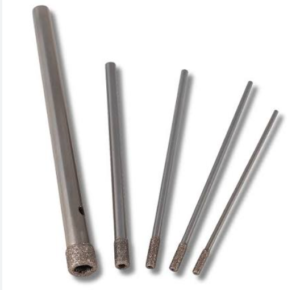
A: No, high-strength drills are used across a ton of industries. Ultra-precision diamond micro-drills, which can drill 10 μm diameter holes in sapphire and semiconductor wafers, have higher hardness and precision ratings than construction drills, even though they have lower torque and thrust. Specialized high-strength drills are also used in aerospace, medical device manufacturing, and mineral exploration, with strength tuned to their specific job requirements.
Frequently Asked Questions
Q: What is the maximum rock hardness a high-strength TBM can drill through?
A: The highest-rated hard rock TBMs can drill through rock with a uniaxial compressive strength of up to 500 MPa, including fresh basalt and quartzite, with standard tungsten carbide disc cutters. For rock above 500 MPa, specialized polycrystalline diamond compact (PDC) cutters are used, extending the maximum drillable UCS to 600 MPa.
Q: How long do the cutters on a high-strength diamond core drill last?
A: For 200 MPa granite, a standard diamond core drill bit will last 20 to 30 meters of drilling, depending on feed pressure and cooling. For 400 MPa basalt, that service life drops to 5 to 10 meters, since higher contact pressure ramps up abrasive wear on the diamond segments.
Q: Can high-strength TBMs be used for horizontal directional drilling for pipelines?
A: Small-diameter TBMs (3 to 6 meters) are often used for trenchless pipeline installation in hard rock, because they provide higher accuracy than conventional horizontal directional drilling (HDD) systems. For smaller pipeline diameters below 1 meter, specialized HDD drills with PDC bits are more cost-effective.
Q: What safety features are standard on high-strength industrial drills?
A: All high-strength portable drills include an anti-lock braking system and torque limiter to prevent kickback if the bit binds, cutting down on operator injury risk. TBMs include ground monitoring sensors to detect unstable rock conditions, and emergency stop systems that activate within 100 ms if excessive load is detected on the cutterhead.
Q: How much does the strongest class of TBM cost?
A: A 10-meter diameter hard rock TBM usually costs between $50 million and $150 million, depending on the required thrust, torque, and custom features needed for site-specific conditions. The cost is amortized over the length of the tunnel, with TBMs becoming more cost-effective than drill and blast methods for projects longer than 1 km.
Final Summary
The “strongest drill” isn’t a single universal tool—it’s a category of application-specific equipment. Hard rock tunnel boring machines are the highest capacity for large-scale subsurface excavation, while diamond core drills lead portable performance for high-strength material drilling. When picking a high-strength drill, prioritize matching the tool’s torque, thrust, and bit material to the specific material and operational requirements of your project, and stick to recommended maintenance practices to get the longest service life and best performance. For high-demand projects, always consult with drilling specialists to make sure you pick the right equipment for your operating conditions.
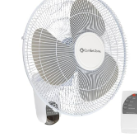
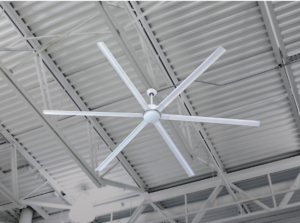
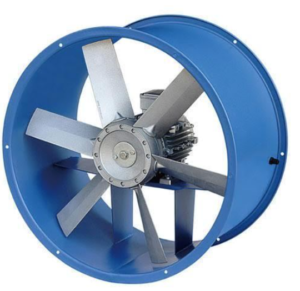
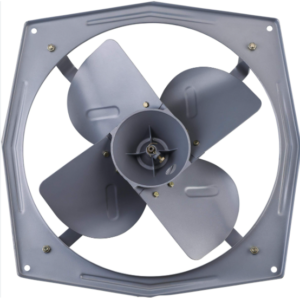
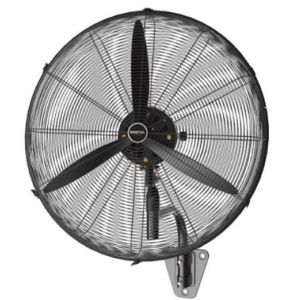
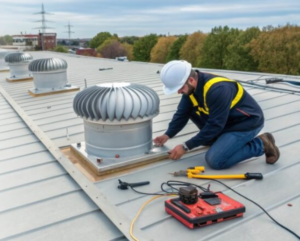
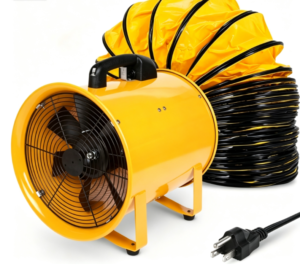
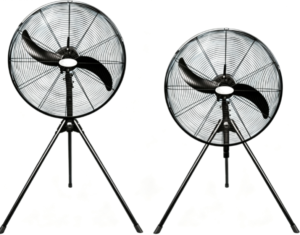
Industrial fan for Sale:
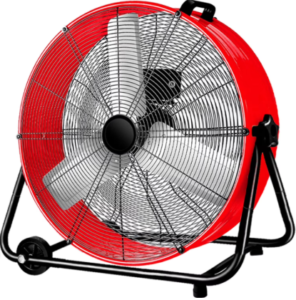
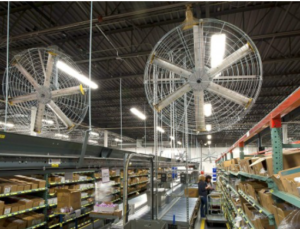
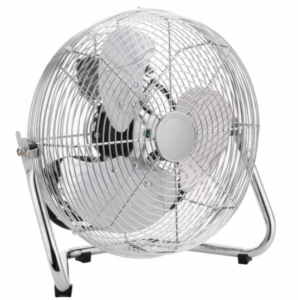


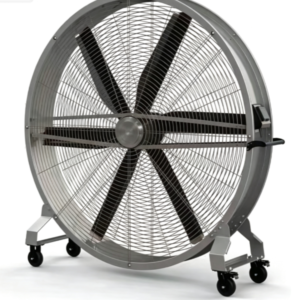
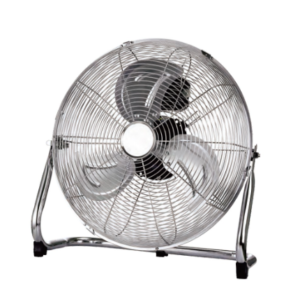
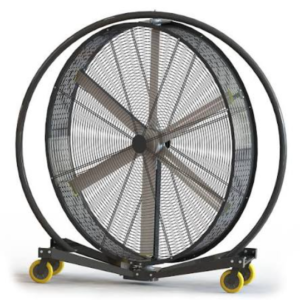
Blender Blade
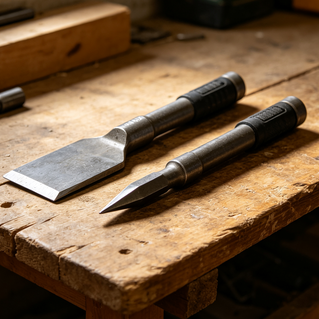
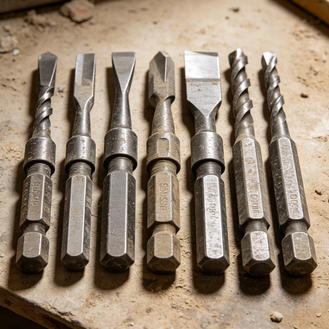
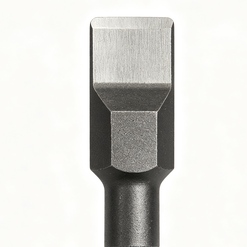
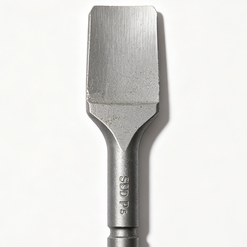
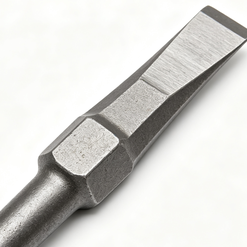
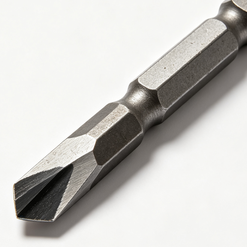
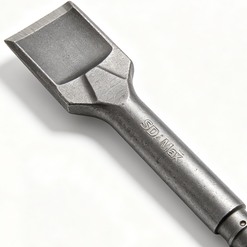
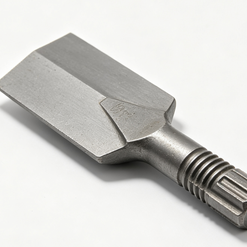
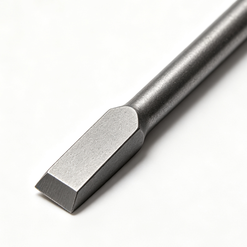
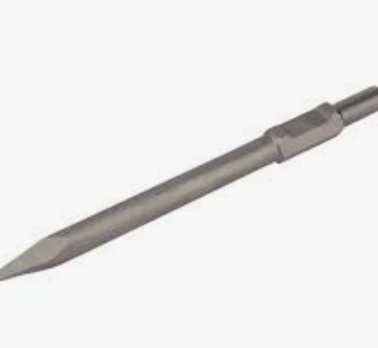
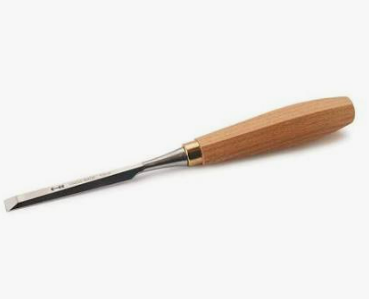
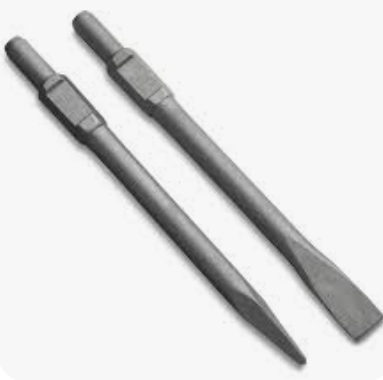
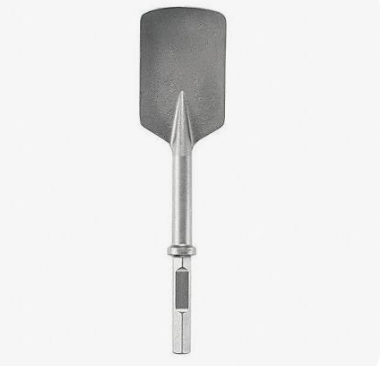
Chisel Bit for Sale
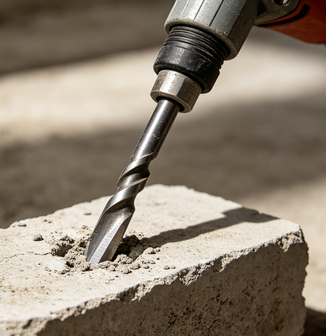
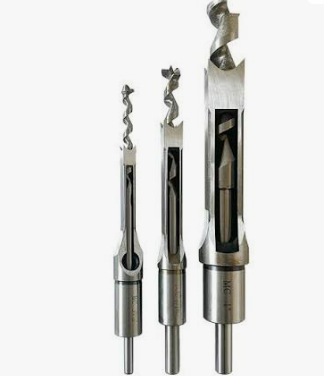
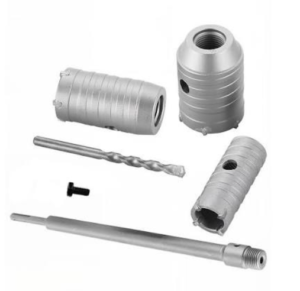
Core drill bit for Sale:
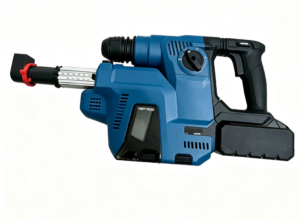
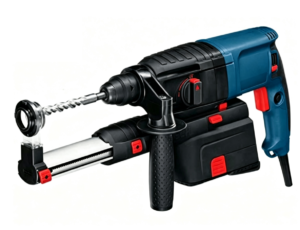
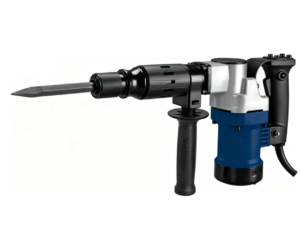
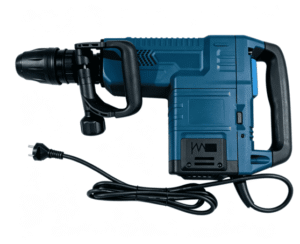
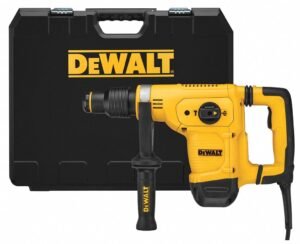
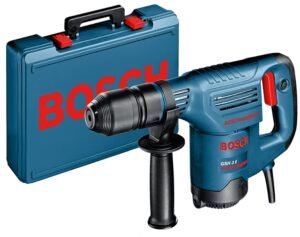
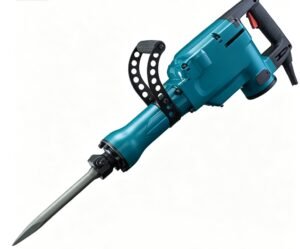
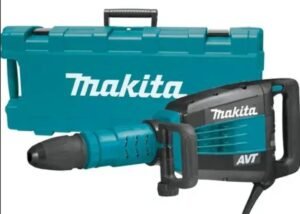
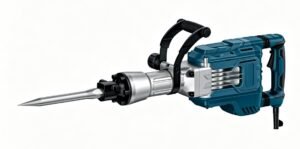
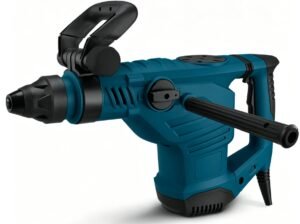
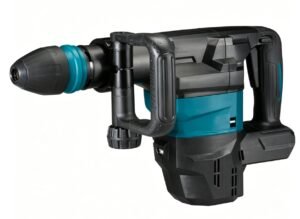
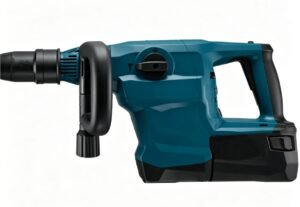
Rotary Hammer & Demolition Hammer for Sale:
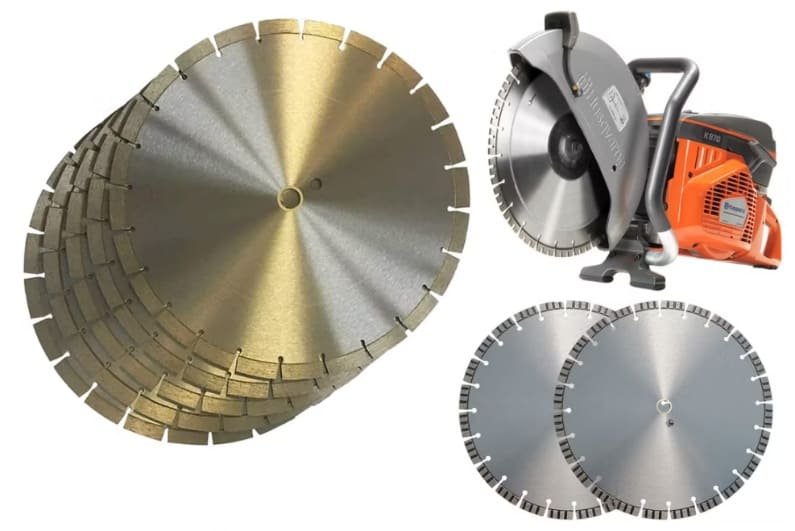
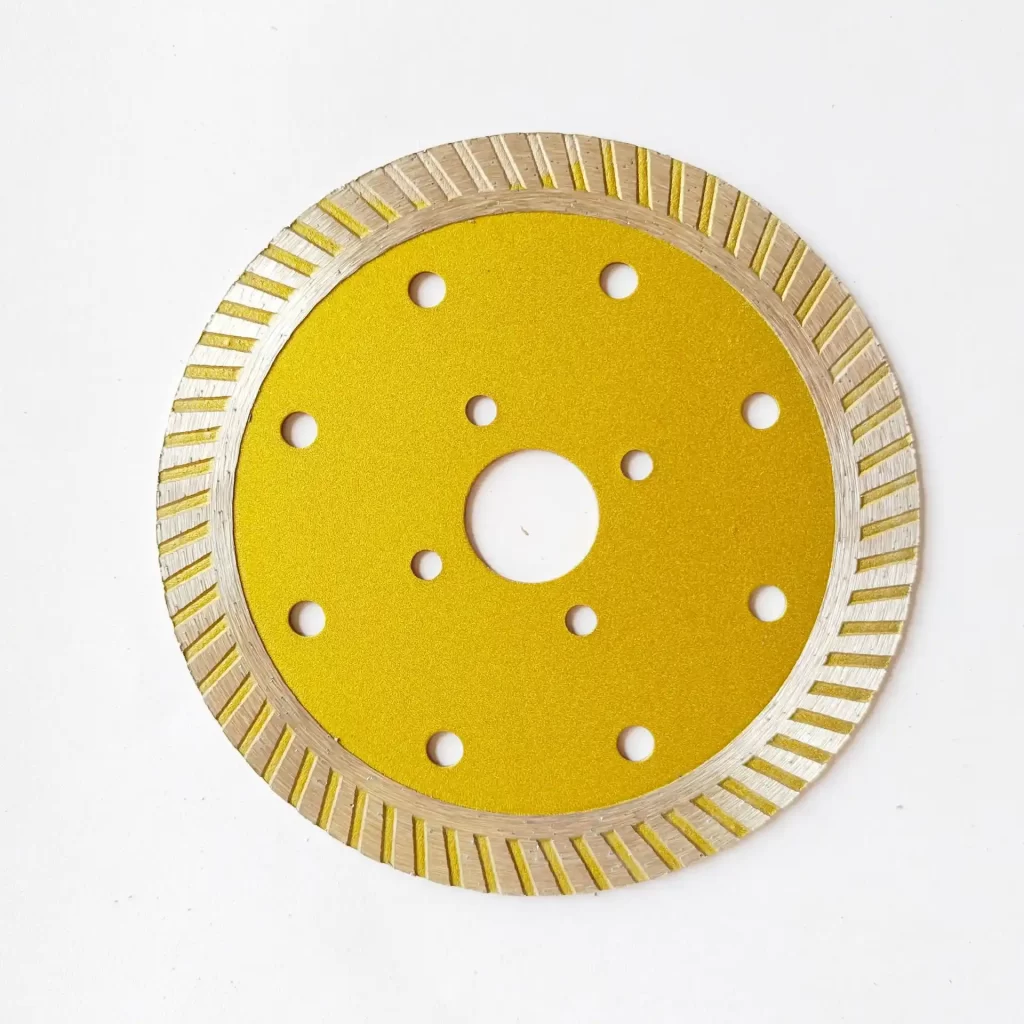
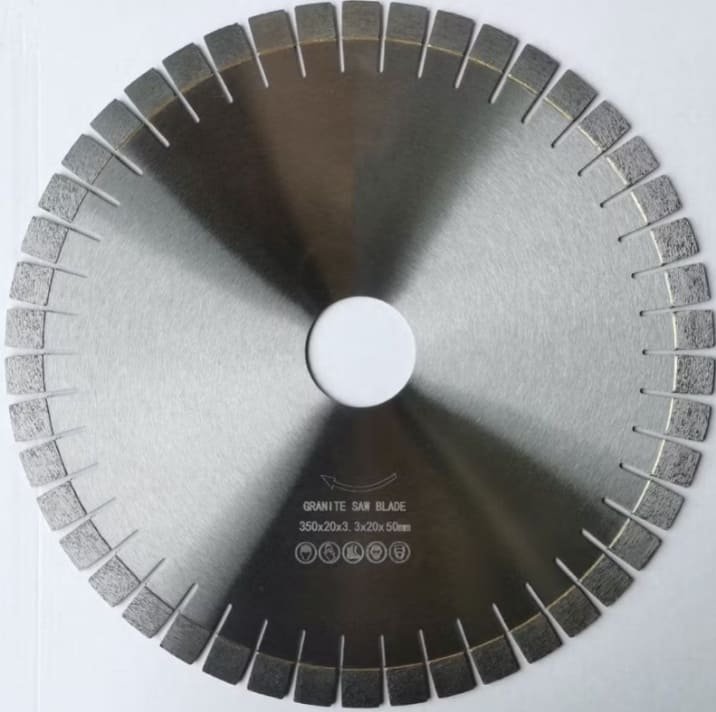
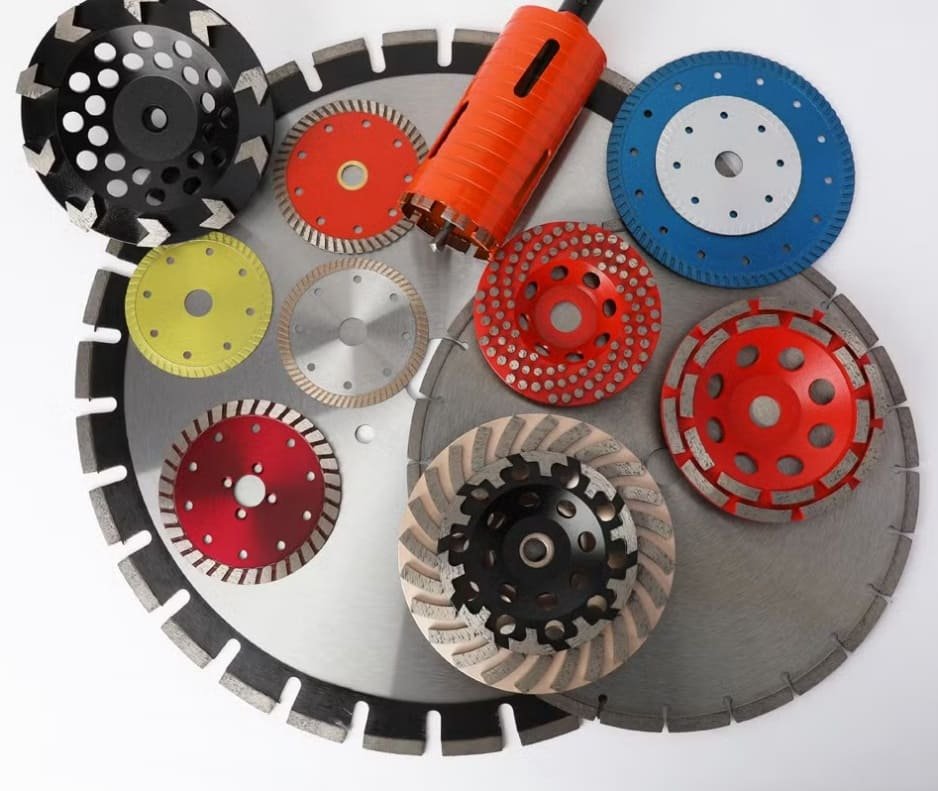
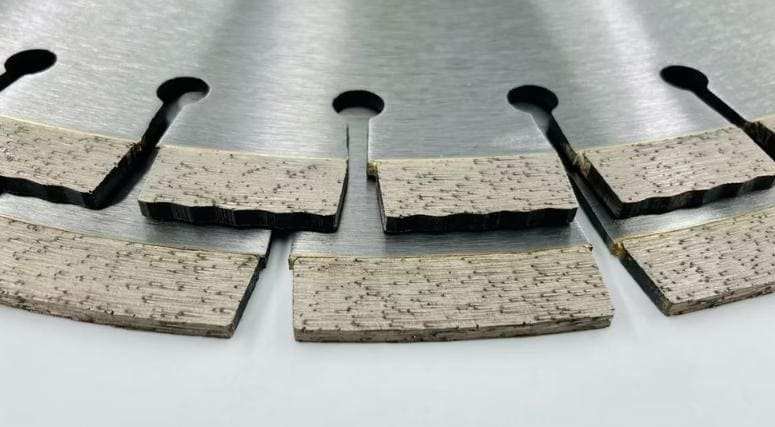
Diamond Blade

Welcome to call us
Contact Us to get quotation
Working Time: 8:00~17:00 Monday to Friday.
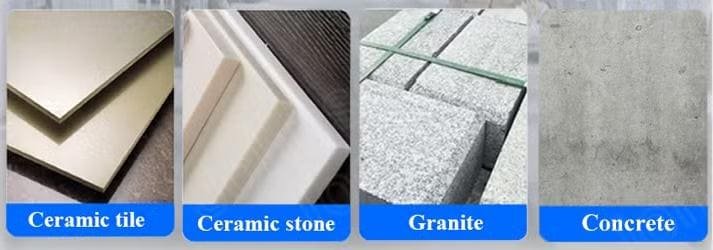
Applications:
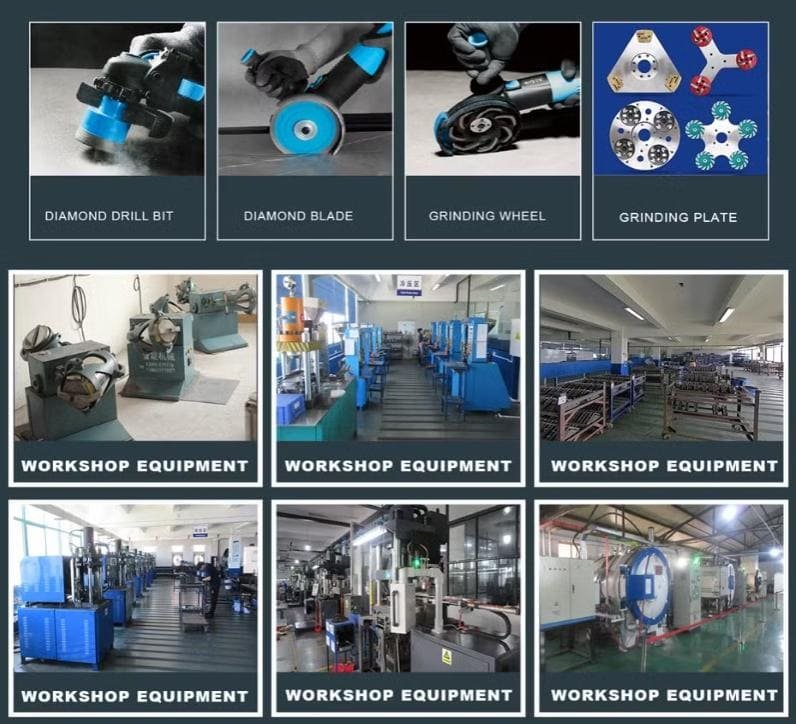
Factory:
FAQ
Welcome to call us
Contact Us to get quotation
Working Time: 8:00~17:00 Monday to Friday.
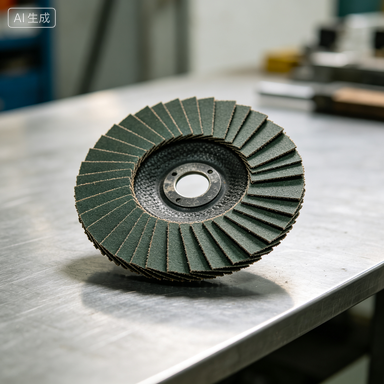
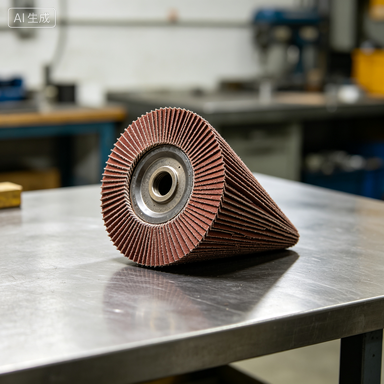
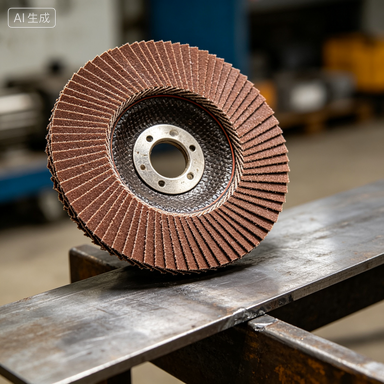
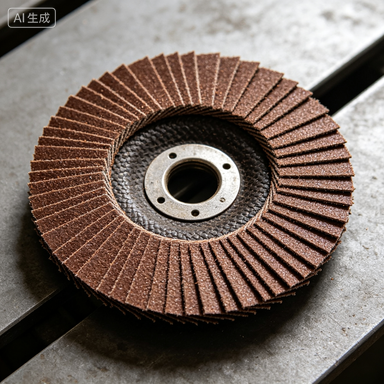
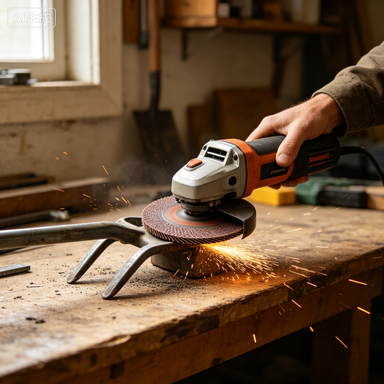
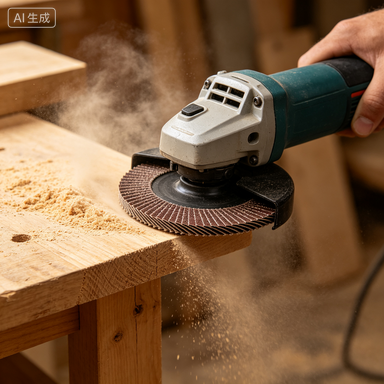
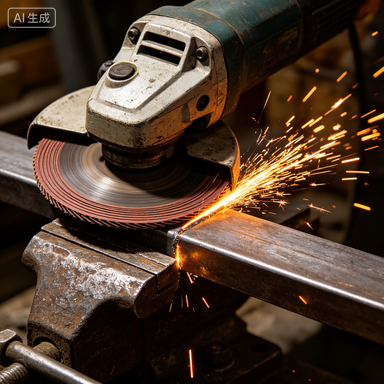
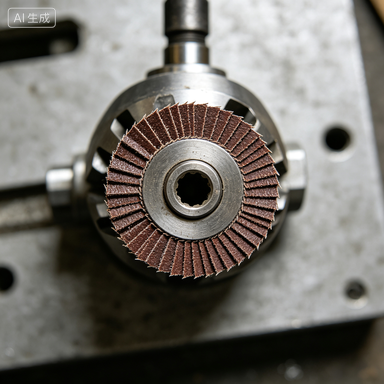
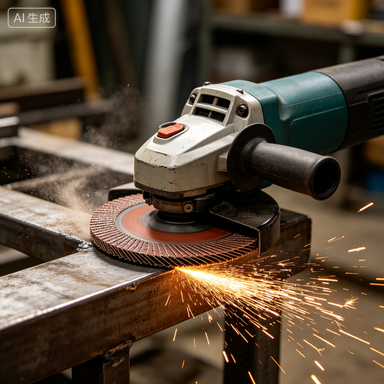
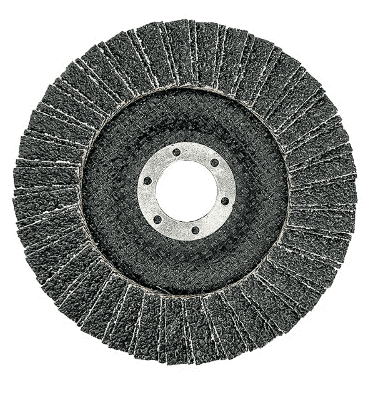
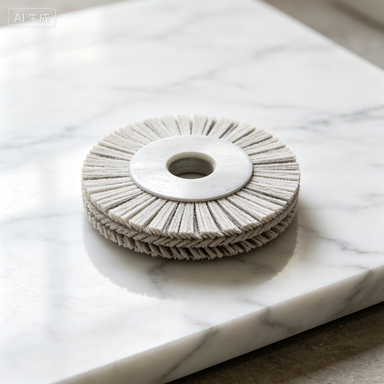
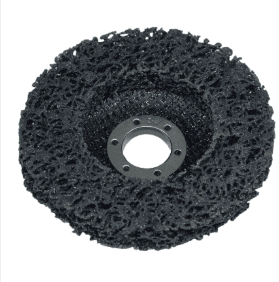
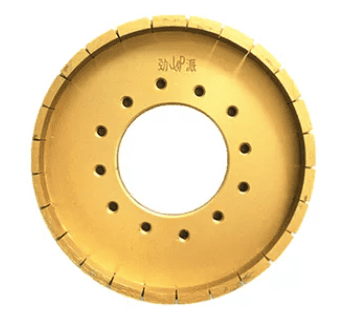
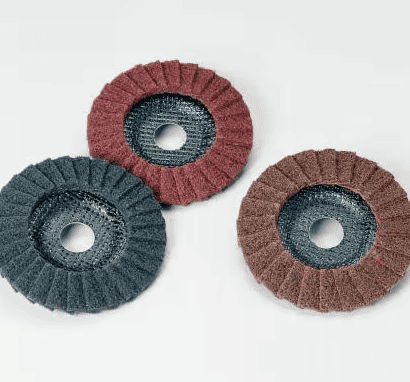
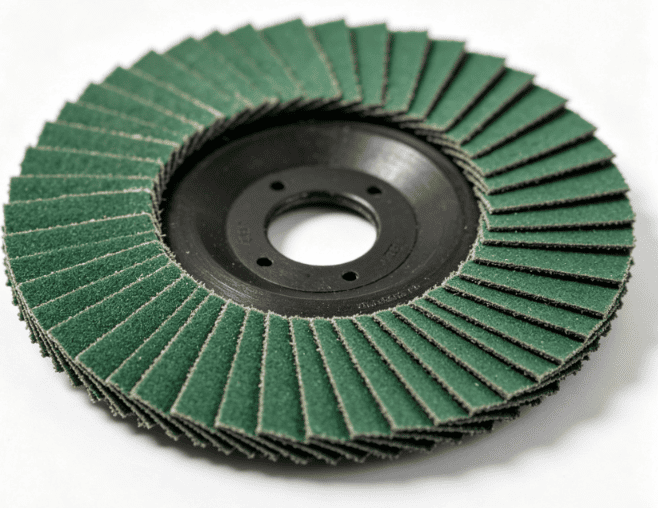
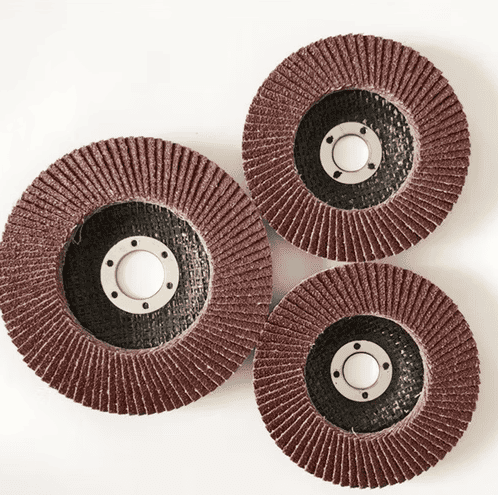
Flap Disc for Sale
Blogs:
You May also Interest in other topics:
sifter machine commercial sifter 11kw ev charger wollastonite grinding mill for refractory material vacuum capping machine