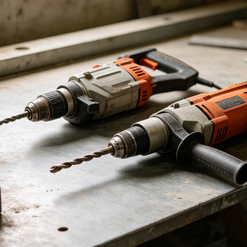
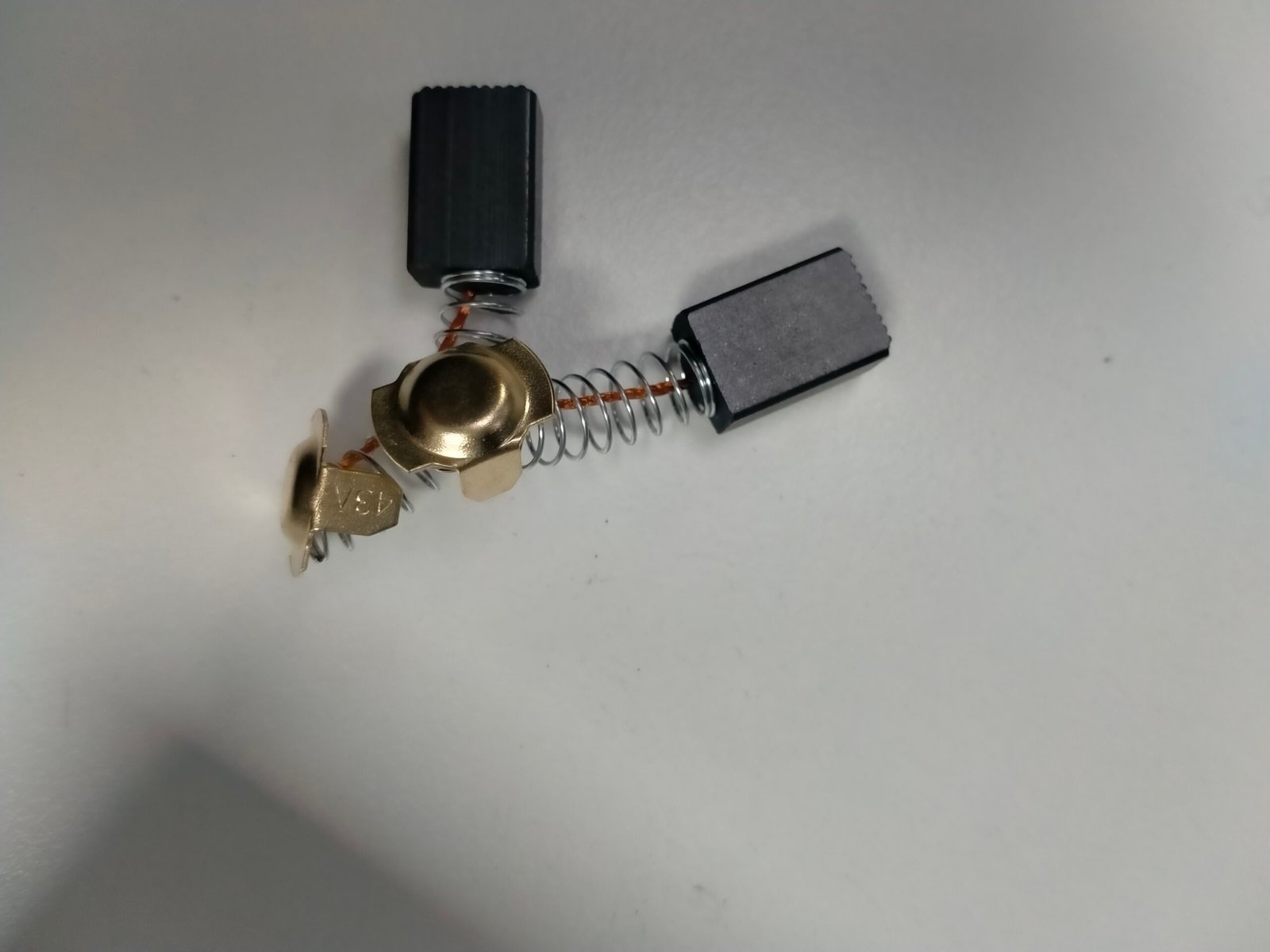
How to replace carbon brush?
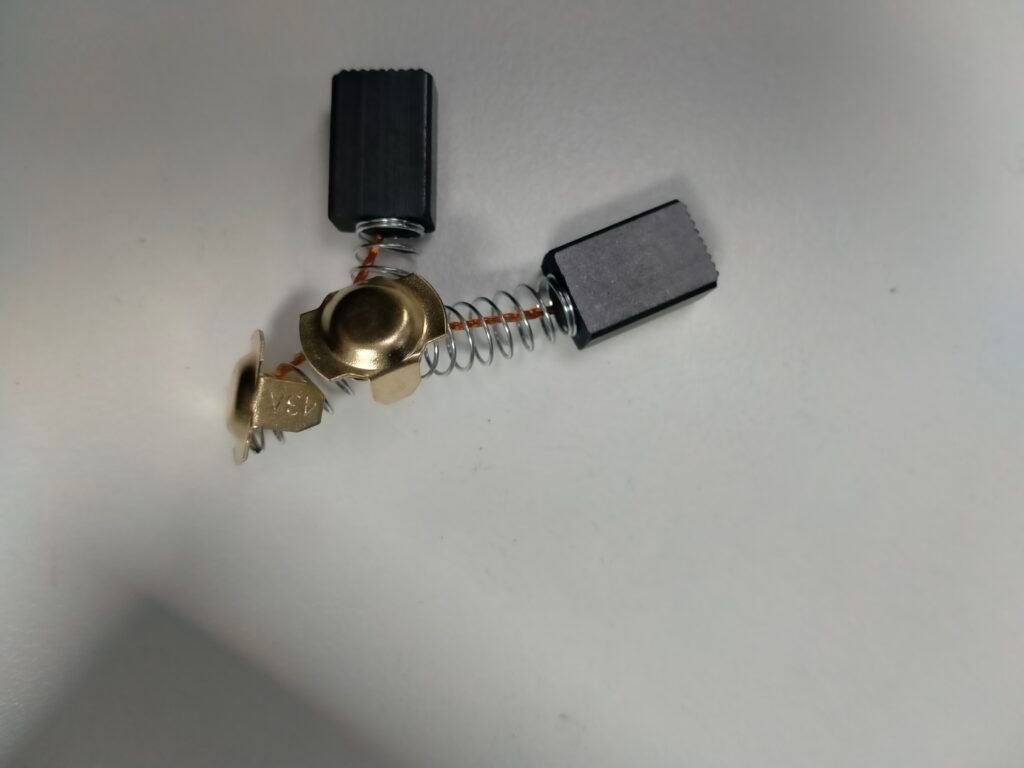
How to replace carbon brush?
How to replace carbon brush?Carbon brush replacement is a standardized, user-friendly maintenance operation that can be completed with basic hand tools, and the entire process must strictly follow power-off safety regulations to avoid electrical hazards and motor damage during operation. Mastering the complete preparation steps, standardized replacement procedures and professional operation taboos is the key to realizing safe and effective carbon brush replacement and restoring motor full performance.
Pre-operation Preparation for Carbon Brush Replacement
Complete power disconnection is the most fundamental safety prerequisite before starting any carbon brush replacement work, eliminating all potential electric shock and short-circuit risks. For conventional handheld power tools and household electrical appliances such as vacuum cleaners and washing machines, users only need to unplug the power cord completely to cut off the power supply. For vehicle-mounted motors and industrial large-scale motor equipment, simple shutdown is not sufficient; operators need to turn off the equipment completely and disconnect the corresponding battery wiring to ensure no residual current exists in the circuit, creating a safe maintenance environment.
Preparing a complete set of matching maintenance tools can ensure smooth and efficient replacement without secondary damage to equipment. The basic tool kit includes cross and flat screwdrivers for disassembling equipment shells, needle-nose pliers for adjusting springs and taking out carbon brushes, as well as soft brushes and compressed air for internal dust cleaning. For professional and precise maintenance scenarios, a multimeter is required to detect circuit continuity, and fine sandpaper with high mesh count is reserved for slight polishing of internal contact parts to meet refined maintenance standards.
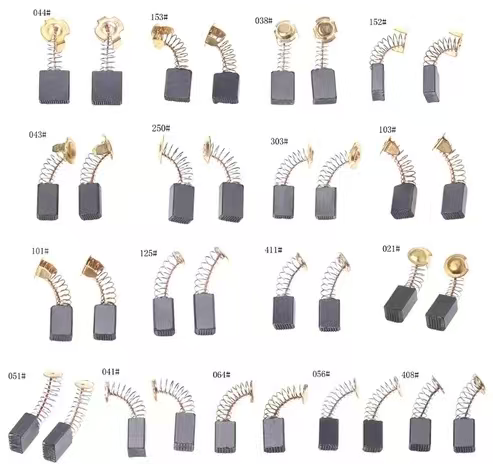
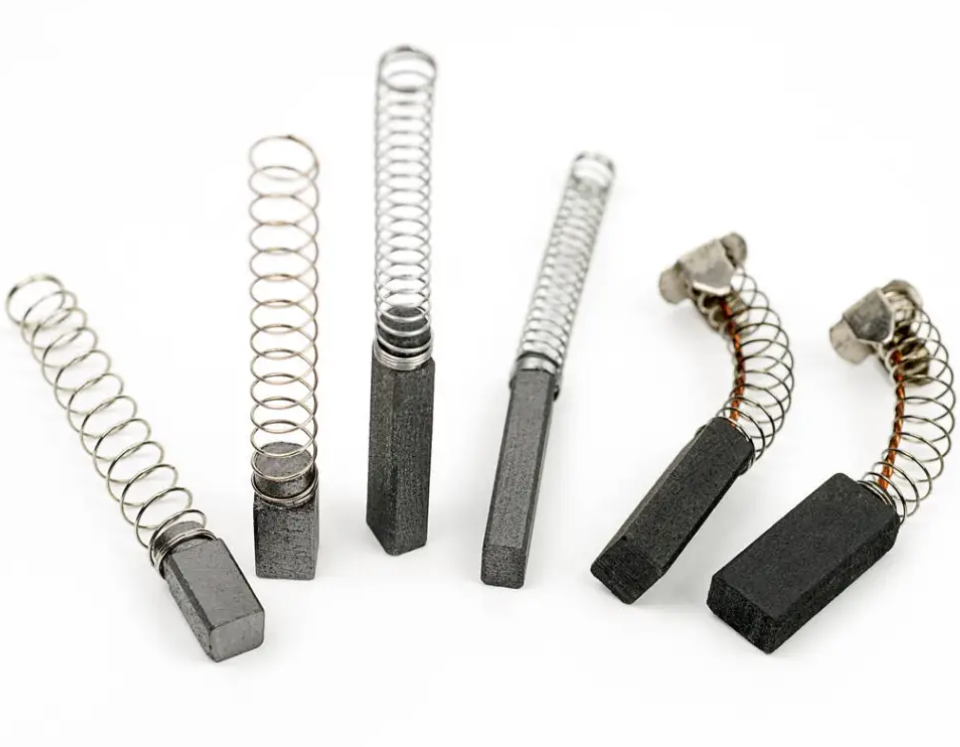
Strict verification and matching of new carbon brush accessories is a critical step to guarantee post-replacement motor performance. Before formal installation, users need to carefully compare the size, overall specification and material type of the new carbon brush with the original old one. Different specifications of carbon brushes have obvious differences in conductive efficiency, wear resistance and contact fit degree. Random matching or mismatched installation will directly lead to poor contact between the carbon brush and commutator, accelerated abnormal wear of accessories, and even cause motor power attenuation and overheating faults in subsequent operation.
Sufficient pre-check and preparation work can effectively avoid most maintenance failures caused by negligence. Many post-replacement motor faults are not caused by installation errors, but by unqualified accessory matching or incomplete power-off operation in the early stage. Therefore, standardized preparation links are the foundation of high-quality carbon brush replacement maintenance, ensuring that each subsequent operation link can be carried out in an orderly manner.
Step-by-step Standard Carbon Brush Replacement Operation
The first formal replacement step is to open the equipment shell and accurately locate the installation position of the carbon brush. Most ordinary handheld electric tools are designed with detachable plastic brush caps on both sides of the motor shell, and the internal carbon brush components can be exposed simply by unscrewing the brush caps. For relatively complex equipment such as household vacuum cleaners, washing machines and industrial generators, it is necessary to remove the fixing screws on the fuselage or motor shell first, then lift the outer shell to completely expose the internal motor assembly for subsequent operation.
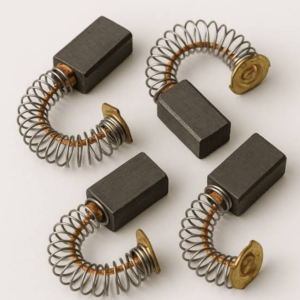
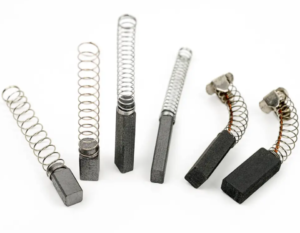
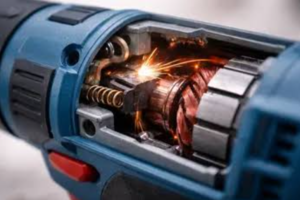
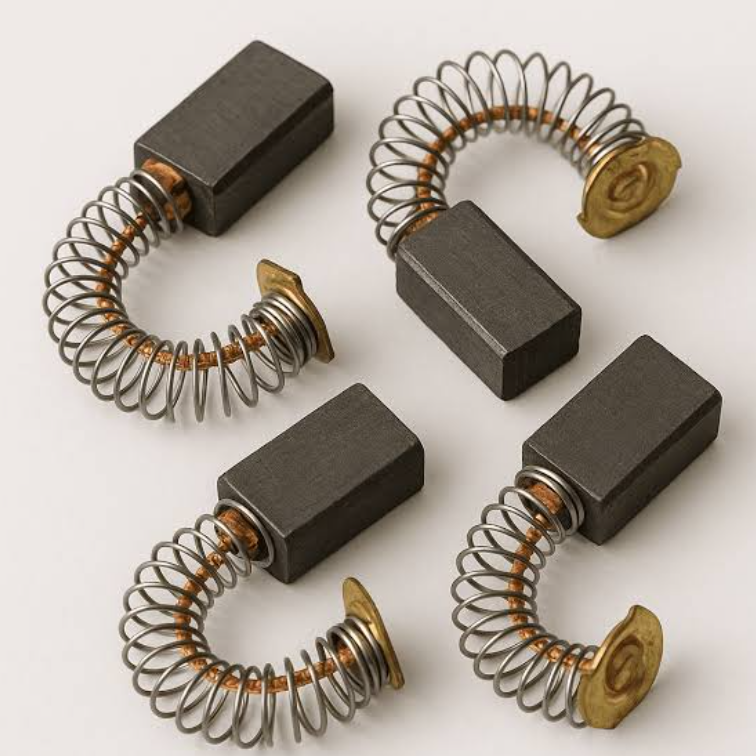
In most brushed motor structures, carbon brushes are installed in pairs on both sides of the motor commutator, stably placed inside the carbon brush holder. They are fixed and pressed by tiny elastic springs or buckle structures, which ensures the carbon brush can closely fit the commutator during high-speed operation. Familiarizing with this structural layout can help operators quickly find the carbon brush position and avoid blind disassembly that damages internal precision parts.
After positioning the carbon brush, users need to carefully take out the old carbon brush and record the original installation state in detail. During disassembly, use needle-nose pliers to gently lift the fixed spring or buckle, and slide out the old carbon brush smoothly along the straight track of the carbon brush holder. Violent prying and forced pulling are strictly prohibited, as improper operation will easily deform or scratch the precision brush holder structure, affecting the sliding flexibility of new carbon brushes in the future.
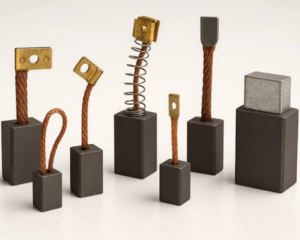
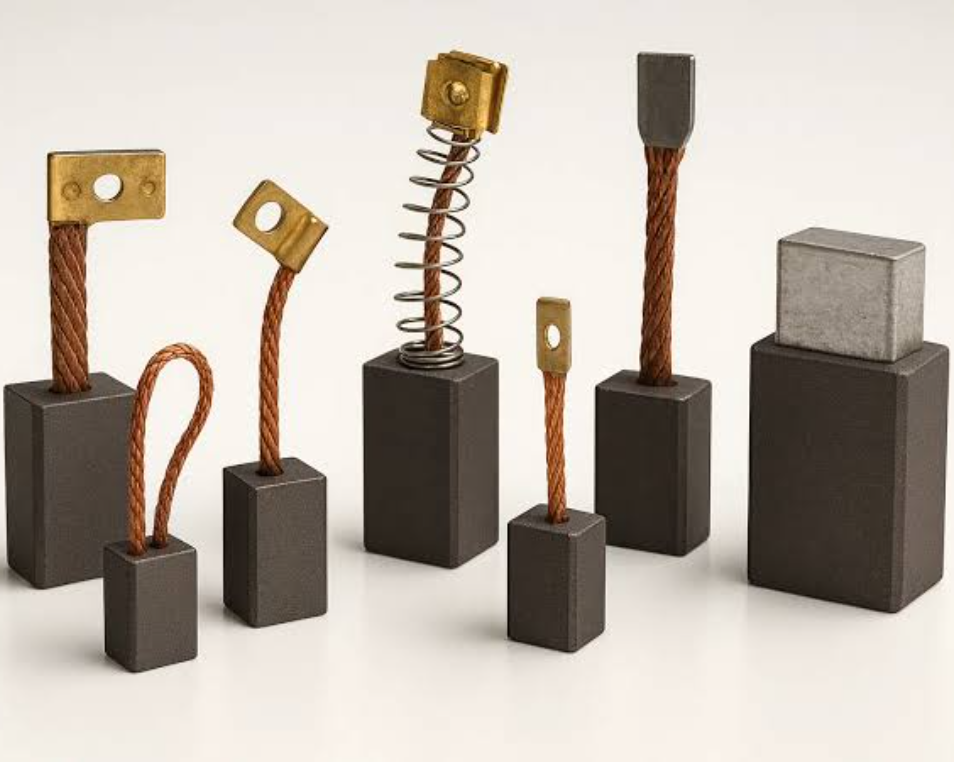
To avoid wiring errors during reinstallation, it is necessary to take photos to record the connection position of the carbon brush lead wire and the wiring terminal before disassembly, focusing on fixing the connection mode of the tail lead braid. This intuitive recording method can effectively prevent circuit connection errors, short circuits and motor reversal faults caused by wrong wiring. In addition, check the remaining length of the old carbon brush after removal; if the residual length is less than one-third of the original size, the carbon brush has reached the service limit and must be replaced immediately, and continued use is completely forbidden.
Thorough cleaning of internal contact surfaces is an indispensable step to optimize post-replacement operation effect. Long-term motor operation will produce a large amount of fine carbon powder and tiny metal debris, which accumulate in the gaps of the carbon brush holder and commutator. Residual carbon deposits will block the sliding track of carbon brushes, resulting in poor conductive contact and continuous motor overheating. Operators can use compressed air to blow away internal sundries or clean the gaps carefully with a soft brush to keep the internal structure clean and unobstructed.
For slight oil stains on the commutator surface, users can wipe and clean with a cotton swab dipped in a small amount of absolute ethanol to remove surface attachments and restore smooth contact performance. It is worth noting that non-professional operators should not polish the commutator at will. If surface polishing is required due to minor abrasion, only fine sandpaper above 200 mesh can be used for slight finishing, to avoid damaging the original smooth precision structure of the commutator.
Installing new carbon brushes in a standardized manner is the core link of the entire replacement process. Align the new carbon brush with the chute of the carbon brush holder and slide it in slowly and smoothly, ensuring that the arc contact surface of the carbon brush is completely attached to the commutator surface without skew, jamming or offset. The installation posture must be accurate and vertical to guarantee the maximum contact area between the carbon brush and the commutator.
After placing the carbon brush, reconnect the lead wire strictly according to the recorded original wiring position, and reset the fixed spring or buckle. Ensure that the elastic spring can provide stable and uniform pressure to press the carbon brush tightly on the commutator surface, avoiding insufficient pressure leading to loose contact. Meanwhile, control the sliding gap between the carbon brush and the brush holder within the standard range of 0.1 to 0.3 millimeters to prevent excessive gap causing shaking and unstable contact, or too small gap leading to inflexible sliding and jamming.
The final step is equipment reset and trial operation test. After the carbon brush installation is completed, reinstall the brush cap and motor shell in the original order, but do not fully tighten all fixing screws temporarily. Power on the equipment for short-term trial operation first to observe the overall operating state of the motor. Qualified operation performance includes smooth motor rotation, no obvious large sparks at the commutator and no abnormal noise or vibration.
After confirming that the trial operation is normal, tighten all shell fixing screws completely to complete the assembly. In order to prolong the service life of the new carbon brush and stabilize the contact state, it is recommended to run the equipment with no load for more than 10 minutes for running-in. After the contact fitting area between the new carbon brush and the commutator reaches more than 70%, the equipment can be put into formal full-load operation, which effectively avoids eccentric wear and performance instability of the new carbon brush.
Core Safety Rules and Operation Prohibitions
Operators must abide by standardized safety protection specifications during the entire replacement process to prevent electric shock accidents. When carrying out any power-on detection and maintenance work, wear professional insulating gloves and stand on an insulating mat to isolate current risks. It is strictly forbidden to touch conductive parts of different potentials with both hands at the same time, which can effectively avoid loop current formation and electric shock hazards, ensuring personal safety during equipment maintenance.
Reasonable batch replacement of carbon brushes is an important rule to protect motor operation stability. It is not allowed to replace all carbon brushes of the same motor at one time; only one or two carbon brushes can be replaced each time. One-time full replacement will cause sudden changes in internal current distribution of the motor, easily inducing severe commutation faults such as ring fire, which will damage the motor coil and commutator structure and lead to equipment failure.
After replacement, the spring pressure of each carbon brush must be uniformly adjusted to ensure consistent stress on all accessories. The standard pressure range is controlled between 20 and 30 Newtons. Excessively high spring pressure will aggravate carbon brush friction and cause rapid wear and local overheating, while uneven pressure will lead to inconsistent wear speed of different carbon brushes, resulting in unbalanced motor operation and abnormal sparking.
Post-operation temperature detection and fault inspection are essential links to verify the replacement effect. After the motor runs stably for 30 minutes, check the motor operating temperature in real time; the normal temperature should not exceed 100 degrees Celsius. If excessive commutator sparks or sharp temperature rise are found during operation, stop the machine immediately for comprehensive inspection, readjust the carbon brush fitting state and spring pressure, and eliminate hidden dangers before continuing to use the equipment.
Q&A Session
Q1: Why is complete power-off essential before carbon brush replacement?
Complete power disconnection is the primary safety barrier for carbon brush replacement. Residual current in the motor circuit may cause accidental equipment startup and electric shock during disassembly and installation. In addition, live operation may lead to instantaneous short circuits and electric arcs during carbon brush disassembly, which will burn internal precision components. Strict power-off operation completely avoids personal injury and equipment damage risks, laying a safe foundation for maintenance work.
Q2: What will happen if new and old carbon brushes are mixed or mismatched?
Mismatched or mixed carbon brushes will cause inconsistent resistance, wear degree and contact pressure inside the motor, resulting in extremely uneven current distribution. This will trigger abnormal commutation sparks, unbalanced motor rotation and continuous overheating. In the long run, it will accelerate commutator wear and coil aging, and even cause permanent motor damage, greatly shortening the overall service life of the equipment.
Q3: Why is no-load running-in necessary after installing new carbon brushes?
The surface of brand-new carbon brushes is flat and cannot fully fit the radian of the commutator in the initial installation state. No-load running-in allows the carbon brush surface to wear evenly and naturally, forming a precise and close contact surface matching the commutator. This process stabilizes current transmission, eliminates eccentric wear and abnormal sparking, and effectively prolongs the service life of the new carbon brush set.
Q4: How to judge whether the carbon brush replacement operation is qualified?
A qualified replacement result features smooth motor operation, no obvious large sparks and abnormal noise during rotation, and stable motor temperature within the safe range after half an hour of operation. Meanwhile, the carbon brush can slide freely in the brush holder with uniform spring pressure and stable contact state, and the equipment power can return to the rated standard, with no power attenuation or intermittent operation faults.
Summary
In summary, carbon brush replacement is a standardized and simple daily motor maintenance operation that relies on basic manual tools and strict safety specifications to complete. Sufficient pre-operation preparation including thorough power disconnection, complete tool preparation and accurate accessory matching is the premise of safe maintenance. Standardized step-by-step operations such as shell disassembly, old brush removal, internal cleaning, new brush installation and trial running ensure accurate and effective replacement. Abiding by core safety rules such as graded replacement, uniform spring pressure adjustment and post-operation temperature detection can effectively avoid motor faults and safety hazards. Scientific running-in and post-maintenance inspection after replacement can optimize the fitting state of carbon brushes, restore motor full performance, and ensure long-term stable and safe operation of various brushed motor equipment.
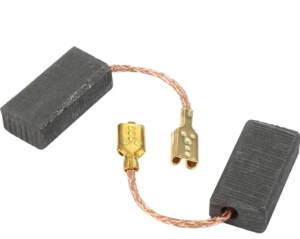
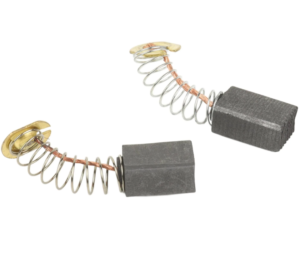
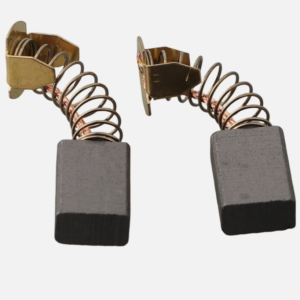
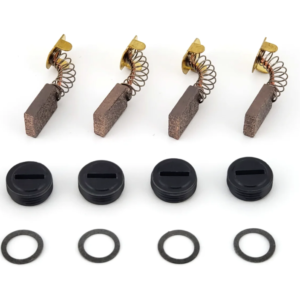
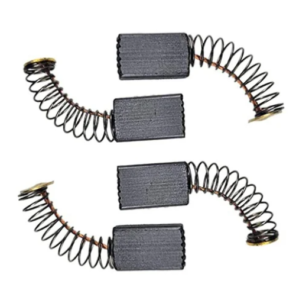
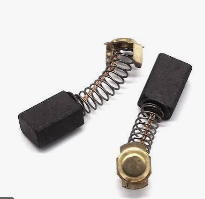
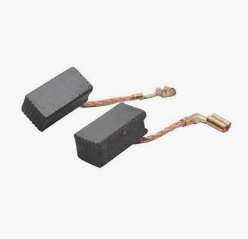
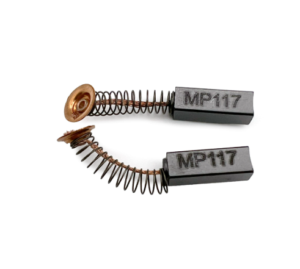
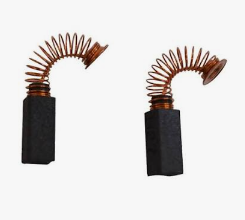
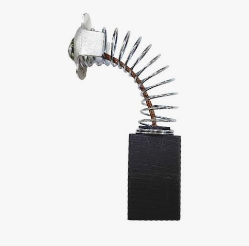
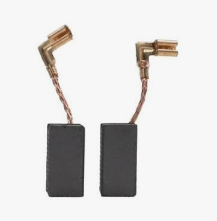
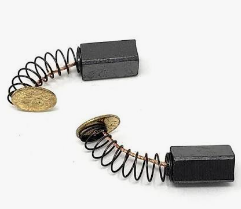
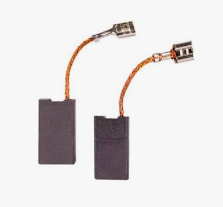
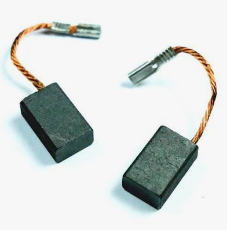
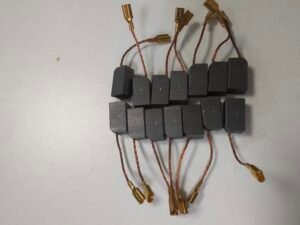
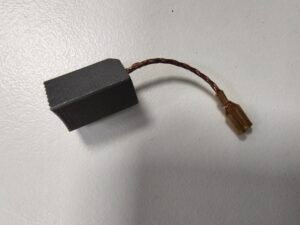
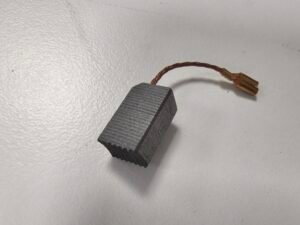
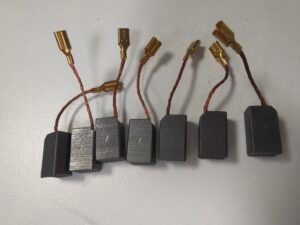
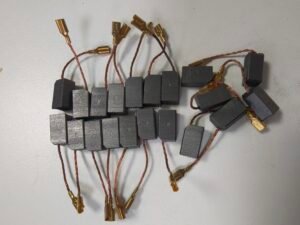
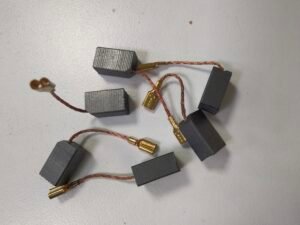
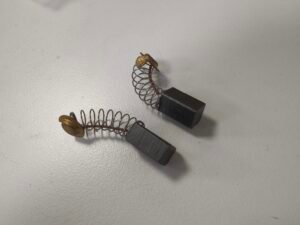
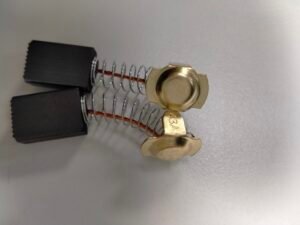
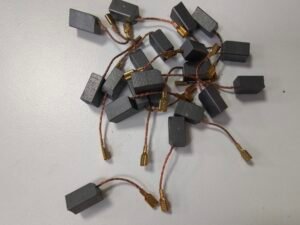
Carbon Brush for Sale:
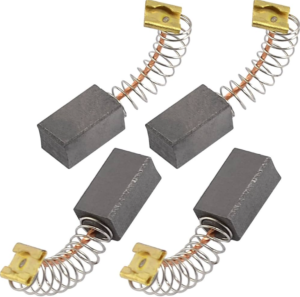
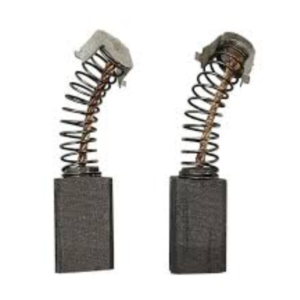
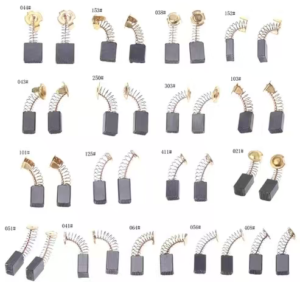
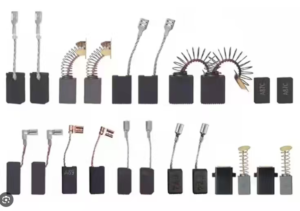
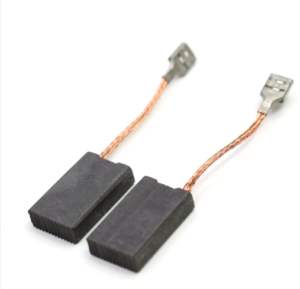
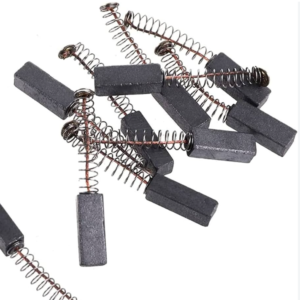
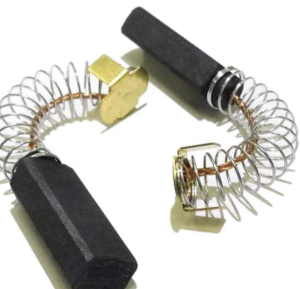
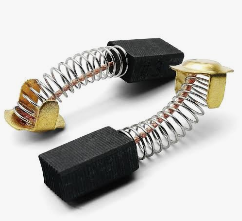
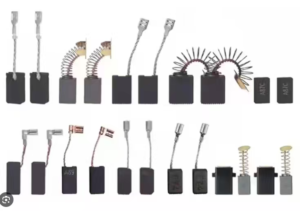
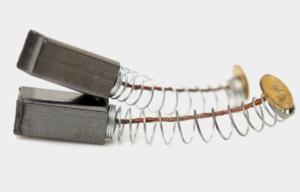
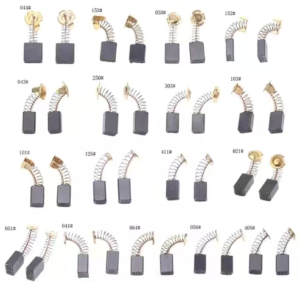
Post about Carbon Brush:
Diamond Blade

Welcome to call us
Contact Us to get quotation
Working Time: 8:00~17:00 Monday to Friday.
Applications:

Factory:
FAQ
Welcome to call us
Contact Us to get quotation
Working Time: 8:00~17:00 Monday to Friday.
Blender Blade:
Chisel Bit:
Cutting Wheel:
Diamond Core Drill Bit:
Flap Disc:
Angle Grinder:
Industrial fan:
Demolition Hammer:
Blogs:
You May also Interest in other topics:
40kw dc ev charger 220V ev charger 220V ev charger AC Type 2 32A Wall Box – Wholesaler–