What is more powerful than a hammer drill?
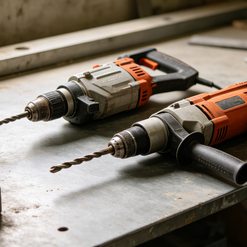
What is more powerful than a hammer drill?
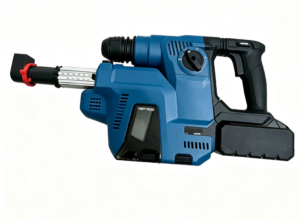
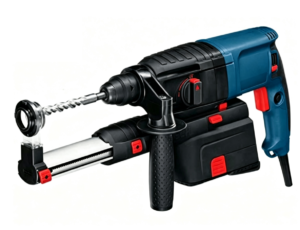
What is more powerful than a hammer drill? If you’ve ever tried to push a standard hammer drill through reinforced concrete or chip up a concrete patio, you know exactly when you’ve hit its limit. For heavy-duty drilling and demolition work that hammer drills just can’t handle, rotary hammers and demolition hammers are the obvious upgrade—they deliver way more impact energy, torque, and material removal speed than even the toughest consumer-grade hammer drills. Most standard hammer drills top out at 2 to 3 joules of single-blow impact energy, for reference. Entry-level rotary hammers start at 3.5 joules, industrial models hit 15 joules or more, and dedicated demolition hammers often exceed 30 joules per blow. That massive power gap is why these tools are the go-to for construction, renovation, and civil engineering work where drilling through rebar-filled concrete, chipping out tile, or breaking structural masonry is a daily task.
Picking a tool with enough power for the job doesn’t just make work go faster. It cuts down on operator fatigue, and lowers the risk of your tool overheating or burning out mid-project when you’re running it for hours at a time. Knowing what these higher-powered alternatives can do keeps you from forcing a hammer drill to do work it was never built for, which saves you money on broken tools and wasted time in the long run.
Core Working Principles of Rotary Hammers
Hammer drills use a basic clutch mechanism to generate their percussive force while they spin, but rotary hammers work entirely differently: they use a piston-driven pneumatic system to deliver impact energy. An internal motor turns a crankshaft that moves a piston back and forth inside a cylinder, compressing air to push a striker directly against the chisel or drill bit. This design transfers way more energy to the work surface with every blow, and barely any recoil bounces back to your hands, even if you’re running the tool nonstop.
The pneumatic impact system works completely separate from the rotation system, too, so you can swap between rotation-only, hammer-only, and combined hammer-drill modes depending on what you’re working on. That flexibility makes rotary hammers way more useful than standard hammer drills for projects that require a mix of tasks.
Core Working Principles of Demolition Hammers
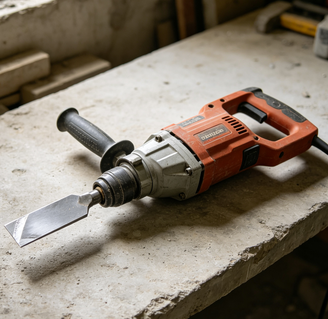
Demolition hammers—you’ve probably heard them called breaker hammers—cut out the rotation function entirely to focus all the motor’s power on high-frequency, high-impact percussive force. Most use the same pneumatic piston system as rotary hammers, but they’re calibrated to deliver longer, harder blows at lower frequencies, usually between 1,500 and 3,000 blows per minute (BPM). For comparison, most rotary hammers run at 4,000 to 5,000 BPM.
This design prioritizes breaking material apart rather than cutting through it, which makes these tools perfect for smashing solid concrete, asphalt, and stone. No rotation mechanism also means less internal wear, so demolition hammers can run for hours straight under heavy load without losing any power.
Key Components and Their Functions
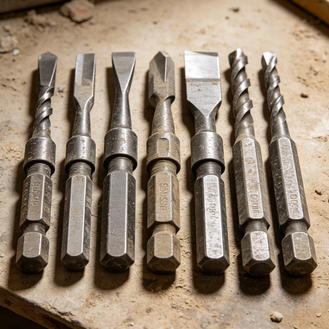
Both rotary hammers and demolition hammers are built with heavy-duty parts to stand up to extreme stress. The core components include a high-torque universal or brushless motor, a crankshaft and piston assembly that generates the impact force, a tool retention system (usually SDS-plus, SDS-max, or spline shank) to hold bits tight and prevent slippage, and a vibration-dampening handle system to cut down on hand fatigue.
Industrial models usually add a torque-limiting clutch that disengages the drive system if the bit gets stuck in reinforced concrete, stopping dangerous kickback that could cause injury. Demolition hammers also have a reinforced striker and anvil assembly made from hardened alloy steel, so they can absorb thousands of high-force impacts without chipping or warping over time.
Standard Performance Specifications
Entry-level corded rotary hammers usually have 7 to 10 amp motors, deliver 3.5 to 7 joules of impact energy, and can drill holes up to 1 inch in diameter in concrete. Mid-range industrial models have 10 to 15 amp motors, 8 to 15 joules of impact energy, and can drill up to 2-inch holes in concrete.
Demolition hammers range from 10 amp compact models with 12 joules of impact energy for light chipping work, all the way up to 15 amp heavy-duty units with 30 to 45 joules of impact energy that can break 6-inch thick reinforced concrete slabs. Cordless models powered by 18V to 54V lithium-ion batteries perform just as well as corded units for most mid-range tasks, with run times between 30 and 90 minutes per charge depending on how hard you’re pushing them.
Primary Application Scenarios
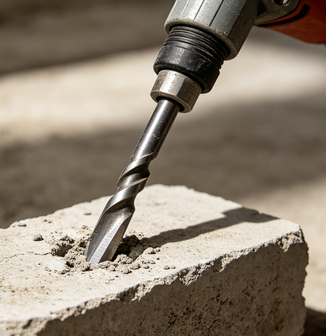
Rotary hammers are standard gear for construction, electrical, and plumbing contractors who need to drill anchor holes, run conduit through concrete walls, or chip out small sections of masonry. They’re also super common in renovation projects to remove tile, plaster, and old mortar from surfaces.
Demolition hammers are used for bigger jobs: breaking up concrete driveways, demolishing interior masonry walls, removing asphalt pavement, and chipping out large sections of reinforced concrete during structural modifications. Both tools show up all the time on civil engineering projects, mining sites, and industrial maintenance facilities where teams regularly work with hard, dense materials.
Key Performance Advantages Over Hammer Drills
The biggest win with these higher-powered tools is their impact energy output, which is 2 to 15 times higher than even the heaviest-duty hammer drills. That translates to 3 to 10 times faster drilling and chipping speeds when you’re working on concrete or masonry.
The pneumatic impact mechanism also creates way less recoil than the clutch-based system in hammer drills, so you don’t get worn out as fast during long jobs, and you’re less likely to develop repetitive stress injuries over time. The SDS and spline shank bit retention systems eliminate bit slippage, a super common frustration with hammer drills that use standard chuck jaws, even under maximum load. Most models also have sealed motor housings that keep dust and debris out of internal components, so the tool lasts longer on dusty construction sites.
Selection Criteria for Different Project Types
For small to medium renovation projects that need both drilling and light chipping, an SDS-plus rotary hammer with 3.5 to 7 joules of impact energy is the most practical pick. It’s light enough for overhead work, and works with a huge range of drill bits and chisels.
If you’re drilling holes larger than 1 inch in diameter or chipping thick masonry on a regular basis, go for an SDS-max rotary hammer with 8 to 15 joules of impact energy. For pure demolition work with no drilling needed, a demolition hammer with at least 15 joules of impact energy is the most efficient option—exact size depends on how thick and strong the material you’re breaking is.
Cordless models are best for job sites with limited power access, while corded models are better if you’re running the tool all day long with no breaks.
Routine Maintenance Best Practices
To get the longest life out of your rotary or demolition hammer, do a quick pre-use check every day: look over the power cord or battery for damage, make sure the bit retention system works properly, and check the tool housing for cracks.
Bit shanks should be lubricated with a small amount of high-temperature grease every 2 to 3 hours of continuous use to keep them from seizing in the chuck. Clear the air intake vents of dust and debris at the end of every shift to stop the motor from overheating.
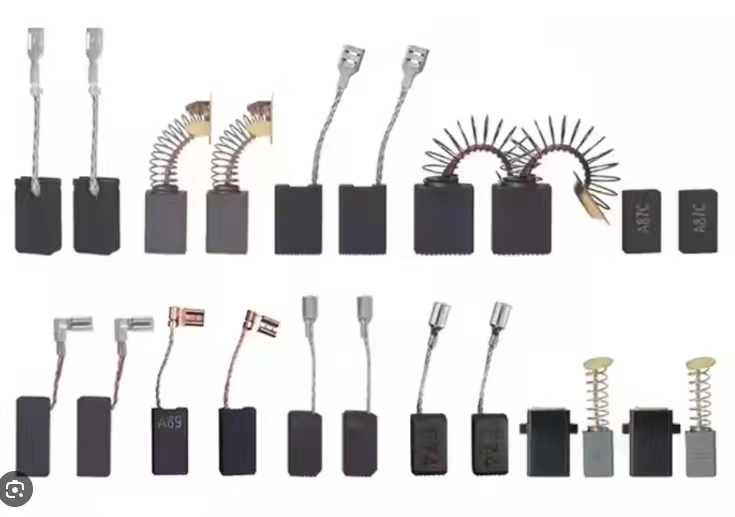
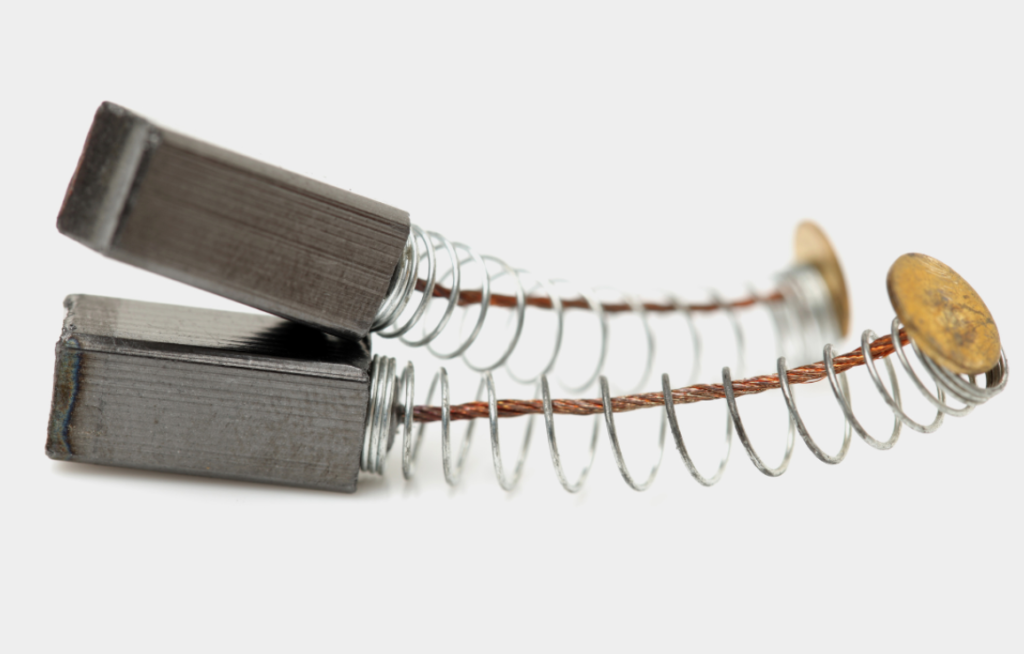
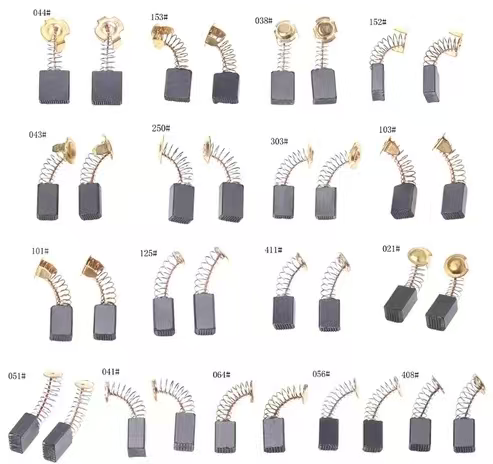
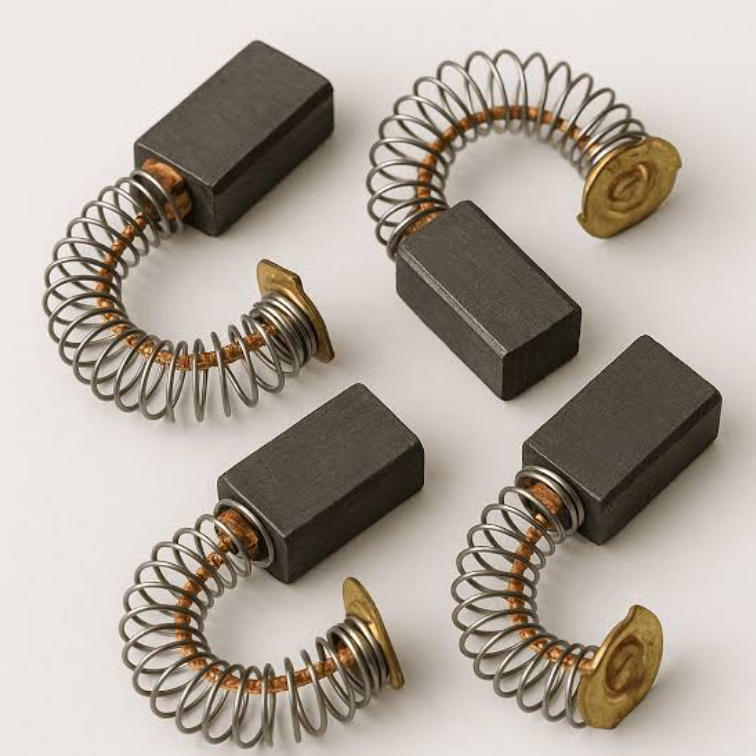
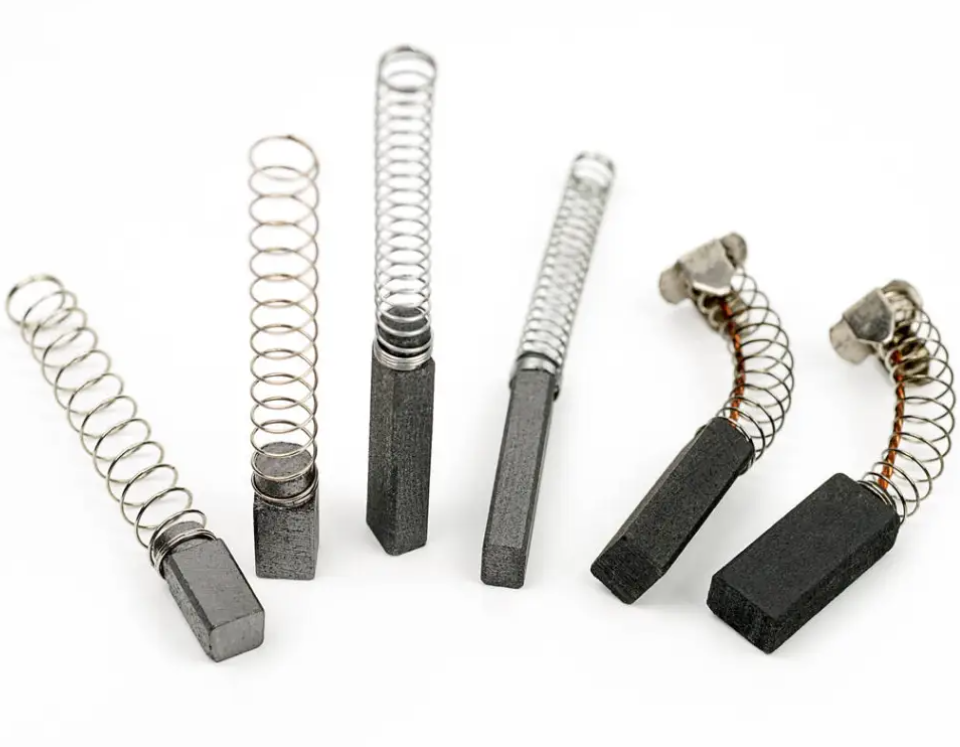
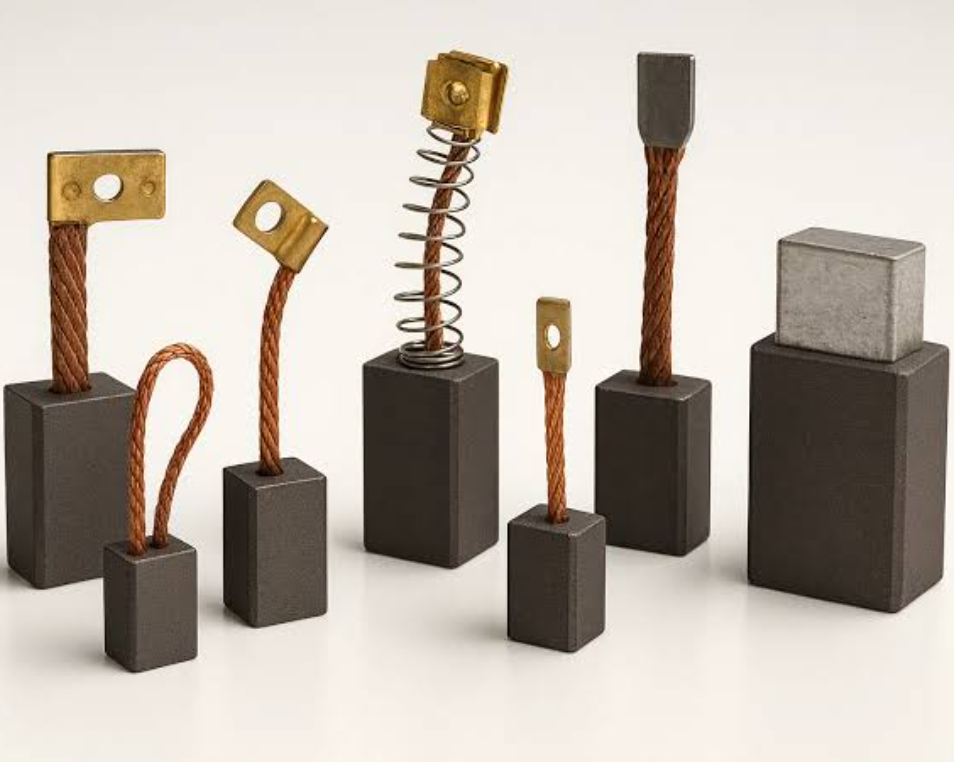
Every 50 hours of use, take apart the impact mechanism, clean it, and re-grease it with the lubricant the manufacturer recommends. If you have a brushed motor model, check the brushes every 100 hours of use and replace them when they wear down to 1/4 inch long.
Comparative Performance With Other Demolition Tools
If you need even more power than a handheld demolition hammer, hydraulic breakers and jackhammers deliver way more impact force. Most handheld hydraulic models put out 50 to 100 joules of impact energy, and skid-steer mounted hydraulic breakers can exceed 1,000 joules per blow. But these tools need a separate hydraulic power unit, so they’re way less portable and more expensive to run than electric rotary or demolition hammers.
For precision work, pneumatic chipping hammers are lighter and deliver more controlled blows, but they need a compressed air supply, which limits how easy they are to move around on most job sites. For most general construction and renovation work, electric rotary and demolition hammers hit the perfect sweet spot between power, portability, and operating cost.
Common Misconceptions Cleared Up
Q: Can a heavy-duty hammer drill match the performance of a rotary hammer if you use a high-quality bit?
A: No, not even close. Even the most powerful hammer drills rely on a mechanical clutch system that generates way less impact energy than the pneumatic piston system in a rotary hammer. The maximum impact energy of a top-tier hammer drill is around 3 joules, while an entry-level rotary hammer delivers a minimum of 3.5 joules. That makes the rotary hammer at least 15% more powerful even at the low end, with faster drilling speeds and less bit wear no matter how nice your bit is. For holes deeper than 4 inches in concrete, the speed difference can be as high as 300%, even with identical bits.
Q: Demolition hammers are just larger rotary hammers, so they can drill holes if you attach a drill bit.
A: Demolition hammers have no rotation mechanism at all, so they can’t drill holes even if you attach a high-quality masonry bit. Their only function is to deliver percussive force, so trying to use one for drilling will just damage the bit and the tool’s retention system, and you won’t end up with a clean, usable hole anyway. If you need to do both drilling and demolition, use a rotary hammer with a combined hammer-drill mode.
Q: Higher blow per minute (BPM) ratings always mean a more powerful tool.
A: BPM only measures how often the tool hits, not how hard each hit is, so a high BPM rating on a low-impact energy tool won’t perform better on dense materials. For example, a hammer drill with 5,000 BPM and 2 joules of impact energy delivers way less total work output than a demolition hammer with 2,000 BPM and 20 joules of impact energy. BPM matters most for soft materials like tile or plaster, while impact energy is the real metric that counts for performance on concrete and stone.
Q: Cordless rotary hammers are far less powerful than corded models.
A: That was true 10 years ago, but not anymore. Modern 54V lithium-ion rotary hammers deliver impact energy and motor torque comparable to 13A corded models, with enough run time for most full-day residential and light commercial tasks. Heavy-duty industrial demolition hammers still use corded power for continuous high-load operation, but mid-range cordless rotary hammers are now powerful enough to replace corded models for all but the most demanding work, with the added bonus of portability for job sites with limited power access.
Frequently Asked Questions
Q: What size rotary hammer do I need to drill 1/2 inch anchor holes in 6-inch thick reinforced concrete?
A: An SDS-plus rotary hammer with a minimum of 4 joules of impact energy will handle this job efficiently, drilling each hole in 30 to 60 seconds depending on how strong the concrete is. If you’re doing this kind of work regularly, pick a model with a torque-limiting clutch to prevent kickback if the bit hits rebar.
Q: Can I use standard masonry bits in a rotary hammer?
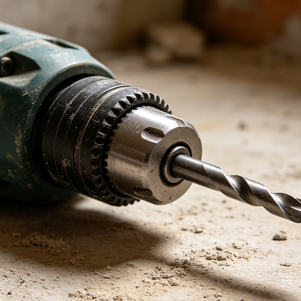
A: No. Standard masonry bits are designed for 3-jaw chucks and can’t handle the high impact force of a rotary hammer—they’ll either slip or break if you try. Always use SDS-plus, SDS-max, or spline shank bits that match your tool’s retention system; these are built to lock securely in place and hold up to repeated high-impact loads.
Q: How much does vibration affect operator safety with these tools?
A: Uncontrolled vibration can cause hand-arm vibration syndrome (HAVS) with prolonged regular use. Pick models with active vibration dampening systems, which reduce handle vibration to below 5 m/s²—the OSHA threshold for extended safe use. Always wear anti-vibration gloves and limit continuous use to 2-hour intervals with 15-minute breaks to lower your risk.
Q: Can a rotary hammer be used to drive screws like a standard drill?
A: Most rotary hammers have a rotation-only mode, but their high torque and low speed make them a bad fit for driving screws. You’ll almost always over-torque fasteners, and you could damage the screw or the material you’re working on. For mixed tasks that need drilling, demolition, and screw driving, go for a modular drill system with interchangeable heads, or just use a separate impact driver for fastening work.
Q: What is the expected service life of an industrial rotary hammer under regular use?
A: With proper maintenance, a high-quality industrial rotary hammer will last 5 to 8 years of regular commercial use, or 1,000 to 1,500 operating hours before it needs a major motor rebuild. Demolition hammers run under higher stress, so they have an expected service life of 3 to 6 years with regular upkeep.
Final Summary
Rotary hammers and demolition hammers deliver way more impact energy and better performance than standard hammer drills, making them the obvious choice for heavy-duty drilling, chipping, and demolition work on concrete, masonry, and stone. When you’re picking a tool, prioritize impact energy over BPM or motor horsepower ratings, match the tool’s size and mode options to your specific project needs, and stick to the recommended maintenance schedule to maximize the tool’s life and keep operators safe. If you need both drilling and light demolition, pick a rotary hammer with multiple operation modes. For pure demolition work, go with a demolition hammer calibrated for high single-blow impact force.
Industrial fan for Sale:


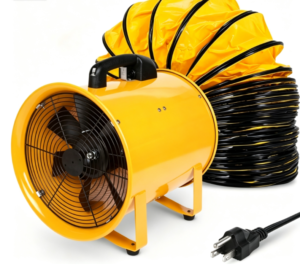
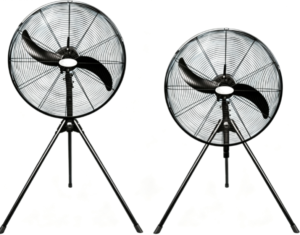
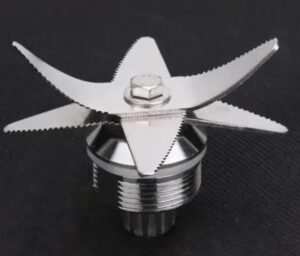
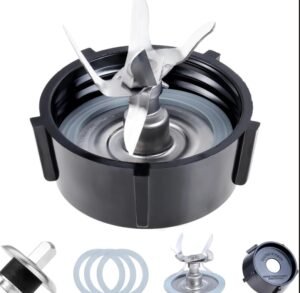
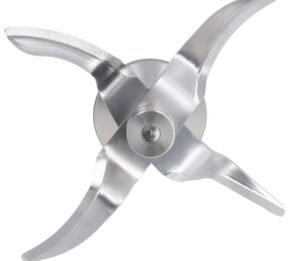
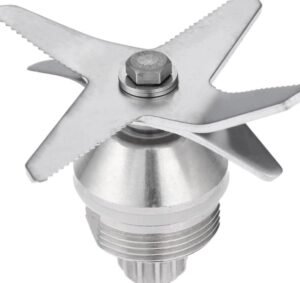
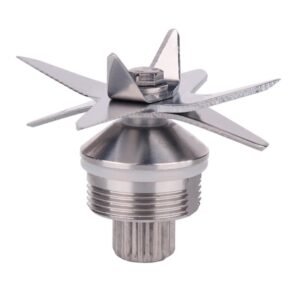
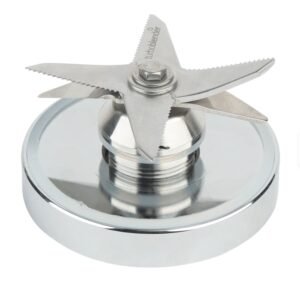
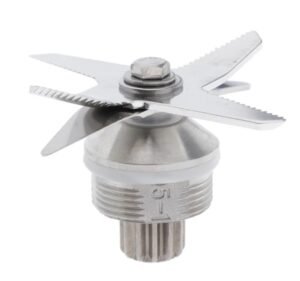
Blender Blade
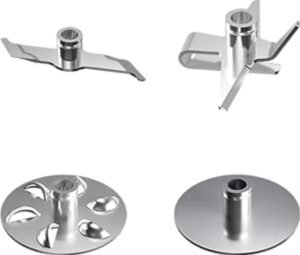
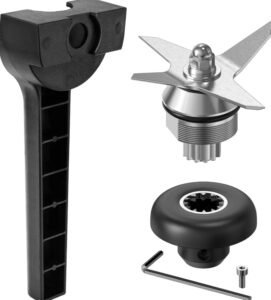
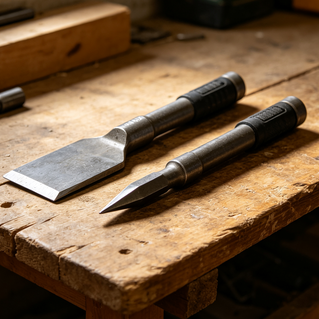
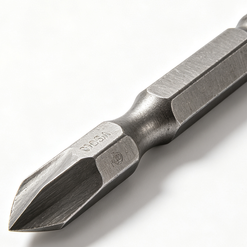
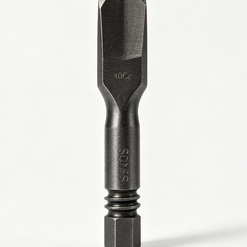
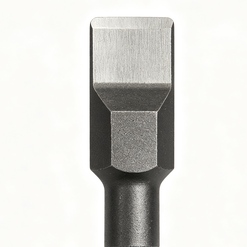
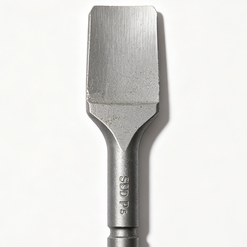
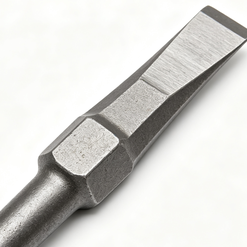
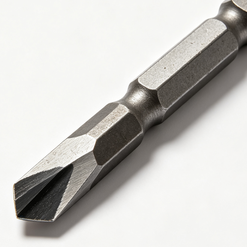
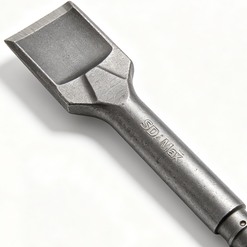
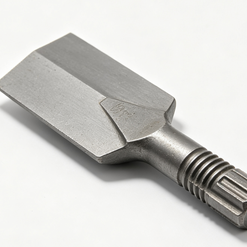
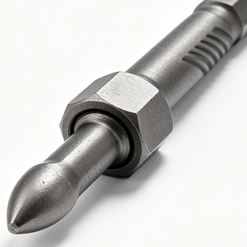
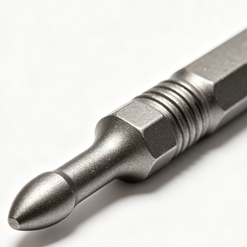
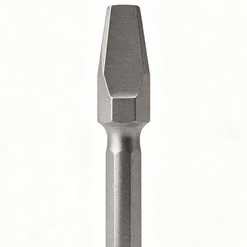
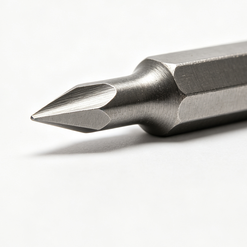
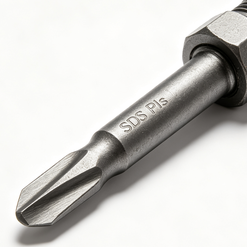
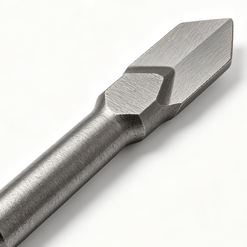
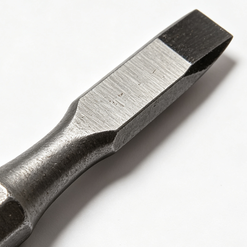
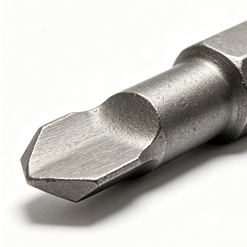
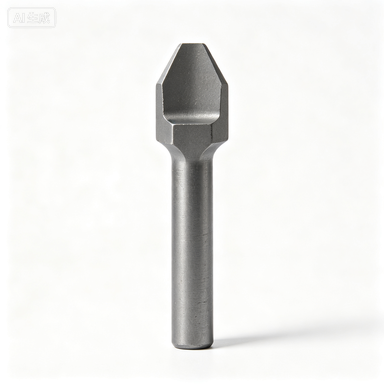
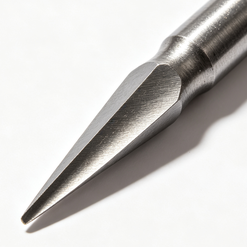
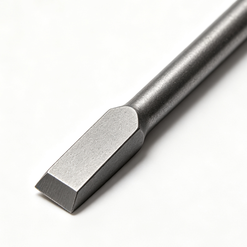
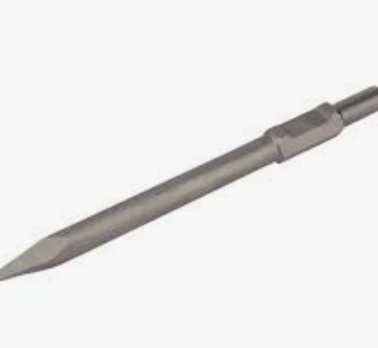
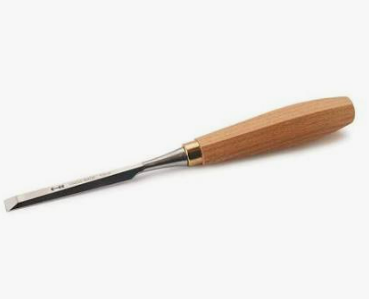
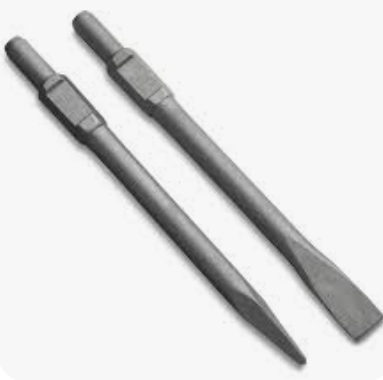
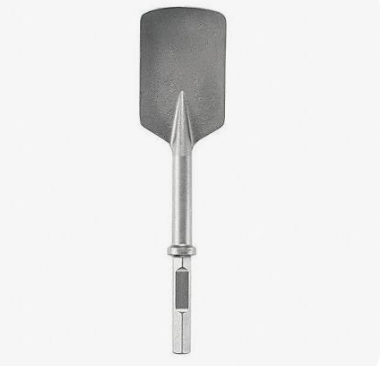
Chisel Bit for Sale
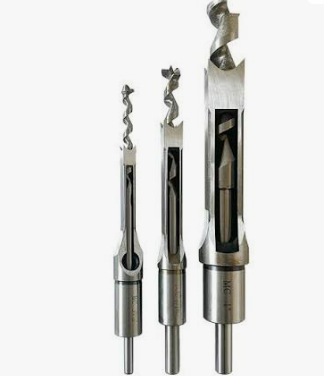
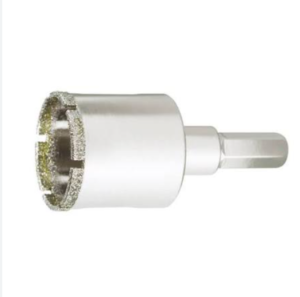
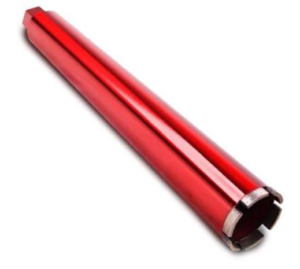
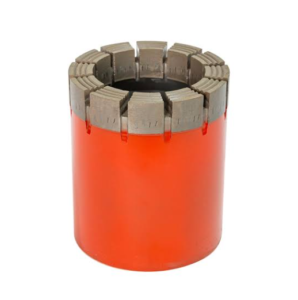
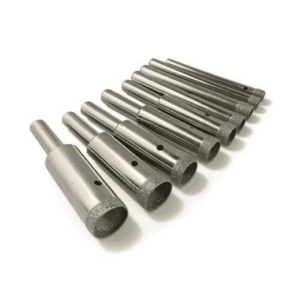
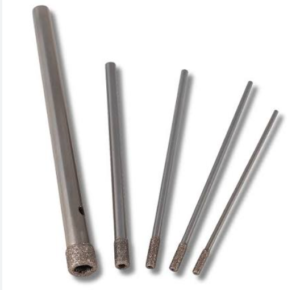
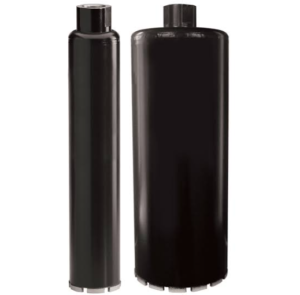
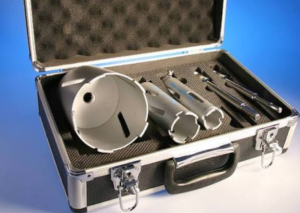
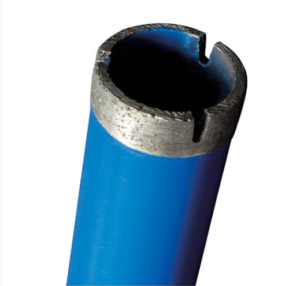
Core drill bit for Sale:
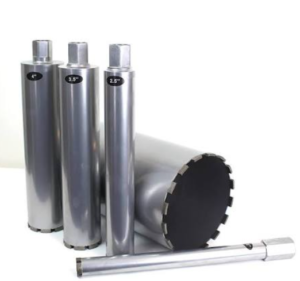
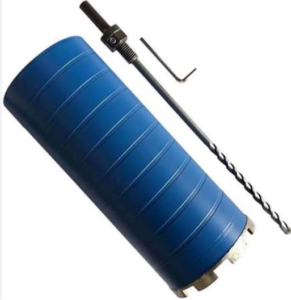
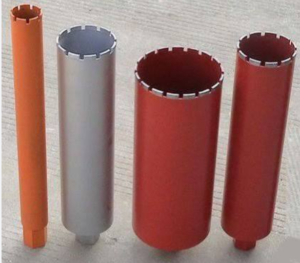
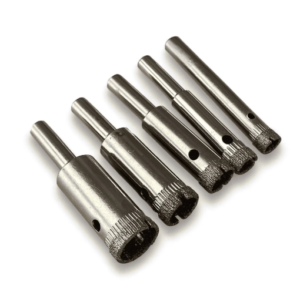
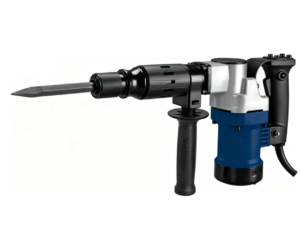
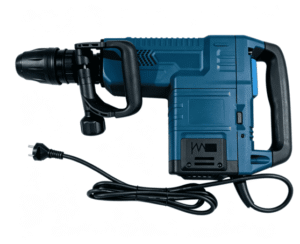
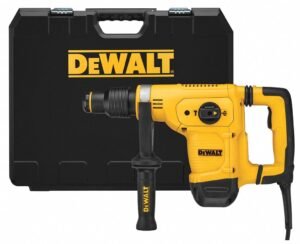
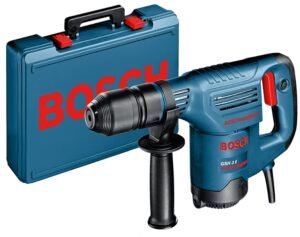
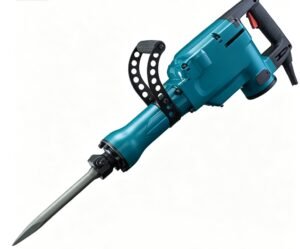
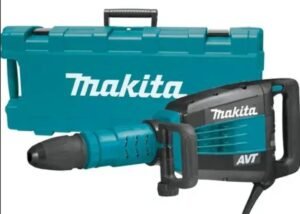
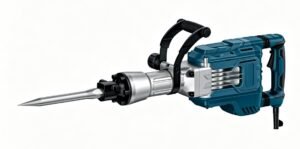
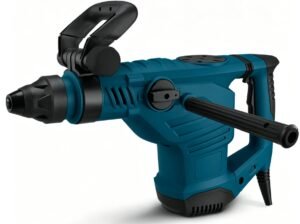
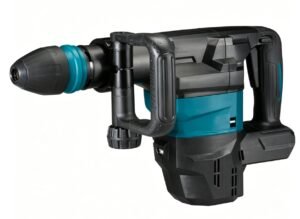
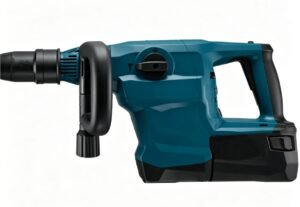
Rotary Hammer & Demolition Hammer for Sale:
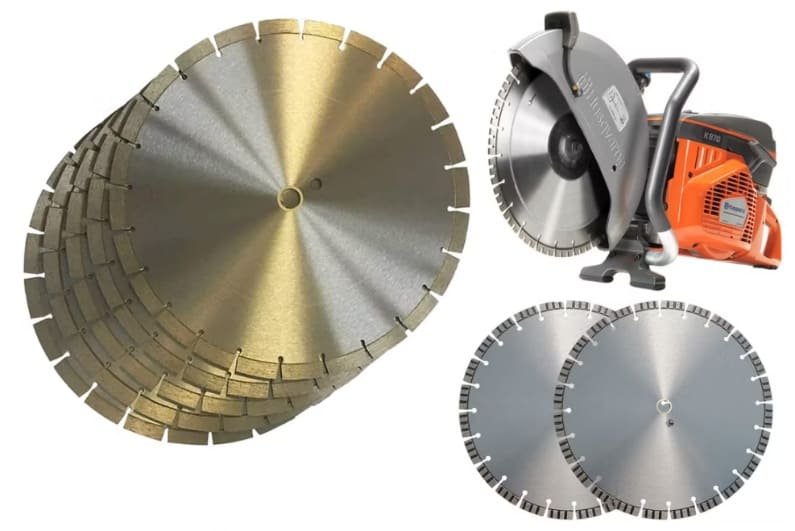
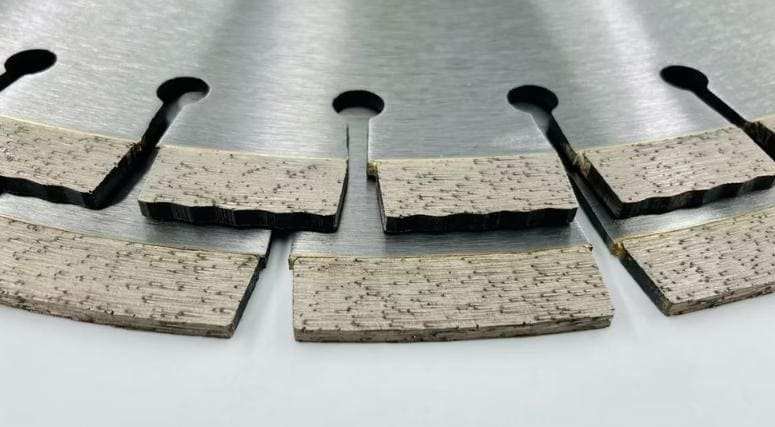
Diamond Blade

Welcome to call us
Contact Us to get quotation
Working Time: 8:00~17:00 Monday to Friday.
Applications:
Factory:
FAQ
Welcome to call us
Contact Us to get quotation
Working Time: 8:00~17:00 Monday to Friday.
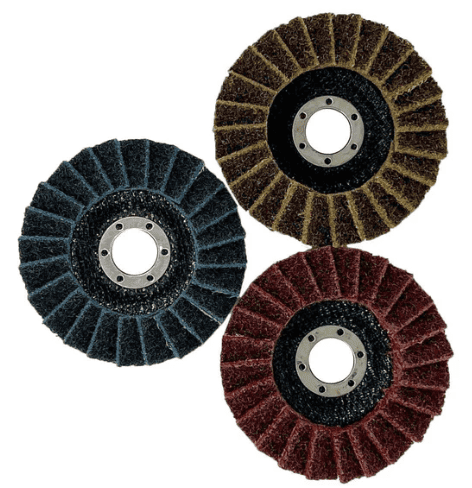
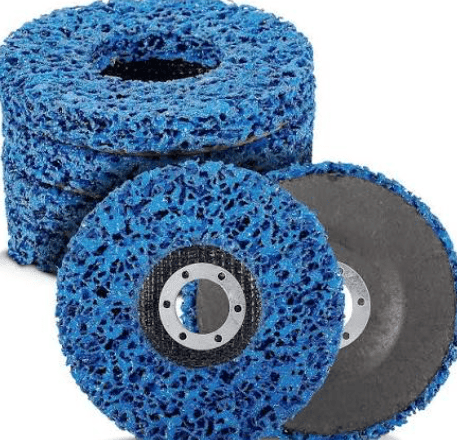
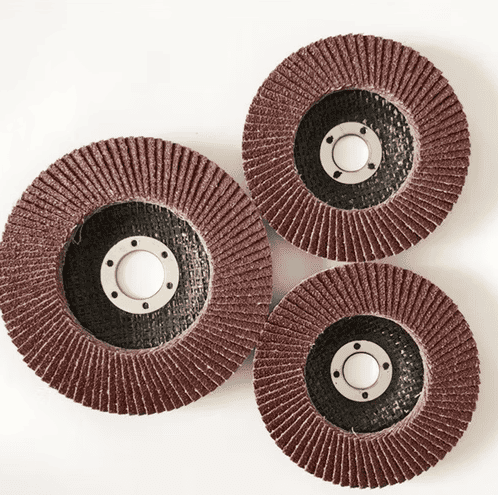
Flap Disc for Sale
Blogs:
You May also Interest in other topics:
sifter machine commercial sifter 11kw ev charger wollastonite grinding mill for refractory material vacuum capping machine