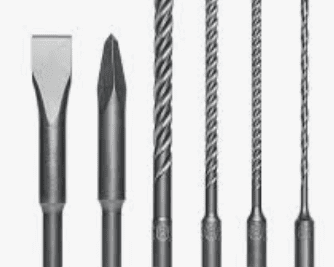
Can a hammer drill use a chisel bit?
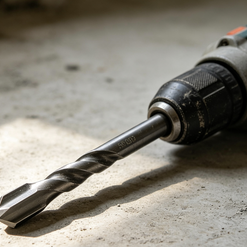
Can a hammer drill use a chisel bit?
Can a hammer drill use a chisel bit? Yes, a hammer drill can use a chisel bit, but only if it has a dedicated hammer-only mode that disengages its rotational drive. Regular consumer-grade hammer drills that only do rotation-with-hammer can’t safely or effectively run chisel bits. The constant spinning will make controlled material removal impossible, and it creates unnecessary safety risks. This difference is make-or-break for anyone looking to expand their power tool functionality for light demo, tile removal, or surface prep. Use the wrong drill configuration, and you can damage the tool, break the bit, or even get hurt.
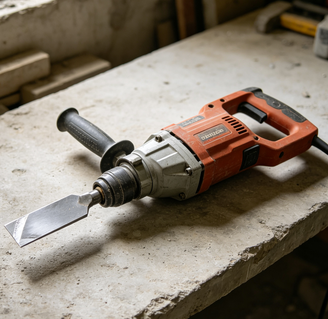
Most modern mid-tier and pro hammer drills support chisel bits via a mode selection switch, and they work with standard SDS-Plus shank chisels. Those bits lock securely into the tool’s chuck to hold up against the high axial impact forces chiseling generates. Units built for chisel use usually deliver 1.5 to 3 joules of impact energy per blow, which works great for light to medium-duty chiseling that doesn’t need the higher output of a dedicated rotary hammer.
Core Working Principles for Chisel Operation
Hammer drills rely on two separate drive systems to support chisel functionality: a rotational drive for drilling, and a pneumatic or electro-mechanical impact mechanism that delivers fast axial blows. When you flip it to hammer-only mode, a mechanical clutch disconnects the motor from the chuck rotation gear, so only the impact mechanism runs. The fast, repetitive blows—usually between 4,000 and 5,500 impacts per minute (IPM)—transfer force straight through the chisel bit to fracture or chip hard materials without spinning the cutting edge.
This setup is totally different from standard rotation-with-hammer drilling, where impact force is paired with spinning to grind through masonry, concrete, or stone. For chiseling, cutting out rotation lets the bit’s sharp edge hit the same material plane every time, delivering controlled, precise removal instead of the circular grinding action used to make holes.
Key Components That Enable Chisel Bit Use
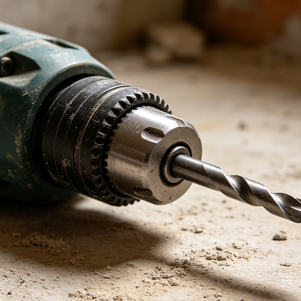
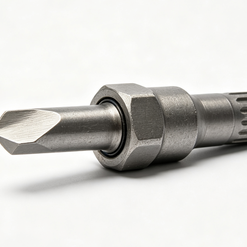
Three core parts determine if a hammer drill can safely handle chisel bits. First is the mode selector switch, a mechanical or electronic control that toggles between rotation-only, rotation-with-hammer, and hammer-only modes. Units without this switch are only good for drilling, no chiseling allowed. Second is the chuck system: most chisel-compatible hammer drills use an SDS-Plus chuck, which has spring-loaded locking balls that secure the bit’s grooved shank to stop slippage or ejection under high impact forces. Standard keyed or keyless chucks can’t generate enough holding force for chisel bits, so the bit will wobble or slip while you work.
Third is the impact energy modulation system, which adjusts the force of each blow to match chiseling tasks. Chisel-compatible units often include a variable impact dial that lets you turn down output for delicate work like tile removal, or crank it up for breaking up thin concrete slabs.
Standard Material and Specification Requirements
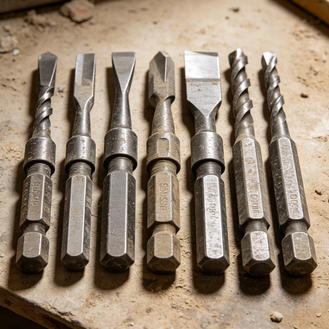
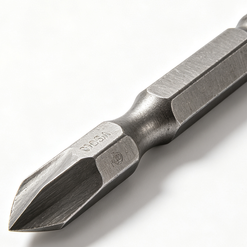
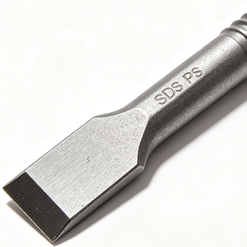
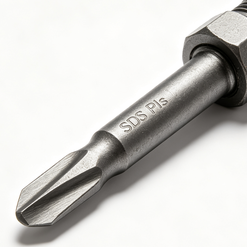
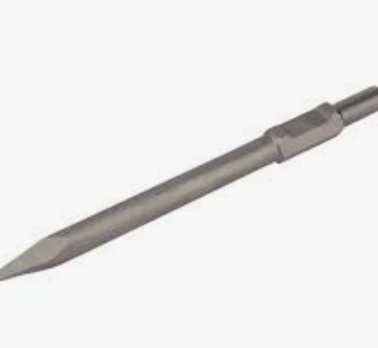
Chisel bits made for hammer drill use are almost always built from high-carbon steel or alloy steel with a hardened, heat-treated cutting edge rated to hold up to repeated high-force impacts. Most residential and light commercial chisel bits have an HRC (Rockwell Hardness) rating of 58 to 62 on the cutting edge, balancing hardness for wear resistance and toughness to prevent chipping or shattering. SDS-Plus shank chisels are the most common standard, with a 10mm shank diameter and two open grooves that lock into the hammer drill’s chuck mechanism.
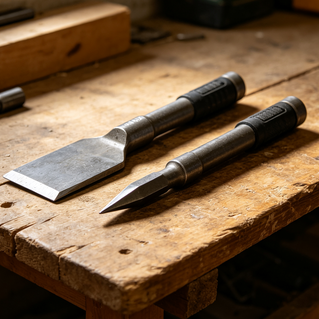
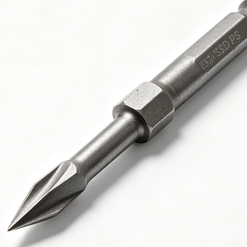
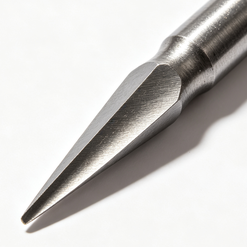
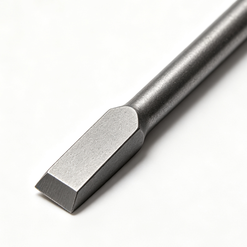
Typical chisel bit sizes for hammer drills range from 10mm to 40mm wide for flat chisels, and 12mm to 25mm in diameter for point chisels. Units made for chisel use need a minimum impact energy rating of 1.2 joules to actually remove material effectively; models with lower impact energy will just bounce off hard surfaces without chipping anything.
Typical Application Scenarios for Chisel Bit Use
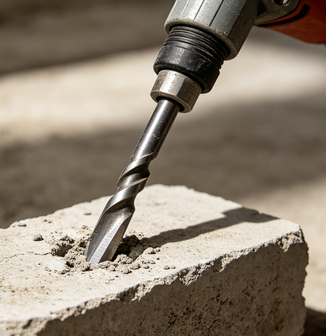
Hammer drills paired with chisel bits are most often used for light to medium-duty demolition and surface prep work across residential construction, renovation, and property maintenance. For tile and flooring removal, a wide flat chisel bit easily pops ceramic, porcelain, and vinyl tiles off mortar or concrete subfloors without damaging the underlying surface when you use lower impact settings. In masonry work, point chisels are perfect for chipping out excess mortar from brick joints, carving channel grooves for electrical conduit in block walls, or removing small sections of damaged concrete for patch repairs.
Other common uses include stripping rust and scale from steel structural elements, breaking up small sections of poured concrete footings less than 50mm thick, and chipping away excess grout or tile adhesive during bathroom or kitchen renovations. These tools aren’t made for heavy demolition work like breaking through foundation walls, though—you’ll need the higher impact energy of a dedicated rotary hammer or demolition hammer for that.
Key Performance Advantages for Light Chiseling Tasks
Using a hammer drill with a chisel bit has clear benefits for people who only need occasional chiseling functionality, instead of buying a separate dedicated demolition tool. First is cost efficiency: a mid-tier chisel-compatible hammer drill costs 40 to 60% less than a comparably powered rotary hammer, so it’s a practical pick for small contractors and DIY users who mostly need a drilling tool with secondary chiseling capability. The tool’s compact, lightweight design—usually between 2kg and 3.5kg—also cuts down on user fatigue during overhead or extended horizontal chiseling tasks, compared to heavier rotary hammers that weigh 5kg or more.
Chisel-compatible hammer drills also give you more precision for delicate work, since their lower impact energy and variable speed controls let you make small, controlled cuts without damaging adjacent materials. For example, you can carefully chip out individual damaged bricks from a wall without disturbing surrounding intact masonry, a task that would be tough with the higher output of a dedicated demolition hammer.
Selection Criteria for Matching Bits to Hammer Drills
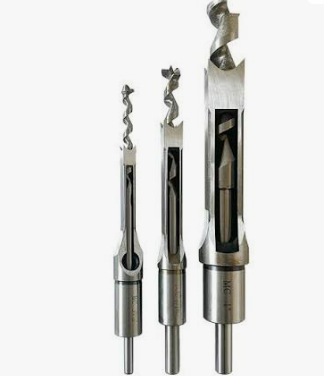
When picking a chisel bit for a hammer drill, first confirm chuck compatibility: only use SDS-Plus shank bits with SDS-Plus chucks, since mismatched shank types won’t lock securely and might eject during operation. Next, match the bit type to the task you’re doing: flat chisels with a 20mm to 40mm width work best for large-area material removal like tile stripping, while pointed chisels are ideal for focused chipping and crack creation. For mortar removal, pick a narrower flat chisel or a specialized mortising chisel sized to match the width of your brick joints.
For prolonged use, choose bits with a hardened chrome plating or black oxide coating to reduce corrosion and extend wear life. Avoid cheap generic bits with an HRC rating below 55—those will dull fast or chip under repeated impact, increasing the risk of fragment ejection. If your hammer drill supports variable impact settings, pick a bit rated for the maximum impact energy of your unit to prevent premature failure.
Recommended Maintenance Practices for Chisel Use
After every chiseling session, inspect the bit’s shank for signs of wear, burrs, or deformation, and replace any bits with cracked or chipped cutting edges immediately to avoid catastrophic failure while you work. Clean the SDS-Plus chuck of your hammer drill regularly to remove dust, debris, and metal shavings, since built-up grit can mess with the locking mechanism and reduce holding force. Put a thin layer of high-temperature lithium grease on the bit shank before insertion to cut down on friction and prevent seizing inside the chuck during extended use.
Every 10 hours of chiseling operation, check the hammer drill’s mode selector switch to make sure it engages and disengages cleanly, and inspect the clutch mechanism for signs of wear. Don’t run the tool for more than 30 consecutive seconds under full load during chiseling, since that can make the motor overheat and shorten the tool’s service life. Store chisel bits in a dry, padded case to prevent edge dulling and corrosion between uses.
Comparative Performance vs. Dedicated Rotary Hammers
While hammer drills can handle light chiseling tasks, they’re not a replacement for dedicated rotary hammers for medium to heavy-duty work. Hammer drills usually deliver a maximum of 3 joules of impact energy, while entry-level rotary hammers deliver 5 to 8 joules, making them 60 to 160% more efficient at removing hard materials like reinforced concrete. Rotary hammers also have more robust vibration damping systems, cutting user hand-arm vibration by 30 to 40% during extended chiseling sessions to lower the risk of repetitive strain injury.
For tasks requiring less than 10 total hours of chiseling per month, a chisel-compatible hammer drill is a cost-effective, practical choice. For people doing chiseling work on a weekly basis, or working with materials thicker than 75mm, a dedicated rotary hammer will deliver better performance, longer service life, and greater user safety.
Practical Operating Tips for Optimal Results
When using a chisel bit with a hammer drill, always hold the tool with both hands, and keep firm, steady pressure against the work surface. Excessive force won’t speed up material removal, and it’ll actually increase wear on the tool’s impact mechanism and the bit’s cutting edge. Start with the lowest impact setting when working on delicate materials like tile or thin brick, and gradually increase power as needed to avoid damaging the underlying substrate.
Angle the chisel bit at 15 to 30 degrees relative to the work surface for most material removal tasks, since this angle lets the cutting edge lift and chip material efficiently instead of digging in or bouncing off the surface. For tile removal, angle the bit so it slides between the tile and the adhesive layer to pop tiles off intact if you plan to reuse them, or at a steeper 45-degree angle to break tiles into small pieces for easier disposal. Always wear ANSI Z87.1 rated safety glasses, an N95 respirator to protect against silica dust, and heavy work gloves when chiseling.
Common Misconceptions Cleared Up
Q: Can all hammer drills use chisel bits, regardless of their mode options?
A: No, only hammer drills with a dedicated hammer-only mode that disengages the rotational drive can safely use chisel bits. Standard hammer drills that only offer rotation-with-hammer mode will spin the chisel bit, leading to uneven material removal, excessive bit wear, and a high risk of the bit slipping or kicking back, which can cause serious injury. Trying to lock the chuck of a standard hammer drill manually to prevent rotation will damage the tool’s gearing and clutch mechanism beyond repair.
Q: Any chisel bit that fits in the hammer drill’s chuck will work for chiseling?
A: No, only chisel bits designed for impact use, with compatible shank types (usually SDS-Plus) and appropriate hardness ratings, are suitable for use in hammer drills. Standard wood or metal chisels, or chisels with smooth round shanks designed for manual use, aren’t hardened to hold up to repeated high-impact forces, and will chip, shatter, or eject from the chuck during operation, creating a severe safety hazard. Always use impact-rated chisel bits specifically made for your drill’s chuck system.
Q: A hammer drill with a chisel bit can perform the same heavy demolition tasks as a dedicated demolition hammer?
A: No, hammer drills deliver far lower impact energy (typically 1.2 to 3 joules) than even entry-level demolition hammers (which deliver a minimum of 6 joules). Trying to use a hammer drill to break through thick concrete, reinforced masonry, or foundation walls will overheat the motor, damage the impact mechanism, and drastically shorten the tool’s service life. Hammer drills are intended only for light to medium chiseling work on materials less than 50mm thick, not heavy demolition.
Q: You don’t need any special personal protective equipment when chiseling with a hammer drill, since it is less powerful than a rotary hammer?
A: This is a dangerous misconception. Chiseling with a hammer drill generates high-velocity flying fragments of concrete, masonry, or tile, as well as crystalline silica dust that can cause permanent lung damage. Even with lower impact energy, a chisel kickback can make the tool strike you, and ejected fragments can cause eye injury. Always wear ANSI Z87.1 safety glasses, an N95 or higher respirator, impact-resistant work gloves, and steel-toe boots when operating a hammer drill with a chisel bit.
Frequently Asked Questions
Q: How do I know if my hammer drill is compatible with chisel bits?
A: Check your tool’s user manual or control panel for a hammer-only mode setting, usually marked with an icon of a chisel or a hammer without a drill bit. If your unit only has rotation-only and rotation-with-hammer modes, it’s not compatible with chisel bits. You should also confirm your drill uses an SDS-Plus chuck, since standard keyed/keyless chucks can’t hold chisel bits securely during impact operation.
Q: Can I use an SDS-Max chisel bit in an SDS-Plus hammer drill?
A: No, SDS-Max bits have a larger 18mm shank diameter made for heavy-duty rotary hammers, and won’t fit in an SDS-Plus chuck, which has a 10mm opening. Trying to force an SDS-Max bit into an SDS-Plus chuck will damage the chuck’s locking mechanism and may cause the bit to eject during use. Always match the bit shank type exactly to your drill’s chuck specification.
Q: How long will a chisel bit last when used with a hammer drill?
A: Service life depends on the material being worked and the bit quality: a high-quality alloy steel chisel bit will last 8 to 12 hours of continuous use on standard concrete, 15 to 20 hours on soft brick or mortar, and 20 to 30 hours on tile or adhesive removal. Cheap generic bits may dull 2 to 3 times faster. You can extend life by sharpening the cutting edge with a bench grinder when it shows signs of blunting, and avoiding contact with reinforced steel rebar, which will chip or crack the bit edge immediately.
Q: Can I use a chisel bit to carve stone with a hammer drill?
A: Yes, for soft stone like limestone, sandstone, or soapstone, a variable-impact hammer drill with a sharp pointed or flat chisel bit works well for detail carving and rough shaping. Use the lowest impact setting to avoid cracking the stone, and sharpen the bit frequently to maintain a clean cutting edge. For hard stone like granite or marble, a dedicated pneumatic stone carving hammer will deliver better control and reduce the risk of shattering the stone.
Q: What should I do if the chisel bit gets stuck in the material during use?
A: First, release the trigger and disconnect the tool from its power source to avoid accidental activation. Don’t yank or twist the drill forcefully, since that can bend the bit or damage the chuck. Instead, use a small pry bar or adjustable wrench to gently wiggle the bit side to side while pulling it straight out of the material. If it remains stuck, chip away the surrounding material with a manual cold chisel to free the bit. Never run the drill in rotation mode to try to free a stuck chisel bit, as this can twist and snap the bit shank.
Final Summary
Hammer drills can safely and effectively use chisel bits only if they have a hammer-only mode that disengages the rotational drive and use a compatible SDS-Plus chuck to secure impact-rated chisel bits. These tools are ideal for light to medium-duty tasks like tile removal, mortar repointing, and thin concrete chipping, offering a cost-effective, lightweight alternative to dedicated rotary hammers for occasional use. Always confirm your tool’s mode and chuck compatibility before using a chisel bit, select impact-rated bits matched to your task, follow recommended operating and maintenance practices, and wear appropriate personal protective equipment to ensure safe, efficient performance. For regular heavy chiseling work, invest in a dedicated rotary hammer to avoid damaging your hammer drill and improve productivity.
Industrial fan for Sale:




Blender Blade
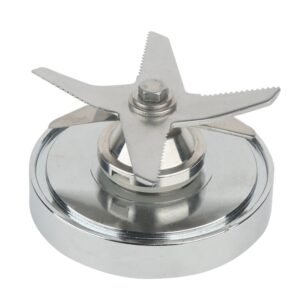
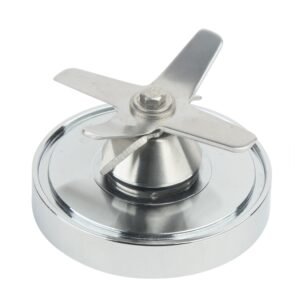
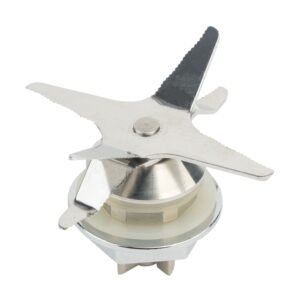
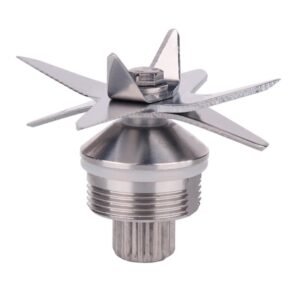
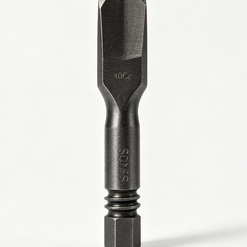
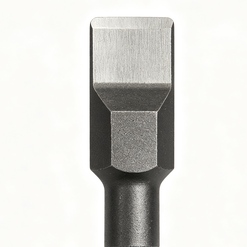
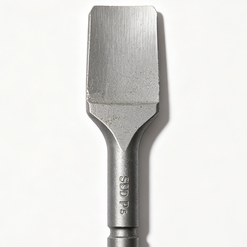
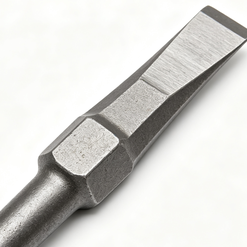
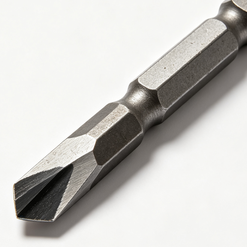
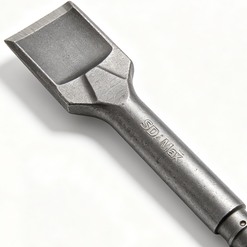
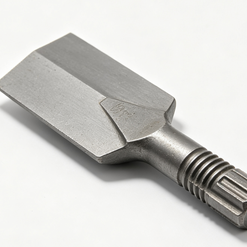
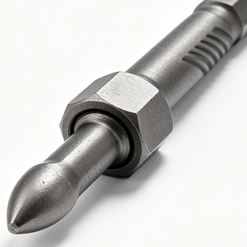
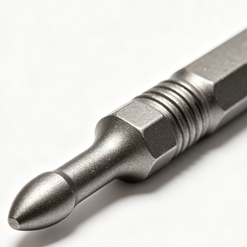
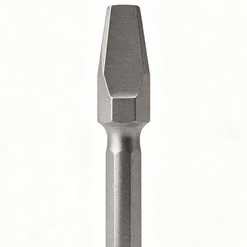
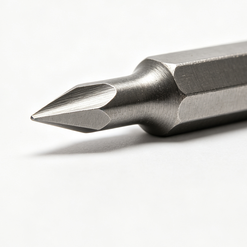
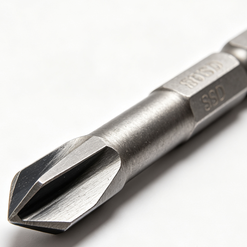
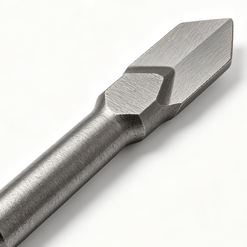
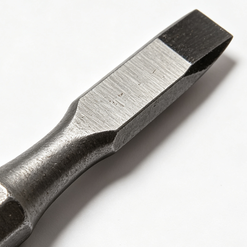
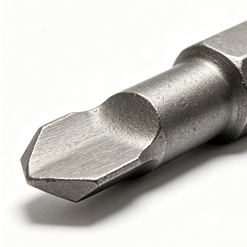
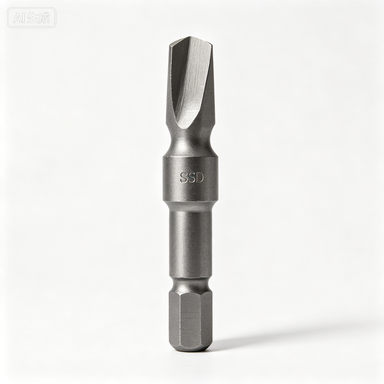
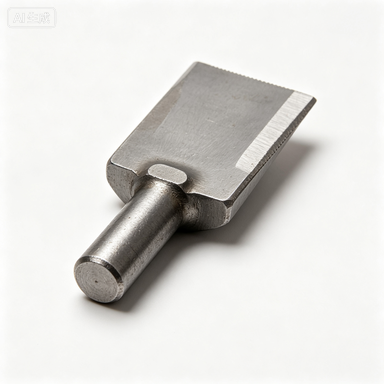
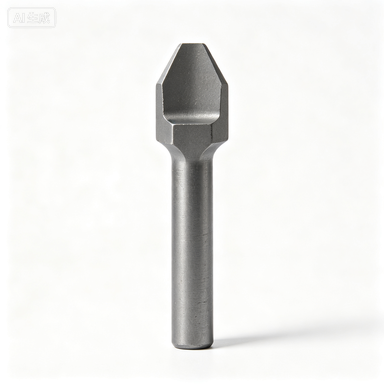
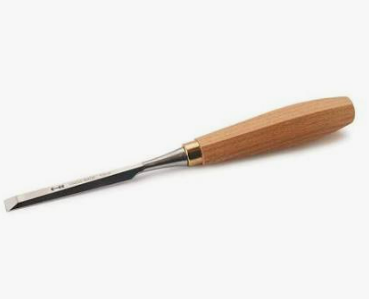
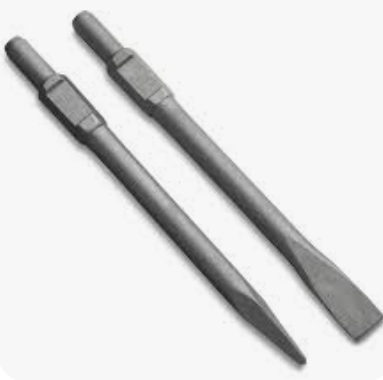
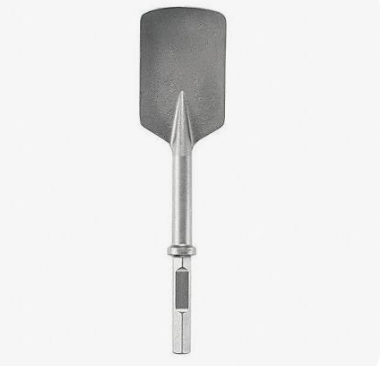
Chisel Bit for Sale
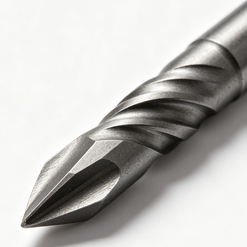
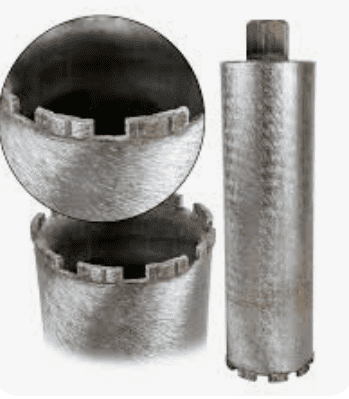
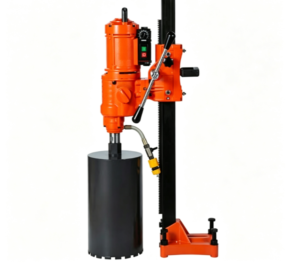
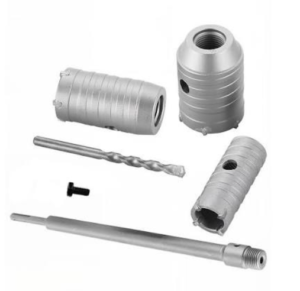
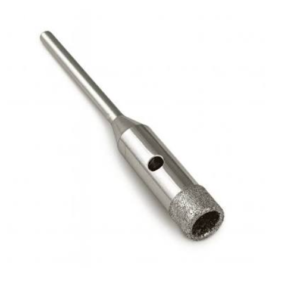
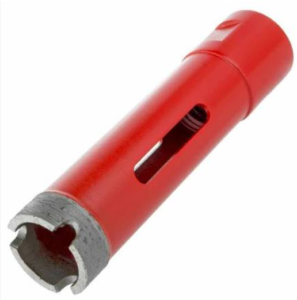
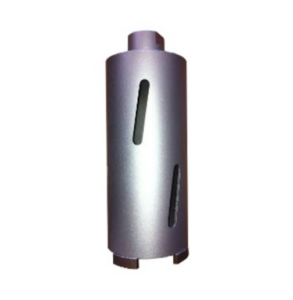
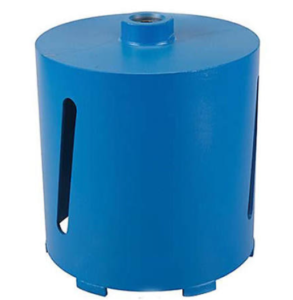
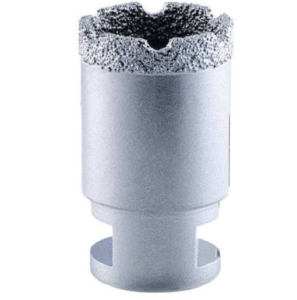
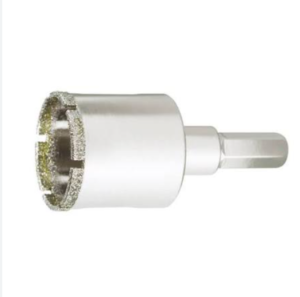
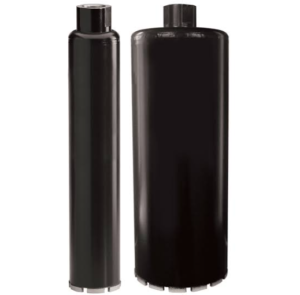
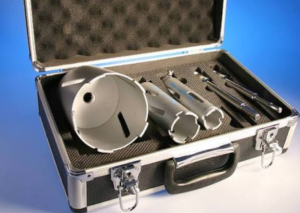
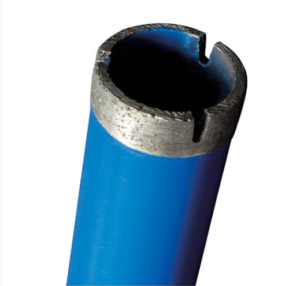
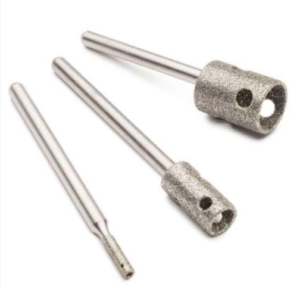
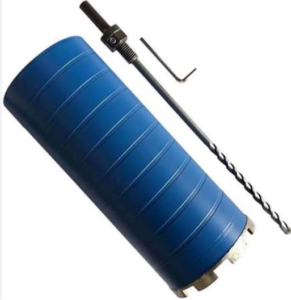
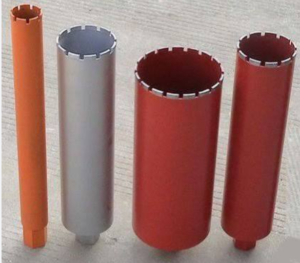
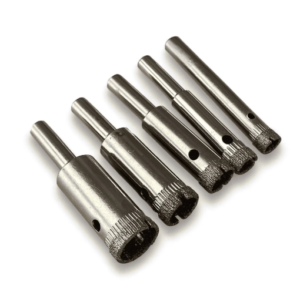
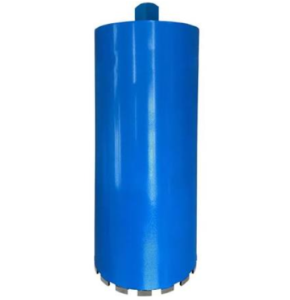
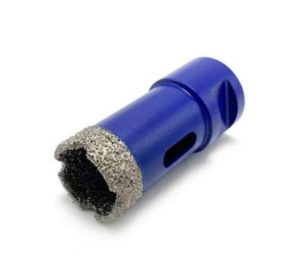
Core drill bit for Sale:
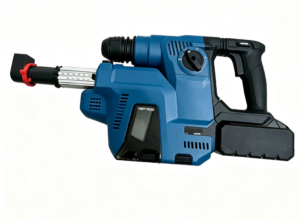
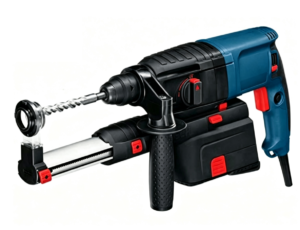
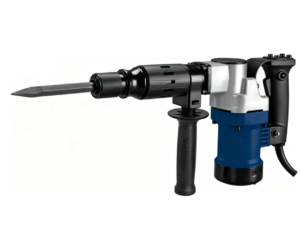
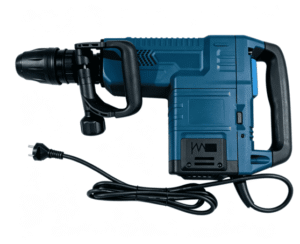
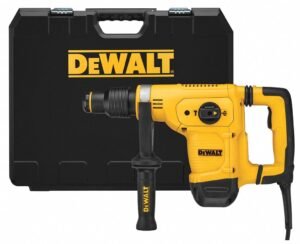
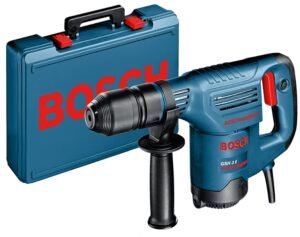
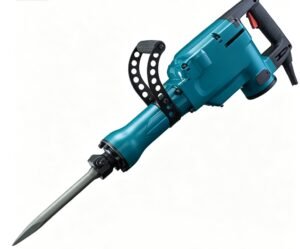
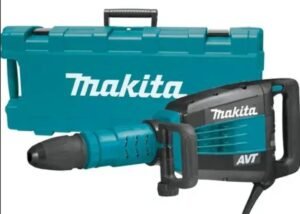
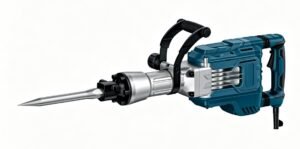
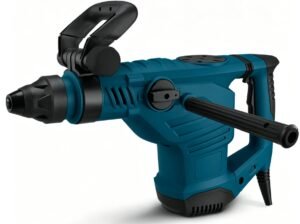
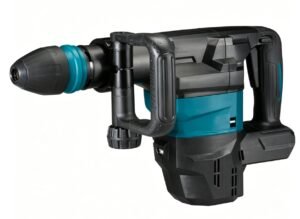
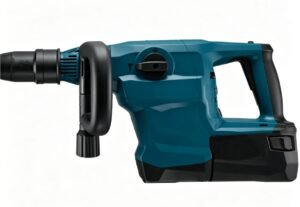
Rotary Hammer & Demolition Hammer for Sale:
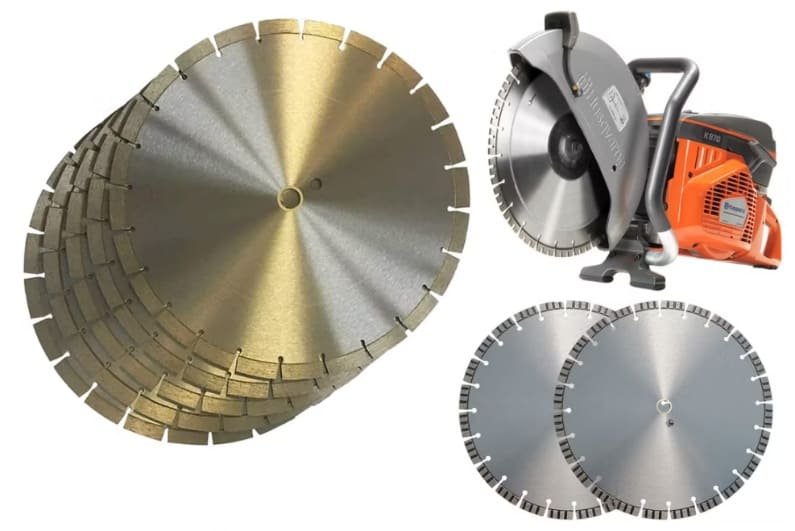
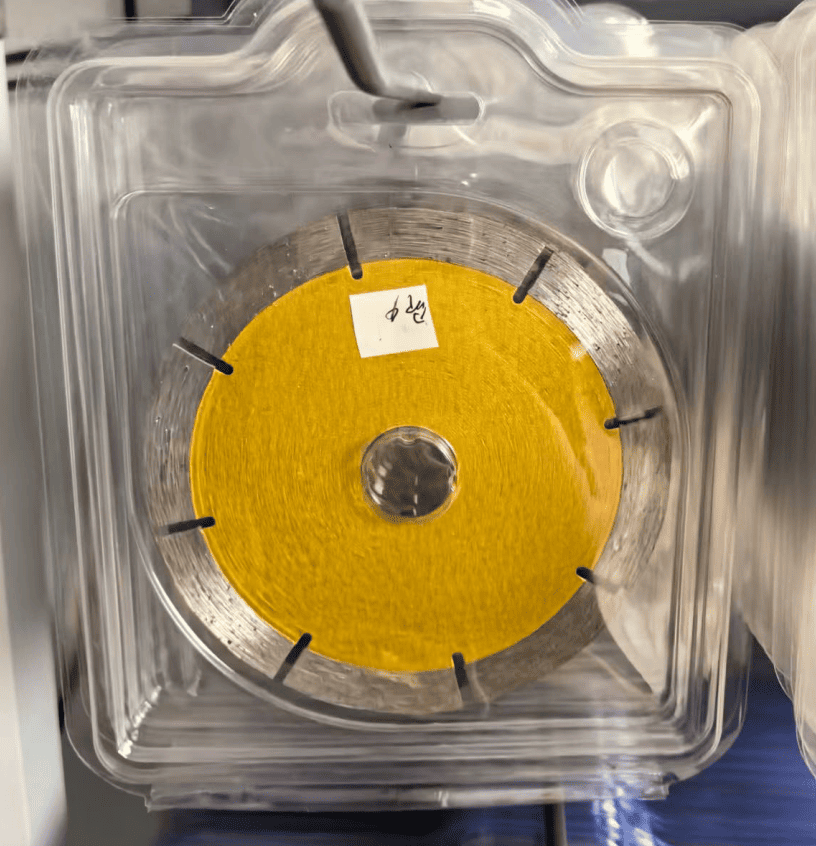
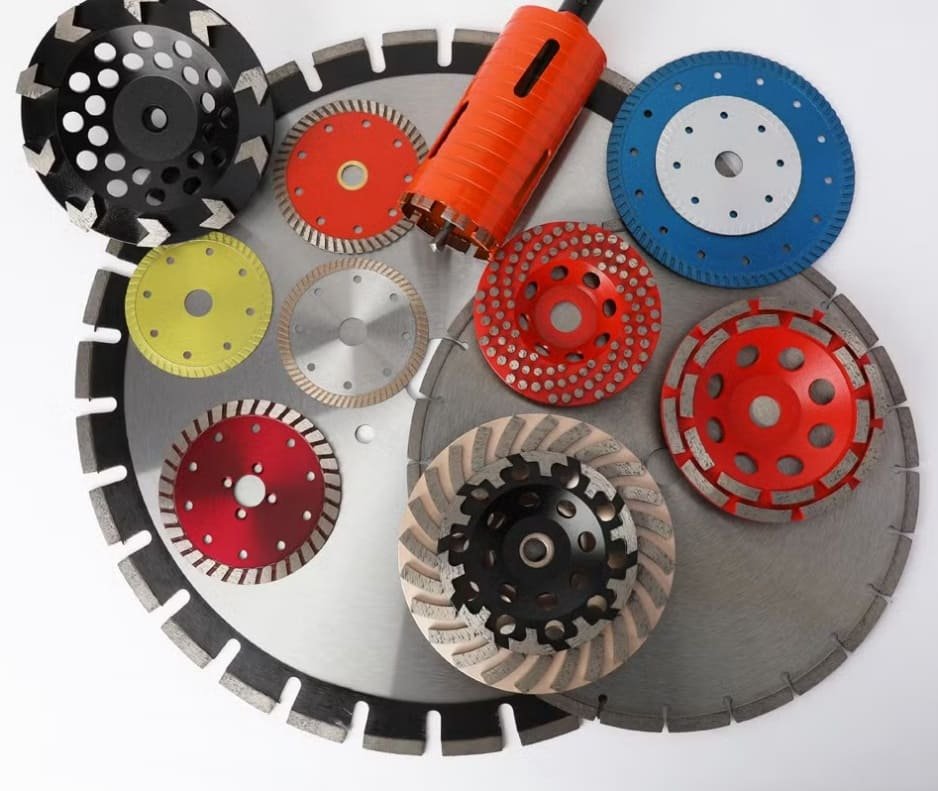
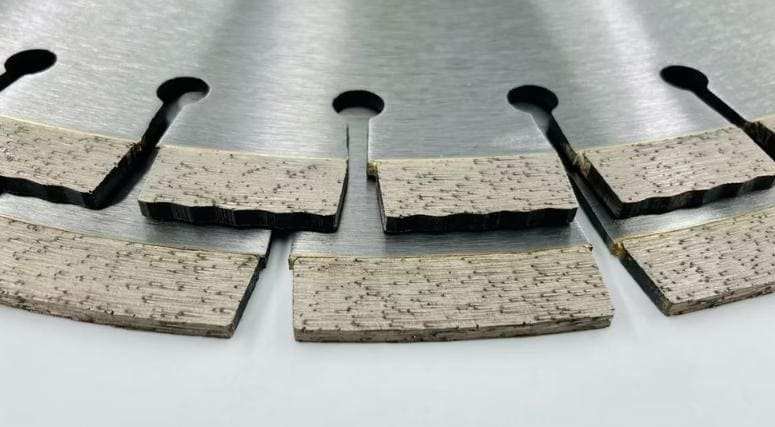
Diamond Blade

Welcome to call us
Contact Us to get quotation
Working Time: 8:00~17:00 Monday to Friday.
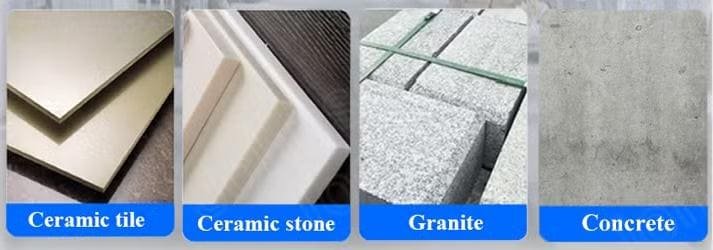
Applications:
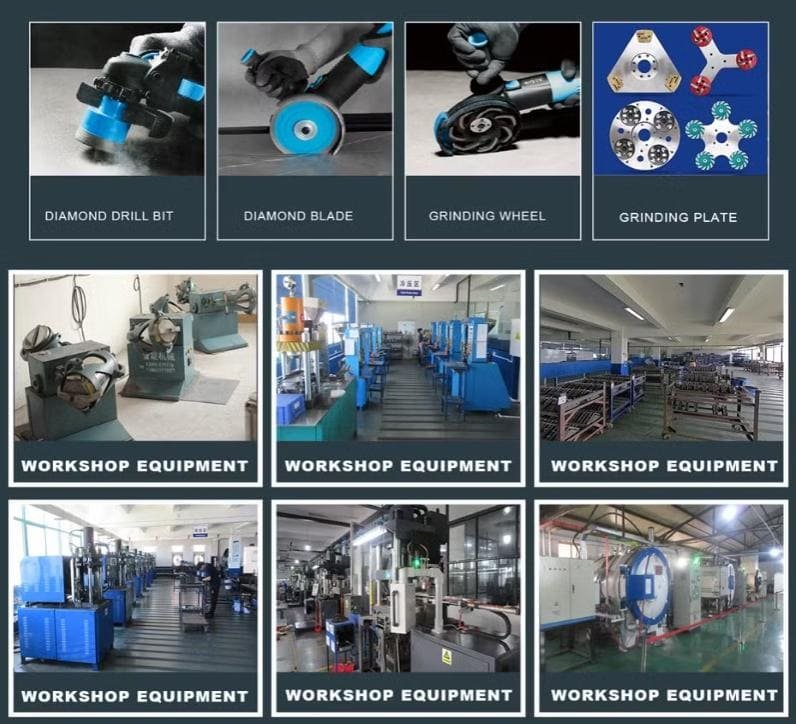
Factory:
FAQ
Welcome to call us
Contact Us to get quotation
Working Time: 8:00~17:00 Monday to Friday.
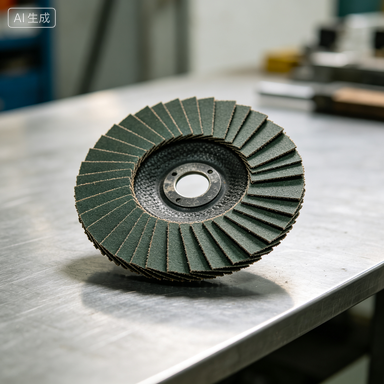
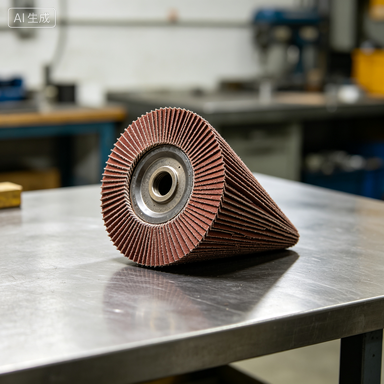
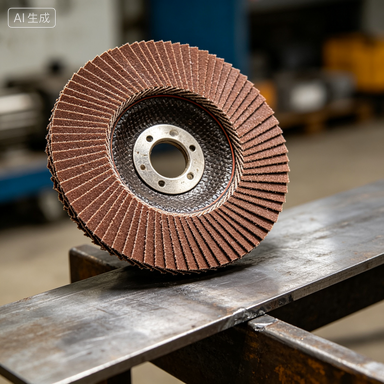
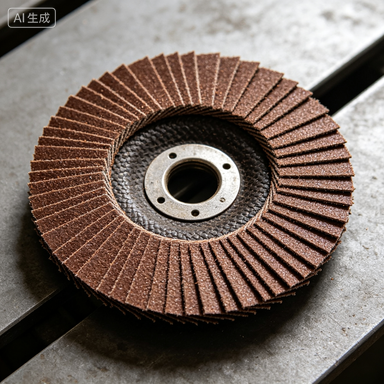
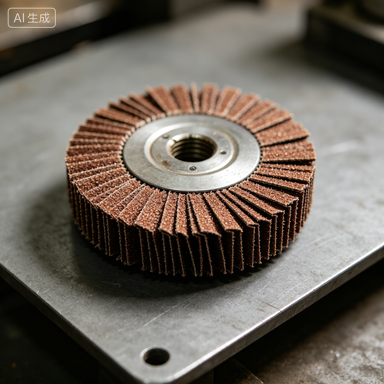
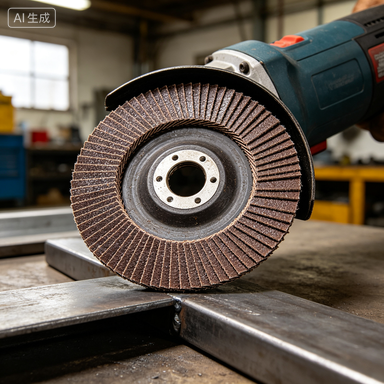
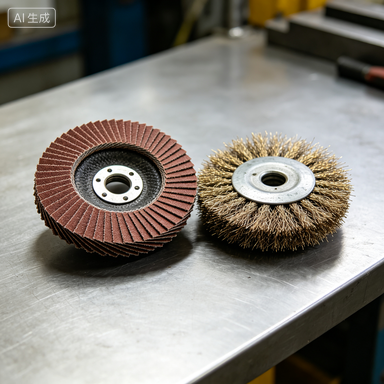
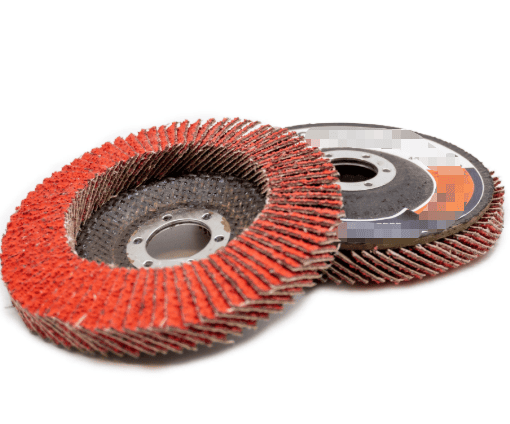
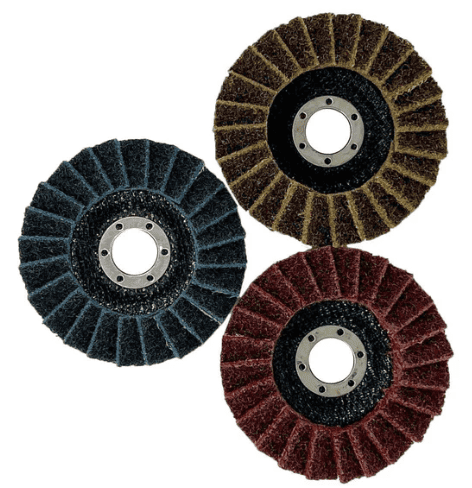
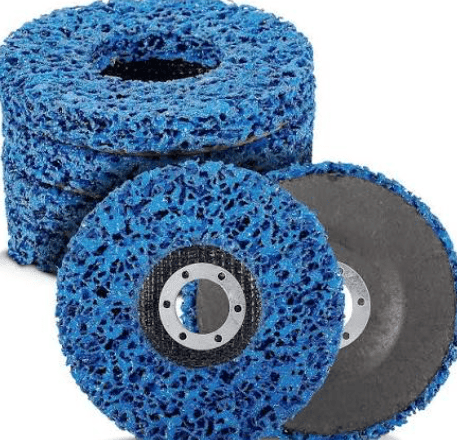
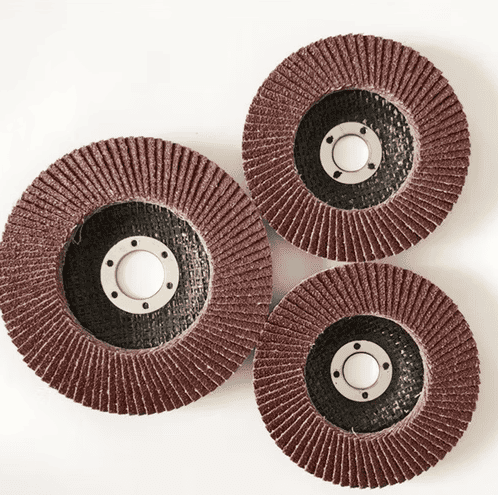
Flap Disc for Sale


Blogs:
You May also Interest in other topics:
sifter machine commercial sifter 11kw ev charger wollastonite grinding mill for refractory material vacuum capping machine