When should you not use an impact drill?
When should you not use an impact drill?
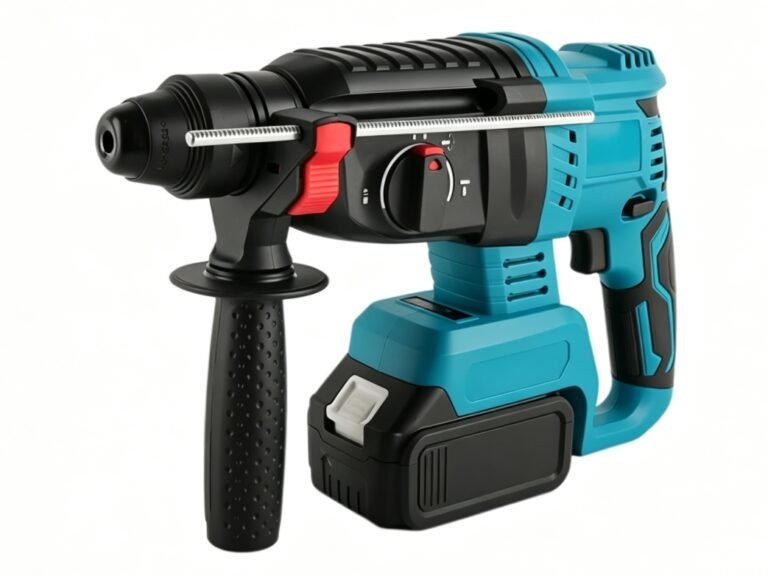
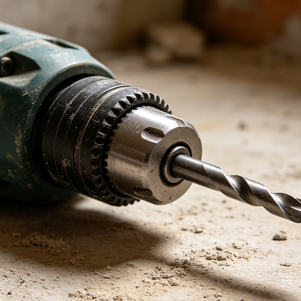
When should you not use an impact drill? Impact drills are ridiculously versatile power tools built for high-torque, rotary hammering work that cuts through masonry, concrete, and other dense building materials like a hot knife through butter. But they aren’t the right pick for every job. Use one on the wrong task and you can ruin your workpiece, burn out the tool prematurely, or even hurt yourself. It’s make-or-break to know when to grab something else instead. Getting clear on these limits doesn’t just make your tool last longer—it also keeps your work consistent and high-quality, whether you’re doing construction, woodworking, or metal fab.
Core Working Principles That Define Use Case Boundaries
Impact drills run on two motion systems working at the same time: a standard rotary drive for regular drilling, and an axial hammering mechanism that delivers 10,000 to 48,000 blows per minute (BPM) with 0.5 to 2.5 joules of energy per strike, depending on the model you’re using. Unlike standard drills, which only use rotation and the downward pressure you apply, impact drills are made to break down dense, brittle materials as they cut, so you don’t have to lean nearly as hard to get through concrete or block.
This dual-action design comes with inherent tradeoffs, though. That repetitive forward striking works perfectly for hard, porous substrates, but it causes way too much vibration and unpredictable force transfer when you use it on softer, more malleable materials, or any job that requires precision.
Key Components That Limit Application Scope
The core parts of an impact drill are built to take heavy shock loads, which is exactly why they’re bad for delicate work. The hammer clutch, made of hardened steel, kicks in automatically when the drill hits enough resistance, delivering consistent impact force that you can’t fully turn off on most entry-level models.
The chuck is usually a 1/2-inch or 3/4-inch keyed or keyless design rated for high torque, but it doesn’t have the low-runout precision of a standard drill chuck. It maxes out at 0.005 inches of runout at the chuck tip, compared to 0.002 inches for a precision woodworking drill. The motor is also tuned for high torque at lower RPMs (usually 0 to 2,800 no-load RPM), which is way less efficient for high-speed, low-torque tasks like drilling thin sheet metal or driving small fasteners.
Material Compatibility Specifications to Observe
Impact drills are rated for use on materials with a compressive strength of 2,000 psi or higher—think concrete, brick, block, and natural stone. They don’t work with materials below 1,500 psi, including most softwoods, plastics, laminates, and drywall, because the impact force will cause splintering, cracking, or deformation.
For metal, impact drills only work for structural steel 1/4-inch thick or thicker. Thinner sheet metal, aluminum, and brass will warp, dimple, or get jagged burrs from the hammering action. Glass, ceramic tile, and porcelain are also off-limits, even if you use a specialized tile bit. The sudden impact force will cause shattering or spider cracking before you even get through the first 1/8 inch of material.
High-Precision Application Scenarios Where Impact Drills Are Unsuitable
Any task that needs a drilling tolerance of ±0.003 inches or tighter is not a job for an impact drill. That includes cabinetry joinery, furniture assembly, and precision metal fabrication, where the axial runout of the impact mechanism will leave you with oversized, misaligned holes that ruin joint strength or fit.
For through-holes in finished surfaces, like tiled walls, laminate countertops, or painted drywall, the impact action will cause blowout on the exit side of the material, meaning you’ll spend hours patching and refinishing to fix it. Impact drills are also a bad call for drilling holes for electrical or plumbing rough-in where exact placement is non-negotiable to avoid existing wiring, pipes, or structural supports. The hammering action can make the bit wander off mark before you even notice it’s shifted.
Performance Limitations for Fastening Tasks
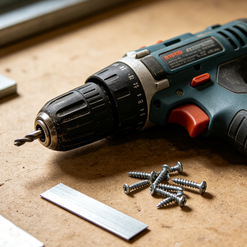
People mix up impact drills and impact drivers all the time, but impact drills are not made for driving fasteners—especially small or delicate hardware. The high torque and hammering action can easily strip screw heads, snap small bolts, or drive fasteners too far into soft materials, even if your consumer model has an adjustable torque clutch.
For wood screws smaller than #8, machine screws smaller than 1/4-inch, or self-tapping screws in thin metal, the impact force will make the fastener skip threads or deform the base material. Impact drills also don’t have the fine speed control you need for installing delicate hardware like hinges, drawer slides, or decorative trim, where even a little too much torque can leave visible damage that’s impossible to fix.
Selection Criteria for Avoiding Misuse
When you’re figuring out if an impact drill is right for a job, start by checking the substrate material and the hole tolerance you need. If the material is softer than MDF, or you need a hole size accurate to within 1/64 of an inch, grab a standard corded or cordless drill instead.
For fastening tasks, compare the tool specs first. Impact drivers are made for rotational impact only, with no axial hammering, so they’re way better for driving fasteners without ruining your work. For tile, glass, or ceramic work, use a variable-speed drill with a diamond or carbide-tipped bit and no impact action to prevent cracking. And if you’re working on finished surfaces, always test the drill on a scrap piece of the same material first to make sure it won’t leave damage.
Maintenance Risks of Misuse
Use an impact drill outside its intended use case and you’ll ramp up maintenance needs and cut its lifespan way shorter than it should be. Drilling into soft, stringy materials like pine or PVC can push wood chips or plastic shavings into the hammer clutch mechanism, leading to jamming, inconsistent impact force, or total clutch failure over time.
The high vibration from using an impact drill on non-porous, malleable materials can loosen internal motor mounts, wear out bearings, or damage the electronic speed control module on cordless models. Worst case scenario? Using a standard twist bit made for wood or metal in an impact drill can make the bit shatter under repeated hammering, sending metal fragments flying straight at you.
Comparative Performance vs. Alternative Tools
Next to standard drills, impact drills have 2 to 3 times higher torque but 30 to 50 percent lower maximum RPM, so they’re way less efficient for high-speed drilling into soft materials. For drilling into tile or glass, a variable-speed core drill with water cooling gives you clean, crack-free holes with zero impact force, so you don’t risk ruining the surface.
For fastening tasks, impact drivers deliver rotational impact without axial hammering, cutting the risk of stripped fasteners by 70 percent compared to impact drills—even when you’re installing high-torque lag bolts. For ultra-precise drilling in wood or metal, a drill press has runout of less than 0.001 inches, making consistent, accurate holes an impact drill could never pull off.
Practical Operating Tips to Prevent Misapplication
Even if you’re using an impact drill for a standard masonry or concrete job, don’t engage the impact mechanism until the bit has fully penetrated the surface and created a stable pilot hole. That stops the bit from wandering off mark before you get a good start.
Always use impact-rated drill bits, which are made of hardened carbide with reinforced shanks, to avoid breakage. Standard twist bits aren’t built to take the repeated axial shock of an impact drill, and they’ll snap way faster than you expect. If you need to switch between masonry drilling and standard drilling on the same job, use a drill with a separate impact mode toggle, and always turn off impact before working on non-masonry materials. And never use an impact drill with a hole saw larger than 2 inches in diameter— the high torque can make the saw bind and kick back, which is a major injury risk.
Common Misconceptions Cleared Up
Q: Can you use an impact drill for all drilling tasks if you use the right bit?
A: No, that’s not how it works. Even with specialized bits, the axial hammering action of an impact drill will damage soft, brittle, or precision-dependent materials. For example, a diamond tile bit used in an impact drill will still deliver repeated shock to porcelain or ceramic, leading to cracking or shattering, no matter how high-quality the bit is. The impact mechanism itself is the limiting factor, not just bit compatibility.
Q: Are impact drills and impact drivers interchangeable for fastening tasks?
A: No, they’re totally different tools. Impact drills deliver axial (forward-and-back) hammering along with rotation, while impact drivers only deliver rotational (twisting) impact. The axial force of an impact drill will overdrive or strip small fasteners, damage soft workpieces, and can’t match the controlled torque of an impact driver for fastening work.
Q: If an impact drill has a low-torque setting, it’s safe for delicate work, right?
A: That’s a super common misunderstanding. Lower torque settings cut down on rotational force, but most entry-level impact drills don’t disable the axial hammering mechanism when you turn down the torque. Even at low torque, the repeated blows will cause splintering in wood, deformation in plastic, and stripped fastener heads, so the tool is still a bad fit for delicate work no matter the torque setting.
Q: Higher-powered impact drills can handle thin materials better than lower-powered models?
A: No, higher power actually makes damage more likely. Higher-torque impact drills deliver more force per impact blow, which raises the chance of warping thin metal, cracking tile, or splintering soft wood. For thin or delicate materials, lower power with zero impact is always the better choice, because it lets you remove material in a much more controlled way.
Frequently Asked Questions
Q: Can I use an impact drill to drill holes in pressure-treated wood for deck construction?
A: Only if you’re drilling holes for 1/2-inch or larger lag bolts, and you turn off the impact mechanism entirely. For standard screw holes or smaller fasteners, use a standard drill to avoid splintering the wood or overdriving fasteners. Always test on a scrap piece of pressure-treated wood first to make sure you won’t damage the surface.
Q: Is it safe to use an impact drill with a screwdriver bit for driving large lag bolts?
A: We don’t recommend it. It’s technically possible in a pinch, but the axial hammering action can damage the bolt head or strip the drive recess, and the torque output is way less controlled than a dedicated impact driver. For repeated lag bolt installation, use an impact driver to cut down on fastener damage and get the job done faster.
Q: What should I do if I accidentally used an impact drill on a tile wall and caused minor cracking?
A: Stop using it immediately, and check how bad the damage is. For hairline cracks, you can use a tile repair epoxy matched to the tile color to fill the gap, but larger cracks will mean you have to replace the whole tile. To avoid this in the future, use a variable-speed standard drill with a diamond-tipped tile bit, apply constant light pressure, and keep impact turned off entirely.
Q: Can I use an impact drill to drill holes in metal automotive parts?
A: Only for structural steel parts 1/4-inch thick or thicker, and with an impact-rated high-speed steel or carbide bit. For thinner sheet metal, aluminum, or plastic automotive components, use a standard variable-speed drill to avoid warping, dimpling, or burr formation that will ruin how the part fits.
Q: How do I know if my impact drill has a fully disableable impact mode?
A: Check the tool’s body for a physical toggle switch marked “drill only” or “impact off,” and confirm in the user manual that the axial hammering mechanism fully disengages in that mode. If there’s no separate toggle, the impact mechanism will kick in automatically when it hits resistance, so the tool isn’t suitable for non-masonry use.
Final Summary
Impact drills are specialized tools made exclusively for drilling into high-compressive-strength materials like concrete, brick, and stone. You should skip them for precision tasks, soft materials, thin substrates, and all fastening operations. Always check your workpiece material, required tolerance, and task type before picking a drill, and go for a standard drill, impact driver, or core drill when impact action will cause damage or give you subpar results.
Respect the use case limits of your impact drill, and you’ll extend its lifespan, cut down on the risk of workpiece damage or injury, and get consistent, high-quality results across all your drilling and fastening work.
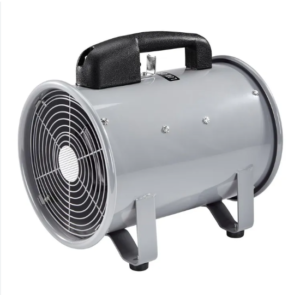
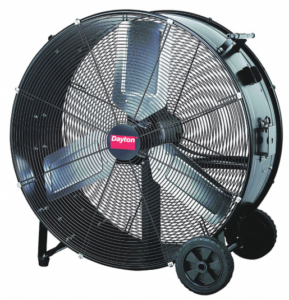
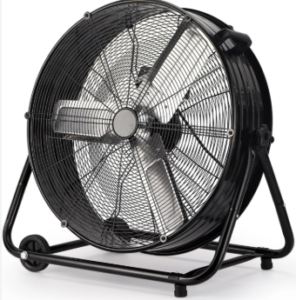
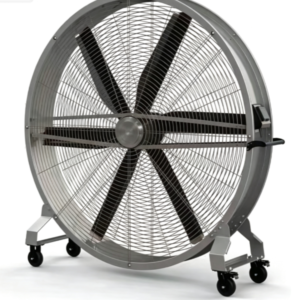
Industrial fan for Sale:


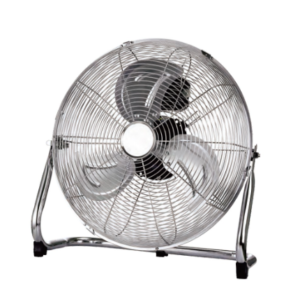
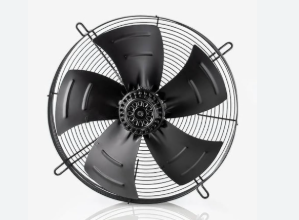
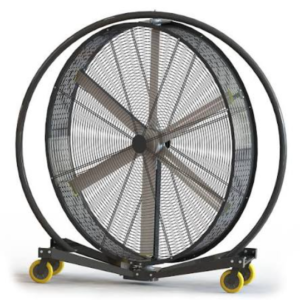
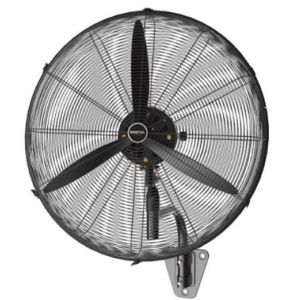
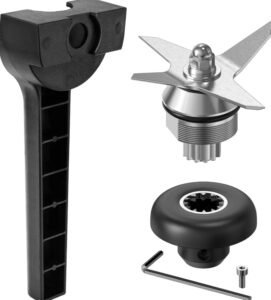
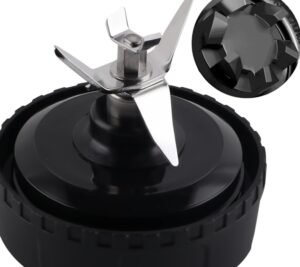
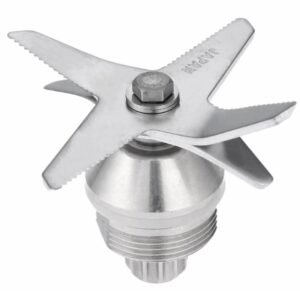
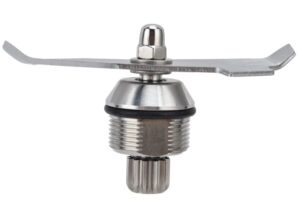
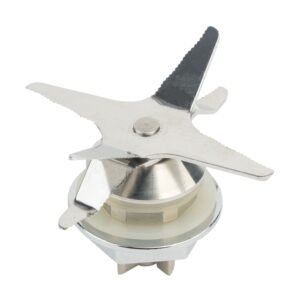
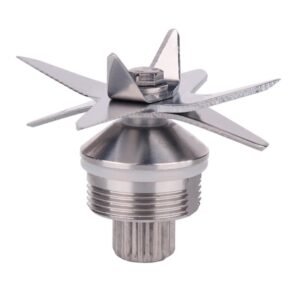
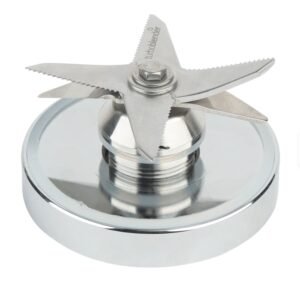
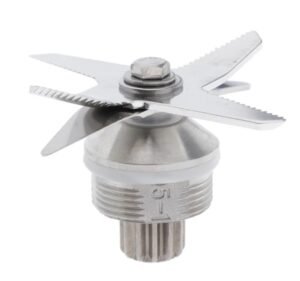
Blender Blade
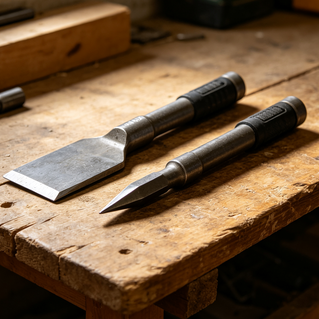
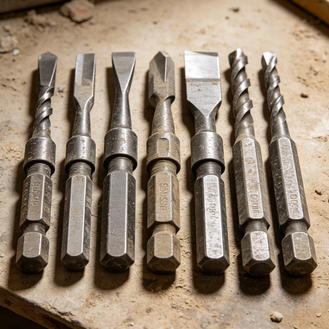
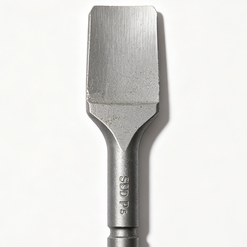
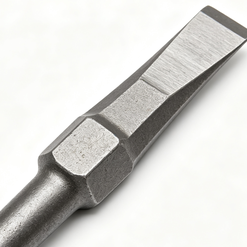
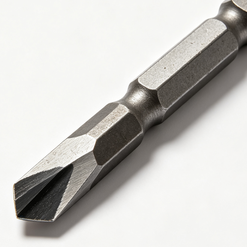
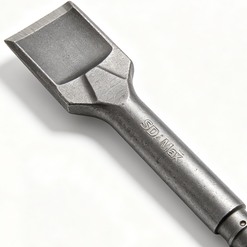
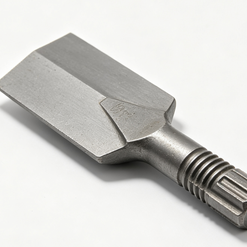
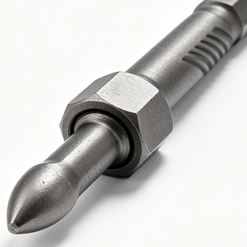
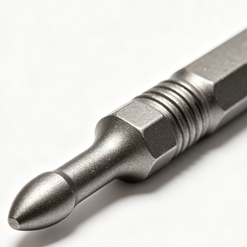
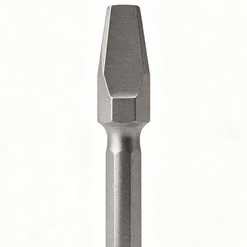
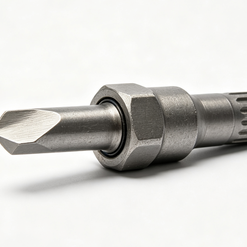
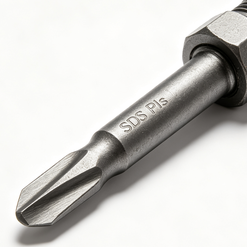
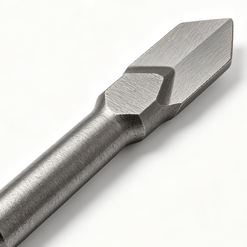
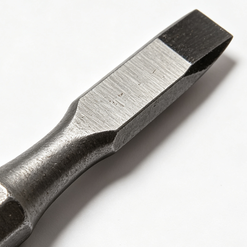
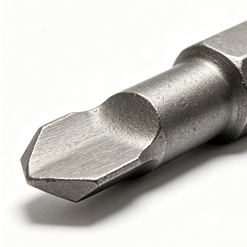
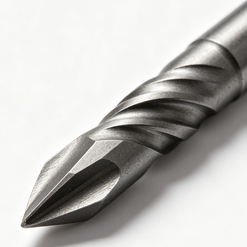
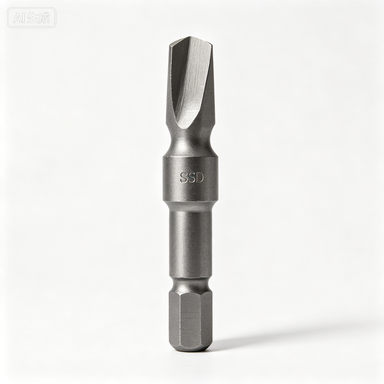
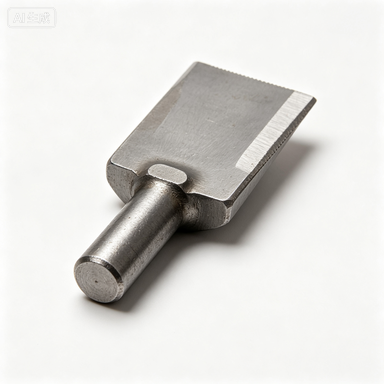
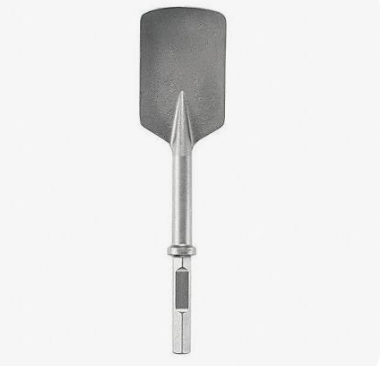
Chisel Bit for Sale
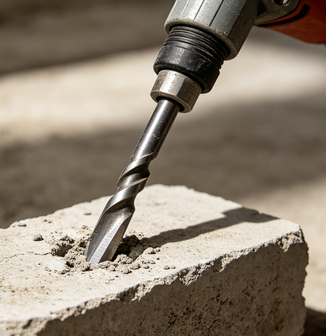
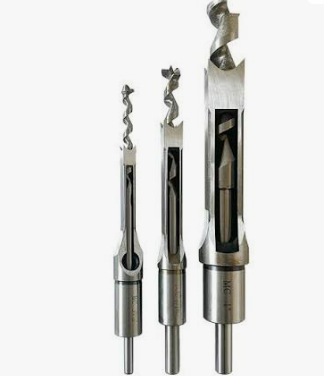
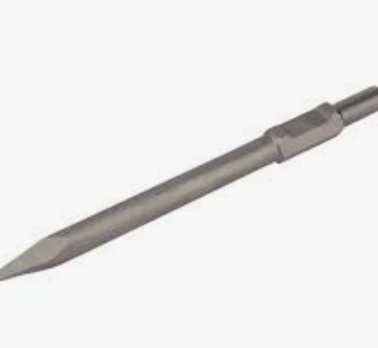
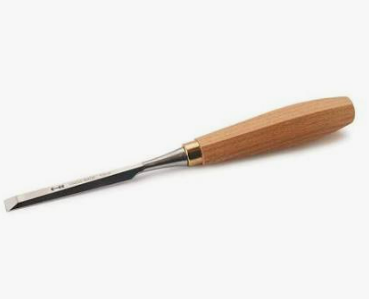
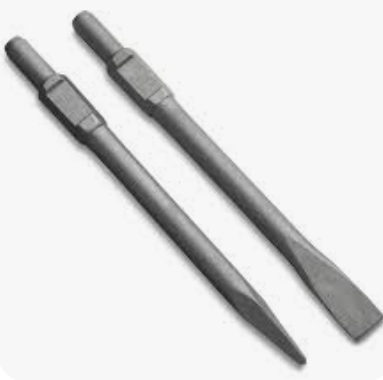
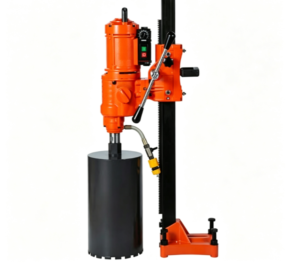
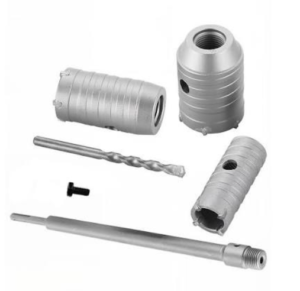
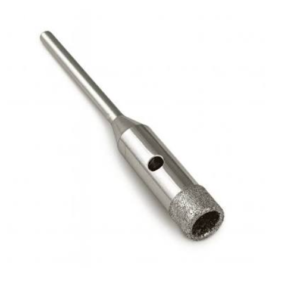
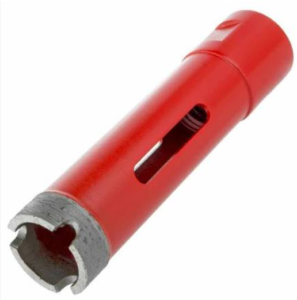
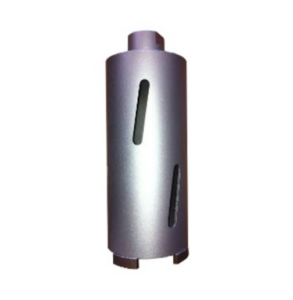
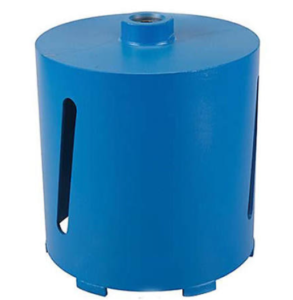
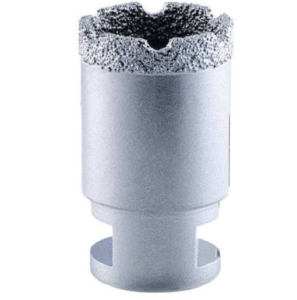
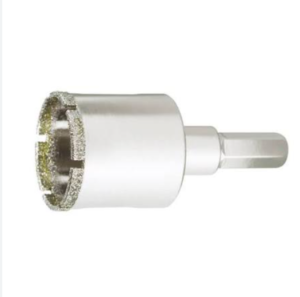
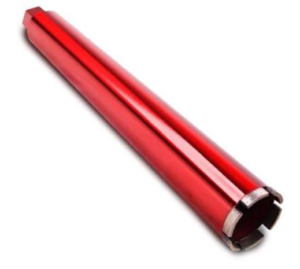
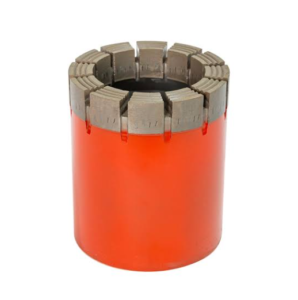
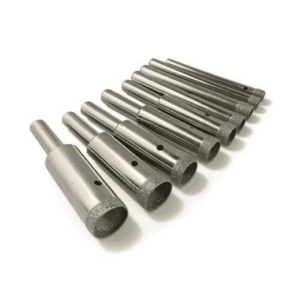
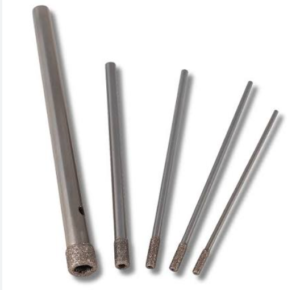
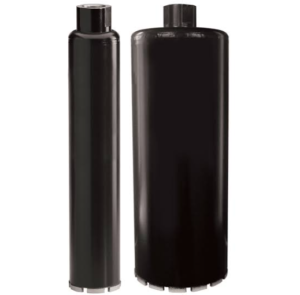
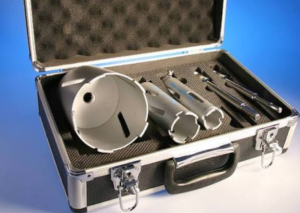
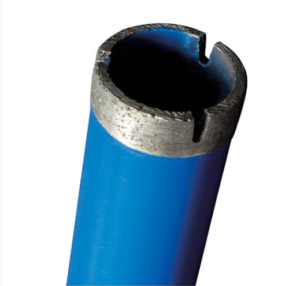
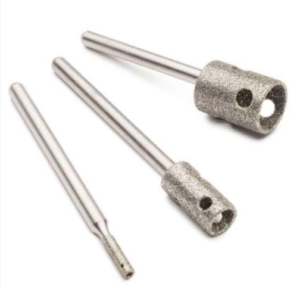
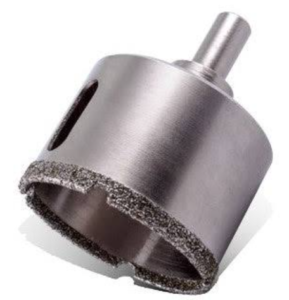
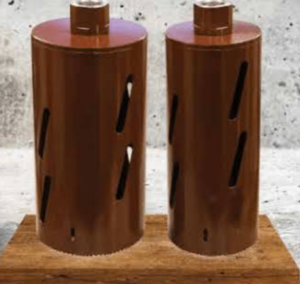
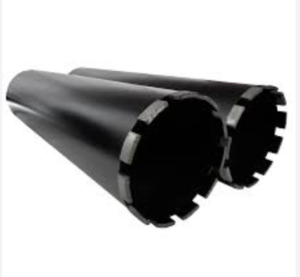
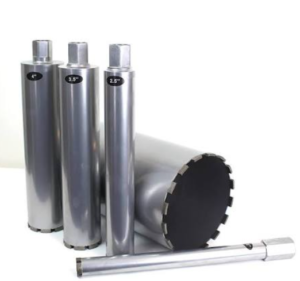
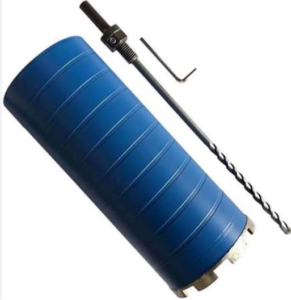
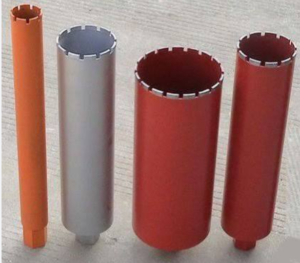
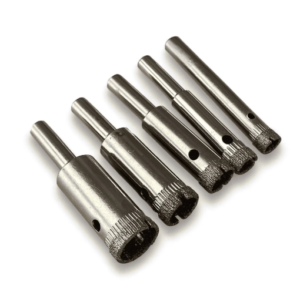
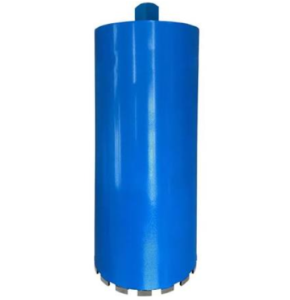
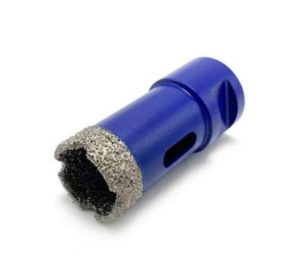
Core drill bit for Sale:
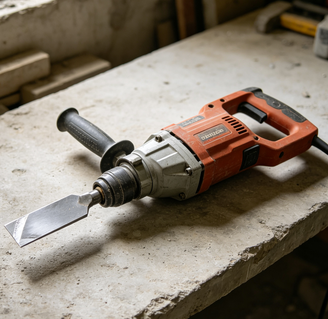
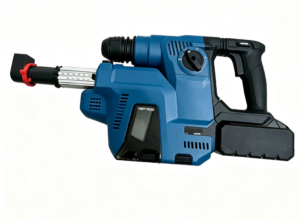
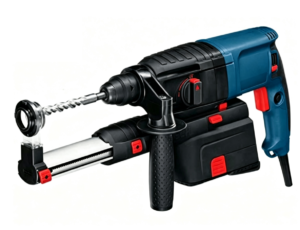
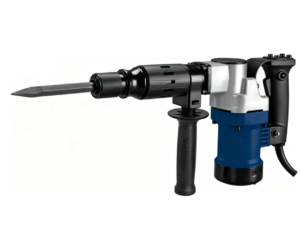
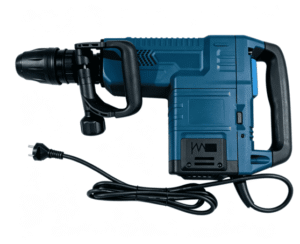
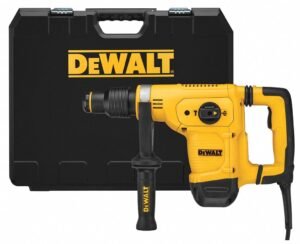
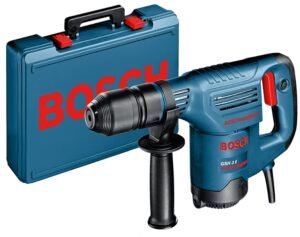
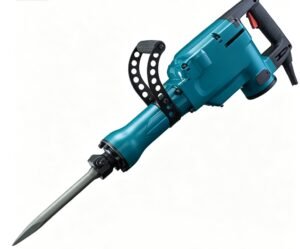
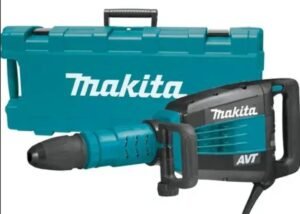
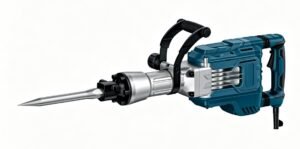
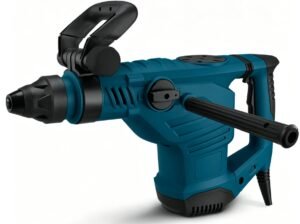
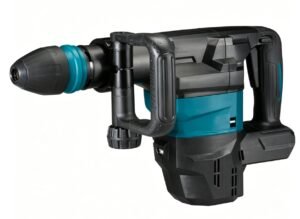
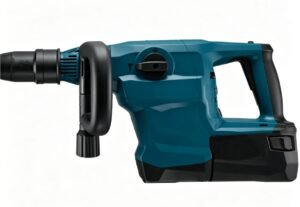
Rotary Hammer & Demolition Hammer for Sale:
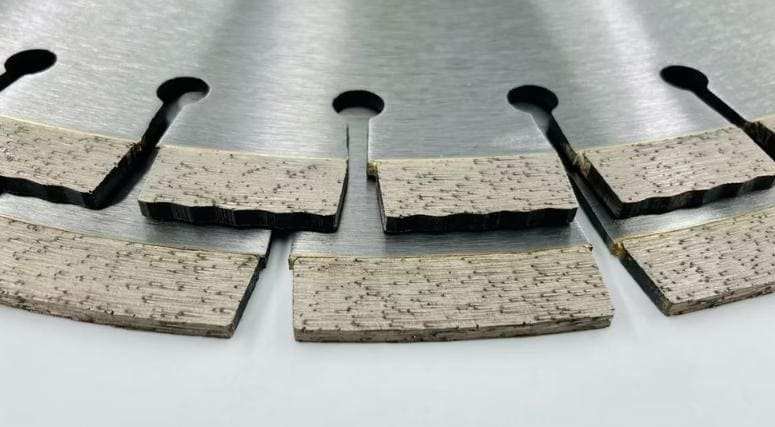
Diamond Blade

Welcome to call us
Contact Us to get quotation
Working Time: 8:00~17:00 Monday to Friday.
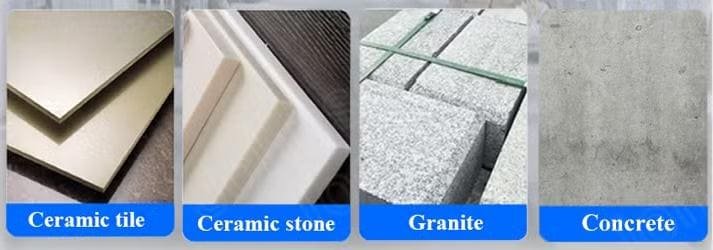
Applications:
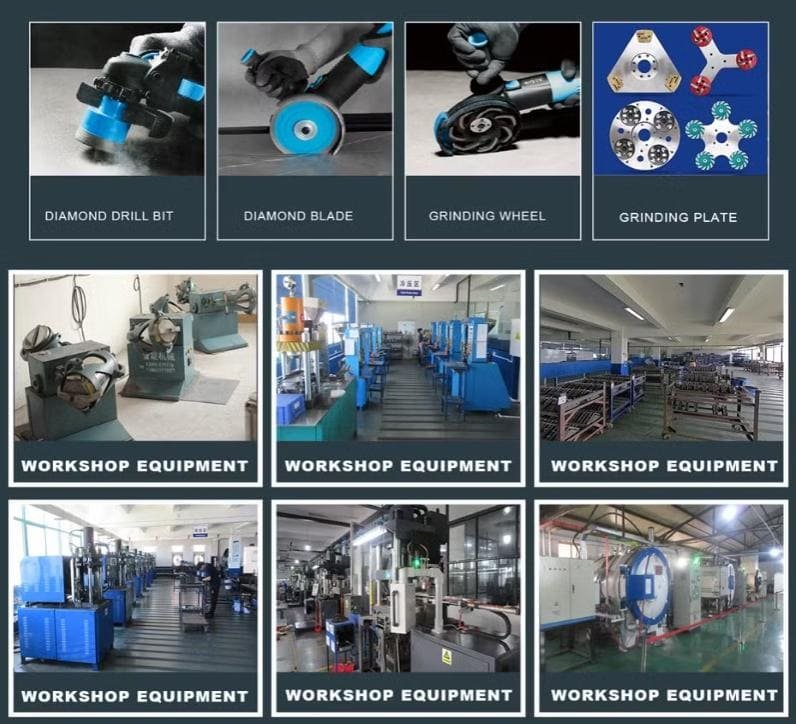
Factory:
FAQ
Welcome to call us
Contact Us to get quotation
Working Time: 8:00~17:00 Monday to Friday.
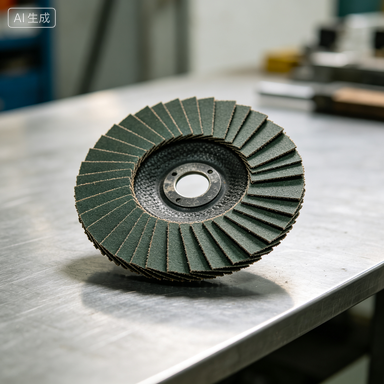
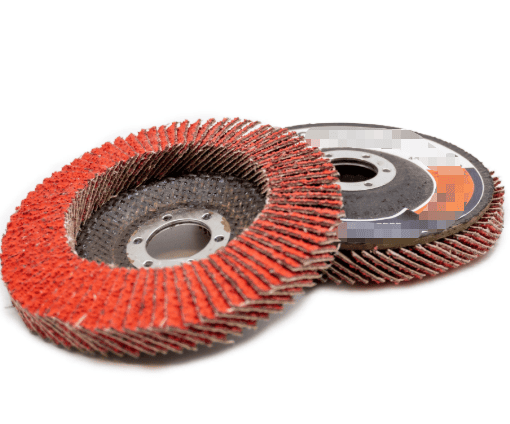
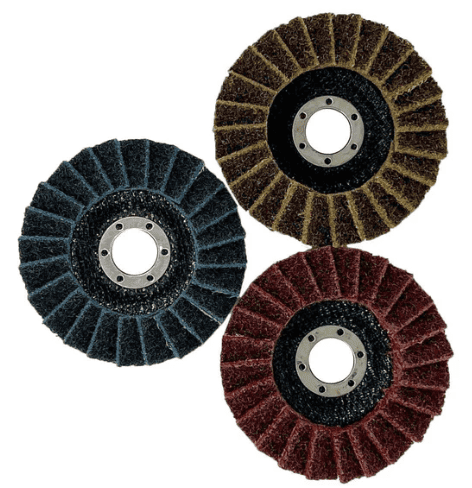
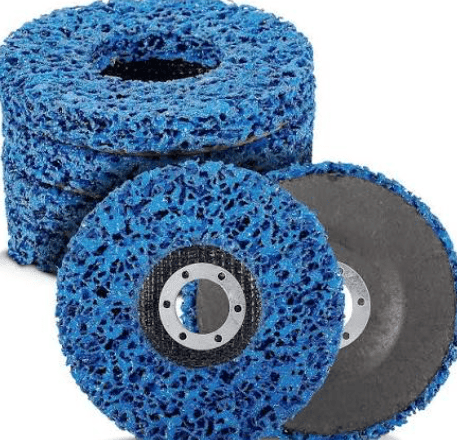
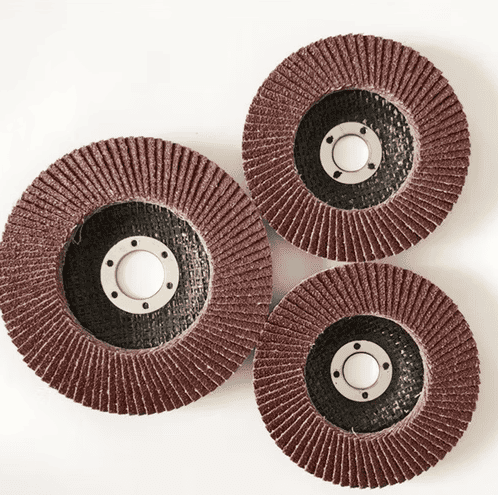
Flap Disc for Sale
Blogs:
You May also Interest in other topics:
sifter machine commercial sifter 11kw ev charger wollastonite grinding mill for refractory material vacuum capping machine