Can I use my hammer drill as a chisel?
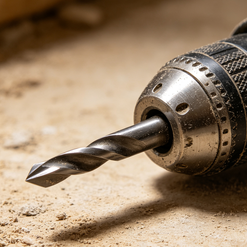
Can I use my hammer drill as a chisel?
Can I use my hammer drill as a chisel? Most of the time, yes—if you’ve got a modern SDS-plus or SDS-max hammer drill with a dedicated rotation-stop function, and you use the right chisel accessories that fit its chuck. Try chiseling with a standard rotary hammer that doesn’t have this feature, and you’ll wreck the tool, get barely any usable chiseling force, and put yourself at real risk of injury.
This versatility is why these drills are such a workhorse for most residential and light commercial work. They handle both drilling and light-to-medium demolition, so you don’t have to shell out for a separate chipping hammer for small, occasional jobs. But make-or-break rule: always double-check your tool’s specs first, and follow basic operating rules to avoid hurting yourself or burning out the drill before its time.
Core Working Principle for Chiseling Mode
Chiseling works using the drill’s electro-pneumatic impact mechanism, which delivers fast, repeated linear blows to the accessory without spinning it at all. When you flip on rotation-stop mode, the tool disconnects the gear train that normally spins drill bits, so all the force going to the chisel is straight, axial impact energy—usually between 1.5 and 12 joules per blow, depending on how big your drill is.
This is totally different from the standard rotary hammer mode, which mixes impact and spin to drill through masonry, concrete, and stone. If you can’t disengage the rotation, the chisel will spin freely while you work. It won’t deliver any focused breaking force, and you’re basically holding a spinning sharp metal object that can easily cut you.
Key Components Required for Chiseling
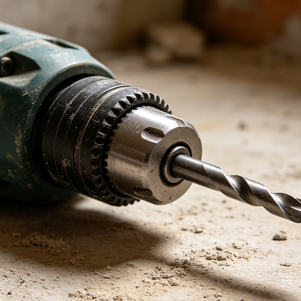
You need three core parts to chisel safely and effectively with a hammer drill. First is the rotation-lock switch, a mechanical or electronic toggle that turns off the rotary drive but leaves the impact mechanism running. Second is the SDS chuck system, which locks chisel accessories firmly in place and lets them move linearly to transmit impact energy efficiently. Standard keyless chucks can’t handle that high axial force, so they’ll fail almost immediately.
Third is the variable impact control dial, which lets you adjust blow force to match the job—low settings for tile removal, higher settings for breaking concrete. A lot of units also have a chisel angle adjustment feature, which lets you rotate the chisel to 16 or more fixed positions without spinning it during use, so you can hold the right angle for whatever demolition task you’re working on.
Accessory Compatibility Specifications
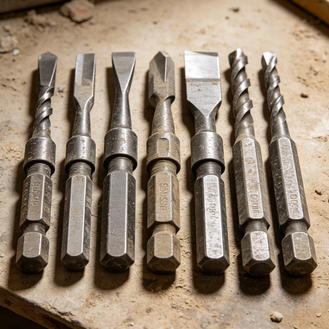
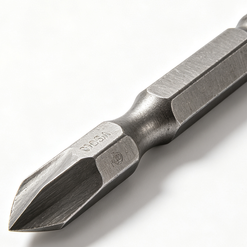
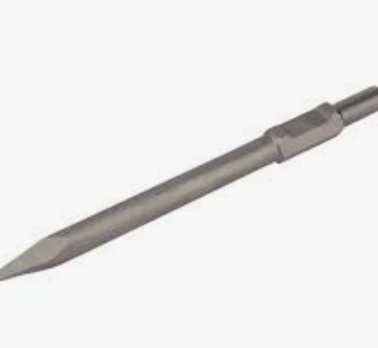
Only SDS-type chisel accessories work for this. Standard hex-shank or straight-shank chisels will slip, break, or even shoot out of the chuck under impact force, which is a huge safety hazard. SDS-plus chisels are made for 10mm to 26mm capacity hammer drills, with a 10mm shank diameter and two open grooves that lock into the chuck. SDS-max chisels fit larger 26mm to 40mm capacity units, with an 18mm shank diameter and five locking grooves to handle higher impact loads.
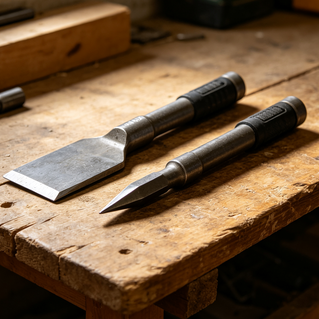
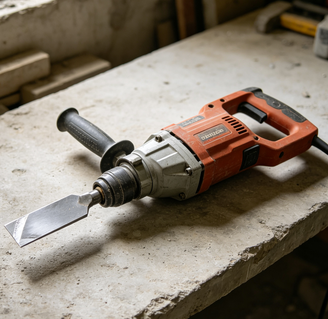
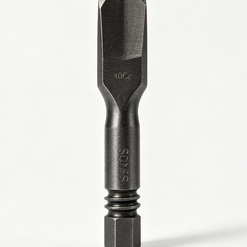
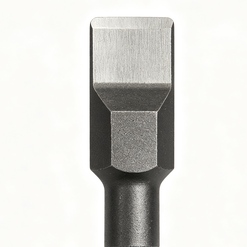
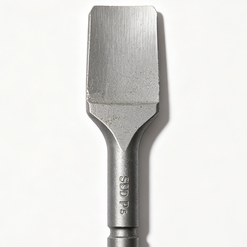
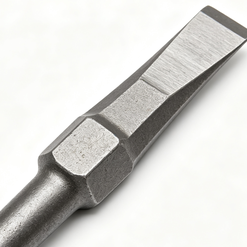
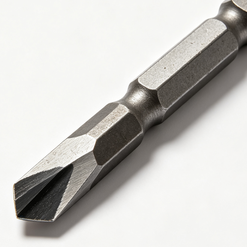
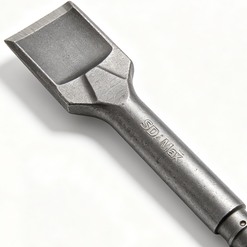
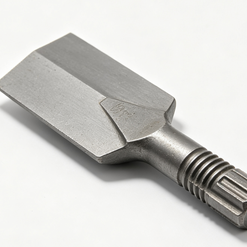
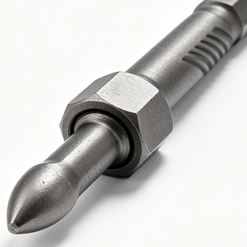
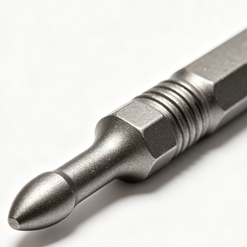
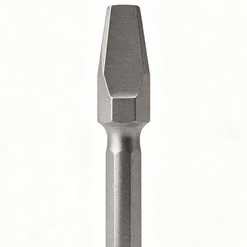
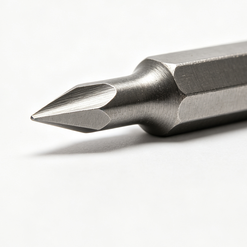
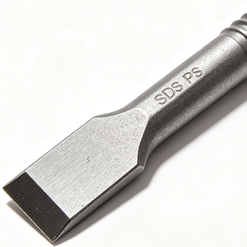
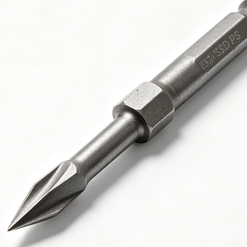
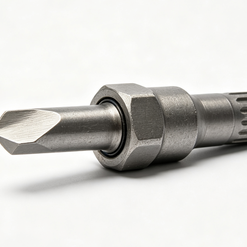
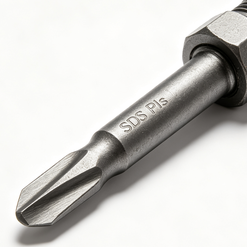
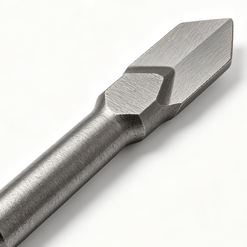
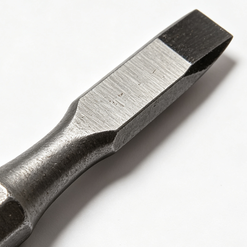
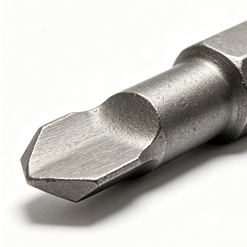
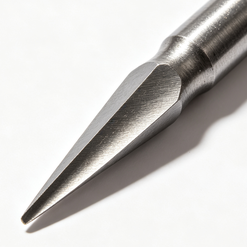
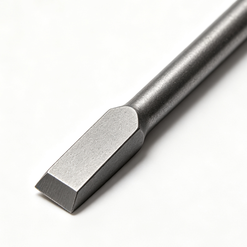
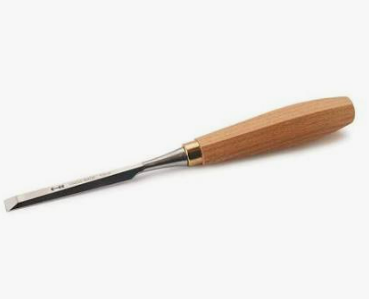
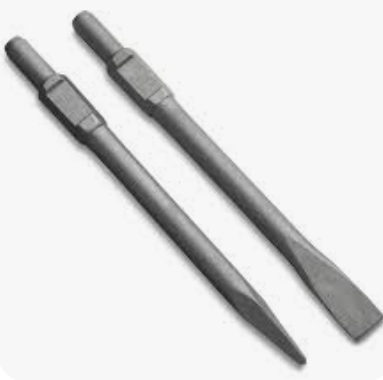
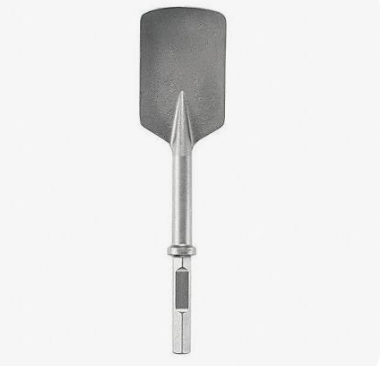
Common chisel profiles include flat chisels (20mm to 50mm wide) for general surface scaling and tile removal, point chisels for focused concrete breaking and mortar removal, and spade chisels for stripping large areas of tile and adhesive. Always make sure the accessory’s maximum impact rating matches your drill’s output, otherwise the shank could break prematurely mid-job.
Typical Application Scenarios
Hammer drill chiseling mode is built for light-to-medium demolition work across residential, commercial, and renovation jobs. Common uses include pulling ceramic and porcelain tile off subfloors and walls, chipping out old mortar during tuckpointing, breaking small sections of concrete slab for plumbing or electrical runs, and scaling loose paint or rust off steel and masonry surfaces.
It’s not made for heavy-duty demolition, though. Don’t use it to break structural concrete slabs thicker than 150mm, remove large sections of reinforced concrete, or run chiseling shifts for 8 hours a day. Those jobs need a dedicated demolition hammer with higher impact energy and more durable internal parts that can handle that constant stress.
Performance Advantages Over Dedicated Chipping Hammers
Using a hammer drill for chiseling has two big perks for most users: it’s cheaper, and it’s way easier to carry around. A single 2kg to 4kg SDS hammer drill handles both 6mm to 26mm diameter masonry drilling and light chiseling tasks, so you don’t have to buy and haul a separate 5kg to 7kg chipping hammer for the odd demolition job.
A lot of compact hammer drills also have ergonomic anti-vibration handles that lower your risk of hand-arm vibration syndrome (HAVS) during short chiseling sessions. Their vibration output usually sits between 8 and 12 m/s², compared to 12 to 18 m/s² for entry-level dedicated chipping hammers. If you chisel for less than 2 hours a week, a hammer drill will give you more than enough performance, and you’ll spend way less money overall.
Selection Criteria for Chiseling-Focused Use
If you plan to use your hammer drill for chiseling on a regular basis, prioritize three key specs when you’re shopping. First, look for a minimum single-blow impact energy of 3 joules for SDS-plus units, or 8 joules for SDS-max units. Lower impact models will take way longer to get chiseling jobs done, and they might overheat if you run them for extended periods.
Second, make sure the tool has a lock-on trigger feature. It lets you run the impact mechanism continuously without holding down the trigger the whole time, which cuts down on user fatigue during long sessions. Third, pick a unit with a brushless motor. They run 30% cooler, last 50% longer, and deliver more consistent impact force under load compared to brushed motor models.
Maintenance Best Practices for Chiseling Applications
Chiseling puts way more stress on a hammer drill than standard drilling, so you’ll need to adjust your maintenance schedule to account for that. After every 4 hours of chiseling use, wipe the SDS chuck interface with a clean cloth and put a small amount of high-temperature lithium grease on the chisel’s shank. That cuts down on friction and prevents wear on the chuck’s locking jaws.
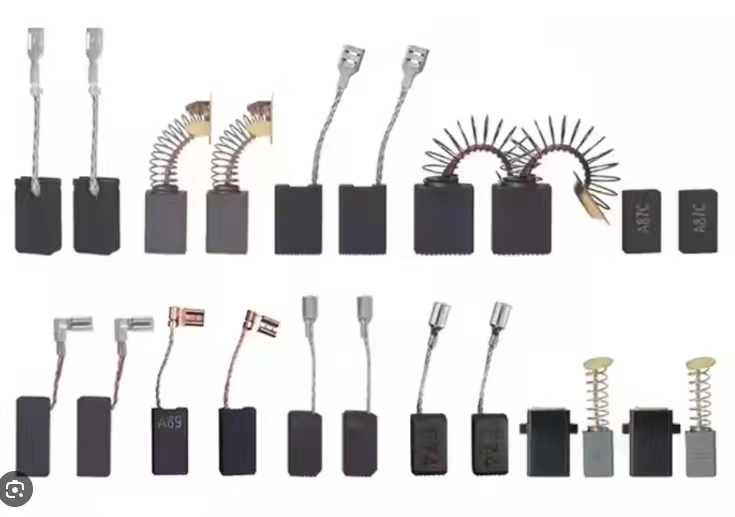
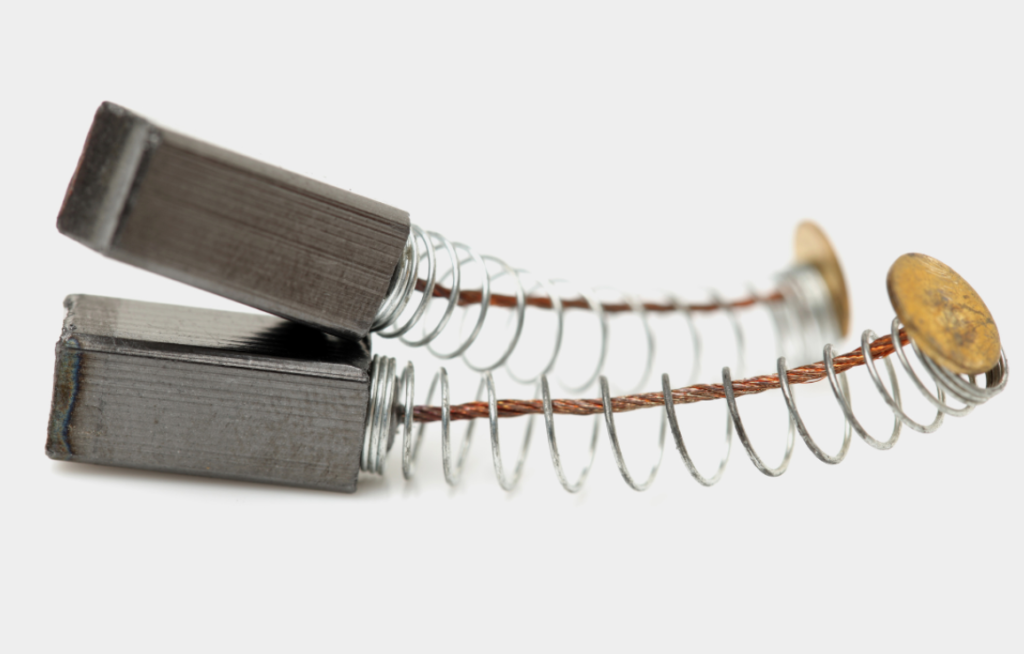
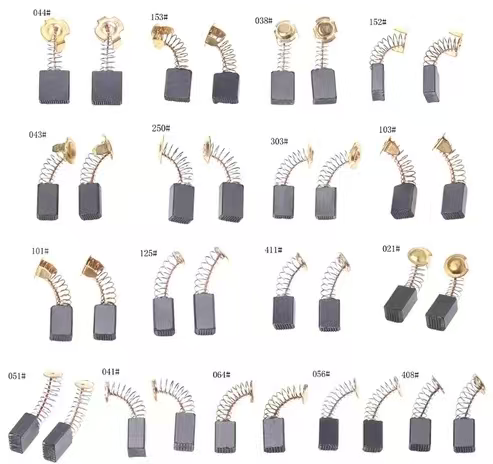
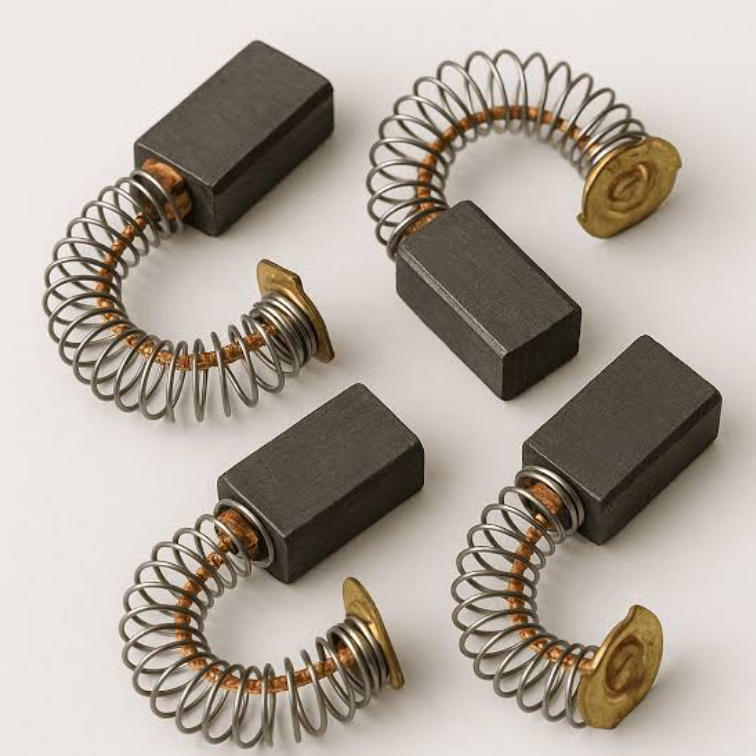
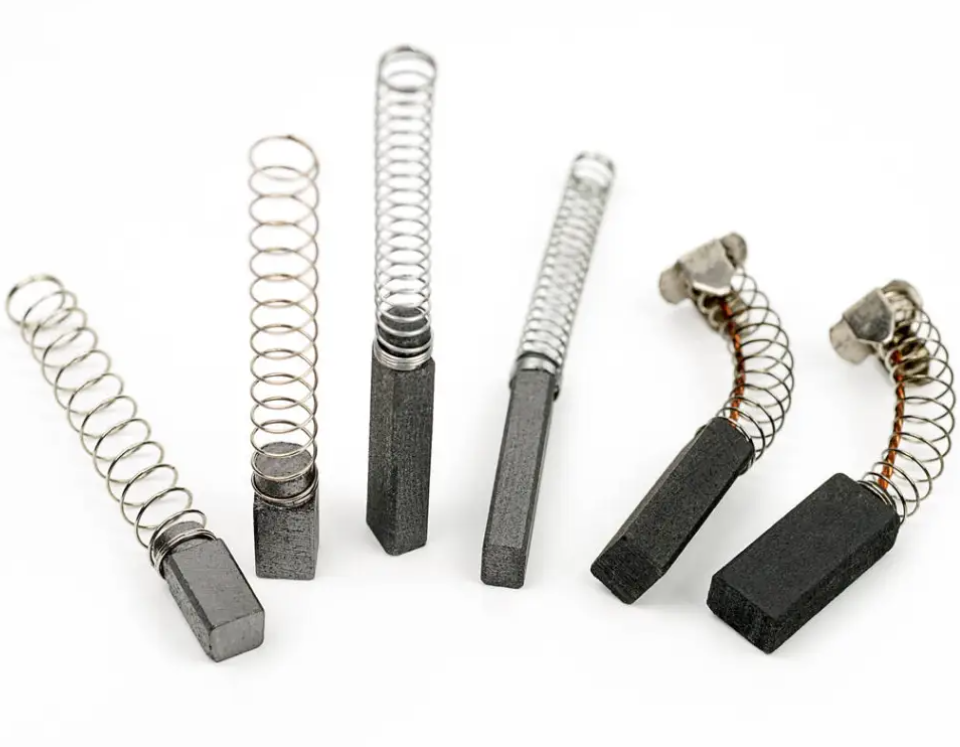
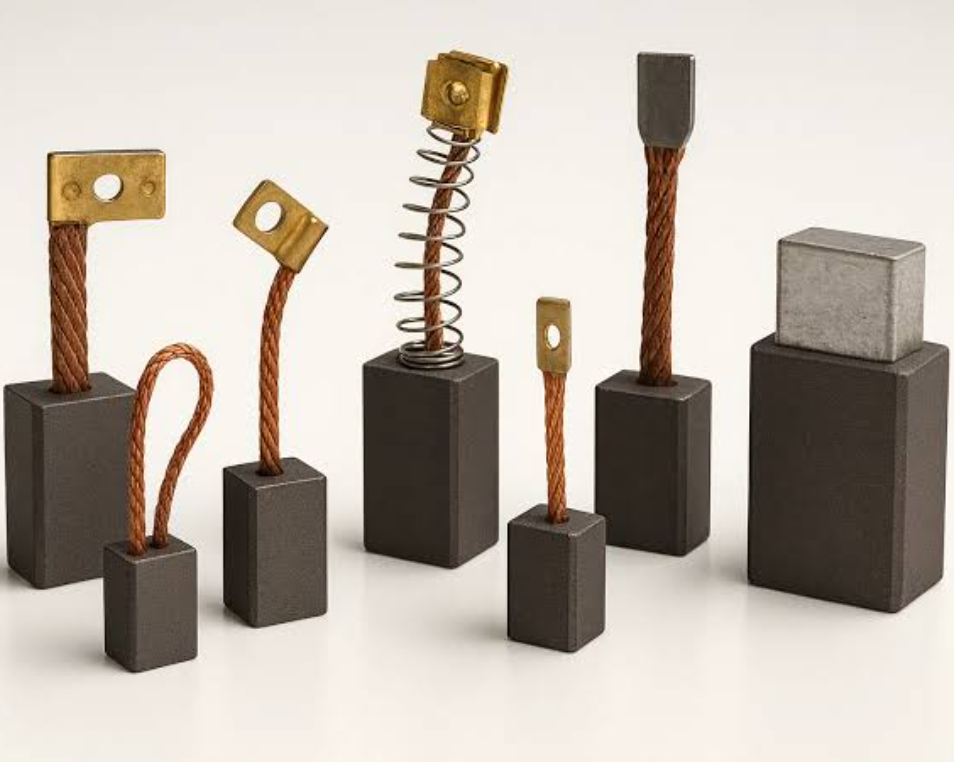
If you’re using a brushed motor model, inspect the carbon brushes every 10 hours of chiseling use. Replace them when they wear down to 5mm in length to avoid damaging the motor. Always let the tool cool for 10 minutes after every 30 minutes of continuous chiseling, too. Sustained high impact can overheat the motor winding and impact mechanism, which leads to premature seal failure.
Comparative Performance With Alternatives
Compared to dedicated demolition hammers, hammer drills deliver 40% to 60% lower impact energy and are 20% to 30% less efficient at breaking thick concrete. But they weigh 30% to 50% less, and they also work as a regular drill. For tile removal, mortar raking, and small concrete repairs, a hammer drill performs almost as well as a dedicated chipping hammer—you won’t notice any difference in how long the job takes for projects under 1 hour.
Compare that to manual cold chisels and sledgehammers, and a hammer drill in chiseling mode gets the job done 5 to 10 times faster. It also cuts way down on physical strain, and delivers more controlled breaking force that doesn’t damage the surrounding materials as much. For residential users and small renovation contractors, the tradeoff between maximum chiseling power and versatility is almost always worth it.
Practical Operating Tips for Chiseling
Always wear the right PPE when you’re chiseling: impact-resistant goggles, an N95 respirator to block silica dust, noise-canceling earmuffs (hammer drills put out 95 to 110 dB of noise during chiseling, which will damage your hearing over time), and cut-resistant work gloves. Hold the tool with both hands at a 15 to 30 degree angle to the work surface for the best breaking efficiency. Holding it perpendicular will just make the chisel bind or bounce around.
Don’t push down hard on the tool, either. The impact mechanism delivers all the breaking force you need. Extra pressure will only make the impact less effective, overheat the motor, and raise the risk of the chisel breaking. If the chisel gets stuck in the material, let go of the trigger immediately and work it loose gently by hand before you start using the drill again.
Common Misconceptions Cleared Up
Q: Can I use any hammer drill for chiseling, even if it doesn’t have a rotation stop?
A: No, that’s extremely dangerous and will ruin your tool. Without a rotation stop function, the chisel will spin while the impact mechanism is running. It won’t deliver any useful breaking force, it’ll wear out the chuck super fast, and you’re at high risk of getting cut or hit by the spinning accessory. Only use hammer drills with a clearly marked rotation-stop mode for chiseling.
Q: Do I need to use special lubricant for chisel shanks during use?
A: A lot of people think you don’t need lubrication, but running chisels without a light coat of grease on the SDS shank causes excessive wear on the chuck’s locking jaws and impact anvil. That can cut your tool’s service life by up to 40%. Put a thin layer of high-temperature lithium grease on the shank before you insert it into the chuck, and wipe off any excess so it doesn’t attract dust and debris.
Q: Higher drill power rating means better chiseling performance, right?
A: Not necessarily. Chiseling performance depends mostly on single-blow impact energy, not the motor’s wattage rating. A 700W hammer drill with 3 joules of impact energy will chisel way more efficiently than a 1000W unit with only 1.8 joules of impact energy. The weaker one uses more power but delivers softer blows. Always prioritize impact energy over motor wattage if you’re buying a drill for chiseling.
Q: Can I use standard wood or masonry drill bits as makeshift chisels?
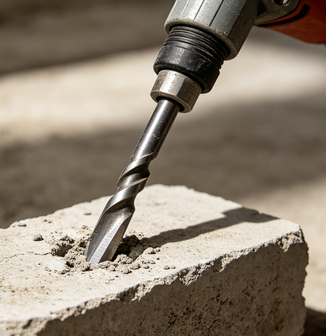
A: Never use drill bits as chisels. Drill bits are made from hardened steel designed for rotational cutting, not repeated axial impact. They’ll shatter or break under the force of the hammer mechanism, sending sharp metal fragments flying at high speed that can seriously hurt you. Only use accessories explicitly rated as SDS chisels for chiseling tasks.
Frequently Asked Questions
Q: How long can I run my hammer drill continuously in chiseling mode?
A: Most consumer-grade hammer drills are rated for 30 minutes of continuous chiseling use before they need a 10-minute cool-down period. Industrial-grade brushless models can run for up to 1 hour straight, but always check your tool’s user manual for specific duty cycle ratings to avoid overheating damage.
Q: Can I adjust the chisel angle without switching out of rotation stop mode?
A: Most modern SDS hammer drills have a chisel angle adjustment feature. Just pull the chuck collar outward, rotate the chisel to the angle you want, and release the collar to lock it in place. This works even when rotation stop is active, so you can adjust the angle between passes without switching tool modes.
Q: What is the maximum thickness of concrete I can break with a hammer drill in chiseling mode?
A: For standard unreinforced concrete, SDS-plus hammer drills can break sections up to 100mm thick, while larger SDS-max models can handle up to 150mm thick sections. For thicker concrete or concrete with rebar reinforcement, use a dedicated demolition hammer with at least 15 joules of impact energy for safe, efficient breaking.
Q: Will using my hammer drill for chiseling void its warranty?
A: No, as long as you use compatible SDS chisel accessories and follow the manufacturer’s operating guidelines. Chiseling is an intended use for hammer drills with rotation stop. Warranty claims will only be denied if you use non-compatible accessories, exceed the duty cycle rating, or modify the tool’s internal components.
Q: How do I know if my hammer drill has a rotation stop function?
A: Check the mode selection dial on the top or side of the tool. Rotation stop mode is usually marked with a symbol of a chisel or a hammer without a drill bit icon, separate from the standard drill (drill bit only) and rotary hammer (drill bit + hammer) modes. If you don’t see that symbol, your drill doesn’t support chiseling.
Final Summary
Modern SDS hammer drills with a dedicated rotation-stop function work safely and effectively as chisels for light-to-medium demolition tasks like tile removal, mortar raking, and small concrete breaking—just as long as you use compatible SDS chisel accessories and follow basic operating and maintenance rules. If you plan to use the chiseling function regularly, prioritize models with at least 3 joules of impact energy, a lock-on trigger, and a brushless motor. And always wear the right PPE to avoid injury from flying debris, loud noise, and silica dust. For heavy-duty or extended demolition work, spring for a dedicated demolition hammer so you don’t wear out your drill prematurely.
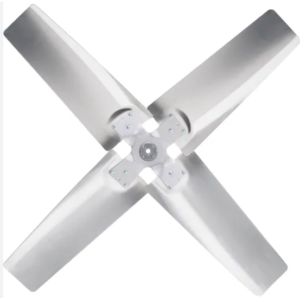
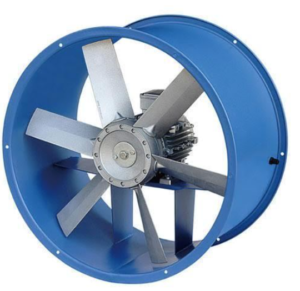
Industrial fan for Sale:



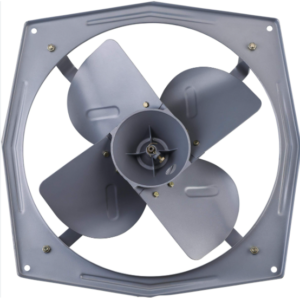
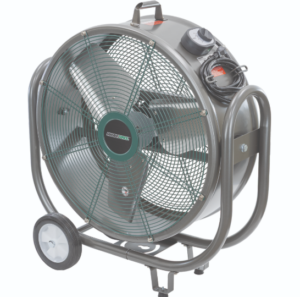
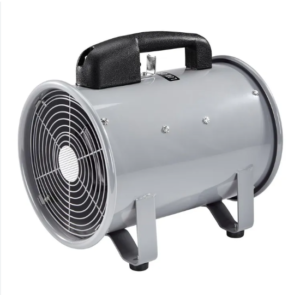
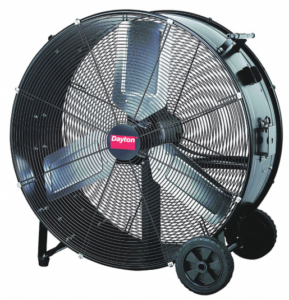
Blender Blade
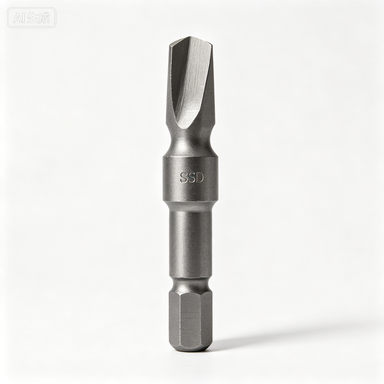
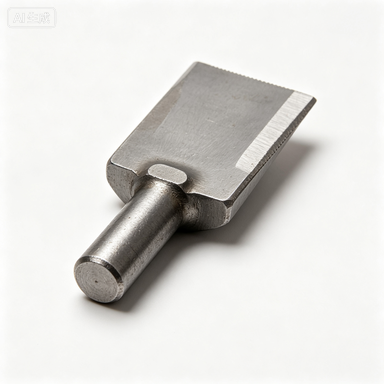
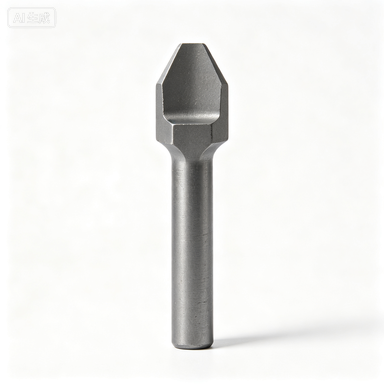
Chisel Bit for Sale
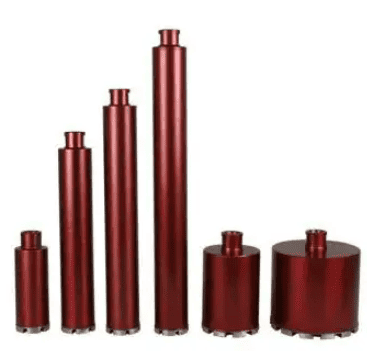
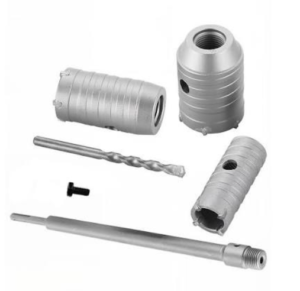
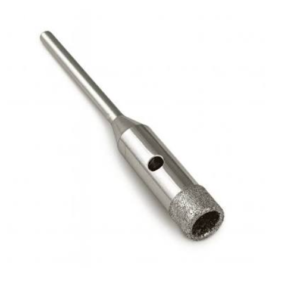
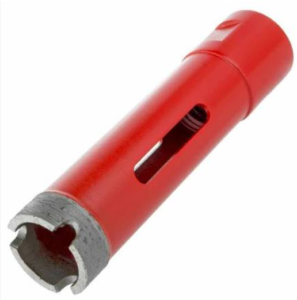
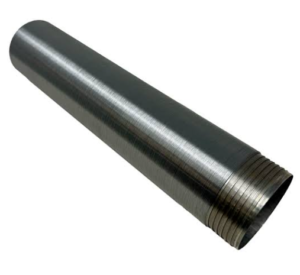
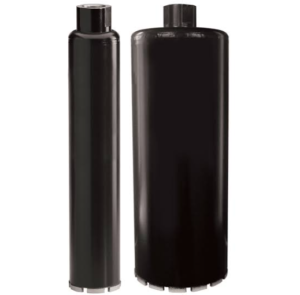
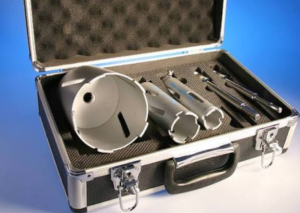
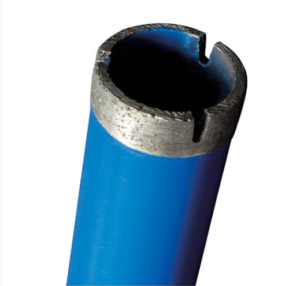
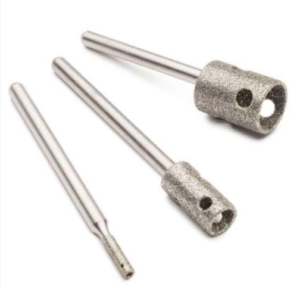
Core drill bit for Sale:
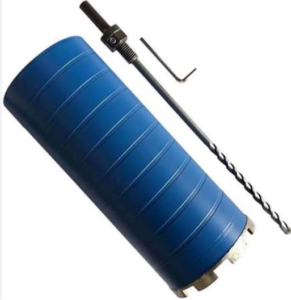
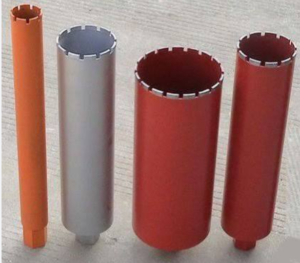
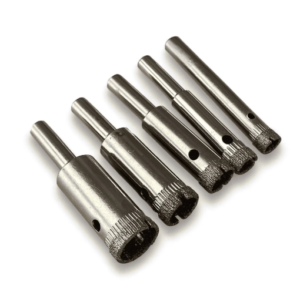
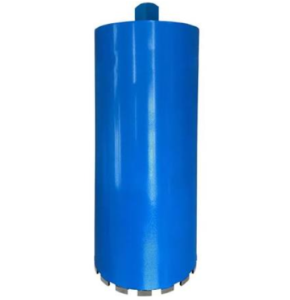
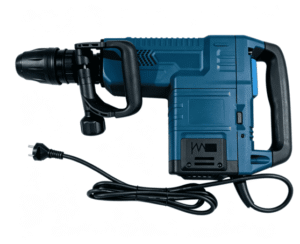
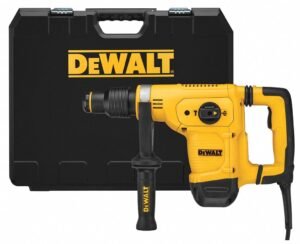
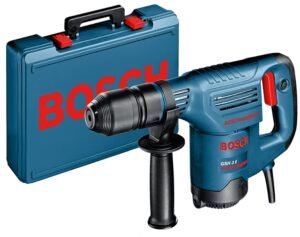
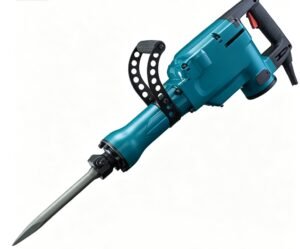
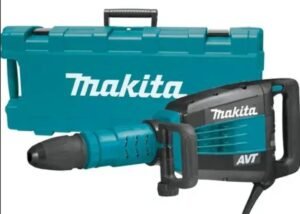
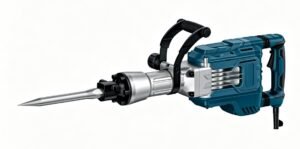
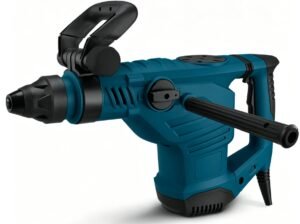
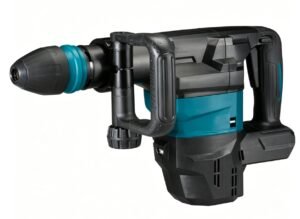
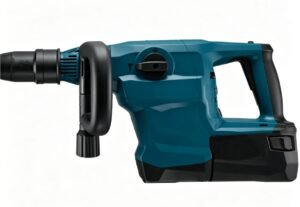
Rotary Hammer & Demolition Hammer for Sale:
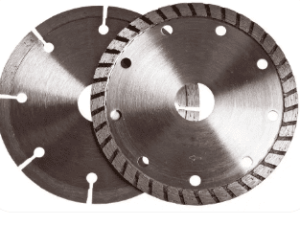
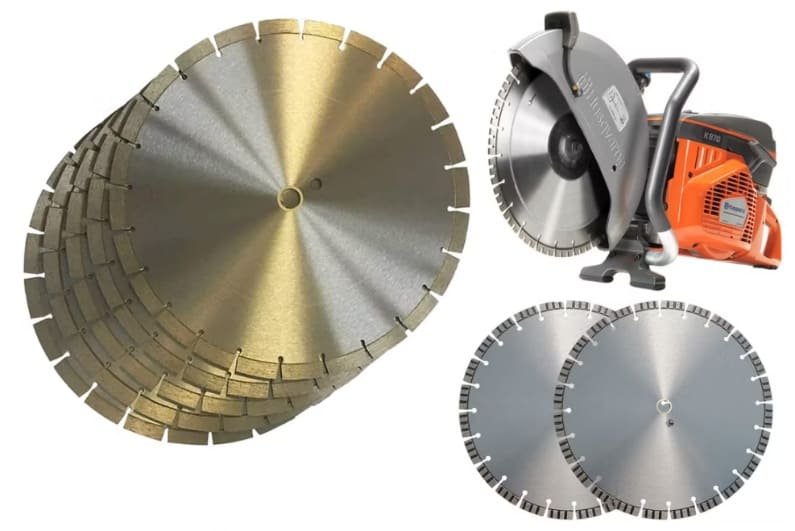
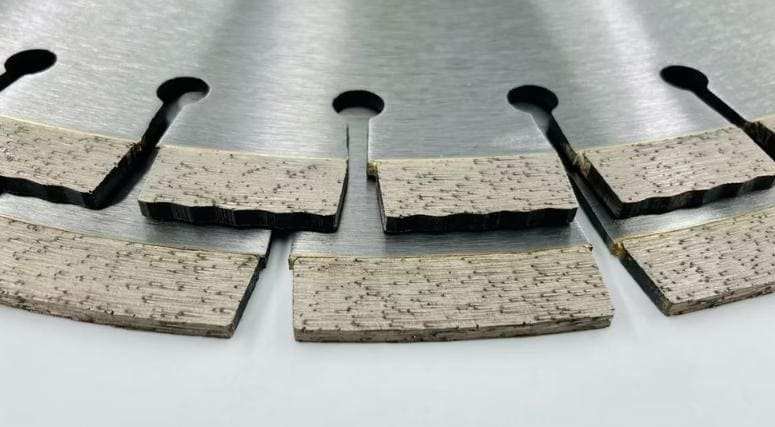
Diamond Blade

Welcome to call us
Contact Us to get quotation
Working Time: 8:00~17:00 Monday to Friday.
Applications:
Factory:
FAQ
Welcome to call us
Contact Us to get quotation
Working Time: 8:00~17:00 Monday to Friday.
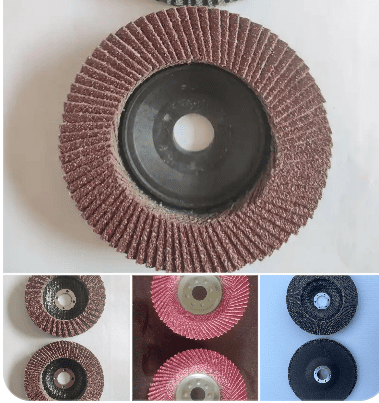
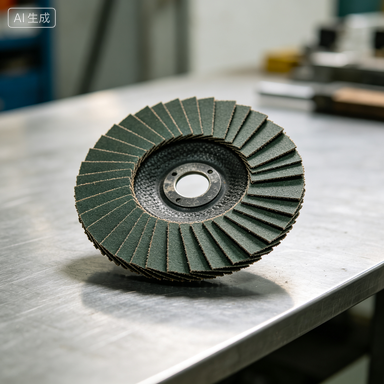
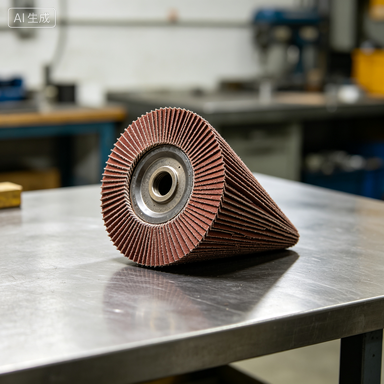
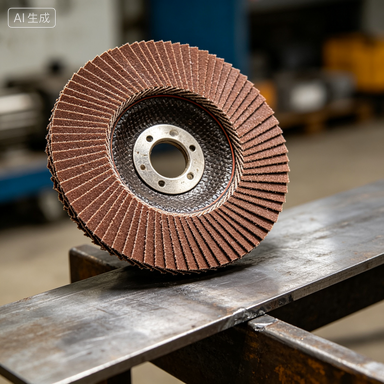
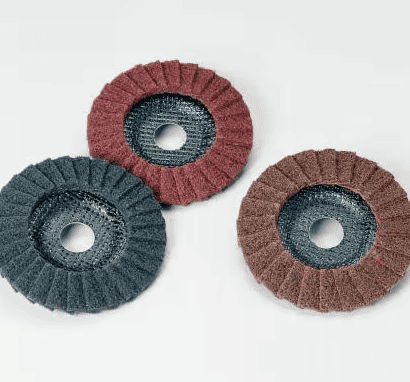
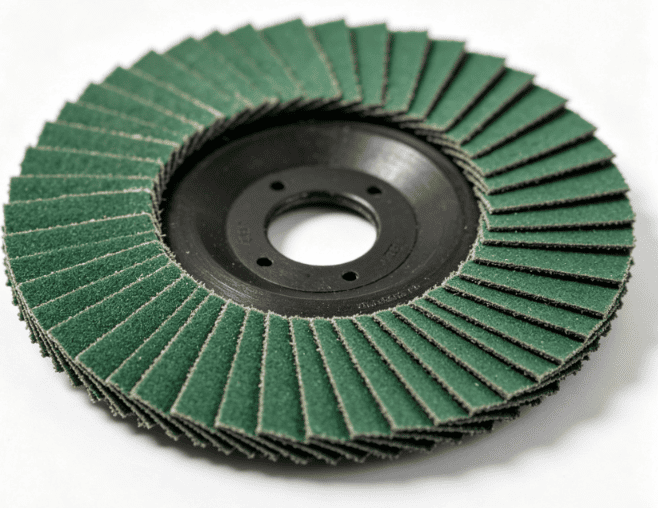
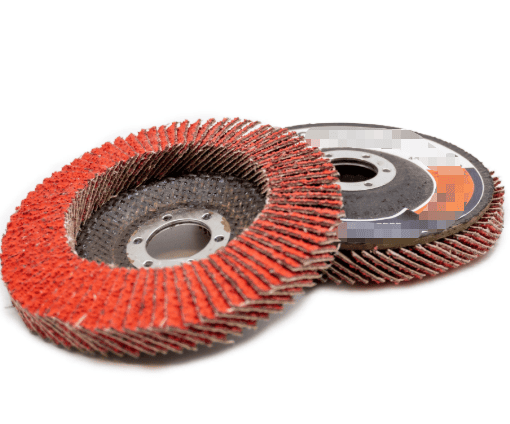
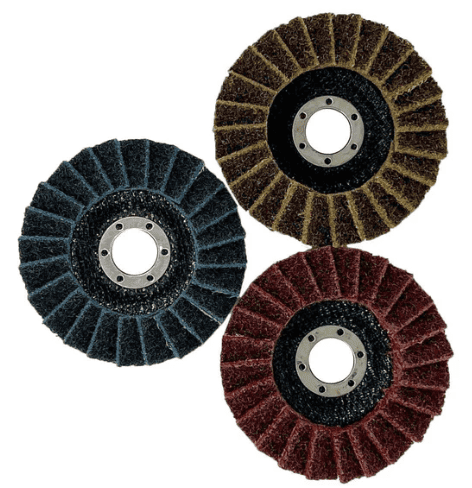
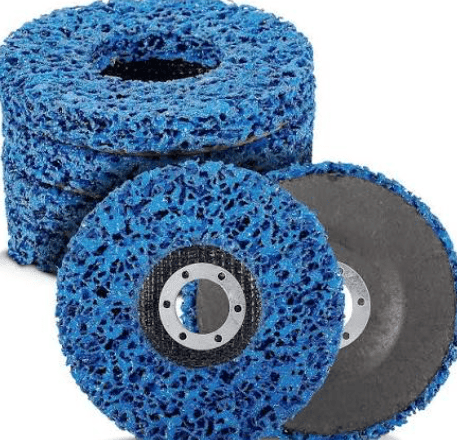
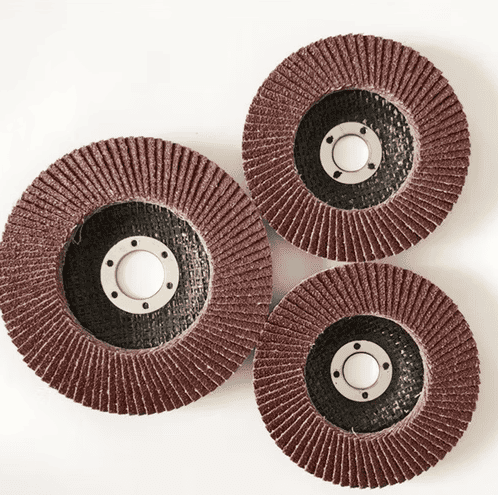
Flap Disc for Sale



Blogs:
You May also Interest in other topics:
sifter machine commercial sifter 11kw ev charger wollastonite grinding mill for refractory material vacuum capping machine