Can you chisel concrete by hand?
Can you chisel concrete by hand?
Can you chisel concrete by hand? Absolutely you can, and it’s still a totally viable, cheap method for small concrete tweaks, repairs, and precision work where power tools either aren’t practical or are too likely to cut too deep. Hand chiseling works by using manual hammer strikes to fracture and remove only the concrete you’re targeting, no electricity, compressed air, or fancy setup required. It’s especially useful for job sites with tight access, heritage restoration projects where you have to handle materials super carefully, or tiny repair jobs that don’t justify hauling out and firing up a powered concrete breaker.
It’s definitely slower than using power tools, but that slowness is a feature, not a bug. You get way more control over how deep and where you remove material, so you’re way less likely to nick embedded rebar, mess up adjacent finished surfaces, or damage underlying structural parts. Whether it’s the right call depends on how strong the concrete is, how much material you need to take off, and how precise the job needs to be. It’s a standard skill every concrete finisher, mason, and renovation contractor has in their back pocket.
Core Working Principles of Hand Concrete Chiseling
Hand chiseling works by creating small, localized fractures from impact. When a hammer strike concentrates enough force on the chisel tip to exceed concrete’s tensile strength (which is usually only 10 to 15% of its compressive strength), it breaks the bonds between the aggregate rock and cement paste. Every strike sends kinetic energy through the chisel’s cutting edge, creating tiny microcracks that spread through the concrete until small chips or chunks break loose.
Unlike power tools that blast out high-force, high-frequency impacts, hand chiseling uses controlled, lower-force strikes, so you can adjust how hard you hit and the angle of the chisel in real time to avoid unintended damage. This slow, step-by-step fracture process is inherently precise, which is why it’s perfect for jobs where you only need to remove a thin layer of concrete or shape intricate edges.
Key Tools for Hand Concrete Chiseling and Their Functions
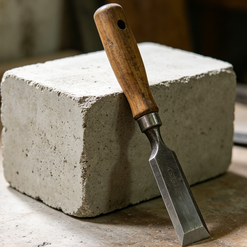
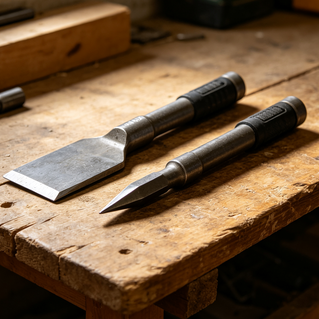
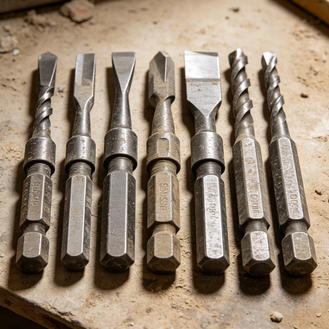
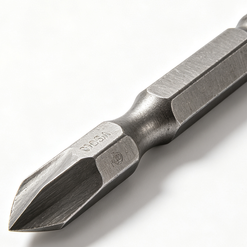
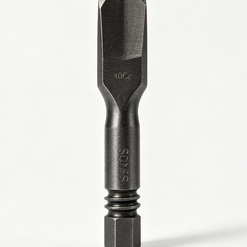
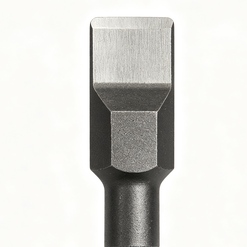
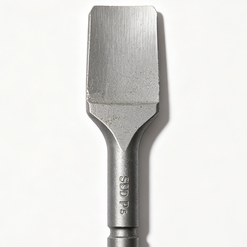
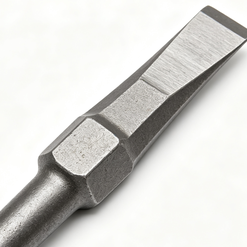
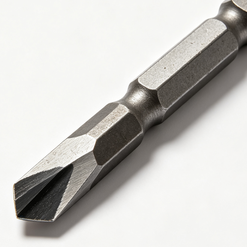
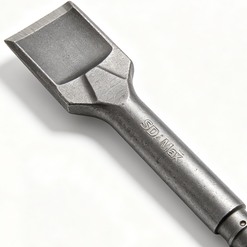
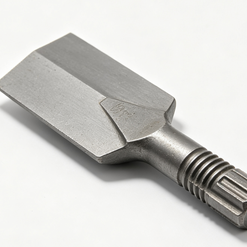
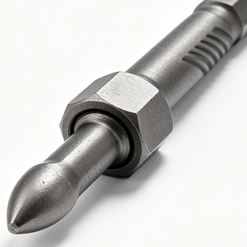
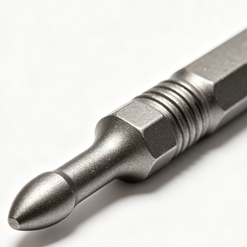
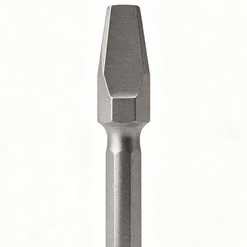
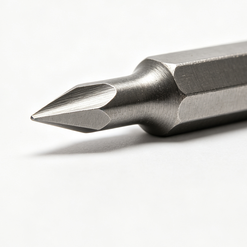
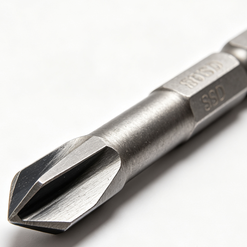
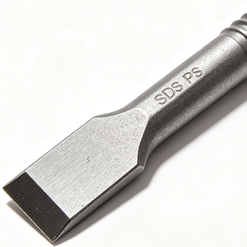
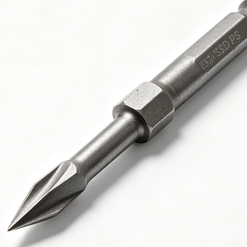
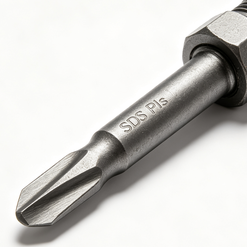
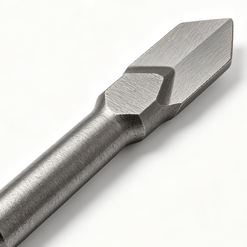
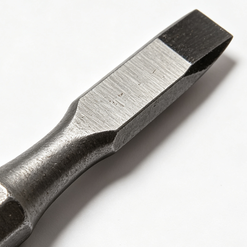
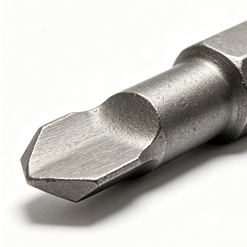
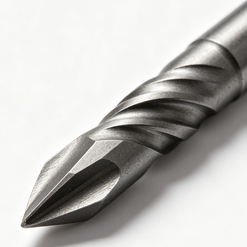
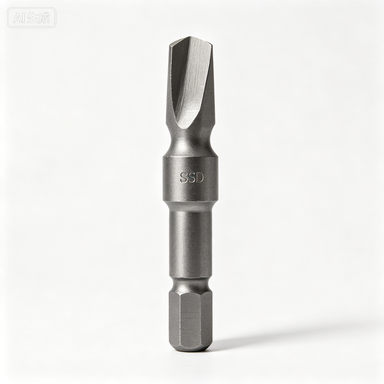
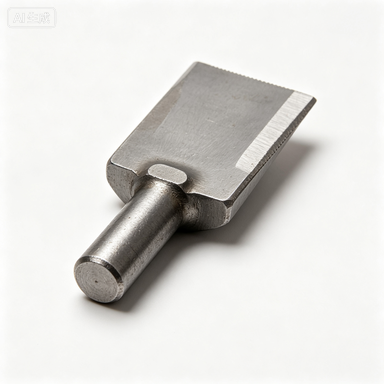
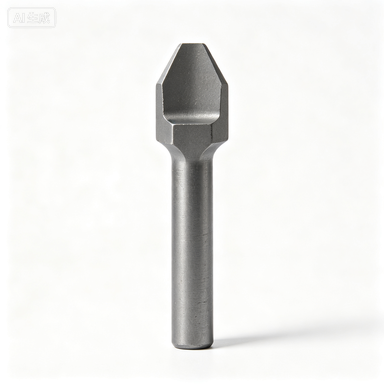
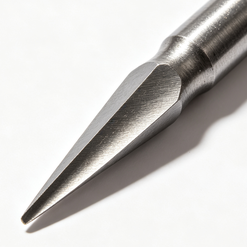
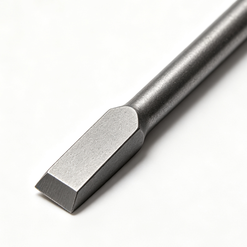
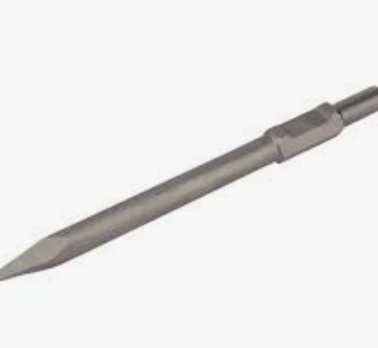
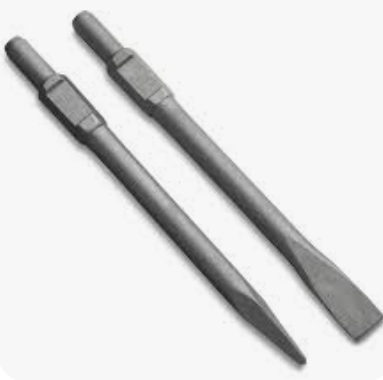
You only need two main tools: a hardened steel chisel and a lump hammer (sometimes called a club hammer). There are specialized chisel designs for specific jobs, though. Cold chisels have a flat, beveled cutting edge (usually 1 to 4 inches wide) for general material removal and smoothing rough surfaces. Point chisels have a sharp, conical tip for starting holes, breaking up thick concrete, or chipping away narrow, hard-to-reach spots.
Lump hammers for this work usually weigh 2 to 4 pounds, with a steel head that delivers consistent impact force without wearing out your hand too fast during longer sessions. A lot of operators use a hand guard attachment on the chisel to stop stray hammer strikes from hitting the hand holding the chisel—it’s a non-negotiable safety accessory if you’re working for more than a few minutes.
Material Specifications for Concrete Suitable for Hand Chiseling
Hand chiseling works best on concrete with a compressive strength of 3,000 psi or lower, which covers most standard residential concrete slabs, sidewalks, and non-reinforced structural parts. Concrete with strength above 4,000 psi—like high-strength industrial concrete or reinforced concrete with dense aggregate—will be way slower to chisel by hand, and you’ll probably need to pre-score it with a concrete saw to speed things up.
The age of the concrete matters too. Fully cured concrete (28 days old or more) is way harder to chisel than green concrete (less than 72 hours old), which you can usually shape with barely any force. Concrete with large, hard aggregate like granite or trap rock will also be more of a pain to chisel than concrete with softer limestone aggregate, since the hard rock doesn’t fracture as easily from hand strikes.
Common Application Scenarios for Hand Concrete Chiseling
Hand chiseling gets used all the time for small repair work, like chipping away cracked or spalled concrete before patching, removing excess concrete from formwork edges, or cutting control joints in freshly poured slabs. It’s also the go-to method for heritage building restoration, where power tools could damage delicate historic masonry next to concrete elements, or where there’s no power available on remote job sites.
Other common use cases include removing small sections of concrete to get to embedded plumbing or electrical lines, trimming uneven patio edges, and cleaning up excess mortar or concrete splatters from finished surfaces. For jobs where you need to remove less than 0.5 cubic feet of concrete, hand chiseling is often faster than dragging out a powered breaker, setting it up, and cleaning up after it.
Performance Advantages of Hand Concrete Chiseling
The biggest win with hand chiseling is the unbeatable precision. A skilled operator can control material removal to within 1/16 of an inch, so there’s none of the overcutting risk you get with powered breakers. It also doesn’t need any external power source, so you can use it in remote locations, confined spaces, or areas where electrical hazards make power tools unsafe to run.
It also produces way less vibration, noise, and dust than powered concrete tools, so you’re less likely to wear yourself out, and lower your risk of hearing damage or silica dust exposure as long as you’re wearing basic PPE. The low upfront cost of chisels and hammers makes it super accessible for DIYers and small contractors who don’t do large-scale concrete demolition on a regular basis.
Selection Criteria for Hand Concrete Chiseling Tools
When you’re picking out chisels, prioritize ones made from high-carbon or alloy steel with a Rockwell hardness rating of 55 to 60 HRC. That balances edge durability and shatter resistance so the chisel won’t break apart on you after a few hits. For general use, a 3-inch wide cold chisel and a 1/2-inch point chisel will cover most small jobs, while wider 4-inch chisels work better for smoothing large flat surfaces.
Pick a hammer weight that matches your strength and the concrete you’re working on. A 2-pound hammer is enough for soft green concrete, but you’ll want a 4-pound hammer for fully cured, high-strength concrete. Never use a claw hammer for chiseling—their heads are brittle, and they can chip or shatter when you hit steel repeatedly, sending metal fragments flying.
Maintenance Best Practices for Hand Concrete Chiseling Tools
A little regular maintenance will make your tools last way longer and keep you safer. After every use, wipe concrete dust and debris off the chisel’s cutting edge and the hammer head with a wire brush, then apply a thin coat of oil to stop rust from forming. Inspect chisels before every use for chipping, cracking, or mushrooming on the striking end. A mushroomed head can send metal fragments flying when you hit it, which is a huge safety risk.
Sharpen chisel edges regularly with a bench grinder or sharpening stone, keeping a 30 to 40 degree bevel angle to make sure it cuts well and doesn’t dull too fast. If the striking end does develop mushrooming, grind it flat right away to eliminate the fragment risk. Store chisels and hammers in a dry, covered spot to avoid corrosion and keep the edges from getting nicked.
Comparative Analysis: Hand Chiseling vs. Powered Concrete Removal Methods
There’s no getting around it: hand chiseling is way slower than using power tools. You’ll usually remove 0.1 to 0.3 cubic feet of material per hour by hand, compared to 2 to 10 cubic feet per hour with a small electric concrete breaker. But you get way more precision than power tools, which can easily damage adjacent surfaces or embedded rebar if someone inexperienced is operating them.
Powered breakers need regular maintenance, fuel or power access, and cost 10 to 20 times more than a basic hand chisel set, so they don’t make financial sense for small, infrequent jobs. Hand chiseling also produces no exhaust fumes, barely any noise, and less airborne silica dust, so it’s a better pick for indoor work or projects with strict noise or environmental rules.
Practical Operating Tips for Hand Concrete Chiseling
To work as efficiently and safely as possible, start by marking the area you want to remove with chalk or a concrete marker, then score the perimeter with a concrete saw to a depth of 1/4 to 1/2 inch. That stops unintended cracks from spreading into the adjacent concrete you want to keep. Hold the chisel at a 15 to 30 degree angle to the surface, not straight up and down. That helps chips form easier and stops the chisel from getting stuck in the concrete.
Always wear impact-resistant goggles, an N95 respirator to filter silica dust, steel-toe boots, and heavy work gloves to protect against flying concrete chips and stray hammer strikes. Take 5-minute breaks every 15 to 20 minutes to avoid hand fatigue, which leads to sloppy hits and injuries. For thick concrete, start with a point chisel to make small indentations, then switch to a cold chisel to remove larger sections of material.
Common Misconceptions Cleared Up
Q: Hand chiseling concrete is only suitable for DIY users, not professional contractors.
A: That’s not true at all. Professional contractors use hand chiseling all the time for precision jobs where power tools would cause unnecessary damage—think repairing decorative concrete features, accessing embedded utility lines without nicking them, or working on heritage restoration sites with strict material protection rules. Its precision makes it a valuable complement to powered removal, not just an amateur hack.
Q: Any steel chisel can be used to chisel concrete by hand.
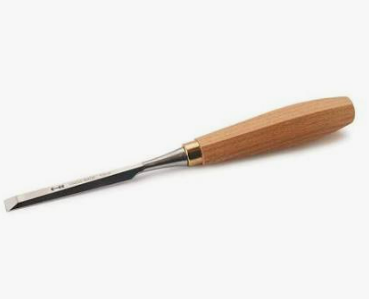
A: False. Standard woodworking chisels are made from softer steel designed to cut fibrous material, so they’ll dull, bend, or even shatter when you hit them against hard concrete. Only chisels specifically rated for concrete and masonry, with high-carbon or alloy steel construction and a hardened cutting edge, are safe and effective for this work.
Q: Hand chiseling concrete is always slower than using a power tool.
A: That’s not always the case. For very small jobs, like removing a 1-inch tall concrete burr or chipping a 6-inch square section of spalled concrete, the time you spend transporting, setting up, and cleaning up after a powered breaker is often longer than the time it takes to just do the job by hand. For projects that need less than 10 minutes of active chiseling, hand work is almost always faster.
Q: Hand chiseling concrete poses no safety risks because it uses no power.
A: This is a dangerous myth. Hand chiseling throws off sharp flying concrete fragments that can cause eye injuries, and fine silica dust that can lead to chronic lung disease if you breathe it in. Stray hammer strikes can cause hand or foot injuries, and repeated impact can lead to repetitive strain injuries. Proper PPE and safe operating practices are just as important for hand chiseling as they are for powered concrete work.
Frequently Asked Questions
Q: How thick of concrete can I chisel by hand?
A: For non-reinforced concrete with 3,000 psi compressive strength or lower, you can effectively chisel sections up to 4 inches thick by hand. Thicker sections will require pre-drilling relief holes or pre-scoring with a concrete saw to cut down on the force needed to fracture the concrete, and they’ll take way longer to finish.
Q: How do I avoid damaging rebar when I chisel concrete by hand?
A: First, use a rebar detector to map where embedded rebar is before you start chiseling. When you’re working near rebar, use a shallow 15-degree chisel angle and light hammer strikes to remove concrete gradually, and stop if you feel resistance that means you’ve hit metal. Hand chiseling’s low force makes it way less likely to cut or damage rebar than powered breakers, as long as you’re working carefully.
Q: Can I chisel painted or coated concrete by hand?
A: Yes, but you need to take extra safety precautions. Paint or concrete coatings may contain lead, asbestos, or other hazardous materials that can get released as dust during chiseling. Test the coating for hazardous materials before you start, and wear a HEPA-filtered respirator to avoid breathing in toxic particles. The coating will also dull the chisel edge faster, so be ready to sharpen it more often than you would for bare concrete.
Q: How long does it take to chisel 1 square foot of concrete by hand?
A: It depends on how strong the concrete is and how deep you need to remove material. For 1 inch deep removal on 3,000 psi cured concrete, expect to spend 30 to 45 minutes per square foot. For green concrete less than 72 hours old, the same job might only take 10 to 15 minutes. Thicker or higher-strength concrete will take 2 to 3 times longer.
Q: What’s the best way to reduce dust when I chisel concrete by hand?
A: The most effective method is to lightly wet the concrete surface before and during chiseling, which binds silica dust particles and stops them from getting into the air. You can also use a portable HEPA vacuum held right near the chisel tip to capture dust as it’s generated. Always wear a NIOSH-approved N95 or higher respirator for extra protection, even when you’re using dust suppression methods.
Final Summary
Hand chiseling works really well for small, precision-focused concrete jobs, and it offers unbeatable control, low cost, and accessibility compared to powered removal methods. It works for everything from minor patching and edge trimming to heritage restoration, and only requires basic, well-maintained tools and proper safety practices to get great results without risking damage to adjacent surfaces or embedded parts. For jobs where you need to remove less than 0.5 cubic feet of concrete, or where power access is limited or precision is non-negotiable, hand chiseling is usually the most practical and cost-effective choice. That’s why it’s a core skill for both professional tradespeople and DIYers working with concrete.
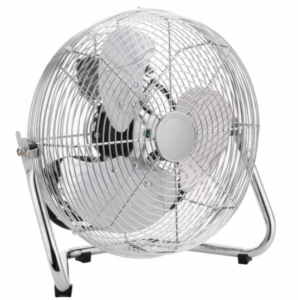
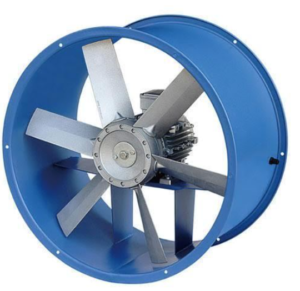
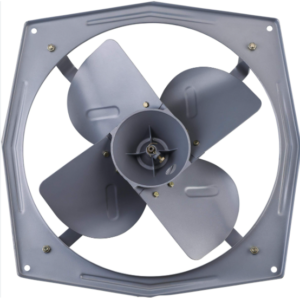
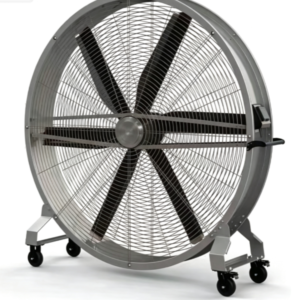
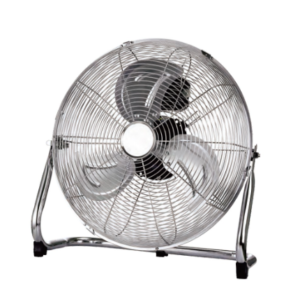
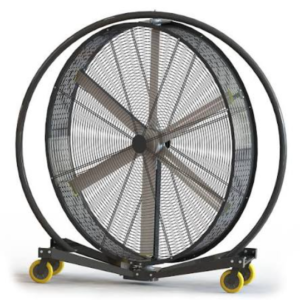
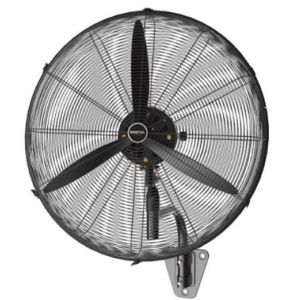
Industrial fan for Sale:










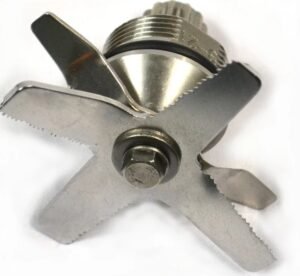
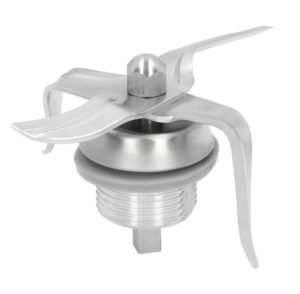
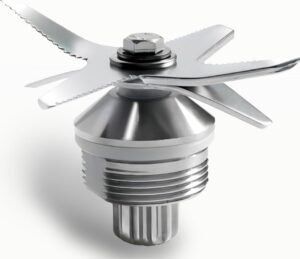
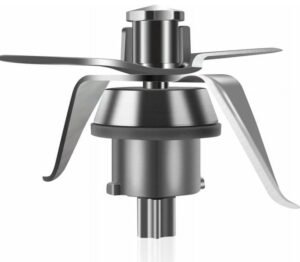
Blender Blade
Chisel Bit for Sale
Core drill bit for Sale:

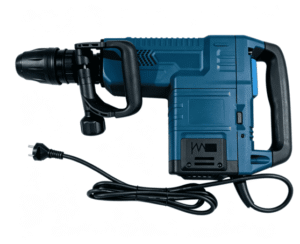
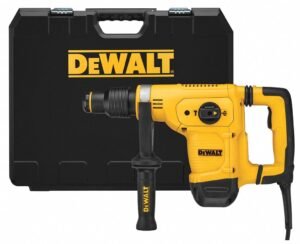
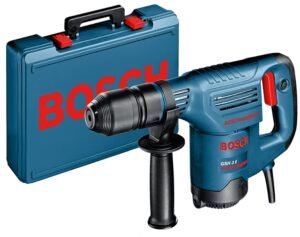
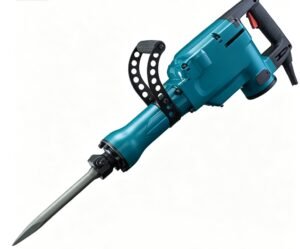
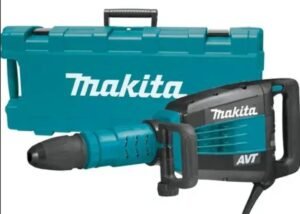
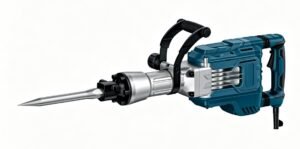
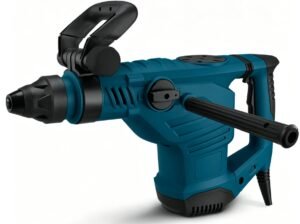
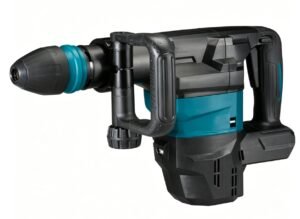
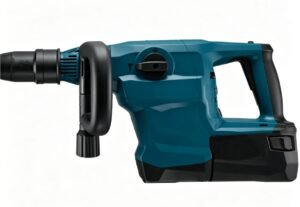
Rotary Hammer & Demolition Hammer for Sale:
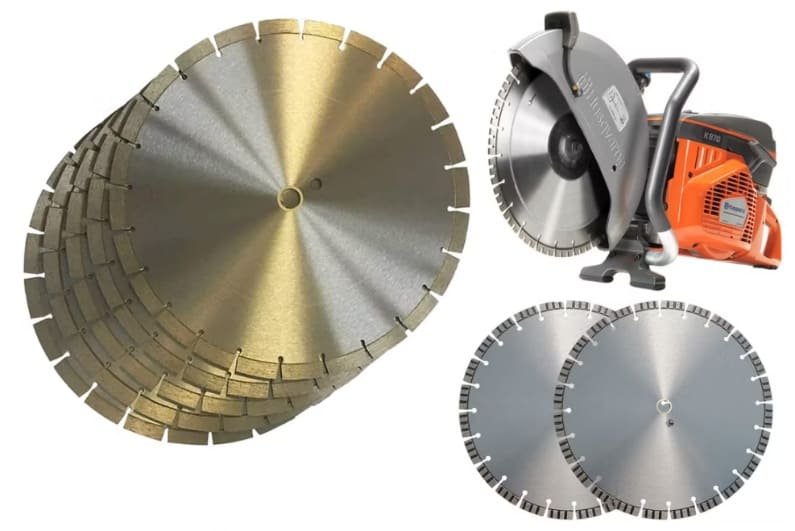
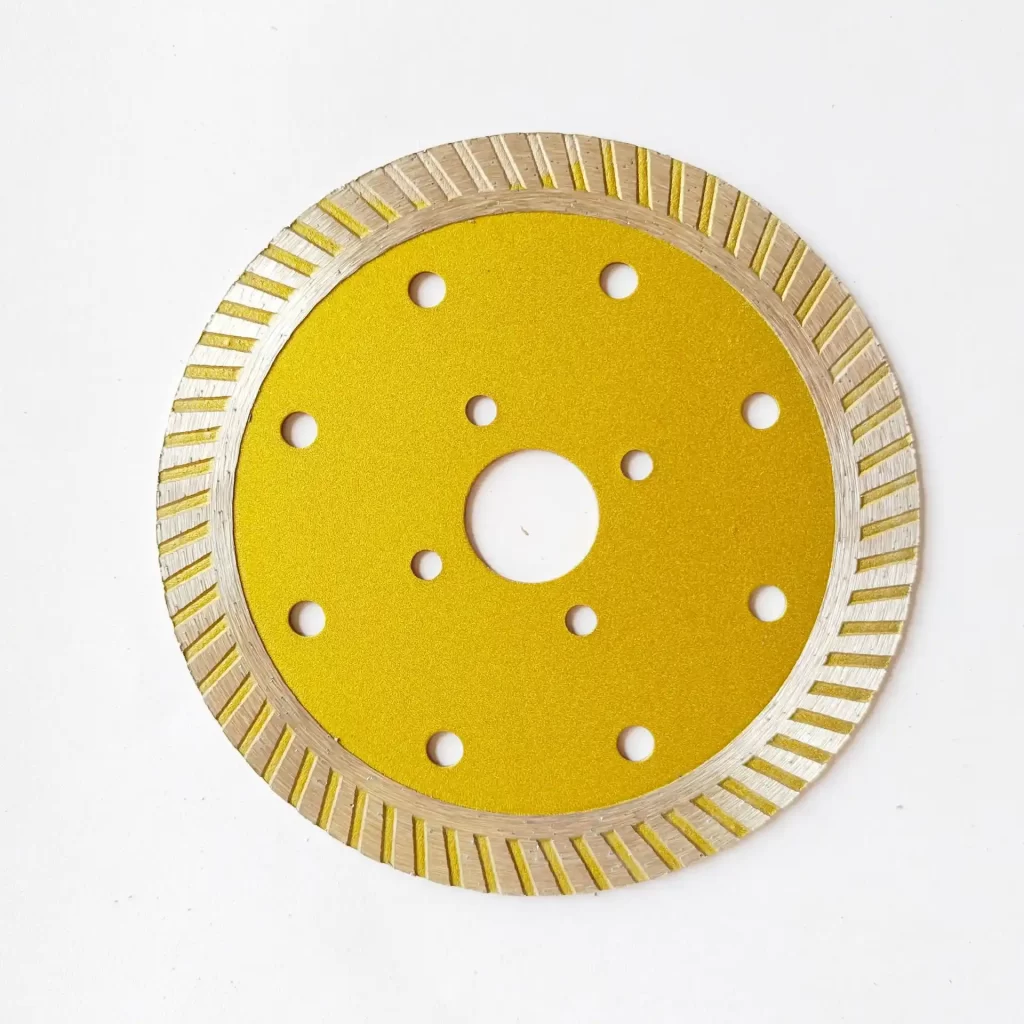
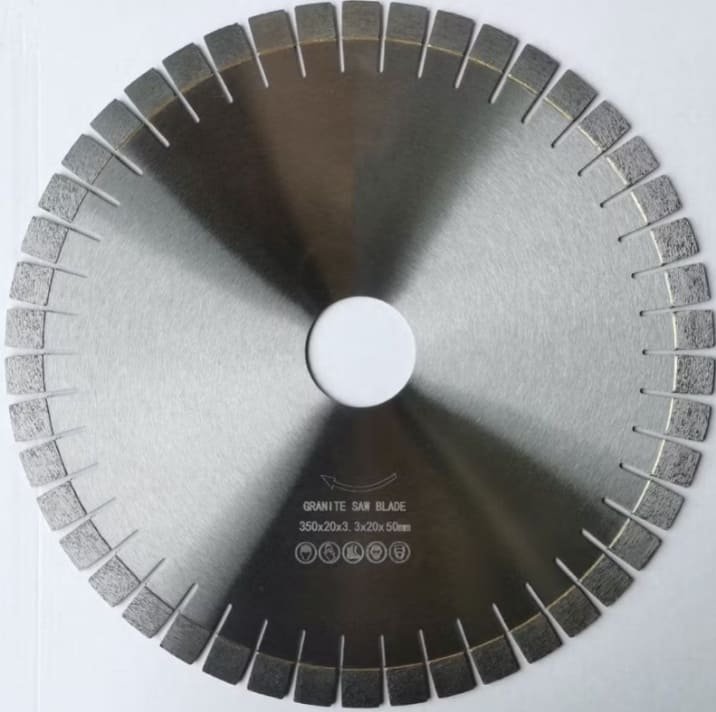
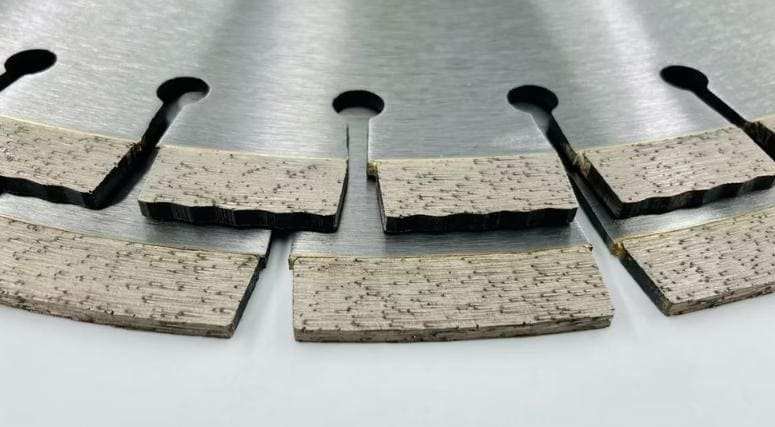
Diamond Blade

Welcome to call us
Contact Us to get quotation
Working Time: 8:00~17:00 Monday to Friday.
Applications:
Factory:
FAQ
Welcome to call us
Contact Us to get quotation
Working Time: 8:00~17:00 Monday to Friday.
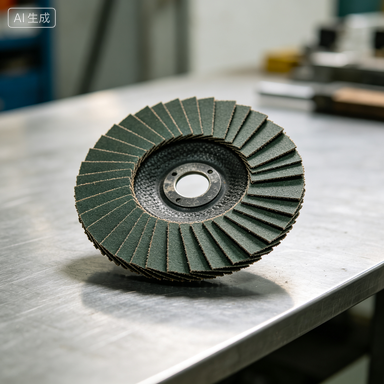
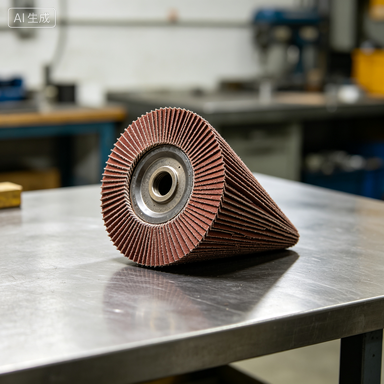
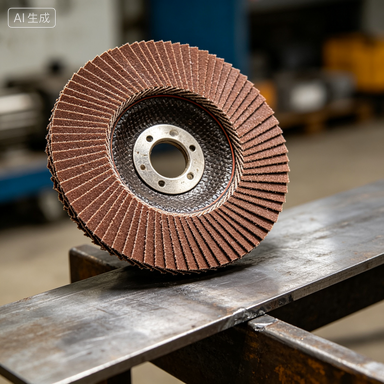
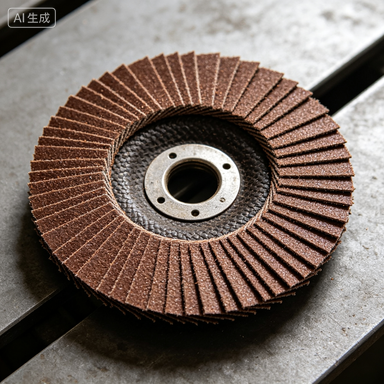
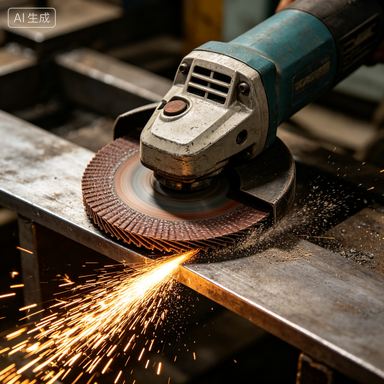
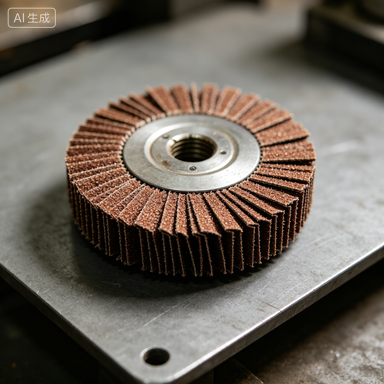
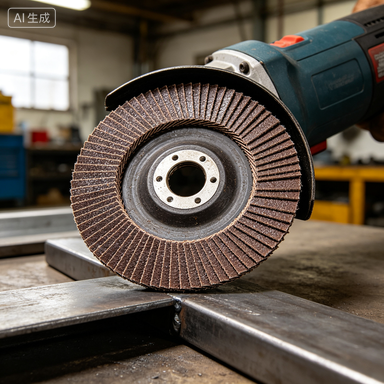
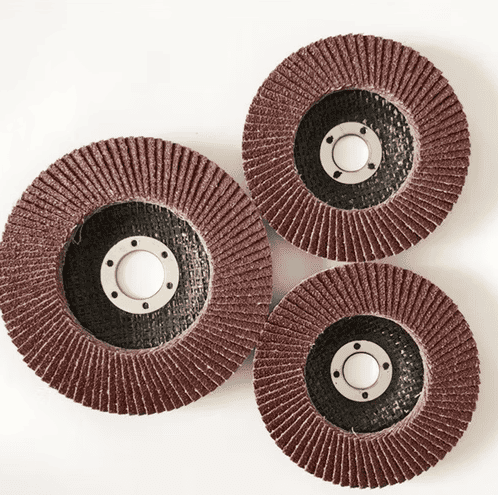
Flap Disc for Sale

Blogs:
You May also Interest in other topics:
sifter machine commercial sifter 11kw ev charger wollastonite grinding mill for refractory material vacuum capping machine