What is a chisel tool?
What is a chisel tool?
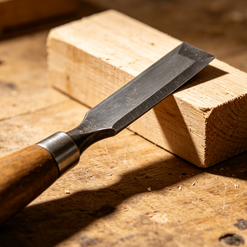
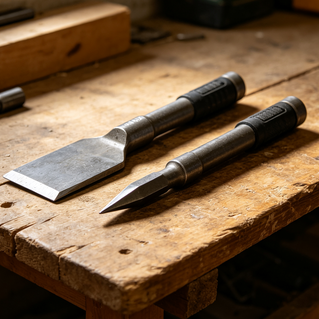
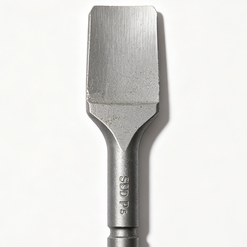
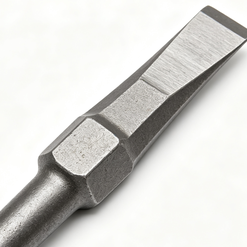
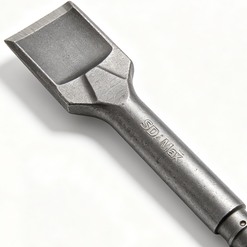
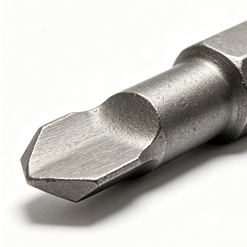
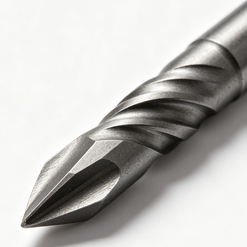
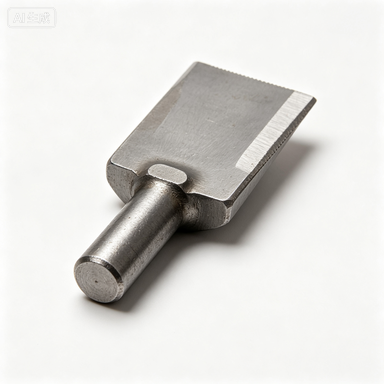
What is a chisel tool? A chisel is a handheld or machine-mounted cutting tool built to shape, carve, chip, or break hard materials by applying controlled impact or pressure to its sharp, beveled edge. People have used them across construction, metalworking, woodworking, masonry, and craft trades for thousands of years, and they’re still one of the most versatile, fundamental material removal tools you’ll find in any shop or job site. Their core design strikes a careful balance between rigidity, edge retention, and impact resistance to hold up consistently across all kinds of work conditions.
Core Working Principles and Mechanisms
Chisels work on the simple wedge principle: that narrow, angled cutting edge concentrates all your force onto a tiny contact area, enough to exceed the shear or tensile strength of whatever material you’re working on. When you strike it with a mallet, hammer, or powered impact driver, the wedge-shaped edge drives into the material, separating chips or chunks along the cut path. For hand carving or precision paring work, you don’t even need impact—static pressure alone will push the edge through softer materials like wood or soft plastic. The bevel angle makes all the difference in performance, too: steeper angles (25 to 30 degrees) hold up to heavy impact and hard materials, while shallower angles (20 to 25 degrees) leave cleaner cuts in softer substrates.
Key Components and Their Functions
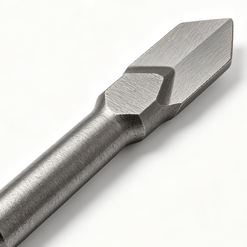
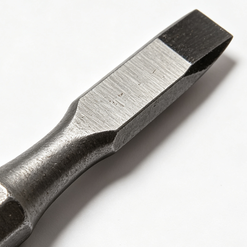
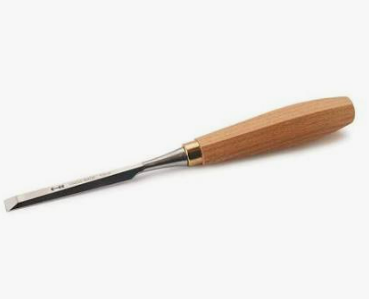
Every chisel has three core structural parts, each built to handle specific demands. The cutting edge, formed by the ground bevel at the tip, is the main working surface, sharpened to a perfectly uniform edge so it penetrates material consistently every time. The shank is the long body of the tool that transfers force from the striking end down to the cutting edge. It’s usually forged with a uniform cross-section so it doesn’t bend or snap under heavy impact loads. The butt (the striking end) is the flat, reinforced surface at the opposite end of the shank, built to absorb repeated blows without mushrooming or splintering. A lot of chisels also have a handle mounted to the shank that improves your grip, absorbs vibration, and cuts down on fatigue during long sessions.
Material and Feature Specifications
Industrial-grade chisels are forged from high-alloy tool steels, with high-carbon steel (0.6 to 1.5% carbon content) and chrome-vanadium steel being the most common mixes. These materials give the cutting edge a Rockwell hardness rating of 58 to 62 HRC, which balances great edge retention with enough toughness to avoid chipping when you’re striking hard stuff like stone or hardened steel. Standard sizes vary a lot by use case: woodworking chisels have blade widths from 3 mm for super fine detail work up to 50 mm for rough stock removal, while masonry chisels usually have tip widths from 12 mm for scoring to 75 mm for wide chipping. Many modern chisels also have a black oxide or phosphate coating on the shank to fight corrosion and cut down on glare when you’re working outside.
Application Scenarios and Industries Served
Chisels are used across dozens of industries, with designs tweaked to match the specific material and performance needs of each use case. In construction and masonry, they chip concrete, cut mortar joints during repointing, and shape natural stone for building facades. Woodworking shops use them for paring joinery, carving decorative details, trimming excess wood from frames, and shaping custom furniture components. Metalworking facilities use cold chisels to cut sheet metal, remove weld splatter, shear rivets, and shape unhardened steel workpieces. Craft and restoration trades use specialized carving chisels to shape stone sculptures, restore historic woodwork, and create custom decorative elements, while auto repair shops use them to separate seized parts and cut rusted fasteners.
Performance Characteristics and Advantages
The chisel’s simple, tough design has a few big advantages over more complex material removal tools. Unlike power cutting tools, it doesn’t need any external power source, so it works perfectly for remote job sites, tight confined spaces, and locations with no access to electricity or compressed air. It’s also way more precise than abrasive cutting tools for controlled material removal: skilled operators can take off as little as 0.1 mm of material at a time for fine joinery or detailed carving work. High-quality chisels also have an extremely low total cost of ownership—all they need is periodic sharpening and occasional surface maintenance to last for decades. Unlike disposable cutting tools, most damaged chisels can be reforged or reground to work like new again, which cuts down on waste on job sites.
Selection Criteria and Configuration Options
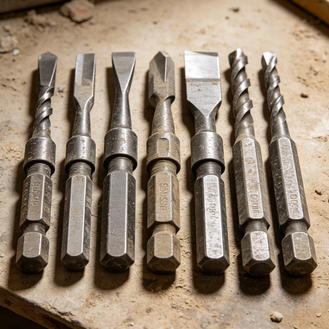
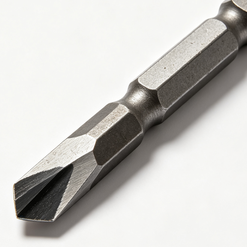
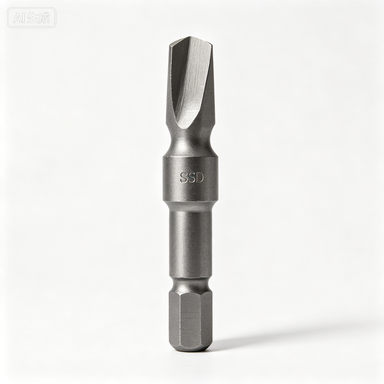
Picking the right chisel comes down to three main factors: the material you’re working on, what you’re using it for, and what power source you’ll use to drive it. For woodworking, go for a chisel with a 20 to 25 degree bevel angle and a hardwood or composite handle to absorb shock. For masonry work, pick a chrome-vanadium steel chisel with a 30 degree bevel and a reinforced striking butt to hold up to heavy hammer blows. For metalworking, use a cold chisel with a hardened edge rated for the hardness of the steel you’re working on. There are also extra options you can look for: ergonomic rubber grips that cut down on vibration, longer shanks for reaching deep into cavities, and hex-shaped shanks that lock into impact drivers for powered operation.
Maintenance Considerations and Best Practices
Proper maintenance makes your chisel last 3 to 5 times longer, and it also cuts down on the risk of workplace injury. Sharpen the cutting edge regularly using a whetstone, bench grinder, or sharpening jig, and stick to the original bevel angle so you don’t weaken the edge. If the striking butt starts to mushroom from repeated impact, grind it down to a flat, uniform surface right away—fragments can break off and cause serious injury if you leave it. Store chisels in a dedicated tool roll or rack with edge guards on to keep from dulling the cutting edge on other tools, and to prevent accidental cuts. For carbon steel chisels, wipe a light coat of machine oil on the shank and edge after using them in wet or humid conditions to keep rust from forming.
Comparative Analysis with Alternatives
Next to other material removal tools, chisels fill a unique spot for low-cost, high-precision work. Unlike angle grinders, which remove material fast but leave rough, uneven surfaces and generate a lot of heat that can damage workpieces, chisels leave clean cuts with no heat distortion. That makes them perfect for precision joinery and historic restoration work where you can’t afford to mess up the original material. Unlike rotary cutting tools like routers or planers, chisels can get into tight corners, irregular surfaces, and confined spaces that larger tools just can’t reach. Compared to abrasive saws, which are only built for straight through-cuts, chisels let you make custom shapes, carve intricate details, and remove small, targeted sections of material without cutting all the way through the workpiece. And for job sites with limited power access, chisels eliminate the need for generators or power cords, which cuts way down on logistics costs.
Practical Operating Tips
Follow these tips to get the most out of your chisel and lower your risk of injury. Always wear safety glasses with side shields and work gloves when using chisels—flying chips of metal, stone, or wood can cause severe eye or hand damage. When you’re striking the chisel with a hammer, hold the chisel close to the butt end to reduce vibration and get better control of the cutting edge, and make sure your hammer blow hits dead center of the butt. Glancing blows can bend the shank, or worse, slip and hit your hand. For fine paring work in wood, use a hardwood or rubber mallet so you don’t damage the chisel’s striking butt, and apply even, controlled pressure instead of heavy hits to avoid cutting too deep. When you’re working on hard materials like concrete or stone, dip the chisel tip in water every few minutes to cool it off. Too much heat from repeated impact can soften the cutting edge and make it wear out way faster.
Common Misconceptions Cleared Up
Q: Are all chisels universal, and can I use the same chisel for wood, metal, and masonry work?
A: No, that’s a bad idea. Chisels are built with specific bevel angles, hardness ratings, and shank designs for different materials. Using a woodworking chisel on masonry will dull the edge instantly, and it might even make the thin shank snap under impact. Using a masonry chisel on wood will leave rough, splintered cuts that take hours of sanding to fix. Always pick a chisel rated for the specific material you’re working on.
Q: A harder chisel edge always delivers better performance, right?
A: That’s a really common mistake. While a harder edge stays sharp longer, it’s also more brittle, and way more likely to chip or shatter when you’re using it for heavy impact work on hard materials like concrete or hardened steel. The ideal hardness depends on the job: 58 to 60 HRC is perfect for woodworking, while 60 to 62 HRC works better for masonry and metalworking, where edge retention matters more than a little bit of flexibility.
Q: Chisels are only for rough work, and cannot deliver high-precision results.
A: That’s totally false. Skilled craftspersons use precision paring chisels to adjust joinery tolerances to within 0.05 mm—That’s a level of accuracy that matches or beats most power woodworking tools. Specialized engraving chisels can make details as fine as 0.1 mm wide on metal, stone, and wood, which is why they’re a staple in jewelry making, printmaking, and historic restoration work.
Q: There is no difference between a chisel and a punch tool.
A: While both are tools you strike, they serve completely different purposes. Punches are made to create holes, mark workpieces, or drive pins and fasteners, with a blunt or pointed tip that concentrates force on a tiny area. Chisels have a sharp, beveled edge built to cut and remove material. Use a chisel as a punch and you’ll dull the edge instantly, and it might even shatter if you hit it off-center.
Frequently Asked Questions
Q: How often should I sharpen my chisel?
A: Sharpen it whenever you notice it’s tearing the workpiece material instead of cutting cleanly, or when you have to push way harder than usual to make the same cut. For daily professional use, that usually means sharpening woodworking chisels every 8 to 10 hours of use, and masonry/metalworking chisels every 4 to 6 hours of heavy use.
Q: Can I use a regular steel hammer to strike a woodworking chisel?
A: We don’t recommend it. Steel hammers are harder than most chisel striking butts, and repeated use will cause mushrooming, cracking, or splintering of the chisel’s end. Use a mallet made of hardwood, rubber, or polyurethane for woodworking chisels—these materials absorb impact and cut down on damage to the chisel’s butt.
Q: What is the difference between a cold chisel and a hot chisel?
A: Cold chisels are made to cut unheated metal, masonry, and other hard materials at room temperature, with a fully hardened cutting edge built for high impact. Hot chisels are used to cut heated metal in forging work, with a lower hardness rating that keeps the edge from softening or cracking when it touches red-hot workpieces. Never use a hot chisel for cold material cutting—its edge will dull almost immediately.
Q: How do I fix a chipped chisel edge?
A: For minor chips less than 1 mm deep, grind the edge back on a bench grinder to remove the damaged section, then re-sharpen the bevel to the original angle. For chips deeper than 1 mm, or cracks that extend into the shank, replace the chisel entirely. The structural integrity of the tool is compromised at that point, and it could shatter under impact.
Q: Are powered chisel attachments for impact drivers safe to use?
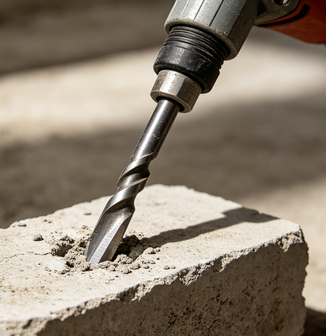
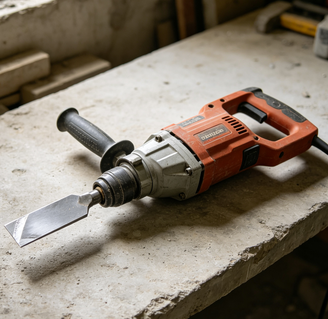
A: Yes, as long as you use them correctly. Make sure the chisel shank is the right size for your impact driver’s collet, and tighten the collet completely before you start. Wear hearing protection in addition to safety glasses—powered chisels can produce noise levels up to 110 dB. Don’t overload the tool by pushing too hard, either, which can bend the shank or damage the impact driver.
Final Summary
A chisel is a versatile, tough cutting tool that uses the wedge principle to remove, shape, or carve hard materials across dozens of industrial and craft applications. With designs built specifically for woodworking, masonry, metalworking, and craft use, it delivers unmatched precision and a super low cost of ownership compared to power cutting tools, especially in remote or confined work environments. To get the best performance and stay safe, pick a chisel matched to your workpiece material, keep the edge sharp and undamaged, and follow proper operating and maintenance steps for the whole time you own it.
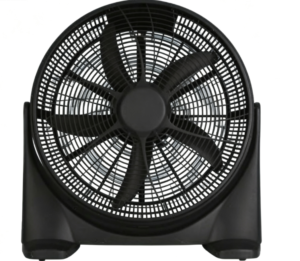
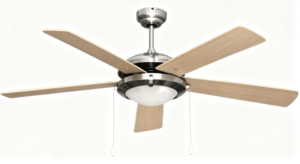
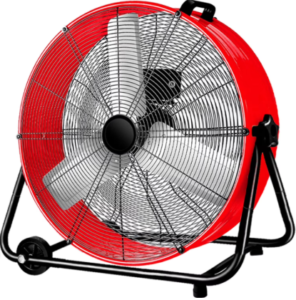
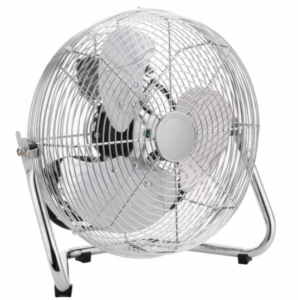
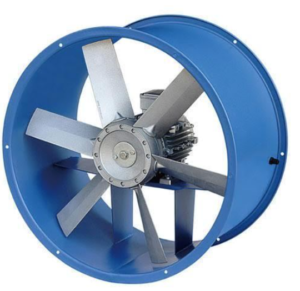
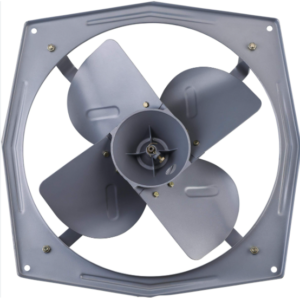
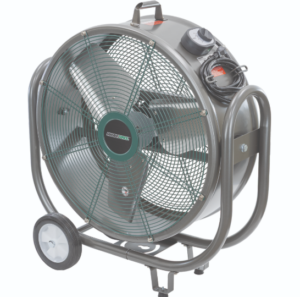
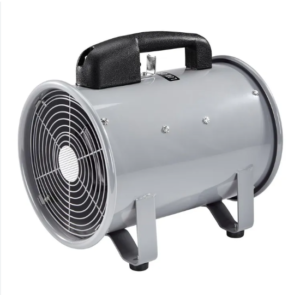
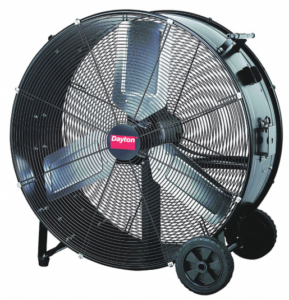
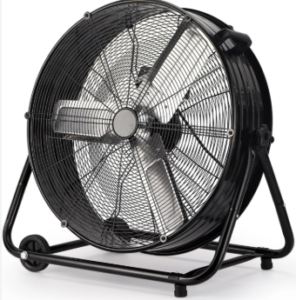
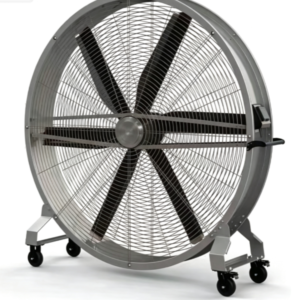
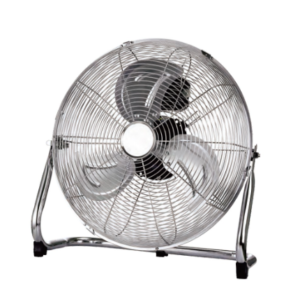
Industrial fan for Sale:







Blender Blade
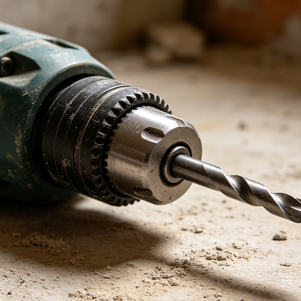
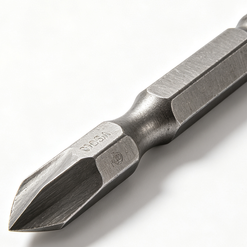
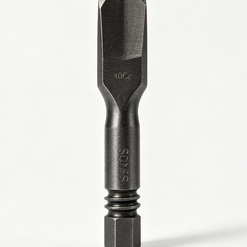
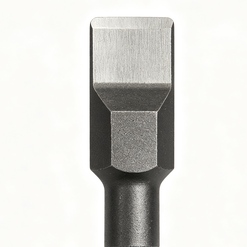
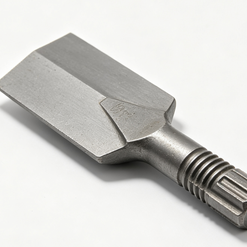
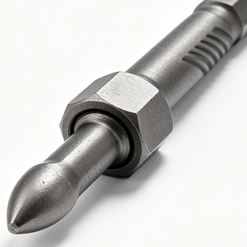
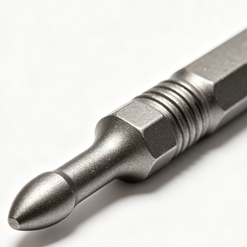
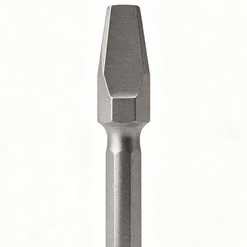
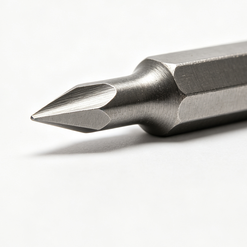
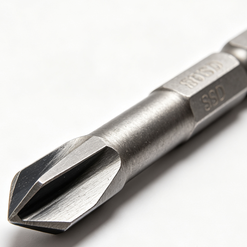
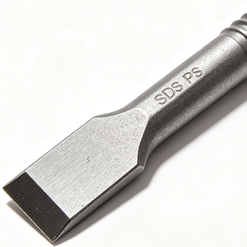
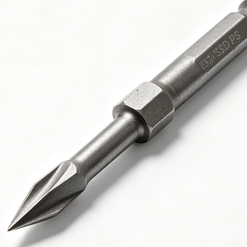
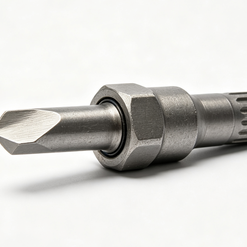
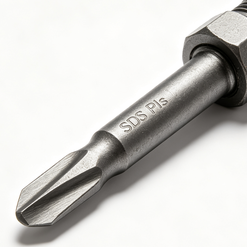
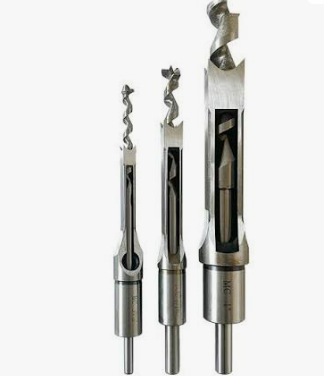
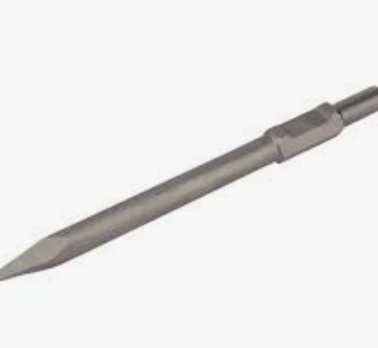
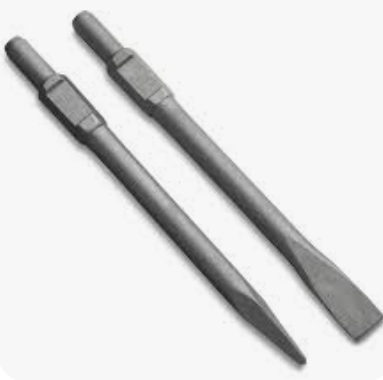
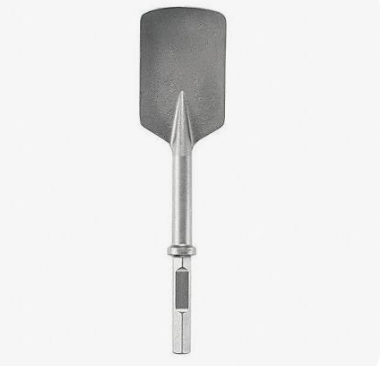
Chisel Bit for Sale
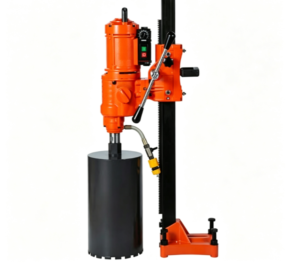
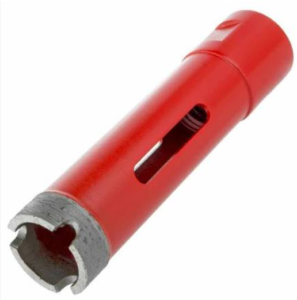
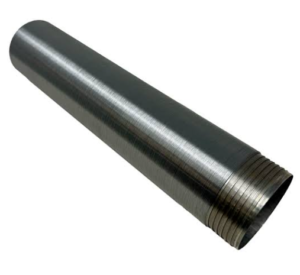
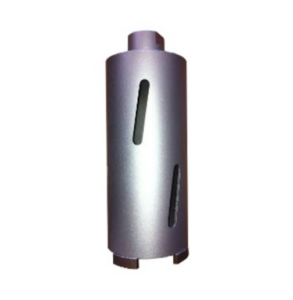
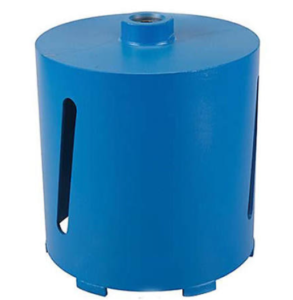
Core drill bit for Sale:
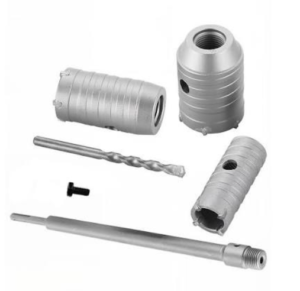
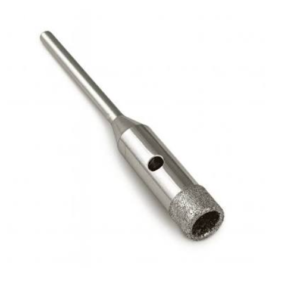

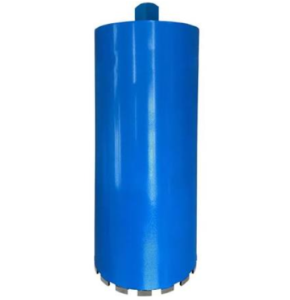
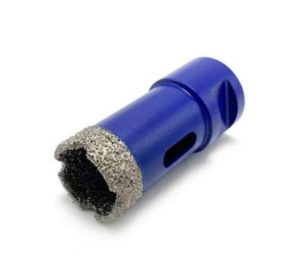
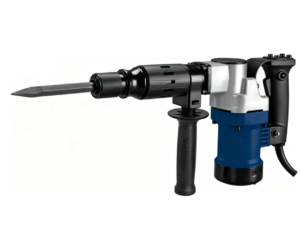
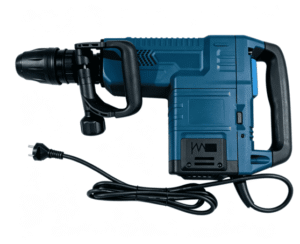
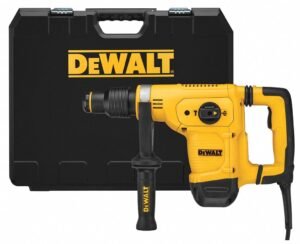
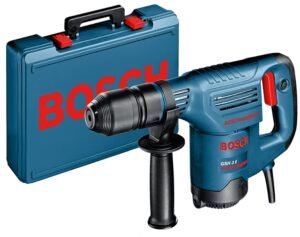
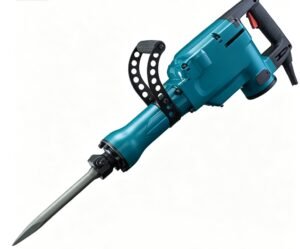
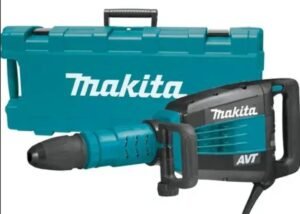
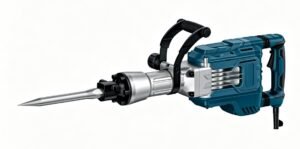
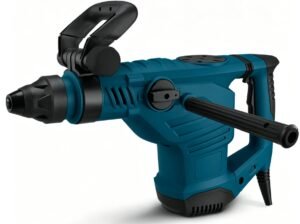
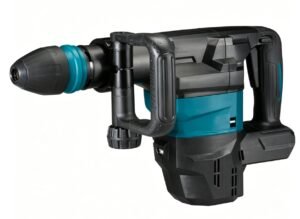
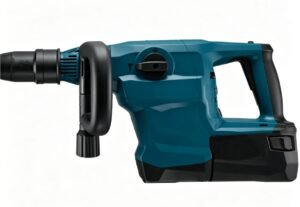
Rotary Hammer & Demolition Hammer for Sale:
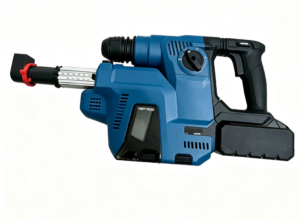
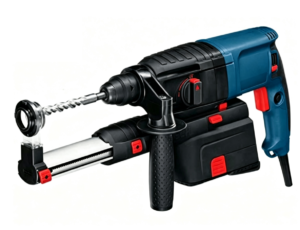
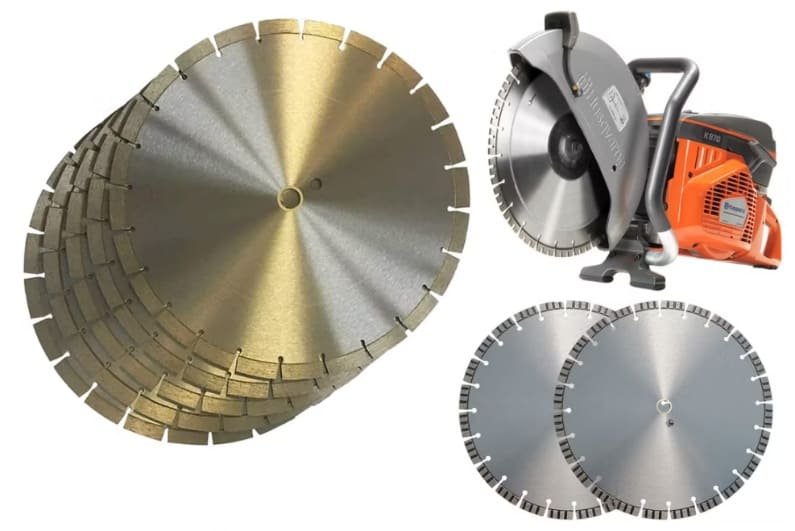
Diamond Blade



Welcome to call us
Contact Us to get quotation
Working Time: 8:00~17:00 Monday to Friday.
Applications:
Factory:
FAQ
Welcome to call us
Contact Us to get quotation
Working Time: 8:00~17:00 Monday to Friday.
Flap Disc for Sale



Blogs:
You May also Interest in other topics:
sifter machine commercial sifter 11kw ev charger wollastonite grinding mill for refractory material vacuum capping machine