What causes carbon brushes to wear out fast?
What causes carbon brushes to wear out fast?
What causes carbon brushes to wear out fast?The rapid and premature wear of carbon brushes in electric motors is mainly triggered by four major categories of factors including mechanical abnormalities, electrical faults, environmental and material mismatches, and improper installation and commissioning, with each category containing multiple core root causes that work alone or interactively to drastically shorten the service life of carbon brush components.
Mechanical Factors Accelerating Carbon Brush Wear
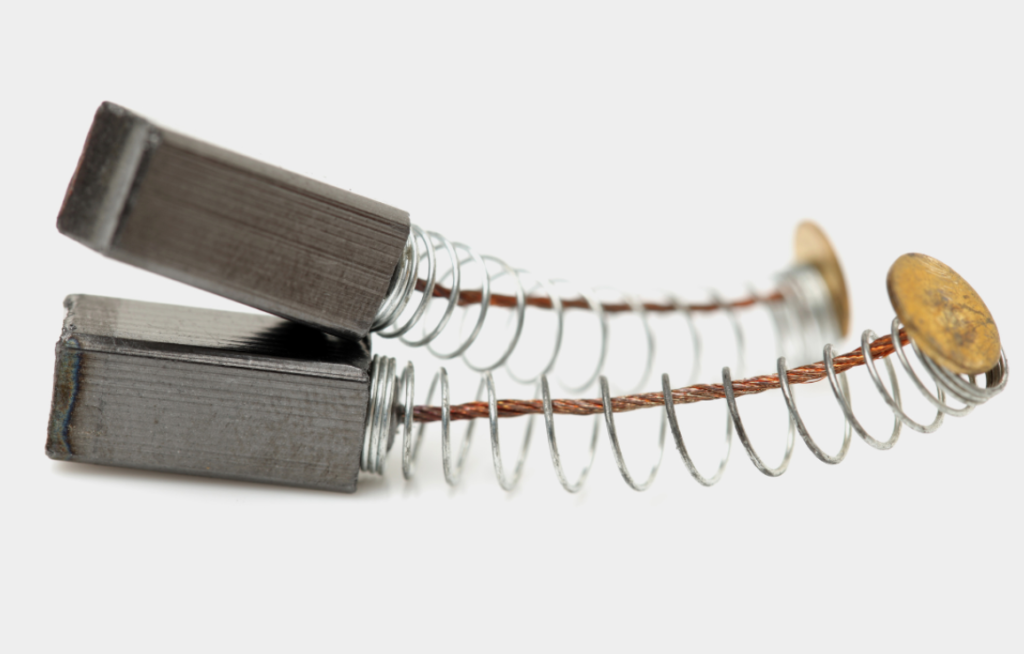
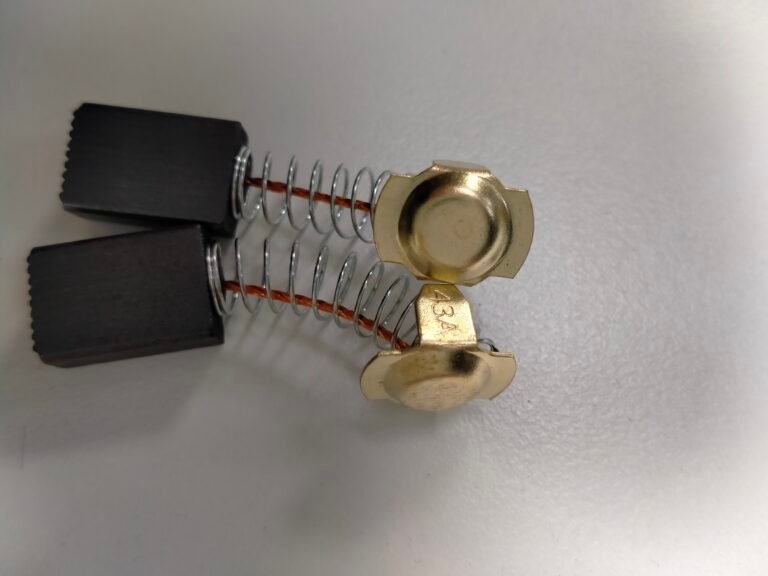
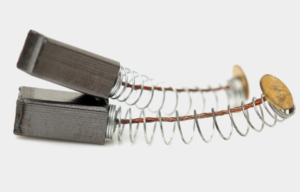
Abnormal spring compression pressure is one of the most prevalent mechanical reasons for accelerated carbon brush deterioration, as inconsistent or inappropriate spring force directly undermines stable contact operation between core components. The compression spring fitted with each carbon brush is designed to deliver steady and uniform pressure, ensuring the brush maintains tight, consistent contact with the rotating commutator during motor operation. When spring pressure is insufficient, the carbon brush cannot stay firmly attached to the commutator surface during high-speed sliding, resulting in intermittent gaps and unstable fitting states.
This unstable contact easily generates intermittent electric arcs between the contact surfaces. The high temperature produced by arc discharge continuously erodes the carbon brush surface, causing rapid localized material loss that far exceeds normal wear levels. In contrast, excessive spring pressure creates overly tight friction between the carbon brush and commutator, eliminating the slight flexible sliding space required for normal operation. The increased rigid mechanical friction directly amplifies daily wear consumption and speeds up the overall abrasion rate of the carbon brush.
In addition, after long-term continuous operation, compression springs will inevitably experience fatigue aging. Aging springs lose their original elastic stability and output uneven pressure on different parts of the carbon brush. This uneven force distribution leads to unilateral eccentric wear of the carbon brush, forming irregular wear marks. If left uncorrected, partial wear will gradually expand, causing overall performance failure of the carbon brush in a short period of time.
Poor operating conditions and structural defects of the commutator also contribute significantly to rapid carbon brush wear, creating a chain reaction of component aging. A smooth, round and flat commutator surface is the basic condition for stable and low-loss operation of carbon brushes. When the commutator loses its perfect circular shape due to long-term operation, mechanical impact or improper maintenance, or develops uneven grooves on the copper surface, the smooth sliding environment for carbon brushes is completely destroyed.
Even minor geometric tolerance deviations of the commutator can greatly increase the sliding friction resistance of the carbon brush. Every tiny structural defect will cause jitter and unbalanced friction during the brush’s high-speed movement, leading to a sharp rise in wear speed. In severe cases, prolonged operation will cause the commutator copper surface to overheat and soften, further worsening surface roughness and friction resistance.
This defective operating state forms a vicious cycle: the damaged commutator accelerates carbon brush wear, while excessive carbon brush friction further scratches and damages the commutator surface. This mutual abrasion not only shortens the service life of carbon brushes but also accelerates the aging failure of compression springs and other matching parts, raising overall equipment maintenance costs.
Excessive equipment vibration and unreasonable carbon brush material properties are also key mechanical triggers of rapid abrasion. Most industrial and power equipment produces mechanical vibration during operation due to load changes and mechanical movement. When the vibration amplitude exceeds the normal range, the carbon brush will generate frequent tiny displacements and collisions on the commutator surface. This unstable operating state destroys uniform friction and causes irregular and rapid material loss of the carbon brush.
Meanwhile, selecting carbon brushes with excessive hardness and strong abrasive properties will also lead to accelerated dual wear of components. Overly hard brush materials will not only wear themselves out quickly during sliding friction but also scratch and strip the thin copper layer on the commutator surface. The peeled copper debris mixes with carbon powder to form secondary abrasive particles.
These mixed abrasive impurities further intensify the friction degree between the carbon brush and commutator, greatly improving the mechanical wear rate of the carbon brush. This type of wear is purely physical mechanical loss, which is continuous and irreversible, and will rapidly consume the effective service life of carbon brushes in daily operation.
Electrical Factors Causing Rapid Carbon Brush Deterioration
Arc ablation caused by poor contact is the leading electrical cause of ultra-fast carbon brush wear, and this electrical erosion is far more destructive than conventional mechanical friction wear. During motor operation, poor fitting between the carbon brush and commutator or surface oxide contamination will significantly increase contact resistance at the fitting interface. Excessively high contact resistance hinders stable current transmission and causes continuous heat accumulation in local areas.
Under high-speed operating conditions, unstable current conduction will trigger persistent arc pulling between contact gaps. Different from slow mechanical wear, electric arcs produce instantaneous ultra-high temperature, which erodes and peels off the carbon brush surface in a processing mode similar to electric machining. This high-temperature ablation can quickly pit and roughen the carbon brush working surface in a short time.
Long-term continuous arc ablation will completely destroy the flat contact structure of the carbon brush, resulting in rapid attenuation of conductive performance. The deteriorated contact state further intensifies arc generation, forming a closed-loop fault that makes carbon brushes wear out and fail far ahead of their designed service cycle.
Abnormal motor commutation performance will cause sustained spark burning and accelerate abnormal carbon brush loss. Normal motor operation requires the commutation system to be calibrated to the neutral position, with matched inter-pole magnetic field strength and qualified voltage drop parameters of carbon brush materials. When the commutation position deviates or the internal magnetic field distribution is unbalanced, the rotor coil current switching process will become disordered.
This commutation disorder will generate continuous spark discharge at the commutator edge, and the frequent sparks will repeatedly burn the carbon brush working face. Long-term high-temperature burning will cause carbonization, peeling and local loss of the brush surface material. Even if the mechanical friction loss is slight, electrical burning will still lead to rapid failure of carbon brushes.
In addition, carbon brushes with unqualified voltage drop parameters cannot adapt to the normal commutation current changes of the motor, which will further aggravate commutation sparks and ablation degree. This kind of invisible electrical damage is difficult to find in the early stage and will continuously consume the service life of carbon brushes.
Long-term motor overload operation and high-current impact are important inducements for sharp increases in carbon brush wear rate. Each type of carbon brush has a fixed design current density threshold to adapt to the motor’s rated load. When the motor runs under overload conditions for a long time, the current passing through the carbon brush exceeds the standard design limit for a long time, resulting in sharp temperature rise in the local contact area.
A dense and smooth lubricating oxide film will naturally form on the surface of normally operating carbon brushes, which plays a key role in reducing friction loss and protecting brush materials. However, the ultra-high temperature generated by overload current will directly crack and destroy this protective oxide film, completely losing the self-lubricating and anti-wear barrier between the carbon brush and commutator.
Without the protection of the oxide film, the carbon brush directly bears high-intensity friction and current impact. The friction resistance increases sharply, and the wear rate rises exponentially. Long-term overload operation will make the carbon brush always in a high-loss operating state, resulting in rapid aging and scrapping.
Environmental and Material Mismatch Inducements
High-temperature operating environments accelerate the chemical oxidation reaction of carbon brushes and greatly improve internal material loss efficiency. Carbon brush materials will undergo slow oxidation and gasification loss during normal temperature operation, while long-term high-temperature working conditions will significantly speed up this chemical reaction process. High temperature changes the internal molecular structure of carbon brushes and increases internal material porosity.
Metal components such as copper contained in motor slip rings and commutators will act as oxidation catalysts in high-temperature environments. These metal materials can further accelerate the oxidation and gasification consumption of carbon brush materials, making the internal structure of carbon brushes loose and fragile.
Different from surface mechanical wear, high-temperature oxidation consumes carbon brush materials from the inside out. This invisible chemical loss will continuously reduce the volume and structural compactness of carbon brushes, leading to a comprehensive increase in overall wear rate and greatly shortening the effective service cycle.
Mismatched carbon brush material parameters are common hidden causes of rapid wear in specific working scenarios. Carbon brushes with different hardness and copper content have their exclusive applicable working conditions, and there is no universal model suitable for all environments and loads. Improper material selection will directly lead to performance mismatch and accelerated loss.
High-copper carbon brushes have excellent conductive performance and are suitable for normal-temperature and light-load conventional scenarios. However, their high metal content makes them extremely sensitive to high-temperature environments. In continuous high-temperature operation scenarios, the copper material is prone to oxidative corrosion, which drives the overall wear rate of carbon brushes to rise sharply.
Similarly, carbon brushes with mismatched hardness will also face abnormal wear problems. Excessively hard brushes cause severe friction loss, while overly soft brushes are prone to rapid deformation and peeling. Unreasonable material parameter matching makes carbon brushes unable to adapt to actual working conditions, resulting in persistent rapid wear.
Installation and Commissioning Errors Causing Fast Wear
Insufficient no-load running-in of newly replaced carbon brushes is a typical human factor leading to short-term rapid wear. The contact surface of brand-new carbon brushes is flat and cannot perfectly fit the radian of the commutator in the initial installation state. The effective contact area between the new brush and commutator is small and uneven, failing to form a stable conductive and friction interface.
If the equipment is directly put into full-load operation without low-speed no-load running-in, the operating current will be concentrated in a tiny local contact area. Excessive local current density will cause concentrated spark discharge and instantaneous high-temperature ablation on the carbon brush surface.
This localized burning and friction will rapidly wear the new carbon brush in a short time. In severe cases, continuous high-temperature sparks will not only scrap the new carbon brush but also cause ablation damage to the motor rotor, bringing more serious equipment maintenance faults and losses.
Improper installation leading to carbon brush jamming and skew contact will cause persistent abnormal wear and shortened service life. The sliding gap between the carbon brush and brush holder has strict standardized requirements. If the assembly gap is too small, the carbon brush will be stuck inside the brush holder and cannot slide flexibly with wear consumption during operation.
At the same time, skewed installation posture makes the carbon brush unable to maintain vertical and uniform contact with the commutator surface. The brush will bear unilateral friction and pressure during operation, resulting in obvious eccentric wear on a single side. Long-term eccentric friction will cause local heat accumulation and frequent sparking at the contact position.
This unbalanced operating state will make the carbon brush wear unevenly and rapidly. Local overheating will also deteriorate the carbon brush material performance, further aggravating wear loss and making the carbon brush lose its working capability in advance.
Q&A Session
Q1: What are the main categories of causes for fast carbon brush wear?
The rapid wear of carbon brushes is mainly caused by four major categories of factors: mechanical abnormalities including abnormal spring pressure, defective commutator and excessive vibration; electrical faults such as arc ablation from poor contact, abnormal commutation and high-current overload impact; environmental and material mismatches including high-temperature oxidation and improper material parameter selection; and human installation errors including insufficient running-in and skewed brush installation.
Q2: Why is electrical wear more serious than mechanical wear for carbon brushes?
Mechanical wear belongs to slow and uniform physical friction loss, while electrical wear is caused by high-temperature arc ablation and current overload heating. The instantaneous ultra-high temperature of electric arcs can quickly erode and peel off carbon brush materials in a short time, with a far higher loss rate than conventional mechanical friction, which is the main cause of sudden premature failure of carbon brushes.
Q3: How does mismatched carbon brush material affect service life?
Different carbon brush hardness and copper content correspond to different applicable working conditions. High-copper carbon brushes wear extremely fast in high-temperature environments due to metal oxidation. Hardness-mismatched brushes will cause excessive friction or structural instability. Without targeted material matching, carbon brushes will suffer continuous abnormal wear and cannot exert normal working performance.
Q4: Why do new carbon brushes need no-load running-in before formal use?
New carbon brushes have poor fitting degree with the commutator initially. Direct full-load operation leads to concentrated current and local spark ablation, causing rapid partial wear. No-load running-in can polish the brush contact surface to fit the commutator radian perfectly, form stable friction and conduction state, and avoid premature wear caused by installation and commissioning defects.
Summary
Overall, the rapid wear and premature failure of carbon brushes stem from the combined effect of mechanical, electrical, environmental material and installation commissioning factors. Abnormal spring pressure, defective commutator surfaces and equipment vibration cause intensified mechanical friction and eccentric wear of carbon brushes. Poor contact arc ablation, abnormal commutation and long-term high-current overload generate high-temperature electrical erosion that far exceeds normal mechanical loss. High-temperature working environments accelerate carbon brush chemical oxidation loss, while mismatched brush material parameters fail to adapt to actual working conditions and trigger continuous abrasion. Unfinished standardized running-in and non-standard installation posture lead to local spark burning and uneven wear of new carbon brushes. Fully understanding these core causes and adopting targeted optimization measures can effectively avoid rapid carbon brush wear and ensure long-term stable and efficient operation of brushed motors.
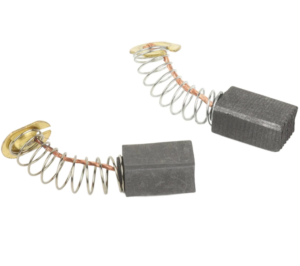
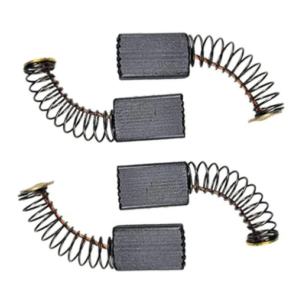
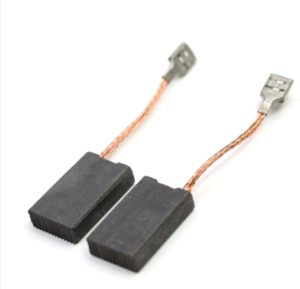
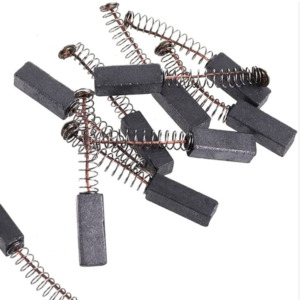
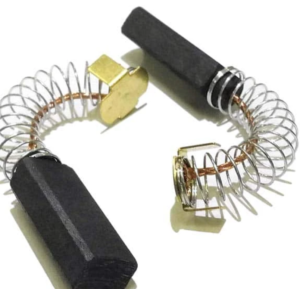
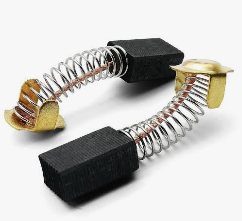
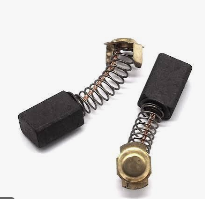
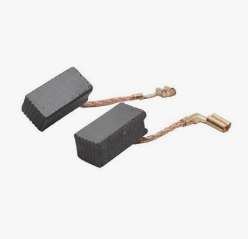
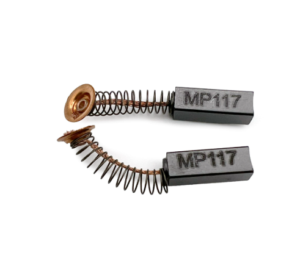
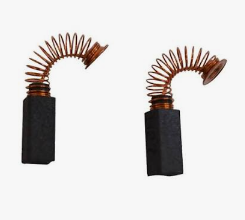
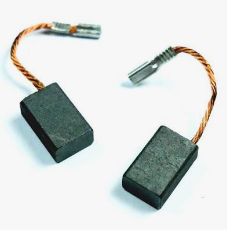
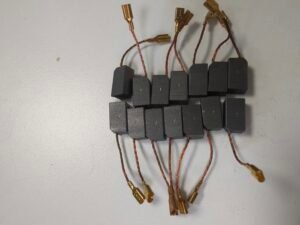
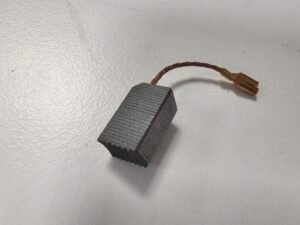
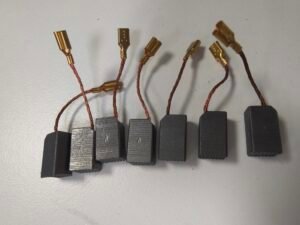
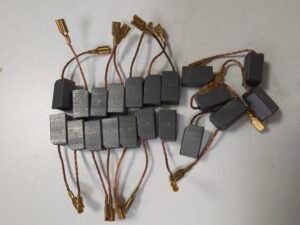
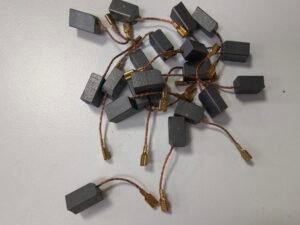
Carbon Brush for Sale:
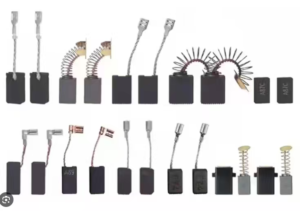
Post about Carbon Brush:
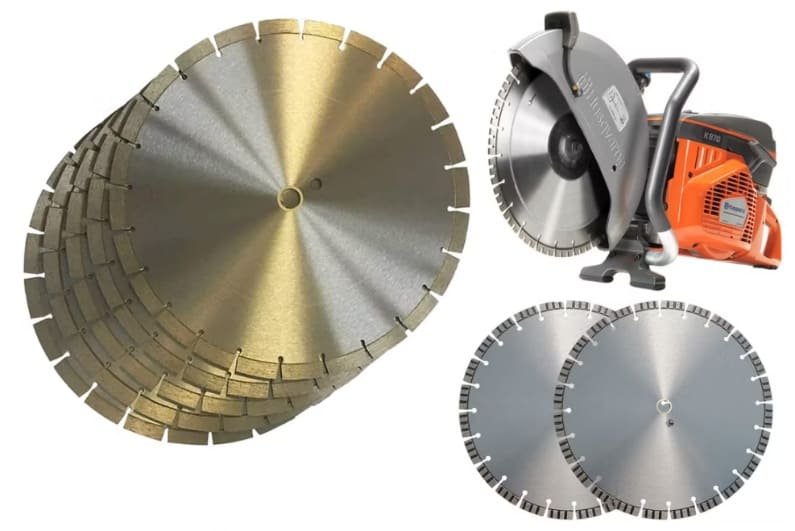
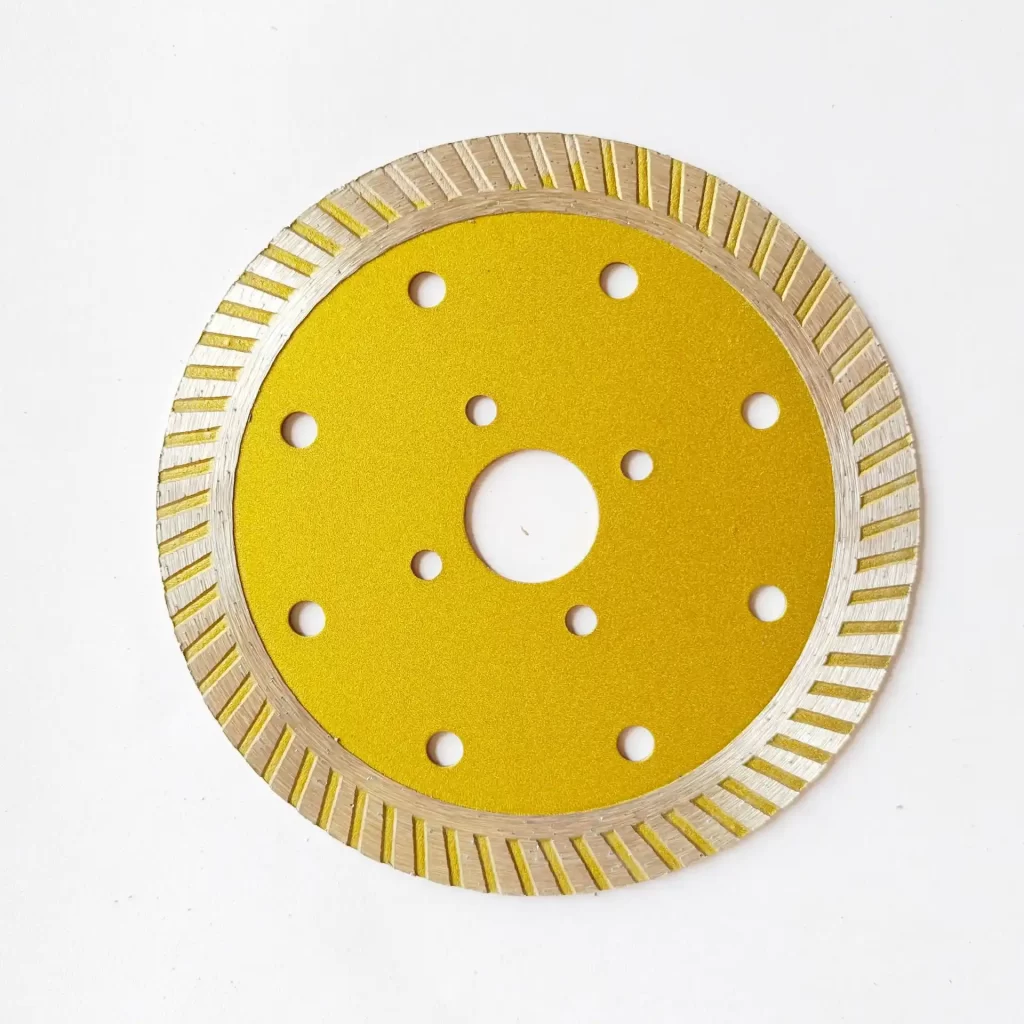
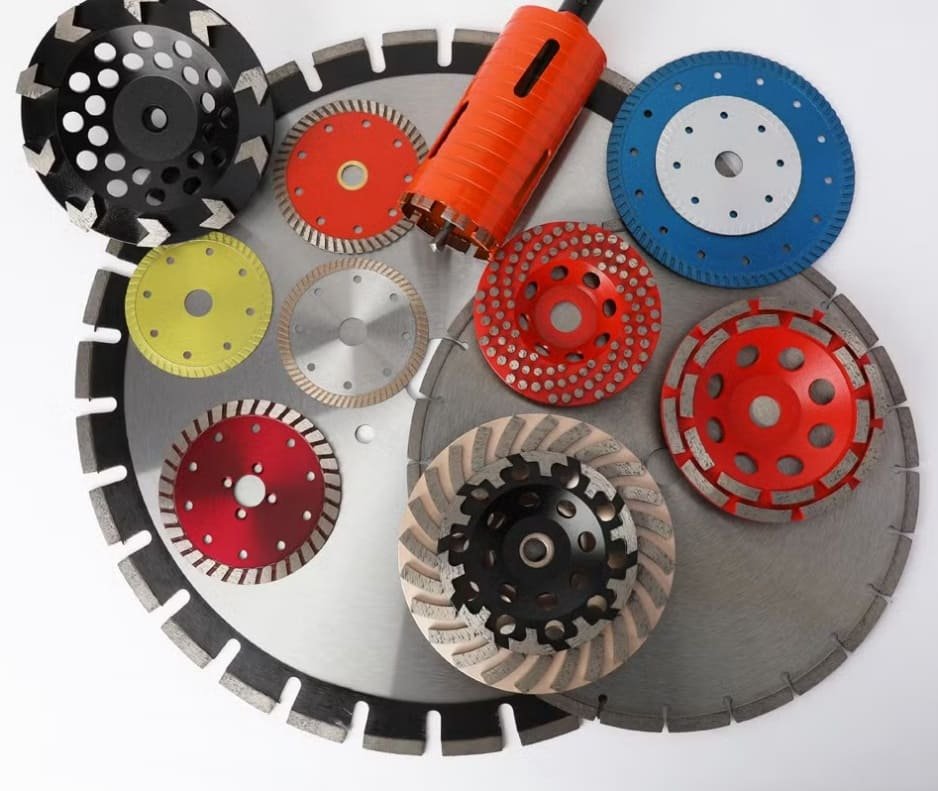
Diamond Blade

Welcome to call us
Contact Us to get quotation
Working Time: 8:00~17:00 Monday to Friday.
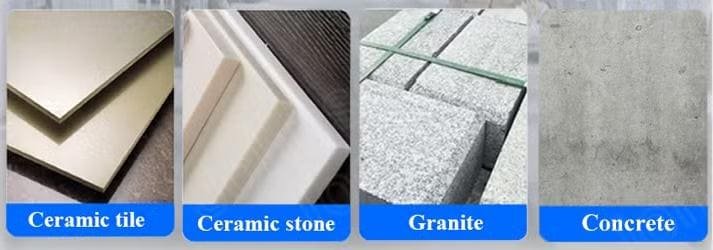
Applications:
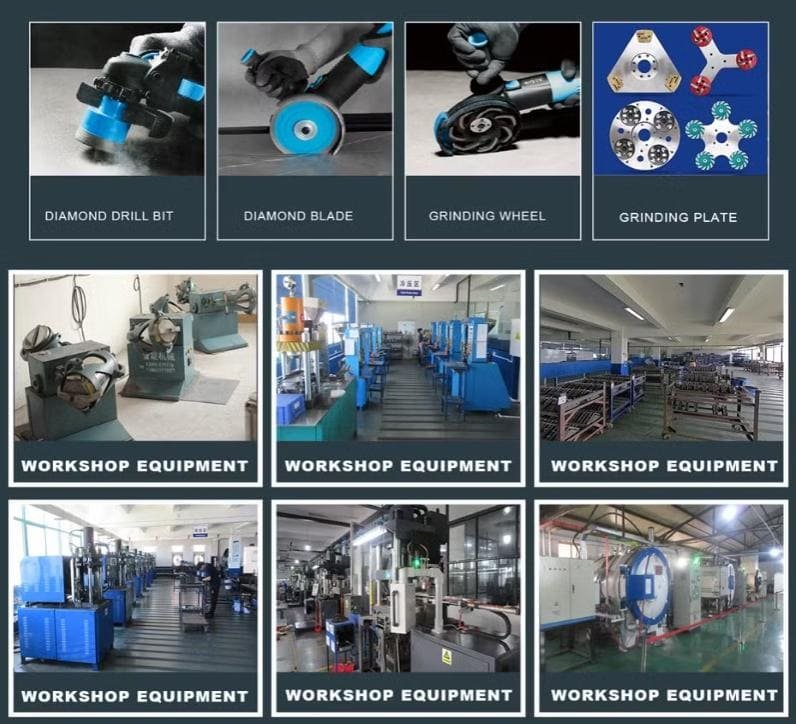
Factory:
FAQ
Welcome to call us
Contact Us to get quotation
Working Time: 8:00~17:00 Monday to Friday.