Which chisel is used without a hammer?
Which chisel is used without a hammer?
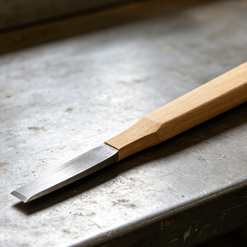
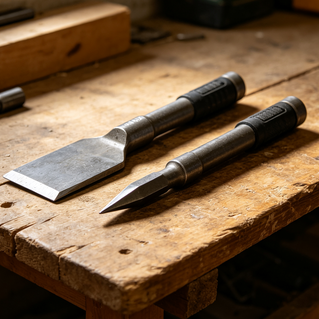
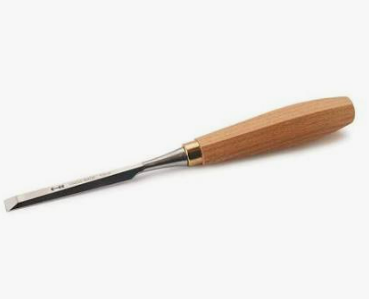
Which chisel is used without a hammer? If you guessed cold chisel, you’re not alone— but that’s wrong. The right answer is a hand chisel, specifically a manual paring chisel, built to be pushed with hand pressure alone, no hammer or mallet required. Unlike striking chisels made to take repeated blunt force, paring chisels have thinner, more precisely ground blades and lightweight handles built for controlled, low-force material removal. That difference is make-or-break for woodworking, metalworking, and precision machining jobs where a single misplaced impact could overcut or damage a high-tolerance workpiece you’ve spent hours on.
Paring chisels fill a really specific gap in any tool kit, because they let you shave off material in tiny, incremental amounts you could never get right with a hammer-driven chisel. They’re especially useful for joinery, edge trimming, and surface smoothing that needs sub-millimeter accuracy, and they completely eliminate the risk of shoving the blade too far that comes with every mallet strike.
Core Working Principles and Mechanisms
Paring chisels work via shear cutting, using hand-generated forward force to drive a sharp, low-angle bevel through your workpiece. Unlike striking chisels that rely on impact energy to fracture and move material, paring chisels are made for a continuous, controlled slicing motion. The bevel angle is usually ground to 20–25 degrees, 5–10 degrees shallower than a striking chisel, to cut down on resistance and let the blade glide through material with just hand pressure.
The blade tapers along its entire length, with a thinner core than striking chisels, to reduce friction during long, sweeping cuts. This design keeps the blade from wedging in the material, which would need more force than you can reasonably apply by hand. Most people grip the handle with one hand and guide the blade with the other, applying steady, even pressure to get a consistent cutting depth.
Key Components and Their Functions
A hammerless paring chisel has two core parts: the blade and the handle, both made specifically for hand operation. The blade is usually high-carbon steel or high-speed steel, heat-treated to a Rockwell hardness of 58–62 HRC so it holds a sharp edge without getting brittle. The cutting edge is honed to a mirror finish to cut down on resistance, while the flat back of the blade is lapped to within 0.001 inches of perfectly flat to ensure accurate, consistent cuts when you’re running it along a workpiece surface.
The handle is usually 8–12 inches long, longer than standard striking chisel handles, to give you more leverage and control when pushing by hand. Most are made of hardwood like ash or maple, or impact-resistant composite, with a contoured grip that cuts down on hand fatigue during extended use. Unlike striking chisel handles, paring chisel handles don’t have a reinforced metal hoop at the end—they never get hit with a hammer, so they don’t need it.
Material and Feature Specifications
Standard paring chisels come in blade widths from 1/8 inch to 2 inches, with thicknesses between 1/8 inch and 3/8 inch, depending on what you’re using it for. The blade itself is usually 6–10 inches long, longer than striking chisel blades, to let you make long, continuous paring cuts across large workpieces. For heavy-duty use, some paring chisels have a semi-octagonal blade cross-section so they don’t roll when you lay them flat on your workbench.
Corrosion-resistant paring chisels for marine or outdoor use get a titanium nitride or black oxide coating, which also cuts down on friction while cutting. For composite or plastic workpieces, you can find blades with a polished non-stick coating to stop material from building up on the cutting edge. All paring chisels are rated for continuous hand use, with a recommended maximum cutting depth of 1/8 inch per pass to avoid putting too much force on the blade and bending it.
Application Scenarios and Industries Served
Paring chisels are most common in fine woodworking, especially for joinery tasks like trimming mortise and tenon joints, fitting dovetails, and smoothing hinge recesses. Cabinetmakers and furniture builders rely on them for final fitting of precision joints, where even a 1/32 inch overcut would ruin the joint’s strength and how it looks. They’re also great for shaping curved wooden components and trimming veneer without damaging the layer underneath.
In metalworking, paring chisels are used for deburring machined parts, trimming flash from castings, and smoothing welded seams in soft metals like aluminum and brass. Pattern makers use them to shape wood and foam patterns for casting, while aerospace techs use them to trim composite layups without causing delamination. You’ll also see them all the time in lutherie, for shaping instrument necks and fitting soundboard components to super tight tolerances.
Performance Characteristics and Advantages
The biggest upside of hammerless paring chisels is their unmatched precision—they can remove material in increments as small as 0.001 inches per pass. That level of control is impossible to get with a hammer-driven chisel, which takes off bigger, less consistent chunks of material with every strike. The thin, sharp blade also leaves a smoother surface finish than striking chisels, so you don’t have to do as much sanding or filing after the fact.
Unlike power tools like routers or planers, paring chisels make no vibration and produce no dust when used correctly, which makes them perfect for precision work in tight spaces. They also don’t need any external power, so you can use them on remote job sites or areas without electricity. And since there’s no impact force, they won’t split delicate wood grain or deform soft metal workpieces, a super common risk when using striking chisels on fragile materials.
Selection Criteria and Configuration Options
When you’re picking out a paring chisel, start with the blade material: high-carbon steel blades are easier to sharpen and hold an edge well for woodworking, while high-speed steel blades are better for metalworking and heavy composite use, since they resist blunting from abrasive materials. Blade width should match the job: 1/4–1/2 inch widths for small joinery tasks, 1–2 inch widths for large surface paring and veneer trimming.
If you’re mostly working with hardwood or dense metals, go for a paring chisel with a slightly steeper bevel angle (23–25 degrees) — it gives you more edge durability without adding too much cutting resistance. For soft woods and plastics, a shallower 20–22 degree bevel cuts down on the force you need to apply. Left-handed users can find paring chisels with bevels ground on the opposite side for a more natural, comfortable cutting motion.
Maintenance Considerations and Best Practices
Proper paring chisel care starts with regular sharpening, because even a slightly dull edge will force you to use too much hand pressure and lead to uneven cuts. You should hone the cutting edge with a whetstone or diamond plate every 2–3 hours of use, or as soon as it starts tearing material instead of slicing cleanly. Lap the flat back of the blade every so often to keep it flat, too— a warped back will make your cutting depths inconsistent.
Never hit a paring chisel with a hammer or mallet. The thin blade isn’t built to take impact force, and it’ll bend or snap under repeated blows. Store them in a protective case or edge guard to keep the cutting edge from chipping, and keep them dry to avoid rust on high-carbon steel blades. Check the handles periodically for cracks or splinters, too— a damaged handle will reduce your control and could lead to a hand injury.
Comparative Analysis with Alternatives
Next to striking chisels, paring chisels offer way more precision and control, but they aren’t built for heavy material removal or working with super hard, dense materials like stone or thick steel. Striking chisels can take off up to 1/2 inch of material per pass, but they need a hammer or mallet and carry a high risk of overcutting or damaging workpieces. For fine finishing work, paring chisels are obviously the better pick, while striking chisels are what you want for rough cutting and demolition.
Compared to power carving tools and rotary tools, paring chisels make no dust or noise, need no power, and give you way more tactile feedback while cutting, so you can feel the density of the material and adjust your force on the fly. Power tools are faster for taking off large volumes of material, but they can’t match the sub-millimeter accuracy of a hand-operated paring chisel for precision joinery and fitting tasks.
Practical Operating Tips
To get the best results with a paring chisel, always cut with the wood grain whenever possible. Cutting against the grain will cause tearing and leave a rough surface finish. For cross-grain cuts, score the cut line with a marking knife first to stop splintering along the edge. Apply steady, even pressure to the handle instead of forcing the blade—too much force can make the blade slip or bend.
For deep paring cuts, make multiple shallow passes instead of trying to take off all the material in one go. That cuts down on cutting resistance and gives you more control over the final depth. When you’re paring to a marked line, leave 1/32 inch of material next to the line for your final finishing cuts, which keeps you from overcutting. Always keep your non-dominant hand behind the cutting edge, and use a guide block or fence for long, straight cuts to get consistent results.
Common Misconceptions Cleared Up
Q: Are all cold chisels designed to be used without a hammer?
A: No, that’s not right at all. Cold chisels are a type of striking chisel made specifically to be hit with a ball-peen hammer to cut hard metals, masonry, and concrete. They have thick, hardened blades and reinforced handles to take impact force, and they need way more force to cut than you can generate by hand. Trying to use a cold chisel without a hammer will barely remove any material, and you’ll probably end up with fatigued hands or even an injury.
Q: Can any chisel be used without a hammer if you apply enough force?
A: That’s a dangerous myth. Striking chisels have thick, steep bevel angles (25–35 degrees) that need impact force to penetrate material, and trying to push them by hand won’t give you clean cuts. Worse, the blade could slip and cut you. Only paring chisels, with their thin, shallow bevel blades made for low cutting resistance, are designed for safe, effective hand operation without a hammer.
Q: Paring chisels are only useful for woodworking, right?
A: No, that’s a super common misunderstanding. While paring chisels are everywhere in woodworking, specialized metalworking paring chisels with high-speed steel blades are made for deburring, trimming soft metals, and finishing machined parts. There are also composite-specific paring chisels with non-stick coatings used in aerospace and automotive manufacturing for trimming carbon fiber and fiberglass components without causing delamination.
Frequently Asked Questions
Q: What is the maximum thickness of material a paring chisel can cut without a hammer?
A: For most woodworking applications, a paring chisel can cut up to 1/8 inch of soft wood or 1/16 inch of hardwood in a single pass. For soft metals like aluminum, the maximum per-pass depth is 1/32 inch. For thicker material, stick to multiple shallow passes to keep control and avoid damaging the blade.
Q: How do I tell the difference between a paring chisel and a striking chisel?
A: Paring chisels have longer, thinner blades with a shallower bevel angle (20–25 degrees) and longer, unreinforced handles. Striking chisels have shorter, thicker blades with a steeper bevel (25–35 degrees) and handles with a metal hoop at the end to stop splitting when struck. Paring chisels also have a fully tapered blade cross-section, while most striking chisels only taper near the cutting edge.
Q: Can I sharpen a paring chisel with the same tools I use for striking chisels?
A: Yes, you can use the same whetstones, diamond plates, or sharpening jigs, but you’ll need to adjust the sharpening angle to match the paring chisel’s shallower 20–25 degree bevel. It’s also a good idea to hone the cutting edge to a finer grit (8000–12000 grit) than you’d use for a striking chisel, to get a sharper edge that cuts down on the force you need to apply.
Q: Are there any safety precautions I should take when using a paring chisel without a hammer?
A: Always wear cut-resistant gloves on your non-dominant guiding hand, and keep your fingers behind the cutting edge at all times. Never cut towards your body, and secure the workpiece in a vice or with clamps to stop it from moving while you’re cutting. If the blade slips, don’t try to catch the chisel or workpiece— that’s how you end up with serious lacerations.
Final Summary
The paring chisel is the only chisel made for safe, effective use without a hammer, optimized for precision, controlled material removal in woodworking, metalworking, and composite manufacturing jobs. When you pick one that matches your material type and task, and keep up with regular sharpening and proper storage, it delivers accuracy you can’t get with hammer-driven chisels or power tools for fine joinery, deburring, and finishing work. Always prioritize hand safety and follow the recommended operating practices to get the longest life and best performance from your paring chisel.
Industrial fan for Sale:




Blender Blade
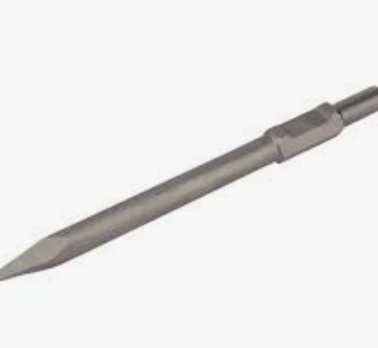
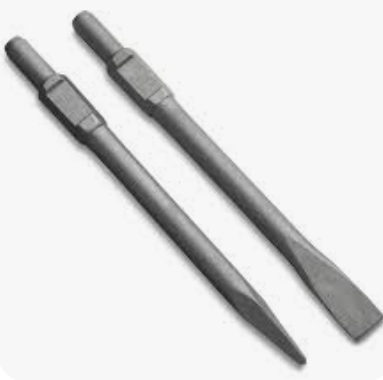
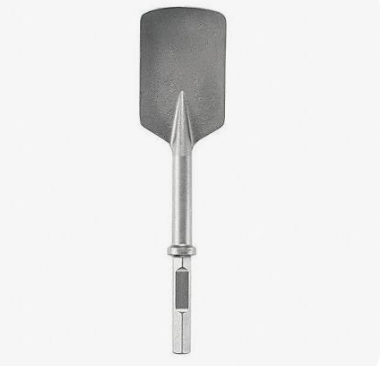
Chisel Bit for Sale
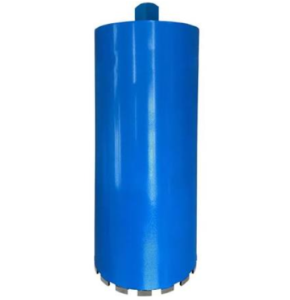
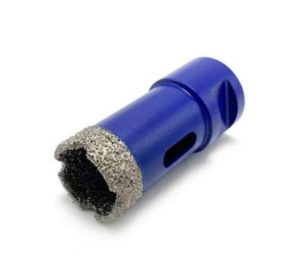
Core drill bit for Sale:
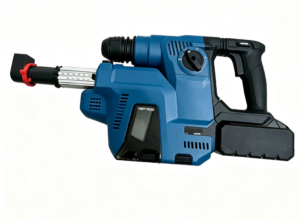
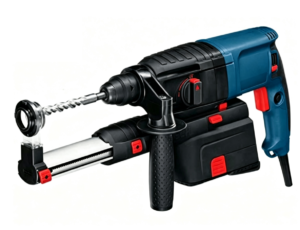
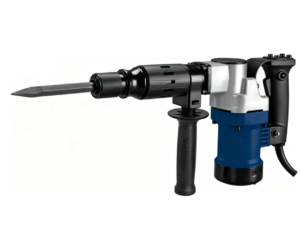
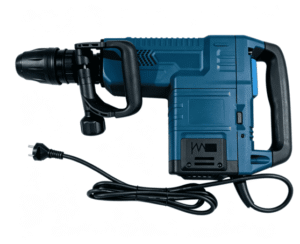
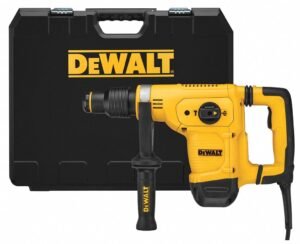
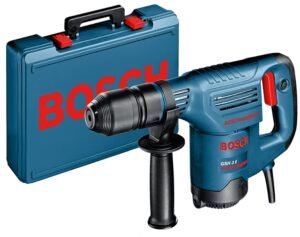
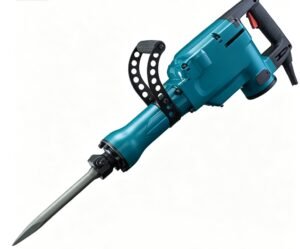
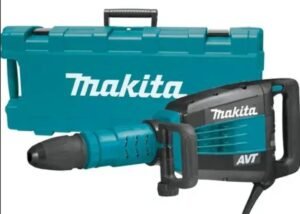
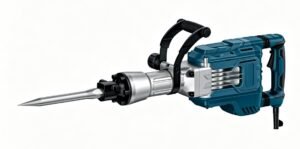
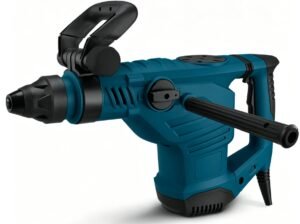
Rotary Hammer & Demolition Hammer for Sale:
Diamond Blade


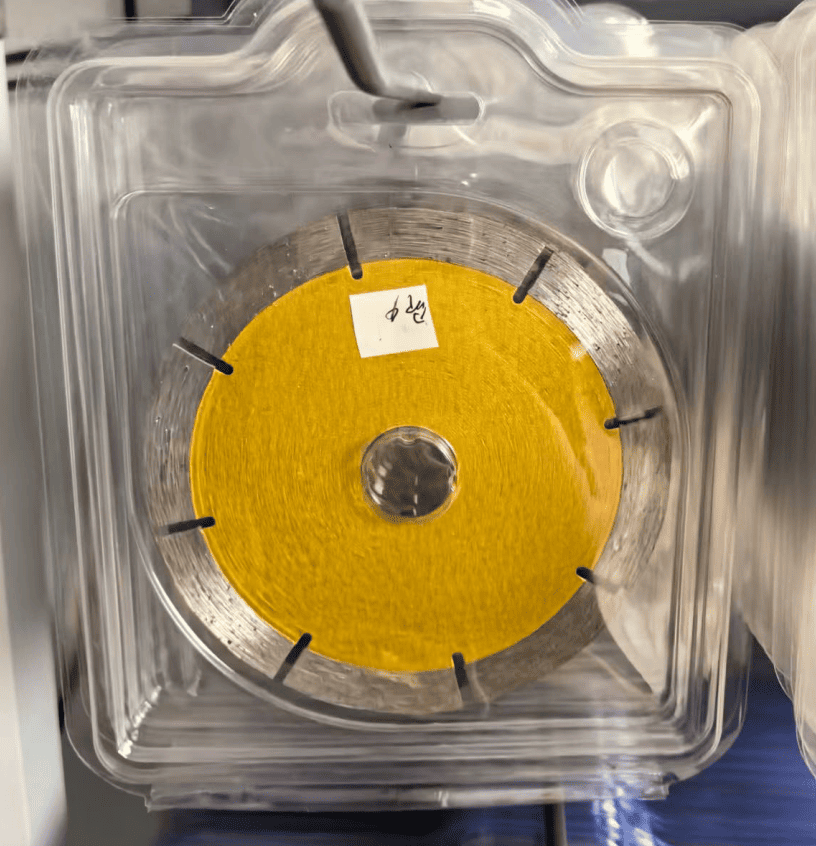
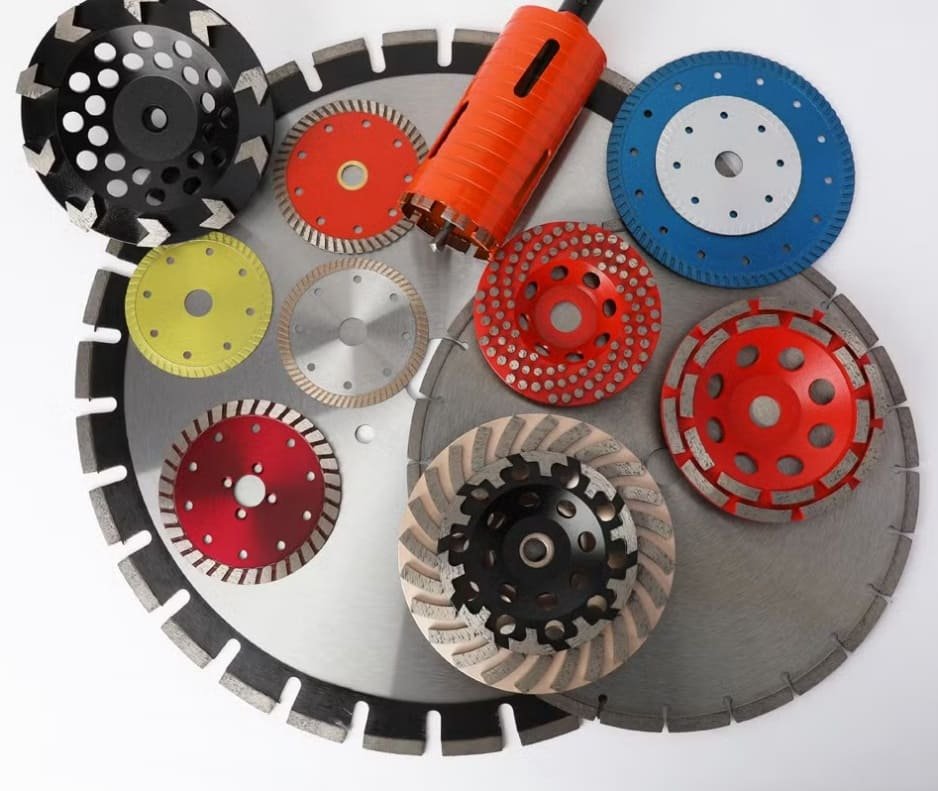
Welcome to call us
Contact Us to get quotation
Working Time: 8:00~17:00 Monday to Friday.
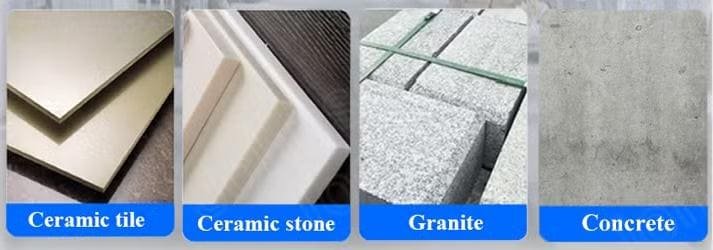
Applications:
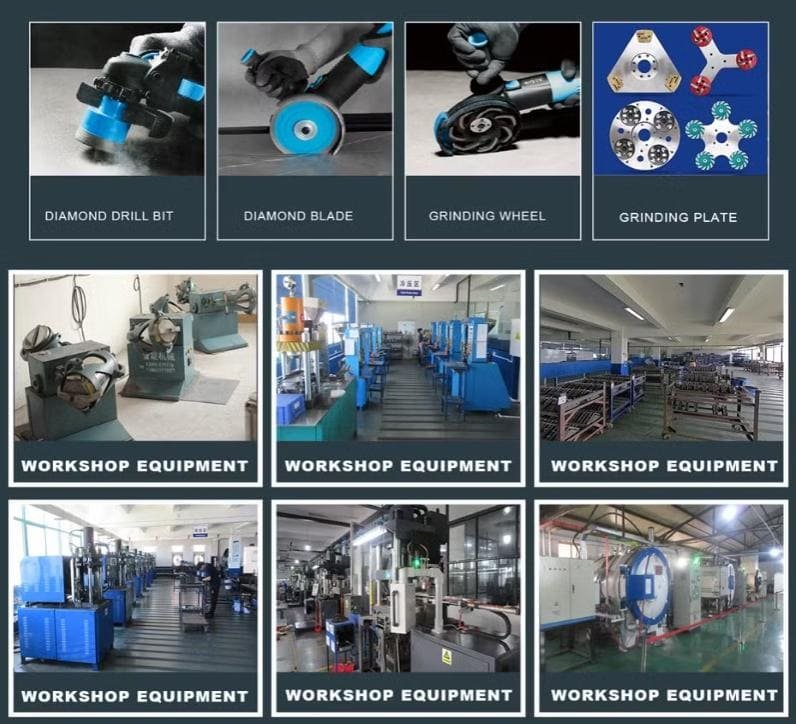
Factory:
FAQ
Welcome to call us
Contact Us to get quotation
Working Time: 8:00~17:00 Monday to Friday.
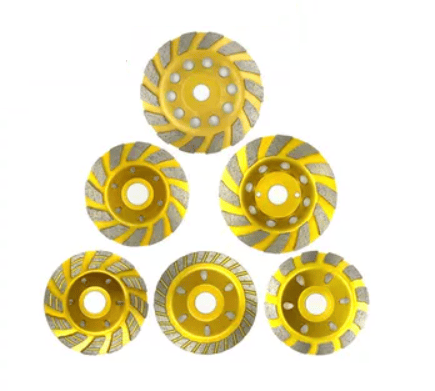
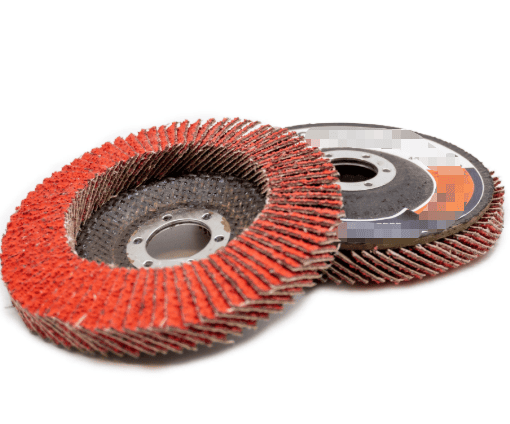
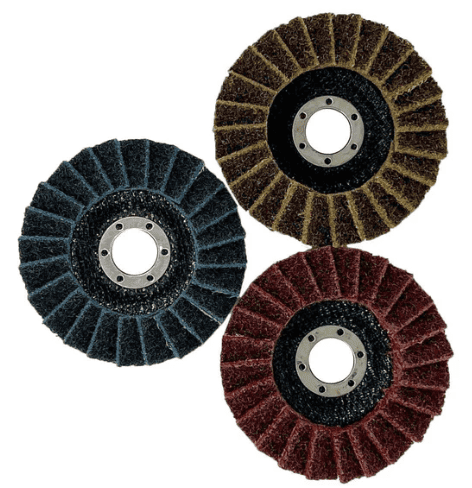
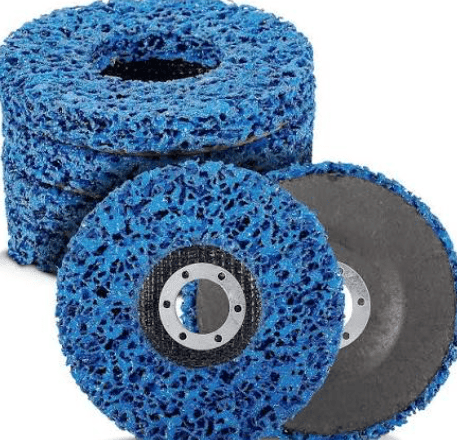
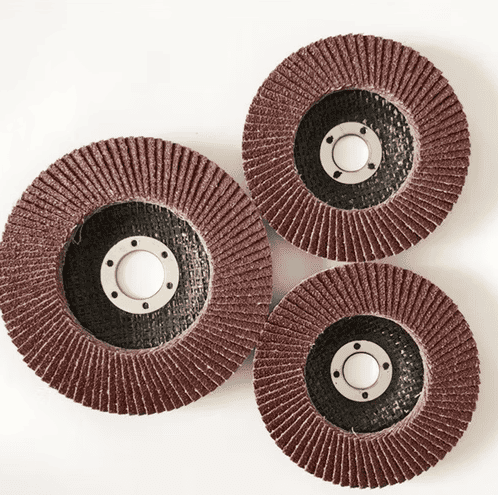
Flap Disc for Sale

Blogs:
You May also Interest in other topics:
sifter machine commercial sifter 11kw ev charger wollastonite grinding mill for refractory material vacuum capping machine