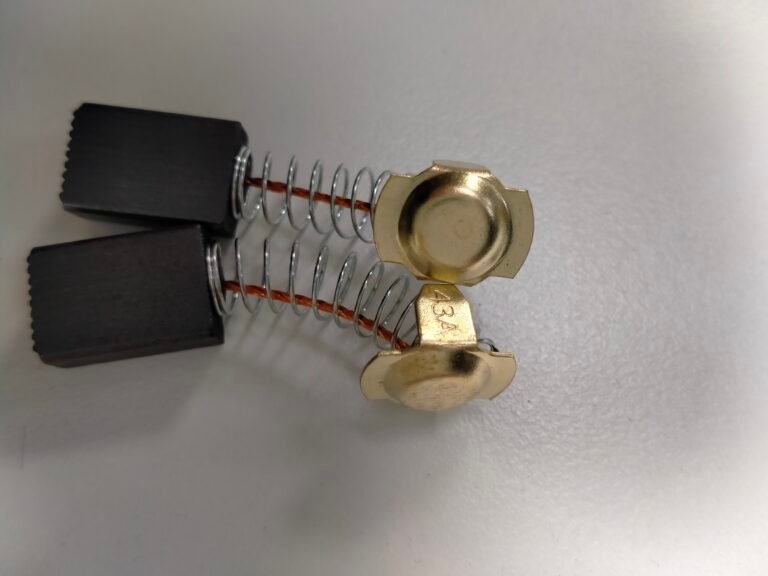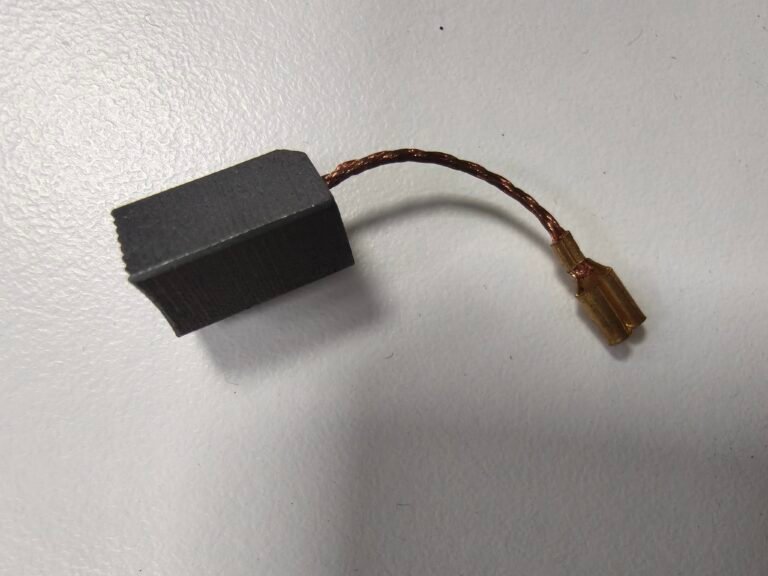
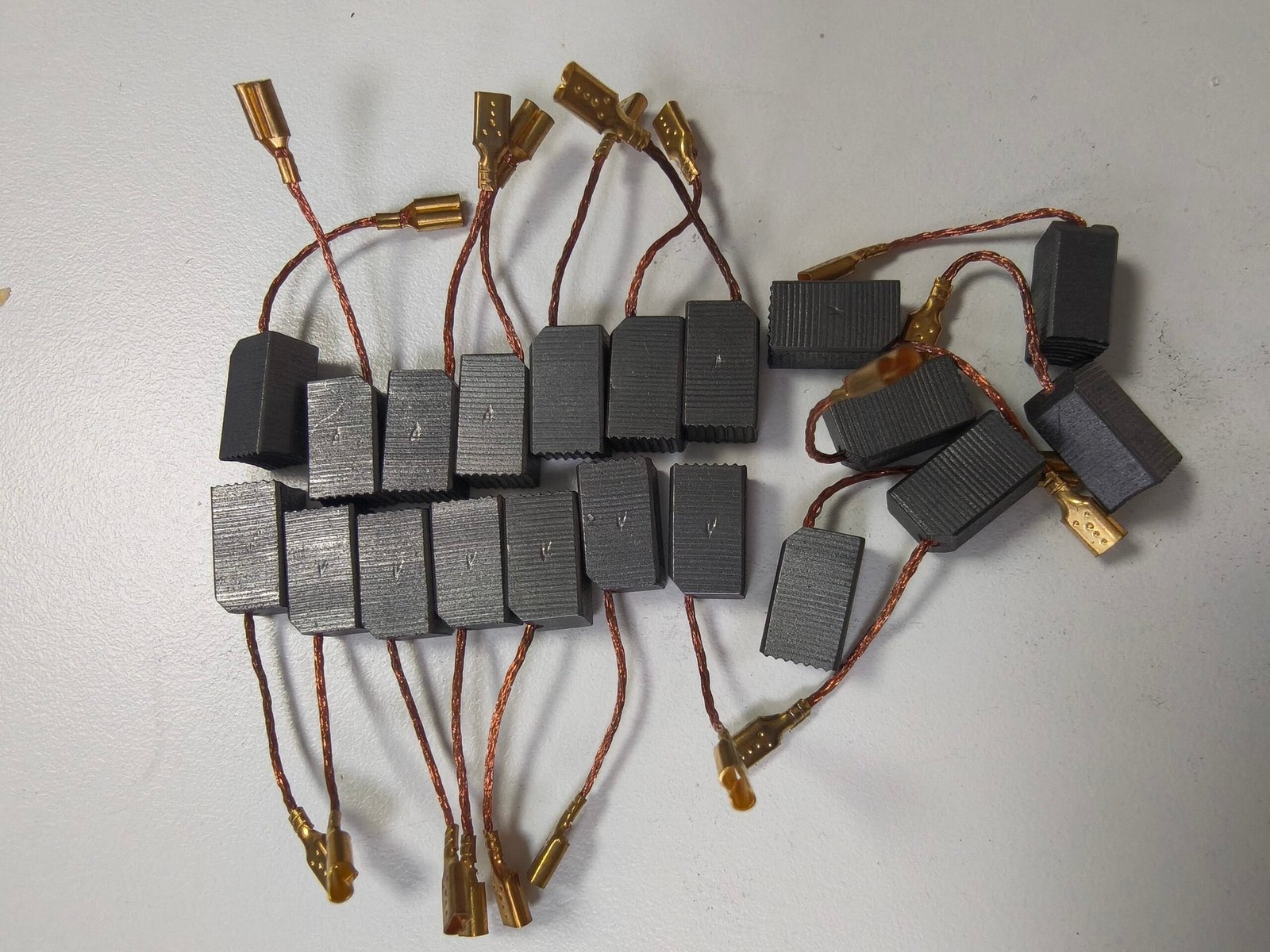
How often should carbon brushes be replaced?
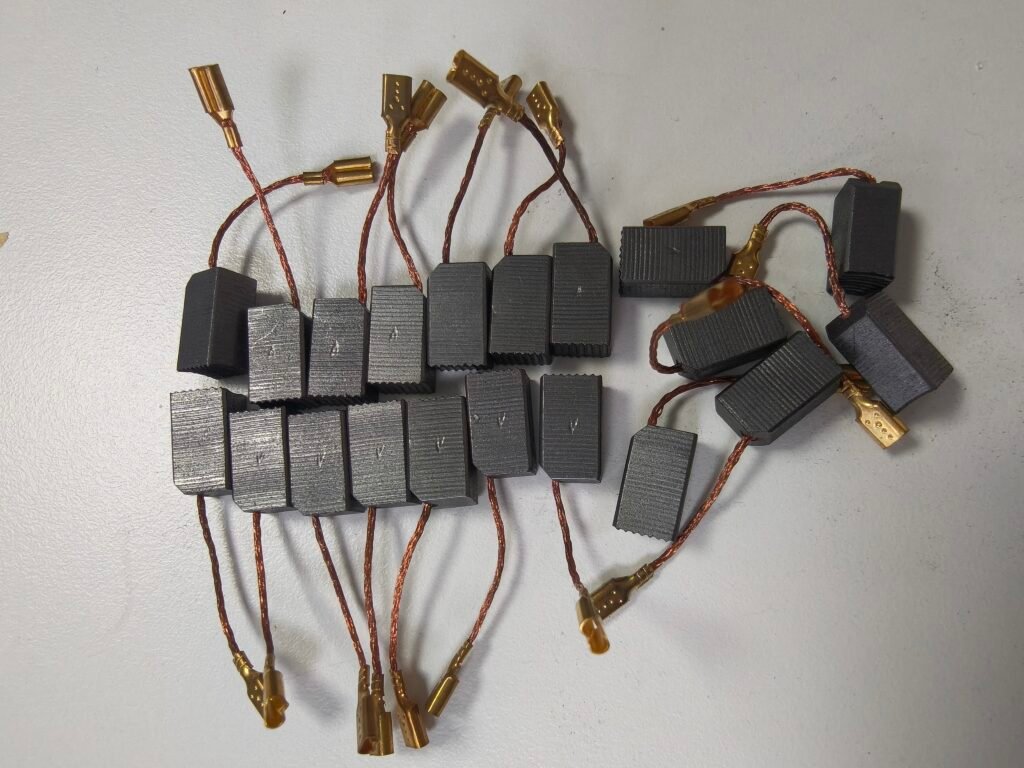
How often should carbon brushes be replaced?
How often should carbon brushes be replaced?Carbon brushes do not have a unified and fixed replacement cycle, and their replacement frequency is completely determined by equipment types, operating environments and working intensity, resulting in vastly different service life and replacement standards in diverse application scenarios.
Reference Replacement Cycles for Different Types of Equipment
Carbon brushes used in automotive motors have a clear service life range that varies greatly between standard working environments and harsh operating conditions. For vehicle generator carbon brushes working in clean and ideal conditions, the overall service life can reach 2000 to 3000 operating hours, which is equivalent to approximately 100,000 kilometers of vehicle driving mileage. Within this service cycle, the carbon brush can maintain stable conductivity and friction performance without abnormal wear or functional failure, ensuring the normal power generation and power supply of the vehicle generator.
However, the service life of automotive carbon brushes will be significantly shortened in harsh working scenarios such as windy, sandy and humid environments. Complex outdoor conditions will accelerate carbon brush wear and cause early aging of conductive materials. Under these adverse environments, the effective service life of automotive generator carbon brushes will drop to about 1000 operating hours, corresponding to only 50,000 kilometers of vehicle mileage. In this case, users need to conduct comprehensive inspections on carbon brush status regularly and arrange early replacement in a timely manner once excessive wear is found.
Carbon brushes equipped on household washing machine motors follow a long-cycle inspection and replacement standard adapted to low-frequency daily use. Under ordinary household operating intensity with intermittent use and light load operation, washing machine carbon brushes can work stably for three to five years. During this cycle, the wear rate is slow, and the conductive performance and contact state can basically meet daily laundry and dehydration operation requirements without frequent inspection and replacement.
For high-frequency used household washing machines that run for a long time every day, the continuous friction and current impact will accelerate carbon brush consumption, so the daily inspection and replacement cycle needs to be appropriately shortened. In actual household use, users do not need to replace carbon brushes regularly according to fixed time nodes. Instead, they can judge the aging degree through equipment operating states. Once typical faults such as difficult startup and abnormal noise during dehydration occur, it indicates that the carbon brushes have been severely worn and need immediate replacement.
Industrial heavy-duty motor carbon brushes adopt graded service life standards according to brand quality and on-site maintenance conditions. High-grade industrial carbon brushes represented by Morgan can maintain complete and stable performance throughout the entire motor maintenance cycle under standardized maintenance and conventional working conditions, achieving zero replacement during one full motor overhaul cycle. This high-end industrial carbon brush is specially optimized for heavy-load and long-hour operation, with excellent wear resistance and stable conductive performance, adapting to long-term continuous industrial production.
Ordinary industrial motor carbon brushes have a relatively fixed and limited service life. Under standard industrial working environments with regular maintenance and stable load, the average service life of ordinary carbon brushes is about one to two years. Nevertheless, industrial equipment often faces harsh working conditions such as long-term heavy load operation and dusty on-site environments. These adverse factors will greatly accelerate carbon brush wear and aging, shortening the effective service life to about half a year, requiring more frequent inspection and replacement to ensure stable motor operation.
Core Judgment Criteria for Carbon Brush Replacement
The physical wear degree of carbon brushes is the most intuitive and rigid standard for mandatory replacement, regardless of the actual operating duration of the equipment. After long-term friction operation, when the remaining length of the carbon brush is less than one-third of its original size, its internal conductive structure and elastic compression state will fail to meet the normal operating standards. The remaining carbon brush cannot maintain stable contact pressure and effective conductive area, which will easily cause poor contact and abnormal sparking.
In addition, even if the carbon brush still has sufficient residual length, insufficient fitting area with the commutator also requires immediate replacement. When the effective contact fitting degree between the carbon brush arc surface and the commutator surface is lower than 70%, the current transmission will be uneven, and local high temperature and concentrated electric arcs will occur during operation. This hidden danger will not only affect motor operating efficiency, but also cause secondary damage to the commutator, so it must be replaced in time without referring to the preset service cycle.
Abnormal operating symptoms of motors are important early warning signals for carbon brush replacement, which should be prioritized over fixed replacement cycles. In the daily operation of various brushed motors, once obvious abnormal operating states appear, including irregular running noise, unstable current output and obvious attenuation of equipment power, it fully proves that the carbon brush has worn out abnormally or failed to fit normally.
At this time, users must stop the equipment operation immediately for carbon brush inspection and maintenance, instead of continuing to use the equipment according to the preset replacement cycle. Delayed inspection and replacement will lead to aggravated motor faults, such as coil overheating and commutator ablation, which will expand equipment failure losses and increase maintenance costs.
Equipment operating environment and load intensity determine the frequency of carbon brush inspection and maintenance, which is an important auxiliary basis for formulating replacement plans. Equipment that runs for a long time in dusty, humid and high-load working conditions is in a harsh operating state all year round, and the carbon brush wear rate is far higher than that of equipment in conventional environments.
For this kind of equipment, the daily inspection frequency of carbon brushes needs to be doubled compared with standard equipment. Timely detection of early wear, material aging and poor contact problems can effectively avoid equipment shutdown and motor permanent damage caused by excessive carbon brush wear. Reasonably adjusting the inspection cycle according to working conditions is the key to extending the overall service life of carbon brushes and ensuring long-term stable operation of motors.
Q&A Session
Q1: Why do carbon brushes have no unified fixed replacement cycle?
Carbon brush service life is affected by multiple variables including equipment types, operating load and environmental conditions. Different motors have different operating intensity and current density, while dusty, humid and heavy-duty environments will significantly accelerate wear. Therefore, it is impossible to formulate a unified universal cycle, and replacement standards must be classified according to actual application scenarios.
Q2: When must carbon brushes be replaced regardless of service time?
Carbon brushes must be replaced immediately when their remaining length is less than one-third of the original size or the fitting rate with the commutator is lower than 70%. These are rigid physical wear standards. Excessively worn carbon brushes cannot maintain stable contact and current conduction, which will cause motor failure and even permanent damage to the commutator if continued in use.
Q3: How do harsh working conditions affect carbon brush inspection and replacement?
Dusty, humid and long-term high-load working environments greatly increase carbon brush wear speed and failure probability. For equipment operating in such scenarios, the inspection frequency needs to be doubled to monitor wear changes in real time, effectively avoiding sudden motor faults caused by accelerated aging and excessive loss of carbon brushes.
Q4: Should users follow the fixed cycle or equipment symptoms for replacement?
Actual equipment operating symptoms and physical wear degree should take priority over fixed replacement cycles. The preset cycle is only a reference standard. Once abnormal noise, unstable current and power drop occur, or the carbon brush reaches the wear limit, users need to replace it immediately, instead of mechanically following the scheduled cycle.
Summary
In summary, carbon brush replacement frequency has no fixed unified standard and is comprehensively determined by equipment types, operating intensity and working environments. Automotive generator carbon brushes, household washing machine carbon brushes and industrial heavy-duty motor carbon brushes have completely different reference service life and replacement cycles under standard and harsh conditions. Meanwhile, the actual wear degree of carbon brushes, motor abnormal operating symptoms and harsh environmental operation status constitute the core judgment basis for replacement. Adhering to the principle of priority of actual status over fixed cycle, reasonably adjusting inspection frequency and timely replacing failed carbon brushes can effectively maintain the efficient and stable operation of various brushed motor equipment.
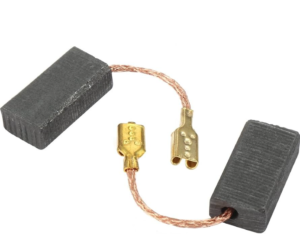
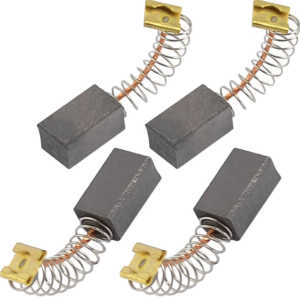
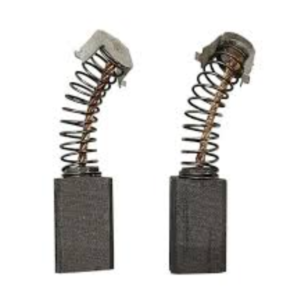
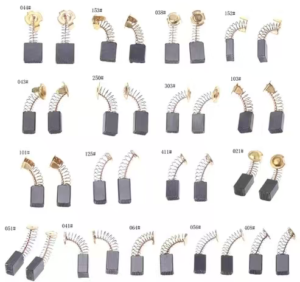
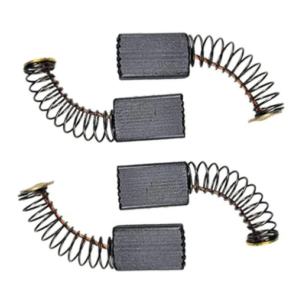
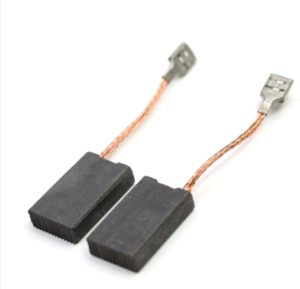
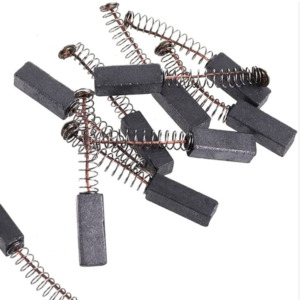
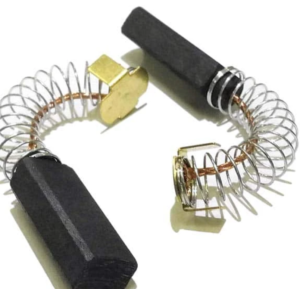
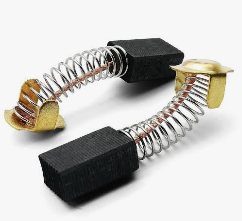
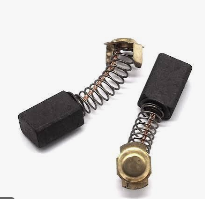
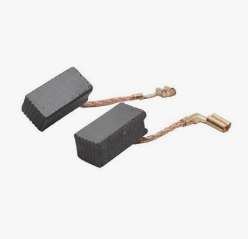
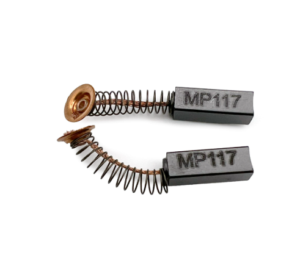
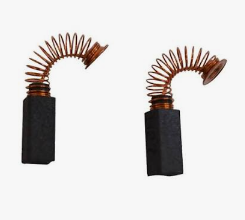
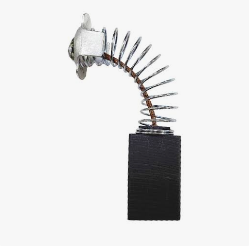
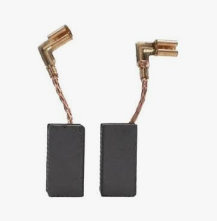
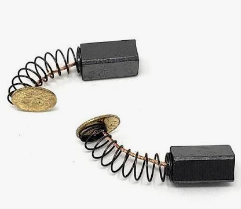
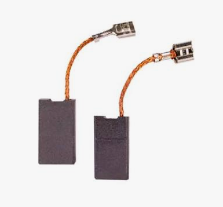
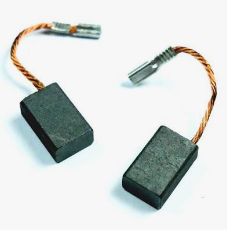
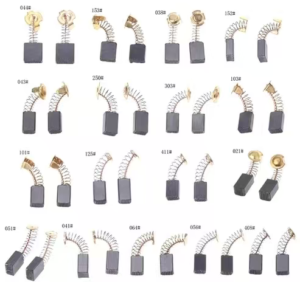
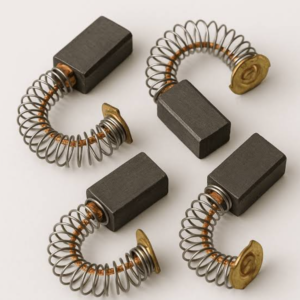
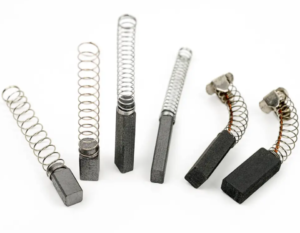
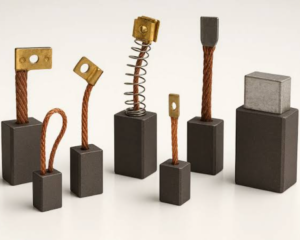
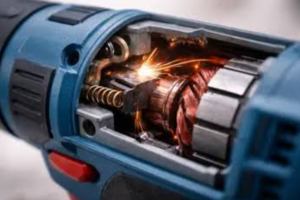
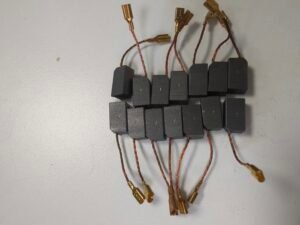
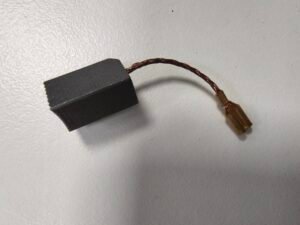
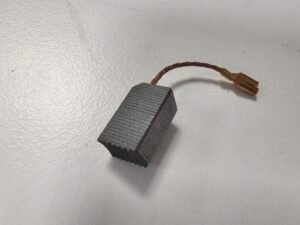
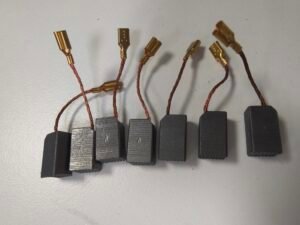
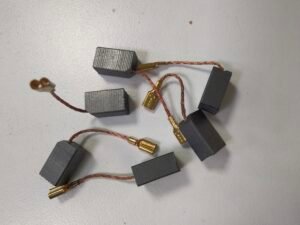
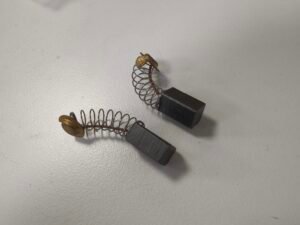
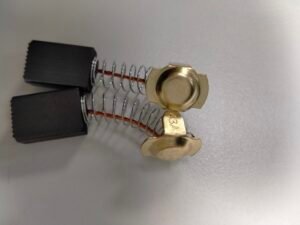
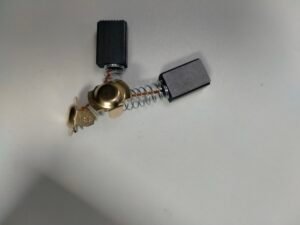
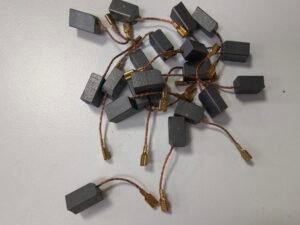
Carbon Brush for Sale:
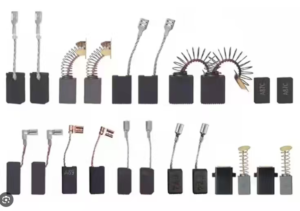
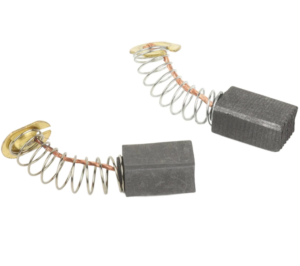
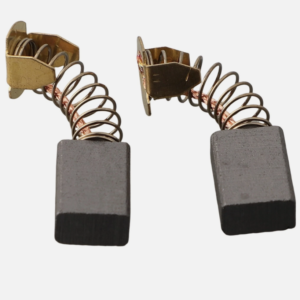
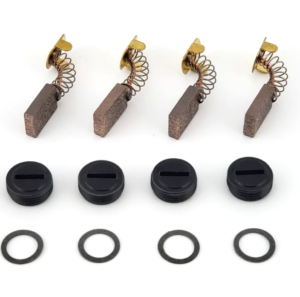
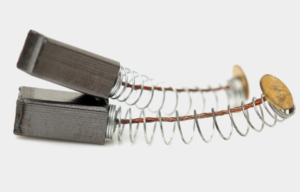
Post about Carbon Brush:
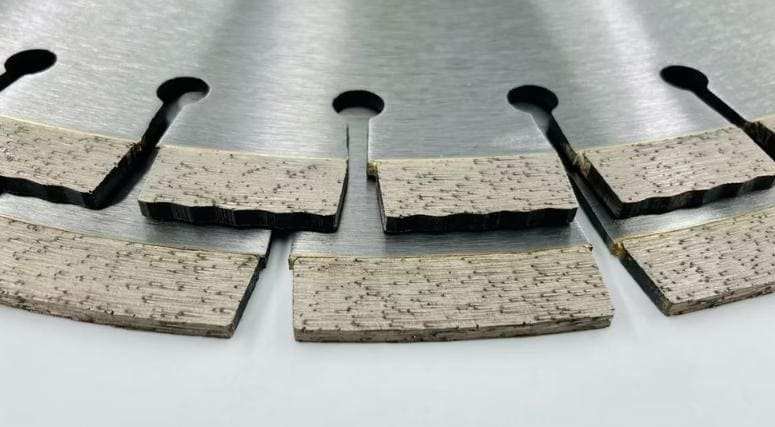
Diamond Blade
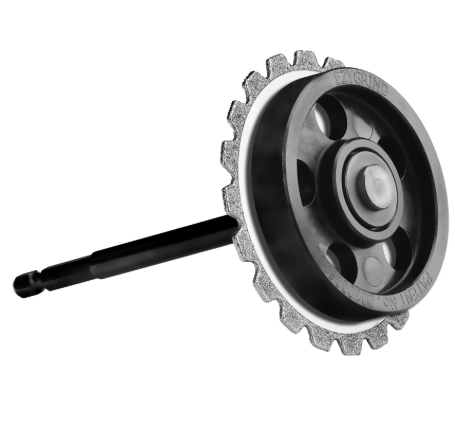
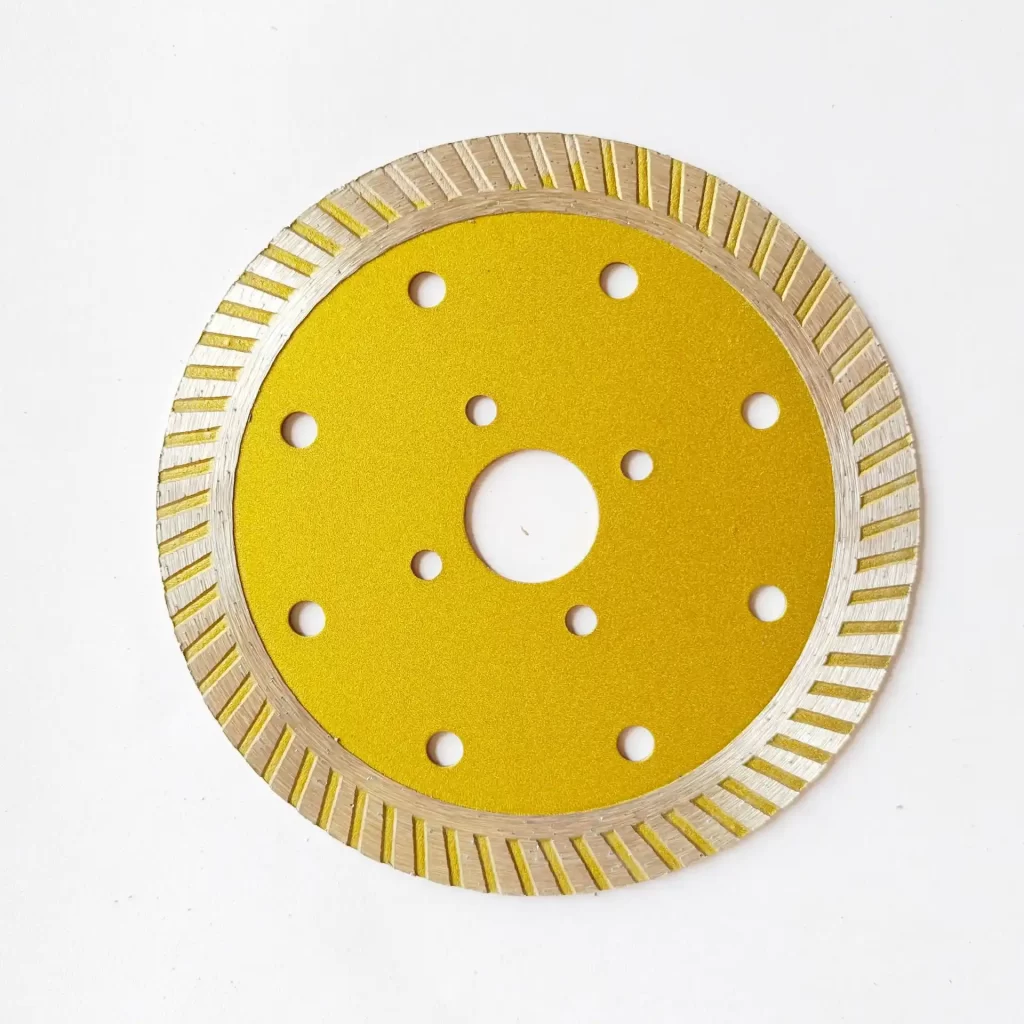

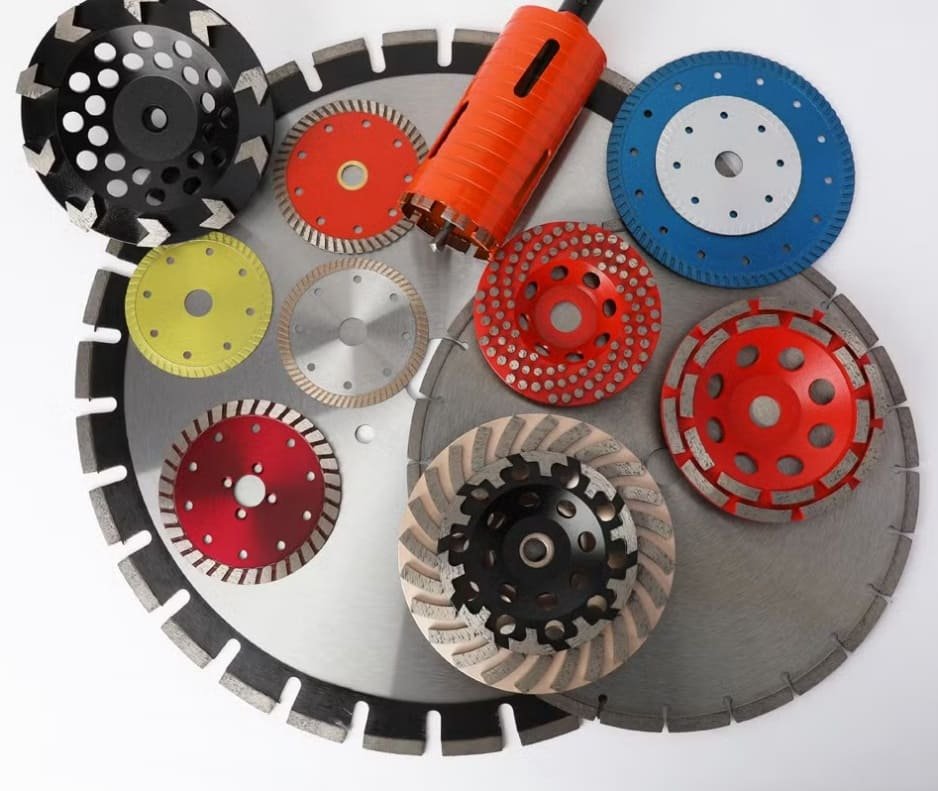
Welcome to call us
Contact Us to get quotation
Working Time: 8:00~17:00 Monday to Friday.
Applications:
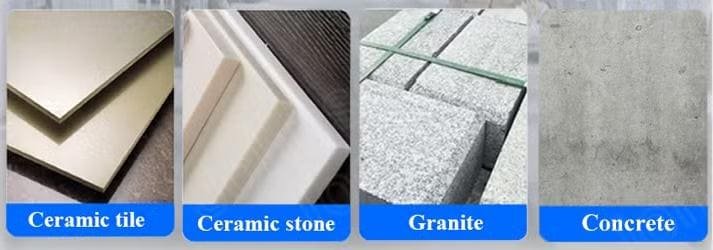
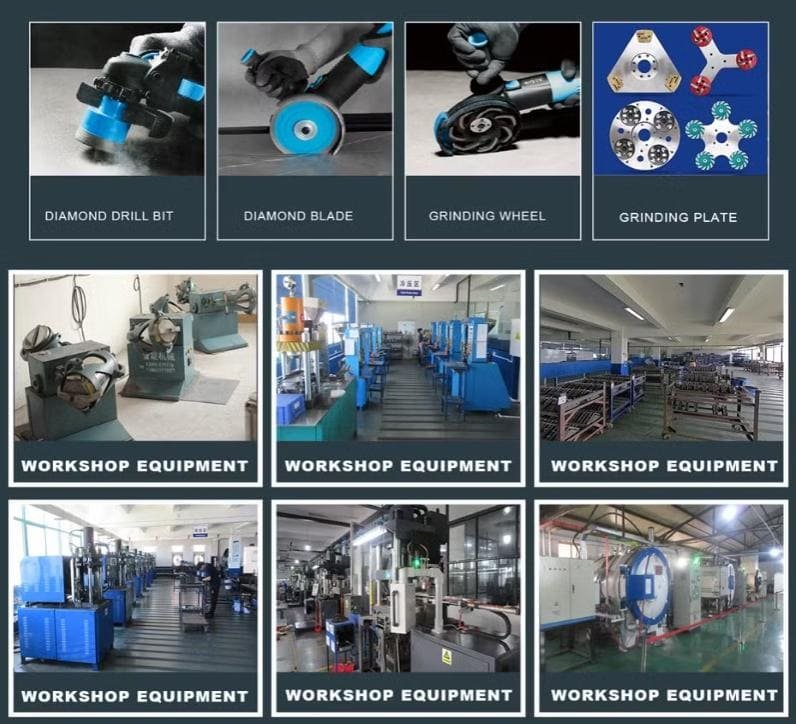
Factory:
FAQ
Welcome to call us
Contact Us to get quotation
Working Time: 8:00~17:00 Monday to Friday.
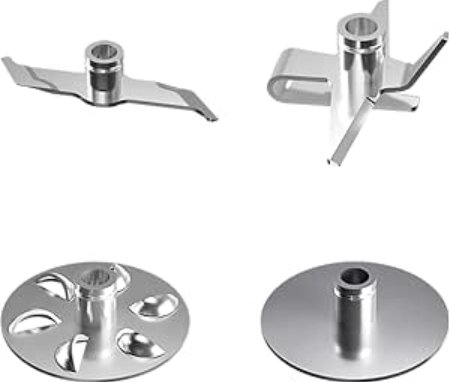
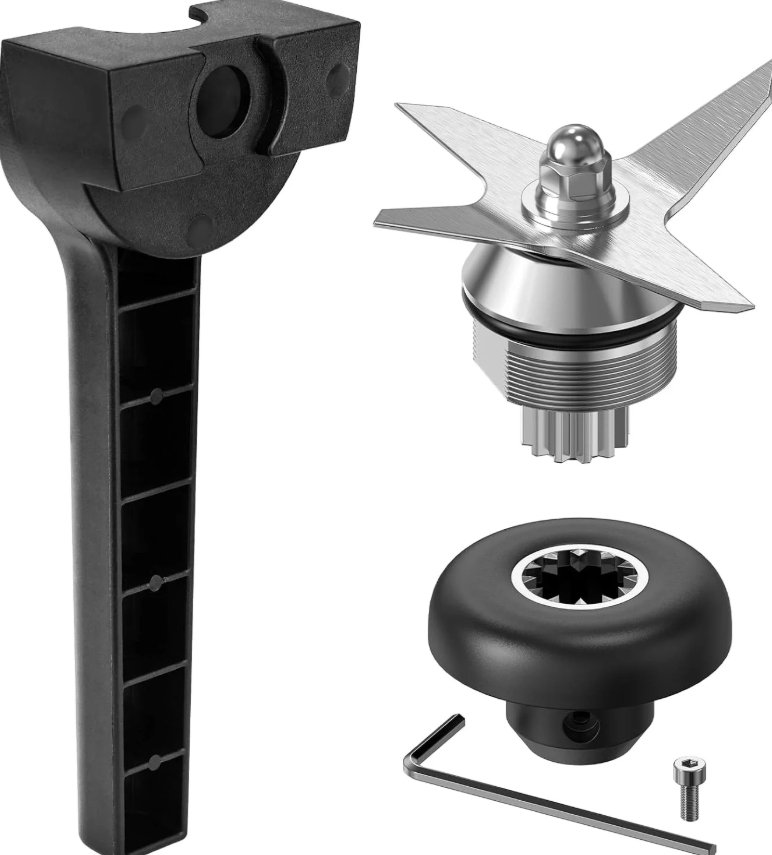
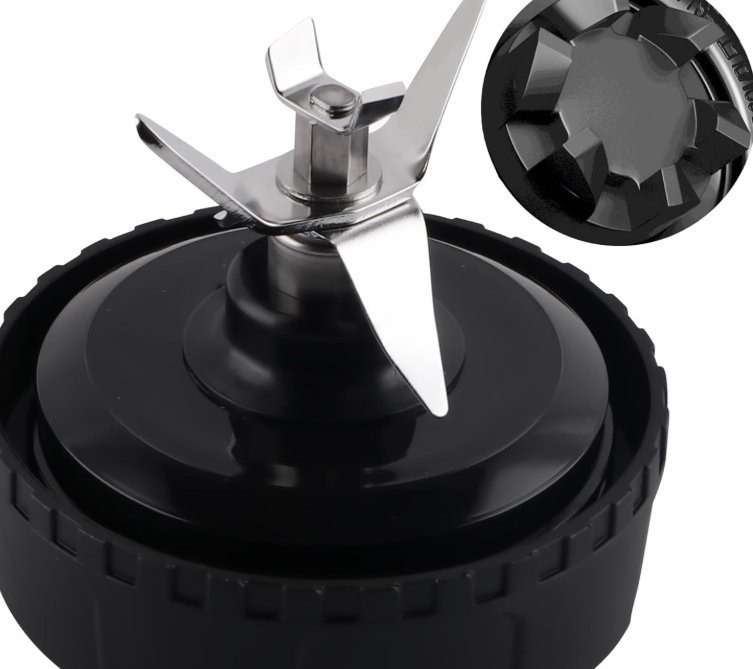
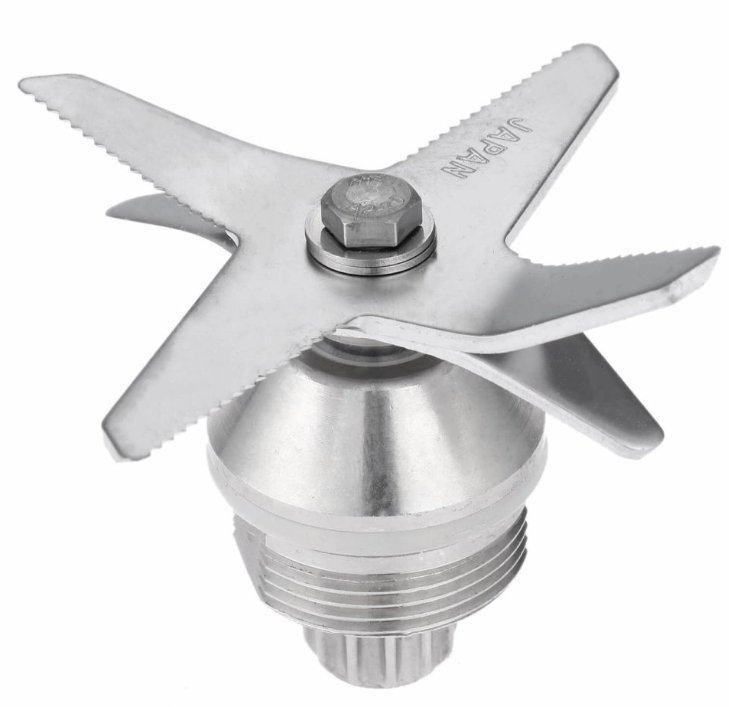
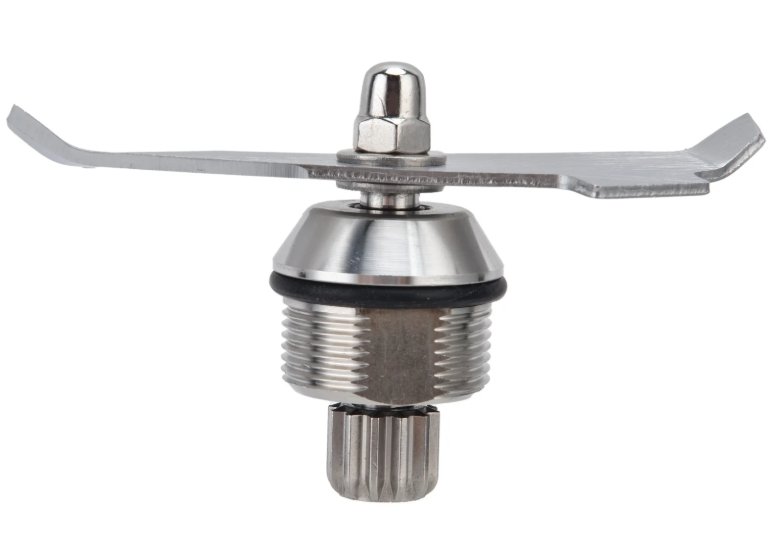
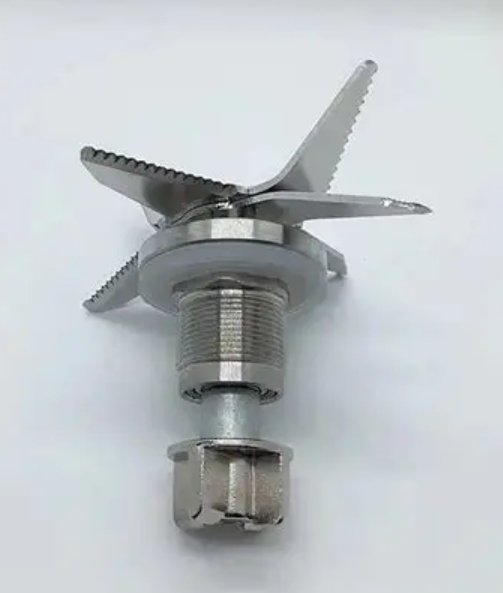
Blender Blade:
Chisel Bit:
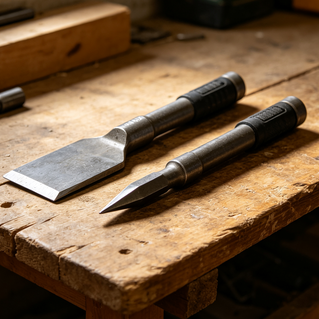
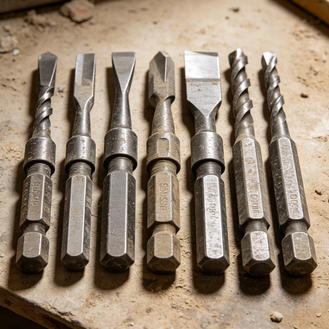
Cutting Wheel:
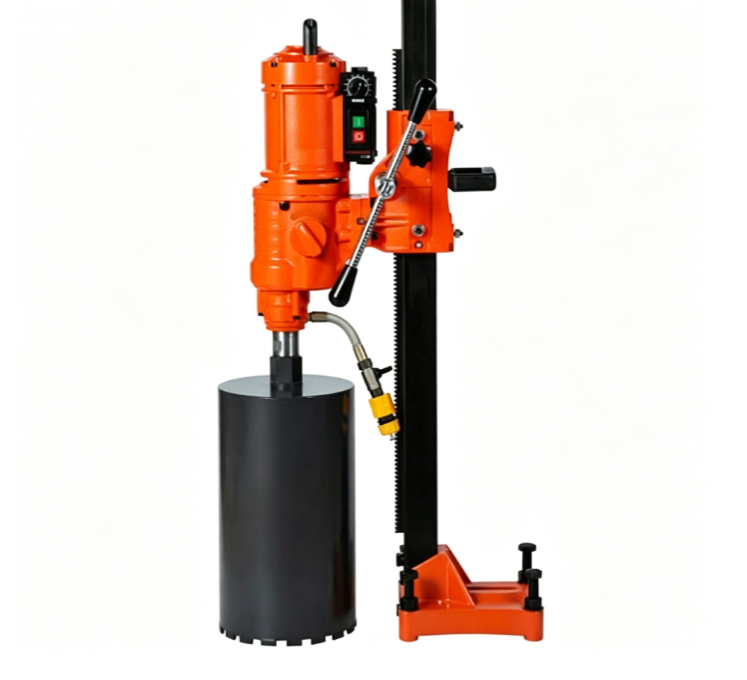
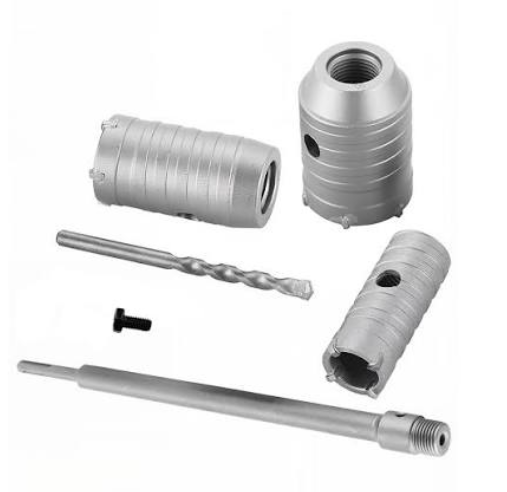
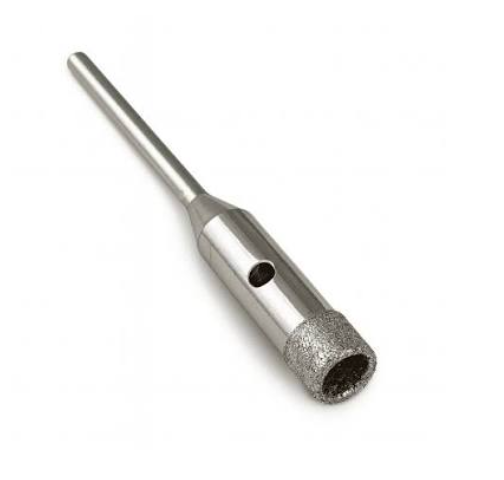
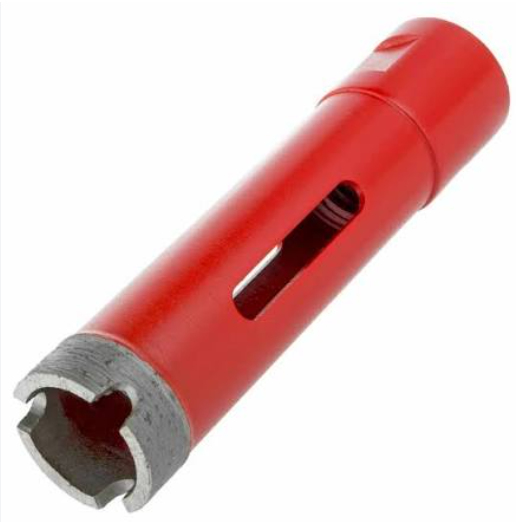
Diamond Core Drill Bit:
Flap Disc:
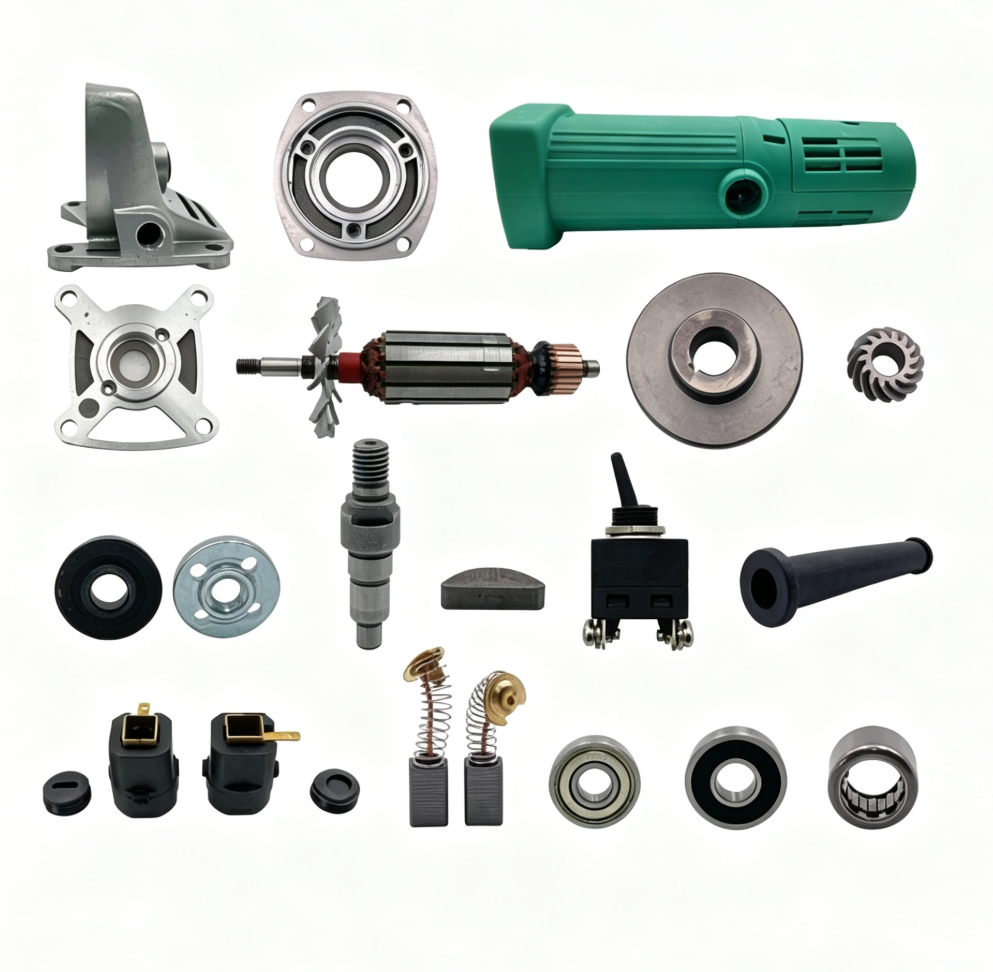
Angle Grinder:
Industrial fan:
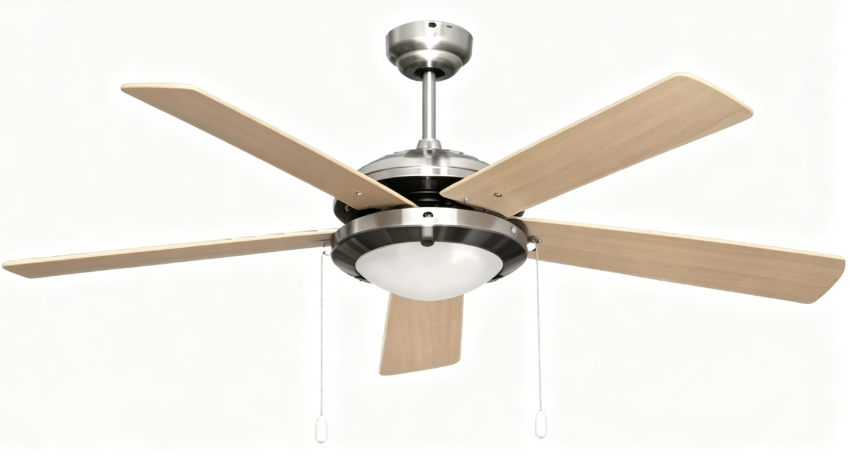
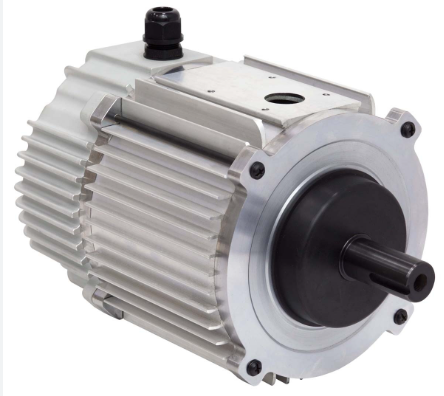
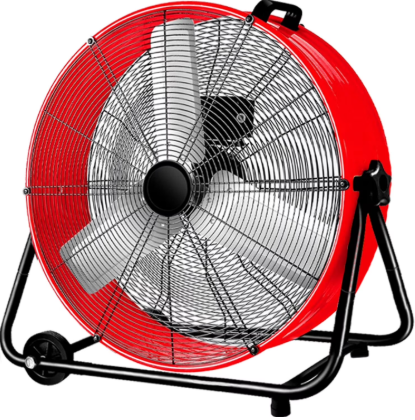
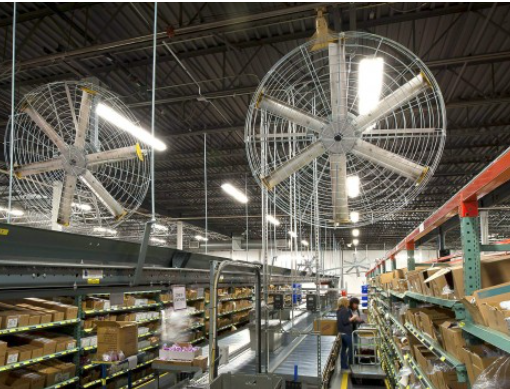
Demolition Hammer:
Blogs:
You May also Interest in other topics:
mirchi powder grinding machine
100kw With Ccs And Chademo Ev Dc Fast Charger Suppliers Dc Fast Charger