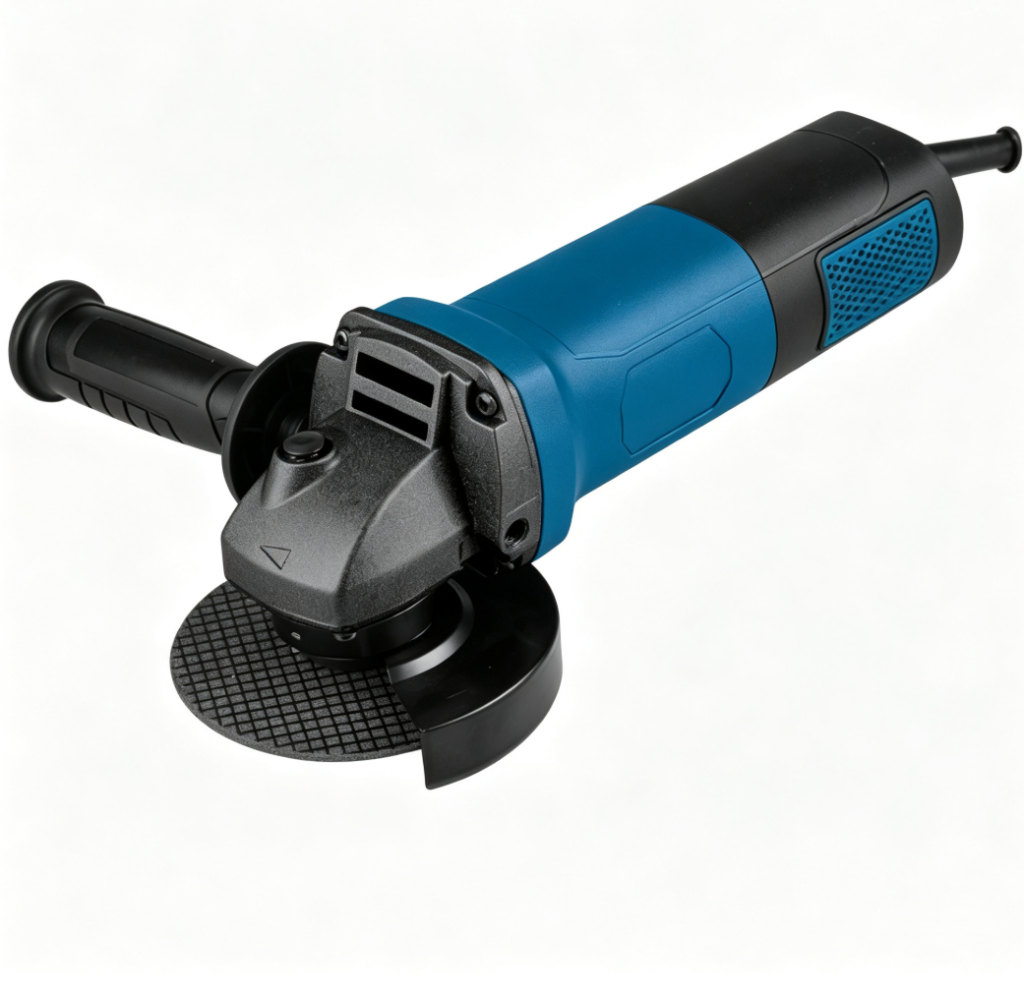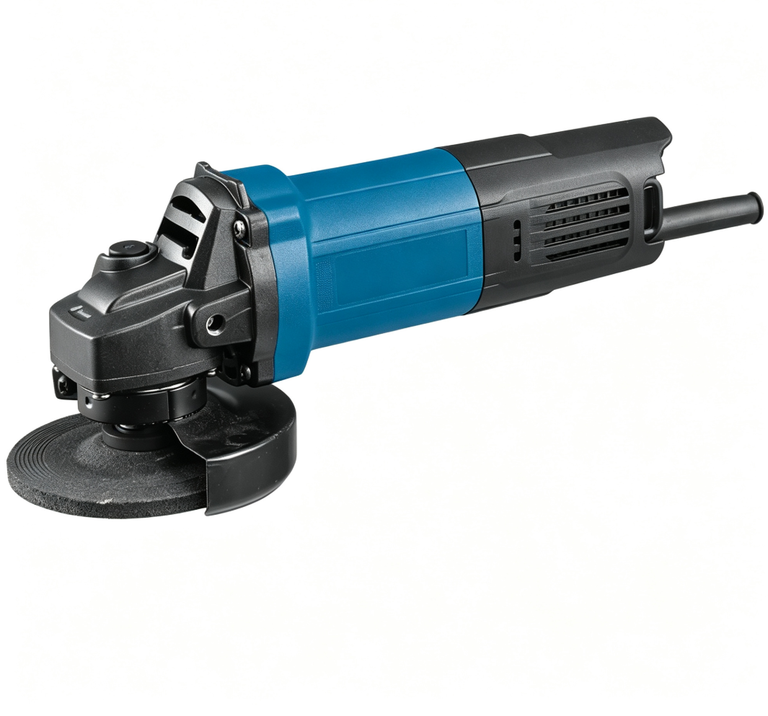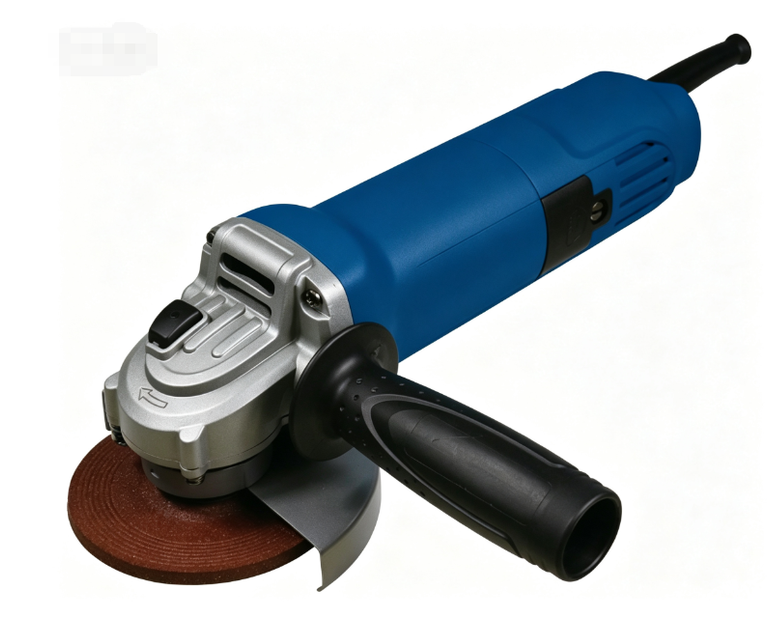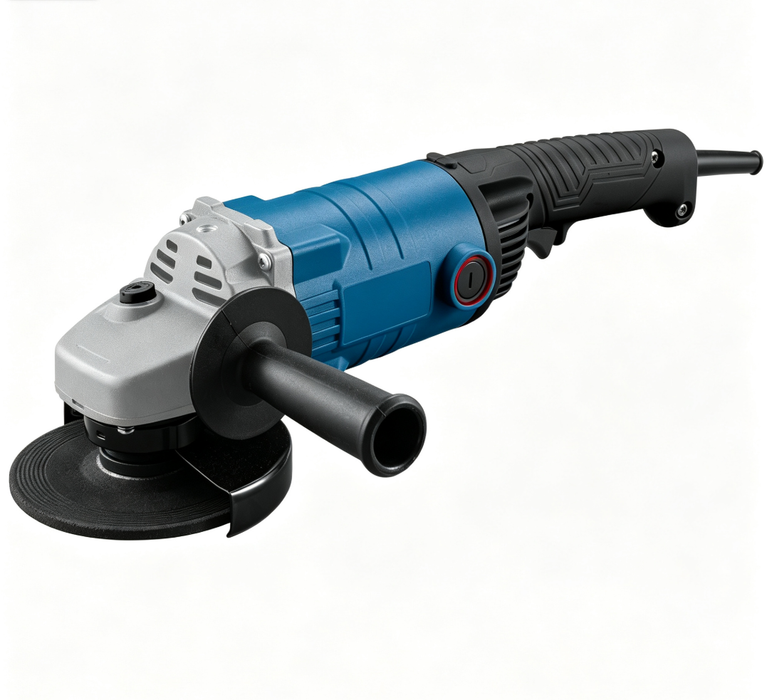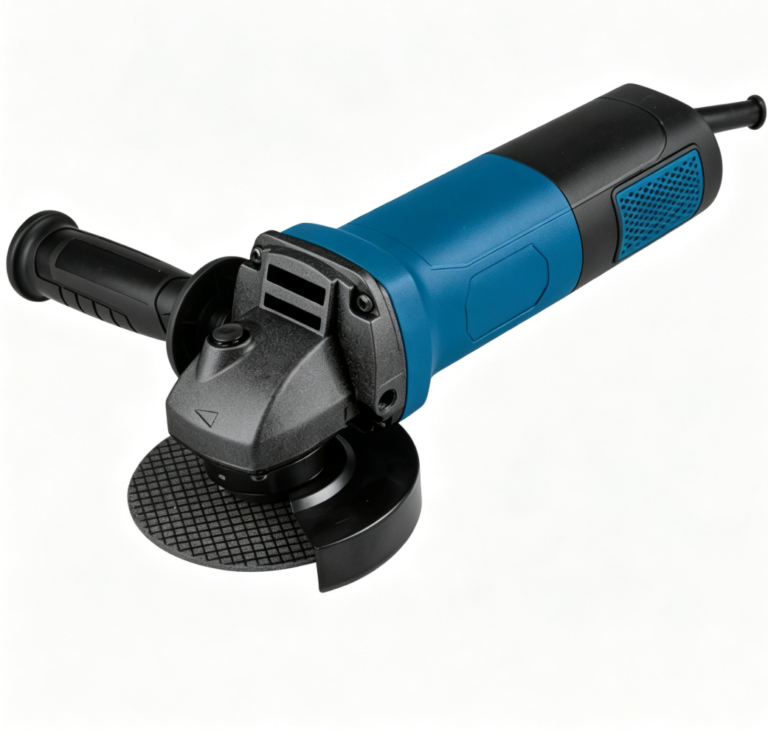
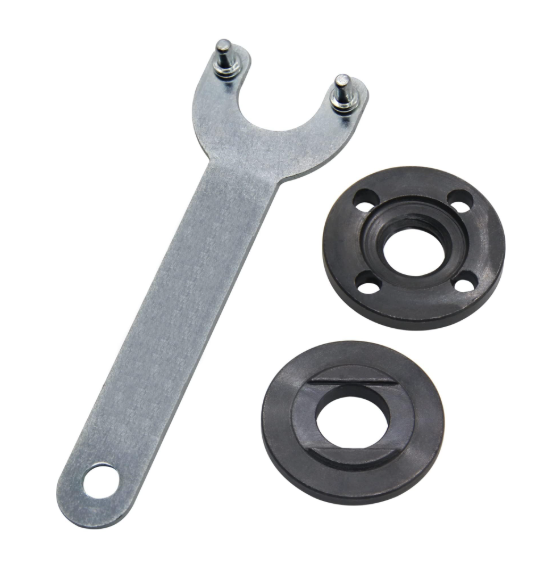
Angle Grinder Lock Nut
Specs
Rated Voltage(V~) 110/220
Rated Frequency(Hz) 50
Max.Wheel Diameter(mm) Φ100
Hole Diameter of Wheel(mm) Φ16 |
Rated Input Power(W) 850
No-Load Speed(r/min) 9000
Angle Grinder Lock Nut
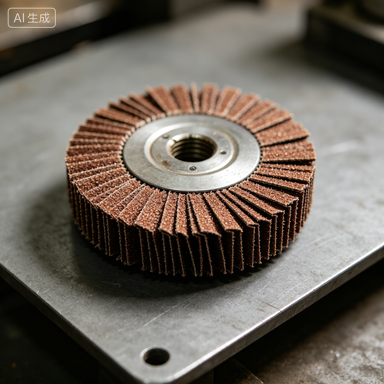
What is an Angle Grinder Lock Nut? An angle grinder lock nut is a core fastening component exclusively used on angle grinders, designed to secure grinding wheels, sanding discs and other rotary working accessories in place. As a critical safety part for high-speed grinding operations, it firmly locks all installed attachments to prevent loosening or flying off during work, directly determining the overall operational stability and personal safety of angle grinder processing tasks.
What Are the Core Basic Definition and Fundamental Attributes of an Angle Grinder Lock Nut?
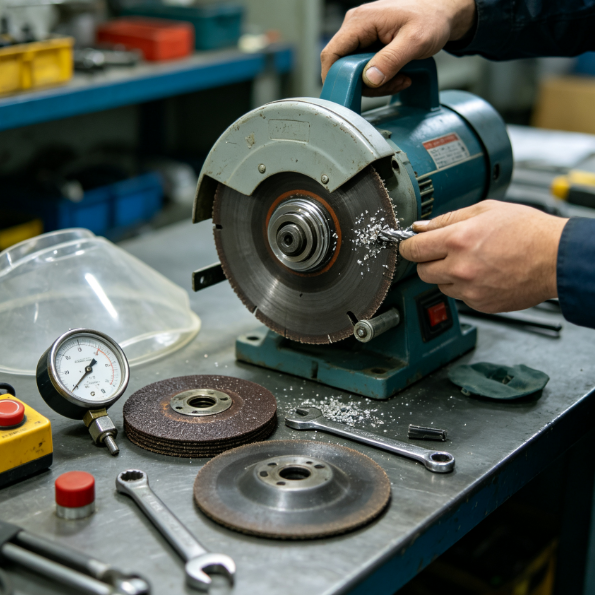
The core function of an angle grinder lock nut is to cooperate with the angle grinder’s spindle thread to form a stable compression locking structure. After installing grinding discs and polishing accessories on the flange plate, the lock nut is screwed tightly onto the spindle to firmly press the accessories against the fixed flange base. This tight compression eliminates gaps between the accessory and the machine body, completely restricting radial shaking and axial displacement of rotating parts. It effectively solves the problem of accessory loosening caused by high-speed rotation and continuous mechanical vibration, ensuring all working attachments operate concentrically and stably throughout the grinding process.
Angle grinder lock nuts follow unified industrial standard thread specifications with clear size classification to match different machine models. The M14 thread specification serves as the mainstream standard, perfectly compatible with the widely used 100-type household and industrial angle grinders that dominate the market. In addition to the universal M14 model, small-power lightweight angle grinders adopt smaller thread sizes including M10 and M12 to match their compact spindle structures. This graded specification design enables lock nuts to accurately fit different machine power levels and spindle sizes, realizing targeted locking assembly for various angle grinder equipment.
In terms of product positioning, the angle grinder lock nut is defined as a high-priority safety accessory rather than a simple ordinary fastener. All high-speed grinding operations rely entirely on the locking performance of this small component to avoid major safety accidents. Angle grinders usually run at ultra-high rotating speeds exceeding 10,000 RPM during operation; once the locking nut fails and loosens, the high-hardness grinding disc will fly out at extreme speed, causing irreversible personal injury and equipment damage. Therefore, the quality, structural design and anti-loosening performance of the lock nut are core guarantees for standardized and safe angle grinder operation in all construction scenarios.
What Are the Internal Structure Design and Working Principles of an Angle Grinder Lock Nut?
The basic self-locking principle of a standard angle grinder lock nut relies on mechanical friction formed by precise thread meshing. When the nut is screwed onto the spindle thread, the tight contact between the internal thread surface and the spindle thread generates stable static friction. This friction force can effectively offset the loosening trend caused by high-frequency mechanical vibration during long-term grinding operation. Ordinary flat nuts purely depend on thread friction for locking, which can meet the demands of short-term and low-vibration light-duty work. However, under continuous heavy vibration and high-load working conditions, simple friction locking is prone to gradual failure, leading to slow nut loosening.
Most upgraded mainstream lock nuts adopt an optimized serrated occlusion structure on the end face to strengthen anti-loosening performance. The bottom of the nut is processed with dense triangular serrated teeth that face the surface of the lower flange gasket. When the nut is tightened, the hard serrated edges can slightly bite into the metal flange surface, forming a physical occlusion locking effect beyond simple thread friction. This structural upgrade completely avoids the slight rotation and displacement of the nut caused by equipment vibration. Compared with ordinary flat nuts, the serrated lock nut maintains extremely stable locking state during long-term continuous grinding, greatly improving the reliability of heavy-duty operation.
High-end professional self-locking lock nuts are equipped with built-in anti-loosening structures such as nylon inserts or deformed thread designs, realizing passive anti-loosening without additional accessories. The internal nylon embedded block will produce elastic extrusion deformation when the thread is screwed in, filling the thread gap completely and generating continuous elastic pre-tightening force. Even in severe vibration environments where ordinary nuts easily loosen automatically, this structural design can always maintain tight thread meshing. It eliminates the need for traditional auxiliary accessories such as anti-loosening gaskets, simplifying the assembly structure while achieving long-lasting and stable locking effects.
Tool-free quick-release lock nuts adopt an innovative eccentric locking structure design, focusing on improving the efficiency of frequent accessory replacement. Traditional lock nuts require special wrenches for disassembly and assembly, which is time-consuming and labor-intensive when replacing grinding discs multiple times a day. The optimized eccentric structure allows operators to manually tighten and loosen the nut without any professional tools. The eccentric positioning design can still form stable compression and locking force after manual tightening, meeting daily grinding operation requirements. This structural optimization greatly shortens the time consumed for tool replacement and improves the overall continuity of on-site construction.
What Are the Material Classification and Performance Differences of Angle Grinder Lock Nuts?
Ordinary economical lock nuts are stamped and formed from common low-carbon steel with surface galvanizing treatment, featuring low production cost and wide market popularity. However, due to the soft texture of low-carbon steel, the overall structural rigidity and anti-deformation ability are relatively weak. Under long-term high-vibration working conditions, the thread structure is prone to micro-deformation and fatigue loosening, resulting in automatic nut loosening during operation. Such nuts are only suitable for intermittent light-duty household DIY use and cannot adapt to long-hour continuous industrial grinding scenarios.
High-grade upgraded lock nuts are forged from high-strength AISI 4140 alloy steel and processed with overall quenching heat treatment, achieving excellent hardness and structural stability. The alloy steel material greatly improves the tensile strength and wear resistance of the nut body, while the integral quenching process optimizes the mechanical properties of the thread part. Even after frequent disassembly, assembly and long-term high-load locking, the thread will not experience wear, slippage or tooth stripping. This stable mechanical performance enables the nut to maintain consistent locking accuracy and fastening force during long-term repeated use.
High-quality lock nuts are equipped with professional anti-corrosion surface treatments such as blackening or Dacromet coating, solving the problem of thread rust and seizure in humid working environments. Ordinary galvanized nuts are prone to oxidation and rust when used in wet construction sites for a long time; rust deposits will fill the thread gaps, causing thread jamming and even permanent seizure, making disassembly impossible. Blackening and Dacromet coating form a dense protective film on the nut surface, isolating air and moisture erosion. This ensures flexible thread rotation and stable locking performance even in humid, dusty and harsh working conditions.
There is a significant gap in locking torque endurance between ordinary stamping nuts and high-strength alloy forged nuts, which directly determines their load adaptation range. The maximum stable locking torque of ordinary low-carbon steel stamping nuts is only about 30N·m, which is insufficient to cope with high-load grinding and easy to loosen under strong vibration. In contrast, alloy steel forged lock nuts can stably withstand a locking torque of more than 50N·m, with strong pressure resistance and anti-vibration ability. They can fully adapt to heavy-duty working scenarios such as thick material cutting, heavy grinding and long-hour continuous operation, providing reliable fastening safety guarantee.
What Are the Standard Installation Procedures and Daily Use Specifications for Lock Nuts?
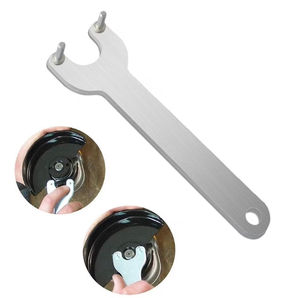
Standard installation operation is the premise to ensure the locking effect of the angle grinder lock nut, and excessive force or insufficient tightening will affect operation safety. After installing the grinding disc and positioning the gasket, screw the lock nut evenly into the spindle thread by hand first to ensure smooth thread meshing without jamming. After the nut is tightly attached to the flange surface, use a special angle grinder wrench to apply uniform force for tightening. When obvious resistance is felt, stop violent pressing and rotate an additional quarter turn to complete locking. It is strictly forbidden to use brute force to screw the nut to a dead lock, which will easily cause thread deformation and tooth stripping, resulting in failure to disassemble in the later stage.
Strict post-installation inspection and no-load testing must be carried out before formal grinding operation to eliminate hidden dangers of accessory shaking. After completing nut locking, manually twist the grinding disc back and forth to carefully check for relative shaking and displacement between the disc and the spindle. If there is any slight looseness, the nut needs to be re-tightened again. After confirming that the accessory is completely fixed without gaps, start the equipment for several minutes of no-load operation. Observe the running state of the grinding disc to ensure no abnormal vibration, jitter and eccentric rotation, so as to confirm that the installation meets the safety operation standards.
Qualified self-locking lock nuts show excellent anti-loosening stability in continuous high-intensity vibration working conditions. Different from ordinary nuts that require frequent re-tightening, high-quality self-locking nuts can maintain a tight locking state without automatic loosening after several hours of continuous strong vibration grinding. This stable performance avoids frequent shutdowns for nut inspection and reinforcement in the middle of operation, effectively improving the continuity and overall efficiency of on-site construction, and is very suitable for batch processing and long-hour industrial operation scenarios.
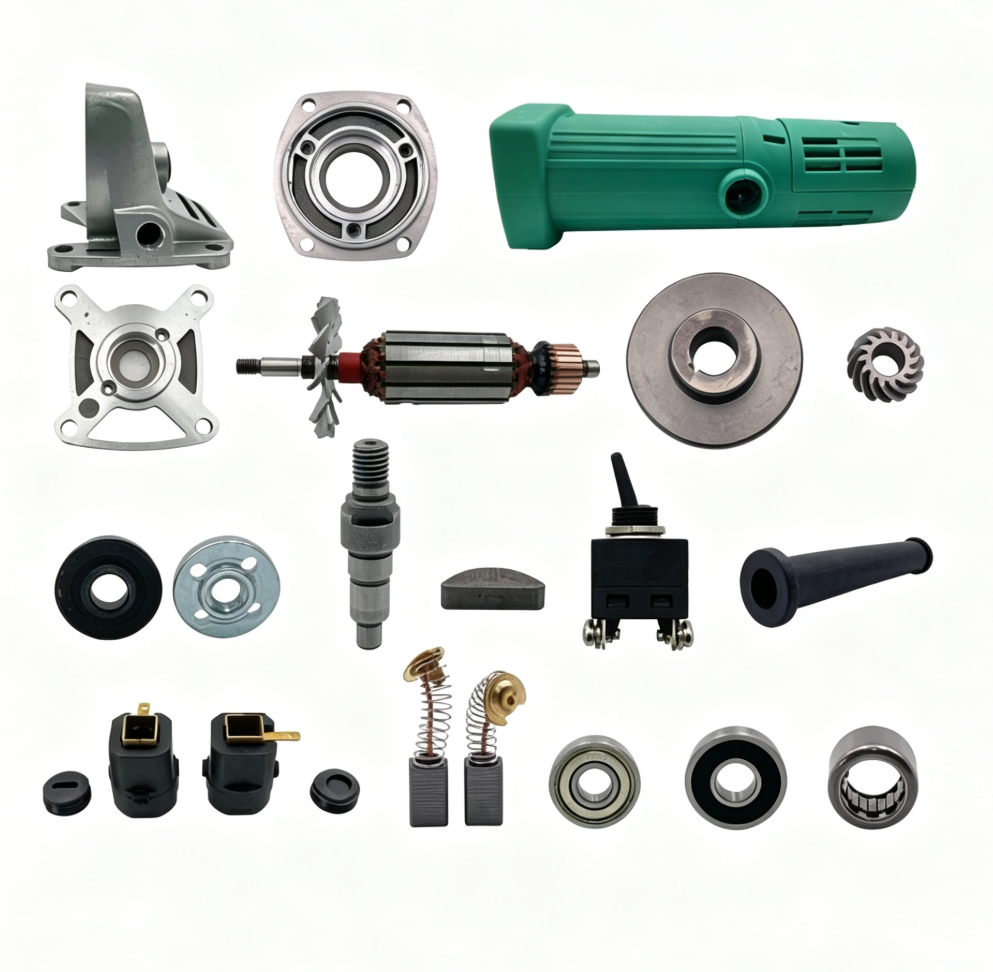
Scientific daily maintenance of the lock nut can effectively extend its service life and maintain stable locking accuracy. Every time the grinding disc is replaced, operators need to carefully clean the grinding dust, metal debris and dirt accumulated in the thread gaps and flange fitting surface. Residual hard debris will cause incomplete thread meshing and uneven compression of the flange surface, leading to unstable locking force and eccentric operation of the grinding disc after long-term accumulation. Regular cleaning ensures smooth thread rotation and tight fitting, preventing common faults such as thread jamming, slipping and insufficient locking force.
What Are the Core Purchasing Reference Standards for Angle Grinder Lock Nuts?
Matching the spindle thread specification of the angle grinder is the primary principle for selecting a lock nut, which is the basic premise to ensure normal use. Users must first confirm the spindle thread size of their equipment, including common M10, M12 and M14 specifications, and select a lock nut with completely consistent thread parameters. Mismatched thread sizes will lead to problems such as inability to screw in, loose meshing and serious thread slipping, which cannot achieve effective locking at all and will directly cause safety accidents during high-speed operation. Accurate specification matching is the most fundamental guarantee for the normal function of the lock nut.
Priority should be given to self-locking structural models when purchasing, as their comprehensive performance is far superior to ordinary flat smooth nuts. Lock nuts with end-face serrated occlusion structures or built-in nylon self-locking inserts have dual anti-loosening protection of physical occlusion and elastic friction. They can cope with strong vibration and high-load working conditions that ordinary nuts cannot adapt to, and will not loosen automatically during long-term continuous operation. For professional industrial processing users who need frequent high-intensity grinding, self-locking lock nuts are the most cost-effective and safe choice.
The flange compression diameter of the lock nut needs to be reasonably matched with the inner hole size of the grinding disc to ensure uniform stress. It is recommended to select a lock nut with a flange diameter 3 to 5 millimeters larger than the inner hole of the grinding disc. This size difference enables the nut to form a comprehensive and uniform compression range on the surface of the grinding disc, avoiding local stress concentration caused by too small compression area. Uniform stress distribution can prevent the grinding disc from eccentric shaking and cracking due to uneven force, making the operation process more stable and safe.
According to the frequency of accessory replacement in actual work, users can choose tool-free quick-release lock nuts to improve construction efficiency. In daily maintenance and multi-process finishing scenarios that require frequent switching of grinding discs, cutting discs and polishing discs, traditional wrenched lock nuts are cumbersome to operate and low in efficiency. The tool-free quick-change lock nut realizes manual fast disassembly and assembly, which can complete accessory replacement in a few seconds. It greatly saves auxiliary operation time and significantly improves the overall working efficiency of multi-process and multi-accessory switching operations.
Summary
In summary, the angle grinder lock nut is an indispensable core safety fastening accessory for angle grinders, with standard M10, M12 and M14 thread specifications covering most mainstream equipment models. Through basic thread friction, serrated occlusion and nylon self-locking structures, it achieves stable anti-loosening locking effects adapted to different working intensities. With graded materials from ordinary low-carbon steel to high-strength alloy steel, it meets the usage demands of household light-duty and industrial heavy-duty scenarios. By following standardized installation and maintenance norms, and selecting matching specifications and self-locking structural models according to actual working conditions, users can effectively ensure the stability and safety of high-speed grinding operation, extend the service life of accessories and equipment, and improve the overall efficiency and standardization of angle grinder construction work.
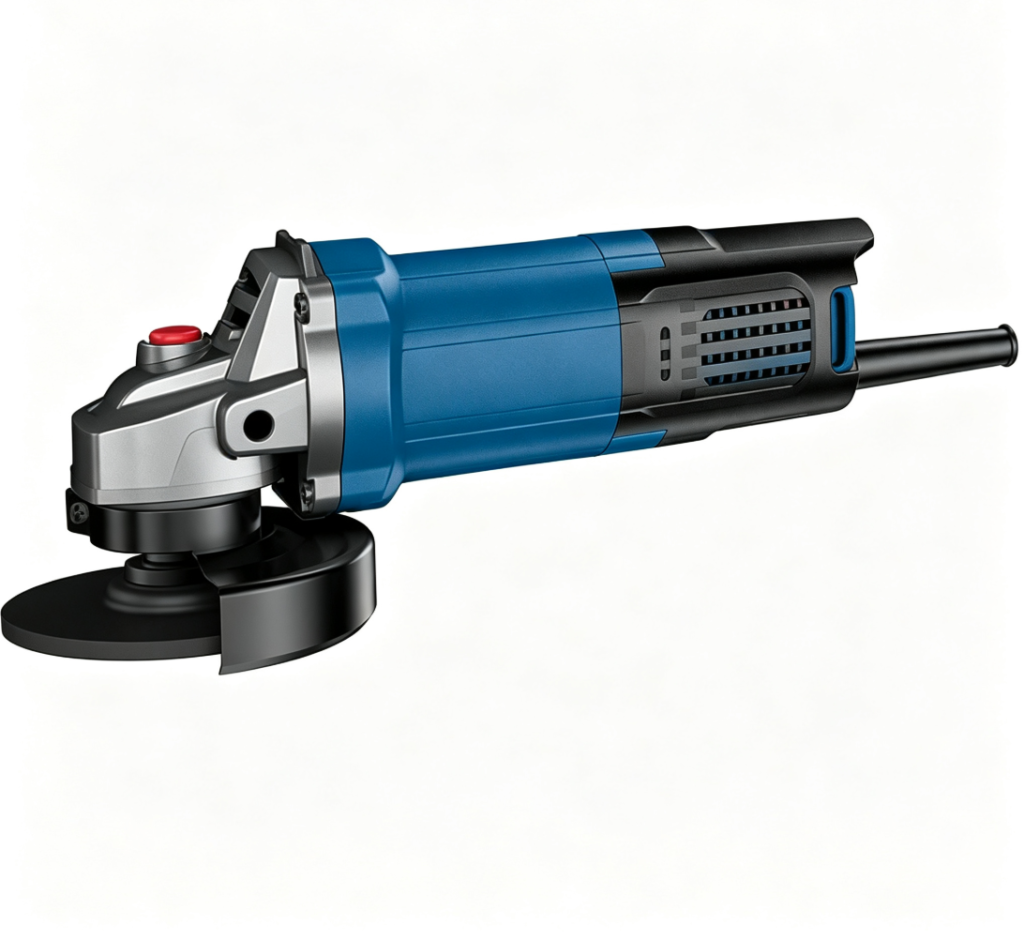
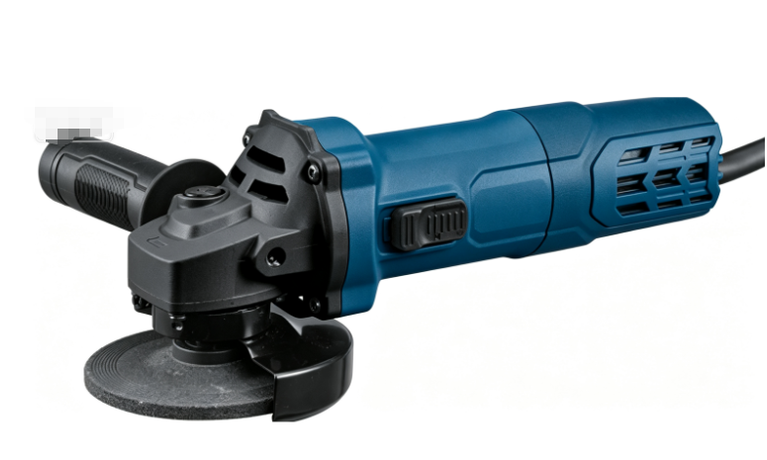
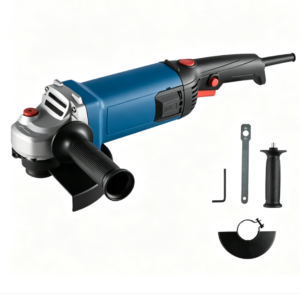
Angle Grinder
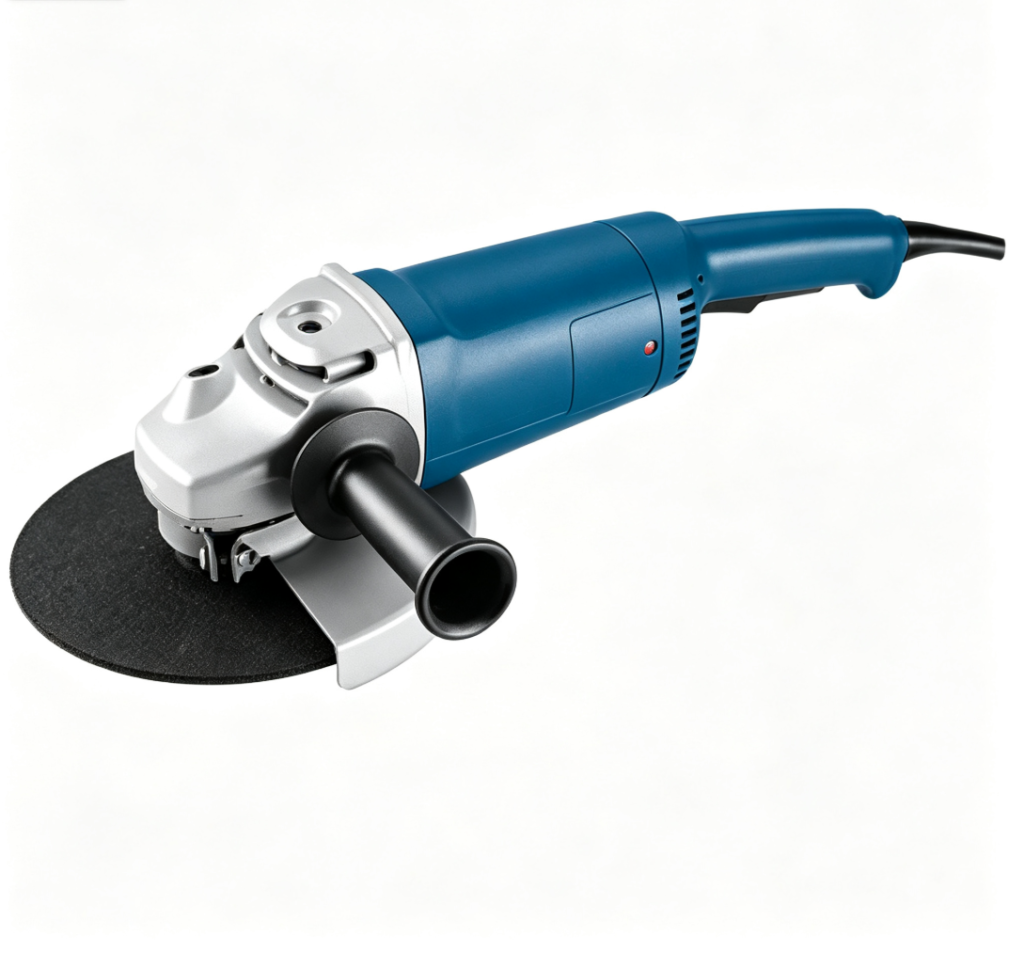
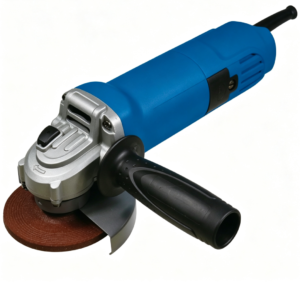
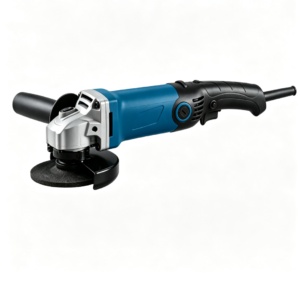
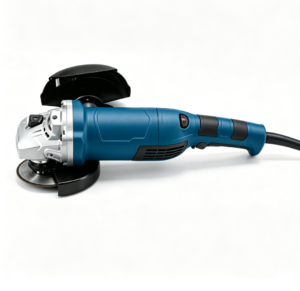
Rated Input Power: The total electric‑power consumption of the angle grinder motor under standard working conditions, which determines the heavy‑duty working capacity of the tool.
No‑Load Speed: The maximum rotating speed of the grinding wheel without workpiece contact, measured in revolutions per minute(rpm).
Grinding‑Wheel Diameter: The outer diameter of compatible abrasive disc, the core dimension to match protective guard and spindle thread.
Spindle Thread: The screw specification for installing cutting‑grinding discs, confirming fast mounting and firm locking of accessories.
Size Description: Overall body dimension of the main machine, used to evaluate handheld comfort and operation flexibility in narrow working space.
Key Features & Advantages
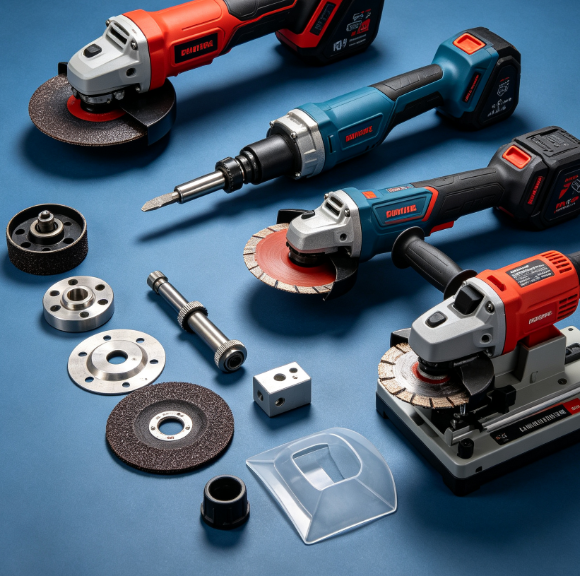
1. Multi-Functional Working Performance Angle grinders deliver powerful all-in-one processing capability by simply swapping different accessories. They can flexibly switch between cutting hard materials, surface grinding, weld slag removal, rust cleaning and workpiece polishing. Instead of preparing multiple single-function power tools for different machining tasks, users only need one angle grinder to complete most metal, stone and concrete processing work, greatly improving on-site operation efficiency and tool utilization rate.
2. Compact Structure with High Power Density Featuring a lightweight handheld body and optimized right-angle transmission structure, angle grinders achieve high rotating speed and strong cutting friction force despite their small size. Their portable and flexible body design allows operation in narrow gaps, curved surfaces and limited working spaces where large fixed grinding equipment cannot reach. This unique advantage makes them ideal for local trimming, detailed finishing and on-site mobile processing.
3. Ultra-Wide Scene Adaptability Supported by three optional power solutions including wired AC, lithium battery wireless and pneumatic drive, angle grinders adapt to almost all working environments. Wired models support long-duration heavy-load industrial operation, cordless lithium battery versions suit outdoor, high-altitude and powerless flexible scenarios, and pneumatic models meet explosion-proof requirements for chemical and dust-intensive workshops. They fully cover household DIY, daily maintenance and heavy industrial construction applications.
4. High Cost-Effectiveness and Low Maintenance Cost Angle grinders adopt simple and durable mechanical structures with few vulnerable parts, resulting in extremely low daily failure rates under standardized operation. Matching abrasive discs, polishing wheels and steel wire accessories are low-cost and easy to replace, and users can complete daily replacement and maintenance independently without professional after-sales support. Integrating multiple functions into one tool effectively saves equipment procurement costs and storage space.
5. Humanized Design with High Operation Safety Modern angle grinders are equipped with mature humanized and safety optimization configurations. Built-in anti-vibration structures and auxiliary handles reduce operating fatigue and long-term vibration damage to the human body. Adjustable safety guards effectively block flying sparks and debris during operation. The quick-lock disc structure simplifies accessory replacement steps, realizing labor-saving, efficient and safe standardized operation in various working conditions.
FAQ
Q: Are you a factory or a trading company?
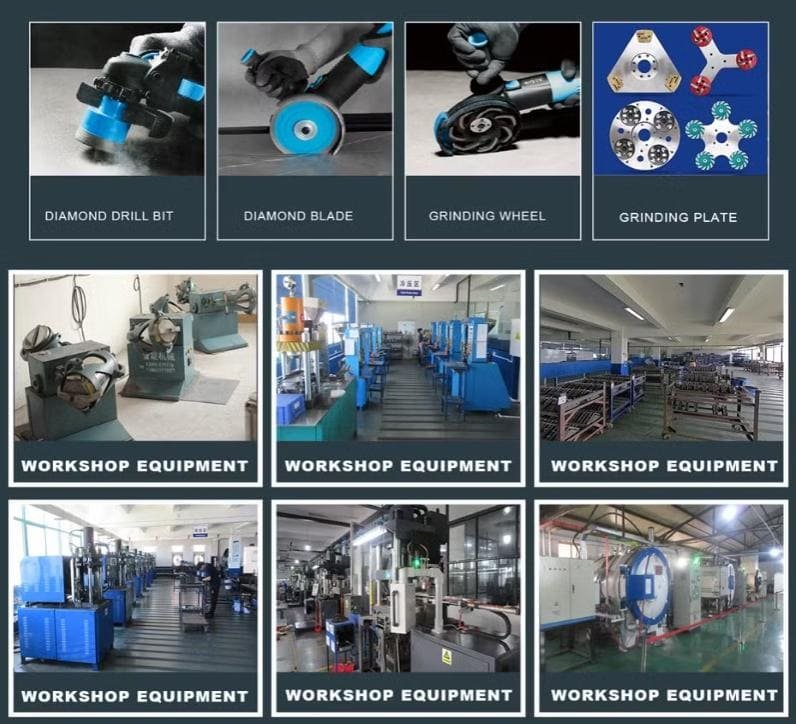
A:We are a proffessional manufacturer of abrasive tools with more than 30 years.
Q: Is OEM available?
A: Yes,OEM and customization are available.Also,we can provide label printing service.
Q: Are samples available?
A: Free samples are available while freight is chargeable.
Q: What is your advantages?
A: Good quality product,cheap price and fast loading.
Q: Do you have after-sales services?
A: Yes, we have complete after-sales services,if you encounter any qualit problems with our products.
Packing, Delivery & Shipping
If you meet our minimum order quantity of 500 pieces, customized retail packaging is available for your angle grinders. We can produce premium hang‑able color boxes matched with outer export cartons. You can choose to adopt our official brand packaging, or apply your own brand totally.
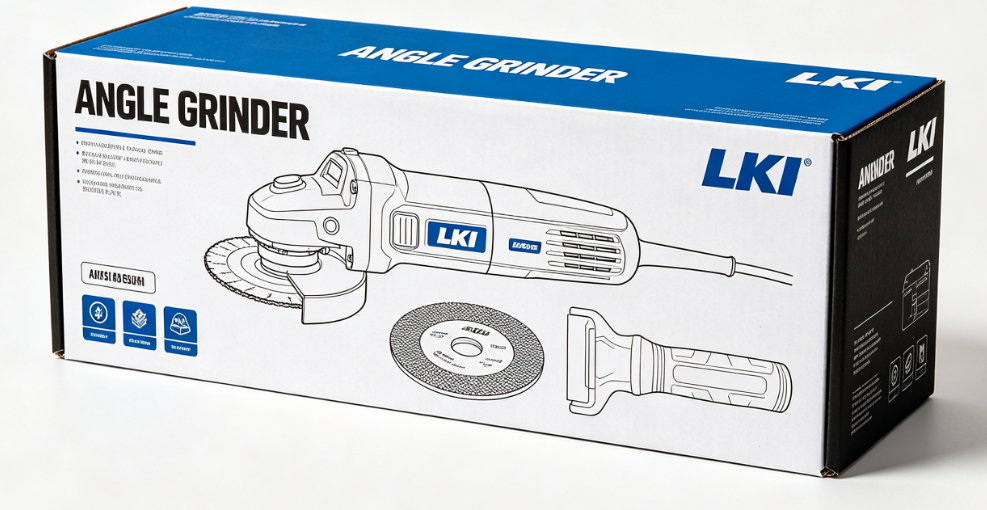
Customizable items include printed brand logos, product adhesive stickers, personalized color box artwork and outer carton layouts. If you need exclusive customized packaging design, please provide your complete PDF design files for production arrangement.
If your order volume fails to reach the 500‑piece MOQ, we will adopt standard neutral brown cartons for bulk shipment. Meanwhile, you can still attach your self‑designed brand stickers on the outer packages to mark your own brand.
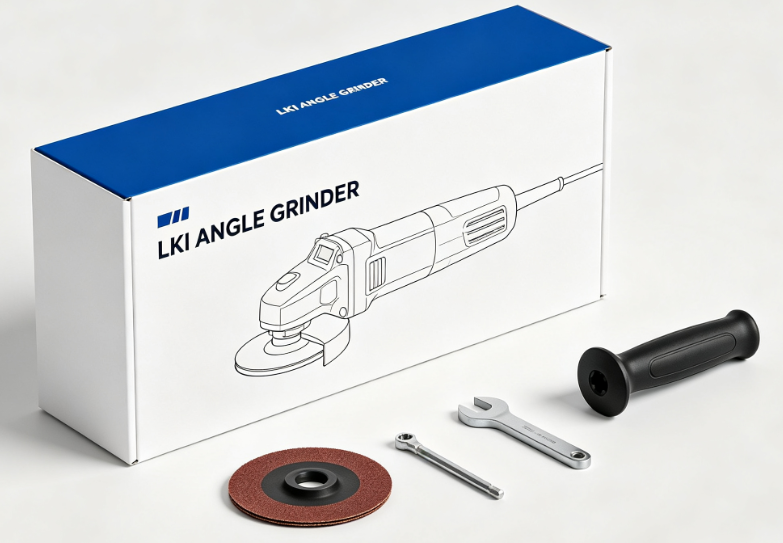
Packaging Details Adapted for Angle Grinder
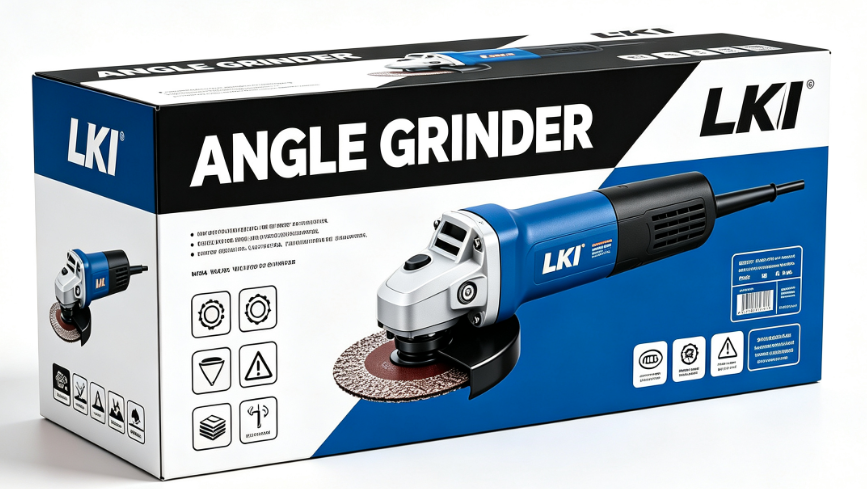
Packaging Content: Each box holds one complete angle‑grinder unit with separate protective foam padding inside to avoid scratches, impact damage and dust contamination during transit.
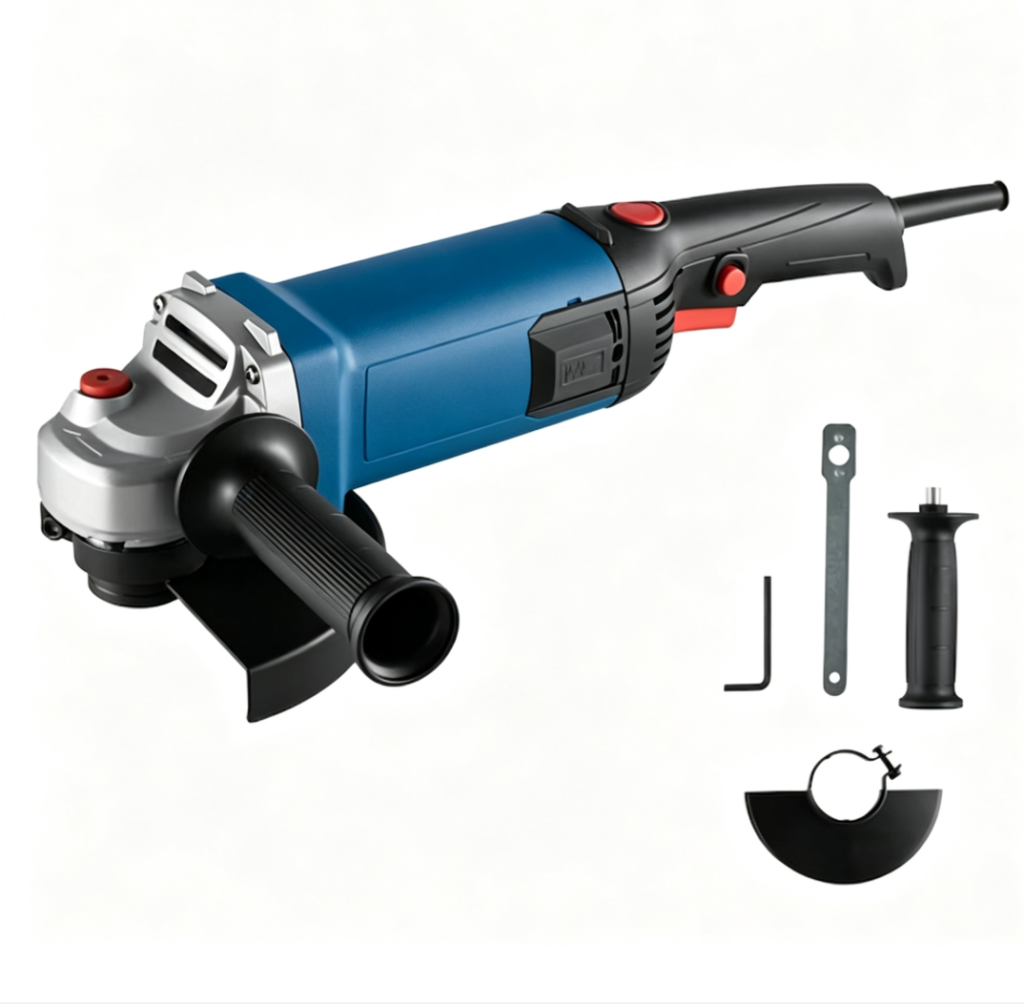
Inner Package: Hanging retail color box (with hang‑hole structure suitable for hardware store shelf display). It can hold 1 main grinder body plus auxiliary side handle, grinding guard, carbon‑brush spare parts and user manual, quantity can be adjusted as customized request. Outer Package: Corrugated export carton, shockproof and compression‑resistant for long‑distance sea and land transportation.
Wide Application Scenarios
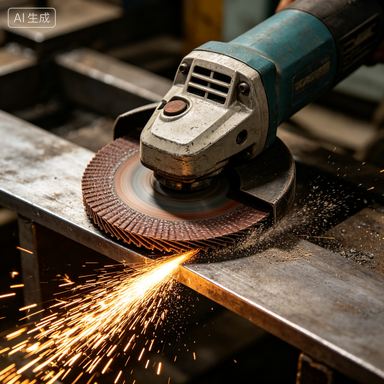
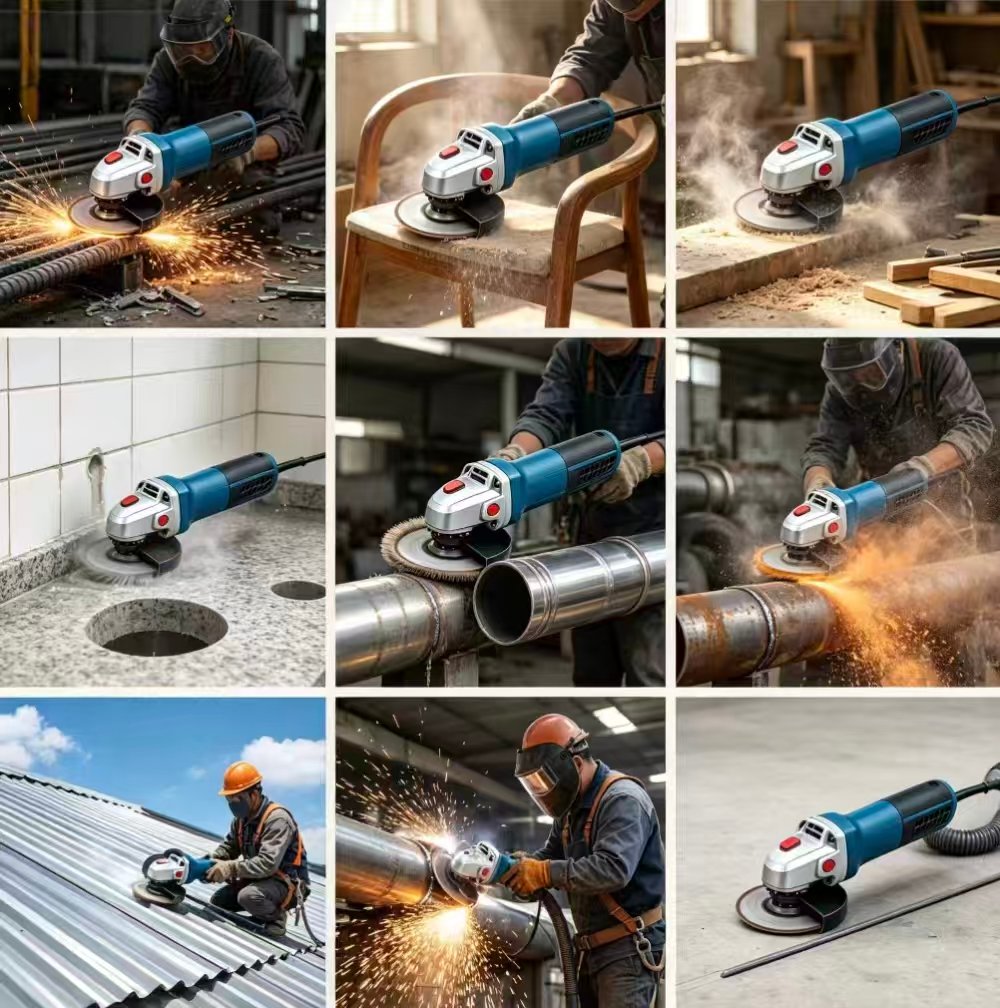
Angle grinders feature powerful cutting‑grinding performance and outstanding environmental adaptability, perfectly fitting nearly all‑round material‑processing scenarios for construction renovation, metal fabrication, stone machining and household DIY projects.
They serve as vital multi‑functional handheld power tools for metal‑working workshops, building‑construction teams, hardware‑repair shops, stone‑processing factories, machinery‑maintenance stations and home DIY enthusiasts. Widely applied for metal cutting, weld‑seam grinding, concrete trimming, rust removal, surface polishing and paint stripping, these durable angle grinders are ideal for long‑time heavy‑duty operation on construction sites, metal‑processing plants, renovation projects and outdoor maintenance jobs.
They deliver strong, stable rotating power to guarantee efficient machining of hard‑to‑cut work‑pieces including steel profiles, stone slabs, cement walls and metal components.
For industrial production and daily‑maintenance scenarios, they are commonly used in metal fabrication workshop processing, building‑site demolition work, home‑renovation trimming, equipment rust cleaning, weld‑slag removing and surface finishing jobs carried out in machinery workshops, hardware service stores and outdoor engineering locations.
The precisely manufactured angle grinders realize steady, high‑speed abrasive‑wheel rotation during operation. They greatly boost material‑processing efficiency, shorten construction‑working periods, reduce manual labor intensity and satisfy diversified machining demands. Whether applied for heavy‑load demolition‑cutting operation of industrial‑grade construction projects, frequent intermittent trimming work of home‑renovation tasks, or long‑time continuous surface‑grinding work of metal‑fabrication workshops, these heavy‑duty angle grinders maintain stable output
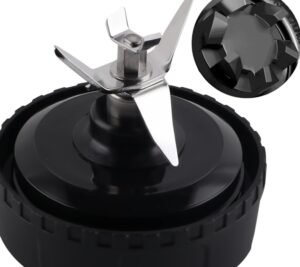
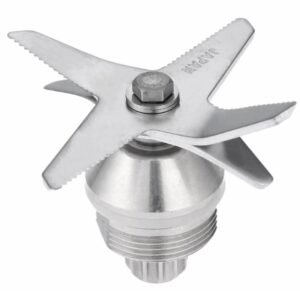
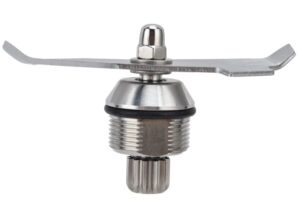
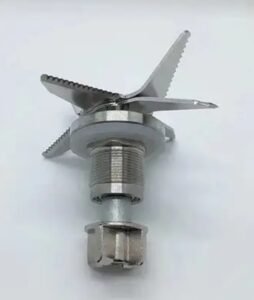
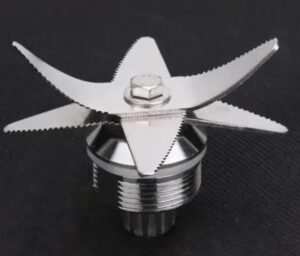
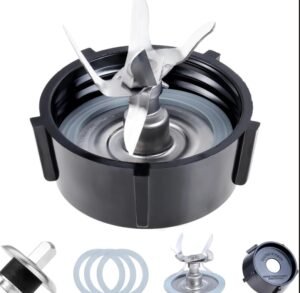
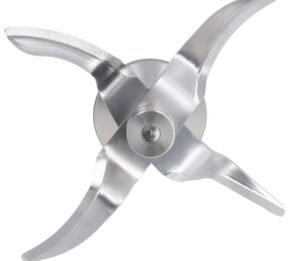
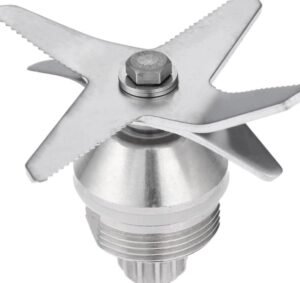
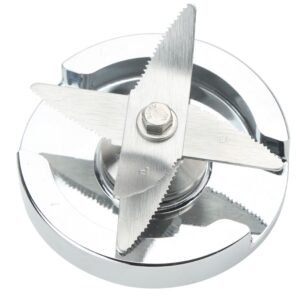
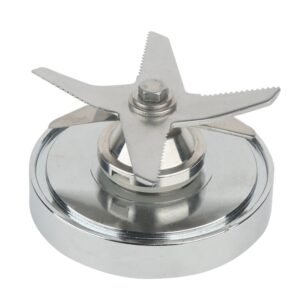
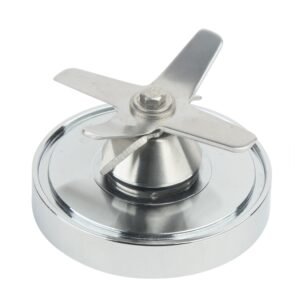
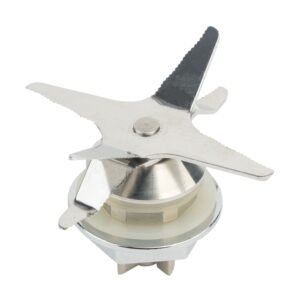
Blender Blade
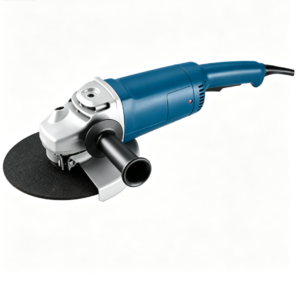
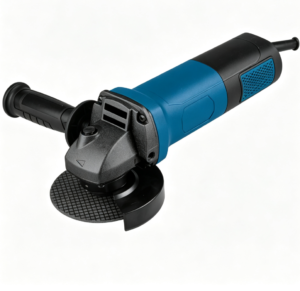
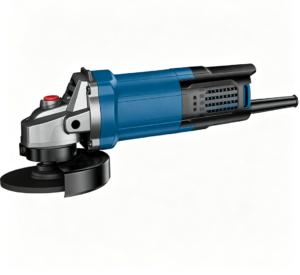
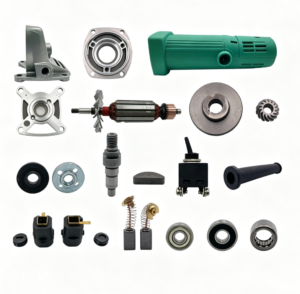
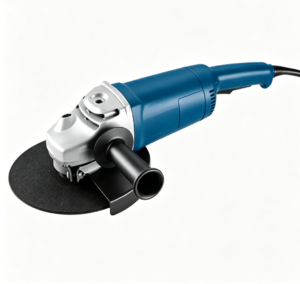
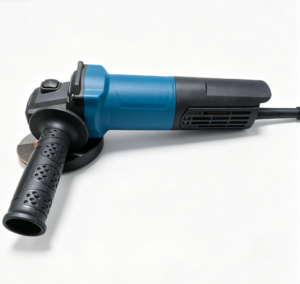
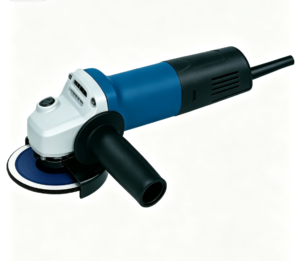
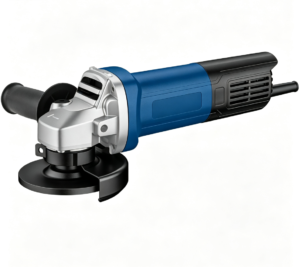
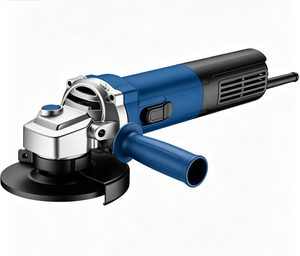
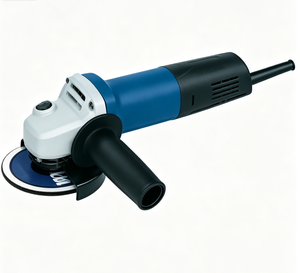
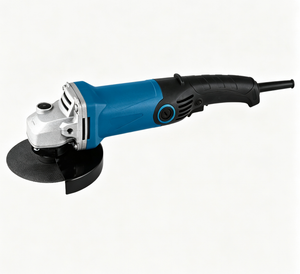
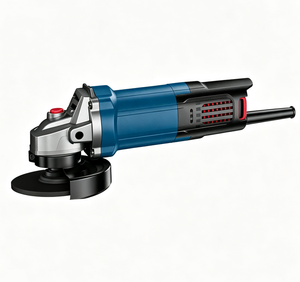
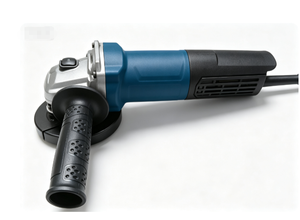
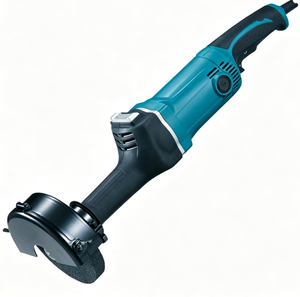
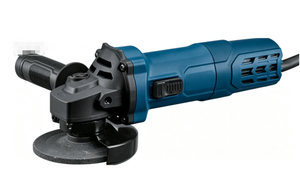
Angle Grinder for Sale:
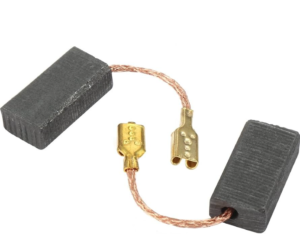
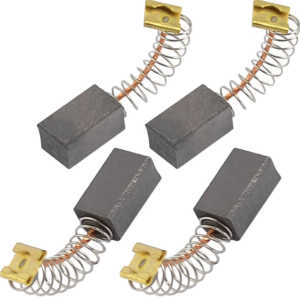
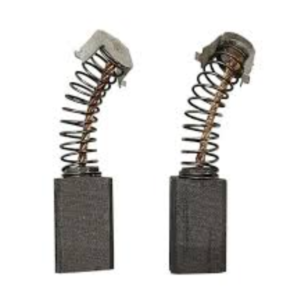
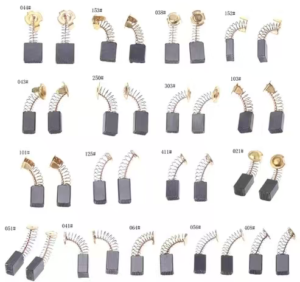
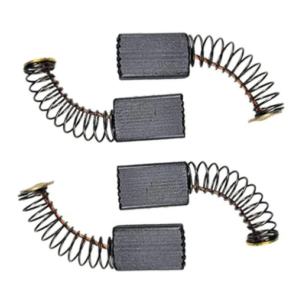
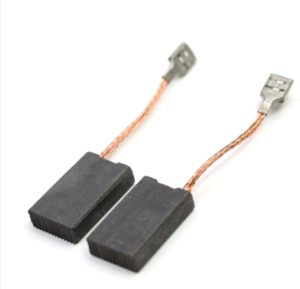
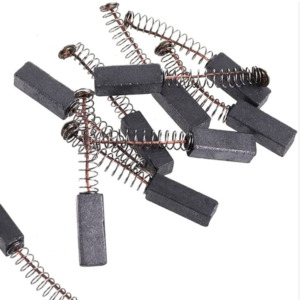
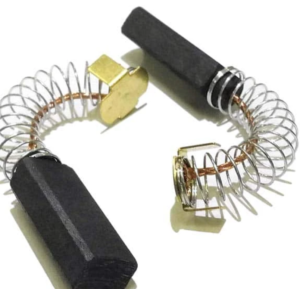
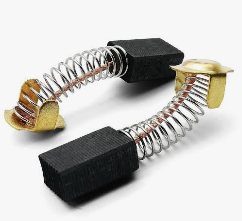
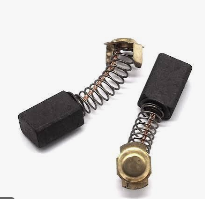
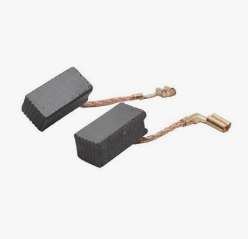
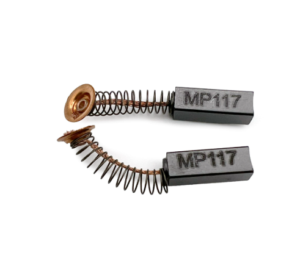
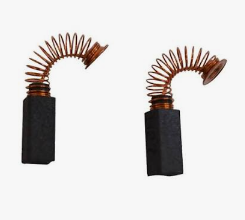
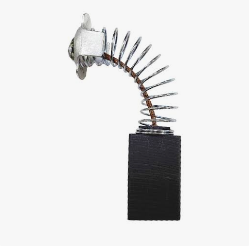
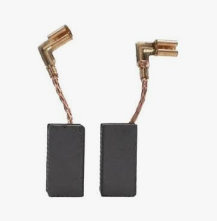
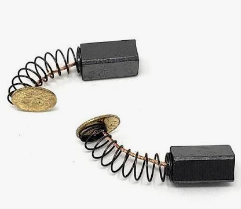
Carbon Brush for Sale:
Diamond Blade

Welcome to call us
Contact Us to get quotation
Working Time: 8:00~17:00 Monday to Friday.
Applications:
Factory:
FAQ
Welcome to call us
Contact Us to get quotation
Working Time: 8:00~17:00 Monday to Friday.