Cutting Wheel Tool
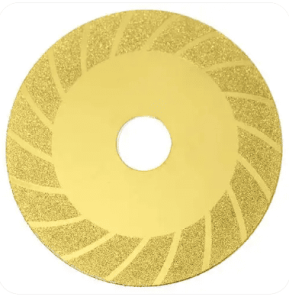
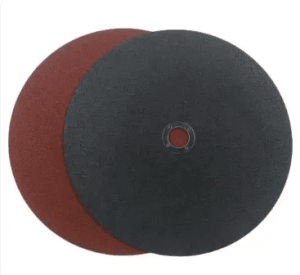
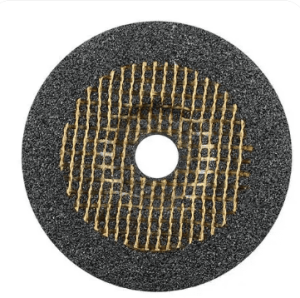
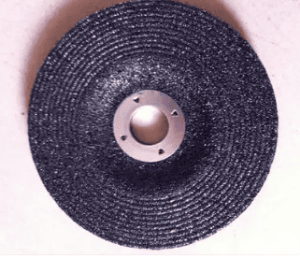
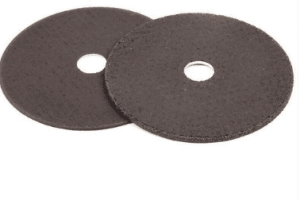
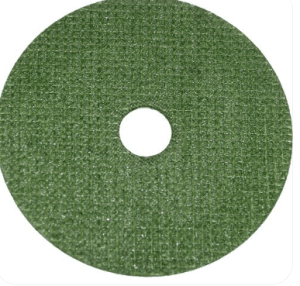
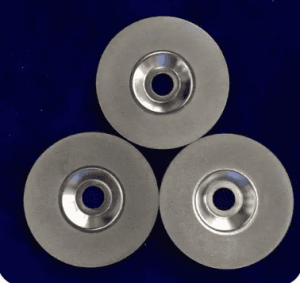
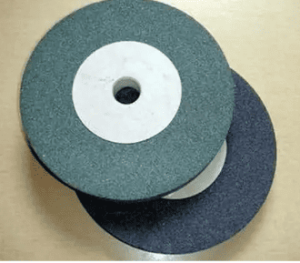
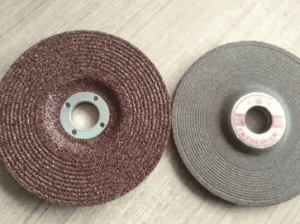
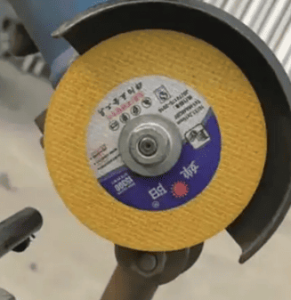
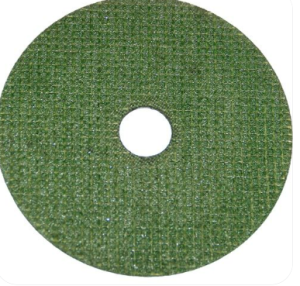
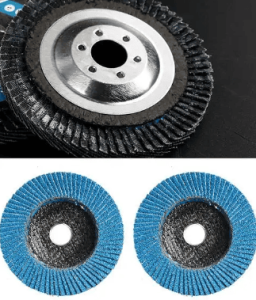
Cutting Wheel for Sale:
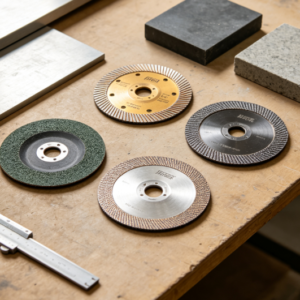
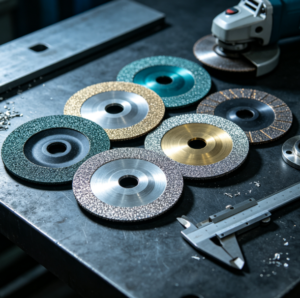
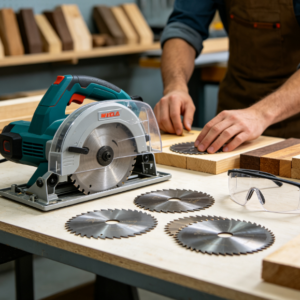
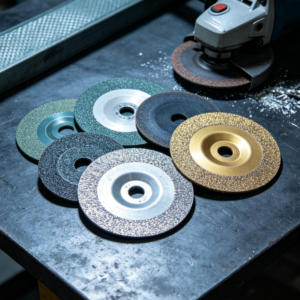
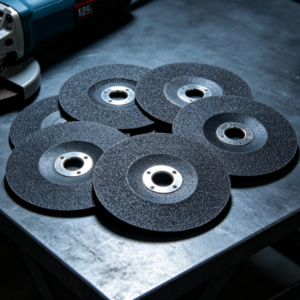
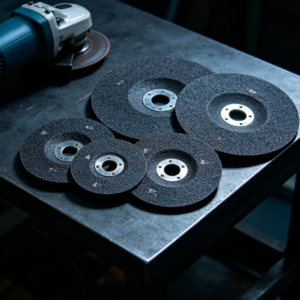
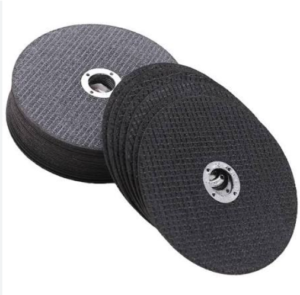
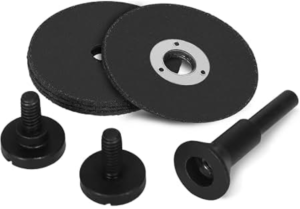
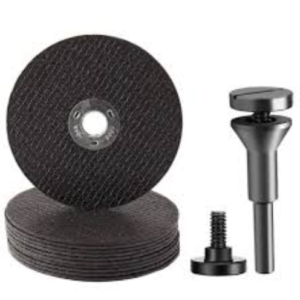
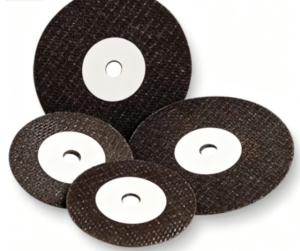
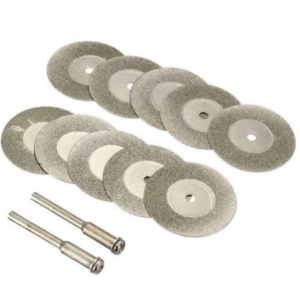
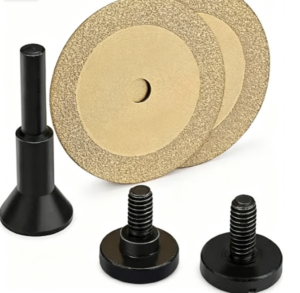
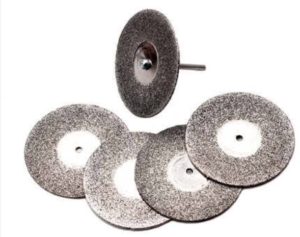
Cutting Wheel Tool
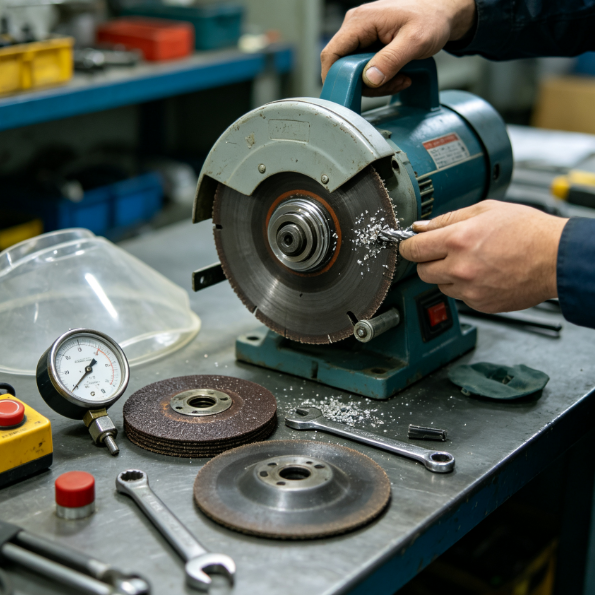
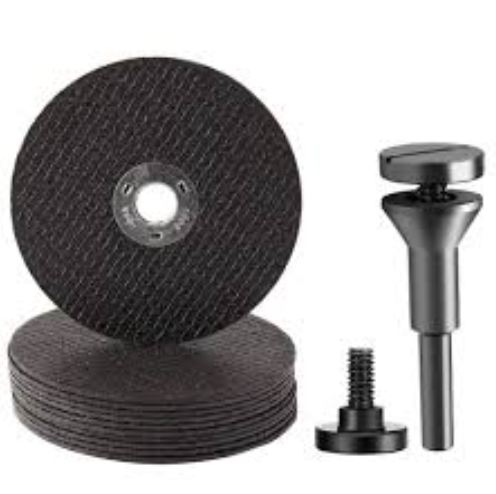
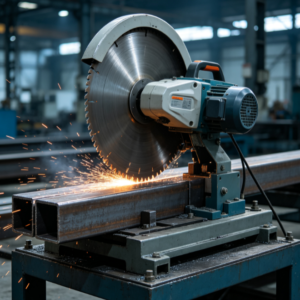
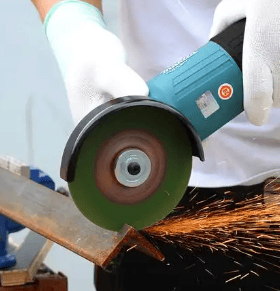
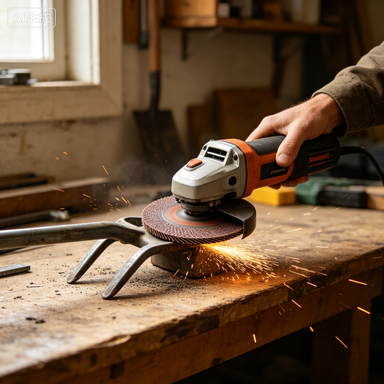
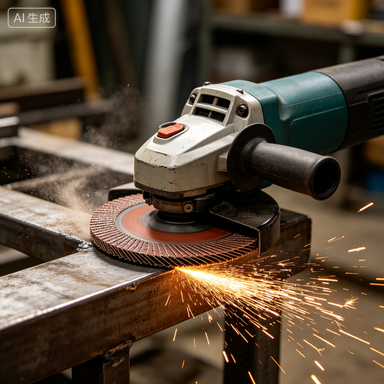
A cutting wheel tool is a professional power cutting device that uses fixed abrasive cutting wheels as its core working component. It is widely adopted in metal processing, auto repair, building construction and many other industrial fields to deliver fast, accurate cutting on all kinds of hard materials. With its combination of power driving structure and replaceable abrasive discs, it has become one of the most practical and versatile processing tools for both professional workshops and on-site construction work.
What are the core structure and working principles of a cutting wheel tool?
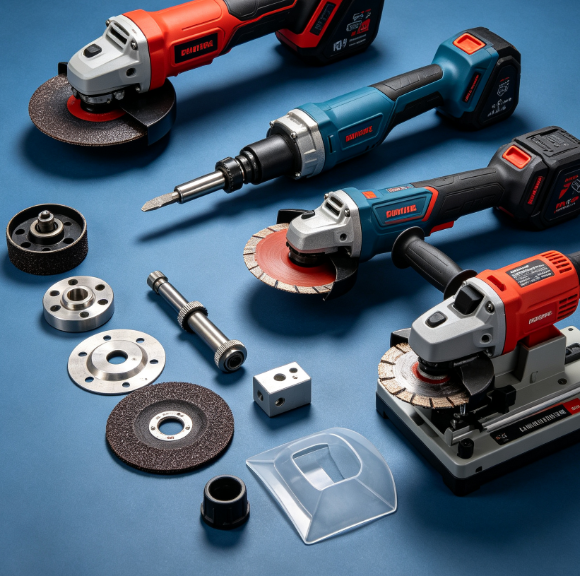
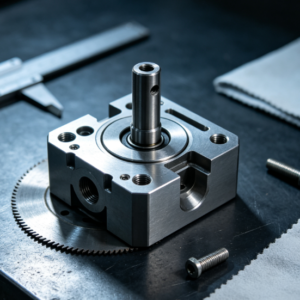
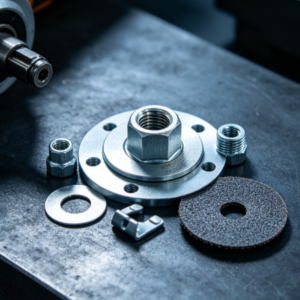
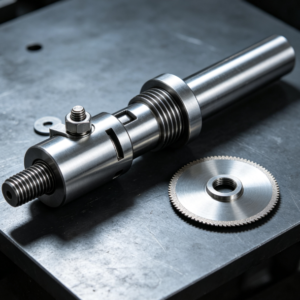
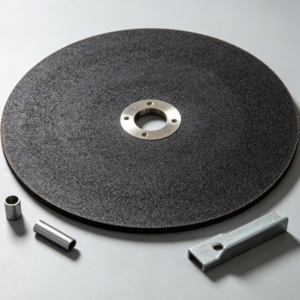
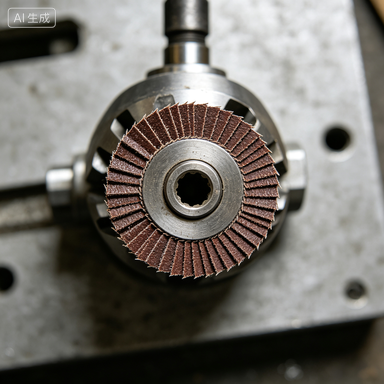
A standard cutting wheel tool consists of several essential core parts that work together to ensure stable cutting performance. The main components include a power driving unit, spindle locking mechanism, flange fastening assembly, safety protective guard, and interchangeable cutting wheel. In addition to these basic structures, pneumatic cutting wheel tools are further equipped with speed control modules and air passage interfaces, allowing flexible speed adjustment according to different material hardness and cutting requirements. This complete structural configuration ensures that the tool can maintain stable power output and safe working conditions in various complex operating environments.
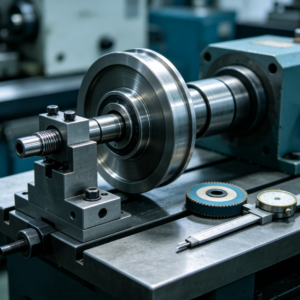
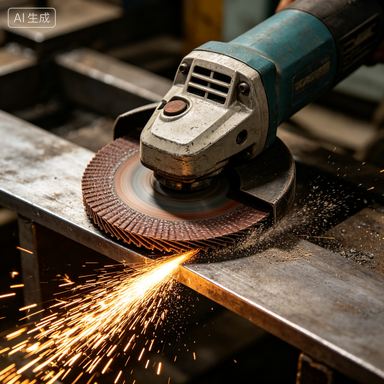
The working principle of a cutting wheel tool relies on high-speed rotary grinding to achieve material cutting. The internal power unit drives the main spindle to rotate rapidly, which further drives the surface abrasive grains of the cutting wheel to continuously grind and remove workpiece materials. During long-term cutting processes, the worn abrasive particles will automatically break and fall off, exposing new sharp cutting edges continuously. This self-renewing grinding ability allows the cutting wheel tool to maintain consistent sharpness and stable cutting efficiency throughout the entire working process without frequent tool sharpening.
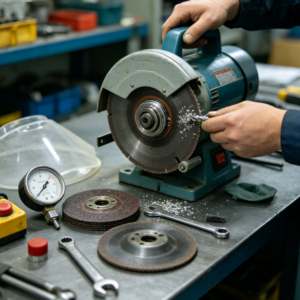
Modern cutting wheel tools are built with user-friendly and safety-focused structural designs. Each tool is equipped with a standard spindle locking system, which can firmly fix the spindle in place during disc replacement. Operators can install and remove cutting wheels quickly without the need for extra professional tools or complicated procedures. This simple locking structure greatly lowers the operational difficulty of replacing consumables, shortens tool adjustment time, and effectively improves overall working continuity in batch cutting tasks.
What is the matching selection guide for cutting wheel tools in different application scenarios?
For automotive sheet metal repair work, lightweight low-vibration electric cutting wheel tools are the most ideal choice. These tools usually weigh less than 1 kilogram, making them extremely easy to hold and control for long-duration operation. Their slim body design allows workers to reach narrow body gaps and confined repair spaces that large power tools cannot access. They perform excellently when cutting high-strength steel plates and aluminum alloy car bodies, meeting the precise trimming and dismantling needs of daily auto maintenance and collision repair work.
In heavy industrial continuous working environments, pneumatic cutting wheel tools are strongly recommended as the primary option. Unlike electric tools that face overheating burnout risks after long-hour operation, pneumatic models generate almost no heat accumulation during continuous running. They can support 24-hour uninterrupted cutting work without performance decay, making them perfectly suited for high-intensity profile cutting and batch blanking tasks in steel factories and heavy machinery workshops. Their stable power output and durable structure ensure consistent processing quality in high-load industrial production.
For outdoor construction sites with no accessible power supply, lithium battery cordless cutting wheel tools are the most practical solution. Models equipped with batteries of 4.0Ah or higher capacity provide strong and lasting battery life. After a single full charge, the tool can complete hundreds of steel bar cutting operations steadily. This reliable battery performance allows construction workers to carry out road emergency repairs, field construction and outdoor material cutting freely without relying on fixed power sockets, greatly improving the flexibility of field operation.
For high-precision laboratory sample preparation, desktop silent cutting wheel tools are the preferred equipment. These professional bench-type tools are fitted with precise feeding adjustment knobs, which allow operators to accurately control the downward cutting pressure and cutting speed. The fine pressure control effectively reduces workpiece deformation and thermal impact during cutting, ensuring that the internal microstructure of metallographic samples remains intact. This makes the tool highly suitable for high-standard precision cutting and specimen preparation in scientific research and material testing laboratories.
What core working advantages do cutting wheel tools offer?
Cutting wheel tools deliver far higher working efficiency than traditional manual hand saws. Powered by high-speed motor or pneumatic rotation, they complete material cutting in a much shorter time. Meanwhile, the thin abrasive wheel structure produces extremely narrow and flat cutting incisions with minimal burrs and material cracks. The clean cutting effect greatly reduces the need for later manual polishing and edge trimming, effectively simplifying the processing workflow and improving overall production efficiency.
Most cutting wheel tools adopt optimized lightweight body structures, which greatly reduce hand burden during long-time operation. Traditional heavy industrial tools easily cause wrist soreness and fatigue after continuous use, affecting working stability. Modern cutting wheel tools balance power performance and portability perfectly, allowing operators to maintain stable working posture for hours. This advantage is especially prominent in long-term outdoor construction and large-area material cutting scenarios.
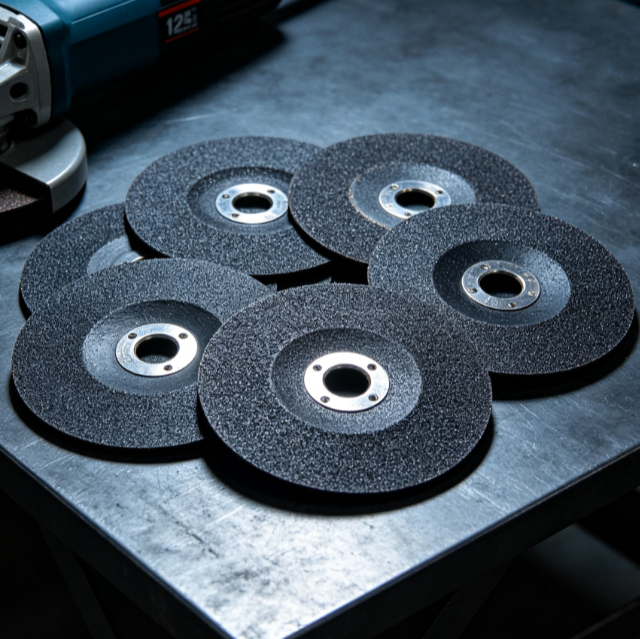
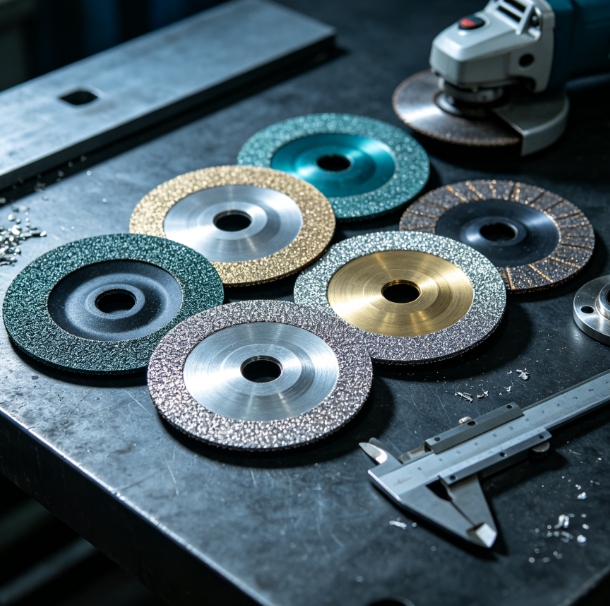
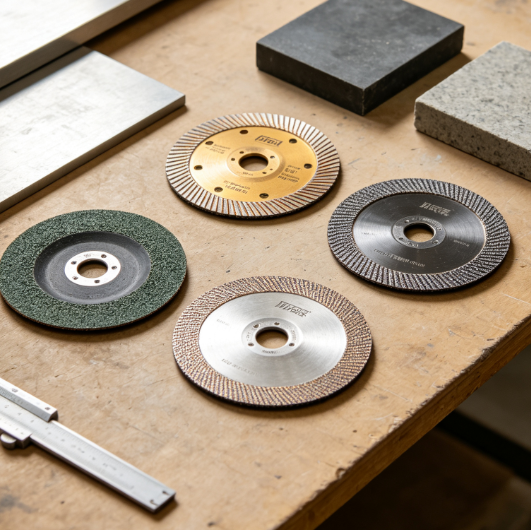
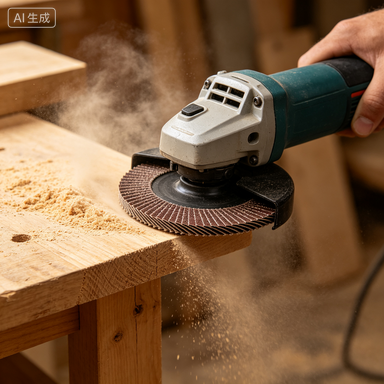
Cutting wheel tools feature excellent universal compatibility with diversified consumable options. Users can freely replace different types of abrasive cutting wheels according to processing needs. By switching metal-specific, stone-specific or glass-specific cutting discs, the same tool can handle cutting tasks for metal profiles, stone slabs, glass sheets and other hard materials. This multi-material adaptability enables one single tool to meet multiple processing requirements, greatly improving tool utilization rate and reducing equipment purchase costs.
What usage and maintenance guidelines should be followed for cutting wheel tools?
Before replacing a new cutting wheel, operators must thoroughly clean dust, metal debris and residual particles on the spindle threads. Residue on the thread surface will cause poor fitting between the wheel center hole and the flange assembly, resulting in installation deviation. Offset mounting will lead to severe vibration, shaking and unstable cutting during high-speed rotation, which not only affects cutting accuracy but also raises safety risks. Keeping the spindle clean ensures concentric installation and smooth tool operation.
Before every formal cutting task, users need to start the tool at idle speed and calibrate the actual rotating speed with professional measuring tools. Each cutting wheel has a clear rated maximum rotating speed marked on its surface. Operators must never let the tool exceed this standard speed during operation. Over-speed running will cause excessive centrifugal force on the cutting wheel, easily leading to wheel cracking, fragmentation and serious safety accidents. Standard idle testing and speed calibration are essential safety steps for daily operation.
Long-term proper storage and regular inspection are key to extending the service life of cutting wheel tools. The tool should be placed in a dry and dust-free storage environment to avoid moisture corrosion and dust accumulation inside the mechanical structure. Operators need to regularly check the wear degree of spindle threads, locking components and fastening parts. Timely replacement of aging and worn accessories ensures stable locking accuracy and consistent cutting performance for long-term repeated use.
Summary
In conclusion, a cutting wheel tool is a versatile power cutting device composed of a power unit, spindle locking structure, safety guard and replaceable abrasive cutting wheel. It achieves efficient material removal through high-speed rotary abrasive grinding and features convenient wheel replacement and reliable safety design. Different tool types can be precisely matched to automotive maintenance, heavy industrial continuous operation, outdoor powerless construction and laboratory precision cutting scenarios. With higher cutting efficiency, outstanding portability and wide material adaptability, it outperforms traditional manual cutting tools. Strict pre-installation cleaning, speed calibration and daily maintenance further ensure stable performance and long service life, making it an indispensable tool in construction, industrial processing and equipment maintenance fields.
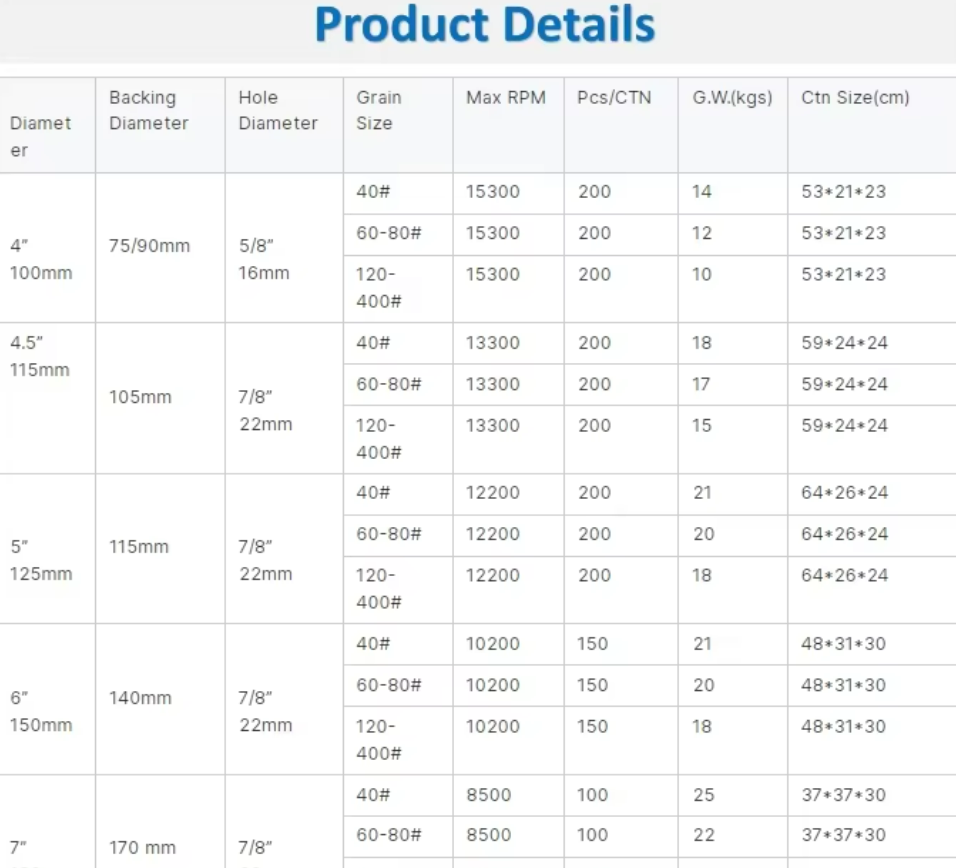
Cutting Wheel Specification

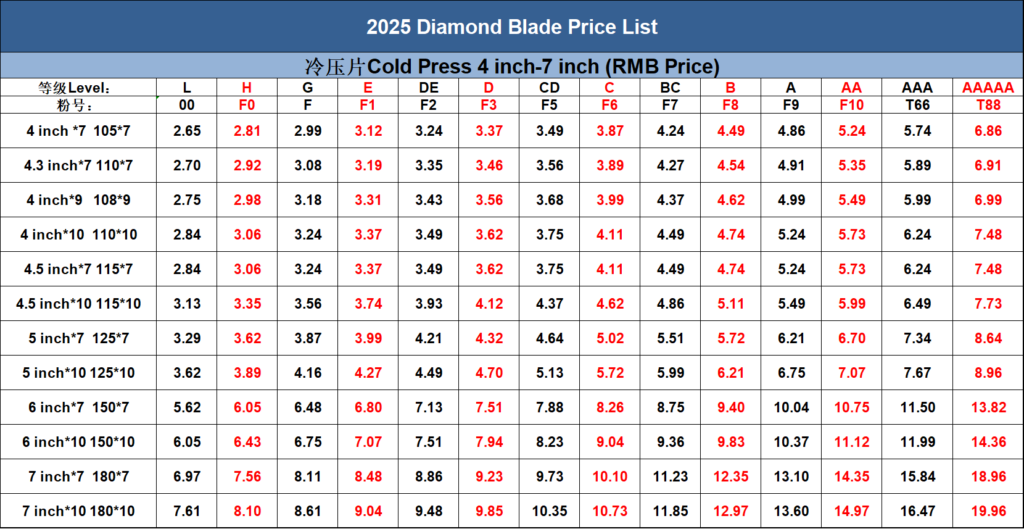
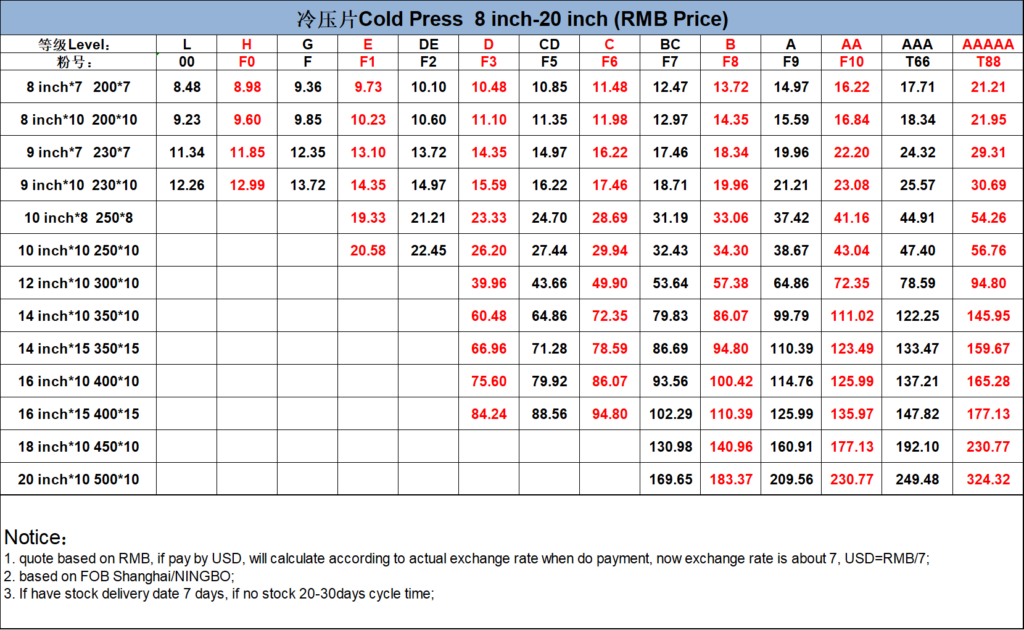
Key Features & Advantages
Complete Mechanical Structure and Stable Working Principle
Cutting wheel tools adopt a mature structural combination of power unit, spindle locking mechanism, flange fastening assembly and safety guard. Pneumatic versions support adjustable speed and air-path control. By relying on self-sharpening abrasive grains for continuous grinding, the tool maintains stable cutting capability during long working hours. The integrated spindle locking design enables tool-free quick wheel replacement, lowering operation difficulty and improving working efficiency.
Scenario-targeted Selection for Full-industry Adaptation
The product line covers multiple tool types to fit different working environments. Lightweight electric models suit narrow-space automotive repair; heat-resistant pneumatic tools support 24-hour heavy industrial continuous cutting; high-capacity lithium cordless tools adapt to outdoor powerless construction; and silent desktop precision models meet laboratory low-deformation sample cutting needs. Professional classified selection ensures optimal cutting performance in every application scenario.
High Cutting Efficiency and Excellent Finishing Effect
Compared with traditional manual sawing, cutting wheel tools achieve faster material removal speed with ultra-narrow, flat and clean incisions. They greatly reduce burr generation and minimize subsequent polishing and trimming workloads. The stable high-speed grinding action ensures consistent cutting quality, effectively shortening processing cycles and improving overall working productivity for both batch industrial production and sporadic maintenance tasks.
Lightweight Body and Long-duration Operational Comfort
Ergonomic lightweight design effectively reduces hand fatigue during long-time handheld operation. The balanced body weight and reasonable grip structure allow operators to maintain stable cutting posture for hours, which is highly suitable for outdoor construction, high-altitude operation and large-scale continuous cutting work. It greatly improves operation comfort and working stability in high-intensity working scenarios.
Wide Material Compatibility and Flexible Use
The tool supports the replacement of multiple types of cutting wheels with different abrasive materials and specifications. It can freely switch between cutting metal, stone, glass and other hard materials, realizing multi-scene and multi-material processing with one single device. Strong compatibility reduces the number of required tools on site and improves the flexibility and economy of daily operation.
Standard Maintenance Mechanism for Long Service Life
Standardized daily maintenance rules ensure long-term stable performance. Cleaning spindle threads before installation avoids eccentric vibration; speed calibration prevents over-speed safety risks; regular dust-proof, moisture-proof storage and parts inspection reduce mechanical wear and aging. Scientific usage and maintenance greatly extend the service life of the cutting wheel tool and reduce long-term use costs.
FAQ
Q: Are you a factory or a trading company?
A:We are a proffessional manufacturer of abrasive tools with more than 30 years.
Q: Is OEM available?
A: Yes,OEM and customization are available.Also,we can provide label printing service.
Q: Are samples available?
A: Free samples are available while freight is chargeable.
Q: What is your advantages?
A: Good quality product,cheap price and fast loading.
Q: Do you have after-sales services?
A: Yes, we have complete after-sales services,if you encounter any qualit problems with our products.
Packing, Delivery & Shipping

If you meet our minimum order quantity of 300 pieces, customized retail packaging is available for your cutting wheels. We can produce premium hangable color boxes matched with outer export cartons. You can choose to adopt our official LKI brand packaging, or apply your own OEM brand totally.
Customizable items include printed brand logos, product adhesive stickers, personalized color box artwork and outer carton layouts. If you need exclusive customized packaging design, please provide your complete PDF design files for production arrangement.
If your order volume fails to reach the 300-piece MOQ, we will adopt standard neutral brown cartons for bulk shipment. Meanwhile, you can still attach your self-designed brand stickers on the outer packages to mark your own brand.

Packaging Details Adapted for Cutting Wheel
Packaging Content: Each box holds multiple cutting wheels with separating protective paper between discs to avoid scratches and edge chipping during transit.
Inner Package: Hanging retail color box (with hang hole structure suitable for hardware store shelf display, can hold 5 / 10 / 20 pcs as customized request) Outer
Package: Corrugated export carton, shockproof and compression-resistant for long-distance sealand transportation

Shipment

Wide Application Scenarios
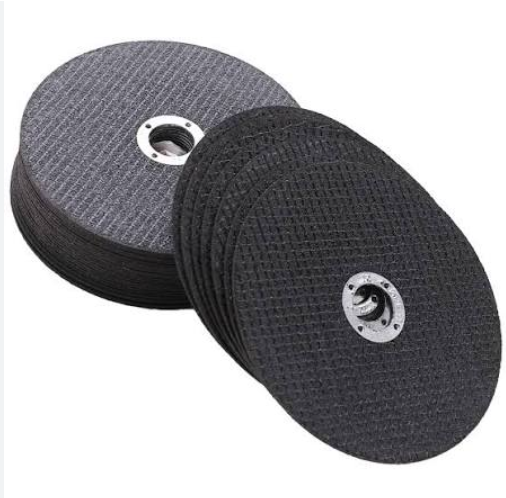
The cutting wheels boast extremely versatile adaptability, perfectly fitting nearly all metal processing, stone machining and construction cutting scenarios.
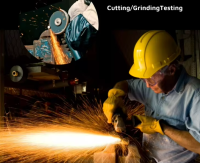
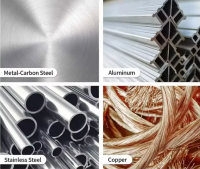
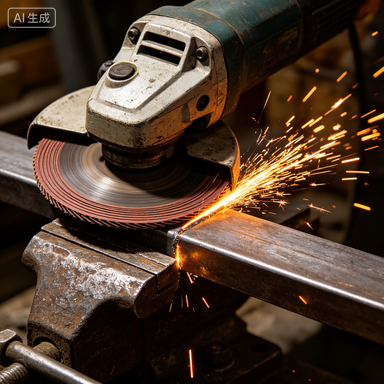
They serve as essential replacement abrasive parts for metal fabrication workshops, construction sites, hardware processing factories, decoration engineering teams and home DIY users. Widely applied in cutting stainless steel plates, iron pipes, solid steel bars, angle iron, stone slabs, ceramic tiles and alloy workpieces, these abrasive cutting wheels are ideal for high-frequency continuous cutting work in metalworking and building construction.
They deliver stable cutting performance to guarantee smooth running of angle grinders, cut-off machines and multi-functional abrasive cutting equipment.
For construction and metalworking scenarios, they are commonly used in steel structure processing, pipeline cutting, decoration renovation, metal mold trimming and stone splitting in factories, construction sites and hardware workshops.
The precisely manufactured cutting wheels realize smooth, burr-free cutting of workpieces. They greatly boost cutting efficiency, reduce motor load of grinding equipment, cut down energy consumption and extend the service life of power tools. Whether applied for rough cutting of thick metal materials, precision trimming of thin stainless steel sheets, or long-time continuous high-speed cutting, these durable cutting wheels maintain stable cutting ability and wear resistance for long-term daily use.
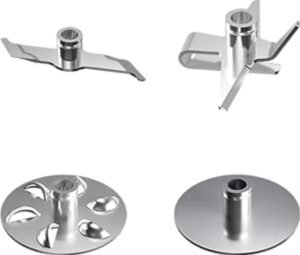
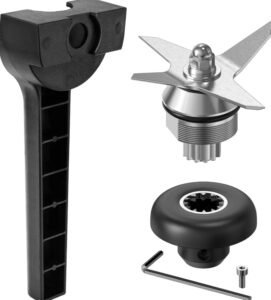
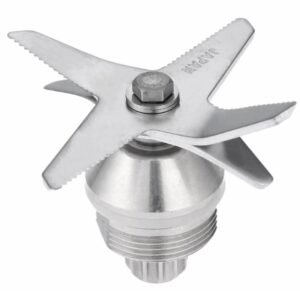
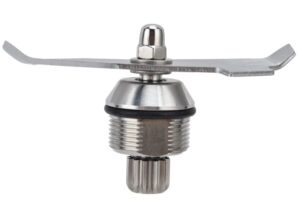
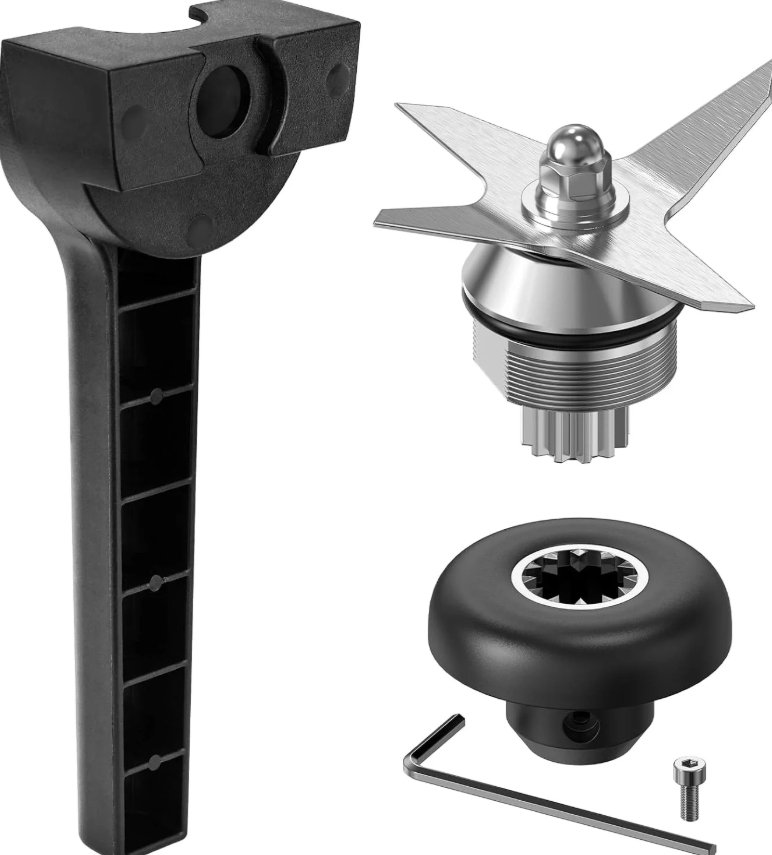
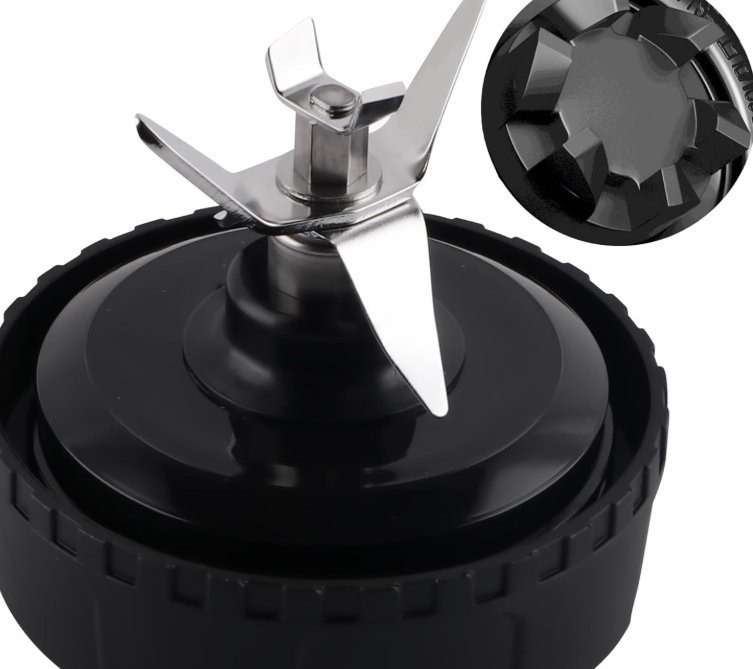
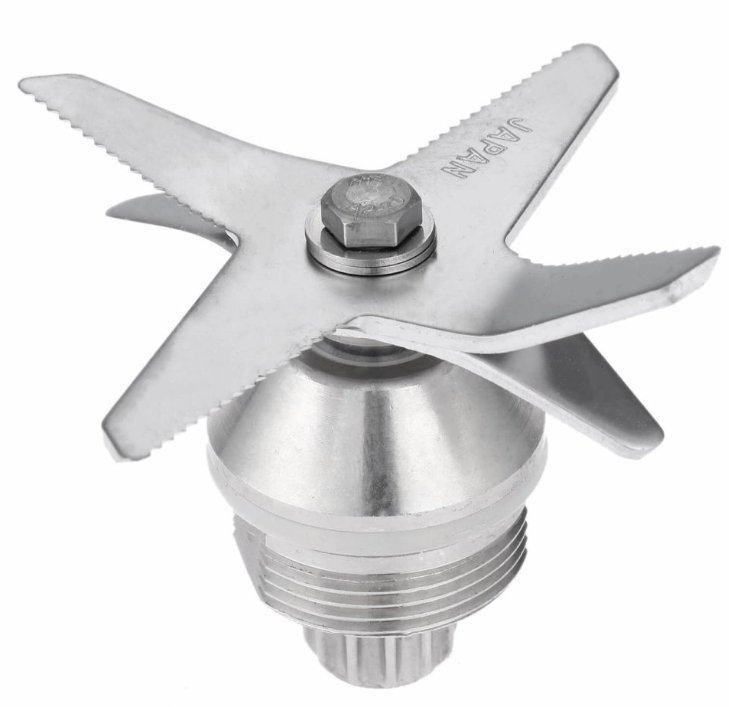
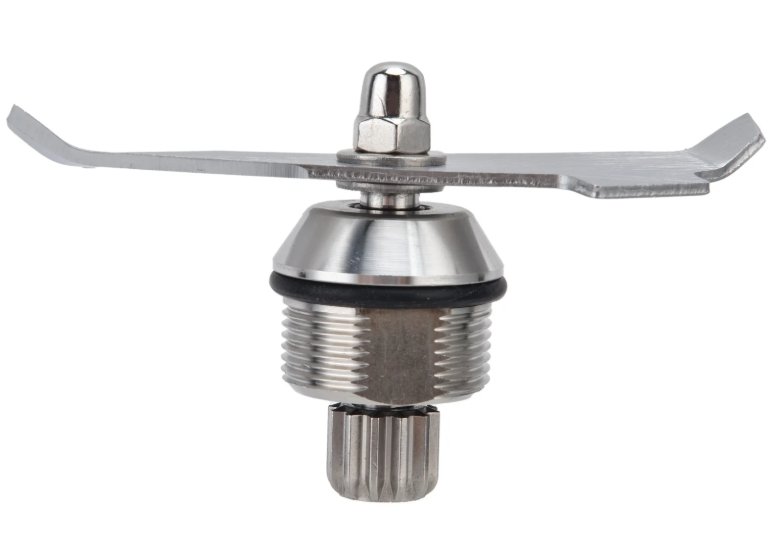
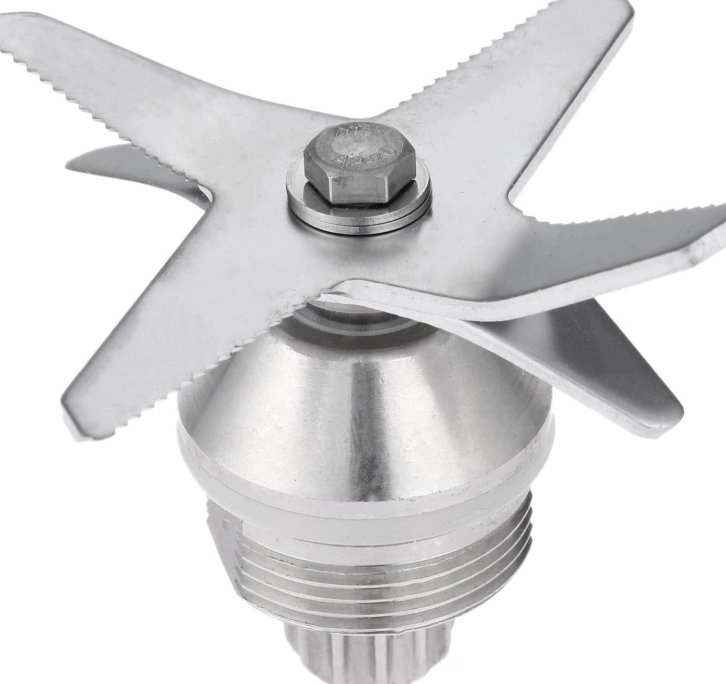
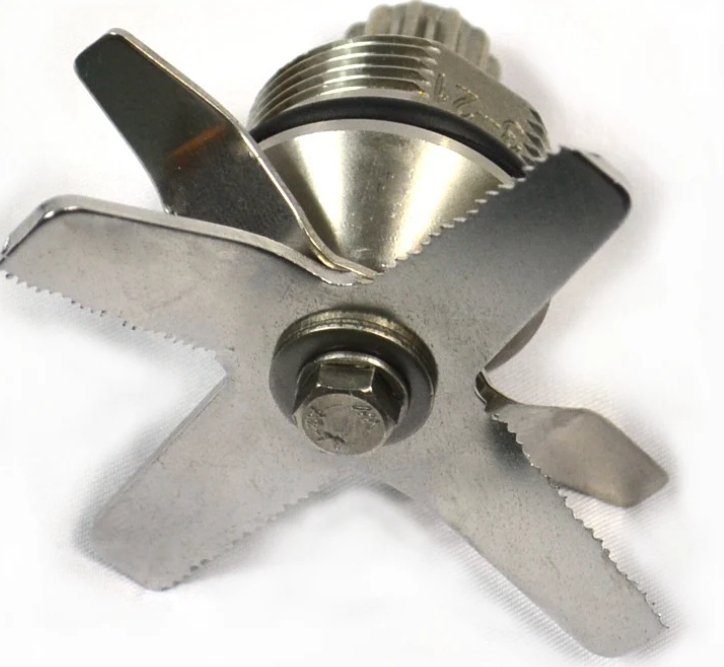
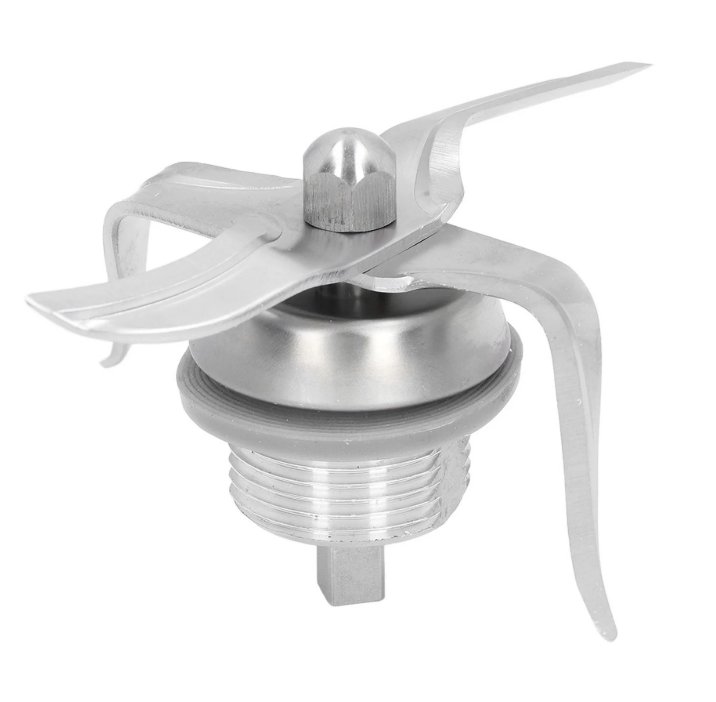
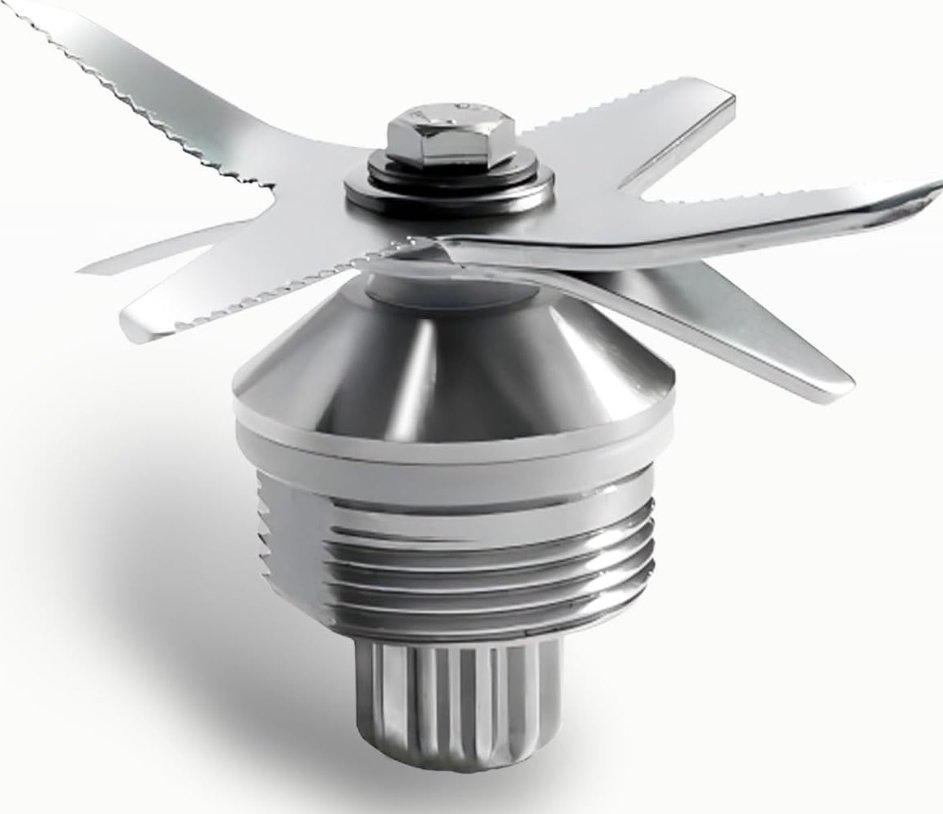
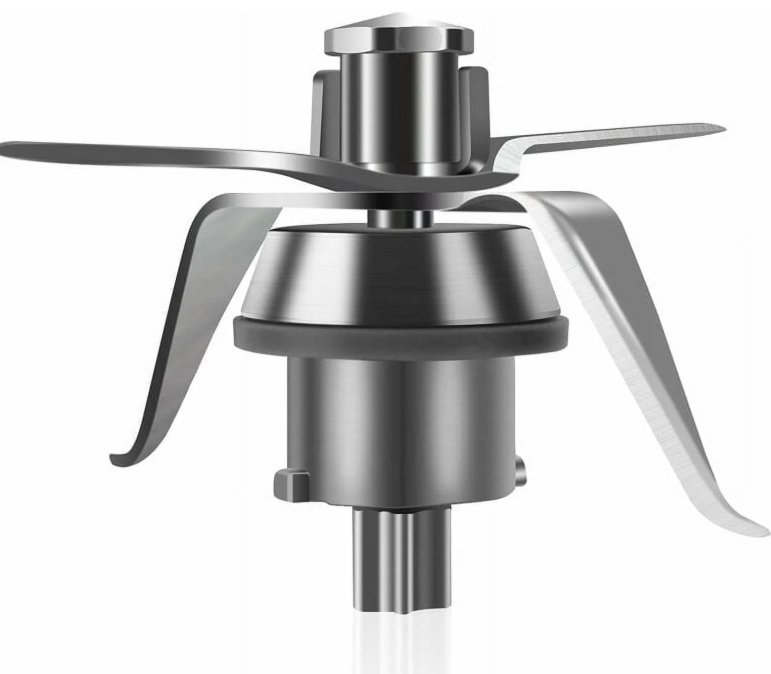
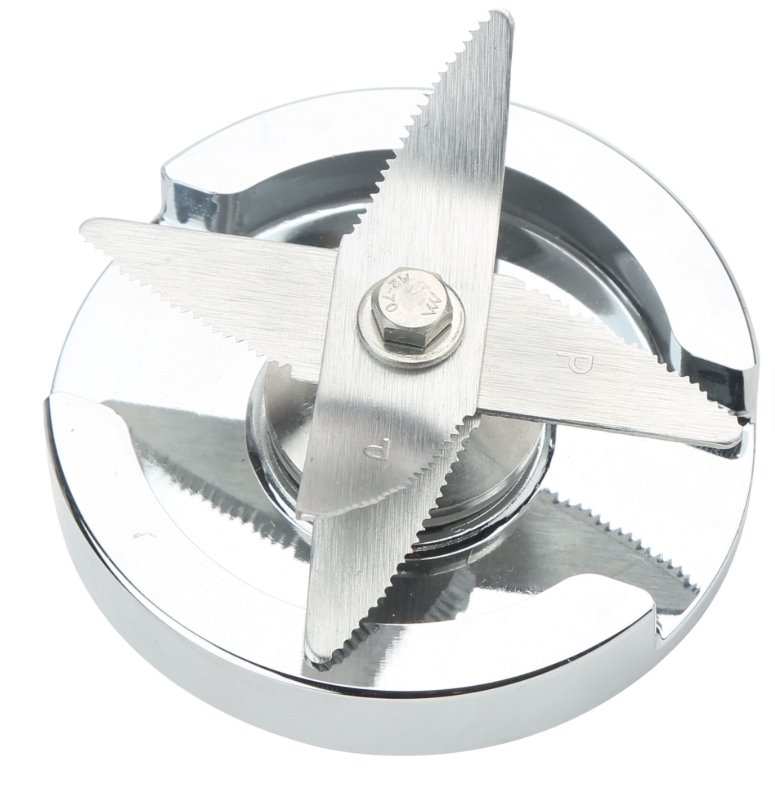
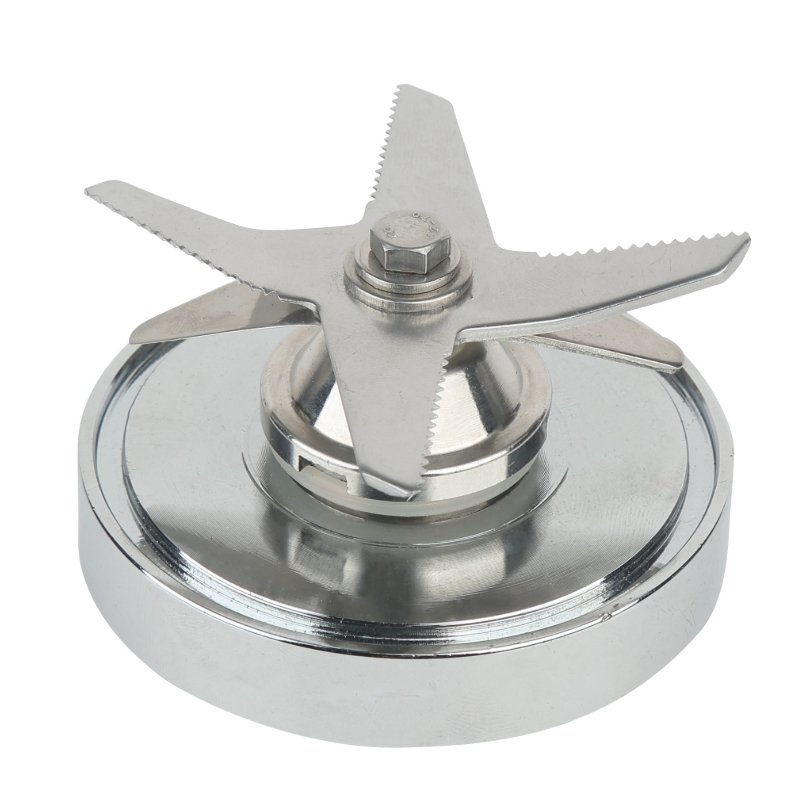
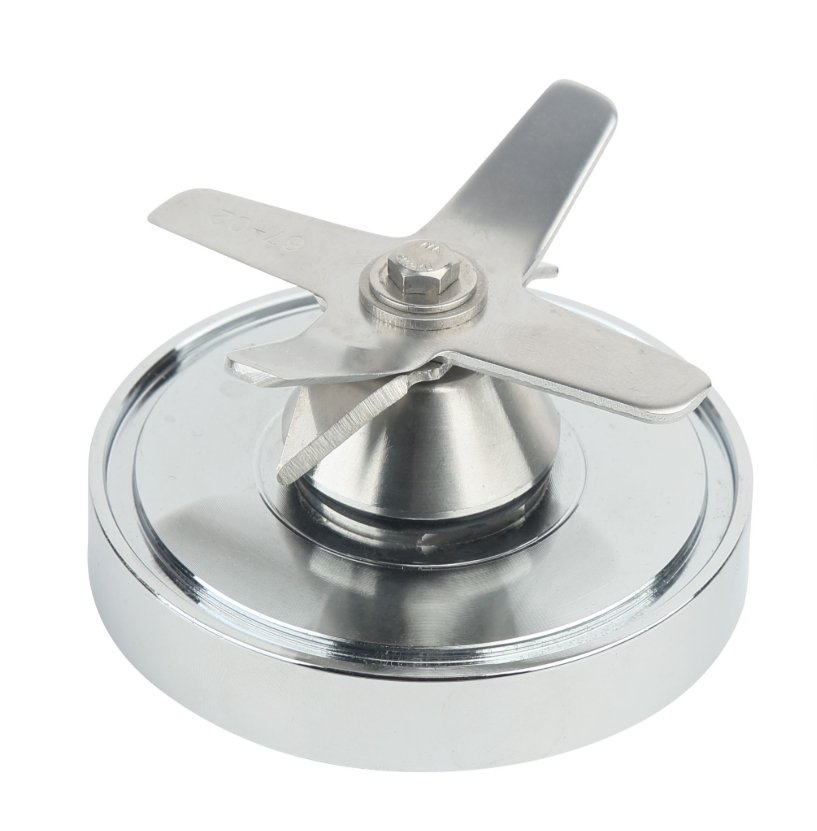
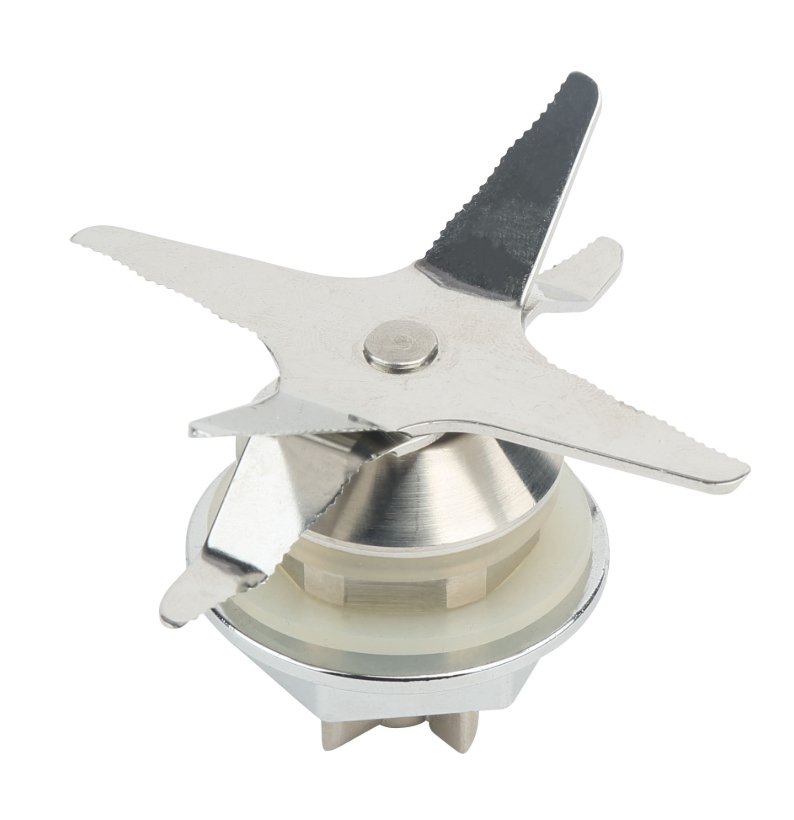
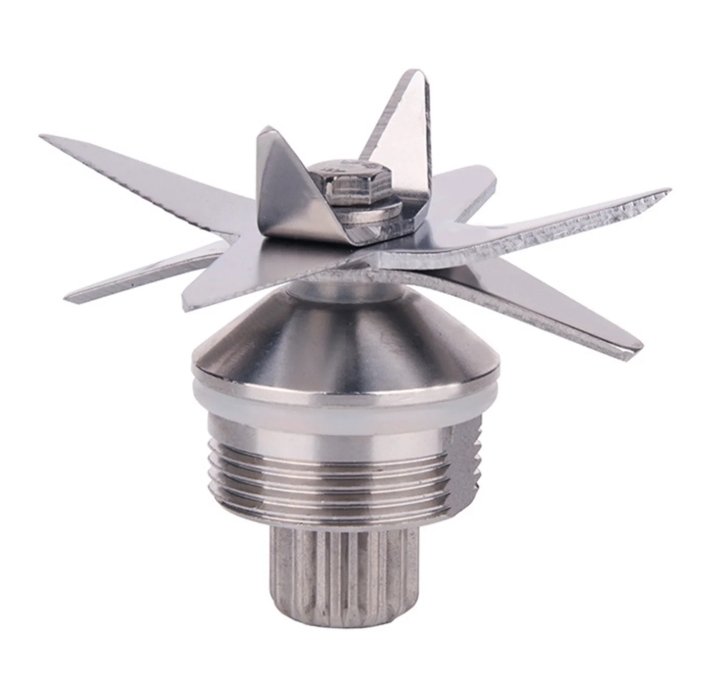
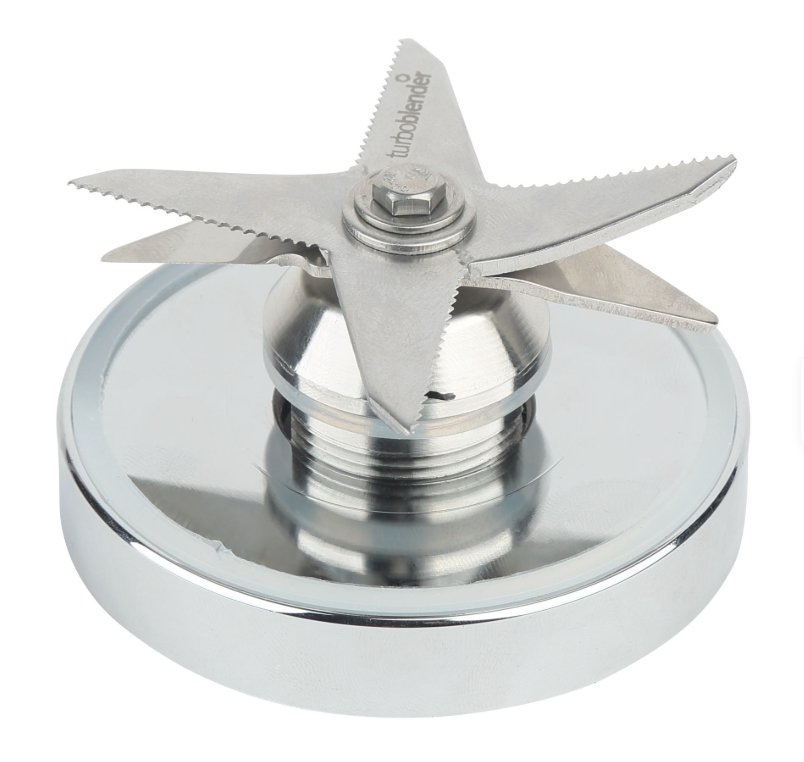
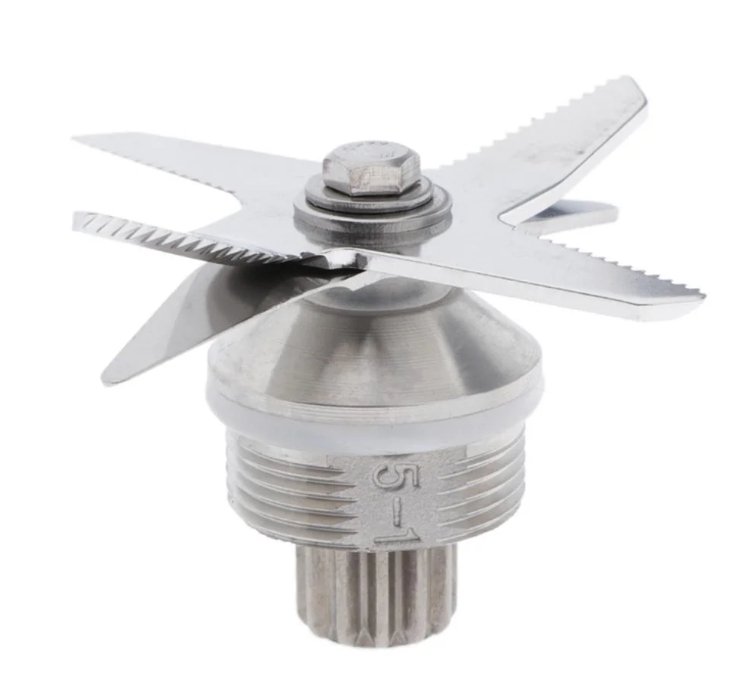
Blender Blade

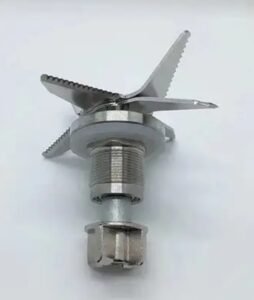
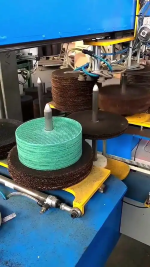
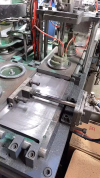


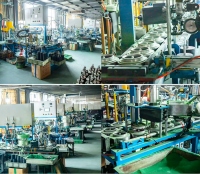
Factory: Capacity: 300,000pcs Emloyee: 150 Sell Area: South Asia, EU, South Africa
Post about Cutting Wheel:



Demolition Hammer & Rotary Hammer
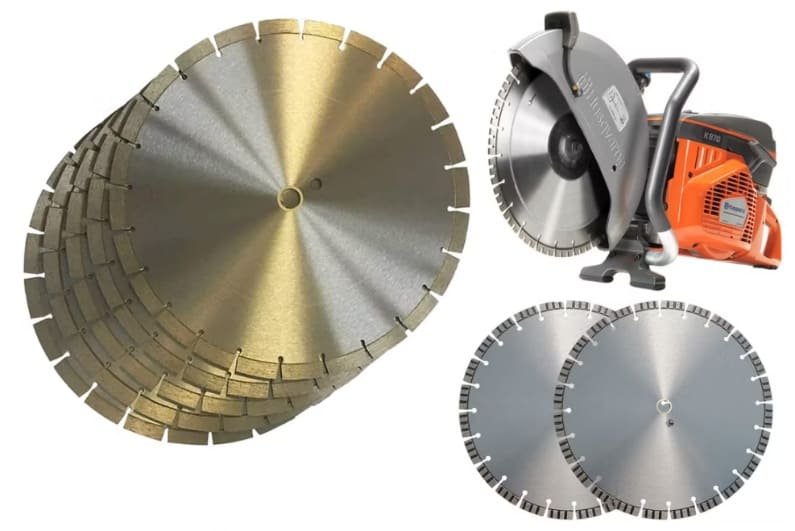
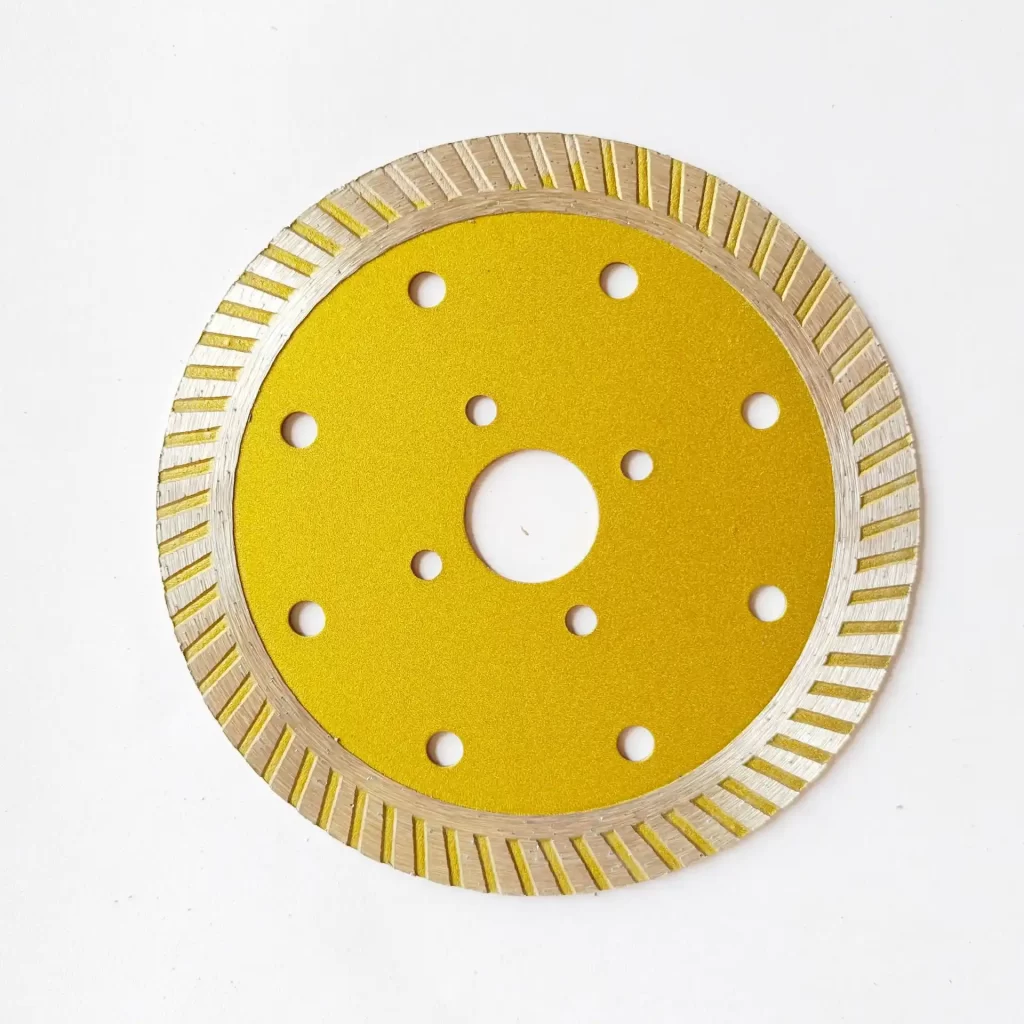
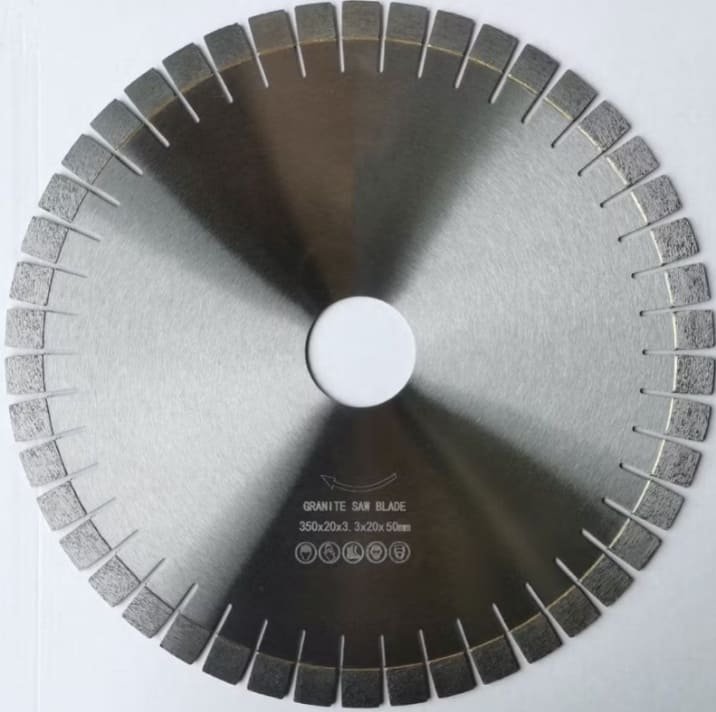
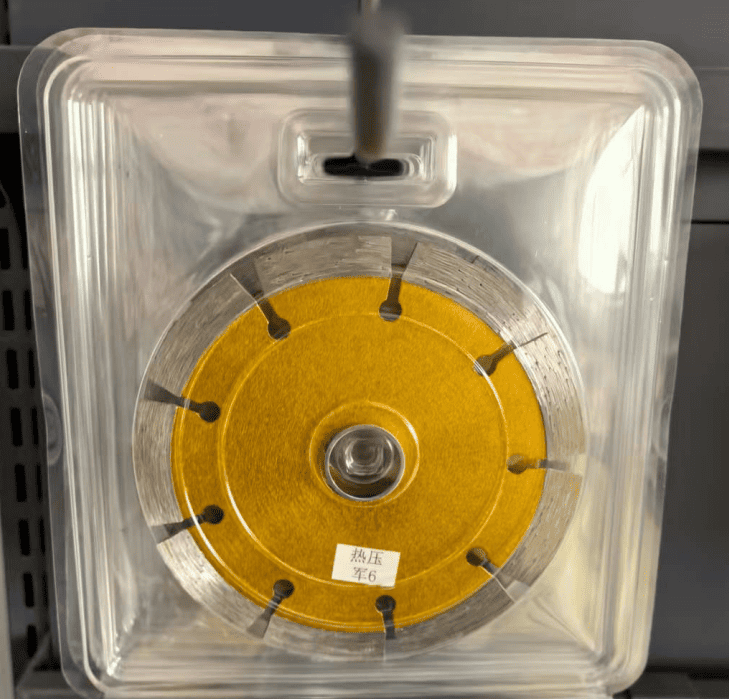
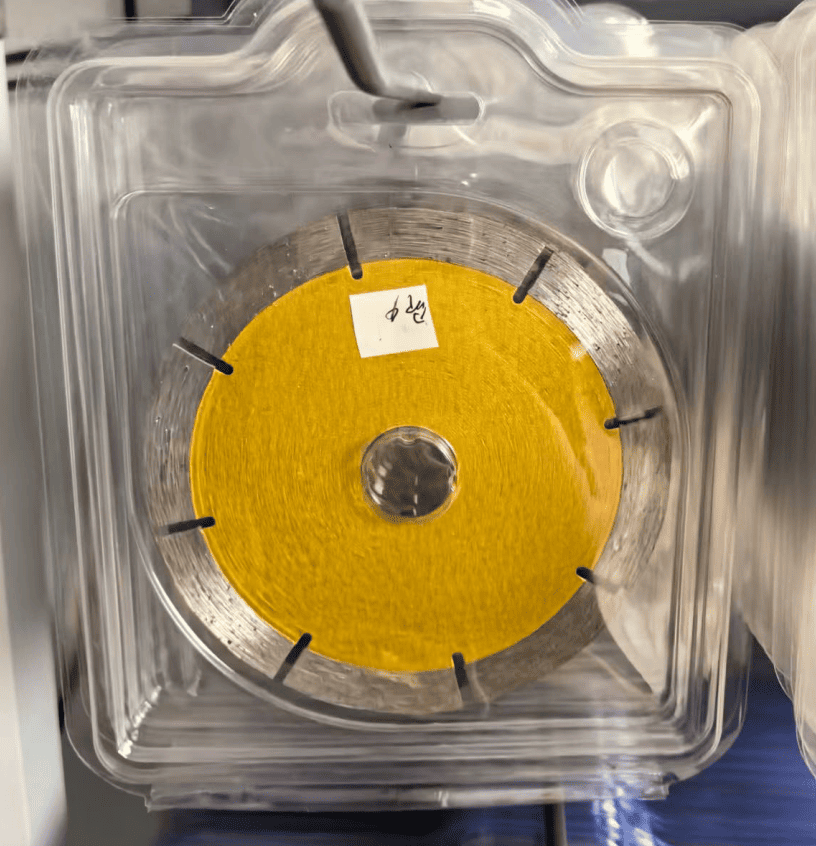
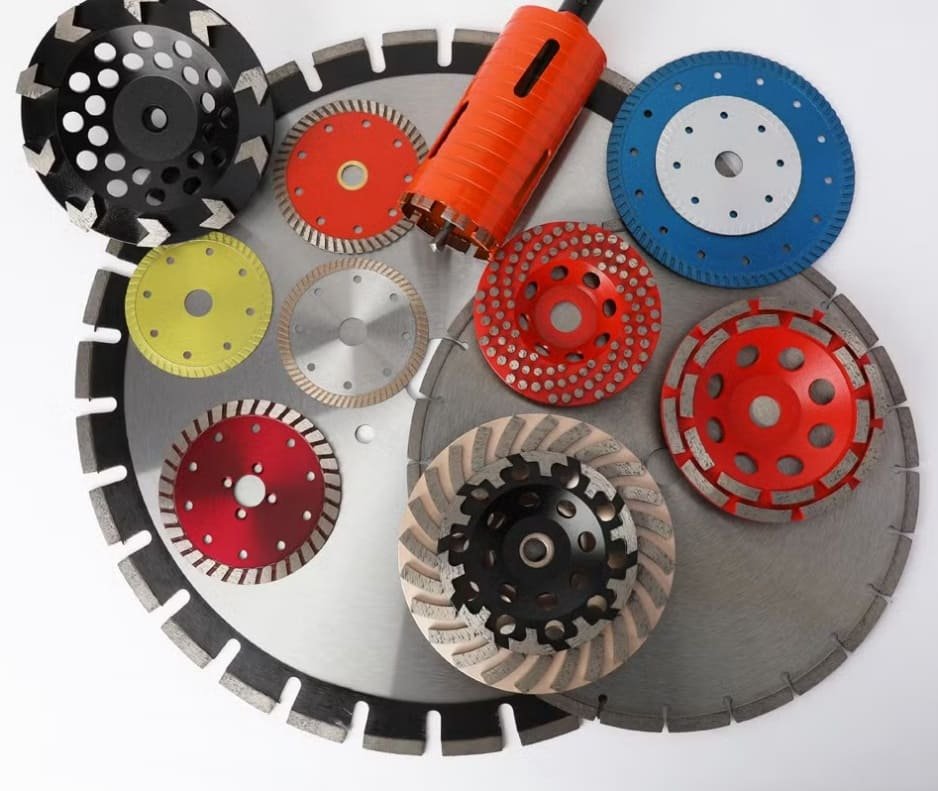
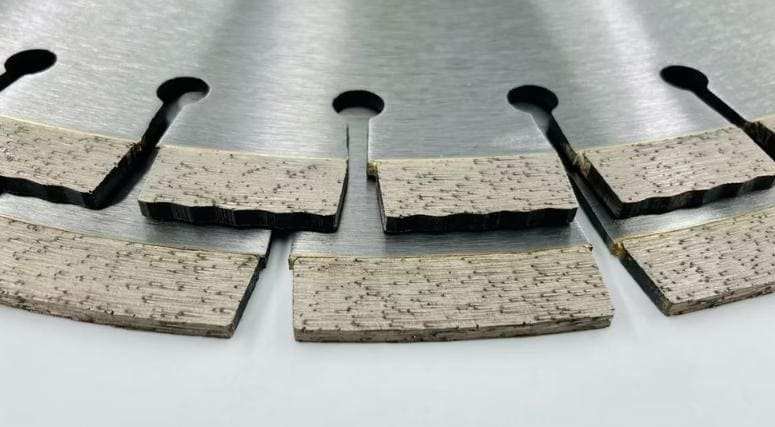
Diamond Blade


Welcome to call us
Contact Us to get quotation
Working Time: 8:00~17:00 Monday to Friday.
Applications:

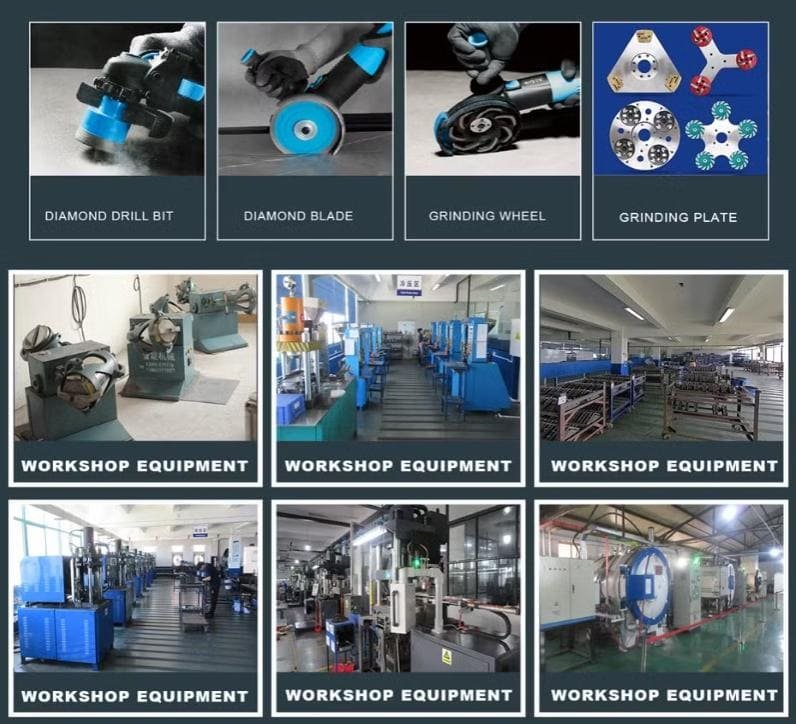
Factory:
FAQ
Welcome to call us
Contact Us to get quotation
Working Time: 8:00~17:00 Monday to Friday.
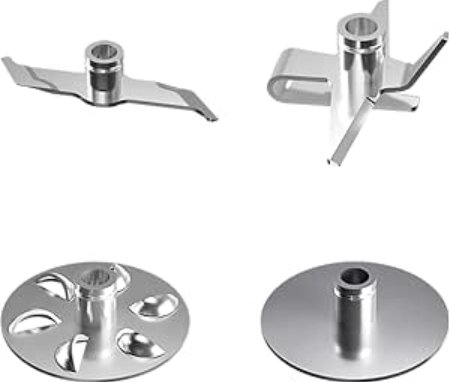
Blender Blade
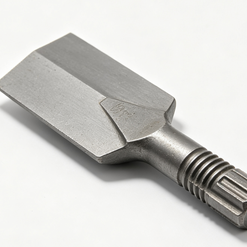
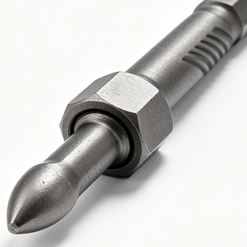
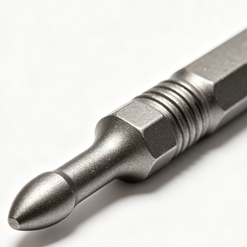
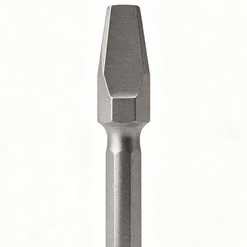
Chisel bit
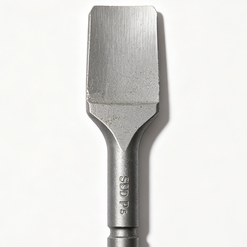
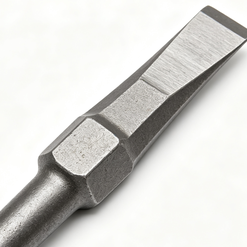
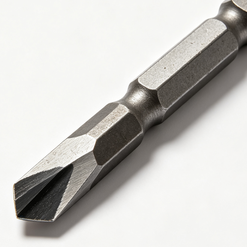
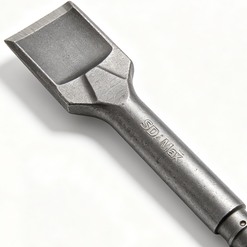
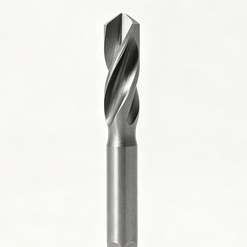
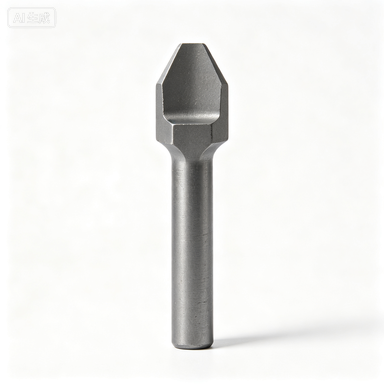
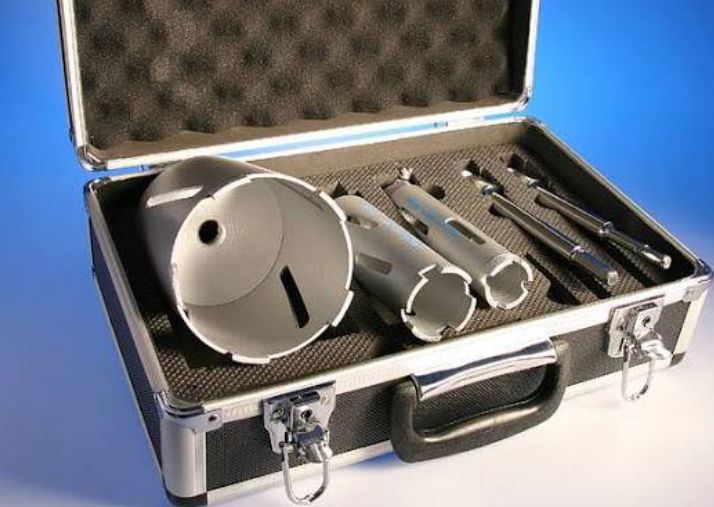
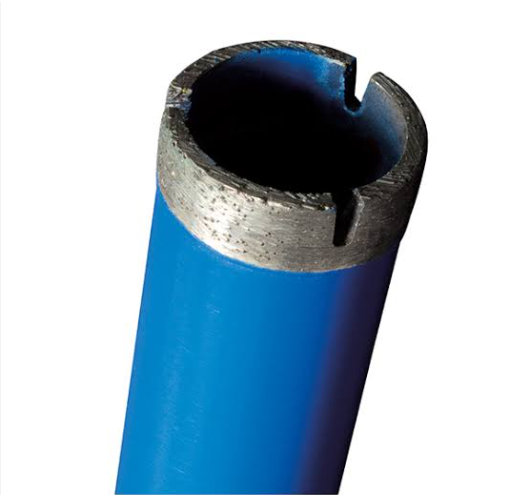
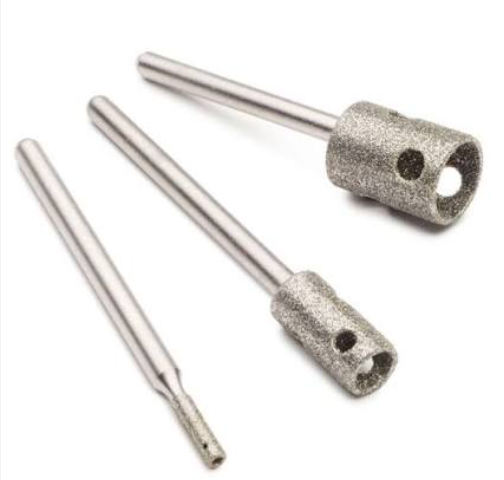
Core drill bit
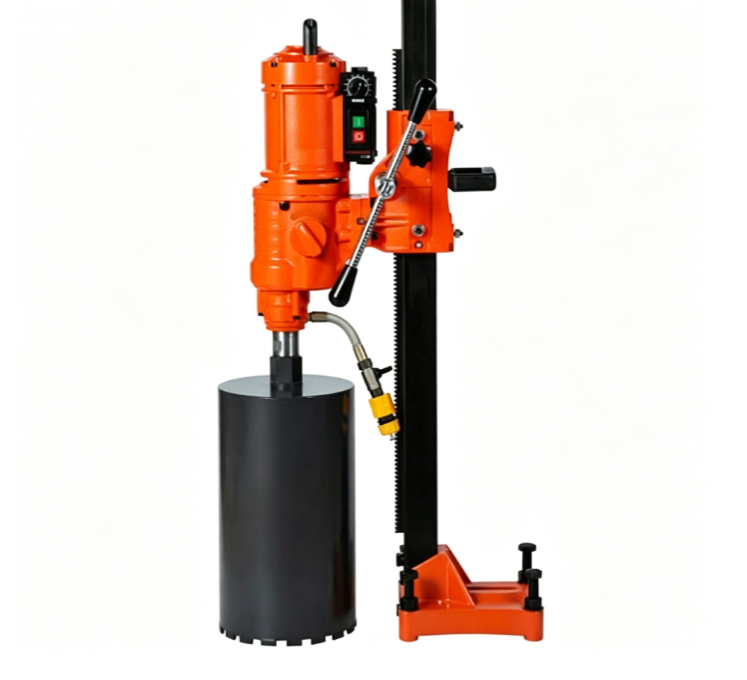
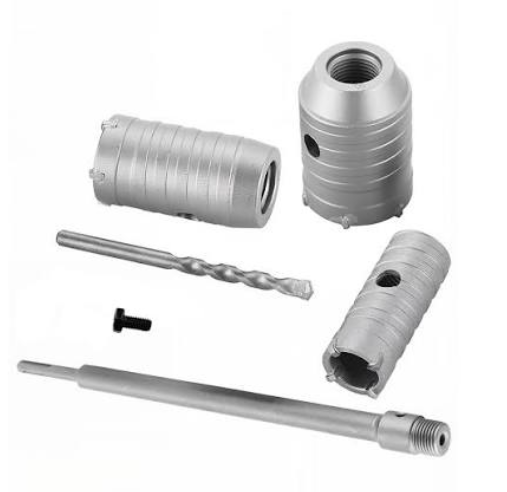
Flap disc

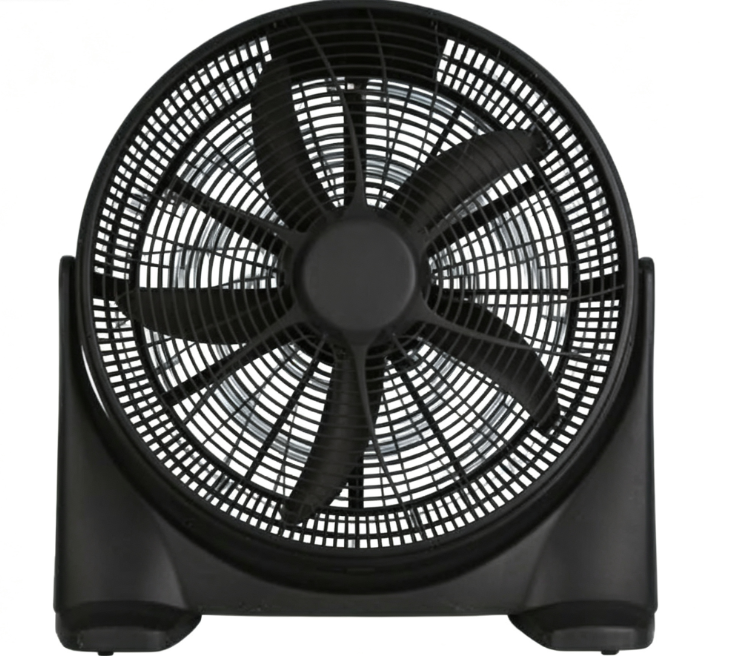
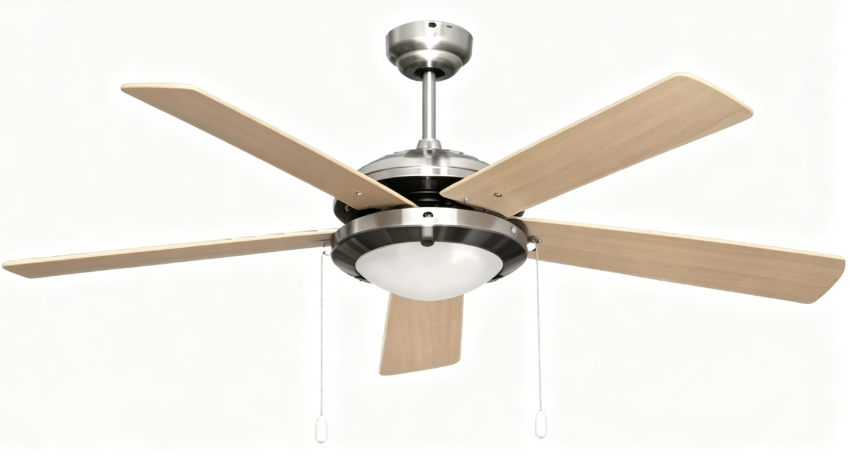
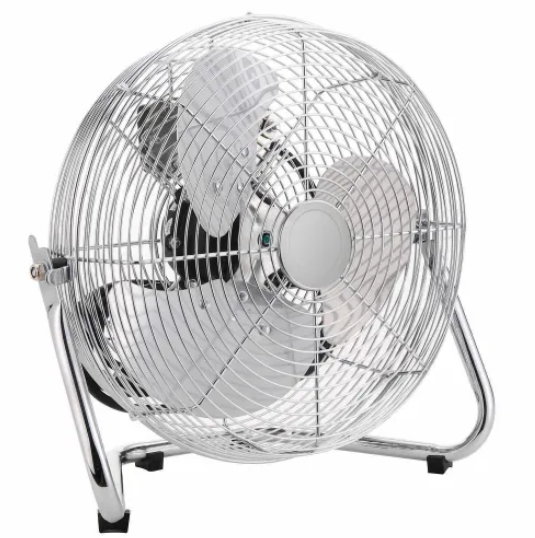
Industrial fan







Blogs:





You May also Interest in other topics:
180KW ev charger 60kw ev charger–》
offset-printer/aluminum-printing-machine