DC Motor Carbon Brush
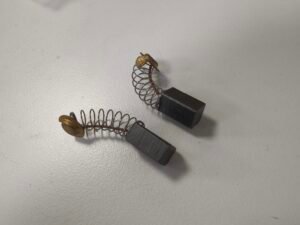
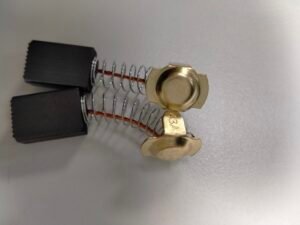
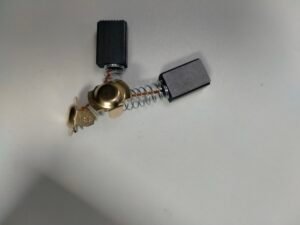
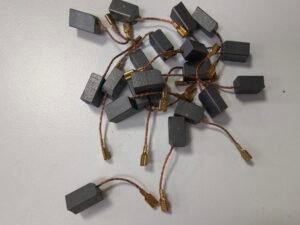
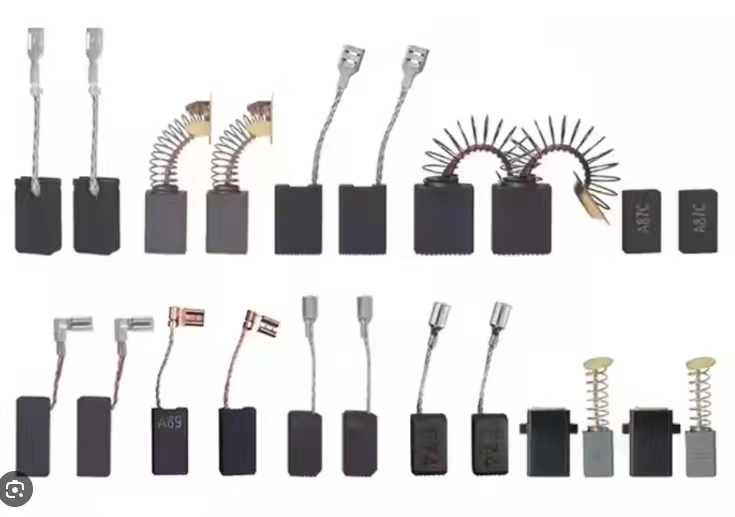
Carbon Brush for Sale:
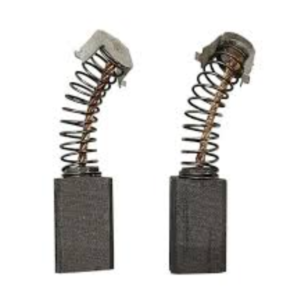
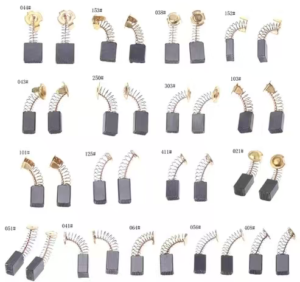
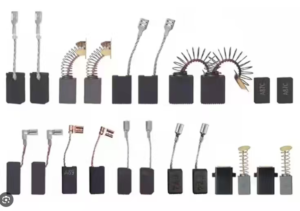
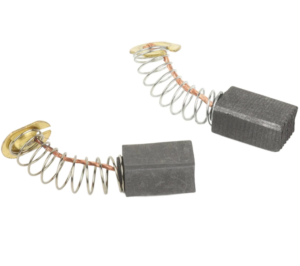
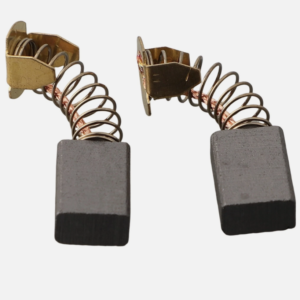
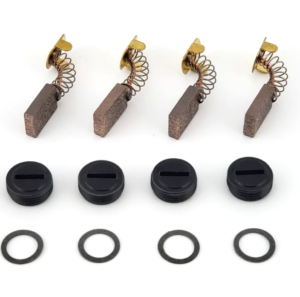
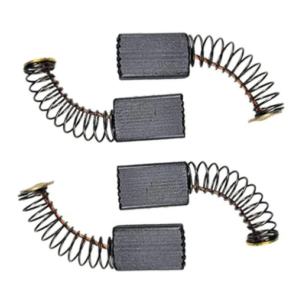
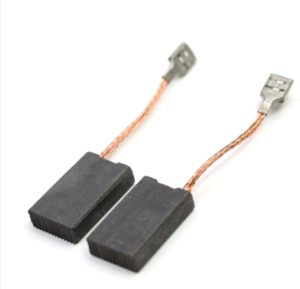
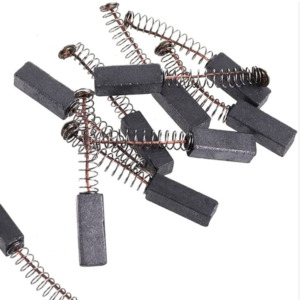
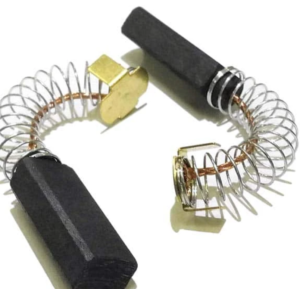
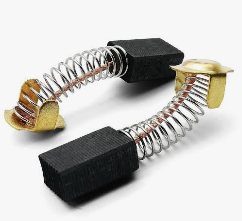
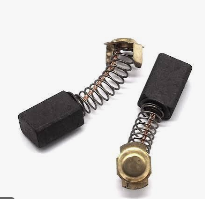
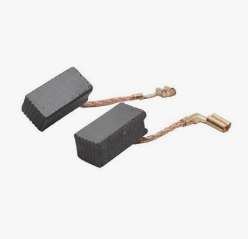
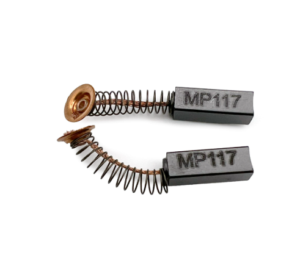
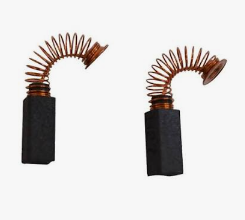
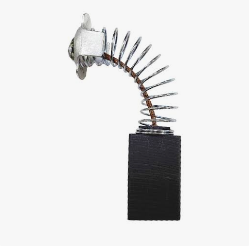
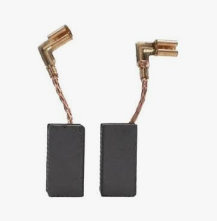
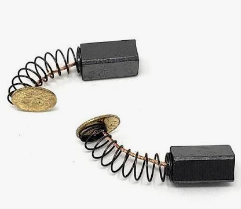
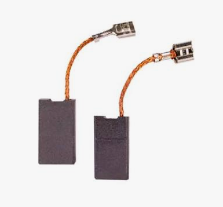
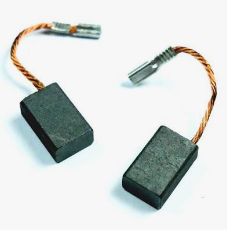
DC Motor Carbon Brush
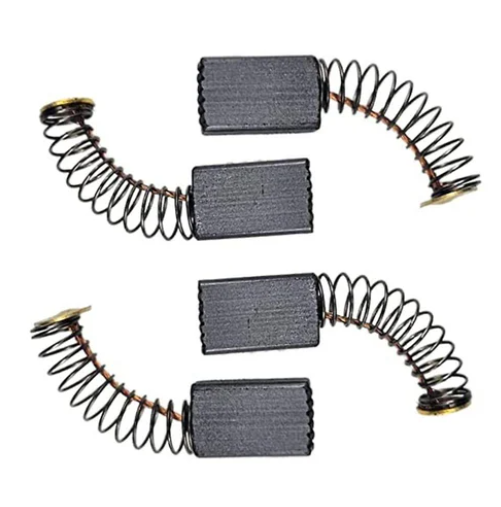
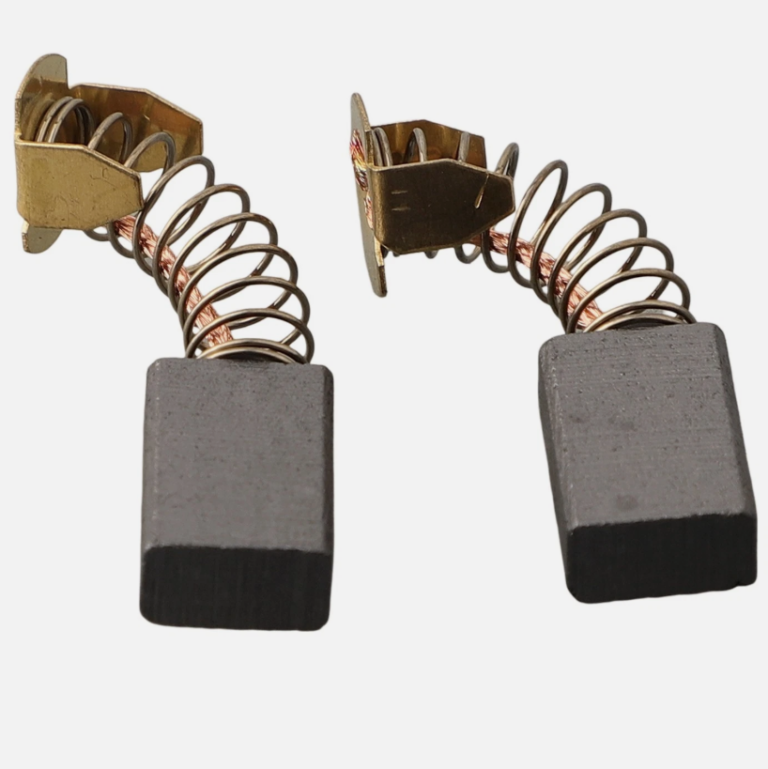
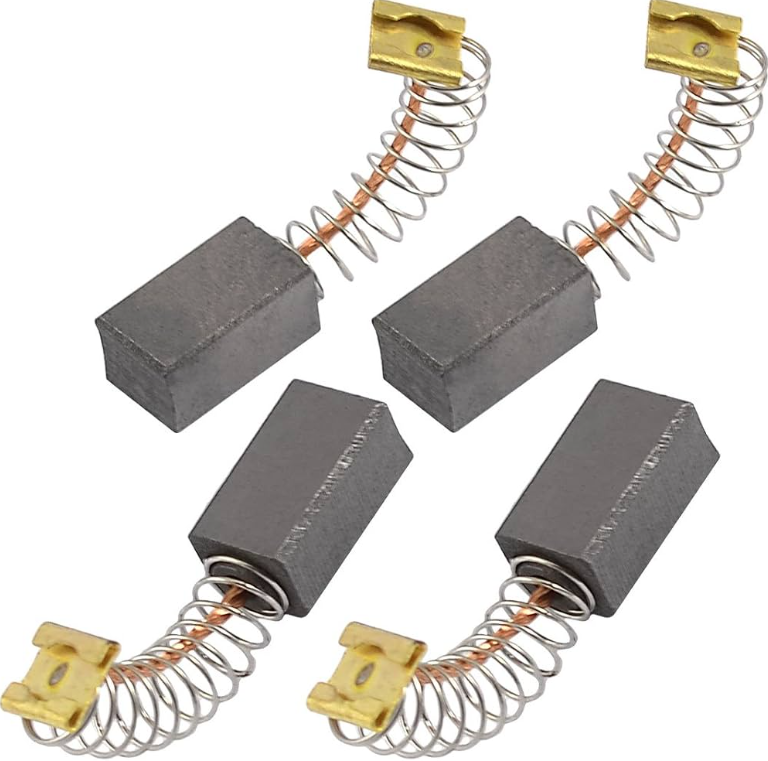
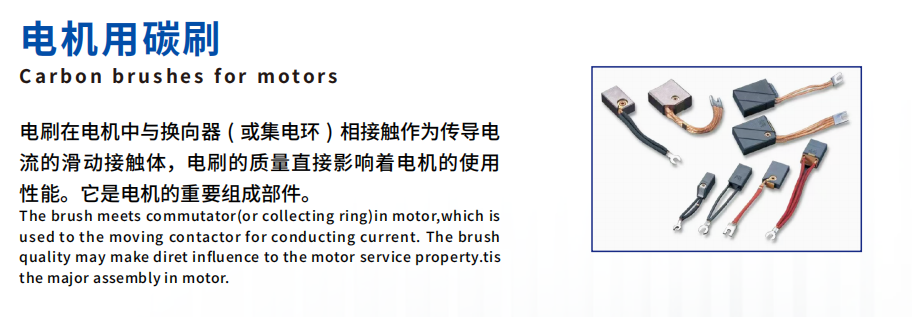
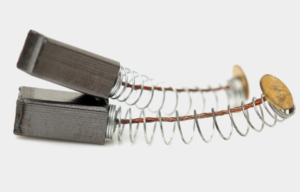
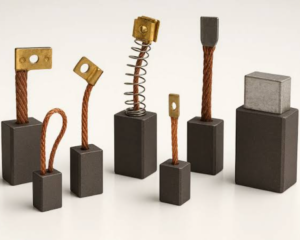
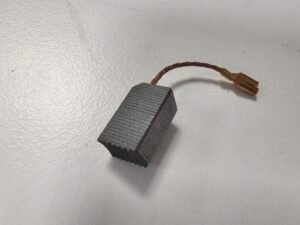
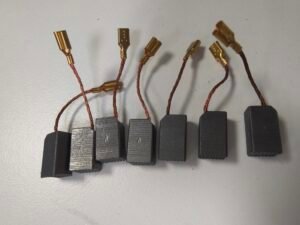
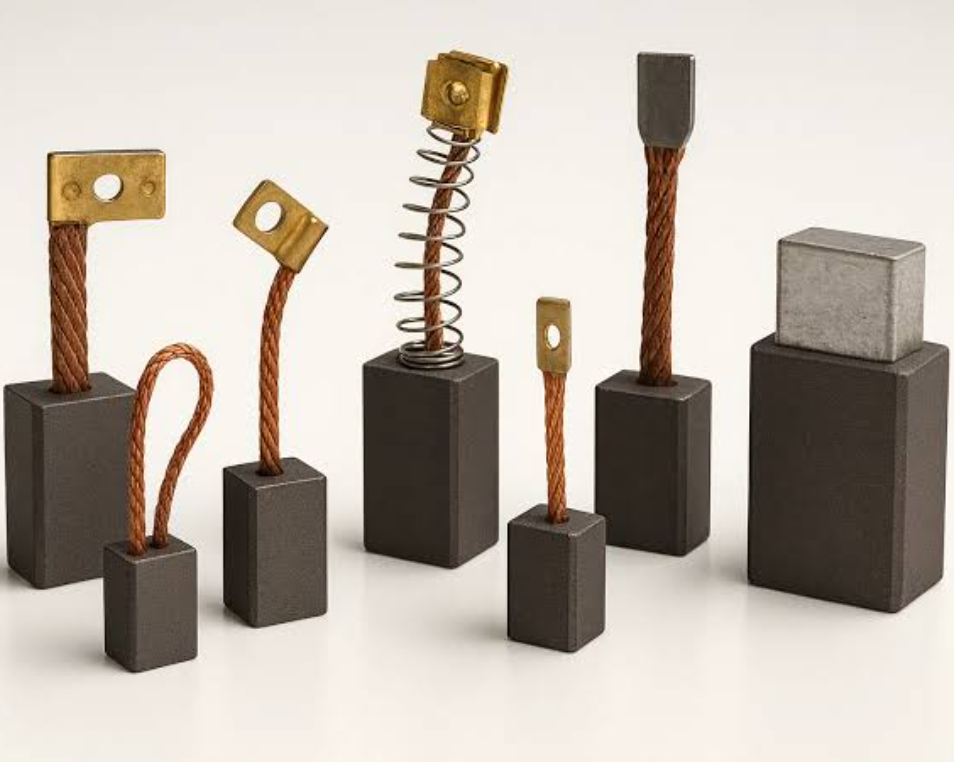
A DC motor carbon brush is a core sliding conductive component dedicated to brushed DC motors, serving as an essential wearable part that ensures steady current transmission and reliable commutation functions for normal motor operation.
What are the basic attributes and core functions of DC motor carbon brushes?
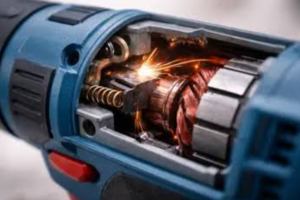
A DC motor carbon brush is a vital conductive component installed in close contact with the commutator surface of brushed DC motors, acting as a stable current transmission medium between the stationary stator and continuously rotating rotor. Unlike fixed internal motor parts, this specialized component is designed for sliding contact operation, which is uniquely required by the working principle of brushed DC motors. Without qualified carbon brushes, the static and rotating parts of the motor cannot form a continuous conductive loop, making it an indispensable core structure for the normal operation of all brushed DC equipment.
The primary core function of a DC motor carbon brush is to steadily transmit external excitation current into the rotating rotor windings to sustain continuous motor operation. During the running process of a DC motor, the stator provides fixed input current, while the rotor keeps rotating to generate driving torque. The carbon brush bridges the static circuit and dynamic rotating structure, ensuring uniform and uninterrupted current delivery to the rotor coils at all operating stages.
Beyond basic current conduction, DC motor carbon brushes undertake the critical commutation task of instantly reversing the current direction inside rotor coils. As the motor rotor rotates continuously, the current direction in individual coils needs real-time adjustment to maintain consistent torque output and prevent rotational stagnation or power fluctuation. The carbon brush completes precise current switching during each commutation moment, enabling the DC motor to output stable and continuous rotational torque.
DC motor carbon brushes feature a scientific sacrificial wear design that effectively reduces overall motor maintenance costs. Manufactured with high-quality graphite materials, they come with inherent self-lubricating properties that lower friction resistance during sliding contact. The carbon brush is intentionally set as the priority wearable part in the motor system, wearing gradually during long-term operation instead of the high-precision and high-cost copper commutator.
This protective mechanism avoids rigid friction scratches, surface ablation and structural damage to the expensive commutator. Users only need to replace low-cost carbon brushes regularly rather than repairing or replacing the entire motor core, which greatly cuts down daily equipment maintenance expenses and extends the overall service life of DC motors.
What are the mainstream materials and classifications of DC motor carbon brushes?
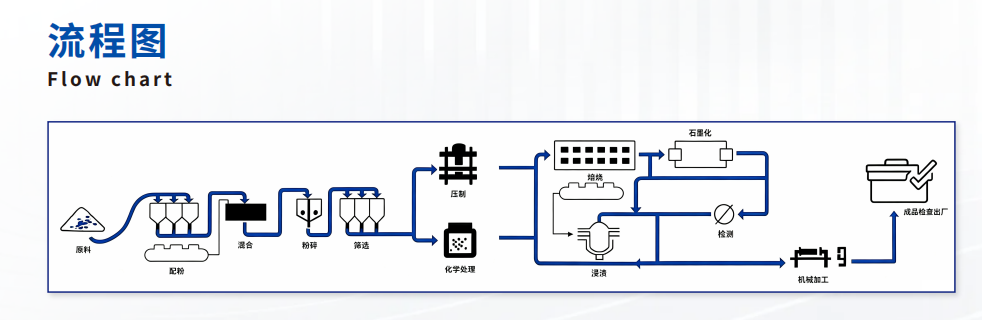
Electrochemical graphite carbon brushes are high-performance universal accessories manufactured through ultra-high temperature treatment at 2500 degrees Celsius, widely applicable to most medium and small-sized DC motors. The extreme high-temperature processing refines the internal material structure of graphite, making its texture more compact and uniform. This optimized structure endows the carbon brush with excellent comprehensive commutation performance and stable self-lubricating ability during high-speed sliding contact.
In actual operation, electrochemical graphite carbon brushes produce extremely weak friction and slight wear on the motor commutator surface. They can effectively suppress abnormal sparking and electric arcs during commutation, ensuring smooth and stable motor operation. Thanks to their balanced performance and strong adaptability, they have become the most mainstream and versatile carbon brush type for civilian and industrial conventional DC motors.
Natural graphite carbon brushes take high-purity natural graphite as the core raw material, featuring outstanding natural lubrication and stable current collection performance. The natural graphite material retains excellent physical sliding characteristics, with an ultra-smooth contact surface that ensures low-noise and stable operation of motors. This type of carbon brush is specially optimized for equipment that requires smooth and steady long-term operation without severe vibration and load fluctuation.
Natural graphite carbon brushes are mainly matched with medium and small-sized DC motors with stable operating conditions and slip ring structures of high-speed turbo generators. In these scenarios, the carbon brush can maintain consistent contact pressure and current transmission efficiency for a long time, avoiding performance jitter caused by friction wear, and fully meeting the stable operation requirements of precision and high-speed DC equipment.
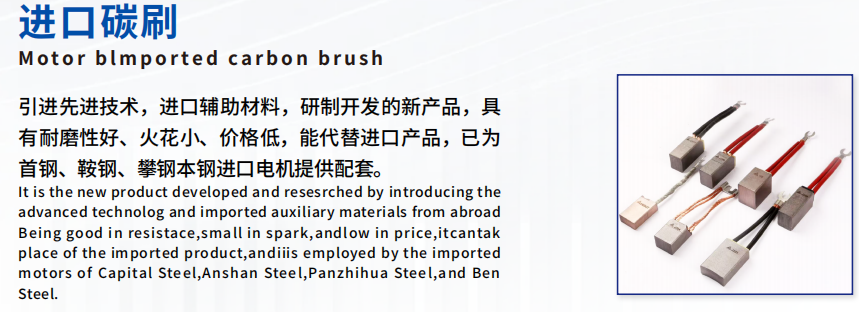
Metal graphite carbon brushes are high-conductivity composite products made from electrolytic copper and graphite raw materials, featuring far stronger conductive performance than pure graphite carbon brushes. The addition of high-purity copper powder greatly improves the current carrying capacity and instantaneous overload resistance of the carbon brush, enabling it to withstand large current input in low-voltage operating environments.
Due to their excellent large-current conduction capability, metal graphite carbon brushes are exclusively suitable for heavy-load and high-torque DC motors that require powerful power output. To ensure operational safety and stability, this type of carbon brush has a clear operating speed limit, with the applicable peripheral speed not exceeding 30 meters per second. It can maintain stable conductive and friction performance under long-term heavy-load operation, perfectly adapting to high-power industrial DC motor operating scenarios.
What is the complete standard replacement procedure for DC motor carbon brushes?
The first step of DC motor carbon brush replacement is to completely cut off the motor power supply and disassemble the outer steel shell to locate the carbon brush installation position thoroughly. Before any disassembly operation, users must ensure the power supply is completely disconnected with no residual current in the motor circuit, which is the basic guarantee for safe maintenance. After power cutoff, the outer protective steel shell of the DC motor is removed to expose the internal brush assembly and confirm the specific installation position of the old carbon brushes.
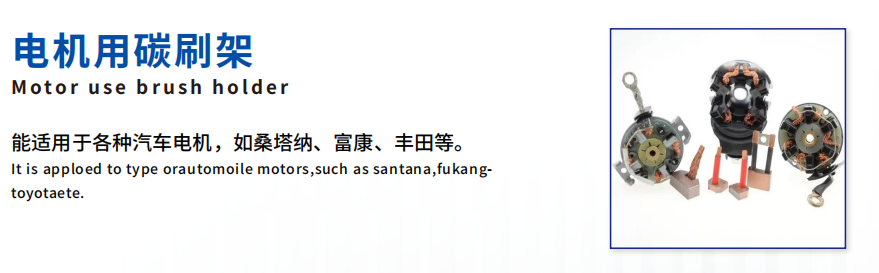
In the second step, users need to take down the end cover equipped with carbon brushes and properly store the matched supporting springs on the end cover. The carbon brush and compression spring are installed in a matching structure on the motor end cover, and the spring provides stable contact pressure for the carbon brush. During disassembly, it is necessary to carefully collect and store these small spring accessories to avoid loss or deformation, ensuring complete matching assembly in subsequent installation.
The third step is to take out the worn old carbon brushes with careful operation to protect the motor’s internal insulating components from damage. The interior of DC motors is equipped with precision insulating structures to prevent current leakage and short circuits. When removing aging carbon brushes, violent prying and random pulling are prohibited. Gentle and standardized operation can effectively avoid scratching, cracking or damaging the surrounding insulating parts, maintaining the motor’s original insulating performance.
The fourth step is to install new carbon brushes of the exact same specifications and check the fitting state strictly. The new carbon brush must be consistent with the original one in size, model and specification. During installation, users need to confirm the correct placement direction to prevent reverse installation. After placement, ensure the carbon brush surface is fully and closely attached to the rotor commutator without gaps or deflection, laying a foundation for stable current conduction after startup.
The fifth step is to reinstall the motor end cover and manually test the sliding flexibility of the carbon brush. After fixing the end cover in place, gently push and move the carbon brush manually to verify it can slide freely and smoothly in the brush holder without jamming. Meanwhile, check the elastic tension of the matched spring to confirm the pressure is sufficient and uniform, ensuring the carbon brush can automatically compensate for wear during subsequent operation.
The final step is to reinstall the motor steel shell in the original assembly order to complete the entire replacement process. All disassembled shell parts need to be restored in the original installation sequence and fixed firmly. After overall assembly, check the tightness of the whole motor structure to avoid loose parts, realizing the complete replacement and assembly of DC motor carbon brushes.
What are the key precautions for DC motor carbon brush replacement and running-in?
DC motor carbon brushes must be replaced with products of the identical brand, model and specification as the original parts to avoid equipment incompatibility and damage. Different DC motors have strict matching requirements on carbon brush resistance, material density, size and friction performance. Random replacement with mismatched carbon brushes will lead to uneven current transmission, insufficient motor power and obvious power loss during operation.
In severe cases, mismatched carbon brushes will cause intensified commutation sparks, continuous overheating and unbalanced motor operation, which will gradually damage the motor coil and commutator structure and eventually lead to permanent motor failure. Therefore, maintaining complete consistency of carbon brush specifications is the core premise to ensure normal motor performance after replacement.
Comprehensive internal motor cleaning must be completed synchronously during carbon brush replacement to eliminate hidden wear hazards. Long-term motor operation will produce a large amount of fine carbon debris and tiny metal particles, which will accumulate in the narrow gaps inside the motor. If these impurities are not cleaned thoroughly before installing new carbon brushes, they will circulate with motor operation.
Residual carbon debris will cause secondary friction and wear on the new carbon brush and commutator surface, accelerating the aging speed of new accessories. It may also block the carbon brush sliding gap and affect flexible movement. Thorough internal cleaning effectively removes all sundries, creating a clean and stable operating environment for the newly installed carbon brushes.
After replacement, users need to manually rotate the motor first to check the contact state between the carbon brush and commutator before power-on operation. Newly installed carbon brushes have not been running-in, and their contact fit may have tiny gaps or uneven contact areas. Manual rotation can intuitively check whether the carbon brush fits closely and slides smoothly without jamming or eccentric contact.
Only after confirming the good fitting state of the carbon brush can the motor be powered on for trial operation. This pre-check step can effectively avoid abnormal sparking, local overheating and power instability caused by poor contact in the initial power-on stage, ensuring the safe start of the motor.
Newly replaced DC motor carbon brushes require 1 to 2 hours of no-load running-in, and load operation is strictly prohibited during this period. The surface of brand-new carbon brushes is flat and cannot fully fit the radian of the commutator. Long-term stable no-load operation allows the carbon brush surface to wear evenly and naturally, forming a precise and tight contact surface matching the commutator radian.
Early load operation before running-in is completed will cause severe eccentric wear, local overheating and unstable commutation, which will damage the commutator and affect the long-term service life of the carbon brush. Scientific no-load running-in can stabilize the conductive performance of the carbon brush and lay a good foundation for subsequent formal load operation.
What are the daily maintenance essentials for DC motor carbon brushes?
Regular inspection of the sliding state of DC motor carbon brushes inside the brush box is essential to maintain stable operation. During daily equipment maintenance, users need to regularly check whether the carbon brush can slide freely and flexibly in the brush holder without jamming, stagnation or offset movement. Long-term operation may cause carbon deposition accumulation and structural slight deformation, which will hinder the sliding of carbon brushes.
Meanwhile, it is necessary to confirm that the spring pressure acting on the carbon brush is uniform and stable. Sufficient and balanced spring pressure ensures the carbon brush always fits tightly with the commutator, maintaining stable current conduction and friction state. Timely inspection and adjustment can effectively eliminate potential faults such as poor contact caused by jamming or insufficient pressure.
Carbon brushes must be replaced as a complete set in a timely manner when their remaining height approaches the service life limit, and mixing new and old carbon brushes is strictly prohibited. After long-term friction and consumption, the thickness and length of carbon brushes will gradually decrease. When the remaining size reaches the replacement warning line, the pressure and conductive area can no longer meet standard operating requirements.
Mixing new and old carbon brushes on the same motor will cause inconsistent resistance and wear degree of different carbon brushes, leading to uneven current distribution, unbalanced motor operation and increased commutation sparks. Complete group replacement ensures consistent performance of all carbon brushes, maintaining the stable operating state of the DC motor.
Regular temperature detection of brush holders and slip rings is required to prevent carbon brush performance degradation caused by local overheating. The carbon brush conductive contact area will generate tiny heat during long-term operation, and abnormal temperature rise will occur in case of poor contact or overloaded operation. Continuous high temperature will accelerate carbon brush aging, reduce self-lubricating performance and cause conductive instability.
Timely monitoring of operating temperature can effectively avoid performance attenuation, material softening and ablation damage of carbon brushes caused by local overheating. This daily maintenance measure ensures the long-term stable working performance of DC motor carbon brushes and reduces equipment failure rates.
Summary
In summary, DC motor carbon brushes are core wearable sliding conductive components that support current conduction and commutation functions for brushed DC motors. Serving as the conductive medium between stators and rotors with scientific sacrificial wear characteristics, they effectively protect commutators and reduce maintenance costs. Classified into electrochemical graphite, natural graphite and metal graphite types, they adapt to different DC motor working scenarios with distinct performance advantages. Standardized full-process replacement, scientific post-installation running-in and strict specification matching are key to avoiding motor damage. In addition, standardized daily maintenance including sliding state inspection, complete-set replacement and temperature monitoring can fully maintain the working stability and service life of DC motor carbon brushes, ensuring long-term efficient and safe operation of various brushed DC motor equipment.
Carbon Brush Specification
Parameter Terminology Explanation
1. Contact Voltage Drop: The voltage drop between a pair of carbon brushes, a key index for DC motor selection.
2. Friction Coefficient: The smaller the value, the lower the wear and heat generation.
3. Allowable Linear Speed: The maximum surface speed of the commutator/slip ring. Exceeding the speed will cause brush jumping and severe sparking.
4. Size Description: Measure the thickness × width × length of the old carbon brush first. The length is the wear allowance.
| Model | Material | Size T×W×L (mm) | Contact Voltage Drop (V) | Friction Coefficient | Allowable Linear Speed (m/s) |
|---|---|---|---|---|---|
| J164 | Metal Graphite | 20×40×60 | 0.4-0.6 | 0.20 | 25 |
| J201 | Metal Graphite | 20×40×60 | 0.5-0.7 | 0.22 | 25 |
| J204 | Metal Graphite | 12.5×25×32 | 0.4-0.6 | 0.18 | 30 |
| J205 | Metal Graphite | 16×32×40 | 0.5-0.7 | 0.20 | 25 |
| D104 | Electro Graphite | 8×12×20;12.5×25×32 | 2.0-2.5 | 0.20 | 40 |
| D172 | Electro Graphite | 25×32×60 | 2.2-2.6 | 0.21 | 50 |
| D214 | Electro Graphite | 12.5×25×32;16×32×40 | 2.4-2.8 | 0.23 | 45 |
| D252 | Electro Graphite | 16×32×40 | 2.3-2.7 | 0.22 | 40 |
| D308 | Electro Graphite | 20×32×50 | 2.6-3.2 | 0.25 | 50 |
| D374N | Electro Graphite | 12.5×25×32;16×32×40;20×40×50 | 2.8-3.4 | 0.24 | 50 |
| R107 | Resin Graphite | 12.5×25×32 | 3.0-3.8 | 0.26 | 35 |
| R201 | Resin Graphite | 16×32×40 | 3.2-4.0 | 0.28 | 30 |
| S3 | Natural Graphite | 12.5×25×32 | 1.8-2.3 | 0.25 | 25 |
| CB-51A | Copper-containing Graphite | 5×8×12 | 1.0-1.4 | 0.22 | 20 |
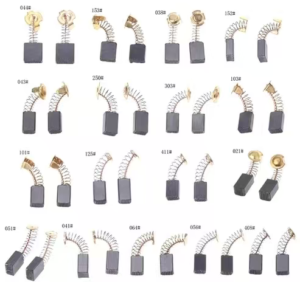
| Angle Grinder Universal | Copper-containing Graphite | 6×9×14;8×10×14 | 1.0-1.5 | 0.23 | 22 |
| 序号 | 型号 | 材质类别 | 常用规格(厚×宽×长 mm) | 适用电机/设备类型 | 参考单价(元/只) | 价格区间(元/只) | 备注 |
| 1 | J164 | 金属石墨(高铜) | 16×40×50 / 20×40×60 / 25×32×60 | 起重电机、冶金电机、集电环 | 35 | 25~45 | 含铜量高,导电好,低压大电流 |
| 2 | J201 | 金属石墨(含铜) | 20×40×60 / 25×32×60 | YZR起重电机、交流绕线电机 | 39 | 30~50 | T6型,起重行业常用 |
| 3 | J204 | 金属石墨(半铜) | 12.5×25 / 16×25 / 20×25 / 20×40×60 | 交直流电机、集电环、发电机 | 22 | 15~35 | 半铜材质,通用性强 |
| 4 | J203 | 金属石墨 | 8×12×20 / 12.5×25 / 16×25 | 低压直流电机、交流电机 | 18 | 12~30 | 中铜含量,性价比高 |
| 5 | J205 | 金属石墨 | 12.5×25 / 16×25 / 20×25 | 交流绕线式电机、集电环 | 20 | 15~35 | 适用于滑环电机 |
| 6 | J206 | 金属石墨 | 12.5×25 / 16×25 / 20×25 | 集电环电机、低压大电流电机 | 22 | 15~38 | 耐磨型金属石墨 |
| 7 | J151 | 金属石墨 | 5×8×12 / 6×9×14 / 8×10×16 | 微型电机、电动工具 | 8 | 5~15 | 小型含铜碳刷 |
| 8 | J104 | 金属石墨 | 8×12×20 / 10×16×25 / 12.5×25 | 通用低压交直流电机 | 15 | 10~25 | 基础款金属石墨 |
| 9 | D172 | 电化石墨 | 20×32×40 / 25×32×60 | 高压电机、同步发电机、汽轮发电机 | 18 | 10~30 | 高压电机首选,耐弧性好 |
| 10 | D104 | 电化石墨 | 8×12×20 / 12.5×25 / 16×25 / 20×25 | 通用直流电机、交流电机 | 12 | 8~20 | 最常用通用型电化石墨 |
| 11 | D214 | 电化石墨 | 12.5×25 / 16×25 / 20×25 | 直流电机、牵引电机 | 16 | 10~25 | 换向性能好 |
| 12 | D252 | 电化石墨 | 12.5×25 / 16×25 / 20×25 / 20×32×40 | 直流电机、变速电机 | 18 | 12~28 | 适用于负荷波动电机 |
| 13 | D374N | 电化石墨 | 12.5×25 / 16×25 / 20×25 | 直流电机、牵引电机、轧钢电机 | 22 | 15~30 | N型,耐磨,摩根同款材质 |
| 14 | D374B | 电化石墨 | 12.5×25 / 16×25 / 20×25 | 直流电机、起重电机 | 22 | 15~30 | B型,与D374N配对使用 |
| 15 | D376N | 电化石墨 | 16×25 / 20×25 / 20×32×40 | 大型直流电机、牵引电机 | 28 | 18~40 | 高负荷电化石墨 |
| 16 | D308 | 电化石墨 | 4×6×12 / 5×8×12 / 6×9×14 | 微型直流电机、电动工具 | 6 | 4~12 | 小型电化石墨碳刷 |
| 17 | R107 | 树脂粘合石墨 | 8×12×20 / 12.5×25 / 16×25 | 交流异步电机、滑环电机 | 12 | 8~20 | 树脂粘结,摩擦系数低 |
| 18 | R126 | 树脂粘合石墨 | 12.5×25 / 16×25 / 20×25 | 异步电机、同步电机集电环 | 15 | 10~25 | 耐磨型树脂石墨 |
| 19 | S3 | 天然石墨 | 10×16×25 / 12.5×25 / 16×25 | 低速轻载电机、小型发电机 | 10 | 6~18 | 天然石墨,润滑性好 |
| 20 | S4 | 天然石墨 | 12.5×25 / 16×25 / 20×25 | 发电机、交流电机集电环 | 12 | 8~20 | 中硬度天然石墨 |
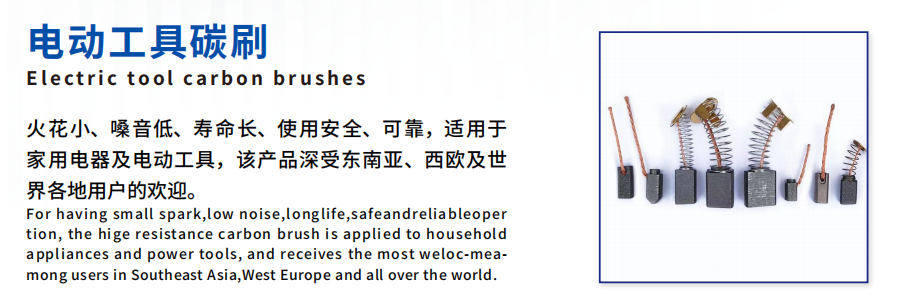
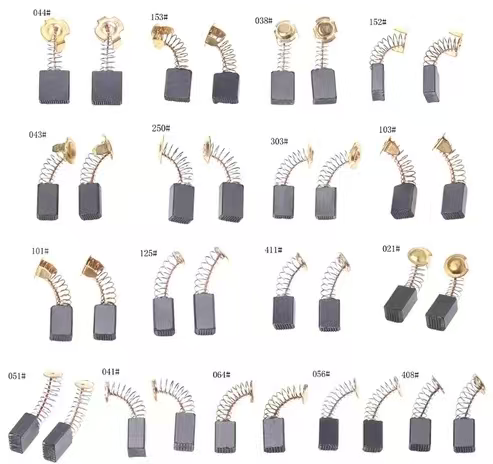
| 21 | CB-51A (51#) | 含铜石墨 | 5×8×12 | 手电钻、冲击钻 | 3 | 2~5 | 电动工具通用款 |
| 22 | 角磨机通用 | 含铜石墨 | 6×9×14 / 8×10×14 | 角磨机、磨光机、切割机 | 4 | 3~6 | 博世/牧田等通用替代 |
| 23 | 伺服电机碳刷 | 金属石墨 | 4.2×10×13 | 伺服电机、测速电机 | 3 | 2.5~5 | 插口式小碳刷 |
| 24 | 洗衣机电机碳刷 | 含铜石墨 | 5×12×18 / 6×14×20 | 滚筒洗衣机串励电机 | 3 | 2.5~5 | 小天鹅/海尔等通用 |
| 25 | 电动三轮车碳刷 | 含铜石墨 | 8×10×12~25 (多规格) | 直流串励电机、三轮车马达 | 5 | 3.5~6 | 多厚度可选 |
| 26 | 电镐/电锤碳刷 | 含铜石墨 | 7×17×18 / 8×18×20 | 电镐、电锤、冲击钻 | 5 | 3~8 | 大功率电动工具用 |
| 27 | 摩根 D374N | 电化石墨(进口) | 12.5×25 / 16×25 / 20×25 | 直流电机、牵引电机 | 30 | 20~45 | 上海摩根/英国摩根,品质稳定 |
| 28 | 美尔森 CG75 | 金属石墨(进口) | 20×32×40 | 大型直流电机、工业电机 | 124 | 100~140 | 法国Mersen,高端工业级 |
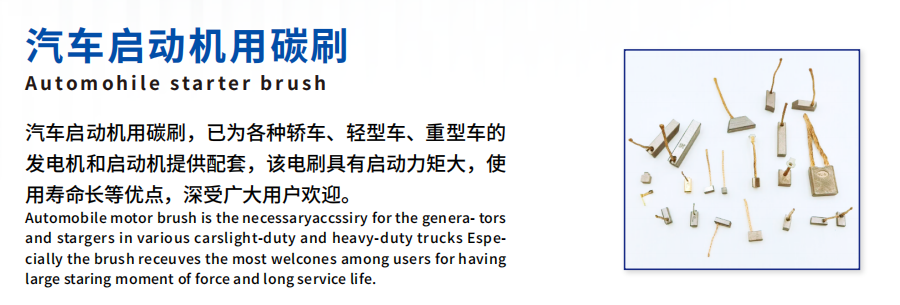
| 29 | 汽车起动机碳刷 | 铜石墨 | 多种规格(按车型) | 汽车启动电机、起动机 | 12 | 10~15 | 按车型匹配,批量价 |
| 30 | 高压电机碳刷 | 电化石墨 | 25×32×60 | 高低压电机、发电机 | 15 | 10~28 | D104/D172/J201等材质可选 |
| No. | Model | Material Type | Common Size (T x W x L mm) | Applicable Motor / Equipment | Ref. Unit Price (CNY/pc) | Price Range (CNY/pc) | Remarks | ||
| 1 | J164 | Metal Graphite (High Copper) | 16x40x50 / 20x40x60 / 25x32x60 | Crane motors, metallurgical motors, slip rings | 35 | 25-45 | High copper content, good conductivity, for low-voltage high-current | ||
| 2 | J201 | Metal Graphite (Copper-bearing) | 20x40x60 / 25x32x60 | YZR crane motors, AC wound motors | 39 | 30-50 | T6 type, commonly used in crane industry | ||
| 3 | J204 | Metal Graphite (Half Copper) | 12.5×25 / 16×25 / 20×25 / 20x40x60 | AC/DC motors, slip rings, generators | 22 | 15-35 | Half copper material, strong versatility | ||
| 4 | J203 | Metal Graphite | 8x12x20 / 12.5×25 / 16×25 | Low-voltage DC motors, AC motors | 18 | 12-30 | Medium copper content, cost-effective | ||
| 5 | J205 | Metal Graphite | 12.5×25 / 16×25 / 20×25 | AC wound motors, slip rings | 20 | 15-35 | Suitable for slip ring motors | ||
| 6 | J206 | Metal Graphite | 12.5×25 / 16×25 / 20×25 | Slip ring motors, low-voltage high-current motors | 22 | 15-38 | Wear-resistant metal graphite | ||
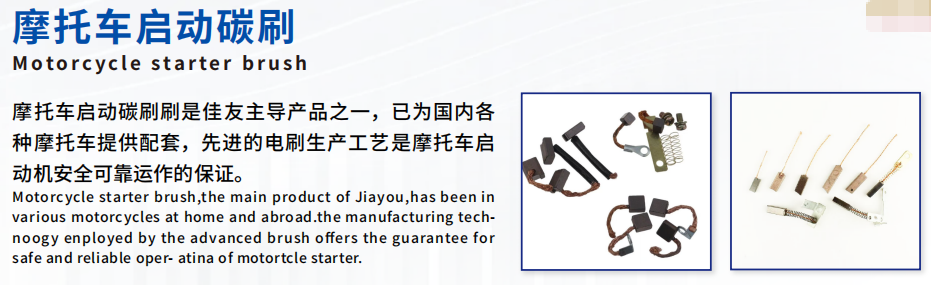
| 7 | J151 | Metal Graphite | 5x8x12 / 6x9x14 / 8x10x16 | Micro motors, power tools | 8 | 5-15 | Small copper-bearing carbon brush | ||
| 8 | J104 | Metal Graphite | 8x12x20 / 10x16x25 / 12.5×25 | General low-voltage AC/DC motors | 15 | 10-25 | Basic metal graphite | ||
| 9 | D172 | Electrographite | 20x32x40 / 25x32x60 | High-voltage motors, synchronous generators, turbo generators | 18 | 10-30 | Preferred for high-voltage motors, good arc resistance | ||
| 10 | D104 | Electrographite | 8x12x20 / 12.5×25 / 16×25 / 20×25 | General DC motors, AC motors | 12 | 8-20 | Most common general-purpose electrographite | ||
| 11 | D214 | Electrographite | 12.5×25 / 16×25 / 20×25 | DC motors, traction motors | 16 | 10-25 | Good commutation performance | ||
| 12 | D252 | Electrographite | 12.5×25 / 16×25 / 20×25 / 20x32x40 | DC motors, variable-speed motors | 18 | 12-28 | Suitable for motors with fluctuating loads | ||
| 13 | D374N | Electrographite | 12.5×25 / 16×25 / 20×25 | DC motors, traction motors, rolling mill motors | 22 | 15-30 | N type, wear-resistant, same grade as Morgan | ||
| 14 | D374B | Electrographite | 12.5×25 / 16×25 / 20×25 | DC motors, crane motors | 22 | 15-30 | B type, paired with D374N | ||
| 15 | D376N | Electrographite | 16×25 / 20×25 / 20x32x40 | Large DC motors, traction motors | 28 | 18-40 | High-load electrographite | ||
| 16 | D308 | Electrographite | 4x6x12 / 5x8x12 / 6x9x14 | Micro DC motors, power tools | 6 | 4-12 | Small electrographite carbon brush | ||
| 17 | R107 | Resin-bonded Graphite | 8x12x20 / 12.5×25 / 16×25 | AC asynchronous motors, slip ring motors | 12 | 8-20 | Resin-bonded, low friction coefficient | ||
| 18 | R126 | Resin-bonded Graphite | 12.5×25 / 16×25 / 20×25 | Asynchronous motors, synchronous motor slip rings | 15 | 10-25 | Wear-resistant resin graphite | ||
| 19 | S3 | Natural Graphite | 10x16x25 / 12.5×25 / 16×25 | Low-speed light-load motors, small generators | 10 | 6-18 | Natural graphite, good lubricity | ||
| 20 | S4 | Natural Graphite | 12.5×25 / 16×25 / 20×25 | Generators, AC motor slip rings | 12 | 8-20 | Medium hardness natural graphite | ||
| 21 | CB-51A (51#) | Copper Graphite | 5x8x12 | Hand drills, impact drills | 3 | 2-5 | Universal for power tools | ||
| 22 | Angle Grinder Universal | Copper Graphite | 6x9x14 / 8x10x14 | Angle grinders, polishers, cutting machines | 4 | 3-6 | Universal replacement for Bosch/Makita etc. | ||
| 23 | Servo Motor Brush | Metal Graphite | 4.2x10x13 | Servo motors, tachometer motors | 3 | 2.5-5 | Plug-in small carbon brush | ||
| 24 | Washing Machine Brush | Copper Graphite | 5x12x18 / 6x14x20 | Drum washing machine series motors | 3 | 2.5-5 | Universal for Little Swan/Haier etc. | ||
| 25 | E-Tricycle Brush | Copper Graphite | 8x10x12-25 (multi-size) | DC series motors, tricycle motors | 5 | 3.5-6 | Multiple thickness options | ||
| 26 | Pick/Hammer Brush | Copper Graphite | 7x17x18 / 8x18x20 | Electric picks, rotary hammers, impact drills | 5 | 3-8 | For high-power power tools | ||
| 27 | Morgan D374N | Electrographite (Imported) | 12.5×25 / 16×25 / 20×25 | DC motors, traction motors | 30 | 20-45 | Shanghai Morgan / UK Morgan, stable quality | ||
| 28 | Mersen CG75 | Metal Graphite (Imported) | 20x32x40 | Large DC motors, industrial motors | 124 | 100-140 | France Mersen, high-end industrial grade | ||
| 29 | Auto Starter Brush | Copper Graphite | Various sizes (by model) | Automotive starter motors, starters | 12 | 10-15 | Matched by vehicle model, bulk price | ||
| 30 | HV Motor Brush | Electrographite | 25x32x60 | High/low voltage motors, generators | 15 | 10-28 | D104/D172/J201 etc. material options |
Key Features & Advantages
Stable Conductive Performance and Low Energy Loss
Carbon brushes adopt optimized carbon and metal composite materials with stable resistivity and low contact voltage drop. They ensure smooth and continuous current transmission during high-speed motor operation, effectively reducing electrical loss and heat accumulation. This stable conductive performance avoids unstable motor speed, spark generation and local overheating, greatly improving the overall operating efficiency of electrical equipment.
Natural Self-lubricating Property and Low Wear Rate
Graphite-based materials form a uniform protective lubricating film during sliding operation, which greatly reduces rigid friction between the brush body and commutator. It lowers the overall wear degree of both the carbon brush and motor metal parts, extending the service life of core motor components. Compared with traditional copper brushes, carbon brushes produce less abrasion and noise, achieving long-term stable and low-consumption operation.
Diversified Material Types for Full-scenario Adaptation
Complete product classification realizes targeted scenario matching. Metal graphite brushes adapt to high-current low-voltage load equipment; natural graphite brushes suit high-speed and low-wear working environments; electro-graphite brushes provide universal and stable conduction for various AC and DC motors; special industrial brushes cope with extreme temperature, high speed and high-load industrial conditions. The multi-type design meets differentiated industrial and civilian needs.
Complete Structural Design and High Operational Safety
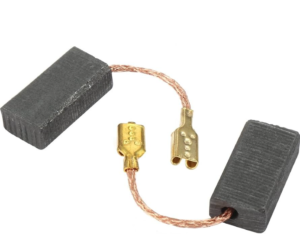
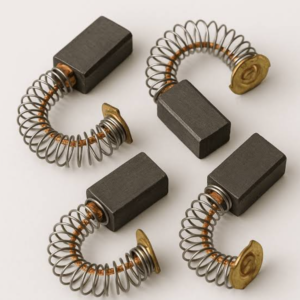
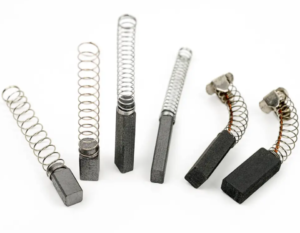
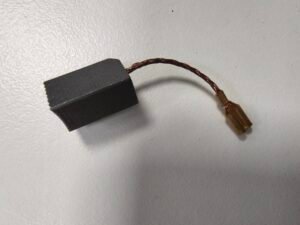
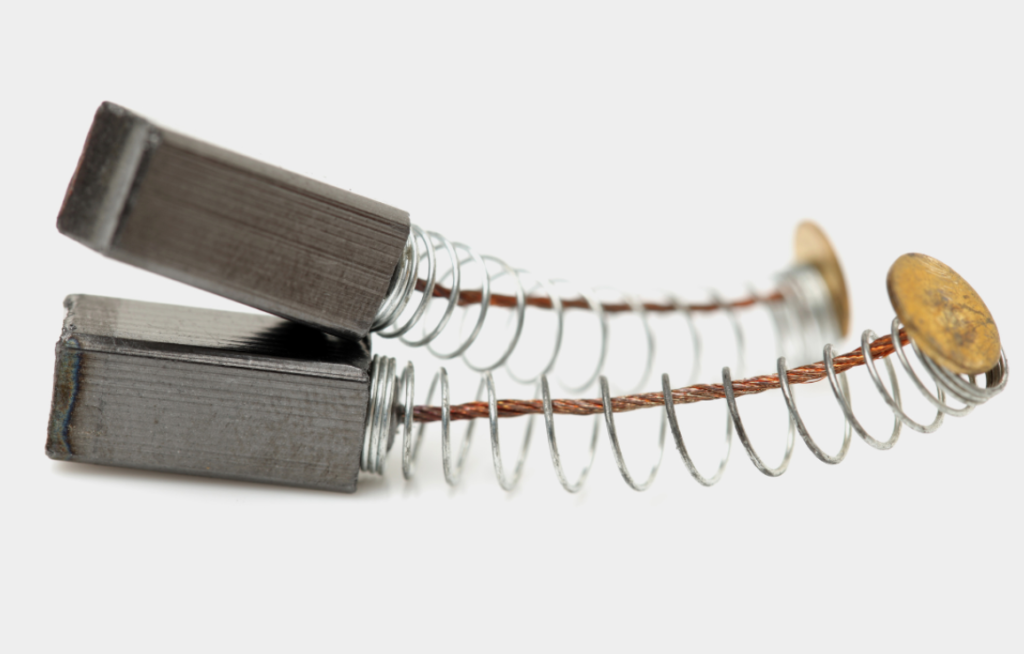
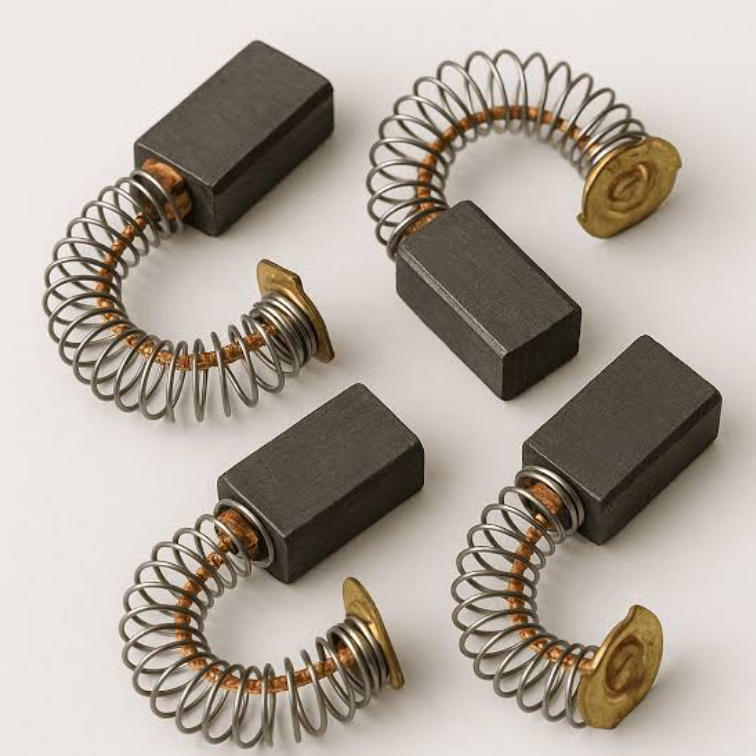
Integrated combination of carbon substrate, copper braid and spring pressure structure ensures always-close contact during motor vibration and high-speed rotation. It effectively avoids poor contact, current interruption and equipment stalling. Matched with standardized performance indicators of conduction and wear resistance, carbon brushes maintain high safety and stability during long-term frequent start-stop and continuous operation.
Wide Industry Coverage and Strong Practicality
Carbon brushes are widely applicable from heavy industrial machinery and railway transportation equipment to portable electric tools and household appliances. With mature technology, low replacement cost and convenient maintenance, they have become the most mainstream and reliable conductive contact accessories in the brushed motor industry, possessing extremely high practical value and economic applicability.
FAQ
Q: Are you a factory or a trading company?
A:We are a proffessional manufacturer of abrasive tools with more than 30 years.
Q: Is OEM available?
A: Yes,OEM and customization are available.Also,we can provide label printing service.
Q: Are samples available?
A: Free samples are available while freight is chargeable.
Q: What is your advantages?
A: Good quality product,cheap price and fast loading.
Q: Do you have after-sales services?
A: Yes, we have complete after-sales services,if you encounter any qualit problems with our products.
Packing, Delivery & Shipping
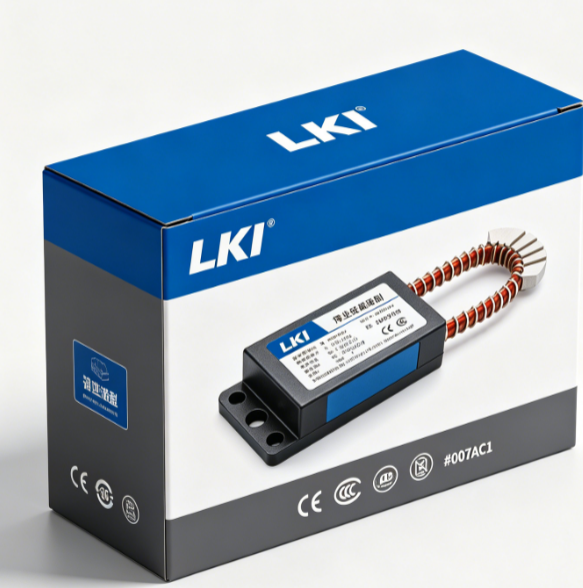
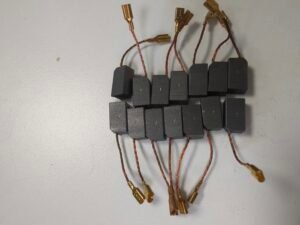
If you meet our minimum order quantity of 500 pieces, customized retail packaging is available for your carbon brushes. We can produce premium hangable color boxes matched with outer export cartons. You can choose to adopt our official brand packaging, or apply your own brand totally.
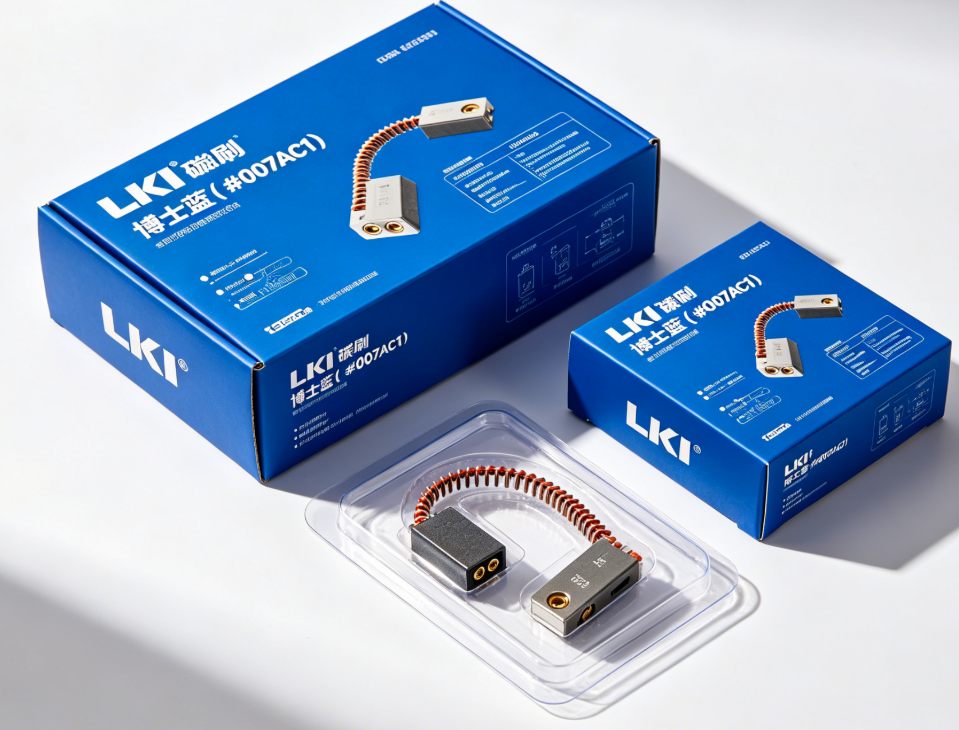
Customizable items include printed brand logos, product adhesive stickers, personalized color box artwork and outer carton layouts. If you need exclusive customized packaging design, please provide your complete PDF design files for production arrangement.
If your order volume fails to reach the 500‑piece MOQ, we will adopt standard neutral brown cartons for bulk shipment. Meanwhile, you can still attach your self‑designed brand stickers on the outer packages to mark your own brand.
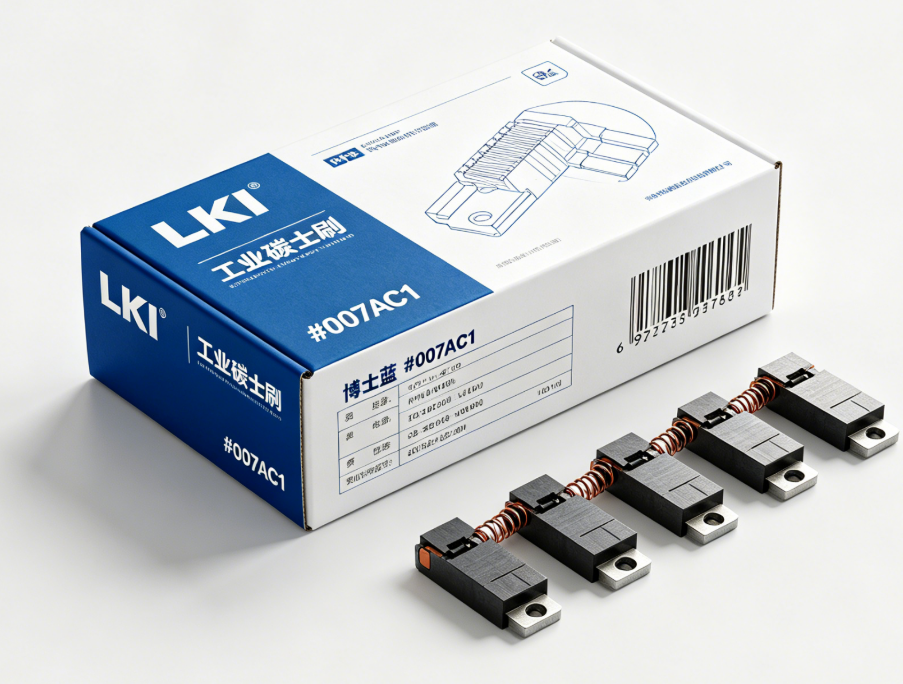
Packaging Details Adapted for Carbon Brush
Packaging Content: Each box holds multiple carbon brushes with separating protective foam paper between items to avoid scratches, breakage and dust contamination during transit.
Inner Package: Hanging retail color box (with hang hole structure suitable for hardware store shelf display, can hold 10 / 20 / 50 pcs as customized request) Outer Package: Corrugated export carton, shockproof and compression‑resistant for long‑distance sea and land transportation
Wide Application Scenarios
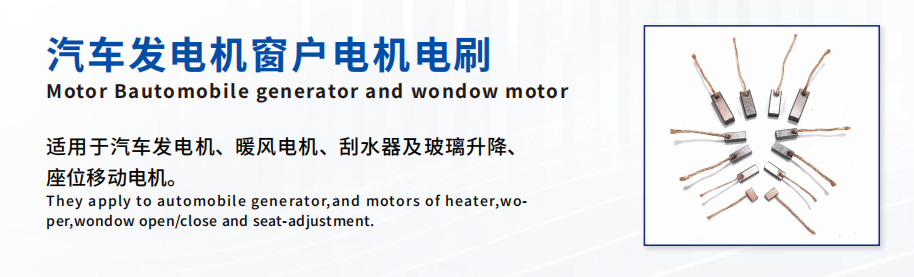
Carbon brushes own excellent conductive‑frictional adaptability, perfectly fitting nearly all kinds of power‑transmission motor‑running scenarios for power tools, industrial machinery and household electric equipment.
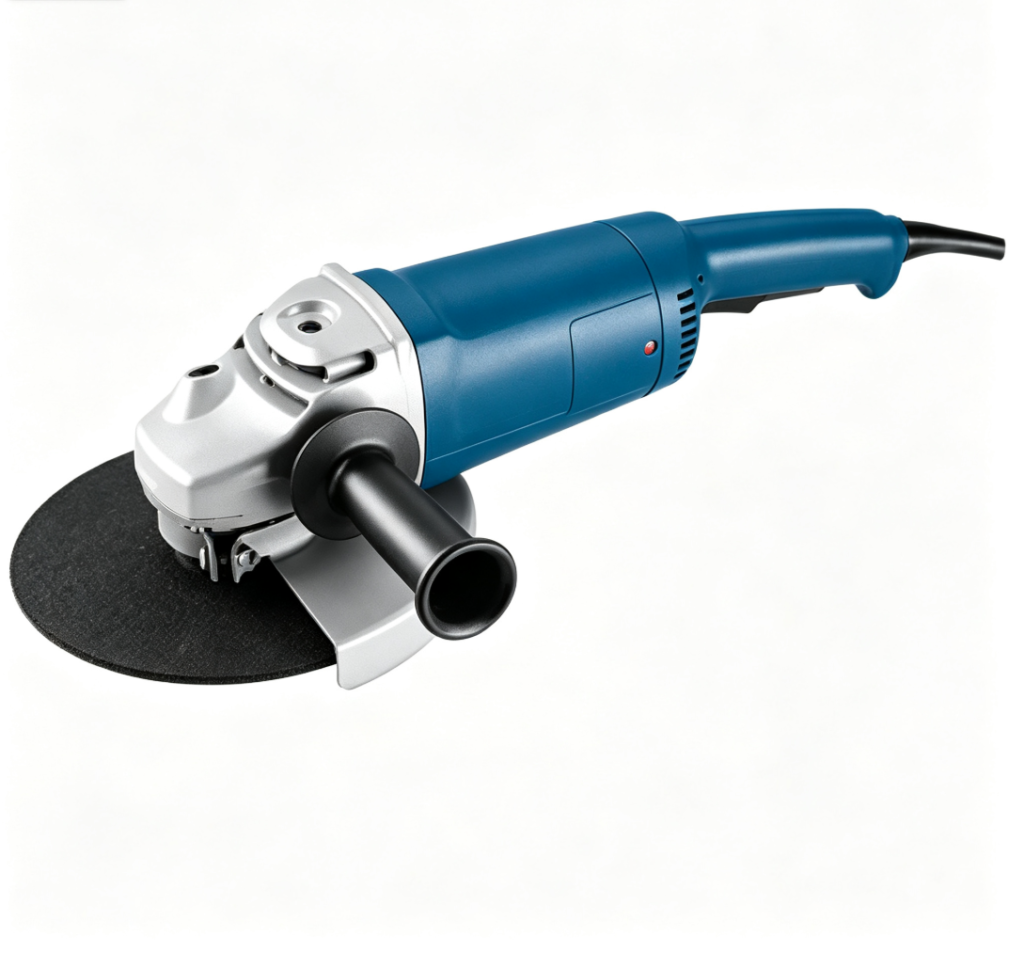
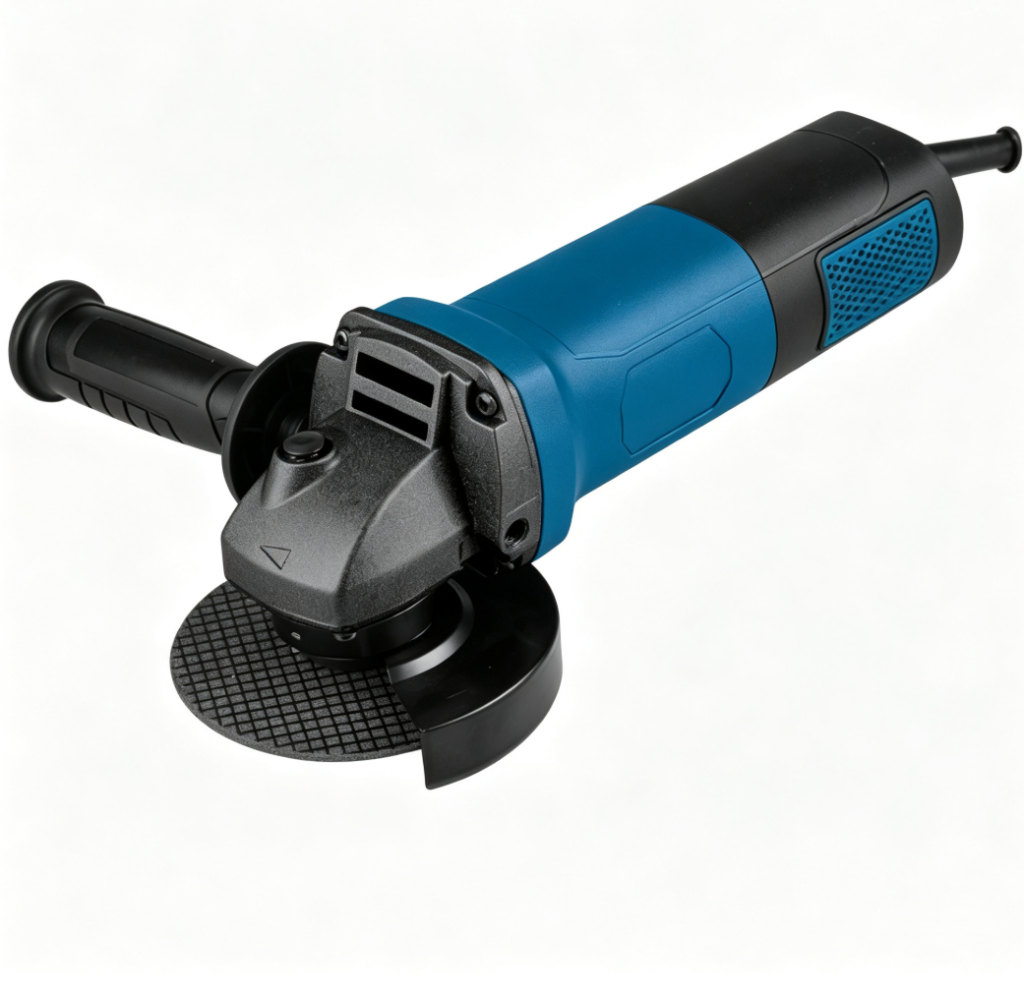
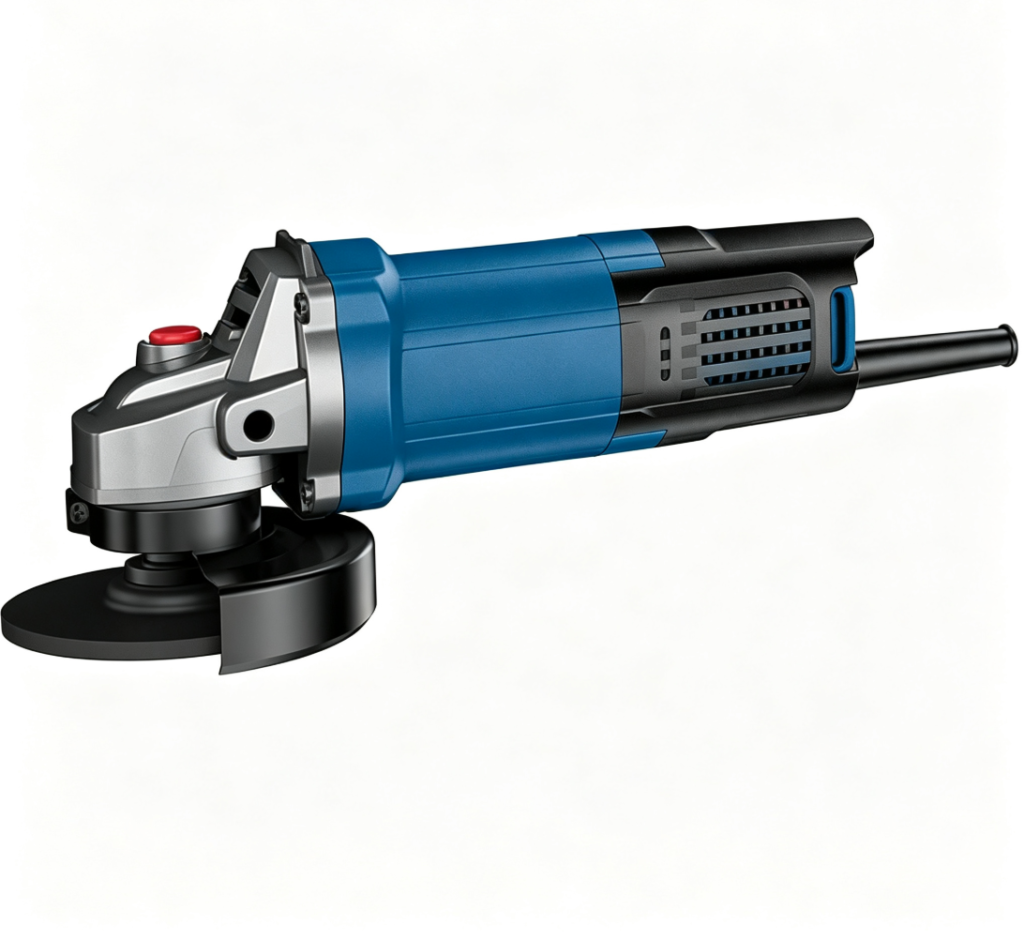
They serve as vital wearable conductive spare parts for power‑tool maintenance workshops, machinery repair factories, hardware processing plants, engineering construction teams and home DIY users. Widely applied in angle grinders, electric drills, cutting machines, vacuum cleaners, washing‑machine motors, generator sets and industrial electric motors, these high‑quality carbon brushes are ideal for long‑time continuous motor‑running work in metal‑processing workshops, construction sites and manufacturing factories.
They deliver stable electric‑current transmission performance to guarantee smooth running of all types of commutator‑equipped motors, handheld power tools and industrial rotating equipment.
For industrial production and daily‑maintenance scenarios, they are commonly used in electric‑tool repair, generator maintenance, household‑appliance overhaul, factory automation‑motor inspection and construction‑equipment upkeep in machinery workshops, building sites and hardware service stores.
The precisely manufactured carbon brushes realize steady, spark‑suppressed current transfer during motor operation. They greatly boost motor working efficiency, reduce commutator wear, cut down equipment failure rates and extend the whole service life of electric motors and power tools. Whether applied for heavy‑load operation of industrial machinery, frequent start‑stop work of handheld power‑tools, or long‑time continuous high‑speed rotation of household‑appliance motors, these durable carbon brushes maintain stable conductive performance and outstanding wear‑resistance for long‑term daily use.
Post about Carbon Brush:
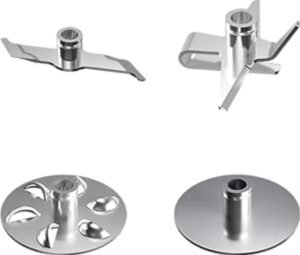
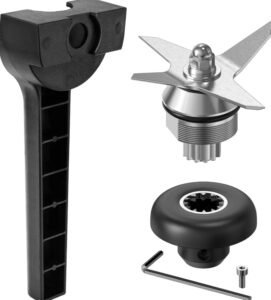
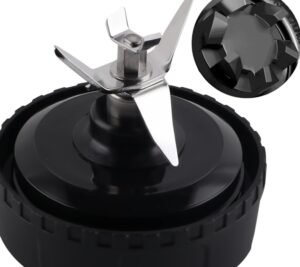
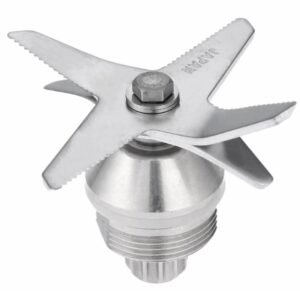
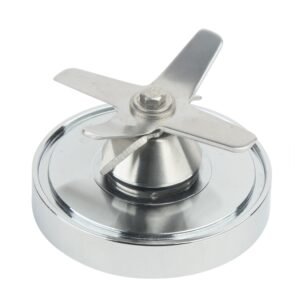
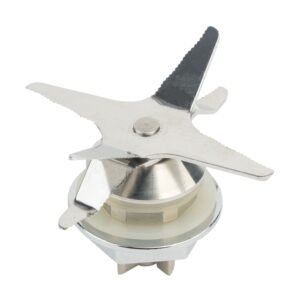
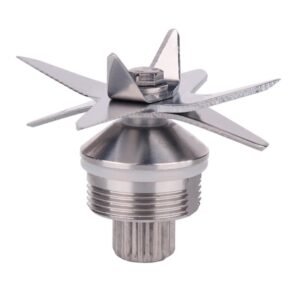
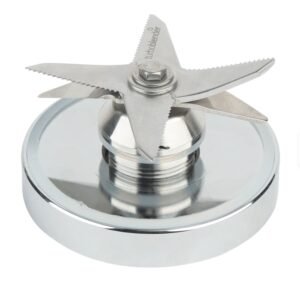
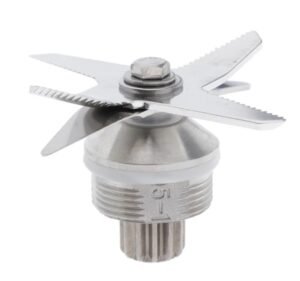
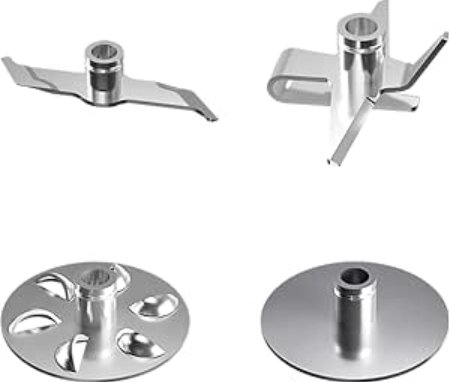
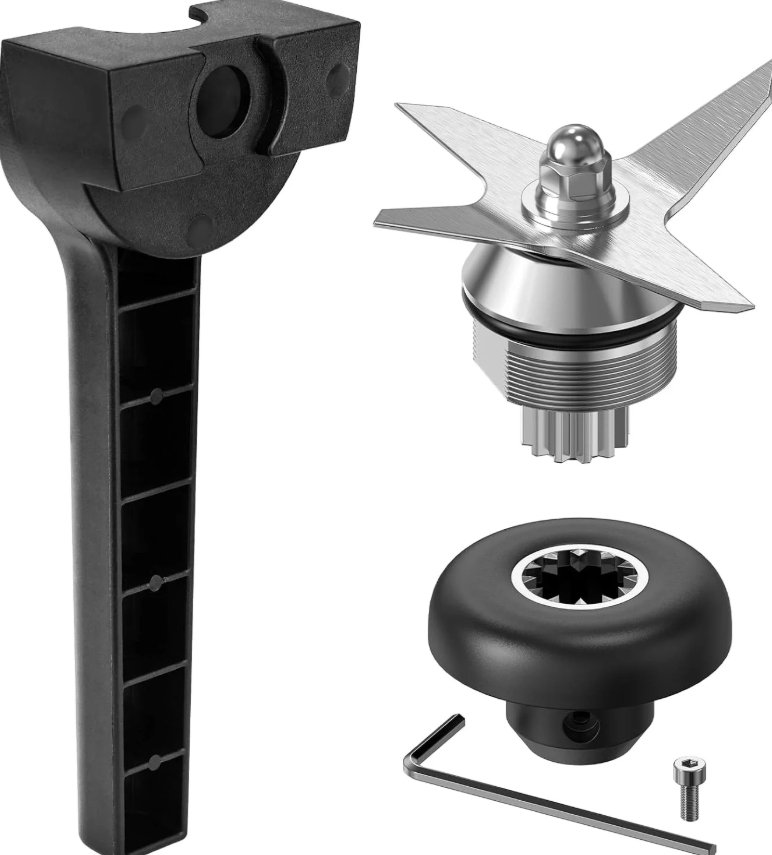
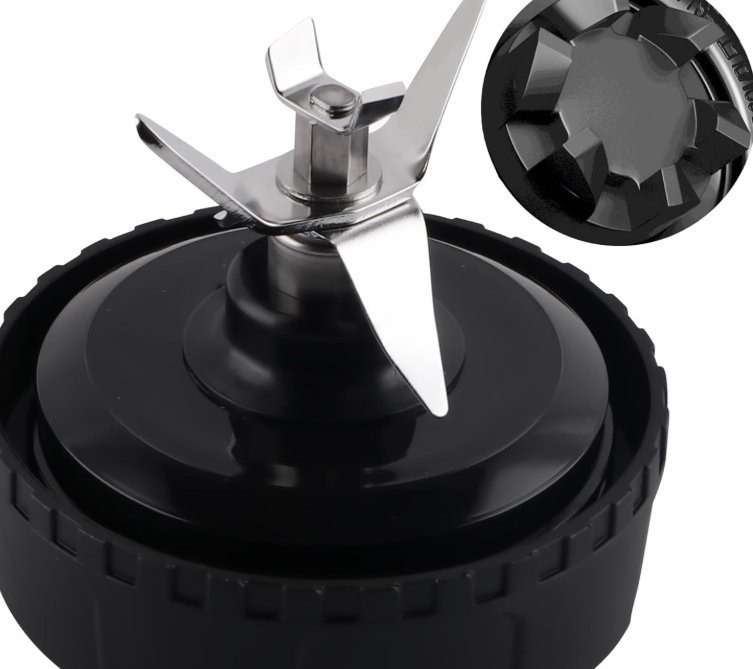
Blender Blade
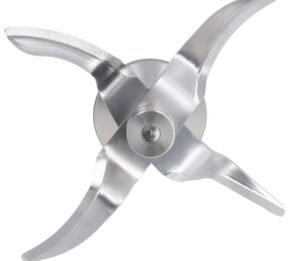
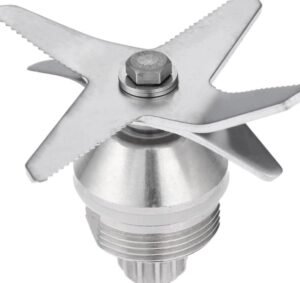
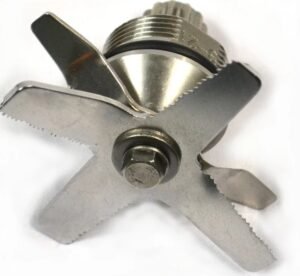
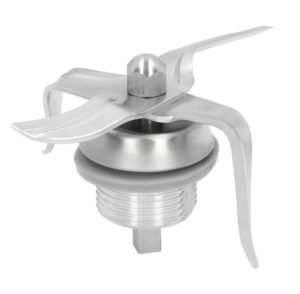
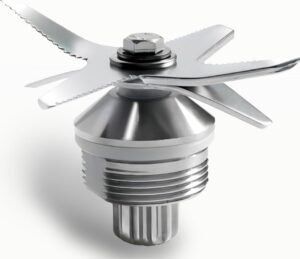
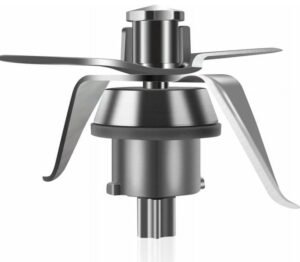
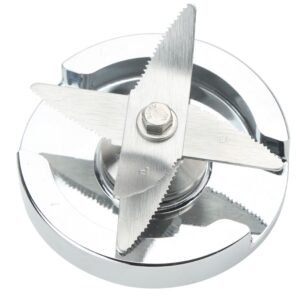
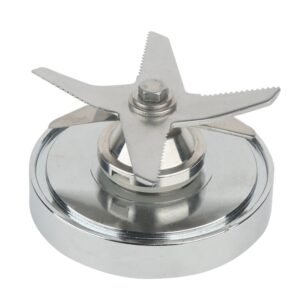
Carbon Brush for Sale:
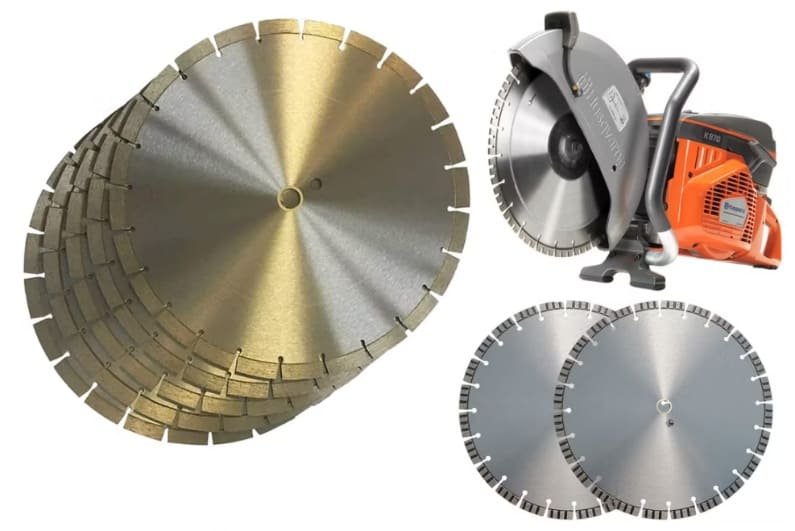
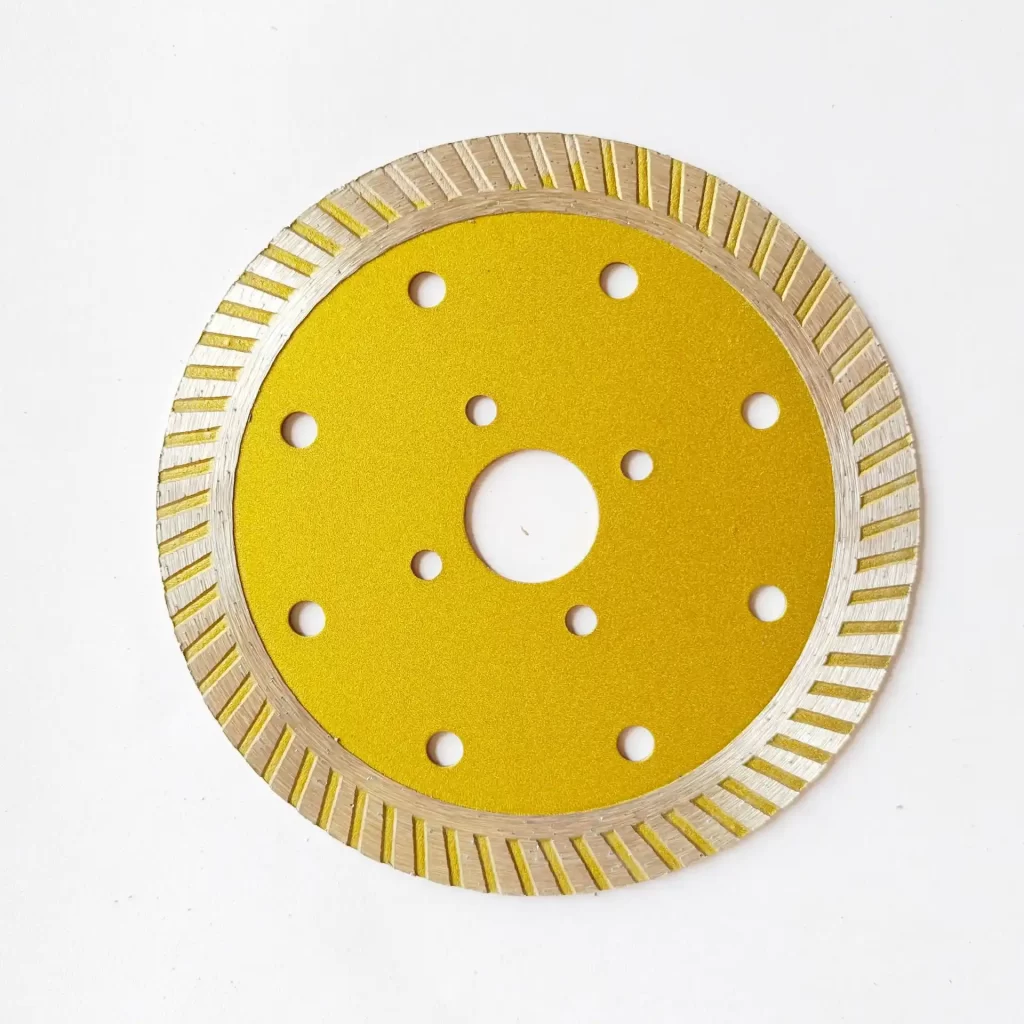
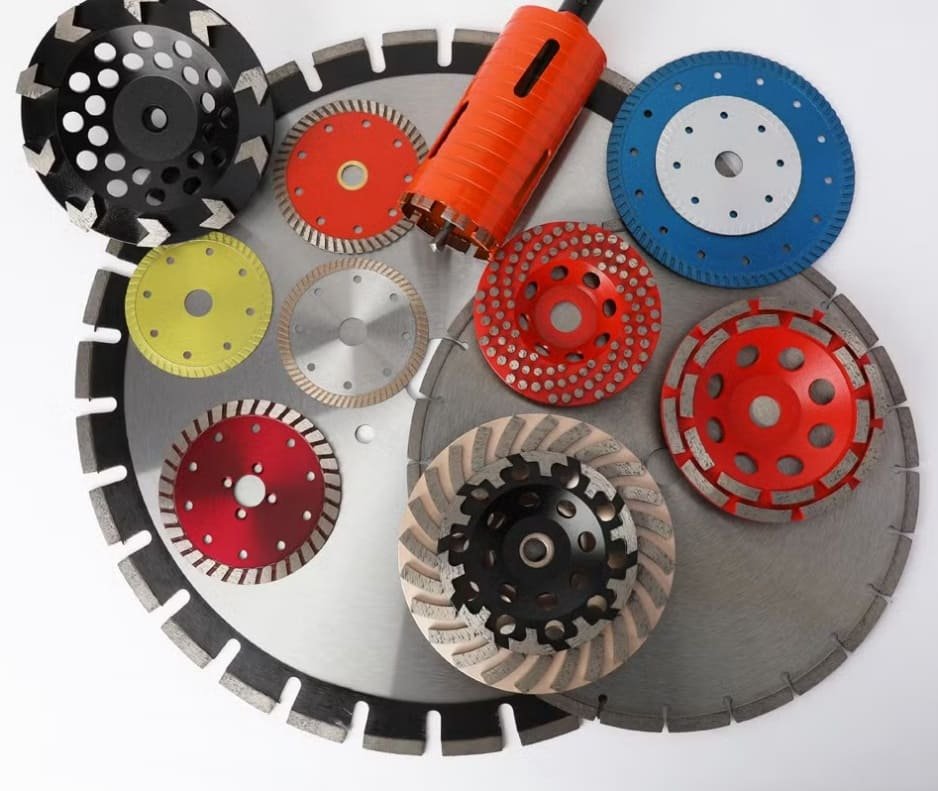
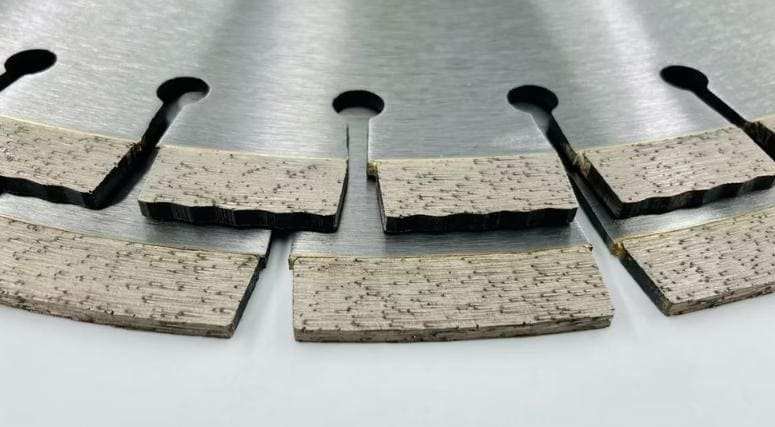
Diamond Blade

Welcome to call us
Contact Us to get quotation
Working Time: 8:00~17:00 Monday to Friday.
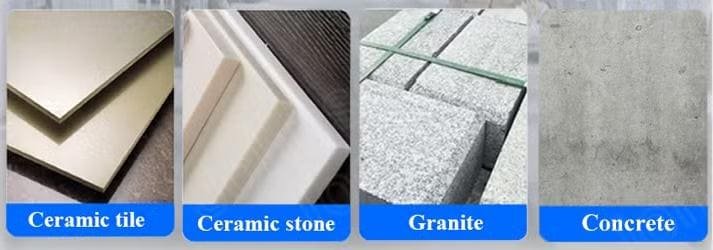
Applications:
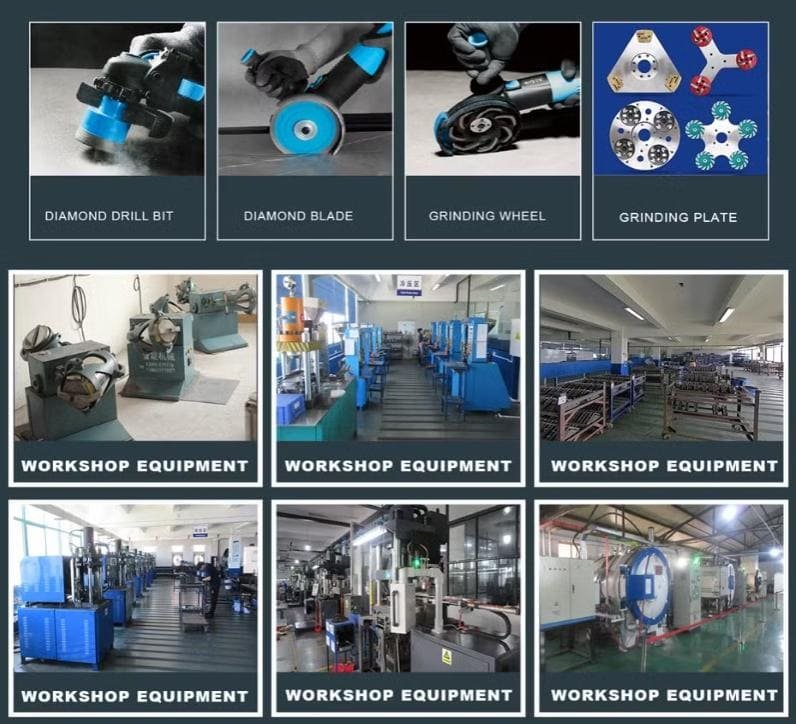
Factory:
FAQ
Welcome to call us
Contact Us to get quotation
Working Time: 8:00~17:00 Monday to Friday.
Blender Blade:
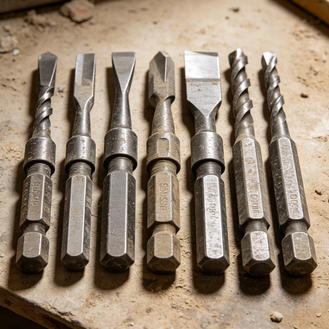
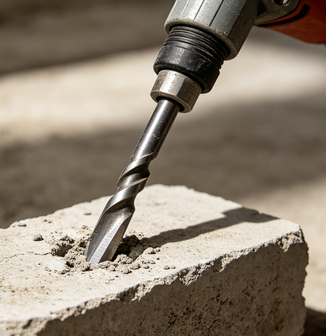
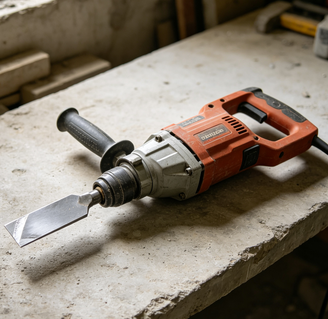
Chisel Bit:
Cutting Wheel:
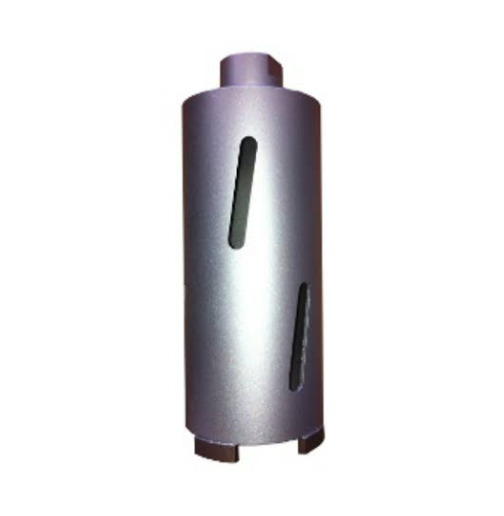
Diamond Core Drill Bit:
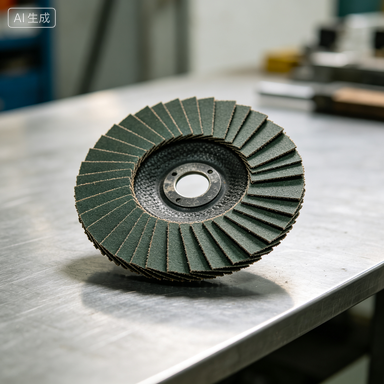
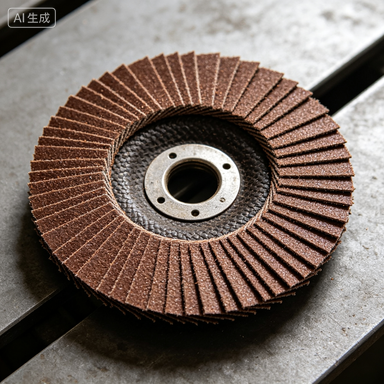
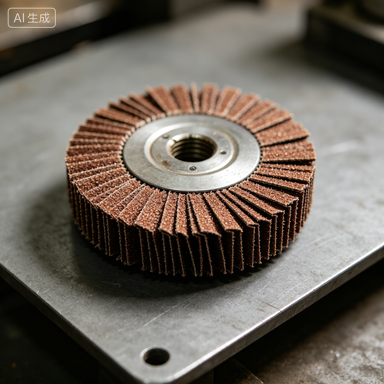
Flap Disc:
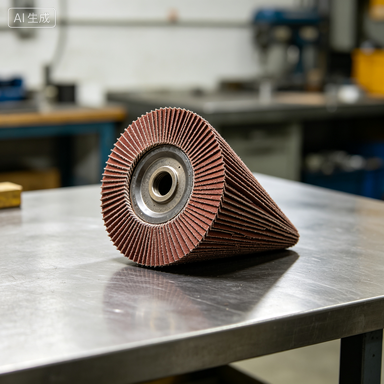
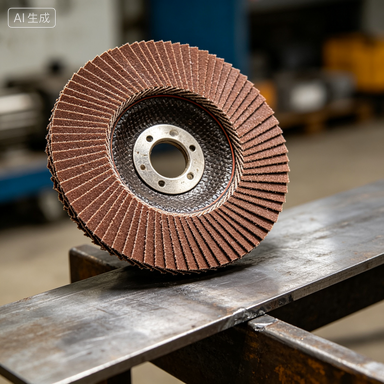
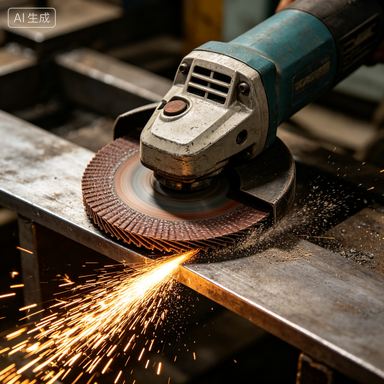
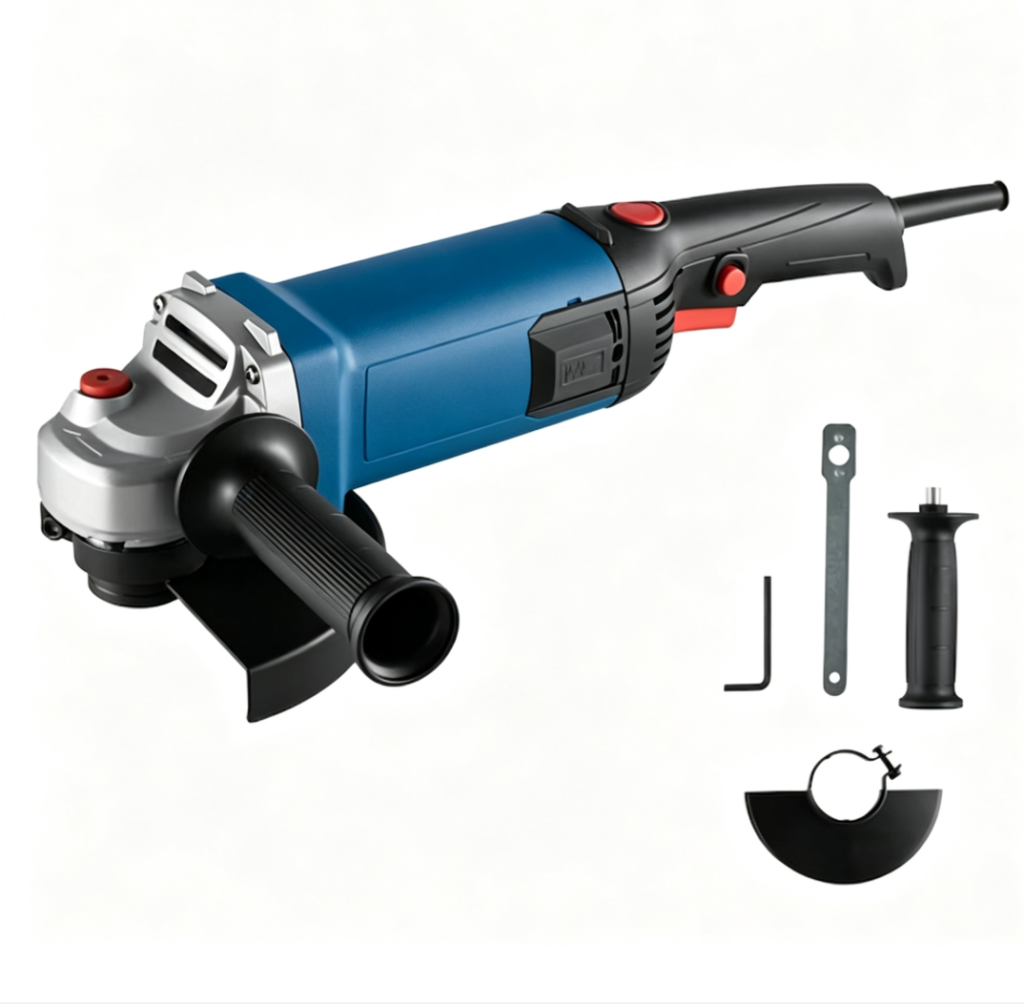
Angle Grinder:
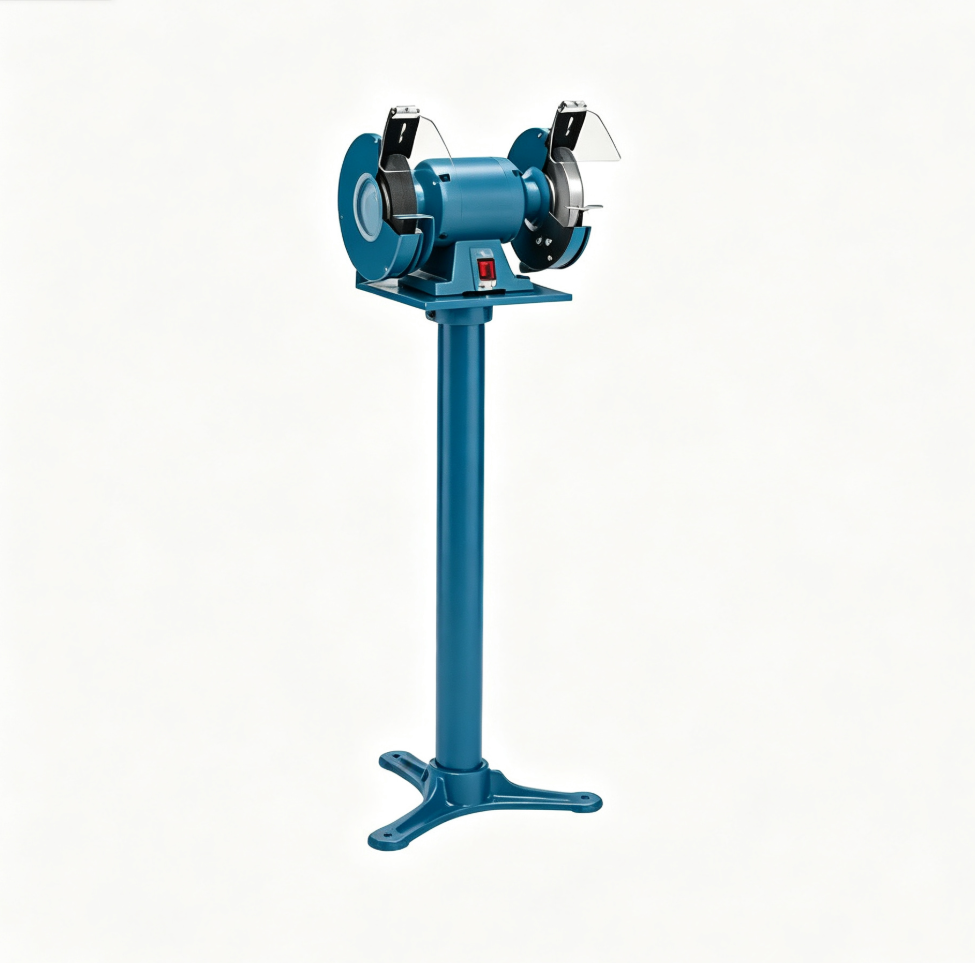
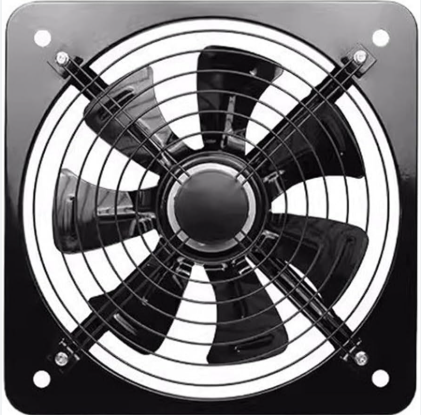
Industrial fan:
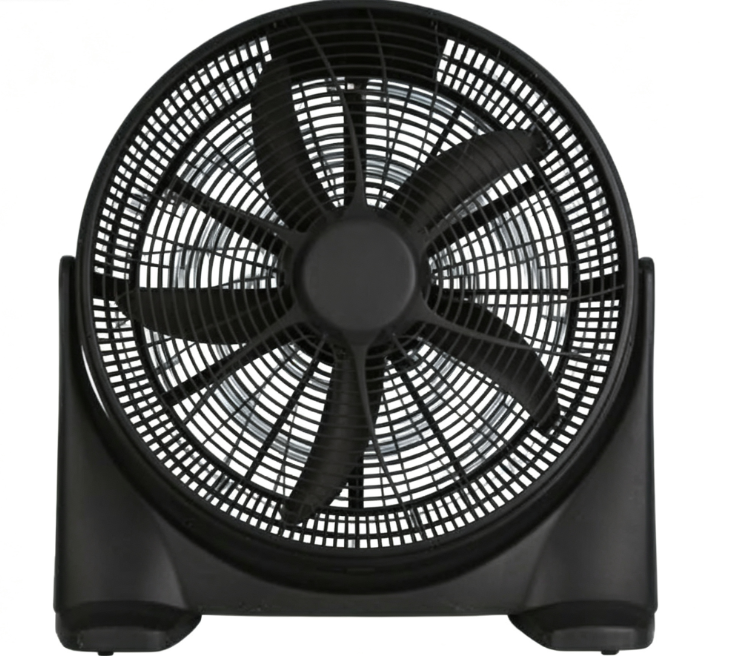
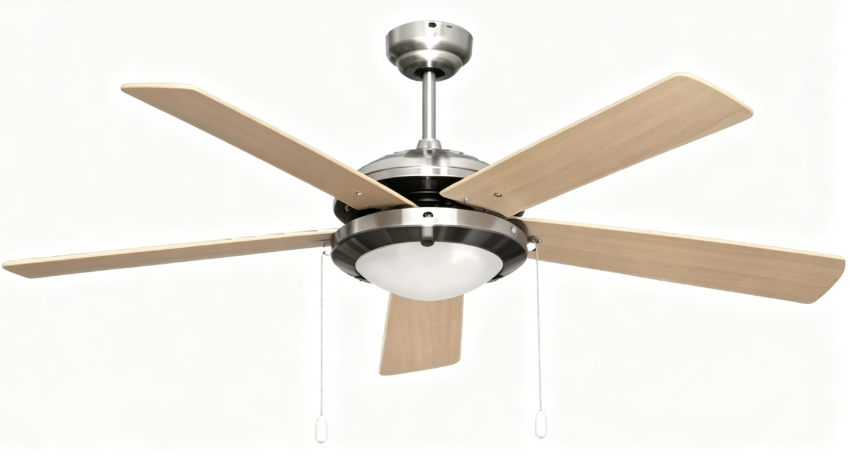
Demolition Hammer:
Blogs:
You May also Interest in other topics:
calcium carbonate grinding mill