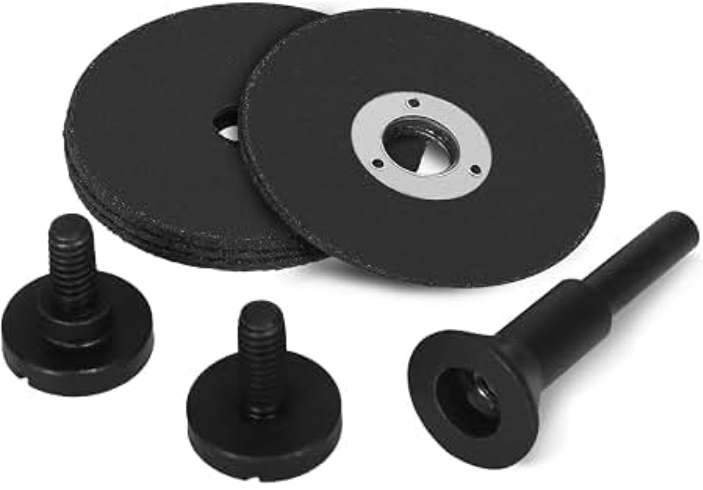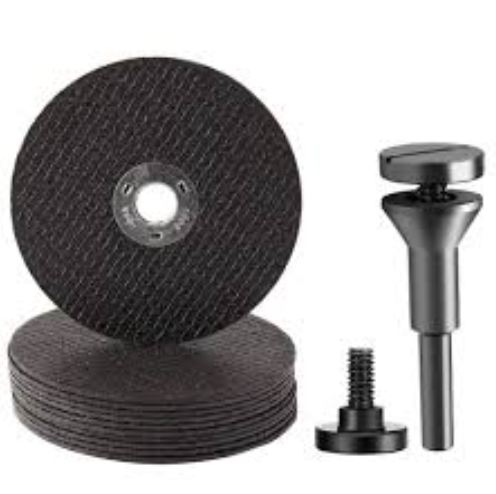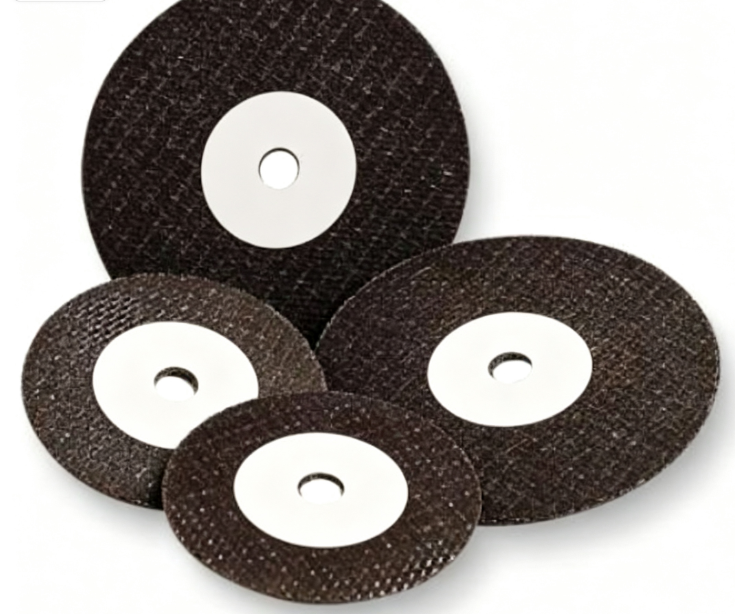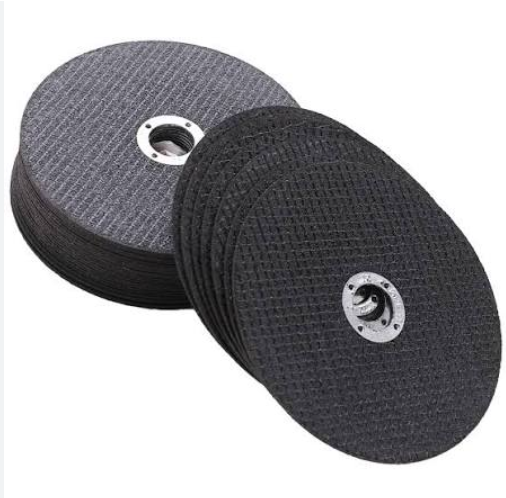
Cutting Wheels
Cutting Wheel for Sale:
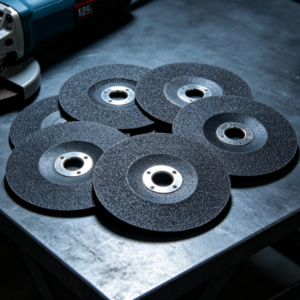
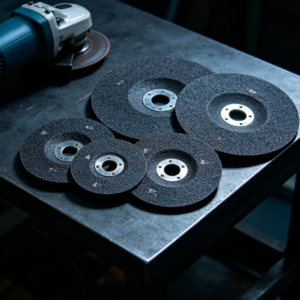
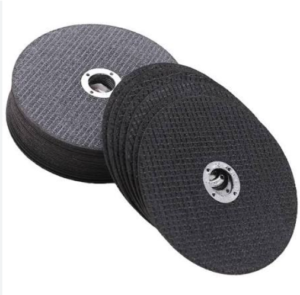
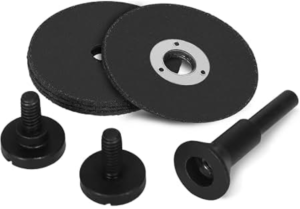
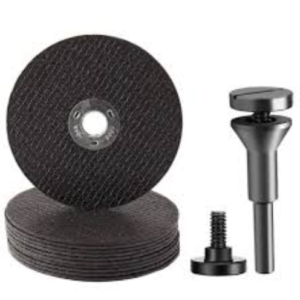
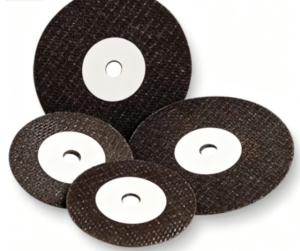
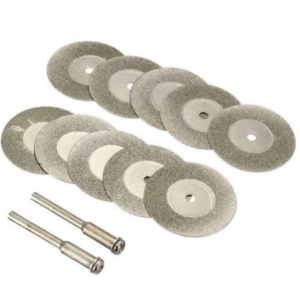
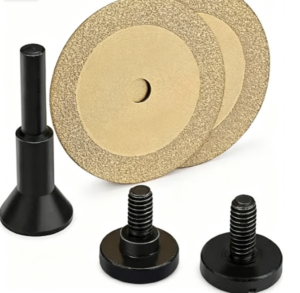
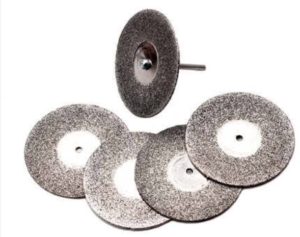
Cutting Wheels
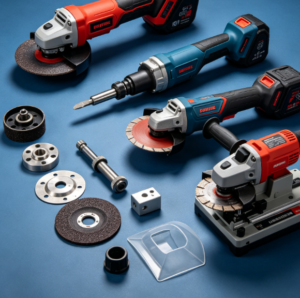
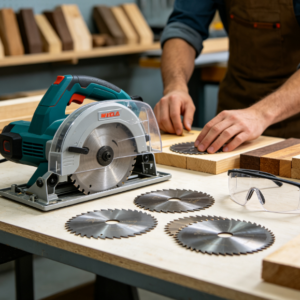
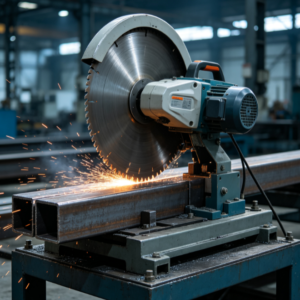
Cutting wheels, also widely known as cutoff discs, are essential abrasive‑consumable tools designed to create narrow, precise cuts in different work‑pieces. Compatible with power tools such as angle grinders and chop saws, these abrasive wheels are heavily adopted across metal fabrication, building‑site construction, laboratory specimen preparation and many other industrial‑grade working environments. Without properly selected cutting wheels, power‑driven cutting equipment cannot deliver clean, narrow incisions, and operators are likely to face rough cutting edges, slow processing speed and unnecessary waste of raw materials.
What are the primary categories of cutting wheels available on the market?
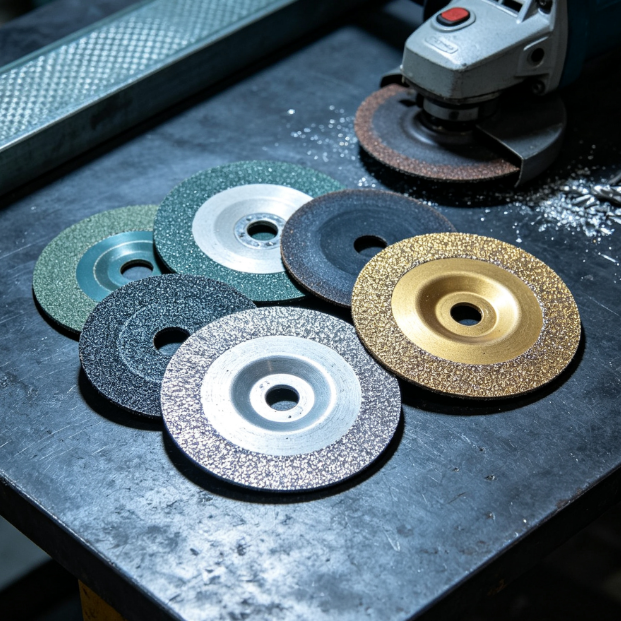
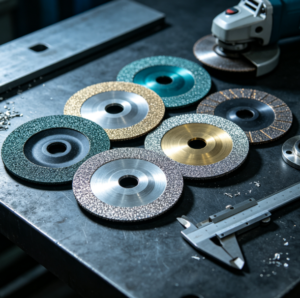
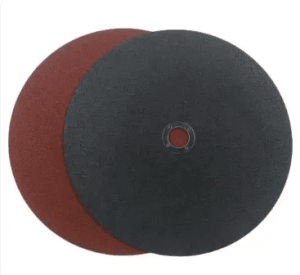
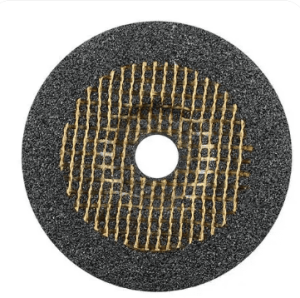
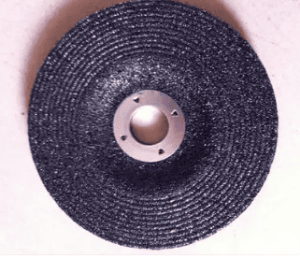
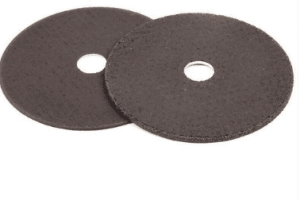
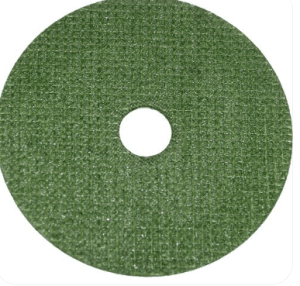
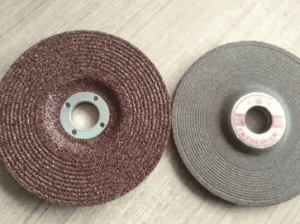
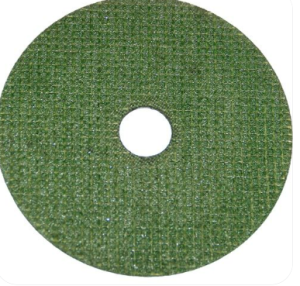
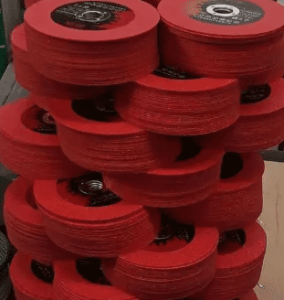
Resin‑bonded abrasive cutting wheels are manufactured using a composite mixture of fiberglass mesh, resin bonding agent and aluminum‑oxide abrasive grains. This well‑balanced material formula grants them outstanding universal performance for everyday cutting assignments. They are the most common multi‑purpose consumables for rapid cutting work on ferrous metal, brick, concrete and other general‑purpose building materials. Most renovation crews and metal‑processing workshops keep resin‑bonded wheels as their standard option for routine blanking tasks, because they combine acceptable cutting speed, low cost and reliable mechanical strength.
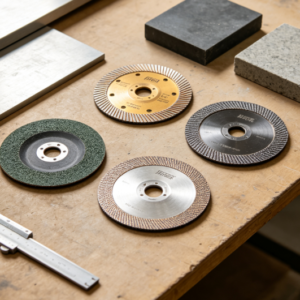
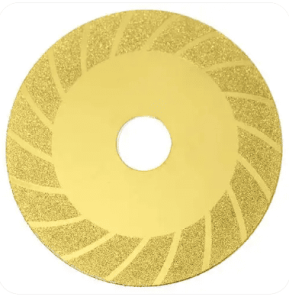
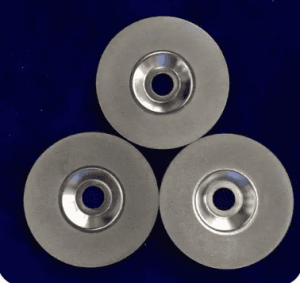
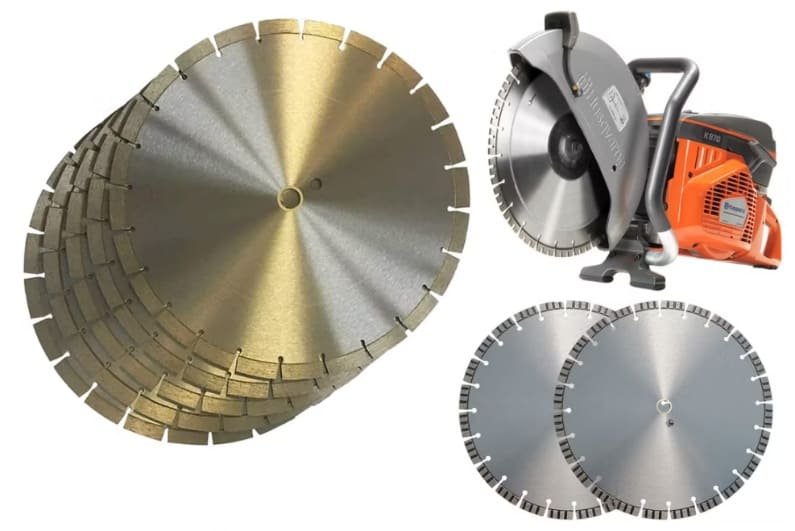
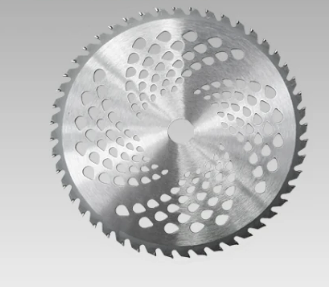
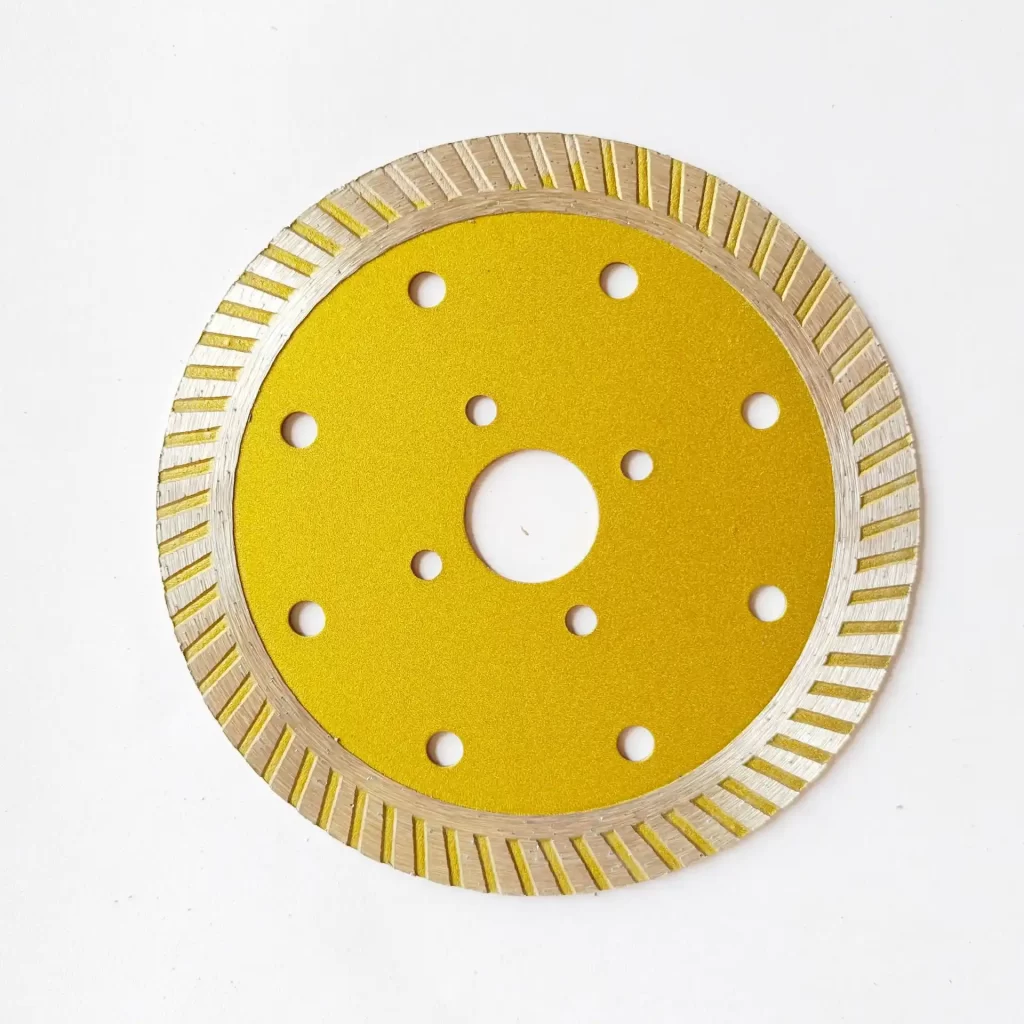
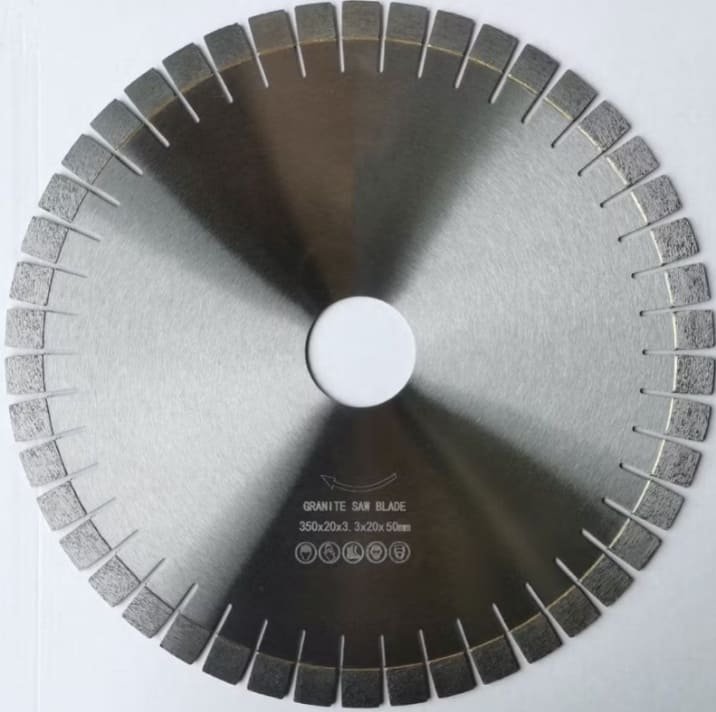
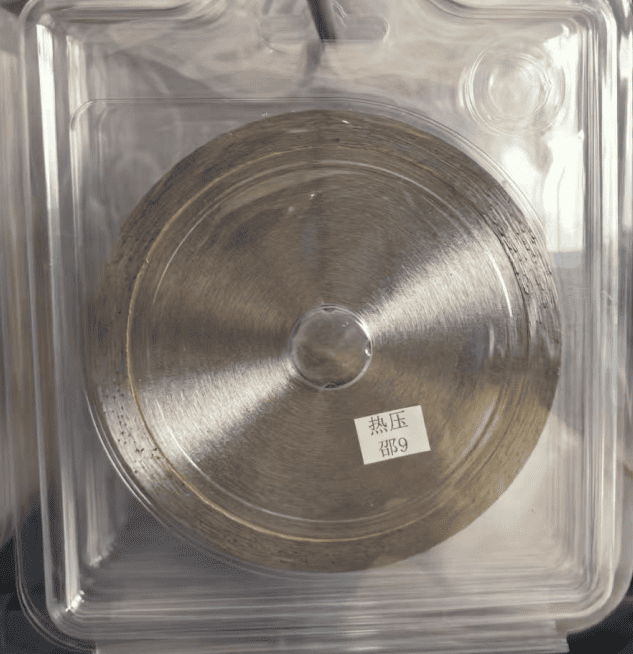
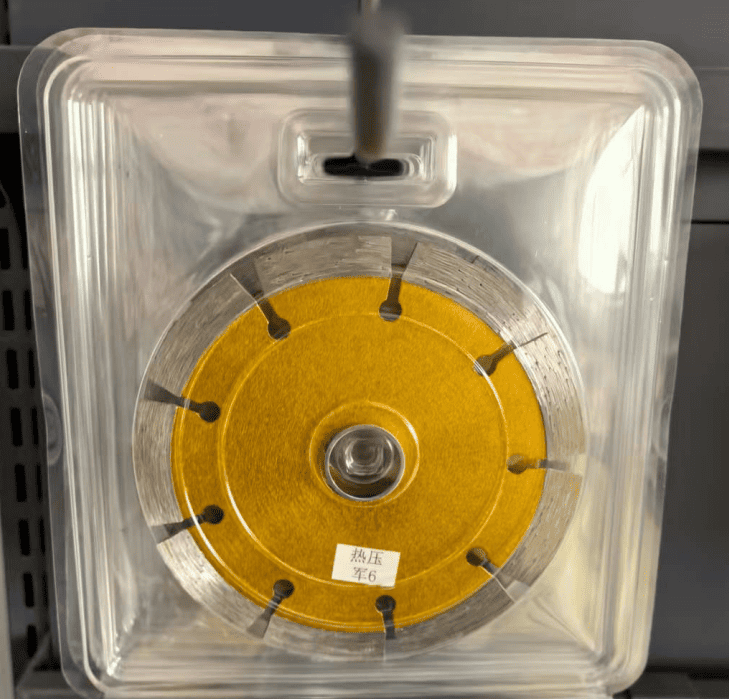
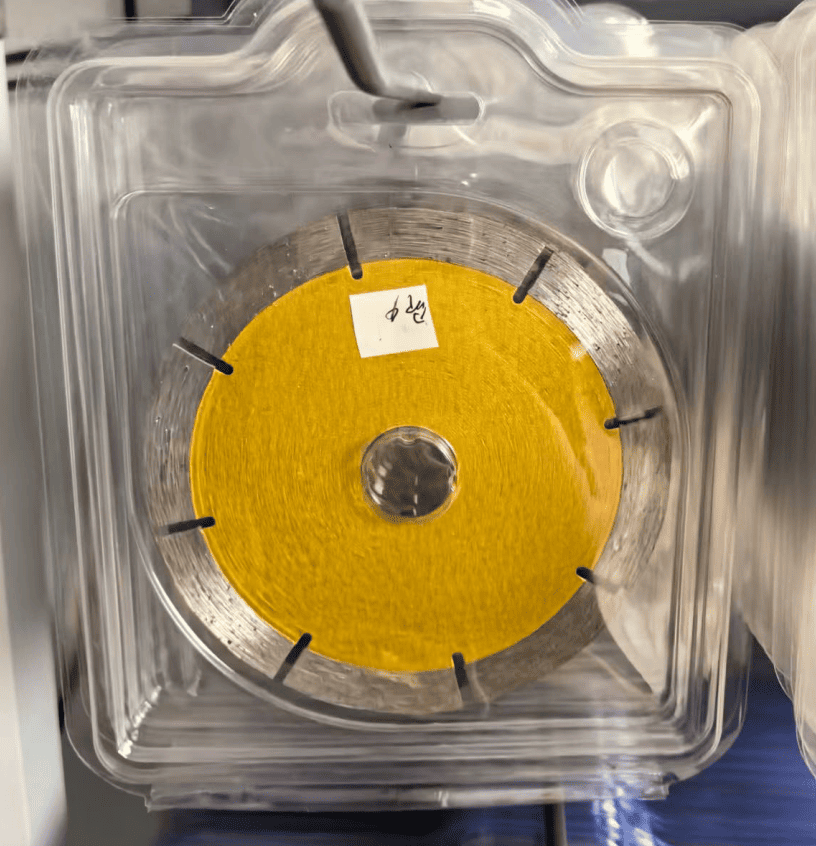
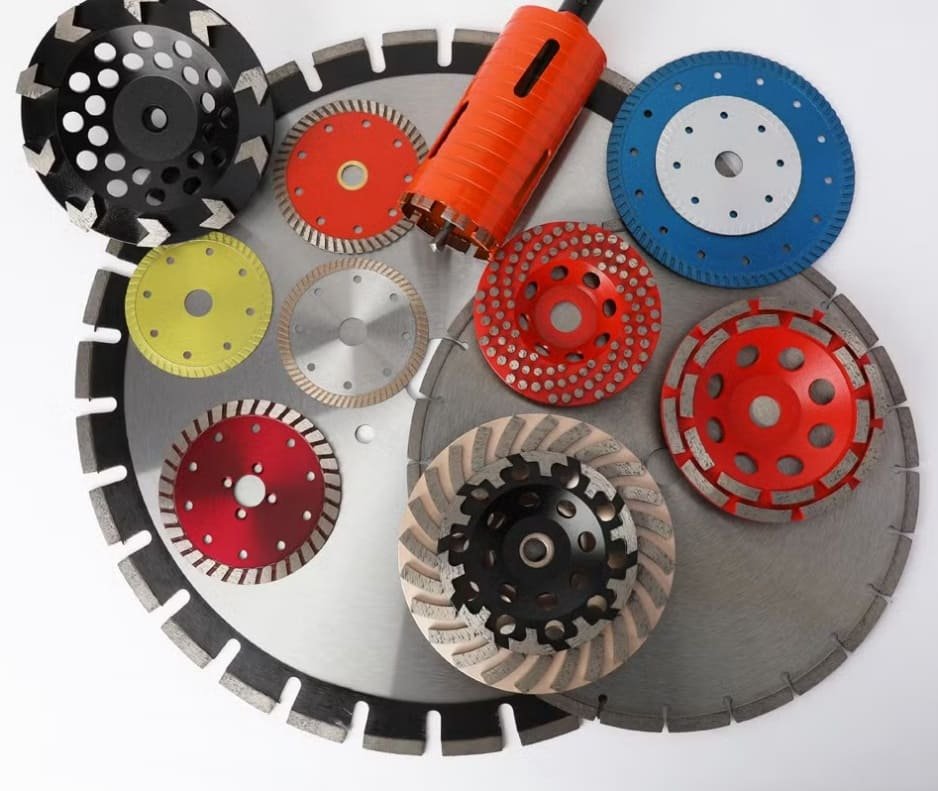
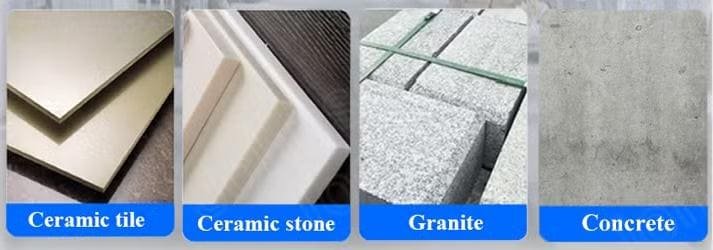
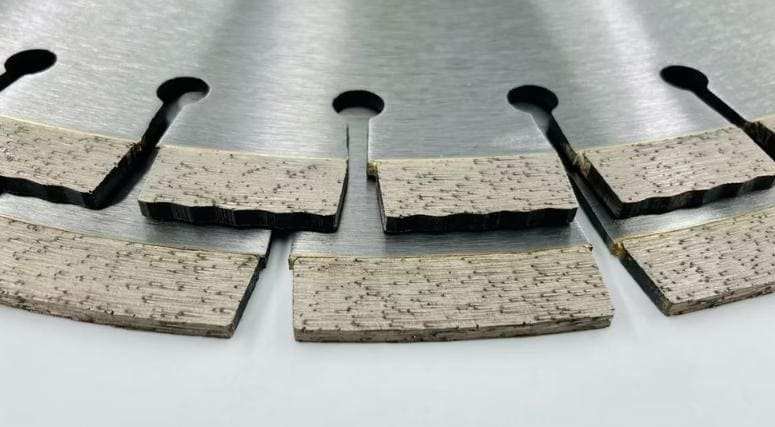
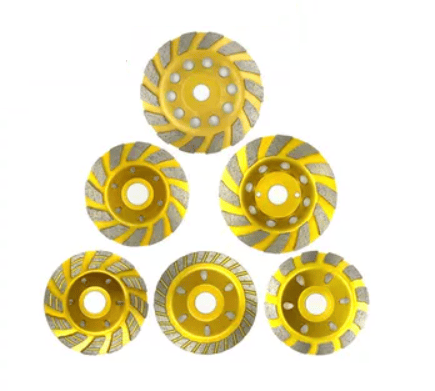
Diamond cutting wheels take industrial diamond particles as their main abrasive material, and they support both wet‑cutting and dry‑cutting working modes. Thanks to the extreme hardness of diamond grains, these wheels perform remarkably well on tough, brittle work‑pieces that ordinary abrasive wheels struggle to process. Typical application targets include concrete slabs, natural stone tiles, granite blocks and other non‑metallic hard materials. Wet‑cutting operations with diamond wheels produce less dust and lower operating temperature, while dry‑cut mode offers greater flexibility for outdoor construction sites without continuous‑water supply.
Metallurgical‑specialized cutting wheels are custom‑built for laboratory sample preparation work. Compared to standard industrial cutting wheels, they feature an extra‑thin body thickness. This slim profile minimizes plastic deformation and heat‑affected layers on small test specimens during cutting. Reduced thermal damage preserves the original internal microstructure of samples, which is critical for subsequent microscopic inspection and material‑performance analysis. Research laboratories and quality‑testing departments rely heavily on these precision‑oriented wheels to obtain accurate, undistorted specimen results.
What key performance parameters should users pay attention to?
Grain size is one of the most fundamental specifications affecting cutting behaviour. Abrasive grains with smaller‑numbered grit labels are coarser, enabling fast material removal, yet they leave relatively rough surfaces on finished cuts. Conversely, cutting wheels marked with larger grit numbers contain finer abrasive particles that generate much smoother incision surfaces. However, finer grains reduce overall cutting speed and require longer processing time. Operators need to strike a practical balance between working efficiency and surface smoothness when choosing the suitable grit size for their specific projects.
Hardness grades range from grade A, representing the softest wheel bond, all the way to grade Z for the hardest‑bonded cutting wheels. Soft‑bond wheels release worn‑out abrasive grains easily, making them far better suited for cutting soft‑textured metals. Hard‑bond wheels retain their abrasive grains for longer periods and deliver fast, consistent cutting performance on hard metal work‑pieces. Choosing a wheel hardness that does not match your material will accelerate unnecessary wheel wear or cause abrasive grains to become blunt, slowing down your whole cutting workflow.
Peripheral linear speed determines the safe high‑speed operating limit of each cutting‑wheel product. Standard industrial cutting wheels are engineered to withstand a linear speed above 50 meters per second, while premium high‑end variants can safely reach 60 m/s. Operators must never run a cutting wheel at rotational speeds exceeding its rated maximum value. Excessive speed puts tremendous centrifugal stress on the wheel body, greatly raising the risk of wheel cracking and dangerous fragmentation during operation.
What core selection principles should be followed when picking cutting wheels?
Work‑piece material properties should be your first consideration when matching abrasive grain types to your cutting‑wheel choice. Aluminum‑oxide abrasives are the ideal match for ferrous metals such as steel and iron. Silicon‑carbide grains perform better for non‑ferrous metals and mineral‑based non‑metallic materials. For ultra‑hard, brittle work‑pieces, diamond or cubic‑boron‑nitride abrasives provide long‑lasting cutting capacity that standard mineral abrasives cannot achieve. Matching the abrasive material correctly prevents premature wheel wear and delivers far better cutting results.
Cutting‑wheel thickness should be selected according to your required processing precision level. Standard‑thickness wheels of roughly 3 mm work perfectly for fast, rough‑cutting jobs where high precision is not required. Thin‑profile wheels between 1 mm and 2 mm are recommended for precision metallurgical sample cutting. Ultra‑thin work‑pieces demand extra‑slim cutting wheels ranging from 0.3 mm to 1 mm, which minimize material loss and produce narrow, neat cuts on delicate samples. Thickness selection directly affects incision width, material wastage and finished‑part accuracy.
Bond‑agent types are chosen mainly based on typical working‑intensity and precision‑related requirements of your operating environment. Metal‑bonded cutting wheels are preferred for heavy‑duty, non‑stop continuous cutting operations, as their strong bonding structure resists wear during long‑hour industrial processing. Resin‑bonded wheels are the top selection for precision‑focused tasks that demand low vibration and minimal thermal deformation. Understanding the features of each bond system helps users avoid unsuitable wheel choices that would compromise processing quality or service life.
What vital safety guidelines must be observed while using cutting wheels?
A complete visual inspection must always be carried out before mounting any cutting wheel. Operators should carefully check every wheel for visible cracks, missing fragments, burn marks or discoloration caused by overheating. Any cutting wheel showing these forms of damage must never be installed onto power‑cutting equipment. Damaged wheels are highly likely to break apart at high rotational speed, creating severe safety hazards for workers nearby. Pre‑operation inspection acts as your first‑line safety barrier against avoidable workplace accidents.
When fitting diamond cutting wheels, confirm that the directional arrow printed on the side of the wheel body points in the identical rotation direction as your power tool. Reverse installation prevents diamond grains from making effective contact with your work‑piece, and it may lead to uneven loading, wheel chipping and sudden failure. Taking a few seconds to double‑check rotational alignment eliminates a common installation mistake and keeps your cutting process stable and safe.
Proper long‑term storage conditions play an important role in preserving cutting‑wheel performance. Resin‑bonded wheels are particularly sensitive to extreme temperature and humidity levels. Poor‑quality storage environments degrade resin binders gradually, weakening the internal structural strength of the cutting wheel. Degraded wheels have shorter usable lifespans and an increased risk of fracture during high‑speed operation. Store cutting wheels in cool, dry locations away from direct heat sources and moisture to maintain their original mechanical properties.
Summary
To conclude, cutting wheels are vital abrasive consumables for precision narrow‑cut operations, falling into three major groups: resin‑bonded universal wheels, diamond hard‑material wheels and ultra‑thin metallurgical laboratory wheels. Their functional performance is governed by core parameters including abrasive grain size, hardness rating and safe peripheral speed. Users should select appropriate wheels by matching abrasive grain types to work‑piece materials, picking suitable thickness values for target precision, and choosing the right bonding agent for their working intensity. Strict safety practices, such as pre‑use damage inspection, correct rotation‑direction installation and proper long‑term storage, greatly reduce operational risks. When selected, installed and stored correctly, cutting wheels deliver stable, efficient cutting performance across metal‑processing, construction and laboratory‑sample‑preparation work.
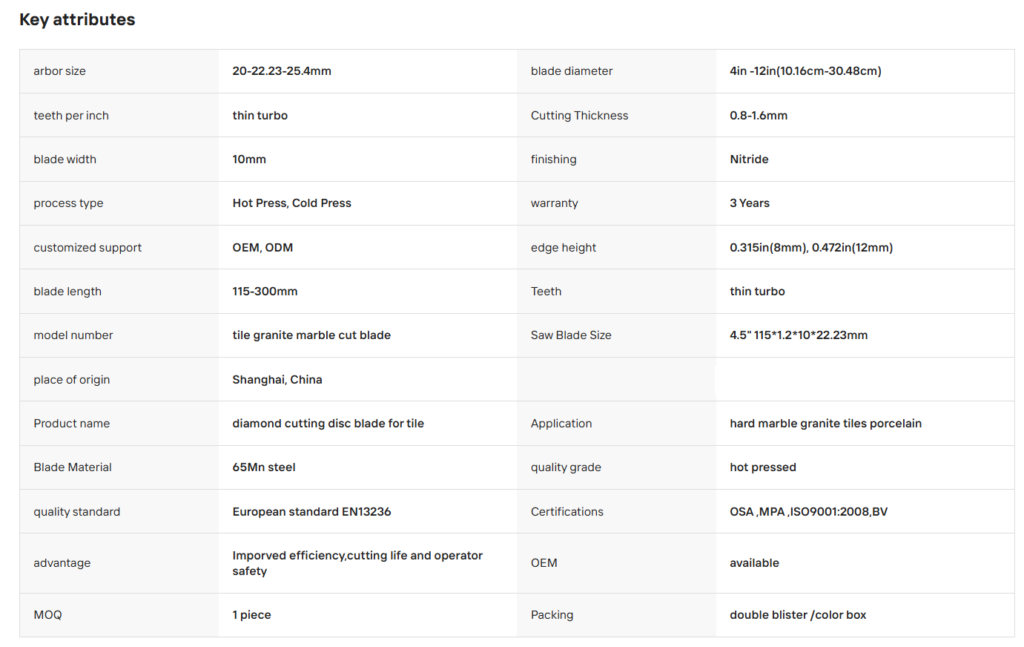
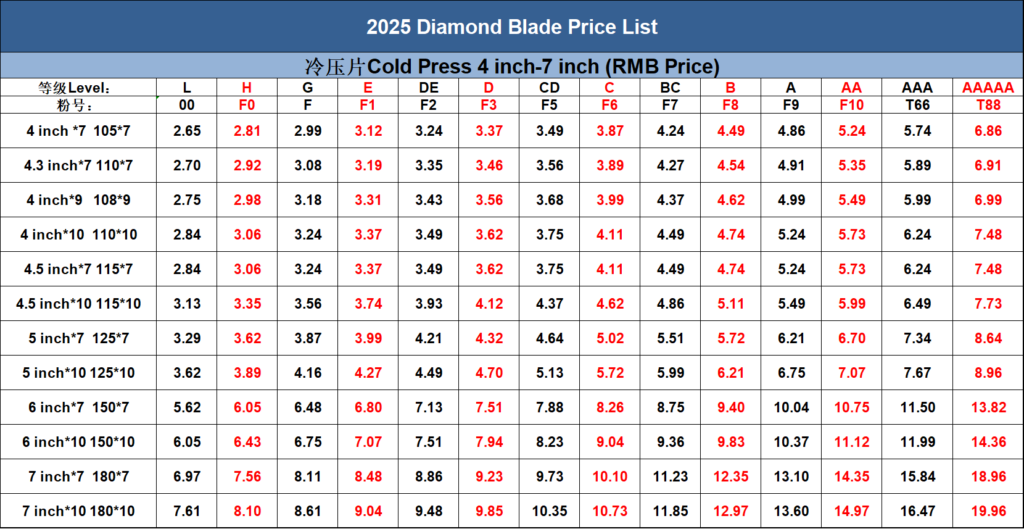
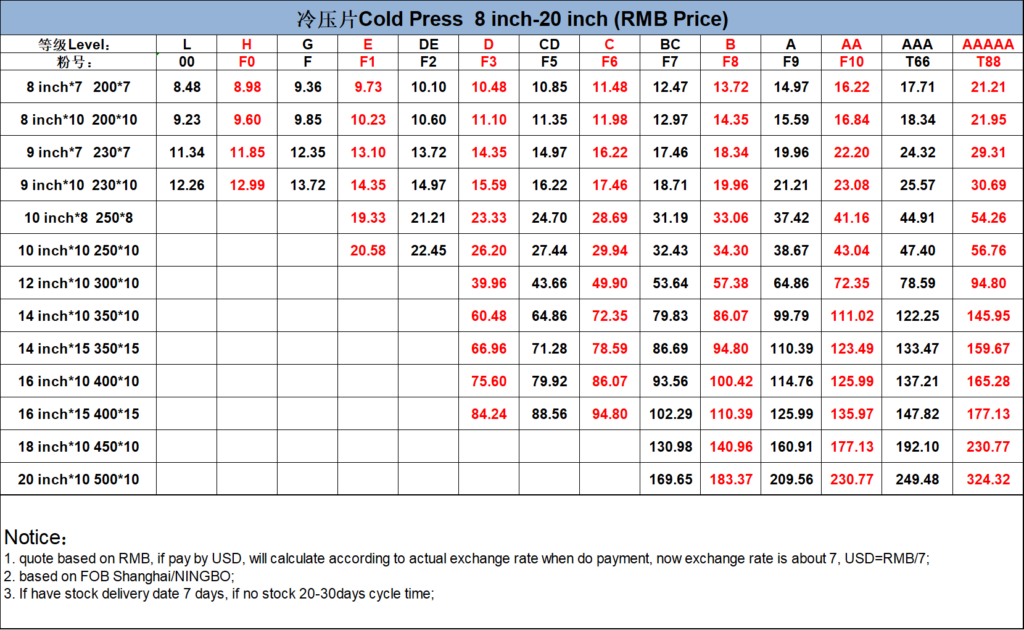
Cutting Wheel Specification
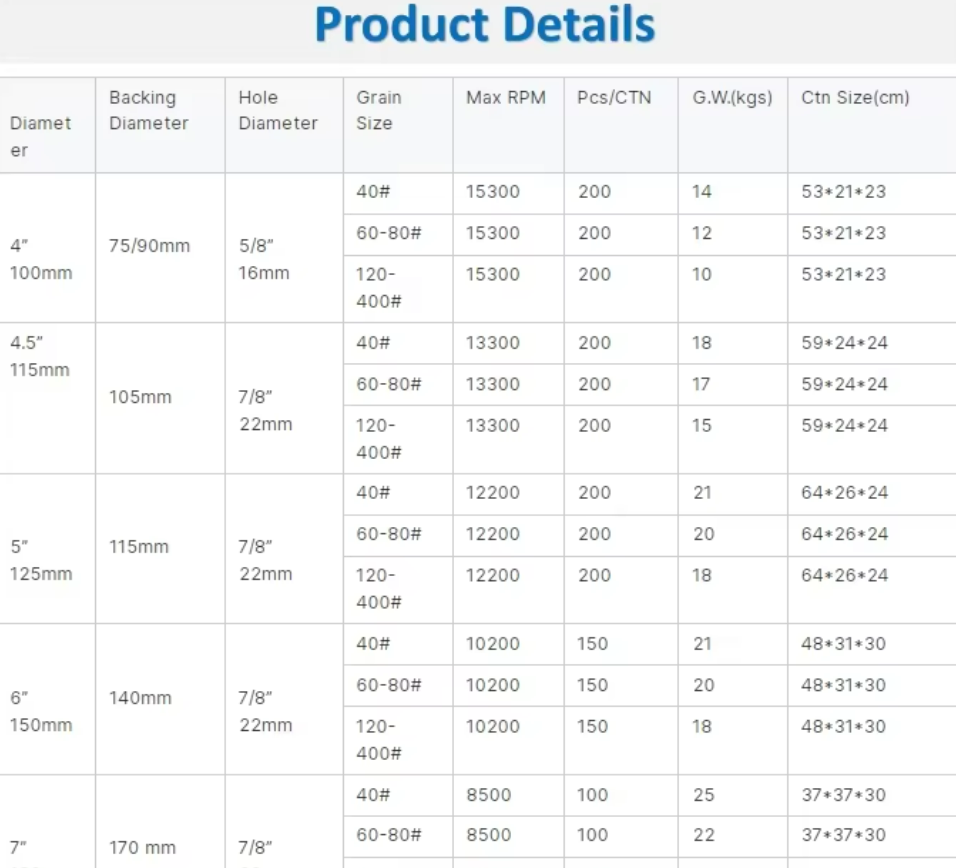
Key Features & Advantages
Multiple Professional Categories for Different‑material Cutting
Three primary categories cover most cutting‑wheel application requirements. Resin‑bonded fiberglass‑reinforced wheels deliver flexible, general‑purpose cutting performance for routine metal and construction‑material work. Diamond‑coated wheels support both wet‑cut and dry‑cut processing of stone, concrete and other hard brittle non‑metallic materials. Slim‑bodied metallurgical wheels minimize thermal deformation on sensitive laboratory samples. This diversified classification ensures there is an optimized cutting‑wheel variant for nearly every common processing objective.
Adjustable Technical Parameters for Customized Cutting Results
Grit size, hardness rating and maximum linear speed are three core adjustable parameters that shape cutting behaviour. Operators can select coarse‑grained wheels to speed‑up material removal or fine‑grained wheels to achieve smoother finished surfaces. Different hardness grades allow wheels to adapt to either soft or hard metals, while rated linear‑speed limits guarantee safe high‑speed rotation. Fine‑tuning these specifications helps users balance cutting efficiency, surface quality and long‑term wheel service life.
Clear‑cut Selection Principles Reduce Wrong‑consumable Risks
Systematic selection rules guide operators toward the best‑suited wheel. Matching abrasive grain composition to work‑piece material prevents premature wheel failure. Choosing wheel thickness based on target‑cut precision controls incision width and material waste. Selecting bond‑agent types according to working intensity optimizes wheel durability for either continuous heavy‑load production or low‑vibration precision jobs. These straightforward principles lower trial‑and‑error costs and improve overall processing consistency.
Comprehensive Safety‑operation Specifications Prevent Workplace Hazards
Cutting‑wheel safety depends on standardized operating habits. Pre‑mounting visual inspection eliminates cracked or damaged wheels before they enter service. Direction‑aligned installation of diamond wheels prevents reverse‑rotation damage. Cool, dry long‑term storage protects resin‑bond structures from moisture‑related degradation. Following this set of safety practices greatly reduces the risk of wheel breakage, injury‑causing accidents and unexpected early‑wheel failure.
Broad Compatibility and Wide‑ranging Industrial‑scene Adaptability
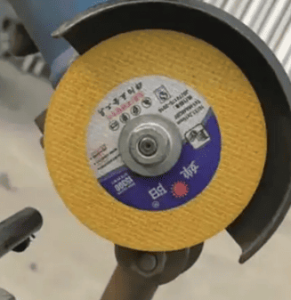
Standard cutting wheels fit most mainstream angle grinders, profile chop saws and dedicated laboratory cutting equipment. Their wide material‑processing coverage includes ferrous and non‑ferrous metals, stone, concrete and delicate test samples. From large‑scale construction‑site blanking work to high‑accuracy laboratory specimen preparation, cutting wheels deliver practical, cost‑effective cutting performance in countless industrial‑grade and hobby‑level working environments.
FAQ
Q: Are you a factory or a trading company?
A:We are a proffessional manufacturer of abrasive tools with more than 30 years.
Q: Is OEM available?
A: Yes,OEM and customization are available.Also,we can provide label printing service.
Q: Are samples available?
A: Free samples are available while freight is chargeable.
Q: What is your advantages?
A: Good quality product,cheap price and fast loading.
Q: Do you have after-sales services?
A: Yes, we have complete after-sales services,if you encounter any qualit problems with our products.
Packing, Delivery & Shipping

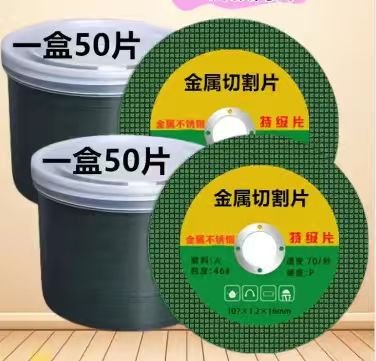
If you meet our minimum order quantity of 300 pieces, customized retail packaging is available for your cutting wheels. We can produce premium hangable color boxes matched with outer export cartons. You can choose to adopt our official LKI brand packaging, or apply your own OEM brand totally.
Customizable items include printed brand logos, product adhesive stickers, personalized color box artwork and outer carton layouts. If you need exclusive customized packaging design, please provide your complete PDF design files for production arrangement.
If your order volume fails to reach the 300-piece MOQ, we will adopt standard neutral brown cartons for bulk shipment. Meanwhile, you can still attach your self-designed brand stickers on the outer packages to mark your own brand.

Packaging Details Adapted for Cutting Wheel
Packaging Content: Each box holds multiple cutting wheels with separating protective paper between discs to avoid scratches and edge chipping during transit.
Inner Package: Hanging retail color box (with hang hole structure suitable for hardware store shelf display, can hold 5 / 10 / 20 pcs as customized request) Outer
Package: Corrugated export carton, shockproof and compression-resistant for long-distance sealand transportation
Shipment

Wide Application Scenarios
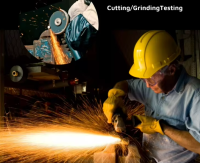
The cutting wheels boast extremely versatile adaptability, perfectly fitting nearly all metal processing, stone machining and construction cutting scenarios.
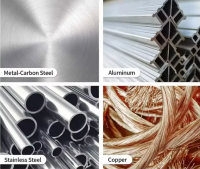
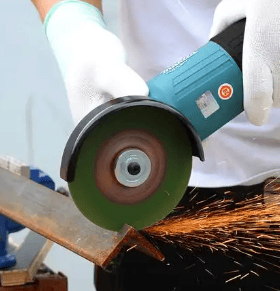
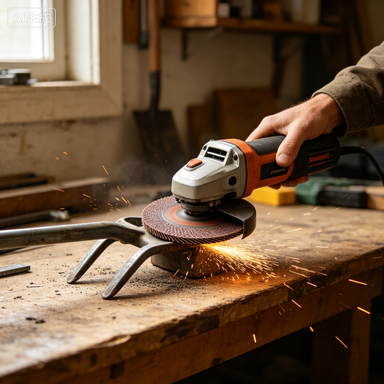
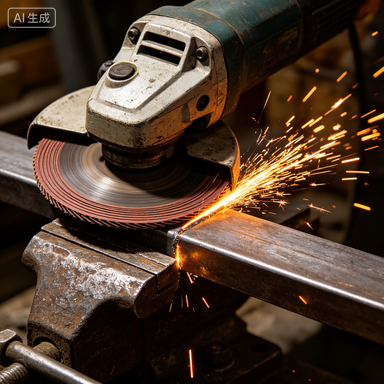
They serve as essential replacement abrasive parts for metal fabrication workshops, construction sites, hardware processing factories, decoration engineering teams and home DIY users. Widely applied in cutting stainless steel plates, iron pipes, solid steel bars, angle iron, stone slabs, ceramic tiles and alloy workpieces, these abrasive cutting wheels are ideal for high-frequency continuous cutting work in metalworking and building construction.
They deliver stable cutting performance to guarantee smooth running of angle grinders, cut-off machines and multi-functional abrasive cutting equipment.
For construction and metalworking scenarios, they are commonly used in steel structure processing, pipeline cutting, decoration renovation, metal mold trimming and stone splitting in factories, construction sites and hardware workshops.
The precisely manufactured cutting wheels realize smooth, burr-free cutting of workpieces. They greatly boost cutting efficiency, reduce motor load of grinding equipment, cut down energy consumption and extend the service life of power tools. Whether applied for rough cutting of thick metal materials, precision trimming of thin stainless steel sheets, or long-time continuous high-speed cutting, these durable cutting wheels maintain stable cutting ability and wear resistance for long-term daily use.
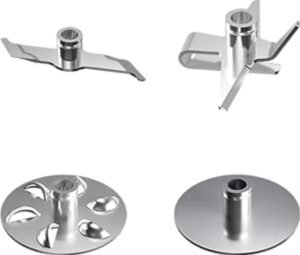
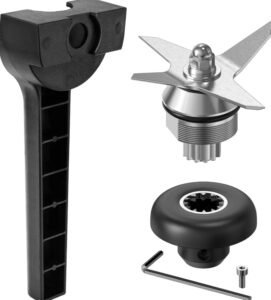
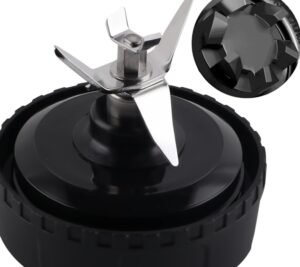
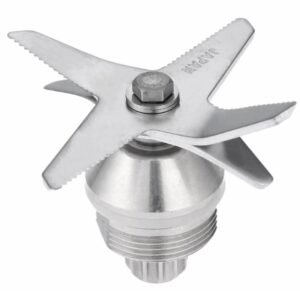
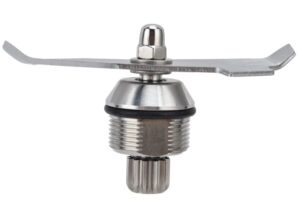
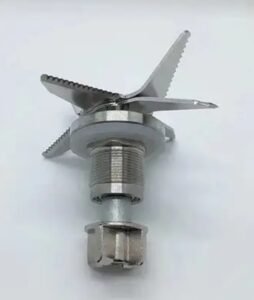
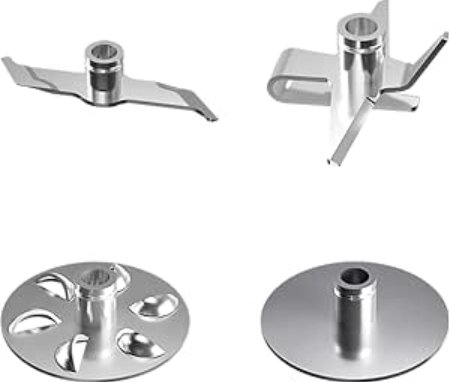
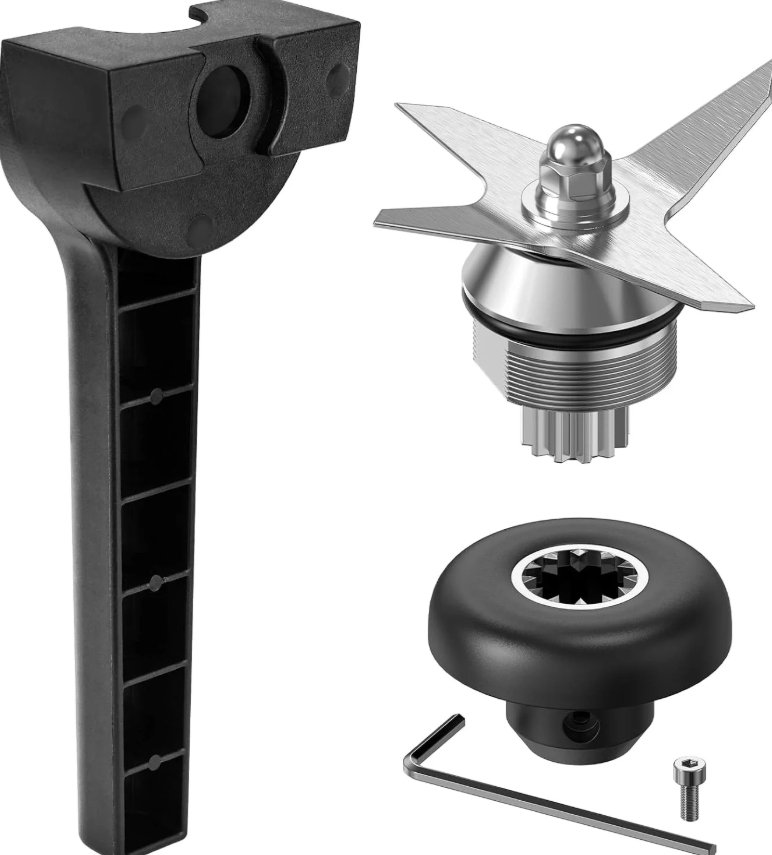
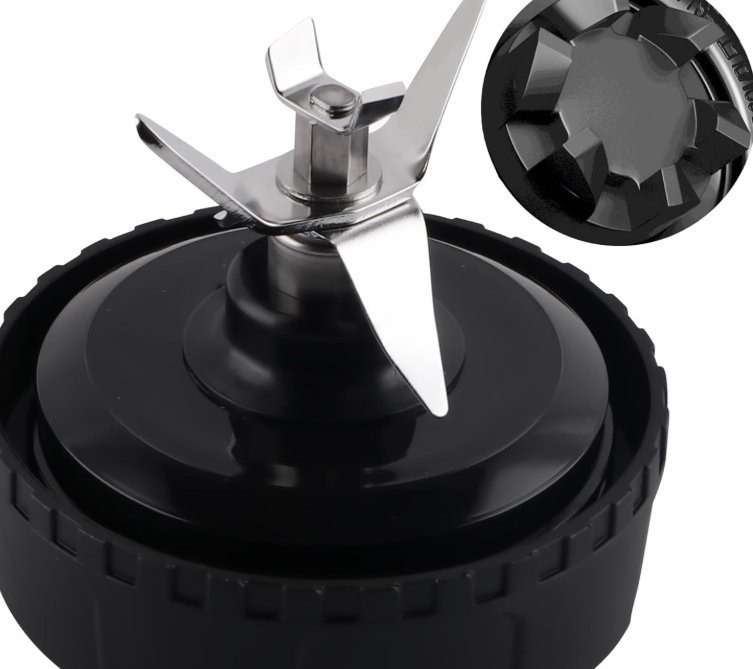
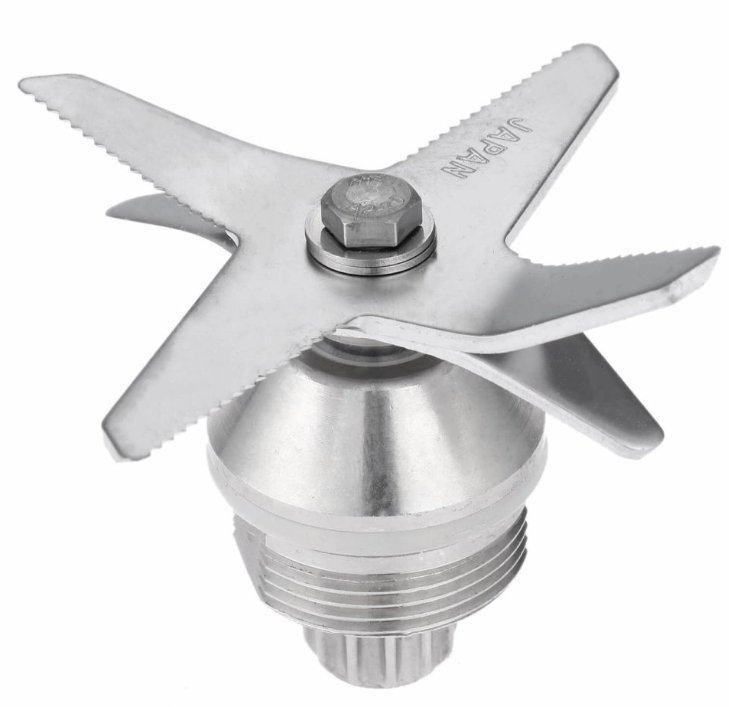
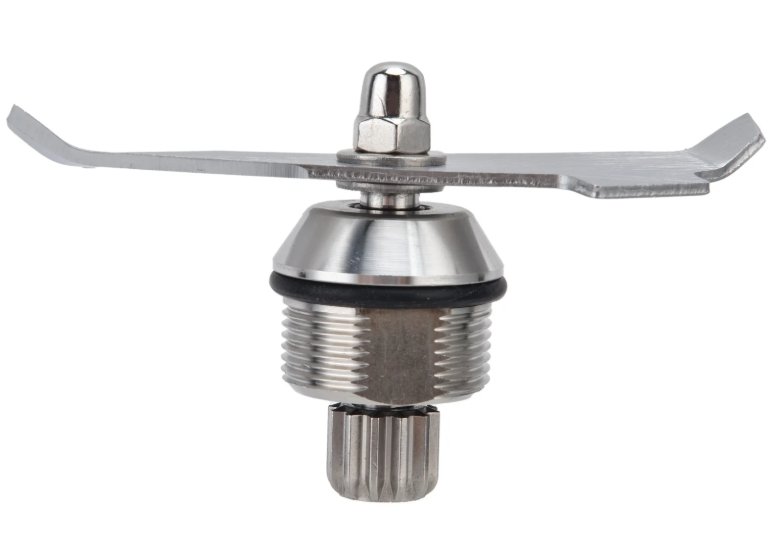
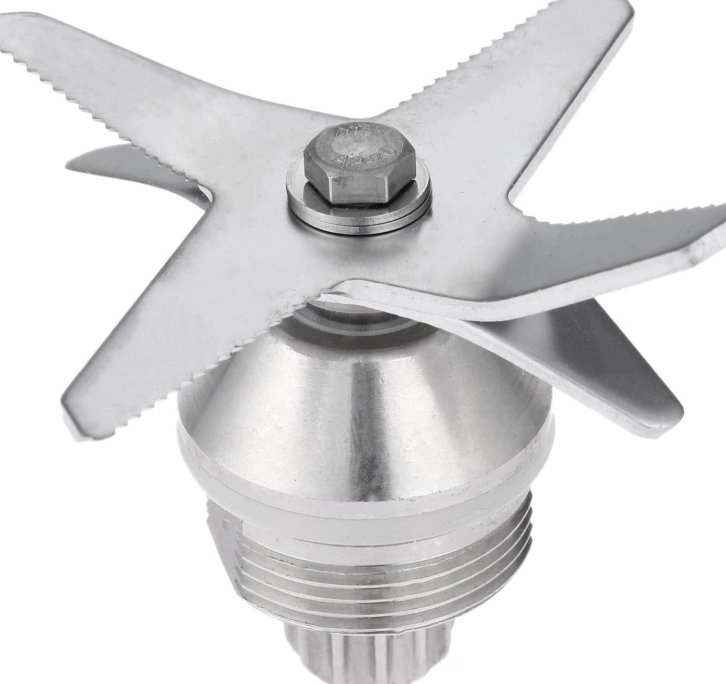
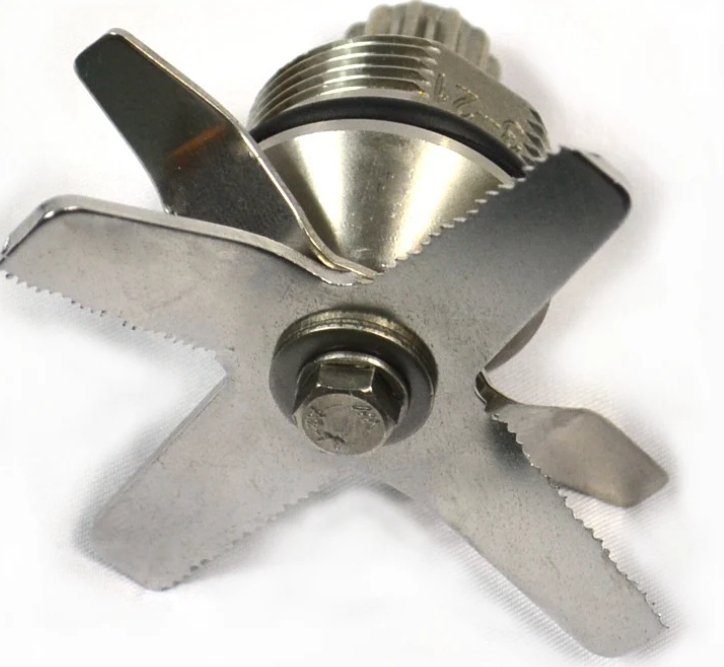
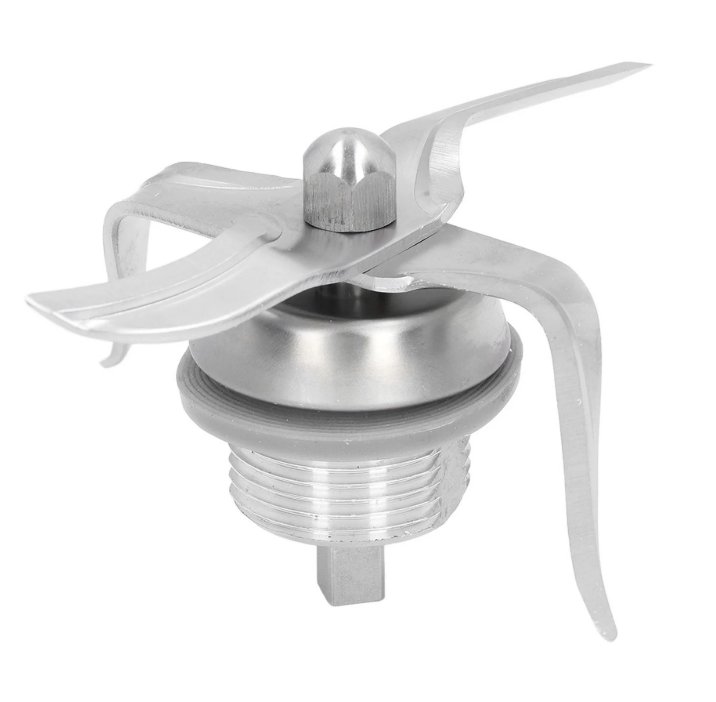
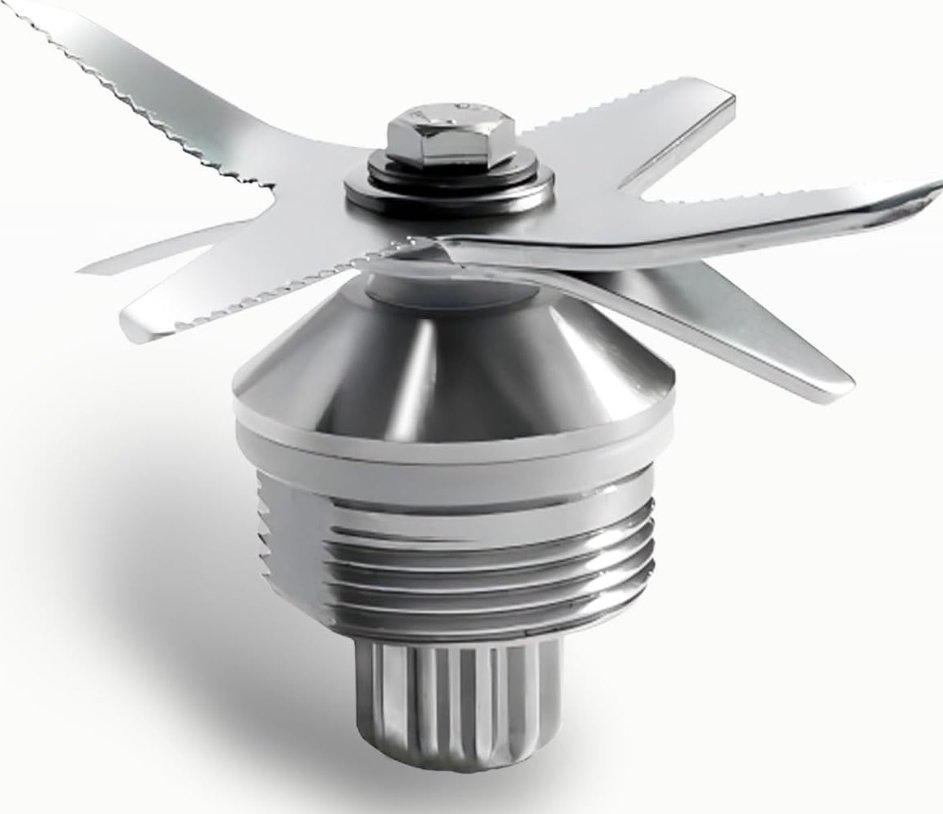
Blender Blade
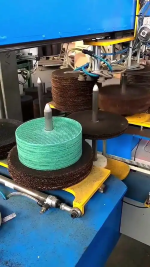
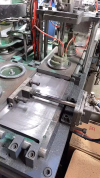


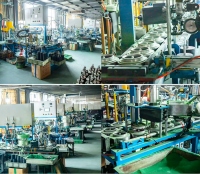
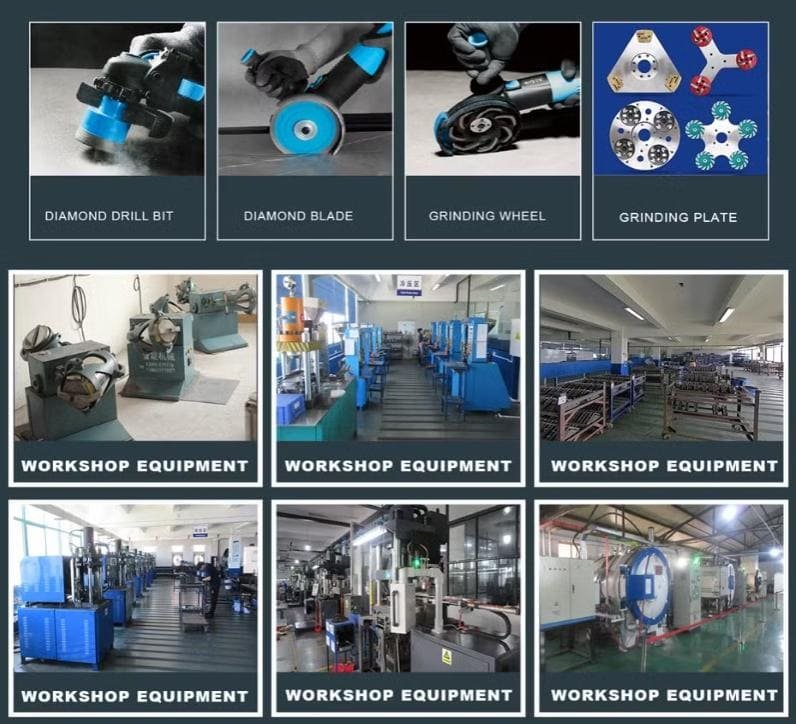
Factory: Capacity: 300,000pcs Emloyee: 150 Sell Area: South Asia, EU, South Africa
Post about Cutting Wheel:
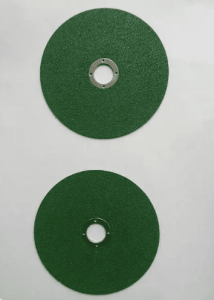
Demolition Hammer & Rotary Hammer
Diamond Blade

Welcome to call us
Contact Us to get quotation
Working Time: 8:00~17:00 Monday to Friday.
Applications:
Factory:
FAQ
Welcome to call us
Contact Us to get quotation
Working Time: 8:00~17:00 Monday to Friday.
Blender Blade
Chisel bit
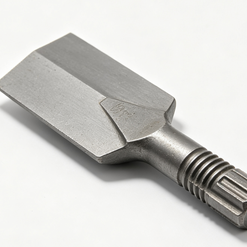
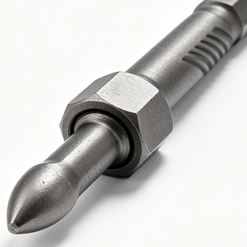
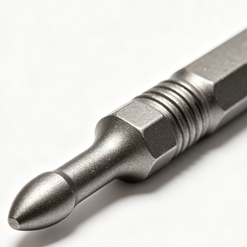
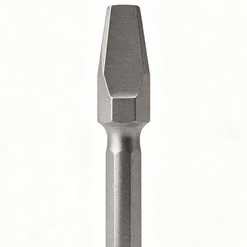
Core drill bit
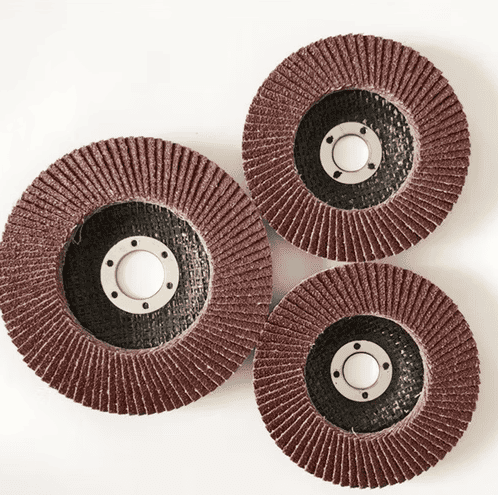
Flap disc
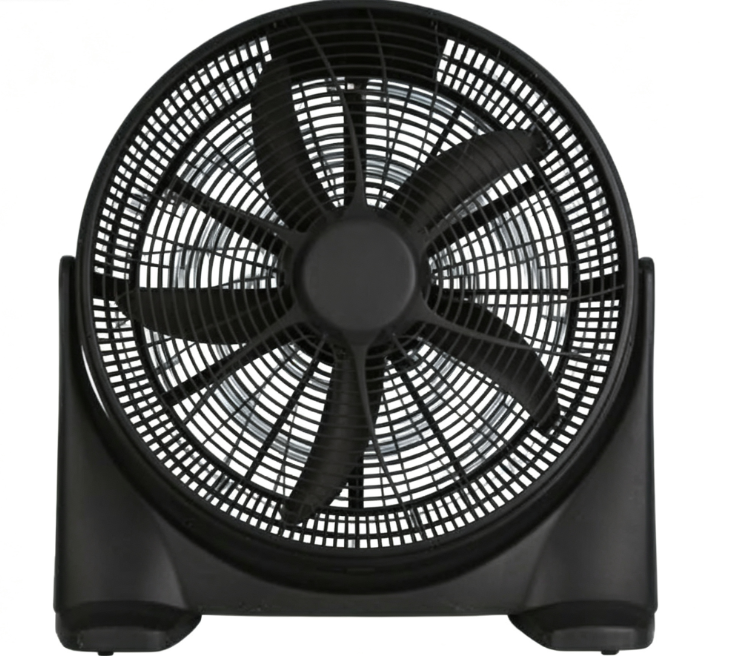
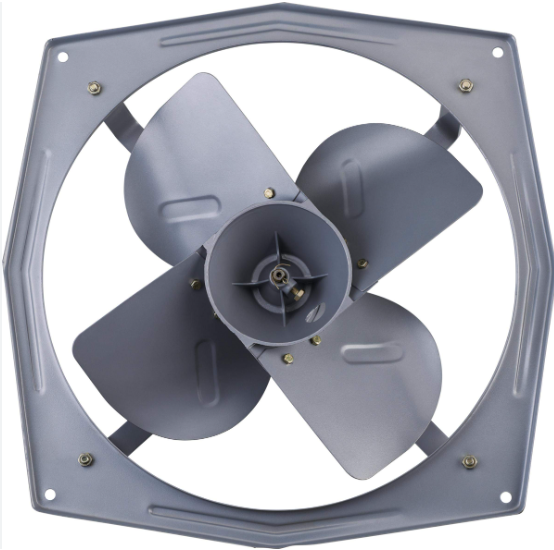
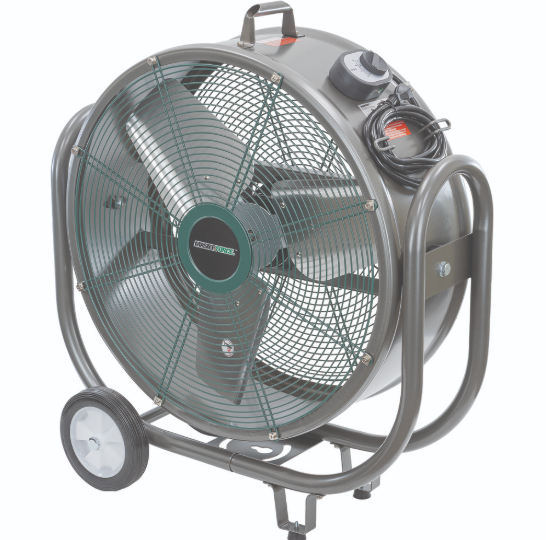
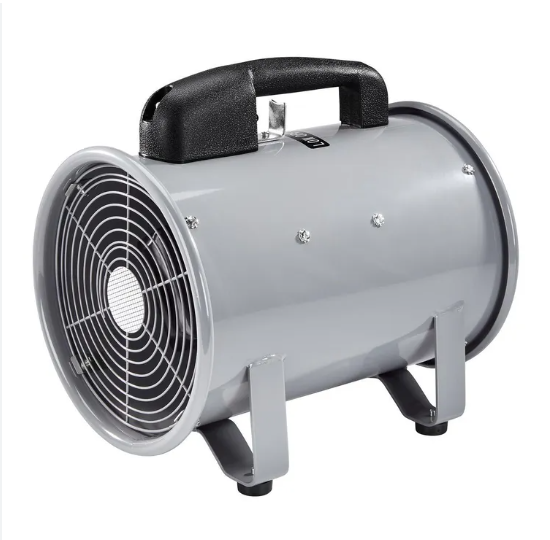
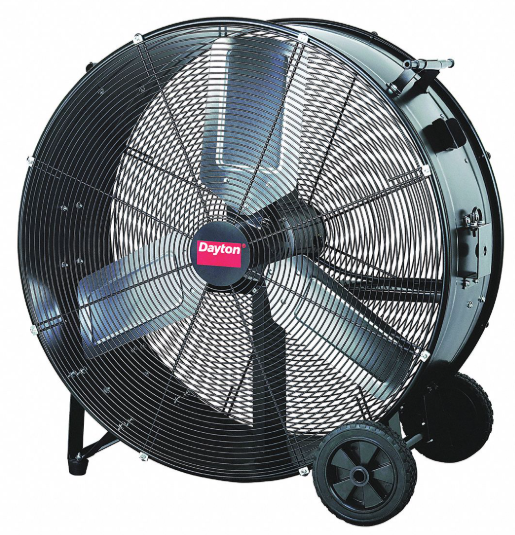
Industrial fan








Blogs:




You May also Interest in other topics:
100kw With Ccs And Chademo Ev Dc Fast Charger Suppliers Dc Fast Charger