Angle Grinder Disc
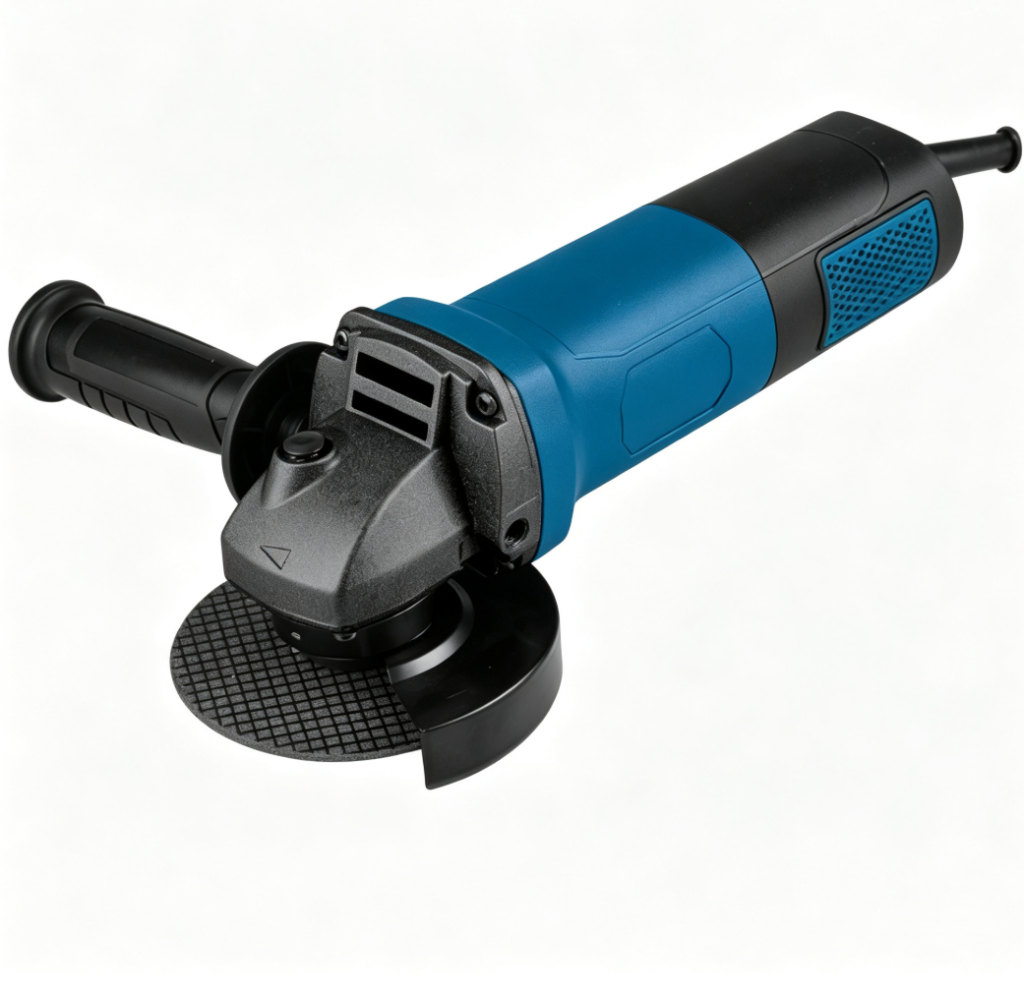
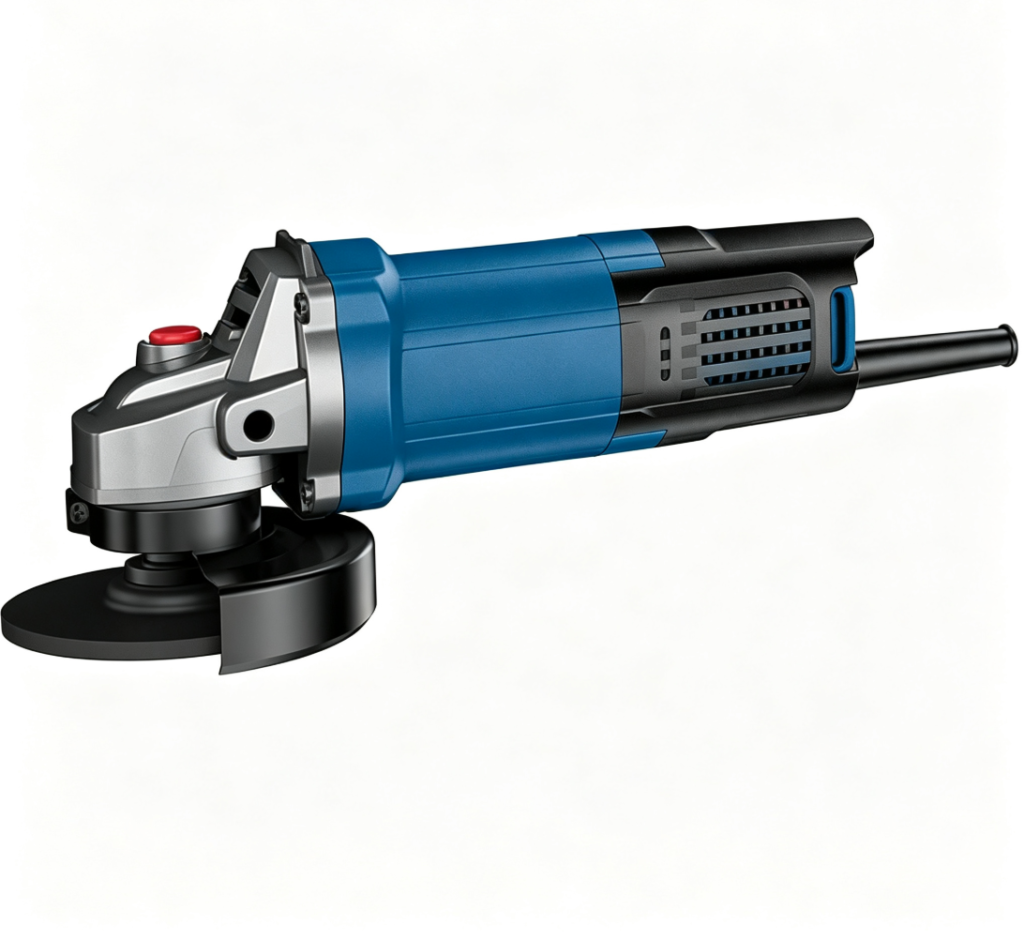
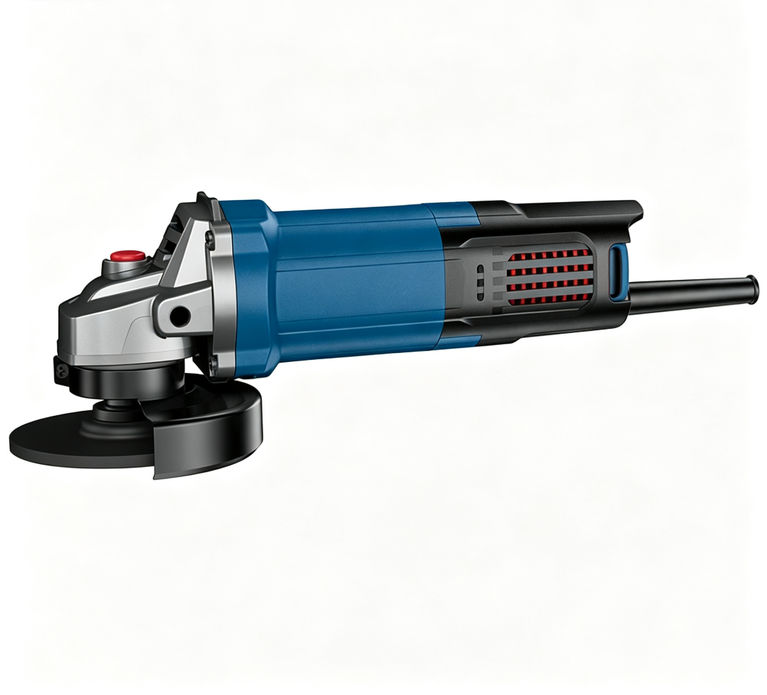
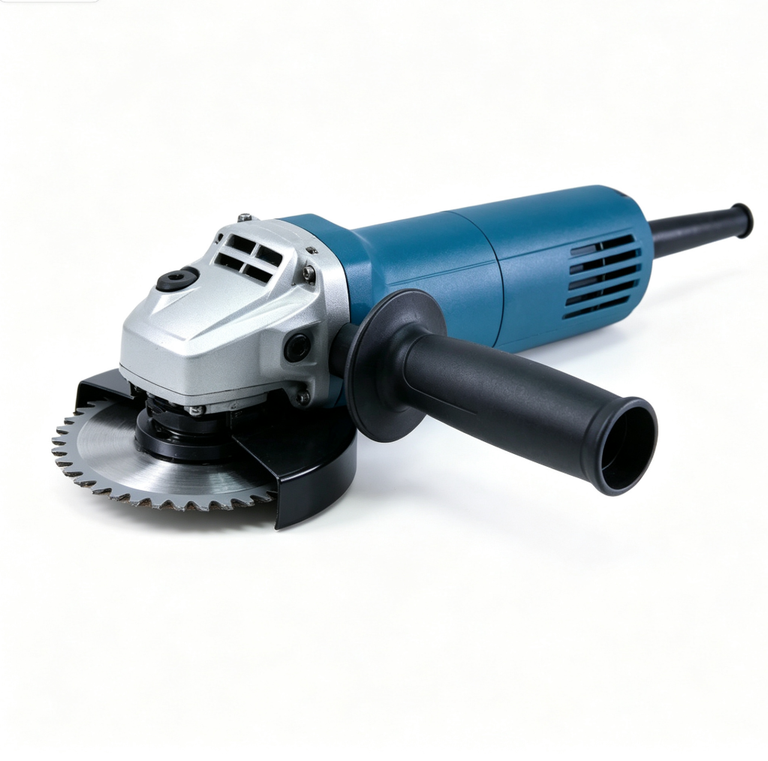
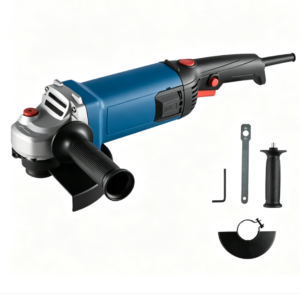
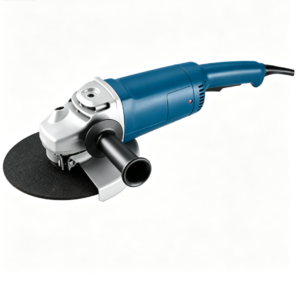
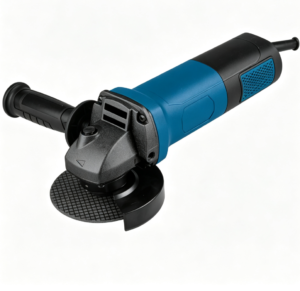
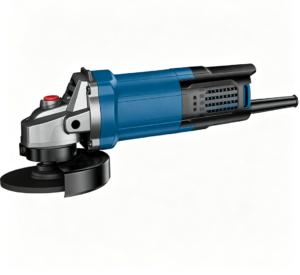
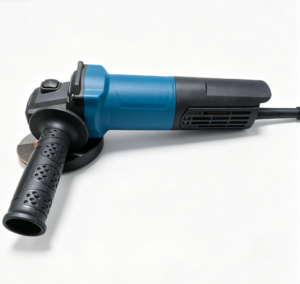
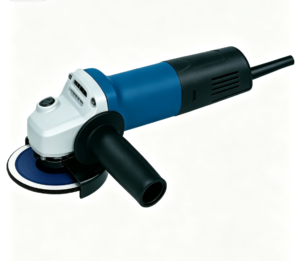
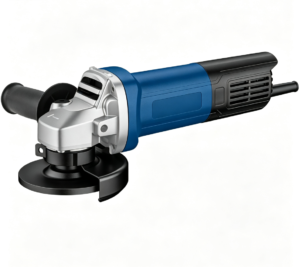
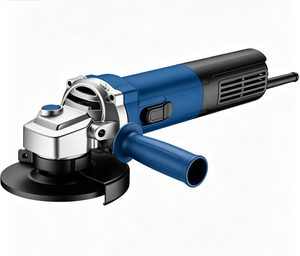
Angle Grinder for Sale:
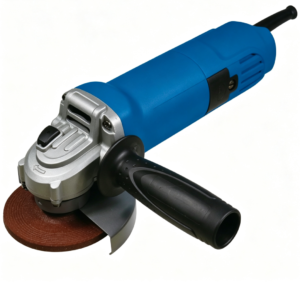
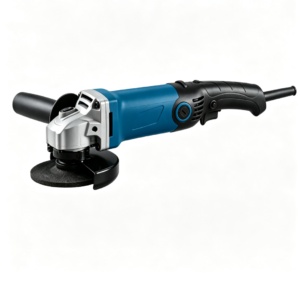
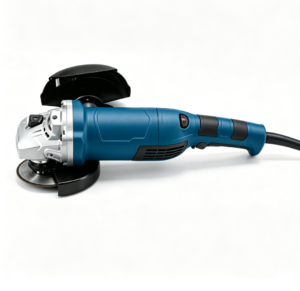
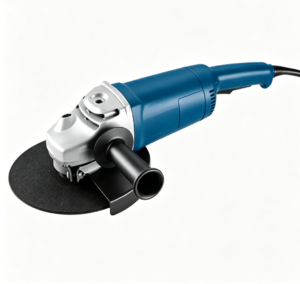
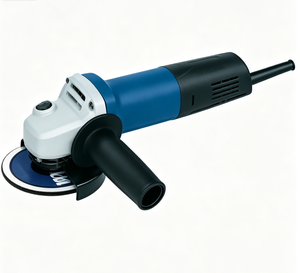
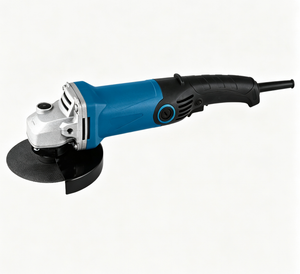
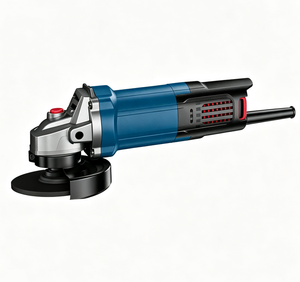
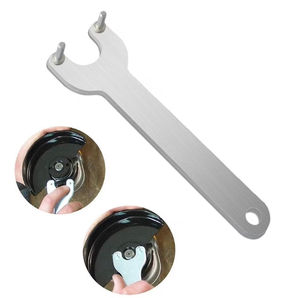
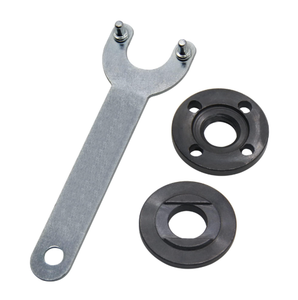
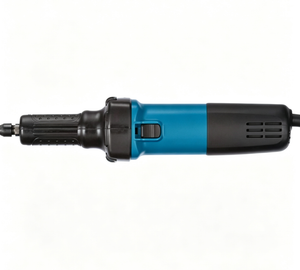
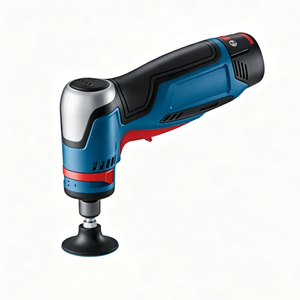
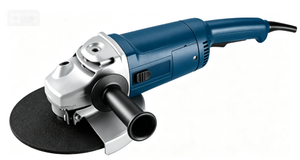
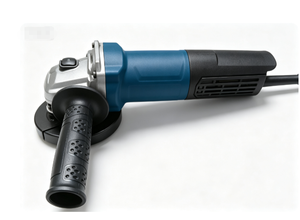
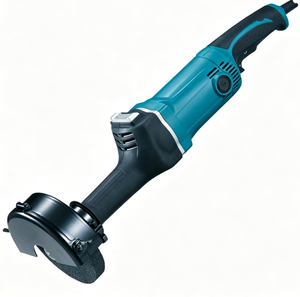
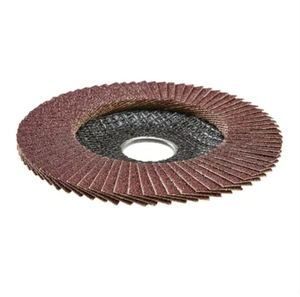
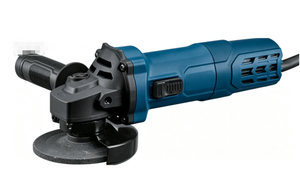
Angle Grinder Disc
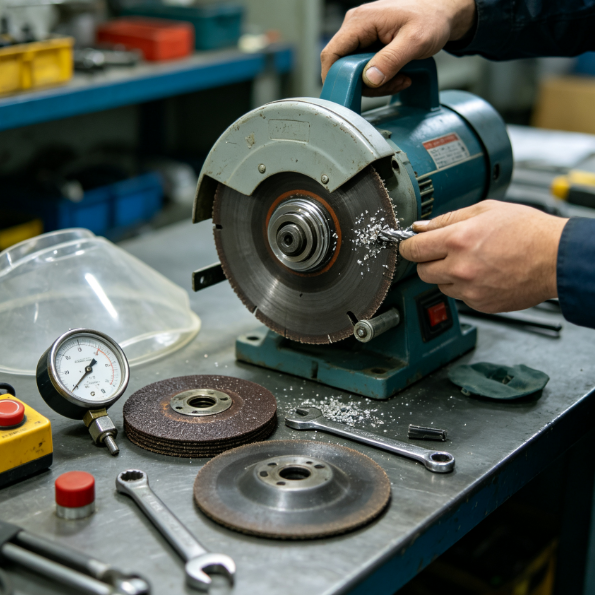
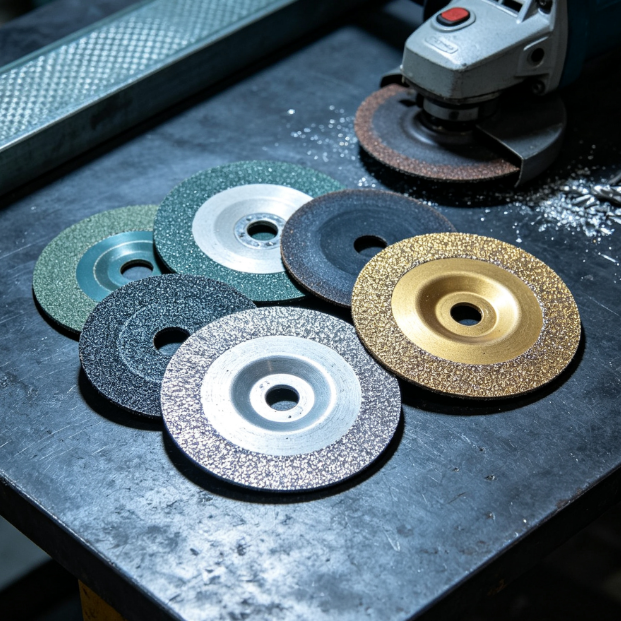
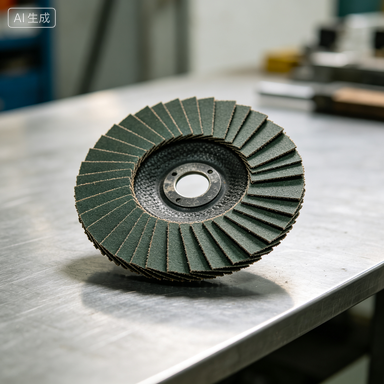
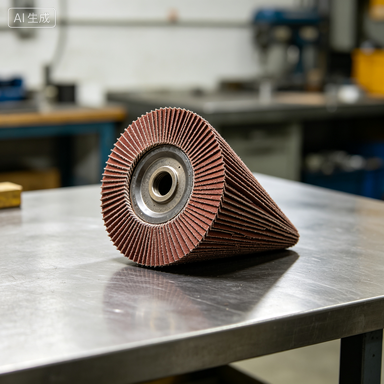
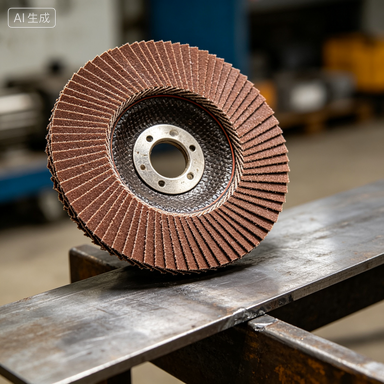
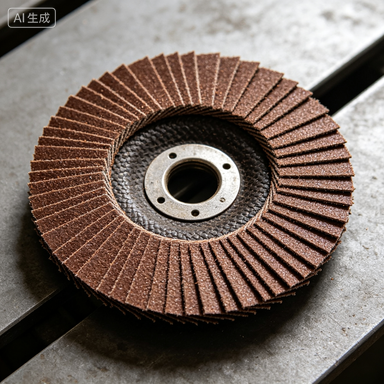
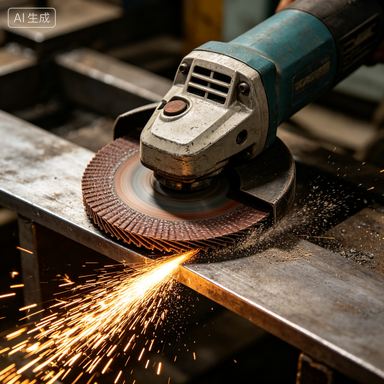
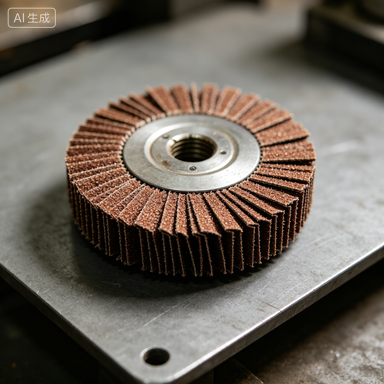
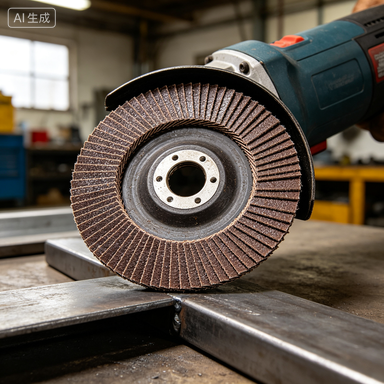
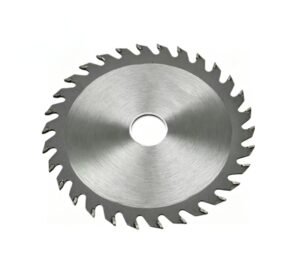
What is an Angle Grinder Disc? An angle grinder disc is a core consumable accessory specially matched for angle grinders, composed of professional abrasive particles, high-strength bonding agents and fiberglass mesh reinforcement layers. As the key working component that directly contacts workpieces, it undertakes all kinds of cutting, grinding, polishing and rust removal operations. It is one of the most fundamental and widely used wearing parts in mechanical processing, construction engineering and industrial maintenance fields.
What Are the Core Basic Definitions and Structural Characteristics of Angle Grinder Discs?
The angle grinder disc is a kind of fixed abrasive tool with a standard round shape and a reserved central mounting hole, which is designed for fast installation and stable rotation on angle grinder spindles. Different from ordinary casual grinding tools, formal industrial-grade grinder discs are manufactured with strict structural reinforcement technology, possessing excellent tensile resistance and impact resistance. They can withstand high-speed rotation and strong grinding impact during heavy-duty operation, with a safe maximum linear speed reaching 80 meters per second, fully meeting the high-intensity operating standards of professional angle grinders.
Angle grinder discs undertake diversified core processing functions and are applicable to both metal and non-metal material processing scenarios. In industrial production fields such as machinery manufacturing, automobile maintenance and metallurgical processing, they are mainly used for metal cutting, weld trimming and component rust removal. In construction and decoration industries, they complete stone cutting, concrete trimming and groove polishing work. With versatile processing capabilities and strong material adaptability, they run through the whole process from industrial batch production to on-site engineering construction.
The internal structure of a standard angle grinder disc consists of three indispensable core parts: abrasives, bonding agents and internal pores. Abrasive particles are the functional core of the disc, responsible for cutting and scraping excess materials on the surface of workpieces to complete grinding and cutting tasks. The bonding agent acts as a fixed framework, firmly consolidating scattered abrasive particles into a complete circular disc structure to ensure overall structural stability during high-speed operation. The internal pores are tiny gap structures reserved during production, which can store grinding debris generated during processing and accelerate heat dissipation, effectively avoiding workpiece burns and disc overheating damage caused by frictional high temperature.
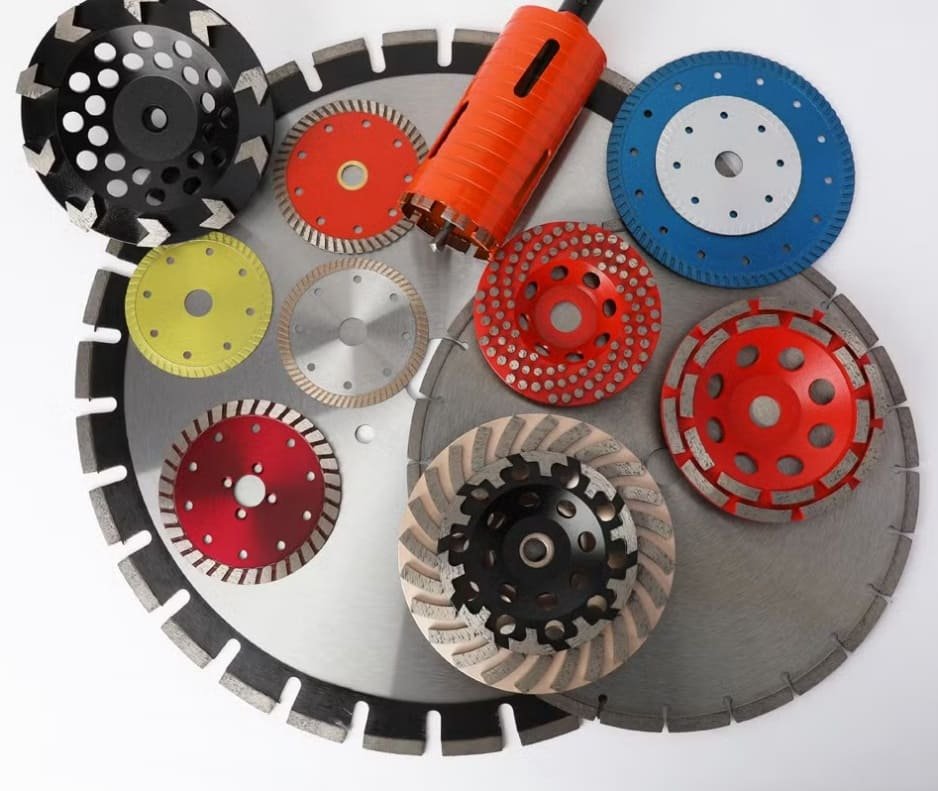
What Are the Main Classifications and Adaptive Application Scenarios of Angle Grinder Discs?
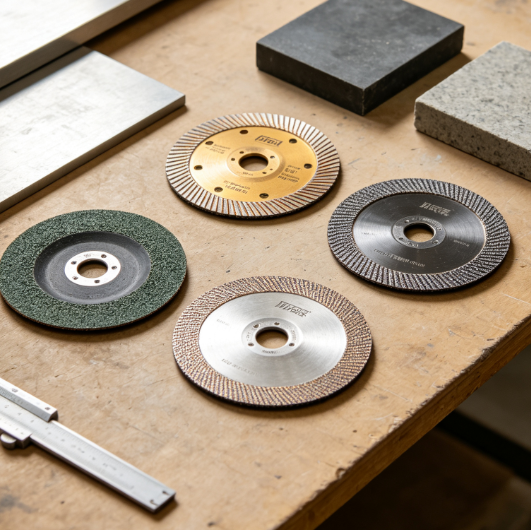
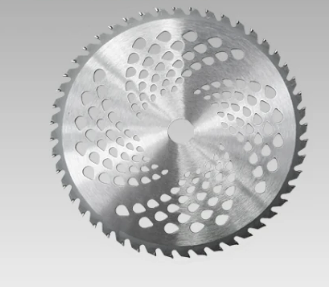
Metal cutting discs are ultra-thin professional accessories optimized for metal material cutting, featuring sharp cutting performance and low running resistance. With a slim streamlined structural design, they can effectively reduce friction contact area during operation, avoiding excessive heat accumulation and workpiece edge burning. This type of disc is widely used for fast cutting of ordinary steel, stainless steel plates, iron profiles and PVC plastic pipes. It maintains smooth cutting sections and high cutting efficiency in daily metal processing and pipeline construction, and is the most commonly used basic accessory in metal working scenarios.
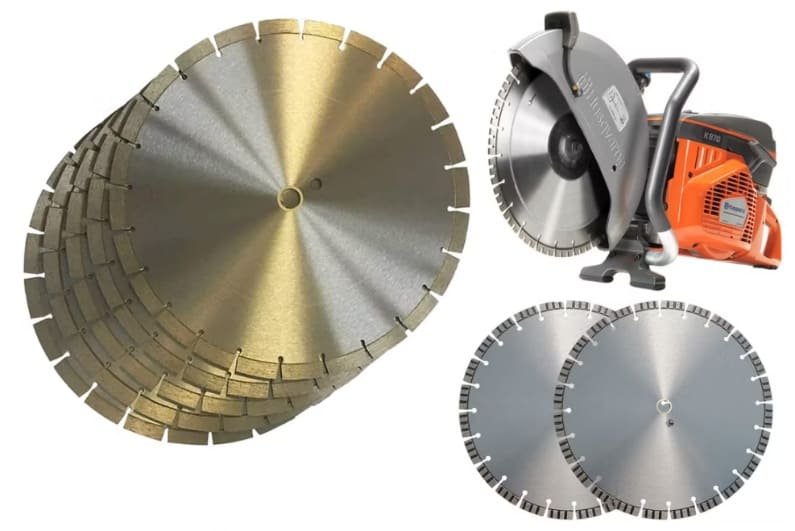
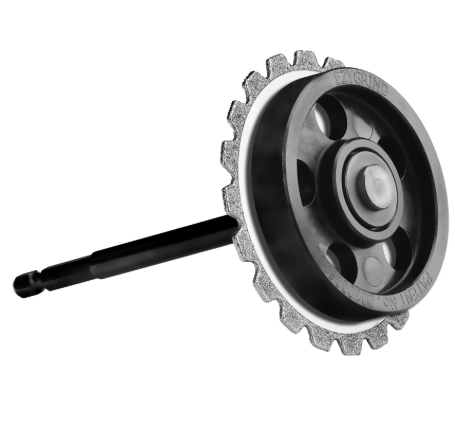
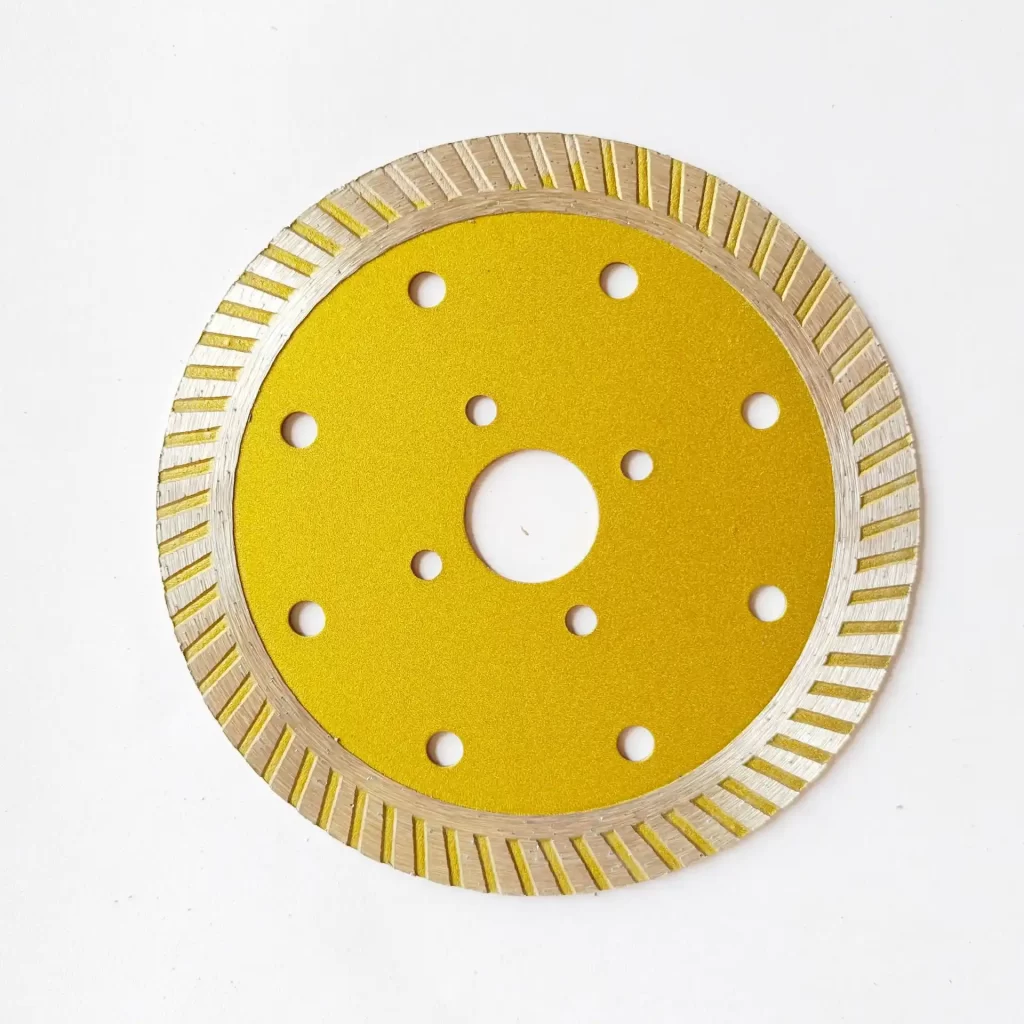
Diamond cutting discs are specially developed for brittle and hard non-metal materials, with high-hardness diamond abrasive layers attached to the working surface. Ordinary grinding discs are prone to edge chipping, cracking and uneven cuts when processing glass, ceramic tiles and other fragile materials. In contrast, diamond discs rely on super-hard diamond particles for cutting, featuring stable cutting force and fine processing effect. They can effectively avoid edge collapse and corner damage of brittle workpieces, ensuring flat and neat cutting edges, and are the preferred tool for high-precision processing of glass and ceramic materials.
Alloy dry-cut discs are professionally optimized for anhydrous dry cutting working conditions, adapting to high-temperature and dry operation environments such as wall grooving and marble cutting. Traditional cutting discs need water cooling assistance when cutting hard building materials, otherwise they are easy to wear and burn out. Alloy dry-cut discs adopt special alloy formula and structural design, which can maintain stable cutting performance and lasting sharpness under long-term dry-cut high-temperature conditions. They do not need additional water cooling equipment, greatly improving the convenience of on-site construction and being very suitable for indoor renovation and wall grooving projects.
Thickened grinding discs adopt a thickened body structure and high-rigidity overall design, focusing on large-margin material removal and surface finishing work. Different from thin cutting discs that pursue sharpness, thickened grinding discs have strong wear resistance and structural stability, and will not deform or shake during high-pressure grinding. They are mainly used for metal surface rust removal, weld seam polishing and casting flash cleaning. In heavy industrial processing scenarios that require large-area grinding and residual removal, their high material removal efficiency can greatly shorten construction cycles.
Full-ceramic special cutting discs adopt customized high-precision formulas for high-hardness vitrified tiles and polished ceramic materials. Ordinary cutting discs are easy to cause edge chipping, tile peeling and crack damage when cutting high-density ceramic tiles. Full-ceramic special discs optimize abrasive fineness and bonding toughness, with fine and uniform cutting force. They can achieve zero edge chipping and zero peeling in ceramic processing, ensuring high flatness of workpiece edges, and are dedicated to high-standard ceramic tile processing and decoration construction scenarios.
Stone grinding discs feature thickened wear-resistant structure and high-strength abrasive configuration, targeting concrete grinding and stone surface modification work. Concrete and natural stone have high material hardness and poor wear resistance, which puts forward high requirements for disc durability. Stone grinding discs have super wear resistance and stable grinding performance, which can quickly polish rough stone surfaces, level concrete ground and repair stone edge defects. They maintain long-term efficient operation in large-area stone and concrete processing projects with low loss and high efficiency.
What Are the Core Performance Parameters of Standard Angle Grinder Discs?
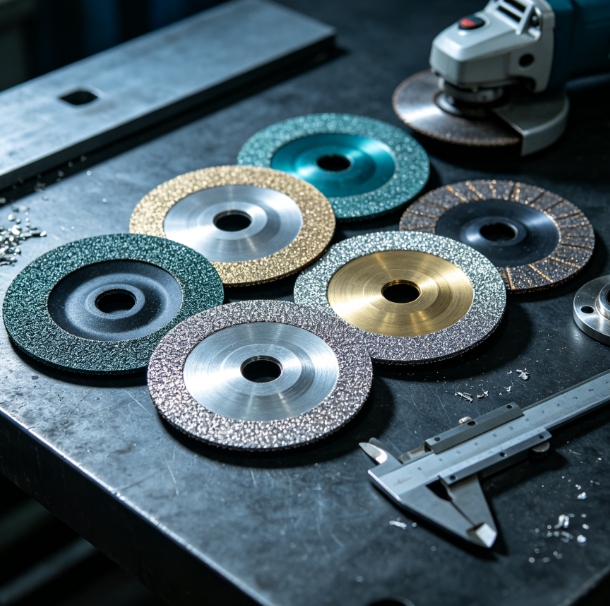
Angle grinder discs are divided into two major abrasive categories according to material characteristics: ordinary abrasives and super-hard abrasives. Ordinary abrasives mainly include corundum and silicon carbide, which are cost-effective and suitable for most conventional metal and building material processing. Super-hard abrasives are represented by diamond and cubic boron nitride, with ultra-high hardness and wear resistance, specially used for high-hardness workpieces that are difficult to process with ordinary abrasives. Different abrasive materials correspond to targeted processing objects, and scientific abrasive selection can effectively improve processing efficiency and disc service life.
Grinding discs have complete hardness grading standards, covering seven levels from ultra-soft to ultra-hard, adapting to workpieces of different hardness levels. The matching rule of disc hardness and workpiece hardness is clear and professional: low-hardness grinding discs are selected for processing high-hardness metal and stone workpieces, which can ensure sharp cutting and avoid disc passivation and slipping. High-hardness grinding discs are more suitable for low-hardness materials such as ordinary aluminum, copper and soft steel, maintaining stable grinding shape and processing accuracy. Reasonable hardness matching is the key to balancing processing quality and tool life.
The organizational structure of angle grinder discs is divided into three types: compact, medium and loose, which directly determine the heat dissipation performance and processing effect of the disc. The larger the organizational number, the wider the gap between internal abrasive particles. Loose-structured discs have better chip storage and heat dissipation capabilities, which can quickly discharge grinding debris and frictional heat generated during continuous processing, effectively reducing workpiece thermal deformation and surface burn defects. Compact-structured discs have dense abrasive distribution and strong structural stability, which is more conducive to maintaining precise geometric dimensions during fine grinding and finishing.
Formal qualified angle grinder discs have unified and rigorous safety performance indicators, ensuring high safety in high-speed operation. The maximum safe linear speed of mainstream standard discs can reach 80m/s, which perfectly matches the highest rotating speed of conventional industrial and household angle grinders. All products pass strict anti-fragmentation and impact resistance tests during production, with strong structural toughness. They can resist vibration and impact during high-load operation, avoid sudden fragmentation and splashing, and fully comply with international industrial safety use standards.
What Are the Core Selection Principles for Angle Grinder Discs?
Workpiece material is the primary basis for selecting disc abrasives, and targeted abrasive matching can maximize processing performance. For high-hardness metal materials such as stainless steel and alloy steel, corundum grinding discs should be prioritized, which have strong cutting ability for hard metals and are not easy to passivate. For conventional ordinary steel, copper and aluminum materials with moderate hardness, silicon carbide discs have better processing fluency and lower wear rate. For high-precision and long-life processing requirements, diamond super-hard abrasive discs are the best choice, with ultra-long service life and excellent workpiece surface finishing effect.
Users need to select disc thickness according to actual processing requirements, as different thickness specifications correspond to completely different working scenarios. Thin ultra-thin cutting discs are suitable for precise cutting work with low loss requirements, which can reduce workpiece material loss and ensure neat cutting edges, ideal for finish machining and precise cutting. Thickened grinding discs focus on large-margin material removal, and are more suitable for heavy-duty processes such as large-area rust removal, weld polishing and surface leveling. Distinguishing thickness functions can effectively avoid tool waste and processing quality problems caused by incorrect matching.
The tightness of the disc organizational structure should be selected according to actual working conditions to balance heat dissipation and precision performance. For large-area continuous grinding and high-friction processing scenarios that are prone to high temperature, loose organizational discs must be selected. Their wide particle gaps can store a large amount of grinding dust and quickly dissipate frictional heat, fundamentally preventing workpiece surface burning and thermal deformation. For fine finishing work that requires high dimensional accuracy of workpieces, compact organizational discs are more suitable, which can maintain stable disc shape and avoid processing errors caused by abrasive particle deviation.
What Are the Standard Safety Operation and Maintenance Guidelines for Angle Grinder Discs?
Comprehensive pre-use inspection is the first step to ensure safe operation of grinding discs. Before each formal work, users must carefully check the surface and inner hole of the disc to confirm no hidden defects such as cracks, damage, deformation and aging. After installing the disc on the angle grinder, it is necessary to tighten the fixing flange to ensure firm installation without looseness. Then perform 3 to 5 seconds of no-load trial operation to observe whether there is abnormal jitter, noise and eccentric rotation. Only after confirming that the disc operates stably can formal cutting and grinding work be carried out.
Standardized operating specifications are crucial to avoid disc fragmentation and safety accidents. During all processing operations, operators must wear professional safety goggles and dust masks to block splashing debris and grinding dust. The cutting and grinding direction must never face the human body to prevent accidental injury from flying fragments. In the operation process, forced pressing and overload grinding are strictly prohibited. Excessive pressure will cause instantaneous overload of the disc, leading to local overheating, fragmentation and sudden cracking, which greatly increases operational safety risks.
Scientific daily storage conditions can effectively maintain the structural performance of grinding discs and delay aging deformation. Idle grinding discs need to be stored in a dry, cool and ventilated environment, avoiding long-term humid environment exposure. Moisture will reduce the bonding force of the internal binder, resulting in softening deformation and structural looseness of the disc. At the same time, stacking and heavy pressure extrusion are prohibited, to prevent permanent deformation of the disc flatness and unbalanced rotation during subsequent use, which affects processing accuracy and safety.
Regular performance detection is essential for long-stored grinding discs to eliminate potential safety hazards. The performance of grinding discs will gradually attenuate after long-term storage. For discs that have been stored for more than one year, a professional rotation strength test must be carried out before reuse. The structural stability, tensile strength and fragmentation resistance of the disc need to be rechecked. Only products that meet the safety standards again can be put into use, and unqualified aging discs must be scrapped in time to avoid safety accidents during operation.
Summary
In summary, an angle grinder disc is a high-strength professional abrasive accessory composed of abrasives, binders and fiber mesh structures, undertaking core cutting, grinding and rust removal tasks in industrial processing and engineering construction. With diversified classifications, complete performance parameters and targeted application scenarios, it can adapt to the processing needs of different materials and working conditions. Mastering scientific abrasive selection, thickness matching and organizational structure selection principles can effectively improve processing efficiency and workpiece quality. At the same time, strict adherence to pre-use inspection, standardized operation and scientific storage detection specifications can maximize the service life of grinding discs and fully guarantee the safety and stability of on-site high-intensity operation.
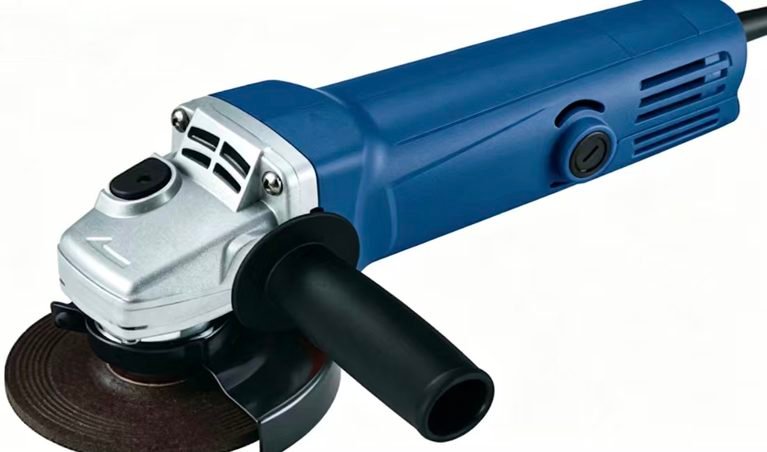
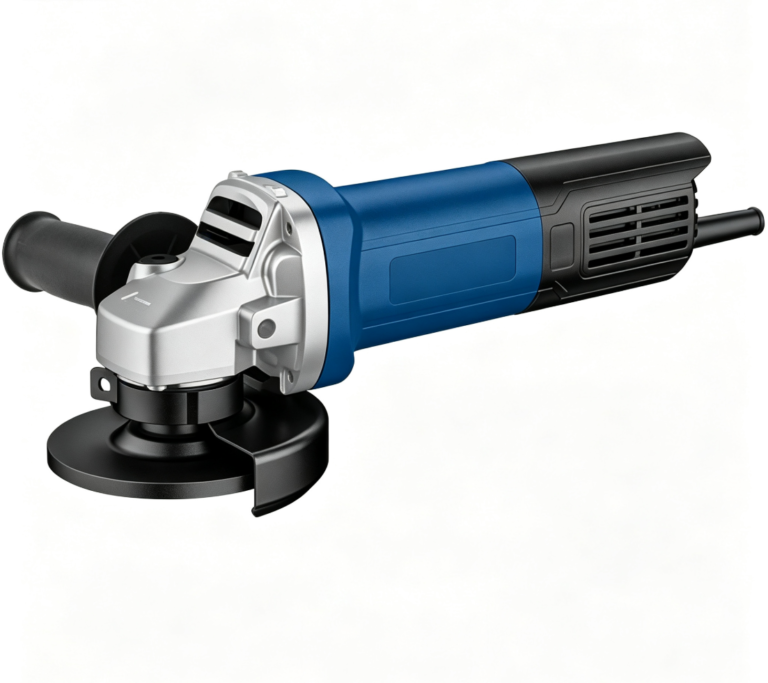
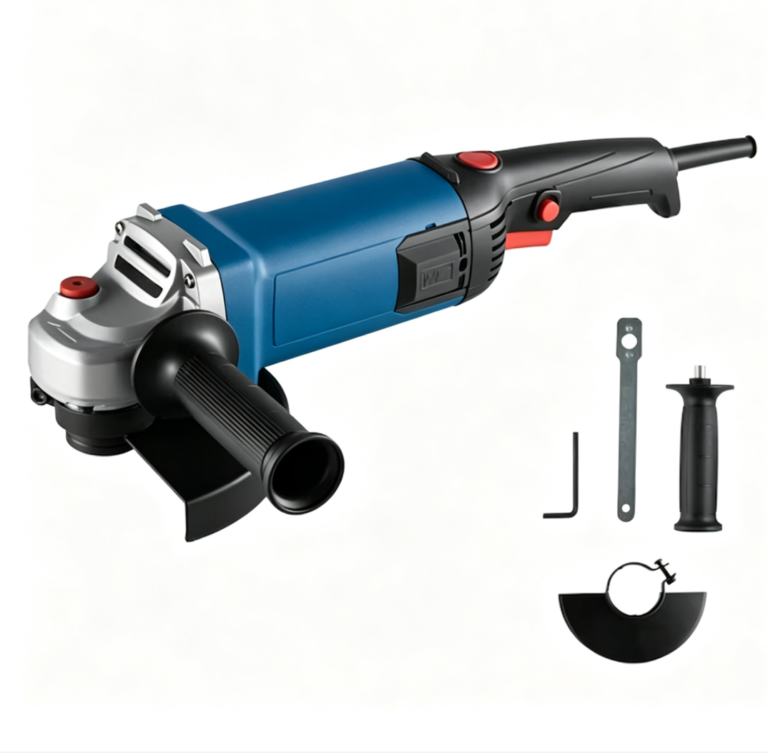
Angle Grinder
Rated Input Power: The total electric‑power consumption of the angle grinder motor under standard working conditions, which determines the heavy‑duty working capacity of the tool.
No‑Load Speed: The maximum rotating speed of the grinding wheel without workpiece contact, measured in revolutions per minute(rpm).
Grinding‑Wheel Diameter: The outer diameter of compatible abrasive disc, the core dimension to match protective guard and spindle thread.
Spindle Thread: The screw specification for installing cutting‑grinding discs, confirming fast mounting and firm locking of accessories.
Size Description: Overall body dimension of the main machine, used to evaluate handheld comfort and operation flexibility in narrow working space.
Key Features & Advantages
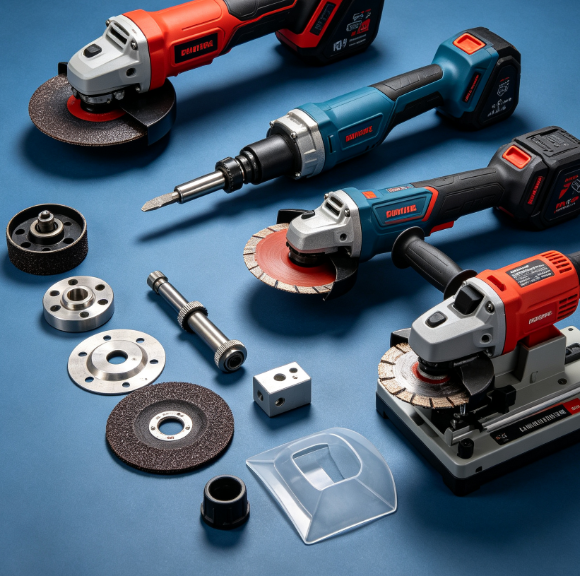
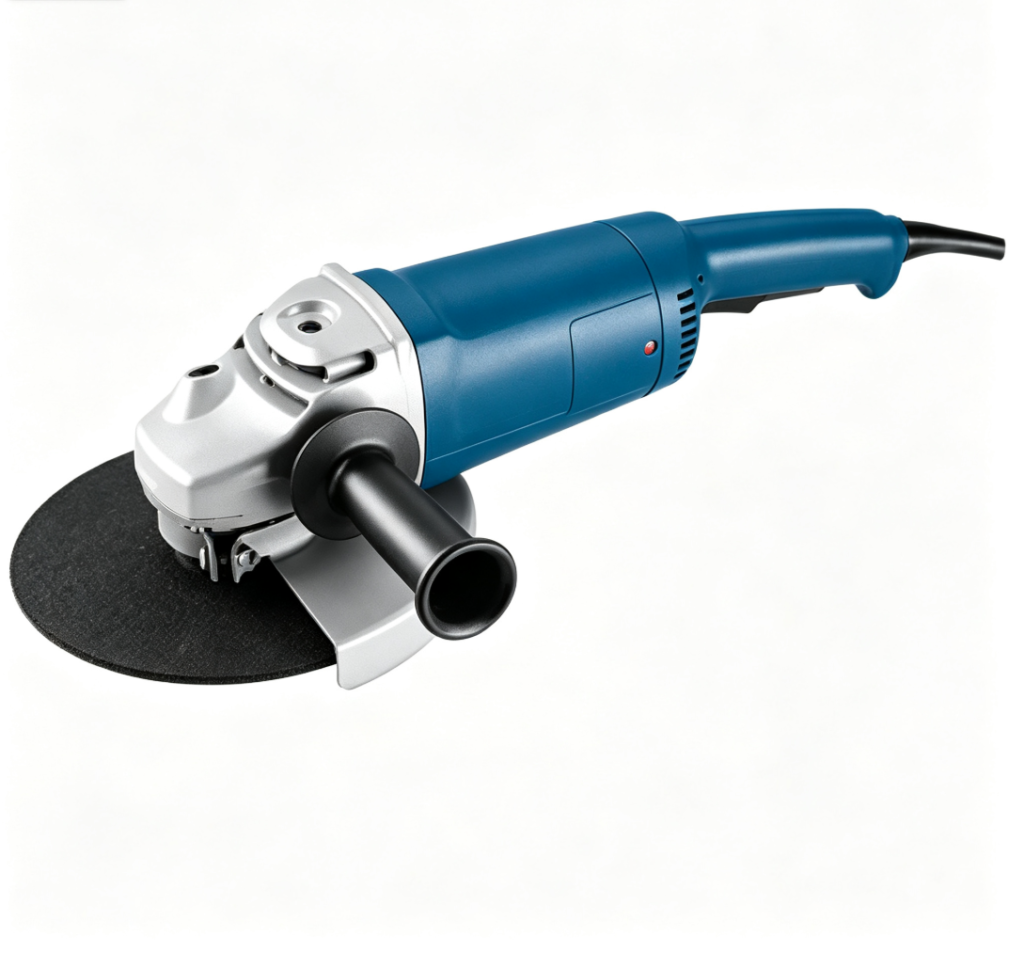
1. Multi-Functional Working Performance Angle grinders deliver powerful all-in-one processing capability by simply swapping different accessories. They can flexibly switch between cutting hard materials, surface grinding, weld slag removal, rust cleaning and workpiece polishing. Instead of preparing multiple single-function power tools for different machining tasks, users only need one angle grinder to complete most metal, stone and concrete processing work, greatly improving on-site operation efficiency and tool utilization rate.
2. Compact Structure with High Power Density Featuring a lightweight handheld body and optimized right-angle transmission structure, angle grinders achieve high rotating speed and strong cutting friction force despite their small size. Their portable and flexible body design allows operation in narrow gaps, curved surfaces and limited working spaces where large fixed grinding equipment cannot reach. This unique advantage makes them ideal for local trimming, detailed finishing and on-site mobile processing.
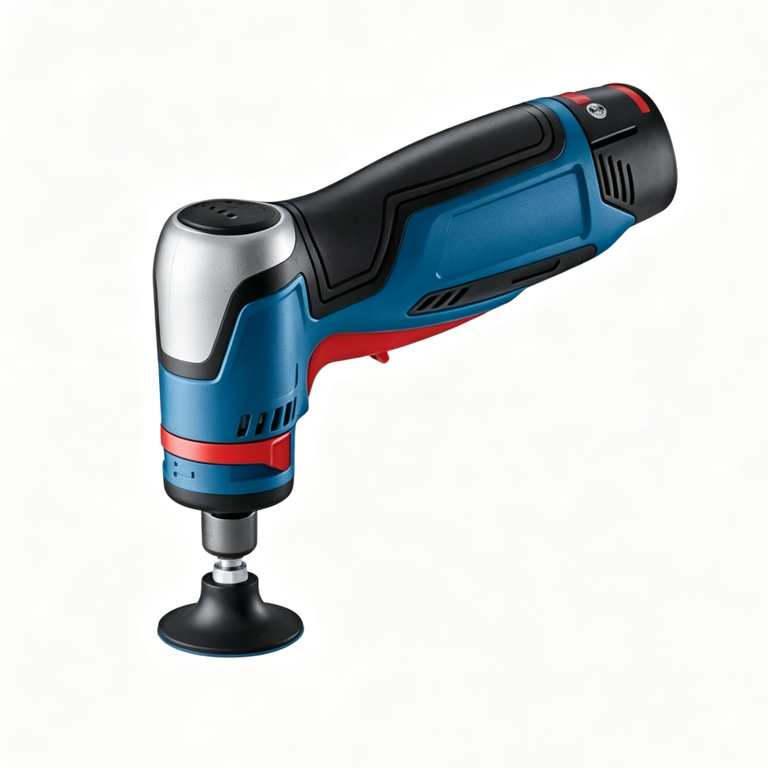
3. Ultra-Wide Scene Adaptability Supported by three optional power solutions including wired AC, lithium battery wireless and pneumatic drive, angle grinders adapt to almost all working environments. Wired models support long-duration heavy-load industrial operation, cordless lithium battery versions suit outdoor, high-altitude and powerless flexible scenarios, and pneumatic models meet explosion-proof requirements for chemical and dust-intensive workshops. They fully cover household DIY, daily maintenance and heavy industrial construction applications.
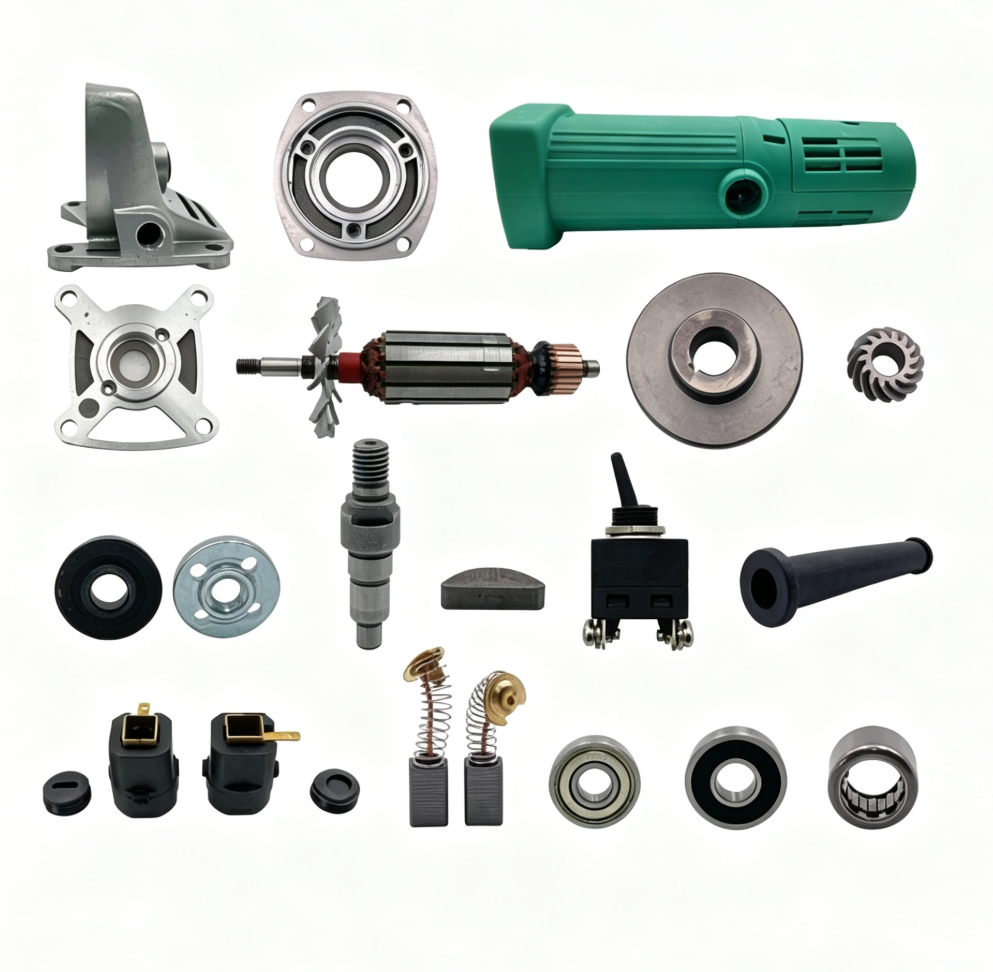
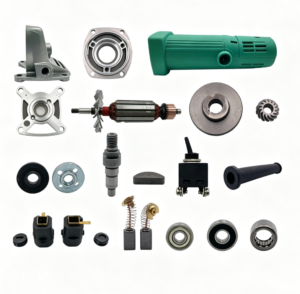
4. High Cost-Effectiveness and Low Maintenance Cost Angle grinders adopt simple and durable mechanical structures with few vulnerable parts, resulting in extremely low daily failure rates under standardized operation. Matching abrasive discs, polishing wheels and steel wire accessories are low-cost and easy to replace, and users can complete daily replacement and maintenance independently without professional after-sales support. Integrating multiple functions into one tool effectively saves equipment procurement costs and storage space.
5. Humanized Design with High Operation Safety Modern angle grinders are equipped with mature humanized and safety optimization configurations. Built-in anti-vibration structures and auxiliary handles reduce operating fatigue and long-term vibration damage to the human body. Adjustable safety guards effectively block flying sparks and debris during operation. The quick-lock disc structure simplifies accessory replacement steps, realizing labor-saving, efficient and safe standardized operation in various working conditions.
FAQ
Q: Are you a factory or a trading company?
A:We are a proffessional manufacturer of abrasive tools with more than 30 years.
Q: Is OEM available?
A: Yes,OEM and customization are available.Also,we can provide label printing service.
Q: Are samples available?
A: Free samples are available while freight is chargeable.
Q: What is your advantages?
A: Good quality product,cheap price and fast loading.
Q: Do you have after-sales services?
A: Yes, we have complete after-sales services,if you encounter any qualit problems with our products.
Packing, Delivery & Shipping
If you meet our minimum order quantity of 500 pieces, customized retail packaging is available for your angle grinders. We can produce premium hang‑able color boxes matched with outer export cartons. You can choose to adopt our official brand packaging, or apply your own brand totally.
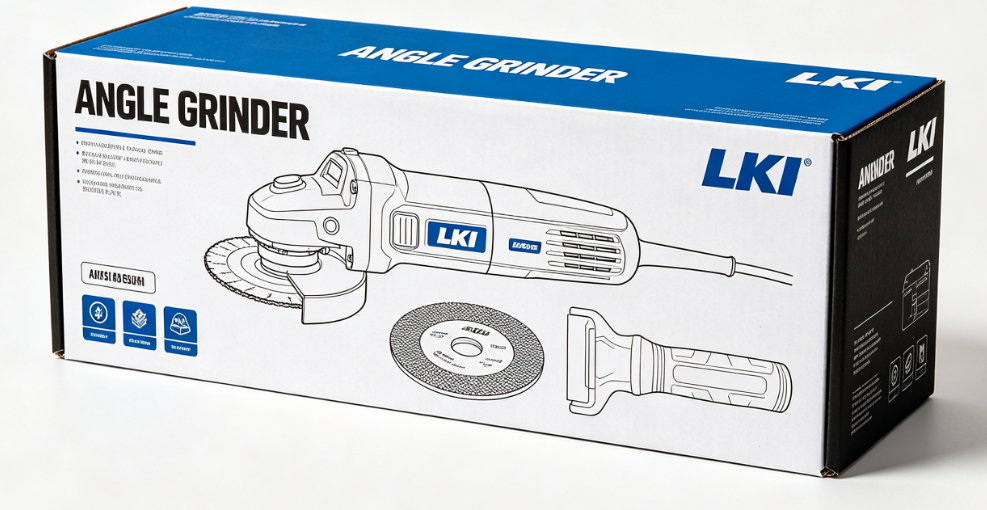
Customizable items include printed brand logos, product adhesive stickers, personalized color box artwork and outer carton layouts. If you need exclusive customized packaging design, please provide your complete PDF design files for production arrangement.
If your order volume fails to reach the 500‑piece MOQ, we will adopt standard neutral brown cartons for bulk shipment. Meanwhile, you can still attach your self‑designed brand stickers on the outer packages to mark your own brand.
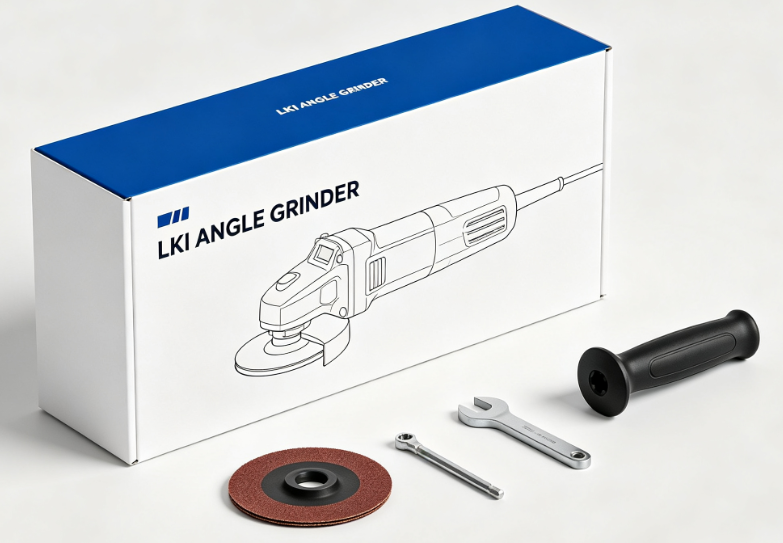
Packaging Details Adapted for Angle Grinder
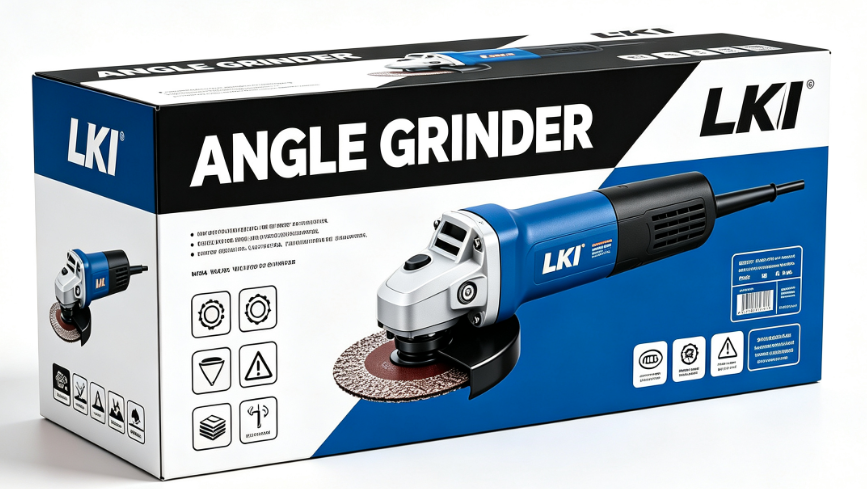
Packaging Content: Each box holds one complete angle‑grinder unit with separate protective foam padding inside to avoid scratches, impact damage and dust contamination during transit.
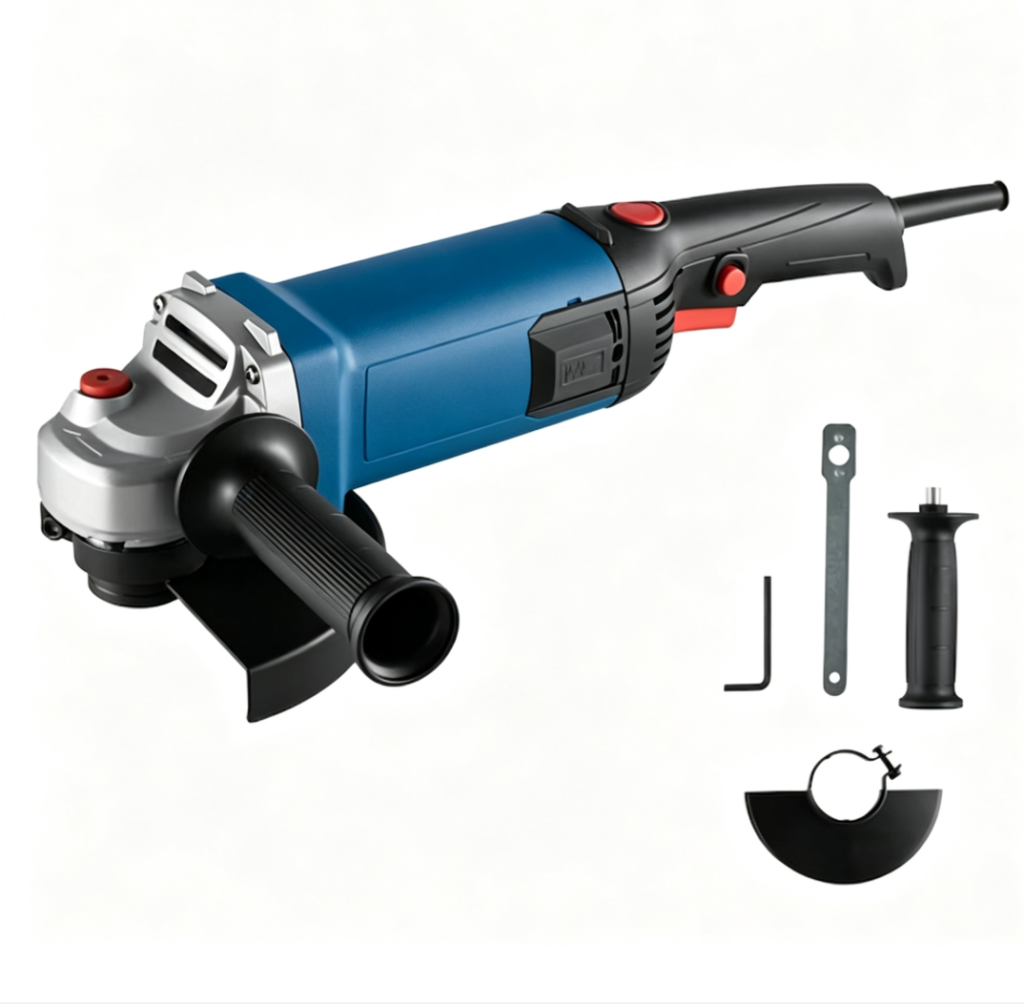
Inner Package: Hanging retail color box (with hang‑hole structure suitable for hardware store shelf display). It can hold 1 main grinder body plus auxiliary side handle, grinding guard, carbon‑brush spare parts and user manual, quantity can be adjusted as customized request. Outer Package: Corrugated export carton, shockproof and compression‑resistant for long‑distance sea and land transportation.
Wide Application Scenarios
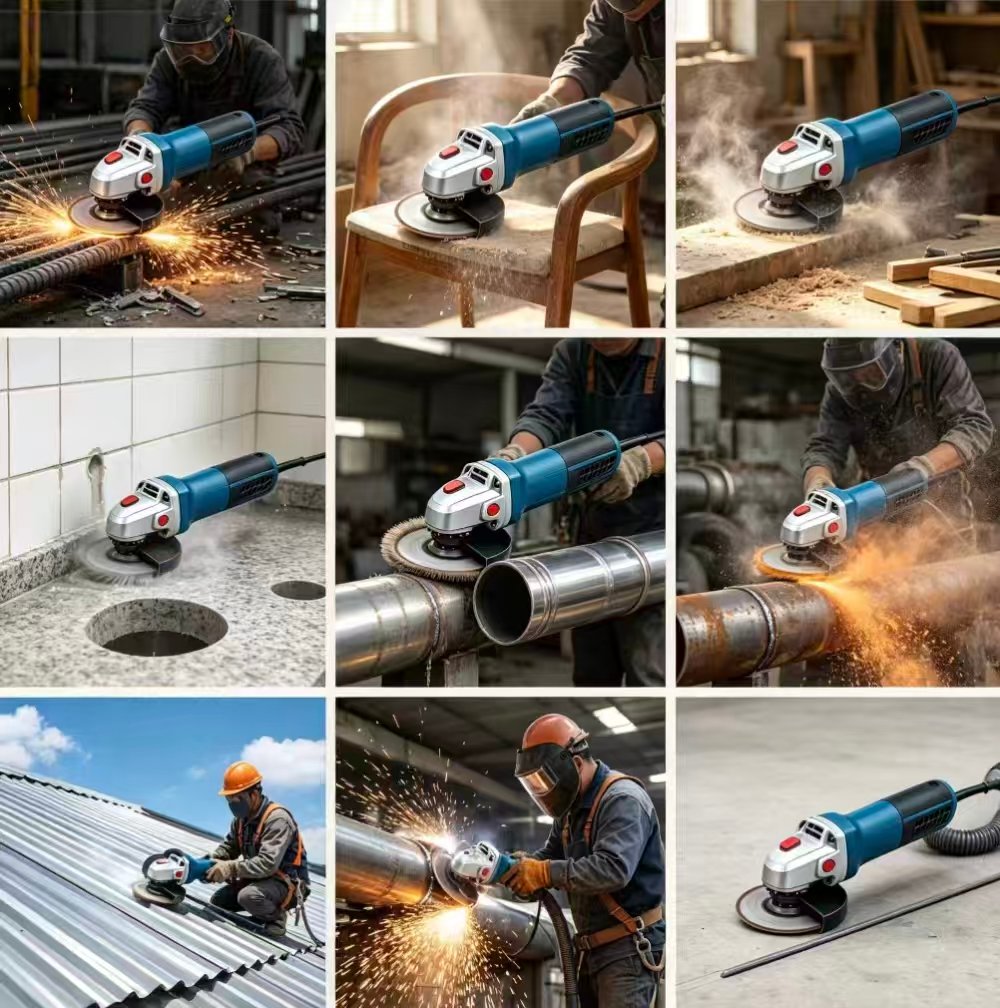
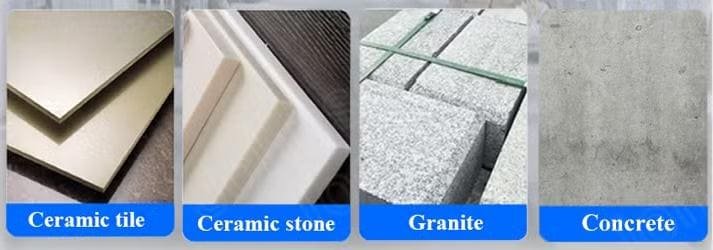
Angle grinders feature powerful cutting‑grinding performance and outstanding environmental adaptability, perfectly fitting nearly all‑round material‑processing scenarios for construction renovation, metal fabrication, stone machining and household DIY projects.
They serve as vital multi‑functional handheld power tools for metal‑working workshops, building‑construction teams, hardware‑repair shops, stone‑processing factories, machinery‑maintenance stations and home DIY enthusiasts. Widely applied for metal cutting, weld‑seam grinding, concrete trimming, rust removal, surface polishing and paint stripping, these durable angle grinders are ideal for long‑time heavy‑duty operation on construction sites, metal‑processing plants, renovation projects and outdoor maintenance jobs.
They deliver strong, stable rotating power to guarantee efficient machining of hard‑to‑cut work‑pieces including steel profiles, stone slabs, cement walls and metal components.
For industrial production and daily‑maintenance scenarios, they are commonly used in metal fabrication workshop processing, building‑site demolition work, home‑renovation trimming, equipment rust cleaning, weld‑slag removing and surface finishing jobs carried out in machinery workshops, hardware service stores and outdoor engineering locations.
The precisely manufactured angle grinders realize steady, high‑speed abrasive‑wheel rotation during operation. They greatly boost material‑processing efficiency, shorten construction‑working periods, reduce manual labor intensity and satisfy diversified machining demands. Whether applied for heavy‑load demolition‑cutting operation of industrial‑grade construction projects, frequent intermittent trimming work of home‑renovation tasks, or long‑time continuous surface‑grinding work of metal‑fabrication workshops, these heavy‑duty angle grinders maintain stable output
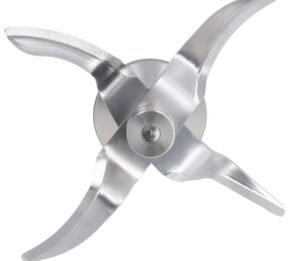
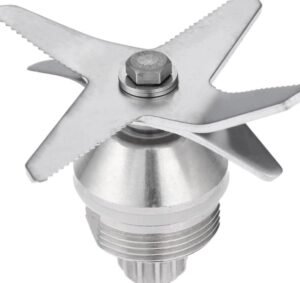
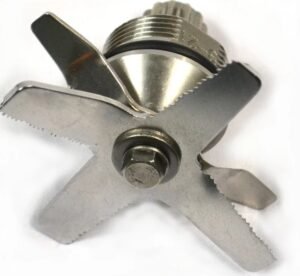
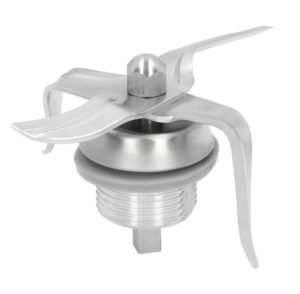
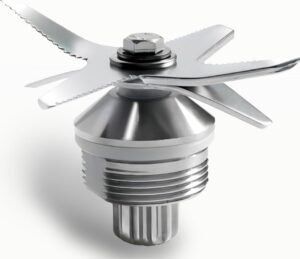
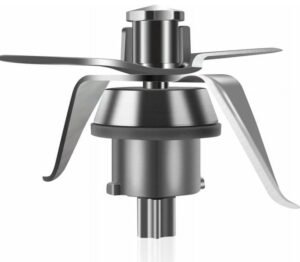
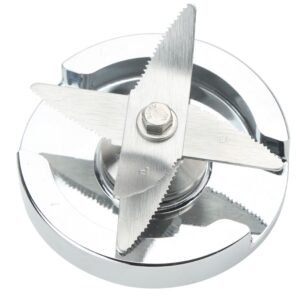
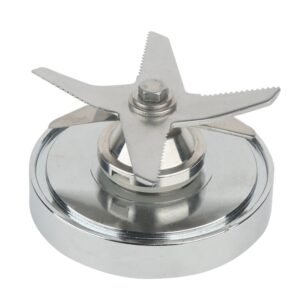
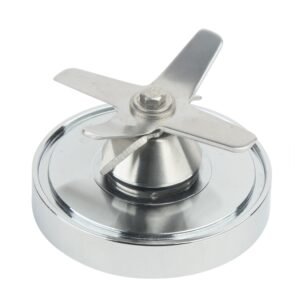
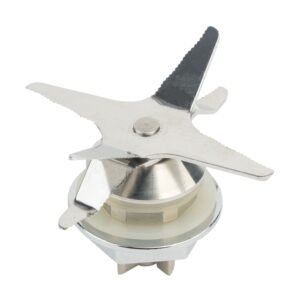
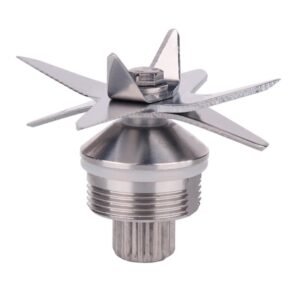
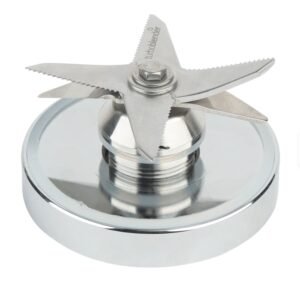
Blender Blade
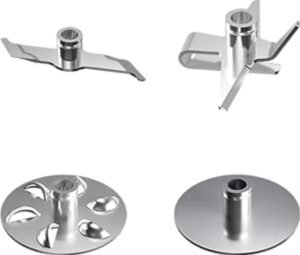
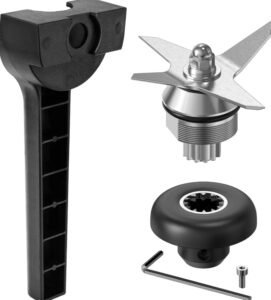
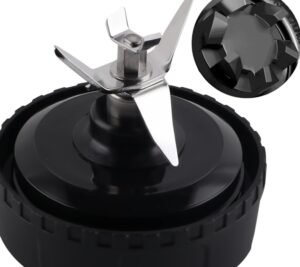
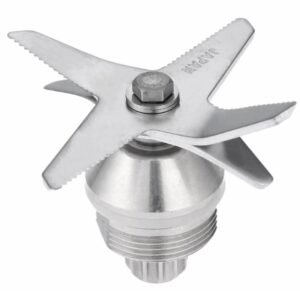
Angle Grinder for Sale:
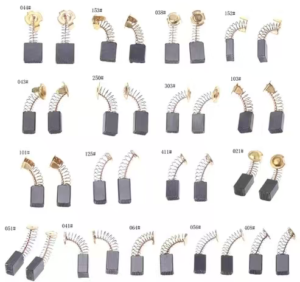
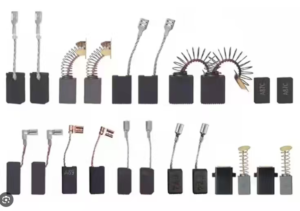
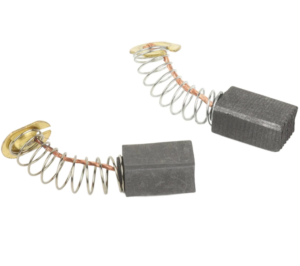
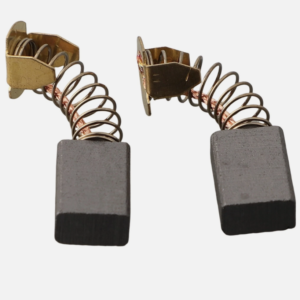
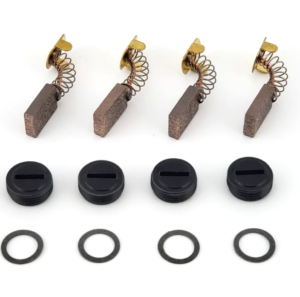
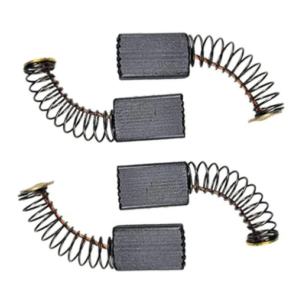
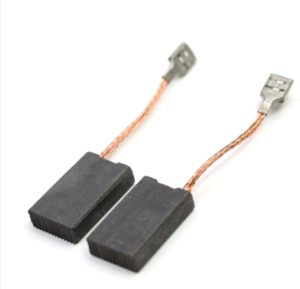
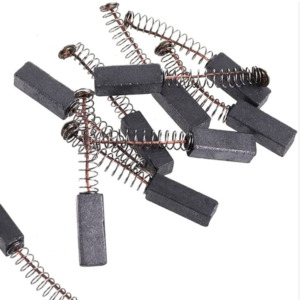
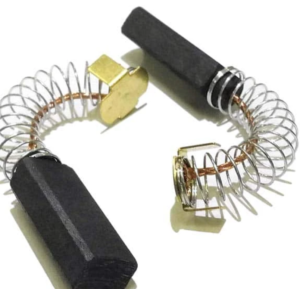
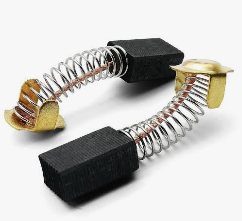
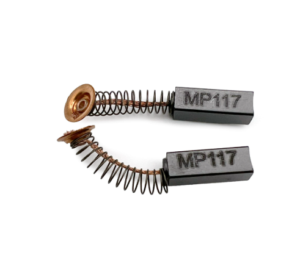
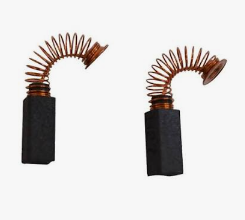
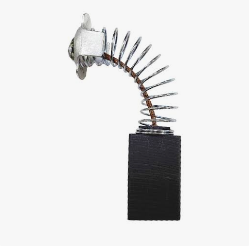
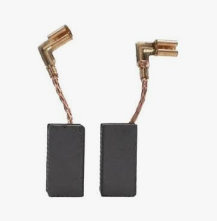
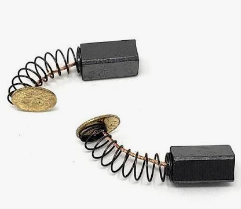
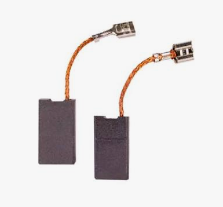
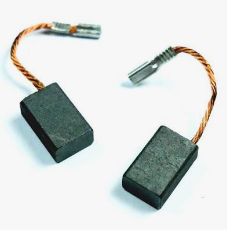
Carbon Brush for Sale:
Diamond Blade

Welcome to call us
Contact Us to get quotation
Working Time: 8:00~17:00 Monday to Friday.
Applications:
Factory:
FAQ
Welcome to call us
Contact Us to get quotation
Working Time: 8:00~17:00 Monday to Friday.