How to tell if carbon brushes need replacing?
How to tell if carbon brushes need replacing?
How to tell if carbon brushes need replacing?People can accurately judge whether carbon brushes require timely replacement through three reliable and systematic identification methods including direct visual inspection of physical appearance, real-time observation of motor operating conditions and professional performance testing, covering intuitive dimensional standards, abnormal wear features, equipment operating faults and quantitative parameter anomalies to avoid missed inspection and delayed replacement.
Judgment through Direct Visual and Appearance Inspection
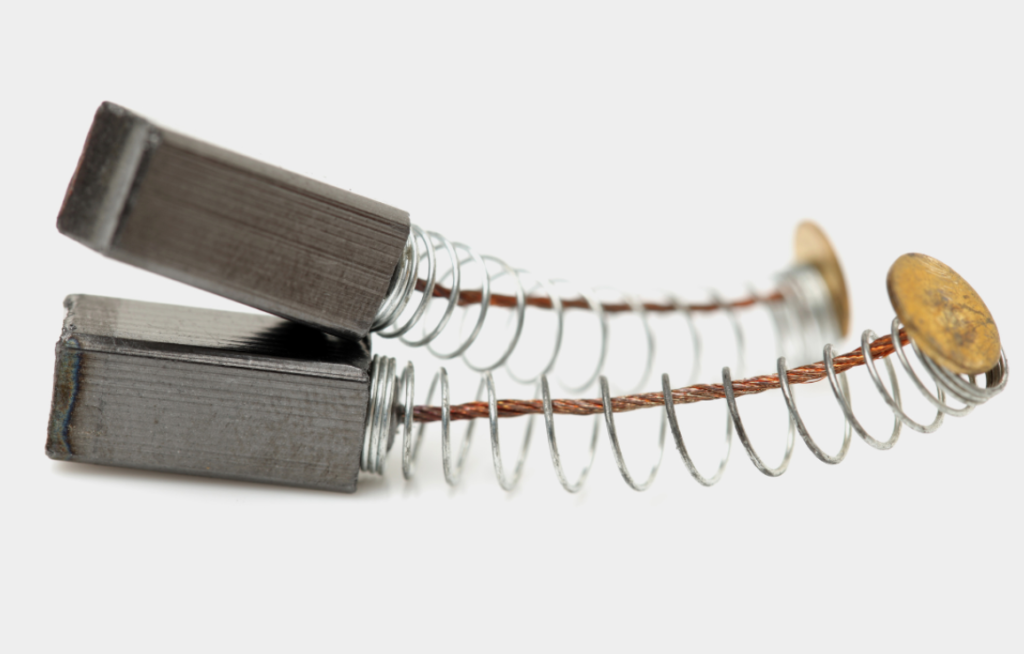
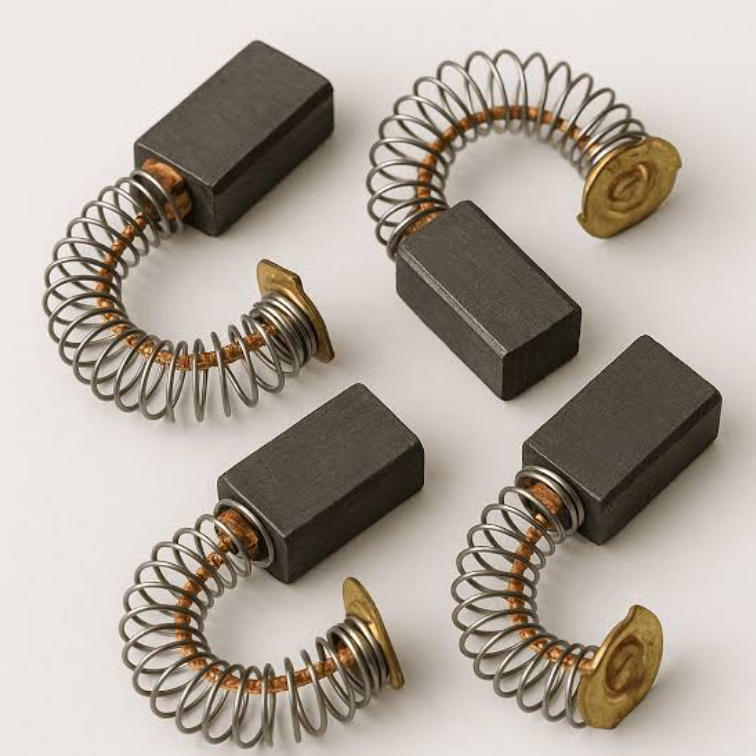
The most intuitive and rigid standard for carbon brush replacement is the residual physical length after long-term frictional wear, which serves as the most universal and enforceable maintenance basis for all types of brushed motors. Every carbon brush is produced with a fixed standard factory length, which is professionally designed with sufficient wear allowance to ensure stable elastic compression and reliable contact conduction throughout the entire service cycle. During the continuous operation of the motor, the carbon brush will keep sliding and rubbing against the commutator surface, resulting in gradual and continuous material loss and shortening of overall length.
When the remaining length of a carbon brush is worn down to less than one-third of its original factory specification, immediate replacement is mandatory without exception. At this wear threshold, the carbon brush can no longer maintain stable elastic travel inside the brush holder. The matching compression spring will reach its limit stroke, failing to provide uniform and stable pressing force. Insufficient contact pressure will lead to unstable fitting between the carbon brush and commutator, causing intermittent current interruption, frequent commutation sparks and unbalanced motor operation.
This length-based judgment rule applies to household power tools, home appliances and industrial heavy-duty motors alike. It is a clear hard standard that does not rely on subjective experience, effectively helping maintenance personnel eliminate judgment errors and prevent motor faults caused by excessive carbon brush wear.
Apart from insufficient residual length, the surface working state of carbon brushes is another critical judgment indicator, which can trigger replacement requirements even when the brush still has enough remaining length. A fully functional and intact carbon brush features a smooth, flat and complete working surface that can closely fit the radian of the commutator, forming a stable low-resistance conductive interface. Long-term electrical ablation, friction impact and abnormal operation will completely destroy this intact surface structure.
When the carbon brush working face suffers severe ablation marks, dense pitting spots or local cracking and chipping, the effective conductive area will be greatly reduced, and the contact flatness will be completely lost. Even if the overall length of the carbon brush meets the standard, the damaged surface will cause unstable current transmission and local high-temperature accumulation. In addition, if the fitting consistency between the carbon brush arc surface and the commutator is lower than 70%, the contact state is regarded as unqualified.
Insufficient fitting degree means that most of the carbon brush surface cannot make effective contact with the commutator, resulting in increased contact resistance and concentrated current load. Continuous operation in this state will aggravate spark generation and commutator wear, so such carbon brushes must be replaced in a timely manner to restore normal motor performance.
Abnormal irregular wear traces on carbon brushes are typical fault characteristics that indicate structural failure and require urgent replacement. Under normal operating conditions, carbon brushes wear evenly and symmetrically, with consistent surface color and complete overall structure. All wear occurs uniformly on the contact surface without partial deviation or abnormal deformation.
Once the motor has unstable spring pressure, installation deviation or unbalanced internal current distribution, the carbon brush will develop obvious abnormal wear problems. Unilateral eccentric wear is the most common phenomenon, where only one side of the carbon brush is severely worn while the other side remains intact, forming an asymmetrical structure. Long-term eccentric friction will cause excessive local temperature, leading to surface discoloration and scorch marks on the carbon brush.
In more serious faulty states, the built-in lead braid of the carbon brush may break or fall off due to long-term vibration and tension. These abnormal wear and structural damage features prove that the carbon brush has lost stable working capacity and cannot guarantee safe and efficient motor operation, so timely replacement is necessary to eliminate hidden equipment troubles.
Judgment through Real-Time Equipment Operating State Observation
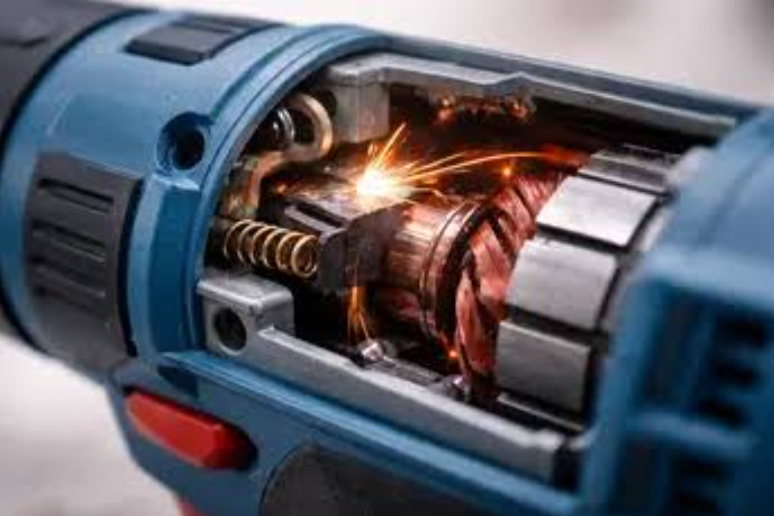
Abnormal commutation sparking during motor operation is one of the most typical external symptoms of carbon brush failure, which can be directly observed during equipment operation. When carbon brushes are in good condition and fitted properly with the commutator, the current switching process is smooth and stable. Only tiny, faint blue micro-sparks will be generated during commutation, which are normal physical phenomena and will not affect motor performance or cause component damage.
When carbon brushes wear excessively, have poor contact or suffer surface ablation, the commutation state will deteriorate sharply. Instead of normal faint blue sparks, large clusters of bright open flames and splashing sporadic sparks will appear continuously at the commutator position. These intense and visible sparks are abnormal electrical ablation phenomena caused by unstable contact and blocked current transmission.
Persistent severe sparking will further burn the carbon brush surface and scratch the commutator copper layer, forming a vicious cycle of ablation and performance deterioration. Once this abnormal spark state is observed during operation, it can be accurately judged that the carbon brush performance has failed, and replacement must be arranged immediately to avoid permanent damage to motor internal components.
Obvious power attenuation under full-load operation is a key functional signal of aging and failed carbon brushes. Qualified carbon brushes with complete surface structure and good conductivity can ensure the motor outputs rated torque and stable power under rated load conditions, maintaining normal working efficiency and operating speed. The conductive performance of carbon brushes directly determines the current transmission efficiency and power output capacity of the motor.
With the aging and wear of carbon brushes, the internal conductive performance declines continuously, and the contact resistance between the brush and commutator increases significantly. Excessively high contact resistance will hinder stable current transmission, resulting in insufficient current supply to the motor rotor. Under high-current and full-load working conditions, the equipment will show obvious weakness, insufficient power and reduced operating efficiency.
After eliminating external faults such as unstable power supply, line aging and load overload, this kind of persistent power attenuation is basically caused by carbon brush performance degradation. Timely inspection and replacement are required to restore the motor’s original power output performance.
Abnormal operating noise and local overheating of the motor are important auxiliary judgment basis for carbon brush failure. During stable operation of a healthy motor, the friction between carbon brushes and the commutator is uniform and smooth, producing only stable and low mechanical operating noise without abnormal vibration and friction sound. When carbon brushes have eccentric wear, jamming or poor fitting, the operating state will become unstable.
Unstable contact will cause high-frequency vibration and irregular friction between the carbon brush and commutator, generating sharp high-frequency friction noise that is completely different from normal operating sound. Meanwhile, increased contact resistance and unstable current will cause continuous heat accumulation at the carbon brush installation position, leading to abnormal temperature rise of the local motor shell.
If the shell near the carbon brush is obviously overheated after a short period of operation, and the disassembled carbon brush shows surface discoloration and scorch traces caused by high temperature, it fully confirms that the carbon brush has serious contact failure and abnormal wear, and must be replaced in time to avoid equipment burnout faults.
Judgment through Auxiliary Professional Performance Testing
Contact resistance testing with a multimeter is an accurate quantitative method to judge carbon brush performance attenuation and replacement demand. Each model of motor carbon brush has a fixed factory-standard contact resistance range, which ensures low-loss current transmission and stable operating performance. Visual observation can only identify obvious surface damage, while potential performance aging often cannot be found through naked eye inspection.
Maintenance personnel can measure the resistance value between the carbon brush lead wire and the motor rotor shaft through a professional multimeter. If the measured resistance data is far higher than the original factory design standard of the equipment, it indicates that the carbon brush’s internal conductive structure has deteriorated severely, and the contact performance has failed completely.
Excessively high contact resistance will cause continuous heat accumulation, unstable current and aggravated sparking during long-term operation. Even without obvious surface wear, such aging carbon brushes cannot continue to be used and need to be replaced in a timely manner to ensure the safe and stable operation of the motor.
No-load current testing is another effective professional means to identify hidden carbon brush faults. Every motor has a clear rated no-load current value under normal working conditions, which is determined by the matching state of original carbon brushes, windings and mechanical structures. When the carbon brush is worn, aged or poorly fitted, it will directly affect the motor’s current operating state.
During professional testing, if the actual measured no-load current is more than 20% higher than the factory rated standard, maintenance personnel should first eliminate internal winding short circuits, coil aging and other electrical faults. After excluding all winding-related problems, the excessive no-load current is mostly caused by carbon brush wear and poor contact.
Increased no-load current means the motor needs to consume extra electric energy to overcome the excessive contact resistance of carbon brushes, accompanied by increased heat generation and reduced operating stability. In this case, the motor must be disassembled and inspected to confirm the carbon brush wear degree and complete replacement work.
Comprehensive abnormal operating phenomena of motors are comprehensive judgment signals for carbon brush failure and aging. Single abnormal symptoms such as slight noise and minor power fluctuation may be caused by temporary load changes, but multiple simultaneous abnormal faults are typical characteristics of carbon brush performance failure.
When the motor has multiple problems including difficult startup, frequent current fluctuation, automatic overheating protection and unstable jitter operation at the same time, it means the carbon brush has serious wear, poor contact and failed conductive performance. The unstable contact state comprehensively affects the current transmission and mechanical operation of the motor, triggering a series of linkage faults.
This kind of comprehensive abnormal operation indicates that the carbon brush has completely failed to meet the operating requirements. Delayed replacement will lead to more serious motor damage and frequent equipment shutdowns, so timely inspection and replacement of carbon brushes are essential.
Q&A Session
Q1: What is the most straightforward standard to judge carbon brush replacement?
The most direct and mandatory standard is the residual length of the carbon brush. Once the wear length is less than one-third of the original factory size, replacement must be carried out immediately. In addition, severe surface burning, cracking and fitting degree lower than 70% also require mandatory replacement, regardless of the remaining length of the carbon brush.
Q2: What running symptoms prove that carbon brushes have failed?
Typical failure symptoms include continuous splashing bright sparks at the commutator, obvious power attenuation under full load, high-frequency friction noise during operation and abnormal local overheating of the motor shell. These intuitive operating anomalies are the most common signs of carbon brush performance degradation and abnormal wear.
Q3: Why do we need professional testing to judge carbon brush status?
Visual inspection can only identify obvious surface damage, while hidden aging and slight performance attenuation cannot be observed directly. Contact resistance and no-load current testing can quantify carbon brush performance changes, accurately detect potential faults in advance, and avoid sudden motor shutdowns caused by neglected minor wear.
Q4: Is multiple comprehensive motor abnormality a sign of carbon brush failure?
Yes. When the motor simultaneously suffers from difficult startup, unstable current, frequent overheating protection and jittery operation, it is mostly caused by severe carbon brush wear and poor contact. After excluding winding and power supply faults, replacing carbon brushes can completely solve these comprehensive abnormal problems.
Summary
In conclusion, the replacement demand of carbon brushes can be accurately judged through three systematic dimensions: visual appearance inspection, equipment operating state observation and professional performance testing. Appearance judgment relies on rigid length thresholds, surface contact quality and abnormal wear traces to realize intuitive and rapid screening of failed carbon brushes. Operating state observation identifies carbon brush failure through abnormal sparking, power attenuation, strange noise and local overheating during motor operation. Professional auxiliary testing uses contact resistance data and no-load current parameters to accurately capture hidden aging faults that cannot be identified by naked eyes, and comprehensive motor abnormal phenomena further verify the failure of carbon brushes. Combining these multiple judgment methods can effectively avoid misjudgment and missed maintenance, help users replace worn and failed carbon brushes in a timely and standardized manner, and maintain the long-term stable, safe and efficient operation of various brushed motor equipment.
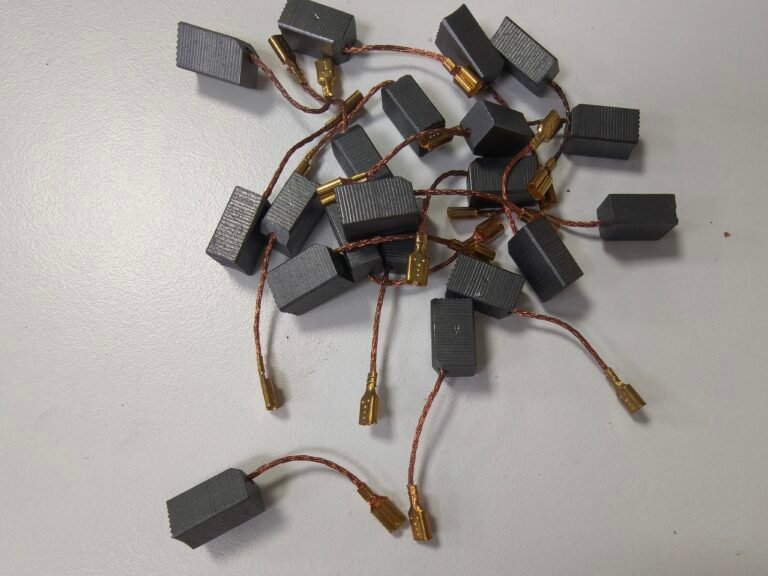
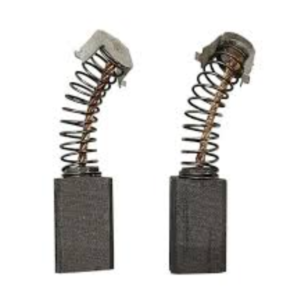
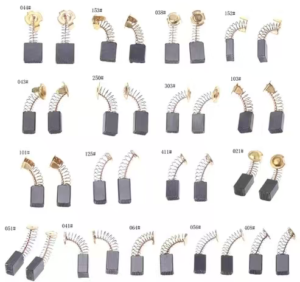
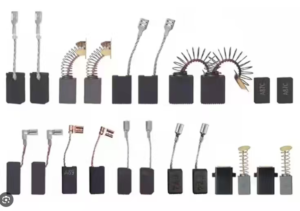
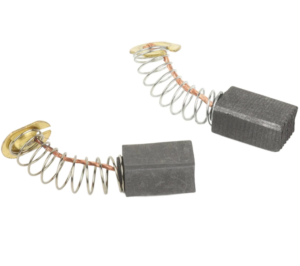
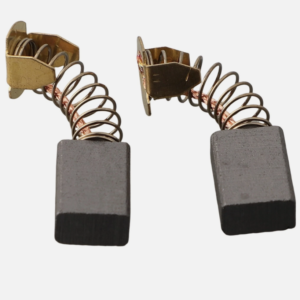
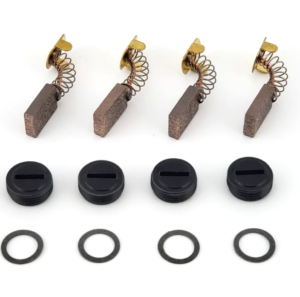
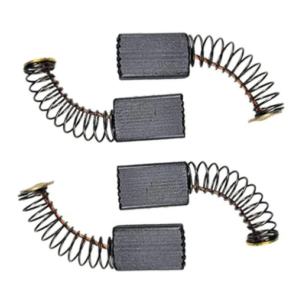
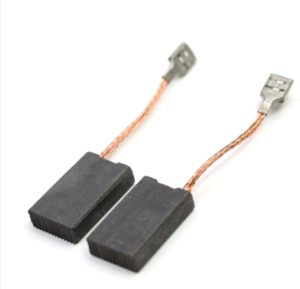
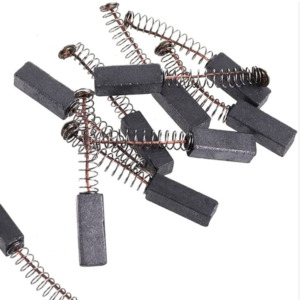
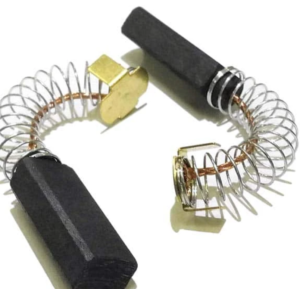
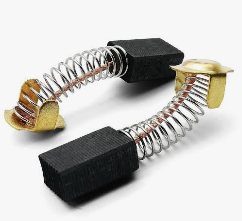
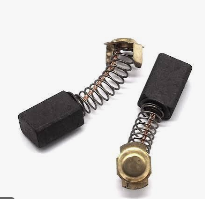
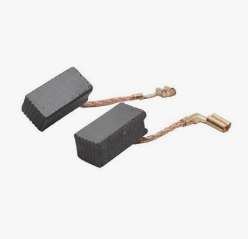
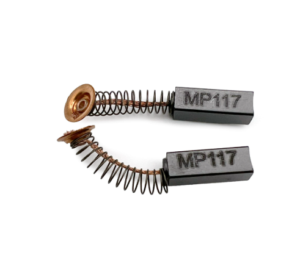
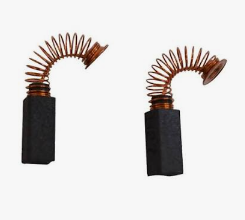
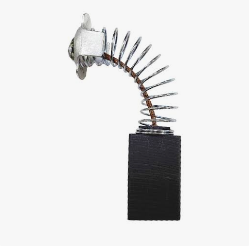
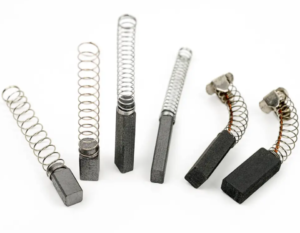
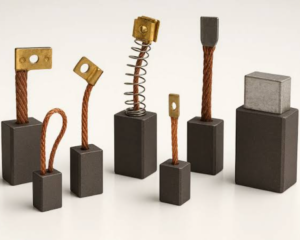
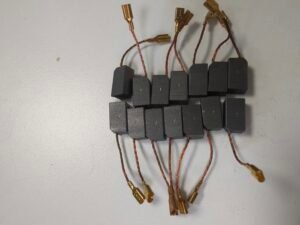
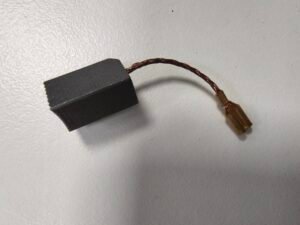
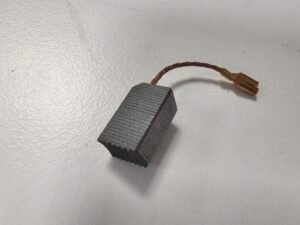
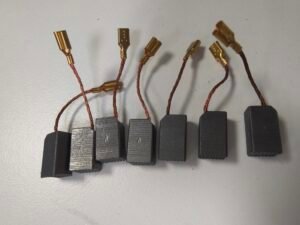
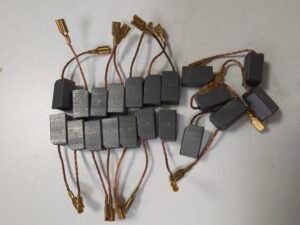
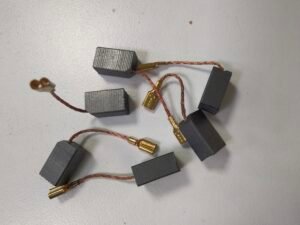
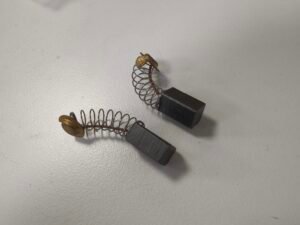
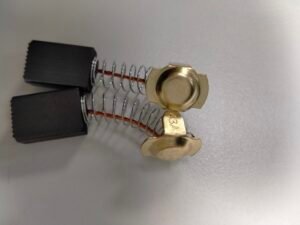
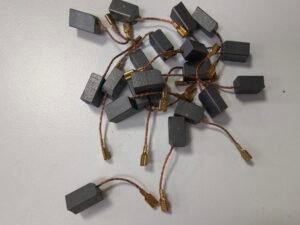
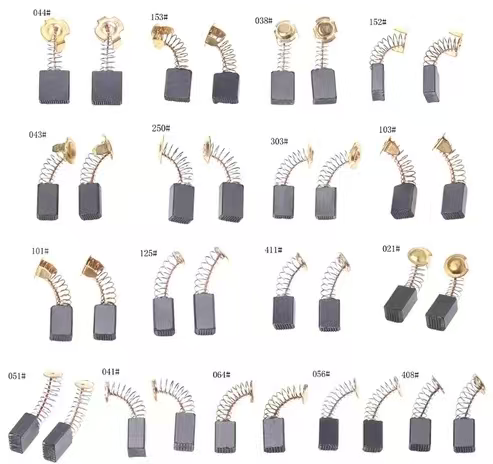
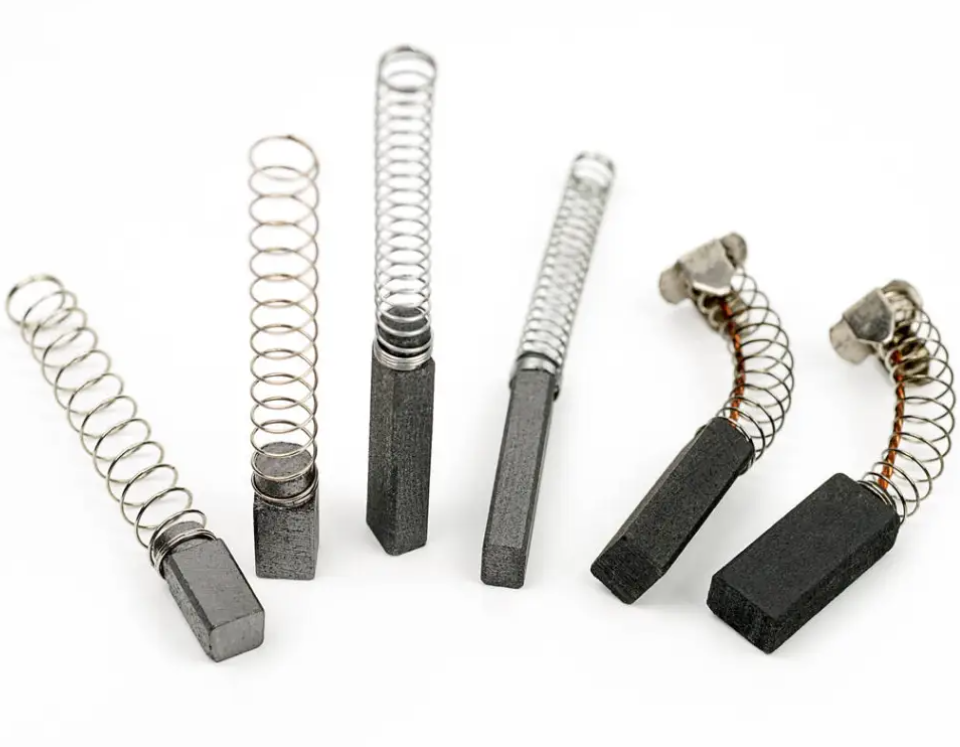
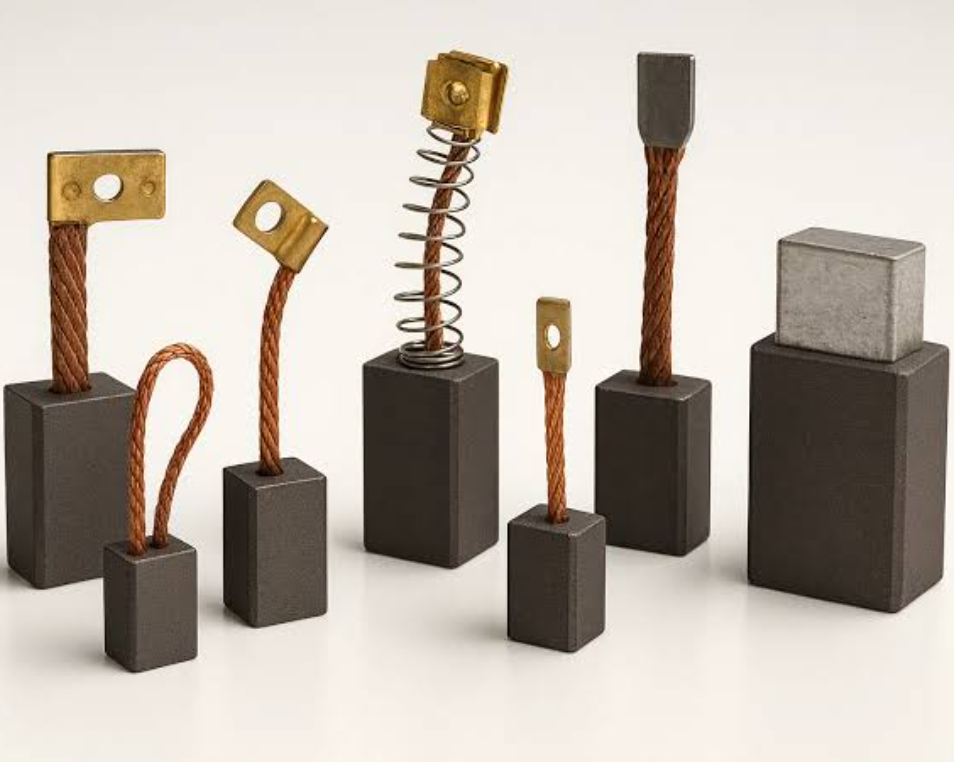
Carbon Brush for Sale:
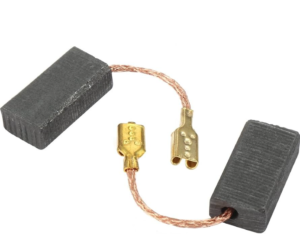
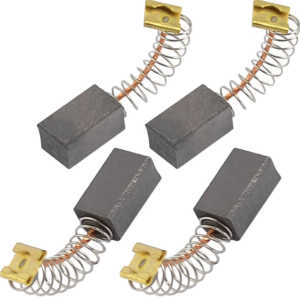
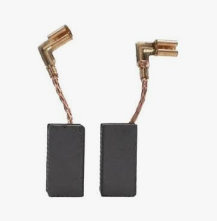
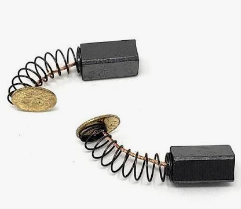
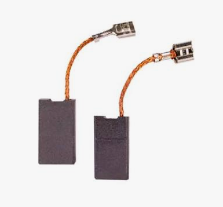
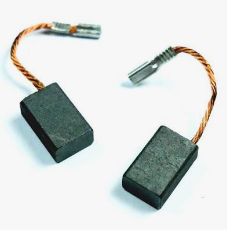
Post about Carbon Brush:
Diamond Blade

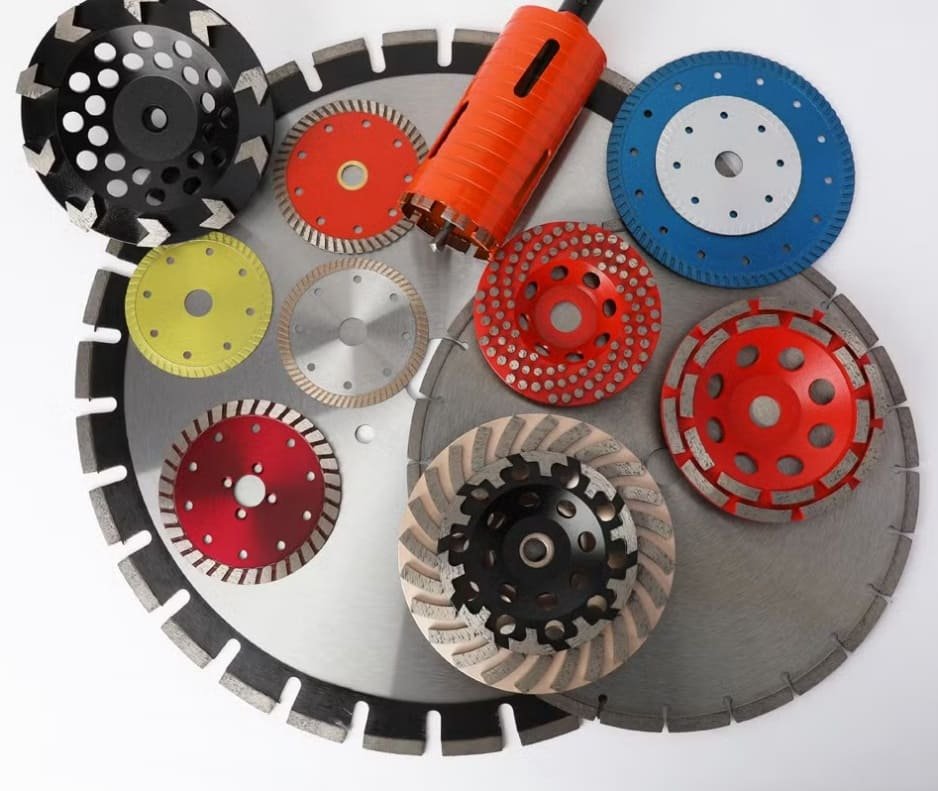
Welcome to call us
Contact Us to get quotation
Working Time: 8:00~17:00 Monday to Friday.
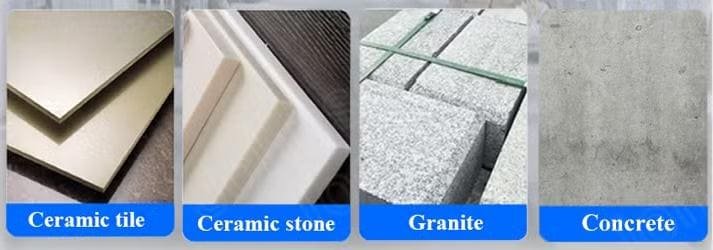
Applications:
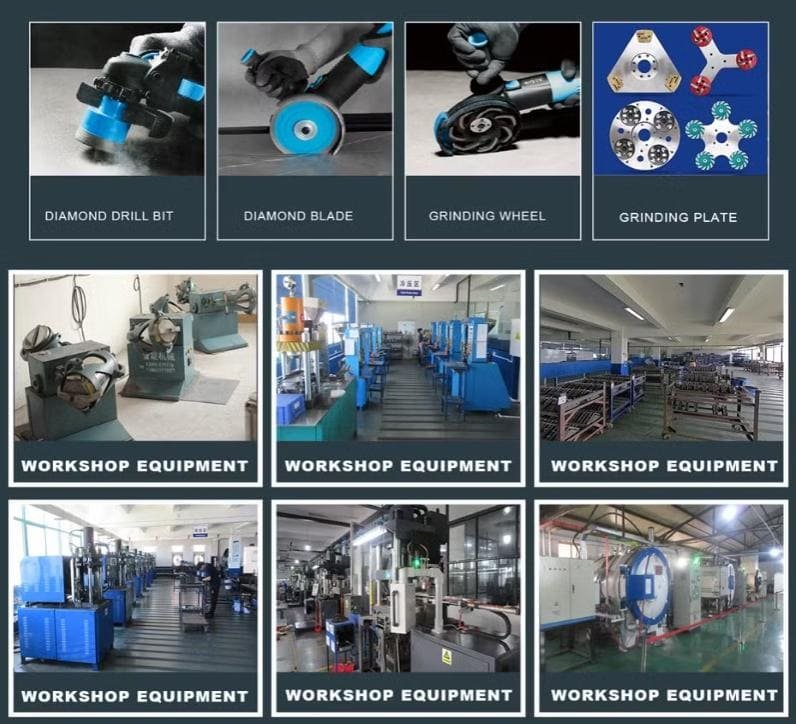
Factory:
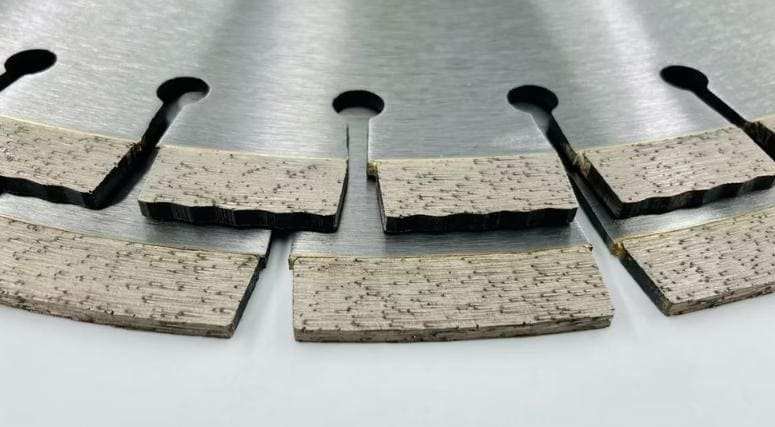
FAQ
Welcome to call us
Contact Us to get quotation
Working Time: 8:00~17:00 Monday to Friday.
Blender Blade:
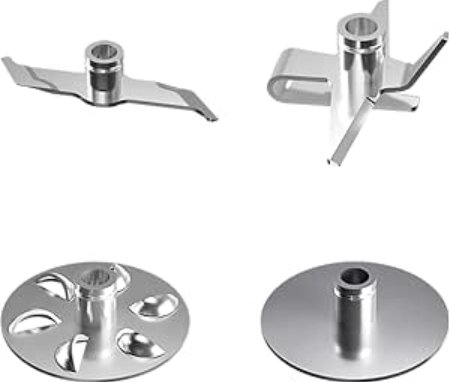
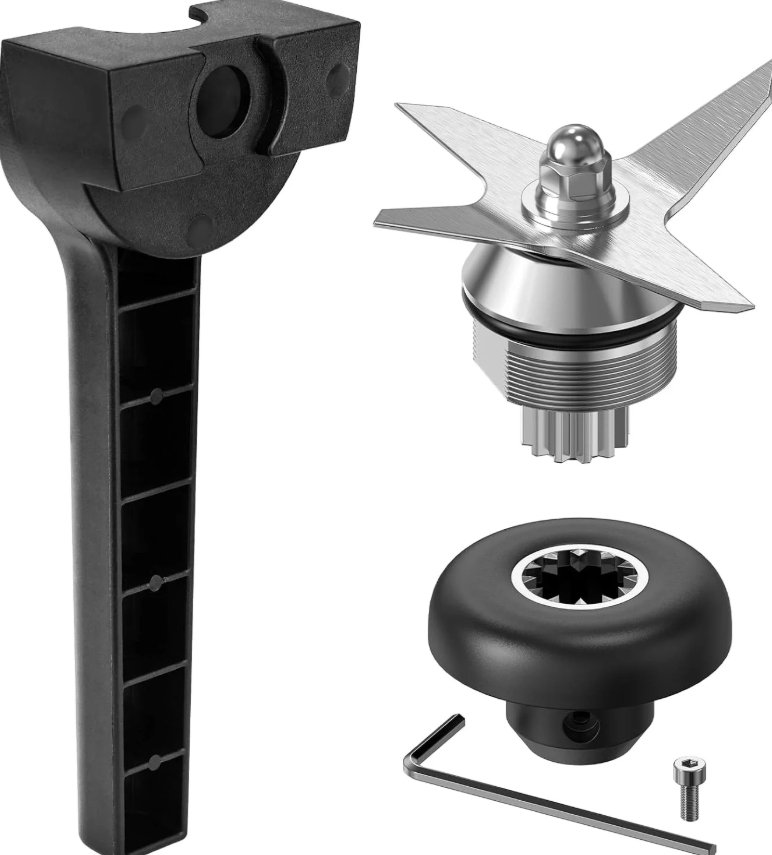
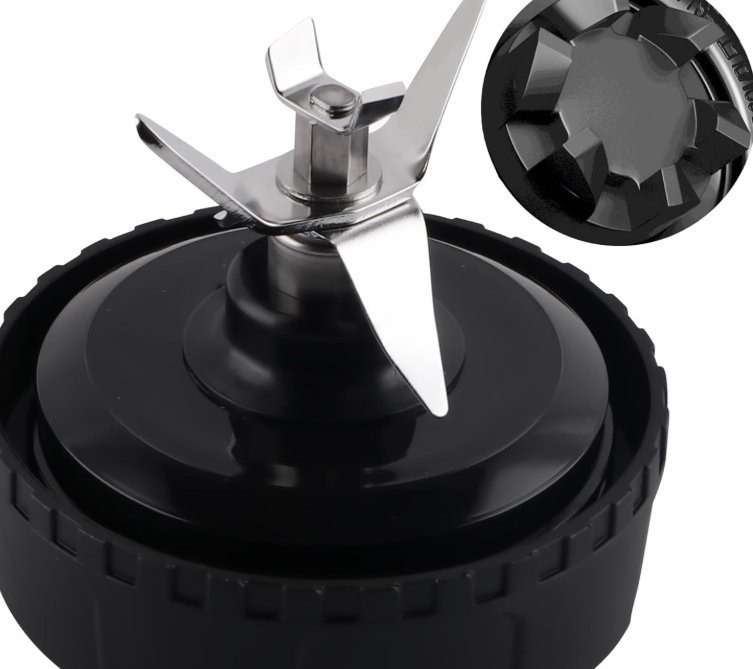
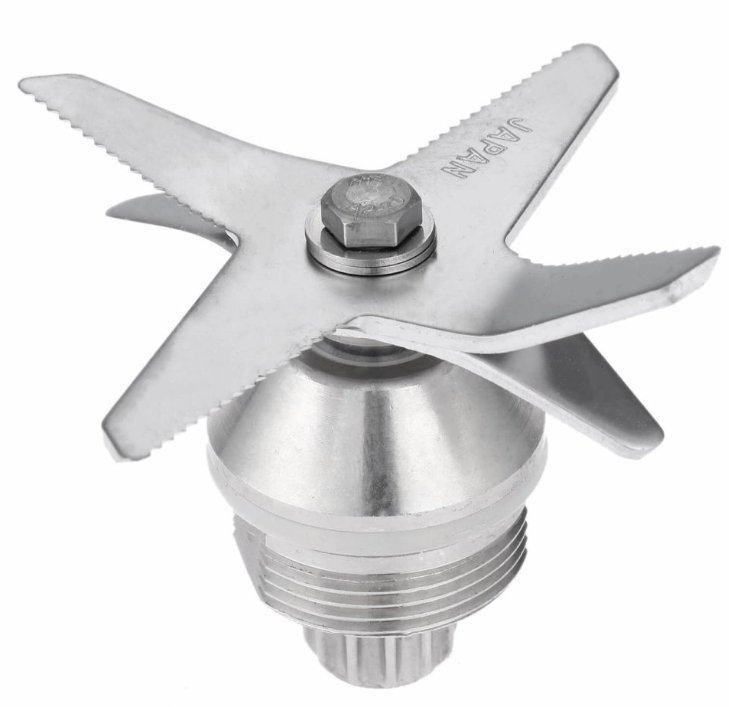
Chisel Bit:
Cutting Wheel:
Diamond Core Drill Bit:
Flap Disc:
Angle Grinder:
Industrial fan:
Demolition Hammer:
Blogs:
You May also Interest in other topics:
chilli powder grinding machine
Floor mounted ev charger 150KW EV Charger
DC 150KW AC Best 22KW EV Charger -Manufacturer – KS Charger