What are the downsides of carbon brushes?
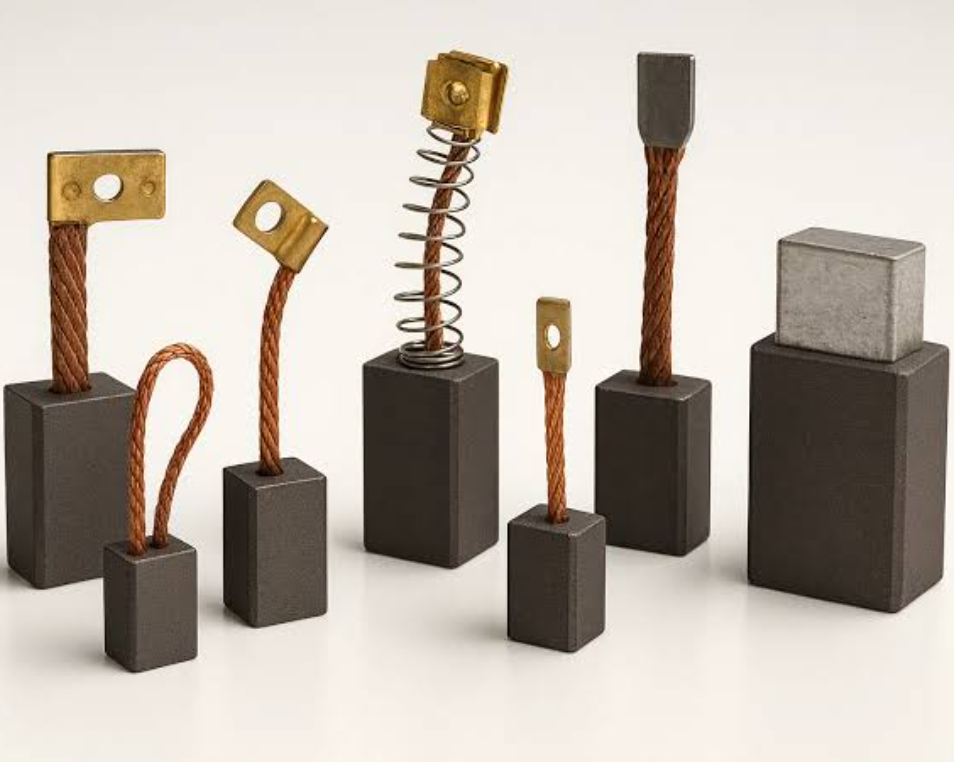
What are the downsides of carbon brushes?
What are the downsides of carbon brushes?Carbon brushes are conventional conductive components for brushed motors that enable current transmission between stationary and rotating motor parts, yet they come with a full range of inherent drawbacks covering electrical performance limitations, mechanical wear and maintenance burdens, derivative operational risks, and strict application and installation restrictions, all of which greatly limit their overall operational stability and application scope compared with modern brushless motor technologies.
Inherent Shortcomings in Electrical Performance
One of the most prominent electrical flaws of carbon brushes is their generation of significant electrical noise during operation, which stems from their inherent material structural characteristics. Unlike pure metal conductive components with ultra-low and stable resistance, carbon brush materials have naturally higher contact resistance. When sliding continuously against the commutator or slip ring during motor operation, this fixed resistance will produce irregular current fluctuations and signal jitter inside the circuit, forming persistent electrical noise that cannot be completely eliminated through conventional maintenance or parameter debugging.
This inherent electrical noise has little impact on ordinary power motors that only pursue basic rotation and power output. However, it poses serious interference to high-precision industrial scenarios that rely on stable and accurate signal transmission. Intelligent automation equipment and precision measurement and control systems require ultra-clean signal environments to ensure accurate data collection and precise equipment operation. The signal interference generated by carbon brushes will distort weak control signals, cause data deviation and signal attenuation, and even lead to misoperation of precision equipment.
As a result, carbon brush structures are completely unable to adapt to high-precision industrial production and precision testing scenarios with strict signal accuracy requirements, which becomes an insurmountable electrical performance limitation of traditional brushed motors.
Carbon brushes also suffer severe performance degradation under high-speed operating conditions, making them unsuitable for high-revolution industrial equipment applications. The stable current conduction of carbon brushes depends on continuous, close and uniform contact between the brush surface and the slip ring. Under medium and low-speed operating conditions, the contact state remains relatively stable, and the motor can maintain normal operating performance.
When the motor speed increases to a high level, the high-frequency relative sliding and tiny mechanical vibration between the carbon brush and slip ring will destroy the original stable fitting state. Intermittent gaps will appear on the contact interface, leading to a sharp rise in friction and wear speed. At the same time, unstable contact resistance further intensifies current fluctuations, causing electrical noise to surge instantly.
Long-term high-speed operation will also cause continuous heat accumulation at the contact interface, which easily triggers local overheating and ablation faults of carbon brushes and commutators. Compared with brushless motor solutions that eliminate physical sliding contact, carbon brush structures have far poorer high-speed stability and durability, and cannot support long-term stable operation of high-speed equipment.
Mechanical Defects and Cumbersome Maintenance Limitations
Although carbon brushes are designed with basic wear resistance as wearable sacrificial parts, their long-term operation will inevitably cause abrasive wear on matching slip ring components. Most motor slip rings are made of copper or silver materials with good conductivity but relatively low surface hardness. During the continuous sliding friction of carbon brushes, tiny hard particles on the brush surface will produce persistent abrasive scratching on the smooth conductive surface of the slip ring.
After long-cycle operation, uniform scratches and irregular wear marks will gradually form on the slip ring surface. These uneven structural defects will further worsen the contact matching state between the slip ring and carbon brush, increase contact resistance, and aggravate spark generation and mechanical vibration. Different from low-cost and replaceable carbon brushes, slip rings are core integrated components of motors with high replacement costs and complex disassembly and maintenance processes.
Serious slip ring wear will directly shorten the overall service life of the motor, forcing users to carry out regular grinding maintenance or even complete slip ring replacement, which brings long-term additional mechanical maintenance costs that are completely avoidable with brushless motor structures.
Carbon brush equipped motors require mandatory regular maintenance throughout the service cycle, with far higher long-term operational investment and maintenance pressure than brushless equipment. As typical vulnerable wearable parts, carbon brushes will gradually wear, shorten and fail with the extension of operating time, so regular manual inspection of wear status is indispensable.
Daily maintenance work is not limited to simply replacing over-worn carbon brushes. After each replacement, maintenance personnel need to thoroughly clean the accumulated conductive carbon powder inside the motor, calibrate the compression force of the carbon brush fixing spring, and check the contact fitting state between the brush and commutator to ensure stable operation. These repetitive maintenance operations consume a lot of labor and time costs.
Brushless motors cancel physical carbon brush sliding structures and basically realize maintenance-free operation in the whole service cycle. In contrast, brushed motors need continuous cyclic inspection, cleaning and replacement, resulting in significantly higher long-term comprehensive operation and maintenance costs and lower equipment operation efficiency.
Derivative Operational Risks and Environmental Adaptability Deficiencies
Continuous carbon powder accumulation caused by carbon brush friction wear brings hidden safety hazards to the internal insulation and stable operation of the motor. During long-term sliding operation, the friction between carbon brushes and commutators will produce a large number of fine conductive carbon particles. These tiny carbon powders cannot be completely discharged out of the motor and will gradually accumulate in the narrow internal gaps of the equipment.
Carbon powder itself has good electrical conductivity. A small amount of deposition will reduce the insulation performance of internal motor coils and circuit structures. With the continuous accumulation of carbon powder, conductive particle layers will form between independent circuits and components, which will destroy the original insulation isolation state of the motor.
In severe cases, dense carbon powder accumulation will directly induce local short-circuit faults inside the motor, resulting in equipment power failure, component burnout and even electrical safety accidents. This carbon powder accumulation hazard is inherent to carbon brush structures and cannot be completely eliminated through daily simple cleaning.
Carbon brushes have prominent environmental adaptation limitations and poor stability in extreme working environments, which greatly restrict their application scenarios. The normal working performance of carbon brushes relies on mild and stable temperature and humidity conditions to maintain balanced friction and stable conductive state. Once in extreme environments, their operating performance will decline significantly.
In high-altitude low-pressure environments, the air insulation capacity decreases, and the commutation sparks generated by carbon brushes are prone to arc amplification, leading to intensified ablation and accelerated component wear. In extremely dry environments, the self-lubricating oxide film on the carbon brush surface is easy to wear and fail, doubling the overall wear rate of the brush. In long-term humid environments, the contact surface is prone to oxidation and rust, resulting in increased contact resistance and equipment overheating.
Whether it is low-pressure plateau conditions, extreme dryness or high humidity, carbon brushes cannot maintain stable working performance, and their service life will be greatly shortened. Brushless motors without physical sliding contact are not affected by such environmental changes, showing far stronger environmental adaptability and operational stability.
Supplementary Structural and Application Shortcomings of Carbon Brushes
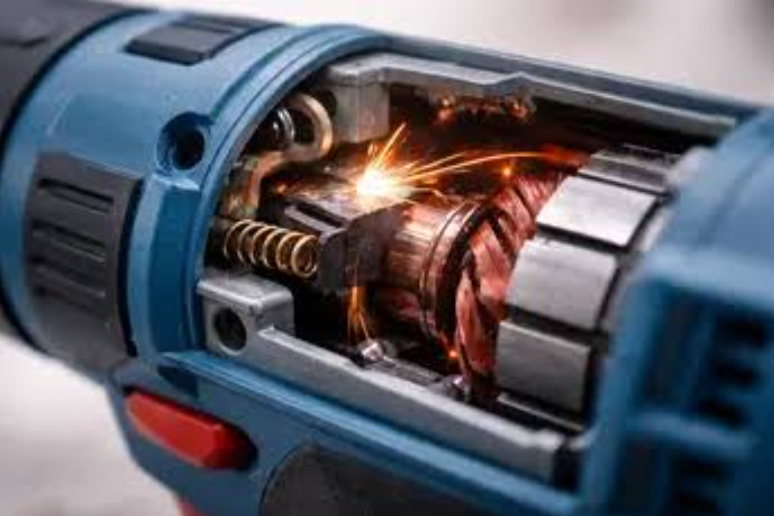
Arc spark discharge and accompanying electromagnetic interference are important hidden flaws of carbon brush operation, which become more prominent under high-speed and high-load working conditions. When carbon brushes slide on the commutator surface to complete current switching and on-off, tiny gaps will be instantaneously formed during contact separation, inducing arc spark discharge.
Under conventional light-load operating conditions, the spark phenomenon is weak and has little impact on the equipment. However, with the increase of motor speed and load current, the arc sparks will become denser and stronger. These continuous electric arcs will not only cause extra electric energy loss and accelerate the ablation wear of carbon brushes and commutators, but also generate strong electromagnetic radiation and interference signals.
The electromagnetic interference generated by carbon brush commutation will spread to the surrounding electronic equipment, disturbing the signal stability of precision instruments, communication equipment and control systems, easily causing data errors and equipment abnormal operation, which is not conducive to the stable operation of integrated electronic systems.
Carbon brushes have a clear upper limit of current bearing capacity, making them unable to adapt to high-power and high-current industrial equipment. The conductive cross-sectional area and material conductivity of carbon brushes are fixed according to their model specifications, with a strict rated current threshold.
When the motor runs under high-current and high-power working conditions exceeding the design standard, the carbon brush cannot conduct excess current stably. A large amount of heat will accumulate in the local contact area, resulting in rapid temperature rise of the carbon brush. Long-term over-current operation will cause thermal aging of the carbon brush material, sharp acceleration of wear, and even instantaneous burnout failure.
This current bearing limitation makes carbon brush structures only applicable to small and medium-power motor equipment, and cannot meet the long-term stable operation requirements of large industrial high-current and high-power mechanical equipment.
The conductive and lubricating properties of carbon brushes are highly sensitive to ambient temperature and humidity changes, bringing unstable operation risks in variable environments. A moderate humidity environment can form a thin lubricating oxide film on the carbon brush surface to reduce friction loss.
In an overly dry working environment, the surface lubricating film is difficult to form and easy to wear out, resulting in direct rigid friction between the carbon brush and commutator, and the wear speed of the carbon brush will increase exponentially. In contrast, long-term overly humid environments will cause oxidation and corrosion on the contact surfaces of the carbon brush and commutator, forming a dense rust layer and oxide layer.
These oxide layers will greatly increase contact resistance, hinder stable current transmission, cause continuous heat accumulation at the contact position, and further induce sparking and abnormal wear. The strong temperature and humidity sensitivity of carbon brushes makes their performance extremely unstable in variable working environments.
Carbon brush installation and commissioning require extremely high precision, putting forward strict professional requirements for operation and maintenance personnel. The gap between the carbon brush and brush holder, the compression pressure of the fixing spring, and the contact angle between the carbon brush and commutator all have standardized precision requirements with extremely small tolerance ranges.
Slight deviations in the installation process will lead to poor operating status of the carbon brush. Excessively small gaps will cause carbon brush jamming and inflexible sliding, while uneven spring pressure will result in unilateral eccentric wear. Deviations in the contact angle will cause unstable fitting, high-frequency vibration and continuous sparking during operation.
These installation errors will not only accelerate carbon brush failure, but also cause secondary damage to the commutator and motor circuit. Therefore, carbon brush replacement and debugging can only be completed by experienced professional maintenance personnel, which increases the technical threshold and difficulty of daily equipment maintenance.
Q&A Session
Q1: What are the core electrical disadvantages of carbon brushes?
Carbon brushes feature high inherent contact resistance and generate persistent electrical noise during operation, which interferes with precision signal transmission and limits their use in high-precision automation scenarios. Meanwhile, their contact stability drops sharply at high speeds, causing intensified wear, soaring noise and overheating faults, with inferior high-speed performance compared with brushless motors.
Q2: Why do carbon brush motors have higher long-term maintenance costs?
Carbon brushes are wearable parts requiring regular inspection and replacement. Their abrasive friction will cause irreversible wear of matching slip rings, necessitating regular repair or replacement of core components. Daily maintenance also includes carbon powder cleaning and spring pressure calibration, involving complex processes and continuous labor and material costs far exceeding maintenance-free brushless structures.
Q3: What safety and environmental risks do carbon brushes bring?
Conductive carbon powder accumulated from friction wear reduces motor internal insulation and may trigger local short-circuit faults. In addition, carbon brushes perform poorly in extreme environments including high-altitude low-pressure, excessive dryness and excessive humidity, with significantly reduced contact stability and service life and poor environmental adaptability.
Q4: What additional application limitations restrict carbon brush usage?
Carbon brushes produce electromagnetic interference from commutation arcs and have a limited current bearing capacity that cannot support high-power equipment. Their performance is highly sensitive to temperature and humidity changes, and they require ultra-high installation precision, bringing higher technical requirements and unstable operation risks in actual application.
Summary
Overall, carbon brushes have multiple inherent drawbacks and application limitations in electrical performance, mechanical maintenance, environmental adaptation and practical application. In terms of electrical performance, their high contact resistance causes continuous signal interference, and their stability deteriorates severely under high-speed working conditions. Mechanically, they inevitably wear matching slip ring components and require mandatory regular inspection, cleaning and replacement, resulting in high long-term maintenance costs. In terms of derivative risks, accumulated conductive carbon powder induces short-circuit hidden dangers, and extreme environments greatly weaken their working stability. In terms of practical application, commutation sparks generate electromagnetic interference, the current bearing capacity cannot adapt to high-power equipment, performance is sensitive to temperature and humidity changes, and ultra-high installation precision requirements increase maintenance difficulty. All these shortcomings make traditional carbon brush structures lag far behind advanced brushless motor technologies in stability, adaptability and economy, limiting their application in high-precision, high-speed, high-power and extreme working scenarios.
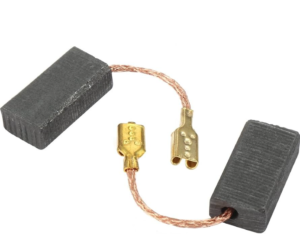
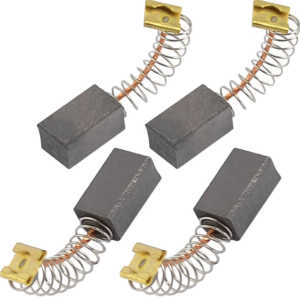
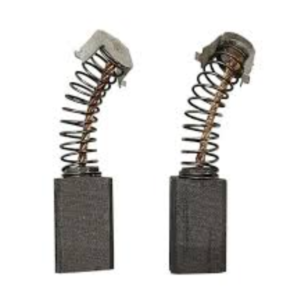
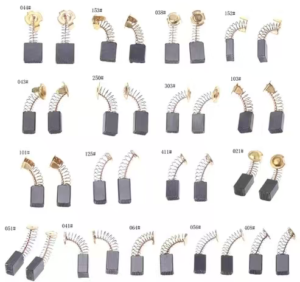
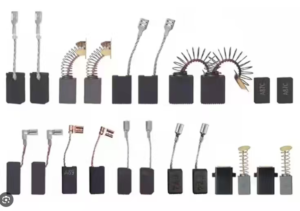
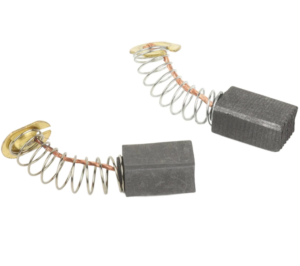
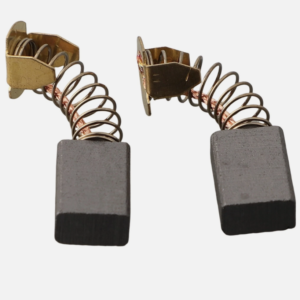
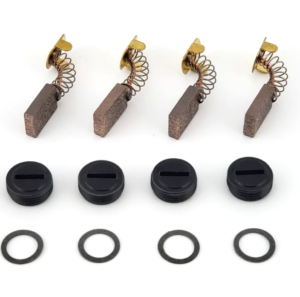
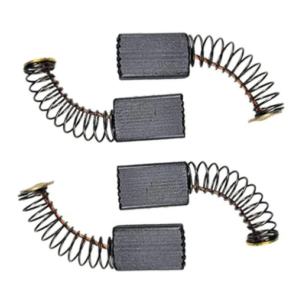
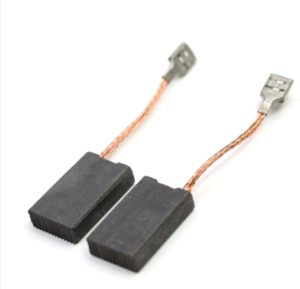
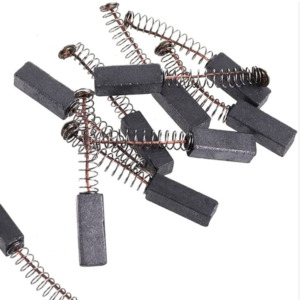
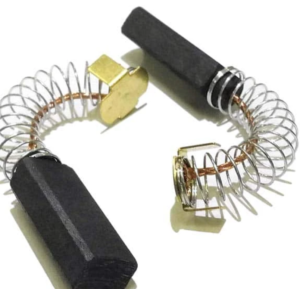
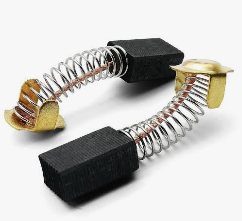
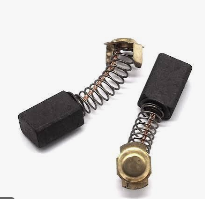
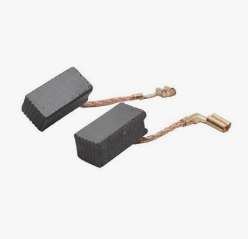
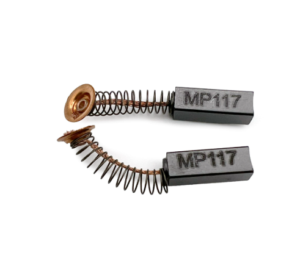
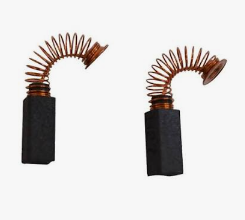
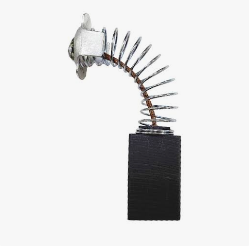
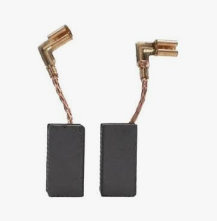
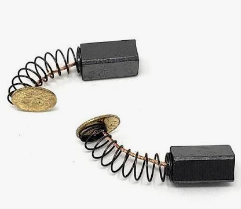
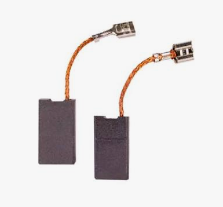
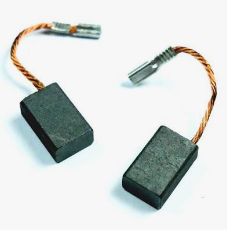
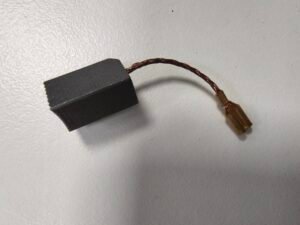
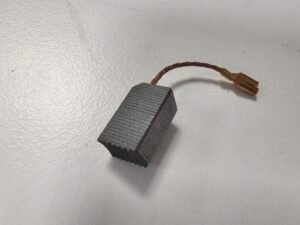
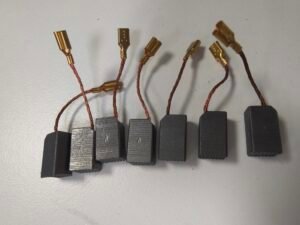
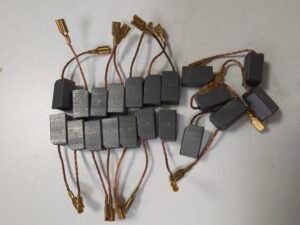
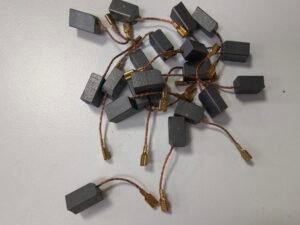
Carbon Brush for Sale:
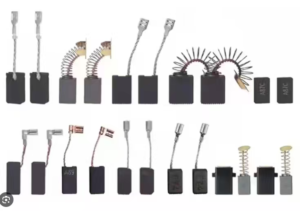
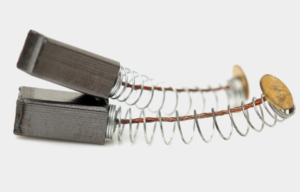
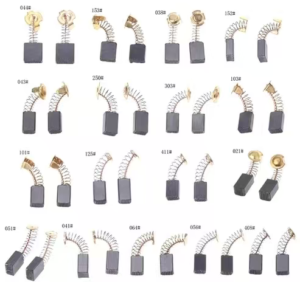
Post about Carbon Brush:
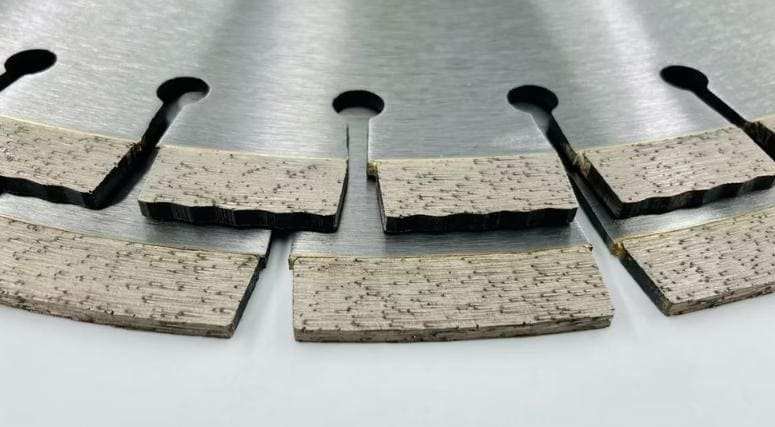
Diamond Blade
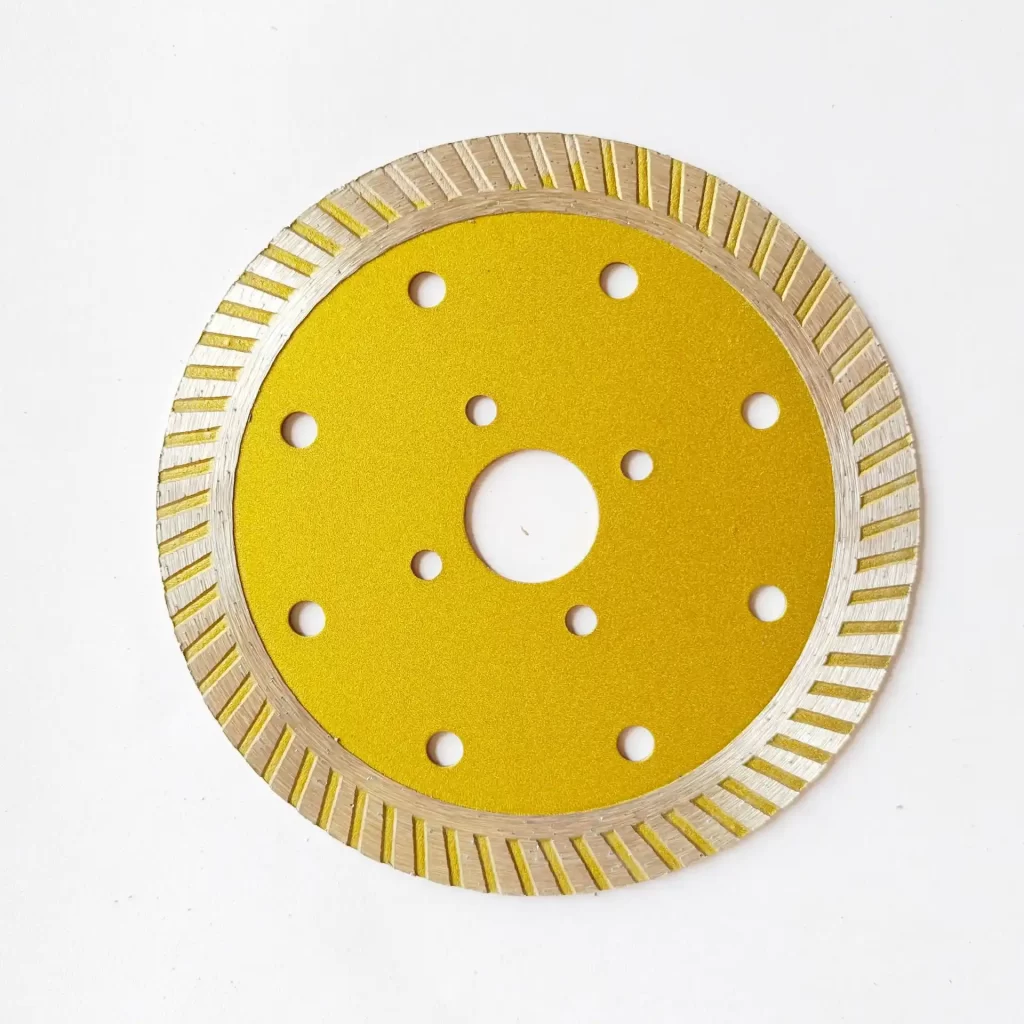

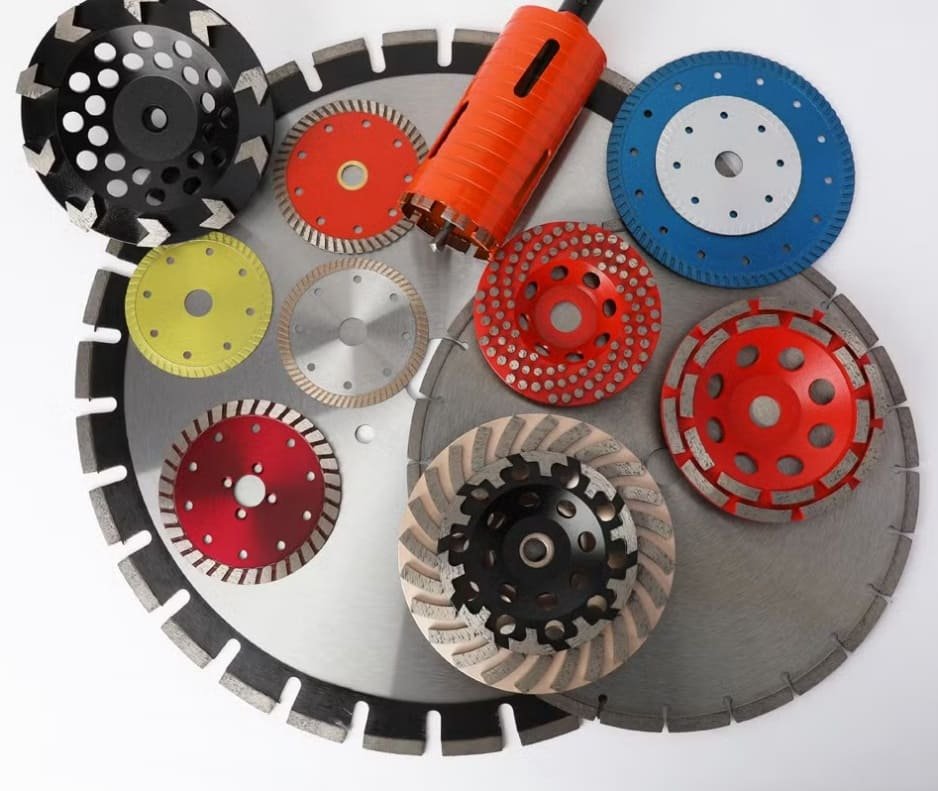
Welcome to call us
Contact Us to get quotation
Working Time: 8:00~17:00 Monday to Friday.
Applications:
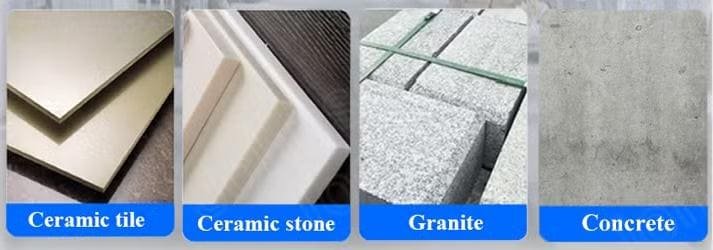
Factory:
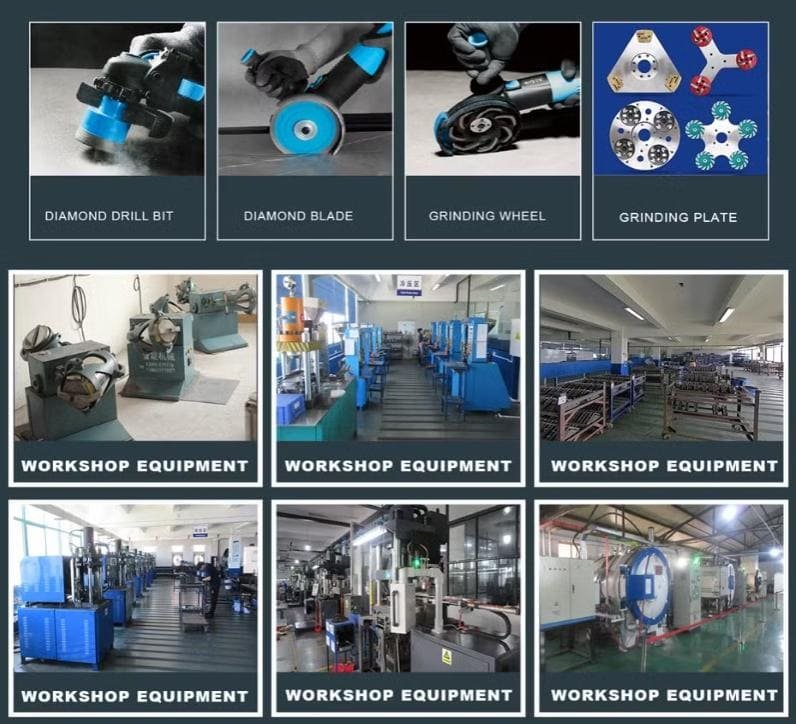
FAQ
Welcome to call us
Contact Us to get quotation
Working Time: 8:00~17:00 Monday to Friday.
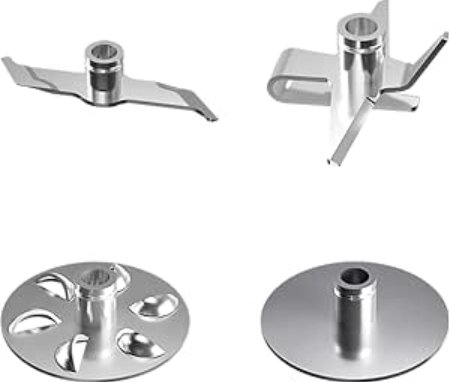
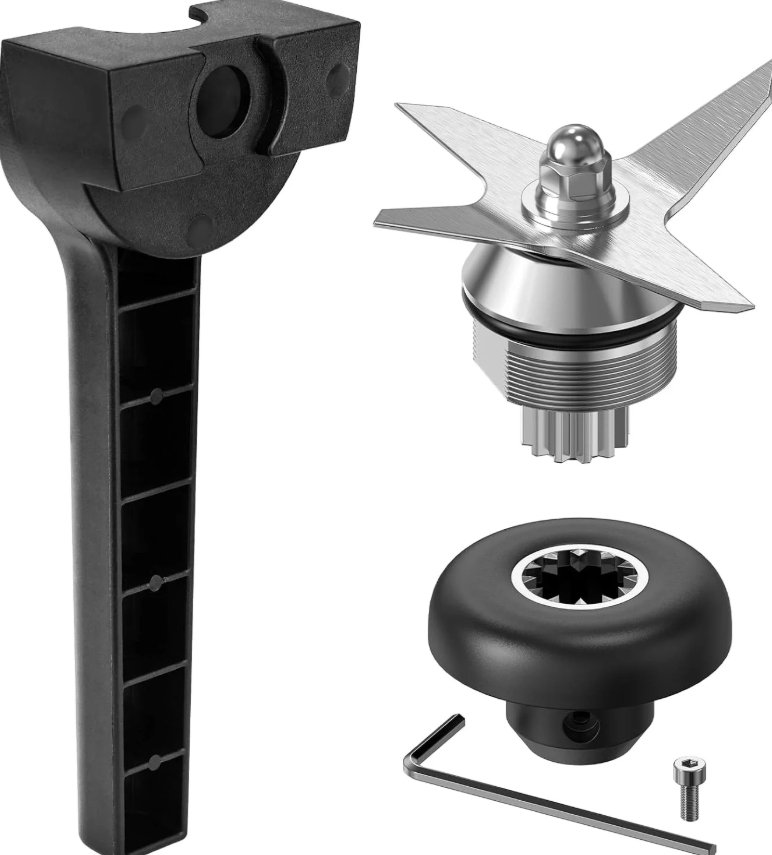
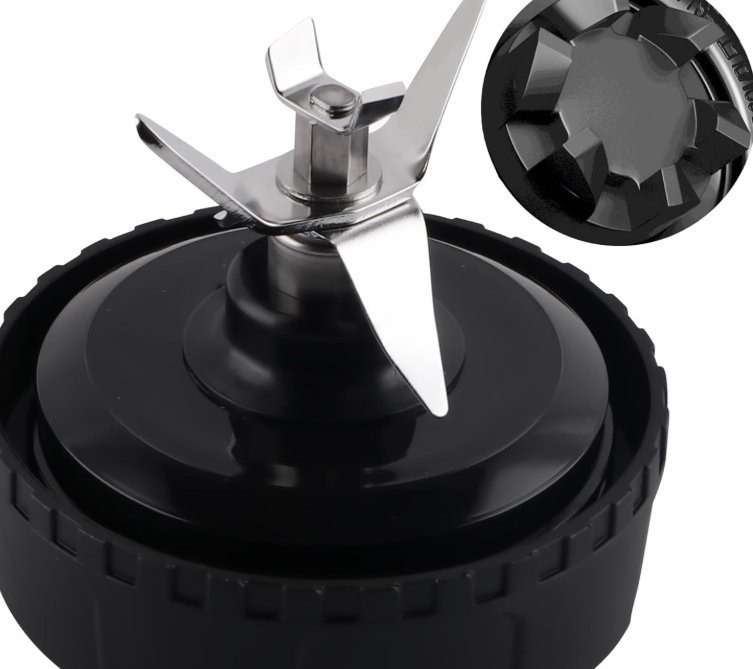
Blender Blade:
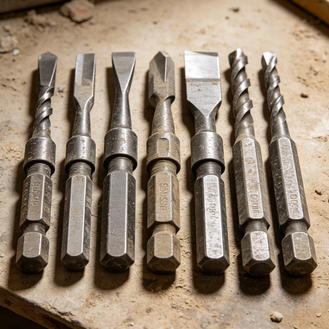
Chisel Bit:
Cutting Wheel:
Diamond Core Drill Bit:
Flap Disc:
Angle Grinder:
Industrial fan:
Demolition Hammer:
Blogs:
You May also Interest in other topics:
Pre-made Bag Granule Flakes Weighing and Packing Machine