What is a carbon brush used for?
What is a carbon brush used for?
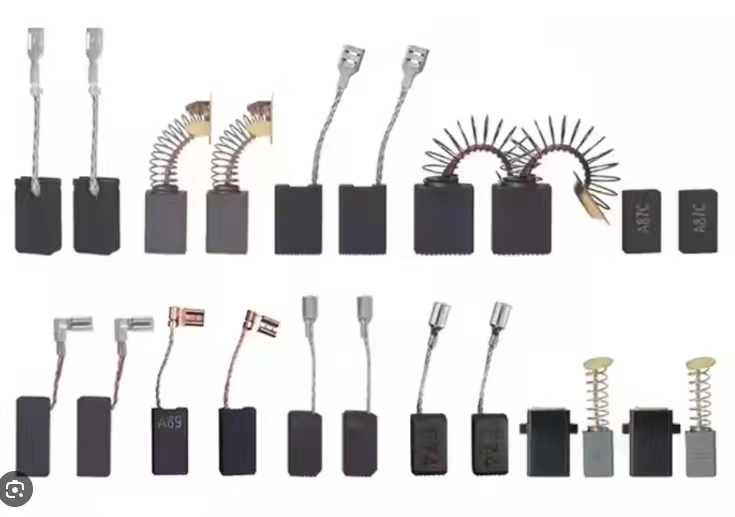
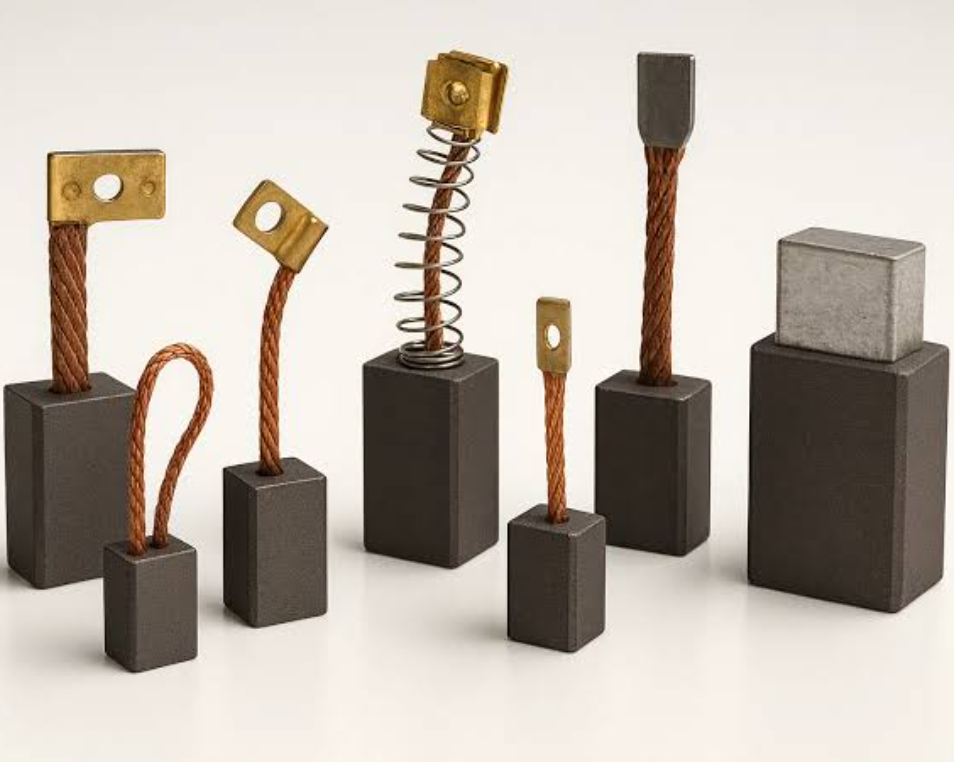
What is a carbon brush used for?A carbon brush serves as a critical sliding contact component for all kinds of rotating electrical equipment, whose core purpose is to achieve reliable transmission of electric current and electrical signals between stationary and rotating mechanical parts, making it an essential foundational part for the stable operation of motors, generators and various brushed power devices. It integrates multiple practical functional values and can adapt to diverse operating environments, covering a wide range of industrial, civil and special industry application scenarios.
Core Functional Purposes of Carbon Brushes
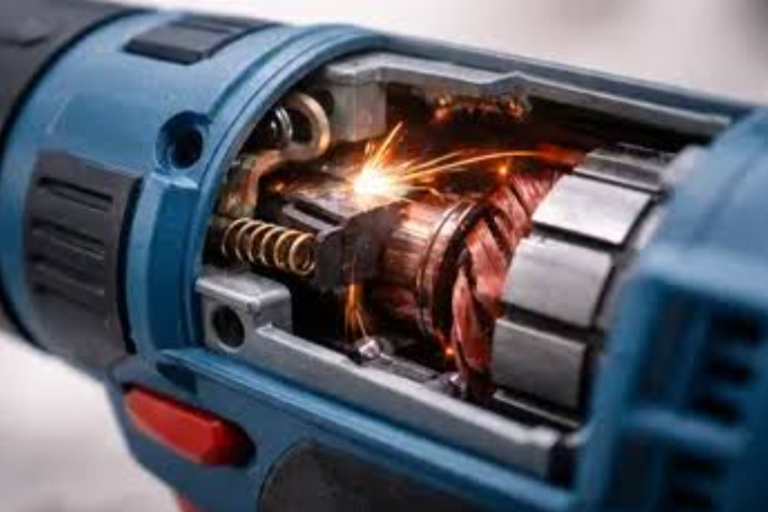
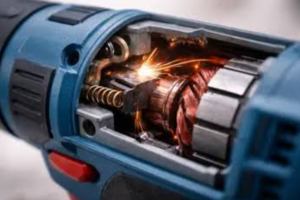
One primary function of carbon brushes is current input and transmission, which delivers external excitation current to the rotating motor rotor to provide stable driving current for equipment operation. In all brushed motor structures, the stator part remains fixed during operation and cannot directly transmit current to the high-speed rotating rotor assembly. Without an effective intermediate conductive medium, the rotor cannot obtain continuous electric energy support and will fail to generate rotational power.
Carbon brushes perfectly solve the power transmission challenge between static and moving components through stable sliding contact conduction. They steadily guide the externally input excitation current into the rotor windings, ensuring the rotor obtains rated working current at all operating stages. This continuous and reliable current supply lays the basic power foundation for the motor to maintain stable rotation and mechanical output during long-term operation.
This conductive function is not limited to ordinary small motors but also applies to large industrial generators and heavy-load traction motors. Regardless of equipment power and volume, carbon brushes always undertake the core task of current transmission, ensuring the energy conversion from electric energy to mechanical kinetic energy proceeds smoothly and continuously.
Carbon brushes also feature vital static grounding and discharge functions, which release static charges accumulated on motor shafts to the ground and prevent insulation breakdown caused by static buildup. During the long-term high-speed operation of motors and generators, mechanical friction between internal parts and electromagnetic induction effects will continuously generate static electricity on the equipment spindle.
If static charges accumulate on the shaft for a long time without effective release, excessive static voltage will form on the equipment surface. This residual static electricity will easily break down the motor’s internal insulating layer, damage precision coil structures, and even trigger short-circuit faults and equipment burnout in severe cases. Carbon brushes act as a safe grounding channel to continuously export accumulated static charges.
By connecting the rotating shaft and the grounding system through its conductive performance, the carbon brush eliminates static potential differences inside the equipment, stabilizes the internal electromagnetic operating environment, and effectively protects the motor insulation structure and internal precision components from static damage.
Another key application of carbon brushes is real-time electrical signal collection, which extracts shaft potential signals for rotor grounding protection devices to monitor equipment operating status and potential faults. During the operation of large power motors and generators, the real-time voltage value of the rotor to the ground is an important indicator for judging electrical insulation performance and operating safety.
Carbon brushes can stably capture and export the real-time potential signals of the rotating shaft, providing accurate data support for professional rotor grounding protection systems. The supporting detection devices rely on these collected signals to measure the positive and negative ground voltage of the rotor in real time, realizing dynamic monitoring of motor electrical status.
This signal acquisition function enables equipment systems to timely detect hidden faults such as insulation aging, partial discharge and unbalanced current distribution. It provides early warning for equipment maintenance, effectively avoiding sudden failures and safety accidents in the operation of high-power electrical equipment.
Carbon brushes undertake precise commutation and current regulation tasks in DC commutator motors, ensuring the motor maintains consistent unidirectional rotation during continuous operation. In DC motor working principles, the rotor coil will continuously change its relative position with the magnetic field during rotation, which will cause natural reversal of induced current inside the coil.
Without effective commutation adjustment, the motor output torque will fluctuate sharply, resulting in unstable rotation, jitter or even reverse operation. Carbon brushes cooperate closely with the motor commutator to instantly switch the current direction inside the rotor windings during high-speed sliding contact.
This accurate commutation adjustment keeps the motor’s internal current direction consistent and the torque output stable at all times. It eliminates power fluctuation and rotational instability caused by current reversal, ensuring the DC motor can operate continuously, smoothly and in a fixed direction under various load conditions.
Mainstream Industry Application Scenarios of Carbon Brushes
Carbon brushes are widely used in heavy-duty industrial equipment, serving as core conductive accessories for various high-load and long-running industrial power machinery. They are fully compatible with railway locomotive traction motors, metallurgical steel rolling motors, port lifting equipment and mining mechanical motors that operate under heavy loads for a long time. These industrial devices require strong current conduction capacity and stable continuous operation performance.
In thermal power generation scenarios, carbon brushes are key matching parts for steam turbine generators, maintaining stable current transmission and signal collection during long-cycle power generation operation. Industrial equipment usually features long continuous working hours, large load fluctuation and harsh operating conditions, and high-performance carbon brushes can adapt to high-intensity industrial operation requirements and effectively reduce equipment failure rates.
Relying on excellent conductivity, wear resistance and stable commutation performance, industrial-grade carbon brushes ensure the safe and efficient operation of heavy industrial machinery, supporting the stable progress of industrial production, transportation, mining and power generation work.
Carbon brushes also cover a full range of civil equipment and new energy fields, adapting to all kinds of small and medium-sized motors with commutator structures. In civil scenarios, they are commonly applied to elevator operating motors, papermaking machinery and various automated production equipment, ensuring stable mechanical operation and efficient power output.
In the new energy industry, carbon brushes are indispensable core parts for new energy vehicle drive motors, adapting to the frequent start-stop and variable-load operating characteristics of new energy vehicles. At the same time, they are widely used in daily handheld power tools, household vacuum cleaners, washing machines and other civilian electrical equipment, meeting the daily power transmission needs of household and commercial electrical appliances.
Civil and new energy equipment puts forward higher requirements for carbon brush stability and mute performance. Conventional universal carbon brushes can balance wear resistance and conductive efficiency, effectively meeting the lightweight and stable operation demands of civilian and new energy equipment.
Special customized carbon brushes with exclusive material formulas can adapt to extreme working conditions and serve segmented industries with harsh operating environments. Ordinary standard carbon brushes are limited by material characteristics and are difficult to operate stably in ultra-high humidity or ultra-dry low-humidity environments, while special-process carbon brushes overcome environmental limitations.
These high-adaptability carbon brushes are widely used in wind power generation equipment, industrial forklift motors, printing machinery and food processing professional motors. Wind power equipment operates outdoors for a long time with complex and changeable humidity and temperature, while food processing and printing equipment have strict requirements on part stability and low pollution.
Special carbon brushes can maintain stable conductive performance, self-lubricating effect and structural stability in extreme environments, avoiding performance attenuation and excessive wear caused by environmental changes, and providing reliable component guarantee for the safe operation of various segmented professional equipment.
Q&A Session
Q1: What are the most fundamental functions of a carbon brush in motor operation?
The most fundamental functions of a carbon brush include stable current transmission and precise current commutation. It delivers external excitation current to rotating motor rotors to provide driving power for equipment operation, and adjusts the internal current direction of rotor coils in real time to ensure consistent and stable motor rotation. These two core functions are the basic guarantee for the normal operation of all brushed motors.
Q2: Why can carbon brushes prevent motor insulation damage caused by static electricity?
During long-term motor operation, friction and electromagnetic induction will generate continuous static charges on the equipment shaft. Carbon brushes provide a stable grounding discharge channel to guide accumulated static electricity to the ground in real time. This eliminates excessive static potential inside the motor, avoids static breakdown of the insulating layer, and effectively protects the motor’s internal coil and insulation structure.
Q3: What is the difference between industrial and civil carbon brush applications?
Industrial carbon brushes focus on high conductivity, high wear resistance and overload resistance, adapting to heavy-load, long-hour and high-intensity operating scenarios such as traction motors and generators. Civil carbon brushes prioritize stability, low noise and cost performance, suitable for light-load and intermittent operating equipment such as household appliances and handheld power tools. Special carbon brushes are customized for extreme environments and segmented industry needs.
Q4: How does the signal collection function of carbon brushes protect equipment safety?
Carbon brushes extract real-time potential signals from the motor shaft for rotor grounding protection devices to measure rotor ground voltage. This enables real-time monitoring of motor insulation status and electrical abnormalities, helping maintenance personnel discover hidden faults such as insulation aging and current imbalance in advance, and avoid sudden equipment failure and safety accidents.
Summary
In conclusion, carbon brushes are essential sliding contact conductive components for rotating electrical equipment, undertaking four core functional tasks including current input transmission, static grounding discharge, electrical signal collection and motor current commutation regulation. They provide stable power support, static protection and fault monitoring guarantees for various brushed motors and generators. With strong scenario adaptability, carbon brushes cover heavy industrial equipment, civil electrical appliances, new energy devices and special industry equipment suitable for extreme environments. Different functional orientations and material characteristics enable carbon brushes to meet the differentiated operation demands of diverse equipment, ensuring long-term stable, safe and efficient operation of various rotating electrical machinery.
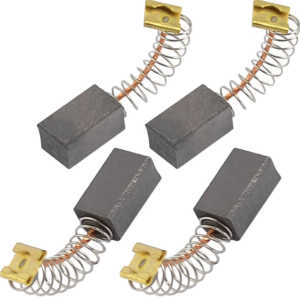
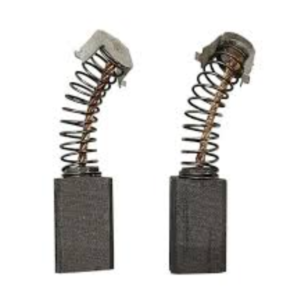
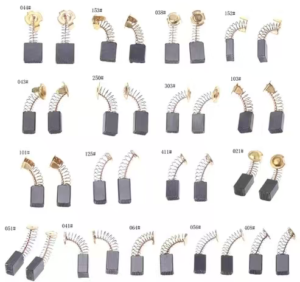
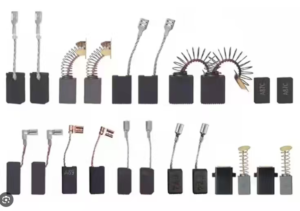
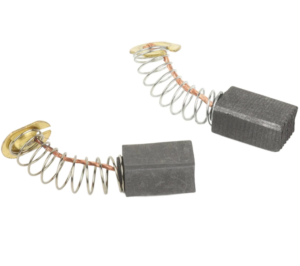
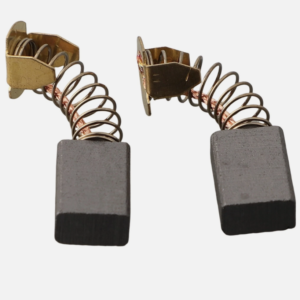
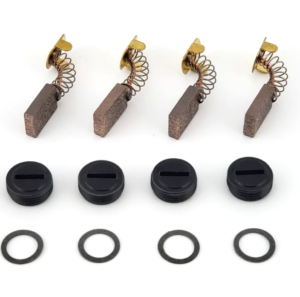
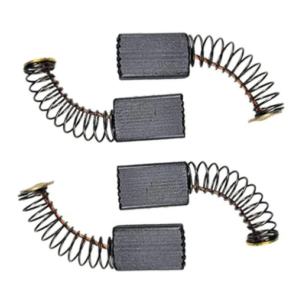
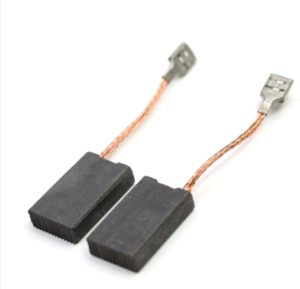
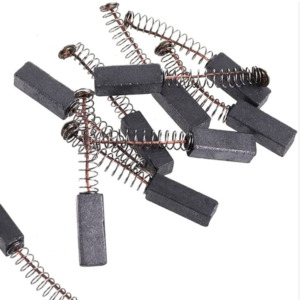
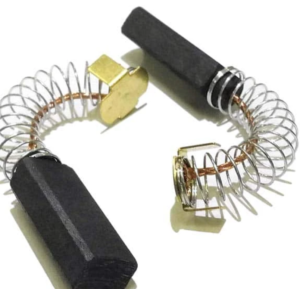
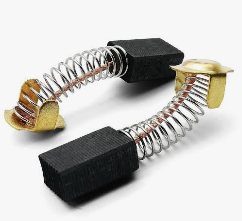
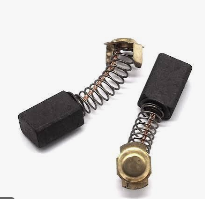
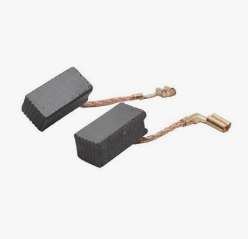
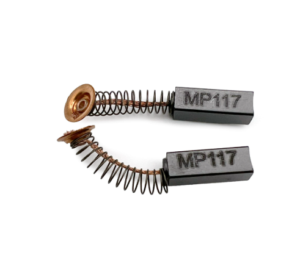
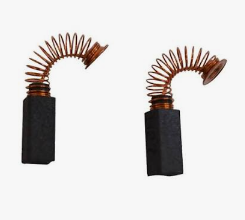
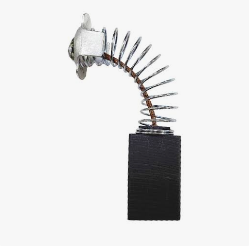
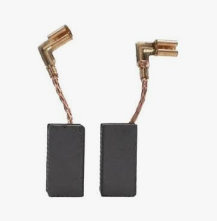
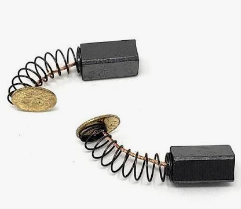
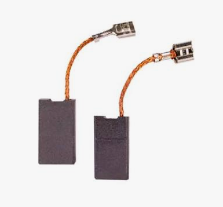
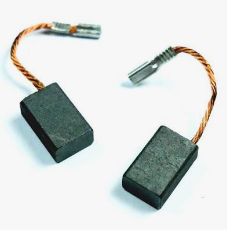
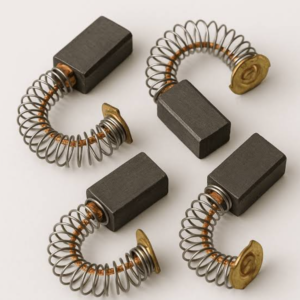
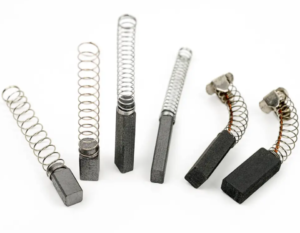
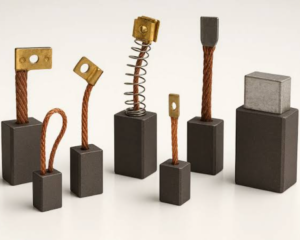
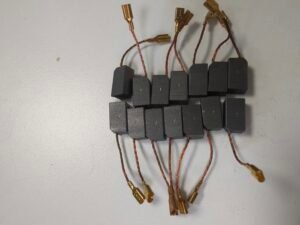
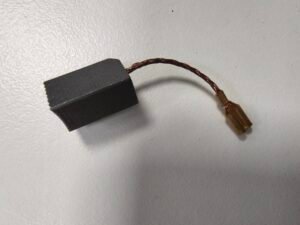
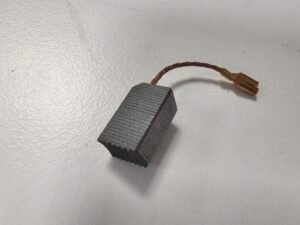
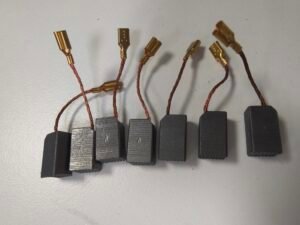
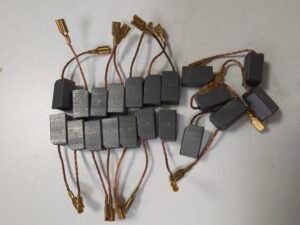
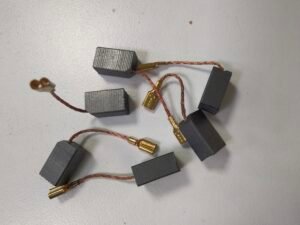
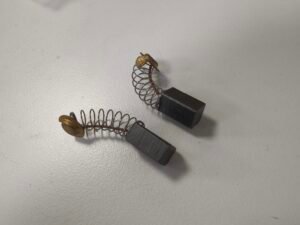
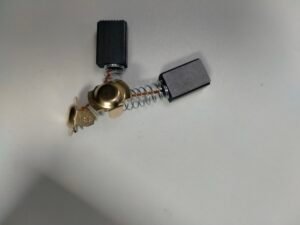
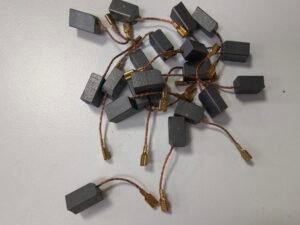
Carbon Brush for Sale:
Post about Carbon Brush:
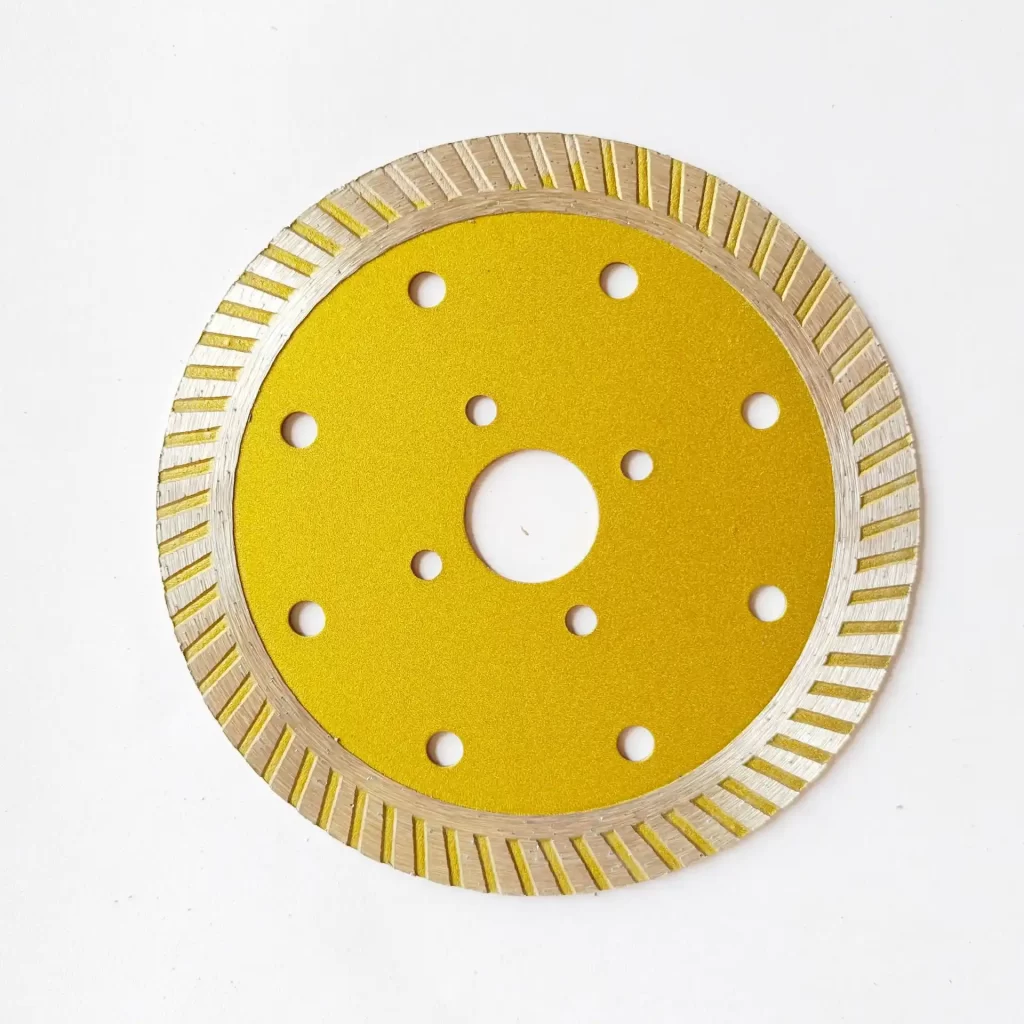
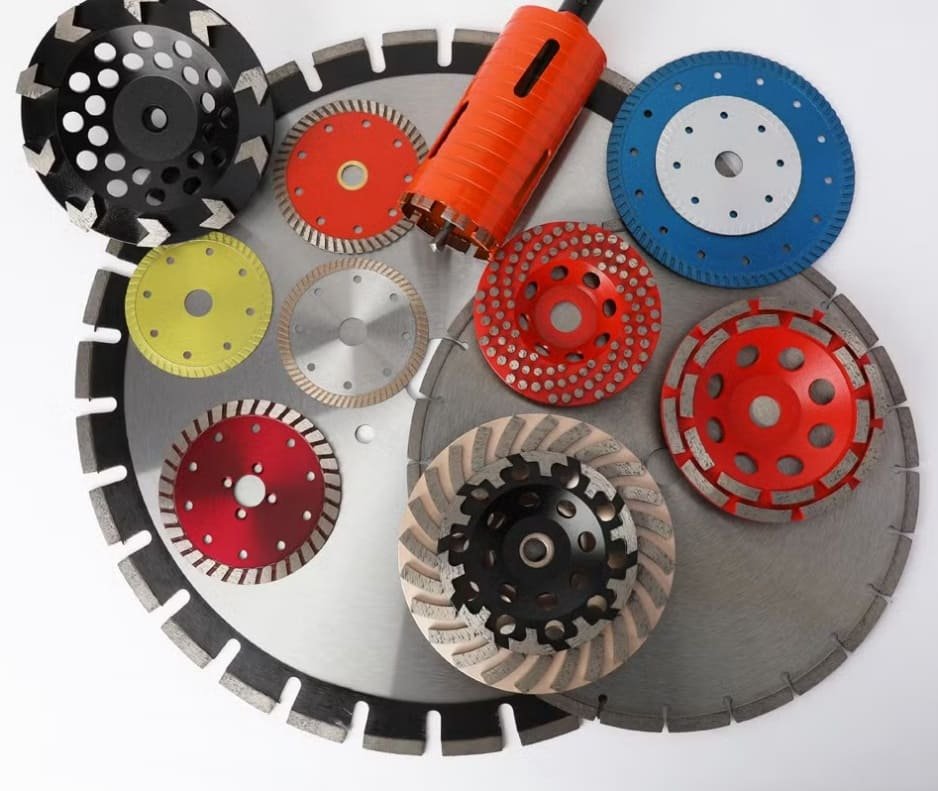
Diamond Blade

Welcome to call us
Contact Us to get quotation
Working Time: 8:00~17:00 Monday to Friday.
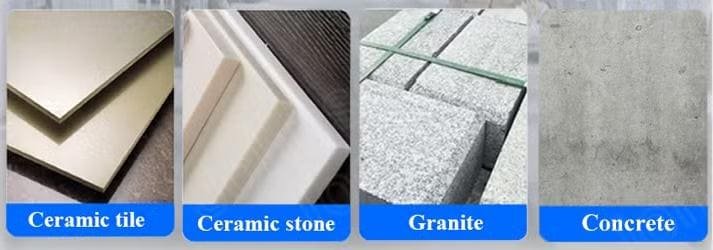
Applications:
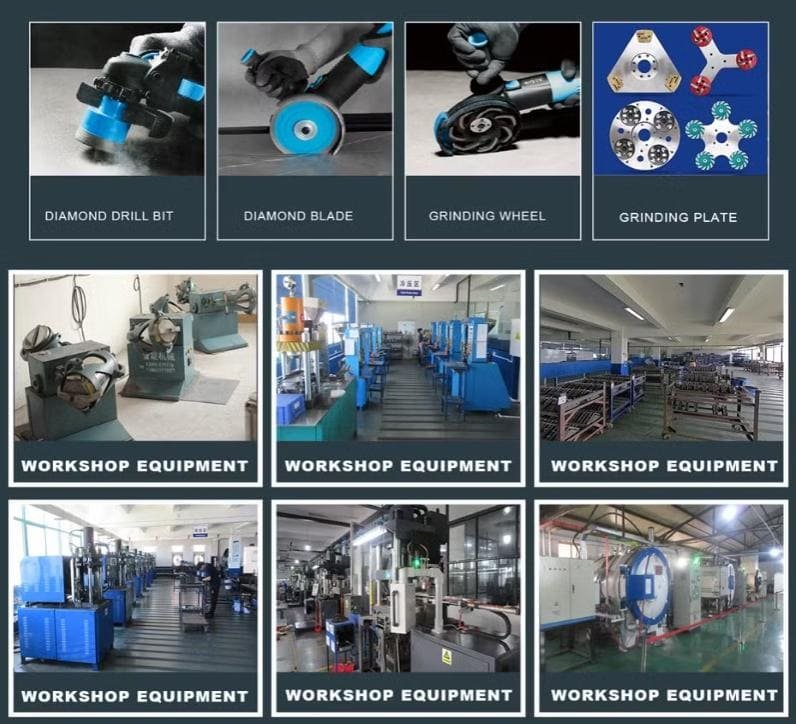
Factory:
FAQ
Welcome to call us
Contact Us to get quotation
Working Time: 8:00~17:00 Monday to Friday.
Blender Blade:
Chisel Bit:
Cutting Wheel:
Diamond Core Drill Bit:
Flap Disc:
Angle Grinder:
Industrial fan:
Demolition Hammer:
Blogs:
You May also Interest in other topics:
50kw ev charger 0 250 50KW EV Charger DC CCS1,2/CHAdeMO China Manufacturer