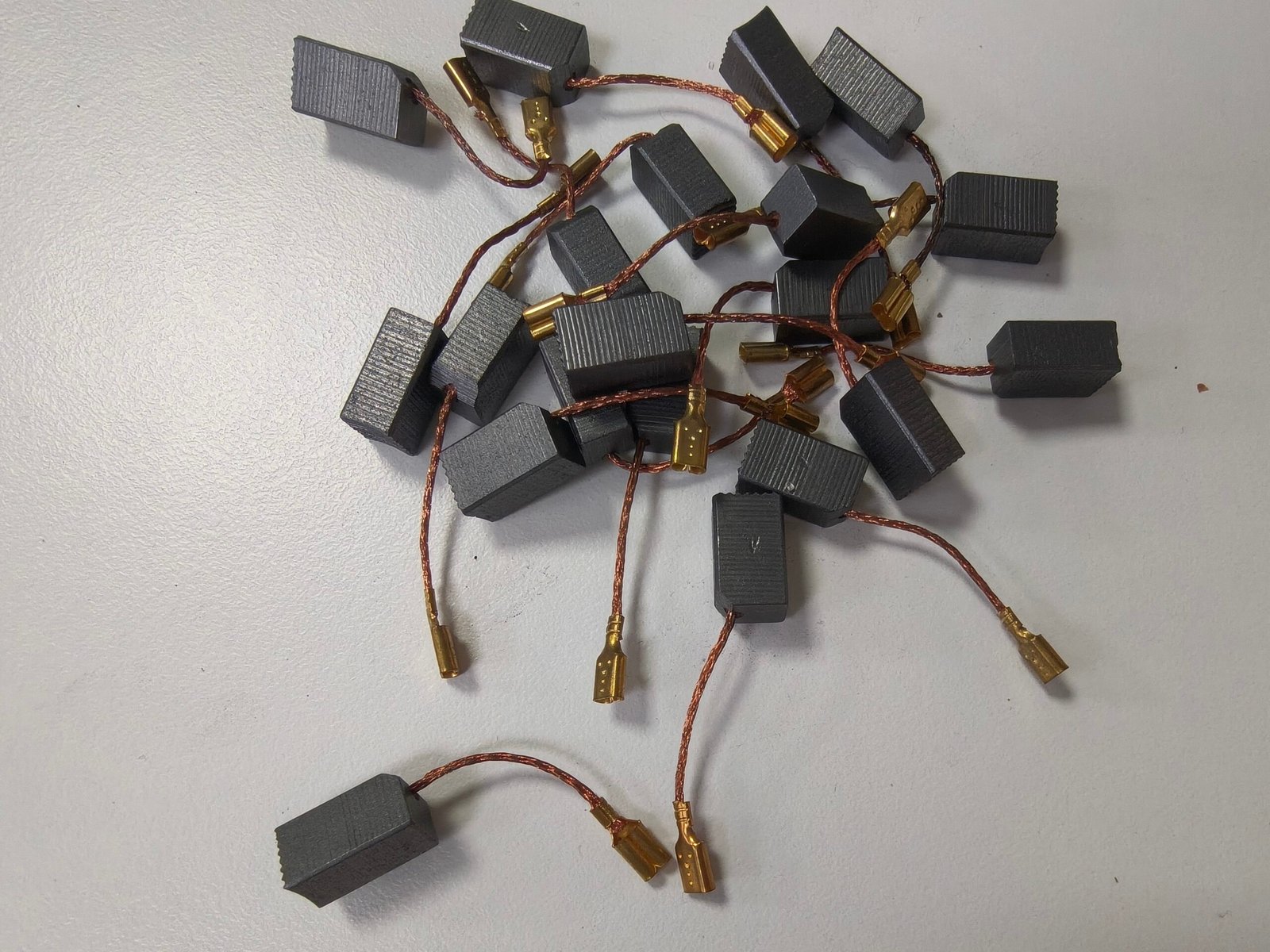
What is carbon brush?
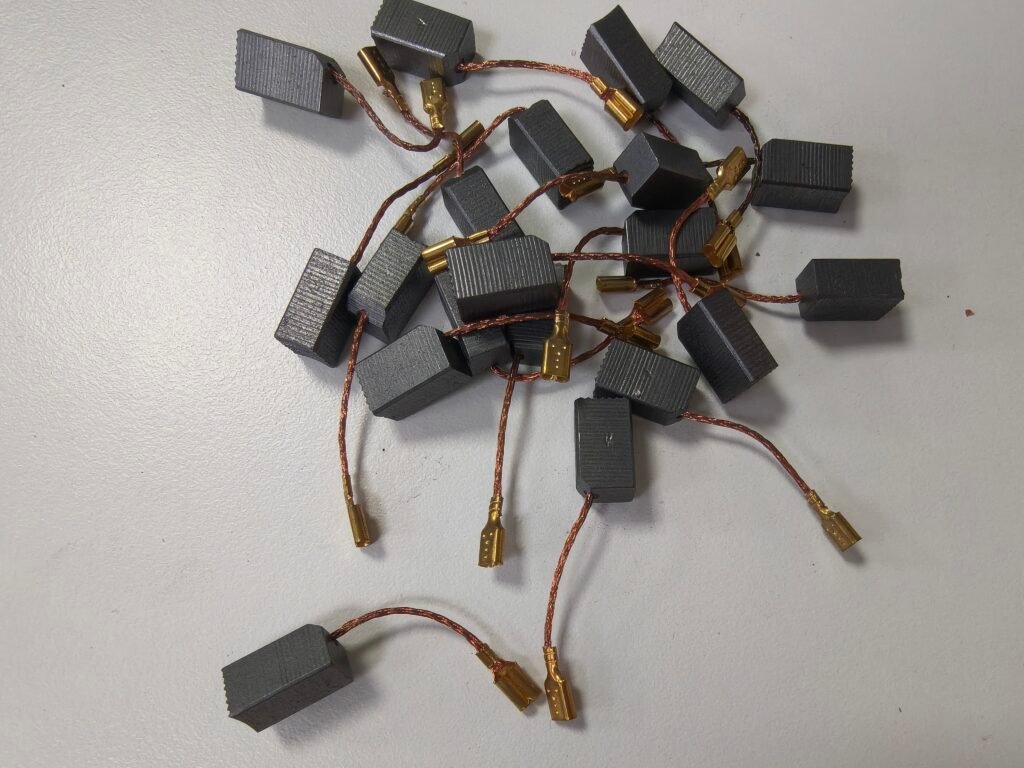
What is carbon brush?
What is carbon brush?A carbon brush, also commonly known as an electric brush, is a widely utilized sliding contact component that transmits electric energy and electrical signals between the stationary components and rotating parts of rotating machinery such as electric motors and generators. It serves as a critical bridge for electrical connection in rotating mechanical equipment and is an indispensable basic consumable for the normal operation of various brushed power devices.
Basic Properties of Carbon Brushes
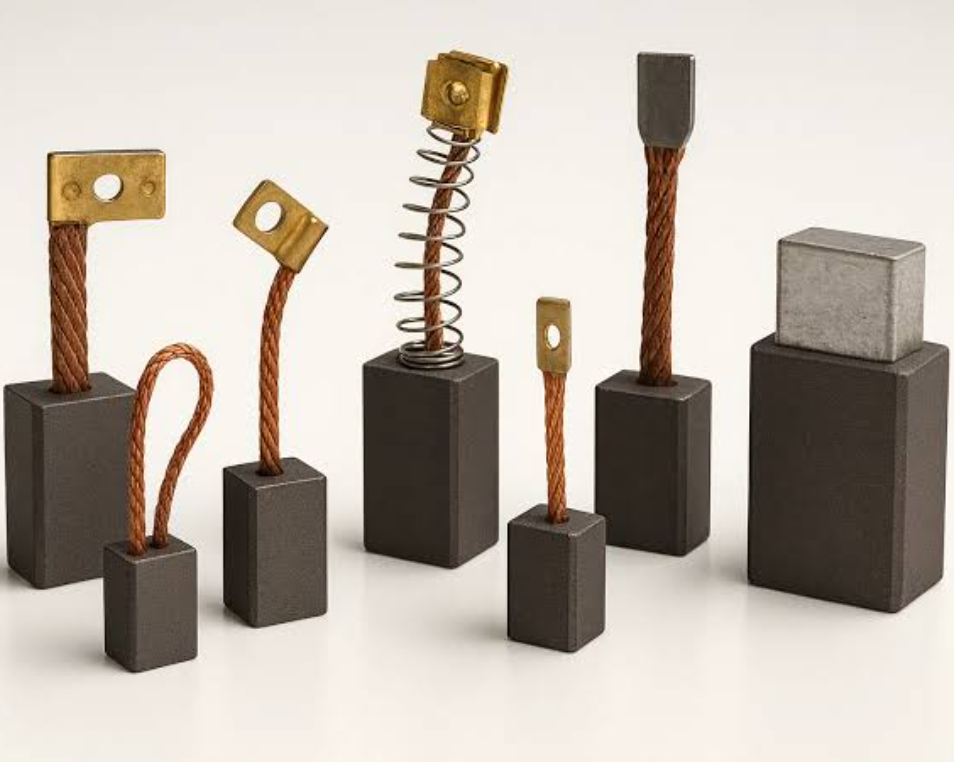
Carbon brushes are carbon-based functional components primarily composed of carbon materials and coagulants, with carbon acting as the core conductive and structural substrate. The mainstream manufacturing formula adopts pure carbon powder mixed with professional coagulants, which are pressed and sintered into integrated solid structural parts with stable physical and electrical properties. According to different material formulas and processing techniques, common carbon brushes on the market are divided into three mainstream types: electrochemical graphite carbon brushes, grease-impregnated graphite carbon brushes, and metal graphite carbon brushes containing copper or silver components. Each material type has unique performance characteristics to adapt to different mechanical operation scenarios and load conditions.
Electrochemical graphite carbon brushes are processed through ultra-high temperature carbonization treatment, featuring compact internal structure and stable comprehensive performance. Grease-impregnated graphite carbon brushes add special lubricating components on the basis of pure carbon materials, which can reduce friction loss during long-term sliding operation. Metal graphite carbon brushes incorporate high-conductivity metal materials such as copper and silver, greatly improving current carrying capacity, making them more suitable for high-current and high-load working environments. This diversified material classification enables carbon brushes to cover almost all types of rotating mechanical power transmission demands.
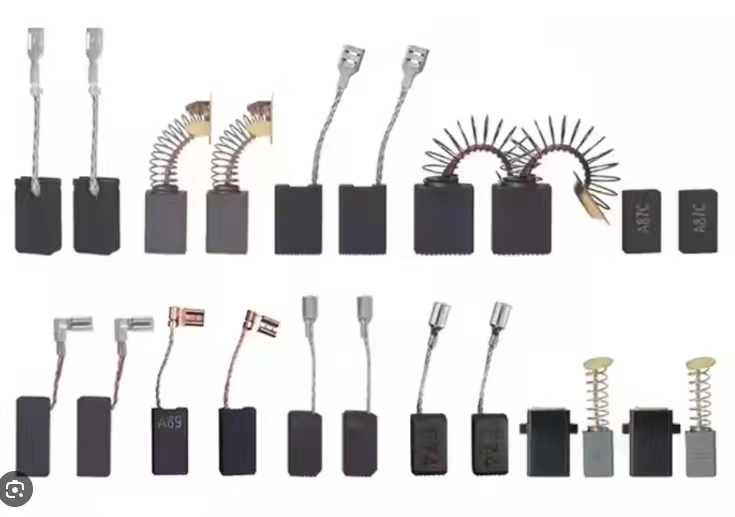
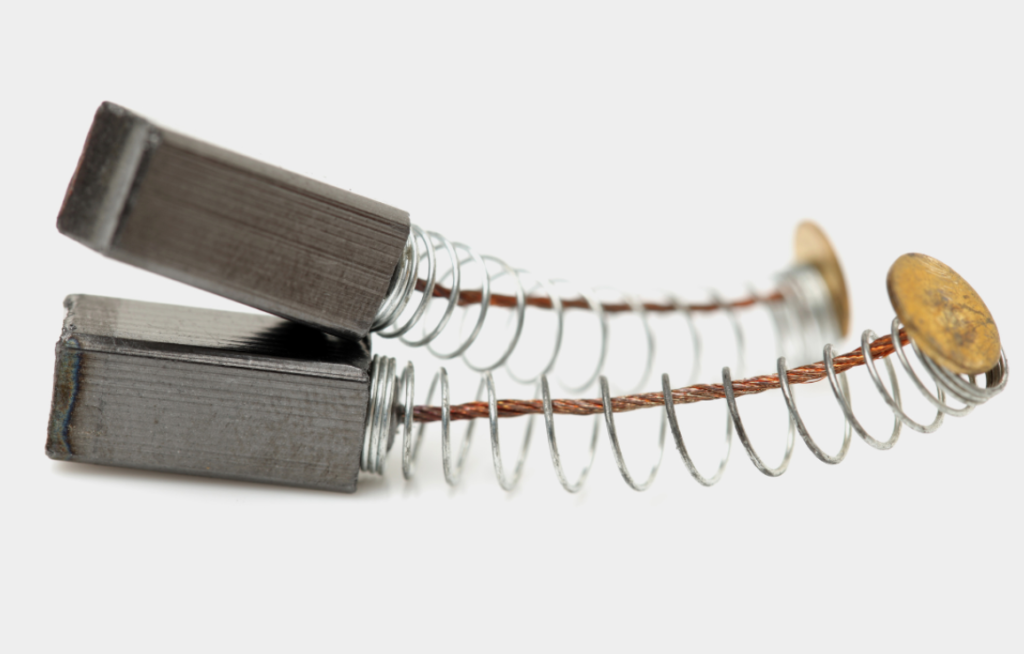
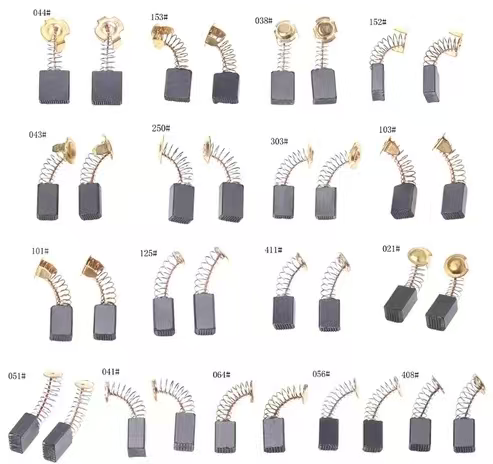
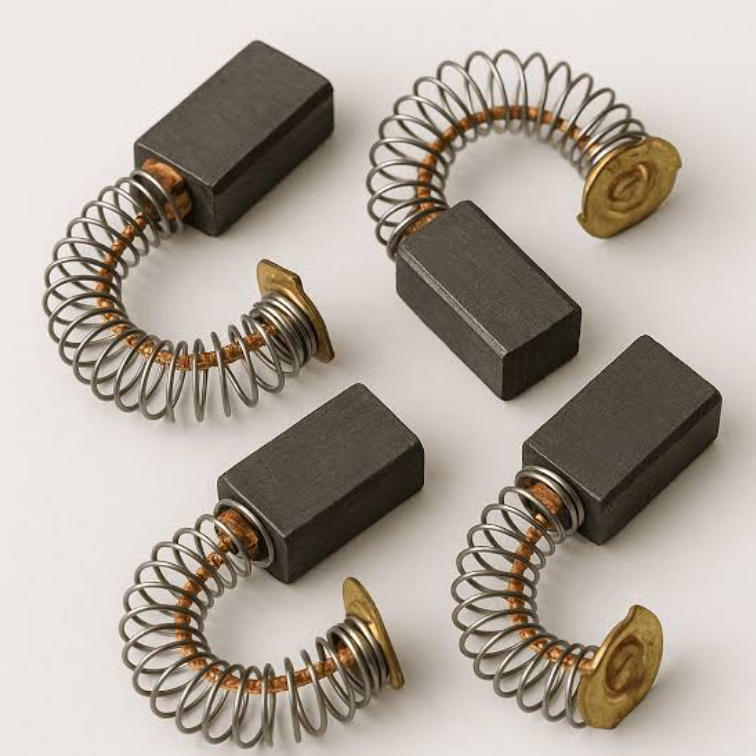
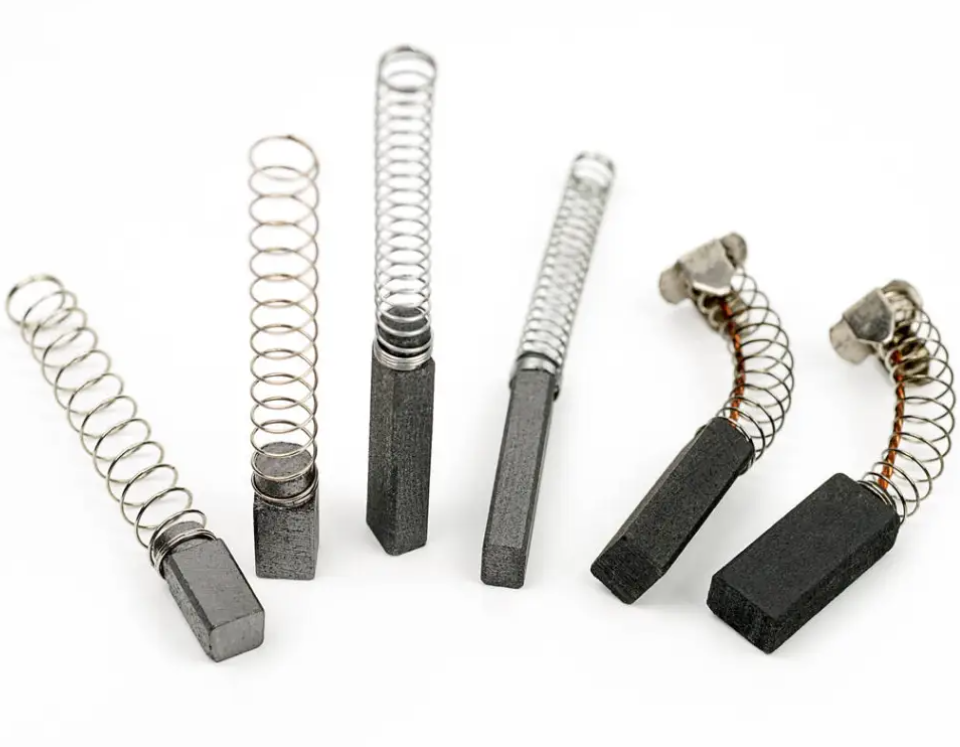
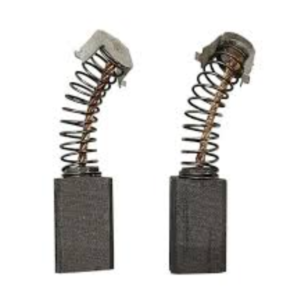
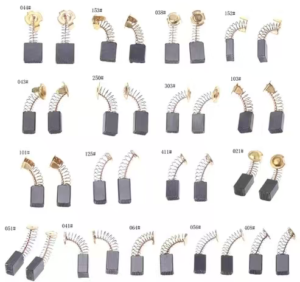
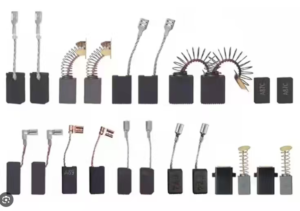
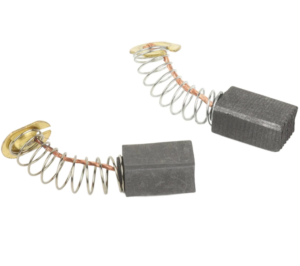
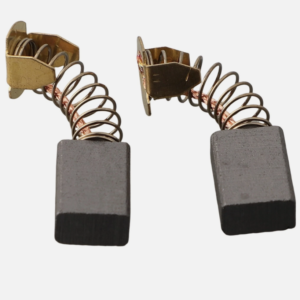
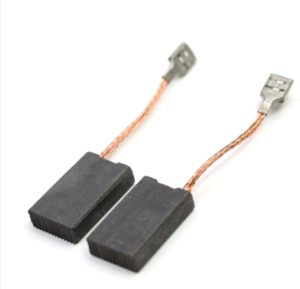
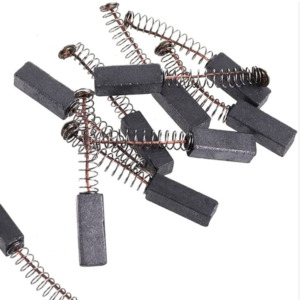
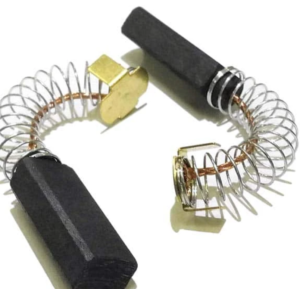
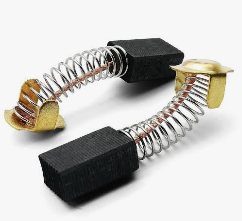
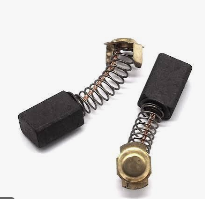
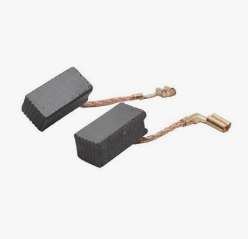
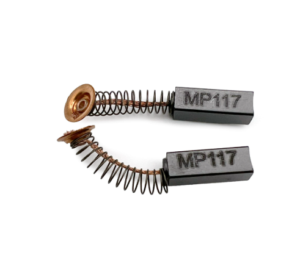
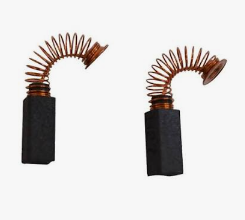
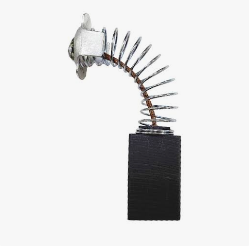
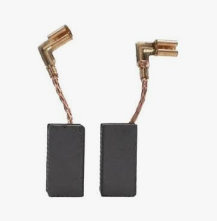
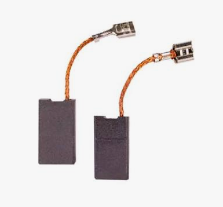
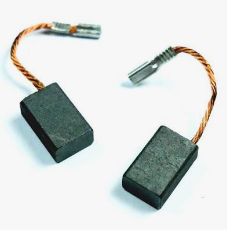
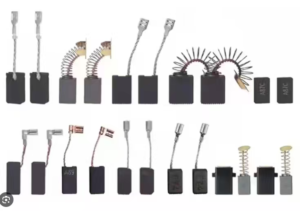
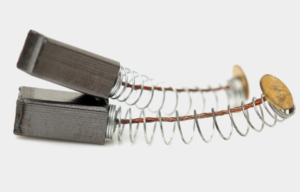
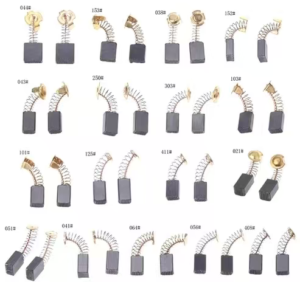
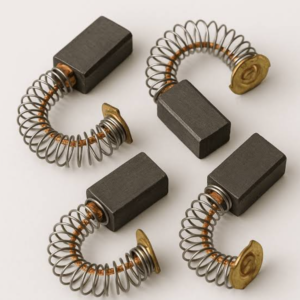
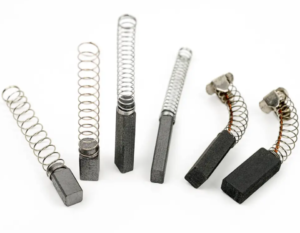
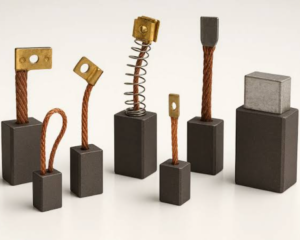
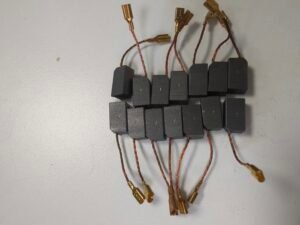
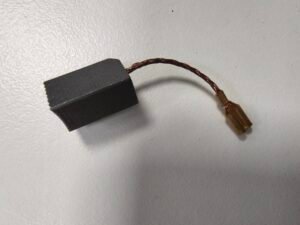
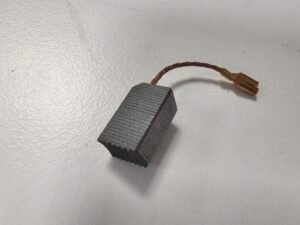
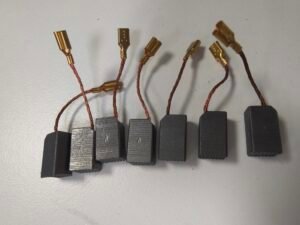
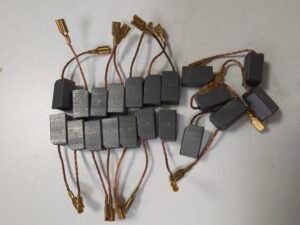
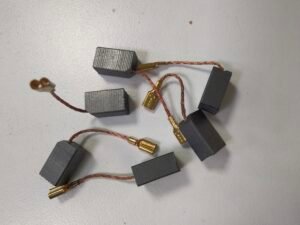
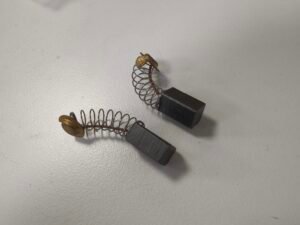
In terms of external shape and structural form, most conventional carbon brushes adopt a standard square block structure, which is the most common specification matching mainstream motors and generators. In addition, a small number of special customized carbon brushes are designed in a round shape to adapt to special brush holder structures of individual precision equipment. Regardless of the shape, most finished carbon brushes are equipped with leading wires on the top, forming an integrated structure of hard carbon block and conductive wire.
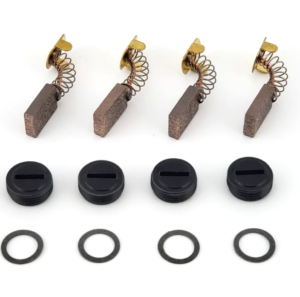
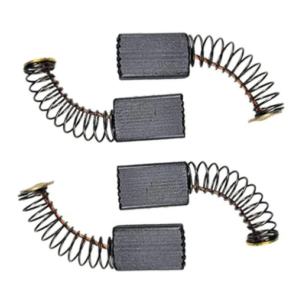
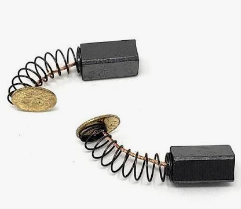
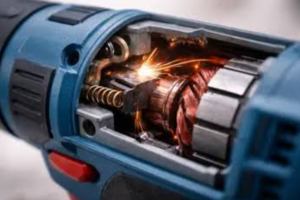
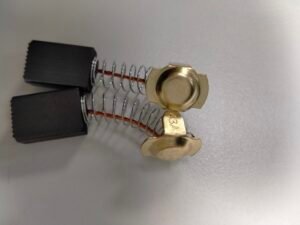
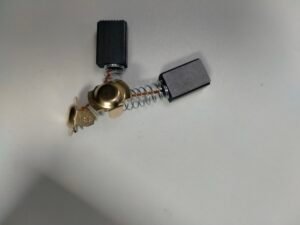
The installation and working mode of carbon brushes are highly fixed and standardized. During equipment assembly, carbon brushes are installed inside the motor brush holder and tightly pressed against the surface of the rotor commutator or slip ring by matching elastic springs. This structural design ensures that the carbon brush can maintain continuous and close sliding contact with high-speed rotating parts, stably completing long-term power and signal transmission while adapting to the wear loss of the carbon brush itself.
Core Functions of Carbon Brushes
One of the most fundamental core functions of carbon brushes is to transmit external excitation current to the rotating rotor of the motor, realizing stable input of operating current. In brushed motor equipment, the stator part remains static during operation, while the rotor rotates continuously at high speed. It is impossible to set fixed wiring to supply power to the rotating rotor. Carbon brushes perfectly solve the power transmission problem between static and rotating structures through sliding contact conduction.
This continuous current transmission ensures that the rotor winding can obtain stable excitation current all the time, converting electric energy into mechanical rotational kinetic energy and driving the motor to operate continuously and stably. Without qualified carbon brushes to undertake current conduction work, the motor rotor cannot obtain power support, and the entire mechanical equipment will fail to operate normally.
Carbon brushes also have an important grounding discharge function, which can guide the static charge accumulated on the high-speed rotating shaft to the ground. During the long-term operation of generators and large rotating motors, mechanical friction and electromagnetic induction will generate a certain amount of static charge on the equipment shaft. Accumulated static electricity will cause potential safety hazards such as shaft voltage and partial discharge, and even interfere with the normal operation of precision equipment.
By relying on the conductive connection characteristics of carbon brushes, the static charge on the large rotating shaft can be safely and continuously released to the ground, eliminating static accumulation problems, stabilizing the internal electromagnetic environment of the equipment, and effectively protecting the operational safety and stability of rotating machinery.
In addition, carbon brushes can provide accurate grounding signals for rotor grounding protection devices, realizing real-time monitoring of rotor-to-ground voltage. In industrial power equipment, the operating state of the motor rotor needs to be monitored in real time to avoid equipment faults caused by abnormal voltage and current. The stable conductive contact state of carbon brushes can feed back the real-time electrical signal of the rotor to the detection device.
This signal transmission function enables the system to accurately measure the rotor-to-ground voltage, timely discover abnormal electrical conditions such as insulation aging and partial discharge of the rotor, and provide effective data support for equipment fault early warning and safe operation maintenance.
For commutator motors, carbon brushes undertake the key commutation task of changing the current direction inside the rotor coil. During the continuous rotation of the motor, the current direction of the rotor coil needs to be switched synchronously to ensure that the motor output torque remains consistent and stable.
In the process of sliding contact with the commutator, carbon brushes can instantly switch the current conduction path, accurately complete the commutation action, avoid rotational jitter and power fluctuation caused by inconsistent current direction, and ensure the stable and continuous mechanical output of the motor.
Main Classifications and Applicable Scenarios of Carbon Brushes
Metal graphite carbon brushes take electrolytic copper and graphite as the core raw materials, and some high-end customized products are added with silver powder to further enhance conductive performance. This type of carbon brush has extremely strong current transmission capacity and overload resistance, far exceeding ordinary pure graphite carbon brushes, and is specially designed for low-voltage and high-load motor equipment.
The most typical application scenario of metal graphite carbon brushes is automotive starting motors, which require instantaneous high-current drive and high-torque output. The excellent conductivity of metal graphite materials can meet the instantaneous high-power demand of starting motors. To ensure operational safety and stability, this type of carbon brush has a clear speed limit, and the applicable peripheral speed of equipment shall not exceed 30 meters per second to avoid excessive wear and abnormal heating caused by ultra-high-speed operation.
Natural graphite carbon brushes are made of high-purity natural graphite raw materials, with excellent natural lubrication performance and stable current collection capacity. The material structure of natural graphite is fine and smooth, with low friction coefficient and uniform sliding contact effect, which will not cause severe wear and impact on the motor commutator during operation.
This type of carbon brush is very suitable for mechanical equipment with stable operating speed and small load fluctuation, and is widely used in medium and small-sized DC motors that run smoothly for a long time. At the same time, it is also a matching accessory for the slip ring of high-speed turbo generators, which can maintain stable current collection effect under high-speed operating conditions and ensure the stable operation of power generation equipment.
Electrochemical graphite carbon brushes are artificial microcrystalline graphite materials formed after ultra-high temperature treatment at 2500 degrees Celsius. After high-temperature refining, the internal structure of the material is more compact and uniform, with outstanding commutation performance and self-lubricating characteristics. It produces tiny wear on the motor commutator and can effectively suppress commutation sparks and local overheating.
Electrochemical graphite carbon brushes have extremely wide adaptability, compatible with almost all conventional AC and DC motors, and are the most versatile carbon brush type in the market. Compared with other types of carbon brushes, it has a longer service life and more stable comprehensive performance, which can adapt to light-load, medium-load and variable-load operating scenarios, and is widely used in civilian equipment and industrial conventional mechanical motors.
Operation and Maintenance Guidelines for Carbon Brushes
Carbon brushes are typical wearable and consumable parts of rotating mechanical equipment, and regular inspection and maintenance are essential to ensure equipment stability. During long-term sliding friction operation, carbon brushes will be continuously consumed and worn, with gradual thinning of volume and decreasing conductive performance. Regular manual inspection of wear degree can timely discover aging and failure risks of carbon brushes.
When the carbon brush is worn to the specified limit size, it must be replaced in a timely manner to avoid poor contact and power failure caused by excessive wear. Meanwhile, a large amount of fine carbon powder will be generated during the friction process. Regular cleaning of accumulated carbon deposits inside the motor can prevent carbon powder from blocking the sliding gap of the carbon brush and affecting the normal operation of the equipment.
In daily maintenance, the same model of carbon brushes must be used for the same motor equipment, and mixed use of different types of carbon brushes is strictly prohibited. Different carbon brushes have differences in material resistance, wear resistance and structural size, and mixed installation will lead to uneven current distribution and unbalanced motor operation.
In addition, the gap between the brush holder and the carbon brush needs to be strictly controlled within the standard range of 0.1 to 0.3 millimeters. Excessive gap will cause the carbon brush to shake during operation, resulting in unstable contact and abnormal sparks; too small a gap will cause the carbon brush to jam and slide unsmoothly. The distance from the lower edge of the brush holder to the commutator surface should be maintained at about 2 millimeters to ensure the best contact and sliding state of the carbon brush.
Carbon brushes in good operating condition will form a uniform and stable oxide film on the surface of the motor commutator after a period of running-in. This natural oxide film can further reduce friction resistance, optimize contact state, and stabilize current transmission efficiency.
Qualified carbon brushes with good operation state have the characteristics of small commutation sparks, no abnormal overheating and low operating noise. Once large sparks, continuous overheating and excessive noise are found during equipment operation, it indicates that the carbon brush is worn abnormally or the fitting state is poor, and the equipment needs to be stopped for inspection, maintenance or replacement in a timely manner.
Q&A Session
Q1: What is the essential working principle of a carbon brush?
A carbon brush relies on its excellent conductive and self-lubricating properties to maintain elastic sliding contact between stationary motor structures and high-speed rotating rotors. It builds a stable movable conductive channel, realizing continuous transmission of current and electrical signals while reducing friction wear between mechanical components, which is the core working principle supporting the normal operation of all brushed rotating machinery.
Q2: How to simply distinguish and select different types of carbon brushes?
Users can select carbon brushes according to equipment load and operating speed. Metal graphite carbon brushes are suitable for low-voltage, high-load and instantaneous high-current equipment such as automotive motors; natural graphite carbon brushes are applicable to medium and small motors with stable operation and high-speed power generation equipment; electrochemical graphite carbon brushes with strong universality are the best choice for most conventional AC and DC motors with comprehensive and balanced performance.
Q3: Why is regular carbon brush maintenance so important for motor equipment?
Carbon brush wear is the most common fault of brushed motors. Unchecked excessive wear will lead to poor current conduction, abnormal sparks and motor power attenuation, and even scratch the expensive commutator, causing permanent motor damage. Regular inspection, cleaning and standardized replacement can effectively maintain motor performance, extend equipment service life and avoid costly mechanical failure losses.
Q4: What problems will improper installation and matching of carbon brushes cause?
Using mismatched carbon brush models or unreasonable brush holder gaps will lead to uneven current distribution, unbalanced motor operation and intensified commutation sparks. It will also cause carbon brush jamming, local overheating and accelerated wear, seriously affecting the operating stability of the motor and even inducing electrical safety hazards in severe cases.
Summary
To sum up, a carbon brush is a versatile sliding conductive contact component widely used in motors, generators and other rotating machinery, undertaking the core tasks of energy and signal transmission between static and rotating equipment parts. Made of carbon-based materials including electrochemical graphite, grease-impregnated graphite and metal graphite, it features diverse shapes and elastic compression installation structures. It integrates multiple key functions such as current conduction, static grounding discharge, signal monitoring and motor commutation. Classified into metal graphite, natural graphite and electrochemical graphite types, each category has exclusive performance advantages and targeted application scenarios for different industrial and civilian equipment. Standard daily maintenance including regular inspection, model-consistent replacement and gap calibration can maintain the good operating state of carbon brushes, form a stable protective oxide film on the commutator surface, and ensure the long-term stable, safe and low-noise operation of various rotating mechanical equipment.
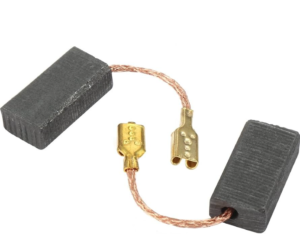
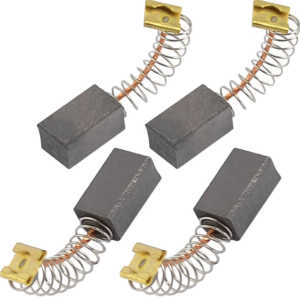
Carbon Brush for Sale:
Post about Carbon Brush:
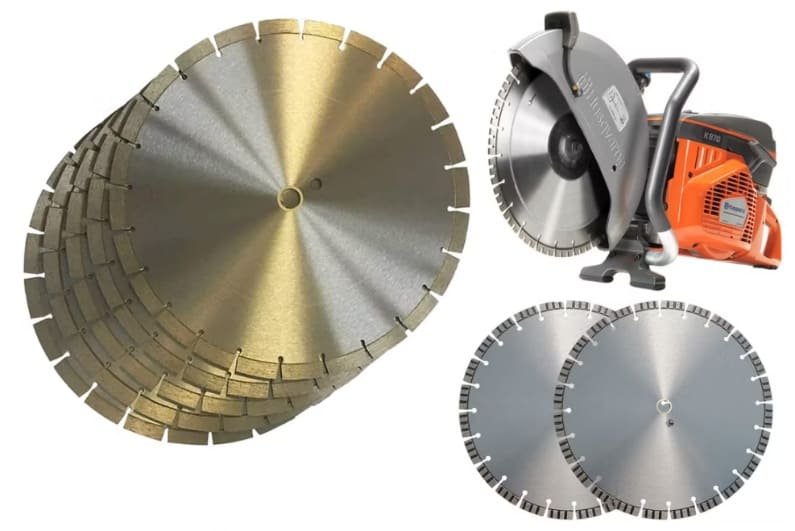
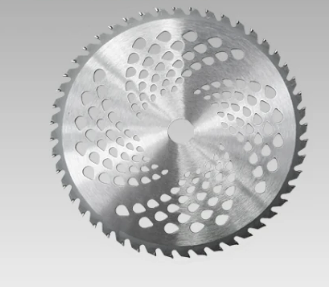
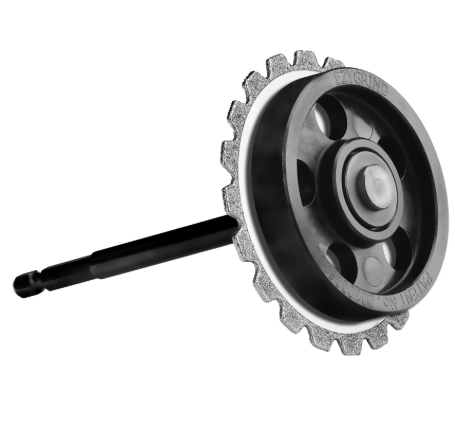
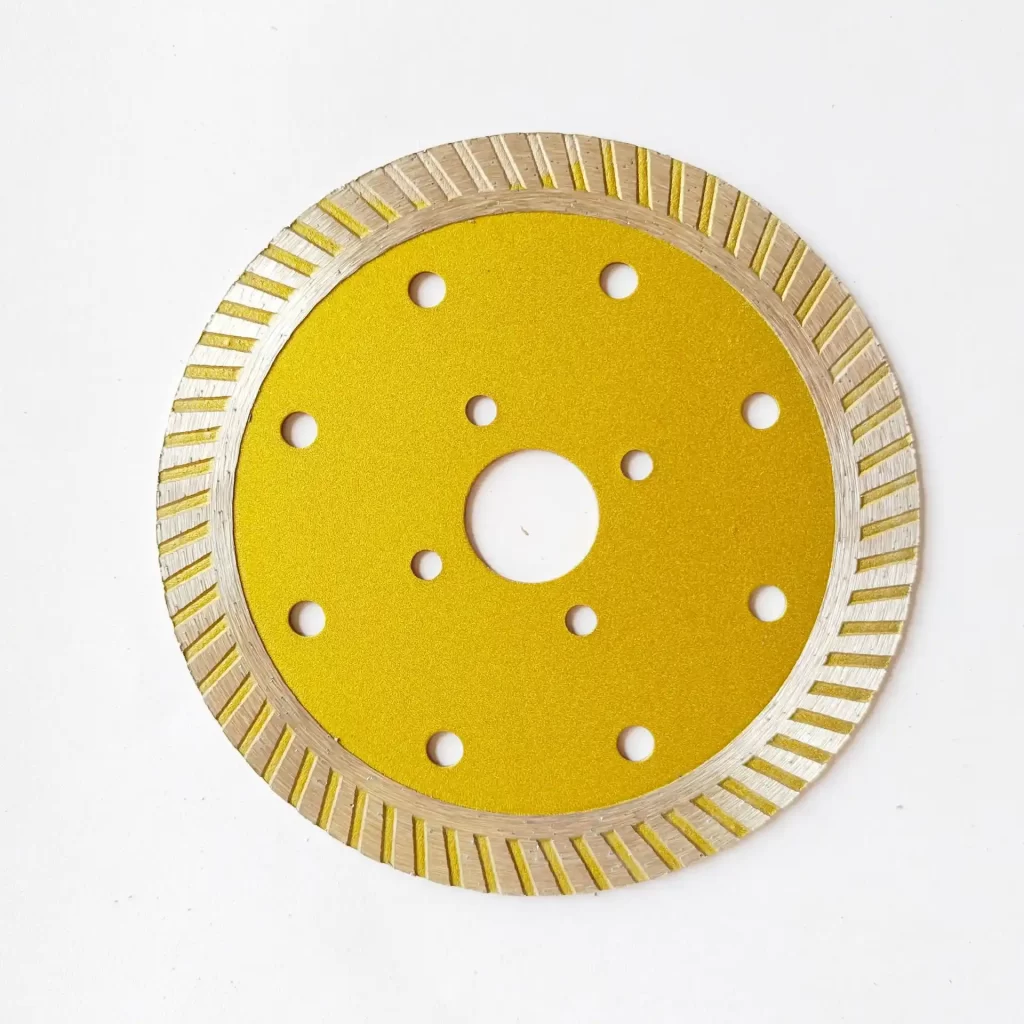
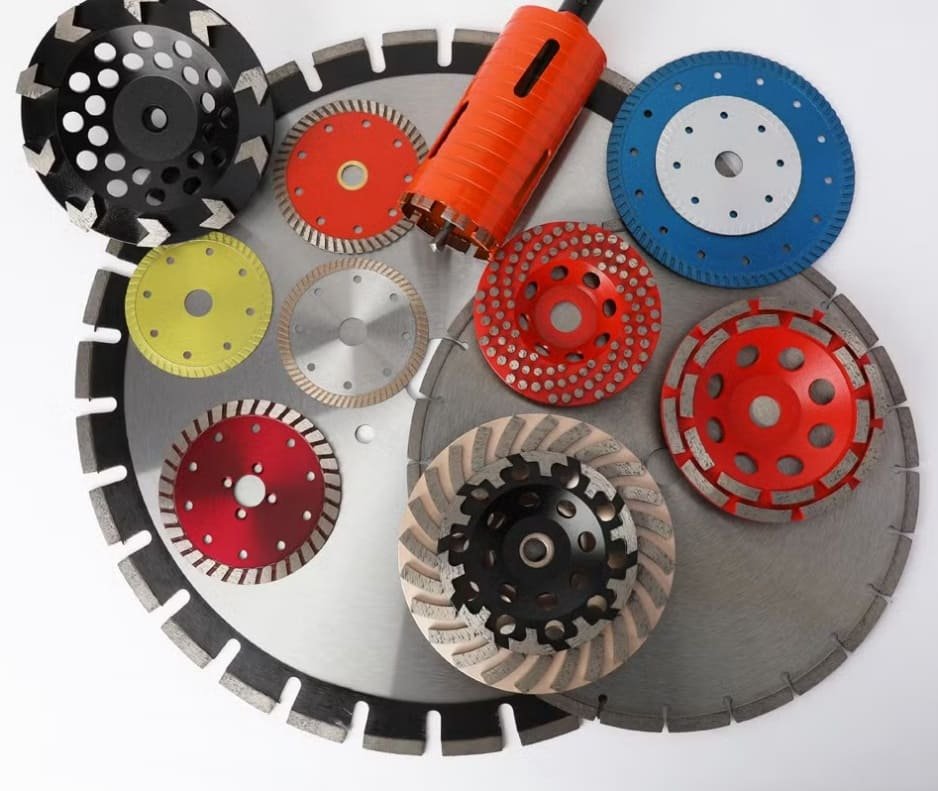
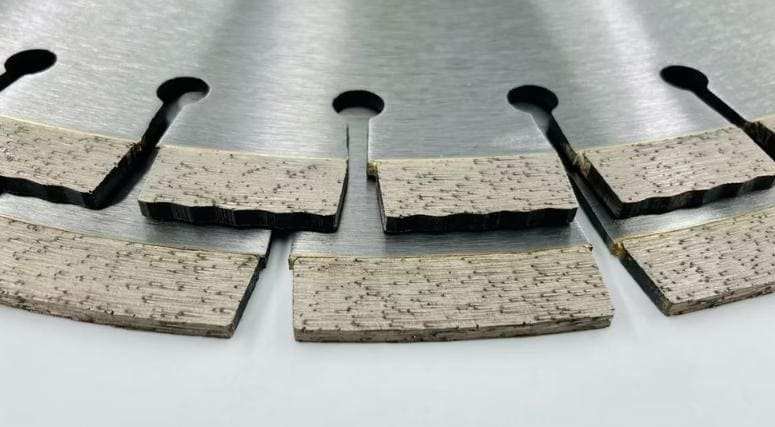
Diamond Blade

Welcome to call us
Contact Us to get quotation
Working Time: 8:00~17:00 Monday to Friday.
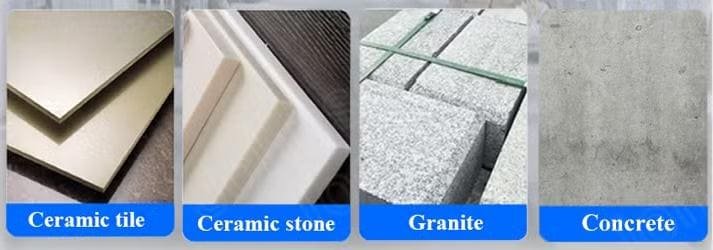
Applications:
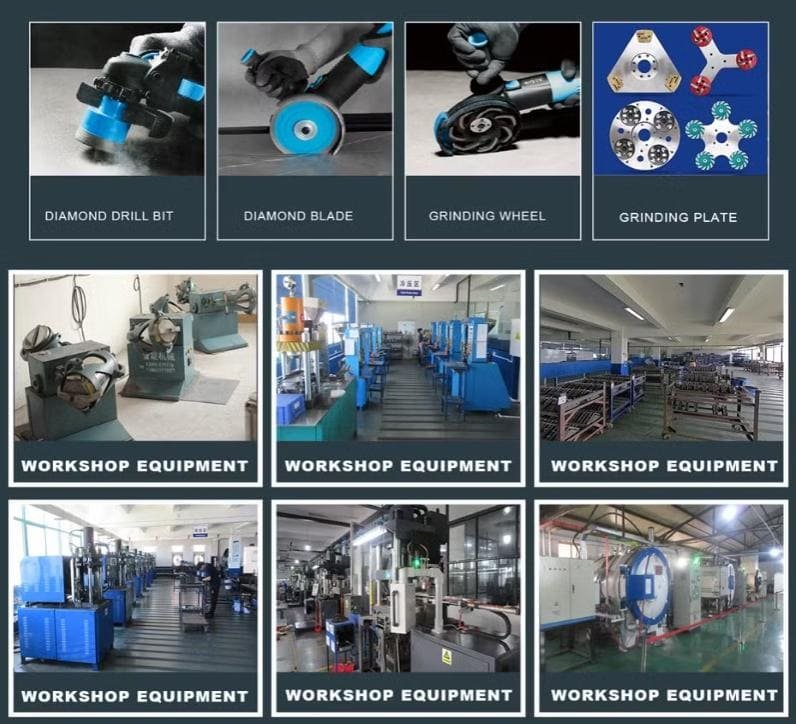
Factory:
FAQ
Welcome to call us
Contact Us to get quotation
Working Time: 8:00~17:00 Monday to Friday.