What are the downsides of carbon brushes?
What are the downsides of carbon brushes?
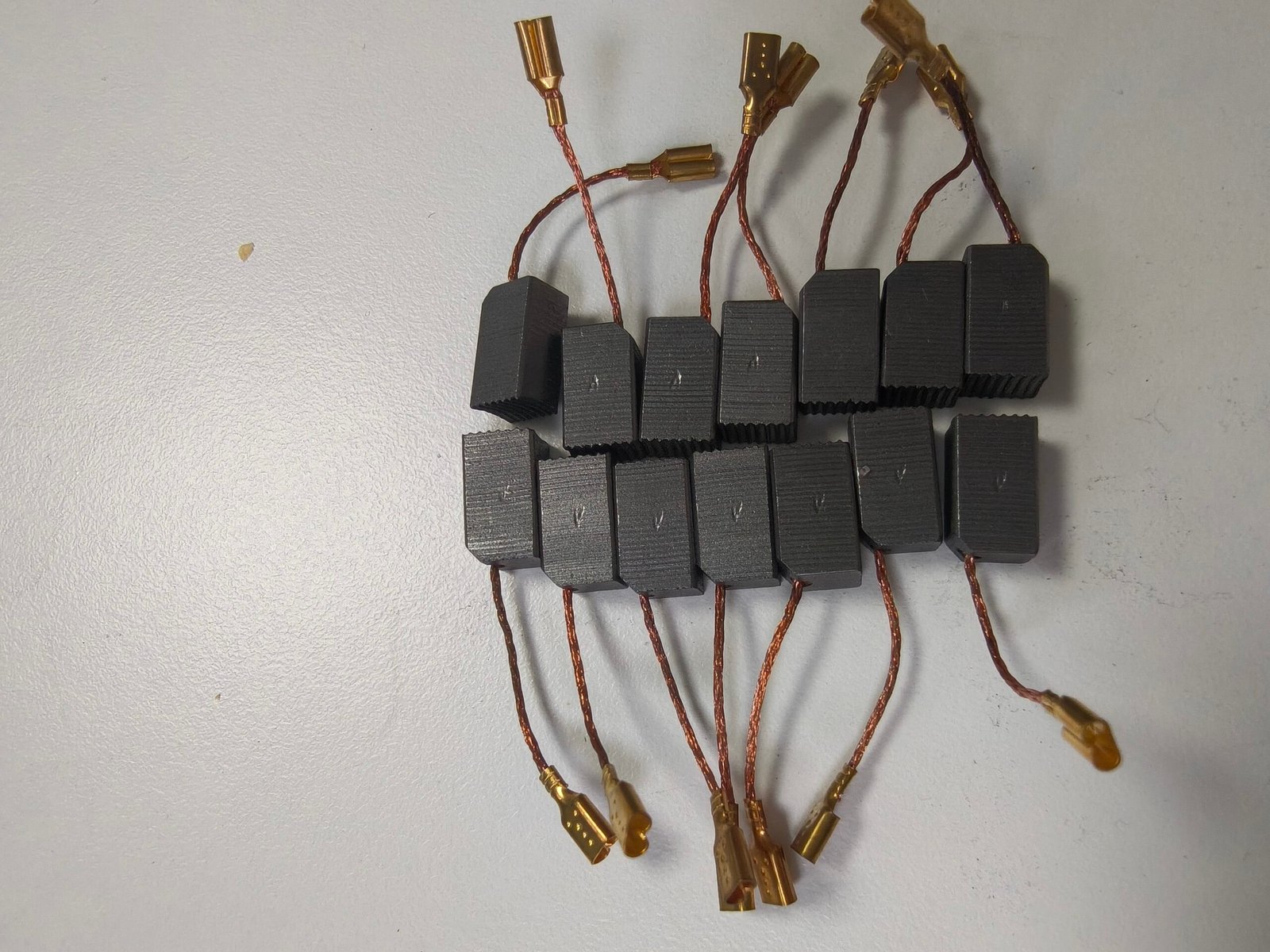
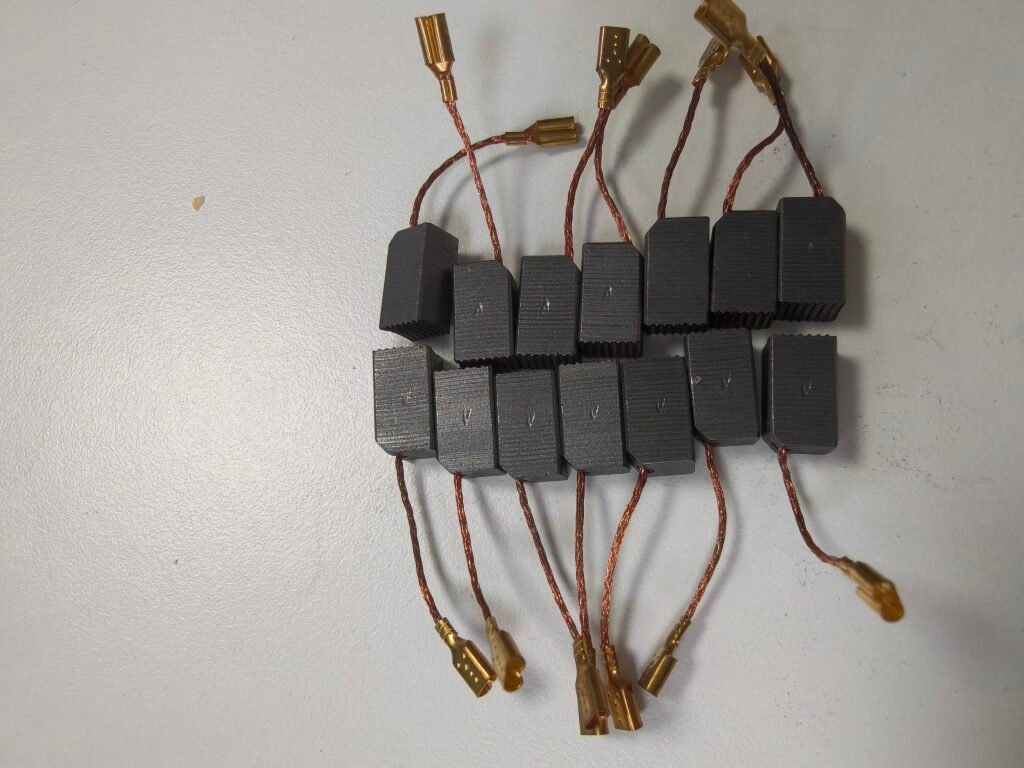
What are the downsides of carbon brushes?Although carbon brushes serve as essential sliding conductive components for brushed motors and rotating electrical equipment to realize current and signal transmission between static and moving parts, they come with inherent defects in electrical performance, mechanical structure, daily maintenance and environmental adaptability, as well as multiple derived operational risks that limit their application in high-precision, high-speed and extreme working scenarios.
Inherent Deficiencies in Electrical Performance
Carbon brushes are subject to prominent electrical noise issues stemming from their intrinsic material properties, which greatly restricts their applicability in high-precision electrical systems. Unlike metal conductive materials with ultra-low resistance, conventional carbon brush materials have relatively high inherent contact resistance. During continuous sliding contact and current transmission with slip rings and commutators, this structural resistance will generate unstable electrical fluctuations inside the circuit.
These fluctuations manifest as persistent electrical noise that cannot be completely eliminated through conventional debugging and maintenance. In ordinary industrial and civilian motor equipment, this noise barely affects basic power operation, but it poses fatal interference to devices that rely on high-precision signal transmission. Automated industrial control equipment and precision measurement and control instruments require extremely clean and stable signal environments to ensure accurate data collection and precise equipment operation.
The electrical noise generated by carbon brushes will distort and degrade weak electrical signals, leading to signal disorder, data deviation and unstable equipment operation. For this reason, brushed carbon brush structures are completely unable to adapt to high-standard precision control scenarios, forming an insurmountable performance limitation compared with brushless motor solutions.
Carbon brushes suffer severe performance degradation under high-speed operating conditions, making them unsuitable for high-revolution industrial and precision equipment scenarios. The stable current conduction of carbon brushes relies on continuous and close fitting contact between the brush body and the slip ring surface. Under conventional medium and low-speed operating conditions, the contact state remains stable, ensuring normal conductive performance.
When the motor runs at a high speed, the frequent high-frequency sliding and instantaneous vibration between the carbon brush and slip ring will destroy the original stable fitting state. The contact tightness becomes uneven, and intermittent tiny gaps appear on the contact interface, which directly leads to a sharp increase in component wear. Meanwhile, unstable contact resistance further intensifies electrical noise, forming a superimposed deterioration effect of mechanical loss and electrical performance failure.
Long-term high-speed operation will also cause continuous heat accumulation at the contact position, easily triggering local overheating faults of the carbon brush and commutator. In high-speed working scenarios requiring long-term stable operation, the comprehensive performance of carbon brush structures is far inferior to optimized brushless contact structures, which have no physical sliding friction and contact instability problems, making them more reliable for high-speed equipment operation.
Mechanical Limitations and Cumbersome Maintenance Drawbacks
Carbon brush operation will inevitably cause abrasive wear to matching slip ring components, bringing long-term structural loss and additional equipment maintenance costs. While carbon brushes are wearable sacrificial parts designed with certain wear resistance to protect core motor components, their hard microscopic particles will produce persistent abrasive friction on the contact surface of copper or silver slip rings during operation.
After long-term cyclic friction, uniform and irregular wear marks will gradually form on the smooth conductive surface of the slip ring. These uneven surface defects will further worsen the contact state between the slip ring and carbon brush, aggravate subsequent wear and electrical spark problems, and form a vicious cycle of component aging. Different from replaceable low-cost carbon brushes, slip rings are core integrated components of motors with higher replacement costs and more complex maintenance procedures.
Once the slip ring surface is severely worn and deformed, it cannot continue to operate stably. Users have to carry out professional grinding and repairing or replace the entire slip ring assembly, which greatly increases the long-term operational maintenance cost of the equipment and shortens the overall service life of the motor.
Carbon brush equipped motors require mandatory regular inspection and maintenance, with far higher long-term operational investment than brushless motor structures. As typical wearable consumable parts, carbon brushes have a fixed service life limit and will gradually wear and fail with the extension of operating time, making regular manual inspection and replacement indispensable.
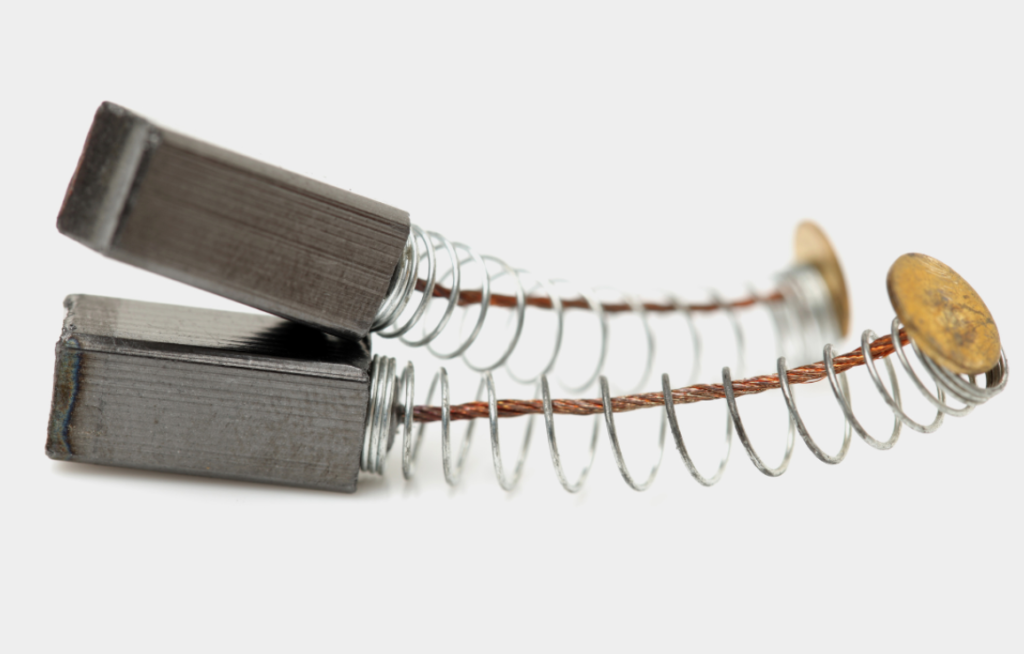
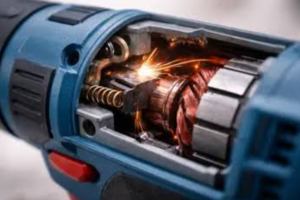
Daily maintenance work is not limited to simply replacing worn carbon brushes. After replacing new brushes, maintenance personnel also need to thoroughly clean the accumulated carbon powder inside the motor, calibrate the compression pressure of the fixed spring, and check the contact fitting state between the brush and commutator. A single maintenance operation involves multiple steps and professional debugging work, consuming substantial time and labor costs.
In contrast, brushless motor structures cancel physical carbon brush sliding components, realizing maintenance-free operation in most service cycles. The long-term comprehensive maintenance cost of brushed motors is significantly higher, and the frequent maintenance work also affects the continuous operating efficiency of equipment, which is not conducive to unattended and long-cycle stable production.
Derived Operational Risks and Environmental Adaptation Limitations
Persistent carbon powder accumulation caused by carbon brush wear brings potential safety hazards to motor operation and equipment insulation performance. During long-term friction and wear, carbon brushes will continuously produce tiny conductive carbon powder particles, which will diffuse and accumulate in the narrow internal gap of the motor instead of being completely discharged.
These accumulated carbon powders have good electrical conductivity. A small amount of carbon powder deposition will slightly reduce the internal insulation performance of the motor. With the continuous accumulation of particles, conductive dust will form tiny conductive channels between internal circuits and components, increasing the risk of electrical connection confusion.
In severe cases, dense carbon powder accumulation will directly trigger local short-circuit faults inside the motor, resulting in equipment burnout, power failure and even safety accidents. This hidden danger of carbon powder accumulation is inherent to carbon brush structures and cannot be completely eliminated through daily cleaning, which brings persistent operational risks to electrical equipment.
Carbon brushes have prominent environmental adaptation defects and poor stability in extreme working conditions, with obvious limitations compared with brushless schemes. The normal working performance of carbon brushes relies on moderate temperature and humidity environments to maintain stable contact friction and conductive state, and extreme environments will seriously damage their operating stability.
In high-altitude low-pressure environments, the air insulation performance decreases, and the commutation sparks generated by carbon brush sliding are prone to arc amplification, leading to excessive sparking and accelerated component wear. In extremely dry environments, the self-lubricating film on the carbon brush surface is easily damaged, resulting in doubled friction loss and sharply shortened service life. In long-term humid environments, the contact surface is prone to oxidation and rust, increasing contact resistance and causing equipment overheating.
Whether it is low-pressure plateau conditions, extreme dryness or long-term high humidity, carbon brush performance will deteriorate significantly, and its operational stability and service life cannot be guaranteed. Brushless motors without sliding contact components are not affected by such environmental changes, showing stronger environmental adaptability and operational stability in complex working scenarios.
Q&A Session
Q1: What are the core electrical disadvantages of carbon brushes?
Carbon brushes have high inherent contact resistance, which easily generates continuous electrical noise during operation and interferes with precision signal transmission, making them unable to adapt to high-precision measurement and automated control scenarios. In addition, their contact stability drops sharply at high speeds, causing intensified wear, increased noise and overheating faults, with far inferior high-speed performance compared with brushless structures.
Q2: Why do carbon brush motors have higher long-term maintenance costs?
Carbon brushes are wearable parts that require regular inspection and replacement. Meanwhile, their abrasive friction will cause irreversible wear of matching slip rings, requiring regular repair or replacement of core components. Daily maintenance also includes carbon powder cleaning and spring pressure calibration, involving complex processes and continuous labor and material costs, which is far more expensive than maintenance-free brushless motors.
Q3: What safety risks does carbon powder accumulation bring?
The conductive carbon powder produced by carbon brush wear accumulates inside the motor, which will reduce the equipment’s internal insulation performance. In severe cases, the conductive particles will form electrical connections between circuits, triggering local short-circuit faults, equipment burnout and other safety hazards, forming persistent hidden dangers for long-term motor operation.
Q4: In what environments do carbon brushes work unstably?
Carbon brushes have poor adaptability in high-altitude low-pressure, extremely dry and extremely humid environments. Extreme low pressure causes arc amplification and spark overrun, excessive dryness accelerates friction wear, and high humidity leads to contact surface oxidation and increased resistance. All these extreme conditions will degrade carbon brush performance and shorten service life significantly.
Summary
To conclude, carbon brushes have a variety of inherent downsides and application limitations in electrical performance, mechanical maintenance and environmental adaptation. In terms of electrical performance, their high contact resistance causes persistent electrical noise that interferes with precision signals, and their contact stability deteriorates sharply under high-speed conditions, easily triggering overheating and wear faults. In terms of machinery and maintenance, carbon brushes cause abrasive damage to matching slip ring components, and their wearable properties force mandatory regular inspection, replacement and debugging work, bringing sustained high long-term maintenance costs. In terms of derived risks and environmental adaptation, accumulated conductive carbon powder reduces equipment insulation and induces short-circuit hazards, while extreme working environments such as high altitude, extreme dryness and humidity further weaken their working stability. These inherent defects make carbon brush structures unable to meet the high-precision, high-speed, long-cycle maintenance-free and extreme environment operation requirements, with comprehensive performance obviously lagging behind advanced brushless motor solutions.
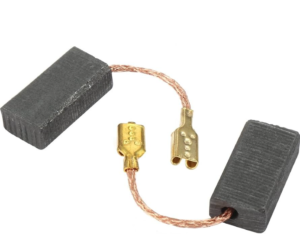
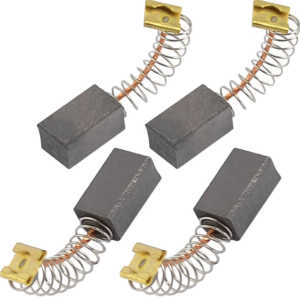
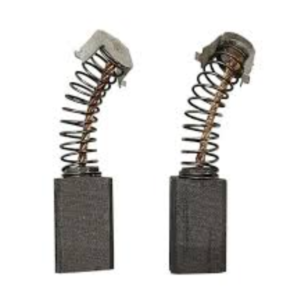
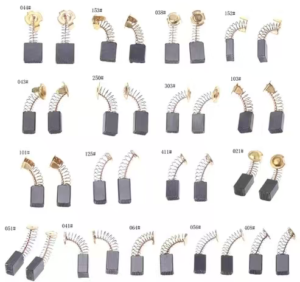
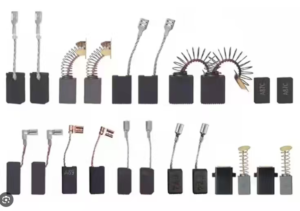
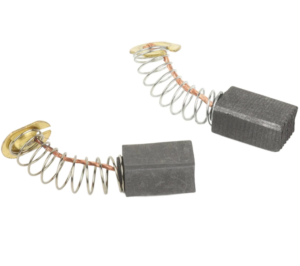
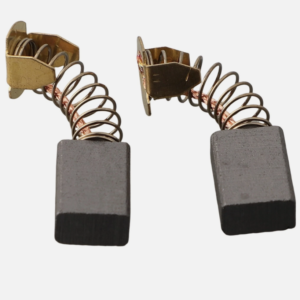
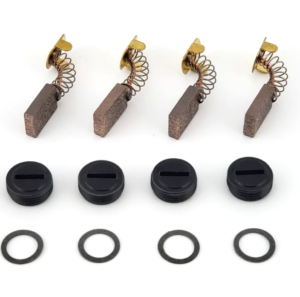
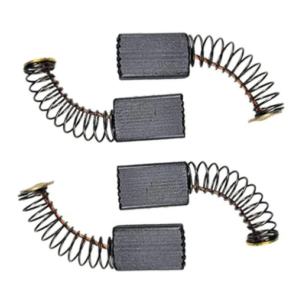
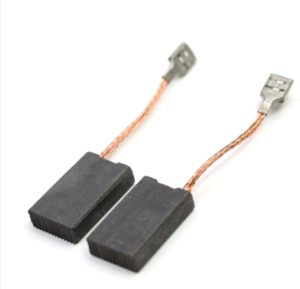
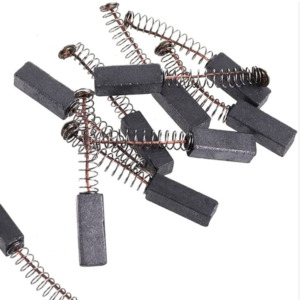
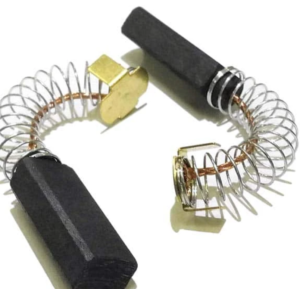
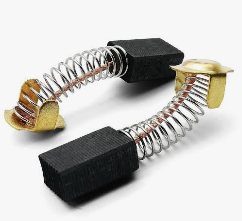
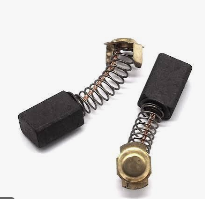
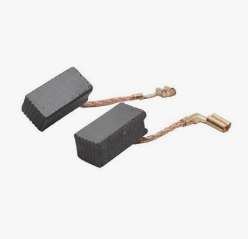
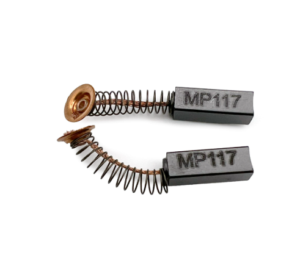
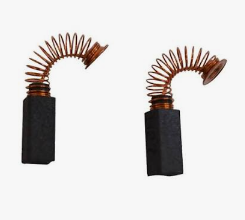
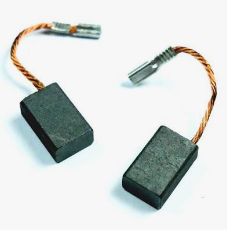
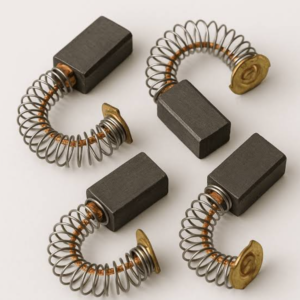
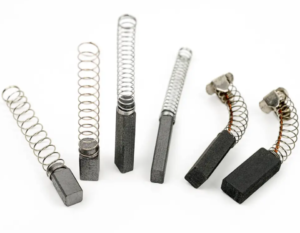
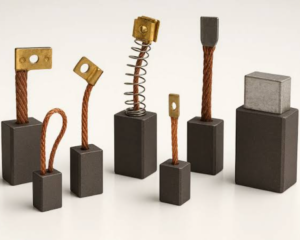
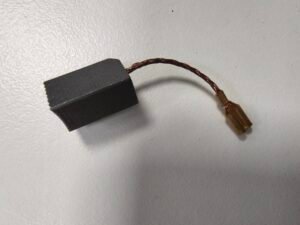
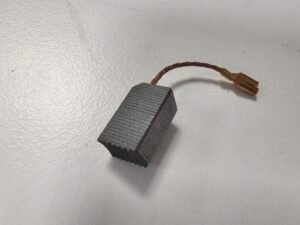
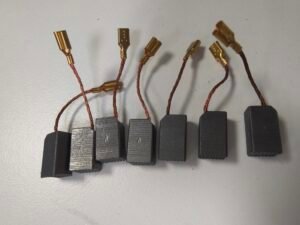
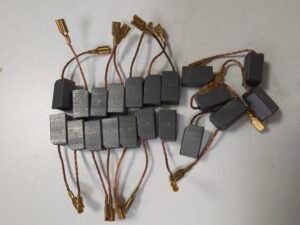
Carbon Brush for Sale:
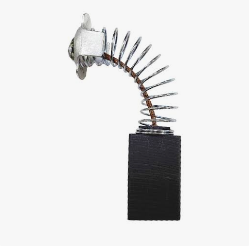
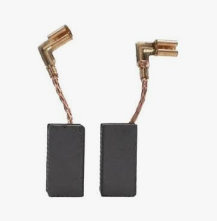
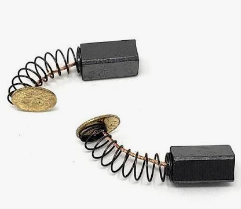
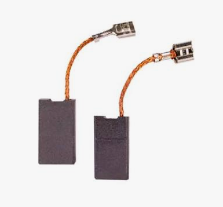
Post about Carbon Brush:
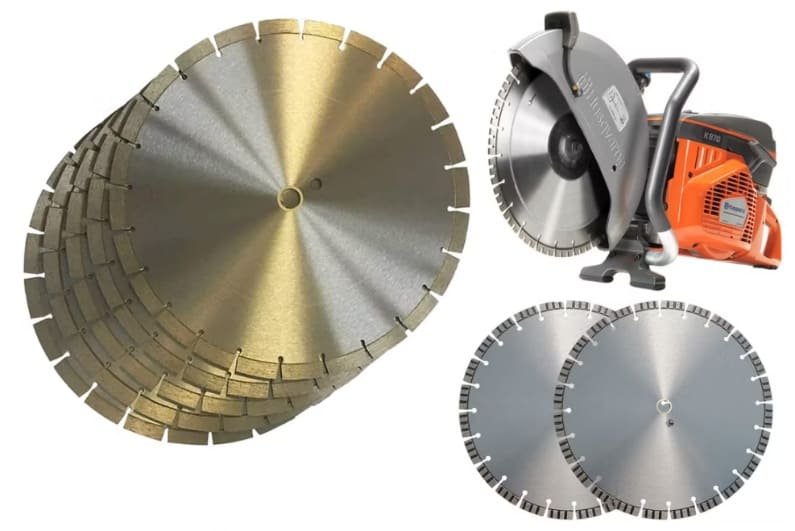
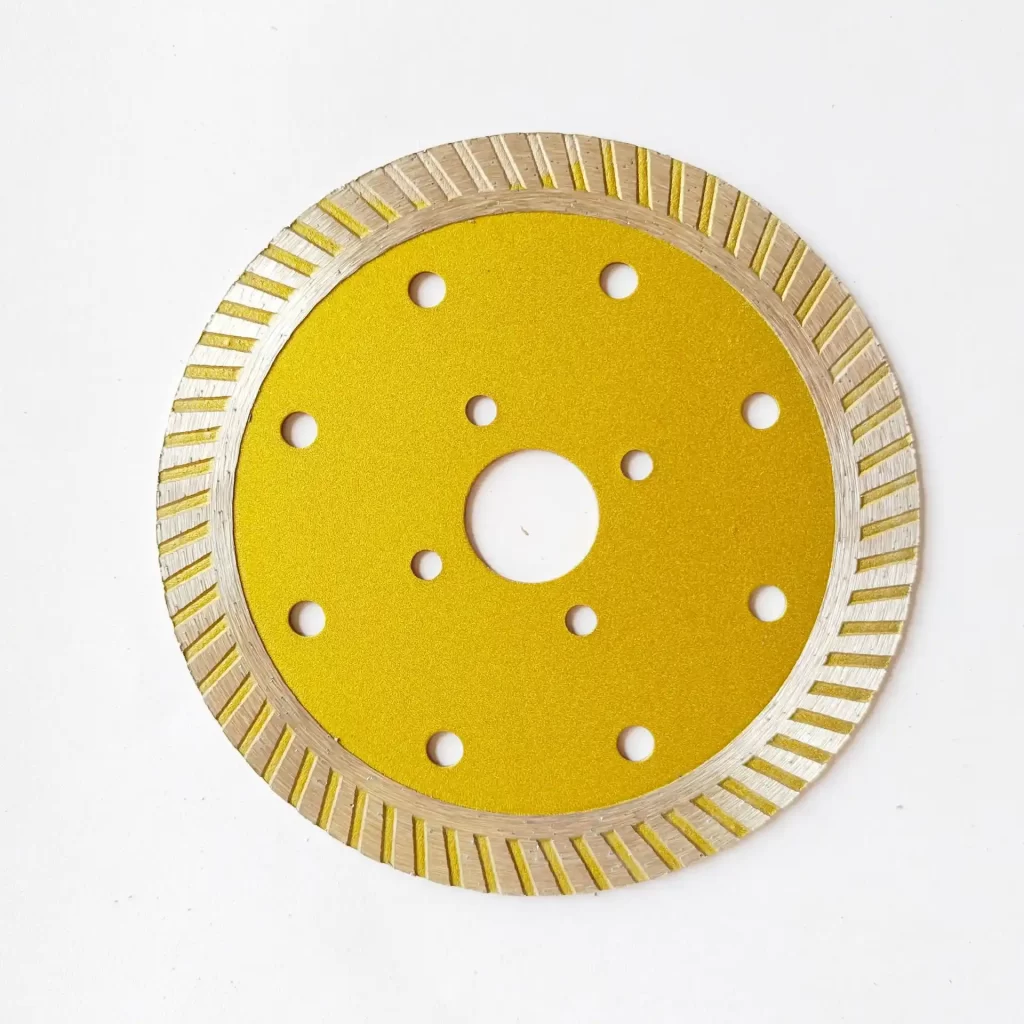
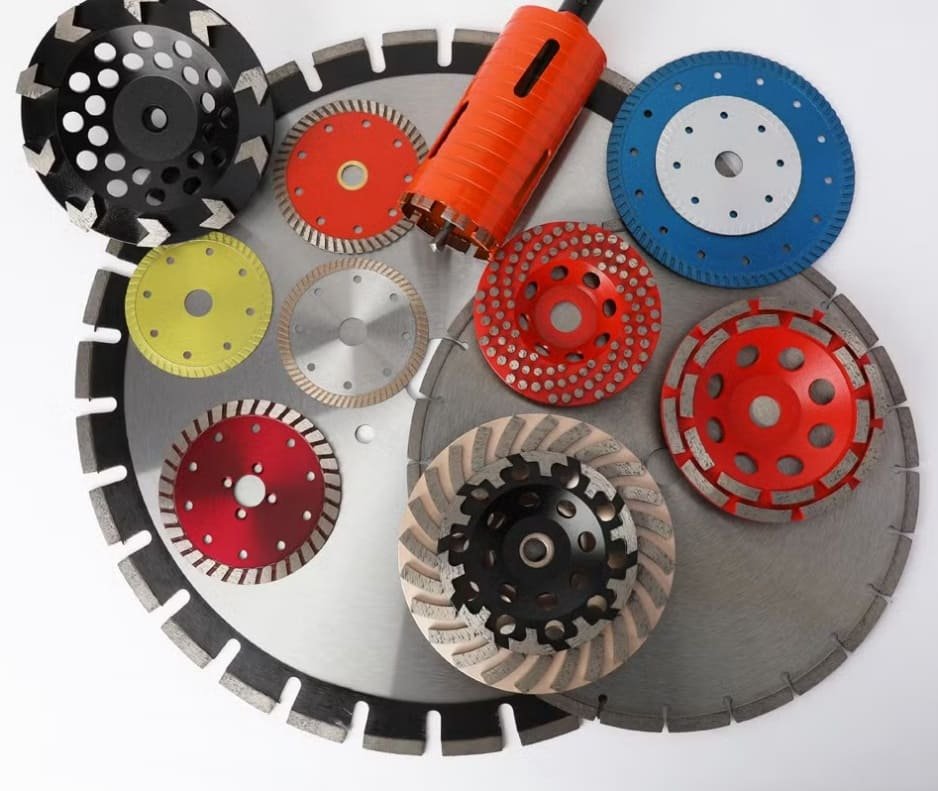
Diamond Blade

Welcome to call us
Contact Us to get quotation
Working Time: 8:00~17:00 Monday to Friday.
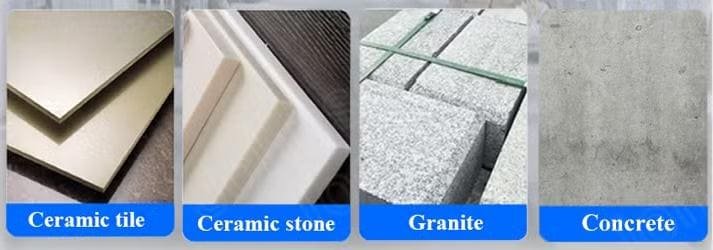
Applications:
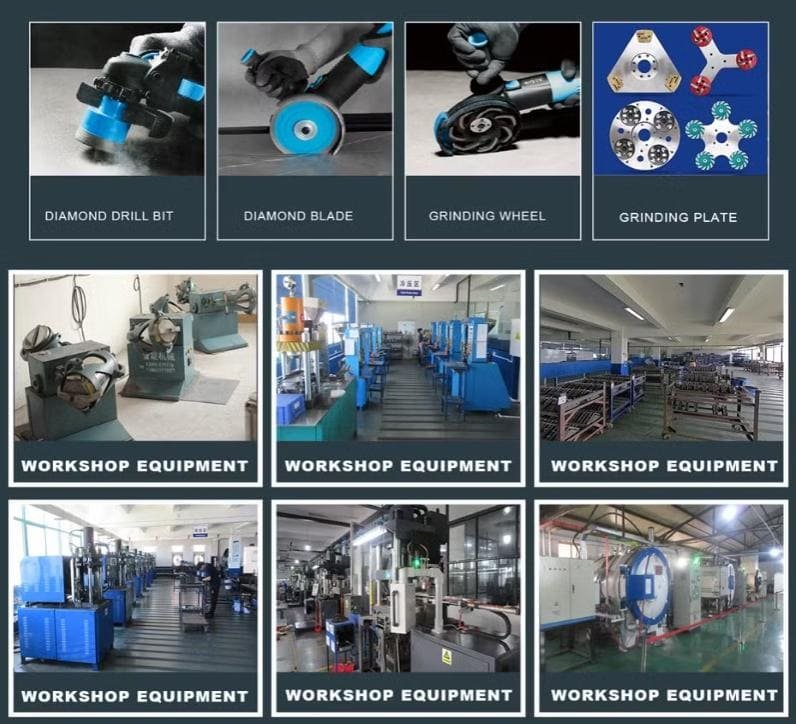
Factory:
FAQ
Welcome to call us
Contact Us to get quotation
Working Time: 8:00~17:00 Monday to Friday.