Cutting Wheel Arbor
Specs
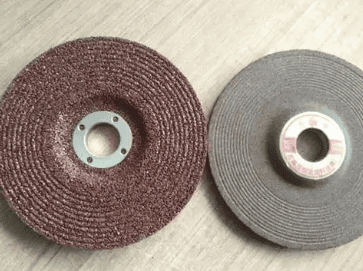
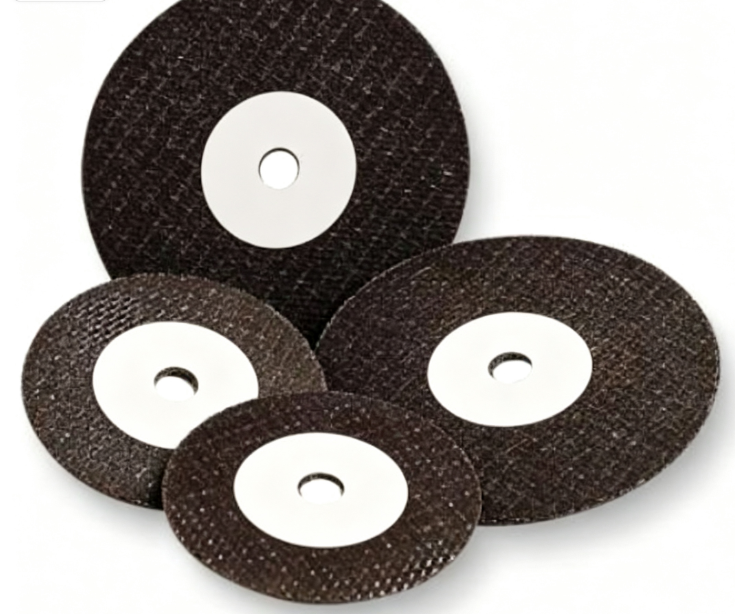
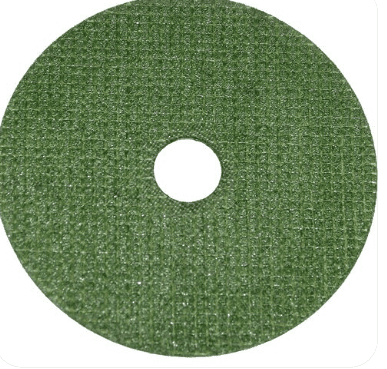
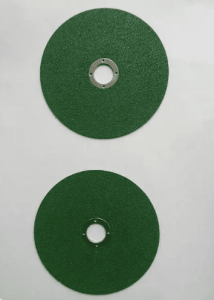
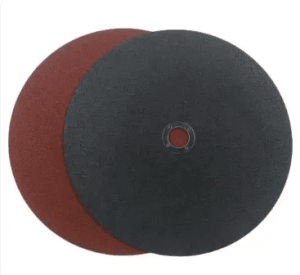
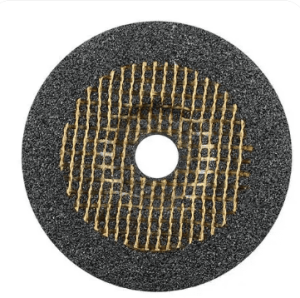
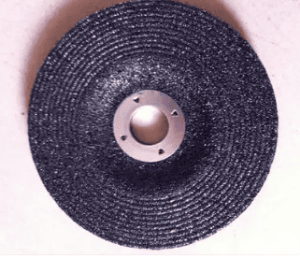
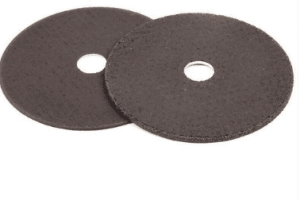
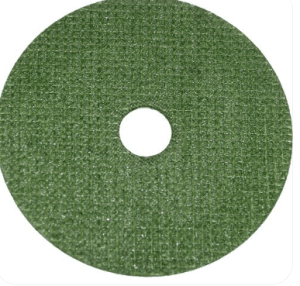
Cutting Wheel
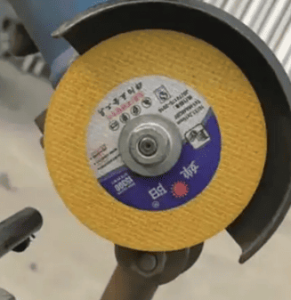
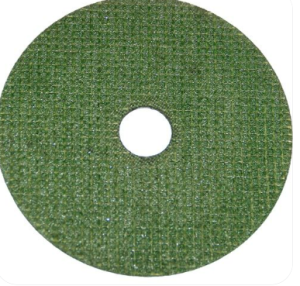
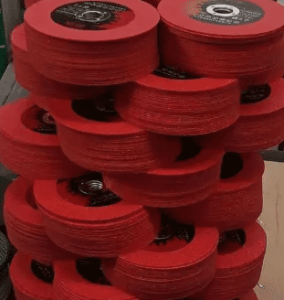
type:Abrasive Disc applied machine:GRINDERS
Diameter:115 mm Shape:Disc
Hardness:Medium Packing material:Aluminum
customized support:OEM, ODM, OBM place of origin:Shandong, China
Material:Aluminum Oxide model number:115*1.2*22.23mm
OEM:Accpeted Advantage:Excellent Effect
Feature:Durable
Cutting Wheel Arbor
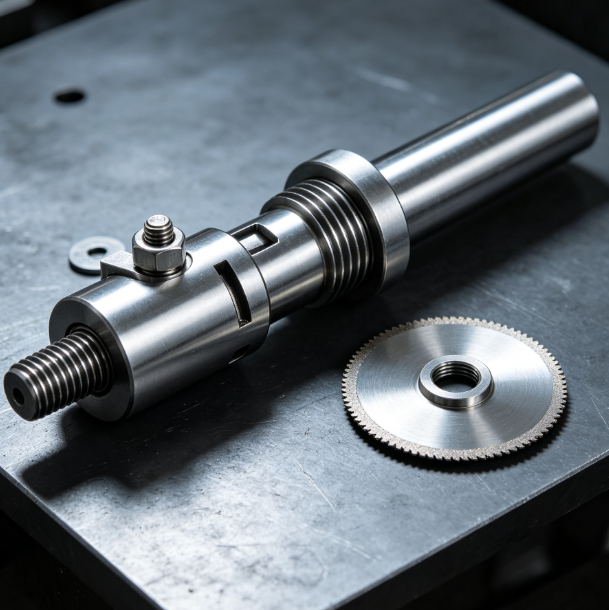
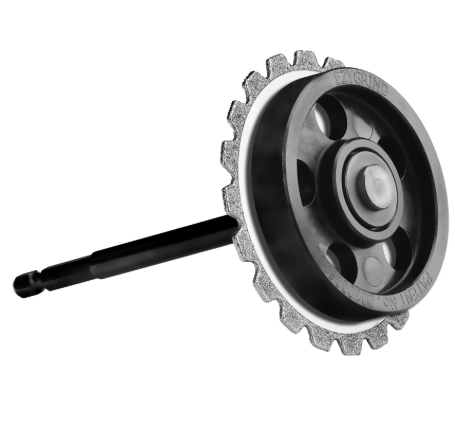
A cutting wheel arbor is a precision spindle and mounting shaft specially built for installing and securing cutting wheels, serving as the core transmission component that connects power tools or machine spindles with cutting discs. It acts as the key intermediate interface for torque transmission and centralized positioning during all cutting operations. The structural accuracy and assembly quality of the arbor directly determine the coaxiality, running stability and overall cutting precision of the entire cutting system, making it an indispensable foundational part for both handheld tool cutting and industrial machine cutting work.
What are the core structure and working principles of a cutting wheel arbor?
A cutting wheel arbor is a finely machined rotary shaft component manufactured with strict dimensional tolerances to ensure stable high-speed operation. One end of the arbor adopts either a straight shank or tapered surface structure, which is engineered to fit tightly with the clamping mechanism of power tools and industrial machine spindles. This precise connecting structure eliminates loose clearance between the tool spindle and the arbor body, ensuring that rotational power can be transmitted smoothly without offset or shaking. The high-precision shank design lays the foundation for stable rotation and accurate positioning during long-term repetitive cutting work.
The opposite end of the arbor features a professionally structured mounting section with standard threads or keyway grooves, which works together with matching lock nuts and flat gaskets to firmly fix cutting wheels in place. The threaded section provides powerful axial locking force, while the keyway structure prevents relative slipping between the shaft and the cutting disc during high-torque operation. With the cooperation of gaskets, the clamping pressure is evenly distributed on the cutting wheel surface, avoiding local stress concentration. This complete fastening structure ensures that the cutting wheel will not shift or loosen during continuous high-speed cutting.
As the only transmission bridge between the power spindle and the cutting wheel, the arbor undertakes all torque output and rotary positioning tasks during cutting work. It effectively controls the radial runout of the installed cutting disc to an extremely low micrometer-level range, which greatly reduces vibration, swing and position deviation during operation. By maintaining excellent coaxiality between the shaft and the wheel, the arbor prevents uneven cutting force, burr formation and oblique incisions caused by rotational deviation. This core positioning function directly improves the flatness, accuracy and consistency of every cutting pass.
What are the mainstream industrial types of cutting wheel arbors?
Milling arbors are professional shaft accessories mainly designed for horizontal milling machines, featuring strong load-bearing capacity and multi-disc installation capability. Unlike ordinary single-shaft adapters, this type of arbor can mount multiple cutting wheels or circular saw blades at the same time, allowing several cutting processes to be completed in one single setup. It is widely used in industrial batch production for metal slitting, grooving and fixed-length cutting tasks. The stable structural strength and multi-functional assembly design significantly improve the overall processing efficiency of large-scale metal workshops.
Expanding arbors adopt an internal tensioning and expanding structure, which fixes the cutting wheel from the inner hole instead of relying on external thread locking. This unique working principle eliminates the need for traditional lock nuts and gaskets, achieving full-circle uniform clamping of thin-walled and high-precision cutting wheels. The internal expansion positioning ensures zero eccentricity and uniform stress on the wheel body, avoiding clamping deformation that commonly occurs with conventional fastening methods. It is the ideal choice for ultra-precision cutting applications that require extremely high coaxiality and flatness.
Slitting arbors are specially customized for ultra-thin slitting and cutting wheels used in plate processing industries. This type of arbor is usually used with adjustable spacing sleeves, which allow workers to precisely control the interval and parallelism between multiple installed cutting discs. By accurately setting the wheel spacing, operators can complete standardized multi-channel slitting and segmentation of metal plates and sheet materials. The high-precision spacing control ability makes slitting arbors essential equipment for automated plate cutting, ensuring consistent groove width and uniform cutting quality in batch production.
What typical application scenarios do cutting wheel arbors serve?
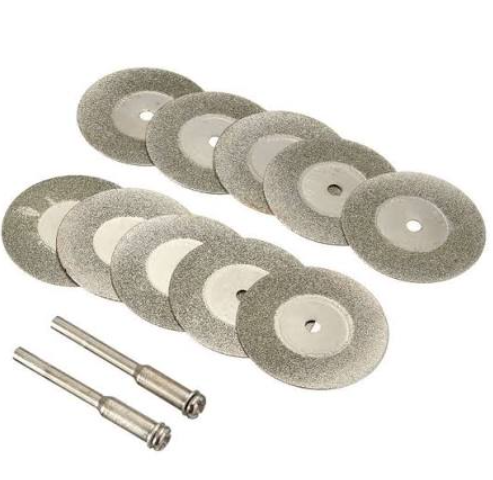
Cutting wheel arbors are widely used in handheld electric tool scenarios, serving as reliable conversion and mounting mandrels for angle grinders and die grinders. Many small-sized ultra-thin cutting wheels do not have standard tool mounting structures and can only be installed and operated with the help of dedicated arbors. The arbor successfully converts the tool’s clamping interface, allowing small cutting discs to rotate stably and complete fine trimming, gap cutting and burr removal work. This application greatly expands the functional diversity of ordinary handheld power tools in household maintenance and light industrial processing.
In industrial machine tool working environments, heavy-duty cutting wheel arbors are installed on horizontal milling machines and professional slitting equipment to drive large-diameter cutting wheels for heavy industrial cutting tasks. These industrial-grade arbors are made of high-strength alloy materials to withstand high torque, high load and long-duration continuous operation. They support thick steel cutting, profile slitting and large workpiece segmentation in steel processing factories. Their stable transmission performance and deformation-resistant structure ensure continuous and efficient production in heavy industrial processing lines.
Cutting wheel arbors also play an important role in ultra-precision watch and precision component manufacturing. In miniature mechanical processing workshops, tiny high-precision arbors are used as rotating mandrels to drive micro cutting wheels for fine trimming and shaping of watch parts and small hardware components. These micro arbors maintain ultra-low runout and highly stable rotation, ensuring that delicate tiny workpieces will not be deformed or scratched during cutting. This scenario reflects the ultra-high precision positioning capability of high-grade arbors in sophisticated manufacturing fields.
In casting and metallurgical industries, customized arbor shafts are used as internal supporting core mandrels for mold and sand core forming processes. Although not directly involved in cutting, the high-precision shaft positioning ensures uniform mold structure and standardized sand core size during casting molding. Accurate core shaft positioning effectively reduces casting defects, structural deviation and residual burrs after molding. It indirectly improves the precision and flatness of subsequent cutting and finishing procedures for castings, playing a vital auxiliary role in improving overall product quality.
What key precautions should be followed when using cutting wheel arbors?
Thorough pre-use inspection of the arbor condition is the primary step to ensure safe and stable cutting operation. Before installation, users must carefully check the entire shaft body for bending, deformation, surface wear and thread damage. Damaged threads, slippery teeth and bent shafts will cause severe coaxiality deviation during high-speed rotation, leading to violent vibration, wheel shaking and irregular cutting tracks. Using defective arbors will not only ruin workpiece quality but also greatly increase the risk of cutting wheel fragmentation. Only perfectly intact arbors can be used for formal assembly.
When clamping cutting wheels, users must install matching gaskets and control locking force within a reasonable range to avoid uneven stress on the wheel body. Gaskets help evenly distribute the locking pressure on the contact surface of the cutting wheel, preventing local over-tightening compression and structural damage. Excessively strong locking force may crack the thin cutting wheel, while insufficient tightening will cause wheel slipping and positional deviation during rotation. Moderate and uniform clamping ensures both firm installation and structural integrity of the cutting disc.
Idling testing before official cutting is essential to verify assembly accuracy and running stability. After completing installation and locking, operators need to turn on the equipment and let the arbor and cutting wheel idle for a certain period of time to observe for abnormal shaking, eccentric rotation, vibration and noise. If the coaxiality does not meet the standard or obvious unbalanced operation occurs, the assembly should be readjusted immediately. Only after confirming completely stable idle operation can formal cutting feeding begin, effectively eliminating hidden dangers caused by inaccurate installation.
Summary
To conclude, a cutting wheel arbor is a high-precision mounting and transmission mandrel responsible for installing, fixing and driving cutting wheels in various cutting systems. With a scientific shank positioning structure and threaded locking mechanism, it ensures accurate torque transmission and ultra-stable coaxial rotation of cutting wheels. Covering milling types, expanding types and slitting types, different arbor structures meet light handheld trimming, heavy industrial cutting and ultra-precision micro-processing demands. Widely applied in handheld tools, industrial machine tools, precision component manufacturing and casting industries, cutting wheel arbors greatly improve cutting accuracy and operational stability. By following strict pre-use inspection, standardized clamping and idle testing procedures, users can maximize arbor performance, ensure safe operation and achieve high-quality cutting results in all processing scenarios.
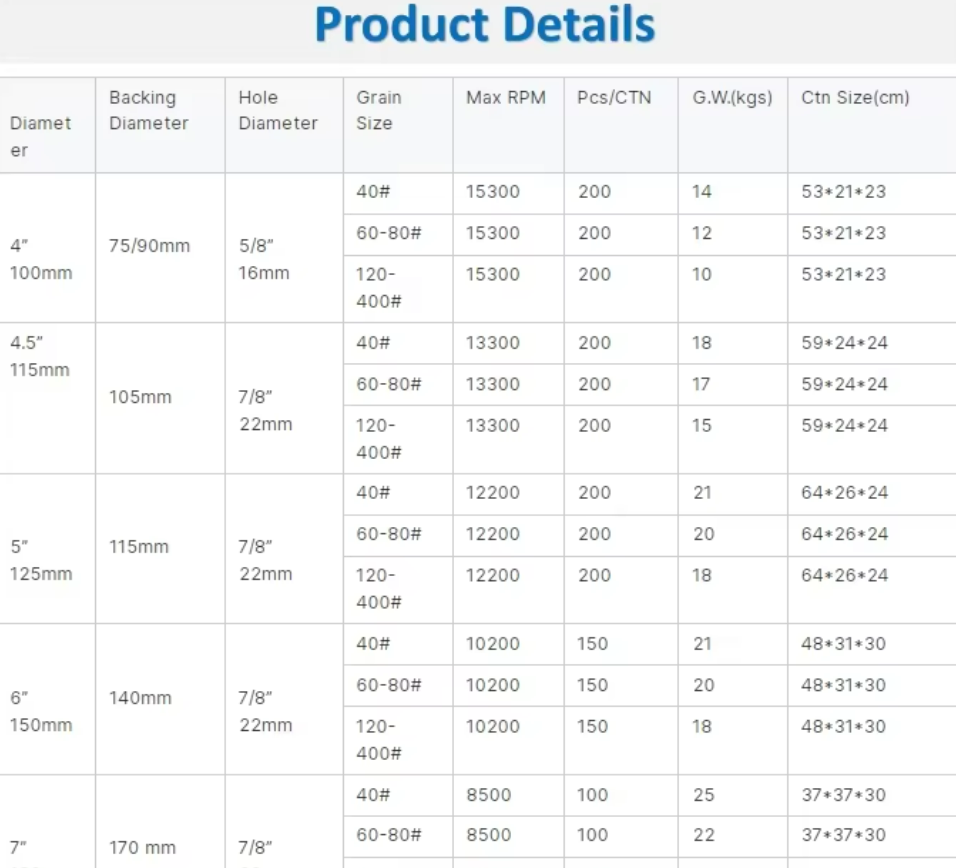
Cutting Wheel Specification

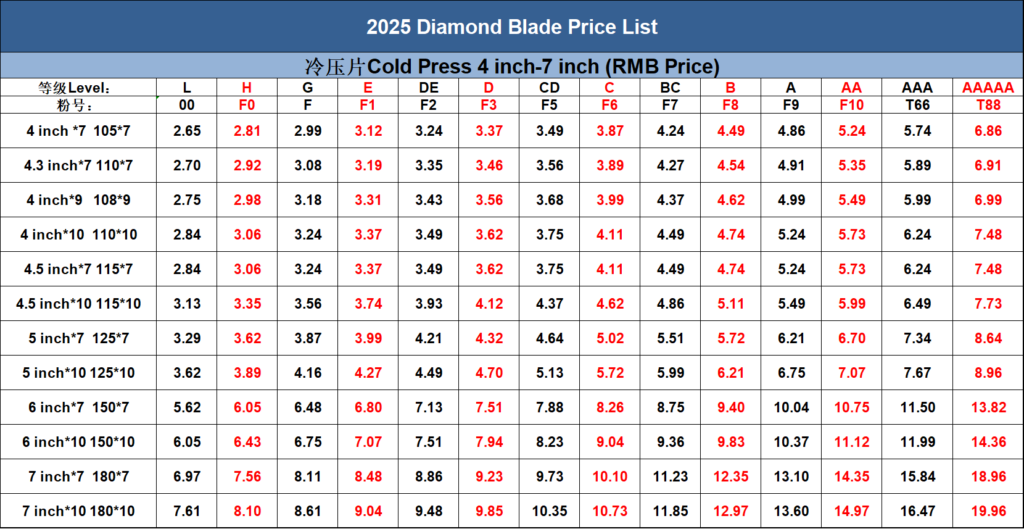
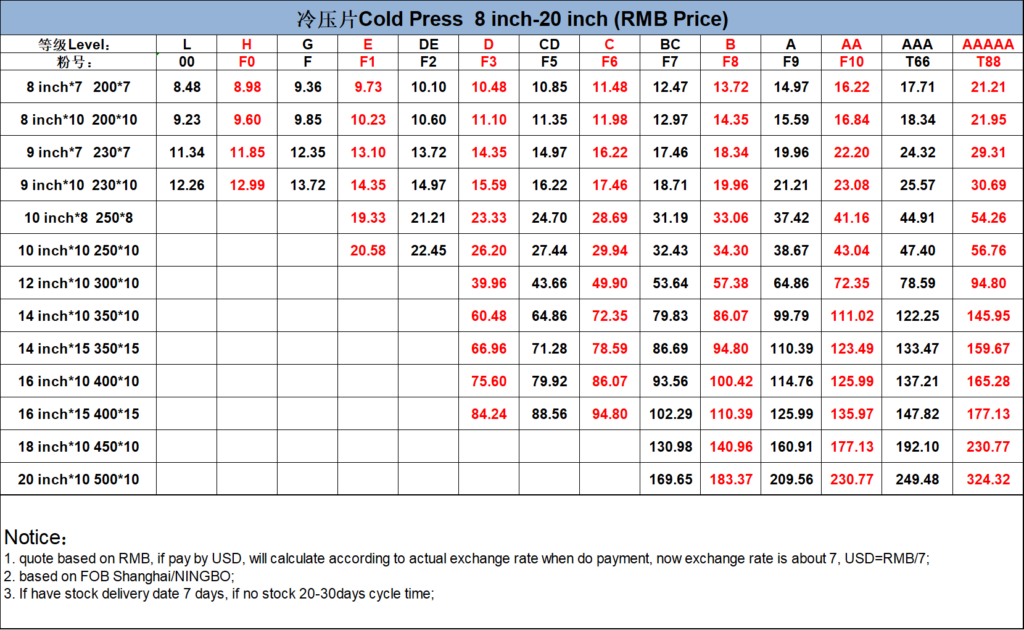
Key Features & Advantages
High-precision Coaxial Positioning Performance
Cutting wheel arbors adopt precision machining structure to control the radial runout of cutting wheels within an ultra-tolerant range. They effectively eliminate eccentric rotation, shaking and vibration caused by poor assembly accuracy during high-speed operation. This excellent coaxial positioning ability ensures flat and smooth cutting incisions with fewer burrs and less deviation. It greatly improves overall cutting precision and workpiece qualification rate for both fine DIY processing and industrial batch production.
Reliable Torque Transmission and Stable Operation
Built with high-strength shaft body and standard thread or keyway structure, cutting wheel arbors provide stable and continuous torque transmission during cutting work. They prevent slipping, stalling and power loss between the tool spindle and cutting wheel under high-load conditions. The matched locking nuts and gaskets ensure uniform stress and firm installation without loose displacement. This stable transmission performance supports long-duration continuous cutting and improves the consistency of batch processing results.
Diversified Industrial Types for Full-scenario Adaptation
Cutting wheel arbors come in multiple professional types to meet different industrial processing needs. Milling arbors support multi-disc combined cutting for batch grooving work. Expanding arbors achieve distortion-free inner clamping for high-precision thin wheels. Slitting arbors enable accurate spacing control for plate slitting production. The diversified product classification covers handheld light cutting, heavy machine cutting and ultra-precision micro-processing scenarios, providing targeted solutions for various cutting operations.
Wide Compatibility and Strong Tool Flexibility
Cutting wheel arbors feature highly standardized shank and thread specifications, compatible with most handheld grinders, die grinders, milling machines and industrial slitting equipment. They allow users to install different sizes and types of cutting wheels on existing power tools without extra equipment modification. This powerful compatibility greatly improves tool utilization rate and functional flexibility. It turns ordinary power tools into multi-functional cutting systems and enriches daily maintenance and industrial processing capabilities.
Improved Safety and Extended Tool Service Life
By ensuring stable rotation and balanced stress distribution, high-quality cutting wheel arbors effectively avoid wheel body jamming, overload cracking and abnormal wear during operation. They reduce vibration friction and eccentric abrasion of cutting wheels, significantly extending the service life of abrasive discs. Standard arbor assembly also minimizes safety risks such as fragmentation and flying debris caused by poor installation. It improves overall operational safety while lowering long-term consumable replacement costs.
FAQ
Q: Are you a factory or a trading company?
A:We are a proffessional manufacturer of abrasive tools with more than 30 years.
Q: Is OEM available?
A: Yes,OEM and customization are available.Also,we can provide label printing service.
Q: Are samples available?
A: Free samples are available while freight is chargeable.
Q: What is your advantages?
A: Good quality product,cheap price and fast loading.
Q: Do you have after-sales services?
A: Yes, we have complete after-sales services,if you encounter any qualit problems with our products.
Packing, Delivery & Shipping

If you meet our minimum order quantity of 300 pieces, customized retail packaging is available for your cutting wheels. We can produce premium hangable color boxes matched with outer export cartons. You can choose to adopt our official LKI brand packaging, or apply your own OEM brand totally.
Customizable items include printed brand logos, product adhesive stickers, personalized color box artwork and outer carton layouts. If you need exclusive customized packaging design, please provide your complete PDF design files for production arrangement.
If your order volume fails to reach the 300-piece MOQ, we will adopt standard neutral brown cartons for bulk shipment. Meanwhile, you can still attach your self-designed brand stickers on the outer packages to mark your own brand.

Packaging Details Adapted for Cutting Wheel
Packaging Content: Each box holds multiple cutting wheels with separating protective paper between discs to avoid scratches and edge chipping during transit.
Inner Package: Hanging retail color box (with hang hole structure suitable for hardware store shelf display, can hold 5 / 10 / 20 pcs as customized request) Outer
Package: Corrugated export carton, shockproof and compression-resistant for long-distance sealand transportation

Shipment

Wide Application Scenarios
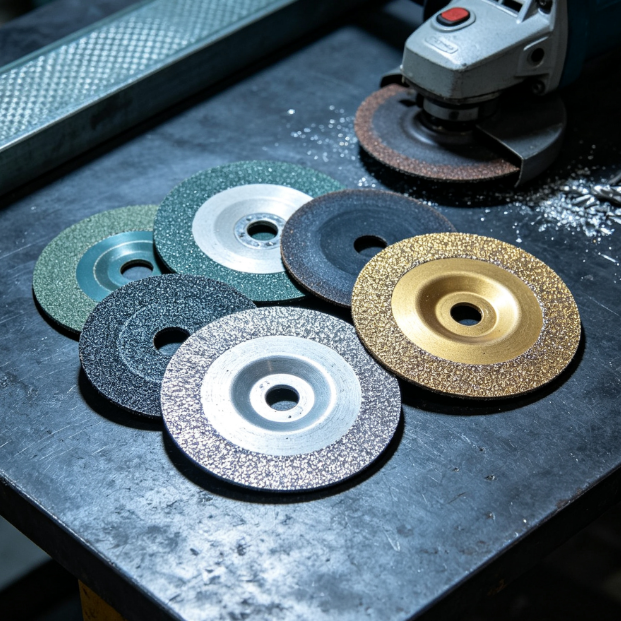
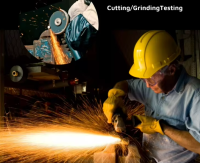
The cutting wheels boast extremely versatile adaptability, perfectly fitting nearly all metal processing, stone machining and construction cutting scenarios.
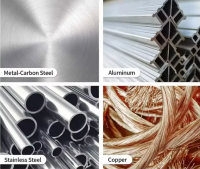
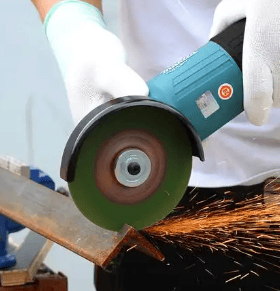
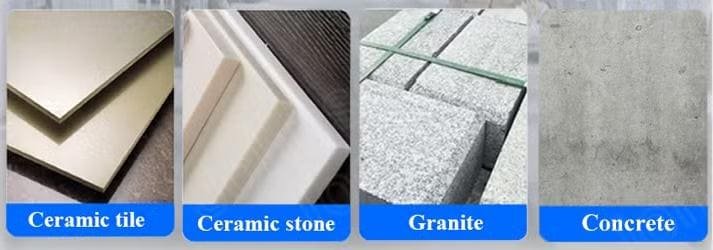
They serve as essential replacement abrasive parts for metal fabrication workshops, construction sites, hardware processing factories, decoration engineering teams and home DIY users. Widely applied in cutting stainless steel plates, iron pipes, solid steel bars, angle iron, stone slabs, ceramic tiles and alloy workpieces, these abrasive cutting wheels are ideal for high-frequency continuous cutting work in metalworking and building construction.
They deliver stable cutting performance to guarantee smooth running of angle grinders, cut-off machines and multi-functional abrasive cutting equipment.
For construction and metalworking scenarios, they are commonly used in steel structure processing, pipeline cutting, decoration renovation, metal mold trimming and stone splitting in factories, construction sites and hardware workshops.
The precisely manufactured cutting wheels realize smooth, burr-free cutting of workpieces. They greatly boost cutting efficiency, reduce motor load of grinding equipment, cut down energy consumption and extend the service life of power tools. Whether applied for rough cutting of thick metal materials, precision trimming of thin stainless steel sheets, or long-time continuous high-speed cutting, these durable cutting wheels maintain stable cutting ability and wear resistance for long-term daily use.
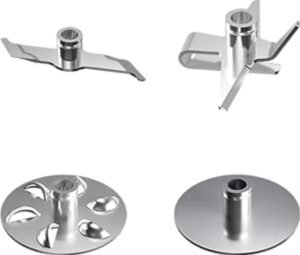
Blender Blade
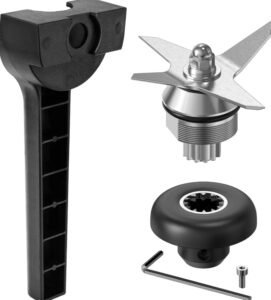
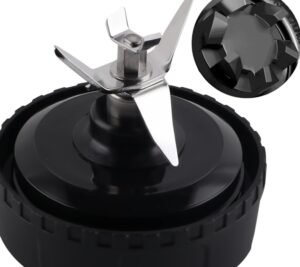
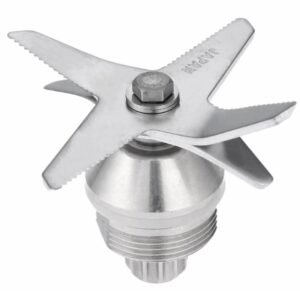
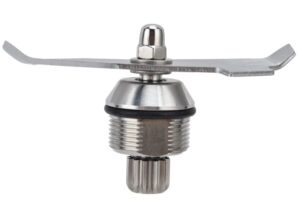
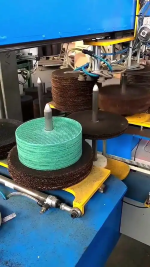
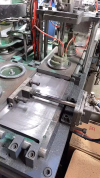
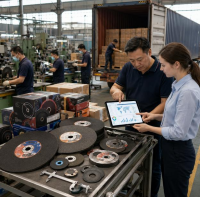
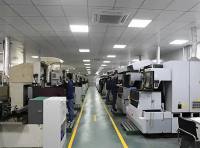
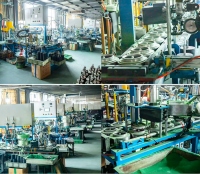
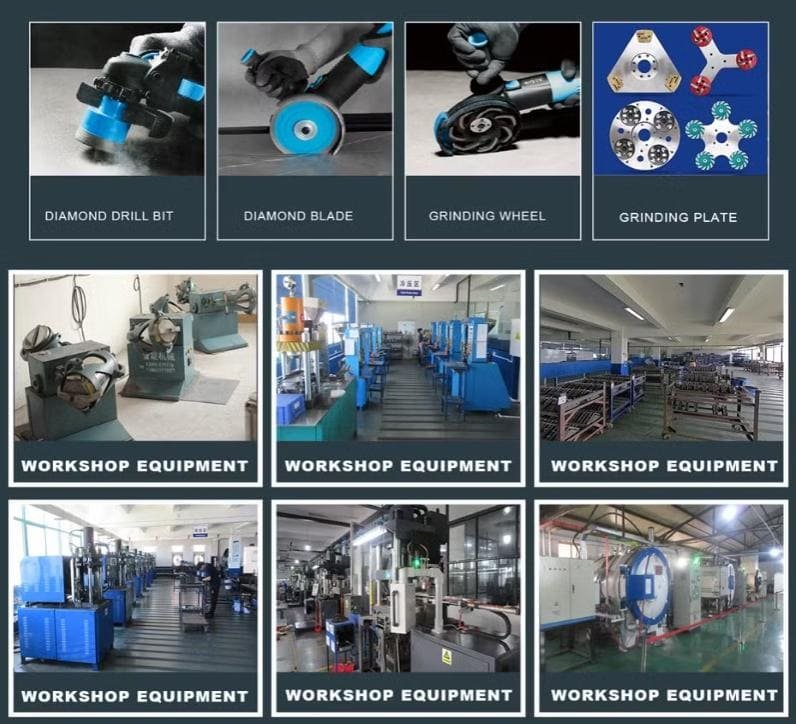
Factory: Capacity: 300,000pcs Emloyee: 150 Sell Area: South Asia, EU, South Africa
Post about Cutting Wheel:
Demolition Hammer & Rotary Hammer
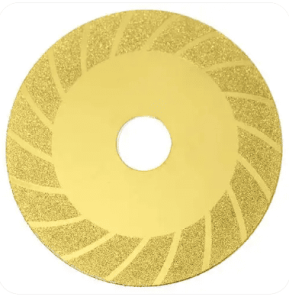
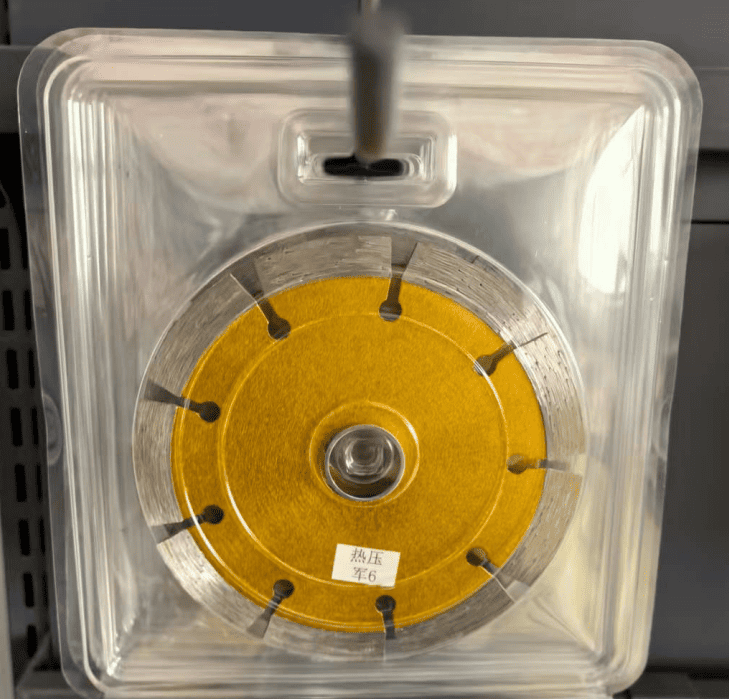
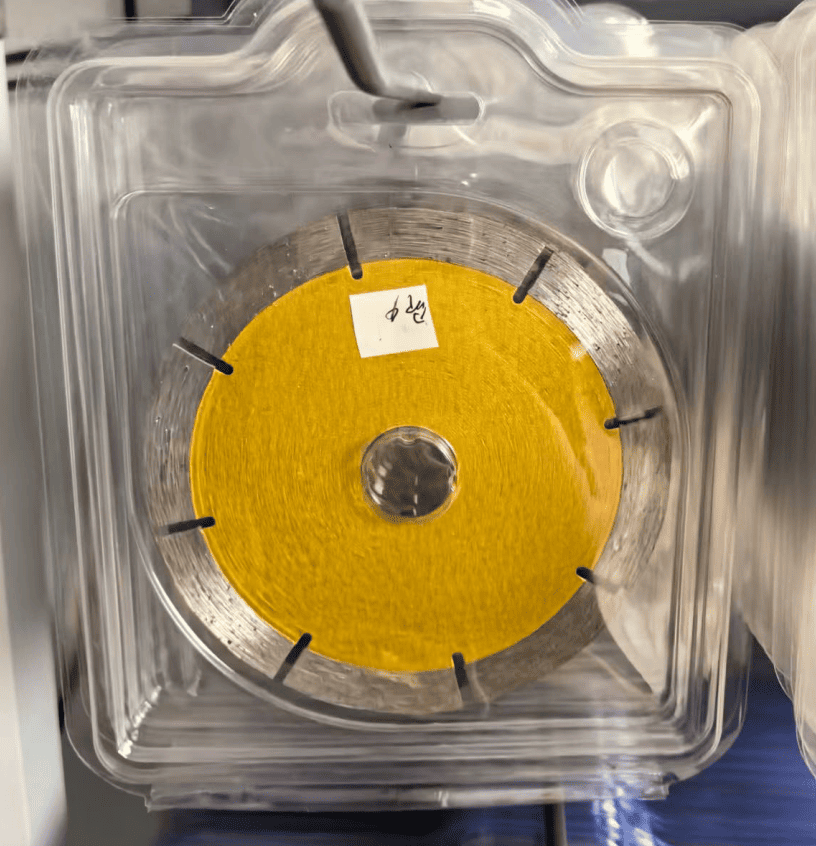
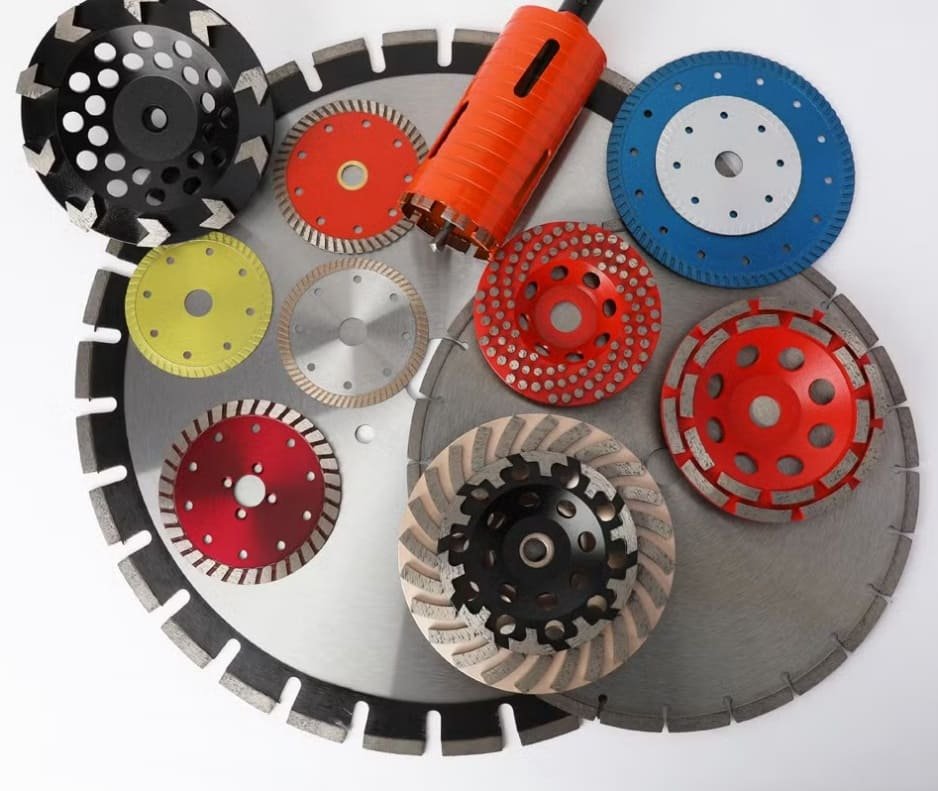
Diamond Blade

Welcome to call us
Contact Us to get quotation
Working Time: 8:00~17:00 Monday to Friday.
Applications:
Factory:
FAQ
Welcome to call us
Contact Us to get quotation
Working Time: 8:00~17:00 Monday to Friday.