Are all carbon brushes the same?
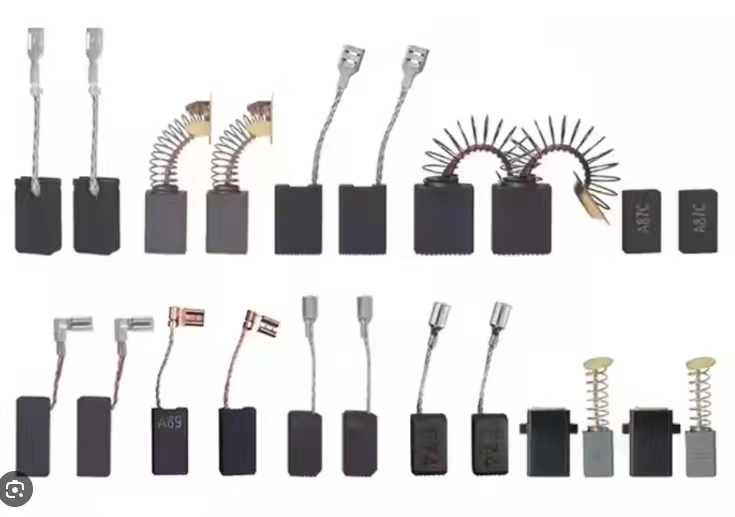
Are all carbon brushes the same?
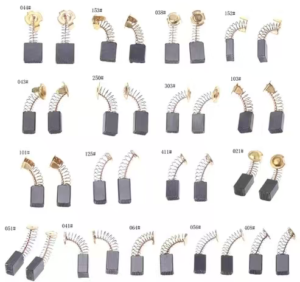
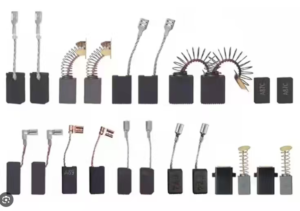
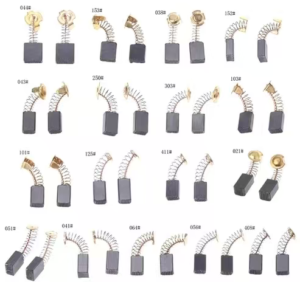
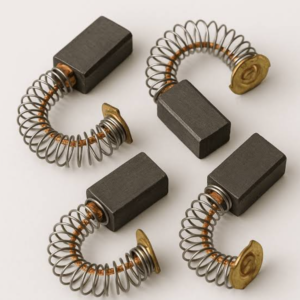
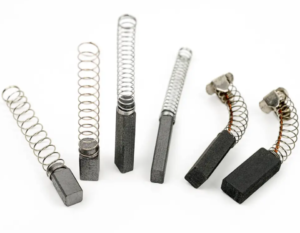
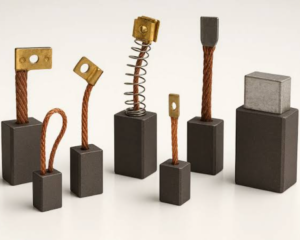
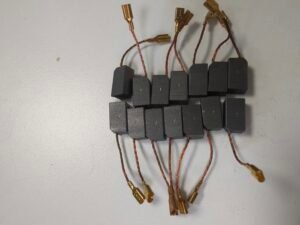
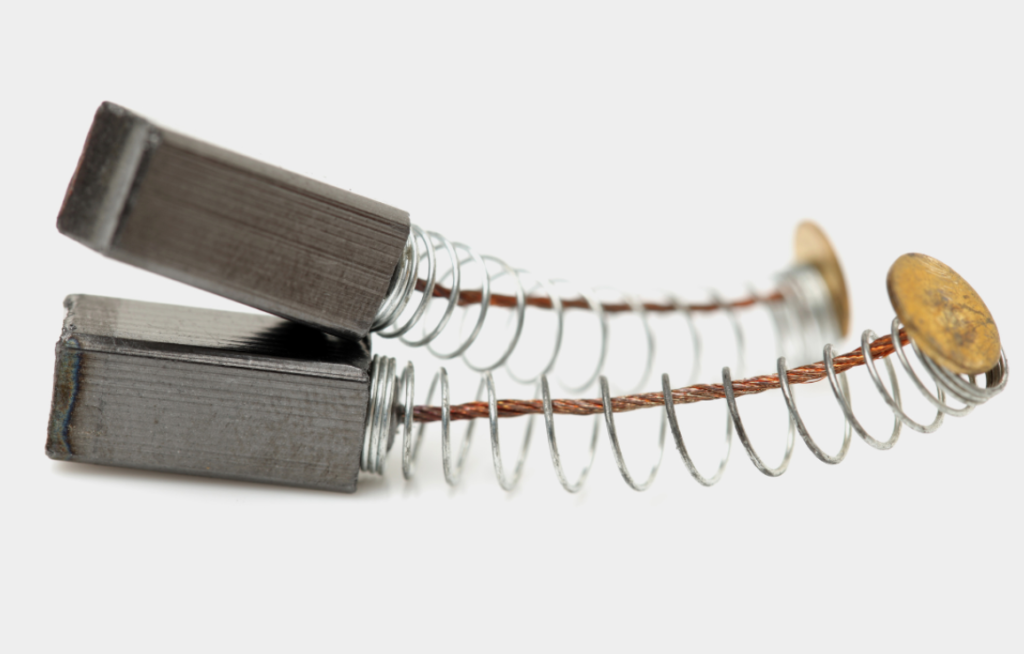
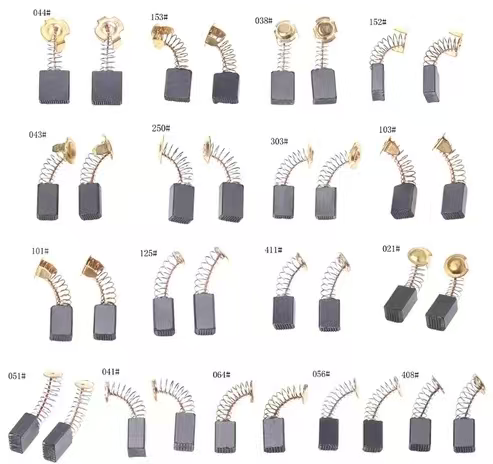
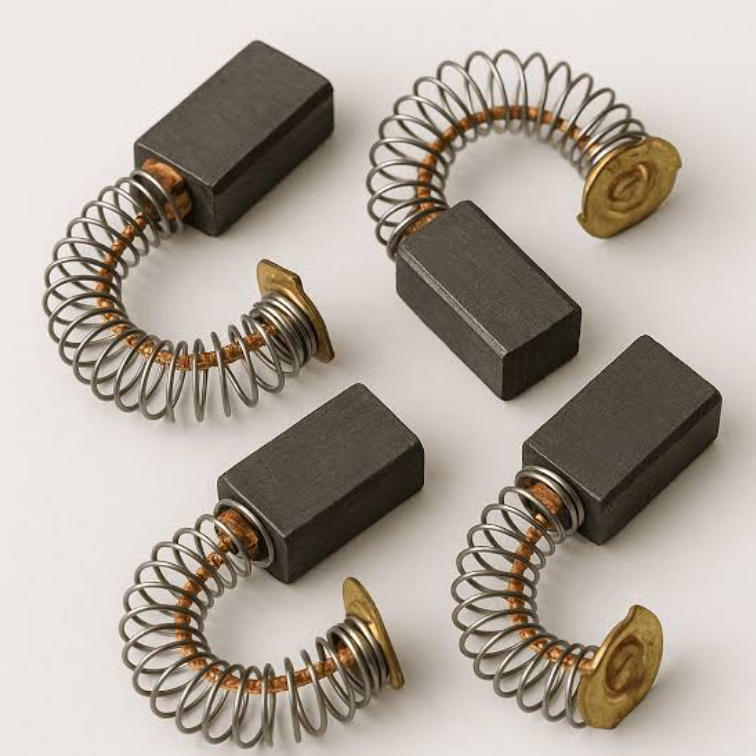
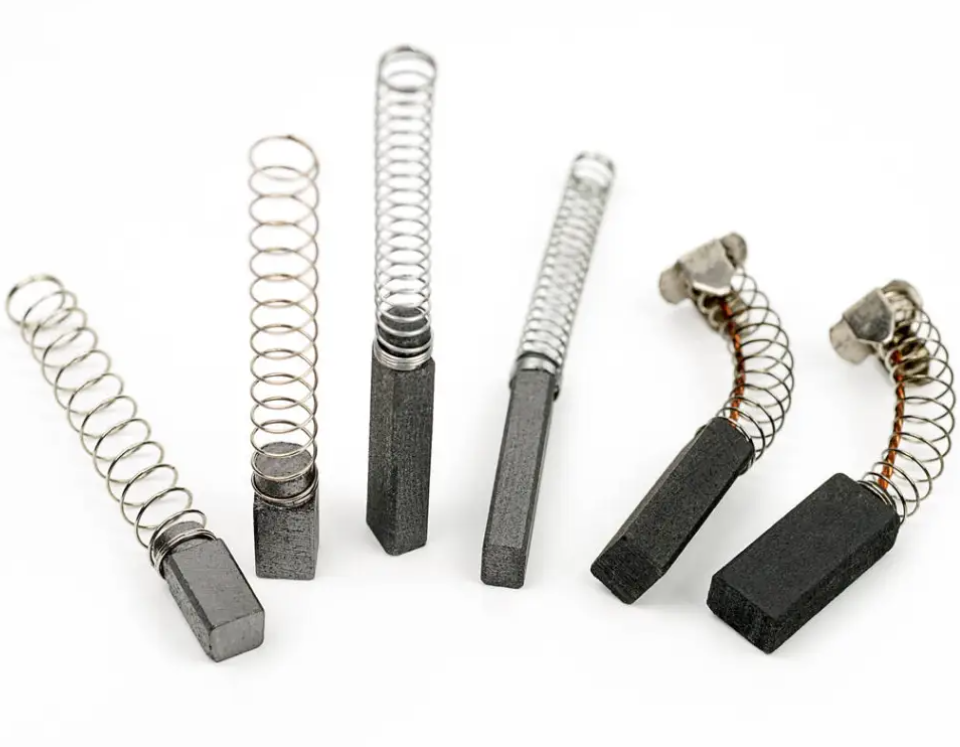
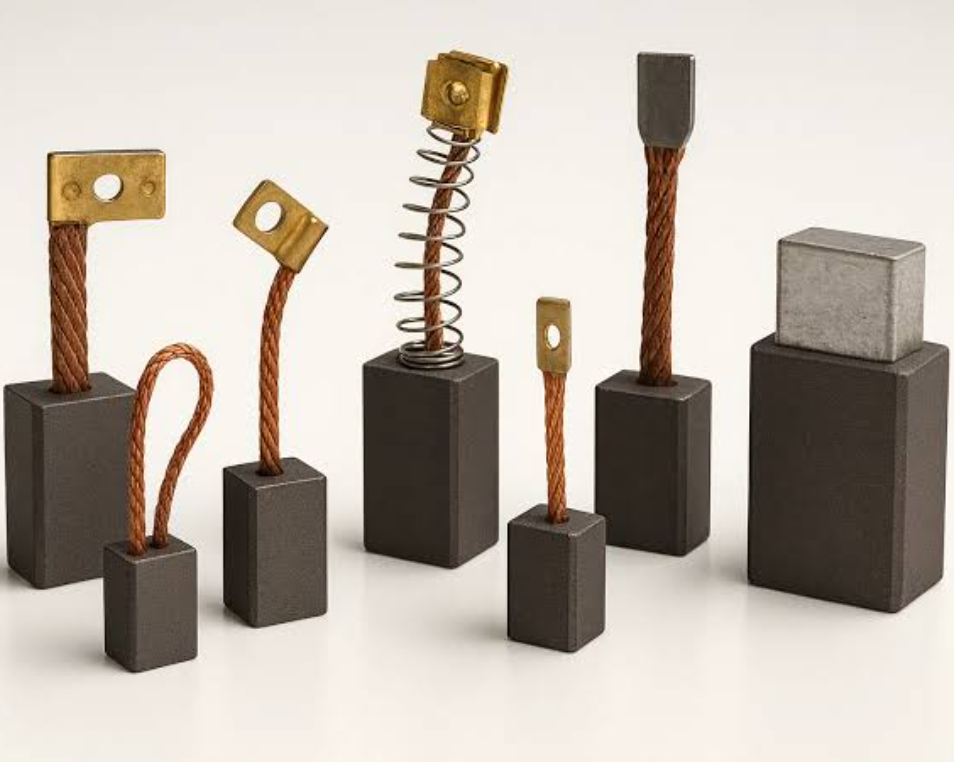
Are all carbon brushes the same?Not all carbon brushes are identical; even carbon brushes that look nearly the same in external appearance feature huge fundamental differences in material composition, physical and electrical properties, dimensional specifications and applicable working scenarios, and mismatched carbon brush selection will directly cause abnormal motor operation, accelerated component wear and even permanent equipment failure.
Differences in Core Material Composition
The internal material formula and structural composition are the most essential differences that distinguish different types of carbon brushes, and various customized material formulations are independently developed and manufactured for targeted motor operating conditions. Different material systems bring completely different friction characteristics, conductive performance and environmental adaptability, which fundamentally determine the applicable boundaries and service life of carbon brushes. Even with consistent outer dimensions, carbon brushes made of different materials cannot replace each other in actual industrial and civilian applications.
Carbon brushes made of pure carbon graphite materials are characterized by relatively high contact voltage drop, accompanied by excellent self-lubricating performance and stable commutation ability. The natural graphite structure forms a smooth and uniform friction interface during high-speed sliding operation, which can effectively suppress commutation sparks and reduce mechanical vibration. This unique performance makes carbon graphite brushes highly suitable for high linear speed synchronous motors and collector ring equipment, which require stable high-speed operation and precise commutation effects for a long time.
Resin-bonded graphite carbon brushes adopt a special resin bonding process in production, which greatly improves the internal structural compactness of the brush body. Compared with ordinary graphite brushes, this type of carbon brush has higher overall resistance, as well as outstanding oxidation resistance and wear resistance. It can maintain stable structural performance and low loss rate under long-term alternating current impact and conventional load operation. Benefiting from these advantages, resin-bonded graphite brushes are widely matched with AC commutator motors that require continuous and stable operation.
Electrographite carbon brushes are processed through professional electrochemical graphitization treatment, with an extremely low surface friction coefficient and excellent thermal stability. This material structure can keep the carbon brush from thermal deformation and performance attenuation under long-term high-temperature and high-load conditions. Meanwhile, it has superior current collection and conduction performance, ensuring uniform and stable current transmission. These comprehensive advantages make electrographite brushes the preferred choice for industrial equipment that needs continuous high-load cyclic operation.
Metal graphite carbon brushes are compounded with metal powder and graphite materials, forming a high-conductivity composite structure. This material type has far stronger conductive capacity and higher safe current density than pure graphite brushes. It can stably bear large current impact and low-voltage load operation without excessive heat generation or current attenuation. Therefore,
Differences in Hardness and Electrical Performance
Carbon brushes of different grades have obvious hierarchical differences in physical hardness, current carrying capacity and arc resistance, and these core performance parameters are precisely calibrated according to different working condition requirements. Hardness determines the mechanical friction resistance and wear cycle of the carbon brush, while electrical parameters directly affect the current transmission stability and high-temperature resistance of the motor. The subtle parameter differences seem insignificant, but they play a decisive role in the long-term operating state of the equipment.
Carbon brushes with low hardness have better flexibility and fitting performance, which can form a close contact state with the commutator surface, but their current carrying capacity is relatively weak, and they are prone to rapid wear under high-current load. In contrast, high-hardness carbon brushes have stronger structural stability and wear resistance, and can resist mechanical impact and friction loss for a long time. However, excessive hardness will reduce the self-lubricating performance, easily cause poor fitting, and increase the risk of commutation sparking.
The current carrying capacity of carbon brushes also has strict grade classification. Low-grade ordinary carbon brushes are only suitable for small current and light-load operation scenarios. Once they are used in high-current working environments, excessive current density will cause local overheating of the contact surface, rapid ablation of the brush body and sharp deterioration of conductive performance. High-grade industrial carbon brushes are designed with optimized material structures, which can maintain stable current transmission and avoid thermal failure under long-term high-load current impact.
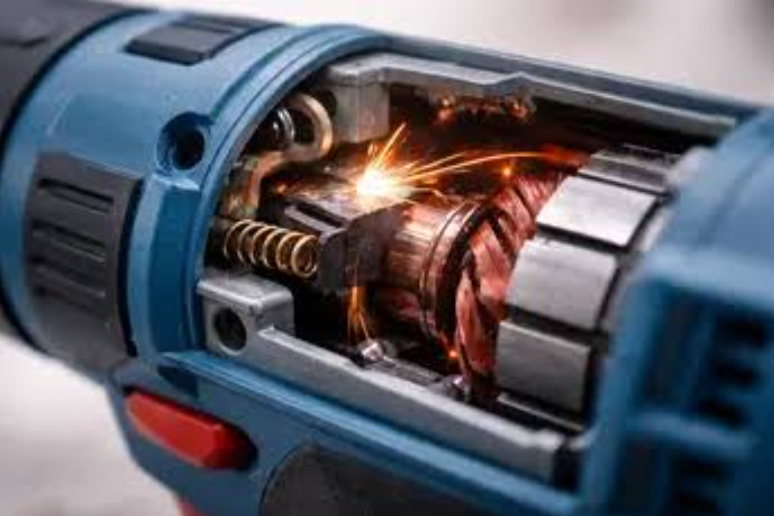
Arc resistance is another key differentiated performance. High-quality customized carbon brushes can effectively suppress arc generation during commutation and avoid high-temperature electric arc erosion. Ordinary mismatched carbon brushes have poor arc resistance, and continuous spark ablation will not only accelerate their own wear failure, but also cause scratch and ablation damage to the commutator copper surface. Long-term use of mismatched performance carbon brushes will lead to irreversible permanent damage to the motor commutator and core components.
Differences in Size and Structural Morphology
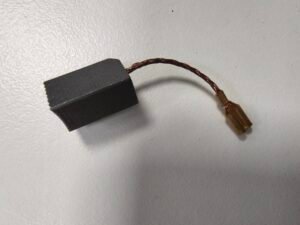
Carbon brush size and structural shape are strictly customized according to the supporting motor parameters, and there are extremely strict industrial tolerance standards for core dimensions, which cannot be replaced by similar-size products arbitrarily. The three core dimensions of thickness, width and height jointly determine the installation matching degree and sliding stroke of the carbon brush in the brush holder. Even a tiny dimensional deviation will completely change the operating state of the carbon brush and trigger equipment faults.
The thickness and width of the carbon brush must precisely match the inner diameter of the motor brush holder. Standard matching gaps are professionally calibrated to ensure that the carbon brush can slide flexibly with wear consumption without jamming or excessive shaking. If the size is slightly larger, the carbon brush will be stuck in the brush holder, resulting in poor contact and power interruption; if the size is slightly smaller, the carbon brush will shake during operation, causing unilateral eccentric wear and unstable current conduction.
The overall height of the carbon brush corresponds to the effective compression stroke of the spring and the maximum wear cycle. Excessively short carbon brushes will lead to insufficient spring compression in the later stage of wear, unable to maintain close fitting with the commutator. Overly long carbon brushes will have redundant structural parts that cannot be installed in place, causing structural extrusion and abnormal friction. All dimensional parameters are designed according to the original motor standards, with no arbitrary substitution space.
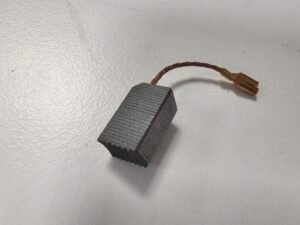
In addition to linear dimensions, the contact surface shape of carbon brushes also has targeted differentiation designs. Different arc curvatures, flat surfaces and special-shaped contact structures are matched with commutators of different outer diameters and radian specifications one by one. Only the carbon brush with a completely matching contact arc can achieve full-surface fitting, ensure sufficient contact area, reduce contact resistance and avoid concentrated sparking and local overheating caused by poor fitting.
Differences in Applicable Working Scenarios
Carbon brushes used in different types of equipment have completely independent material formulas and performance design standards, and cross-scenario replacement and universal use are not allowed. Each type of motor equipment has unique operating characteristics such as load size, rotating speed, current type and operating cycle, which puts forward targeted performance requirements for carbon brushes, forming exclusive scenario-based matching rules.
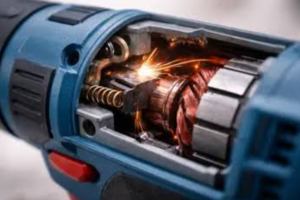
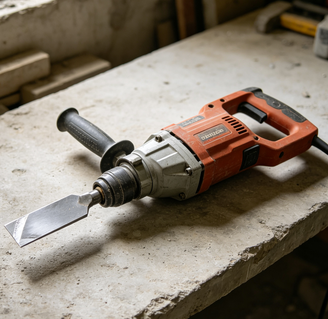
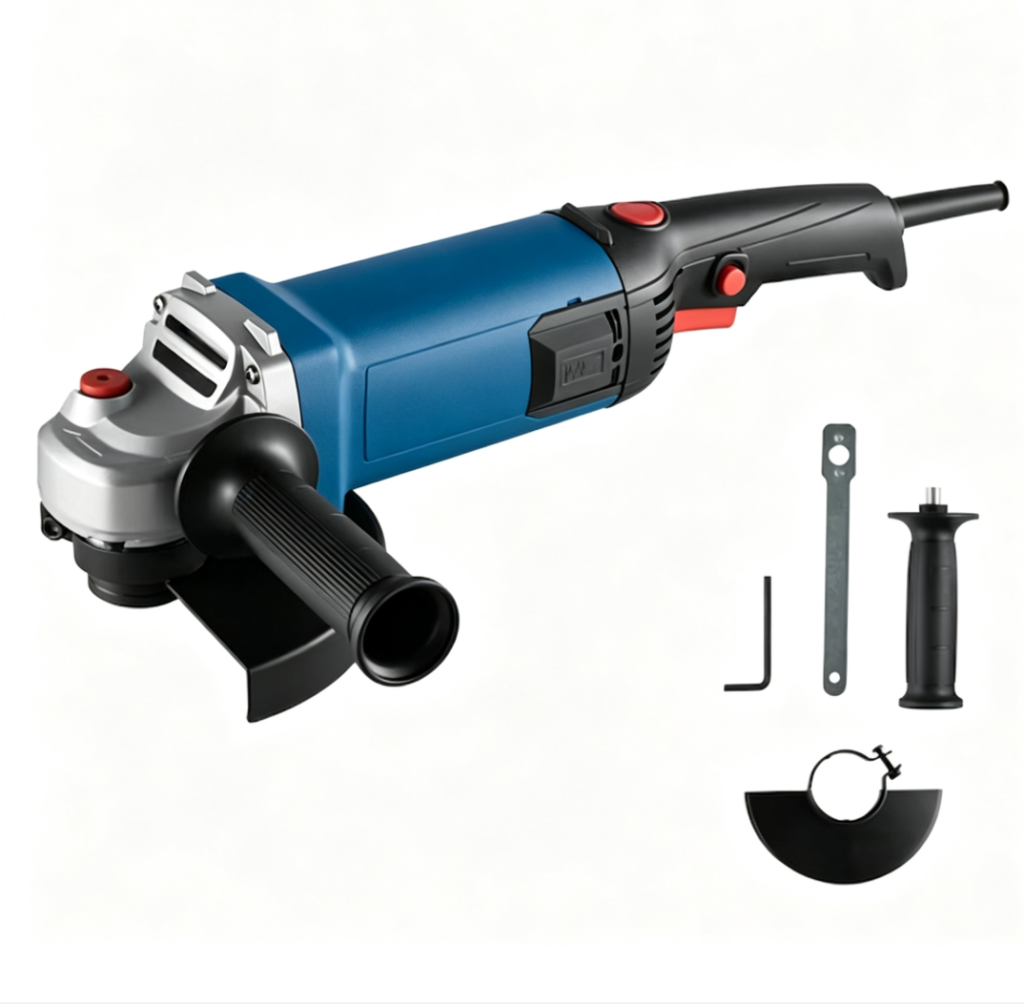
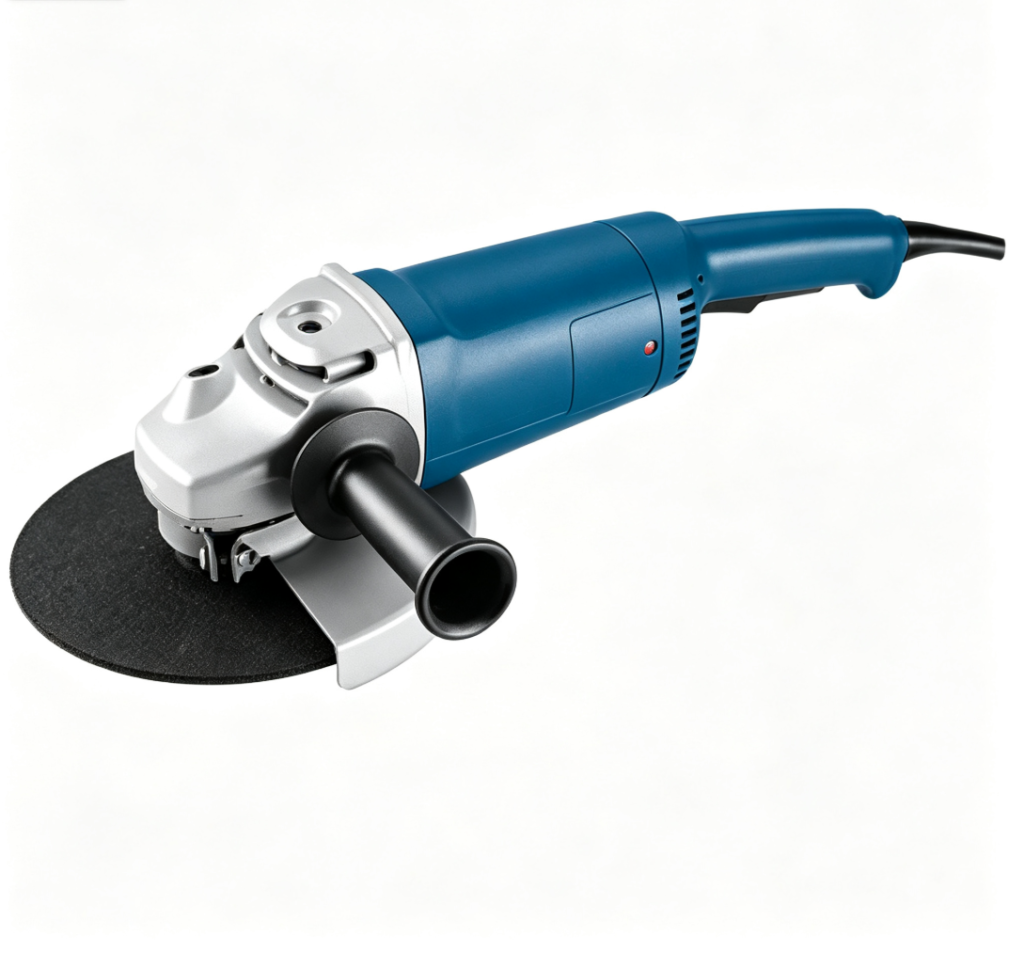
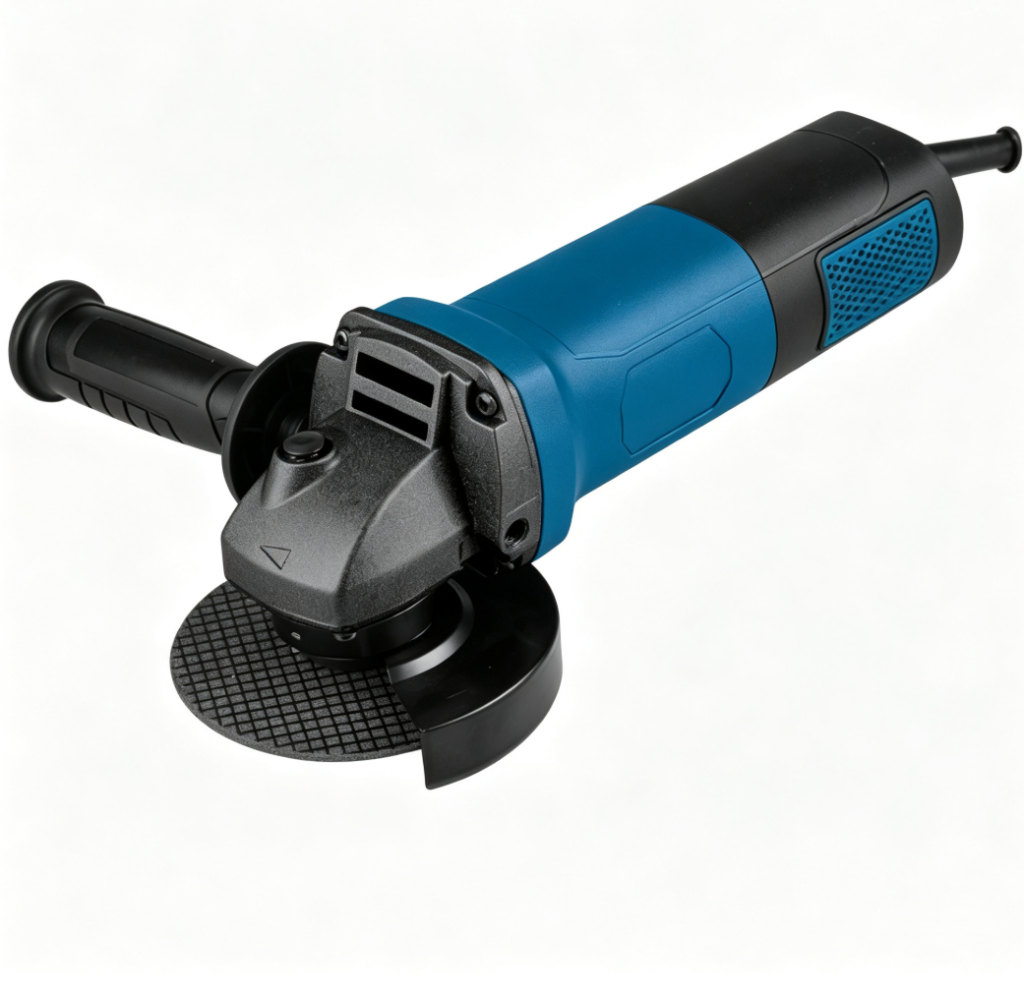
Small civilian equipment such as electric drills, angle grinders and household vacuum cleaners pursue high-speed lightweight operation and intermittent working modes. The matched carbon brushes focus on lightweight structure, moderate wear resistance and low-cost performance, with relatively low requirements for high-load current carrying and long-term high-temperature resistance. The material hardness and conductive parameters of civilian carbon brushes are completely adapted to short-time intermittent operation scenarios.
Industrial generators and large-scale industrial drive motors need long-term uninterrupted continuous operation, with high load current and stable operating temperature. The supporting carbon brushes must have excellent thermal stability, high current density resistance and ultra-long wear life. Their material formula and structural strength are far higher than civilian products, and ordinary household carbon brushes will wear out rapidly and fail instantly when used in industrial high-load scenarios.
Automotive adjustment motors and vehicle-mounted auxiliary motors are in complex vibration and variable-load working environments for a long time. The matched carbon brushes need to have anti-vibration stability and excellent adaptive friction performance. Their structural toughness and contact stability are specially optimized for vehicle operating conditions. It is impossible to realize normal operation by replacing with industrial or civilian universal carbon brushes, and cross-scenario misuse will lead to frequent equipment faults and shortened service life.
Q&A Session
Q1: Can all carbon brushes be used interchangeably?
No, carbon brushes cannot be universally interchanged. They differ greatly in material composition, hardness, electrical performance, size structure and scenario adaptability. Even carbon brushes with similar appearances have targeted performance designs for specific motors, and cross-model or cross-scenario replacement will cause motor failure and component damage.
Q2: What are the main differences between different carbon brush materials?
Carbon graphite brushes feature good lubrication and commutation performance for high-speed synchronous motors. Resin-bonded graphite brushes have high oxidation resistance and wear resistance suitable for AC commutator motors. Electrographite brushes own low friction and stable thermal performance for long-term high-load operation. Metal graphite brushes have strong conductivity for high-current and low-voltage heavy-duty motors.
Q3: Why do mismatched carbon brushes damage the motor?
Mismatched hardness and electrical parameters will lead to accelerated carbon brush wear, unstable contact and continuous commutation sparking. Long-term poor contact will cause local overheating and arc ablation, which will not only shorten the service life of the carbon brush, but also leave permanent scratches and ablation marks on the commutator surface, causing irreversible damage to the motor.
Q4: Why cannot carbon brushes for different equipment be mixed?
Civilian tools, household appliances, industrial generators and vehicle motors have completely different operating load, speed and working cycle characteristics. Their matched carbon brushes are customized in terms of material formula, structural size and performance parameters. Cross-scenario mixing will result in insufficient performance adaptation and frequent operational anomalies.
Summary
To conclude, carbon brushes are not universal standardized accessories despite their simple appearance, and they have significant differentiated attributes in multiple core dimensions. Different material compositions including carbon graphite, resin-bonded graphite, electrographite and metal graphite determine the basic friction, lubrication and conductive characteristics of carbon brushes and define their basic applicable working conditions. Graded differences in hardness, current carrying capacity and arc resistance further refine the performance boundaries of each type of carbon brush, and parameter mismatch will induce abnormal wear and permanent motor damage. Strictly customized dimensional specifications and contact shapes ensure precise installation and fitting with different brush holders and commutators, eliminating arbitrary substitution. Scenario-based targeted design for civilian equipment, industrial generators and vehicle motors realizes exclusive performance matching for different operating environments. Understanding these essential differences is the key to accurate carbon brush selection and replacement, which can effectively avoid equipment faults caused by mismatched accessories and ensure long-term stable motor operation.
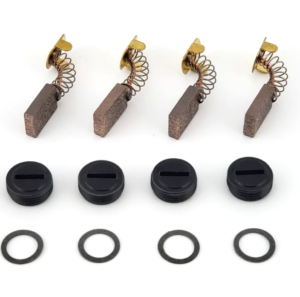
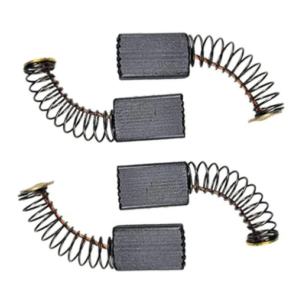
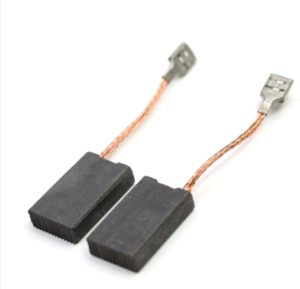
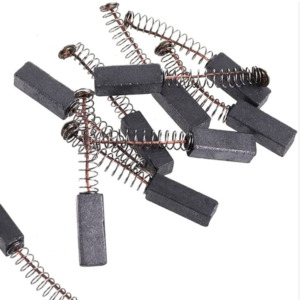
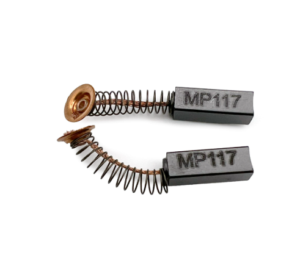
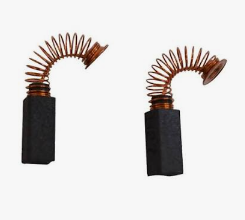
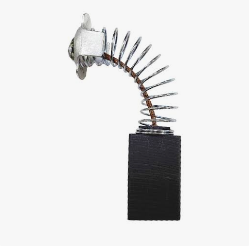
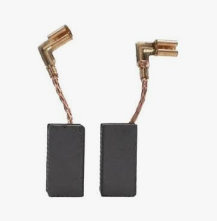
Carbon Brush for Sale:
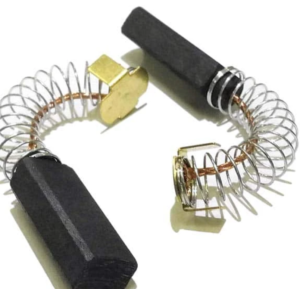
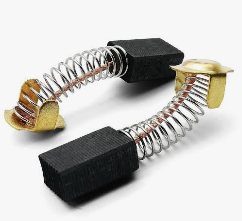
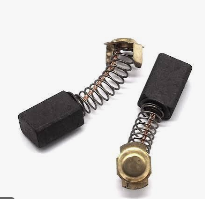
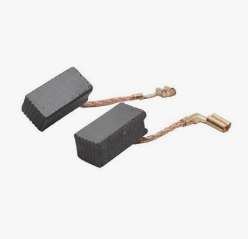
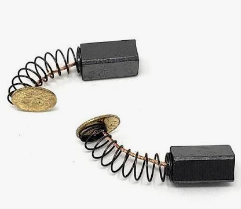
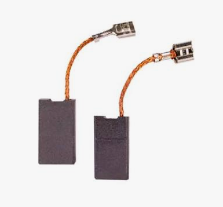
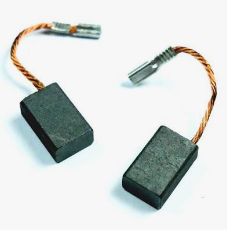
Post about Carbon Brush:
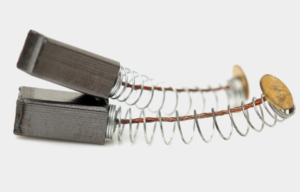
Diamond Blade

Welcome to call us
Contact Us to get quotation
Working Time: 8:00~17:00 Monday to Friday.
Applications:
Factory:
FAQ
Welcome to call us
Contact Us to get quotation
Working Time: 8:00~17:00 Monday to Friday.
Blender Blade:
Chisel Bit:
Cutting Wheel:
Diamond Core Drill Bit:
Flap Disc:
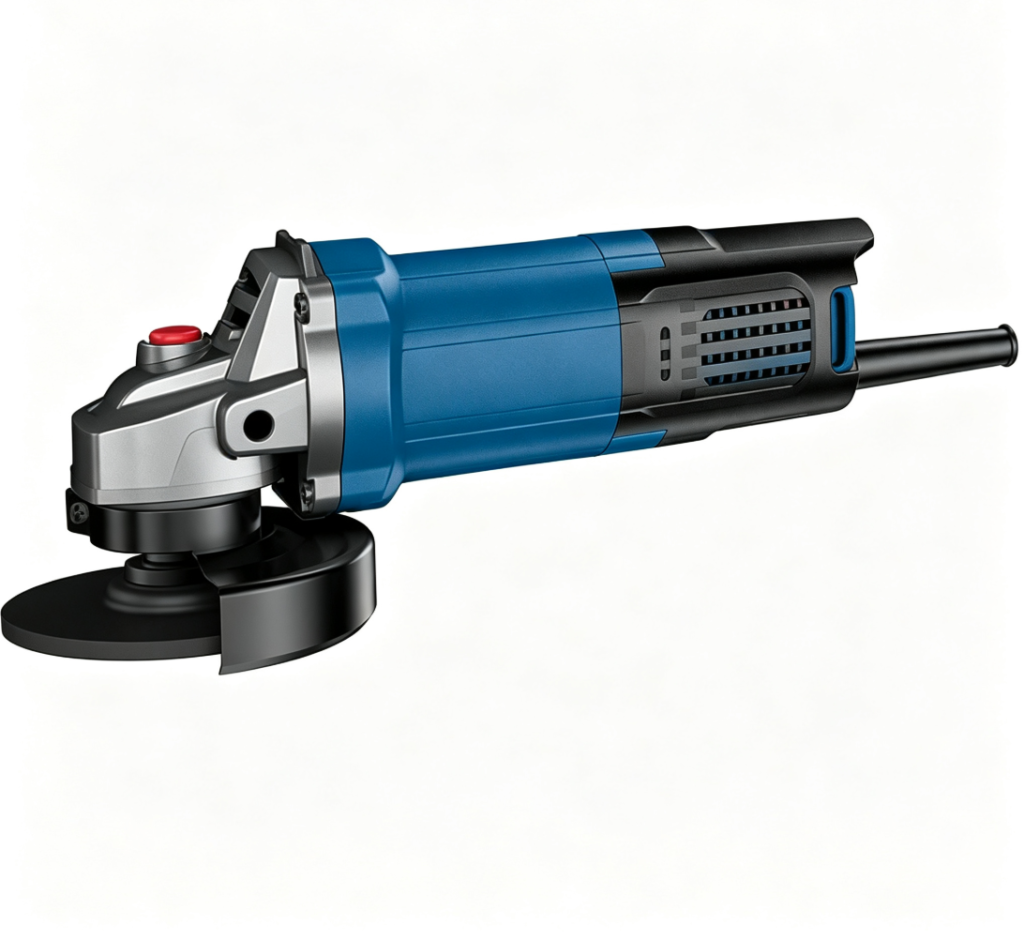
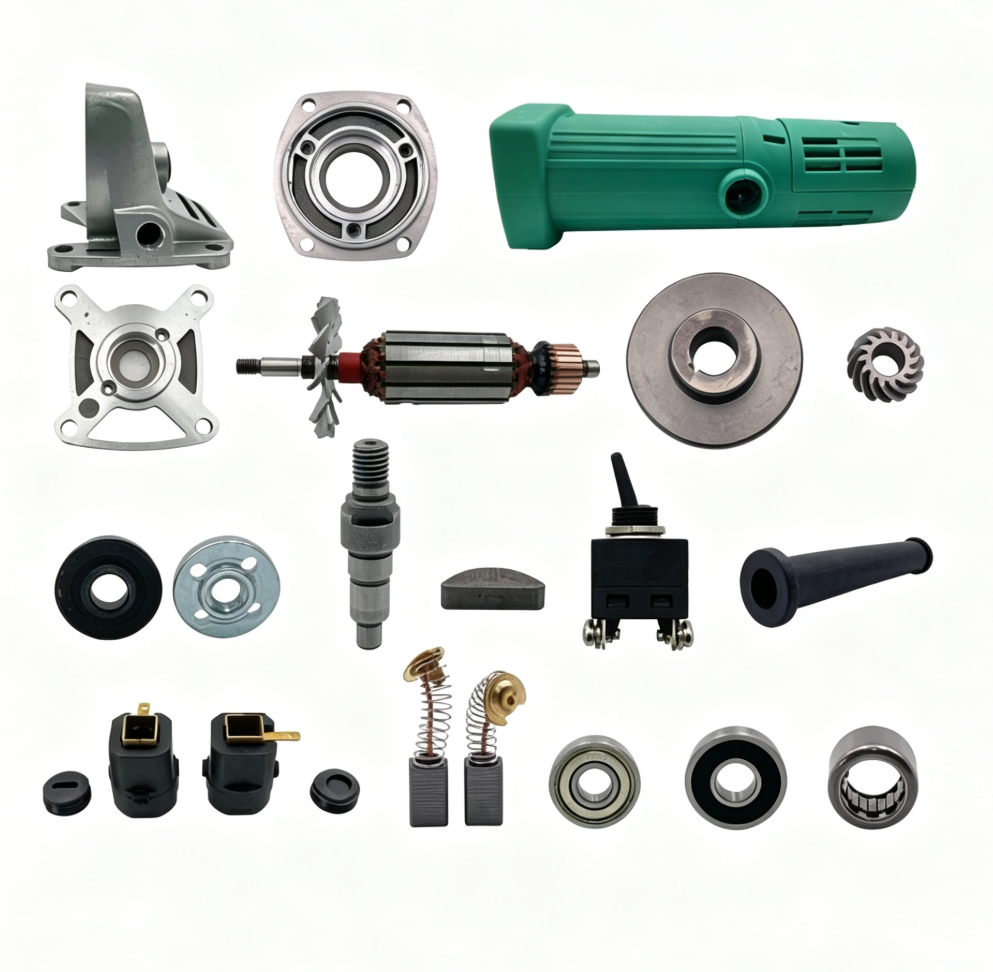
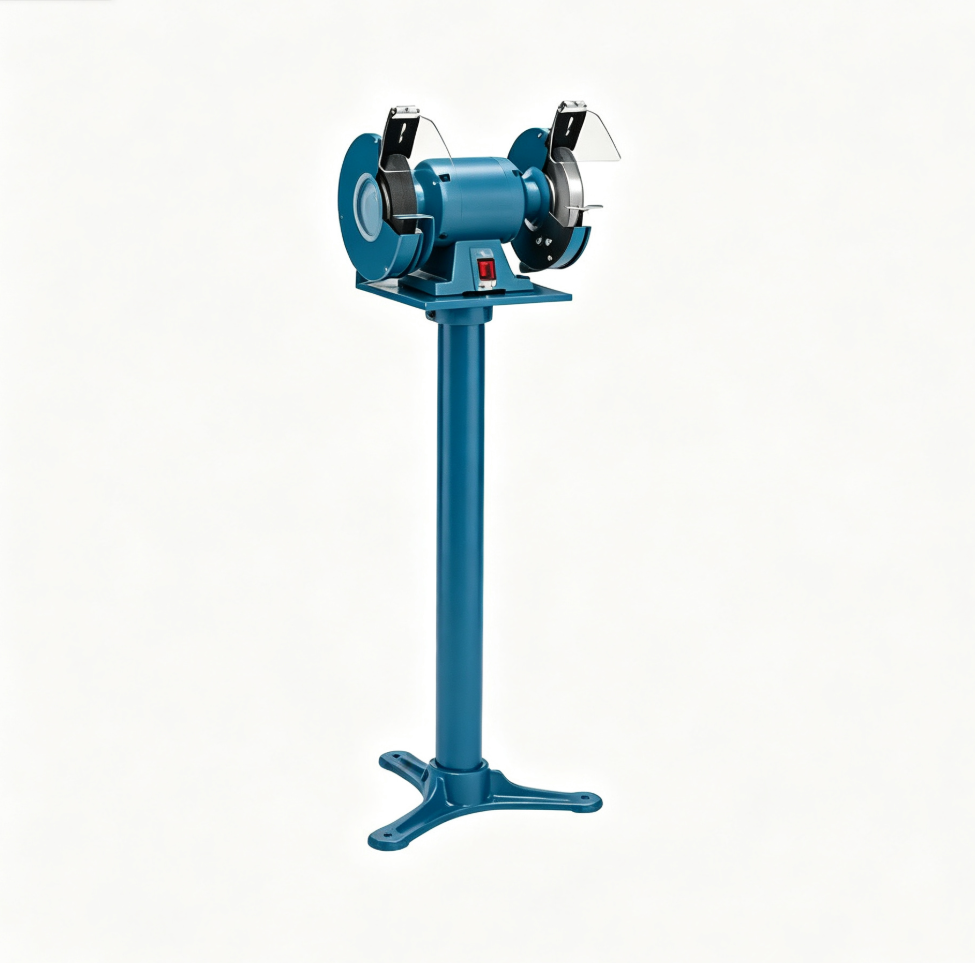
Angle Grinder:
Industrial fan:
Demolition Hammer:
Blogs:
You May also Interest in other topics:
5000 mesh nano calcium grinding mill