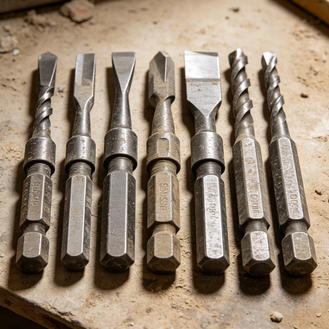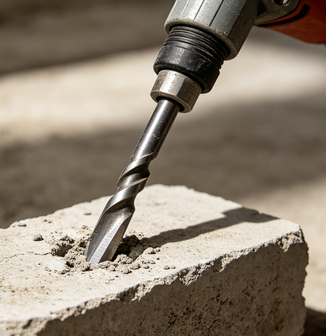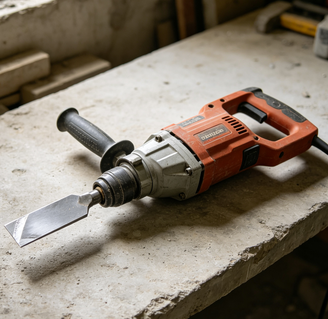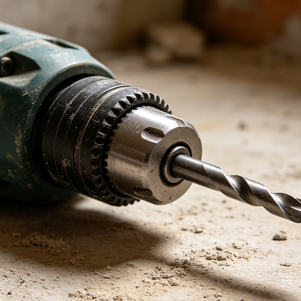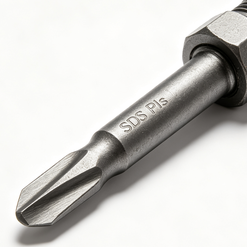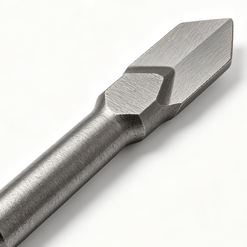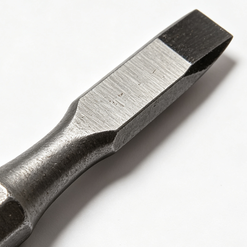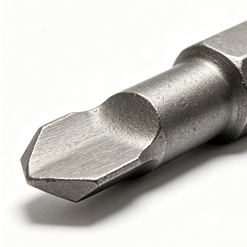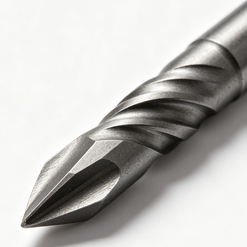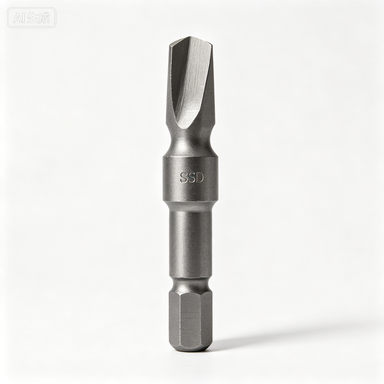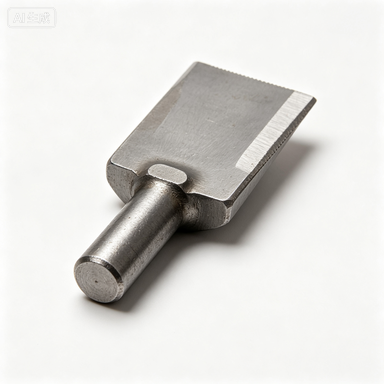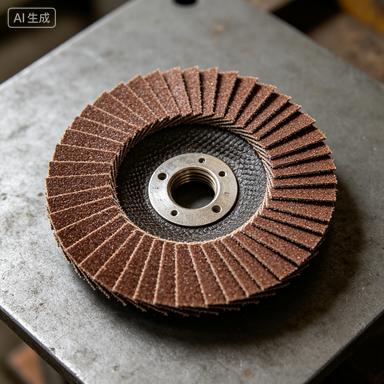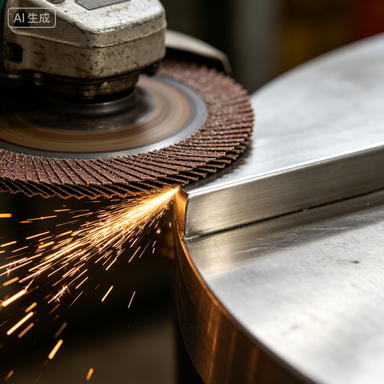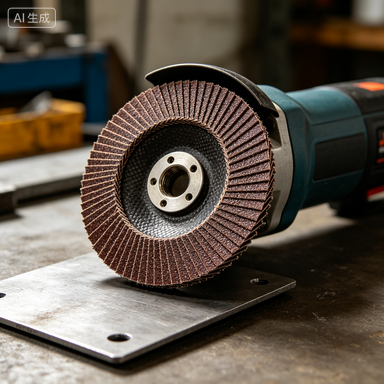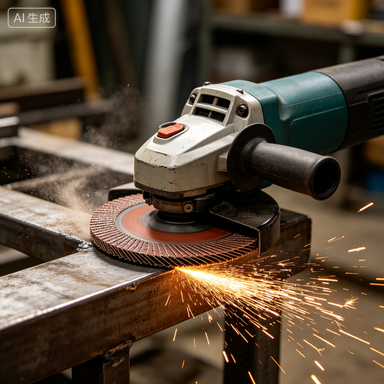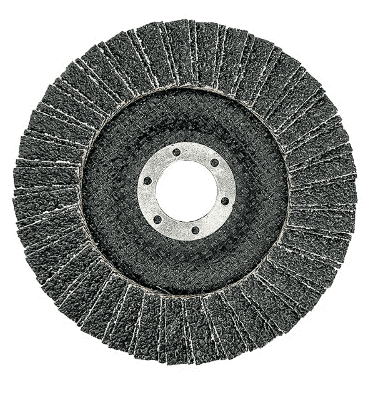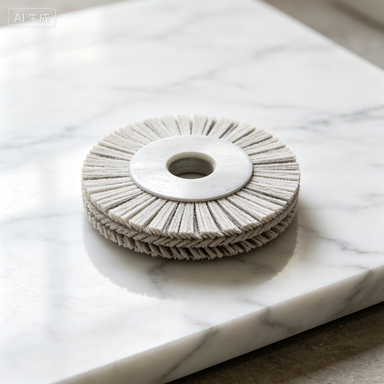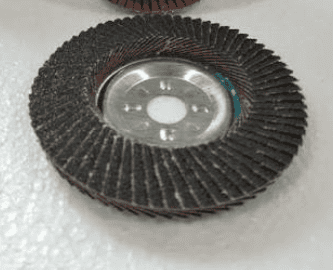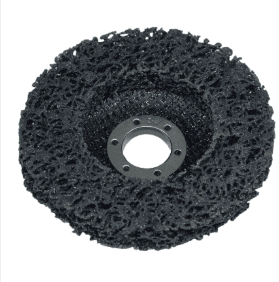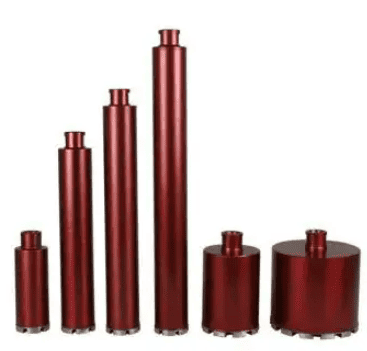
Introduction of cutting wheel
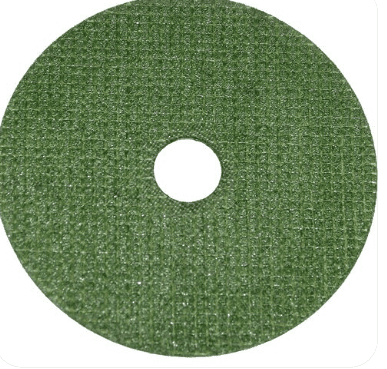
Cutting Wheels: Classification and Applications
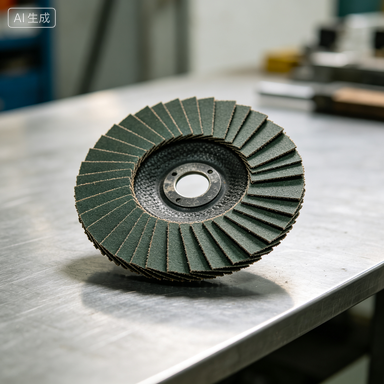
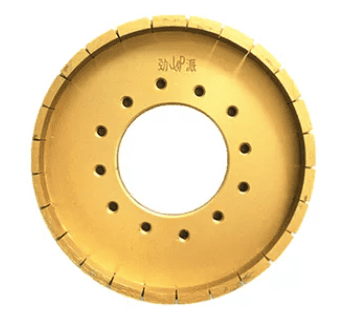
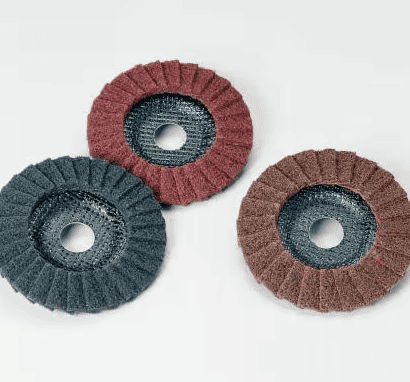
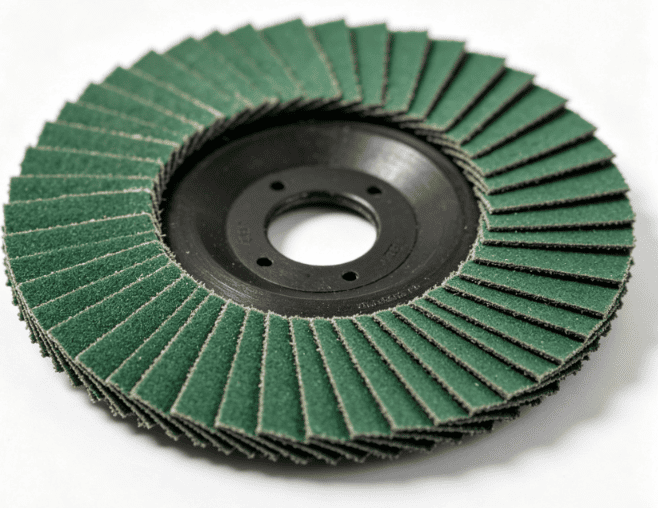
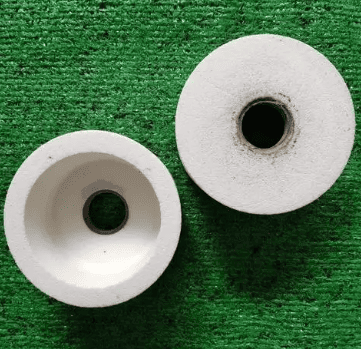
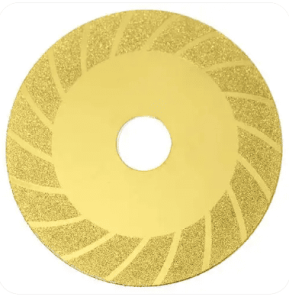
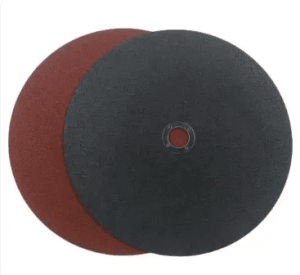
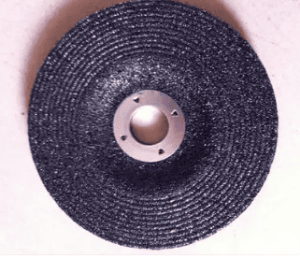
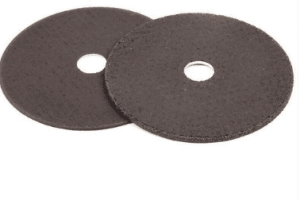
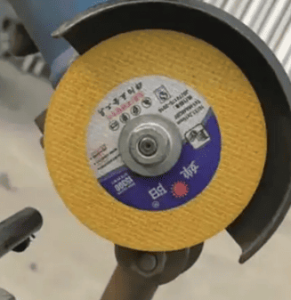
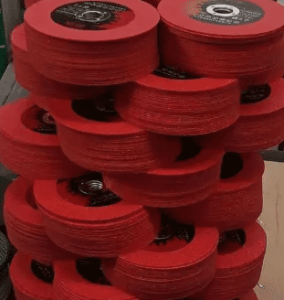
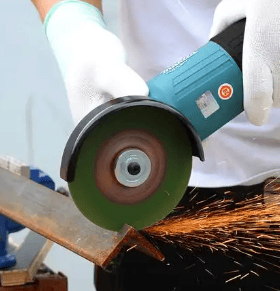
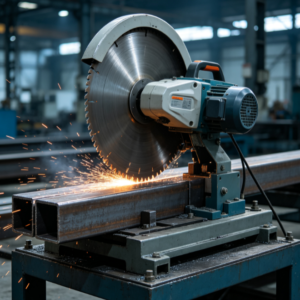
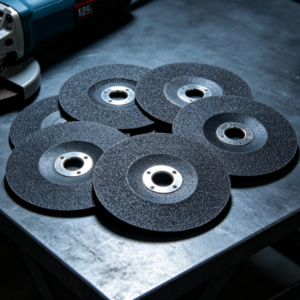
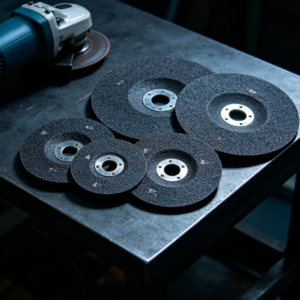
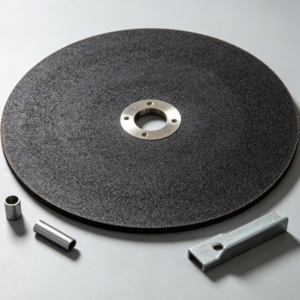
Cutting wheels belong to the abrasive wheel category, consisting of abrasive grains and resin bonds to form thin discs for cutting ordinary steel, stainless steel, and non-metallic materials. They are mainly classified into resin-bonded cutting wheels and diamond cutting blades.
Applications:
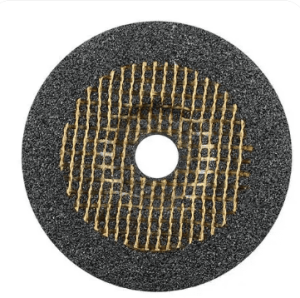
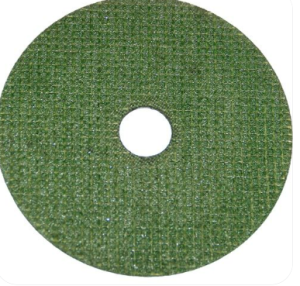
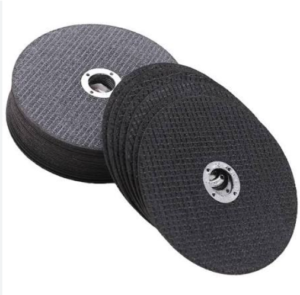
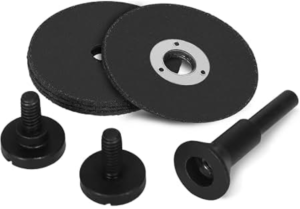
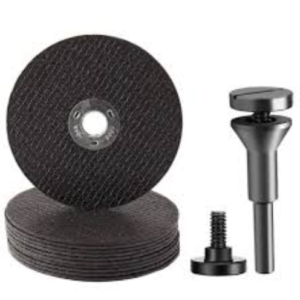
Reinforced with fiberglass and resin, these cutting tools demonstrate high tensile strength, impact resistance, and bending strength. They are widely used for material separation in processing ordinary steel, stainless steel, and non-metallic materials. Premium materials and precision manufacturing ensure high cutting efficiency and optimal cost-effectiveness for various workpieces.
Classification:
- Resin-bonded Cutting Wheels:
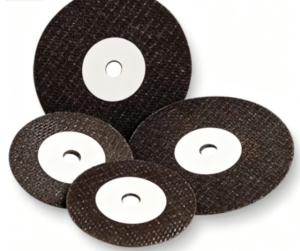
- Utilize resin as binder with fiberglass mesh reinforcement
- Particularly effective for difficult-to-cut materials like alloy steel and stainless steel
- Available in dry and wet cutting versions for stable precision
- Proper material and hardness selection enhances efficiency and reduces production costs
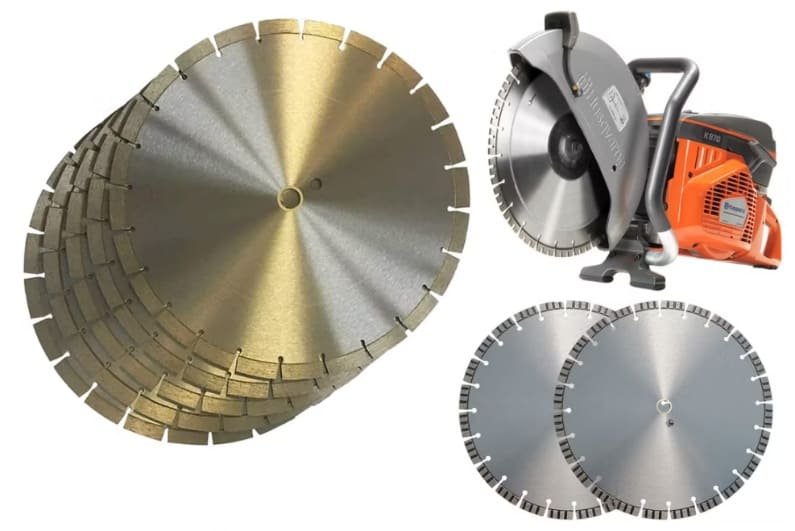
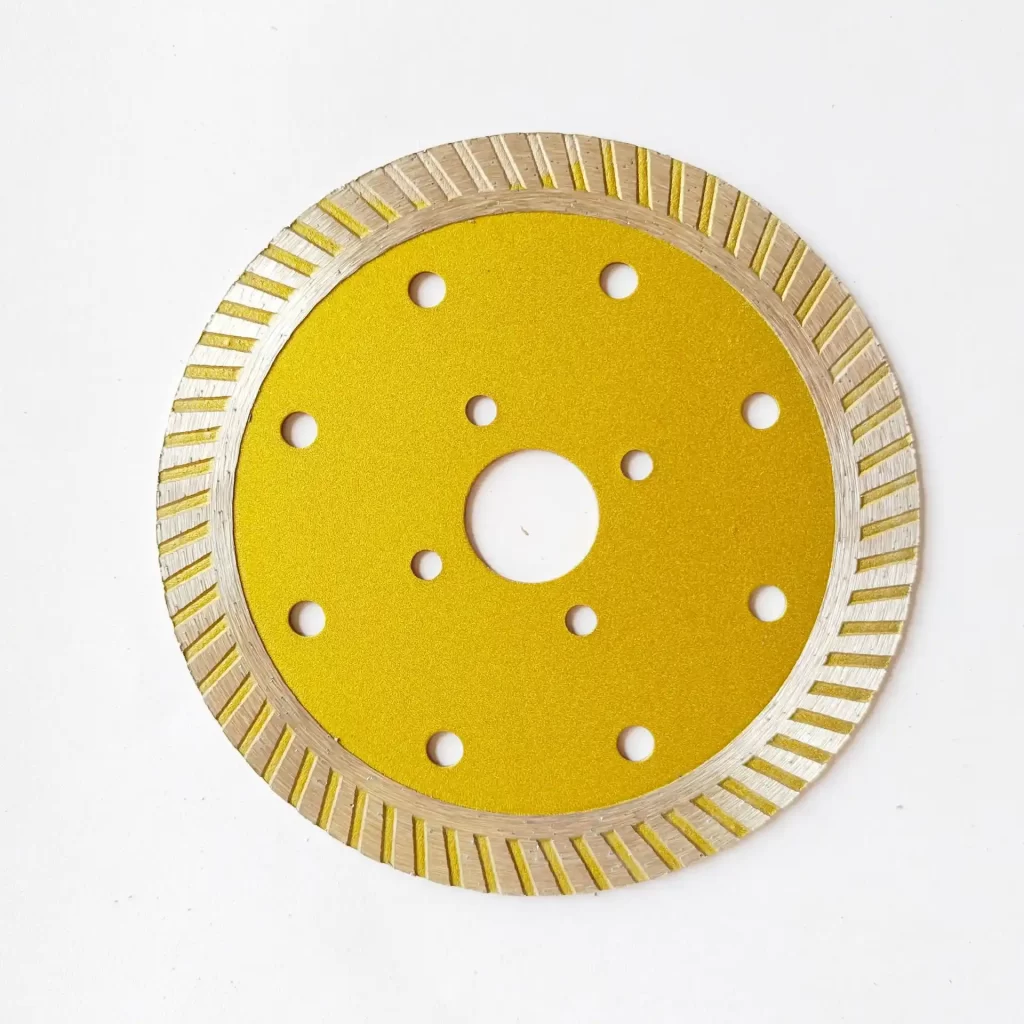
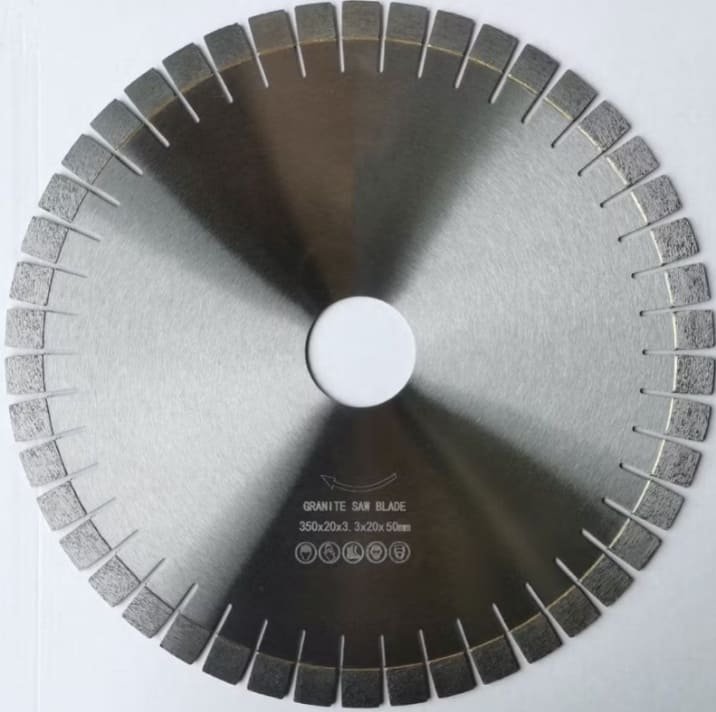
- Diamond Cutting Blades:
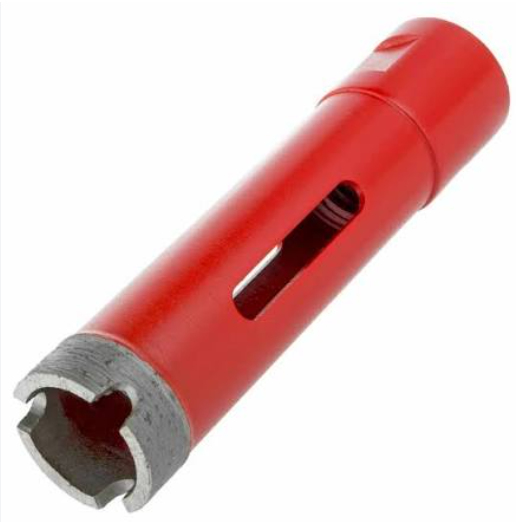
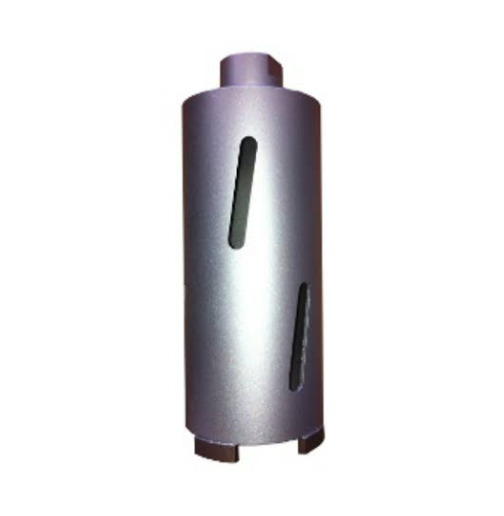
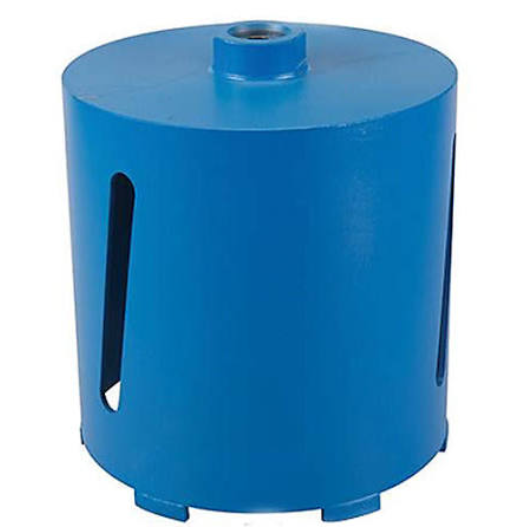
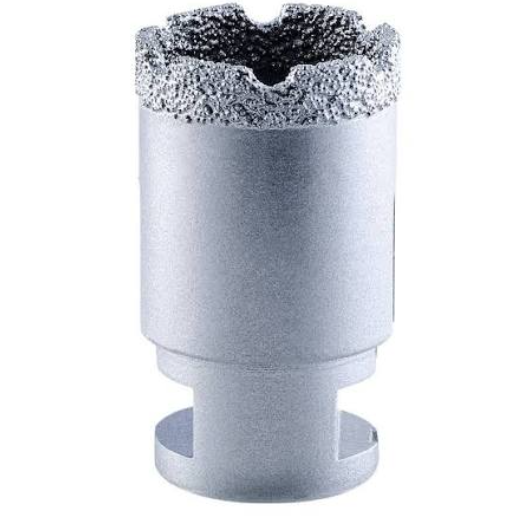
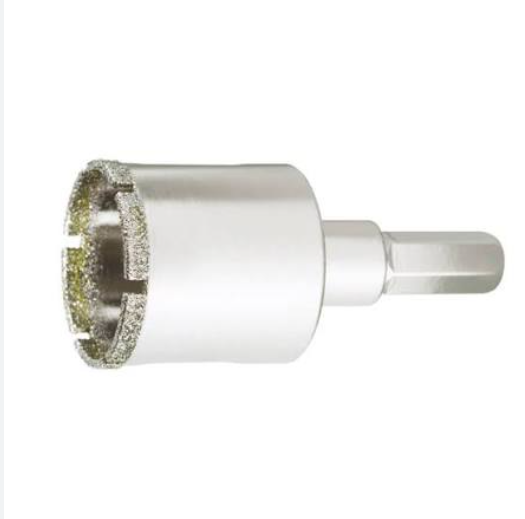
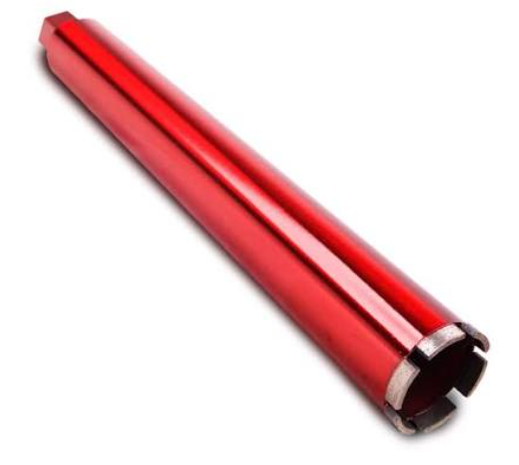
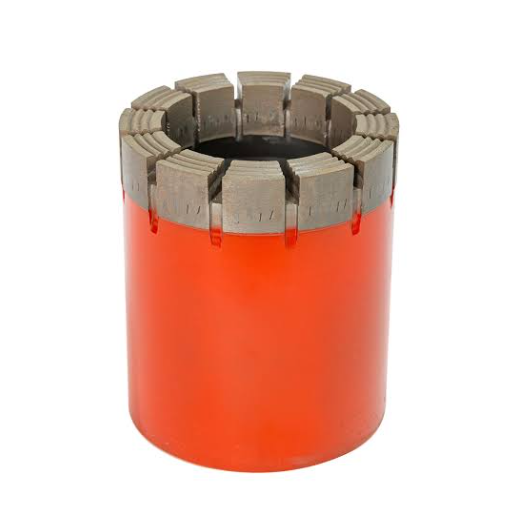
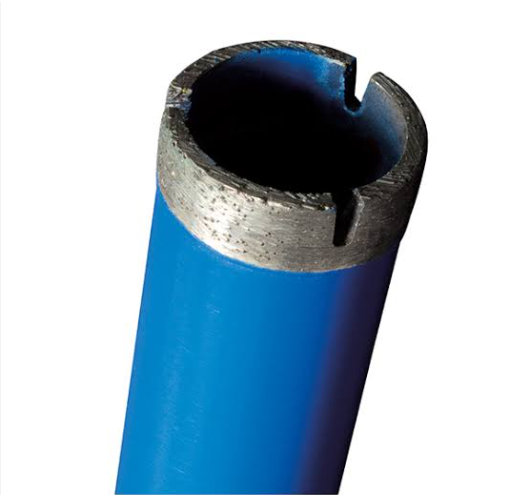
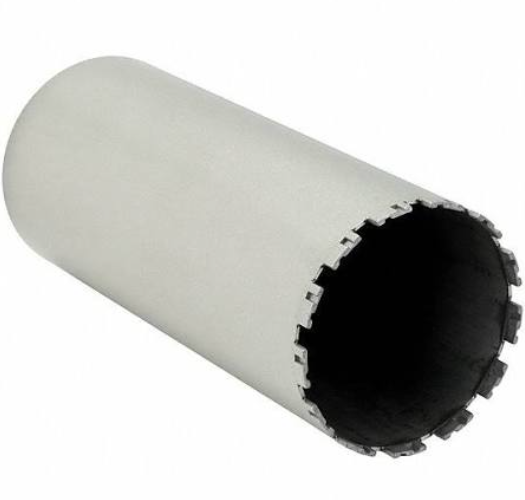
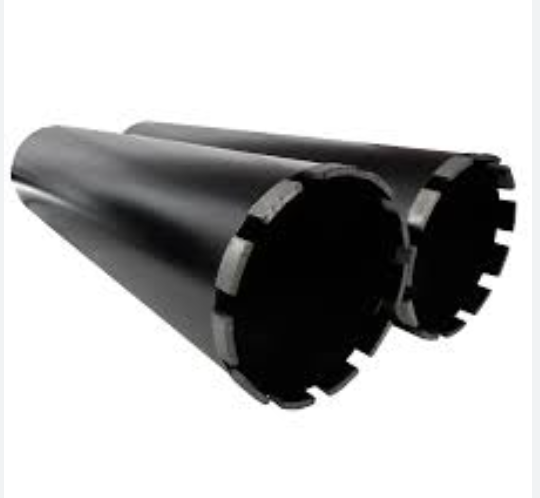
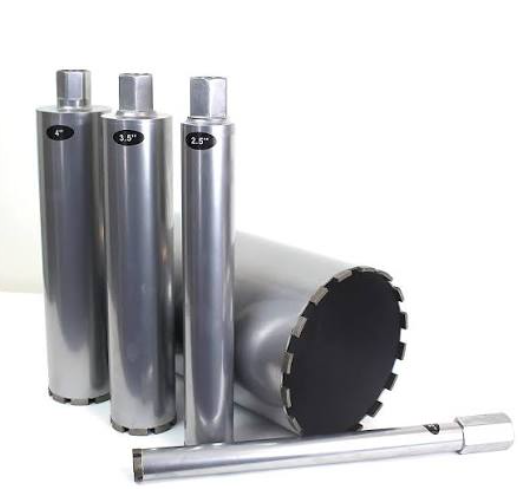
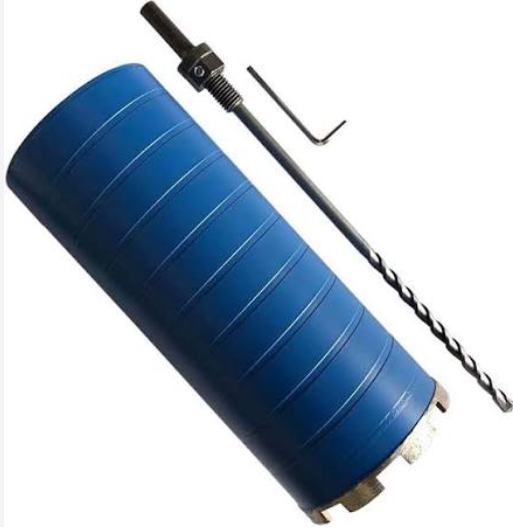
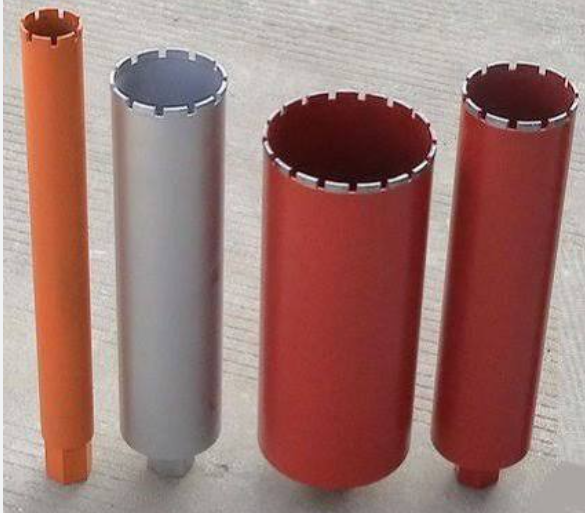
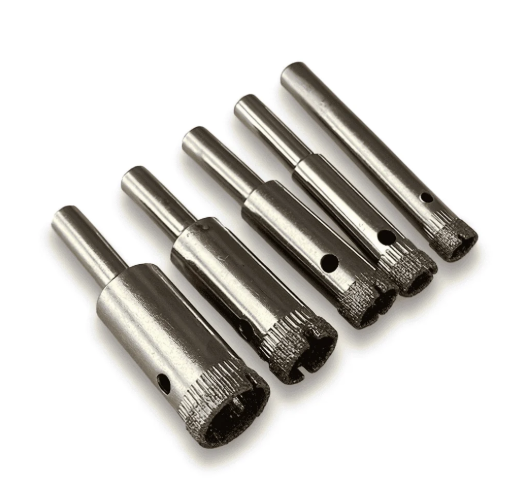
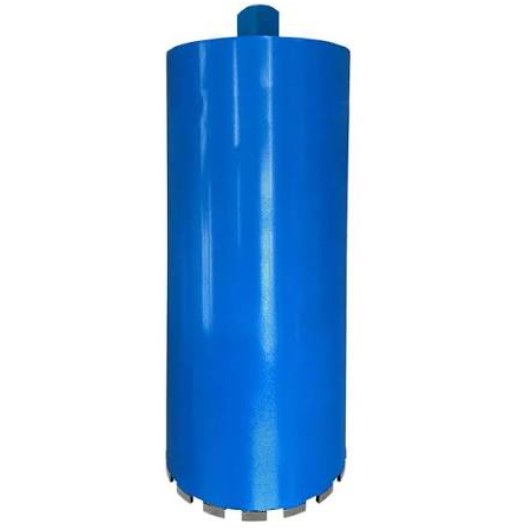
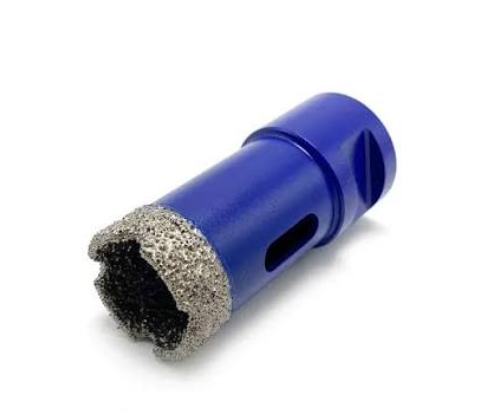
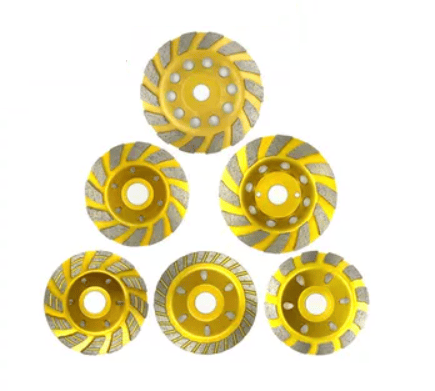
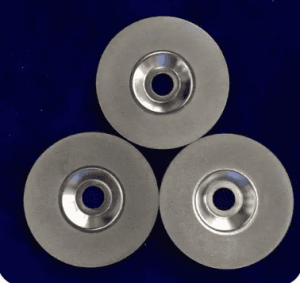
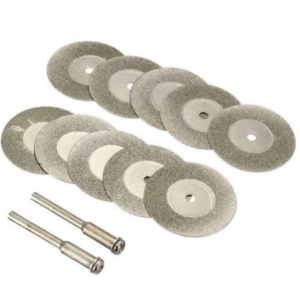
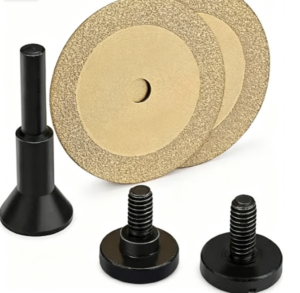
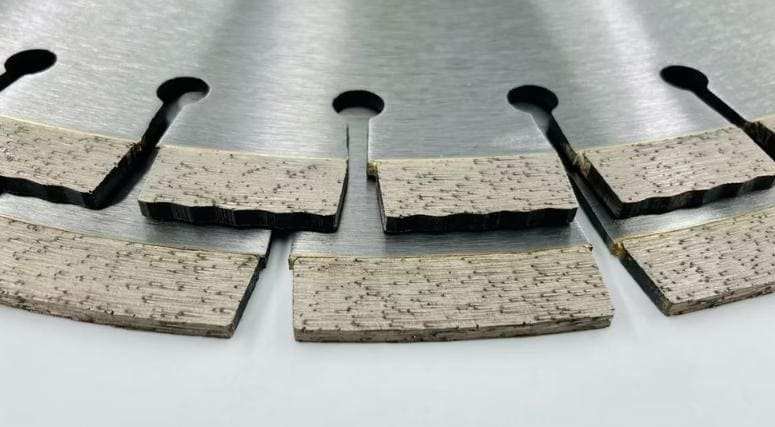
- Consist of steel core (base) and diamond segments
- The base provides structural support while segments perform cutting
- Diamond particles (the hardest known material) are embedded in metal matrix
- Ideal for hard/brittle materials: stone, concrete, ceramic, etc.
- Segments wear during use while base remains intact
Selection Criteria:
The appropriate cutting wheel depends on:
- Application type (cutting vs grinding)
- Equipment specifications:
• Fixed/mobile cutting machines
• Power rating (>5.5KW or <3KW) • Cutting speed (>80m/s or standard) - Material characteristics:
• Stainless steel, titanium alloys
• Carbon steel, non-metallics
• Viscous metals
Machine-Specific Recommendations:
- Standard Cutters (<3KW, 2900 RPM):
- For workpieces <50mm diameter
- Recommended: 3.2mm thickness wheels
- Thinner profile reduces radial friction
- High-Power Cutters (>5.5KW, 2800 RPM):
- For large-diameter workpieces
- Recommended: 3.8mm thickness for rigidity
- Water cooling extends blade life 1.5-2×
- Dry-cut versions contain cooling additives
Industry Trends:
- Hardness Advancement:
- Increasing demand for ultra-hard wheels
- Delivering high-precision, efficient cutting
- Structural Optimization:
- Increased active abrasive grains
- Extended cutting paths
- Larger contact areas
- These innovations boost material removal rates
Common Cutting Wheel Types:
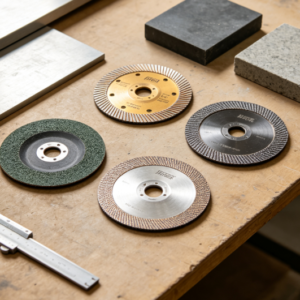
- Diamond Blades
- Best for stone/ceramics
- High efficiency & wear resistance
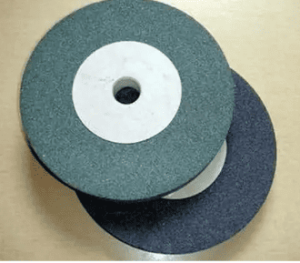
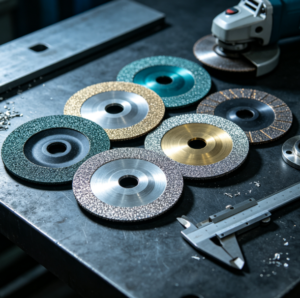
- Silicon Carbide Wheels
- Metal/wood/glass cutting
- Heat/corrosion resistant
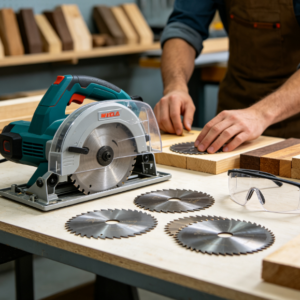
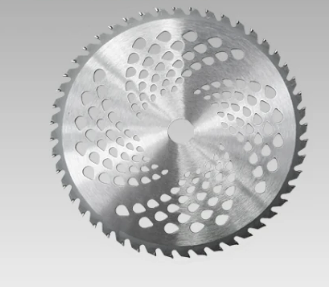
- Tungsten Carbide Blades
- Metal/wood applications
- High hardness, long lifespan
- HSS Cutting Wheels
- Aluminum/copper/iron
- Balanced efficiency & durability
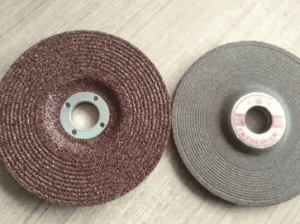
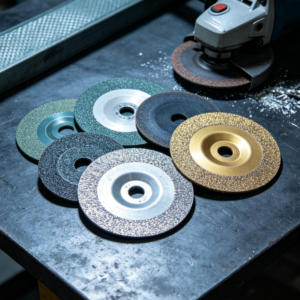
- Conventional Abrasive Wheels
- Economical option
- Suitable for DIY projects
Safety Note: Always wear proper PPE and follow operational guidelines when using cutting wheels. The selection should consider material hardness, thickness, and specific application requirements to ensure optimal performance and safety.
Post about Cutting Wheel:
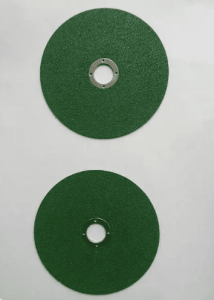
Cutting Wheel for Sale:

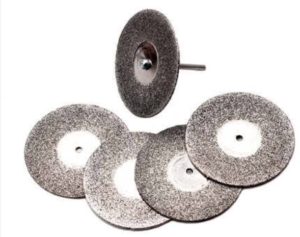
Demolition Hammer & Rotary Hammer
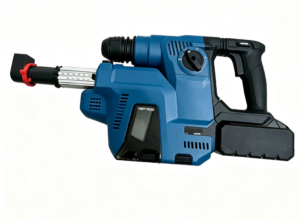
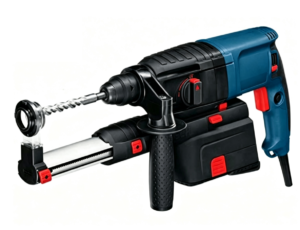
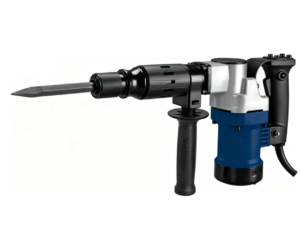
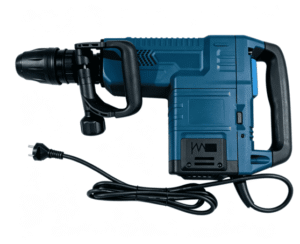

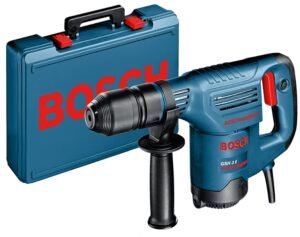
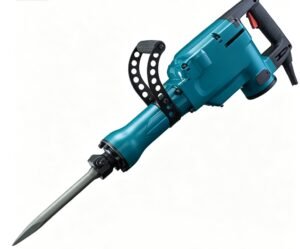





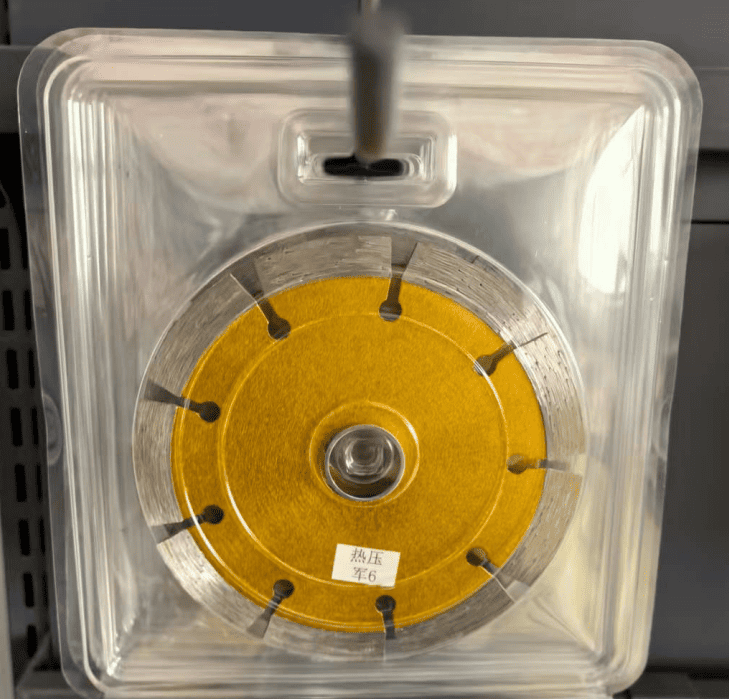
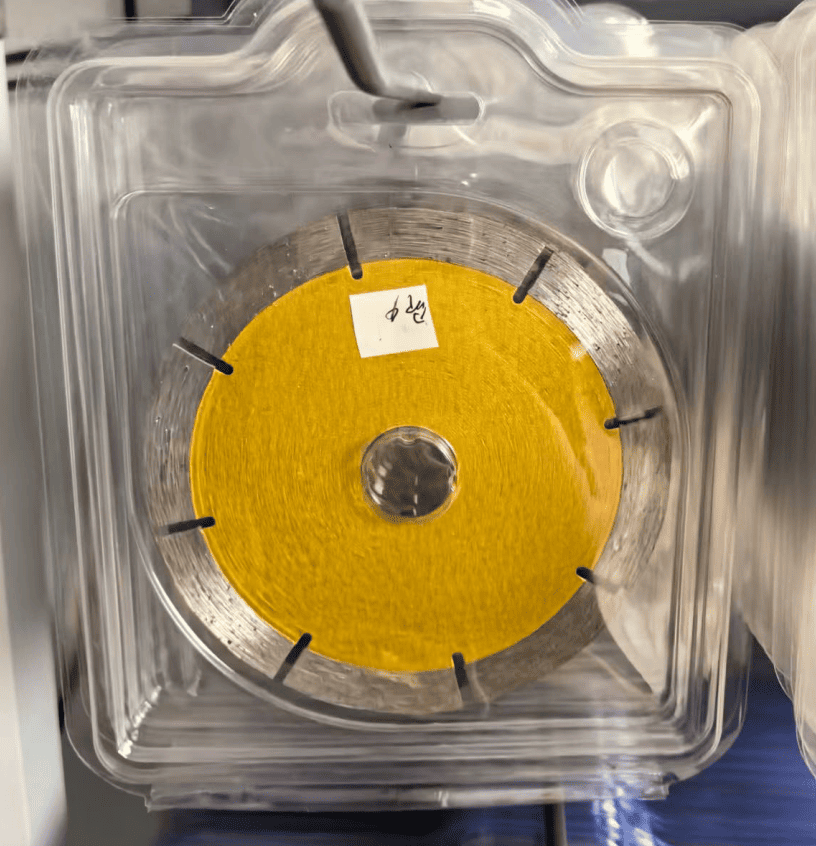
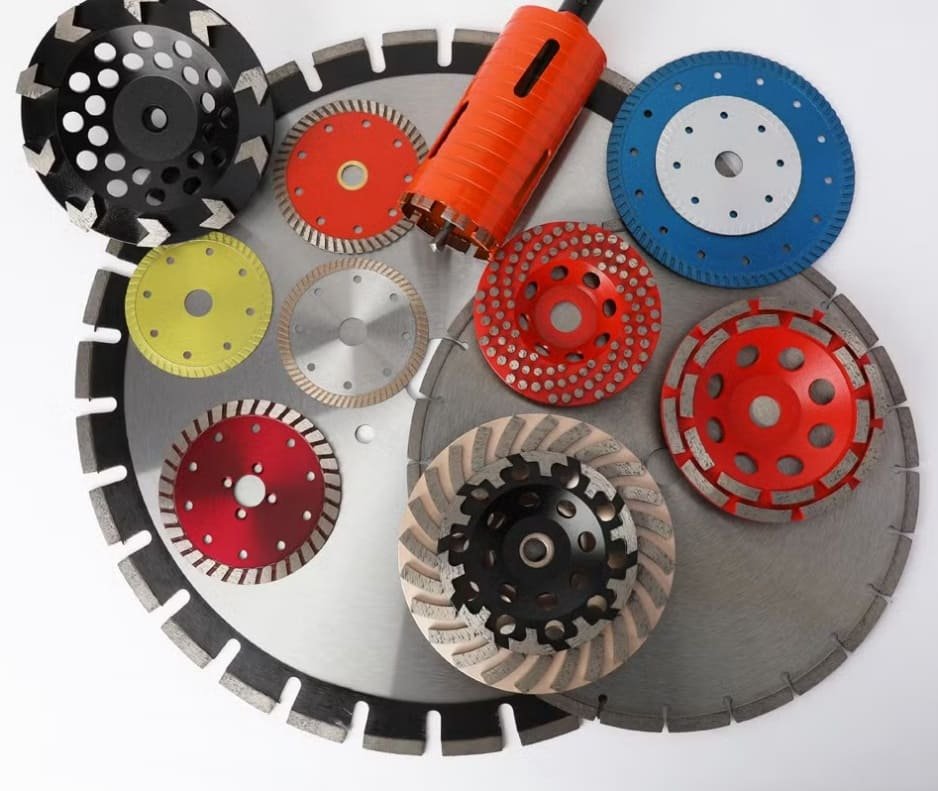
Diamond Blade


Welcome to call us
Contact Us to get quotation
Working Time: 8:00~17:00 Monday to Friday.
FAQ
Welcome to call us
Contact Us to get quotation
Working Time: 8:00~17:00 Monday to Friday.